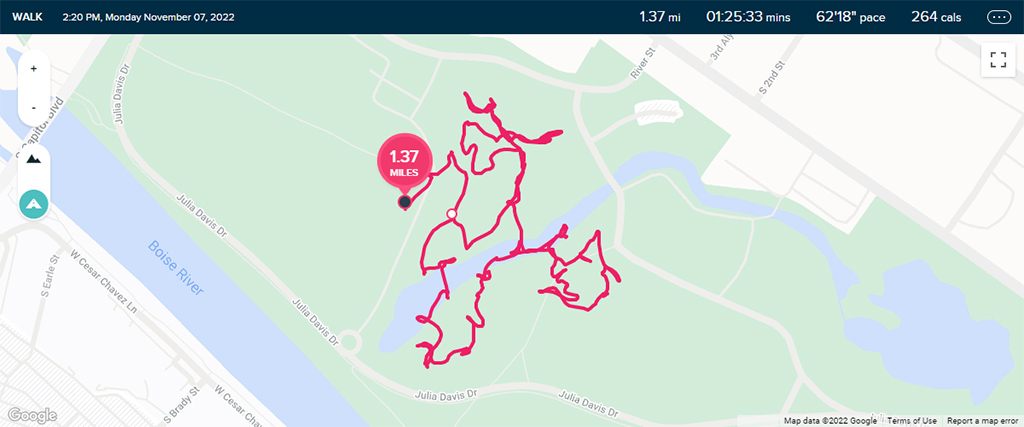
Hello, Old Idaho Penitentiary State Historic Site in Boise

Back when I visited Gillete, Wyoming, I stopped by the Wyoming Frontier Prison Museum, which I found to be particularly intriguing. Having pre­vi­ous­ly studied criminal justice and worked in law enforcement, it was interesting to see what incarceration was like decades ago when prisons had min­i­mal to no creature comforts.

Because of my positive experience back then, I was excited when I saw the Old Idaho Penitentiary was rated as one of the better tourist attractions in Boise, Idaho, and penciled a visit into my schedule.
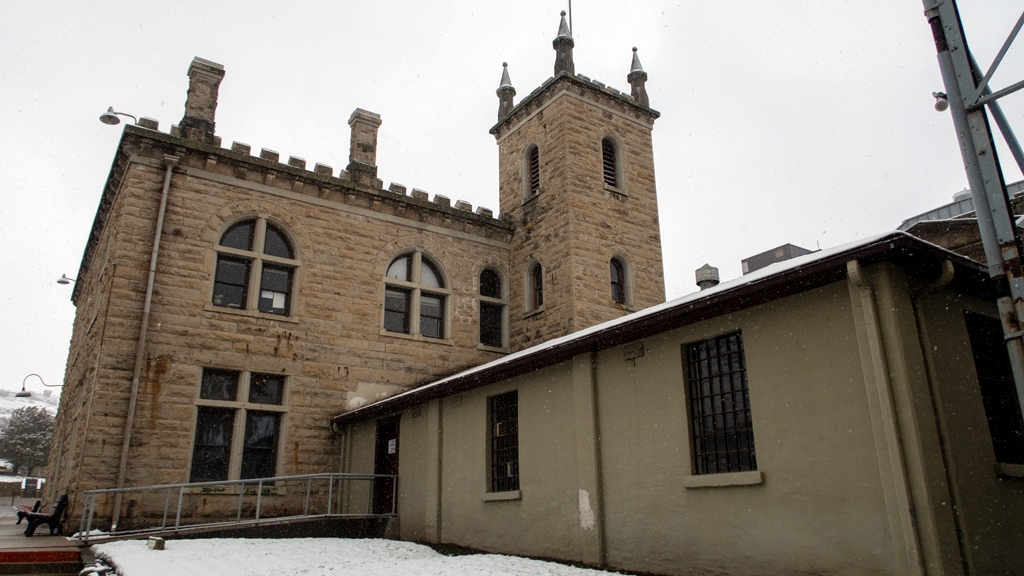
Admission was US$8.00, which I think was an $8 well spent. I was originally offered a US$2.00 add-on service for a guided tour, which I didn’t take be­cause the start time was, if I recall correctly, about an hour and a half away. They apparently usually run more guided tours, but tuned back the fre­quen­cy temporarily because there was recently a snowstorm and tourism wasn’t exactly booming.

Well, I ended up spending more than an hour and a half there. I guess I technically could’ve joined in on the tour, but by that point, I had already seen a large portion of the penitentiary, so I figured I would just finish walking through the rest myself.
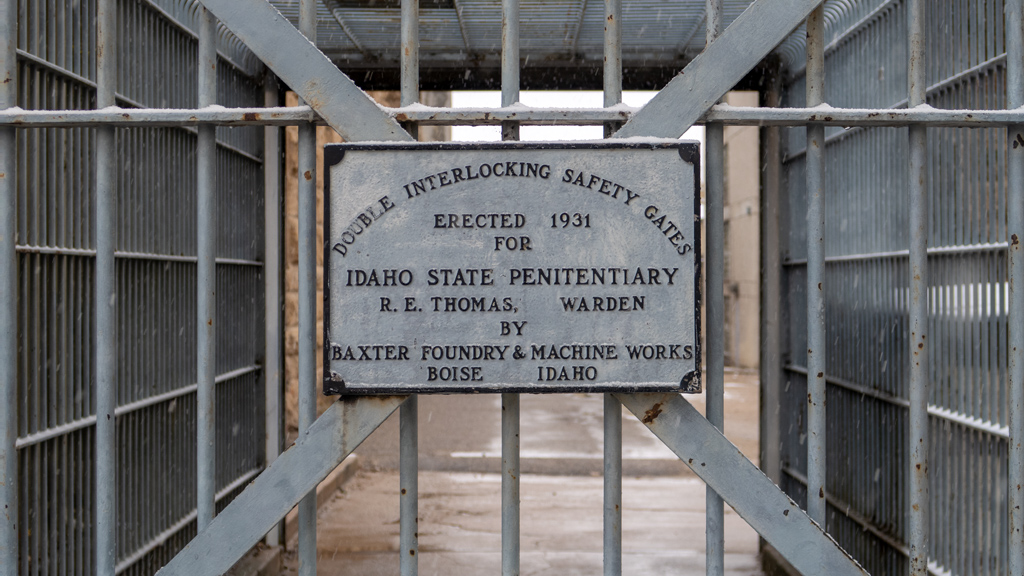
It was freezing cold and still actively snowing when I went to visit. Although there was little snow accumulation on the sidewalks, everything else was covered by a blanket of white. The snow made my visit a lot more surreal and immersive, as it really exemplified how harsh life was like here during the colder months of Idaho weather.

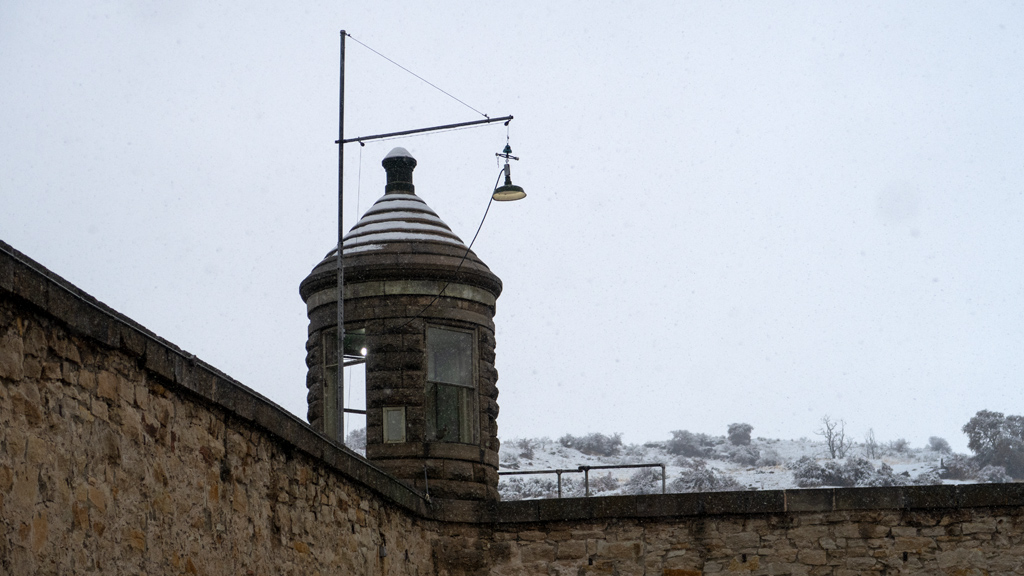
For some reason, I had trouble interpreting the self-guided tour map at first (even though it’s not actually really that confusing of a map). Because of this, after I left the administration building, I started walking around randomly and arbitrarily until I saw everything there was to see. One of the first things I took a look at was one of the watchtowers stationed in the northeast corner of the property.
A few buildings were left in their demolished state from the riots in the early 1970s. I don’t quite remember if the picture below is of the dining hall, commissary, chapel, or cell house, but all four of those buildings fell victim to angry prisoners at some point prior to the prison closing in 1973.

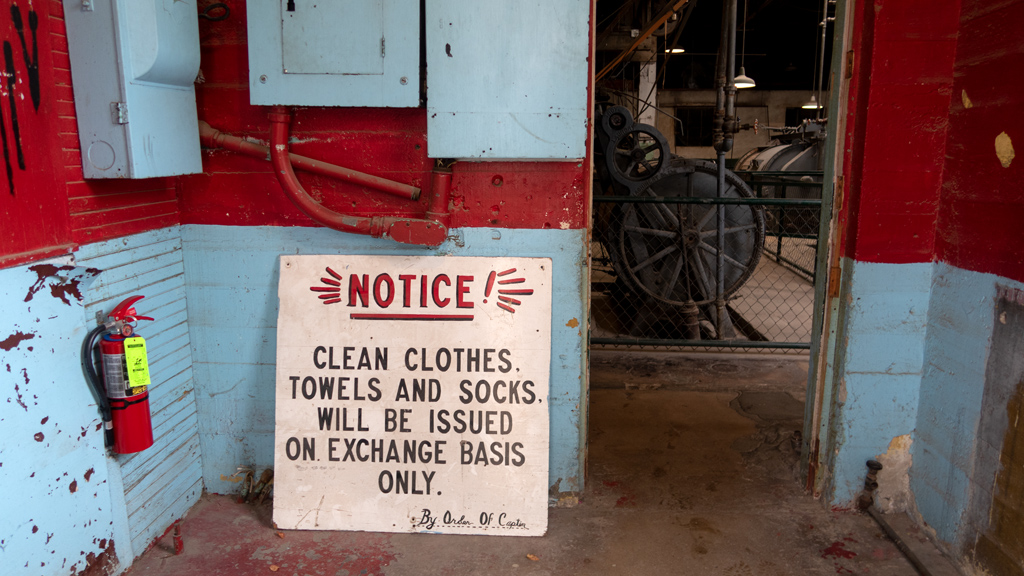
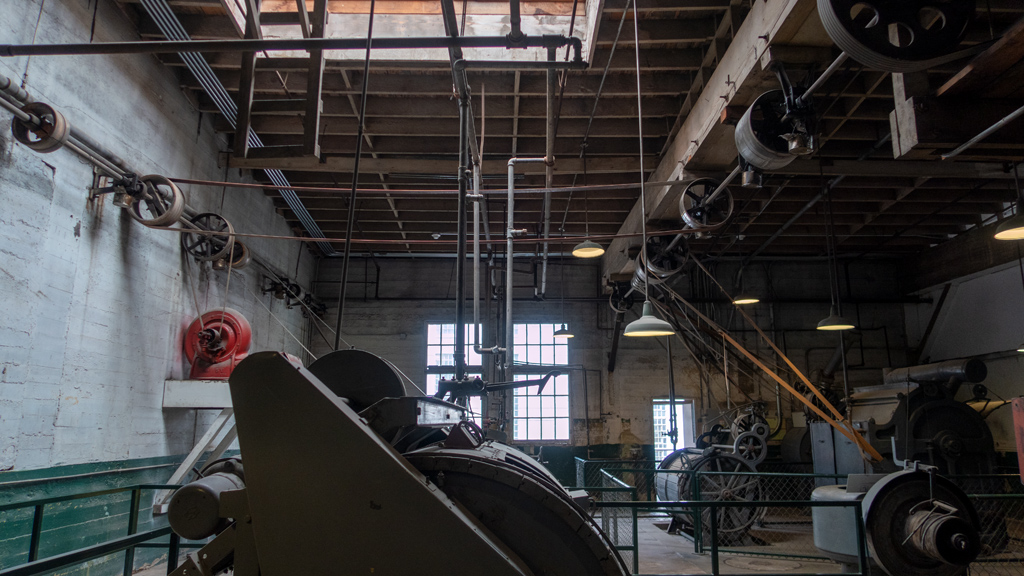
The shirt factory and loafing room building was accessible from multiple entry points, and it was the only structure that had working heat in some areas. This building still had the old laundry room (which was not one of the heated sections), and it still had all the old laundry equipment inside.
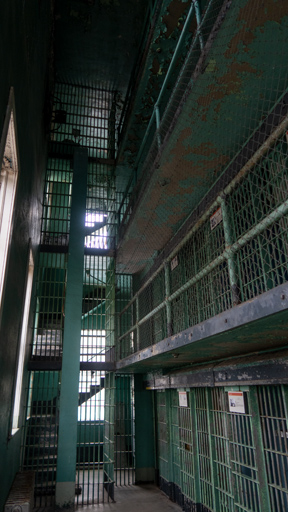
This is the “4 House,” which was the largest building that housed prison cells. There is also the “3 House” and “2 House,” which are smaller buildings, as well as the “5 House,” which I will show below.
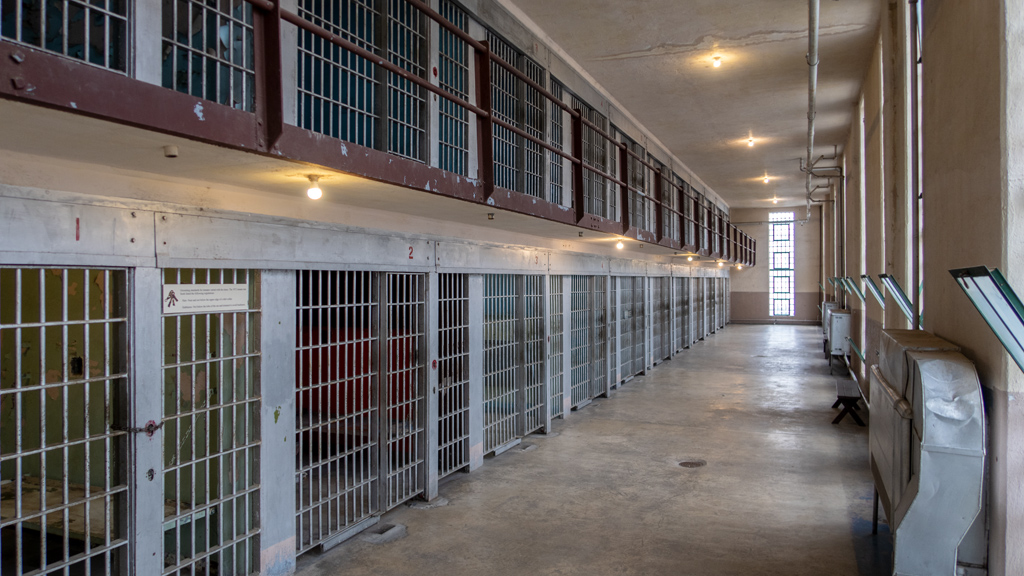
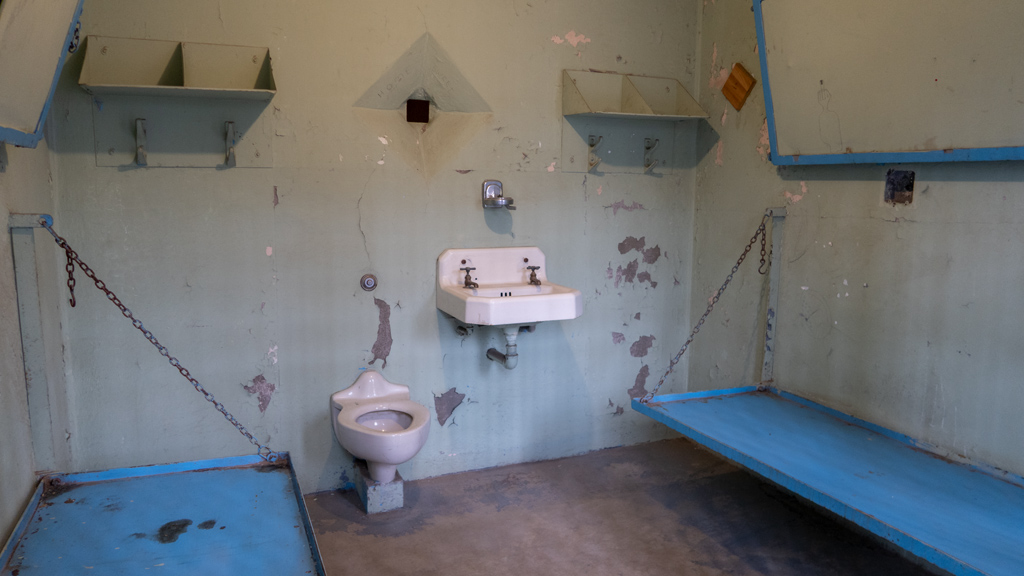
The inside of these cells looked very similar to what I recall seeing at the Wyoming Frontier Prison Museum. If the cell wasn’t so filthy and the paint wasn’t so tattered, I guess it isn’t too far off from modern-day cells as well… though that’s probably because there are only so many different ways you can arrange a bed, toilet, and sink in a small area.
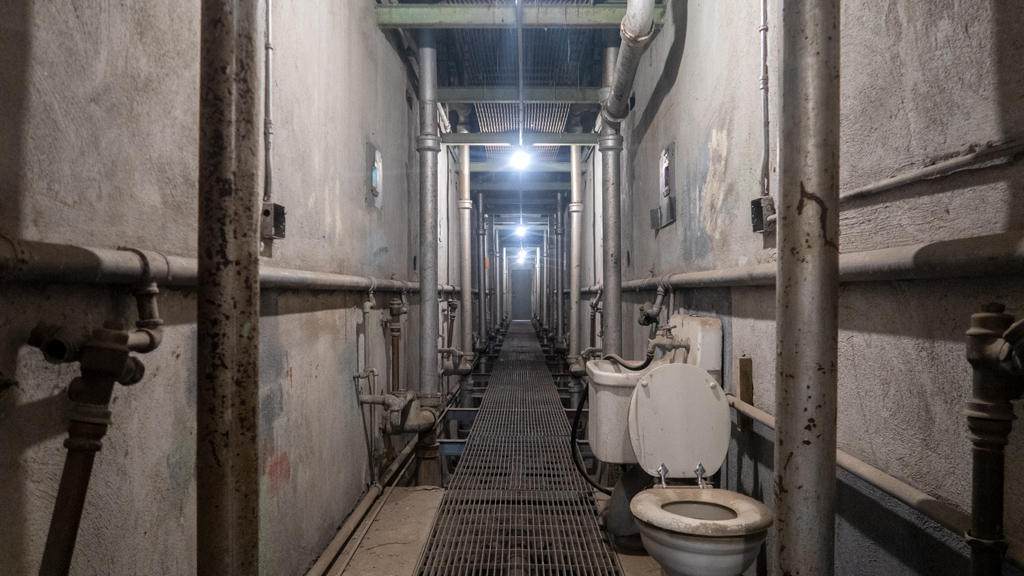
The rear hallway behind the rows of prison cells was also open for viewing; this allowed prison guards to easily monitor inmates on both sides of the build­ing effectively without having to walk in the front of the cell bars on one half of the building at a time.
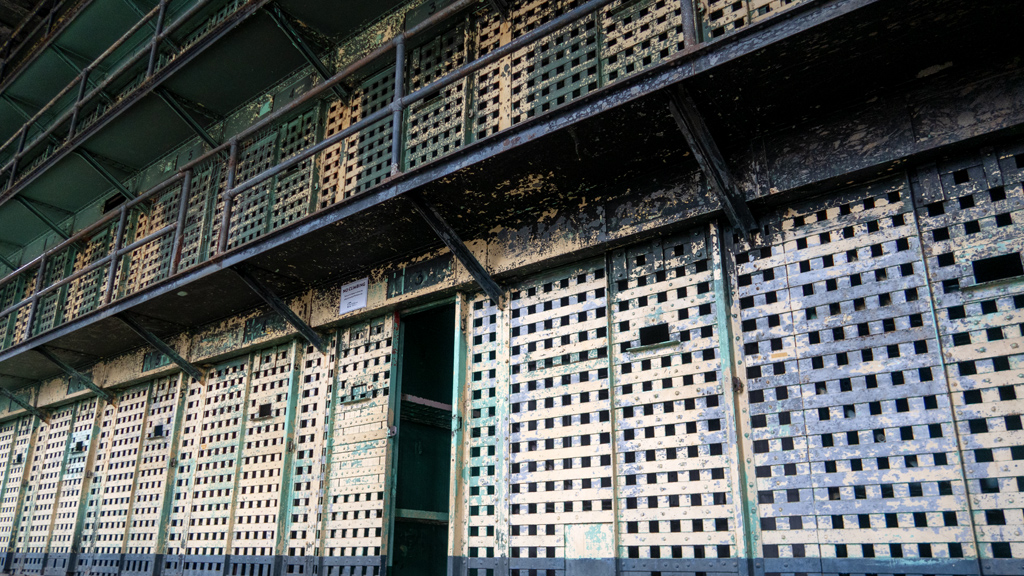
I don’t remember exactly why these cells were separated out, or why they were special enough for me to photograph, but my guess is that these might have been the dedicated cells for inmates who were on death row awaiting execution.

This is the “5 House,” also known as maximum security. (Or, there is also the possibility that I am getting my photographs mixed up, and I am just im­ag­ining that this is maximum security simply because the cells look more secure. Keep in mind that I didn’t follow a certain path and just kept wan­der­ing around until I saw everything, so it’s very possible that I am misremembering the route I took to visit all the buildings.)
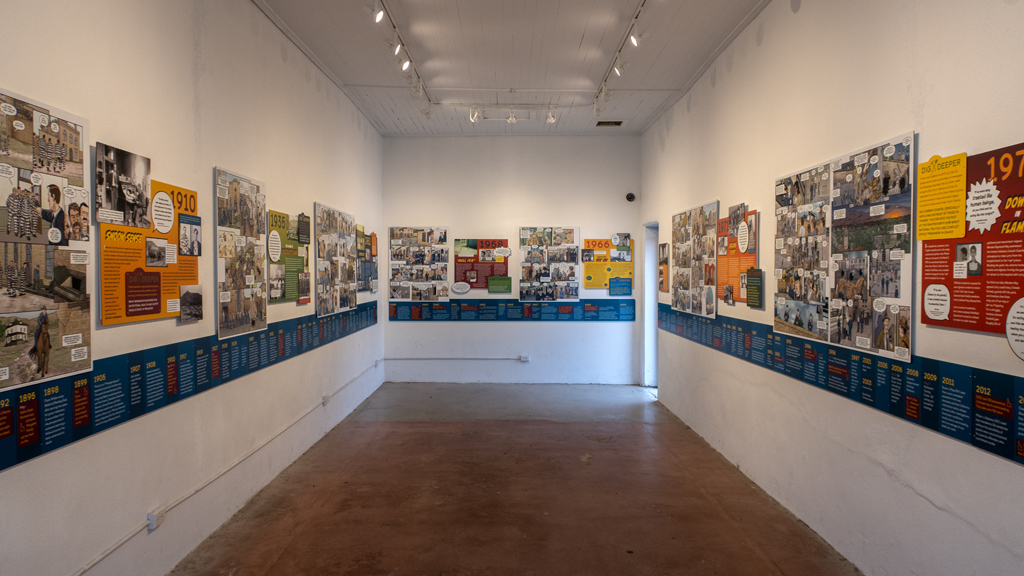
Over on the east side of the site, the barber shop was repurposed to display a timeline of the history of what happened at the penitentiary. I found this to be very interesting, and the medium of information transfer was great—there were comics threaded in between more text-heavy posters so that you could get drawn in by the visual representation of the most notable events, then be able to read more details right next to it.

The general idea of the story that was told through the comics was that conditions at the prison were horrid, and after losing patience with just dealing with it, prisoners tried to express their concerns to the prison management. After they realized their voices were basically being projected into the void, they started using violence and rioted in order to catalyze the changes the prison needed to be fit for human life.
Not pictured here were two additional attractions inside the heated building that I mentioned above. The first was an event space, which did not have an active event going on, but still housed a few interesting vehicles from what I imagine was the 1970s or so, around the time that the prison closed.

The second was the J.C. Earl Weapons Exhibit, which was basically like a very traditional museum that was not related specifically to the penitentiary, but had (as you’d expect from the name) many weapons on display from a wide range of notable historical periods.

I had a great time visiting the Old Idaho Penitentiary State Historic Site. I’m sure at least some of it had to do with my background and my personal interest in criminal justice, but I think a lot of it also had to do with the fact that the presentation was done very well.

I was fortunate to stumble across the “comic room” early, so I read through everything and was able to get some solid baseline knowledge of the history so I could then use that to understand what I was looking at around the site.

Even outside the dedicated “information buildings,” there were placards posted at notable hotspots that ex­plained why the area I’m standing in or the artifacts I’m looking at were relevant and important. One of the buildings (I don’t remember if it was the “2 House” or “3 House”) even labeled each of the cells with the name of the prisoner who lived there and a brief description of the crime they committed, which made it feel even more immersive.

Unfortunately, it seems like I missed visiting one building, which was the women’s ward—I originally didn’t notice it because it was outside the fenced area, and only realized it existed after I looked back on the map later to organize my photos.

I definitely acknowledge that visiting a prison as a tourist activity isn’t for everyone, but if you don’t get grossed or weirded out too easily, I would recommend checking it out if you’re ever in the Boise area. It’s not something that I’ve noticed a lot of other cities have available, so it could be a rare opportunity to experience something that you might not otherwise have a a chance to do elsewhere.
 

—§—


Hello, Zoo Boise in Idaho

I’ve been to quite a few zoos now all across the United States. There have been some nice ones and not-so-nice ones, but usually, they all seem fairly well-maintained and cared for.
As my first tourist activity in Boise, Idaho, I decided to go to Zoo Boise, and it was a very unexpected ex­pe­ri­ence. It is currently late autumn and nearly wintertime, so it’s definitely off-season, but I didn’t ex­pect it to be quite so… “aban­doned.”

Pretty much every zoo and aquarium that I’ve been to before has been fairly busy and bustling with peo­ple, and oftentimes, there are a lot of children running around. Zoo Boise was completely different—there were barely any other people there, and throughout my whole time exploring the premises, I saw a grand total of three other groups.

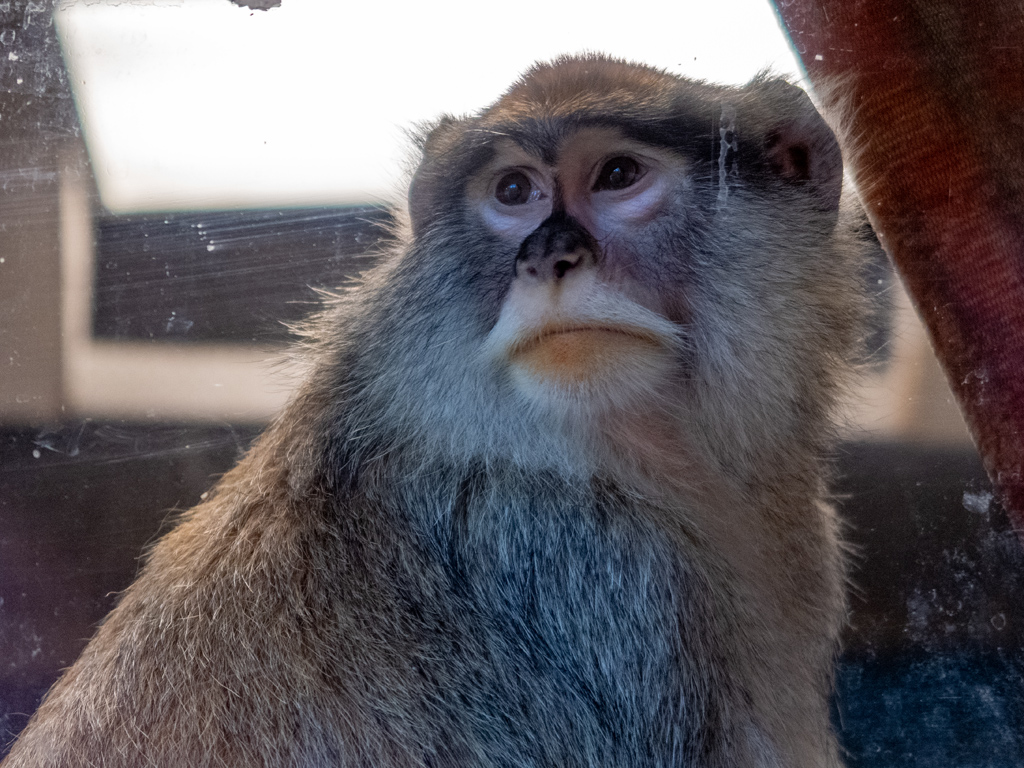
The animals didn’t look neglected or anything, but they definitely didn’t look happy or excited. Most of them were just sitting around idly and appeared completely unstimulated by their environment (except for one baboon that I’ll show later).

There were also very few staff members around. Usually in zoos, there are many employees present tak­ing care of the animals and interacting with visitors to teach them about the animals, but throughout my whole visit, I only saw two employees who, at the time, were transporting some equipment to a different area in a wheel­barrow and cart.

The upside of all this is that, with almost nobody else around, I had a substantial amount of freedom to stick around at the exhibits waiting for great photo opportunities without feeling like I am interfering with the experience of others. On top of that, with pretty much no staff members around to enforce the rules, I was able to climb over wooden and mesh fences to get extremely close to the animals and capture even better pictures.

 
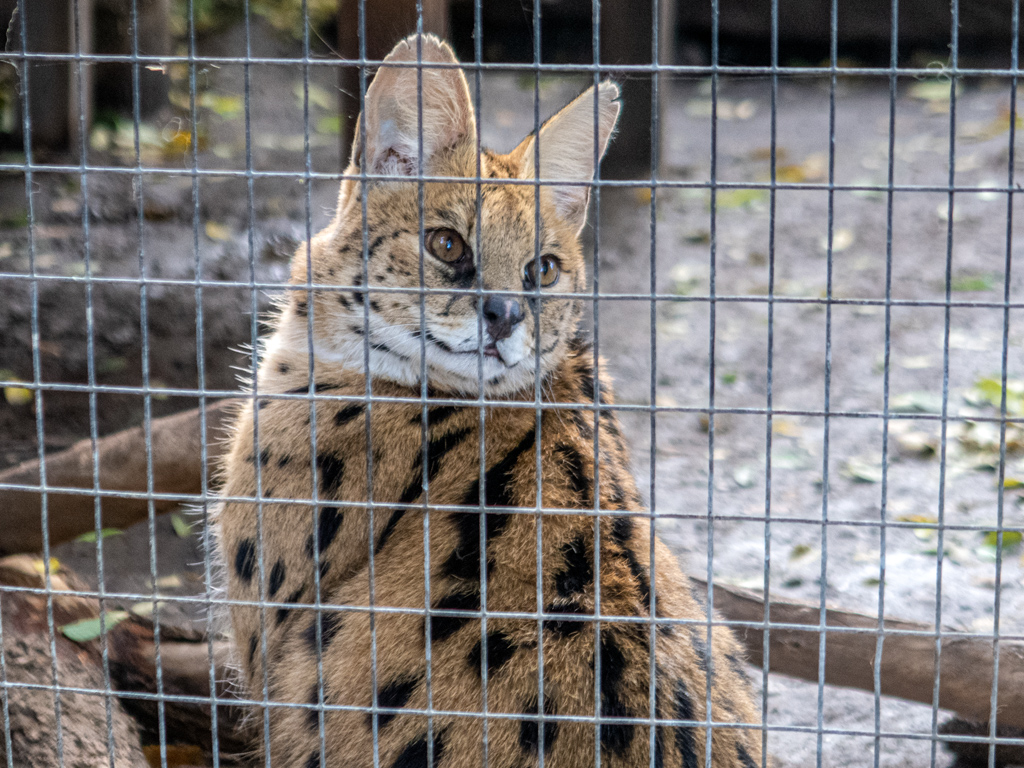
Near the entrance was a serval. He turned around to look back at me when I approached, but after he realized that I’m not there to feed him, he turned back around and just stared into a corner.

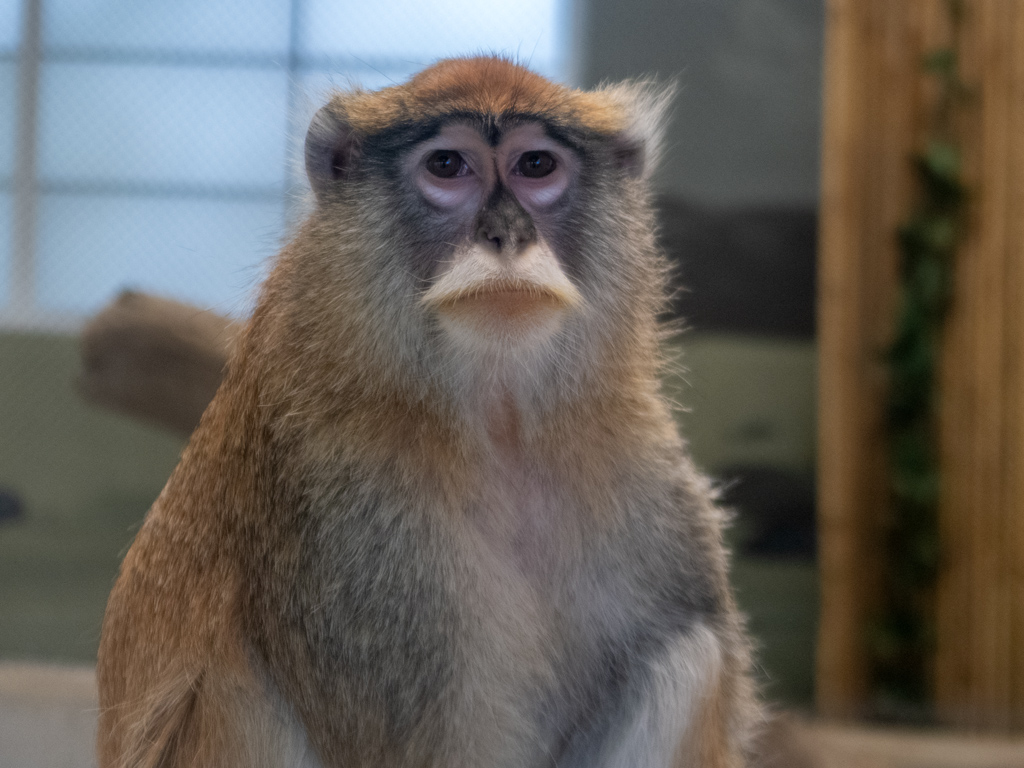
Across a bridge were a pair of monkeys. They had a somber look, staring off into the distance.

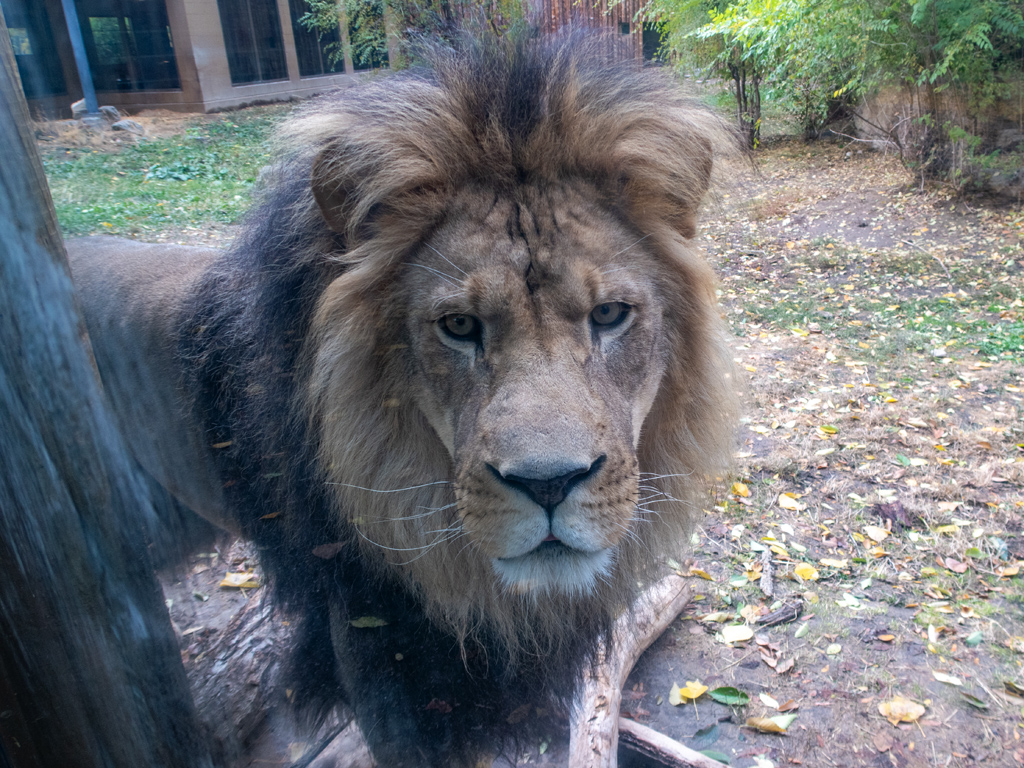
Next up was the lion. The map implied that there was more than one, but I only saw one pacing back and forth by the glass looking pane.

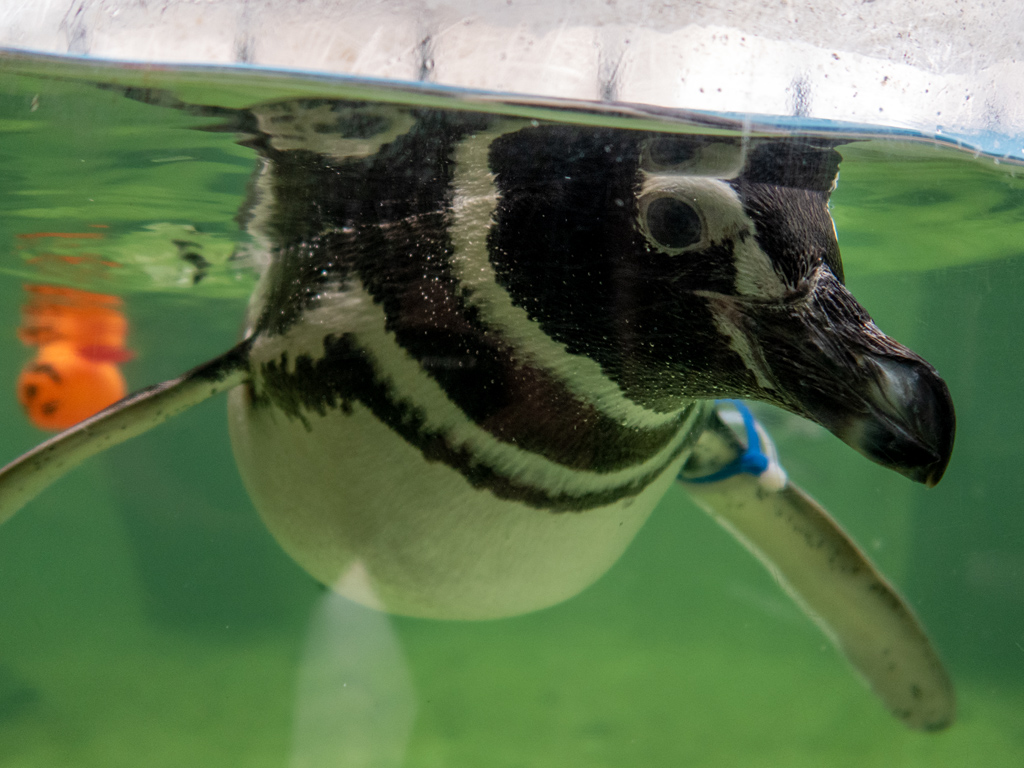
Near the lion was the penguin pavilion, where I patiently waited until a penguin swam right up to the glass.

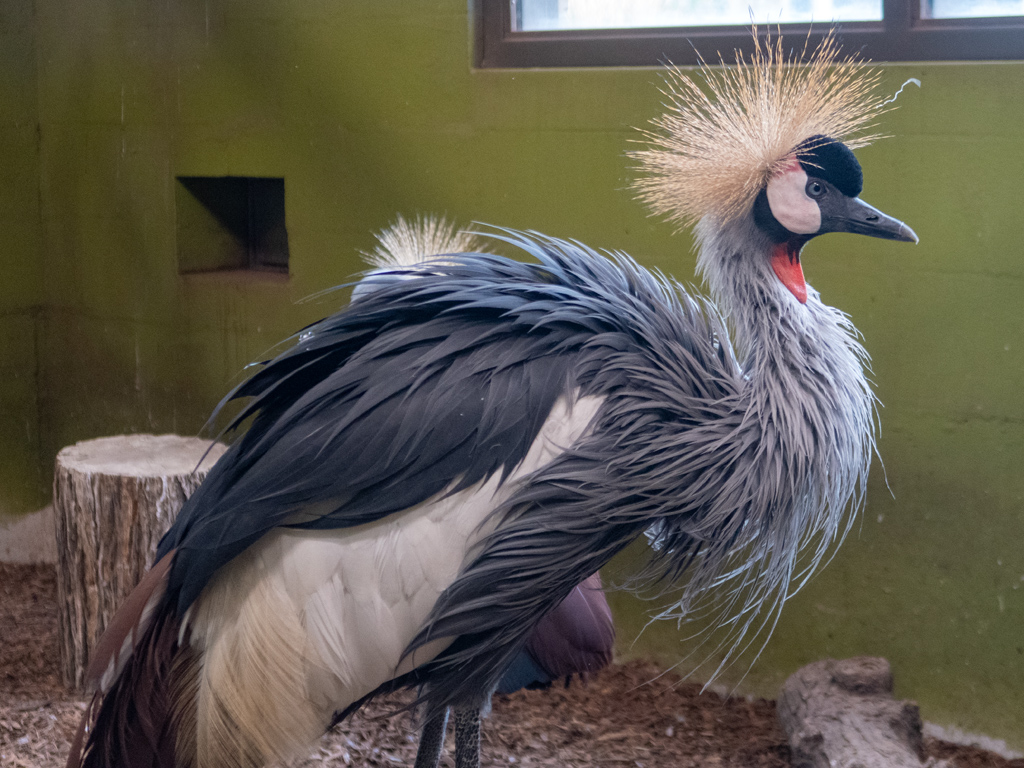
There was an indoors section called the African Schoolhouse where there were some exotic birds.

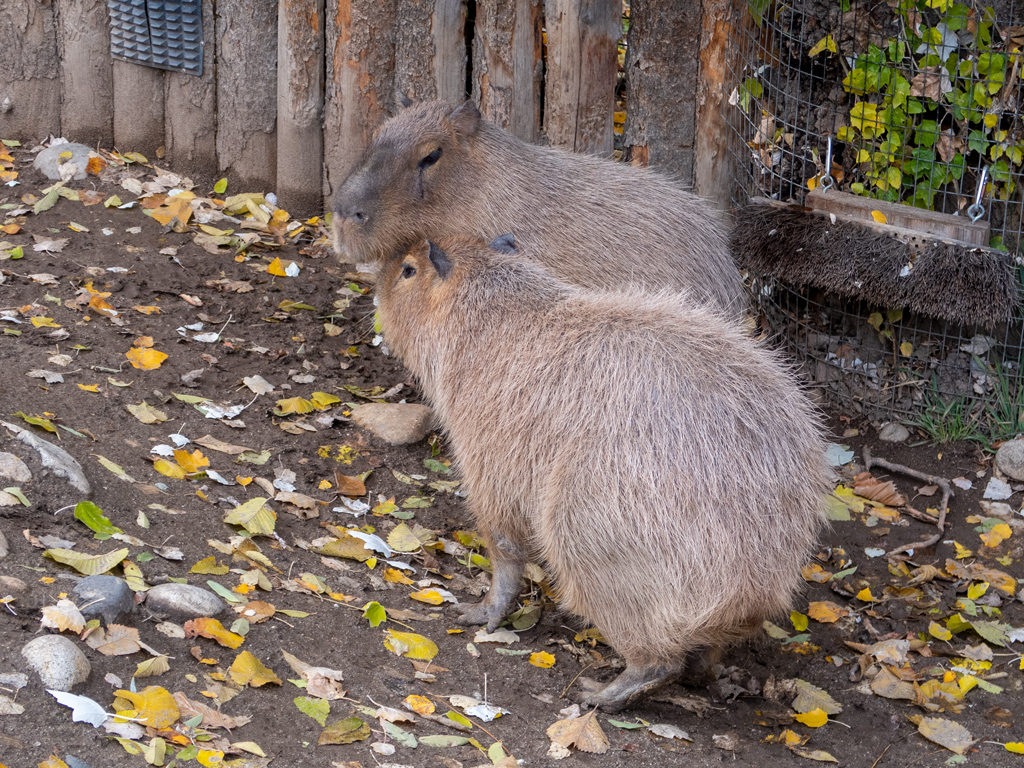
This is Nyala and Hornbill, two capybaras. I know their names because, on the map, they labeled this area of the zoo with their names, rather than using their generic species name like they did for every other animal.

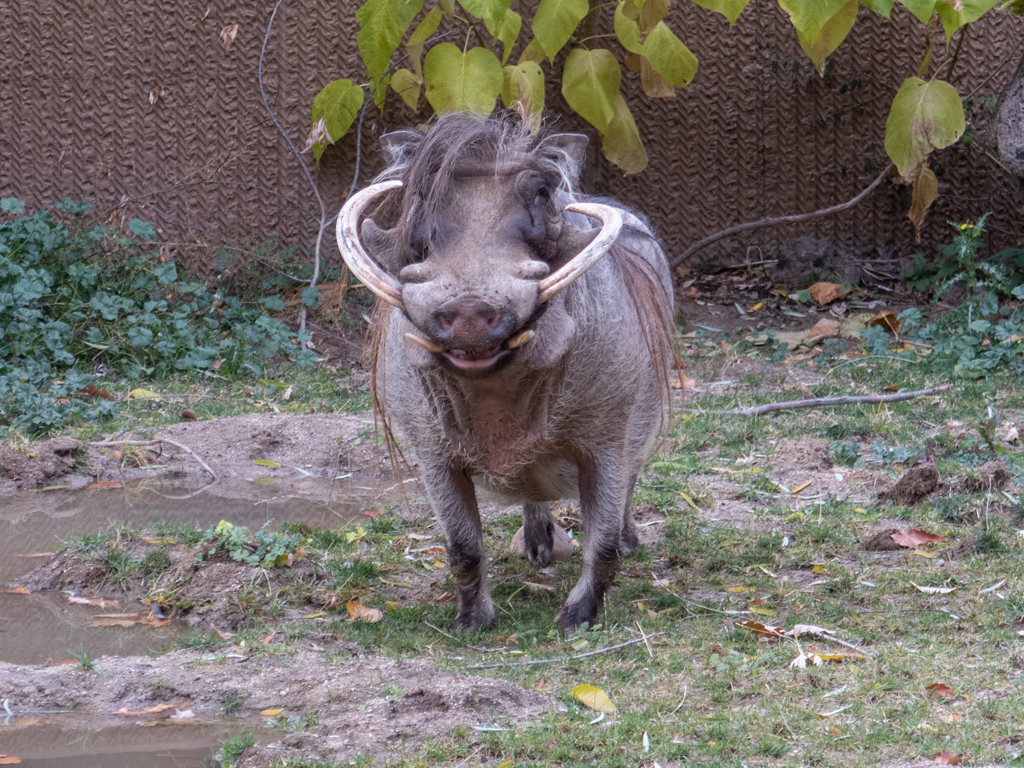
Nearby was the warthog area. The warthog was very far away, so I got as close as I could to the fence, zoomed all the way in, and snapped a bunch of pho­tos in hopes that at least one of them was in focus. I don’t know if the warthog was doing this on purpose, but in the final photo of the sequence, he was smiling.

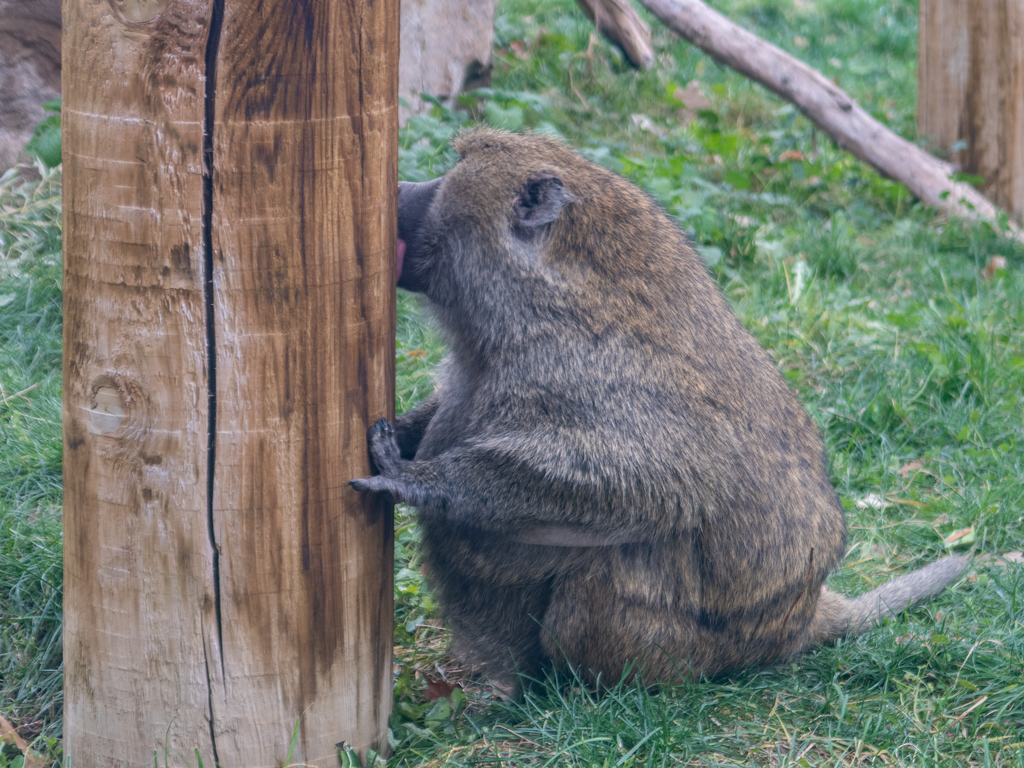
Here is a baboon licking a wooden pole. This was the only animal I saw that was actually interacting with its environment, as opposed to just idly sitting or laying around.

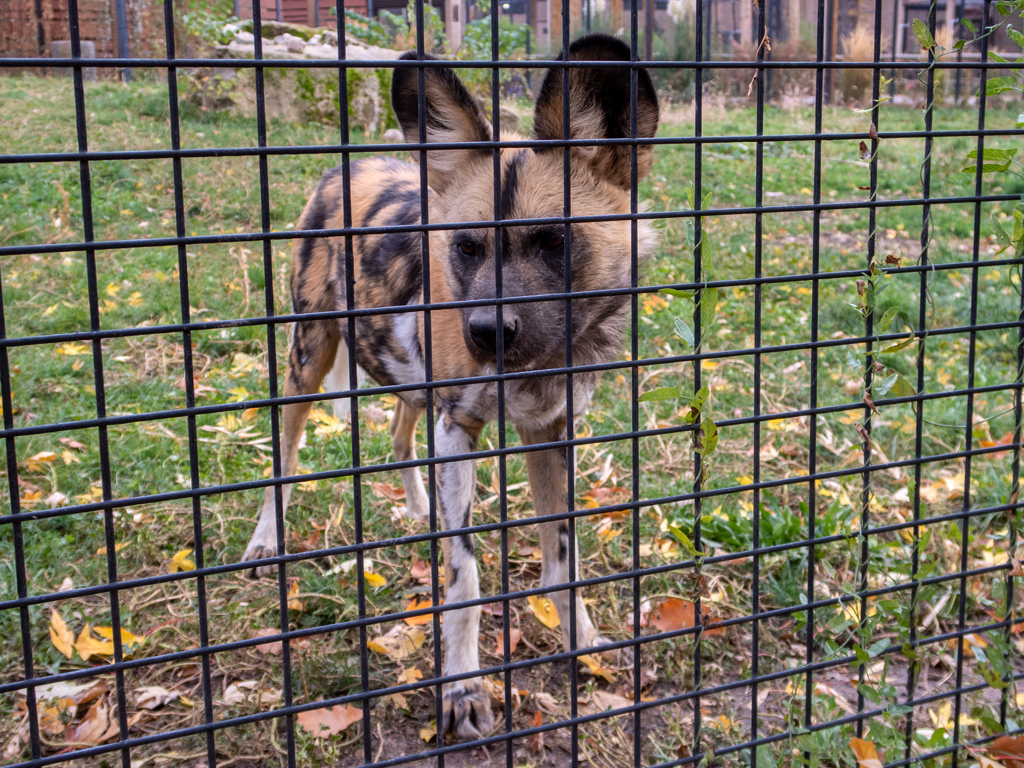
The hyenas were a bit more fun to watch—there were a group of four of them, and they walked around a bit in between laying down on the grass and on top of rocks. One of them got brave enough to separate from the group and come approach me.

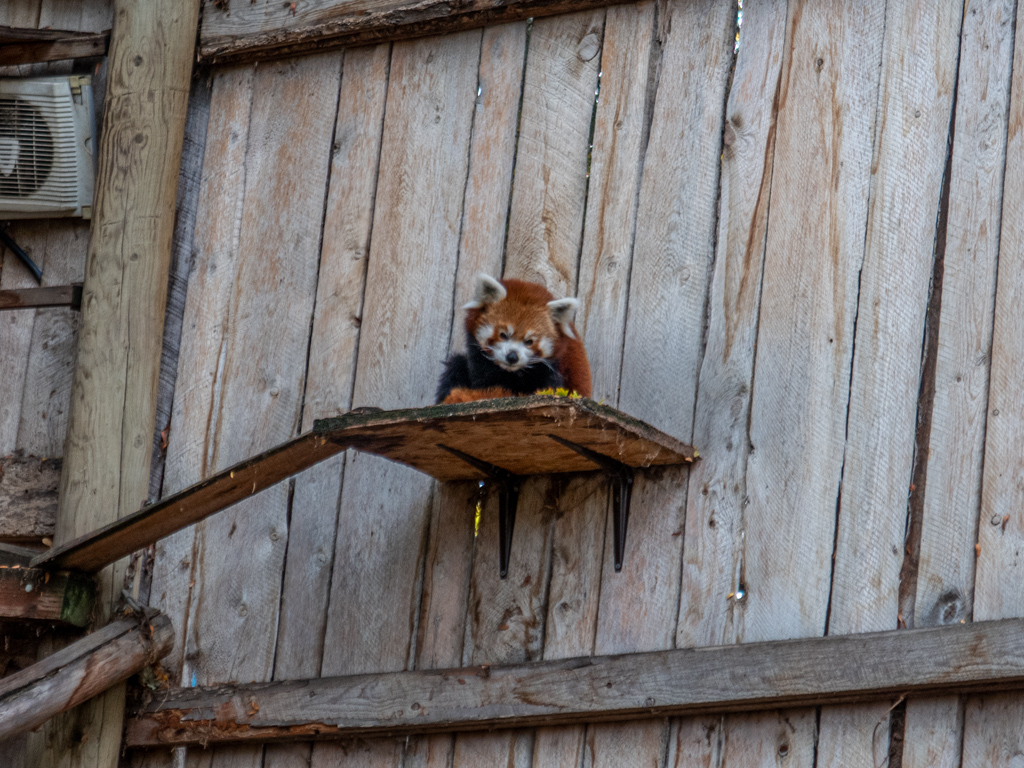
While walking through the final section of the zoo, I saw a sign for a red panda enclosure. There were many enclosures that were empty, and I couldn’t im­me­di­ate­ly find the red panda, so I assumed this one was empty as well, but after closer inspection, I saw one perched in the far back corner.

And finally, I concluded my zoo trip by watching this tiger taking a nap in the grass.

Although the zoo was a bit disappointing, I feel like I was able to effectively make the best of the situation. Admission was only US$9.00, which is, on av­er­age, less than half the price of other zoos I’ve visited (and even less if you consider the huge spike in inflation lately).

It was almost as if I was able to have a self-guided private experience. Even though I wasn’t able to see a wide variety of different animals, I got to have extended observation, and capture many good photos, of the ones that I did have an opportunity to see.


—§—


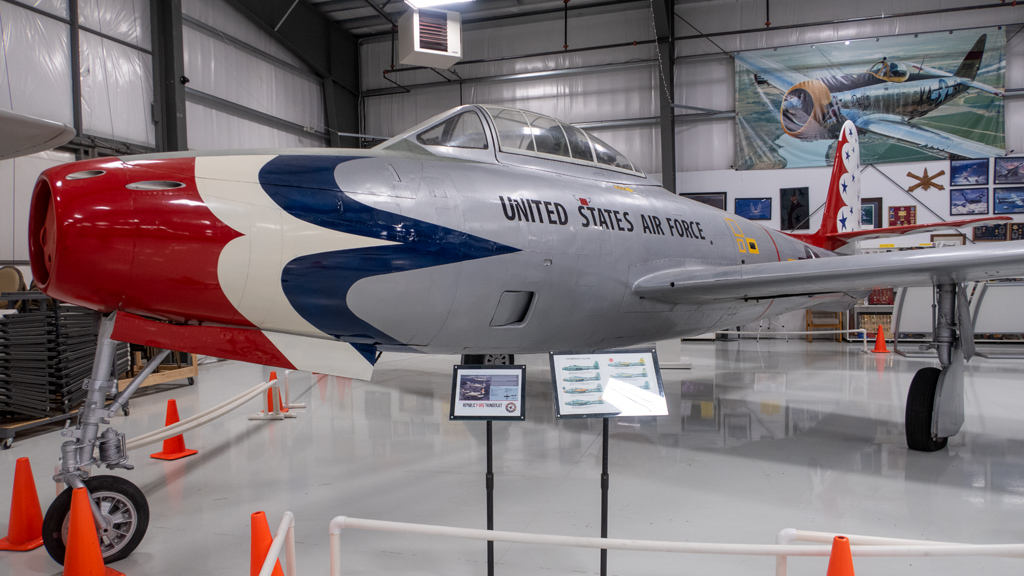
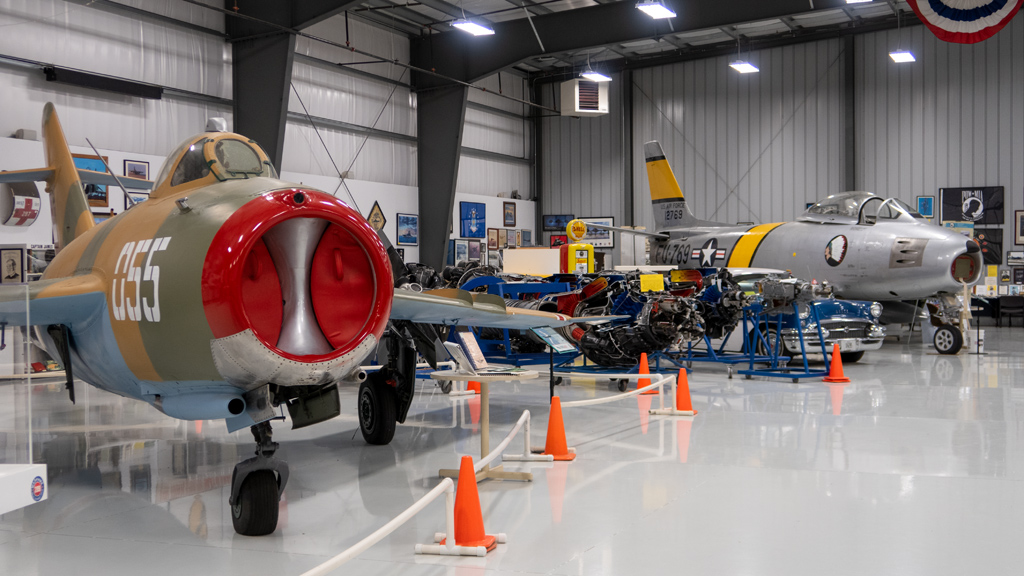
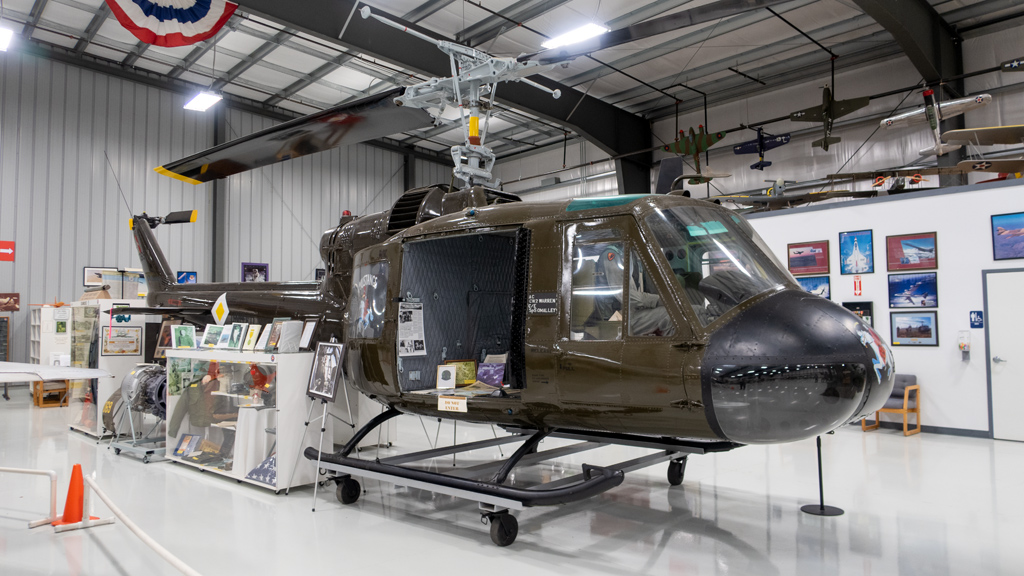
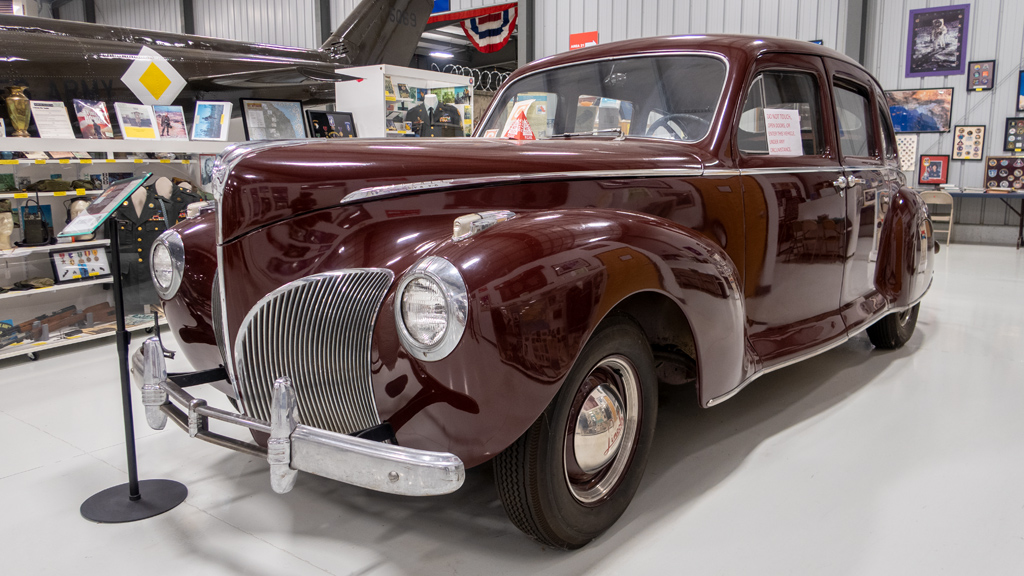
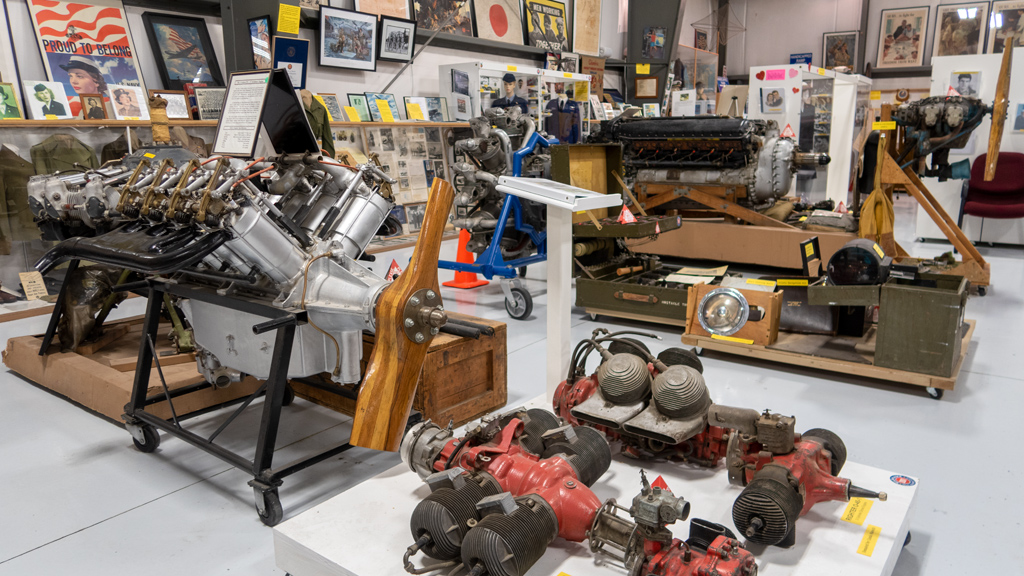
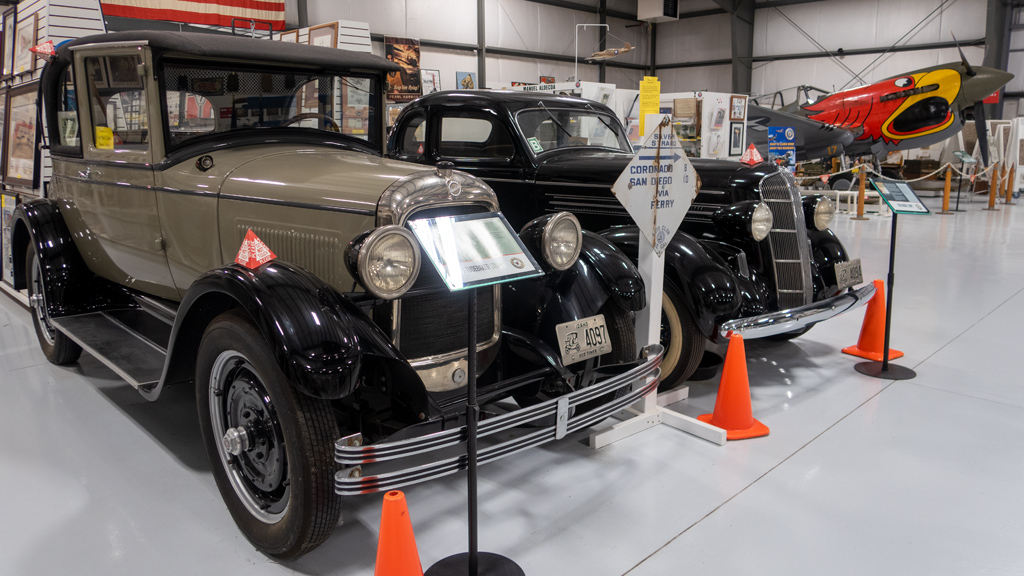
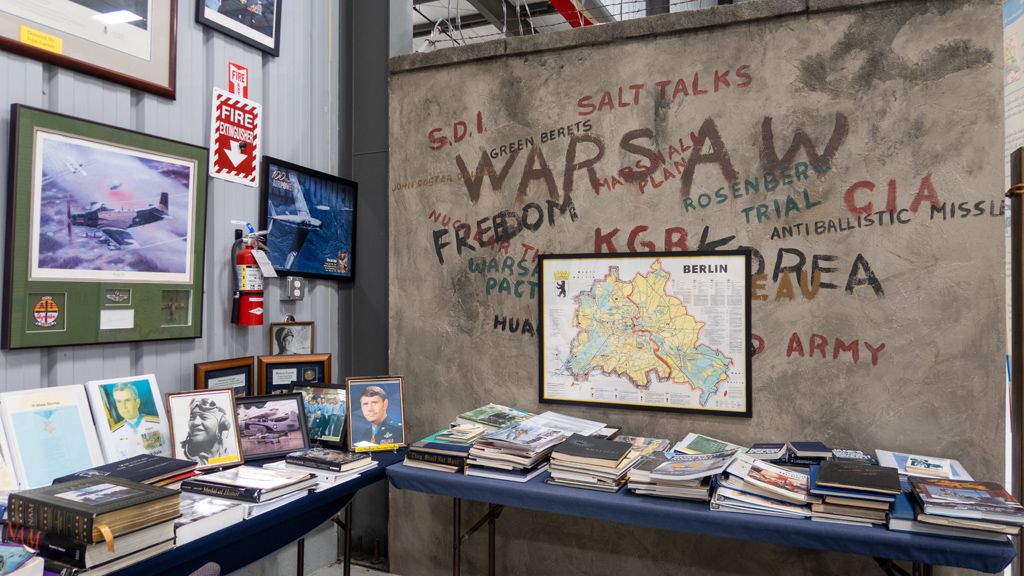
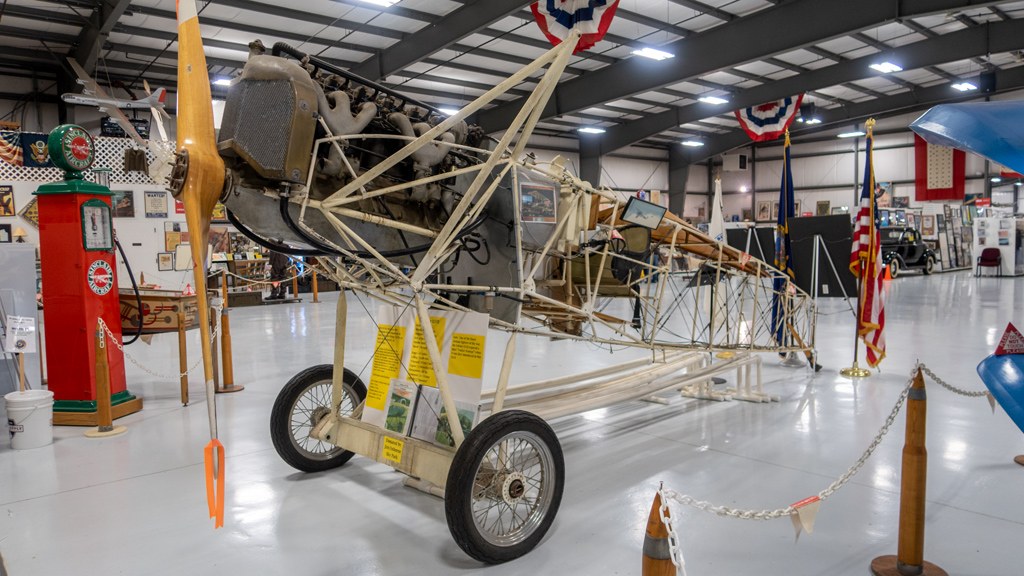
Hello, Warhawk Air Museum in Nampa, Idaho

My original plan was to stay for a bit longer in Tri-Cities, Washington, but staying flexible is one of the most important ways to ensure you remain safe dur­ing a winter road trip. I always keep an eye on the weather, and I noticed that my planned trip from Tri-Cities, Washington to Boise, Idaho through northeastern Oregon would’ve taken place during a snowstorm.

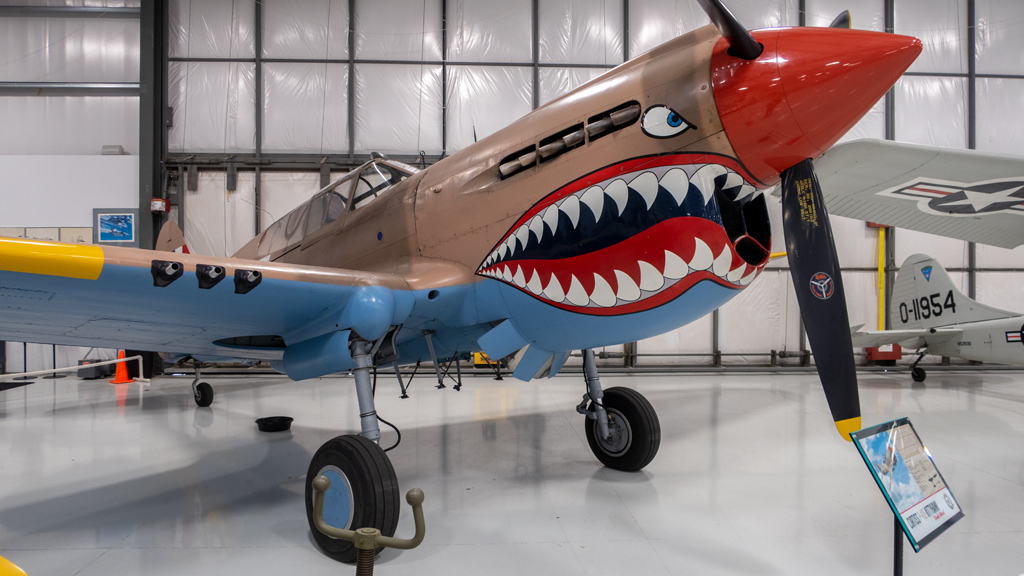
Not wanting to drive through mountains in my rear wheel drive pickup truck without snow chains, I left Washington early and booked a shorter stop in Nampa, Idaho before my long-term stay in Boise. This impromptu adjustment to my schedule gave me an opportunity to visit the Warhawk Air Mu­se­um, one of the top-rated attractions in the city.

I made my visit to the museum on November 6, which happened to be the same day as the Veterans breakfast. I didn’t get to participate in the breakfast because I didn’t know it was happening; I arrived several minutes after noon, shortly after the event had ended.

The fact that this event had just happened was both unlucky and lucky for me—unlucky because they had cleared out some of the exhibits in the center of the hangars to make room for the event, but lucky because there were quite a few veterans still at the museum. I suspect that many of these veterans had attended the breakfast with their children and grandchildren, and they were still telling them stories about their time serving in the military, so I was able to overhear some of their interesting wartime anecdotes.

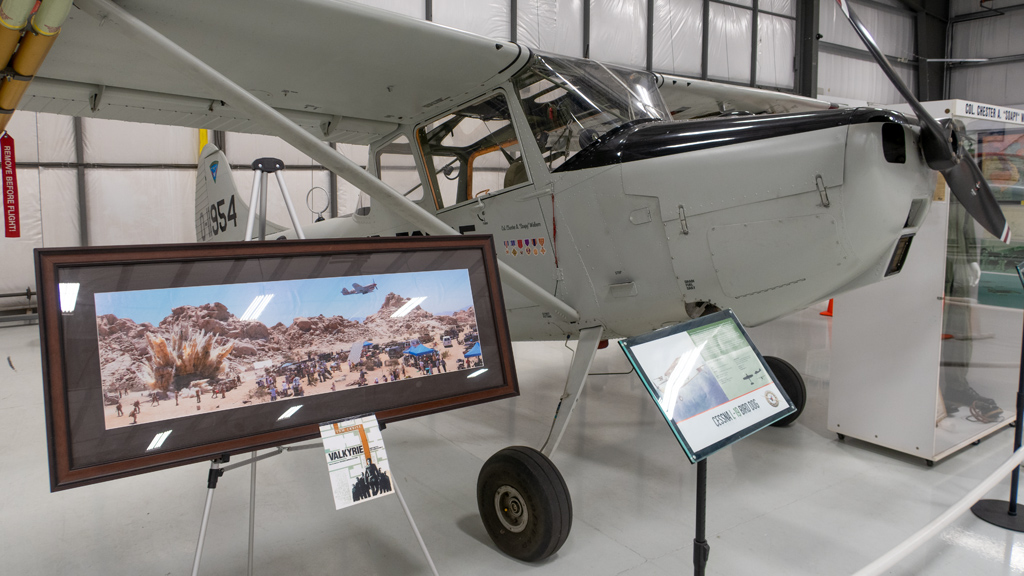
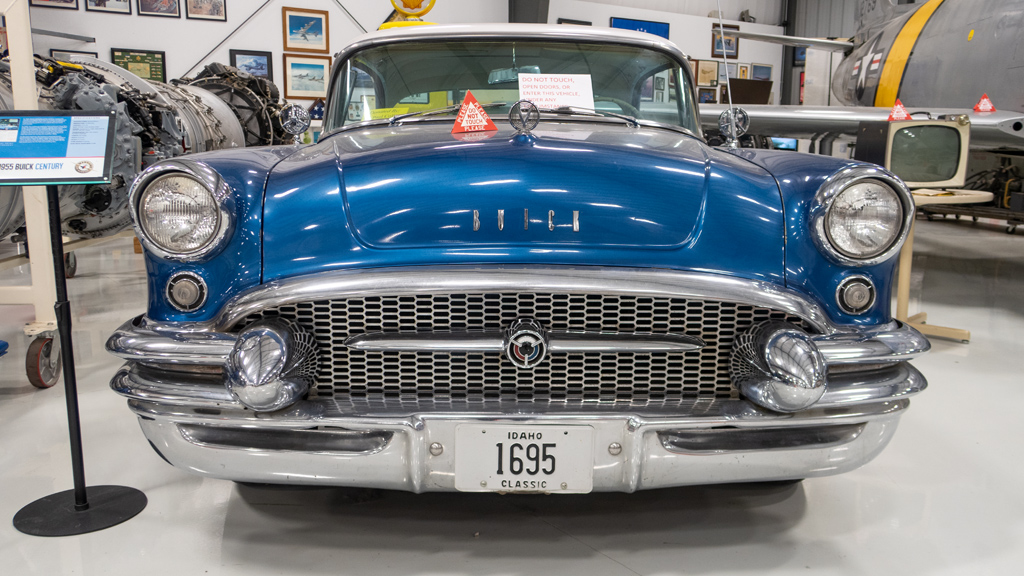
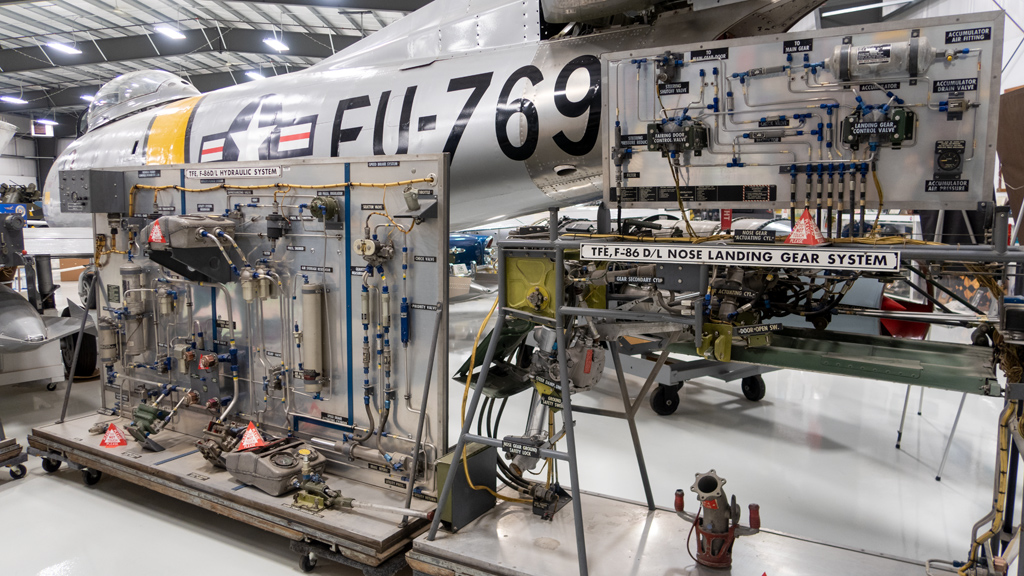
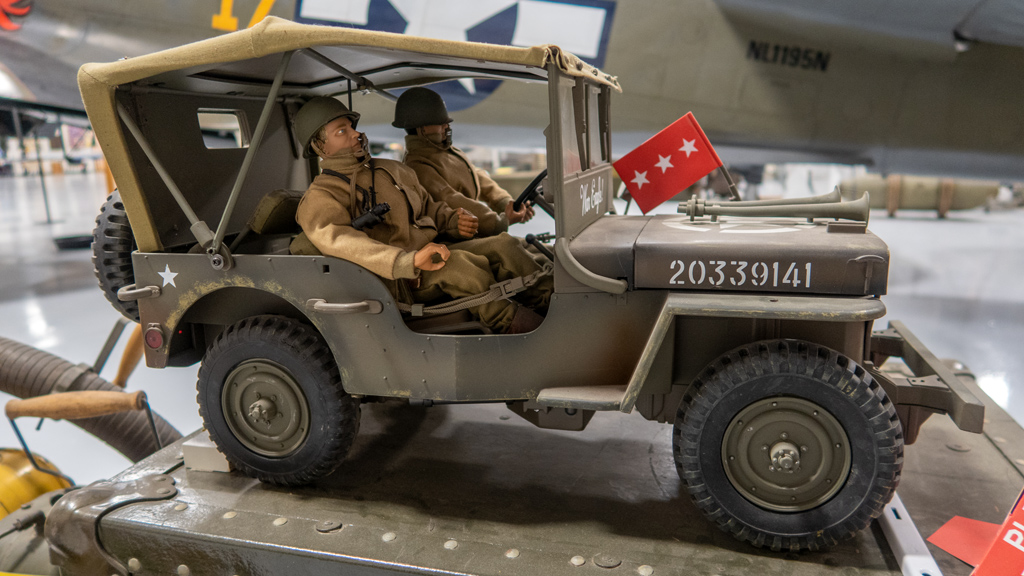
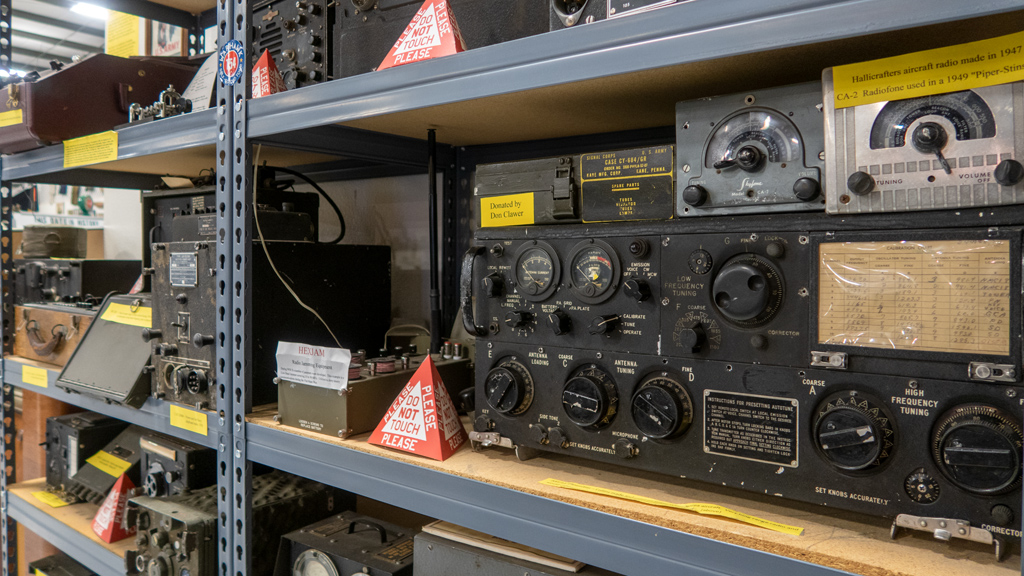
As for the museum itself, if you’re an American history fan, this museum will probably be a dream come true for you. There are sections on all the major wars, in addition to some special sections on specific military-related topics. However, that’s not what makes this museum special.

This museum has a library’s worth of reading material available to browse scattered throughout the hangars. Some of the booklets and binders were just printouts of Wikipedia pages, which I thought was a bit silly, but it also had some very special and exclusive literature, including many original doc­u­ments that came from the respective wars’ eras. I didn’t spend too much time in the reading areas, but someone passionate on the topic could spend lit­er­al­ly weeks here non-stop and still have plenty to enjoy.

Whether or not you’re a history enthusiast, I think this museum is worth a visit.


—§—


Hello, REACH Museum in Richland, Washington

For my final tourist activity in Tri-Cities, Washington before heading out across northeast Oregon into Idaho, I visited the REACH Museum in Richland.

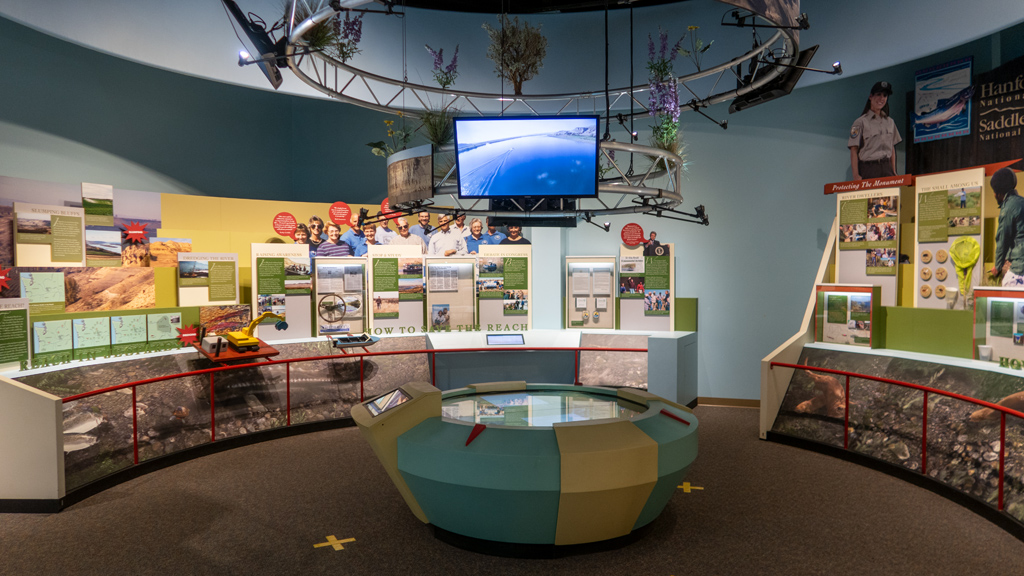
This was a very traditional and straightforward museum. It didn’t really have anything too innovative or compelling, but it wasn’t bad either. It reminded me a lot of the spirit of how the American education system works, in that, it’s not interesting enough to really pull you in, but if you have the intrinsic mo­ti­va­tion to learn about that particular topic, there is plenty of information there for you to digest in your own time.

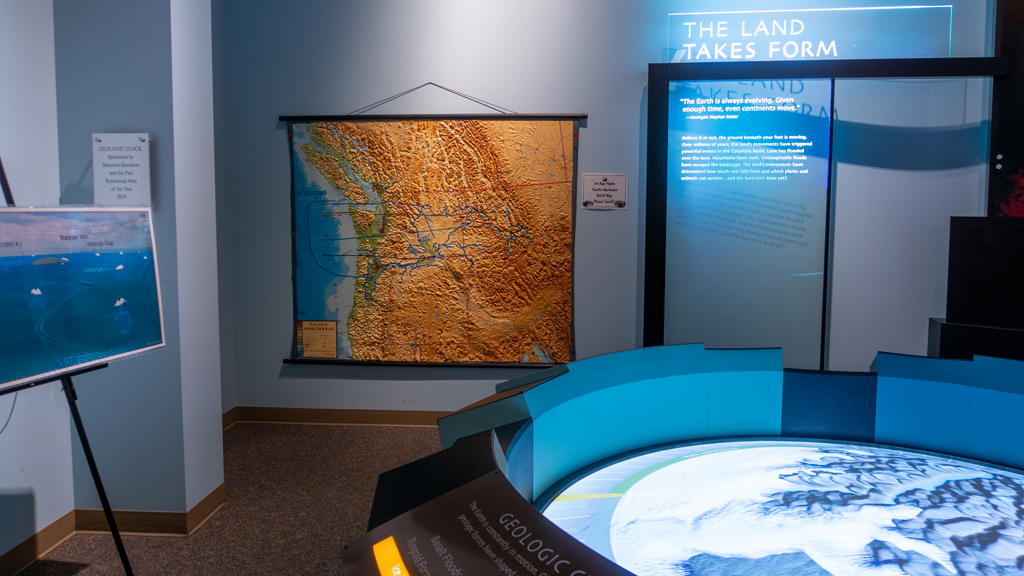
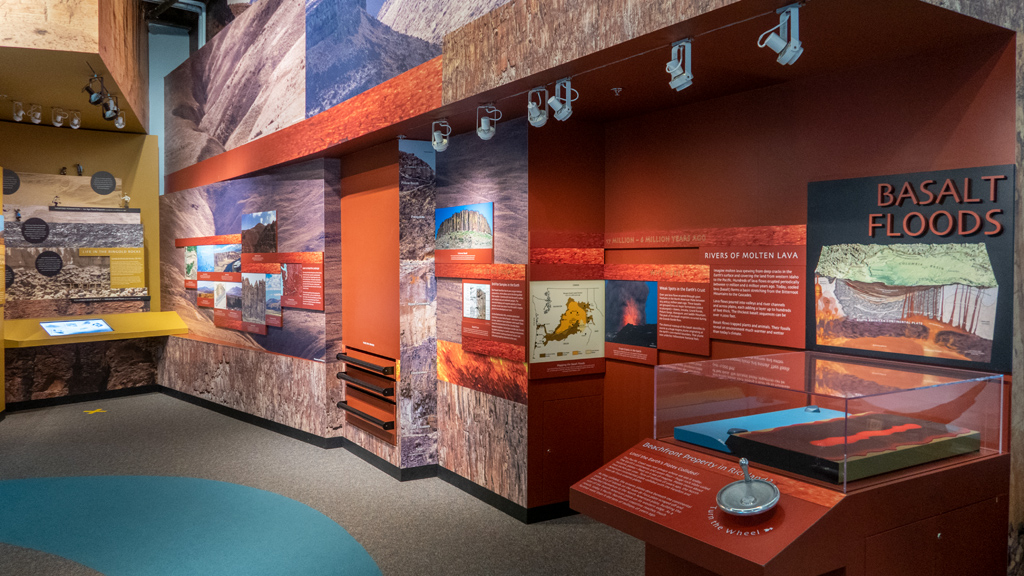
The first gallery in the museum covered the geology of the planet and how it changed to become what it is today.

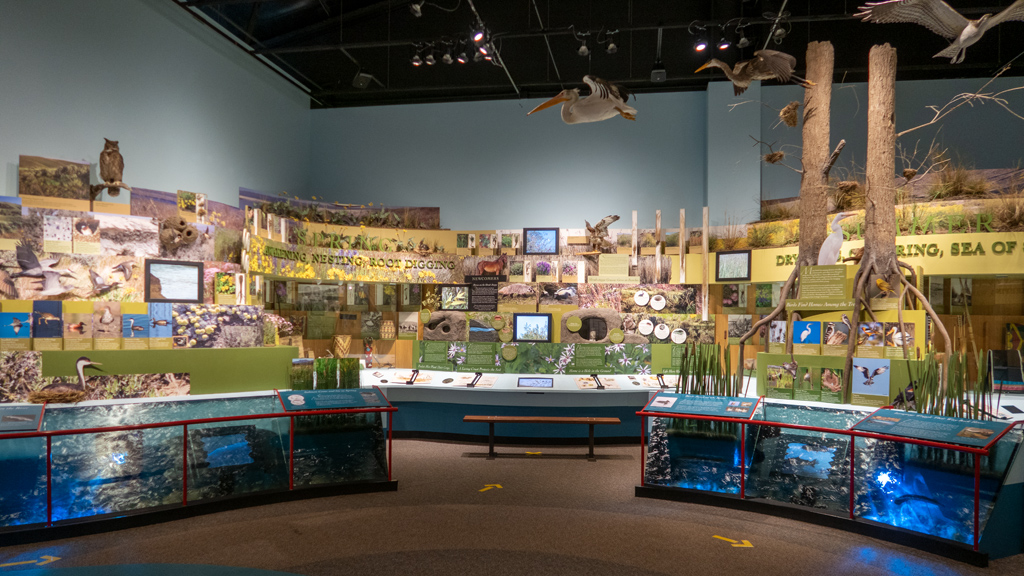
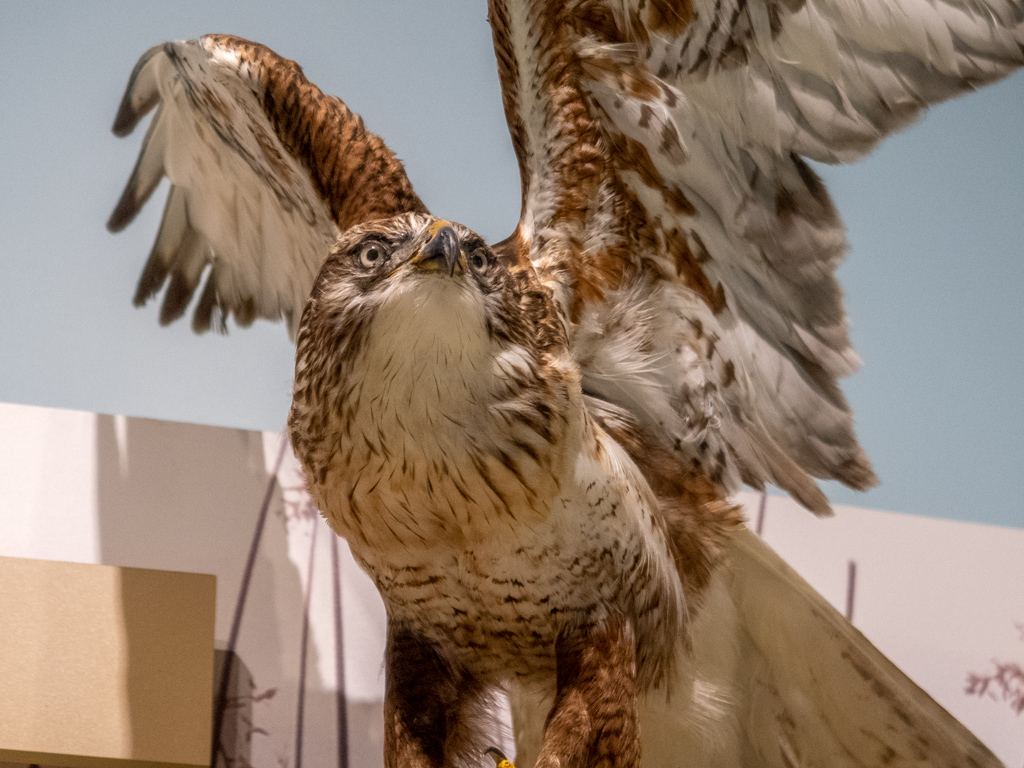
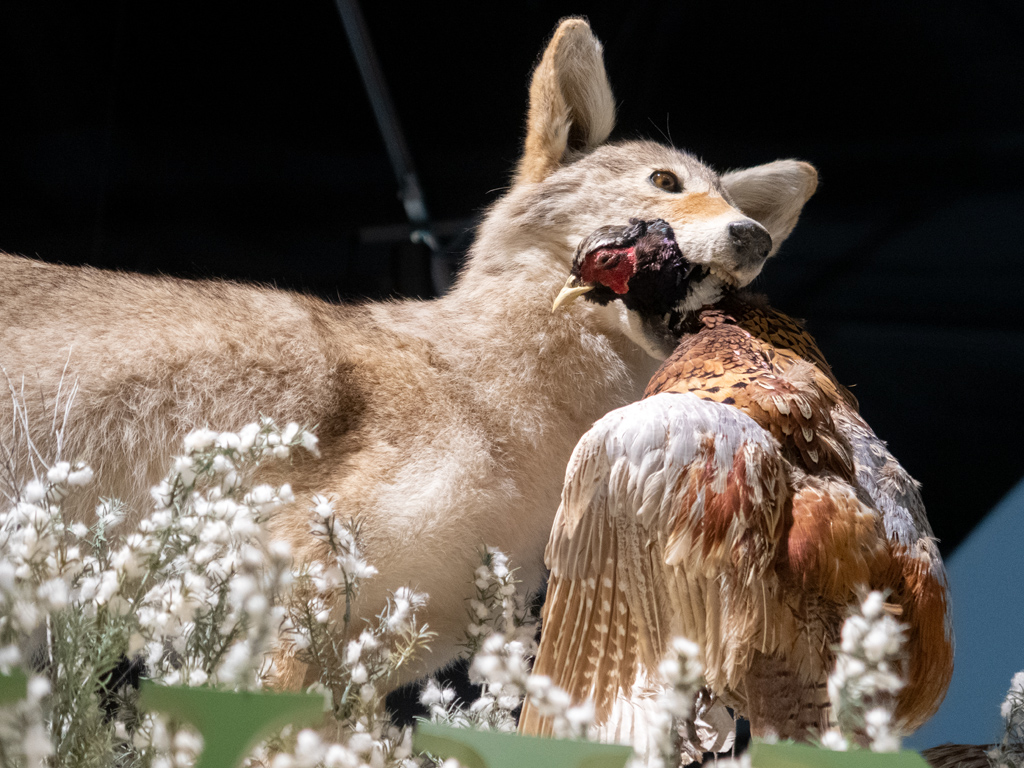
This area had some decently realistic taxidermied animals.

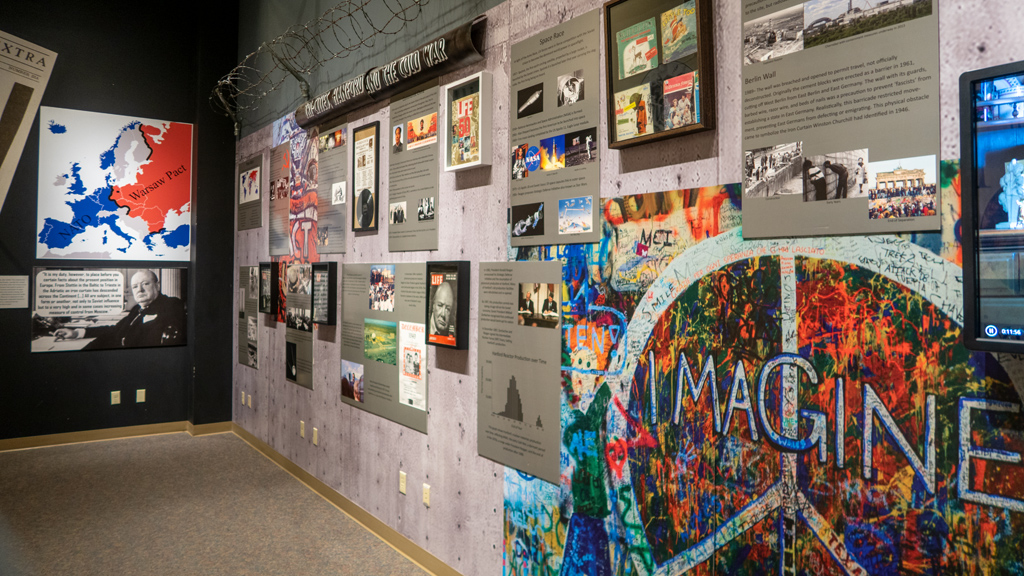
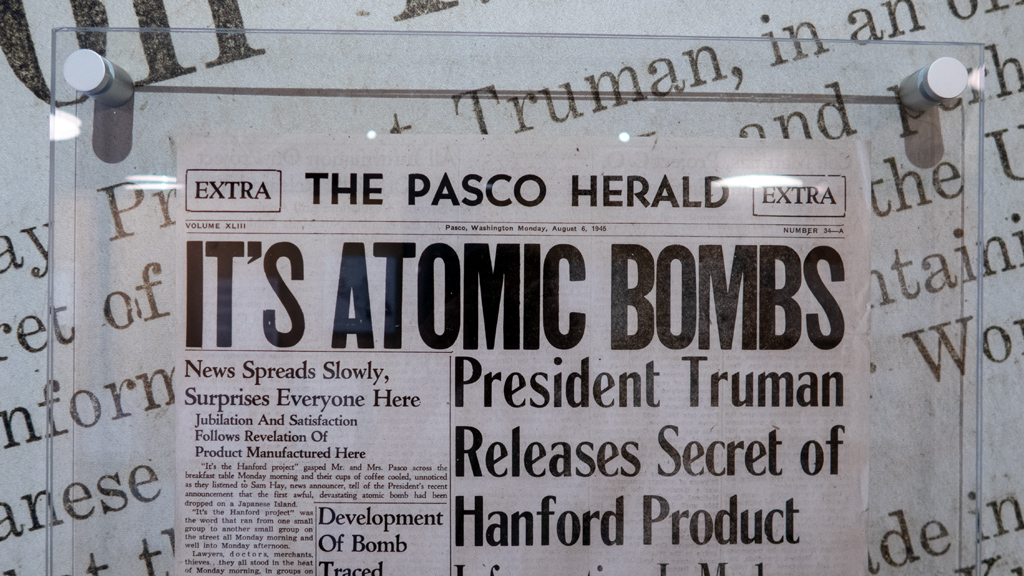
The second gallery covered the events that happened during World War II with a focus on the atomic bombs. Most of the information here overlapped with what I had already seen during my tour of the B Reactor at Hanford at the Manhattan Project National Historical Park.

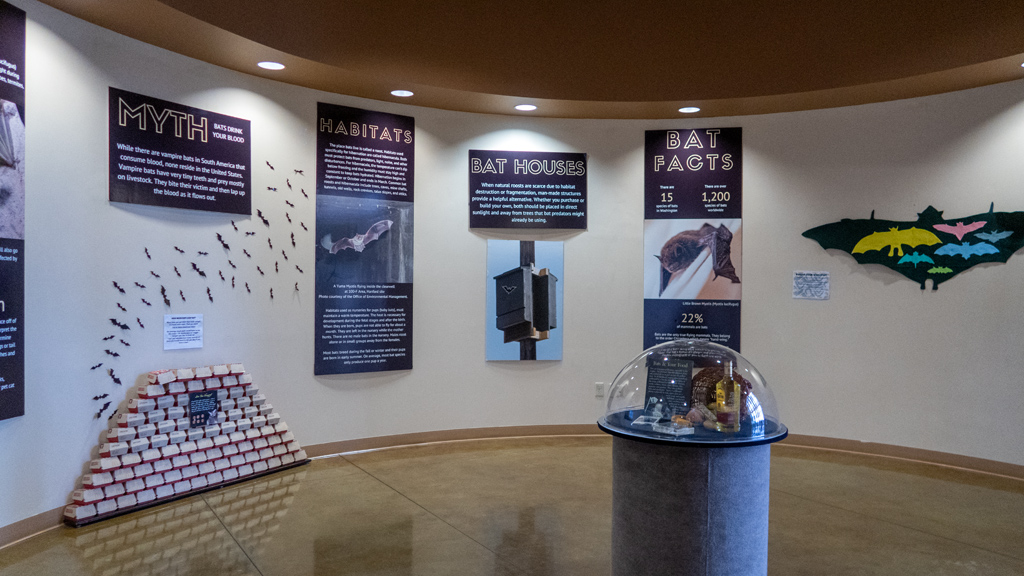
The rotating section of the museum, presumably themed after Halloween, was a section on bats.

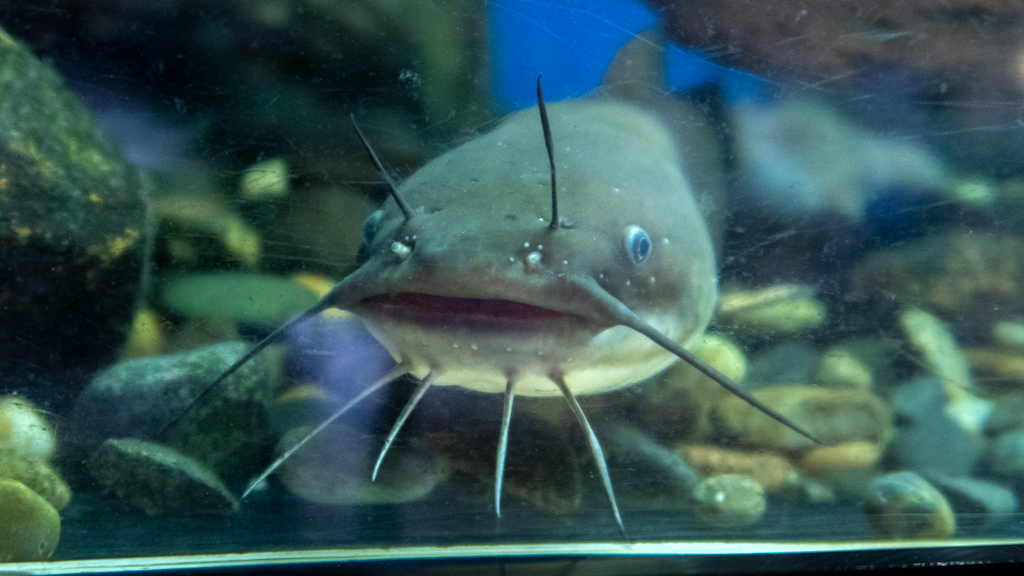
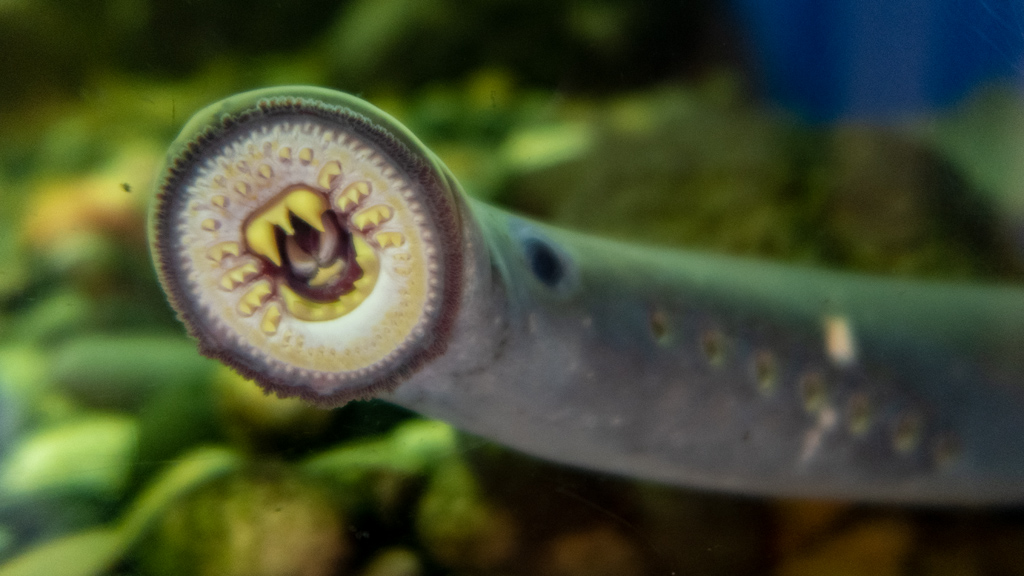
The most interesting part of the museum, in my opinion, was the fact that they had an aquarium near the entrance with some very interesting sea crea­tures. I managed to capture a nice shot of a catfish and a lamprey.

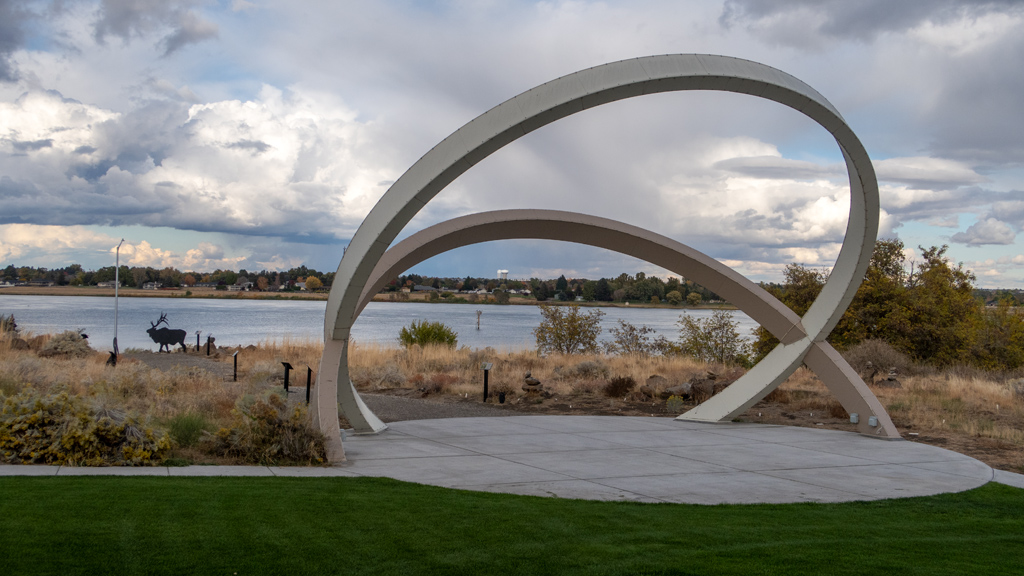
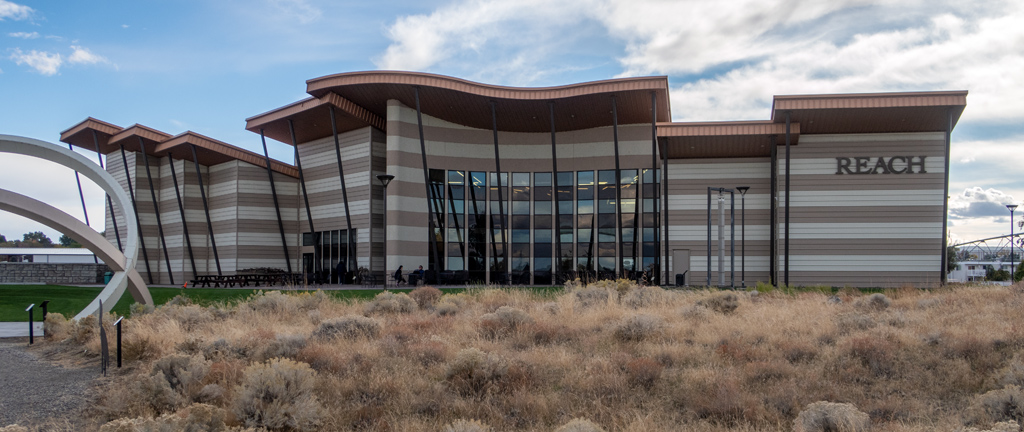
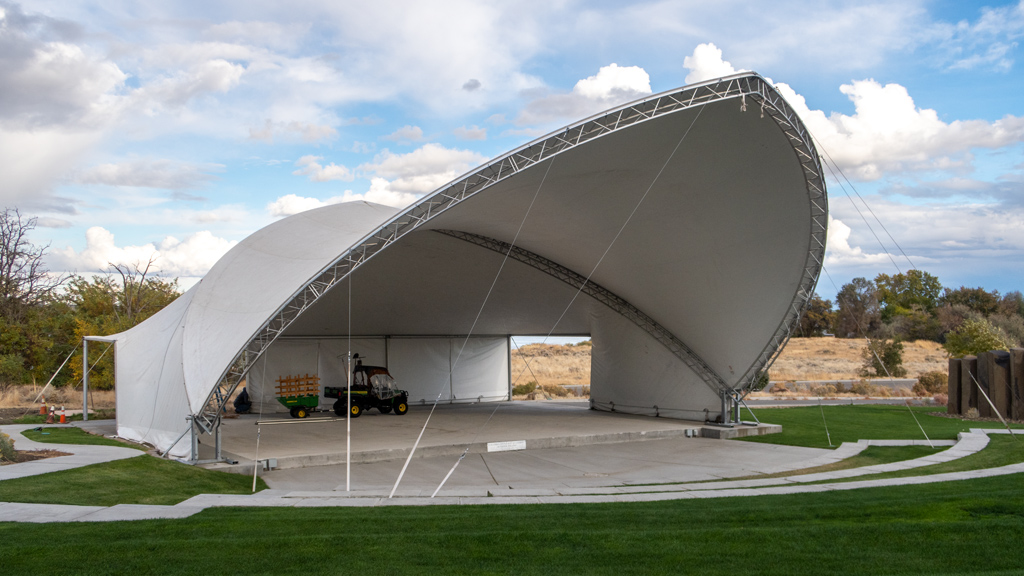
Funny enough, I enjoyed the outside of the property more than the inside. It looks like there were some event areas set up, which I imagine are used for per­for­mances, banquets, corporate meetings, or other gatherings. They were aesthetically nice and had great views of the Columbia River.

There was also a path leading away from the building and towards the river, which was lined with various placards and steel animal cut-outs. I started walking northbound on that trail for a bit, and noticed that it would lead me to Bateman Island if I crossed Columbia Park Trail, but I only had a light jack­et and it was pretty cold, so I decided against it for this trip.

If the breadth of the museums you’re able to go to is limited, and you’re patient enough to read a lot of text, then I think the REACH Museum would be worth­while—it has a decent chunk of information packed into a relatively small space. Although the content delivery method isn’t stunning, it is still visually pleasing and well-organized, and from what I’ve seen, it seems to be one of the best you can get in this area.


—§—


Hello, Sacajawea Historical State Park in Pasco, Washington

I’m not really much of a holiday person, so I didn’t really have much of an interest in doing anything special for Halloween, but when I was browsing Google Maps, I noticed a place called “Haunted Forest at Sacajawea State Park.” I figured that, even if I don’t want to go out of my way to celebrate Halloween, this is still a good spot to stop by. It’s in a state park so I can go hiking there, and I already have a Discover Pass for Washington State Parks so I can go for free and get more value out of my purchase prior to departing Washington.

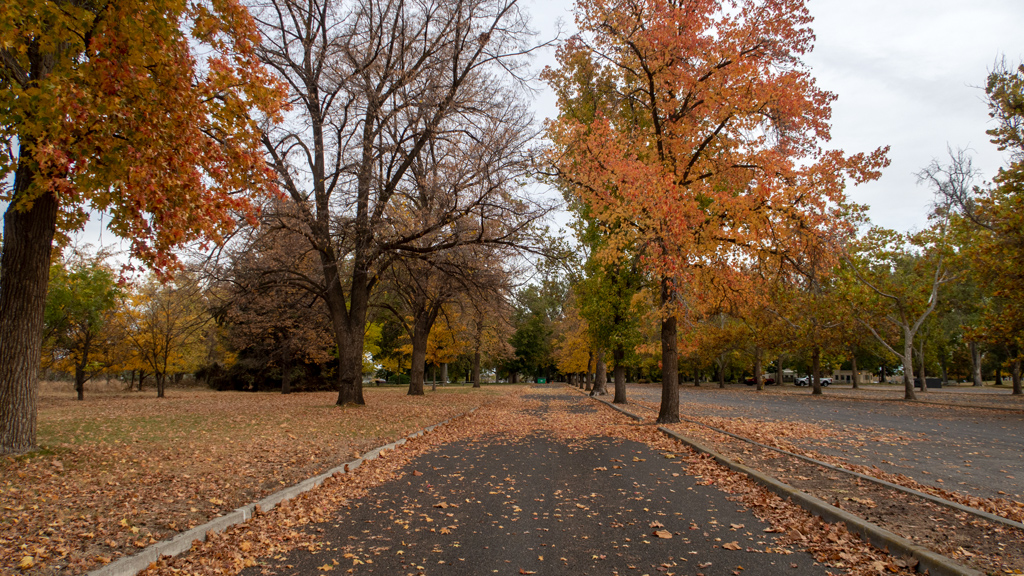
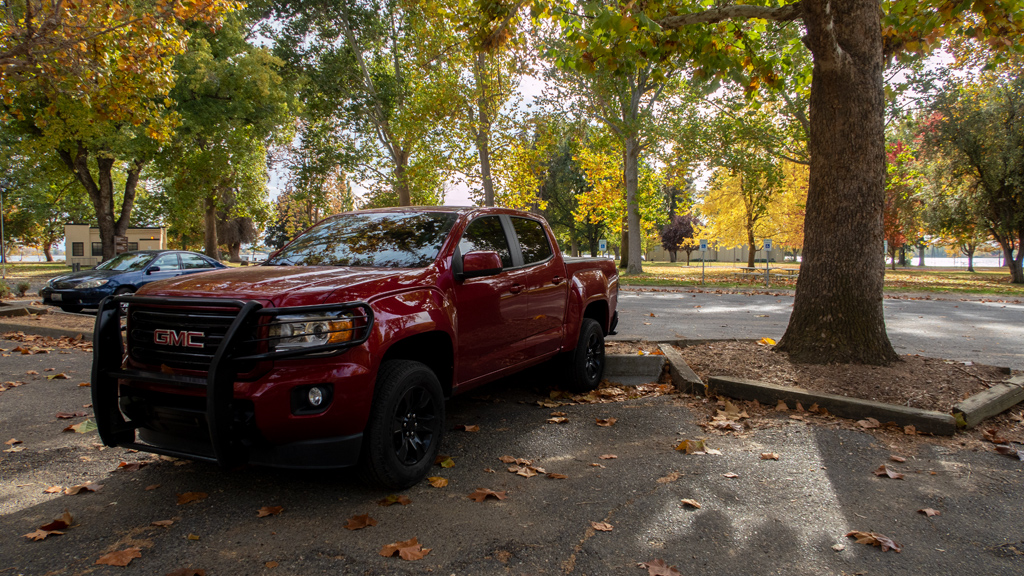
When I arrived and drove deeper into the state park to the parking lot, I went through a lot of autumn foliage. Having spent most of my autumns from the past few years in areas that don’t have trees that undergo the autumn leaf color phenomenon (yes, I just looked it up, and that is apparently literally the scientific name for it), it was nostalgic seeing so many orange leaves everywhere like I did when I used to live in Illinois and Wisconsin.

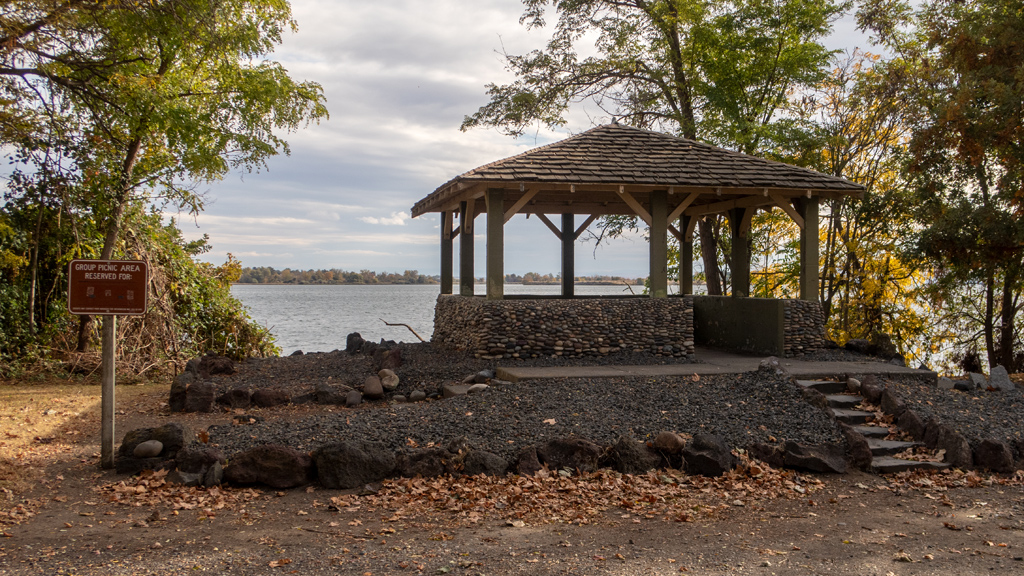
From the parking lot, I walked east towards a structure I saw in the distance. It ended up just being a sheltered picnic area.

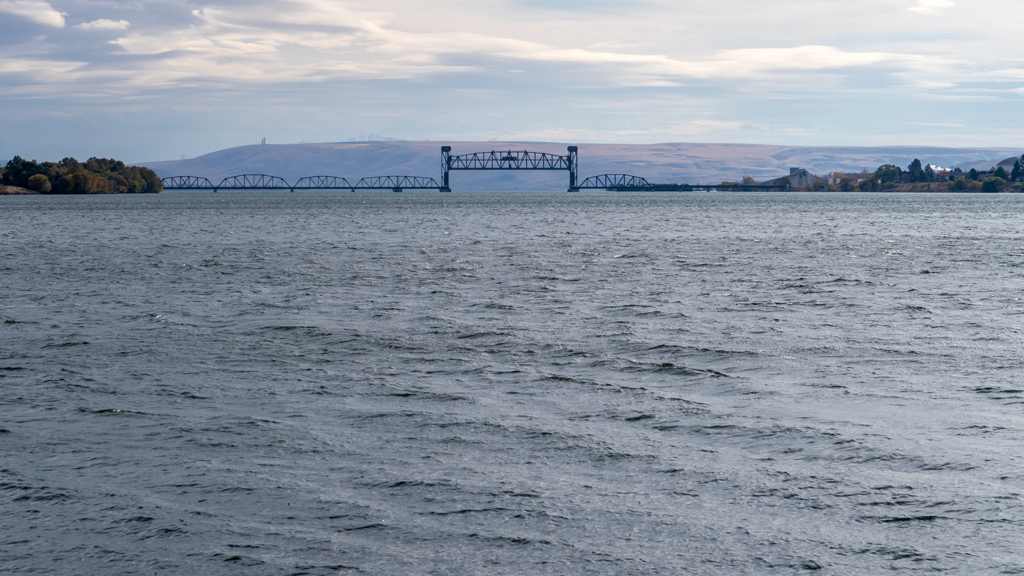
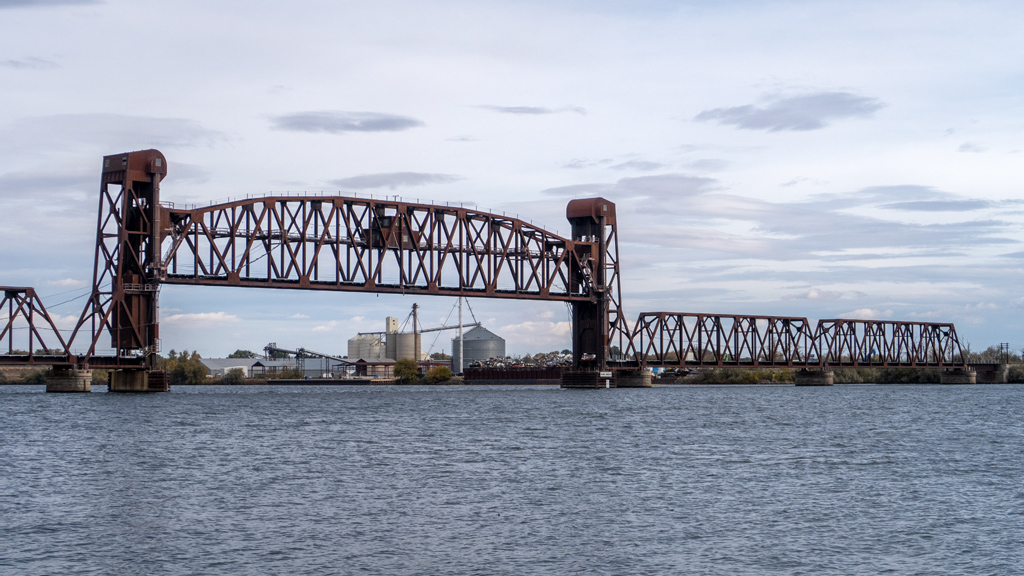
I followed a path behind the picnic area and walked alongside the shoreline. Far in the distance, I saw a bridge over the Columbia River with train tracks that connected Finley to Burbank.

Farther down south, I saw an opening that let me get very close to the Snake River, so I climbed all the way down to snap a photo from a different angle.

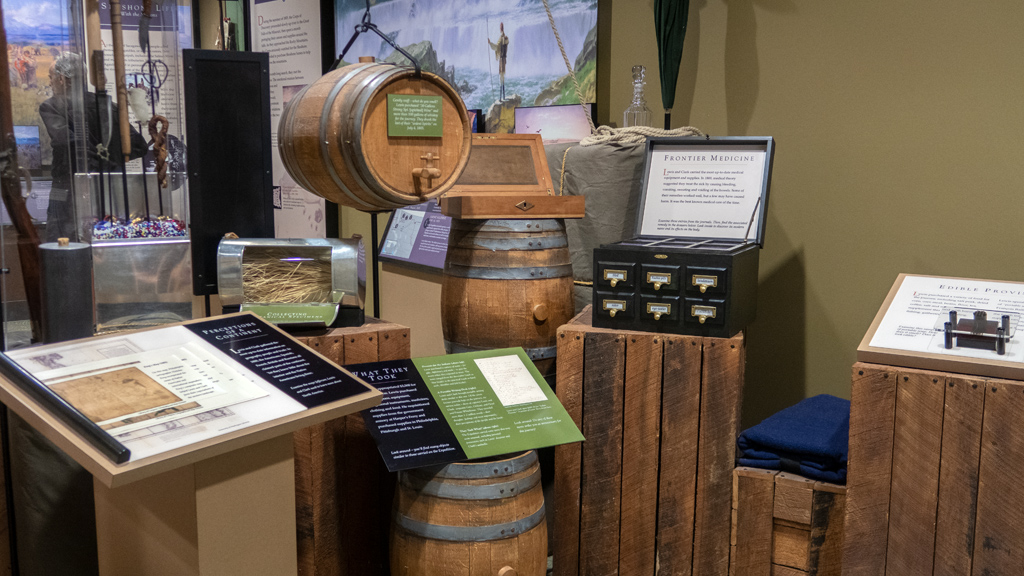
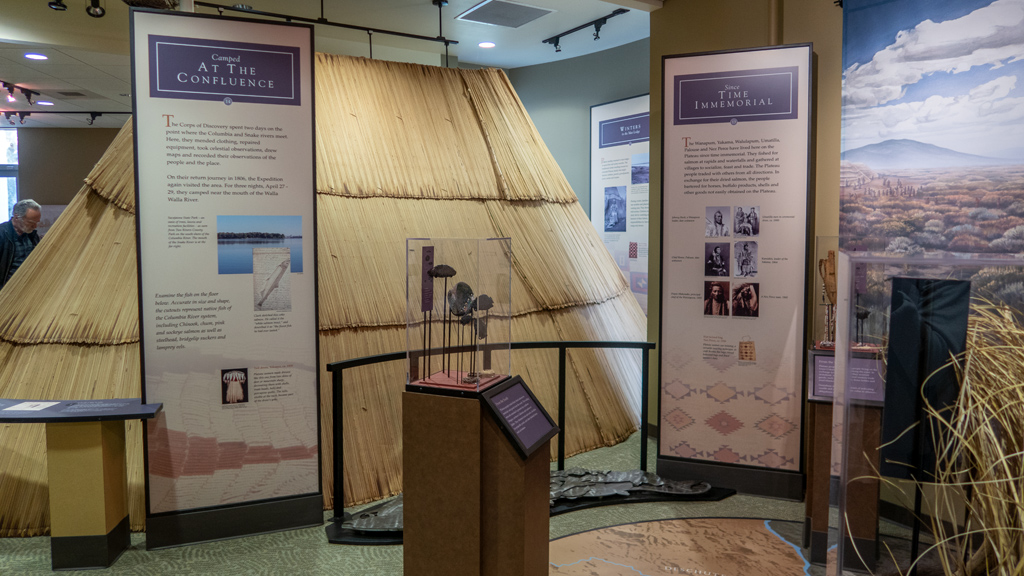
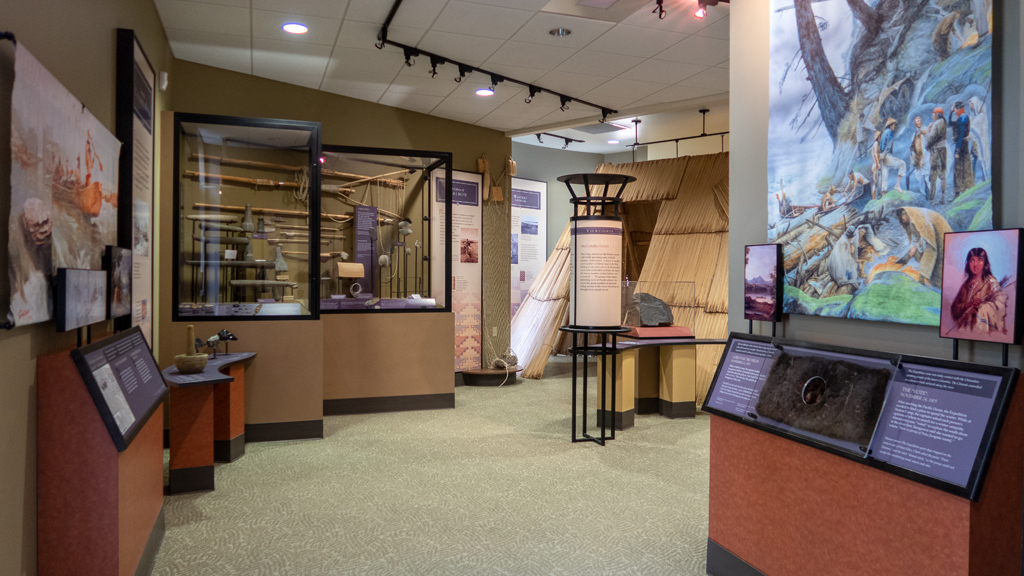
After making my way back up, I saw another building, which I found out was the Sacajawea State Park Interpretive Center. It was a fairly traditional mu­se­um with some relics on display and a lot of text accompanying them. There was no extra fee for admission—it was included in my Discover Pass.

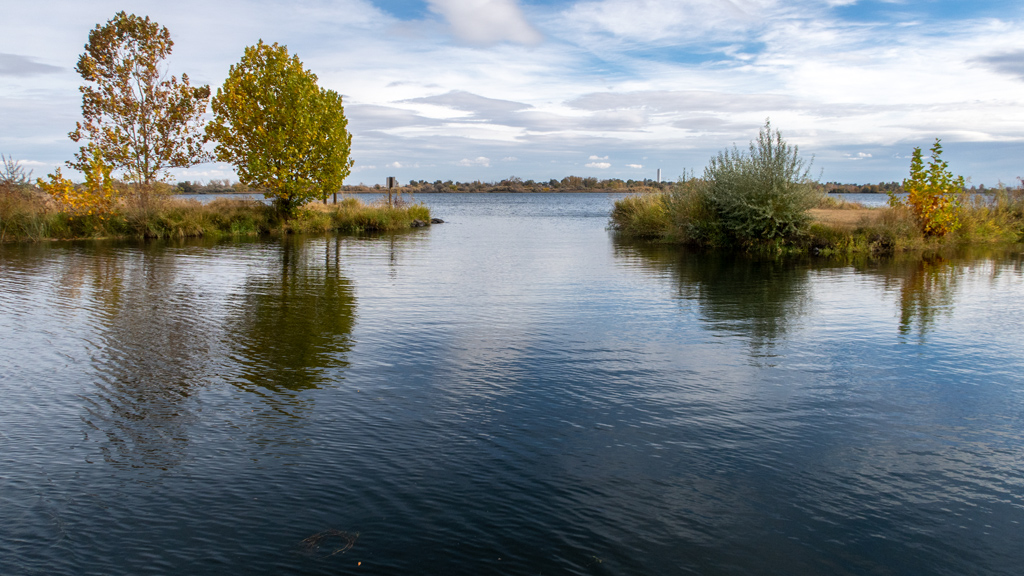
It was now time to find the Haunted Forest. After leaving the Interpretive Center, I kept walking north past the parking lot and found a trail that led first to a smaller pond that connected into the Snake River…

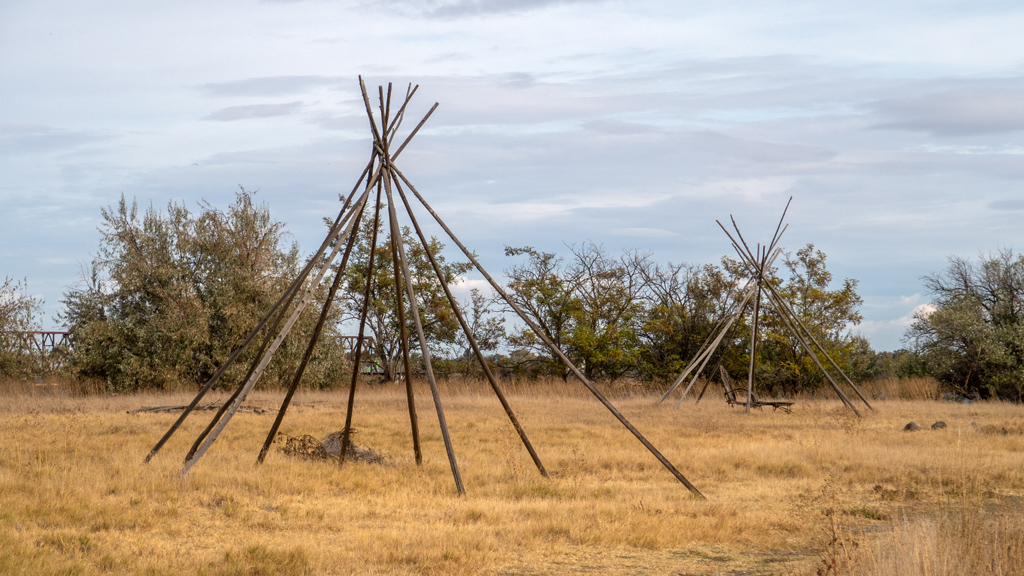
… and then a couple of tipis that were untented and just had the wooden sticks.

From here, the path continued further north, but the Haunted Forest was to the west. I looked around trying to find out how to get to the Haunted For­est, but all I could see was sparse vegetation and an empty field. At this point, I realized that I had probably made a mistake—there wasn’t an actual haunt­ed forest there, but rather, it was just a special event. Upon taking a second look at the Google Maps reviews, I realized that it might have been an annual seasonal event that has since been canceled as a result of the COVID-19 pandemic and hasn’t returned yet.

I probably would’ve been disappointed if I had come here just for the haunted forest, but luckily, I was enjoying my walk, so I continued on the trail. In the northeastern part of the path prior to the loop back around to the west, there was a clearing where I again was able to climb very close to the Snake River and take a nice photo of another train track bridge, this time connecting Pasco to Burbank.

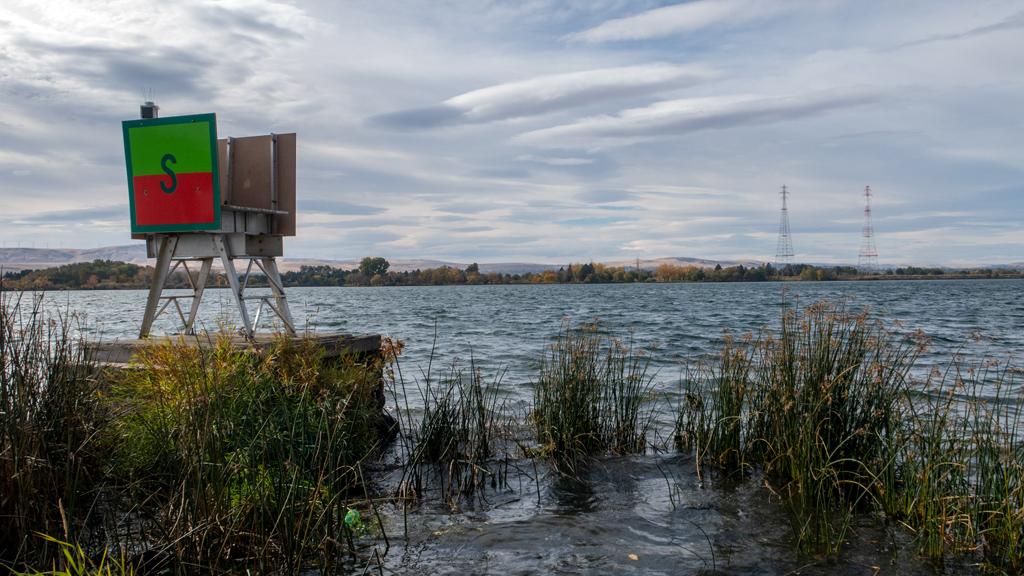
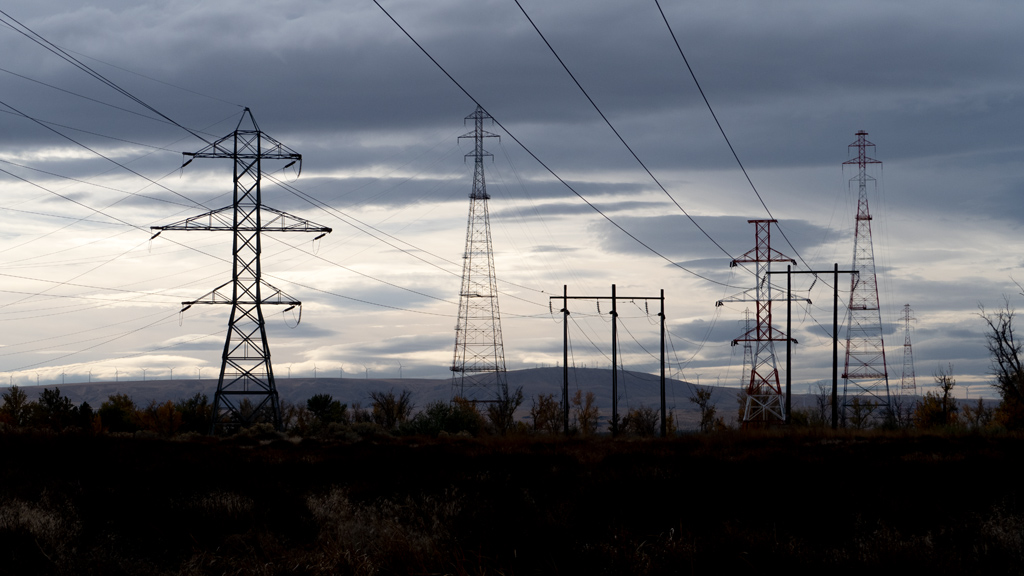
As I looped around the bend and made my way across the northern side of the trail, there was a point where I originally snapped a photo and didn’t think much of it at first, but after I saw it again on my computer, I liked its aesthetic. It is a row of power lines extending into the distance with a faint row of windmills dotting the horizon.

This northern stretch of the trail was a lot more rugged and started to get a little bit overgrown. It was also an amusing sight to see when I came across what appeared to be mounds upon mounds of tumbleweed that I imagine had somehow rolled their way onto the side of this foot path and gotten lodged among the trees.

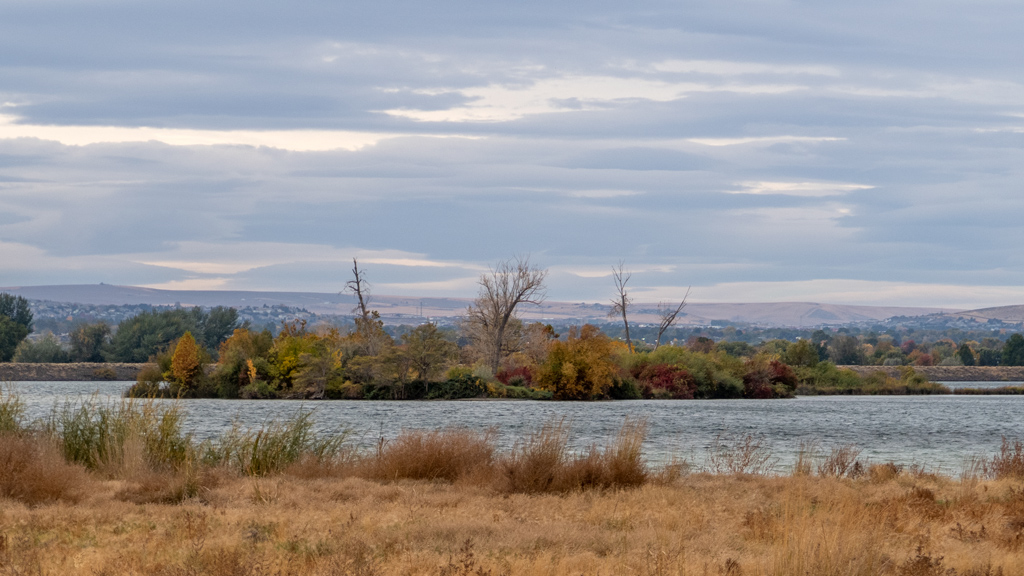
Eventually, the hiking trail ended and connected back onto Sacajawea Park Road, the auto road leading from U.S. Route 12 all the way to the parking lot. I walked the final semi-circle on the rocky shoulder of the road, and at one point near an intersection with a bike path, I was able to get somewhat of a view of Indian Island.

Eventually, I made my way back to the parking lot.

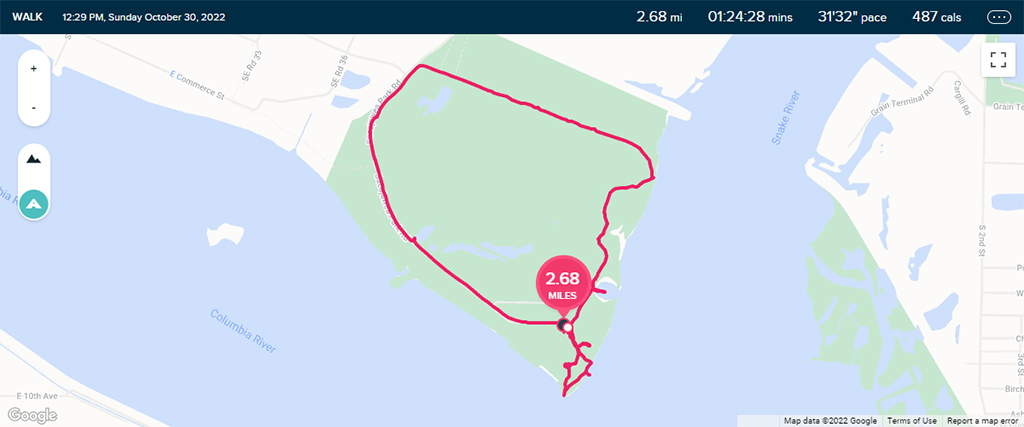
In total, my GPS tracker said my walk was 2.68 miles (4.31 kilometers), though I am guessing that it might be marginally higher than that because I left it going while I was walking around the museum and it tends not to capture movement as accurately when I am inside a building.

I wouldn’t say this state park is anywhere near impressive, especially if you’re not going for boating or picnicking, but if you already have a Discover Pass and don’t have to pay the $10 admission fee, then it’s still a nice place to go for a walk. Even though I went on a Sunday, it was still pretty empty, and most of the few other people who I saw around were also just going for leisurely walks with their families and/or pets.


—§—


Hello, Manhattan Project National Historical Park, B Reactor in Hanford, Washington

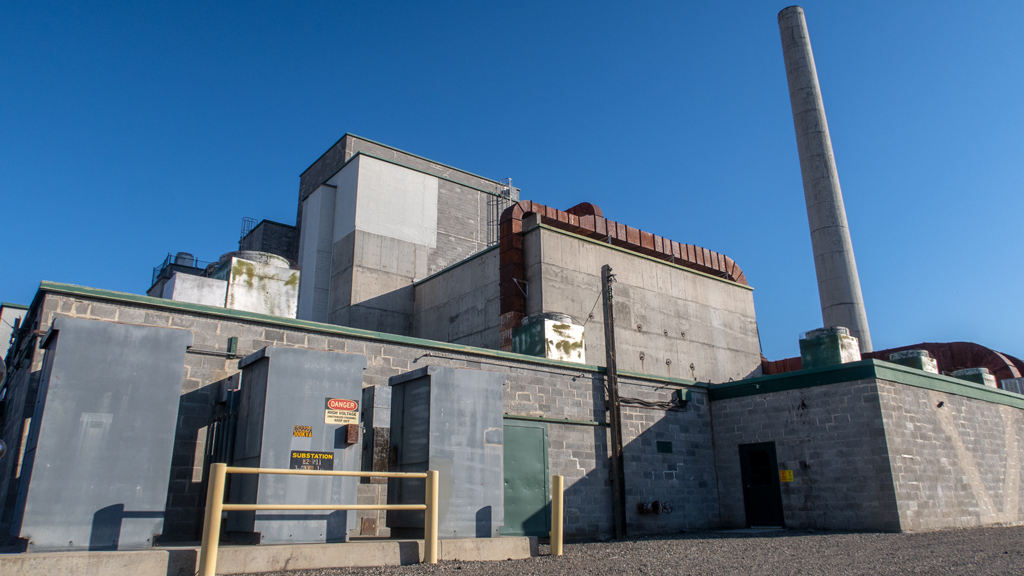
Apart from its wine, another thing that the Tri-Cities area is known for (at least for tourists) is Richland’s involvement in the Manhattan Project via the Han­ford Site. While in the area, I decided to book a tour of the B Reactor to learn more about the nuclear bombs used in World War II.

Surprisingly, the tour was free. I showed up at the visitor center at my designated tour time slot and was greeted by a docent who showed us an in­tro­duc­to­ry video and walked through some of the rules with us. Afterwards, the group and I loaded onto a bus (a nicer one with individual chairs in a 2-2 seating configuration, and not bench seats like a school bus) and took a 45-minute ride to the B Reactor.
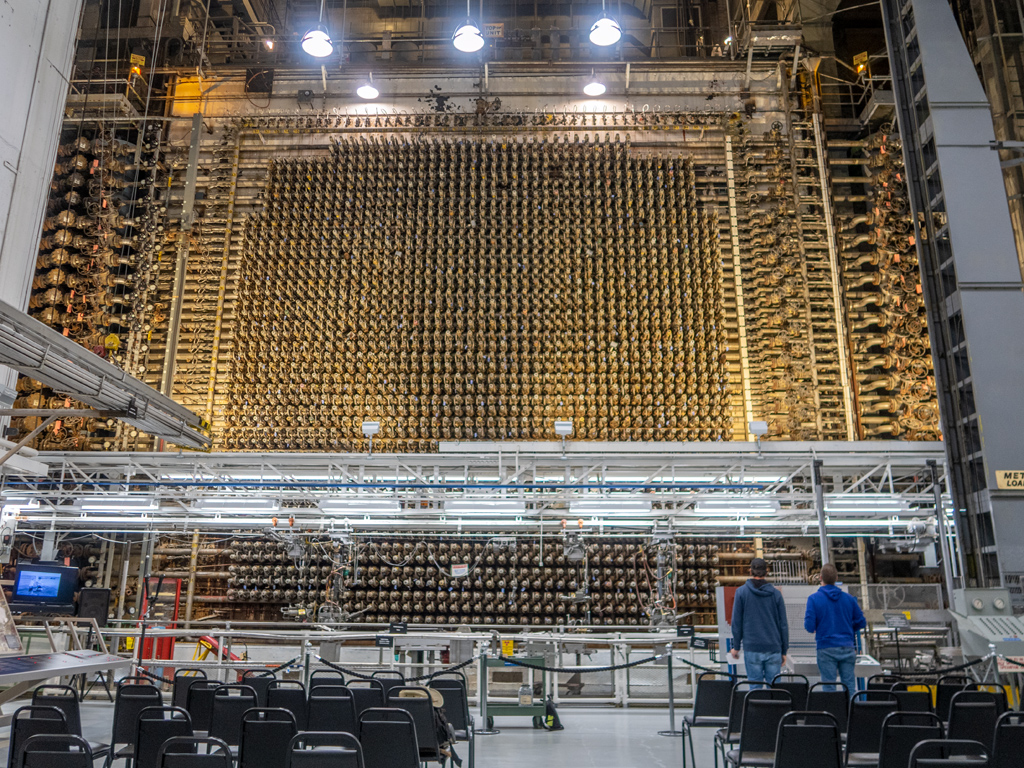
Upon arrival, we were taken directly to the actual reactor.
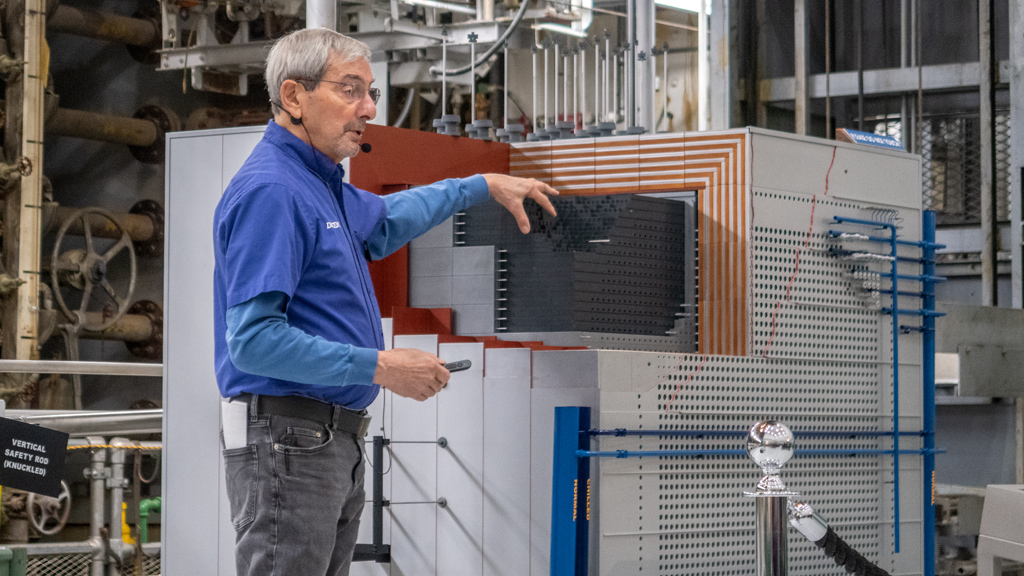
After everyone got seated, another docent gave us a brief overview of the Manhattan Project and explained the logistics how the reactor worked and what steps the staff had to take to remain safe from radiation.
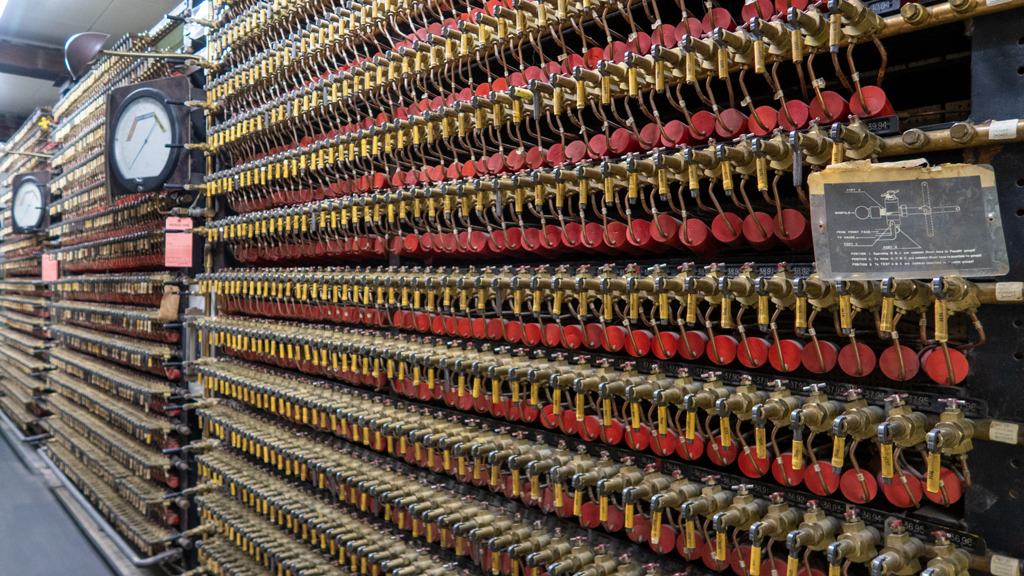
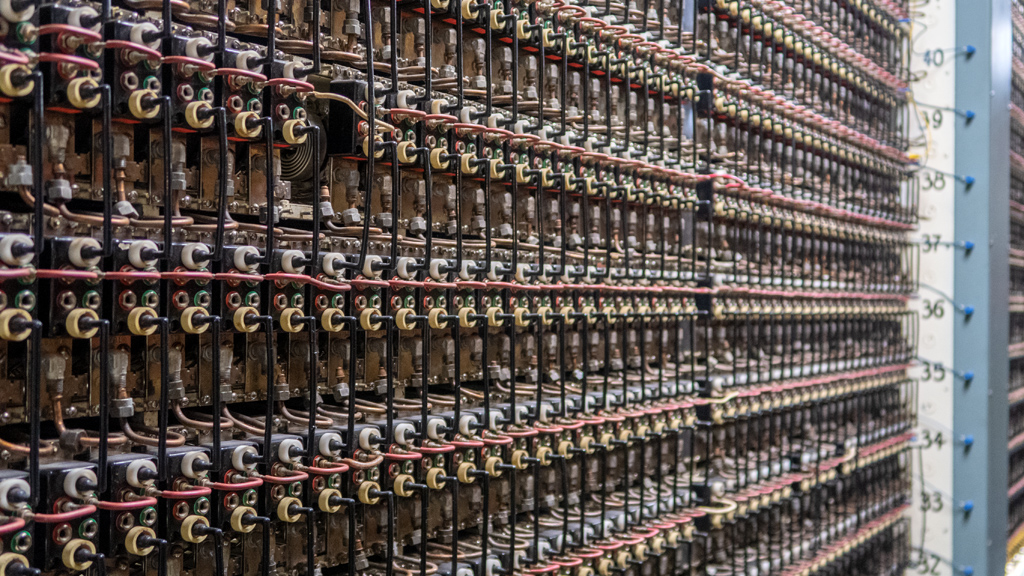
If I remember correctly, the docent informed us that there were 2,004 process tubes in the reactor. At first, the plan was to build it with only about a thousand, but on the advice of some engineers, the number of tubes was increased as a safety measure. This ended up being a very wise decision, as there were some unexpected chemical imbalances in the reactor that required more fuel to be inserted, so the excess process tubes were immediately put to good use upon operation.

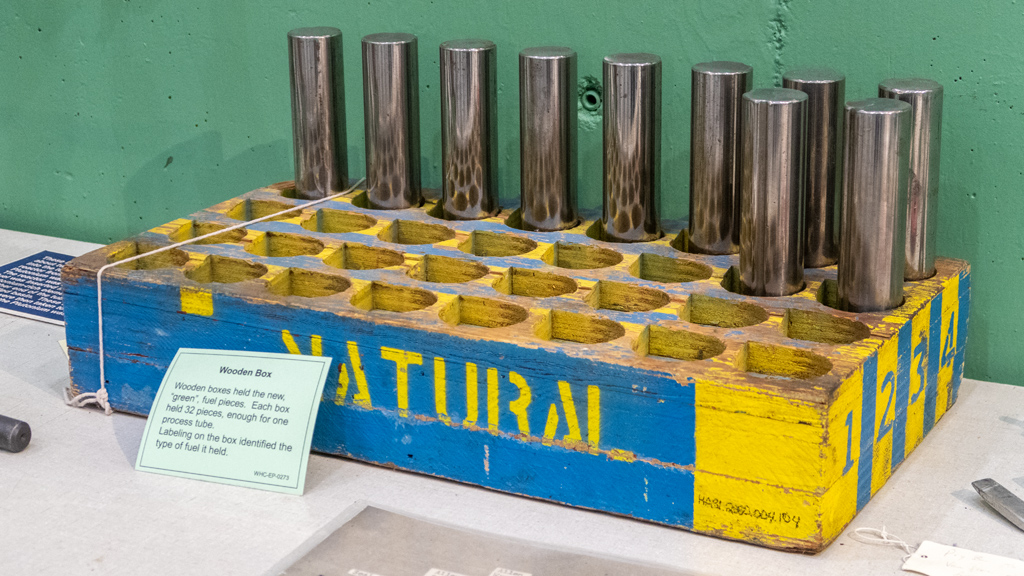
Displayed on some tables nearby the reactor were some equipment and accessories that were used during the operation of the reactor. For example, there were some fuel tubes that were inserted into the reactor, off-set between two spacer tubes each.

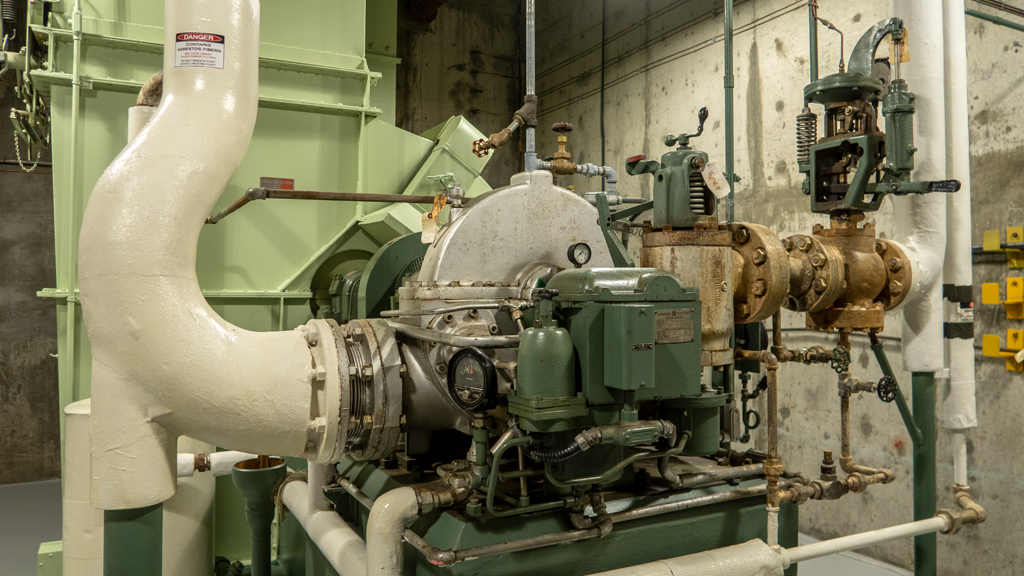
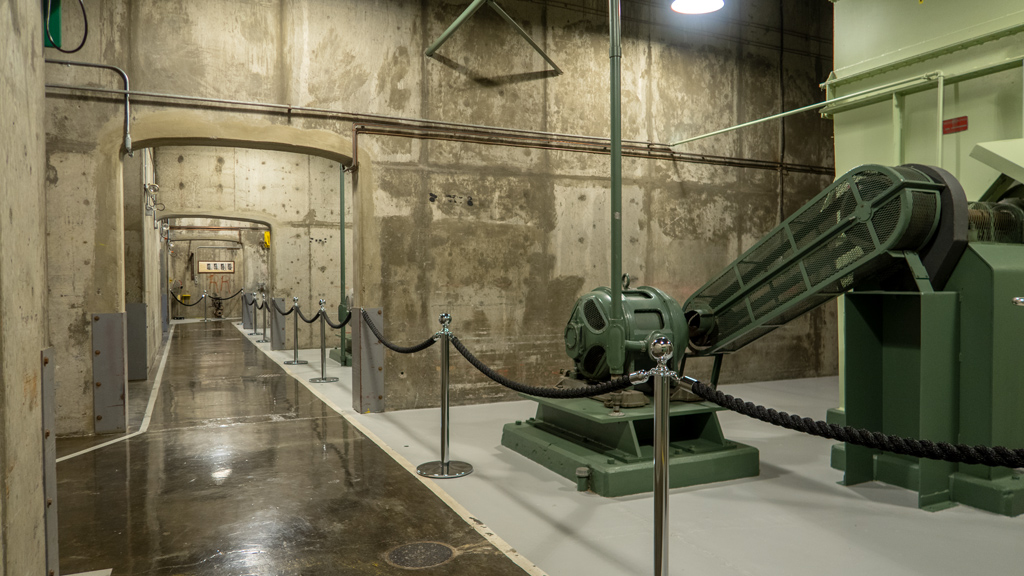
Around the corner was the exhaust fan hallway, which contained four exhaust fans—two steam-powered and two electric.

Originally, this hallway was split into individual “pods” for each of the fans, and the only way to get from one room to the other was around a curvy bend—the architecture was constructed this way because the radiation traveled in straight lines, so if one of the fans were to malfunction, the radiation could be contained in one of the rooms. Since then, archways were excavated into the concrete walls to create the hallway.

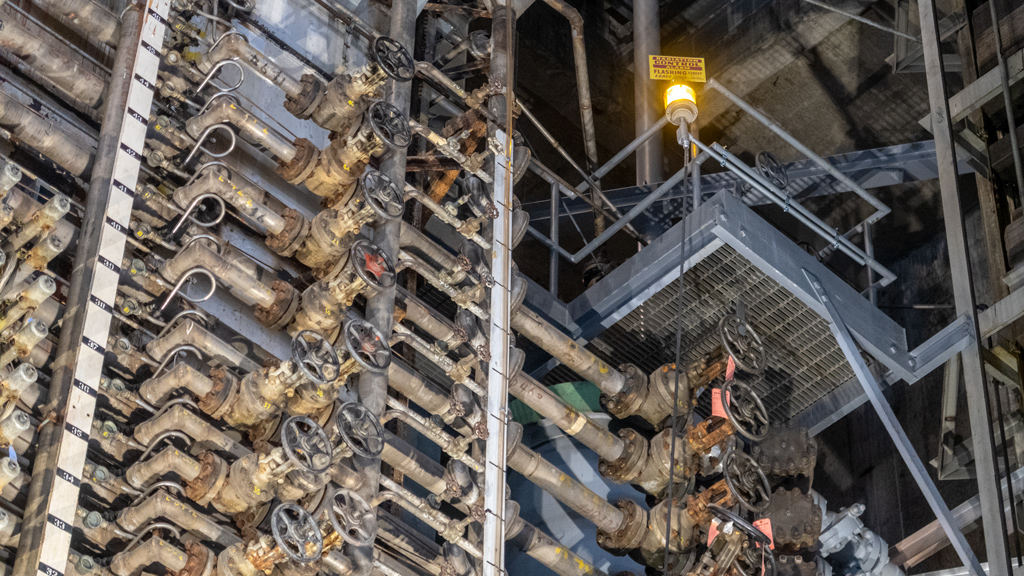
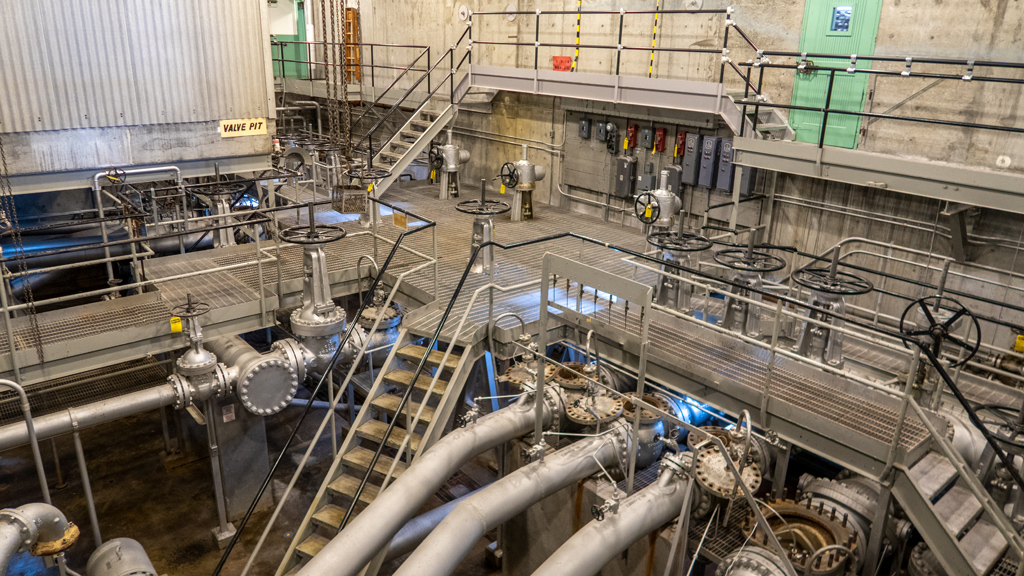
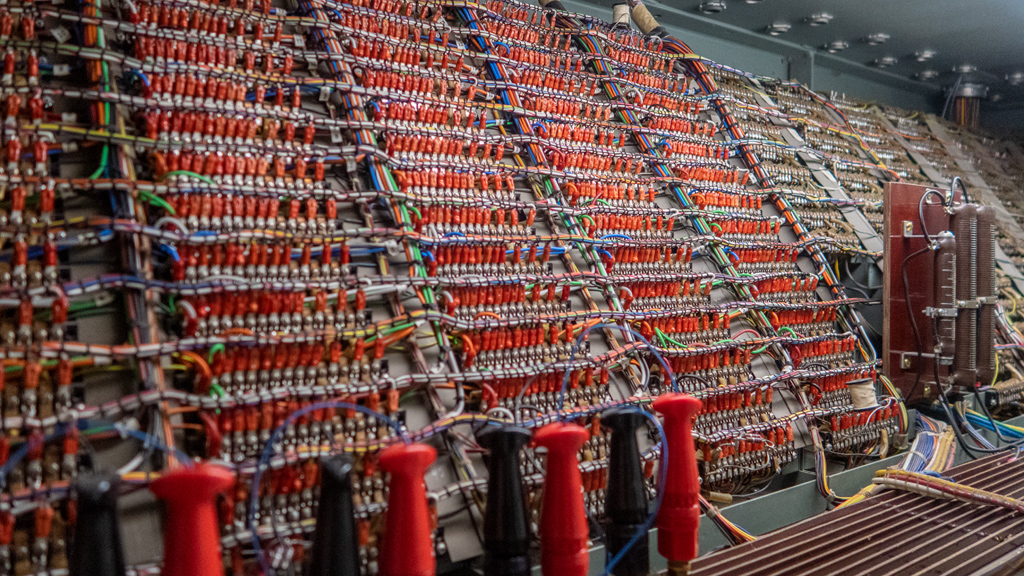
Next, I visited the valve pit, which was responsible for passing treated water through process tubes. The docent had a small presentation in this area, and he explained that, until not too long ago, this room was annually audited as part of a peace agreement. The way the room would be checked to ensure the facility was no longer operational was to verify that the tubes did not show signs of having been recently wet.

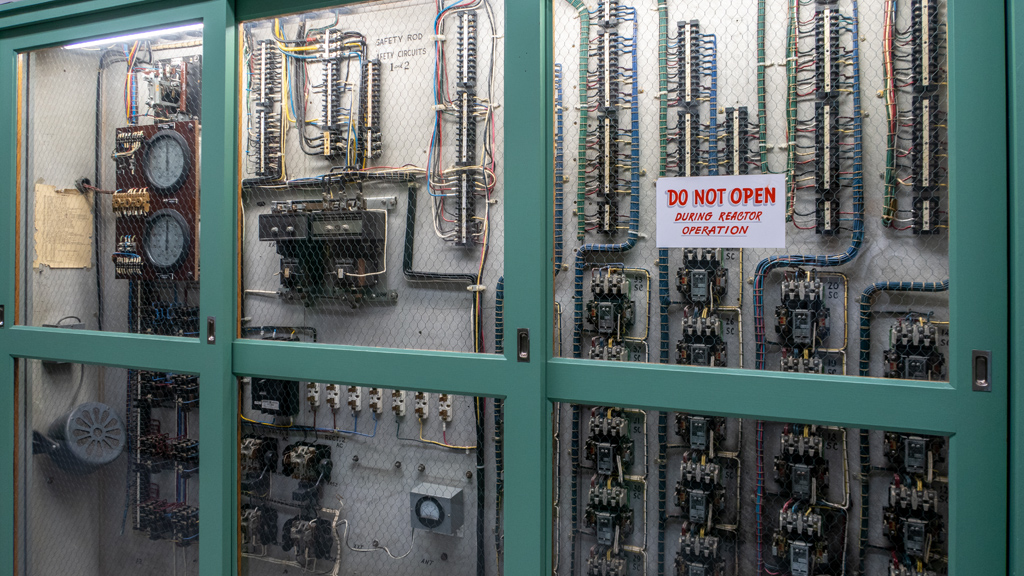
I don’t quite recall exactly where this photo was from; I believe it might have been from a hallway near the electric equipment room.

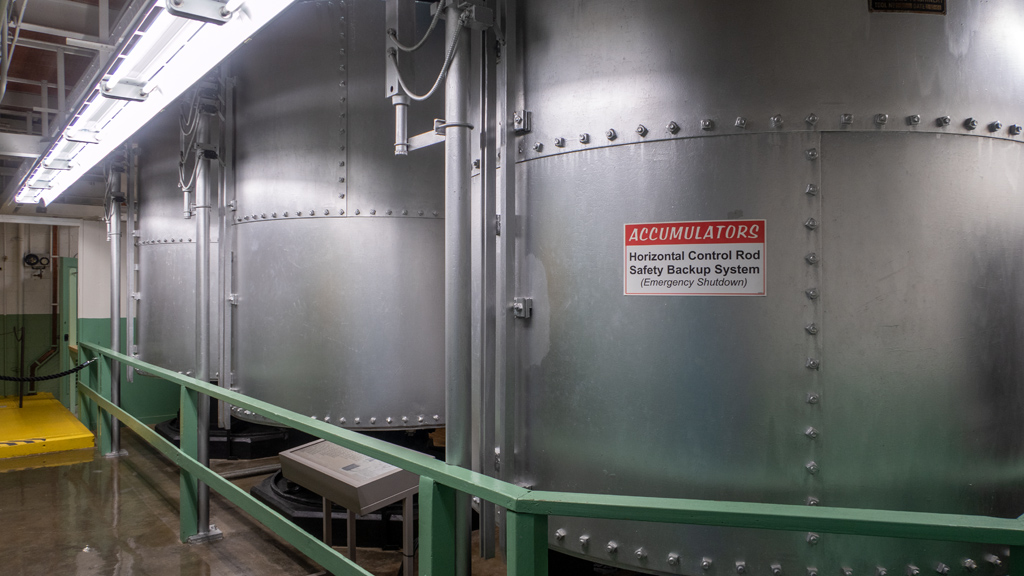
Around the corner was the accumulator room, which contained, as you may have guessed, accumulators. They served as a back-up system for inserting hor­i­zon­tal control rods into the reactor in the event of a power failure. There was a mirror between the accumulators that was strategically angled so you could see the inside of the accumulators from the ground; they contained a lot of small rocks.

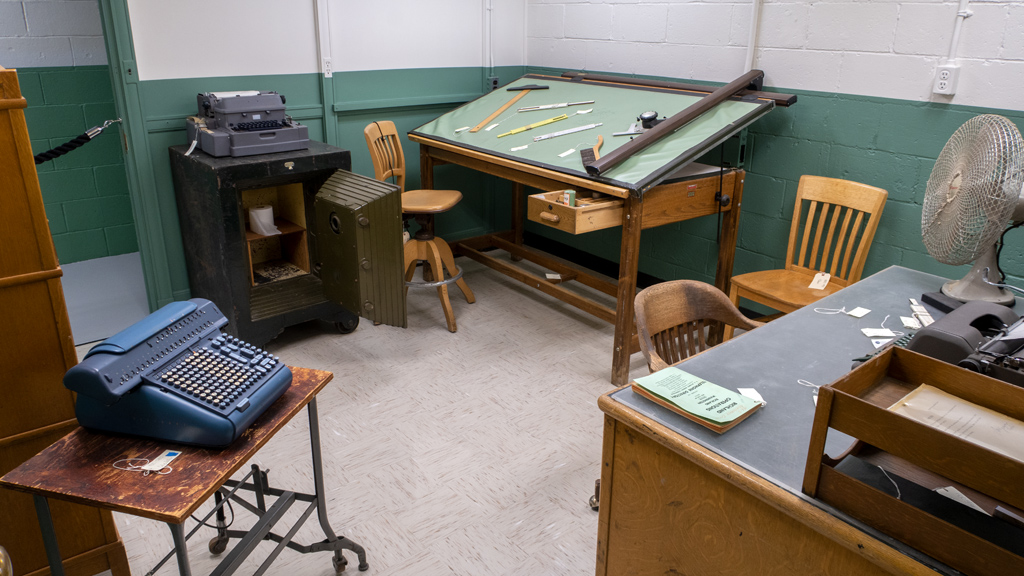
This was one of the unlabeled rooms right outside the accumulator room, which appeared to have some telecommunications equipment, tools, and in­stru­ments on display.

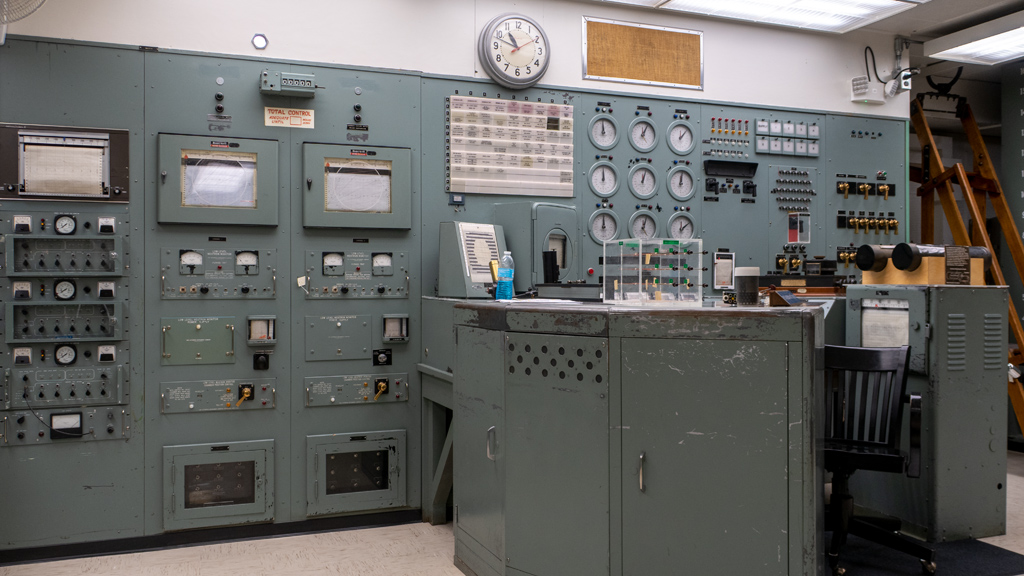
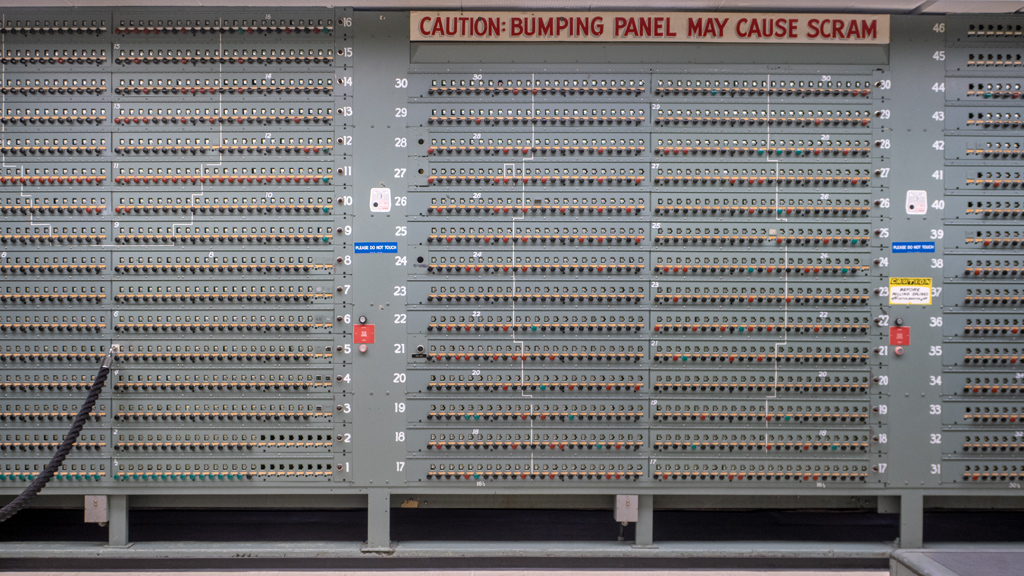
I eventually made my way over to the secondary “main attraction” (behind the reactor itself), which was the control room.

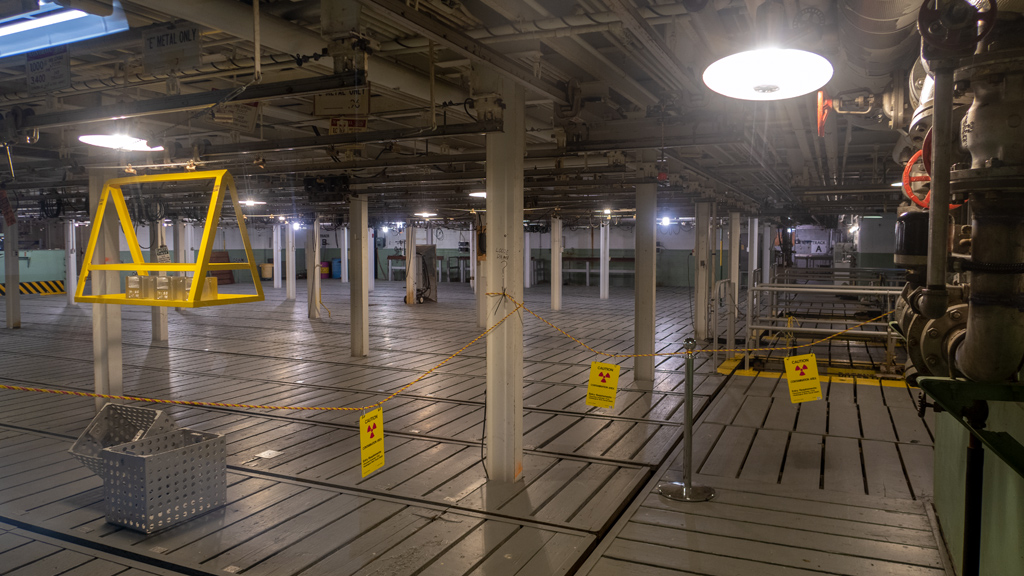
After thoroughly exploring the control room, I continued my way down the hallway to the fuel storage basin. This area was blocked from public access due to contamination, but there was a viewing area behind some thick glass where we could see where irradiated fuel was stored prior to being shipped to the 200 Area, also known as the Central Plateau.

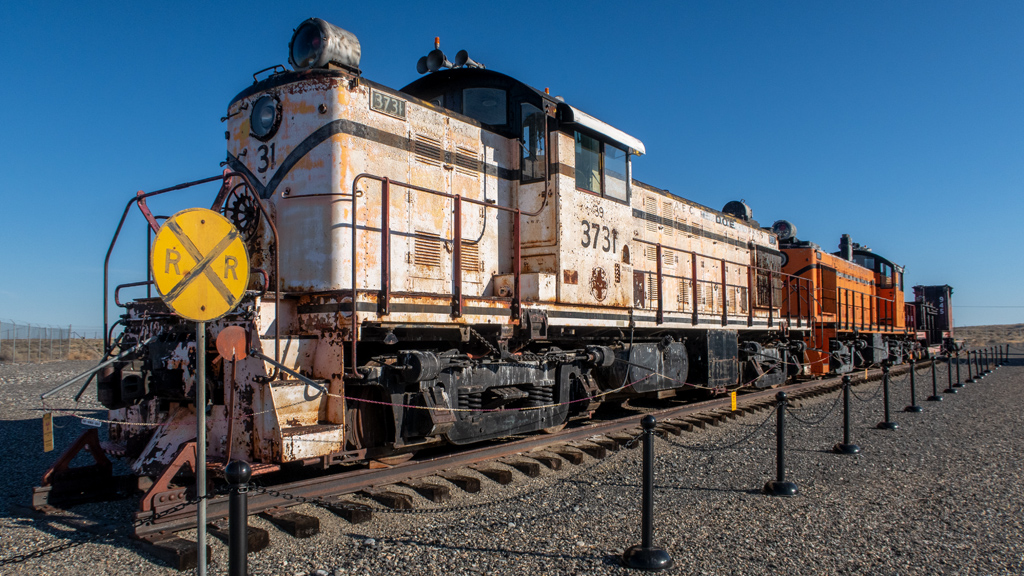
Outside, there was a train on display. The docent did not specify what this was for, but just from the fact that it is on display at the B Reactor, I imagine this was one of the trains used to transport fuel and materials to and from the reactor.

I talked about this more in-depth in previous blog posts when I started visiting museums a lot more a year and a half ago when I completed the first por­tion of my road trip, but museums like this have played a very large role in lessening my dislike of the topic of history. Throughout all my academic years as a student, history was my most hated subject because the way it is taught in the United States is passive and makes everything appear in­con­se­quen­tial.

Now that I’m actually seeing this all first-hand, I’m able to conceptualize and internalize what happened. Additionally, the docents here were former employees of the Manhattan Project at Hanford, they are lifelong residents of the Tri-Cities area, they are still taking an active role in the clean-up proc­ess, and it’s clear that they truly care about helping people understand the importance of this history.

These docents demonstrated a stark difference from the history teachers I had, especially in high school, where it was a recurring theme for them to just lecture at me out of a textbook. They only cared about the process (i.e., saying that they showed up for class so they can collect their paycheck), rather than caring about the results when it came to the students.

I thought this tour of the B Reactor was amazing, and I am astonished that it was free. Based on quality and the resources they have to put in for trans­por­ta­tion and staffing, they could justify charging ~US$30 for this, and even then, it would still be an amazing deal.

I think the timeframe allotted for self-exploration was a little short, and it was mainly geared towards the casual visitor. If you are an enthusiast or end up getting very interested in the topic, this is absolutely a tour worth attending twice.


—§—