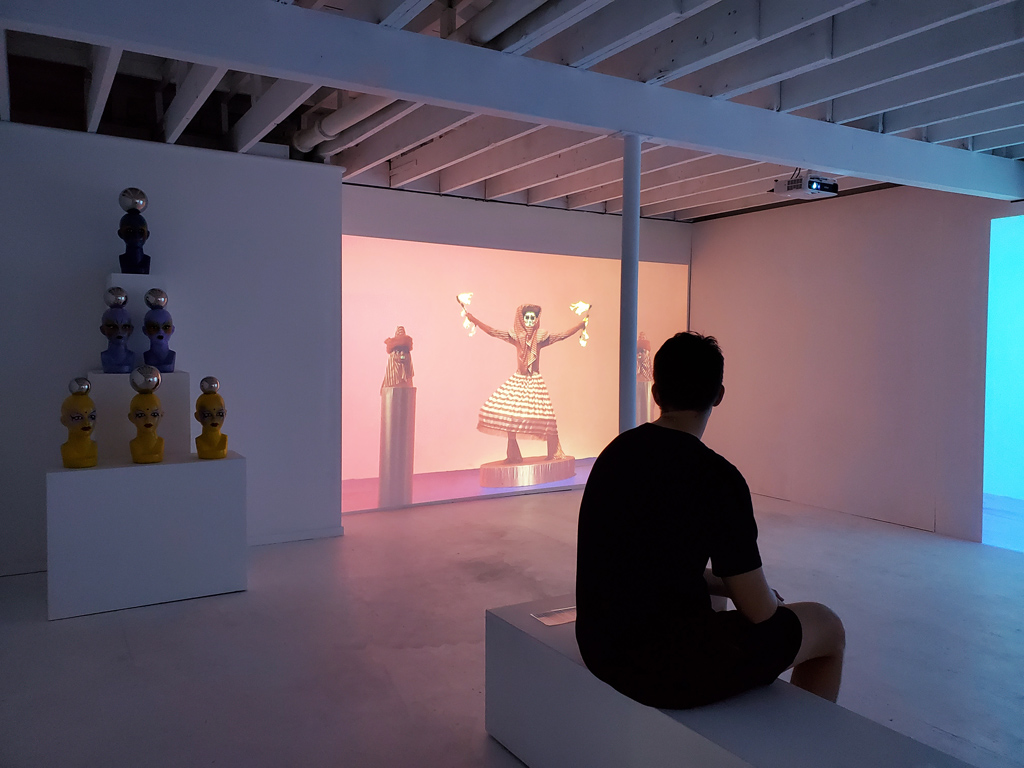
Hello, Point Defiance Zoo, Aquarium, and Park in Tacoma, Washington

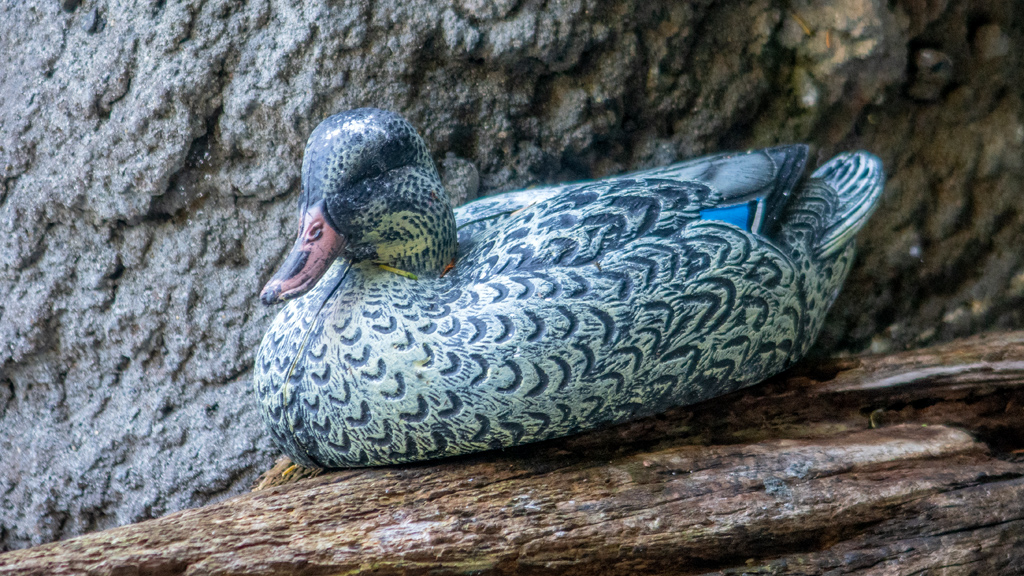
For my second tourist activity of Tacoma, Washington, I went to the Point Defiance Zoo and Aquarium. Compared to other zoos I’ve been to, it was fairly small and didn’t really have very many animals. This zoo also had a lot more children visiting that I remember from my other zoo visits, so it was a bit chaotic with children running around everywhere and screaming.

 
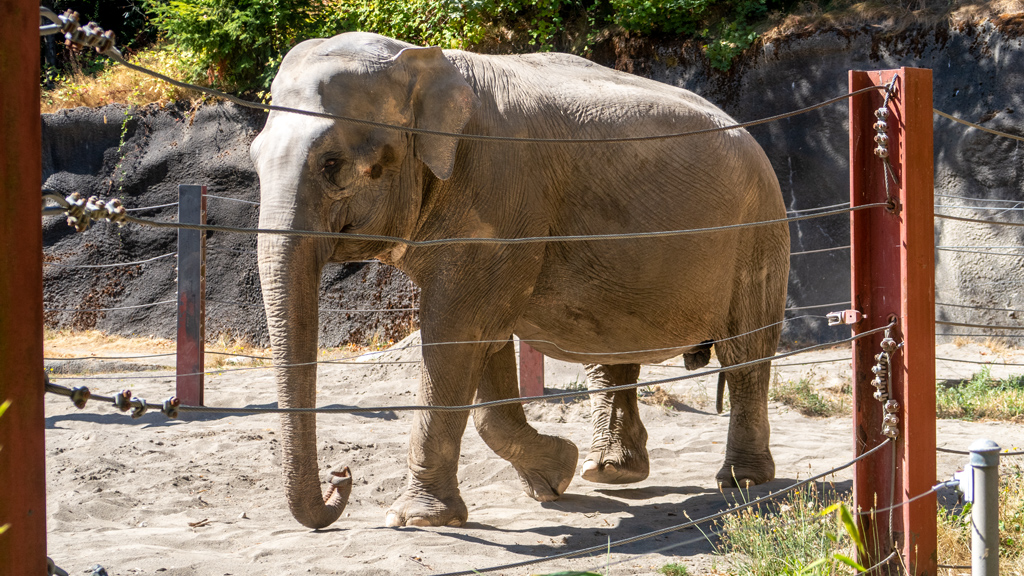
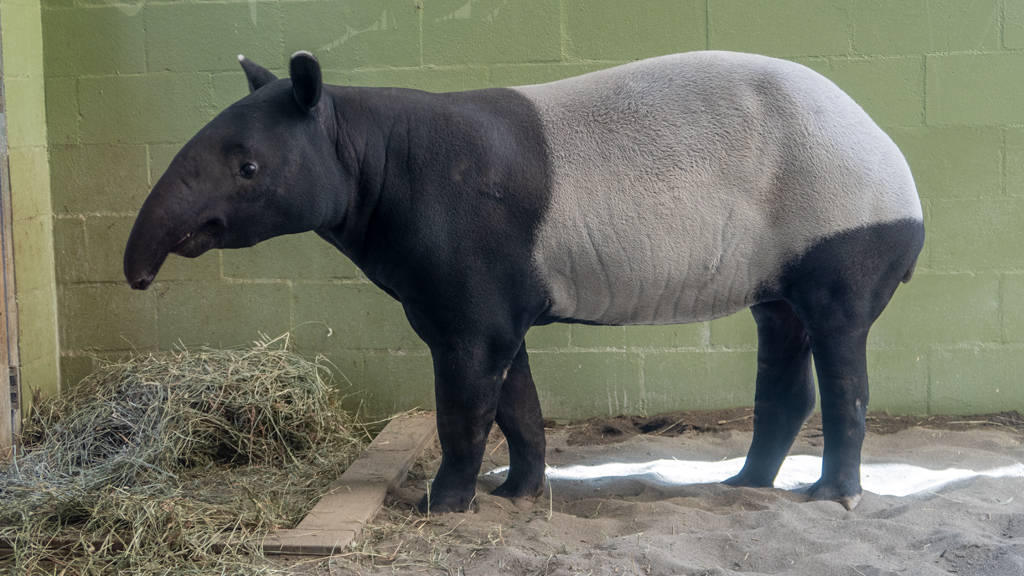
On the southern side of the zoo was the Asian Forest Sanctuary.

My favorite part of this zoo trip was seeing the elephant, though that was probably because there was a zoo employee there holding a talk and sharing more information about the particular elephant that visitors were able to see. Apparently, the elephant is over 50 years old, and she recognizes the zoo­keeper who has cared for her for the past 30 years. The elephant also apparently knows when her particular caretaker is on the premises and gets anx­iously excited in anticipation.

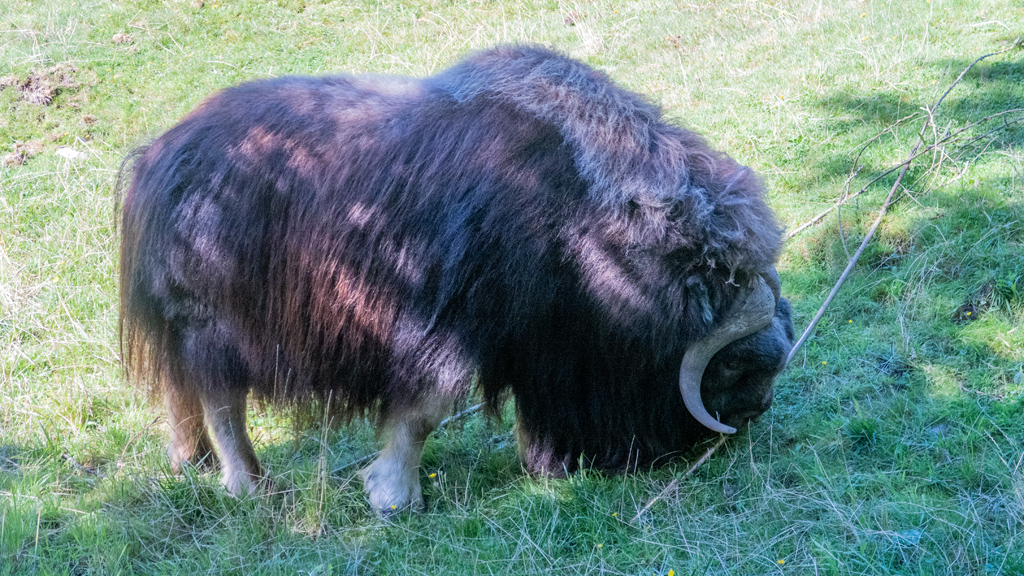
On the northern side of the zoo was a large area that had a few musk oxen.
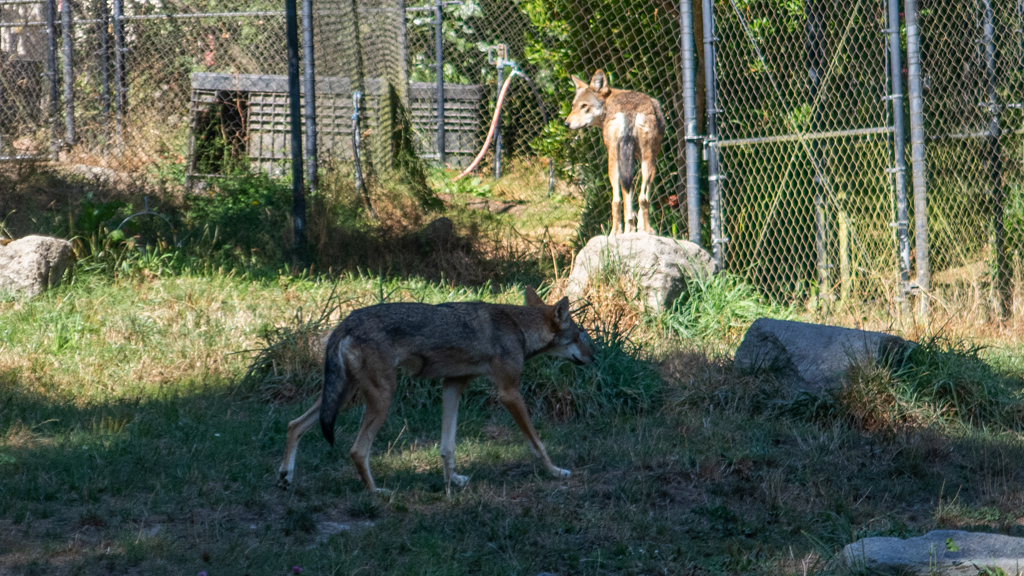
Nearby was the Red Wolf Conservation Center and the Red Wolf Woods.
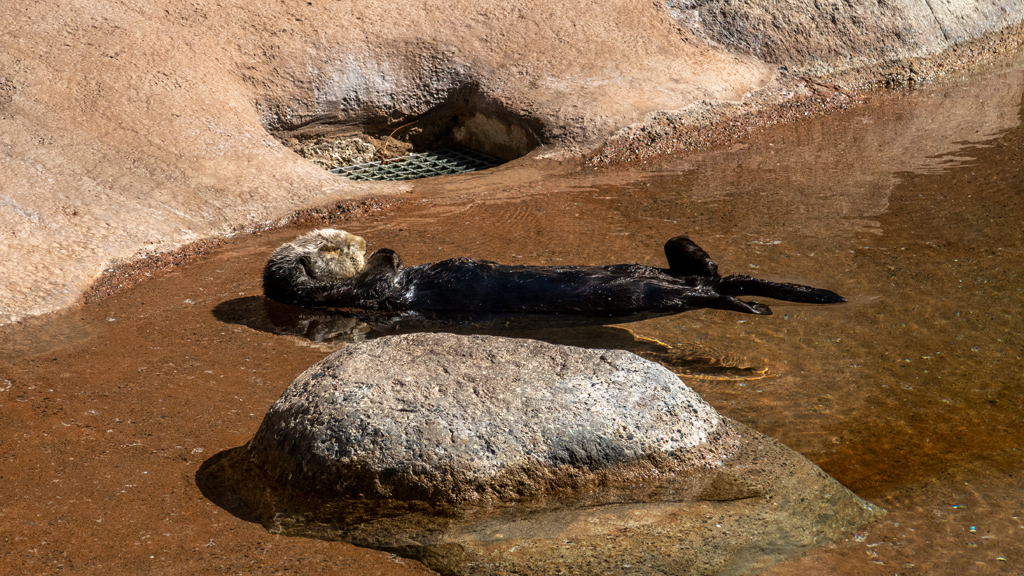
In the Rocky Shores area on the eastern side of the zoo, I saw some sea otters, seals, sea lions, puffins, and other birds and sea animals.
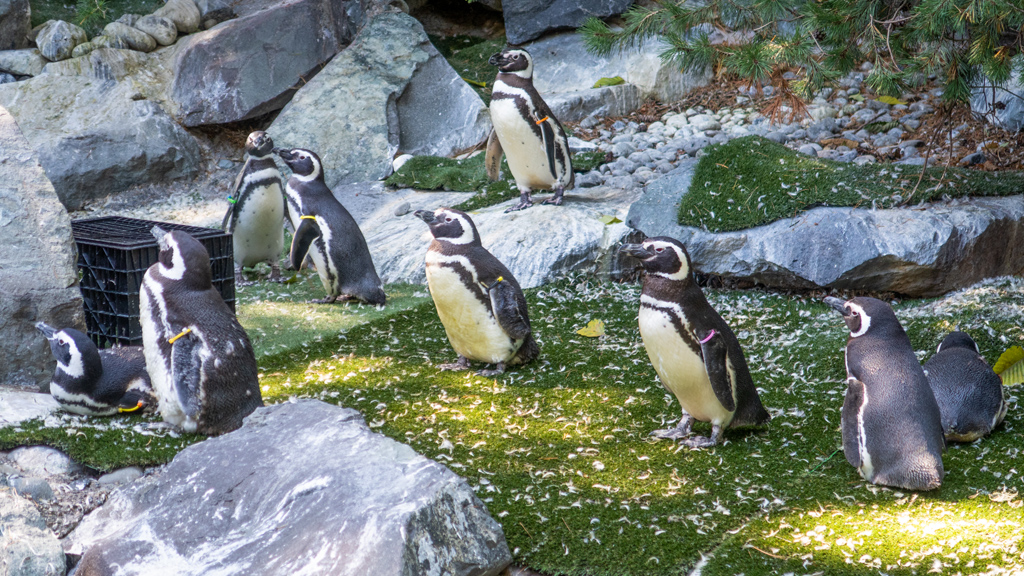
Further down the path near the Wild Wonders Outdoor Theater were some penguins.
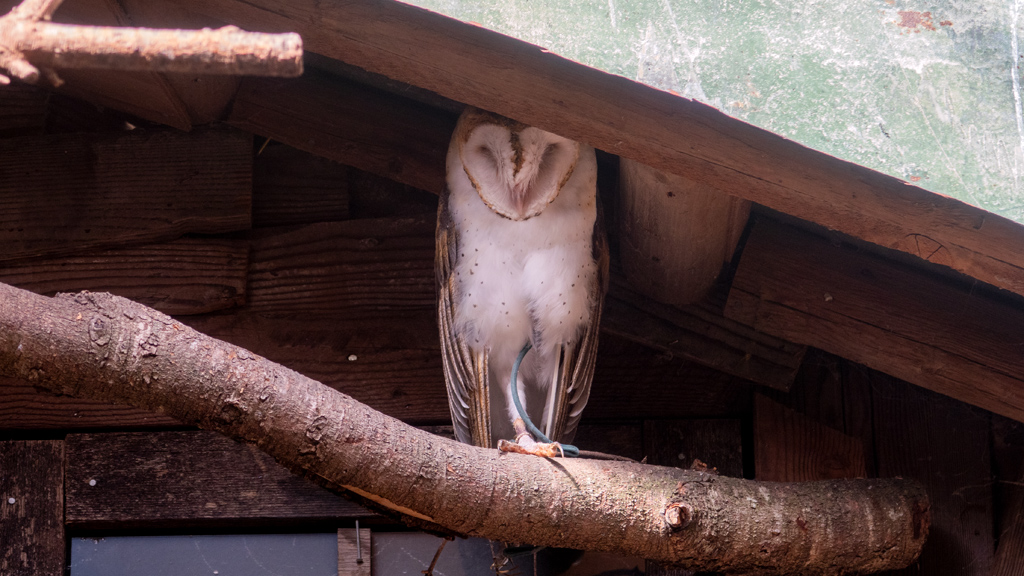
Close to the penguins were the Discovery Hut and Budgie Buddies, which had some birds.
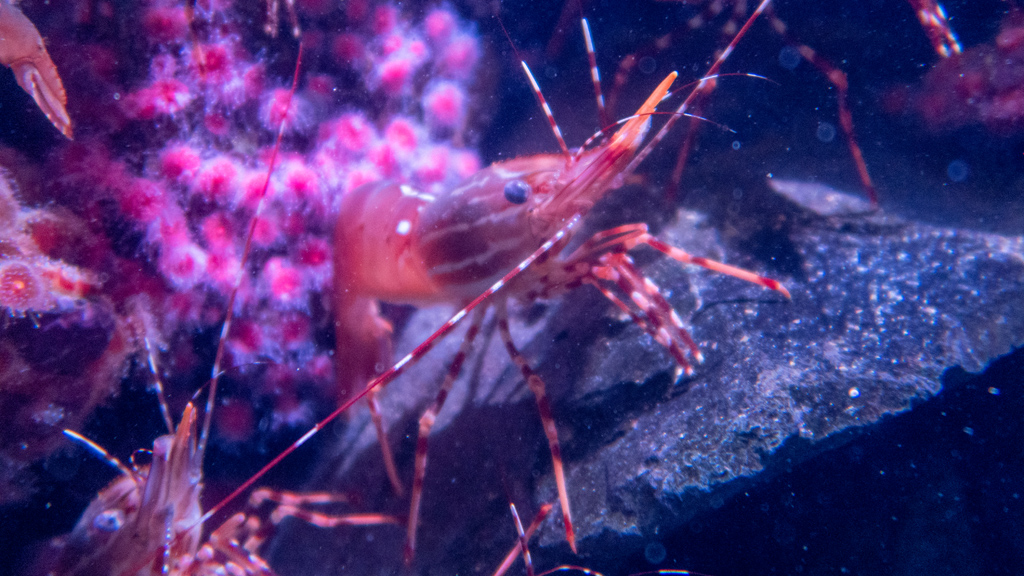
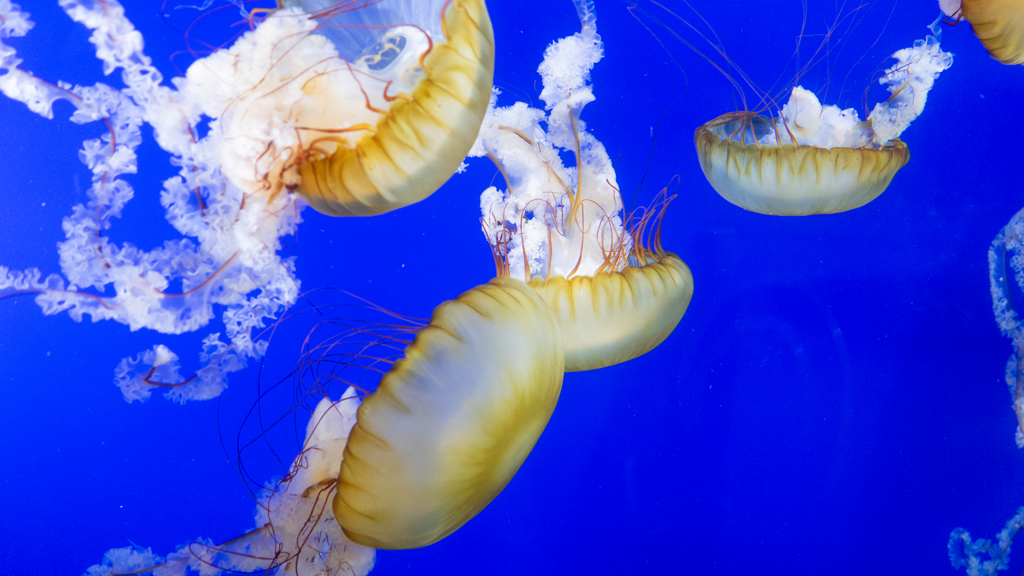
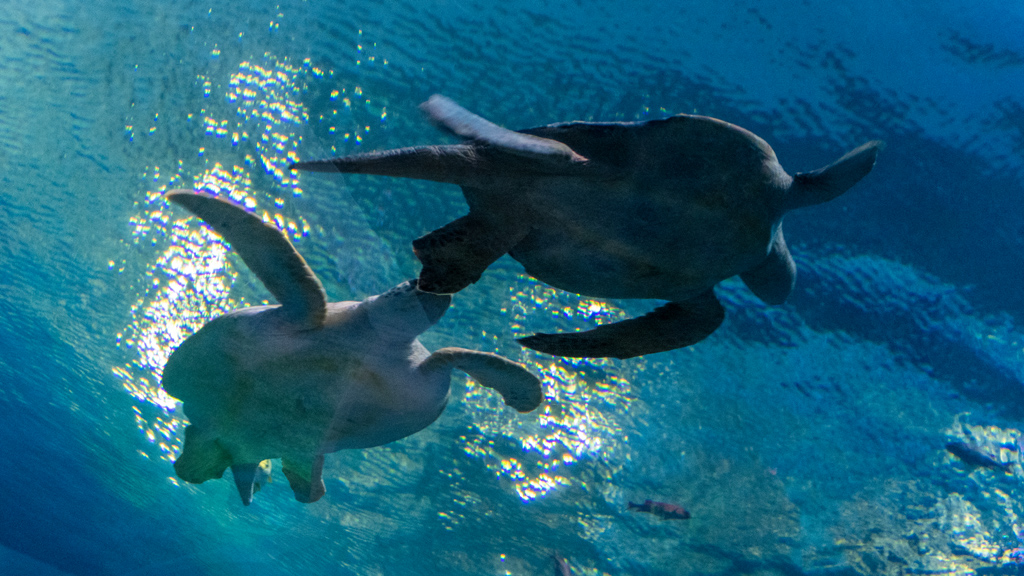
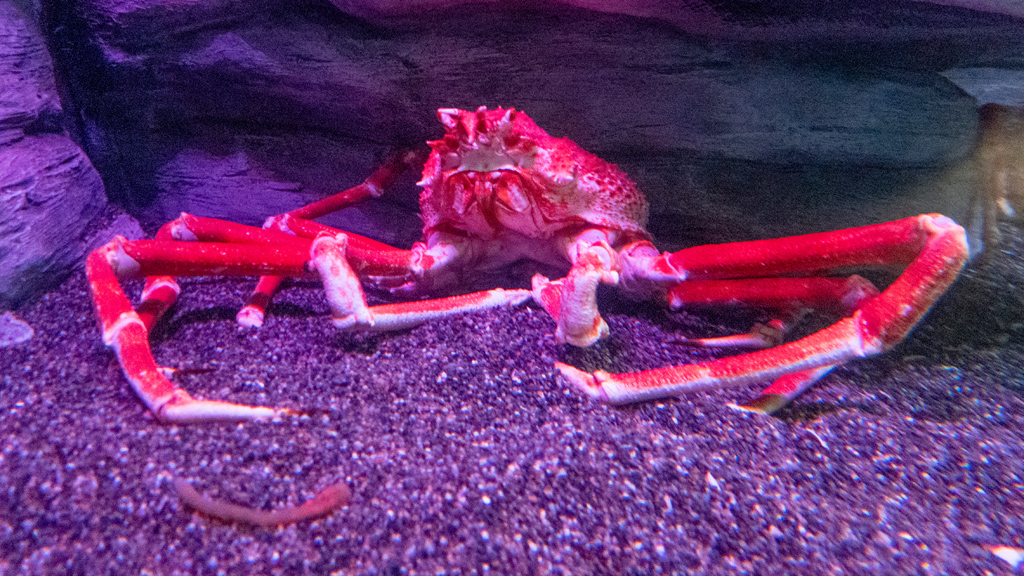
Unfortunately, the South Pacific Aquarium was closed for renovation, but luckily, the Pacific Seas Aquarium was still open.
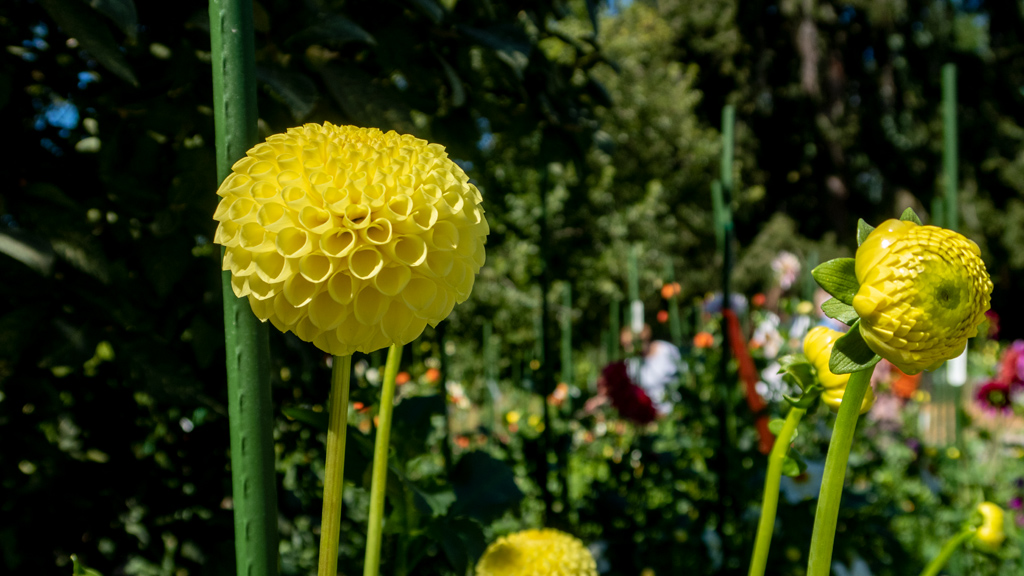
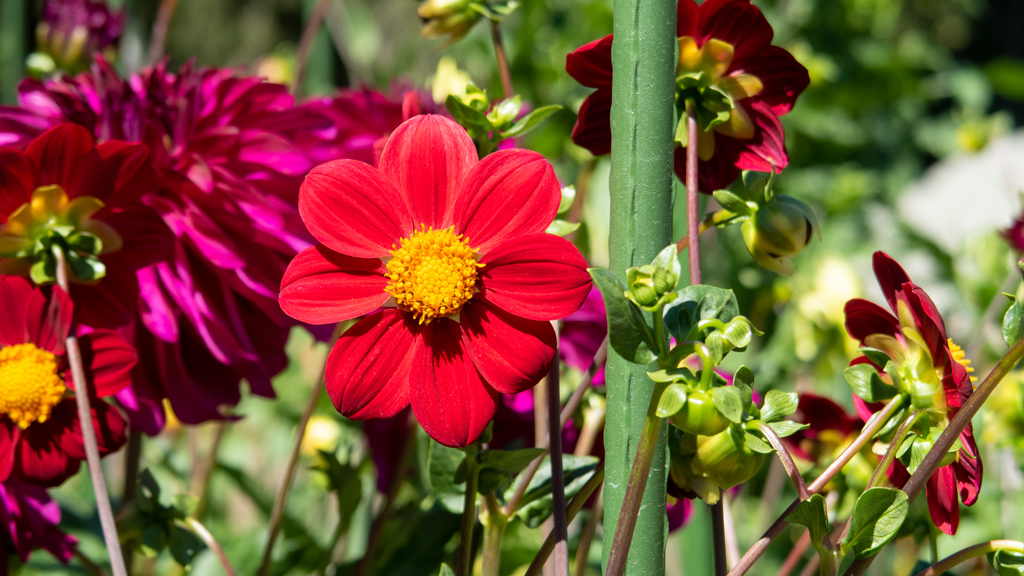
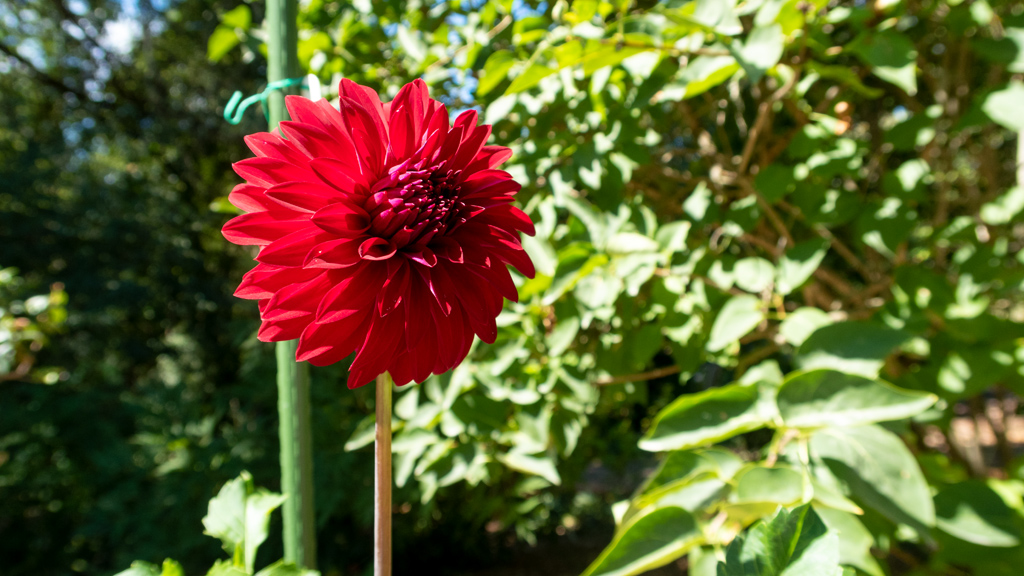
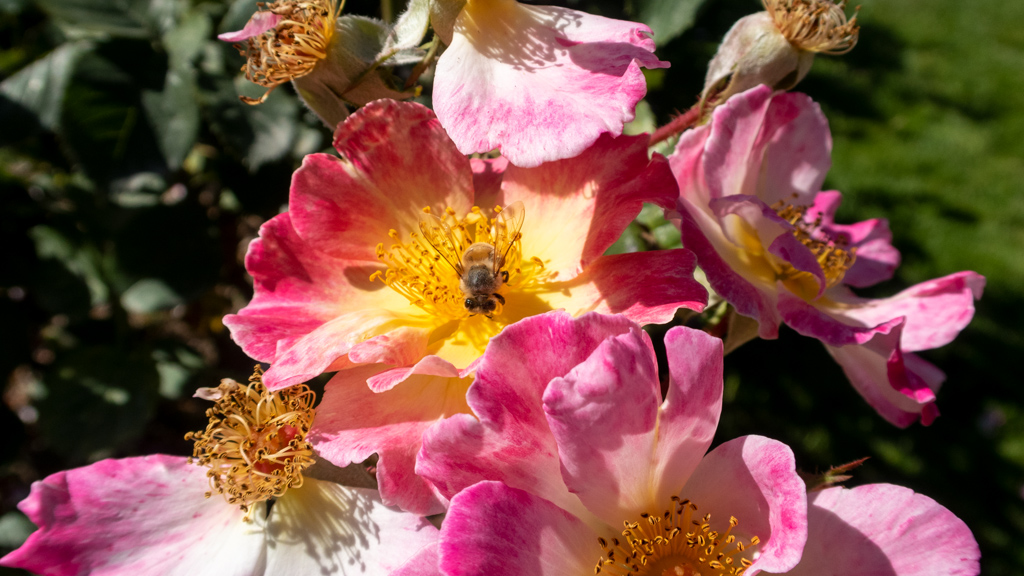
After taking a thorough tour of the zoo and aquarium, I headed over to Point Defiance Park, a very short drive down Five Mile Drive, around the traffic circle, and up North Waterfront Drive. I stopped by the Point Defiance Botanical Garden and walked around the Point Defiance Rose Garden, Dahlia Trial Garden, and Herb Garden.
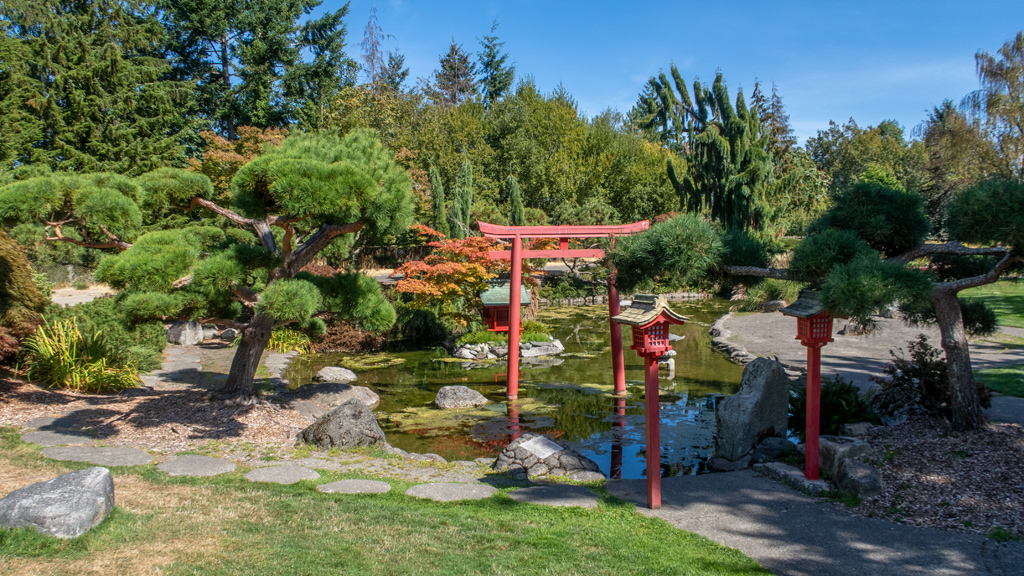
I continued my walk northbound and did a loop around the Japanese Garden across from the Point Defiance Pagoda.
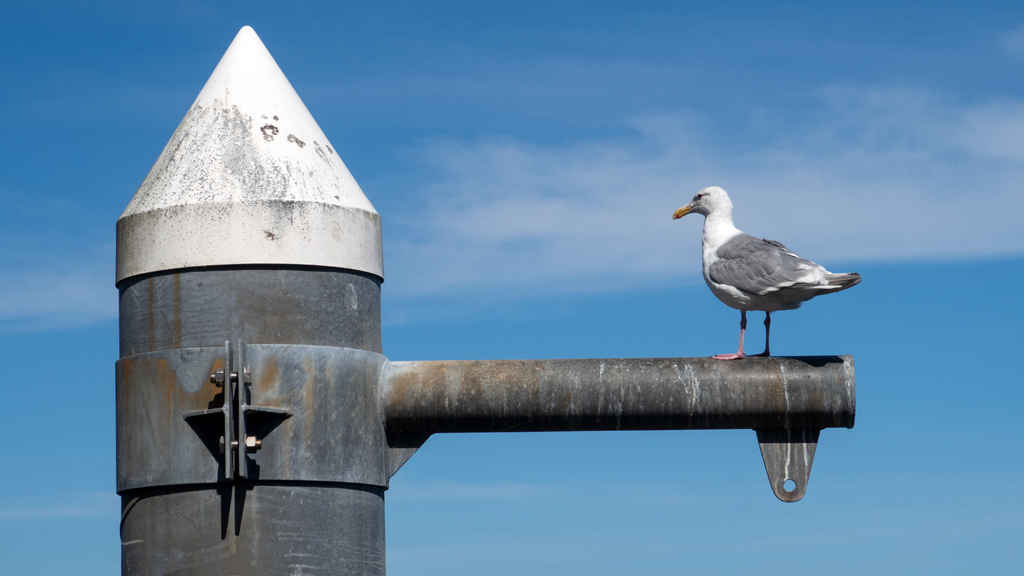
After getting a little bit lost, I managed to find a path through the playground and down onto Promenade Lane, where I was able to take in some views of Commencement Bay from the Point Defiance Marina.
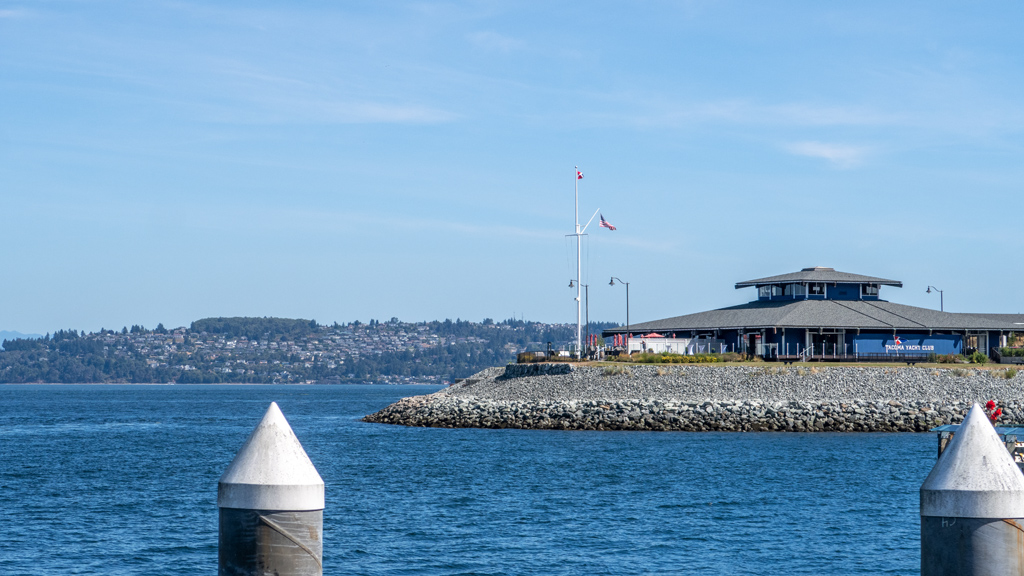
If you don’t have much accessibility to zoos, then the Point Defiance Zoo and Aquarium isn’t a bad place to visit, but if you have limited time or have the opportunity to go see other zoos instead, then I’d recommend bumping the zoo and aquarium down a bit lower in priority.

With that being said, Point Defiance Park and Marina were very pleasant, and considering that going to the park is free (as opposed to the zoo and a­quarium requiring an admission fee), I think it is definitely worth it to go for a walk at the park and get some exercise in while taking in the pretty sights.

The cold air from the bay was very refreshing when it hit my face for the first time after I had navigated my way there through the warm sun, and if you’re up for a longer walk, it appears like Promenade Lane has direct access to the beach.
 

—§—


Hello, Museum of Glass in Tacoma, Washington

After spending about two months within the main Seattle and Seattle suburb areas since coming back from Canada (excluding the one week when I flew to Las Vegas to take care of some errands and meet up with friends), I decided it was time to go venture out a little bit more. I still have another session of petsitting that I need to do again for Erin in October, so I can’t leave the Seattle Metropolitan Area entirely yet, but I still made my way down to Tacoma on the far southern edge of Puget Sound to do some more exploring in a new area.

For my first tourist activity, I decided to go to the Museum of Glass. In order to get there, I walked from where I was staying at the Marriott Tacoma Down­town across the Chihuly Bridge of Glass.

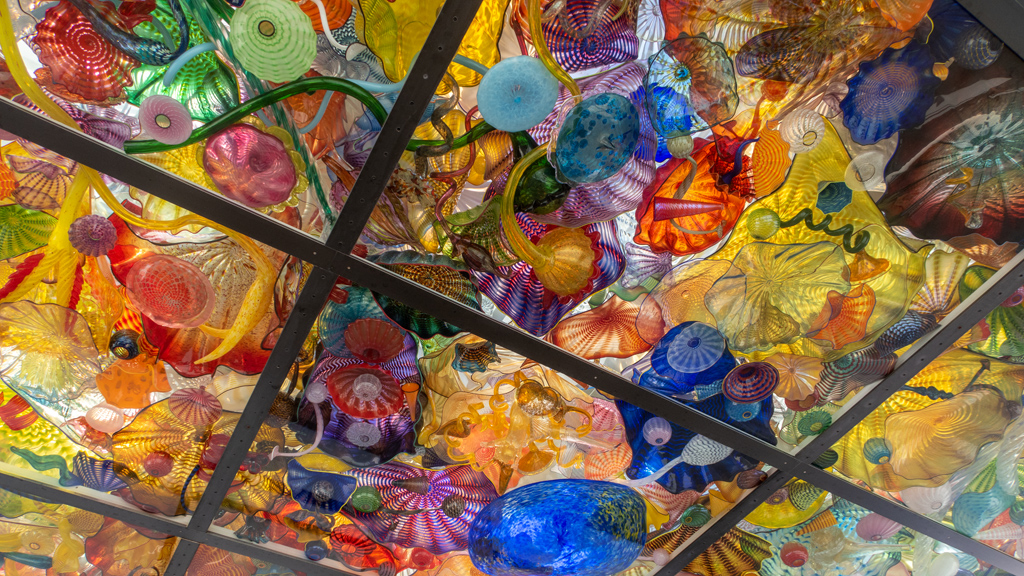
The first section of the bridge was the Seaform Pavilion, available for viewing on the ceiling.

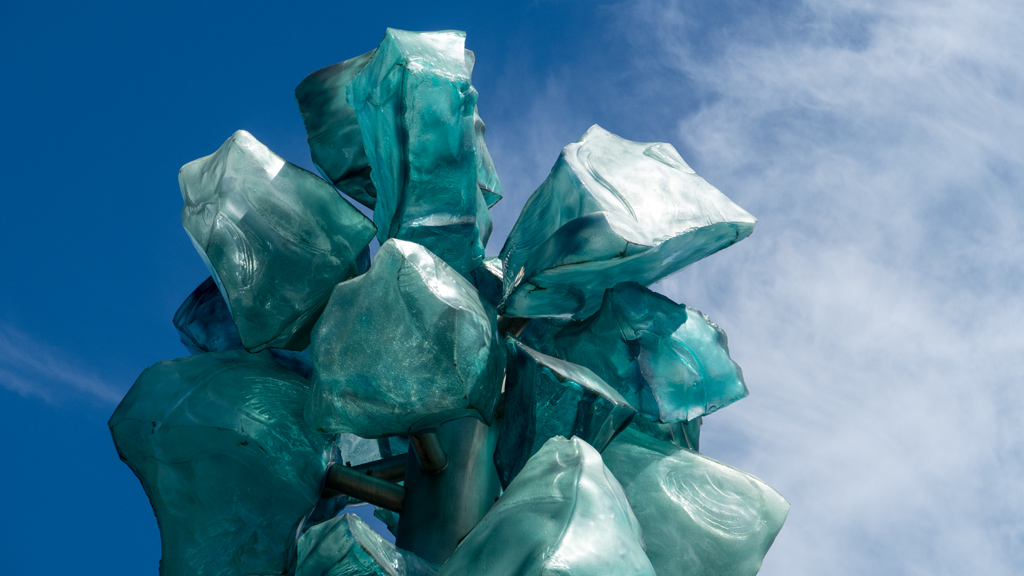
Next were the Crystal Towers, two towers that resembled deep aqua blue chunks of opaque glass assembled together.

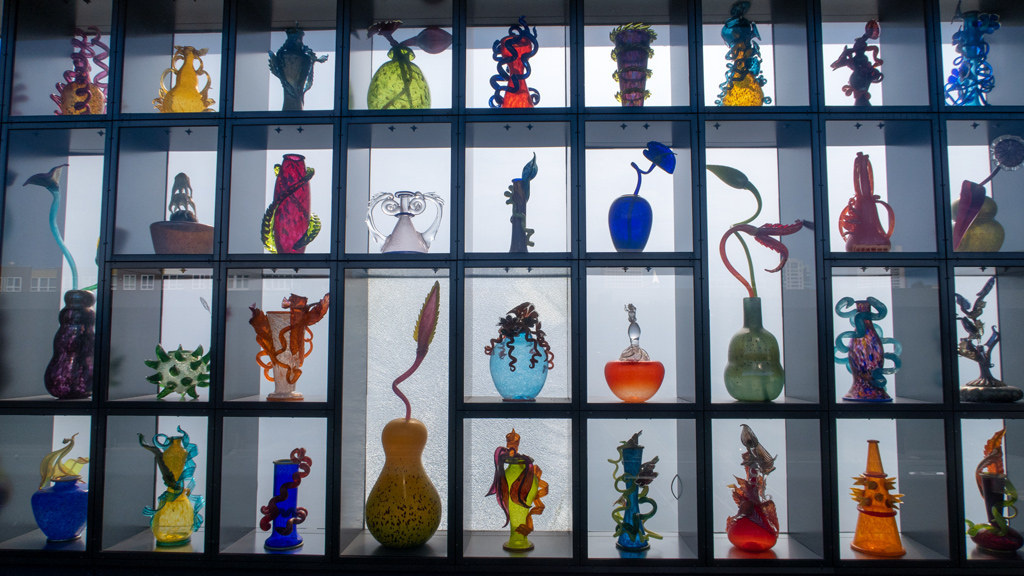
Finally, there was the Venetian Wall, a large collection of shelves and compartments holding a variety of different pieces of glass art. It was a bit tricky taking a photo of it because it was so large, but I could only step back so far due to the limitations of the width of the bridge.

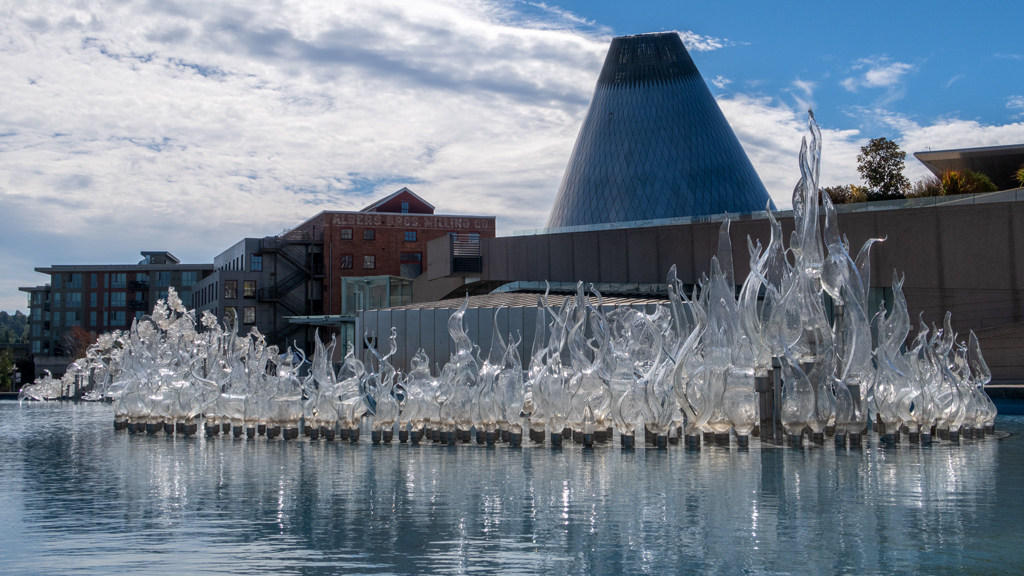
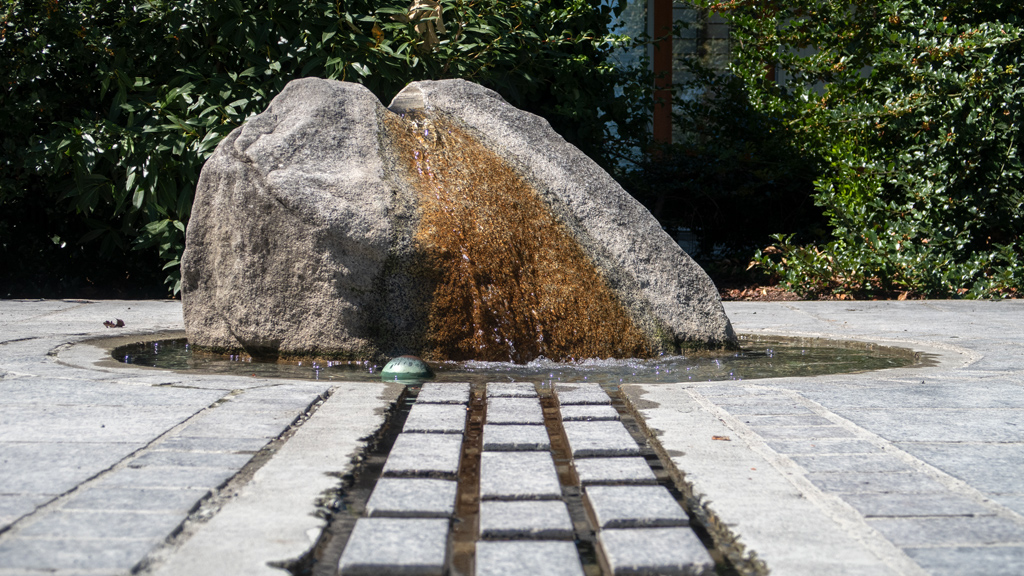
Outside the museum was an exhibit installed directly into a small manmade pond called Water Forest. From what I remember reading from the sign ex­plaining the piece, the clear glass is supposed to represent water itself, and how it rises and falls.

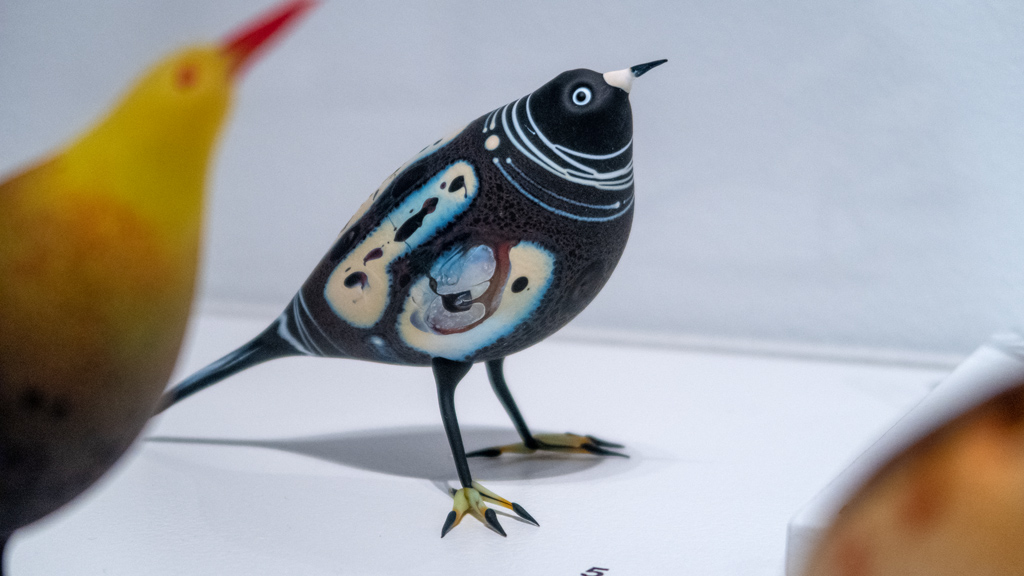
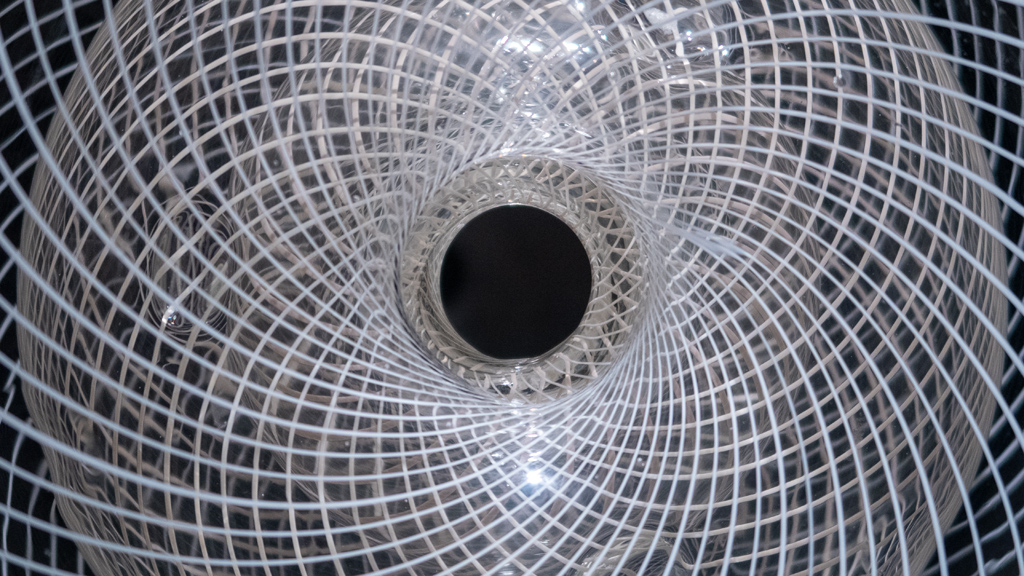
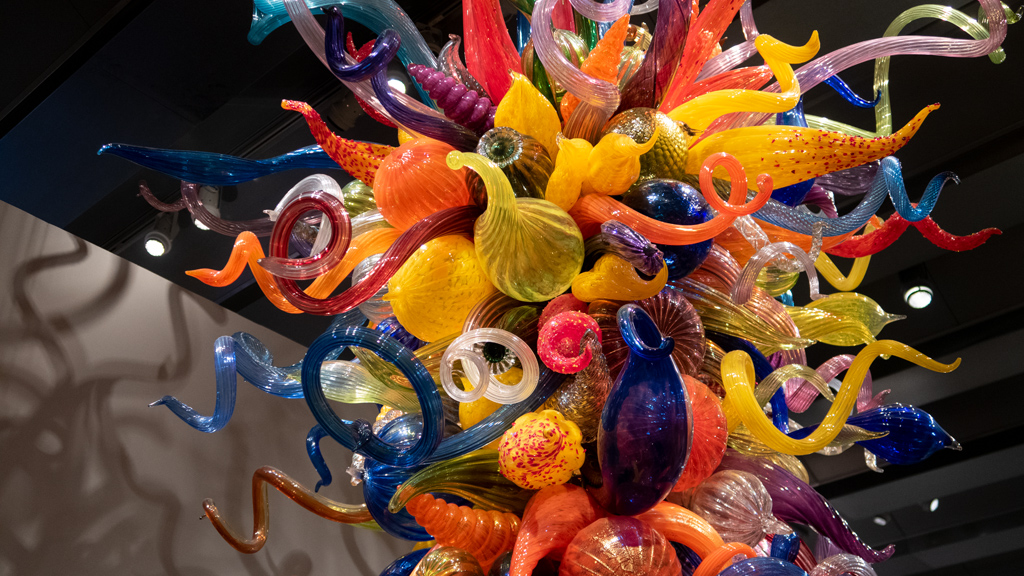
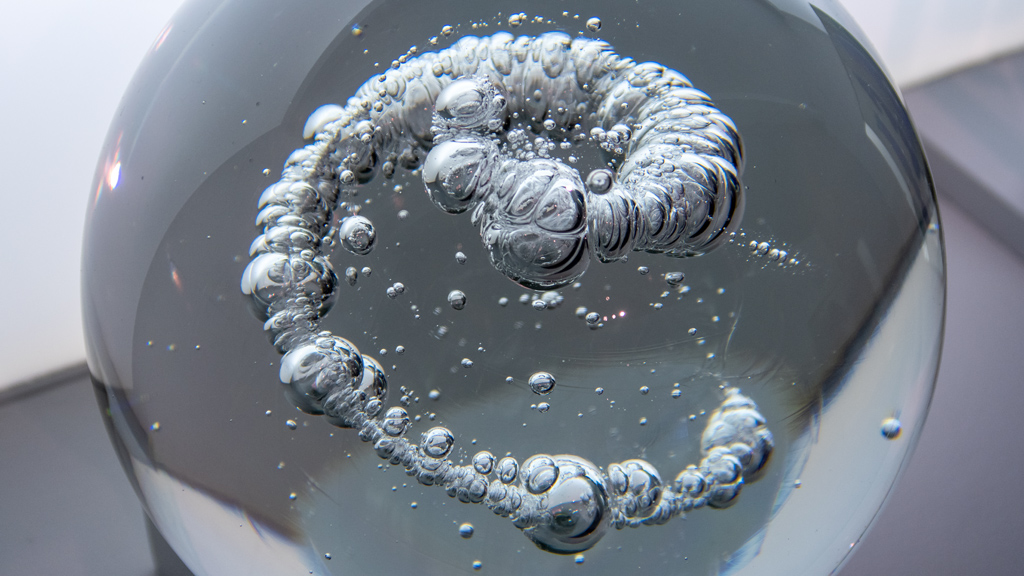
Inside the museum were various glass sculptures and other objects made out of glass—something that you’d expect from a place named the Museum of Glass. I had previously been to Chihuly Garden and Glass in Seattle, and the Museum of Glass reminded me a lot of that.

The first main section was the Viola A. Chihuly and North Galleries, and the exhibit on display was called “Boundless Curiosity: A Journey with Robert Minkoff.”

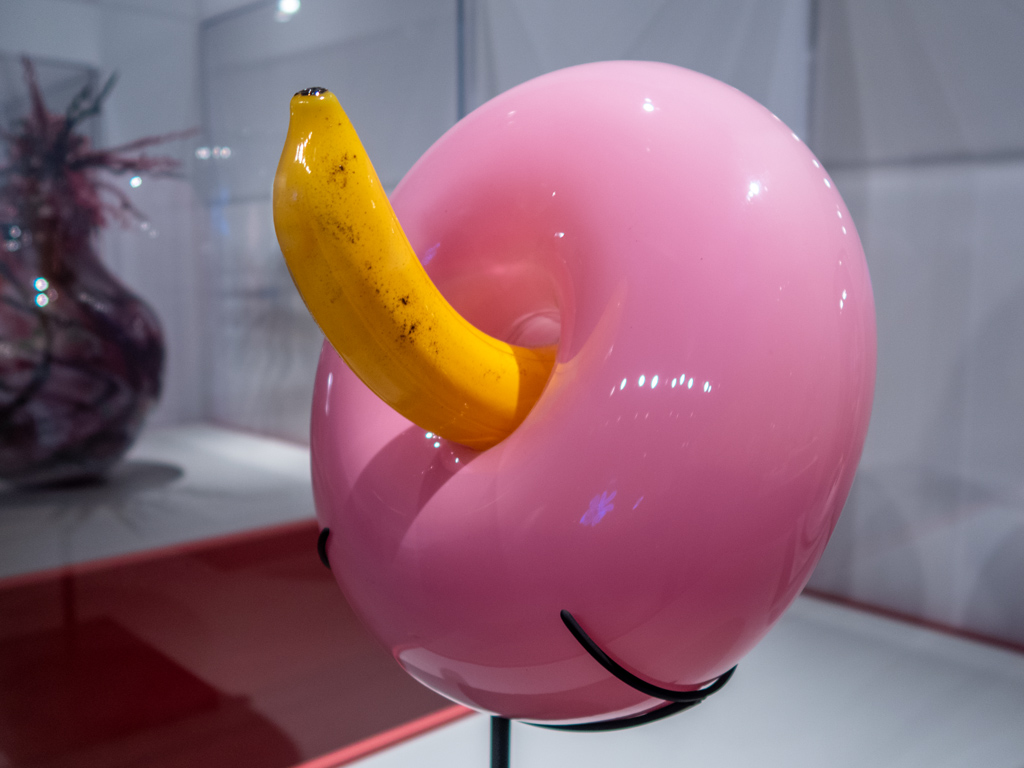
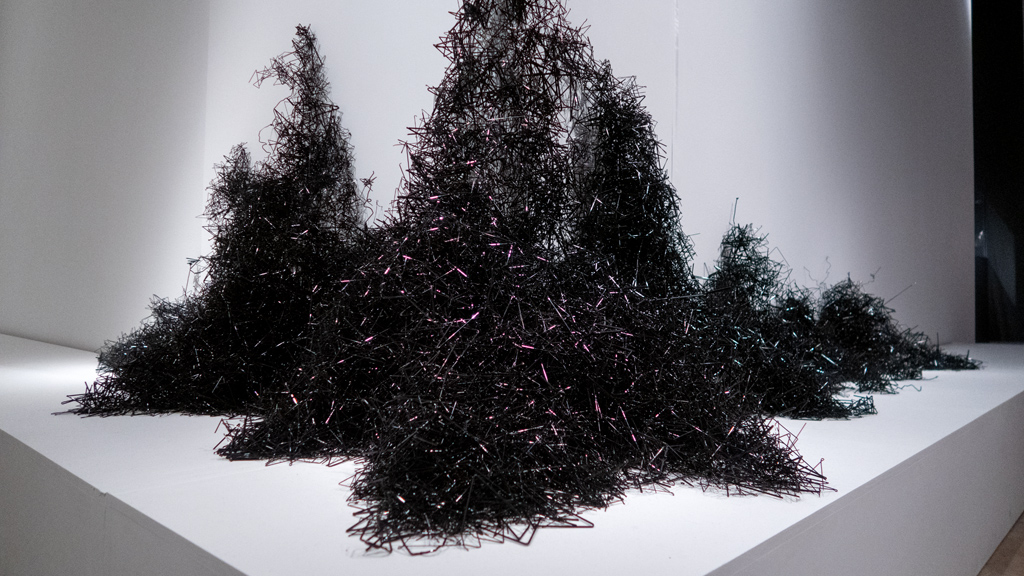
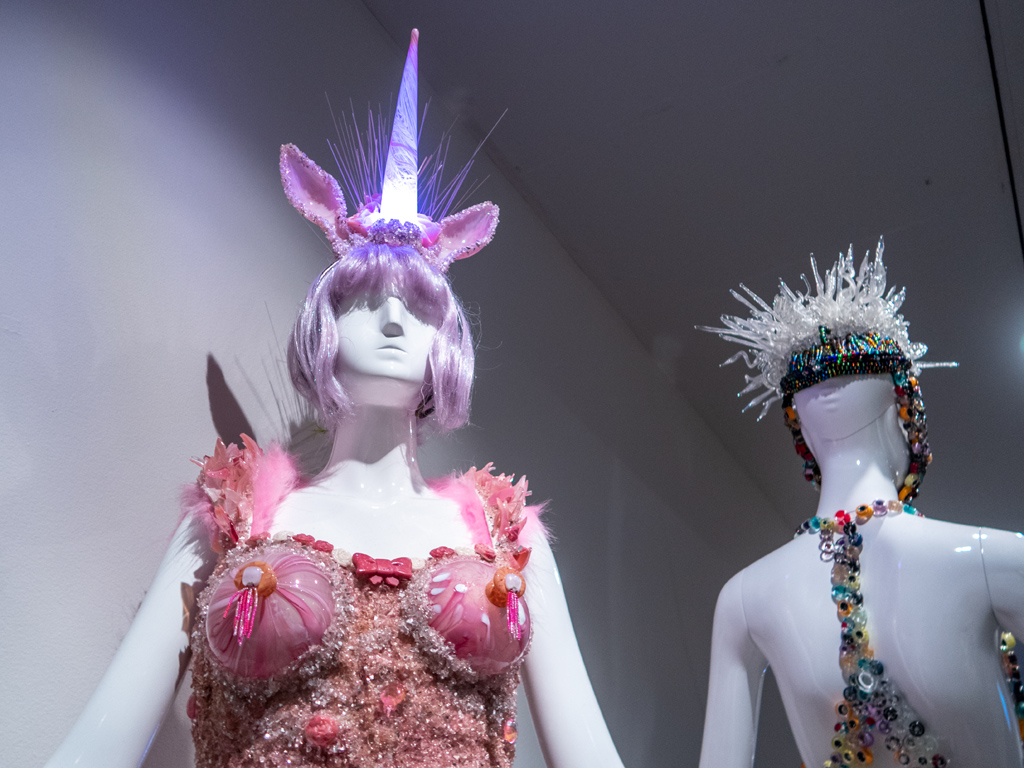
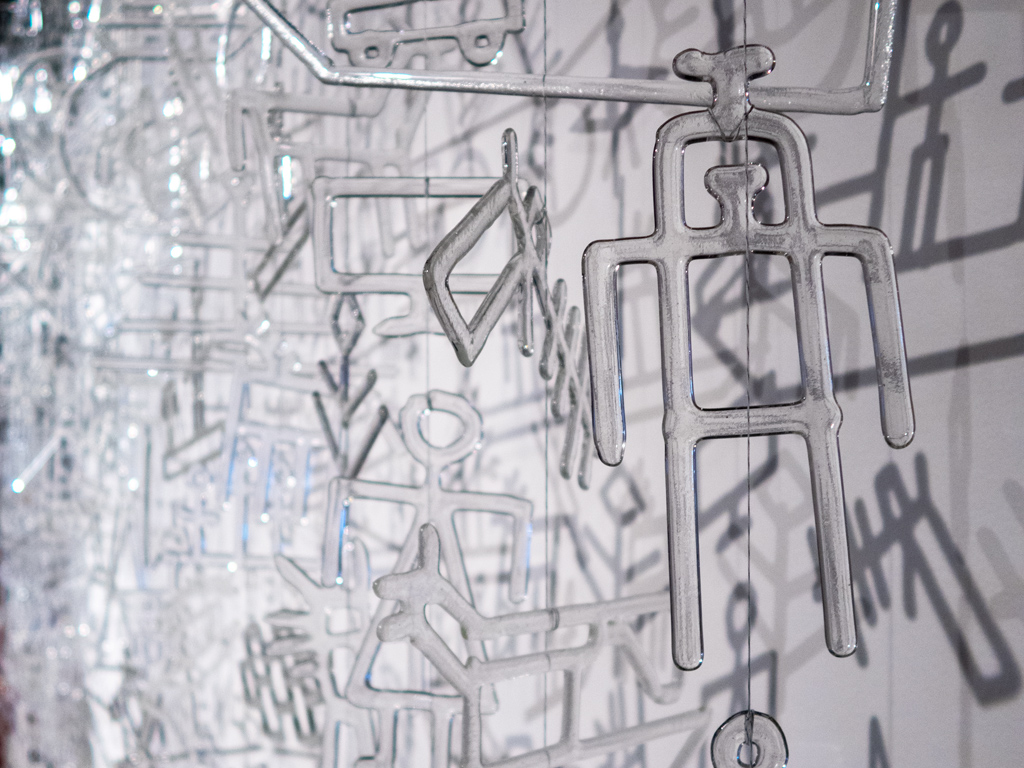
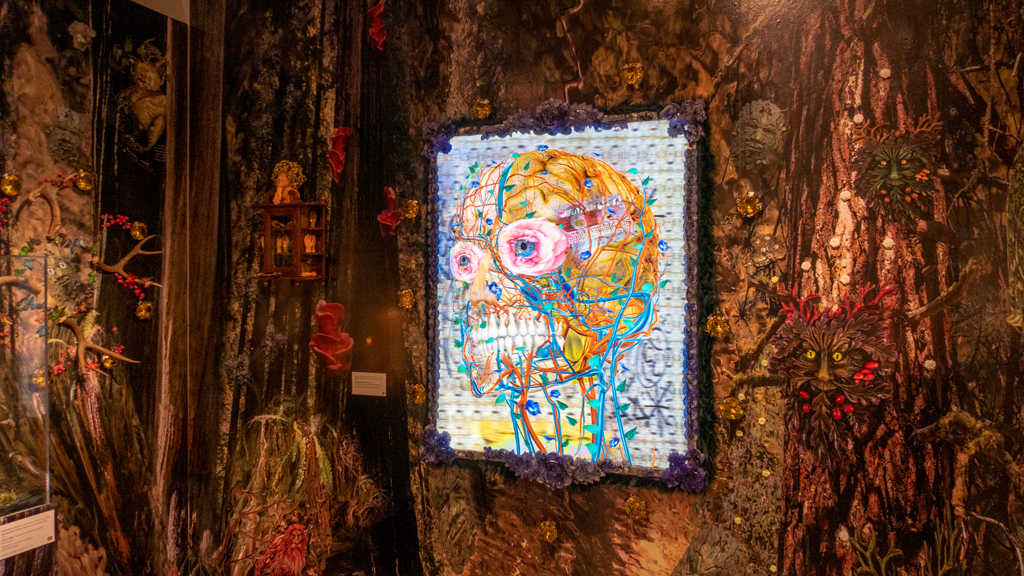
The next exhibit was called “What Are You Looking At? An Eccentric Chorus of Artists Working in Glass.”

Next up was my second favorite part of the museum, called “Out of the Vault: Soundtracks.” Unfortunately, this area was very dark and it was next to im­possible to get good photos here, but the displays here were interactive motion-sensing digital art pieces that would change depending on your pres­ence—you would place your hand or body in the line of sight of the sensor, and it would react to your movement.

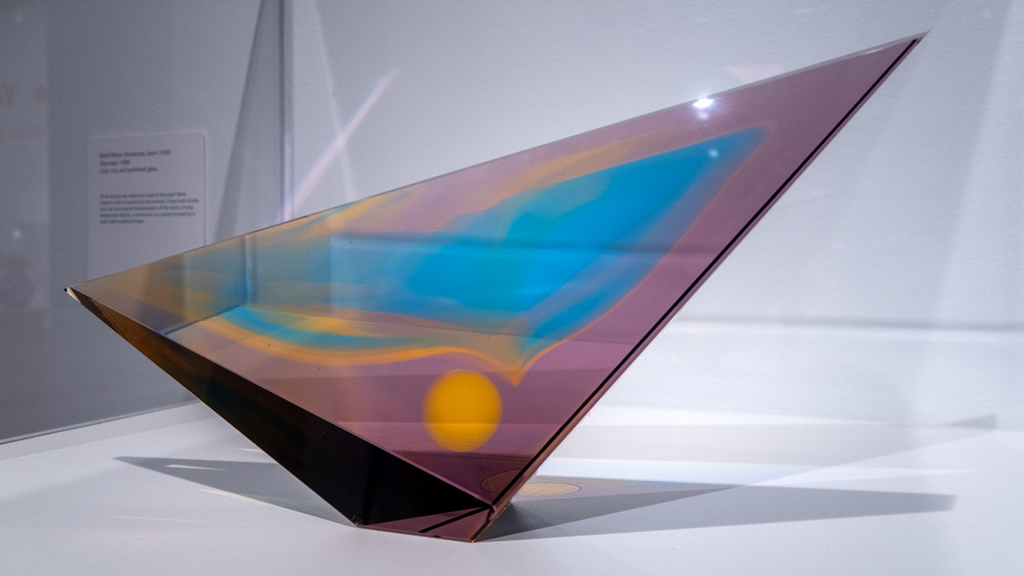
The final section of the main exhibit hall was the Leonard and Norma Klorfine Foundation Gallery, featuring “Maestro Alfredo Barbini: Nature, Myth, and Magic” and “The David Huchthausen Collection.”

(As a disclaimer, I don’t fully recall which art pieces were exactly in which gallery; I posted them in chronological order along with their descriptions, and did my best to insert the captions in the proper place, but some art pieces might be listed off-by-one relative to the descriptions.)

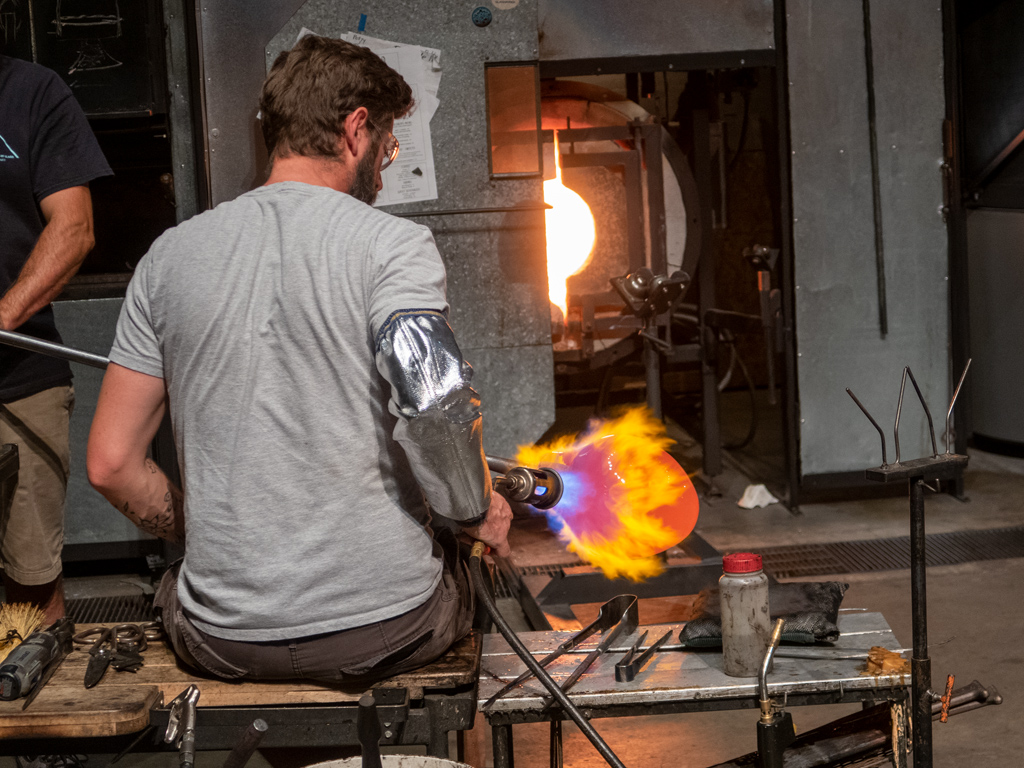
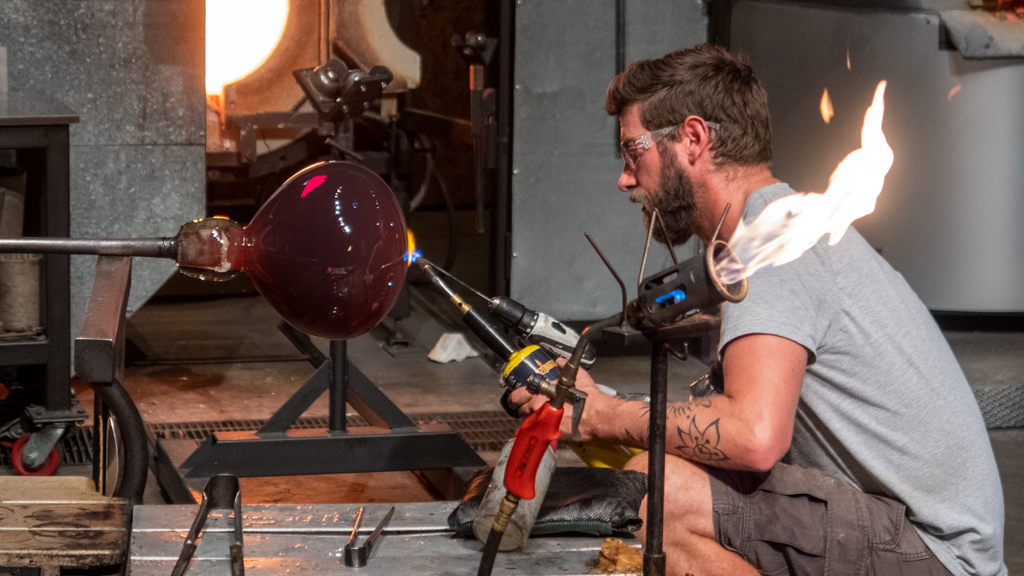
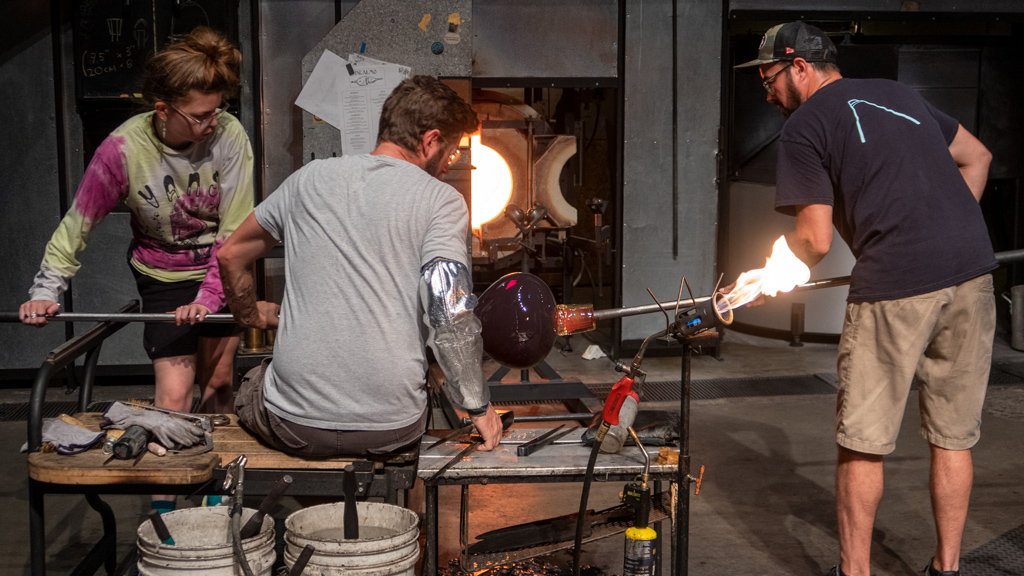
My favorite part of the museum, and the part that sets it apart from the average museum, was the Hot Shop, in which they had a live glassblowing dem­onstration. I wasn’t aware that this was happening, but I had great fortune in my timing, as it started about an hour and a half after my arrival—the per­fect amount of time for me to browse through all the exhibits before making my way over to watch the show.

Not only was it cool to feel the heat of the furnaces from the audience seating area, but watching people working with molten glass put the entire mu­se­um into context and perspective. I thought the exhibits and galleries at the Museum of Glass were okay, but the integration of this live demonstration made it great.

If you’re visiting Tacoma as a tourist, I think the Museum of Glass could be one of the top places to visit as long as you are there for the live glassblowing demonstration (as opposed to seeing only the exhibits), and if you’re ok with paying a little extra, for the fusing workshops as well (which I did not do, as they only take place the second and forth weekends of each month, as of right now).


—§—


Hello, Rhododendron Species Botanical Garden in Federal Way, Washington

On the same day that I went to the Pacific Bonsai Museum, I also went to the Rhododendron Species Botanical Garden right next door. The botanical gar­den was a far more open and unstructured exploration area, as opposed to how formal and curated the Pacific Bonsai Museum was.

I received a map when entering the botanical garden, and I tried to route my path so I would be able to visit as many of the areas as possible, but due to how complex the area was, how winding the paths were, and the seeming outdatedness of the map, I got incredibly lost. I ended up just wandering a­round until I saw enough interesting things, then I ended up back and the entrance and returned to the parking lot.

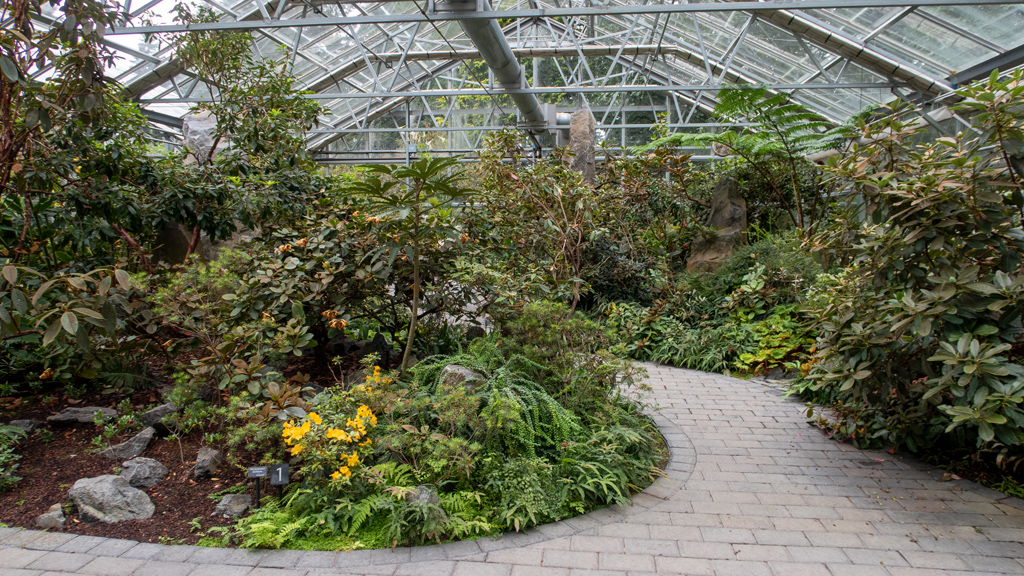
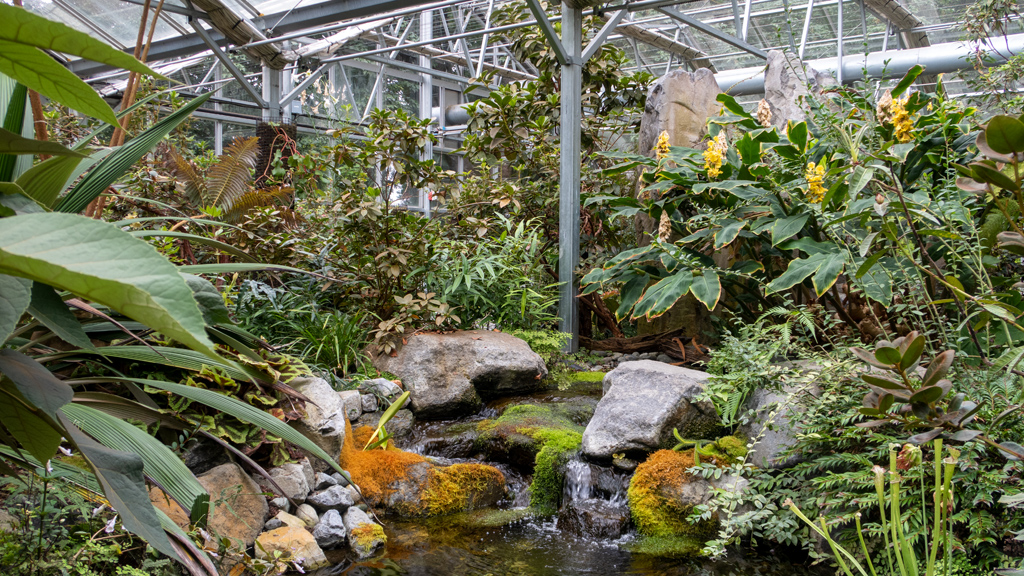
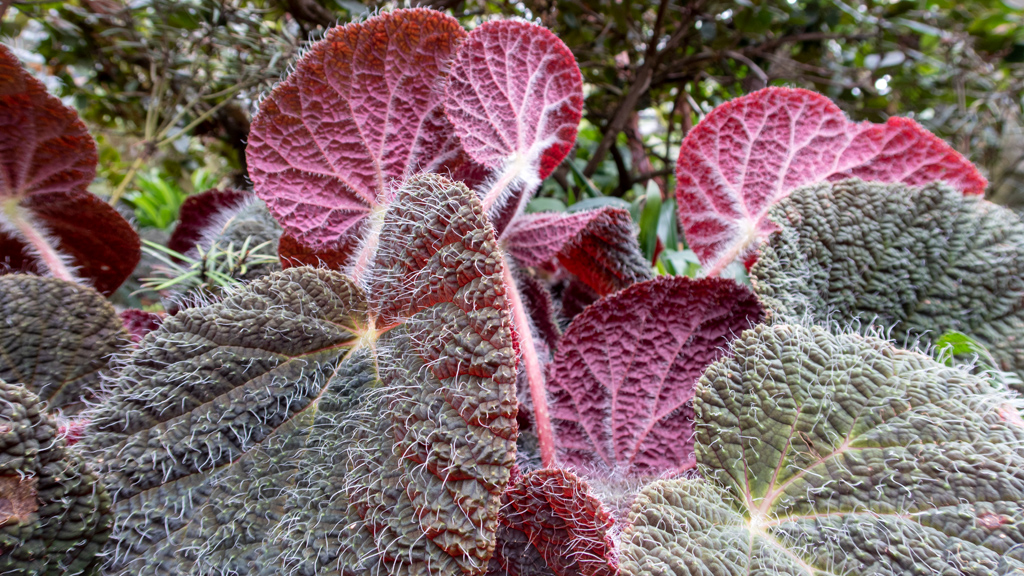
The first point of interest was the Rutherford Conservatory.

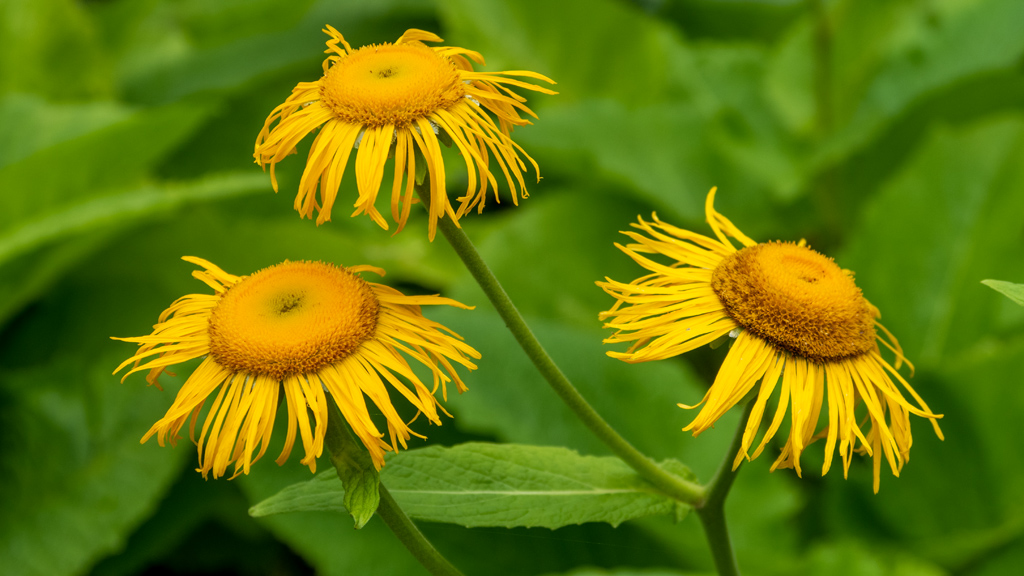
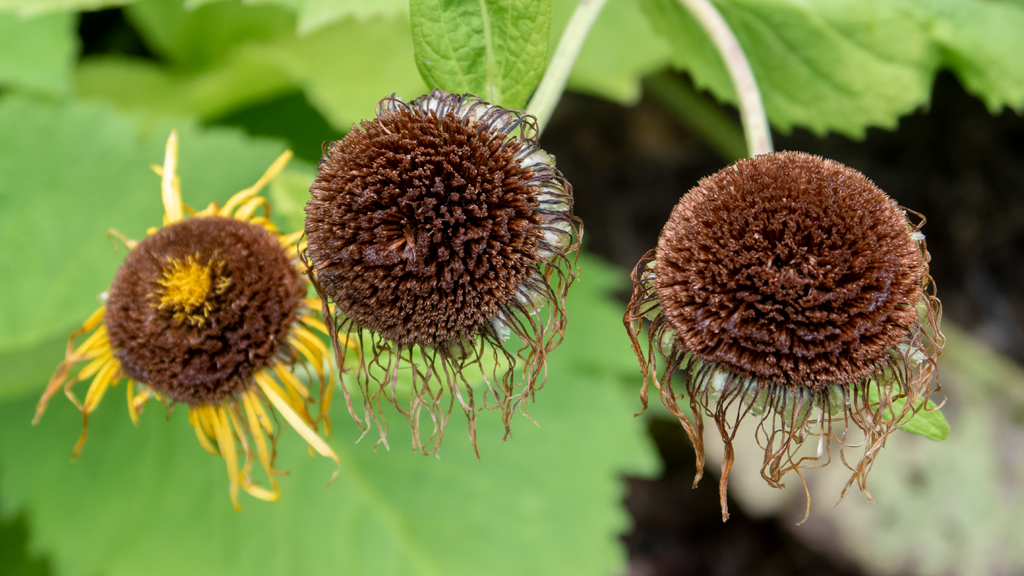
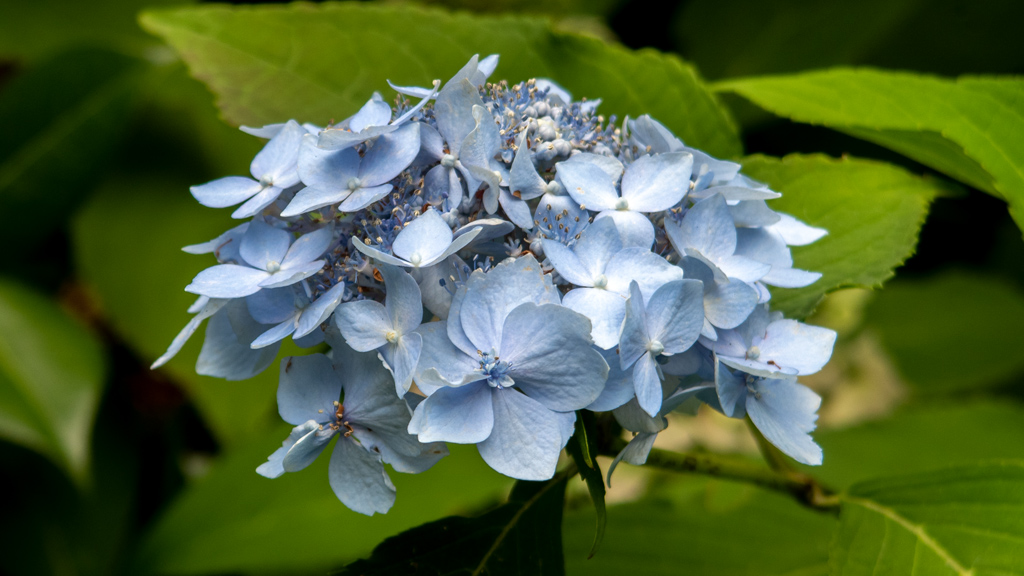
There were some flowers planted right outside the Rutherford Conservatory. I enjoyed the contrasting irony of there being blossoming sunflowers in one area and completely shriveled sunflowers right next to them.

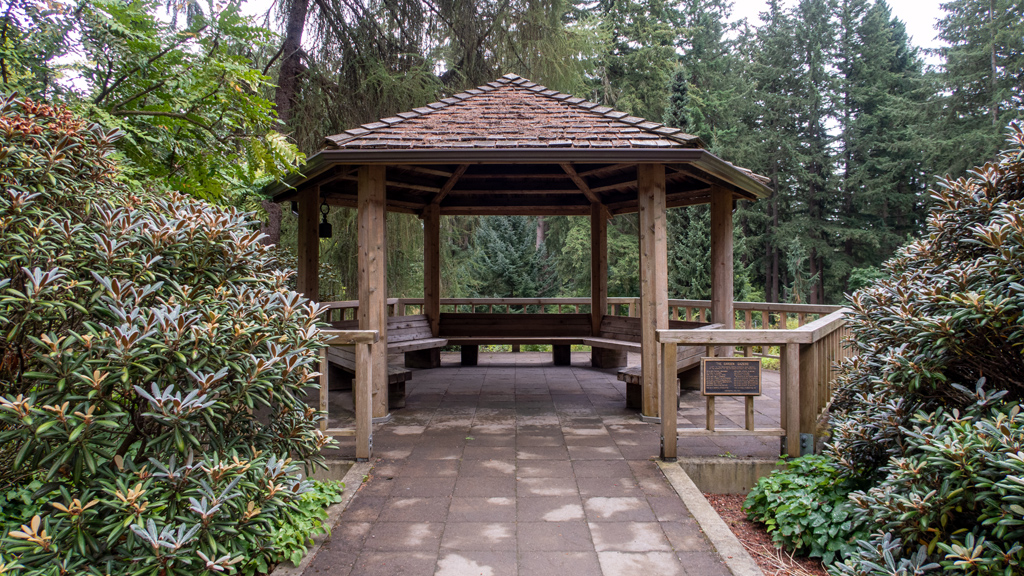
Next, I visited the gazebo.

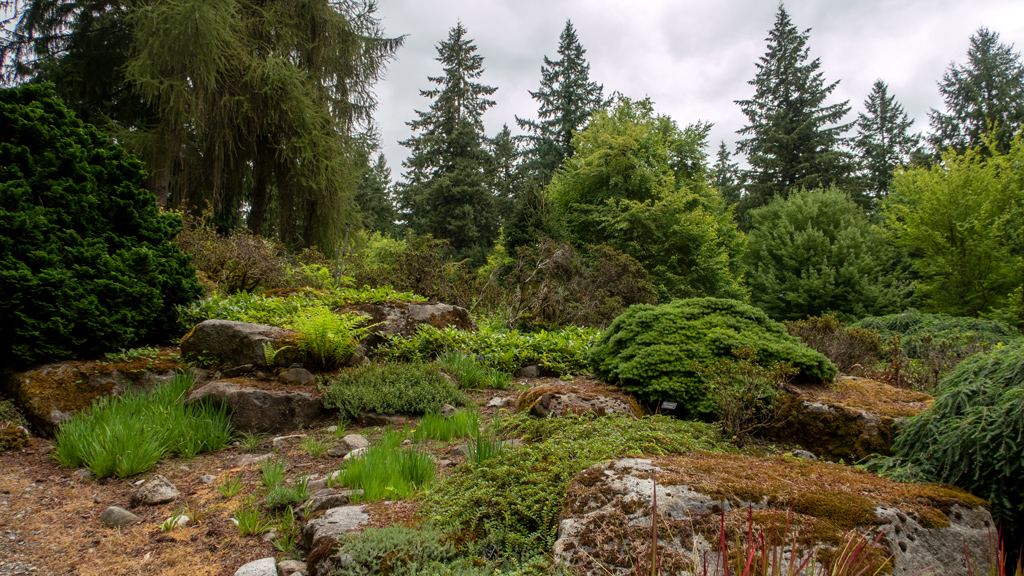
Not too far away was the Alpine Rock Garden.

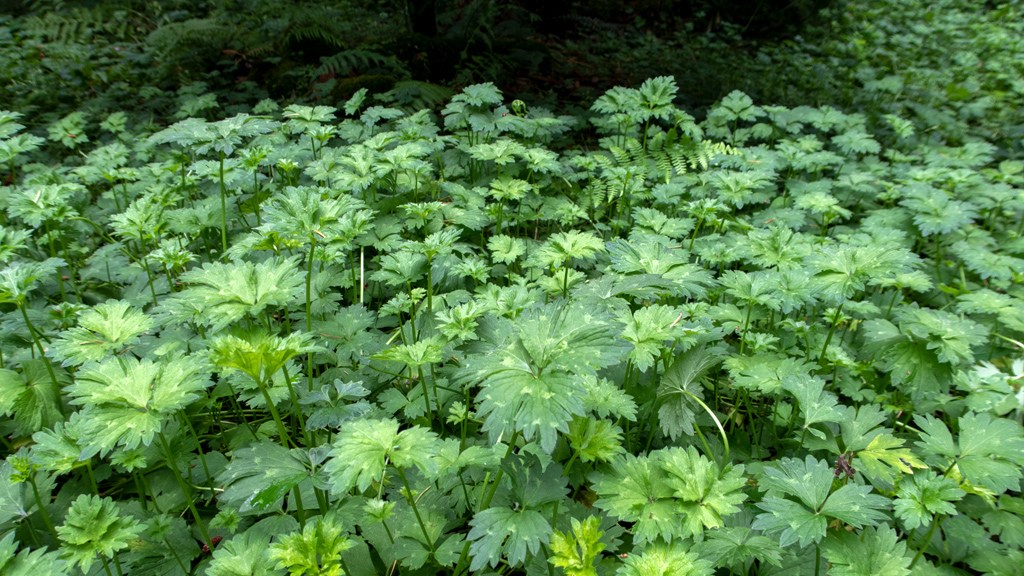
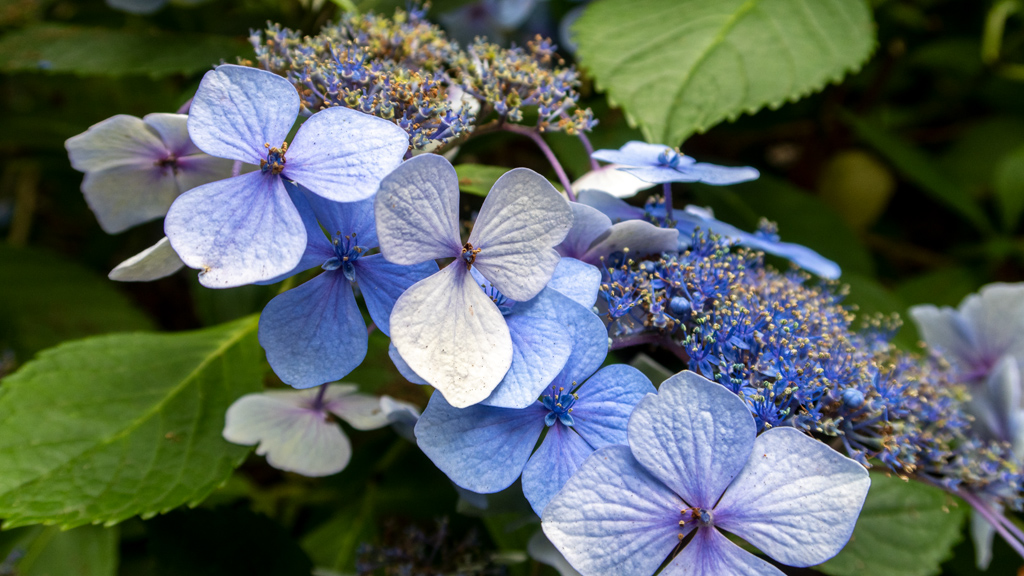
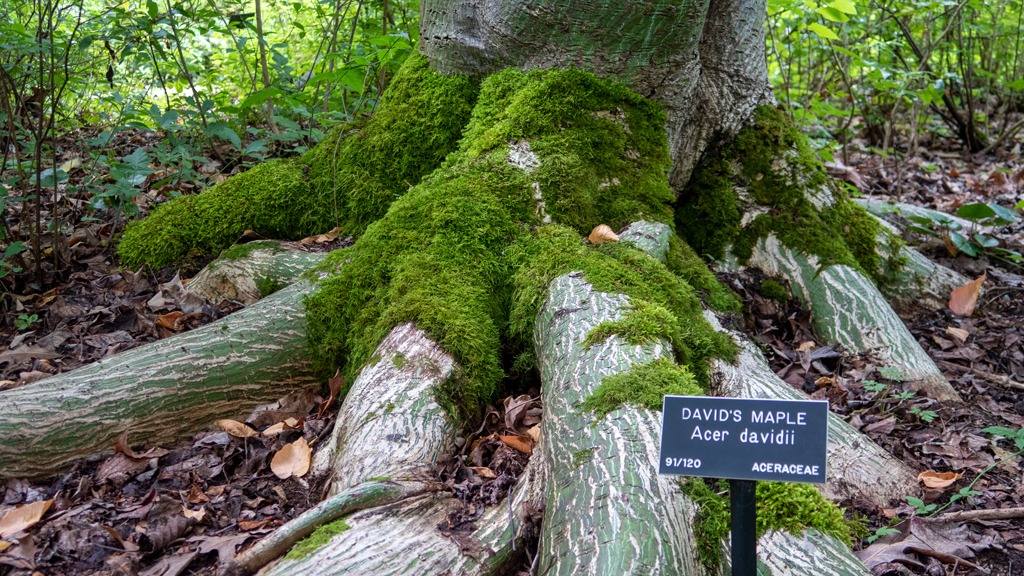
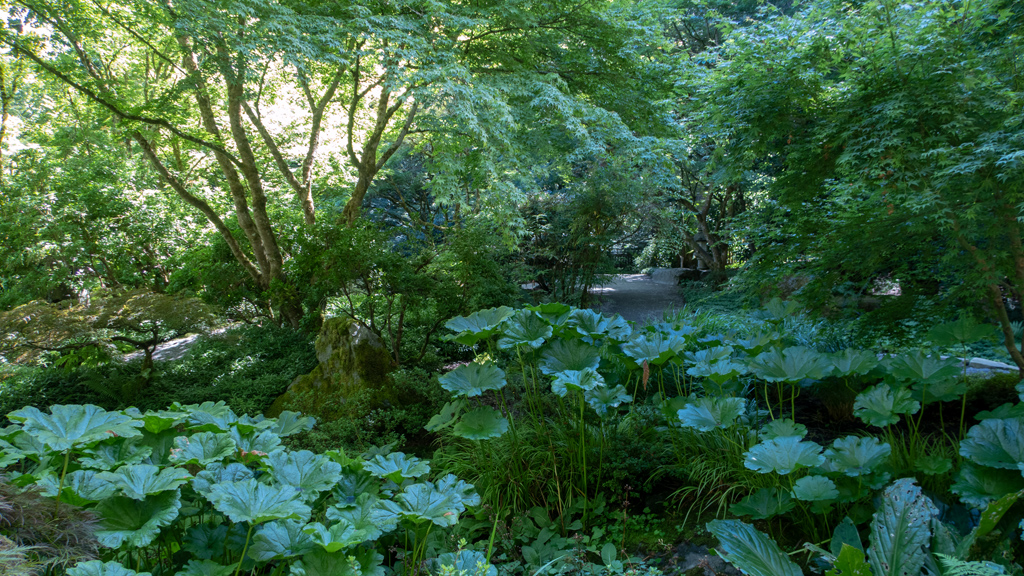
From this point began my utter aimless confusion. I attempted to visit the Magnolia Grove, Stumpery, Pond, Blue Poppy Meadow, Big-Leaf Rho­do­den­dron Garden, Upper Woodland Garden, and Azalea Collection. However, I kept feeling like I was going in circles, and I wasn’t entirely sure whether I was actually at those points of interest that I saw on the map, or whether I was anywhere near them at all to begin with. Regardless, it was a very tranquil walk through the flowers, plants, and trees.
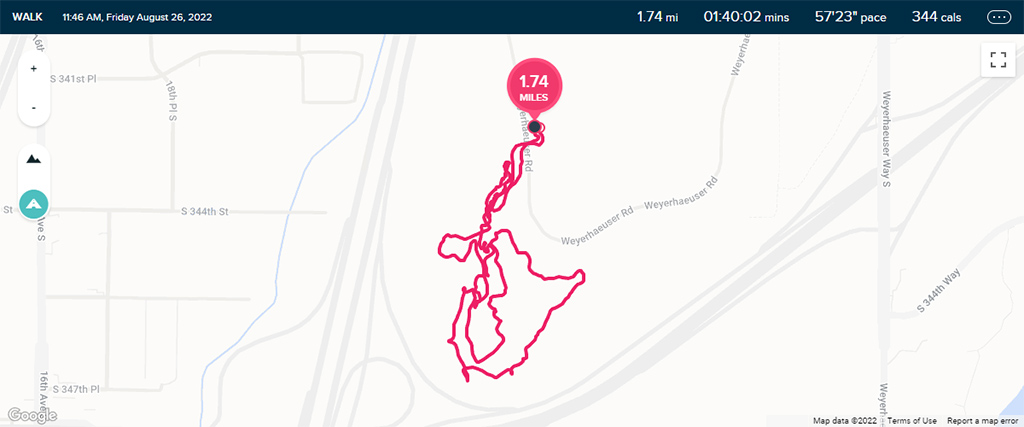
Overall, between the two tourist attractions, I walked a little under two miles (almost three kilometers), at a very leisurely pace of almost an hour per mile.


—§—


Hello, Pacific Bonsai Museum in Federal Way, Washington

There’s been another heat wave in the Seattle Metropolitan Area lately, but the weather finally eased up today, so I seized the opportunity to go outside and explore the Pacific Bonsai Museum in Federal Way, Washing­ton, down by the intersection of Interstate 5 and the western starting point of Washing­ton State Route 18.

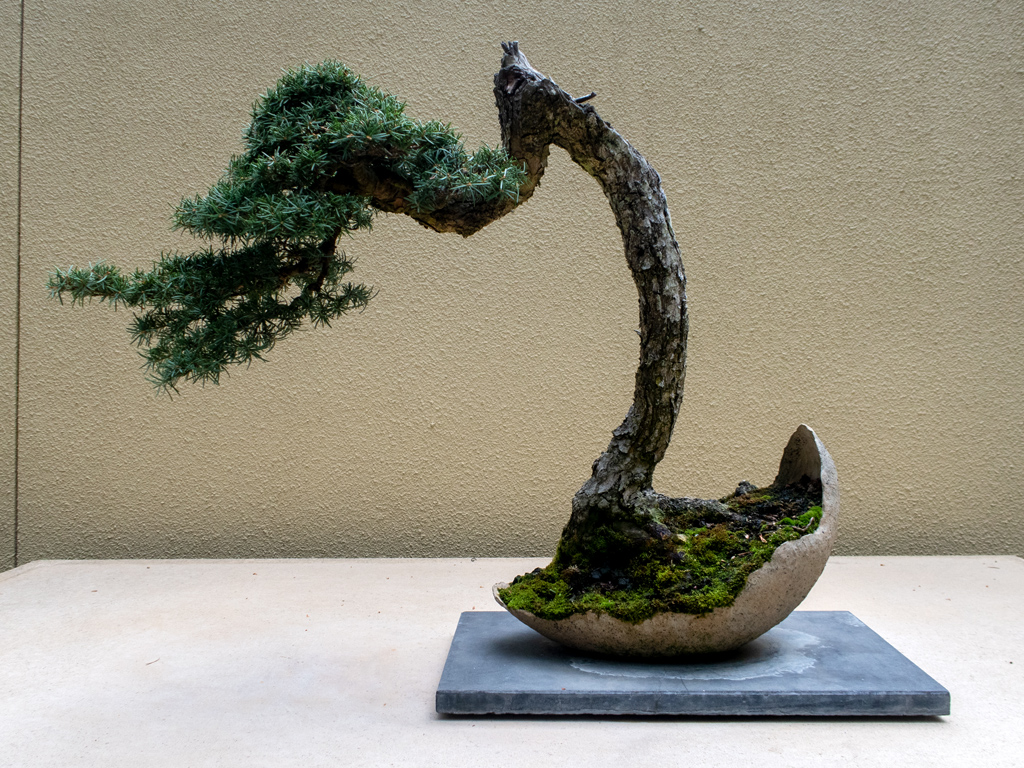
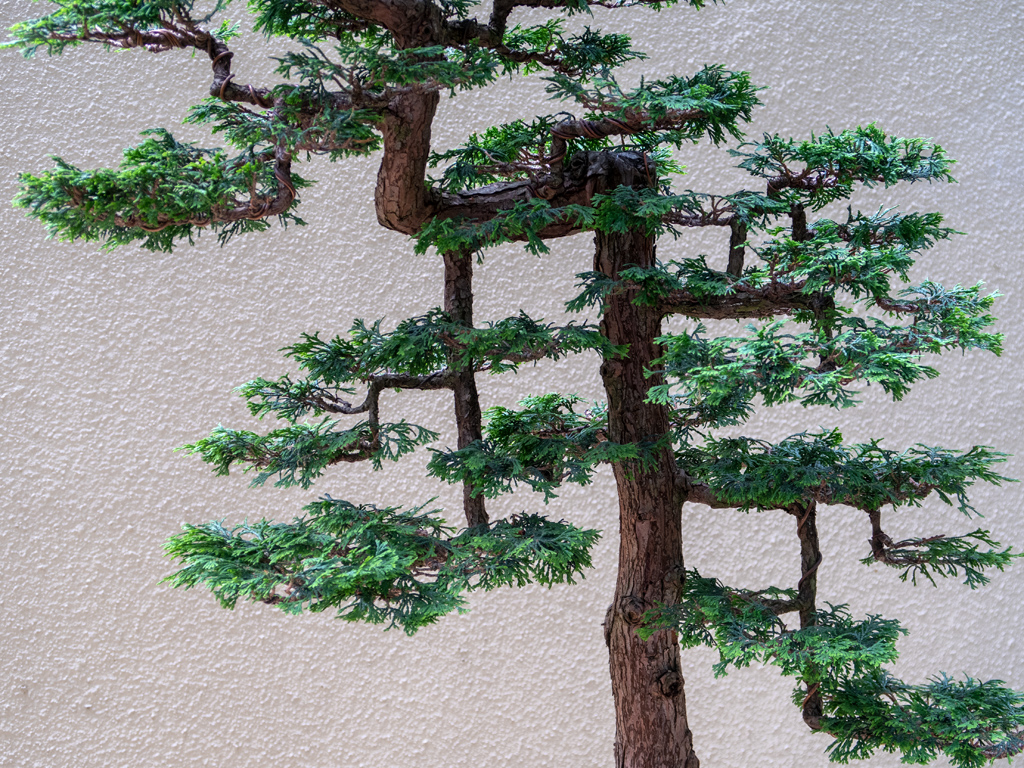
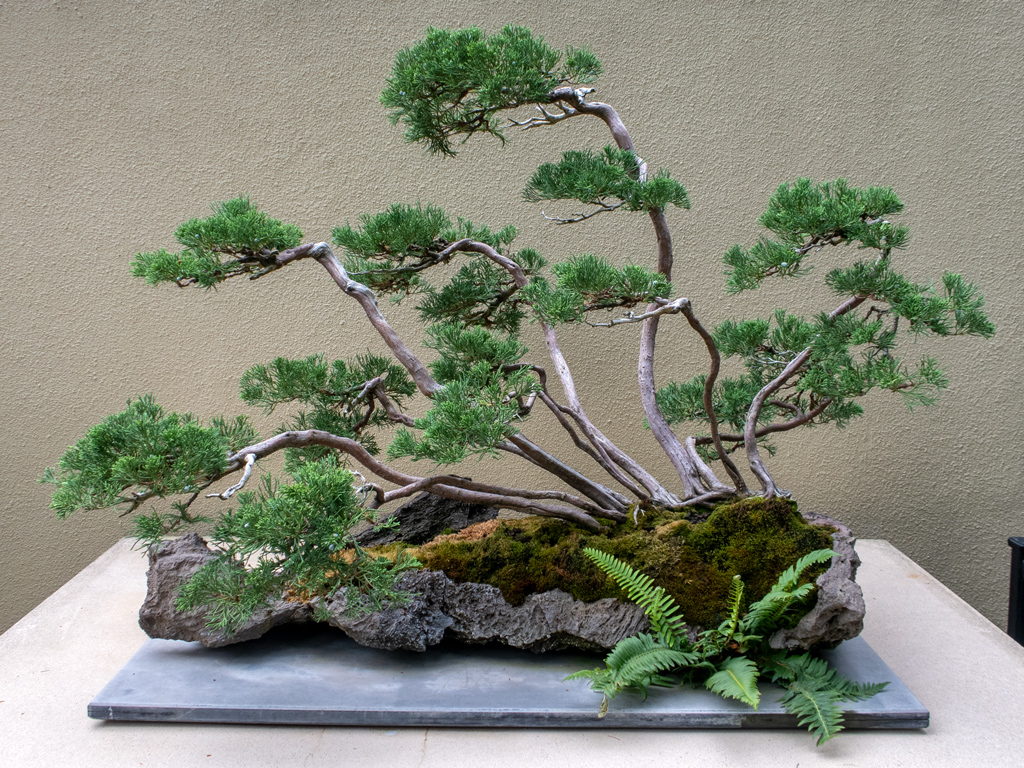
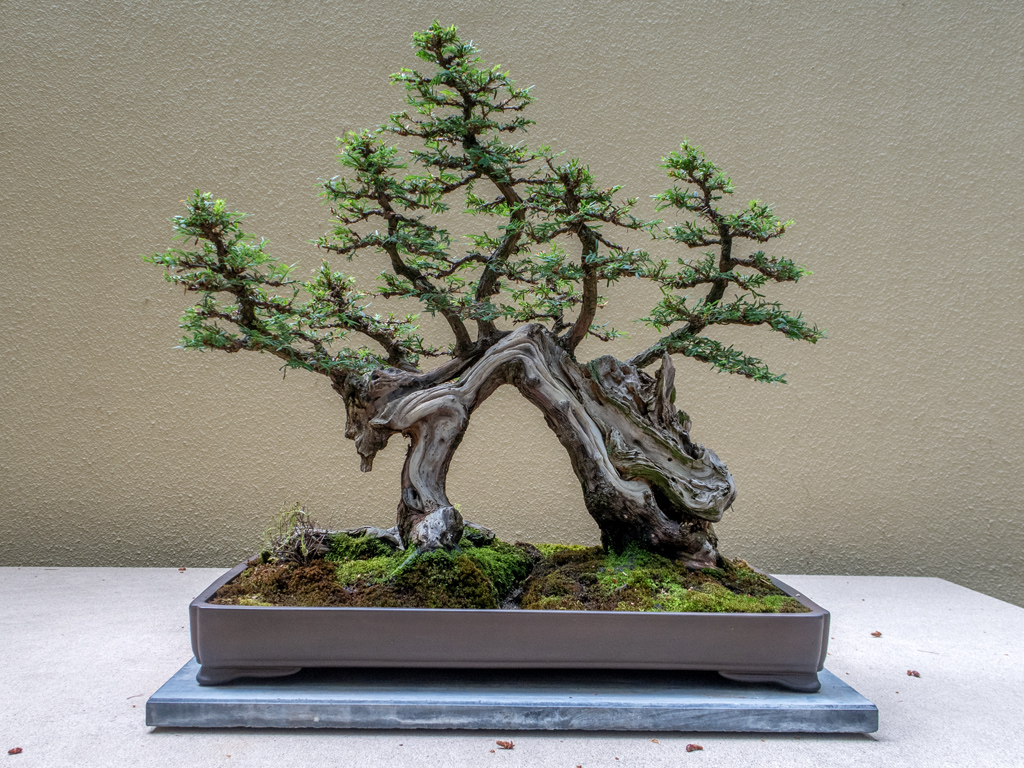
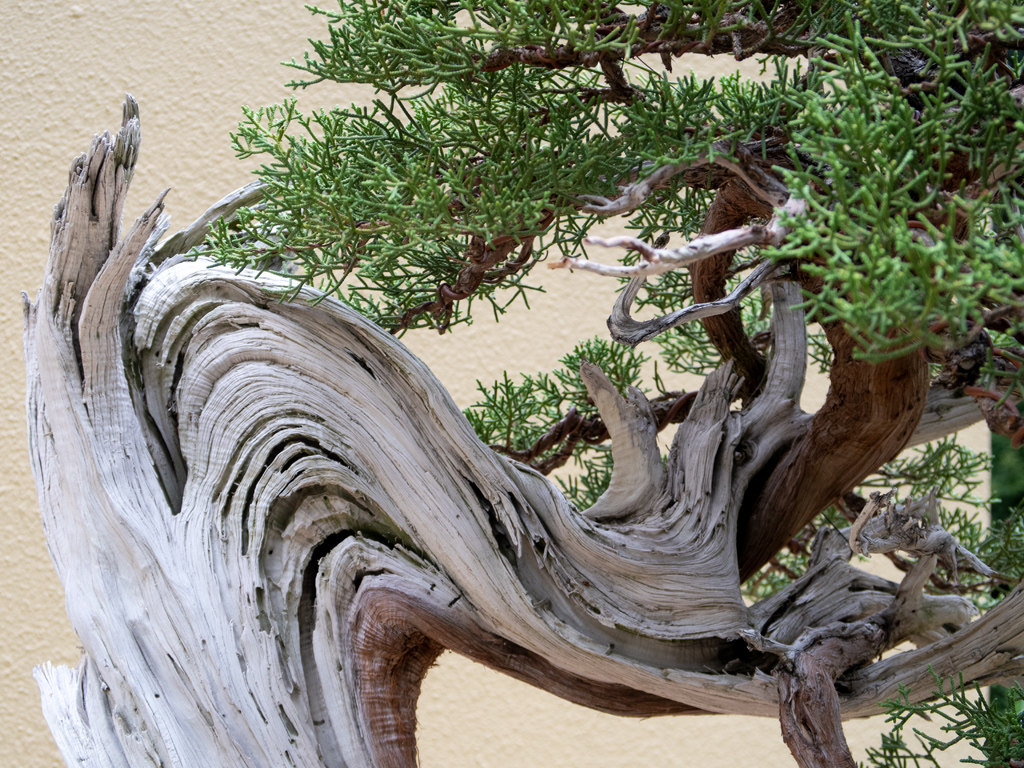
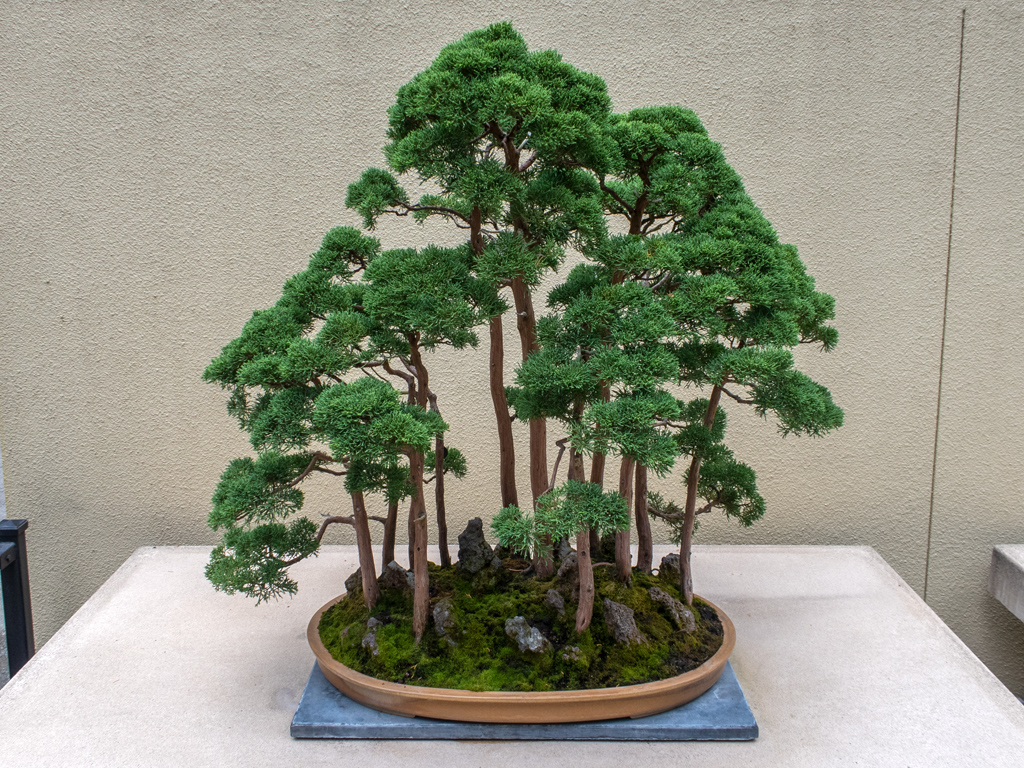
This has been a recurring sentiment every time I go to a specialty museum, but I did not realize that bonsai was so intense and involved. Prior to today, I just thought that bonsai was a method of tying up tree trunks to make them grow in unnatural ways. However, after going through the museum and read­ing a lot of the placards explaining the art of bonsai, I realized that it’s far more complex.

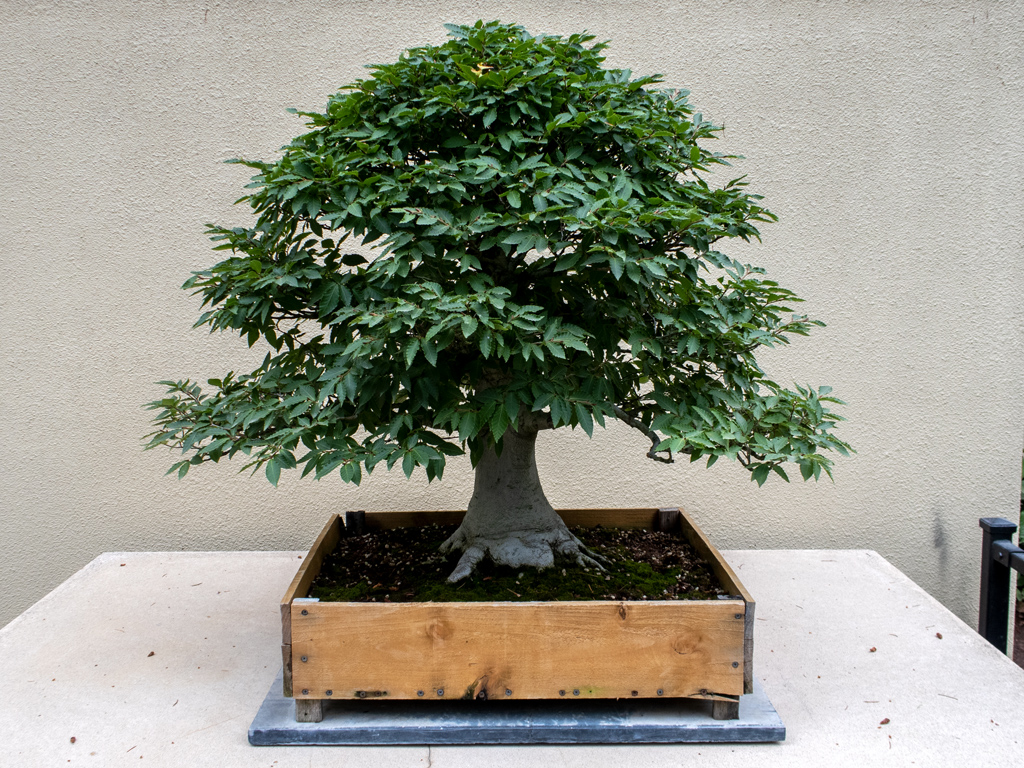
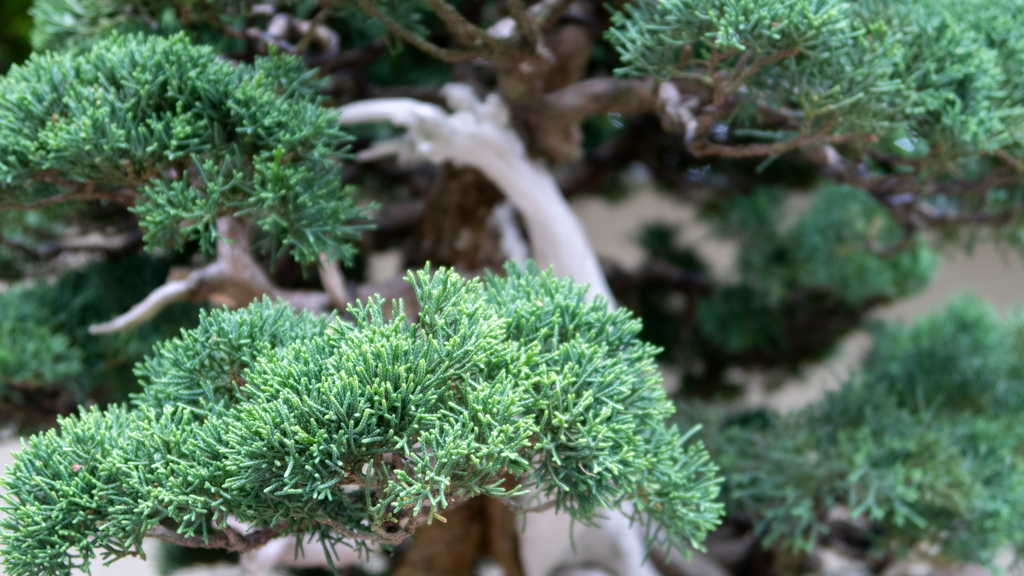
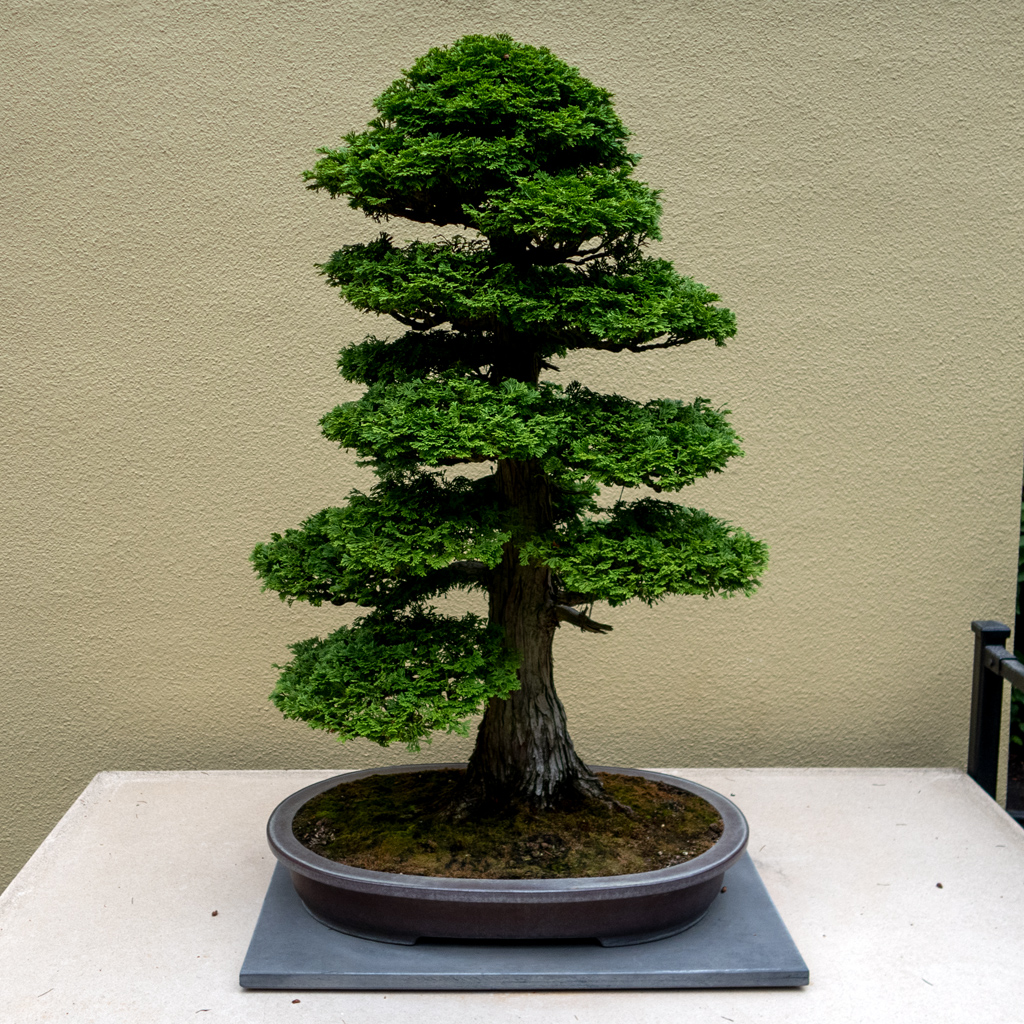
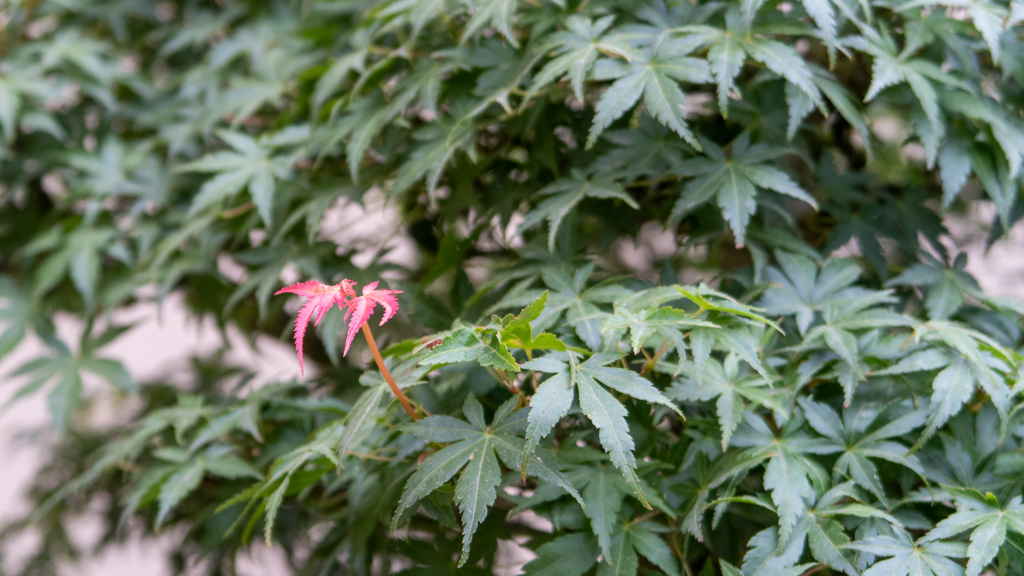
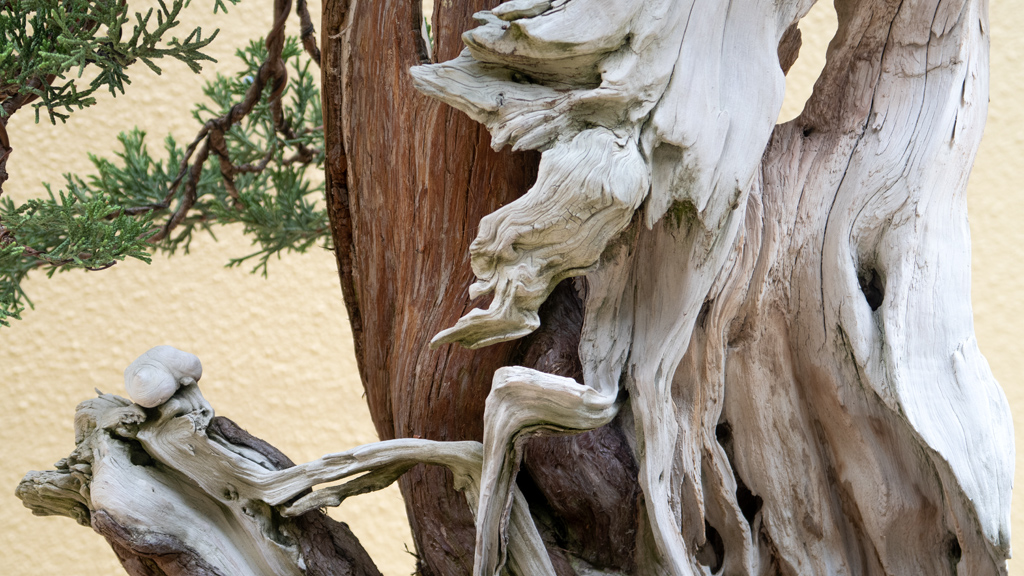
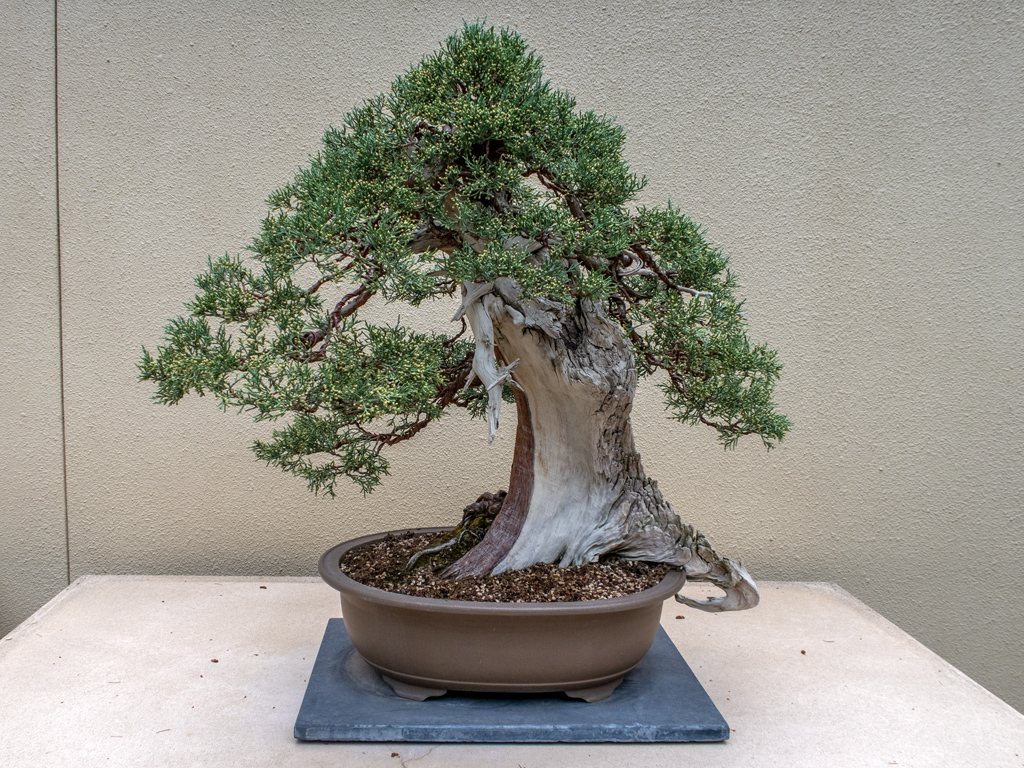
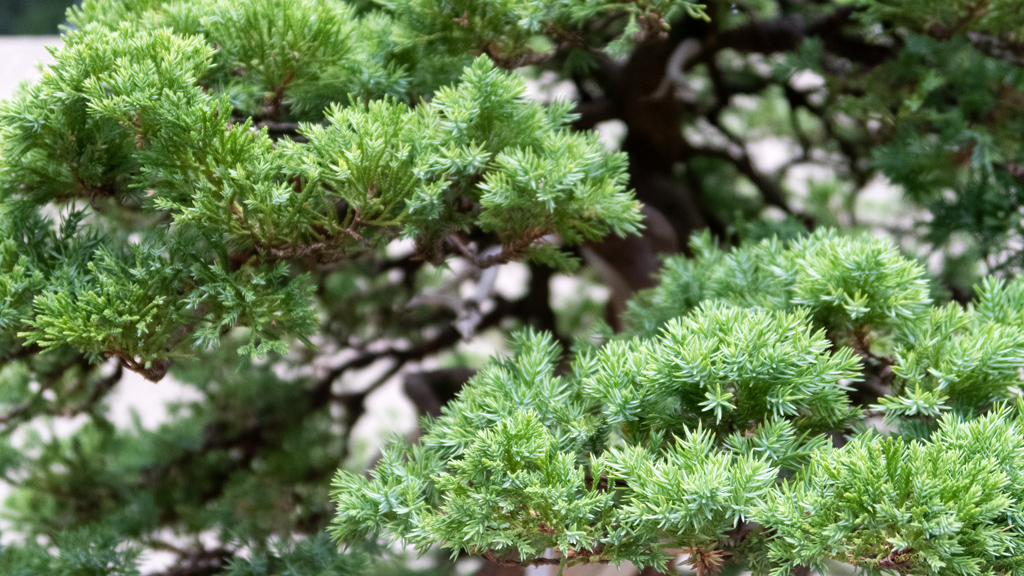
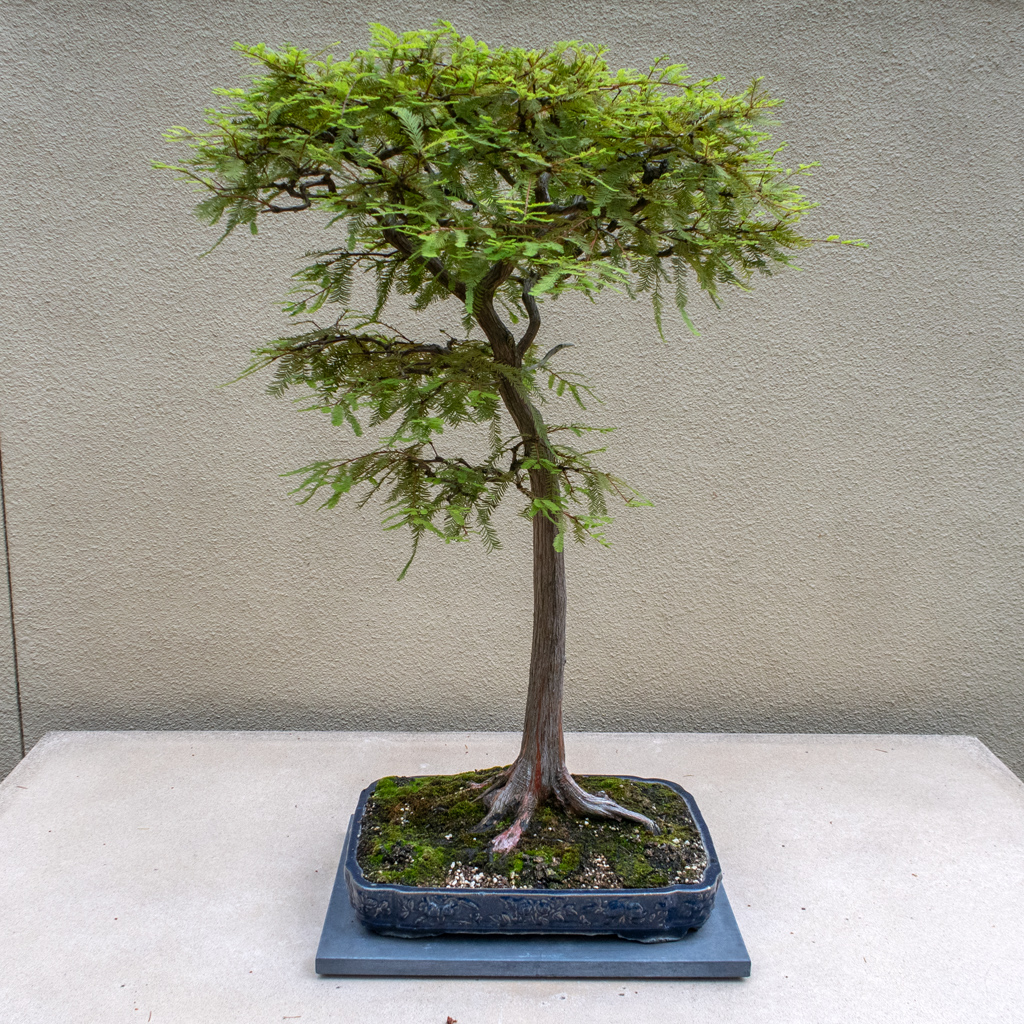
Usually, when you see bonsai trees, they are all the same very small trees with trunks and branches that are warped in strange ways. However, because this museum was a specialty museum, I was able to see a wide variety of bonsai trees, including some that seem like normal trees… but are a miniscule fraction of the size of the actual specie of tree.

My biggest takeaway from visiting this museum is that the art of bonsai is all about pa­tience, foresight, and forethought. Working with trees is far dif­fer­ent than other art forms or working with other living things. In many other art forms, you can generally get to your desired result with enough prac­tice and strategy, and other living things tend to be much more trainable and moldable. However, because trees grow at their own, very slow pace, it’s very difficult to get immediate feedback on changes you make to the tree, so it can take years or decades before you realize that you might have made a mistake.

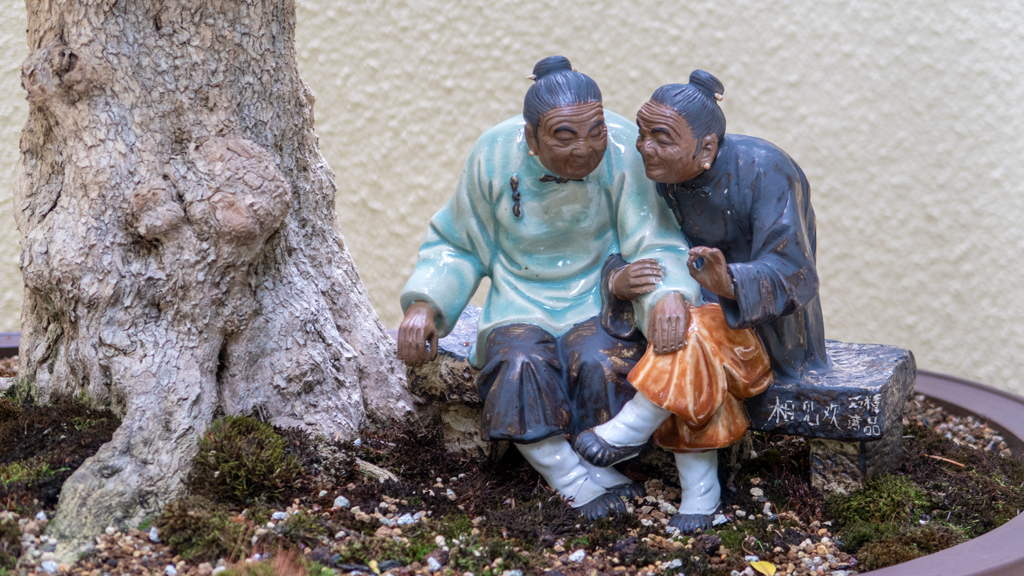
The Pacific Bonsai Museum also had a lot of bonsai trees on display with extremely interesting backstories. My favorite one was a tree that had been sto­len, but because of the immense media coverage and pressure from the community, was magically found back in its place—presumably because the thief caved in and decided to return it.

If you’re ever in the area and have about an hour or so to spare, I recommend checking it out. Not only were the trees interesting to just look at, but if you also read the corresponding informational cards posted by each of the trees, it will be a fun learning experience. I wouldn’t say they’re particularly text-heavy compared to other museums, and they’re written in a way that will pique the interest of even non-enthusiasts.

As of my visit, admission was free, though there is a recommended donation of US$12.00 at the end of the exhibits, if you’re able to afford and are will­ing to contribute.


—§—


Hello, Bellevue Botanical Garden in Washington

Bellevue is a pretty nice city, and probably one of my favorite areas in the Seattle Metropolitan Area. I generally don’t like downtown areas of cities, but Bellevue has managed to keep their downtown clean, under control, inviting, and not overly congested.

The Seattle Metropolitan Area is fairly large, and while I was driving from one end of Lake Washington to the other, I decided to take a stop in between in Bellevue to check out some of the Marriott resorts and be a tourist.

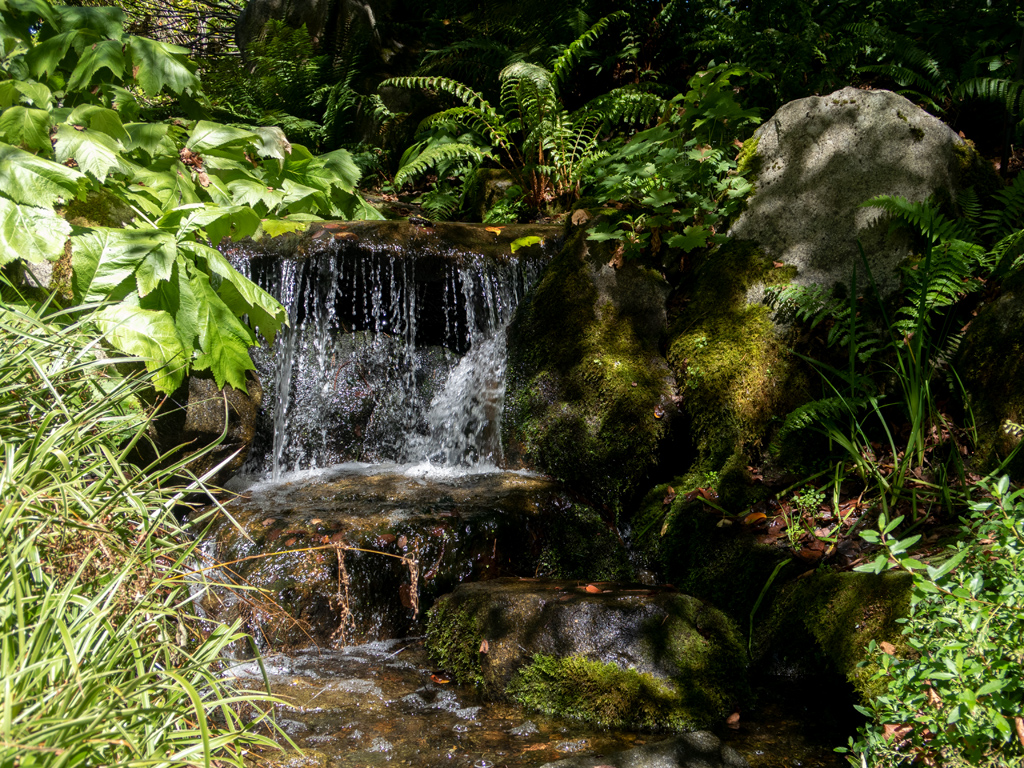
One of the places I stopped by was the Bellevue Botanical Garden, a short distance east of Washington Interstate 405. There’s another heat wave that was expected to hit (and is here now), so I managed to squeeze in this trip right before when the weather was still tolerable.

For some reason, it was a bit tricky to keep track of where I was going—the trails weren’t actually that long, so only a short duration of walking would make me end up in a completely different area.

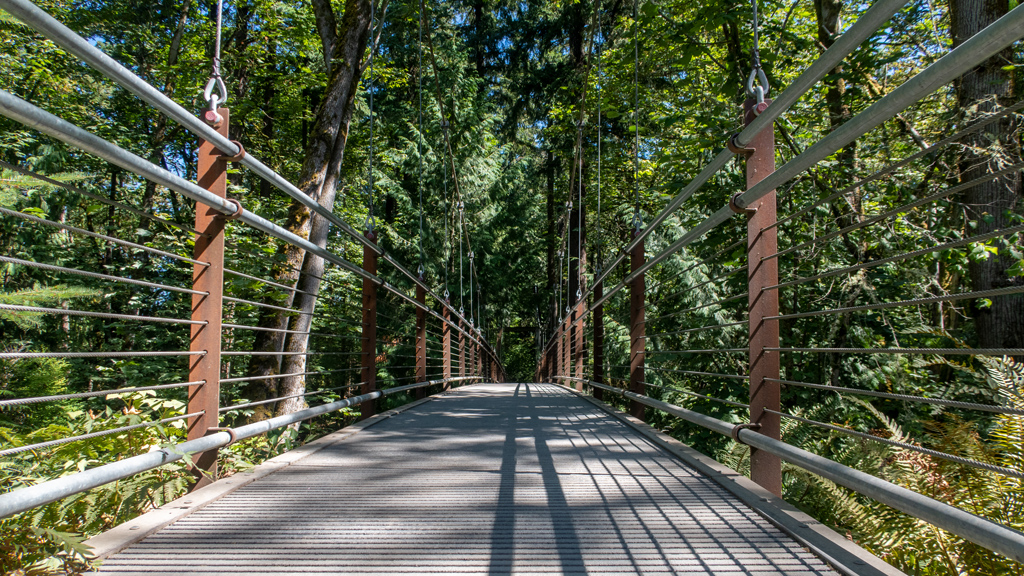
I believe I started near the Courtyard and Tapestry Hedge, went over to the Perennial Border, walked through the Fuchsia Garden, then started walking south on the Tateuchi Loop Trail. I connected onto Lost Meadow Trail, went over to The Ravine Experience Bridge, completed the Ravine Experience Trail, then circled back around and reconnected back to Tateuchi Loop Trail. I tried visiting the Native Discovery Garden and Bellville Arboretum, but I wasn’t quite sure whether I was actually there, or if the markings on the map were misplaced, as it just looked like the rest of the garden. For the last por­tion of my visit, I did a loop around the Yao Garden on the Yao Garden Trail, then went back to the parking lot.


—§—


Hello, Museum of Museums in Seattle, Washington

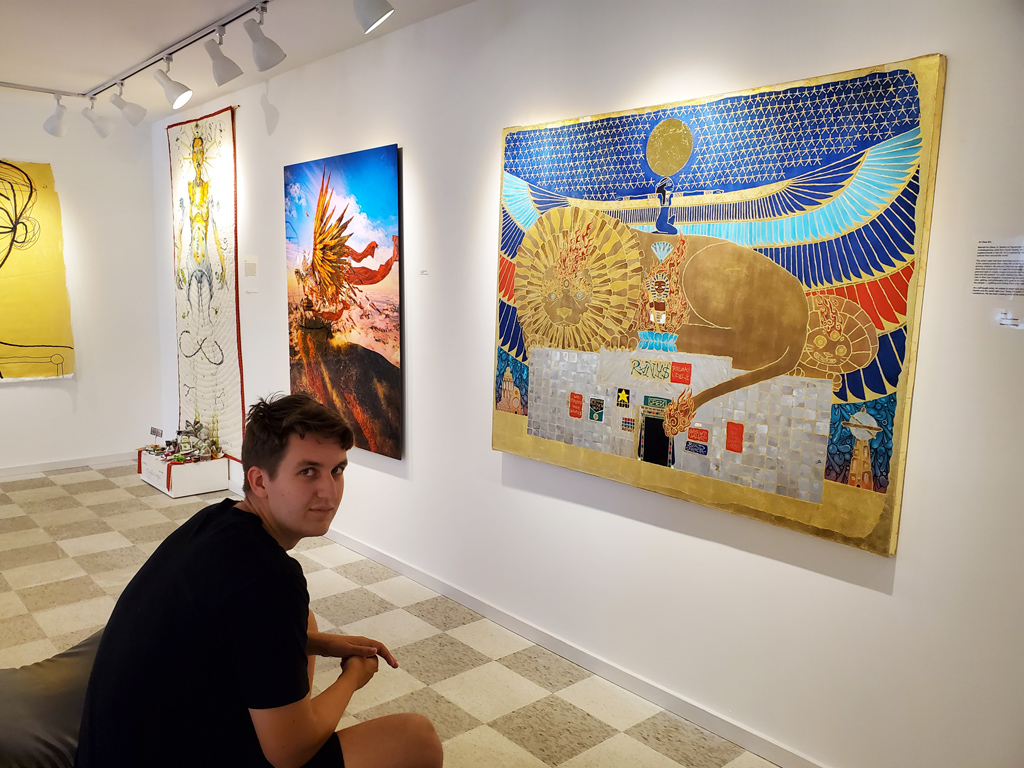
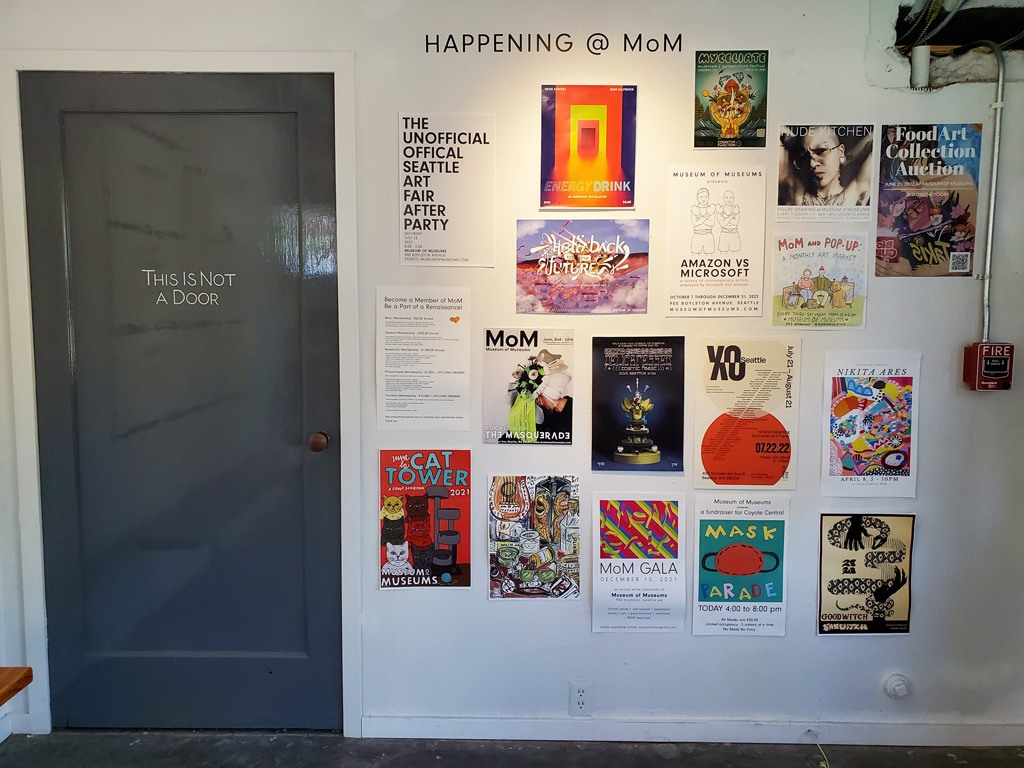
Tempo had a small company get-together in the Seattle Metropolitan Area earlier today, so my friend and employee Ben Shumaker came to visit. Before the gathering, I showed him around downtown Seattle, then we decided to visit the Museum of Museums, an art museum in the First Hill district west of Seattle University.

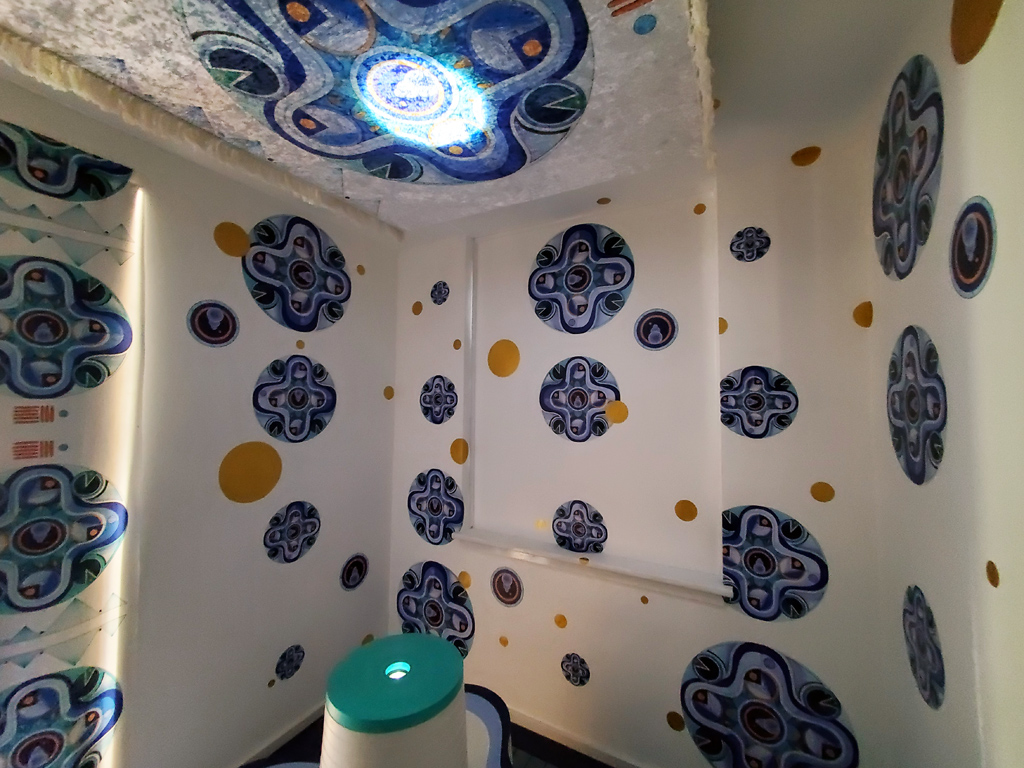
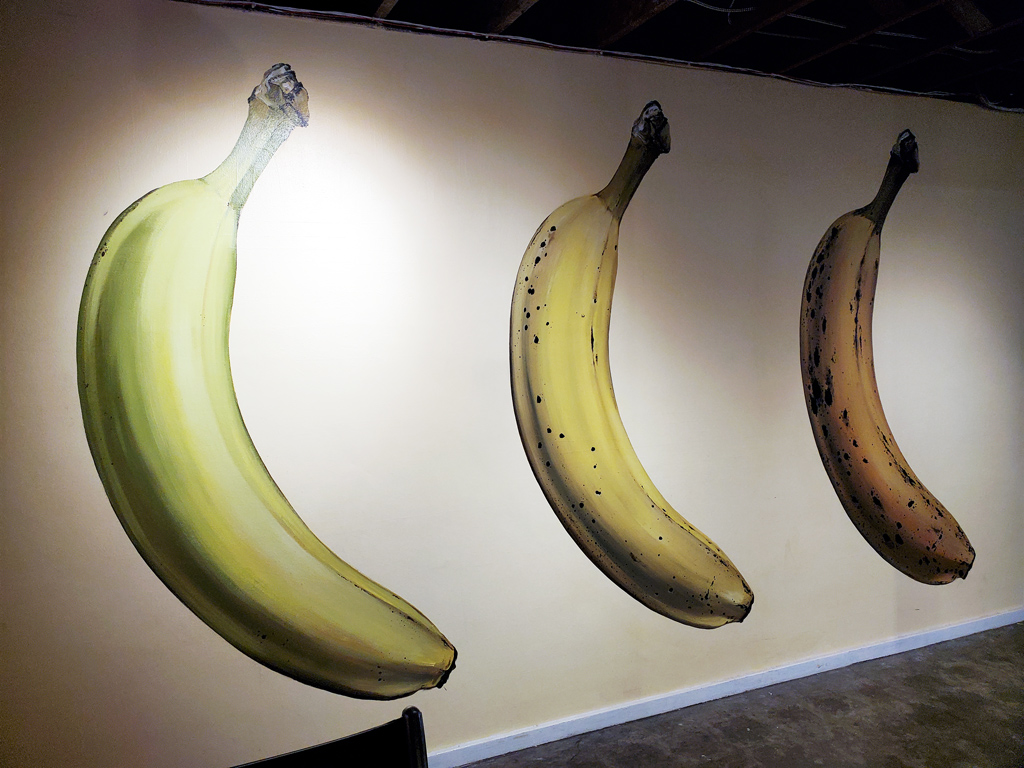
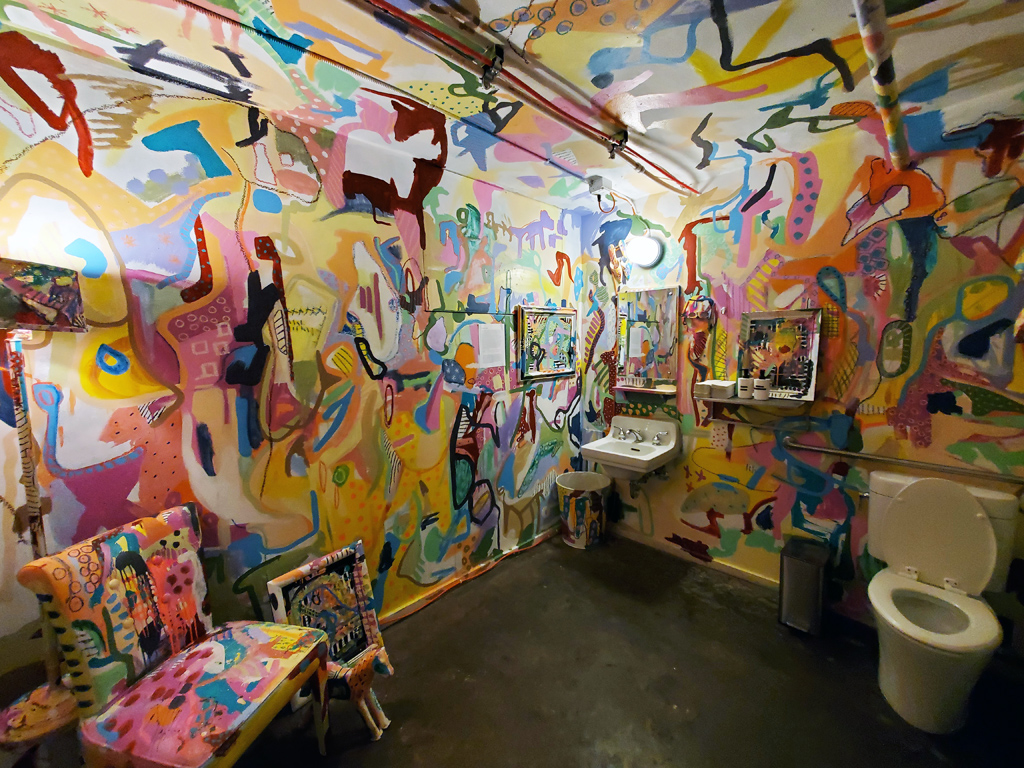
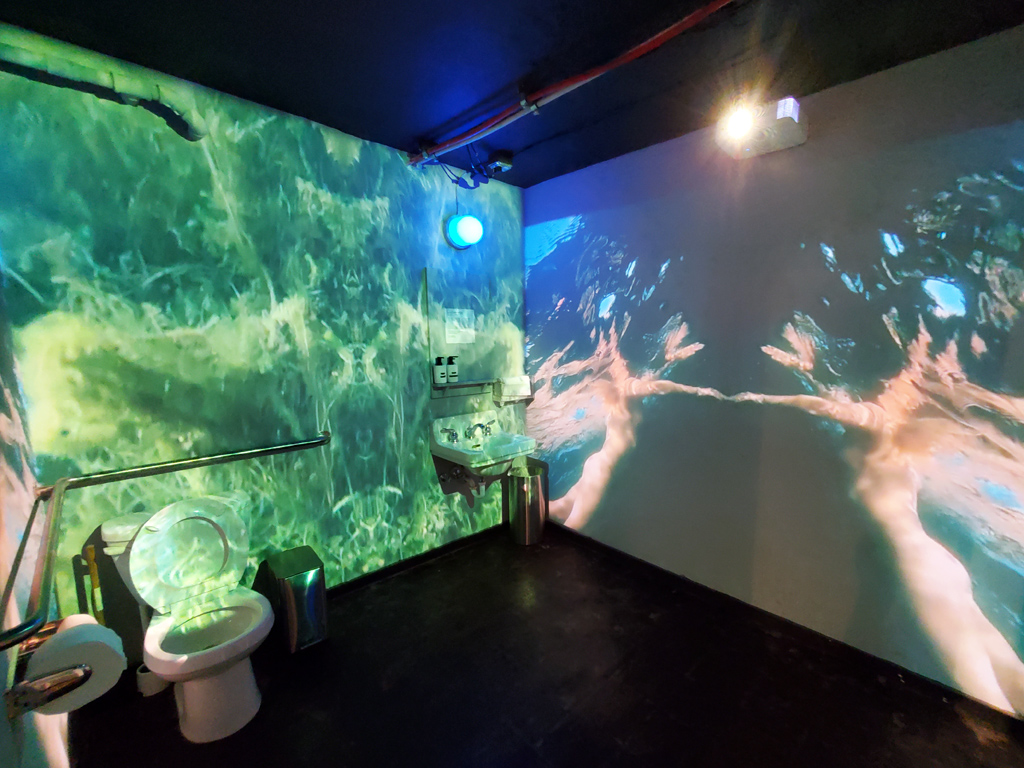
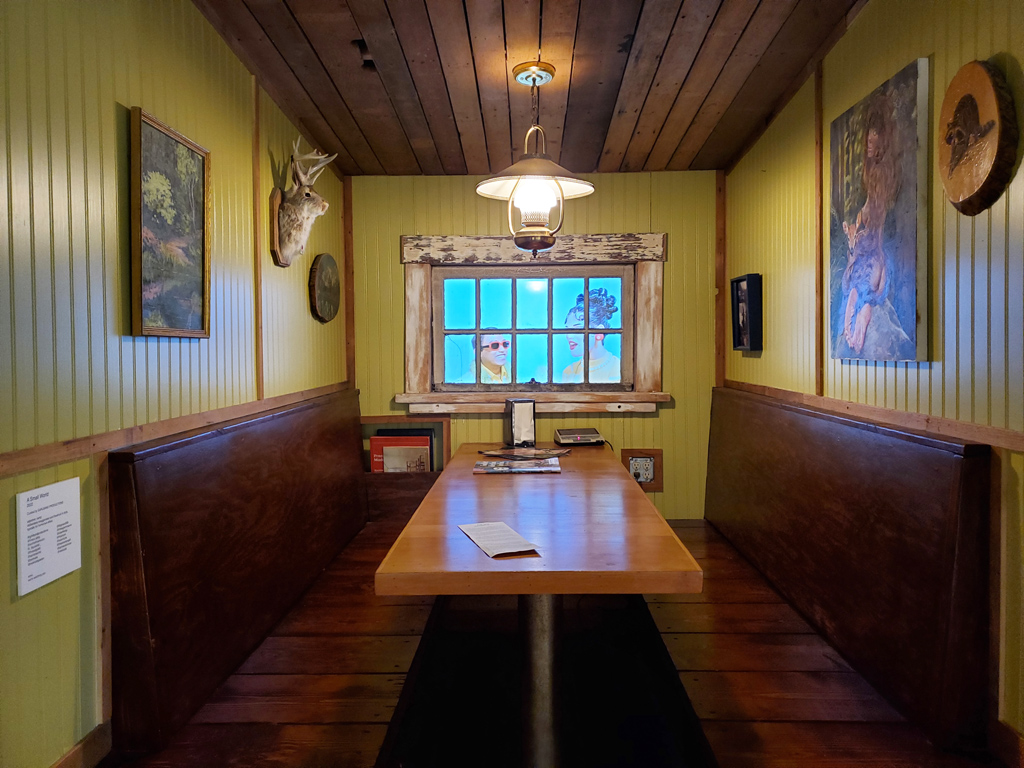
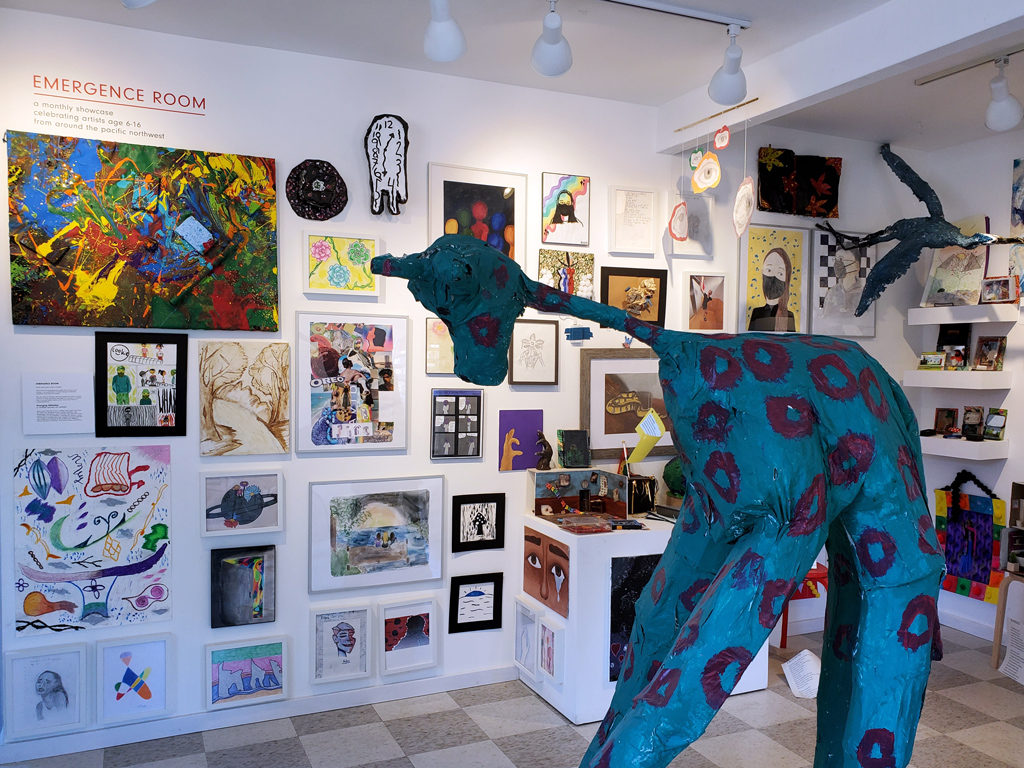
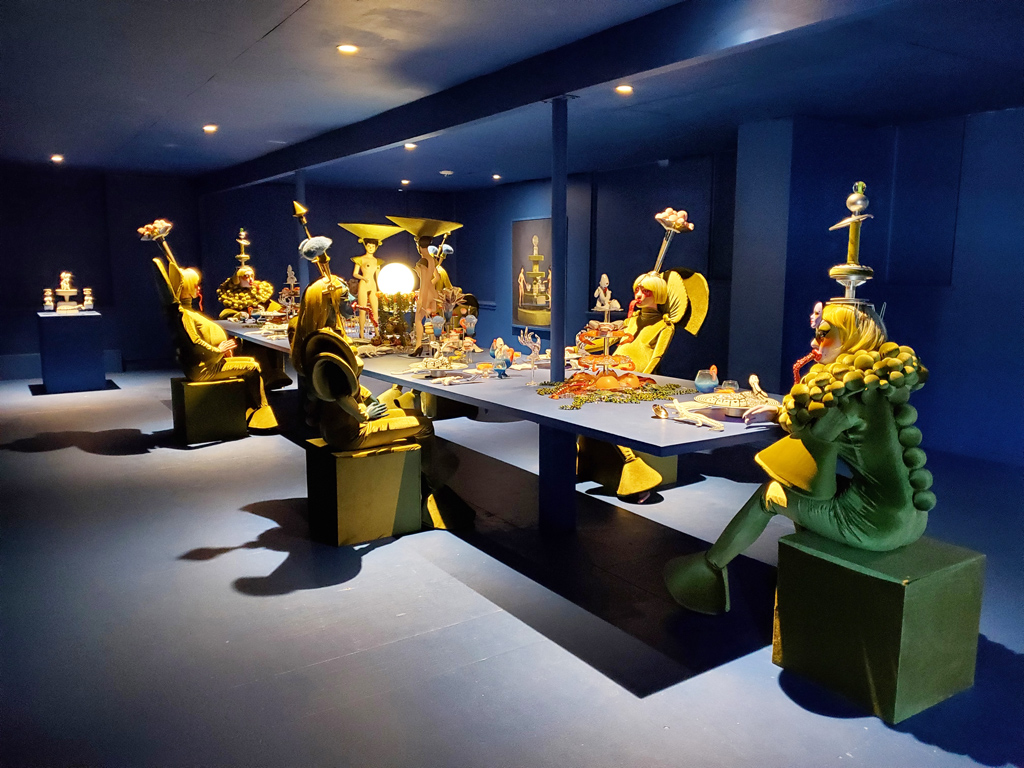
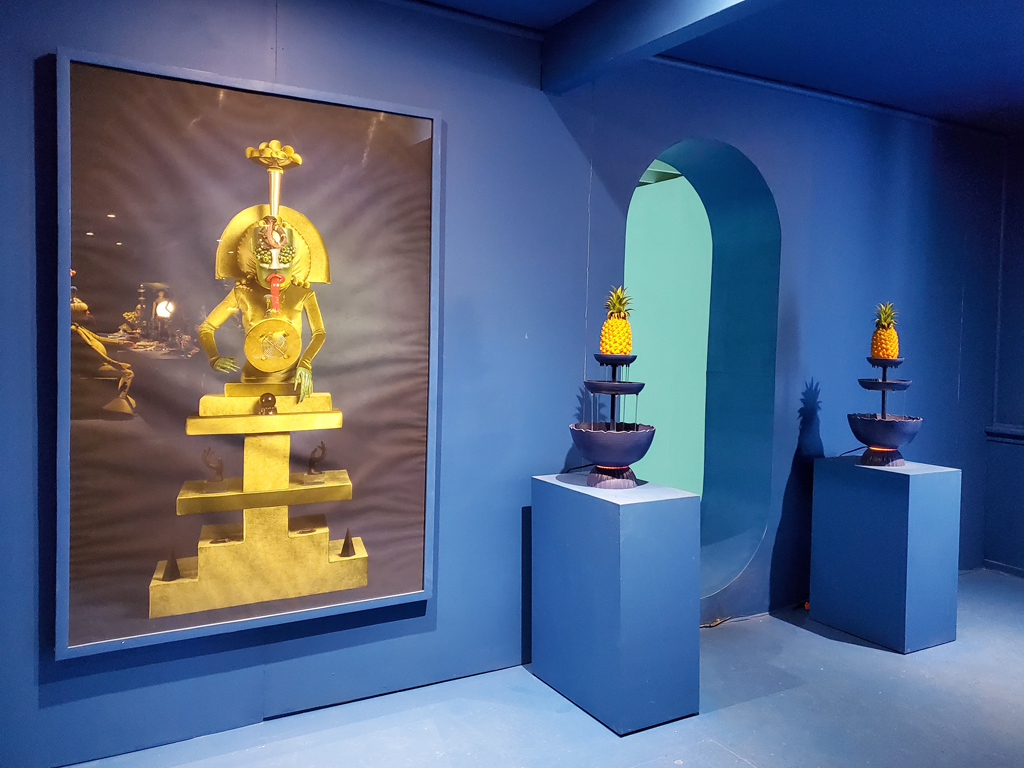
It was a very strange museum. The best way that I can think of describing it is that it had an extremely progressive feel to it, and I noticed that it was try­ing to push some extremist liberal viewpoints, some subtly and some others not so subtly. It’s almost as if it was a museum dedicated to forming a col­lec­tion of art pieces that would otherwise not be accepted for display at mainstream art museums.

Funny enough, I actually found it pretty amusing. Although I personally don’t agree with a lot of the messaging of a lot of the art pieces, it was still very refreshing to see something different, bold, and unrelenting.

This was somewhat of an impromptu visit, so I didn’t bring my good camera and only had my phone for photos. They also didn’t have air conditioning, so I was dripping sweat the entire time and we wrapped up our tour quicker than anticipated so we could get out of the heat and make our way over to the company event. Admission was US$20.00 per person, which was unusually high for a museum of this size.

Overall, I don’t regret going, but it’s definitely not something that I would return to, nor is it something I’d recommend to others if you have limited time in Seattle and want to get the most out of your time and money.


—§—