Hello, Hong Kong Flower Show 2026 at Victoria Park in Causeway Bay

I have some friends who like to hotel hop when going on vacation. This means that they check into a hotel, enjoy the amenities, spend the night there, pack up and check out in the morning, bring all their stuff along with them while on tourist activities, then show up at their next hotel and check in after their day is over. There are obviously some refinements you can make to this, such as only swapping hotels every few days, or only bringing luggage if you have a rental car and otherwise leaving it with the bell desk so you don’t have to carry it all around everywhere. Regardless, this is a way to optimize for having more experiences in a new city, including their lodging.

Although full-blown hotel hopping is a bit too intense for me, I did a very mild variant of it during my trip to Hong Kong. Upon first arriving, I stayed at the JW Marriott Hotel Hong Kong connected to the Pacific Place mall in Admiralty. Part-way through my stay, I transferred hotels to The Park Lane Hong Kong, Autograph Collection in Causeway Bay. I picked these two hotels not only because they were under the Marriott brand so I could get the most out of my loyalty perks, but also because they were in very different neighborhoods with very different hotel themes and vibes.

On the day that I transferred to The Park Lane, the area in front of my new hotel was extraordinarily congested. It was packed enough that I barely even had room to pull my carry-on luggage with me without constantly bumping it into other people around me. At that time, I couldn’t really tell whether this neighborhood was just substantially busier than I had originally realized, or if there was a special event going on.

After doing some research online, I found out that the Hong Kong Flower Show was taking place at Victoria Park across the street from my hotel. I actually had the great fortune of having an east-facing view from my high-floor hotel room, so I was able to clearly see the entire Flower Show from my window. Because this is a seasonal event and it looked like an interesting place to sightsee, I went downstairs, crossed the street, and checked it out in-person.

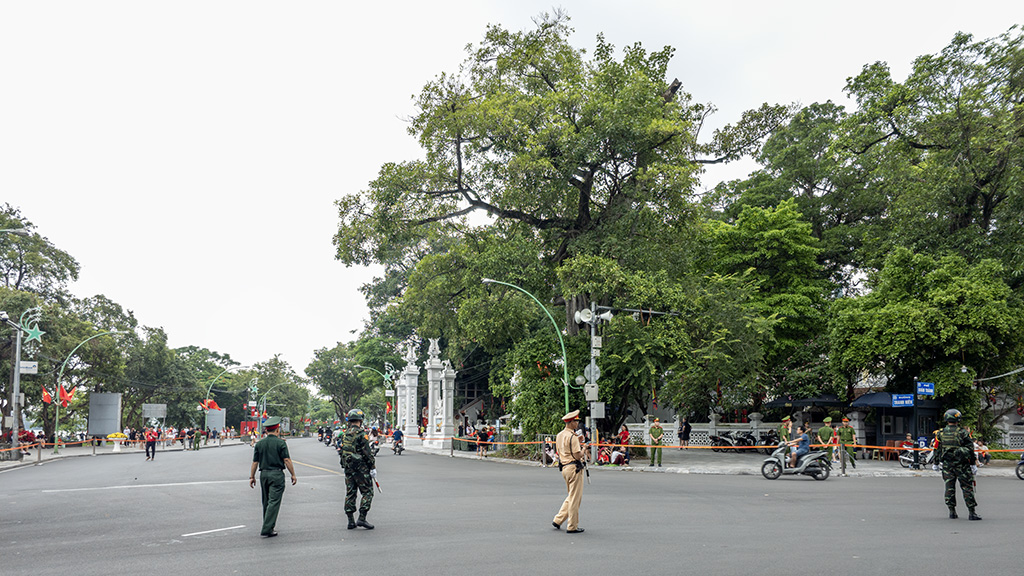
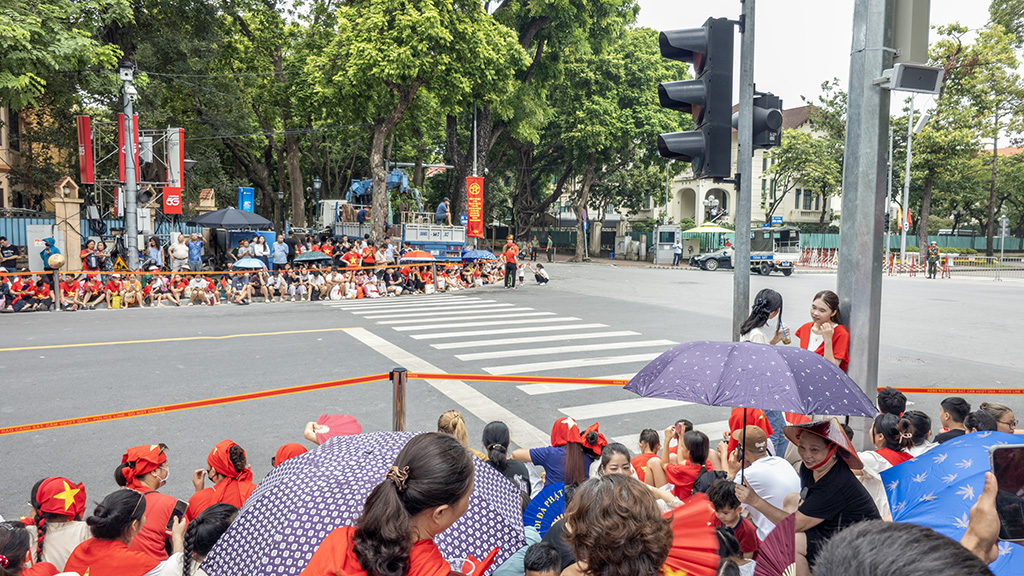
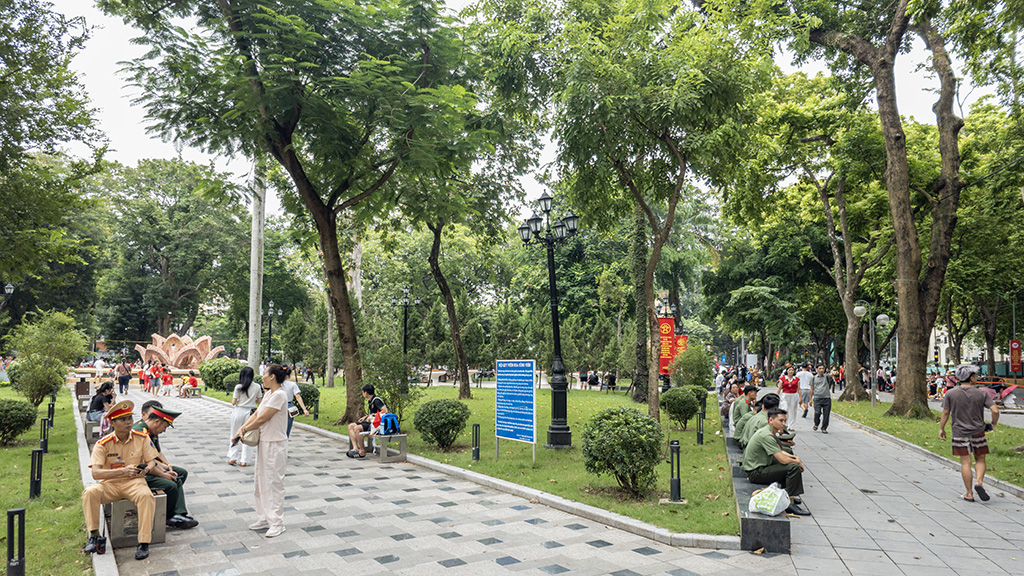
I think this might have potentially been the most densely-packed tourist activity I’ve ever done. I was almost shoulder-to-shoulder with other people for some portions of it. To make things worse, everyone was busy taking selfies, so the crowd was stagnant and not really moving. I didn’t want to contribute to the problem, so you’ll notice that a majority of the pictures I took have lots of other people in them; I didn’t want to “wait my turn” for others to clear out of the area like other people were doing. I partially regret compounding this issue by also going in the middle of the day on a weekend, but I guess this was part of the Hong Kong experience.

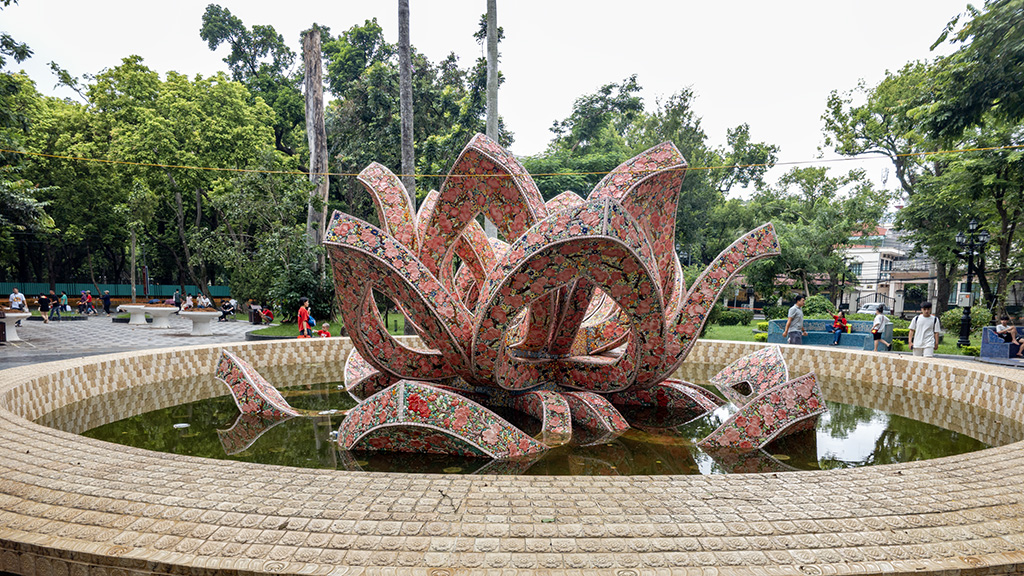
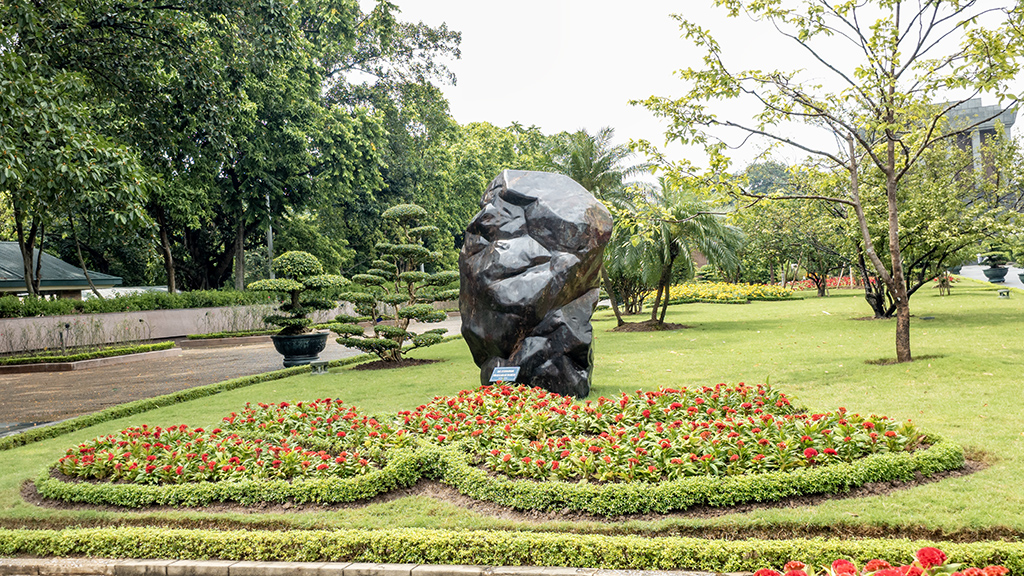
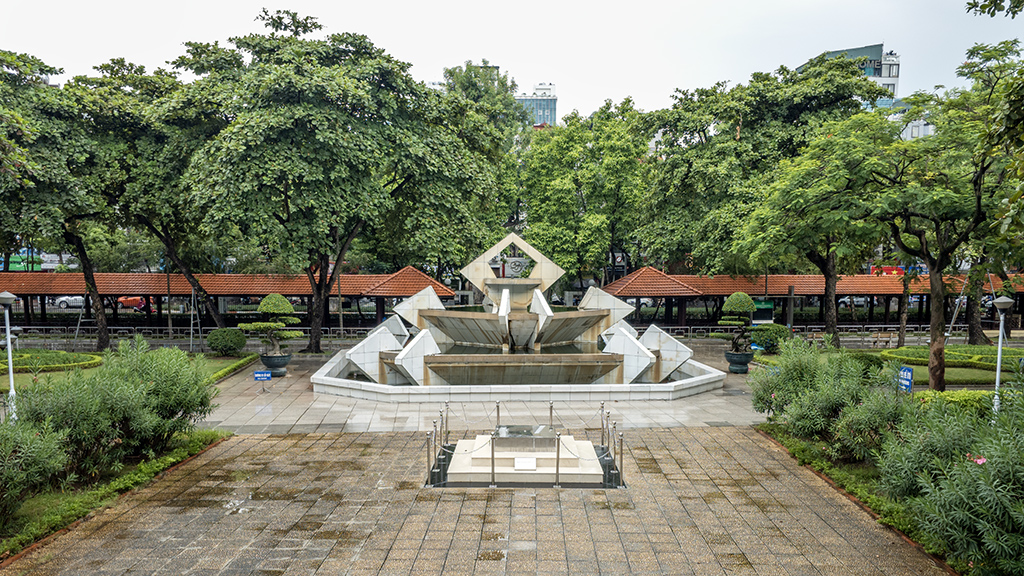
The event itself (at least what I could see of it) was pretty nice. There was a lot to see, and some of the flower arrangements were actually quite impressive. Here is a somewhat random assortment of photographs that I took throughout my visit:


—§—


Hello, Shinjuku Gyoen National Garden in Tokyo, Japan

While I visited Yoyogi Park much earlier on during my two-week trip to Japan, I noticed while using Google Maps to navigate that there appeared to be another park not too far away called the Shinjuku Gyoen National Garden in Shinjuku City. As I mentioned a bunch of times before in my nature-related blog posts from Tokyo, I really enjoy the fact that there are so many serene oases in the middle of a dense city of concrete and steel, so I decided to stop by the Shinjuku Gyoen National Garden during one of my free mornings.

The entrance to the garden was unique in that it basically resembled a train station. Usually, there is a collection of ticket booths and/or kiosks where you can either purchase admission or redeem a barcode that you receive through email after an online order. However, at the Shinjuku Gyoen National Garden, although there was a traditional ticket counter off to the side, the primary entrance consisted of a bunch of lanes through which you could use your transportation card to get in.

I conveniently had a Welcome Suica card, so I scanned that and was able to get in without any wait. I was automatically charged 500円, which was helpful because I loaded my Welcome Suica card with the maximum allowable funds upon arrival and still had a decently high balance nearing the end of my trip, so I was looking for ways to spend the money so it wouldn’t go to waste after I left Japan.

The special feature on rotation during my visit was a floral arrangement. There were a bunch of little huts that housed a wide variety of flowers in a diverse collection of shapes and sizes.

Although I got a few good close-up shots, there were so many people hovered around all the flower arrangements that it was difficult to get some clear photos without having someone else’s body or camera phone in frame. This was overwhelming the most popular area in the garden, which makes sense because I imagine the locals who were visiting had already seen the rest of the garden and were primarily interested in the new sections.

After entering the deeper sections of the park, I stayed along the western side and explored the denser and more foresty areas first.

I eventually popped out at 上の池, or Kami-no-ike, which translates to the Upper Pond. I looped around this small body of water a couple times and got some photographs from various different angles and vantage points.

At the end of one of the paths running alongside the forest and connecting to the pond was 森の家, or the Forest House.

That was a rest house that also doubled up as a small museum.

Further east was 旧御凉亭, or the Kyū-Goryōtei, which roughly translates to the Old Imperial Cooling Pavilion and is also commonly referred to as the Taiwan Pavilion.

After departing the pavilion, I circled around and captured more photographs of more small bodies of water. Although there wasn’t an endless flow of water from one side of the park to the other, all the ponds were situated close enough that it felt like it extended from the west edge to the east end.

From there, I began heading closer to the center of the park to take a break.

I already mentioned this before in previous blog posts, but one of the things I really like about tourist activities in Japan, especially outdoor ones on large plots of land, is how well-integrated rest areas are in the exploration experience.

I imagine this is likely because Japan has a relatively high ratio of elderly people in their population so they have to accommodate people who might not have as much energy or stamina as young adults, but even for someone like me who can hike for several miles at a time, it’s still nice to have a place to rest up and catch up on some emails and messages after an hour or two of walking.

Instead of going to a regular rest house, I decided to take my break at this café in the center of the property.

This was my snack of choice—a matcha and red bean dessert in between two fluffy pancakes.

This was as delicious as I expected. The various different flavors combined with and complemented each other well, with none of them being too distinct nor overpowering any other flavors. The texture was pleasant and fun, with the distinct cold ice cream adding depth to the otherwise warmer bun. It had a perfect level of sweetness such that it enhanced the overall flavor profile but did not overwhelm any of the individual flavors.

In the United States, I’m generally avoidant of going to random cafés in the middle of tourist hotspots because the food items they serve are usually overpriced and are just microwaved or otherwise reheated versions of mass-produced generic foods of mediocre quality. However, my luck has been much better in Japan, because it seems like all these spots have actual kitchens with skilled staff who prepare the food well, so I have been having a good time stopping by these cafés and trying out their signature items wherever I go.

After finishing my food, I trekked back out and walked over to the on-site greenhouse.

There were a lot of “no photography” signs inside the greenhouse, but those signs also included a clarification that the prohibition on photography was specifically for professional photographers using professional equipment to photograph models. Other people were taking pictures inside with their phones, so I figured that my still frames of the vegetation wouldn’t be an issue.

After doing a full loop throughout the greenhouse, I headed back outdoors to check out the pre-war greenhouse remains and the smaller greenhouses off to the side in a blocked-off area.

Just down the path was 管理事務所, or Kanri-Jimusho, which translates to the Management Office.

At this point, I noticed that I was nearing the gate through which I had entered, but there was still a section of the park I hadn’t yet seen. I retraced my steps and went backwards to the eastern side of the park, and in the process, ran into 新宿御苑ミュージアム, or the Shinjuku Gyoen Museum. It was relatively small in size, but still had some nice things to look at inside.

The southeast corner of the park was home to プラタナス並木, or the Puratanasu Namiki, which roughly translates to Platanus Row Road. As you can likely tell by the name, this was a walking path hugged by two rows of Platanus trees, one on either side.

Also in this area was 整形式庭園, or Seikeishiki Teien, which translates to the Formal Garden. Because this was at the far edge of the garden, the buildings were peeking through, which made for some nice photographs that showed the contrast between the lush green trees of the garden and the tall manufactured buildings of the city.

After confirming that I had seen everything notable in the garden, I cut across through the center to make my way back to the exit. On the way, I saw what was probably the most unique-looking Starbucks I’d ever seen. I don’t go to Starbucks too often, but I figured it would be fun to grab a drink on the way out so that I can say I’ve been to Starbucks in Japan and compare it to the United States; unfortunately, the line was literally over 40 people long, and I didn’t feel like waiting, so I decided to pass.

Because I decided to just keep my United States sleep schedule in Japan considering that I tend to go to sleep fairly late while at home, I ended up waking up very early in Japan. I arrived at the Shinjuku Gyoen National Garden early in the morning, right around when it opened, so it wasn’t too busy for most of my stay.

However, when I was done seeing everything and was getting ready to leave, it was in the late morning and approaching the afternoon, which meant much more people had arrived by then. It appeared like the garden was a hotspot for picnics, as a lot of families had set up blankets on the lawn to enjoy a meal while sitting in nature.

Although all these parks fit the generic “nature retreat inside a busy city” archetype, they all had their on unique identities. Compared to the other two major ones I went to—Yoyogi Park and the Imperial Palace—the Shinjuku Gyoen National Garden seemed to be the smallest in area, but felt the largest. I imagine this was because I didn’t fully get to see all of Yoyogi Park and Meiji Jingū because I was just following my friends around for that, and a big portion of the Imperial Palace grounds were not accessible to the public.

Overall, I had a nice morning at the garden as a refreshing start to my day. According to my fitness tracker, this also served as good exercise, as my thorough meandering and navigating through the park ended up netting me just shy of five miles’ worth of steps.


—§—


Hello, Small Worlds in Koto City, Tokyo, Japan

Later on towards the tail end of my two-week visit to Tokyo, I noticed that I did a lot of activities in the cities north and northwest of where I was staying in Ginza, but I hadn’t really spent much time adventuring south. In response to that realization, I decided to spend a day adventuring to Koto City, during which I stopped by Small Worlds to check out their miniature museum.

As you can probably speculate from its name, Small Worlds is a museum filled with small worlds built from miniature models of real-world scenes. In other words, it’s basically a museum filled with massive-scale, professionally-designed dioramas. This is what I assumed as well, on my way there, I had a bit of an … incident.

A lot of websites have AI integration now, and although it can be convenient sometimes, it’s not quite at a stage of development yet where it is particularly reliable all of the time. To get to Small Worlds from Ginza, I took the Yurakucho Line to Toyosu Station and walked the rest of the way there. While on the train, I did some further research about what I was going to see at Small Worlds, when I came across an AI summary that made it seem like Small Worlds was actually an amusement park.

At that point, I was obviously very confused. I had gotten on the train expecting to look at advanced dioramas, but was then convinced that I was going to a theme park. I then wondered whether the “Small” part of “Small Worlds” meant that I was the small thing, and that I was going to a place where everything was disproportionately large and it was the exact opposite of what I had mentally pictured.

Upon arriving at the museum, I found out that my original expectation of what Small Worlds is was correct, and that I had just gotten trolled by AI.

The museum was divided into multiple different sections, with each section following a certain theme. The first area by the entrance was the Space Center.

The Space Center had a simulated rocket launch that happened once every half hour. I was lucky enough with my timing that the launch happened only a few minutes after my arrival, so I got to see it without having to come back and time it.

Next was the Global Village.

After that was the Creators Gallery.

In between two main exhibits, there was a miniature display and a wall full of screens. I didn’t realize this, but apparently, there were small hidden cameras placed inside some of the dioramas with live feeds going to these TVs. I guess a bunch of people probably saw me getting really close and scrunching my nose and squinting to see the miniature models better, without realizing that someone else is getting a nice close-up shot of my face.

Opposite of the screen was a model of Kansai International Airport. There was an “airport lounge” behind it, and the area was built with a bunch of runways and planes driving around the airport. This section had little openings in the runways which were accessible by tunnels; if you get on your hands and knees and crawl your way through the tunnel, you can pop your head out through these holes to get a more close-up view of the aircraft models.

If I remember correctly, these are more of the miniature displays that were in between the primary exhibit areas.

Similar to the Tokyo City View, Small Worlds also had a section featuring Evangelion. They had an Evangelion Hangar, which I imagine means that the robots are like aircraft and are stored in areas where they can be launched.

There was also an Evangelion Tokyo-III area; I’m not sure how this was different than the city of Tokyo and what connection it had with Evangelion, but I am guessing that it has something to do with the lore of the anime.

At the end of Gallery A on the third floor was the creative studio and workshop area. It was too late in the day for me to be able to start my own miniature model project in the workshop, but I did still get to see some of the staff members working on building some models.

In addition to this, there was also a 3D figure studio (not pictured) that I didn’t fully participate in. They had a section where you could get a free 3D model of your body, but if you wanted to turn it into an actual physical figure, it required extra payment. I got the virtual 3D model done, and it was actually quite impressively accurate; I’ve gotten 3D body models done before, and the one here at Small Worlds was overwhelmingly the most accurate and high-detail.

Gallery B was downstairs on the second floor. This was a substantially smaller gallery, with most of the exhibits just being one-off items in small glass enclosures.

Instead, the second floor was primarily occupied by the museum café. It was quite large, and because it had its own little stage and screen, my guess is that this area served as a hybrid of both the café and as a presentation room in which people can host meetings and special events.

To get the full Small Worlds experience, I ordered a small meal off their menu—a two-sauce omurice. The egg was tender and delicious, but I wasn’t really a fan of either of the two sauces—the brown sauce tasted too much like generic steak sauce, and I thought the white sauce had too much creaminess without there being sufficient underlying flavor to support it.

With that being said, I still thought it was quite tasty overall, especially compared to something you might find in a museum café in the United States.

It was particularly fun taking photographs at Small Worlds. It was as if I was doing tilt shift photography, except everything was already small so I didn’t have to use any special lenses or do any intensive after-the-fact editing.

My admission ticket was 3,200円, which is right around US$20. This is pretty pricey compared to Japanese standards, but is at a reasonable pricepoint for the United States, and actually pretty cheap compared to what you might find for something of this caliber in a major city in the United States.

I’m glad I found out about this and spend a couple hours checking it out. I haven’t really come across anything similar to this in the United States (and upon doing some additional research after-the-fact, it seems like there are only a handful of full-blown dedicated miniature museums in the United States, many of which are in relatively smaller cities), so it was a pleasant and novel experience for me.


—§—


Hello, Art Aquarium Museum Ginza in Chuo City, Tokyo, Japan

While browsing for more activities in Ginza within quick walking distance from my hotel that I can do to fill a few-hour mid-day break during my trip to Tokyo, Japan, I came across アートアクアリウム美術館, which is the Art Aquarium Museum Ginza. Admission was 3,000円, which was right around US$20.00—reasonable for United States standards for a tourist activity like this, but a bit pricey compared to other tourist activities in Japan. With that being said, I browsed some other people’s photographs and I thought it looked unique and interesting, so I figured it was still worth it to check it out.

The premise of this museum is to make art using goldfish. Each art piece had one or more live goldfish (or other kinds of small fish) inside, contributing a very uncommon “alive” element to each display that other art museums don’t really have.

With that being said, I feel like I’d be at least a little bit remiss not to point out the fact these small fish still count as live animals. Although I am not entirely opposed to integrating animals into human-made and designed-for-humans entertainment like circuses, zoos, and aquariums (and in this case, art museums), I think it comes with a reasonable ethical and moral consideration for such animals.

Many of the exhibits on display at the Art Aquarium Museum Ginza were the equivalent of very large fish tanks, which weren’t materially different than any residential fish tank that someone may keep in their home to house pet fish. However, some of them were extremely small, overcrowded, or both, as you will see in some of my photographs. Compounding on the problem was the fact that many of these goldfish, albeit small, were still fairly large compared to a household goldfish you’d find at the pet store.

I thought this museum was visually stunning and I enjoyed my time visiting. However, I do feel the need to provide a general warning that those who are passionate about animal rights might find some of the habitats upsetting, and if you are someone who votes with your wallet, this may be a spot you pass on in order to not spend your money with a company that may conduct business practices that may not be in alignment with your standards.

 
Upon entering the museum, the first display was 手毬リウム, or the “Temari-rium,” a play on words combining “temari” (a traditional Japanese ball-shaped toy) and “-rium” (a Latin prefix meaning “a place,” similar to how it’s used in the words “terrarium” or “auditorium”).

The bottom part of each temari was embroidered and sewn with thread and fabric. Each temari had a different design, with a fish swimming around inside.

On the opposite side of the wall of temari was some other non-fish art pieces.

The next area was 金魚の石庭, or the goldfish rock garden. According to the signs, this was made in collaboration with the architect Kengo Kuma and was a modernized reimagination of the karesansui, the traditional Japanese rock garden.

The next section, 新金魚品評, or “A Show of Kingyo,” was a collection of miniature glass fish tanks decorated as if they were little dioramas. Each tank had somewhat of a theme to it, and it seemed like they tried to match the kind of fish in the tank to the objects that were placed in and around the tank.

My favorite part about this exhibit was how you could see the fish from all angles, including from the top when they would occasionally peek their heads up.

Behind the large array of tanks was NEO花魁, or the “NEO Oiran,” the aquarium’s signature art piece.

Around the corner was 金魚の参道, or the goldfish path, an aisle wrapped with vertical water-filled pipes containing goldfish swimming vertically up and down.

At the end of the goldfish path was 金魚の湧泉, or the goldfish spring. It’s difficult to do this art piece justice with just still photographs because of the light show on the multi-faceted reflective structure on the top and the white smoke coming from the bottom. The best I could do was to capture it from three different angles at three different points of the rotating light display.

I don’t quite remember what this was, and I don’t think this was a named art piece; I believe it was just a projection on the wall, but it was visually unique enough that I still decided to capture a picture of it.

This is 金魚の石灯籠, or the goldfish stone lantern. Behind it is 金魚の滝, or the goldfish waterfall.

This is 猪目リウム, or the “Inome-rium.” The “-rium” suffix doesn’t quite work as well in this situation as it did in the “temari-rium,” but the “Inome” represents a heart-shaped traditional Japanese pattern that symbolizes warding off evil and attracting good luck.

Behind the goldfish waterfall was 金魚の回廊, or the goldfish corridor. This was similar to the goldfish path, but more colorful. The goldfish corridor also integrated mirrors and used angles to make the pillars look taller than they actually were.

Down the corridor, the next room was 九谷金魚品評, which roughly translates to the “Kutani goldfish evaluation.” I didn’t really understand what this name symbolized, but the display had ceramics crafted in a traditional Japanese style, three of which were uncovered and housed swimming goldfish.

Lining the wall opposite to the ceramics was 金魚蒐集, or the goldfish collection. This was similar to the Temari-rium, but with each orb being fully transparent and having environmental elements inside the tank. According to the information provided, this selection was dedicated to showcasing rarer fish breeds.

Also around this area was a display of crystalware.

The next exhibit was 花魁花舞, or the Oiran flower dance. This was basically a collection of miniature NEO Oirans from before, but with flowers hanging overhead and adorning the pedestals holding each tank.

That was followed by 天空リウム, or the “Tenku-rium.” This art piece consisted of a large tank in the middle with what appeared to be flower pedals blooming on top, surrounded by smaller tanks, all containing a varying number of goldfish.

At the end of all the exhibits, there was a hallway with lanterns hanging overhead that led patrons to the art gallery and gift shop.

One side of the art gallery had 歌川国芳コレクション, or the Ukiyoe Collection by Utagawa Kuniyoshi. Perpendicular to this was コラボアート, or the collaboration art.

Past the art gallery was the gift shop. It was still November when I went to the Art Aquarium Museum Ginza, so they still had some Hello Kitty collaboration materials set up in celebration of Hello Kitty’s birthday month.

As part of my admission ticket, I received a small container of FLOR gelato. I was given a selection of available flavors, and I ended up picking pear because it’s not common to find pear-flavored sweets in the United States. This wasn’t quite as delicious as some of the fresh sweets I had at Japanese restaurants, but it was still much better than something you’d expect in a pre-packaged container.

The introduction to this blog post pretty much covers most of my thoughts on the Art Aquarium Museum Ginza. As long as you feel properly informed about the relatively high pricepoint of admission and the potentially questionable animal ethics pertaining to some of the enclosures, this is a very unique and one-of-a-kind tourist hotspot with thoughtful and well-polished presentation that I think is worth considering for a visit if you’re in the area.


—§—


Hello, Imperial Palace in Chiyoda City, Tokyo, Japan

During my two-week trip to Japan, I stayed in a hotel in the Ginza neighborhood of Chuo City. Tokyo is so well-organized and intuitive that I was able to get a general idea of where things were in Ginza around my hotel pretty quickly, but whenever I was going to a different area, I opened Google Maps every time because of how good it is at planning subway and train routes for me with realtime transit information.

Every time I would open Google Maps from Ginza, I would get a glimpse of 皇居, which is the Imperial Palace, the big, grassy, foresty area to the northwest. It seemed like a nice place to go on a tourist activity, so eventually, I set aside time during the early afternoon of a random day to check it out.

The walk to the Imperial Palace from my hotel was a little over 2 kilometers, or a bit under a mile and a half. Shortly after walking from Chuo City to Chiyoda City, I approached 凱旋濠, which is pronounced Gaisenbori and translates to the Triumphal Moat. I used one of the pathways to cross the water and get onto the main grounds.

I didn’t really plan anything prior to showing up, so I didn’t quite know what I was supposed to do to actually tour the Imperial Palace. This resulted in me not actually realizing that I was simply in 皇居外苑, or Kokyogaien, and not actually on the Imperial Palace grounds like I had originally thought I was. That was fine, though, because the Kokyo Gaien National Garden was also nice to walk around.

I believe this photo shows 二重橋, or the Nijubashi Bridge, which leads to the Nishinomaru Gate.

Northeast of that was 二重橋濠, or the Nijubashi Moat.

There were a lot of tourists in this area, many of which appeared to be part of large tour groups that were being guided around the area.

In my attempt to try and get closer to the Imperial Palace, I approached 坂下門, or Sakashita Gate. Even though I saw activity beyond the gate, the pathway to get there was barricaded off and supervised by security guards.

Continuing in my efforts to try and get onto the main Imperial Palace property, I followed the path and saw a building in the distance. I later found out that this was 宮内庁, which is the government office building for the Imperial Household Agency.

Around the corner was 桔梗門, or the Kikyō-mon Gate. This was guarded by a police checkpoint, and some vehicles were being authorized to enter, but it seemed like the area was not open to the general public. Several steps away from the checkpoint, I noticed some signs that said that tours for the day were at capacity.

I continued walking alongside 桔梗濠, or the Kikyō-bori Moat. At the edge of one of the turns, there was a nice corner view of 巽桜田二重櫓, or the Sakurada Tatsumi Tower.

After walking more than an additional kilometer from 祝田橋, or the Iwaida Bridge, across which I first entered, I finally made it to the actual entry point to the Imperial Palace—大手門, which is the Ōte-mon Gate.

I stood in a long security line to get checked, but once I got closer to the front of the line, I realized that I had been standing in a bag check line that I might have potentially been able to skip because I was not bringing any bags in with me.

The reason this took so long is because a surprising number of people brought entire suitcases of their luggage with them; I assume these were people who booked flights that landed in the morning and went straight to tour the Imperial Palace before checking into their hotel and dropping off their belongings.

I did not have to purchase an admission ticket or pay an entry fee. Upon entering, I started walking around.

After traversing a bit northbound, I made it to 二の丸庭園, or the Ninomaru Garden.

This garden contained 二の丸池, or the Ninomaru Pond. There were a lot of people huddled around this body of water taking photographs.

It seemed like this pond was sourced by this small waterfall.

There was a pathway to climb the rocks and get to the top of the waterfall. I walked up and got this nice photo of the garden from an elevated vantage point.

After taking in the sights of the garden and pond, I continued west to 二の丸雑木林, or the Ninomaru Grove.

Upon walking even further west, I came across 江戸城跡, or the Edo Castle Ruins.

Beside it, I saw 桃華楽堂, or the Touka Gakudo, which is a concert hall.

I saw this tree spilling over the edge of one of the walls of the ruins, which I thought looked interesting and would make a nice photo opportunity.

The ruins had a ramp and stairway up to the top, so I climbed up and got a view of a field.

On the reverse side was a view of 北桔橋門, or the Kita-Hanebashi Gate.

To the east was the Touka Gakudo again, along with the Ōtemachi skyline as a backdrop.

After descending from the ruins, I continued walking south and came across 石室, which is a stone hut.

A little bit further south of the hut was 富士見多聞, or the Fujimi-tamon Defense House. This was open to the public to walk through and basically served as a very small museum.

Across the field from the museum was 本丸休憩所, or the Honmaru Goten Rest House.

The far southern corner had 富士見櫓, or the Fujimi Tower. This was fenced off and not accessible to the public, but I was still able to get close enough to snap a nice picture.

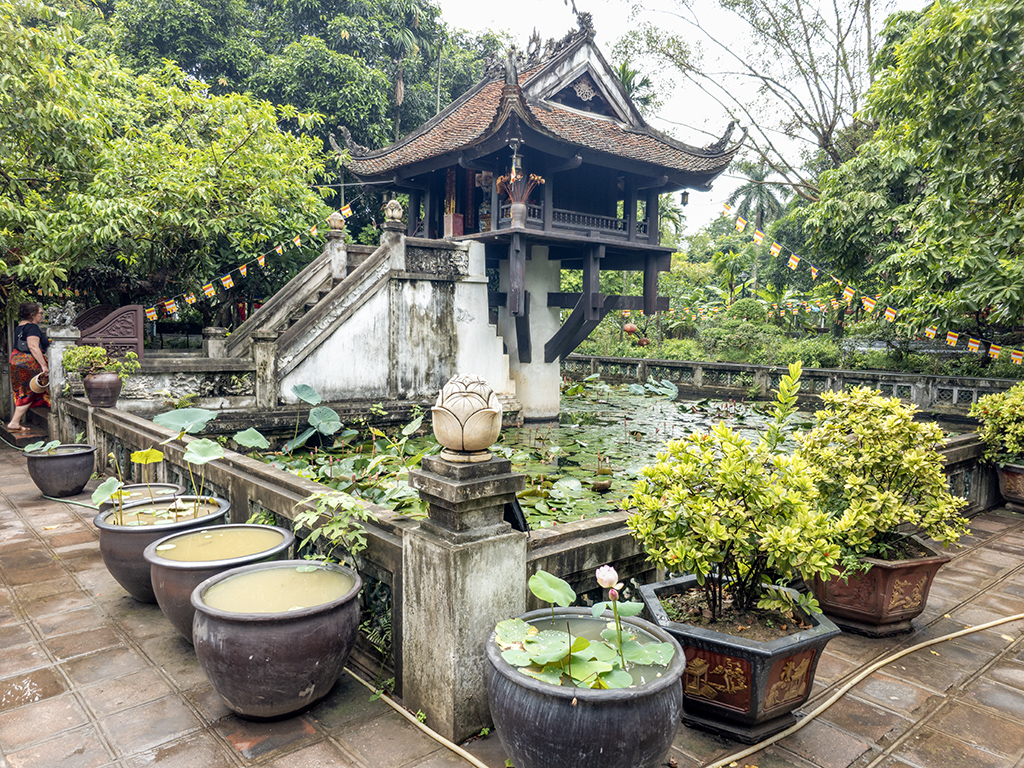
I believe this is a pomelo tree. I don’t ever see these in the United States, so I took a picture. The last time I had seen one of these was in the Lakeside Gardens at the JW Marriott Hanoi in Vietnam.

After checking the map to make sure I saw everything, I circled back around and out through where I entered.

After popping back out of the gate, I was back in the bustling city looking down Eitai-dori Avenue.

I ended up spending about two hours here, and that was even without having a chance to see the inside of the Imperial Palace. On top of that, 皇居三の丸尚蔵館, or the The National Museum of the Imperial Collections, Sannomaru Shozokan, was temporarily closed, so I missed out on that as well.

I feel like a big part of seeing the Imperial Palace is to see the palace itself, so I feel like I can’t give a particularly meaningful recommendation on whether or not you should go to check it out. However, what I can say is that walking around was a pleasant experience that also served as decent exercise due to how large the site was. It wasn’t quite as peaceful and serene as some of the other outdoor activities I did due to how many more tourists there were here compared to other spots, but it was still a great way to get some fresh air in the middle of the day.


—§—


Hello, Seiko Museum Ginza in Chuo City, Tokyo, Japan

When I visit a new city, I want to do things in that city that are unique to the area. I’ve traveled so much at this point that I’ve been to a ton of zoos, aquariums, science museums, and other tourist attractions that are not local-specific, so nowadays, I try to avoid those kinds of activities and instead do something that I can’t do anywhere else.

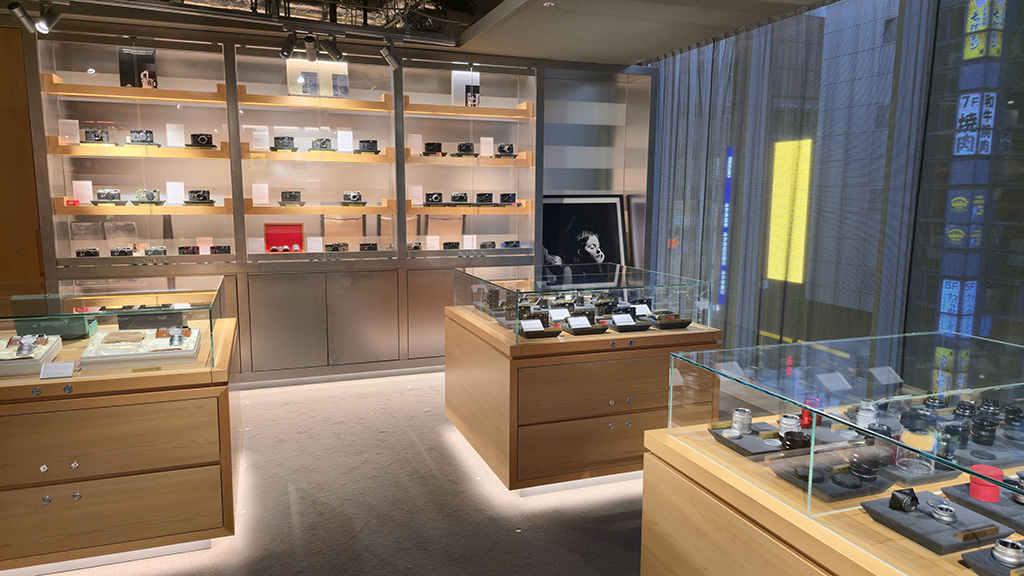
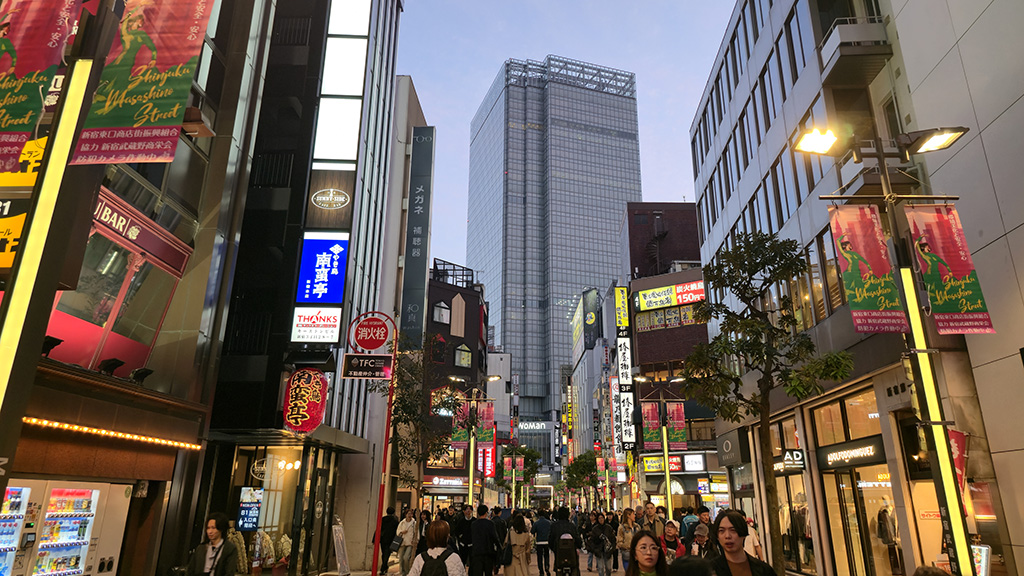
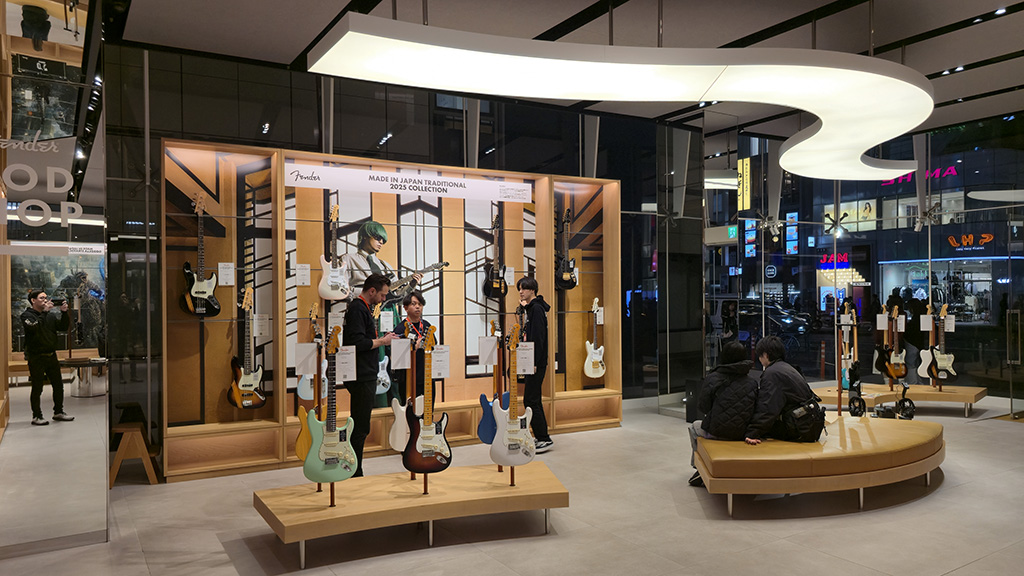
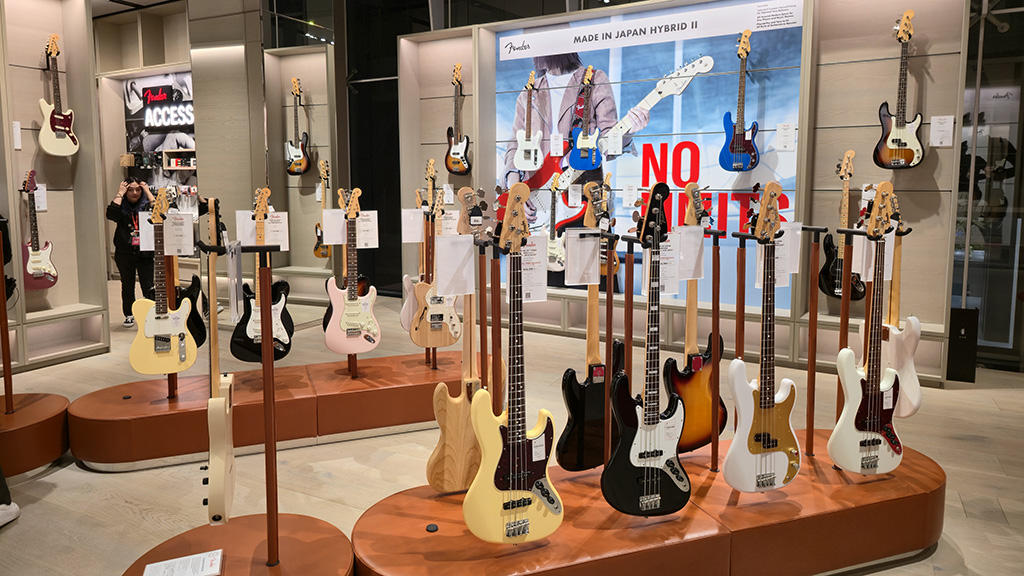
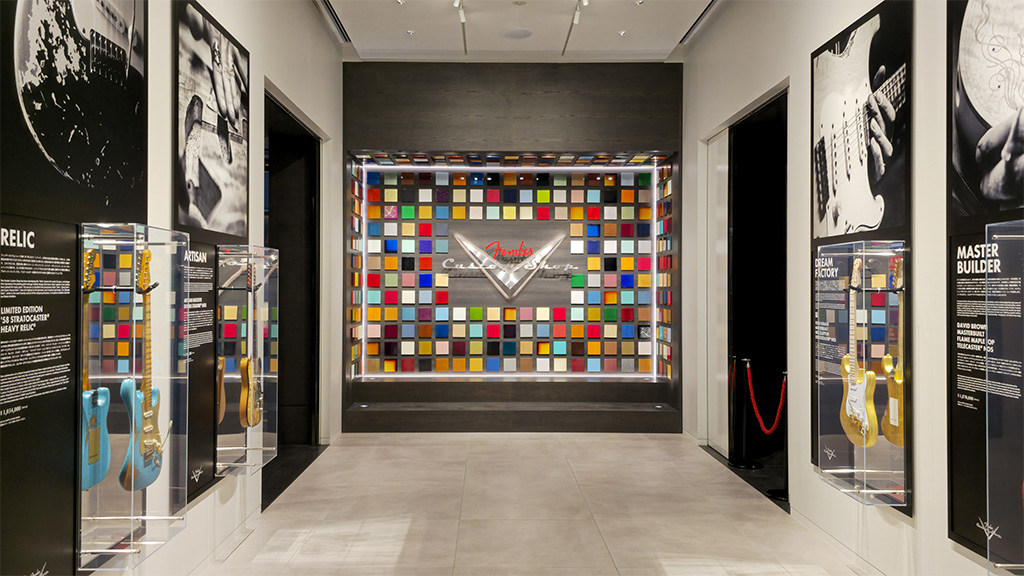
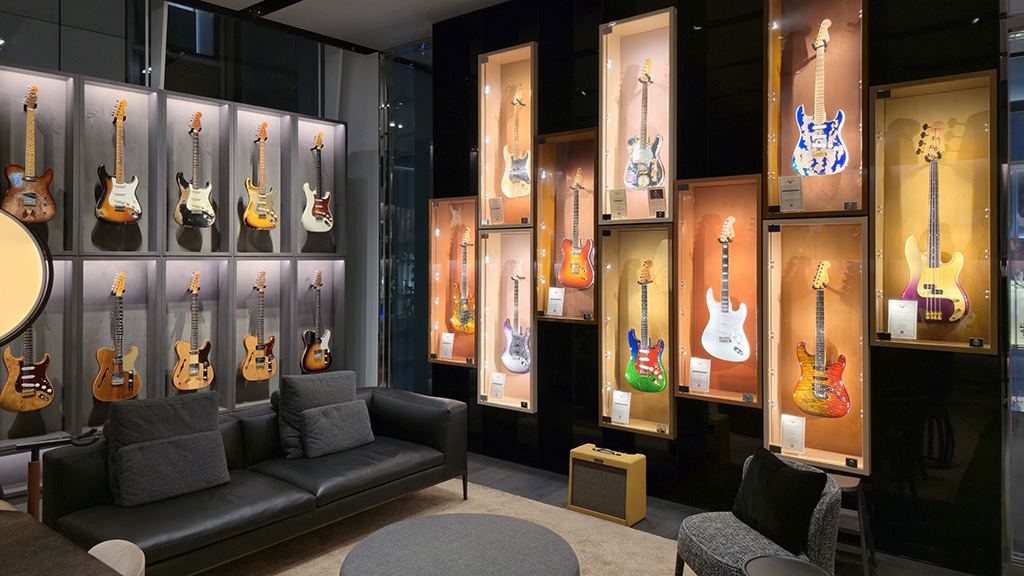
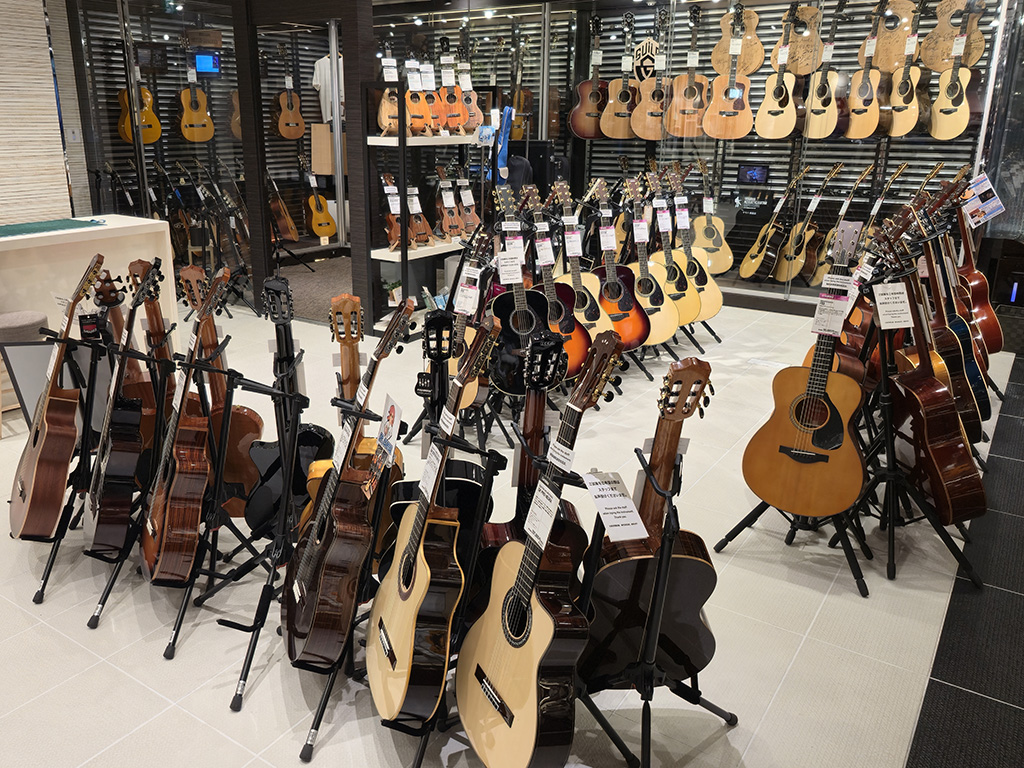
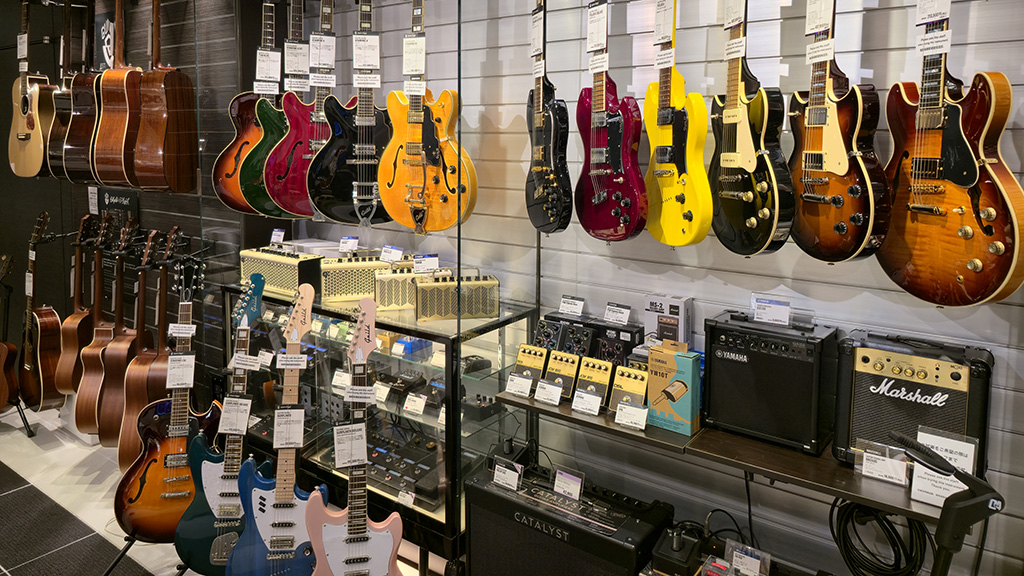
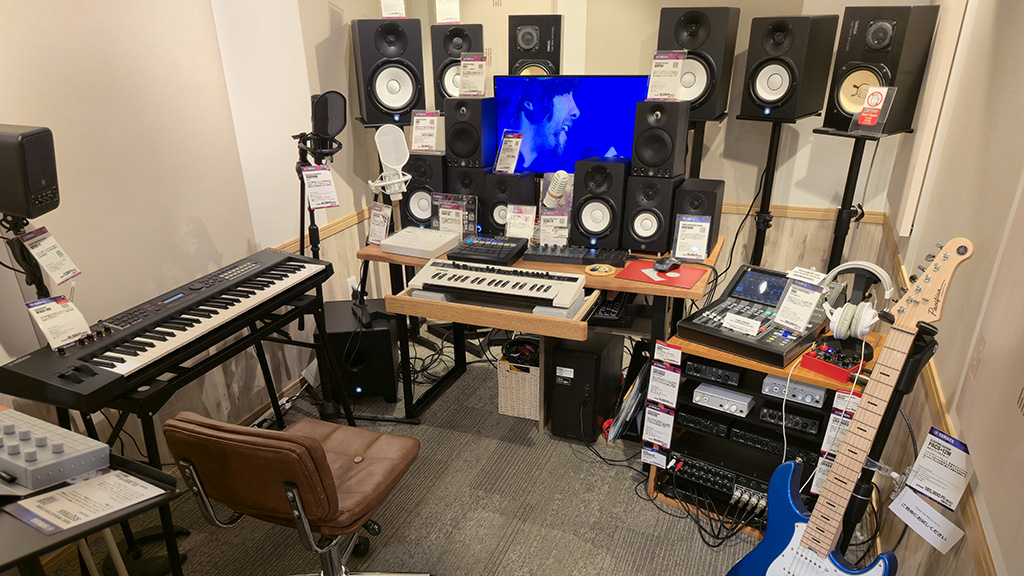
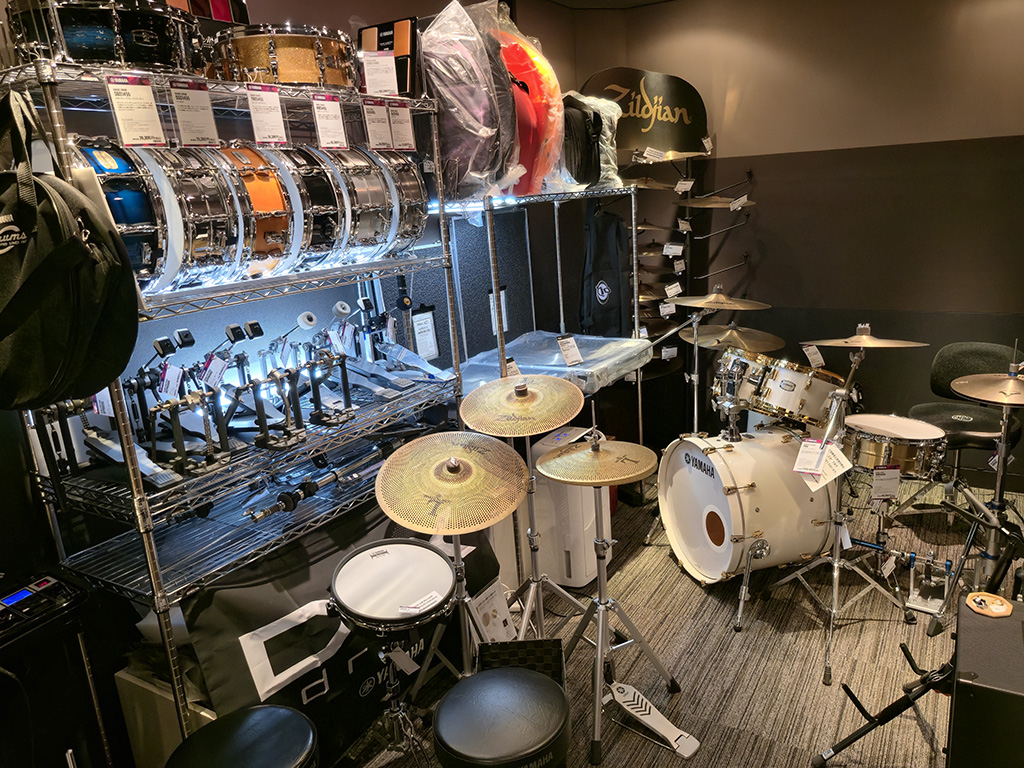
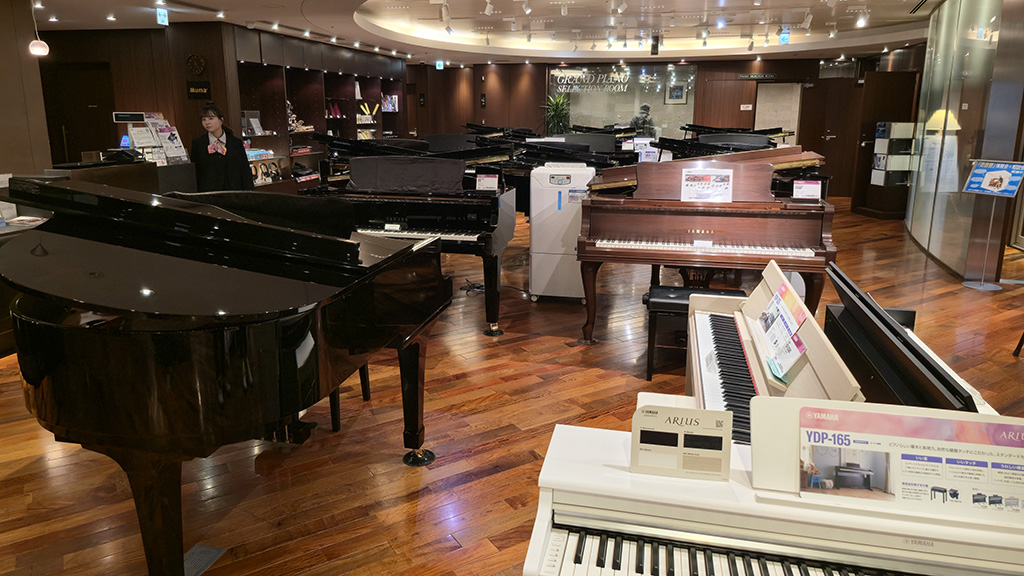
One of my favorite things about Tokyo that I found out during my two-week trip there was how many unique museums there were in the metropolis. Some of it is because flagship retail stores in Tokyo are so large and well-organized that they seem like museums of their own (I mention this in my two already-published miscellaneous photo dump blog posts in the sections where I talk about the Yamaha and Fender stores), but some of them are just actual dedicated museums on very specific topics.

One of these specialty hobbyist museums was セイコーミュージアム銀座, which is the Seiko Museum Ginza. There were Seiko stores elsewhere in Ginza, but this wasn’t a hybrid store-museum—this was literally just a museum dedicated to watches and timekeeping.

It had free admission, which I guess makes sense because it acts as a marketing initiative to bring awareness to the Seiko brand, raise its reputation, and encourage people to purchase Seiko watches. However, I thought it was still generous to let everyone enter for free and provide such warm and welcoming service to patrons, especially considering the surprisingly large group of staff members who were on duty and actively performing maintenance on the displays.

 
I started my self-guided tour in the basement, which was called “Extreme Times.” This floor was dedicated to showcasing timekeeping as it pertains to sports, and how extremely tiny increments of time can mean the difference between a world record and second place.

The first floor was called “The Beginnings of Time.” This was the entrance, so there wasn’t quite as much on this floor as there was on other floors. The front desk was on this floor where staff members greeted you and explained the layout of the museum. There was also a short introductory film playing on a screen.

The second floor was titled “Always One Step Ahead of the Rest.” The exhibits on this floor showed the history of Seiko and how it was always ahead of its competitors, even though catastrophic events like destructive earthquakes.

The third floor was named “From Time Indicated by Nature, to Human-Made Time.” This was another floor that covered the history of timekeeping, but this one focused more broadly on how time was kept prior to the availability of modern-day clocks, rather than focusing specifically on Seiko.

The fourth floor was called “Precise Time.” This floor focused on the evolution of timekeeping and how it turned into the modern-day clocks and watches that we know of today. This floor also provided a bit of insight on the mechanisms and technology behind how Seiko products are so precise in timekeeping.

The fifth floor was “A Variety of Times.” On display here was a demonstration of how different clocks and watches can look while still serving the same purpose of timekeeping. This floor also had a continuation of showcasing some of the technology behind how these devices actually work.

I believe this was designed and intended to be the “fun” floor. There was a short movie playing (though I didn’t watch it because it was in Japanese and I couldn’t understand it), and this was the floor that showcased some of the fun collaborative clocks that used popular intellectual property like Pokémon and Hello Kitty.

And finally, the sixth and highest floor of the museum was the Grand Seiko Museum, a mini-museum inside the main museum. As you were probably able to guess by the name, this floor was dedicated specifically to showcasing Grand Seiko, the luxury brand under Seiko. Seiko is often known for its practicality, functionality, and reliability; Grand Seiko focuses more on hand-crafted artisanship, elegance, and proprietary movement mechanisms.

I’m not much of a watch enthusiast, and I know very little about watches, so it was an enlightening learning experience to check out the Seiko Museum. It took me right around an hour and a half to get through everything, and that’s with me reading a majority of the text that was written in English, as well as taking a short break to have a quick chat with some fellow English-speaking tourists.

If you’re in Ginza and have a bit of free time, I think the Seiko Museum is very much worth the visit. Even if you’re not a watch enthusiast, you can spend a quick half hour just looking at things and still have it be an insightful and educating experience.

 
I know people who collect luxury watches and like to make a statement with their collection, but all the watches I own are simply ones that have some kind of significance or meaning to me, or have just piqued my curiosity and interest.

I’ve been told by my blog’s readers that they like learning about me, so for the sake of sharing something about myself that I otherwise don’t really foresee having relevant context in which to disclose in the future, I figured this is a decent opportunity to reveal what my personal watch collection consists of… if you can even call it a collection:

  • Fitbit Blaze. This was one of my first fitness trackers, which I purchased prior to Google’s acquisition of Fitbit. I usually give away my used electronics to friends and family members for whom my old devices would be an upgrade, but I never ended up finding someone who wanted a Fitbit Blaze, so I just kept it in my watch case.

  • Google Pixel Watch. After a few years, my Fitbit Blaze’s battery wasn’t able to retain much of a charge and it wouldn’t last even half a day. For a while, I just dealt with it by only using it when I was going on hikes, but eventually, I upgraded to a Pixel Watch so that I could continue getting fitness tracking all day. Unfortunately, the Google Pixel Watch also had a bit of a battery issue where it would only last one day on a full charge, so I upgraded to the Google Pixel Watch 3, and then recently, the Google Pixel Watch 4 for the extra health tracking technology.
  • Luminox Bear Grylls Survival XB.3749. If I was a watch, I would probably be this watch—well-prepared, well-planned, and well-stocked with all the resources needed to tackle any situation, but chaotic and adventurous enough to get myself into wild situations in which I would actually need to use a survival tool.

  • Diesel Mr. Daddy 2.0 DZ7313. One of the main reasons I have historically been uninterested in watches is because I always use fitness-tracking watches, so I would always wear those instead of a regular watch. Then, one of my friends introduced me to the idea of wearing a regular watch on my left wrist and my fitness tracker on my right wrist. That seemed like just quite enough of a goofy idea that I was on board. I’m the type of person to wear a skinny tie and quilted leather biker jacket to formal events where everyone else wears a normal suit; in those scenarios, I think this black leather watch with silver hardware fits very well with my outfit.
  • Casio DBC-32-1A Multi-Lingual Data Bank. When I was in elementary school, I wore a digital Casio watch. I remember this not because I remember checking the time frequently or anything, but because I remember having a watch-shaped tan line on my left wrist all the time. I don’t remember exactly what model of Casio watch I used to wear back then, but as a throwback to my youth, I bought the nerdiest-looking watch I could find that basically looks like an entire calculator integrated into a wristwatch.
  • Seiko Coutura SNE506. This is another “throwback” watch similar to the Casio one above. I don’t remember doing this, but apparently, one of the very first major presents that I had gifted to my dad was a Seiko watch. Again, I don’t remember exactly what model it was, but I figured this was close enough to act as a keepsake for the nostalgia. Side note, my parents were a victim of burglary, and the watch I allegedly gifted him was part of the thieves’ loot, so my dad doesn’t have it anymore.
  • Victorinox I.N.O.X. Chrono and Victorinox Journey 1884. I like the Victorinox brand—it is the maker of the original Swiss army knife, and they’re often synonymous with utility and practicality, which I think aligns with my personality pretty well. I already own two of their luggages, and now I also have two of their watches. I use my Victorinox luggage for road trips a lot now, but … I haven’t quite started wearing these Victorinox watches yet. Maybe someday.

  • Timex UFC Pro World Champion Edition and Timex UFC Beast. These are both limited-edition watches that I got because I’m a fan of UFC and I thought these watches were wild and absurd. This is definitely more of a fun purchase than a serious investment, but maybe they will eventually appreciate in price someday.

I imagine anyone who knows even a little bit about watches will look at this senseless mumbo-jumbo of a watch collection and be incredibly confused, but there is the latest drop of Adam Parkzer lore.


—§—