My trip to Phoenix, Arizona and the surrounding cities and suburbs has come to an end. I already published a bunch of blog posts over the past couple weeks showing some of the tourist activities I’ve done; here is an index, in case you missed them:
Like usual, I have some miscellaneous photos from my travels for which it wouldn’t make sense to have individual dedicated blog posts, so as a wrap-up to my time in Phoenix, here is a dump of my remaining pictures.
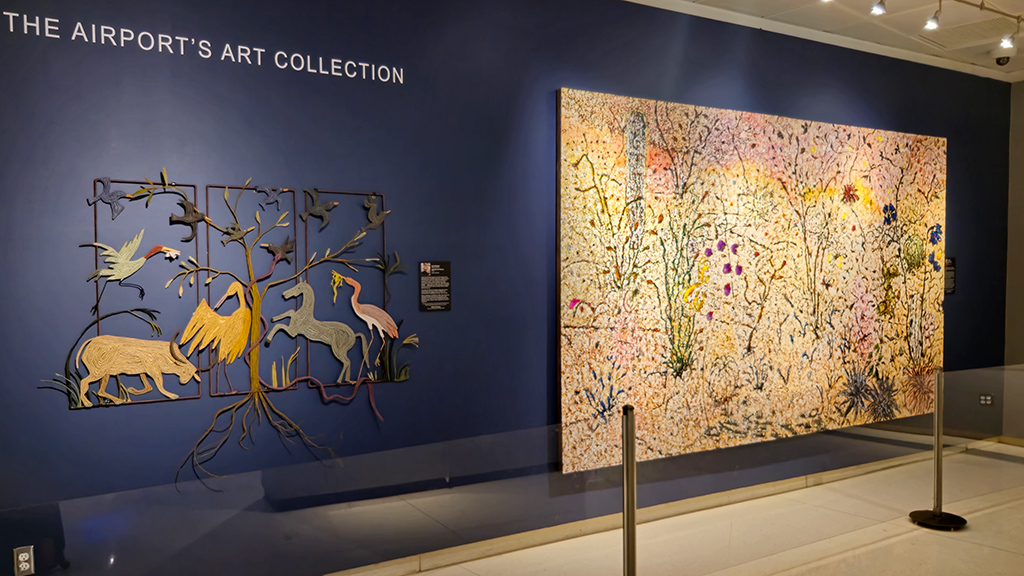
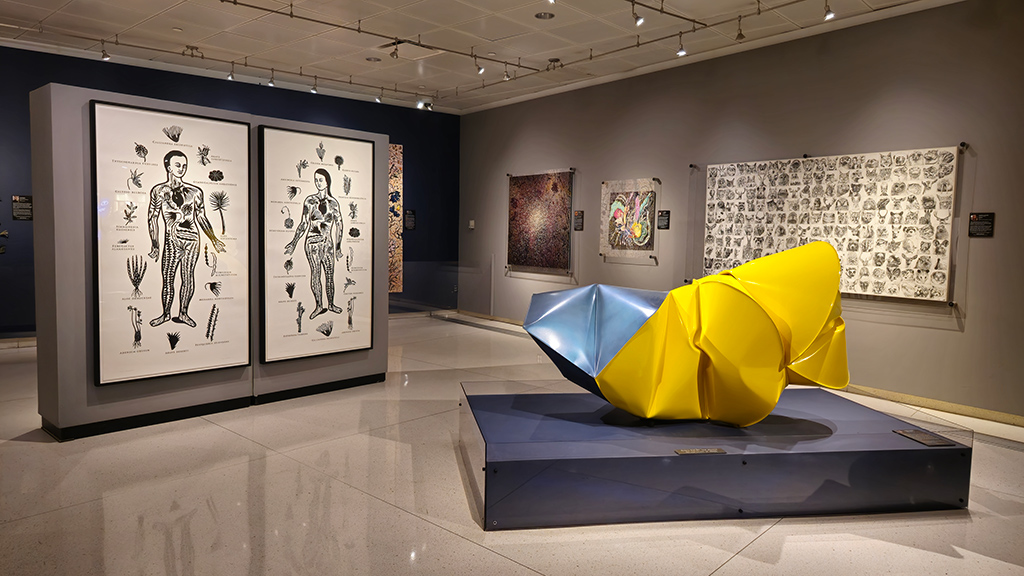
When I arrived in Phoenix Sky Harbor International Airport, I saw on Google Maps that there was a museum inside the airport. On my way out of the terminal and while walking towards the PHX Sky Train, I made a quick stop at the Phoenix Airport Museum.
One of my favorite things about Phoenix Sky Harbor International Airport is the fact that there is a free transit system that moves you off of the main airport terminal area. I appreciate airports that do this because it reduces landside congestion a substantial amount—it lets people choose whether to get curbside pickup or spend a few extra minutes getting off-property to save a higher ratio of time with ground transportation.
When I first started traveling a lot, I was intrigued trying out different hotel brands under the Marriott family and taking pictures of different rooms. However, after having lived full-time out of hotel rooms during my multi-year road trip, they got less interesting to me.
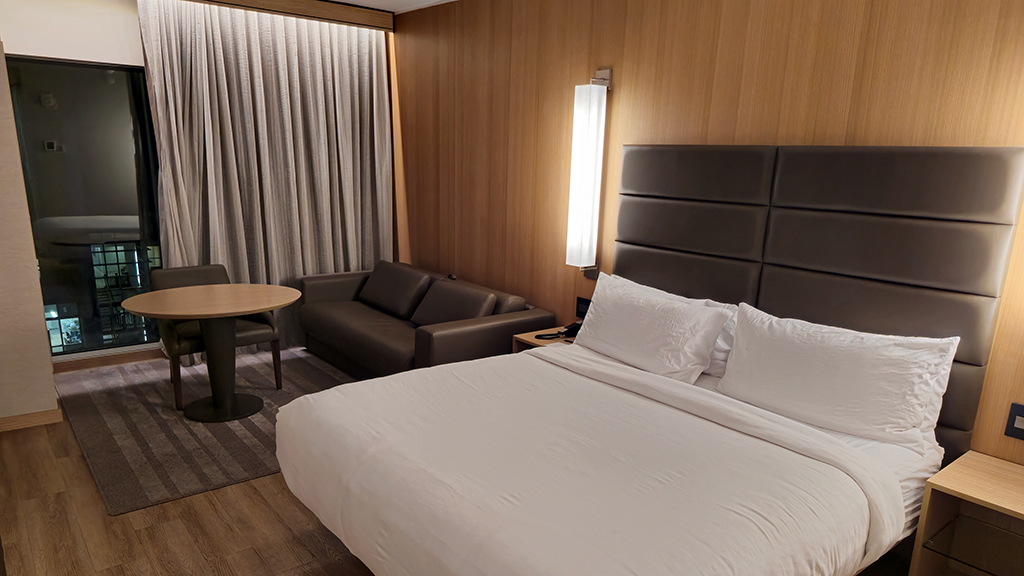
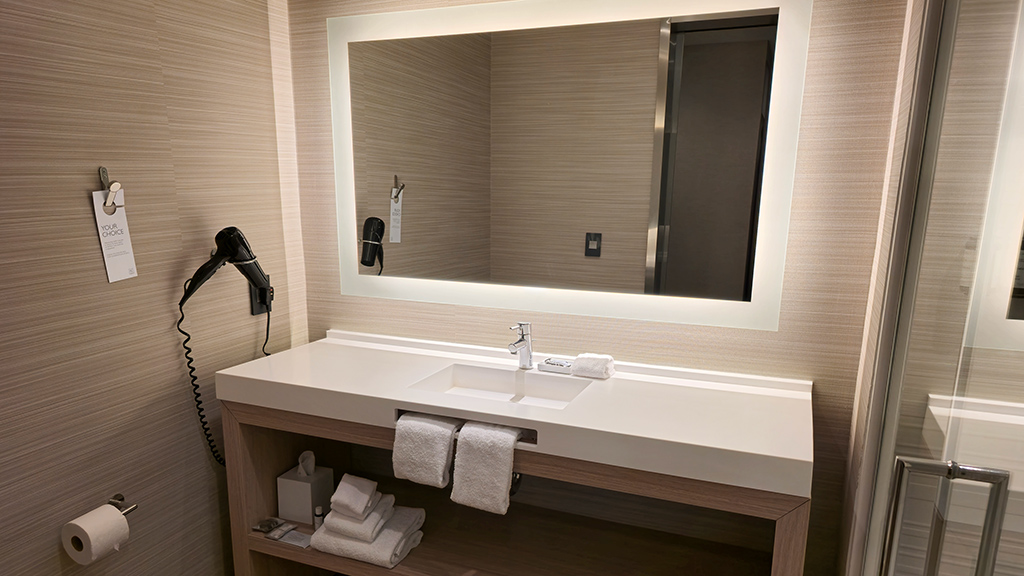
A long time ago, I used to post photos of my hotel rooms, but since then, I’ve stopped; a few people have asked me to resume, so here is the room I stayed in at the AC Hotel by Marriott Phoenix Downtown.
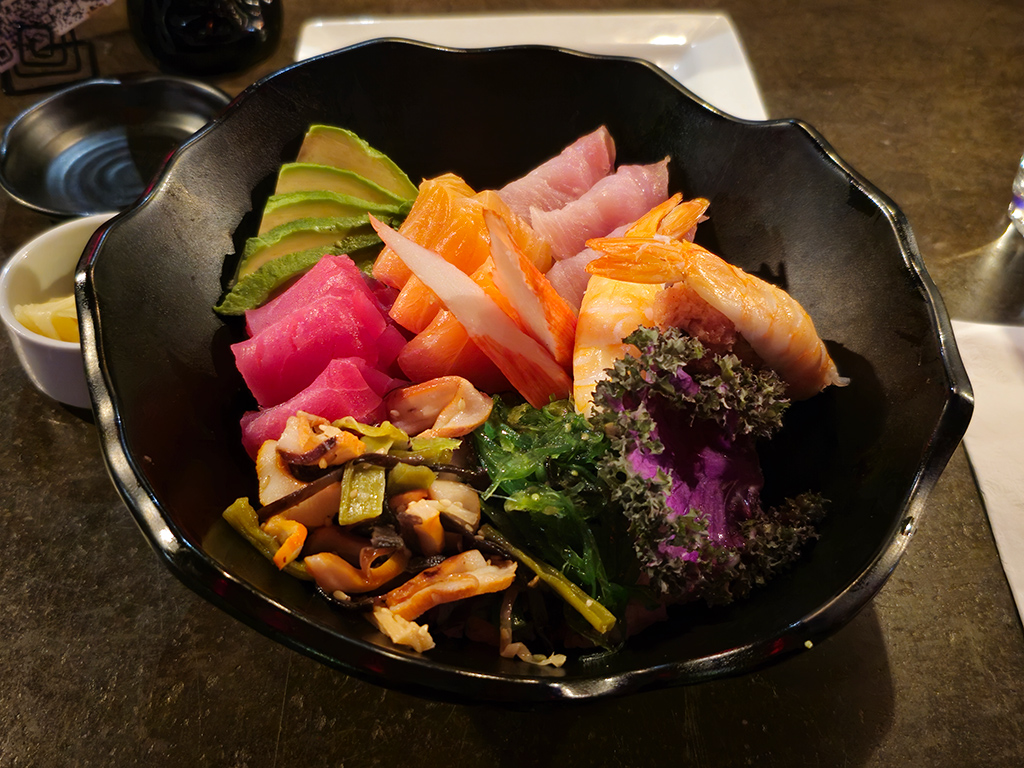
I ordered a chirashi bowl, my go-to sushi dish when I go to a new restaurant because of how uniquely different it can be across different restaurants and how well it captures the style of each individual chef.
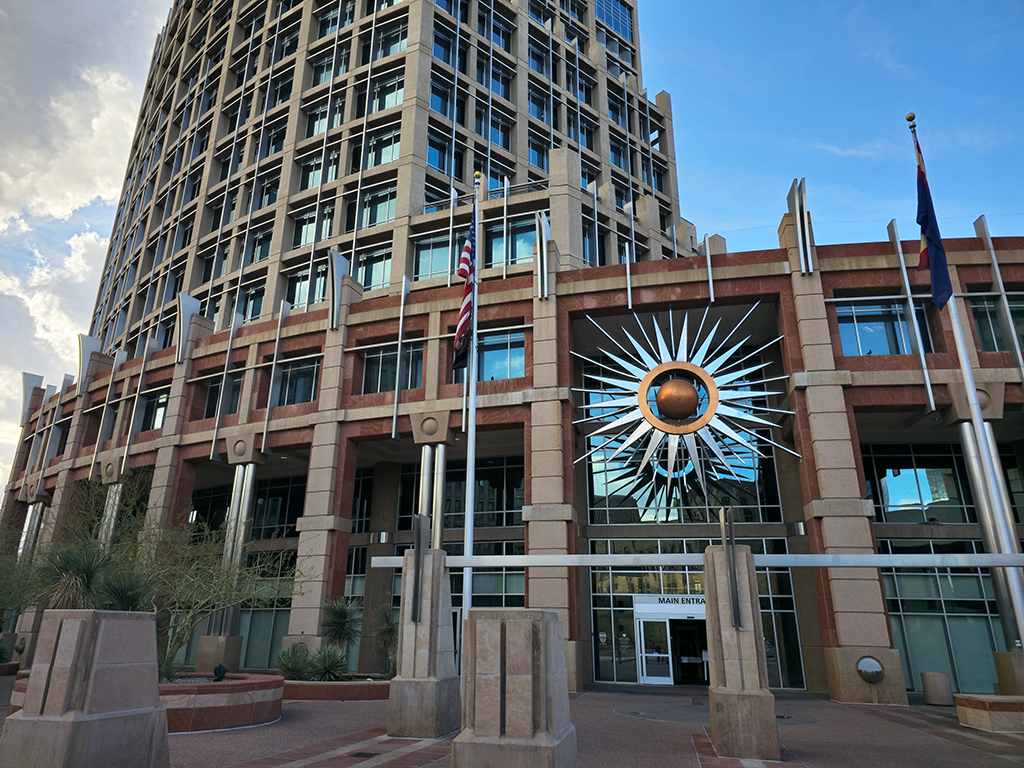
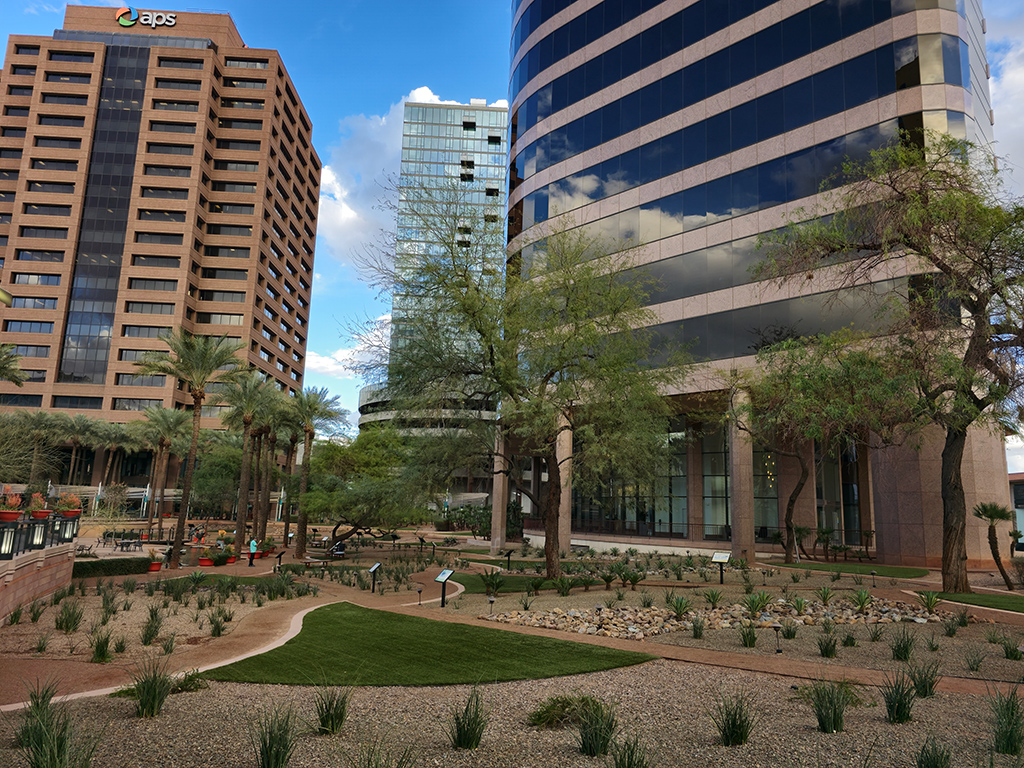
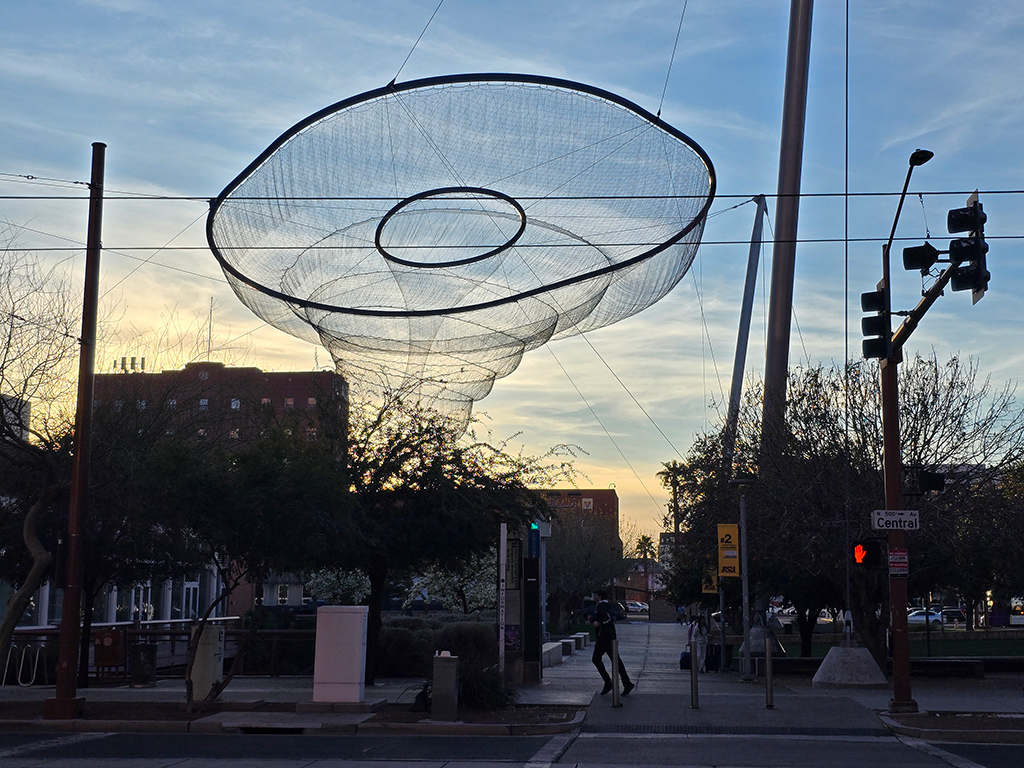
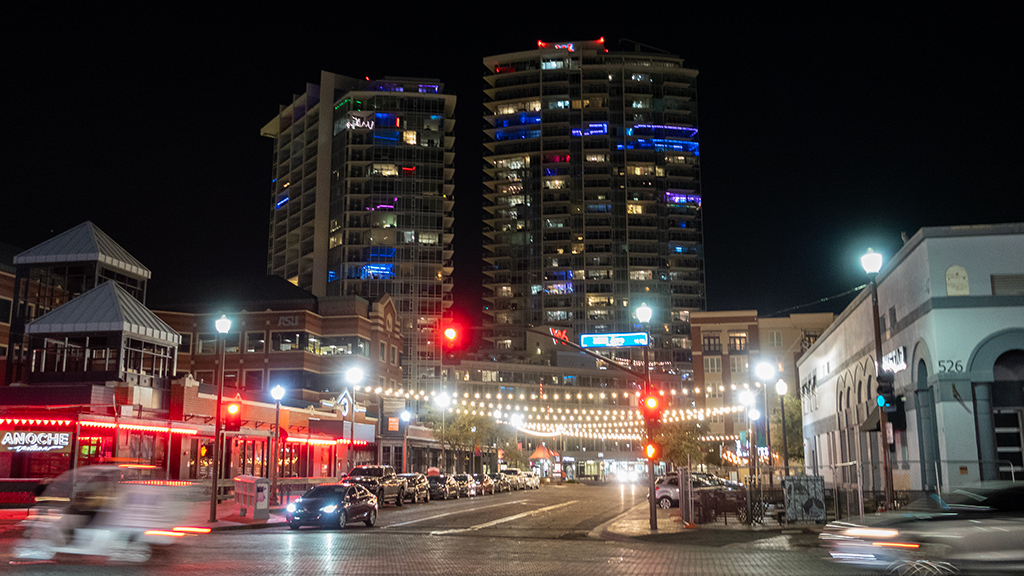
Having stayed in downtown, a lot of things were in walking distance for me, so I did a lot of walking during my trip. There are some interesting buildings and structures in Phoenix; here are a few that I thought were nice or interesting enough to photograph.
For one of my dinners, I met up with some friends and went to Guiseppe’s on 28th (which, funny enough, technically isn’t on 28th, but on East Indian School Road due to the direction its front door faces).
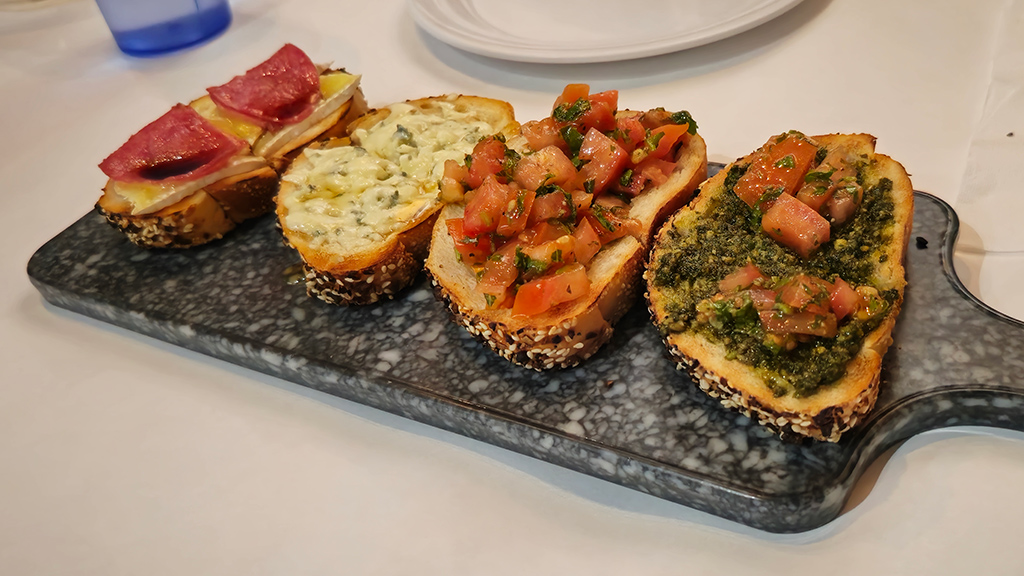
As our appetizer, we got a medley of four variants of their bruschetta: fresh tomato and basil, creamy gorgonzola cheese and honey, brie with Tuscan salami vino cotto, and house-made pesto and fresh tomato.
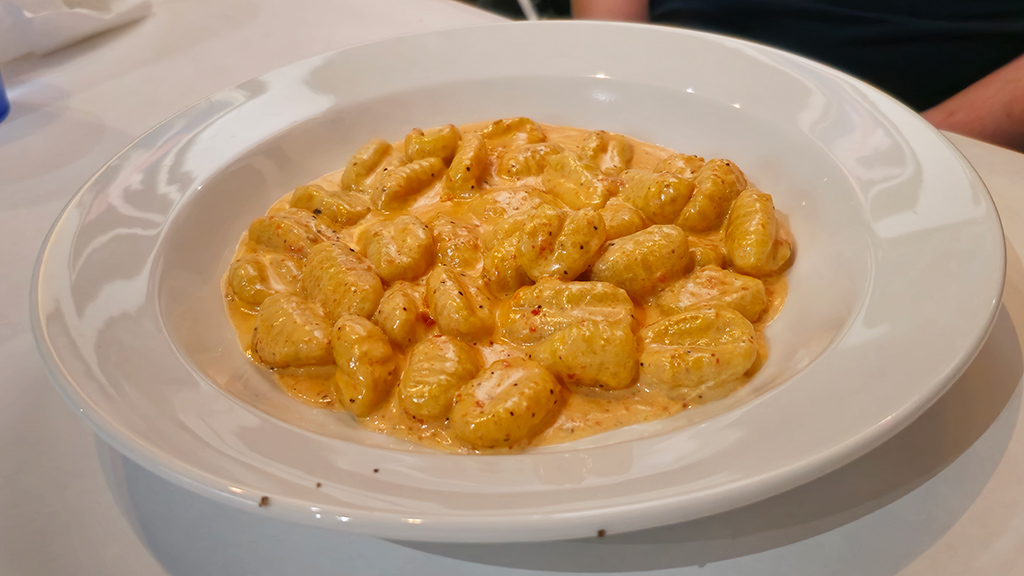
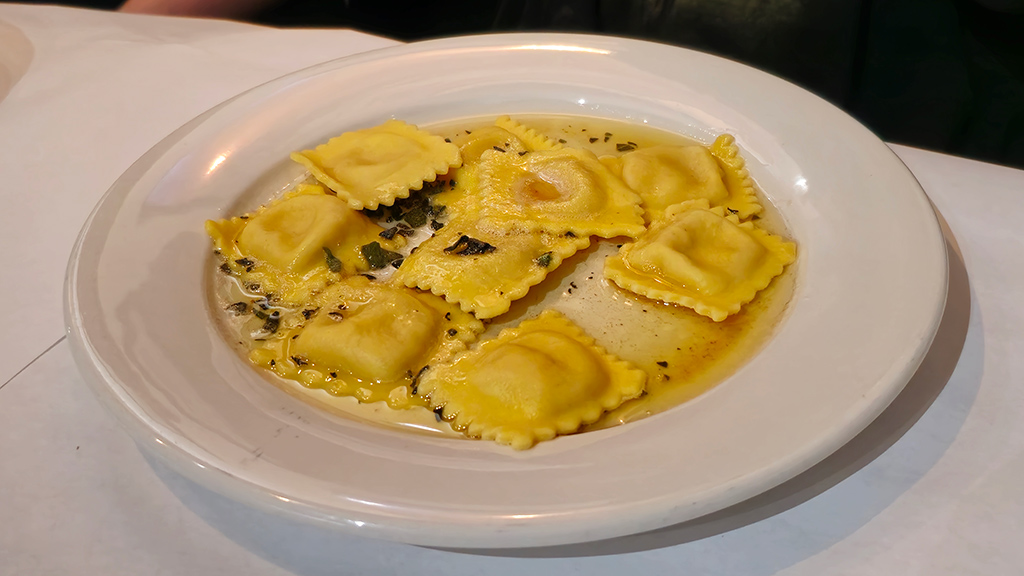
My friends got gnocchi and butternut squash ravioli as their main entrées. The gnocchi was mixed in with a cream and tomato cardinale sauce, and the ravioli was tossed in sage brown butter.
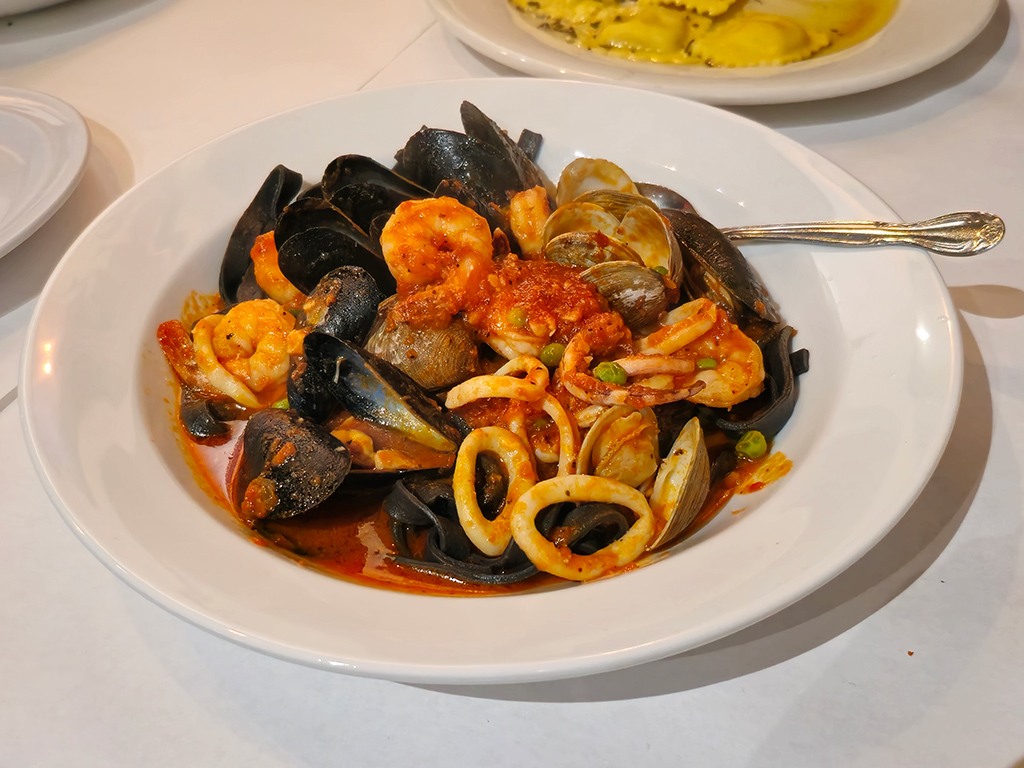
I decided to order a signature dish and got spaghetti neri—house-made squid ink pasta with shrimp, calamari, and clams in tomato broth.
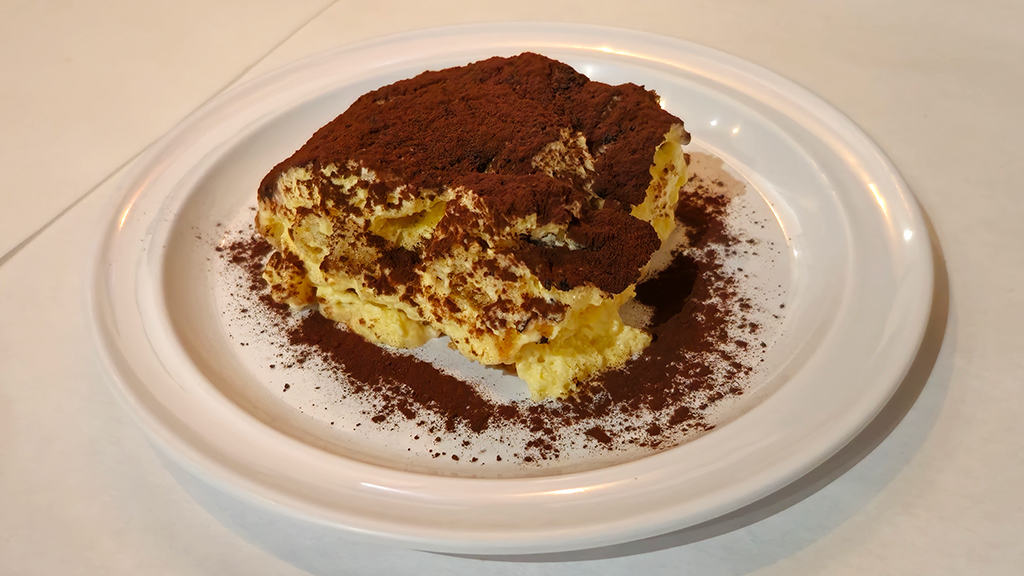
For dessert, we shared a tiramisu with cocoa, espresso, and mascarpone cheese.
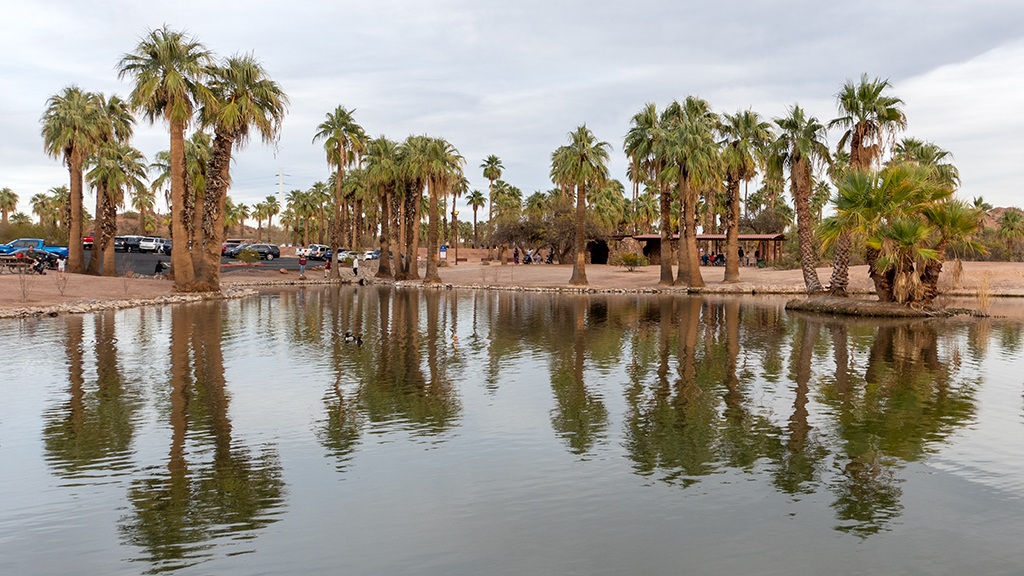
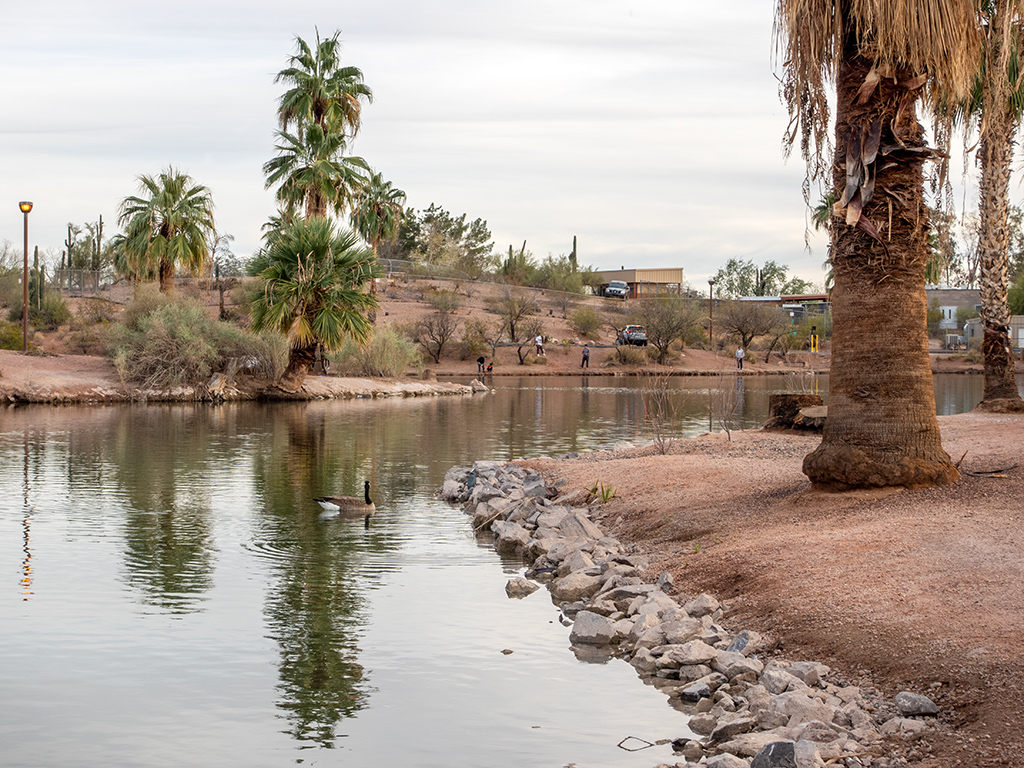
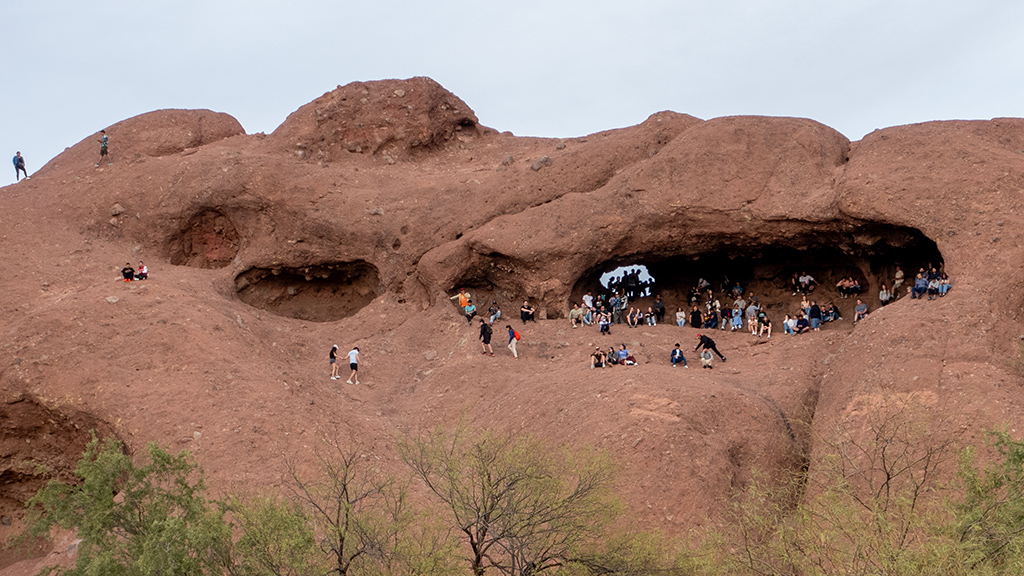
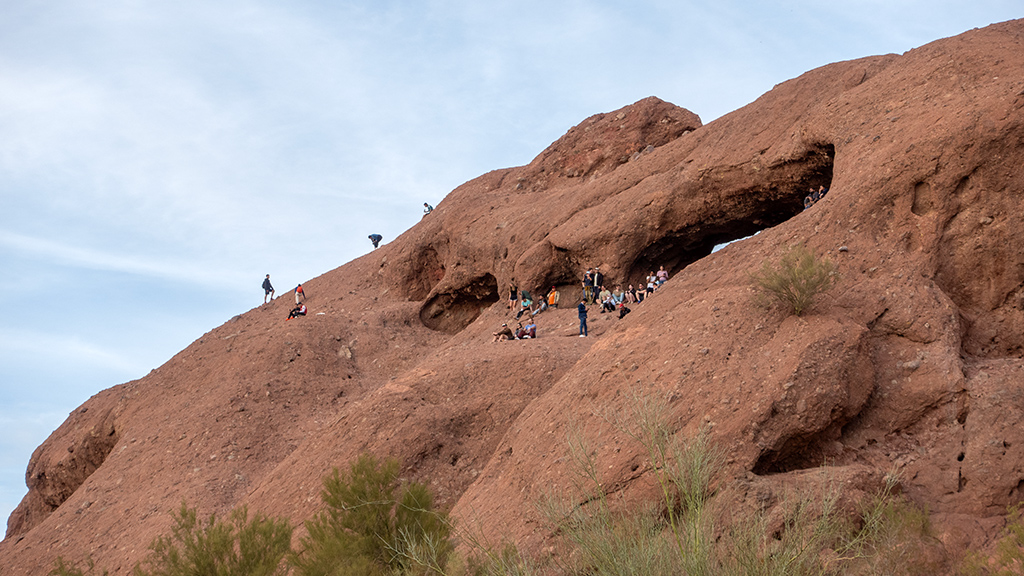
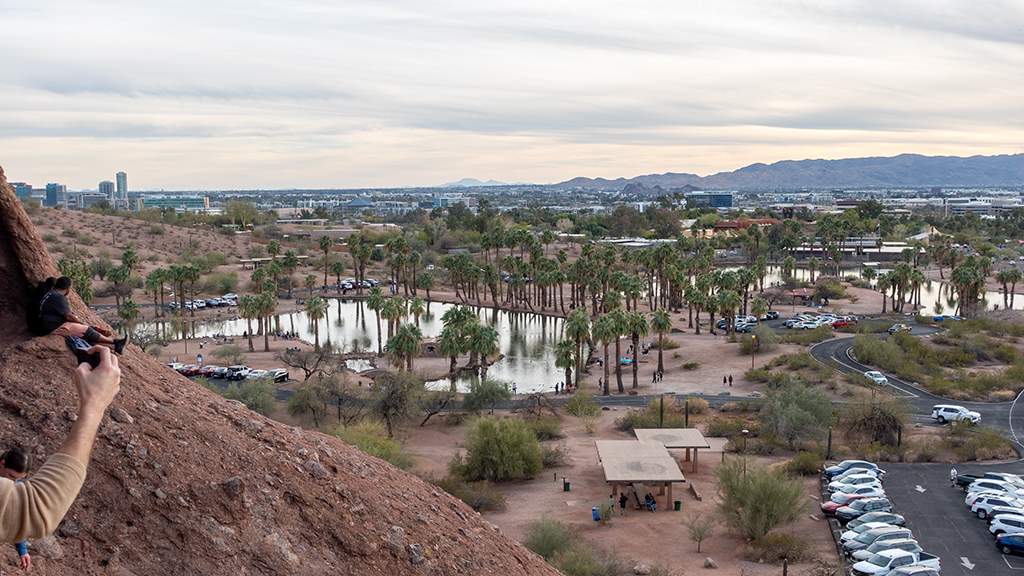
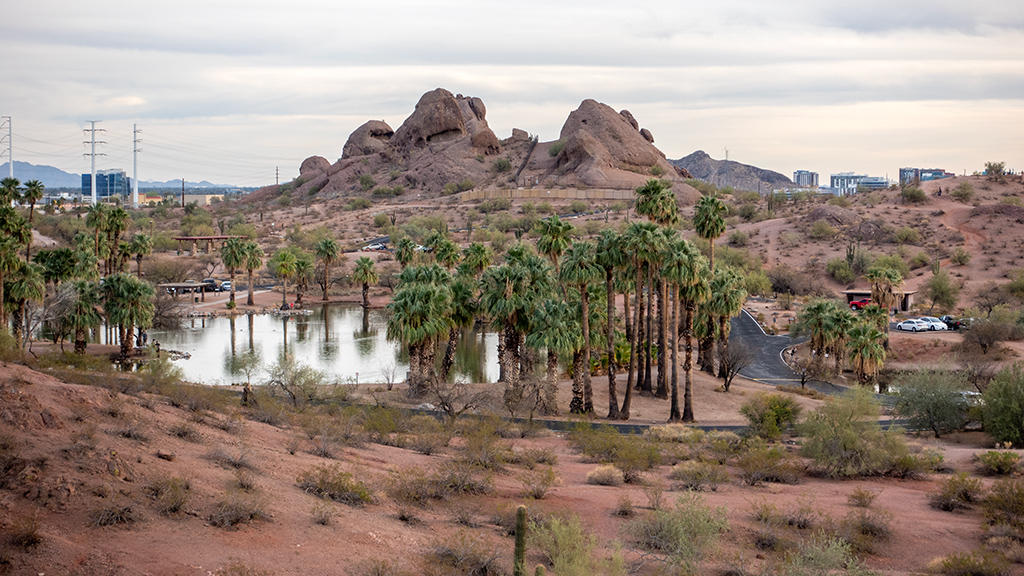
During one of my late afternoons and evenings, I went for a walk at Papago Park. I hiked up to the Hole-in-the-Rock and was able to enjoy some nice, panoramic views of the surrounding area.
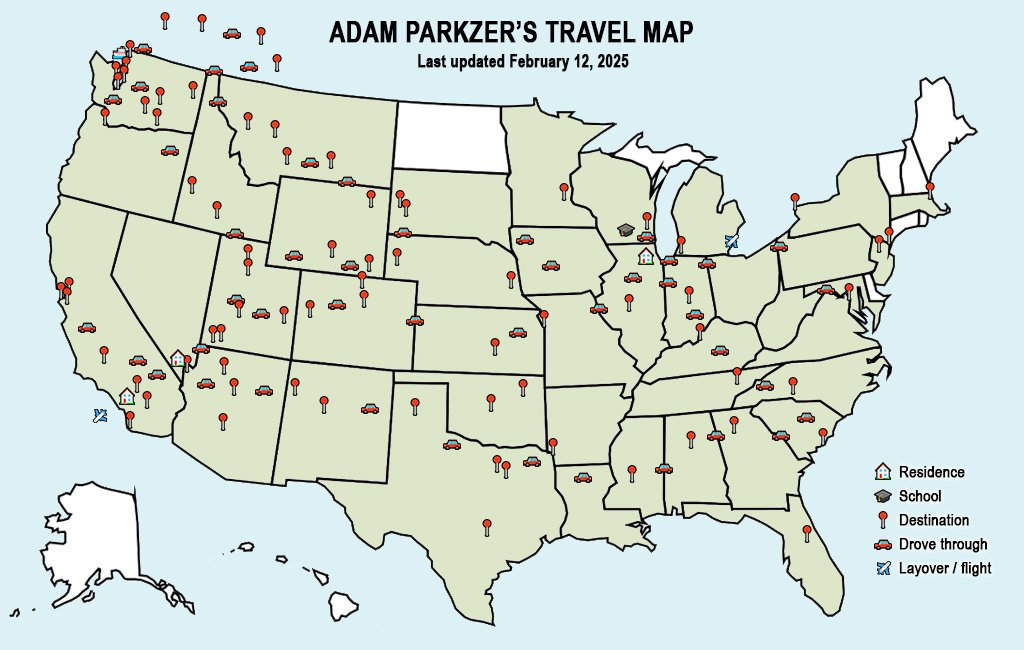
And with that trip complete and a new city achieved, I updated my travel map.
I started this travel map several years ago when I first started traveling for esports events with Tempo Storm, and I didn’t really expect it to get this dense, so I didn’t exactly build it in a particularly scalable way (even the resolution is so low that I have to use Photoshop’s resizing algorithm to generate a higher-resolution version to render on 4K monitors).
I may make a new, more robust and expandable travel map in the future, but until then, here is where I’ve been in the United States so far.
There’s more to the Phoenix Metropolitan Area than just Phoenix. While here, I’ve been spending time in some neighboring cities too—I already explored Old Town Scottsdale, and earlier today, I adventured around Tempe and the Arizona State University campus.
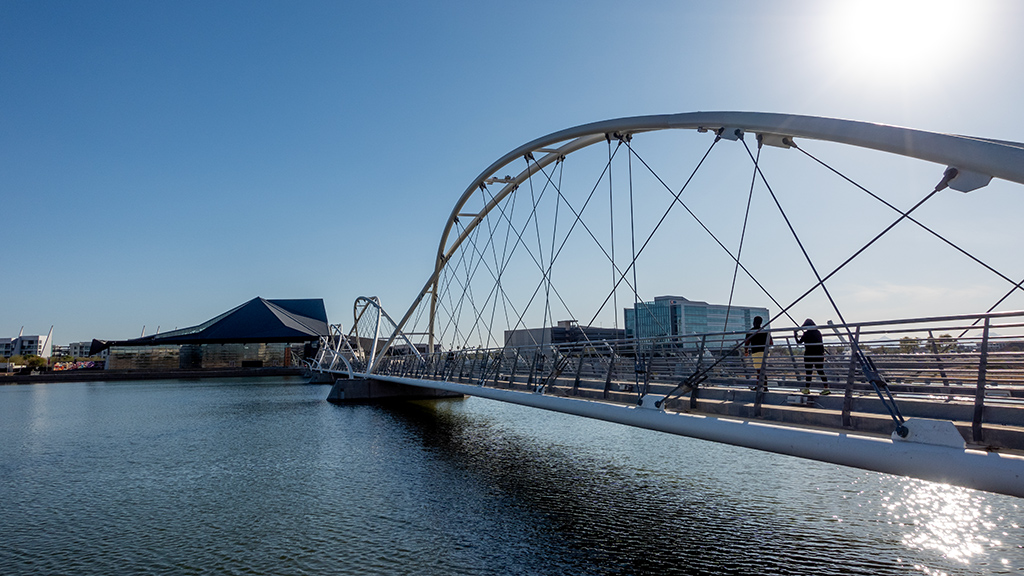
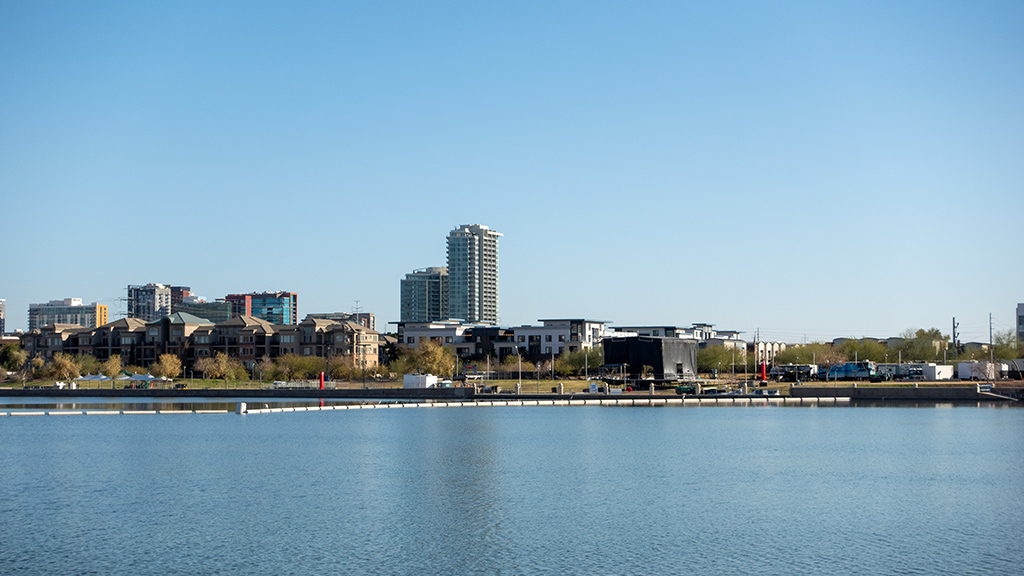
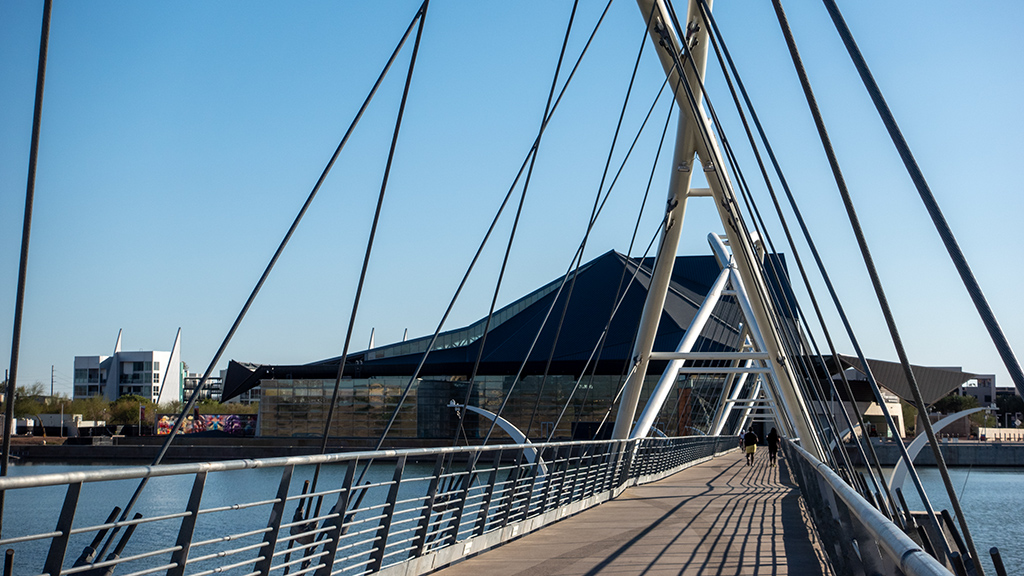
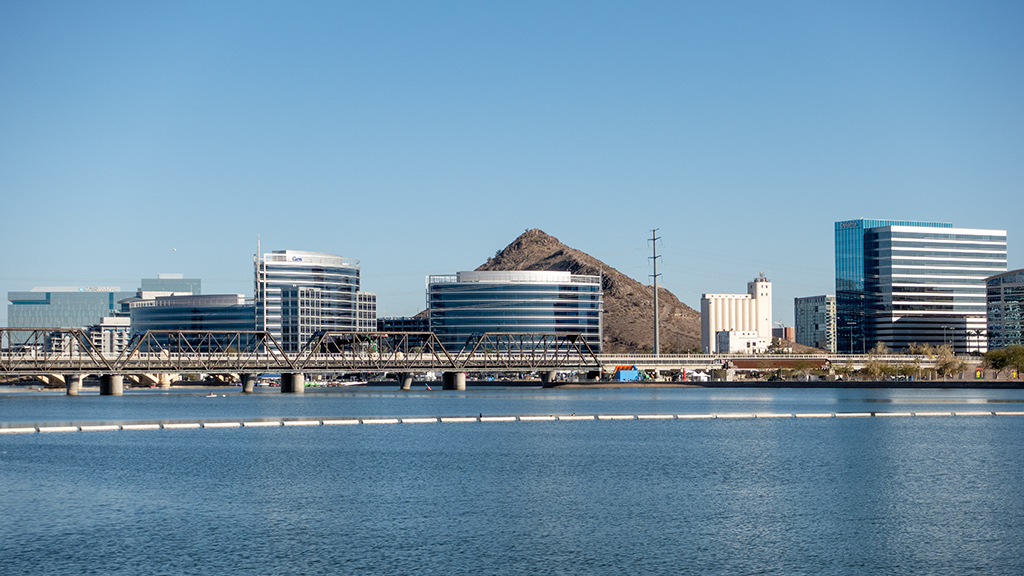
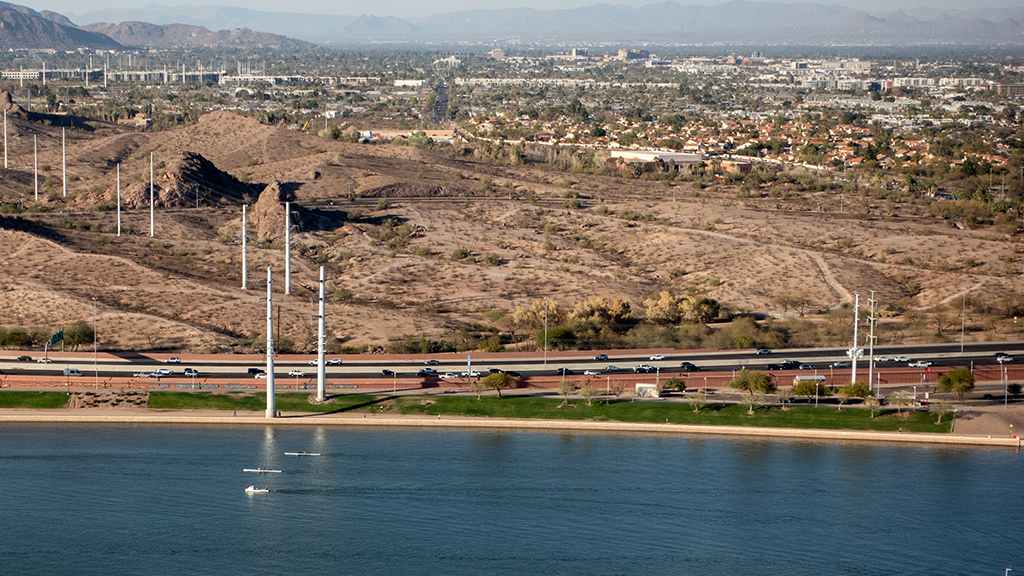
I started on the northern side of the Salt River near the Tempe Town Lake marina and walked west on the Tempe Town Lake North Bank Path until I reached the Tempe Town Lake Pedestrian Bridge. From there, I was able to get some nice views of downtown Tempe.
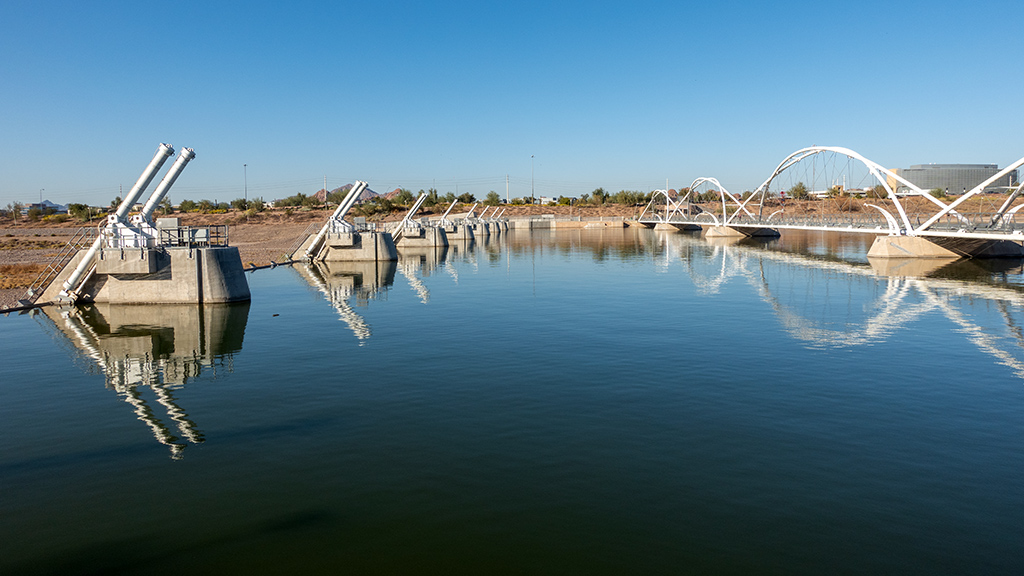
This is also close to the Tempe Town Lake Dam.
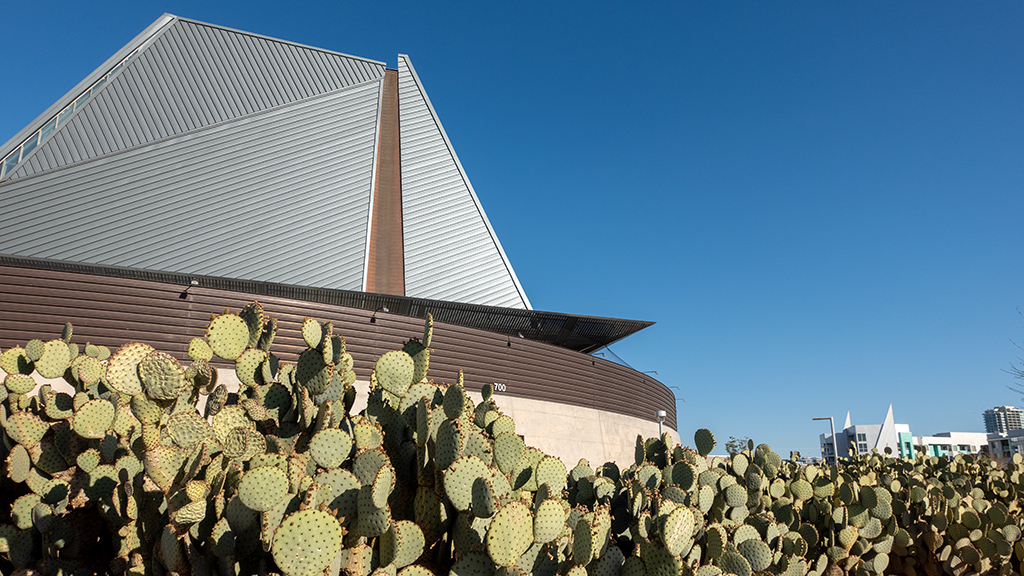
I arrived on the southern side of Tempe Town Lake right by the Tempe Center for the Arts. Unfortunately, the park directly to the east of this performing arts theater was closed for construction, so I had to go around on Rio Salado Parkway instead of walking on the beach.
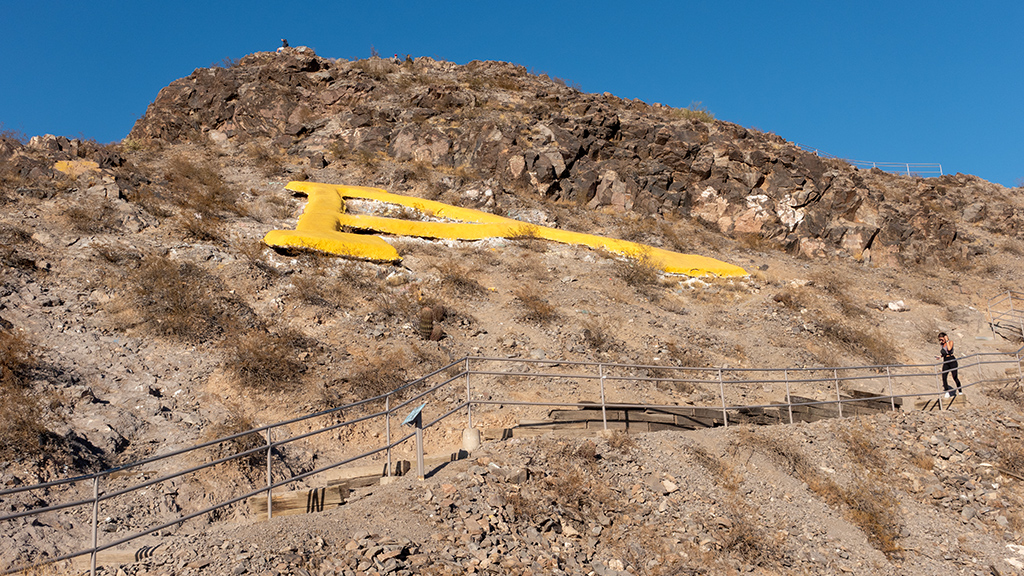
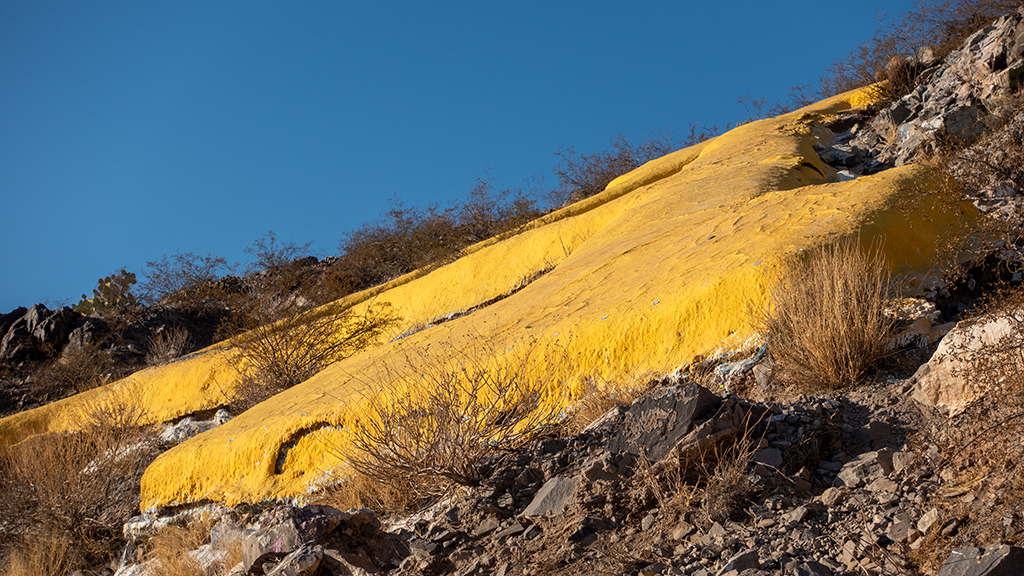
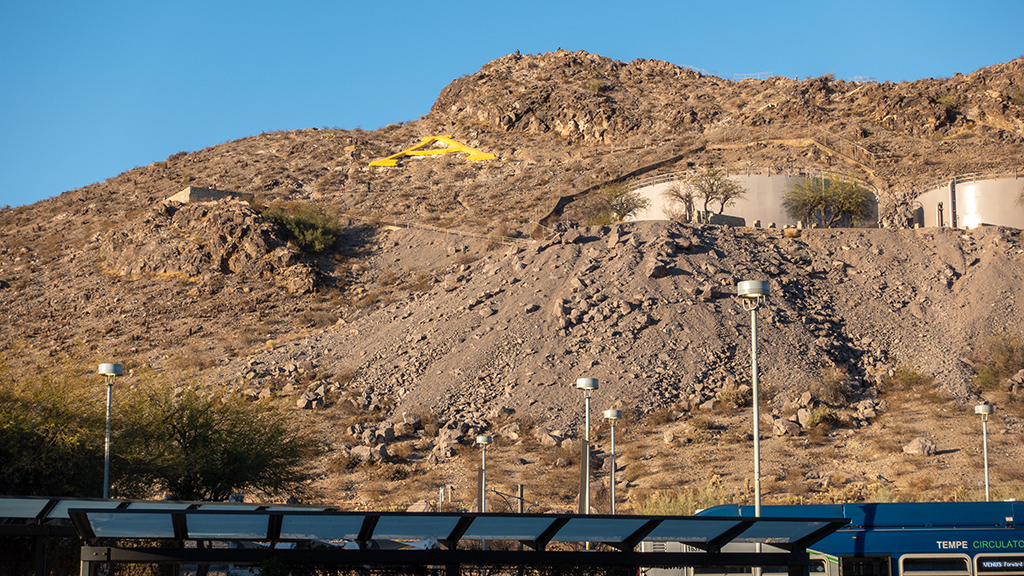
After continuing a bit on Rio Salado Parkway and passing its intersections with Ash Avenue and Mill Avenue, I started climbing up the Hayden Butte, often called “A” Mountain due to the large letter “A” on the southern face of the incline.
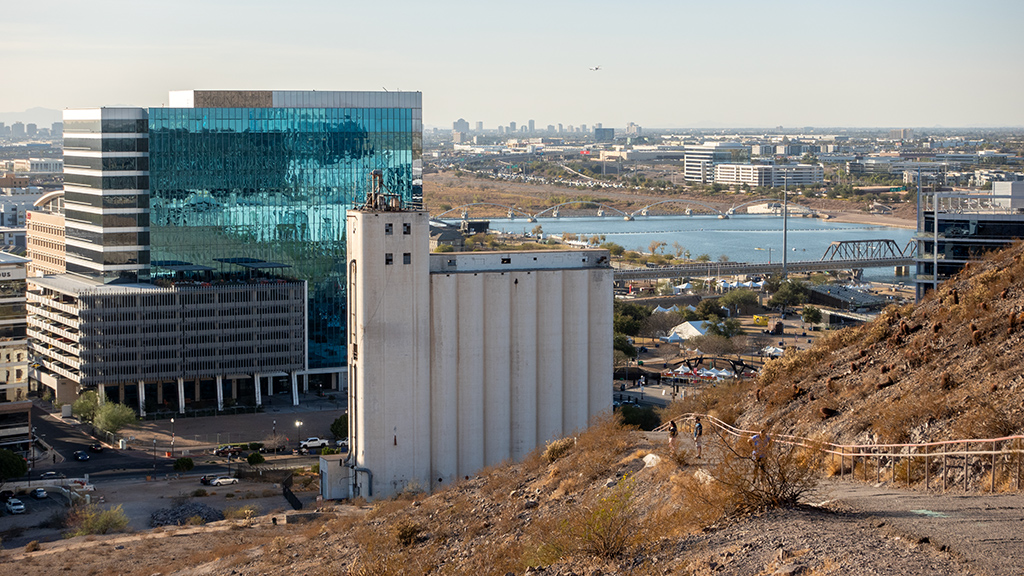
Once I reached the summit, I got nice sweeping views of Tempe with a little bit of Scottsdale to the north, Mesa to the east, and the downtown Phoenix skyline to the west.
I descended the mountain on the opposite side and ended up at the Tempe Transportation Center on Veterans Way and College Avenue.
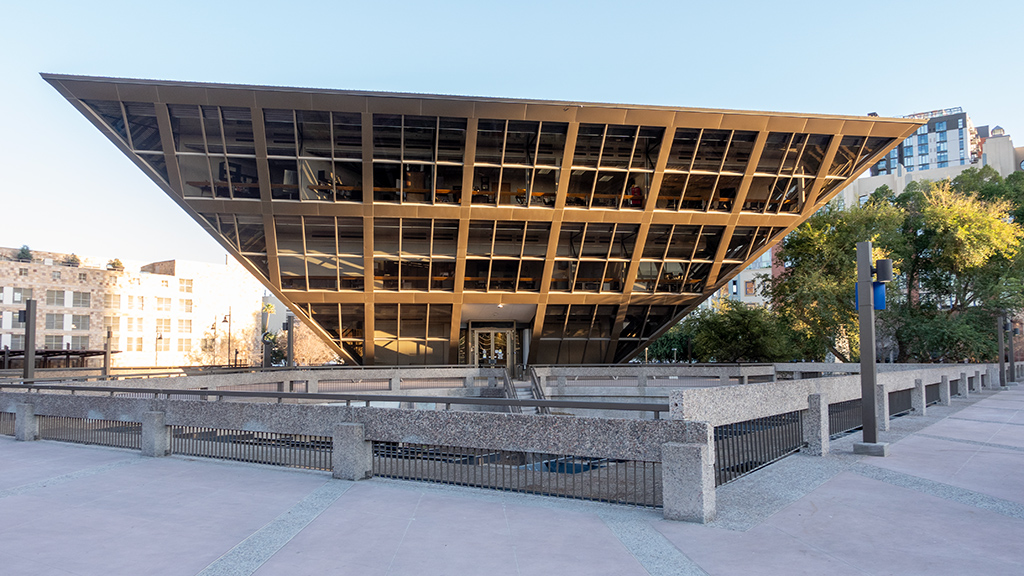
From there, I walked a bit south and then west, passing the interestingly-shaped Tempe Municipal Building on the way to Mill Avenue.
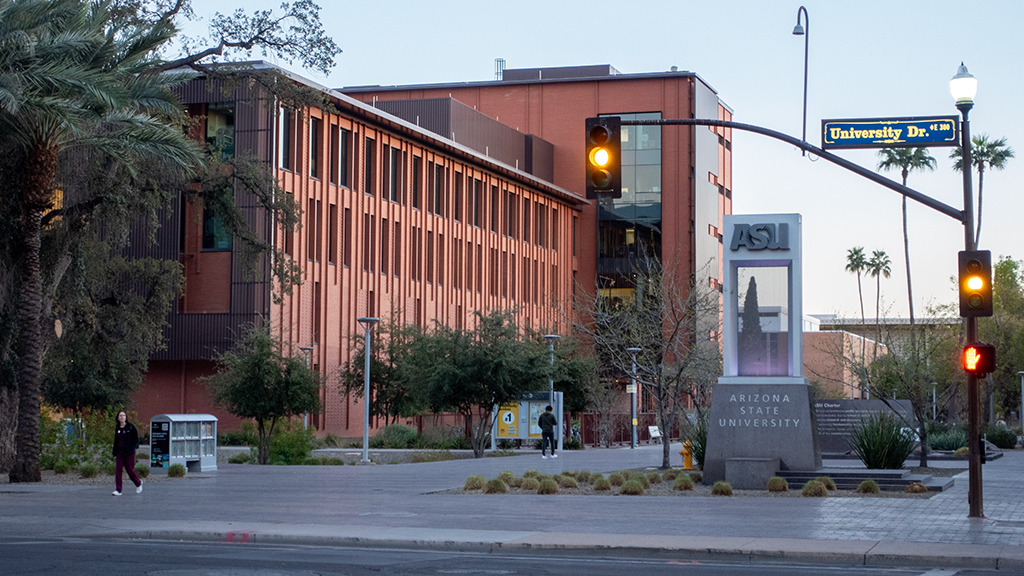
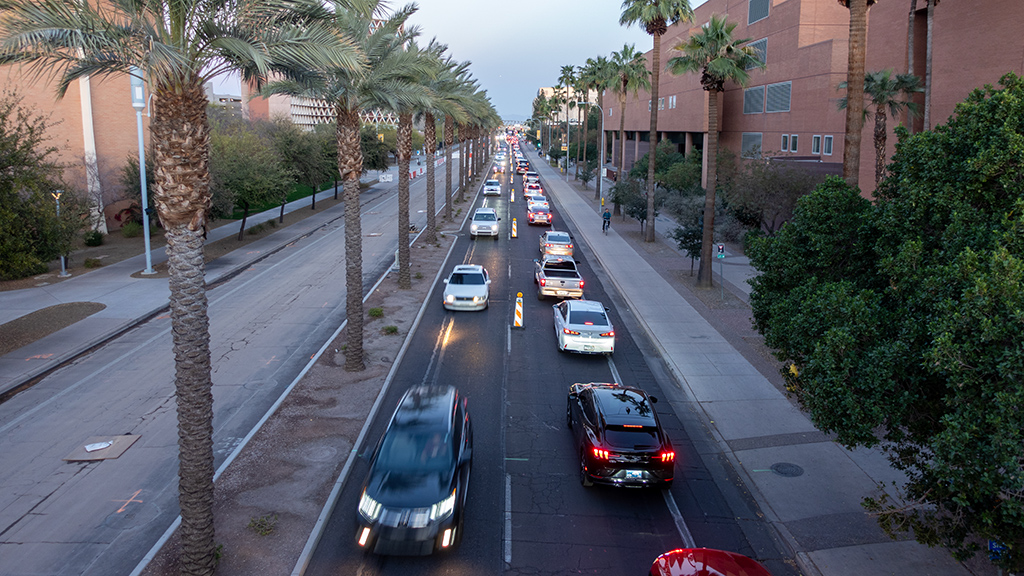
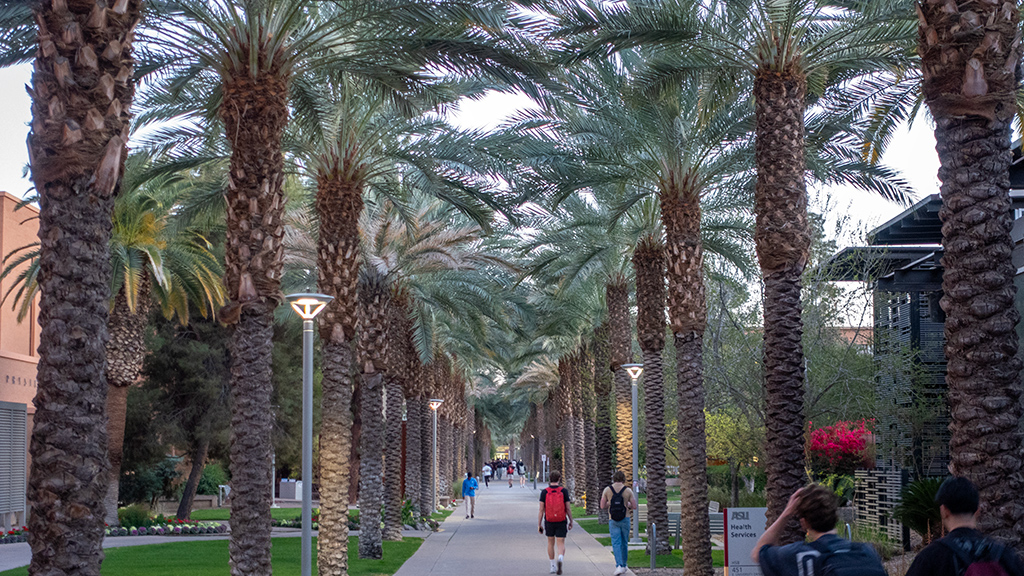
After taking a look at some of the shops on Mill Avenue, I walked eastbound on University Drive until reaching the Arizona State University Bridge leading into the Palm Walk.
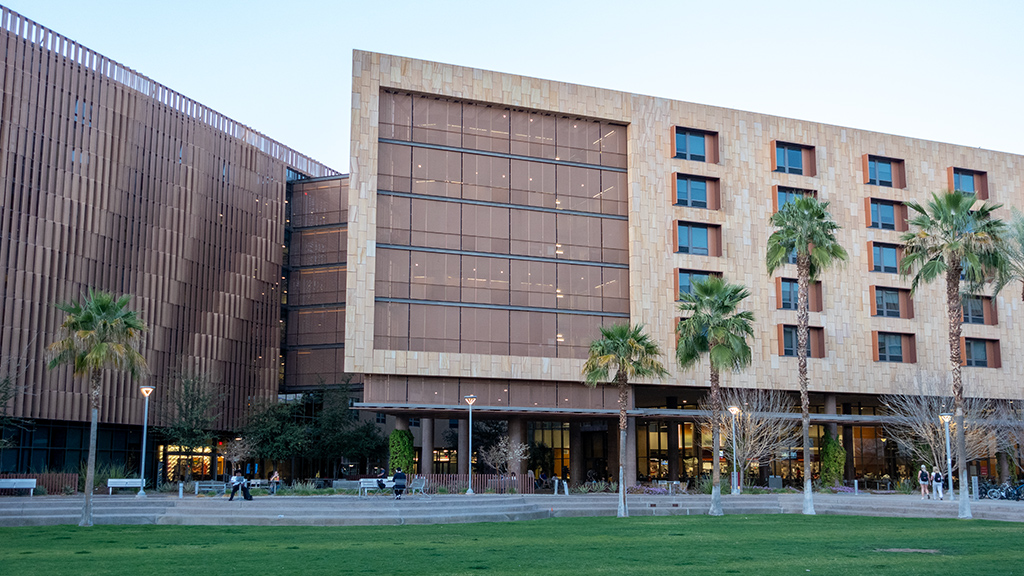
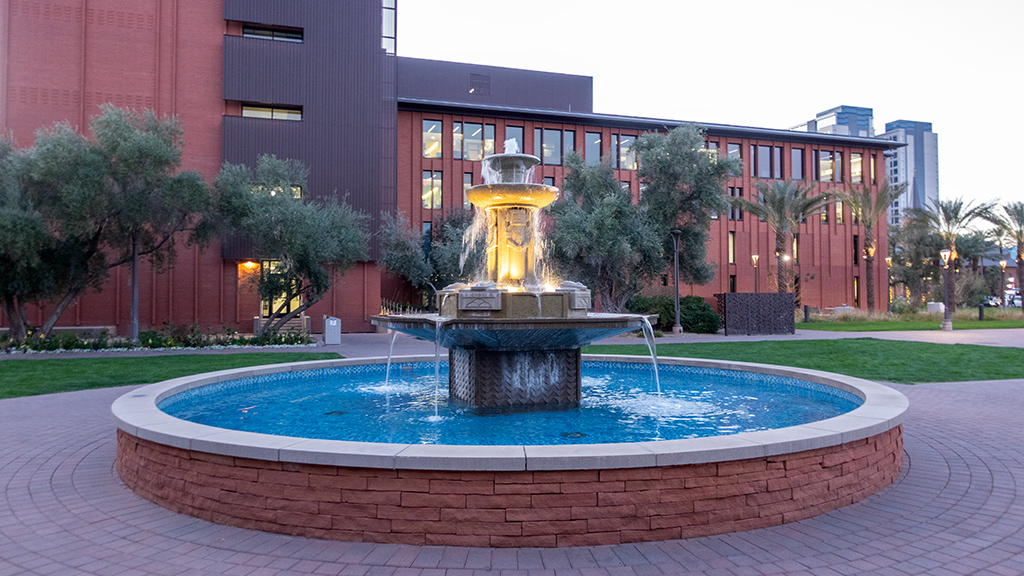
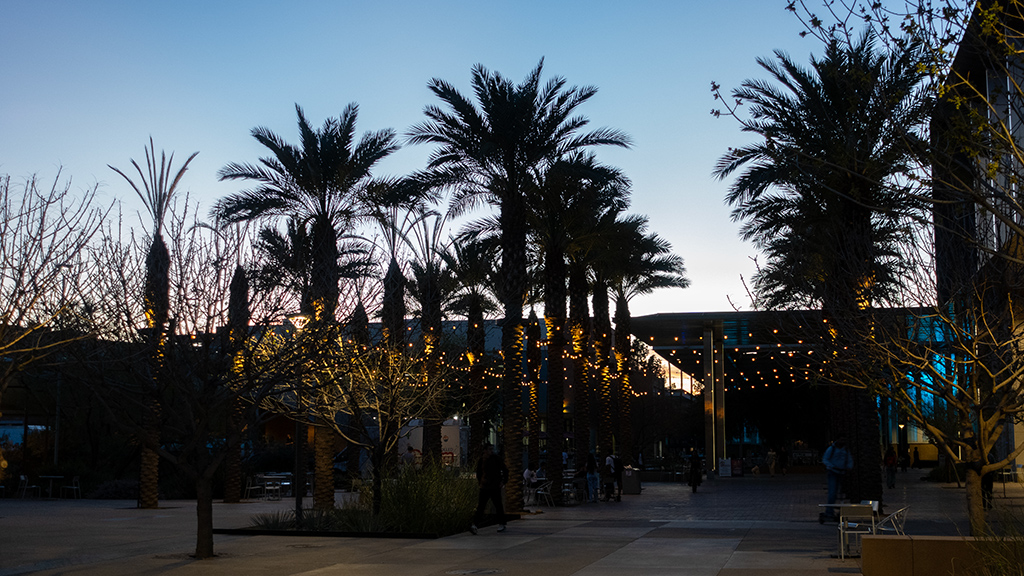
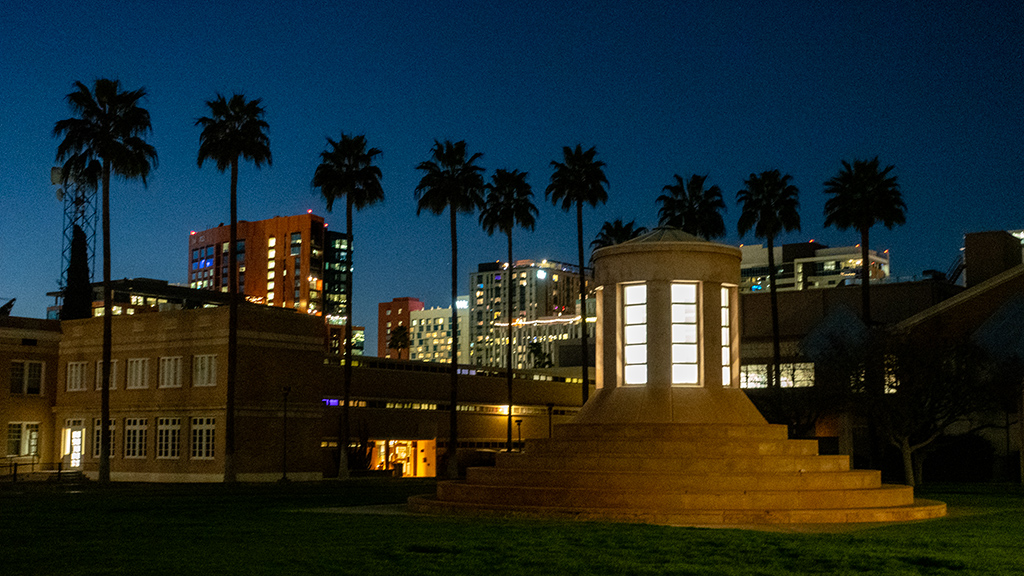
From there, I went deeper into the Arizona State University campus, looking at the different architecture of the buildings until sunset.
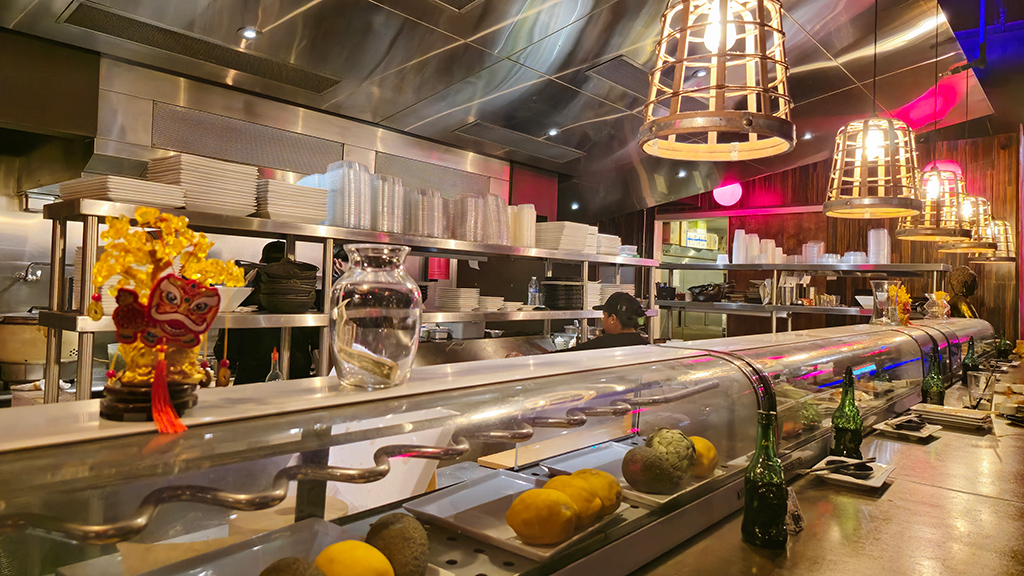
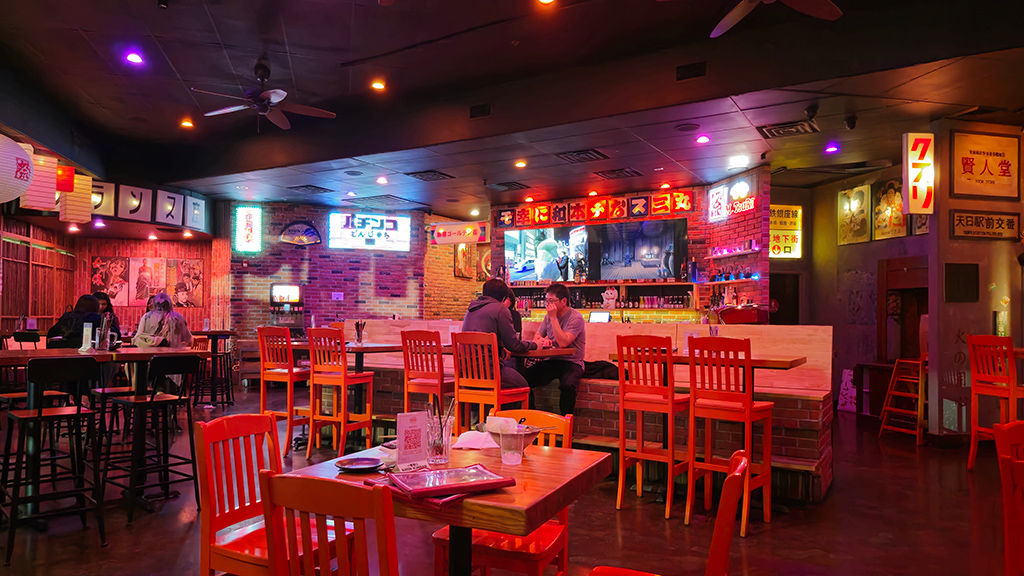
For dinner, I returned to Mill Avenue and went to Matsuri Izakaya. The atmosphere of the restaurant was colorful and interesting.
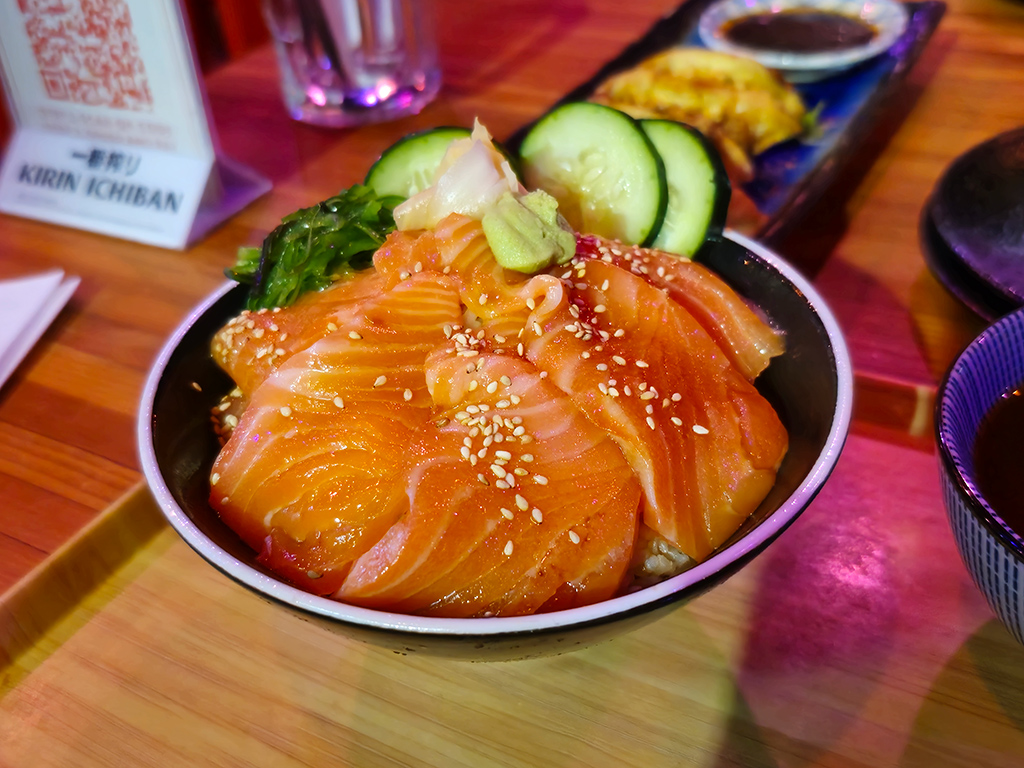
Unfortunately, the food quality was pretty mediocre. I ordered a salmon bowl; the portion size of the salmon relative to the rice was a bit disappointing, the salmon didn’t really have that strong of a salmon flavor, and the texture made it seem like the fish wasn’t as fresh as it could have been.
After dinner, I walked back to the Tempe Transportation Center, purchased a US$2.00 single-ride ticket for the light rail, and rode my way back to my hotel in downtown Phoenix.
I had a satisfying time in Tempe. The environment of the university campus was both nostalgic and inspiring, and I felt a level of motivation and energy in Tempe that I don’t always sense in non-college cities. Everything was decently clean, and although I didn’t have any direct interactions with strangers, most of them seemed like they were going about life with a positive attitude.
If I ever return to the Phoenix Metropolitan Area after this trip, I will most likely stay in Tempe. There was an unusually high number of hotels under the Marriott brand in Tempe, and even though it doesn’t seem to have too many dedicated attractions within the downtown and campus area, it seemed like a very nice and safe place to just go for a walk and get some fresh air during my free time.
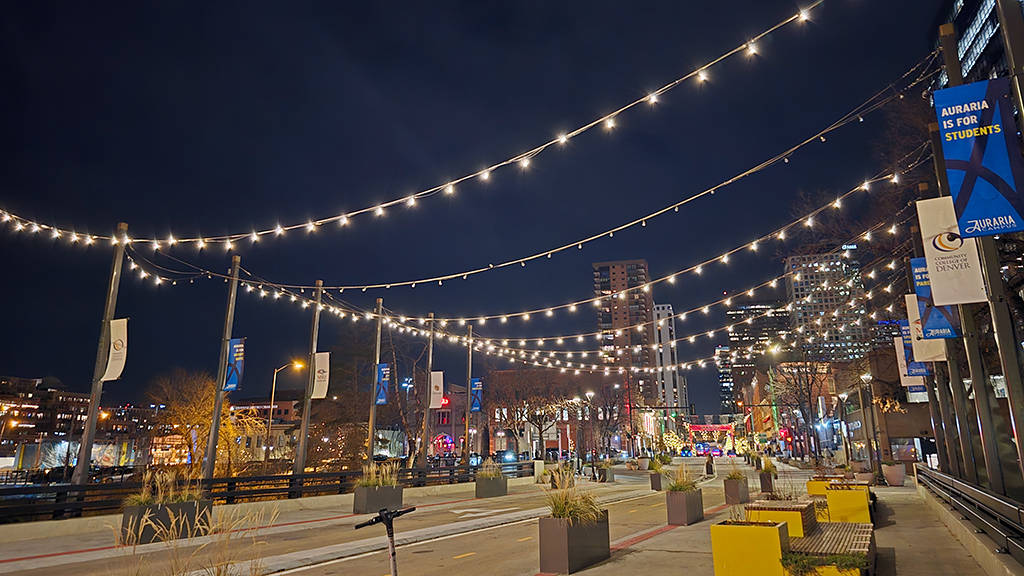
Here is a photo dump for everything else I did that didn’t make it into its own dedicated blog post.
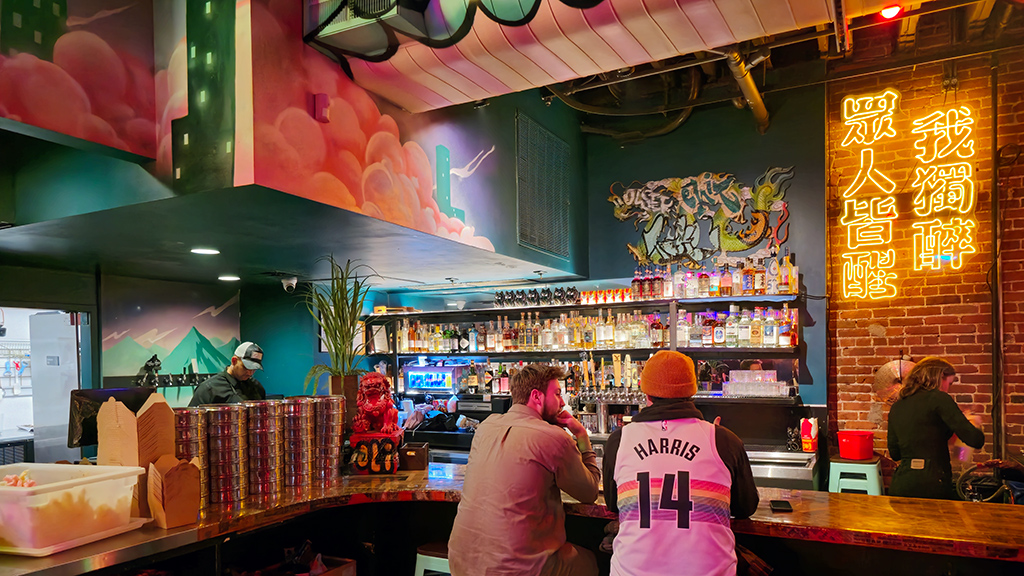
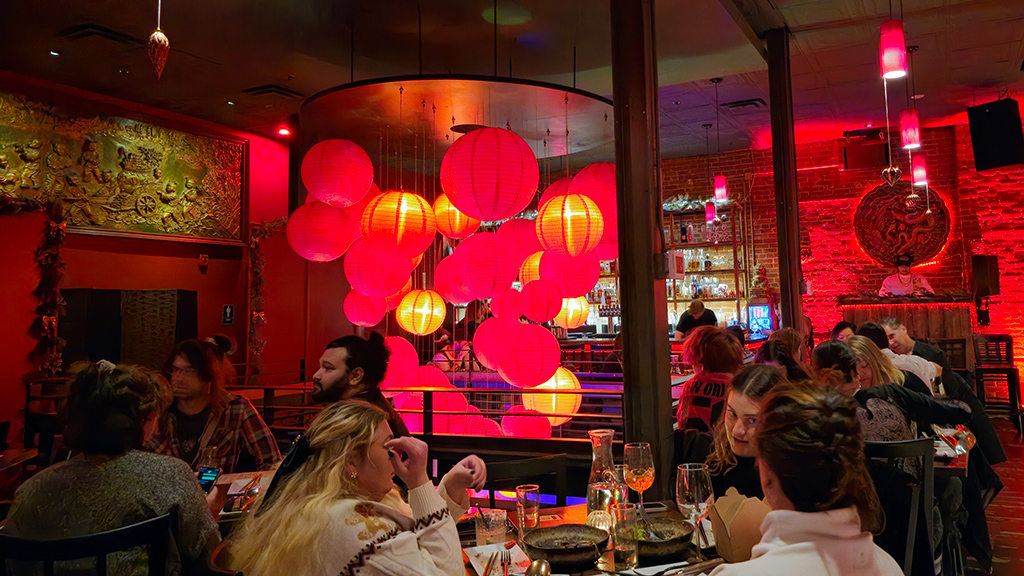
On one of the first days I was in Denver, my friend and I went to Băo Brewhouse. The decor and ambiance was unique and interesting.
The service was extraordinarily slow, and we eventually found out that it was because they brought out all four of our dishes all at once, as opposed to serving them to us as they were ready.
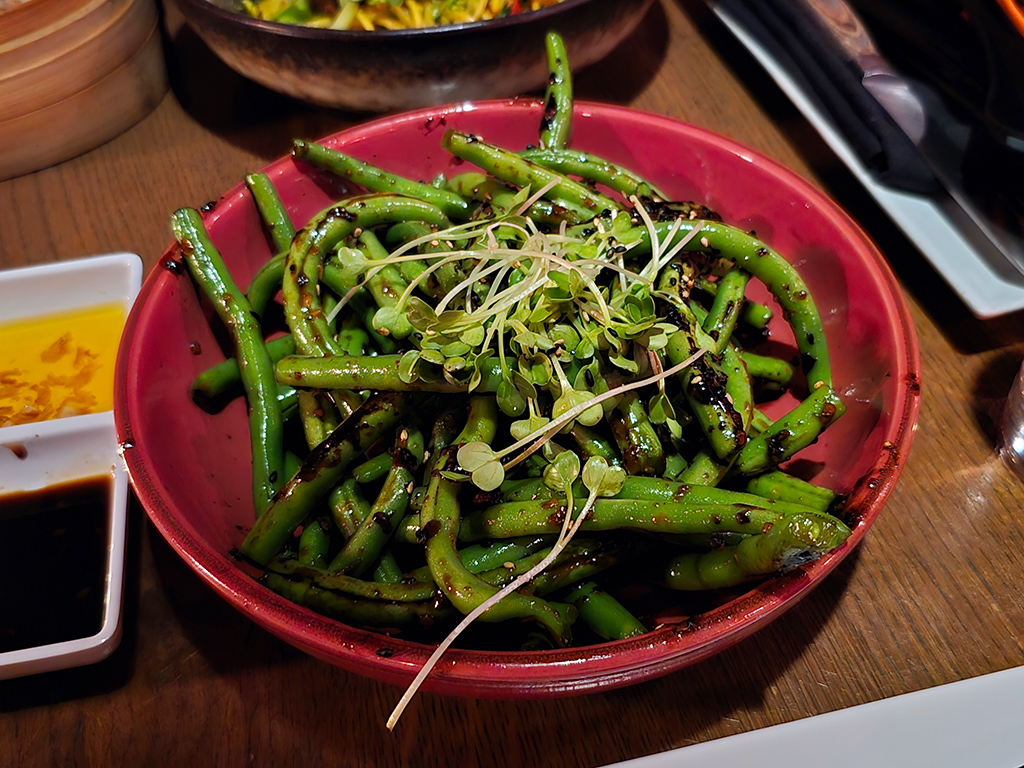
This is honey Sichuan fried green beans with garlic, ginger, crispy onions, and furikake.
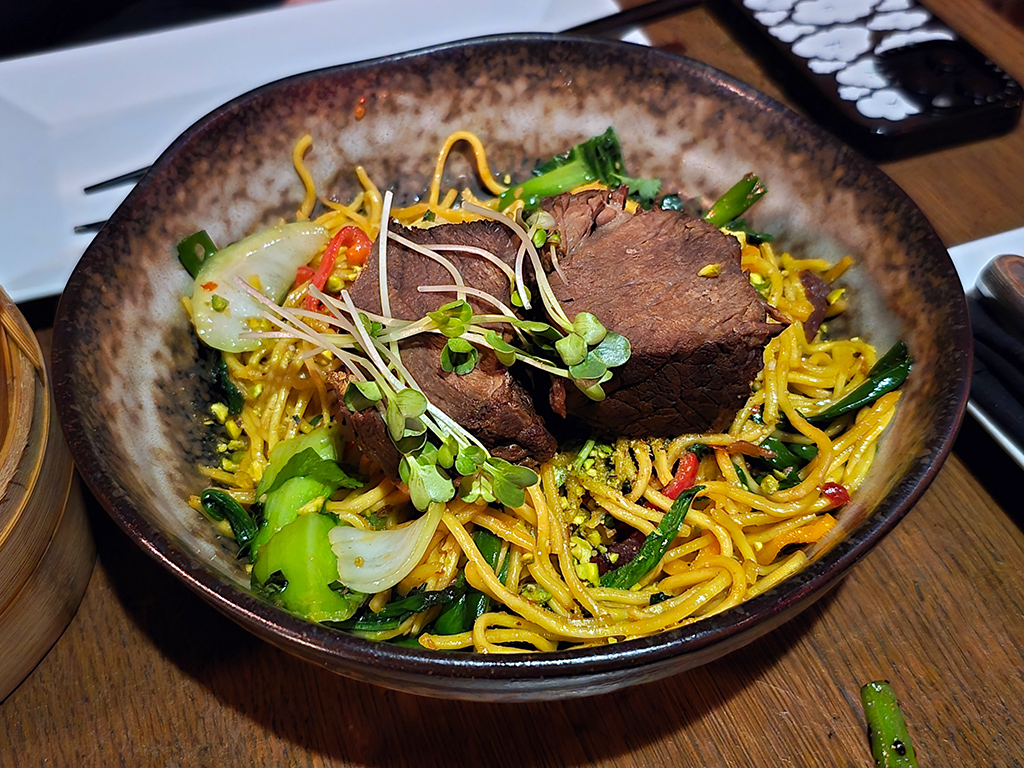
Our main entrée was short rib spicy noodles with lap cheong (Chinese sausage), garlic, ginger, scallion, baby bok choy, peppers, fresno chili, Thai basil, pistachio, sambal hoisin, cilantro, daikon sprouts, and miso Mongolian sauce.
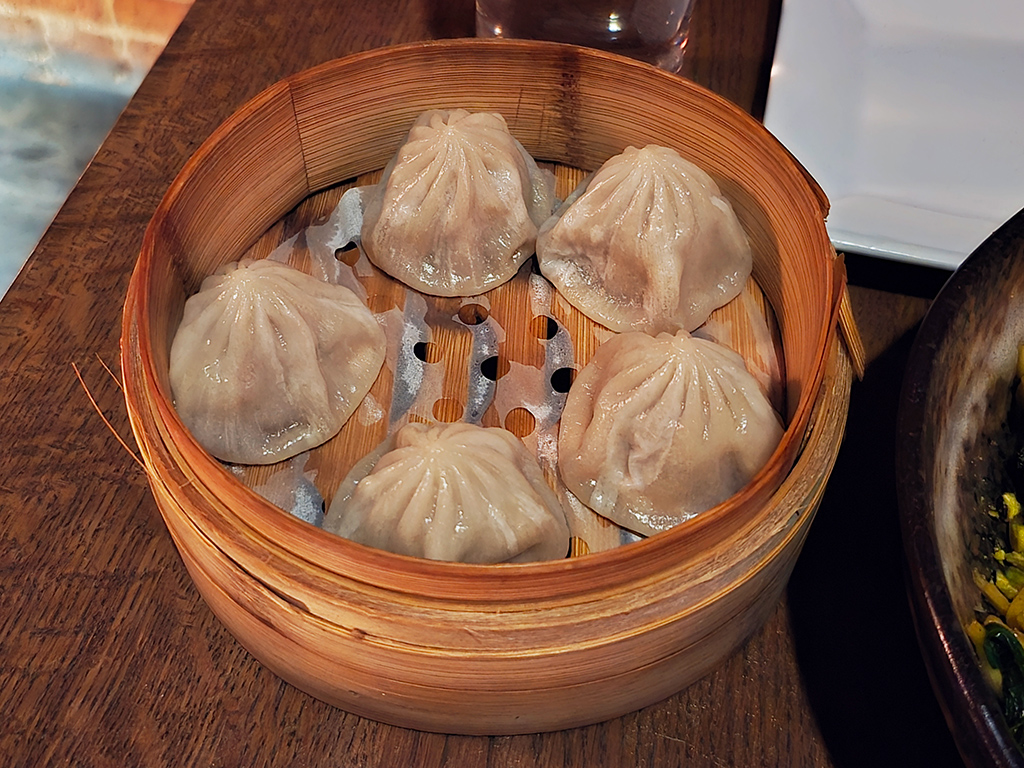
My friend wanted soup dumplings, so we ordered pork xiao long bao served with a side of sweet black vinegar and chili oil.
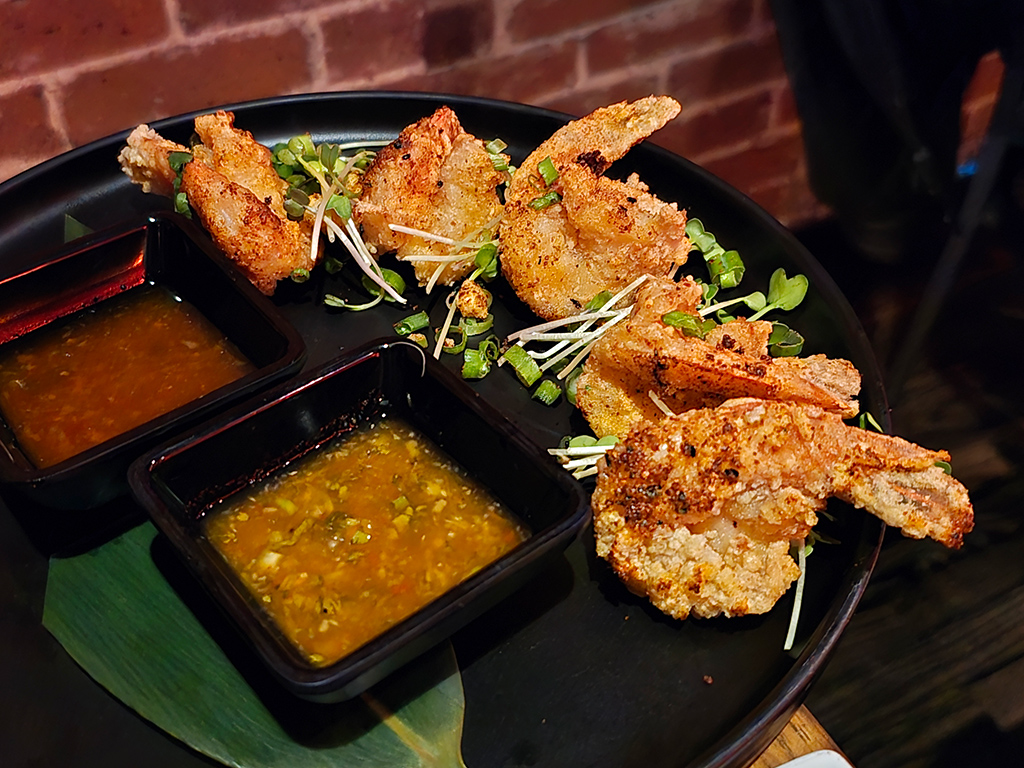
We also got salt and pepper tiger prawns with furikake and red pepper blend seasoning, scallion, daikon sprouts, and Chinese mustard.
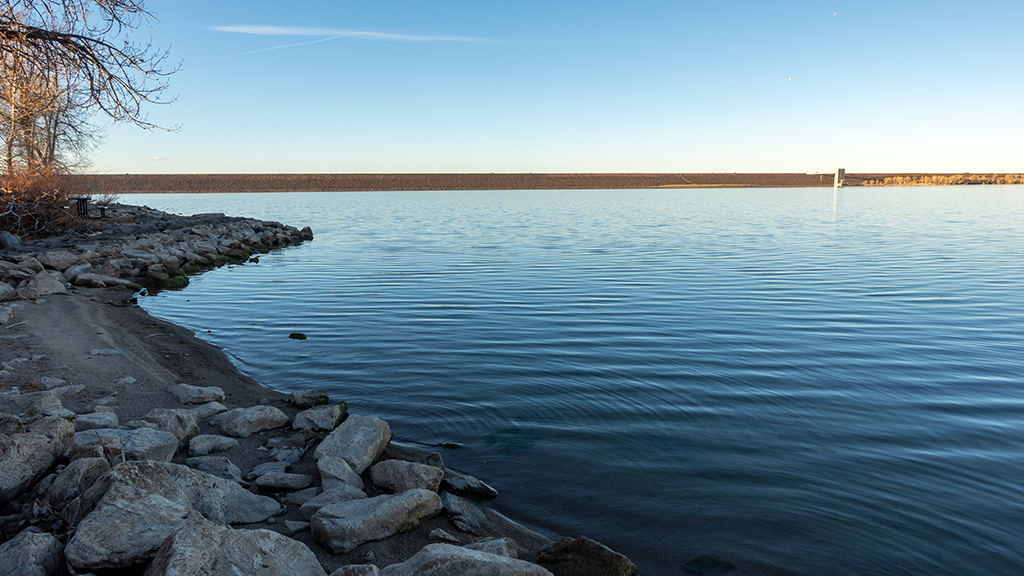
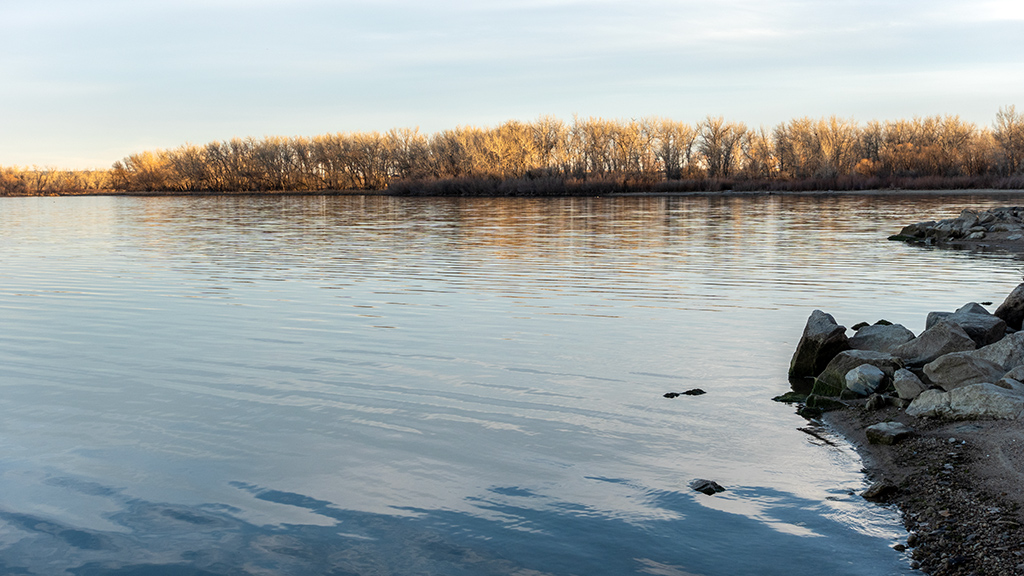
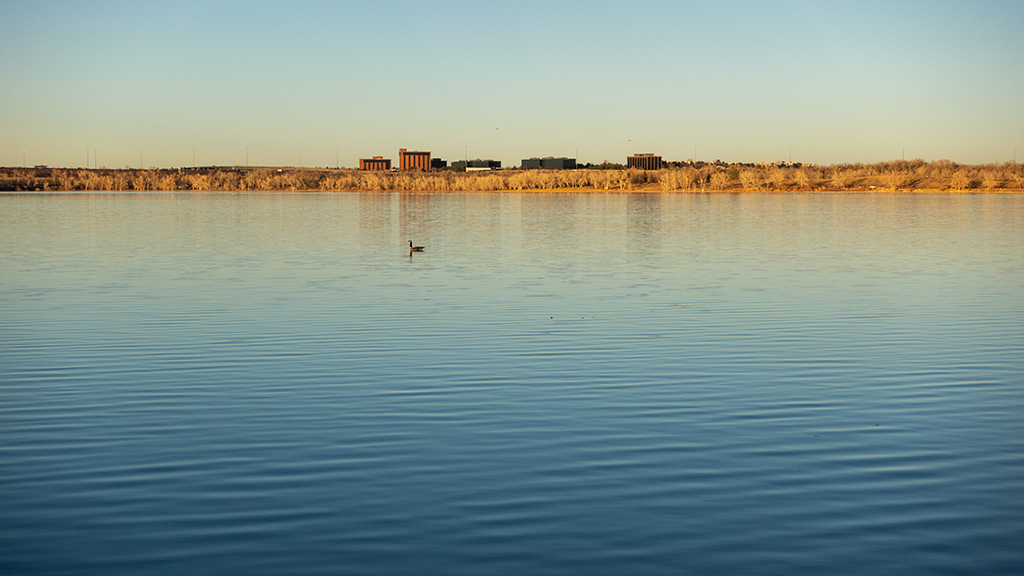
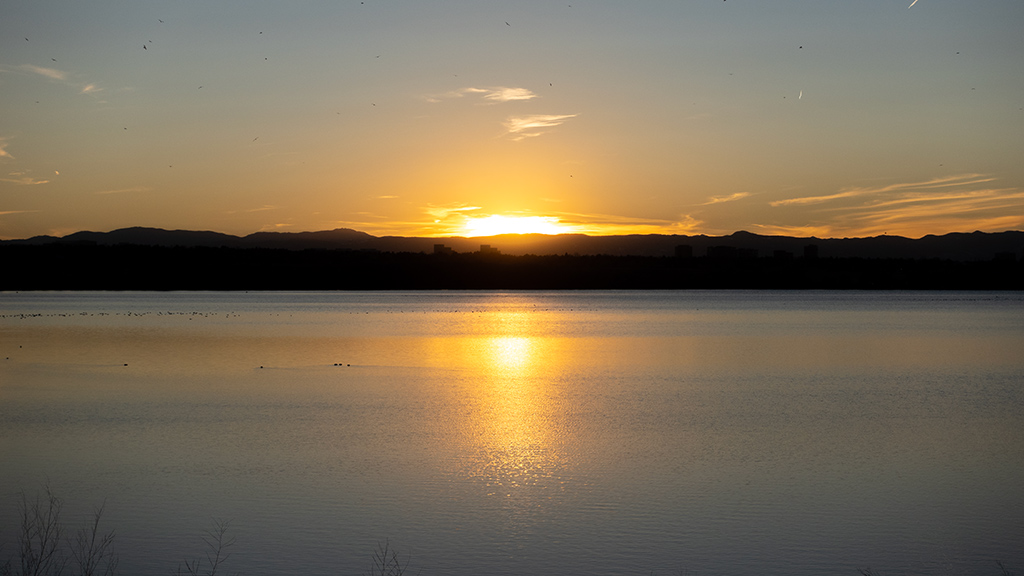
It was pretty cold in Denver, but not cold enough to discourage me from exploring outdoors. On one of the days, I went for a walk around the Cherry Creek State Park in Aurora and got some nice photos of the Cherry Creek Reservoir.
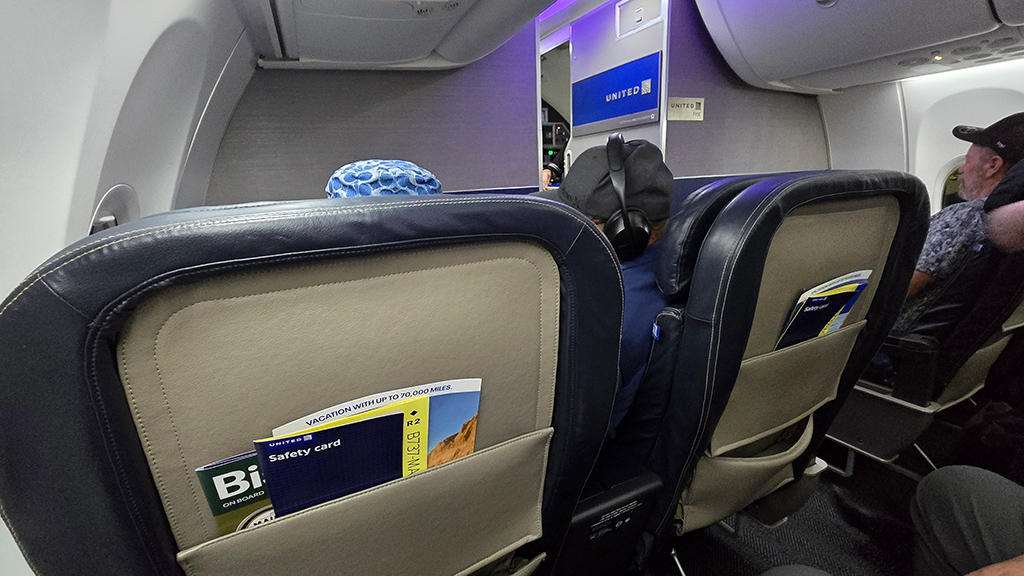
Historically, I never took United Airlines because of their excessive involvement in controversial matters and their seemingly lower tier of service. However, earlier this year, I had no choice but to take a United flight because I had to urgently fly same-day out-of-state, and United was the only major carrier that had available flights to that destination. I got really lucky for that flight, because I ended up on one of their newest planes, and it was the nicest domestic first class cabin I had ever seen.
Since then, I’ve been more open to flying United, and I took them to Denver because the Denver International Airport is one of United’s major hubs, so there were a lot of options and very good pricing. Unfortunately, the luxurious first class cabin from before seemed to be a rare thing, because I haven’t gotten good luck since then. United planes seem to be the most dated out of the major American carriers if you don’t roll a new plane.
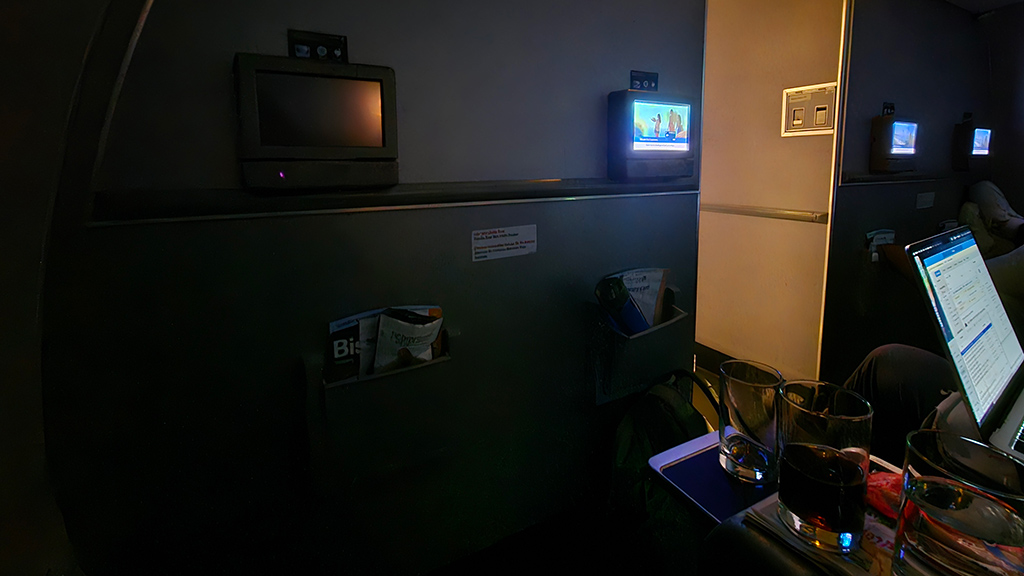
On my outbound flight to Denver, I noticed that the screens were basically just regular TVs (as opposed to an actual operating-system-like app like Delta or American Airlines have). I turned my screen off, but everyone else left theirs on and on the default channel… which was literally just advertisements playing on loop. I guess that is one way for the marketing department to squeeze out some extra ad impressions.
Maybe United heard my complaints, because on the return flight, I ended up on a plane that didn’t even have screens at all. I guess if you think about it, that is technically still better than being forced to watch your neighbors’ commercials for three hours, as long as you don’t plan on using the screen anyway.
I’m already planning my next flight for my next trip, but until then, I intended on staying put, resting up, and relaxing for the holidays.
Last week, on Monday, October 21, I had an opportunity to attend Michelle Khare’s red carpet premiere event for her first feature-length episode of Challenge Accepted, “90-Day Black Belt,” at a movie theater in Hollywood, California.
I was already familiar with Michelle Khare from seeing her past Challenge Accepted episodes where she tried various different academies for the San Diego Police Department, Federal Bureau of Investigation, and Secret Service. Having a professional background in criminal justice and law enforcement, I enjoyed watching her training and thought she portrayed her experience as well as she could in those half-hour episodes. Thus, as you’d expect, when I had a chance to screen her latest episode, I was eager to join in for it to find out what she did next.
I was pleasantly surprised when I found out that the most recent challenge she tackled was to get a taekwondo black belt in 90 days. I’ve trained martial arts and combat sports on-and-off for two and a half decades now, and my very first black belt was awarded to me in taekwondo by Kukkiwon, the South Korean government’s taekwondo governing organization, when I was 8 years old. It took me two years to earn it, and even that was considered to be pretty quick, so I was looking forward to seeing whether she was able to do it in three months.
I didn’t publish this blog post right away after the event because I didn’t want to leak anything too early, but the episode is out now on Michelle Khare’s YouTube channel as of this morning. I’m going to share some of my thoughts about it, so if you don’t want me to spoil anything, don’t scroll past the five photographs until you’ve watched the episode.
Here are some photos I took from the theater—of Michelle doing her introduction before the premiere, and a Q&A session after the viewing:
I ended up liking the show more than I expected. I thought the editing was done well, the story was told in a captivating manner, and the build-up to the final result made me get invested in her success.
From the beginning, I was wondering if her master would actually assess her ability seriously, or if he had gone into this knowing that it was “impossible” but just wanted to entertain her for the challenge. A lot of martial arts schools like to “gatekeep” black belts in a sense because they don’t want to make it seem like it is achievable in such a short period of time, and I wondered if Michelle would be victimized by that notion. And sure, that is gatekeeping is reasonable for a majority of people—most taekwondo students start as true beginners and are only able to attend a few classes a week, so requiring a few years to achieve any level close to mastery makes sense. However, it seems like, not only did Michelle have a strong fitness and combat sport background already, but she was fairly dedicated and spent far more time training than the average new student.
In exchange for giving her the opportunity to take promotion tests in such rapid succession, it seems like her master ramped up the difficulty of the exams to ensure that she absolutely did deserve it every time she passed. Her color belt tests were noticeably more intensive than what I remember from my own taekwondo journey, and her black belt test was orders of magnitude more difficult than what I had to do for my black belt.
I think the way she failed her black belt test was very gimmicky. Yes, I too had to break a brick to earn my black belt, and yes, there is validity in requiring that as a component of the exam—it demonstrates strength, but there is also a material mental aspect of it where you are overcoming the hurdle of using your body to break an extremely hard object. However, there is far too much variability in brick-breaking to be able to consider it as any sort of reliable indicator of any metric.
There are different kinds of bricks, and for taekwondo, you often use cement slabs of controlled density—these are the rectangular gray blocks that you’ll see if you search online for taekwondo breaking demonstrations. The thickness of these slabs can also be controlled, and they are usually made in half-inch increments, with lighter-mass testers (like Michelle) getting thinner slabs, while higher-mass testers would either get two-inch-thick slabs or have to break multiple thinner slabs at once.
Note that I said earlier that a big aspect about brick breaking is the mental component of it. Your body will naturally not go full-force if you are about to throw your hand into an object that it knows is extremely hard, and part of the brick-breaking test is to determine whether you are able to overcome that obstacle in your mind. Having the strength to actually break the brick in half is of secondary importance, so when you have custom-made cement slabs designed for taekwondo usage, they’re not going to be as strong as landscaping bricks you buy from the hardware store. I used to coach martial arts and have handled many of these cement slabs before, and on more than one occasion, I have accidentally broken them in half because I wasn’t gentle enough with them.
I’m going to put on my tin foil hat here, and this is obviously entering conspiracy levels of speculation, but I wonder whether Michelle ended up with the thickest possible landscaping brick because they wanted her to fail. She was clearly extremely good at everything else, but I think there would have still been a lot of backlash from the taekwondo community if she had actually been awarded a black belt, especially from those who spent years working on their own black belts but are unable to view things from a more neutral and objective perspective for others in different circumstances. So, although it is unlikely, I think it is technically not impossible that her training school did this to her to have an excuse to fail her and save their reputation.
During her post-screening Q&A, Michelle said that it’s been over three months since filming concluded and she still had not earned her black belt yet. I think there is still a lot of room for improvement in her brick-breaking technique. During her black belt test, she was trying to break the brick with just her arm, as opposed to angling her body in a way that the mass of her torso drives her hand into the brick. That kind of adjustment can make a huge difference simply due to the basic laws of physics, so if she refines her strategy in that way, I have faith that she’ll pass her black belt re-test.
FTC Disclosure: I was not asked to write this blog post, I was not compensated cash for this review, and no third parties had an opportunity to review or request changes to this piece prior to its publication. However, I did receive material incentive to attend the event by way of an exclusive pre-release tour invitation and VIP access. The public retail value of VIP access is worth US$65.00. All other expenses, including travel and lodging, were self-funded.
I’ve played Minecraft twice in my life—once to try it out over a decade ago close to back when it was first released, and once last year to participate in a charity event that had one segment of the associated show take place in-game. Both times, I got pretty severe motion sickness because my brain doesn’t do too well with first-person perspective games with fast movement and warped field of view around the edges.
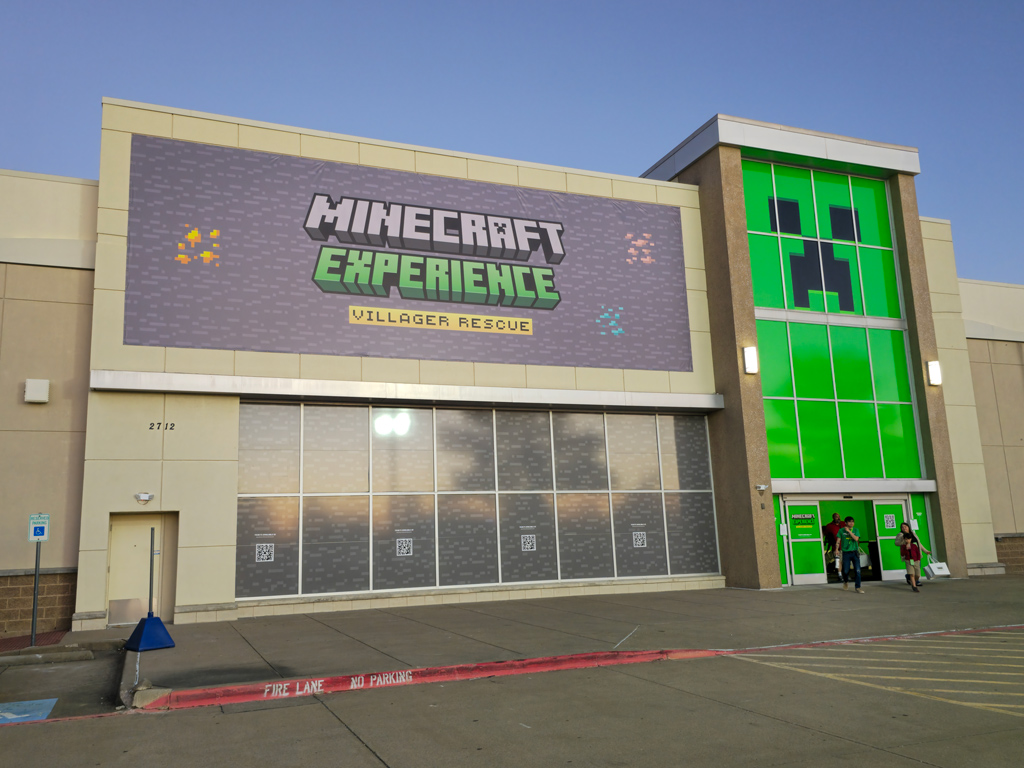
Knowing that, you’re probably surprised to find out that I flew to the Dallas–Fort Worth Metroplex in Texas and headed over to the city of Plano… for a Minecraft event.
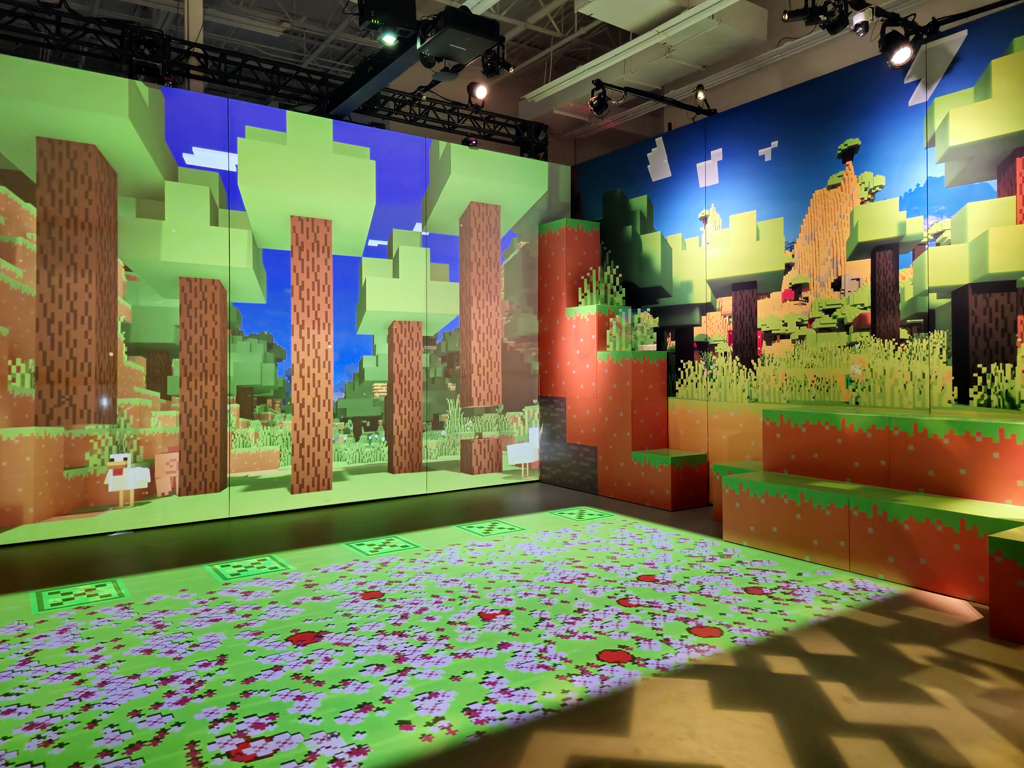
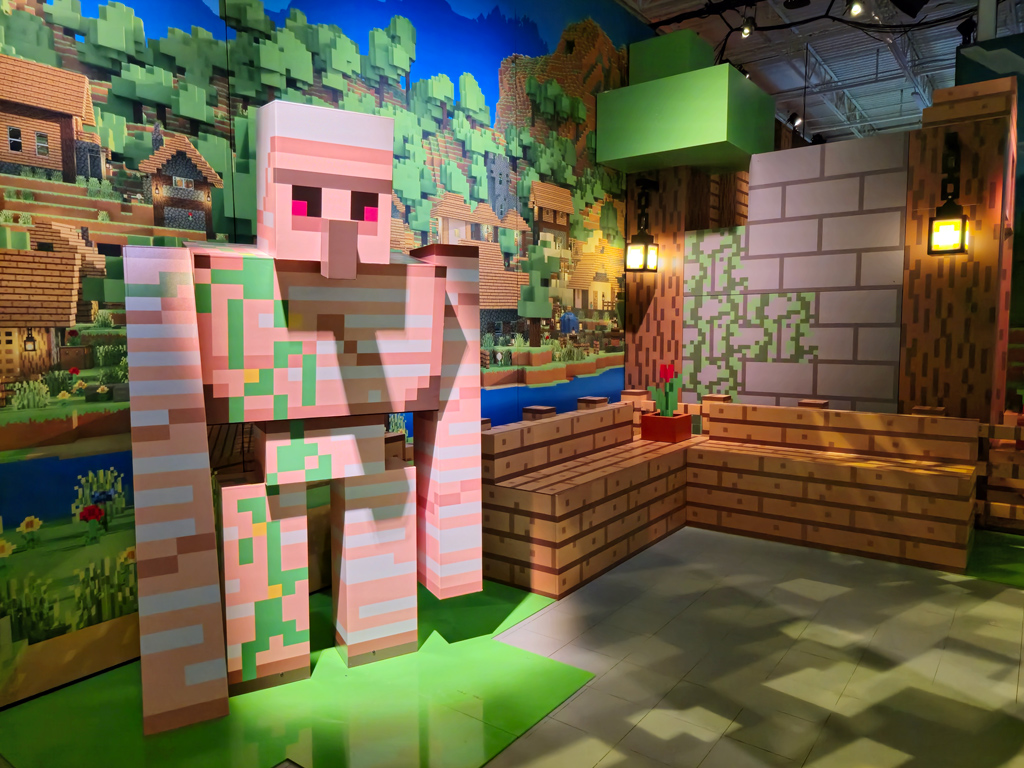
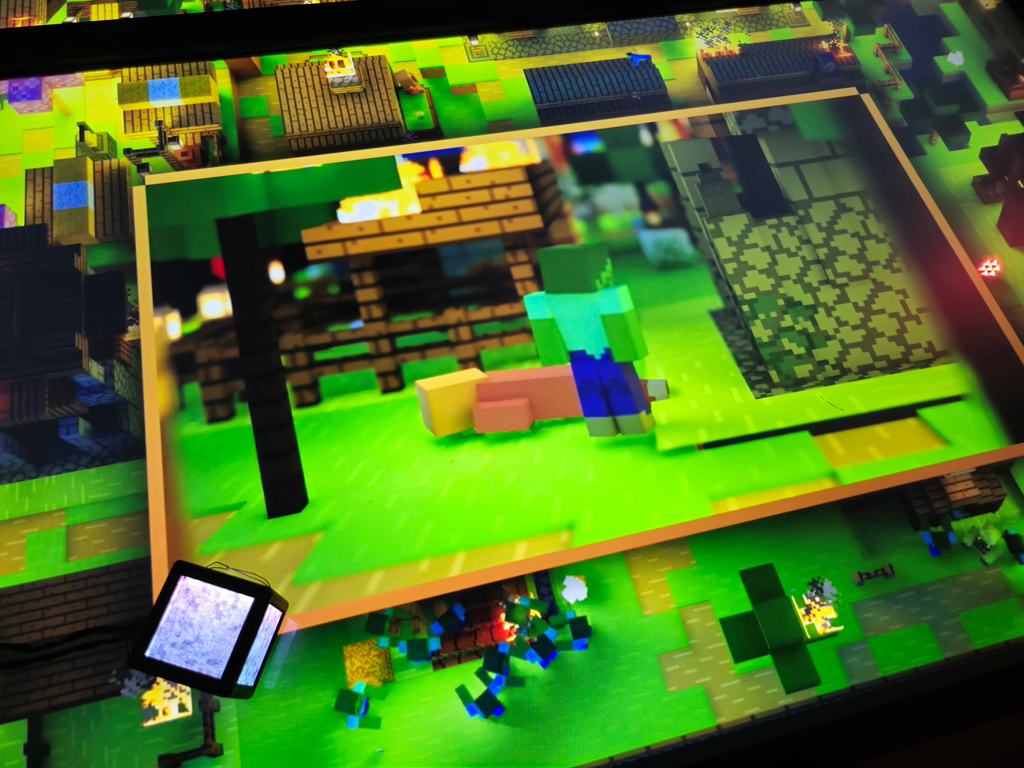
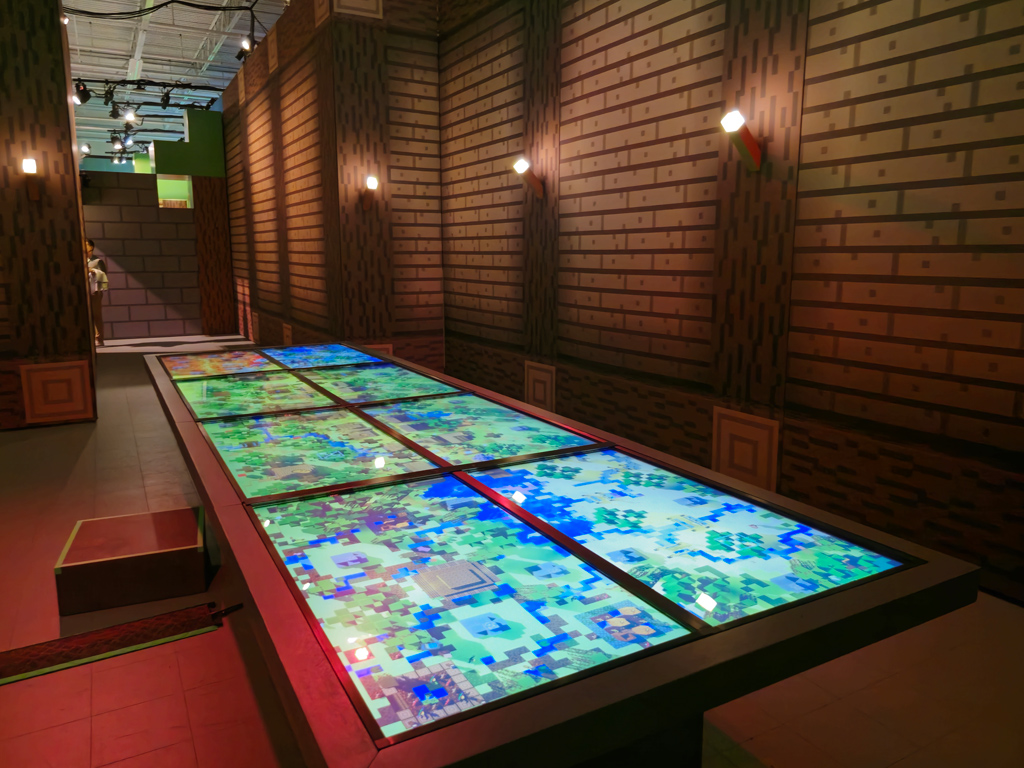
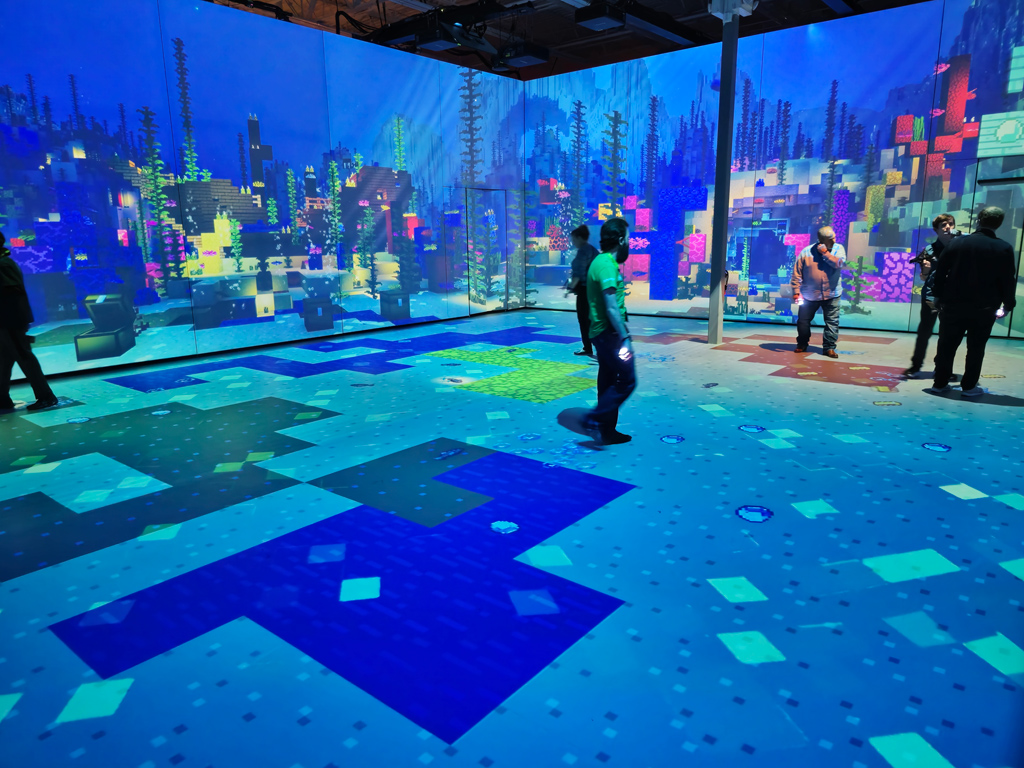
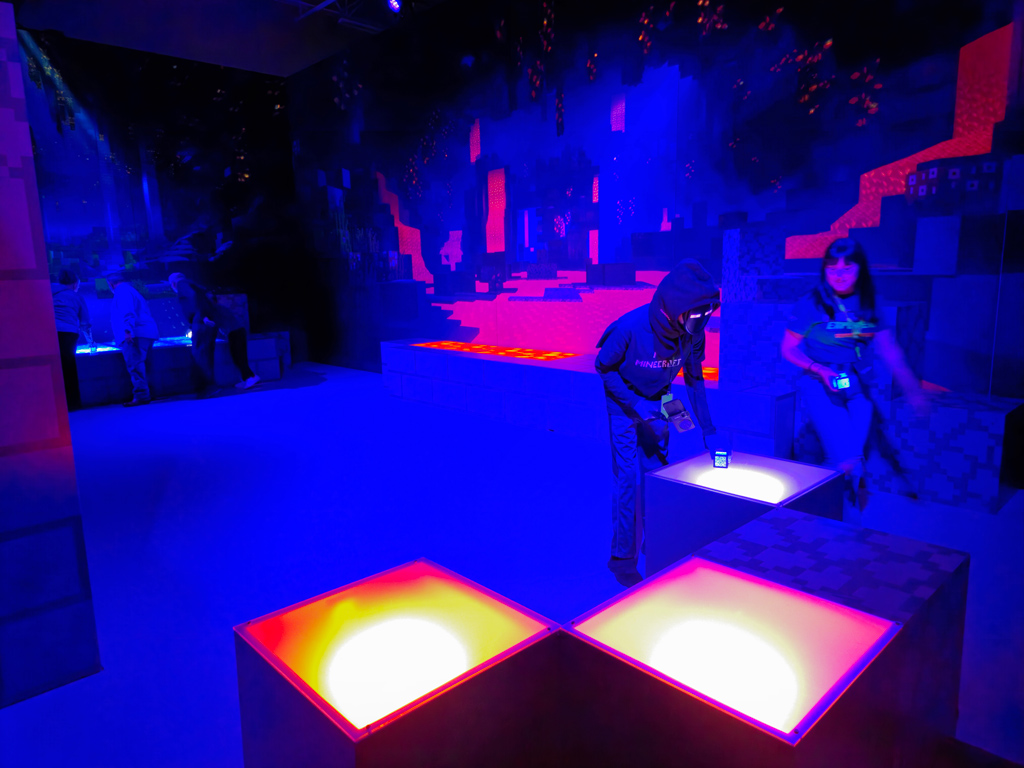
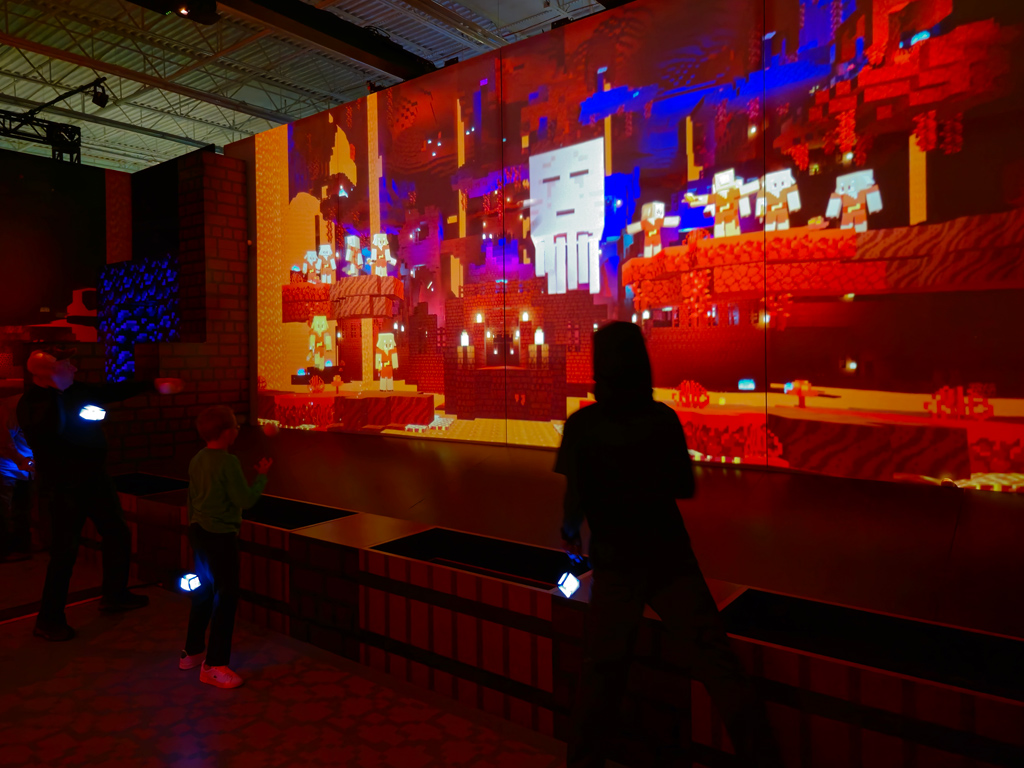
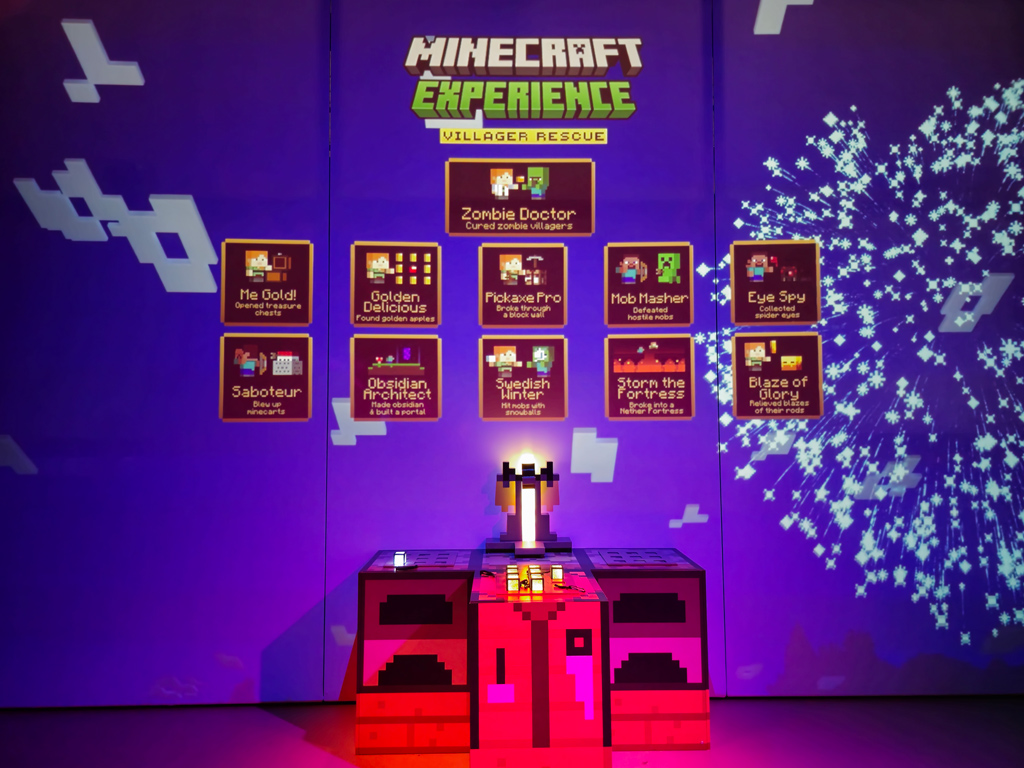
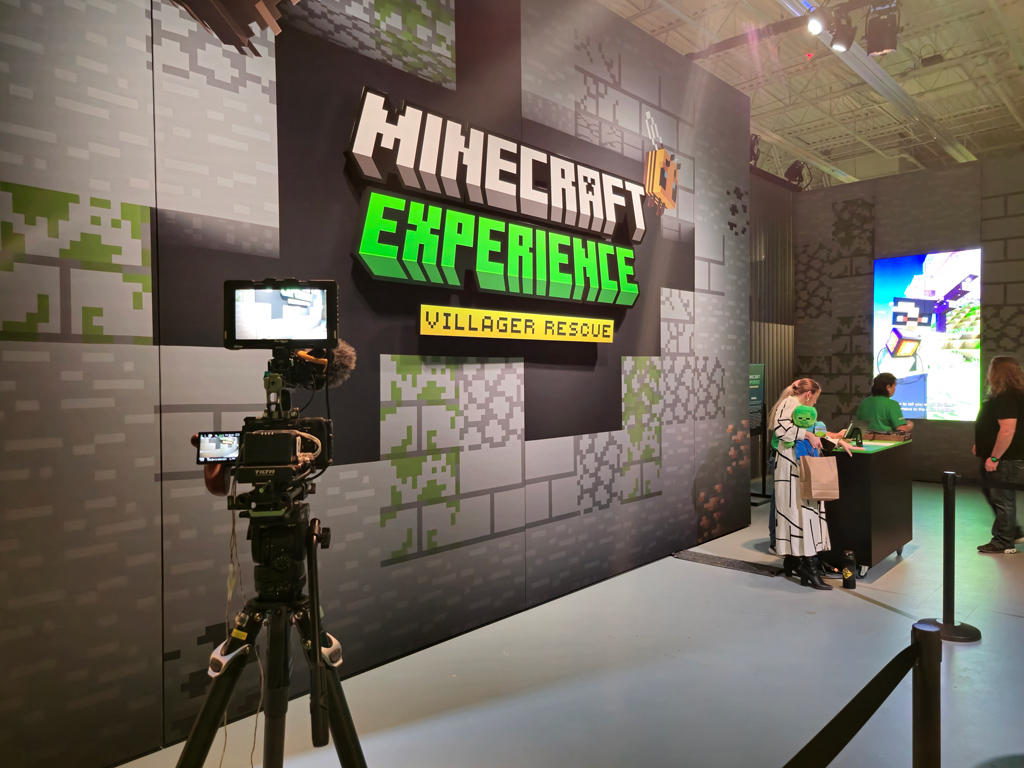
Together with my friend Aidan, who runs the Skip the Tutorial channel on YouTube, I had an opportunity to try “Minecraft Experience: Villager Rescue” two days before it opened to the general public. Minecraft Experience is an interactive experience taking place in the Minecraft world during which you navigate in succession through ten different rooms ranging from the spawn point to the underworld and ending at the trading post (i.e., gift shop).
I feel silly saying this, especially because I’m known to be fairly critical and difficult to please, and because this entire thing looks like it was made for small children… but I actually had a great time.
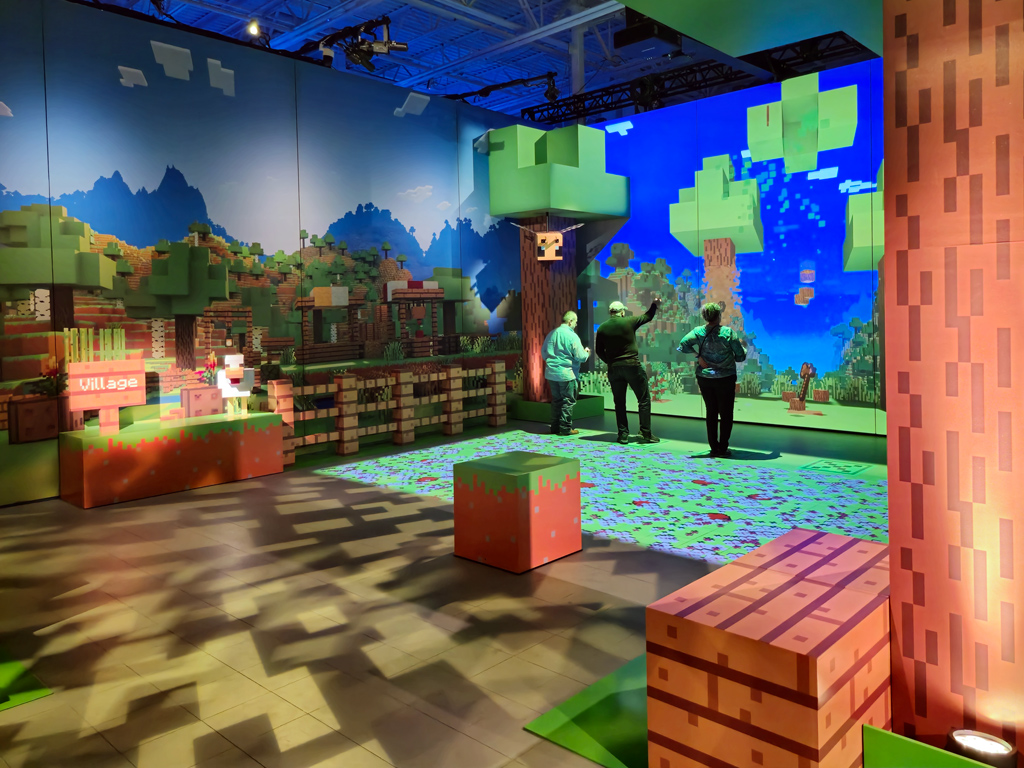
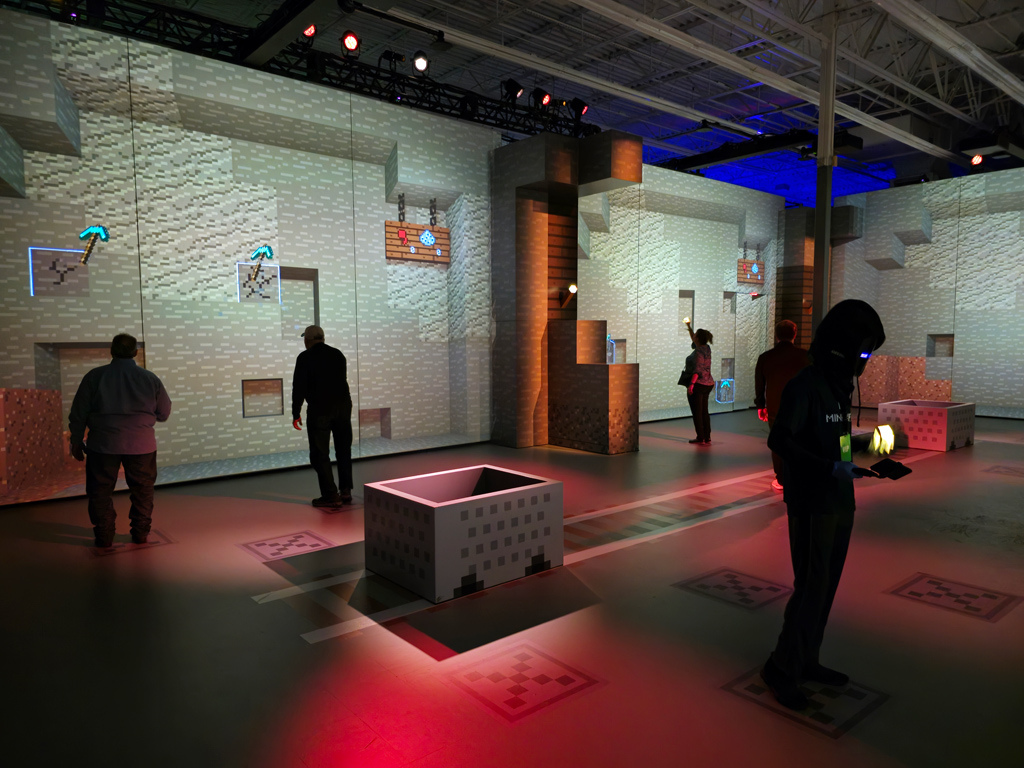
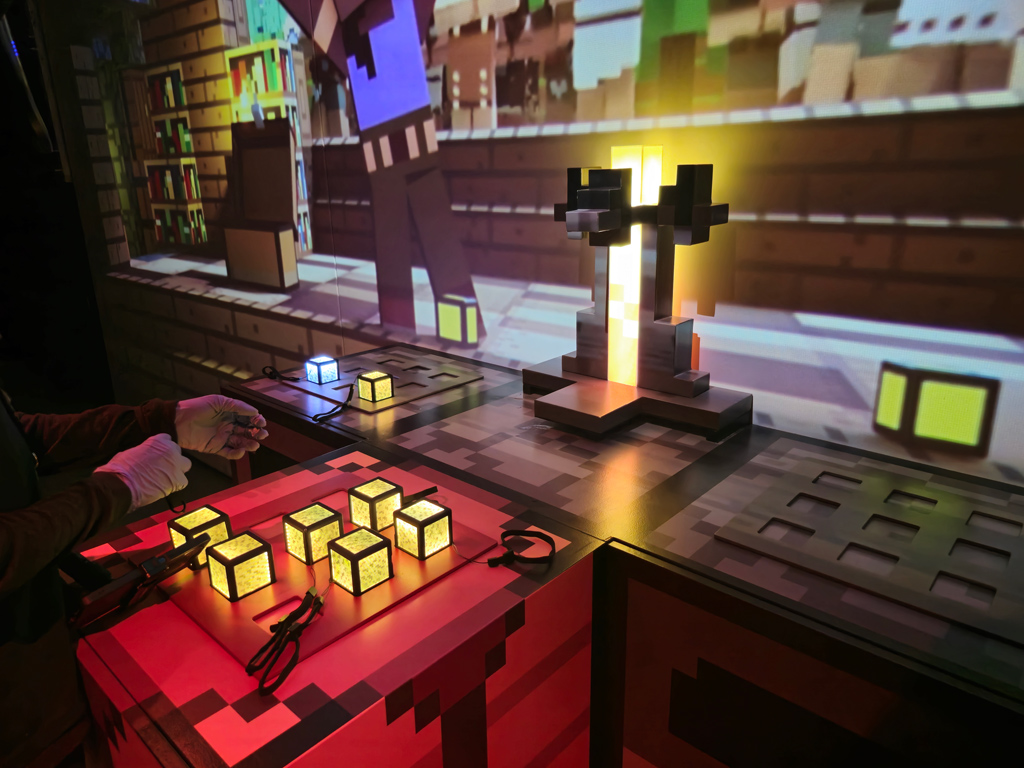
The interactive experience revolves around an Orb of Interaction, a little cube that acts like a dynamic remote-control extension of your body that allows you to send commands via movement to the sensors placed throughout the rooms. You use this device, along with your body, to influence the Minecraft world around you in ways that resemble actual gameplay within Minecraft.
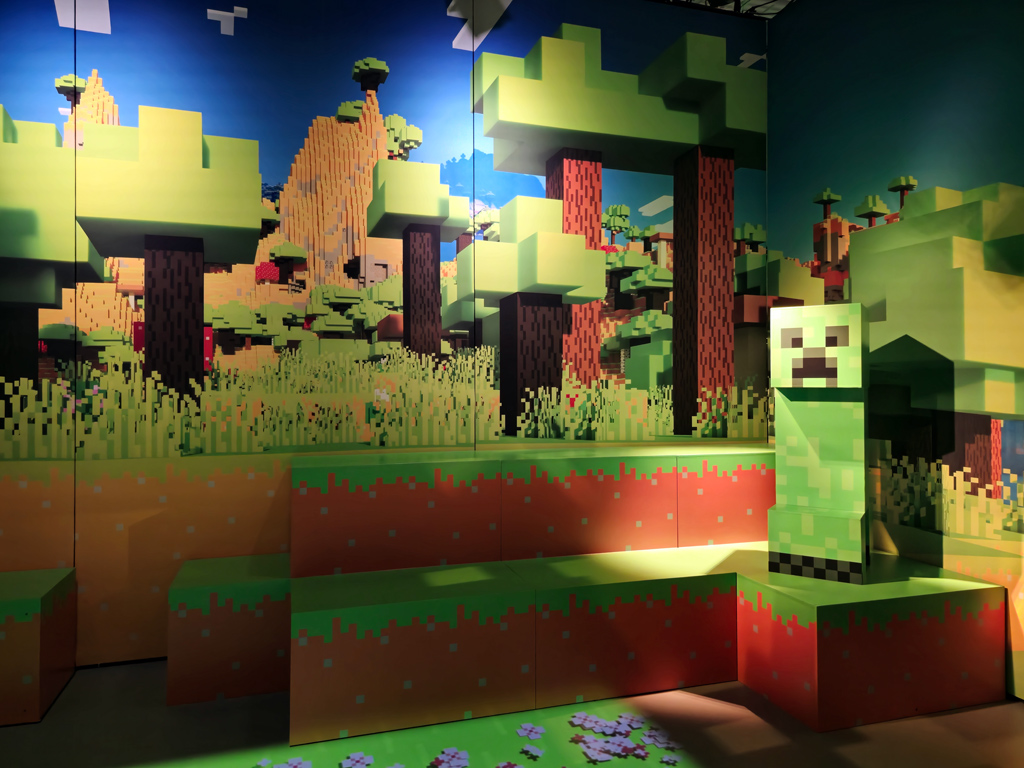
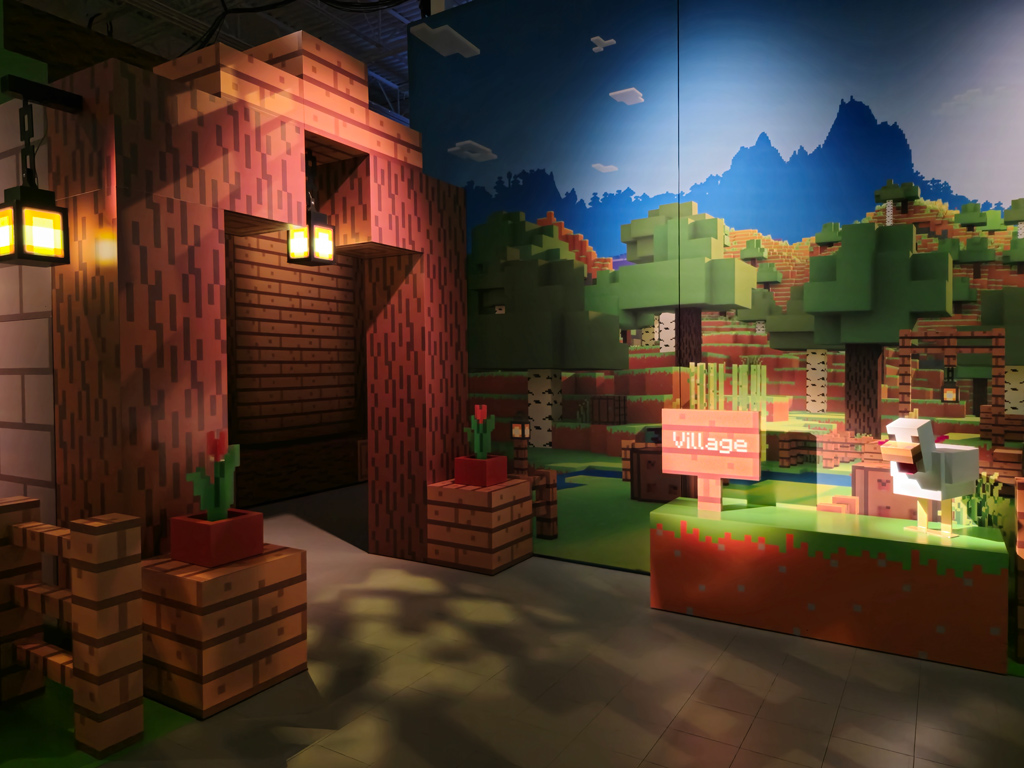
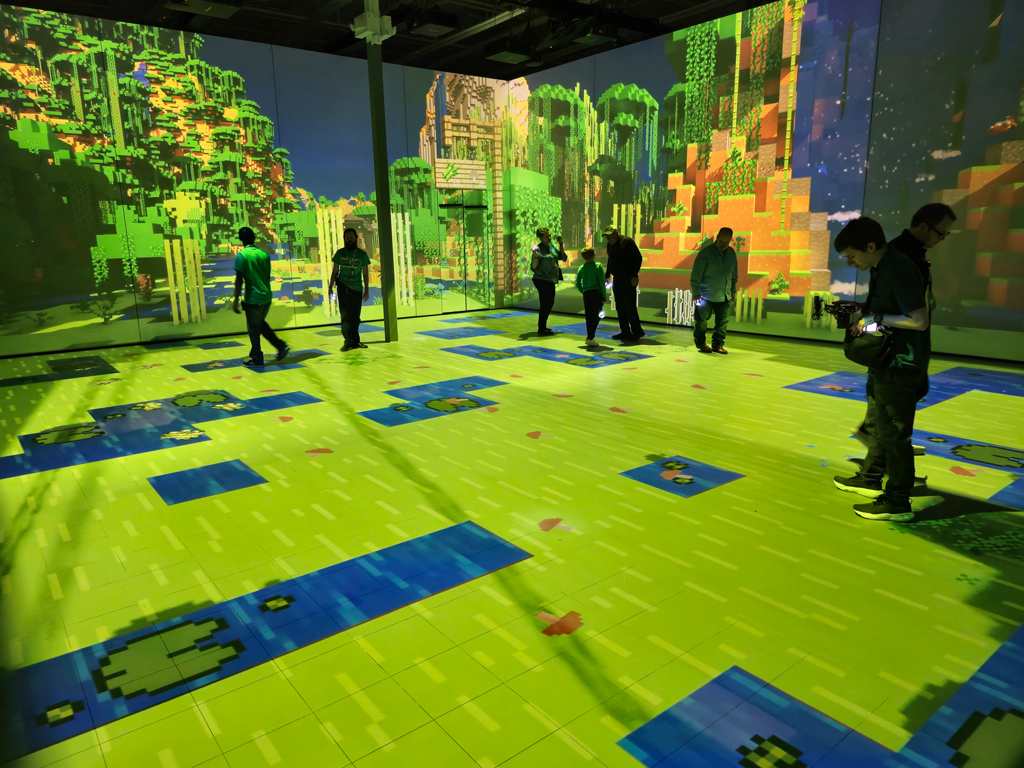
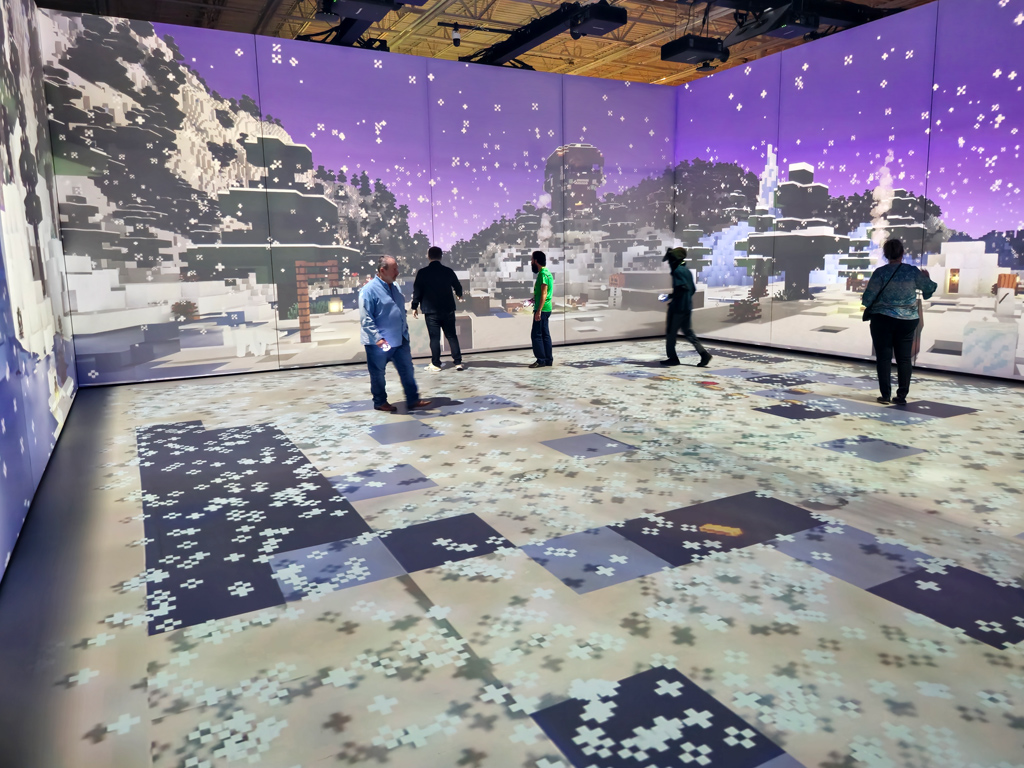
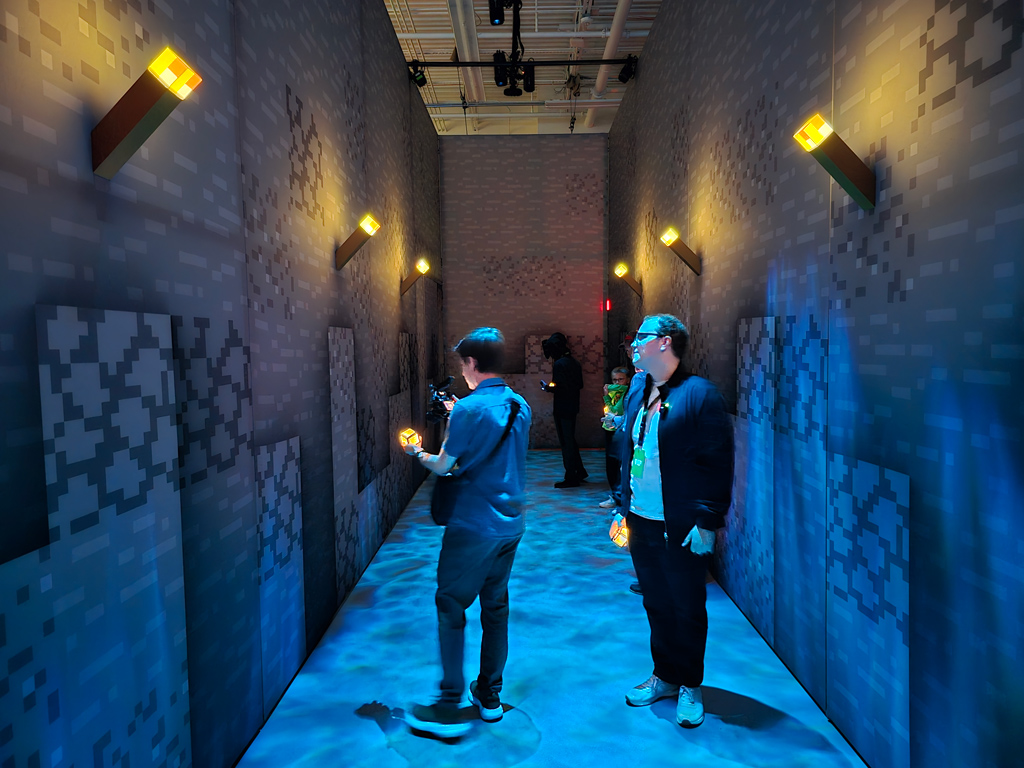
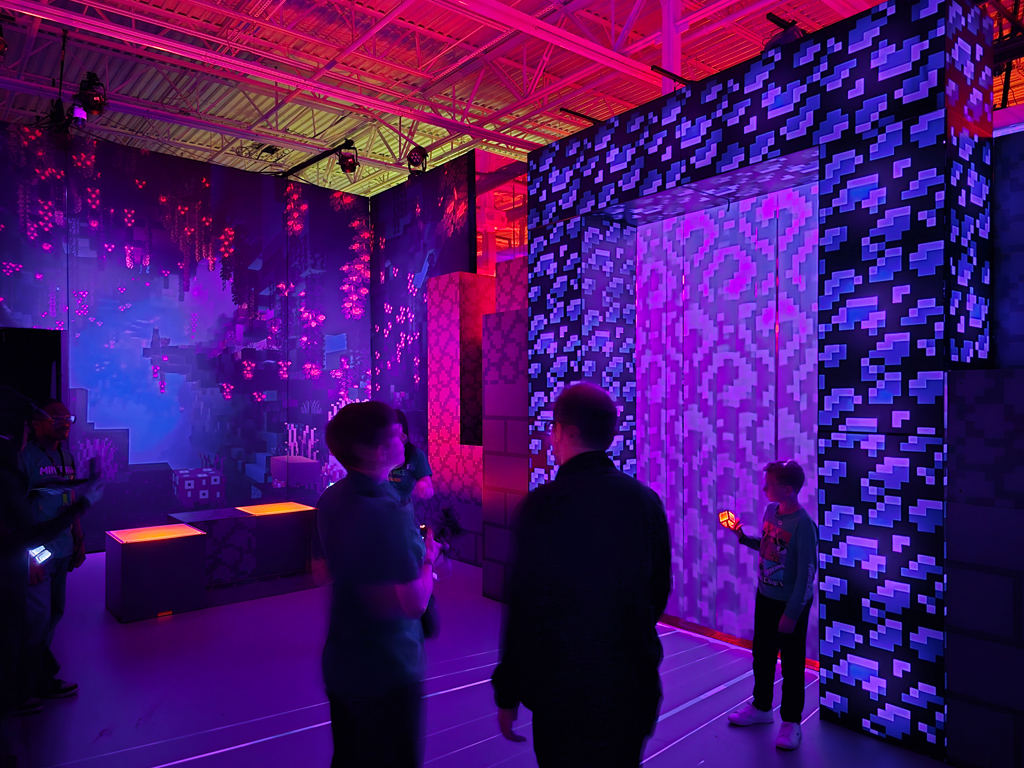
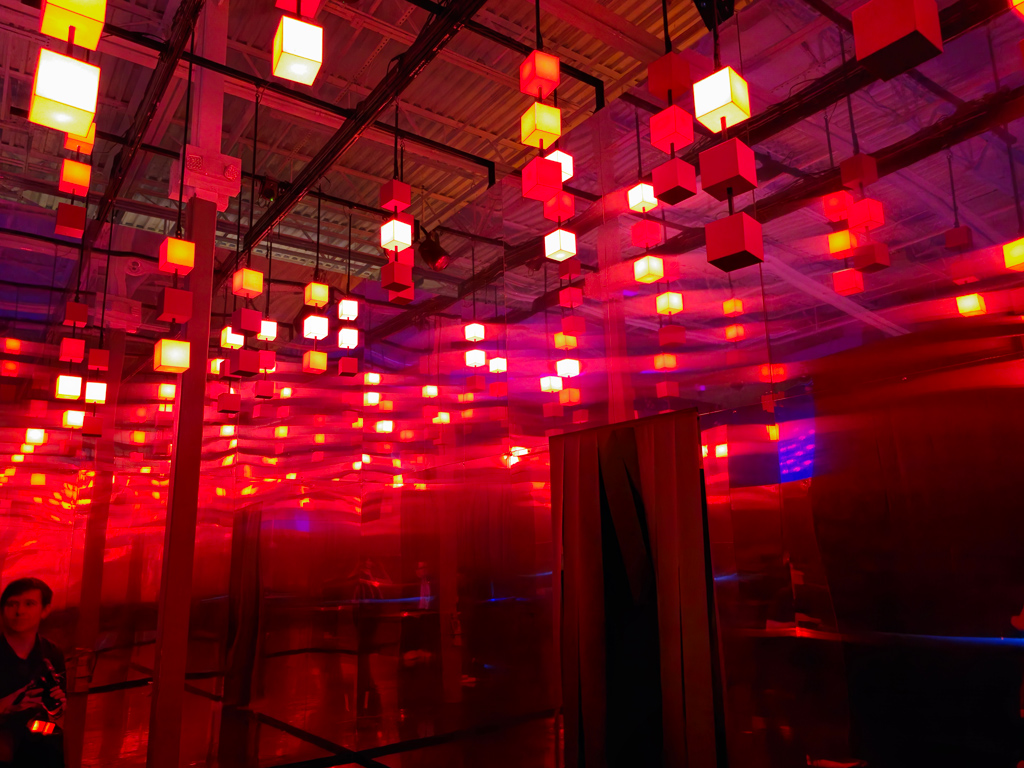
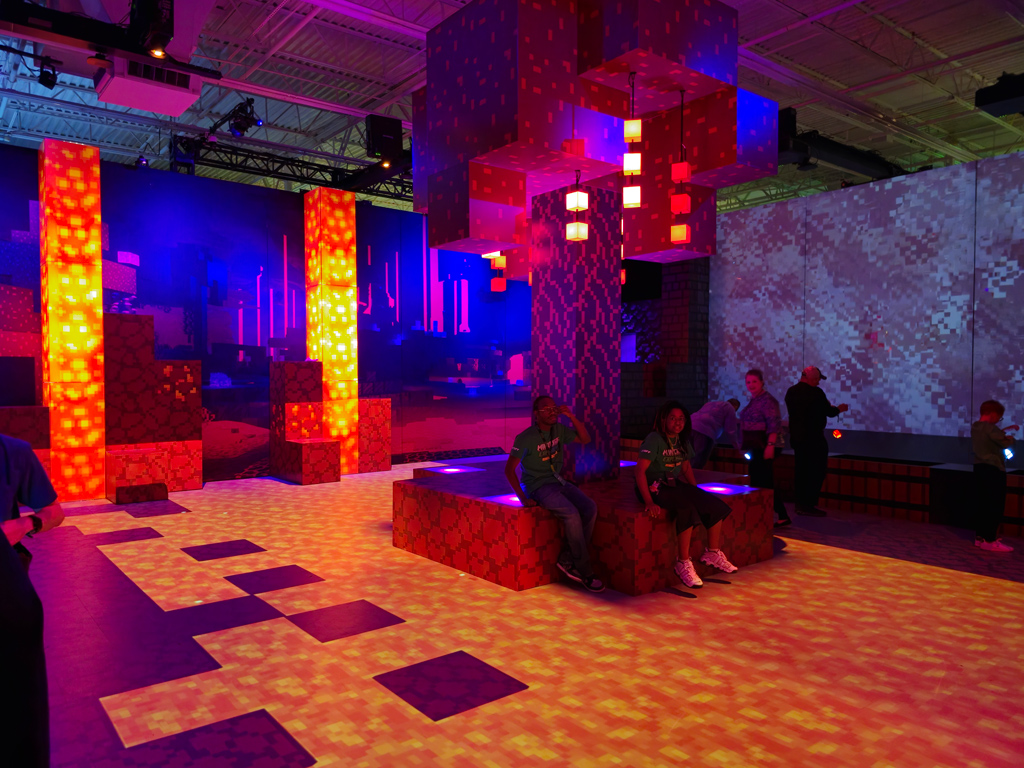
Each room has a different way to interact with your surroundings. The spawn point limits you to just the basics so that there is a smooth learning curve, while later rooms will require you to use the orb in conjunction with your feet to gather resources. Every room was also very immersive—it was clear that all the sets were built out with a 360° perspective in mind.
At first, I was a little bored and didn’t really know what was going on because of how unfamiliar I was with Minecraft, but within the first few rooms, I hilariously managed to get very invested into the storyline. My friends and I ended up doing three total rounds through the experience; each time, I would notice new small things that made me appreciate the production team’s attention to detail.
My favorite part of the experience was a room where you had to combine certain raw materials in a certain sequence in order to produce building blocks necessary for the construction of a gateway. The difficulty of this room had ramped up substantially relative to the spawn point, and albeit fairly easy to intuit, you still had to pay attention to what was going on if you wanted to participate properly. The part I loved the most about this is that the recipe for the building blocks was apparently something that actually exists in Minecraft, so this is an opportunity for children to feel good about their gaming knowledge and possibly teach their parents what to do to emerge from the room victorious.
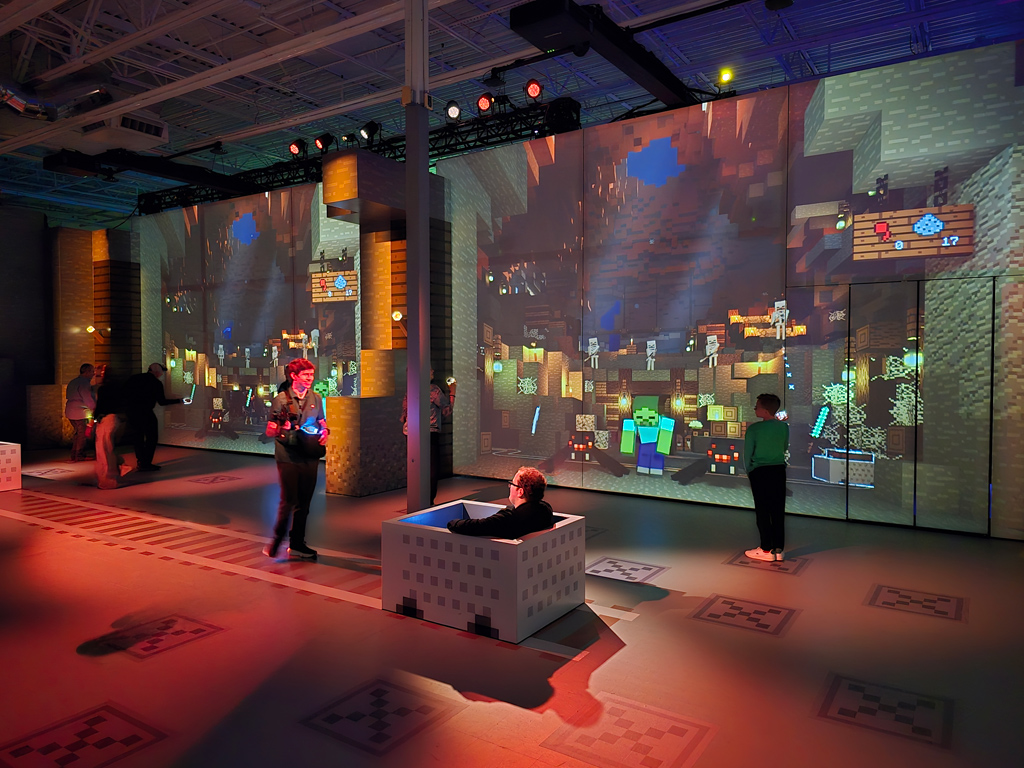
I also liked how much physical activity was integrated into the experience. I had to constantly move my Orb back and forth throughout a majority of the rooms, and near the end during the final boss fight, I nearly broke a sweat throwing felt “snowballs” at the screen to help deal damage to the enemy.
I went into this expecting it to be something like an exhibit hall out of BlizzCon, where there would just be some life-sized models of in-game assets, some important and notable relics on display, and maybe some gaming stations to play some exclusive Minecraft content. As you would imagine, my expectations were far exceeded when I realized this was actually a real experience and not just a miniature museum.
Even though I had a great time, it was clear that I wasn’t really the intended target audience. I’m sure some adult Minecraft superfans would love this too, but I think the main demographic for this experience is children and their parents. I think most young Minecraft players would find Minecraft Experience to be absolutely magical, feeling like a real-life video game protagonist. This is also an opportunity for parents to get more involved in their children’s lives and deepen their connection through one of their kids’ hobbies.
It looks like the most affordable general admission ticket costs US$32.00 per person on a weekday, with bulk-purchase discounts knocking down the ticket price by a few dollars per person for groups of four or more. Everyone’s financial situation is different so I can’t really broadly comment on whether this would be worth it, but compared to some other similar attractions like this in other major cities, I think this pricepoint is definitely within reason.
Here are some photographs I took during the experience:
I’ve posted a lot of photos from tourism activities during my New Zealand trip with my friend Doug Wreden so far, but I haven’t shared what we’ve eaten, which may be surprising considering how frequently I blog about food otherwise. That’s mainly because most of the food we’ve gotten has been quick stops in between being tourists, and we didn’t really go to a lot of multi-course sit-down restaurants that would warrant entire blog posts for them. Instead, I decided to collect all my food pictures and do a photo dump at the end.
(As a side note, I took all these food photos with my phone out of convenience, so they won’t be quite as high quality as those in my other restaurant recap and review blog posts where I take my actual camera to take photos.)
Being a Marriott loyalist, my hotel of choice upon arriving in Auckland was the JW Marriott Auckland. Unfortunately, they are undergoing renovations so basically every single amenity was closed, but luckily, that did mean that they were offering their rooms at fairly significant discounts and we did not have to pay regular JW prices.
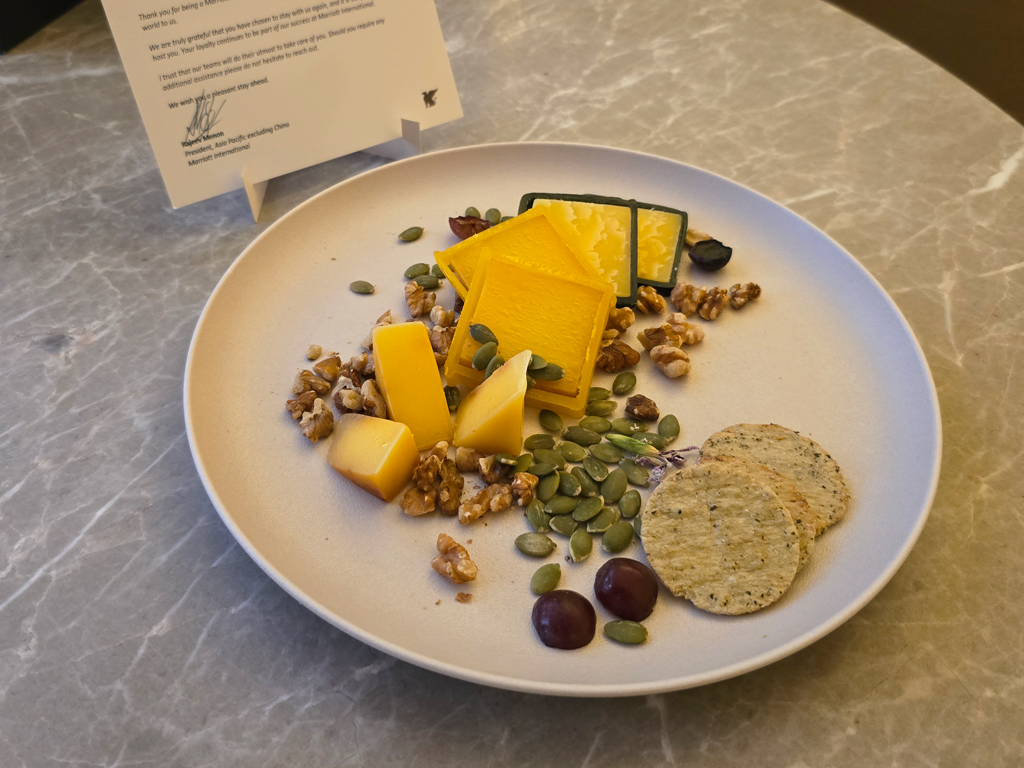
Upon checking in, I often get a special welcome gift due to my Ambassador Elite status. We booked two rooms so Doug and I could each have our separate rooms, but the staff didn’t know who was going to take which room, so they put the cheese and nuts plate in Doug’s room instead. Because of that, he managed to swipe a few crackers before I managed to take a photo.
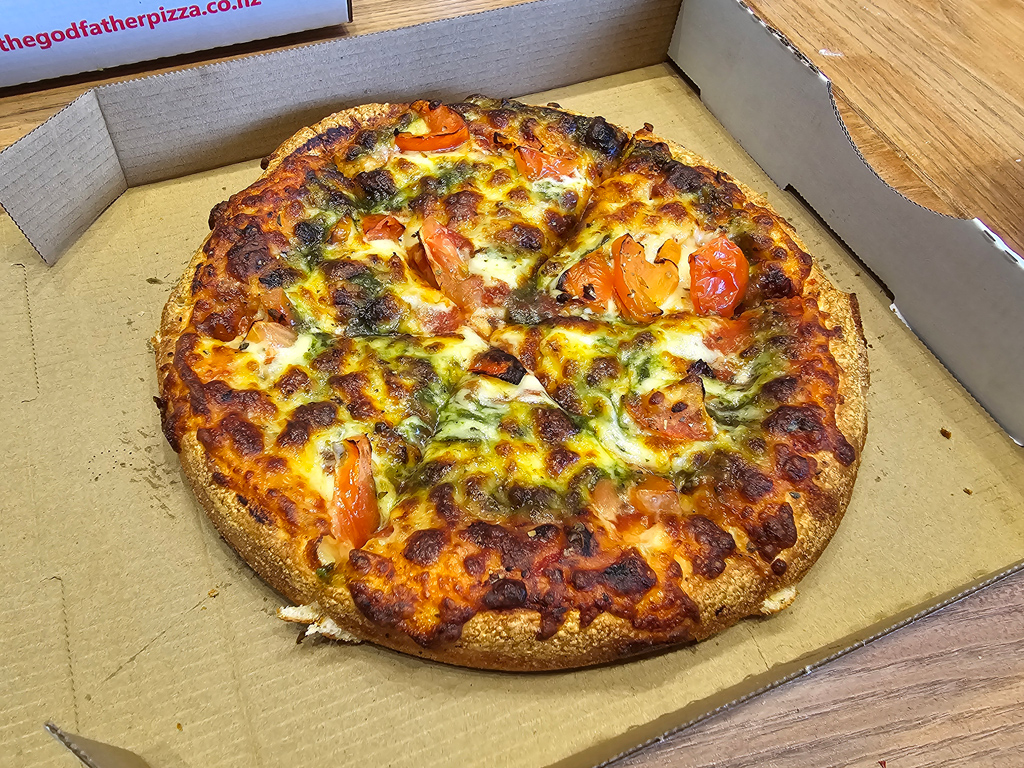
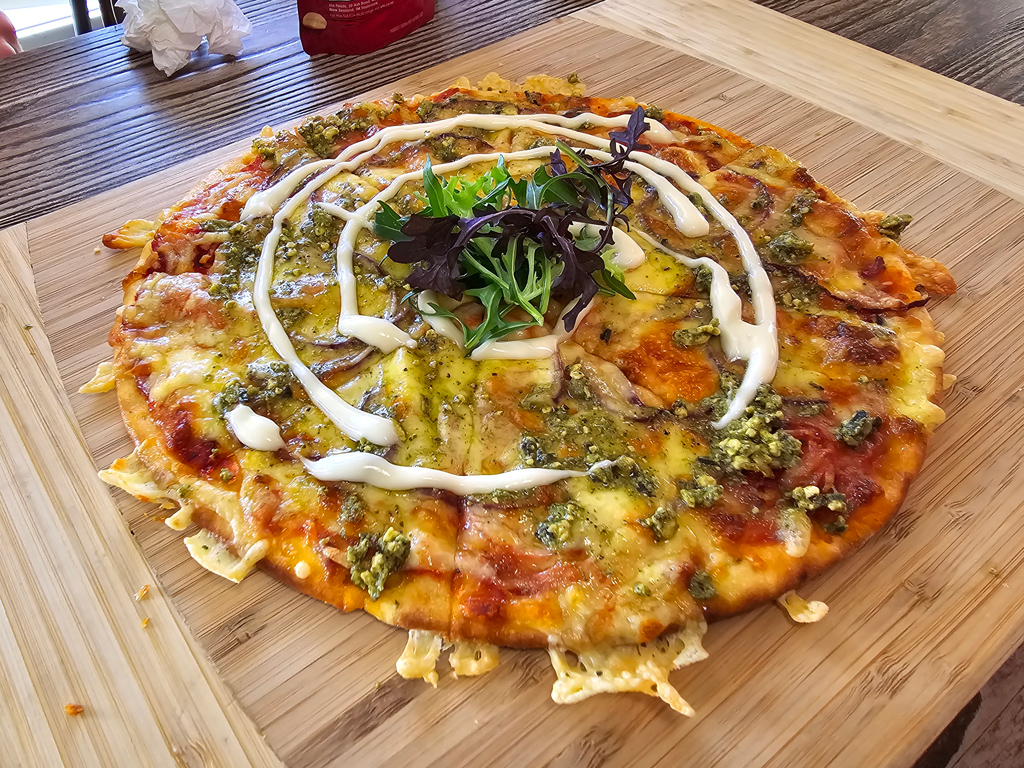
I ordered a margherita pizza and was a bit disappointed with what I got. Usually it comes with large round cuts of tomato and fresh basil on top, but it looks like this had some sort of basil paste under the cheese instead, and the presentation wasn’t very good. Flavor-wise, it wasn’t particularly delicious; I don’t think any of the ingredients were really that high in quality, so it tasted like I was eating a bread-cheese-tomato porridge instead of a pizza.
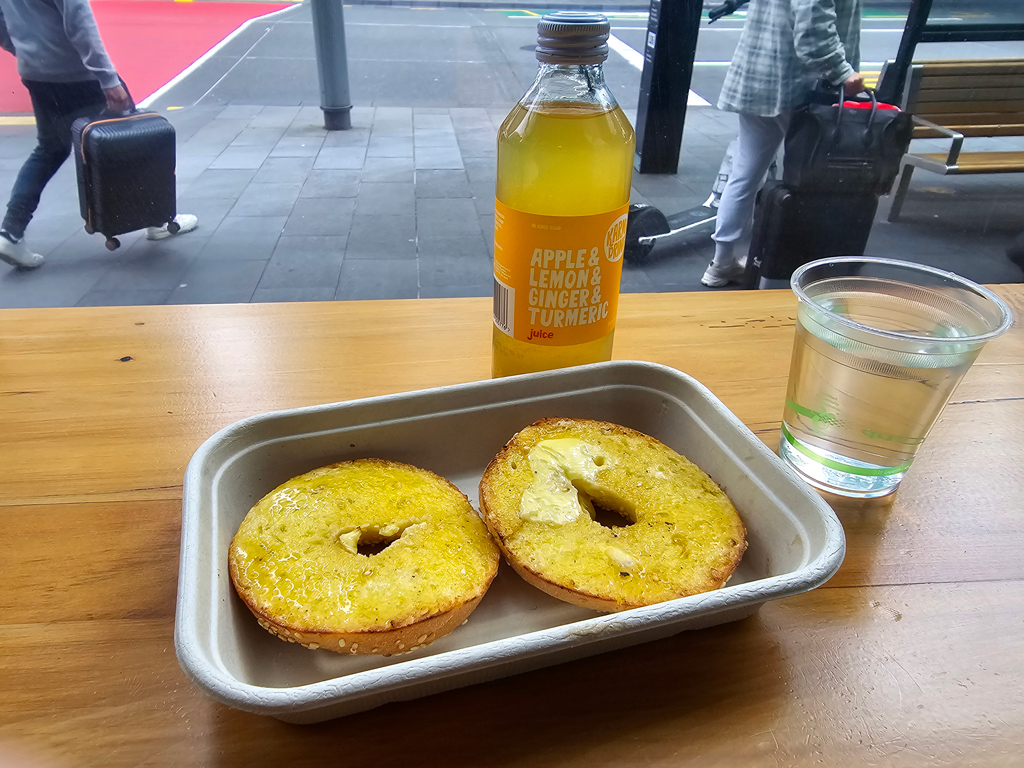
Before we set off on our coast-to-coast walk across Auckland, we stopped by Best Ugly Bagels where I ordered a Butter Up!, which was advertised as a toasted bagel with a “lick” of butter. Instead of a lick, I received a bagel absolutely drenched in butter.
I’m usually not a fan of using an insane amount of butter or otherwise using extreme amounts of fats when cooking, but surprisingly, the Butter Up! was great. I later came to find that New Zealand butter in general seems to be pretty mild, so this went down smooth and did not leave a greasy aftertaste in my mouth. The apple, lemon, ginger, and turmeric juice was also great—it had an interesting flavor profile and was not too sweet.
As an added perk, I got to enjoy the bagel at a table-side window with a nice view of the Central Business District.
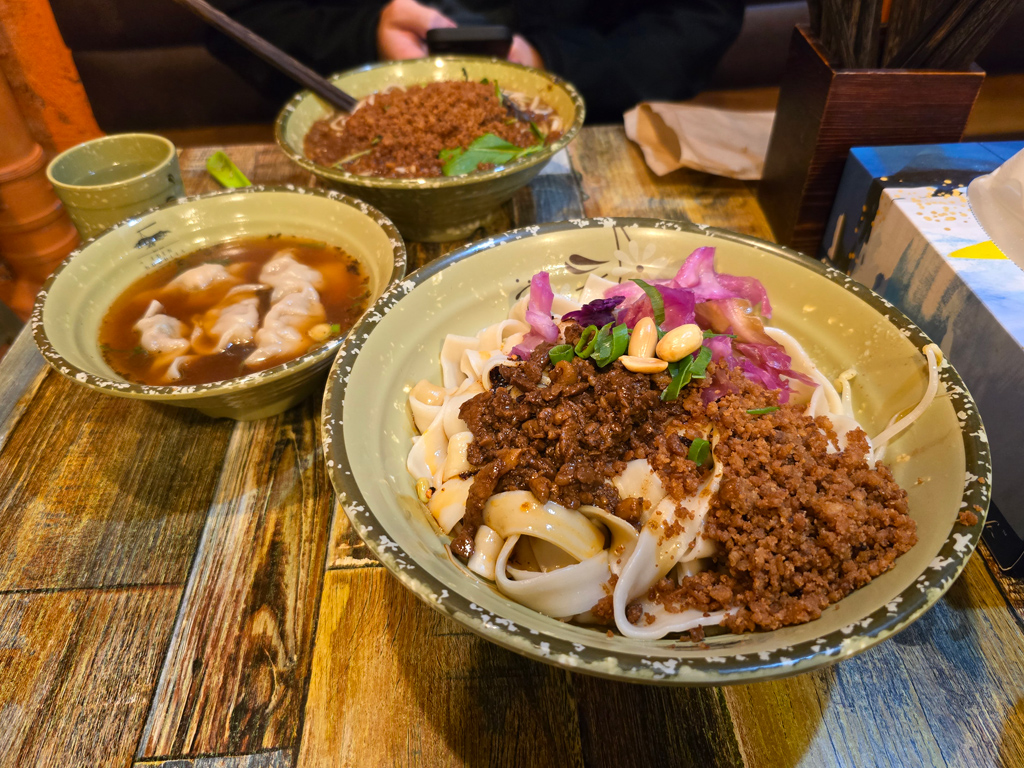
After our walk, we went to Eden Noodles on Dominion Road in Mount Eden. The noodles weren’t anything particularly special, but it was a solid dish that served as a good meal. I think I did a poor job at mixing everything together, because it got pretty spicy near the end.
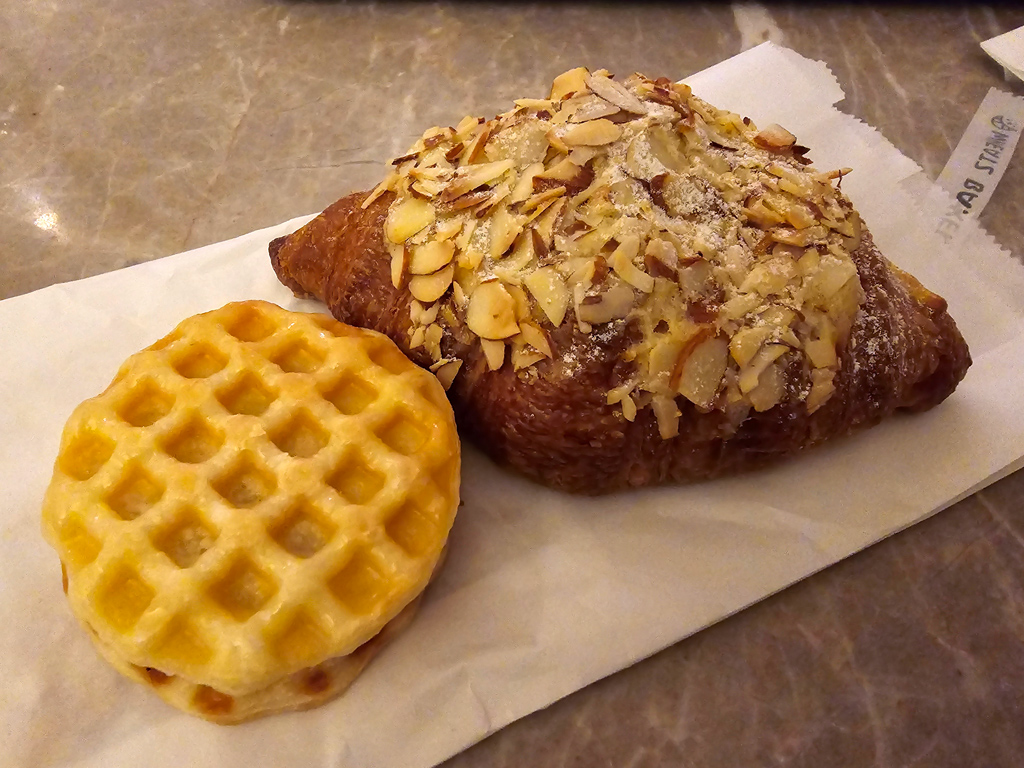
For dessert, we went to Wheatz Bakery on Lorne Street in the Central Business District. I got an almond croissant and a taro waffle.
The almond croissant was good, but I especially liked the taro waffle because the waffle had medium sweetness while the taro filling had fairly mild sweetness, so they complemented each other well and allowed for the true waffle and taro flavors to shine through without being too overwhelmingly sweet.
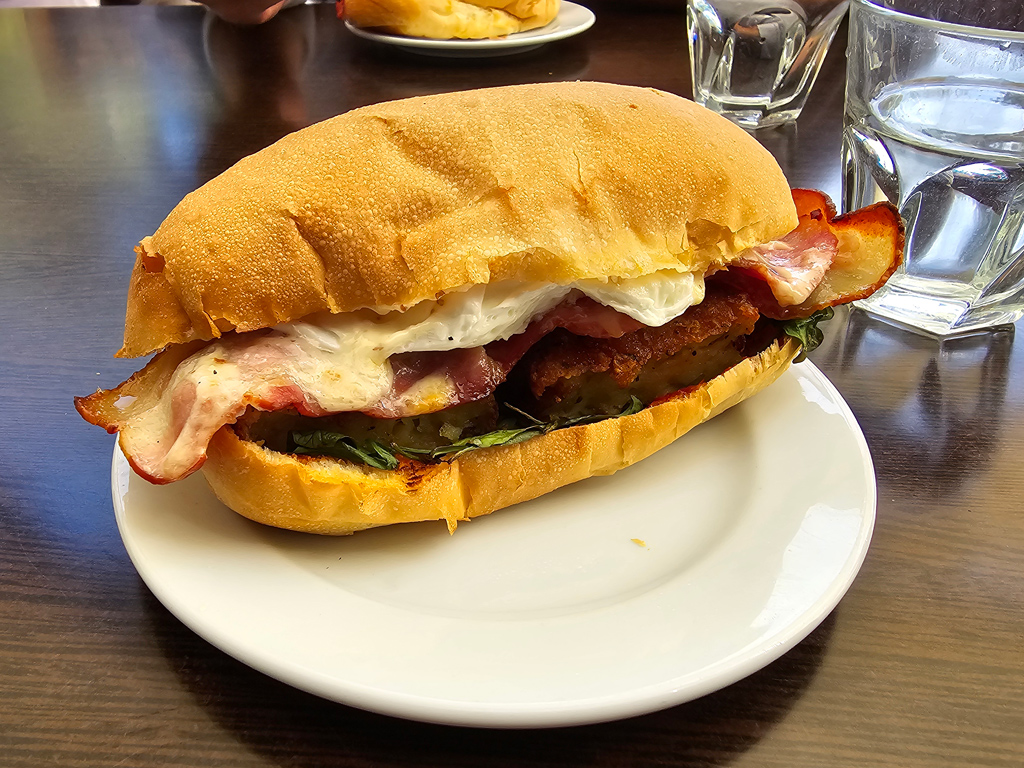
Before we started our day at the Waitomo Glowworm Caves, we stopped by the on-site café for breakfast. Doug and I each ordered a breakfast roll, which included bacon, eggs, potatoes, and greens. The potatoes were prepared in a unique way that I hadn’t seen done in a sandwich in the United States before; I thought it was decent, but Doug did not like it.
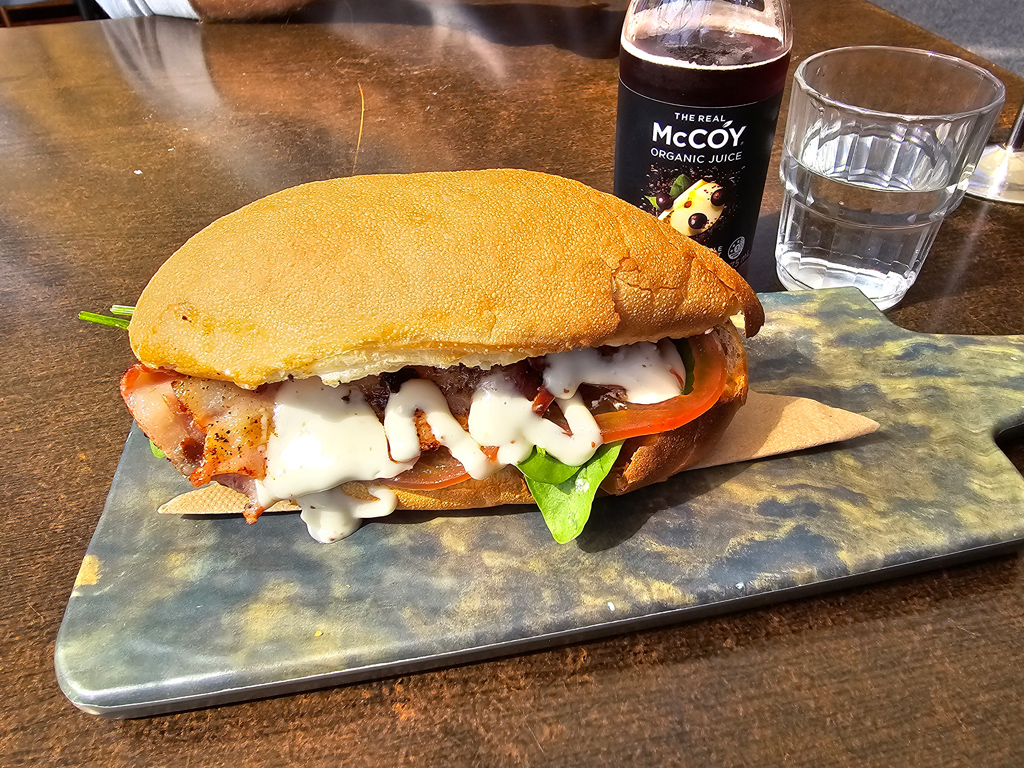
In between the Waitomo Cave and Ruakuri Cave tours, I took a quick break at the on-site restaurant and ordered a BLT.
My favorite part of the sandwich was the bread—it was crispy on the outside and very soft on the inside. The rest of the sandwich was passable, though I think they put way too much ranch, because it sort of just tasted like a ranch sandwich with toppings of bacon, tomato, and mixed greens.
My favorite part of the meal in general was the drink. I got a bottle of apple black currant juice because I don’t really see that being sold too frequently in the United States, and it was delicious. Not only was it a flavor that I don’t get to try often, but I noticed that New Zealand beverages have substantially lower sugar in general, so the juice tasted like I was drinking actual real fruit juice, as opposed to just flavored sugar water like in the United States.
Afterwards, we stopped by the General Store Waitomo to get snacks and dinner. Doug and I shared a pizza, which hardly tasted like a pizza and was more like thin, cheesy bread.
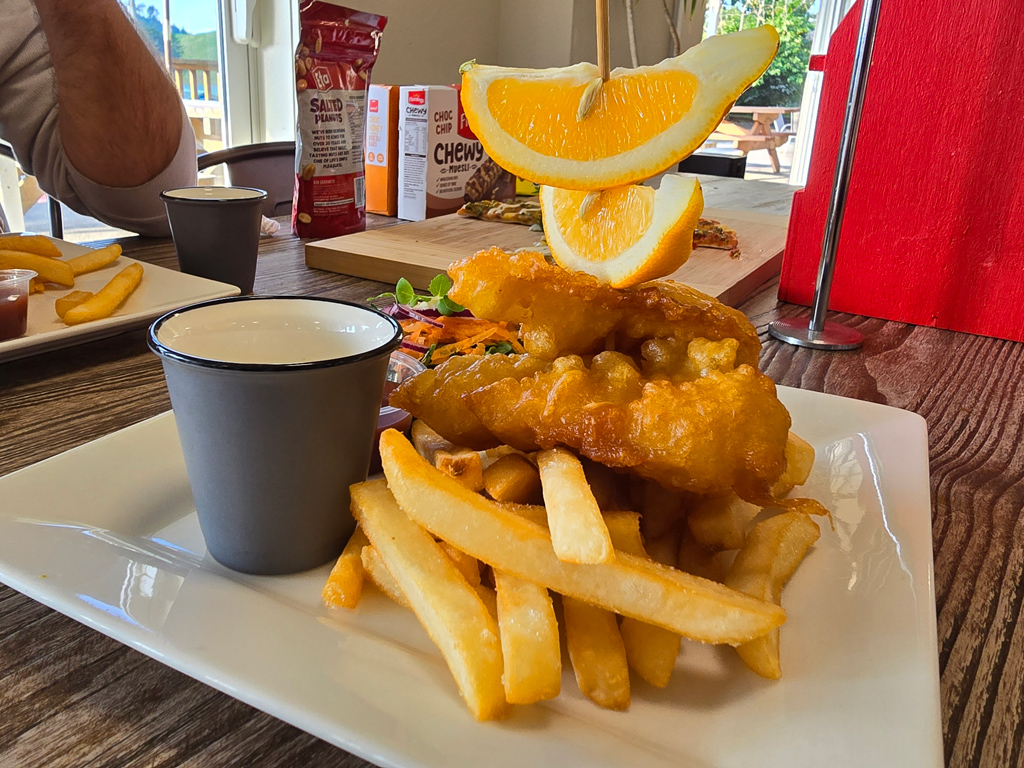
We also each got a plate of fish and chips, which was much better than the pizza. The fish was tender, the ratio of breading to fish was reasonable, and the breading didn’t leave an excessively greasy aftertaste.
On the day we arrived in Rotorua, we went to The Fat Brother for lunch.
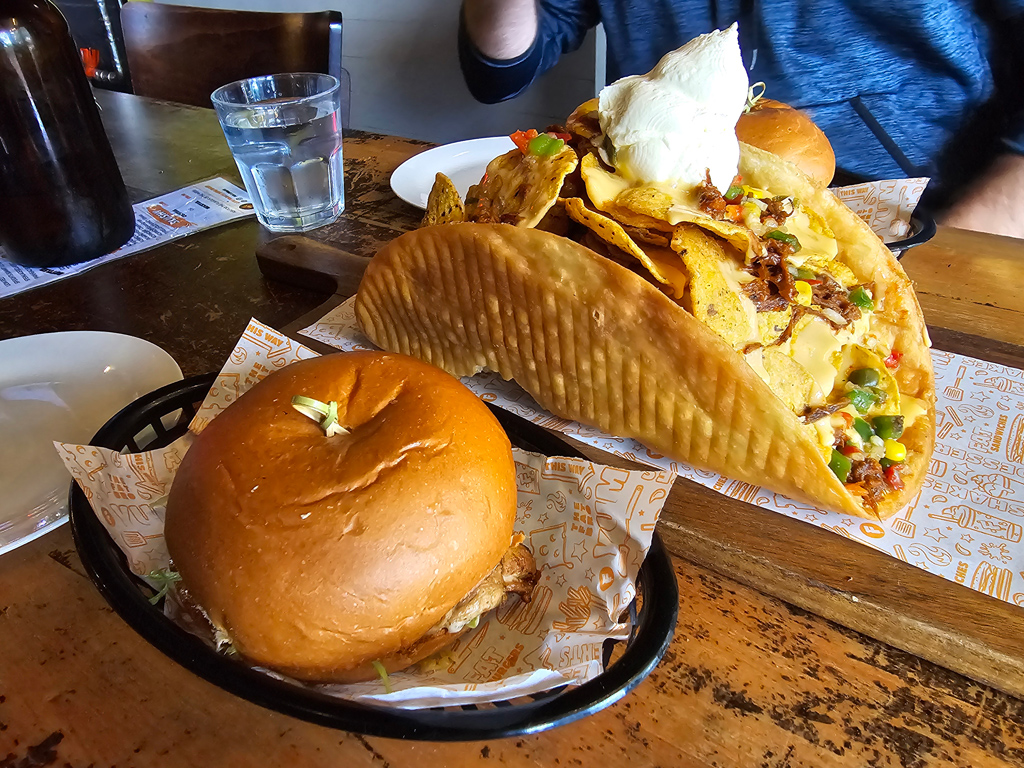
We got an order of Monster Nachos to share, which contained nacho chips, slow-cooked beef, meat lover’s mixed cheese, salsa, and sour cream. It lived up to its name when it came out and was comically gigantic. The nachos were surprisingly good—the cheese had a uniquely meaty flavor to it (which I imagine comes from the “mixed” aspect of it as described by the menu), and the beef was tender. The shell tasted like a healthier and less greasier version of Taco Bell’s Chalupa Supreme® shell.
We also each got a chicken sandwich. Doug ordered a “Fat Girlfriend,” which came with fried chicken, lettuce, American cheese, and signature sauce on a brioche bun. I ordered a “Fat Chick,” which came with grilled chicken, lettuce, tomato, and red onion on a brioche bun. My sandwich was fine, and it tasted like a fairly average grilled chicken sandwich.
On the day of our departure from Rotorua, we stopped by Ambrosia Restaurant and Bar after checking out of our lodge. I had already eaten free breakfast at our hotel so I wasn’t too hungry, but Doug slept in and needed food.
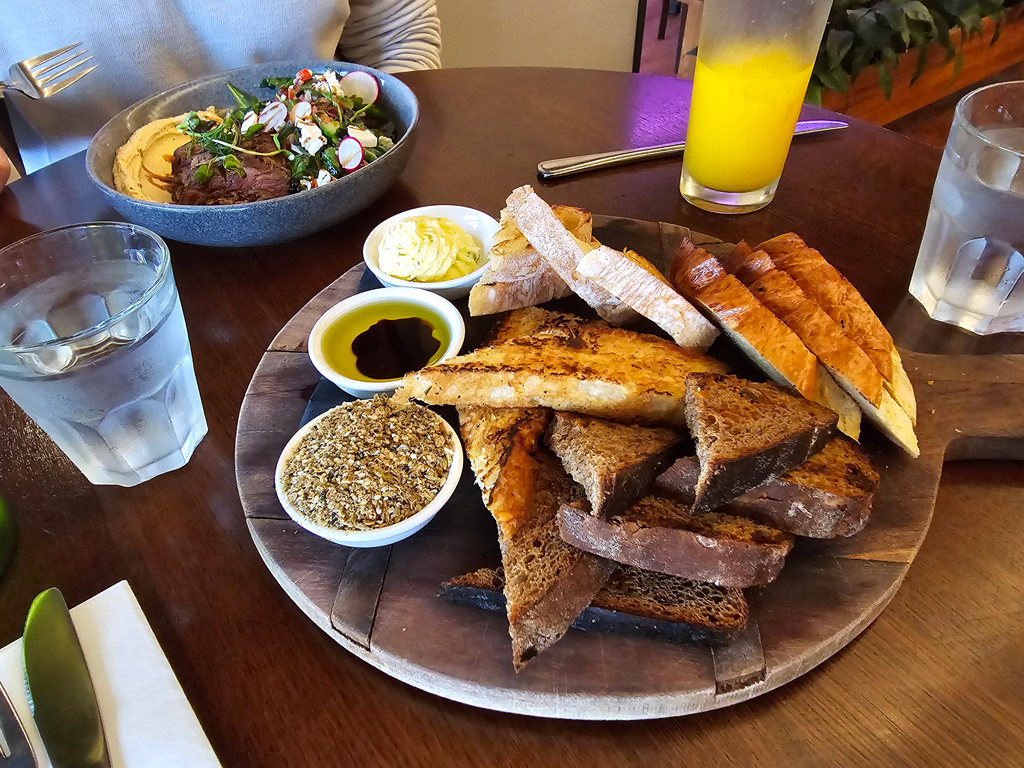
We ordered a bread plate to share. The garlic bread was good, but everything else was fairly average.
Doug ordered some lamb as his meal, and I tried one cut of it. It was the most delicious lamb I had ever tasted. Usually in the United States, a majority of lamb’s flavor comes from the fat, and the leaner portions are generally milder. However, from the very small sample size of New Zealand lamb I tried, it seems like it is far more flavor-packed as a whole—not only in the fat, but also in the muscle as well.
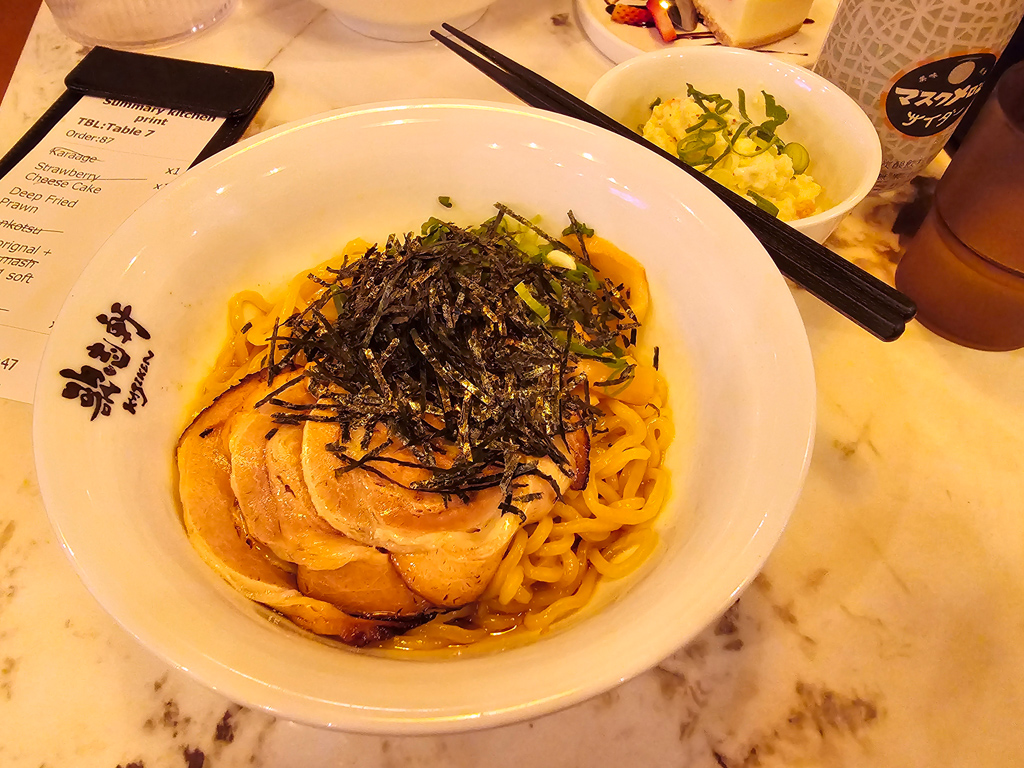
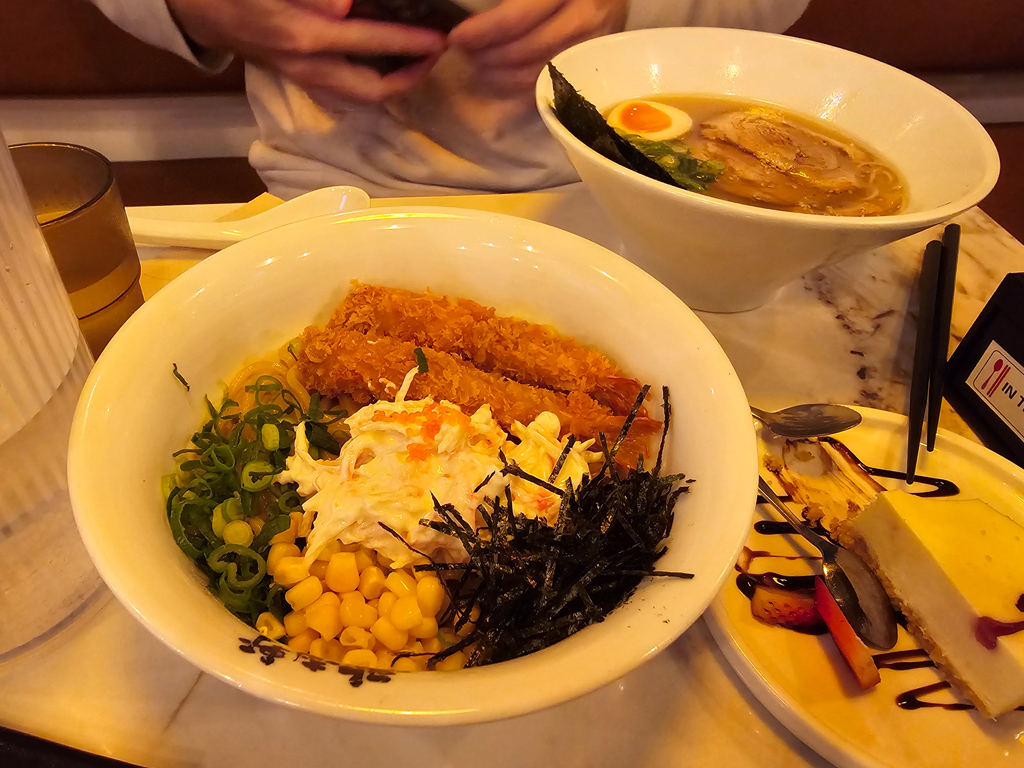
After looping back around and returning to Auckland, we had dinner at Kajiken Auckland on O’Connell Street in the Central Business District. The expected 15-minute wait time for a table for two ended up being over half an hour, while it seemed like many people who arrived after us got seated first. Food service was slow and strange—we added a strawberry cheese cake for dessert, and it was the first item to come out, as if it was supposed to be an appetizer instead.
I ordered “The Original,” which was noodles with chashu, menma, nori, and scallion. I wanted to add a half soft boiled egg or two, but the ordering system they had with a QR code did not make it seem like it was possible to do so. The dish was way too salty, up to the point that if I had gotten this as takeaway instead, I would’ve rinsed off the noodles before eating them.
I got white peach cider as my beverage, which was very strong, but still had good flavor.
Doug ordered two bowls. The first was noodles with mayonnaise-flavored crab meat and fish roe, deep-fried prawn, nori, scallion, and corn. The second was tonkotsu, which came with thin noodles in pork broth topped with pork belly chashu, soft-boiled egg, menma, nori, and scallion.
And now, for the grand finale. As our final dinner in Auckland, Doug and I went to Depot Eatery.
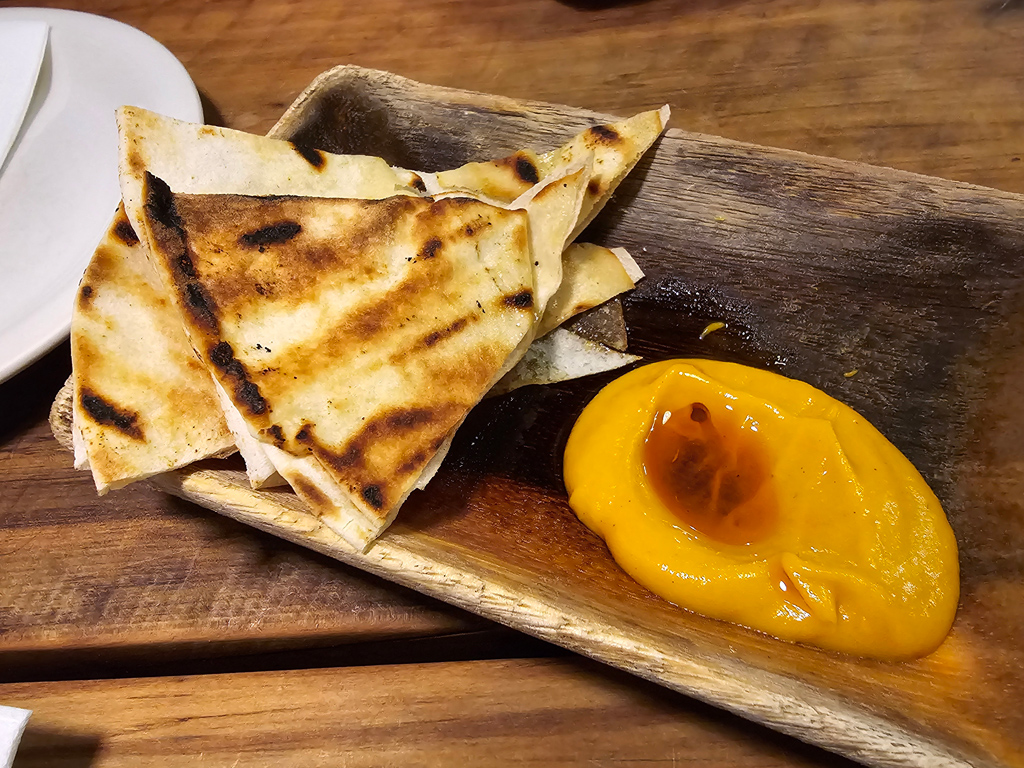
While we were deciding what to order, we received some bread with a delicious sauce. I couldn’t tell what the sauce was, but it was as if it almost had undertones of curry without any of the pungency.
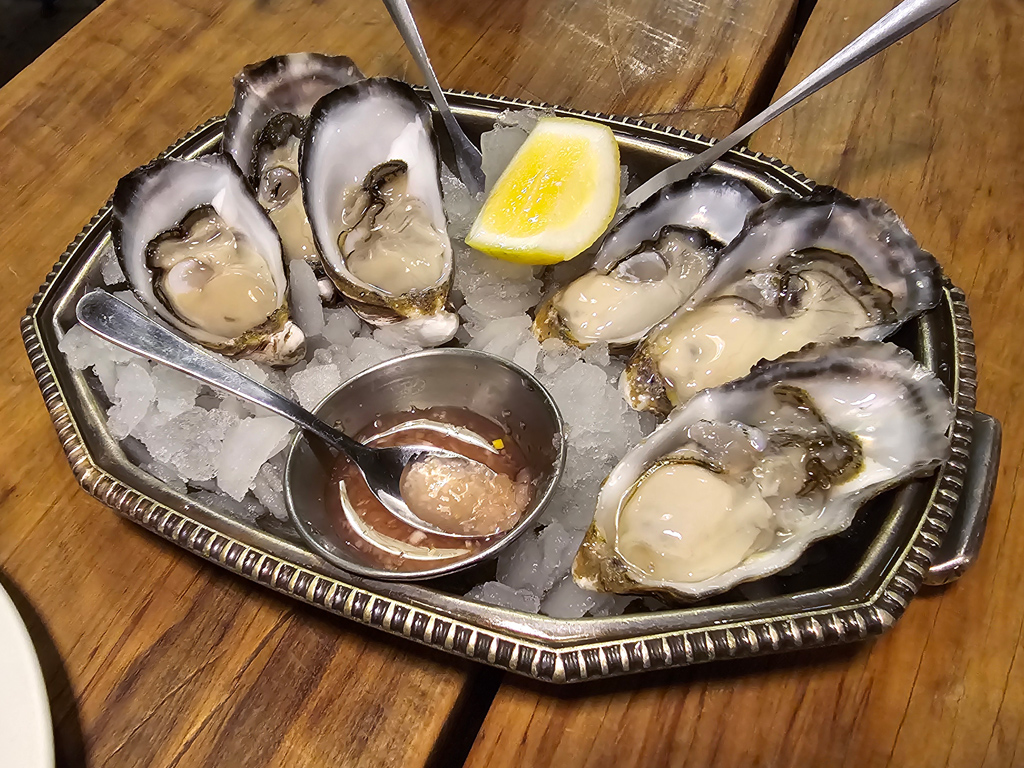
For our first appetizer, we ordered three Orongo Bay oysters and three Mahurangi oysters for NZ$6 each, and I ate two of each. All of them had clean, rich, deep oyster flavors, and I enjoyed them all.
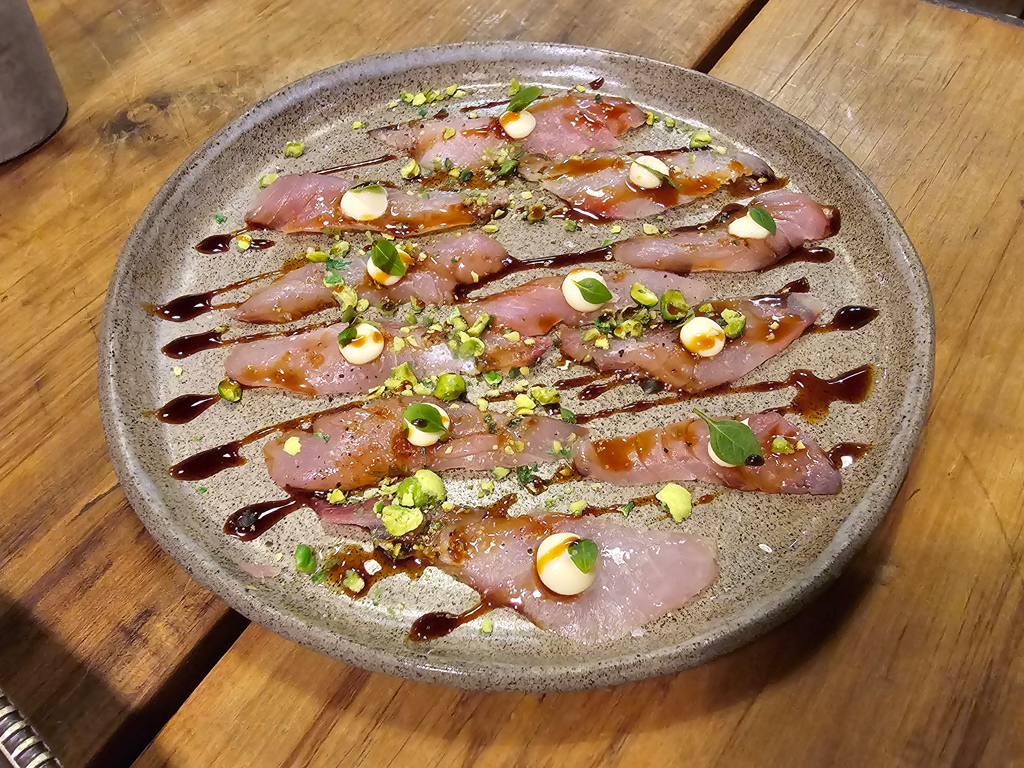
Our second appetizer was trevally sashimi with soy syrup, wasabi peas, kewpie mayo, and basil for NZ$25. There was a little bit too much soy syrup, but otherwise, this recipe was incredible. Not only did it have a great flavor profile that I haven’t seen done before, but the contrast of texture was also very satisfying to chew.
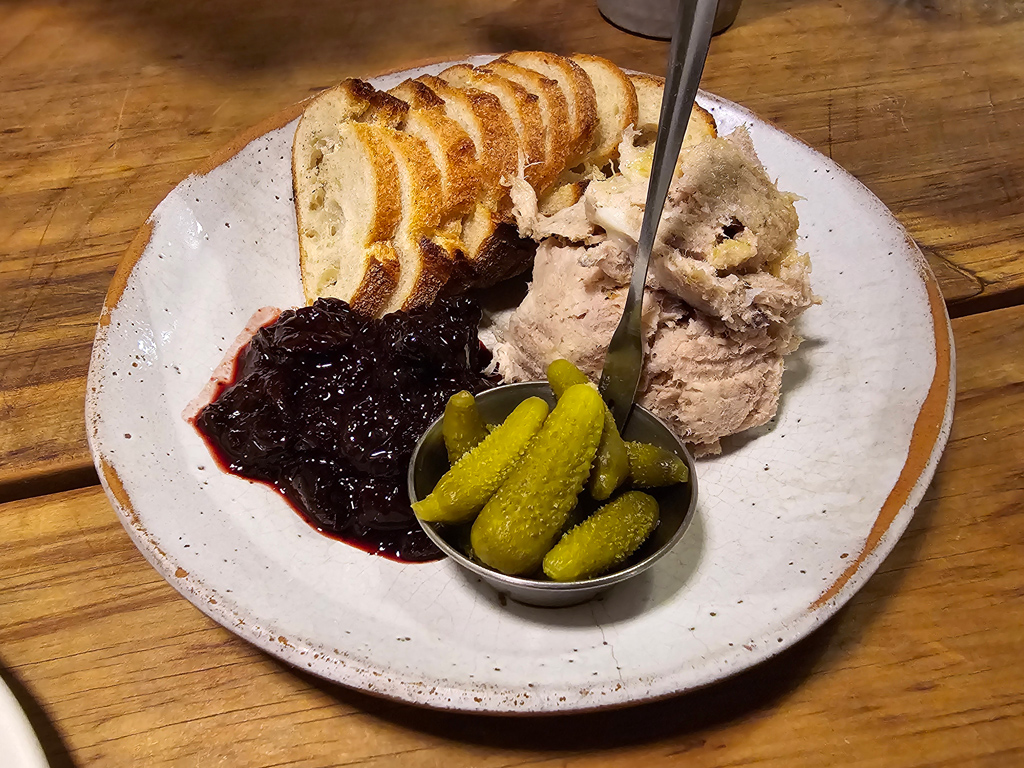
From the charcuterie board, our next dish was wild rabbit and pork rillette with cherry relish, cornichons, and sliced baguette for NZ$24.
I’ve had rabbit a few times before, and each time, including this one, it has tasted fairly similar to turkey, regardless of how it was prepared. Doug was not a fan of this dish, so I ended up having most of it; it wasn’t my favorite either, but I still thought it was fine.
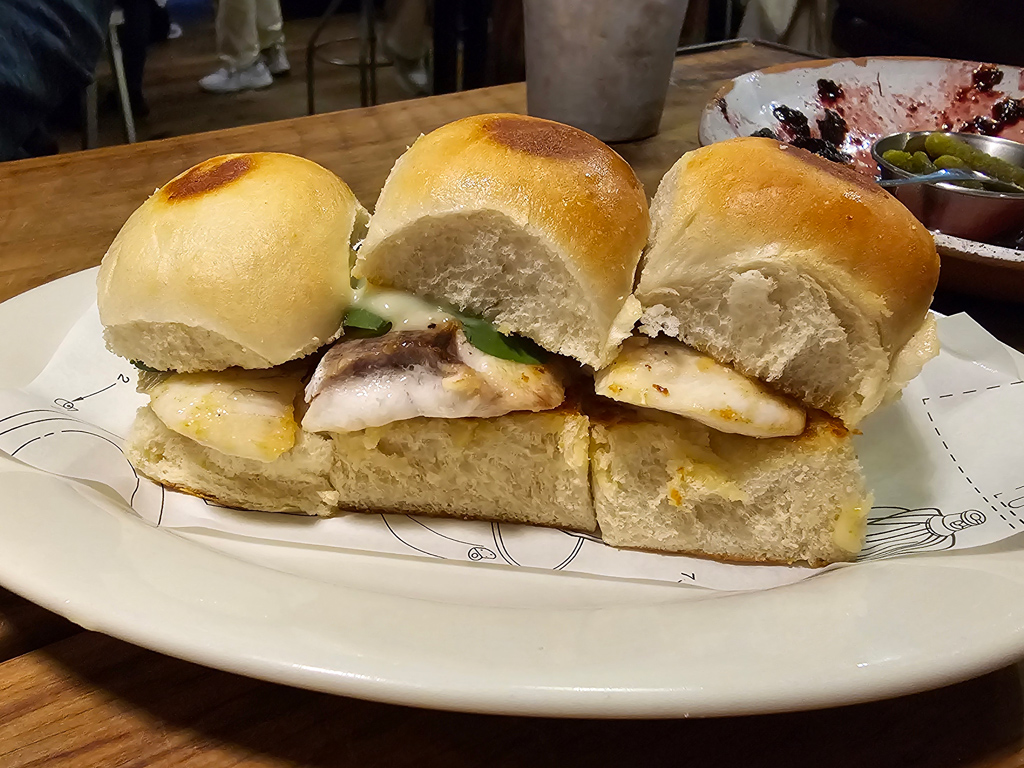
As an intermission, we got a small dish—snapper sliders with pickled lemon mayo and watercress for NZ$24.
The fish was melt-in-your-mouth good, the sauce was perfect, and the bread was incredibly soft on the inside but had the perfect amount of resistance on the outside. The flavor profile was pure, clean, and minimalistic so that there weren’t any excess tastes interfering with the core fish.
This was the best fish sandwich I have ever had in my entire life.
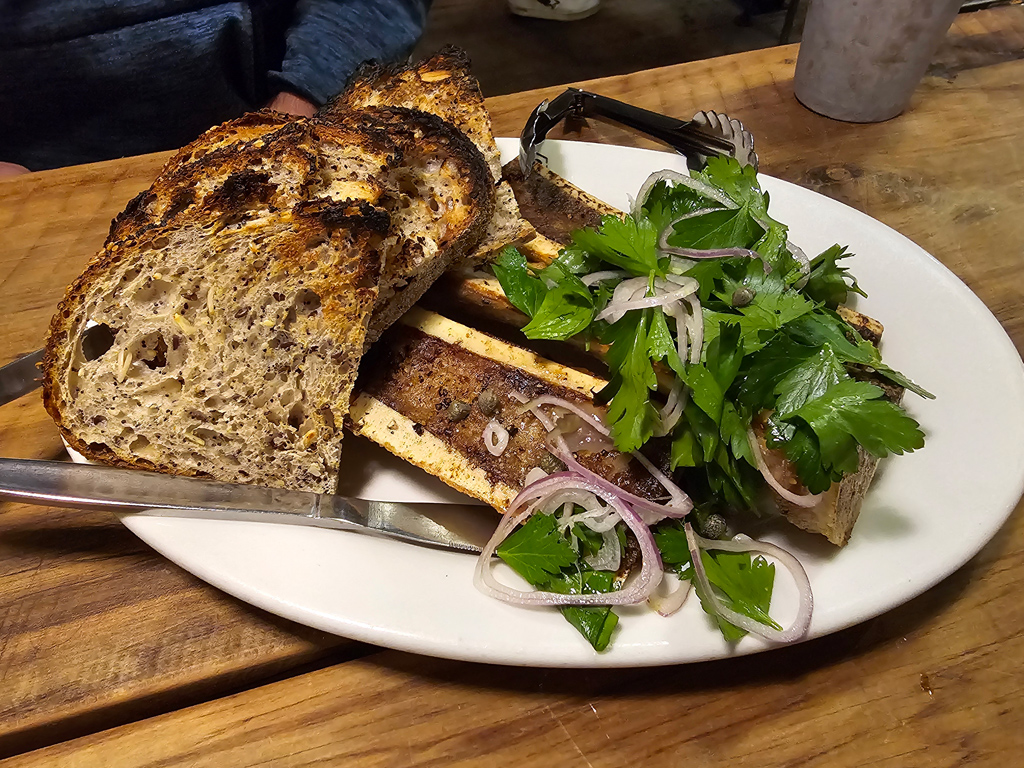
Our first main dish was wood-roasted Fergus’ bone marrow with parsley and shallot salad for NZ$29.
This was pretty underwhelming. One of the three bones barely had any marrow on it. The vegetables weren’t diced small enough to be able to effectively mix in with the bone marrow. We also wouldn’t have been able to even if we wanted to, because we did not receive a side bowl.
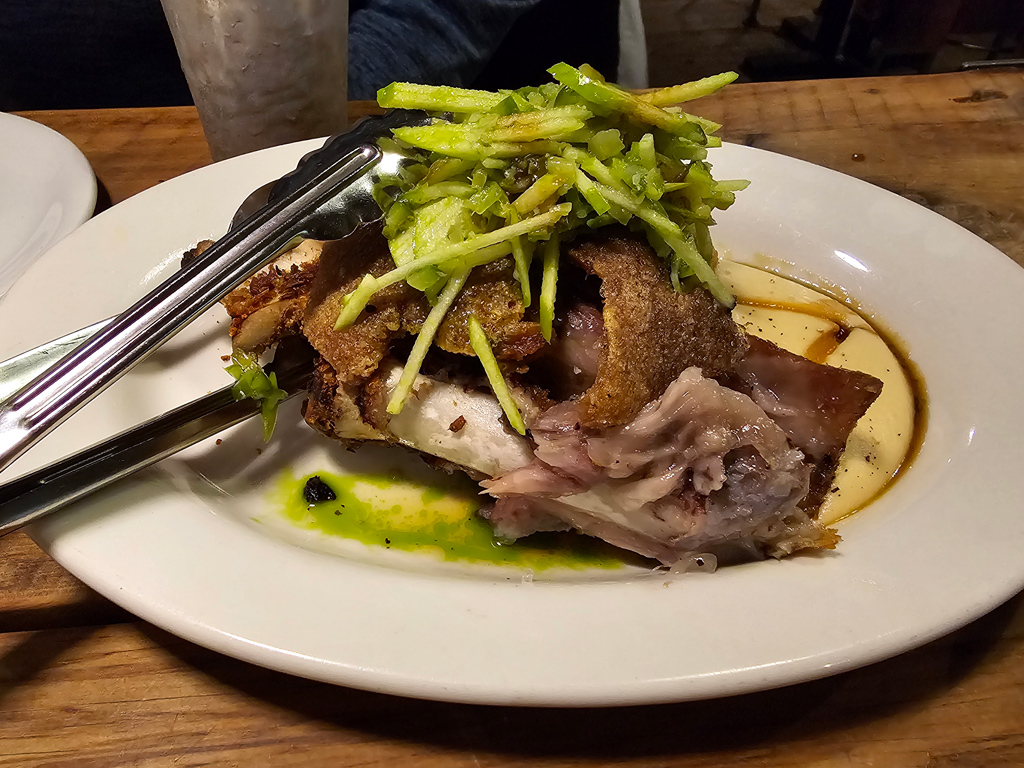
Our second main dish was Freedom Farm pork hock with apple and horseradish salsa verde and parsnip purée for NZ$45.
I tried some of the pork meat, which was much more tender than I expected. I also tried some of the pork skin, which I usually don’t like, but this dish’s pork skin had a much cleaner flavor and wasn’t gamey at all. Overall, I thought the dish was fine. Doug loved this, so I let him eat a majority of it instead.
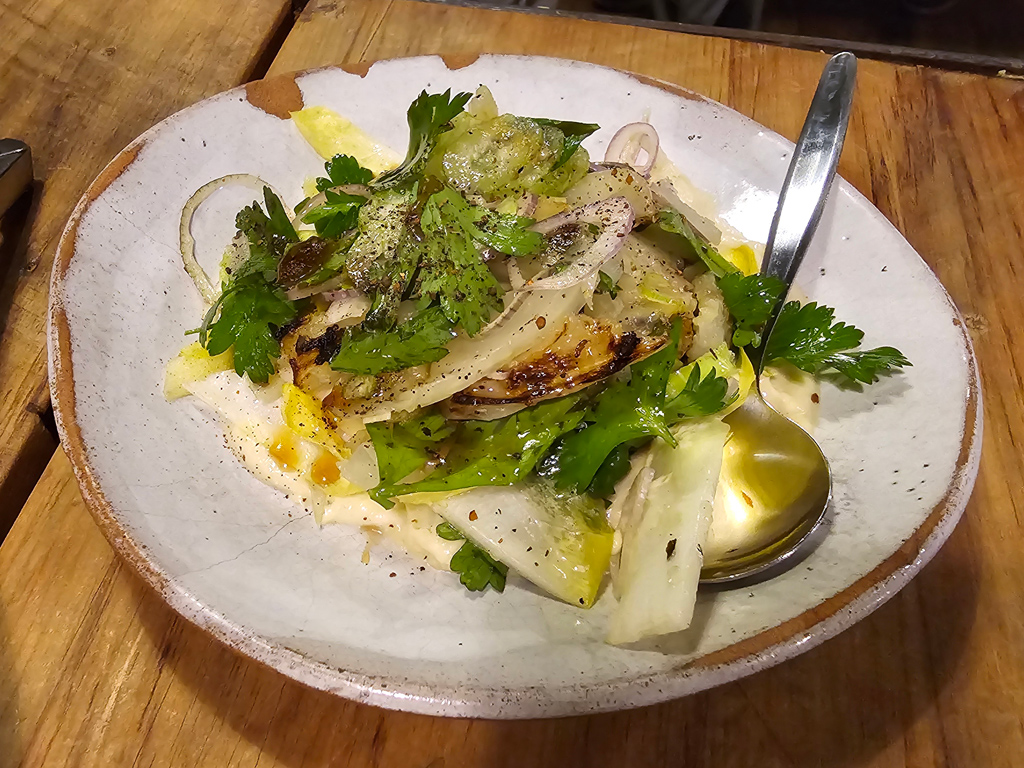
To go along with our main entrées, we got grilled fennel with macadamia romesco and bitter greens for NZ$16. This was the only dish that I actually disliked.
We ordered two desserts. The first was a cookie with ice cream and chocolate for NZ$15.
The cookie tasted like a gourmet cookie made from high-quality ingredients, but there was such an egregious amount of chocolate on it that it completely destroyed the overall flavor profile. I had a bite of it to try it out, but Doug finished the rest.
The second dessert was strawberry panna cotta topped with rice crispies for NZ$14. This was strangely sour and tasted more like raspberry than strawberry, but it was still a good sweet treat to close out the meal.
Depot Eatery was an interesting experience. Usually, there is some degree of consistency with regards to how “good” a restaurant is, i.e., the dishes are on a certain level and all share a similar style or theme of preparation. However, Depot Eatery didn’t seem to have that kind of consistency at all whatsoever, and instead, was sort of all over the place. Some dishes were orgasmically good (e.g., the snapper sliders), while others made me question whether it was edible (e.g., the grilled fennel).
I didn’t really go into New Zealand expecting world-famous cuisine like one might when traveling to a place like Japan, and New Zealand met that fairly middle-of-the-road expectation. I will remember those snapper sliders forever, but for everything else, I would say that, when averaged out, my New Zealand food experiences met my level of contentment.