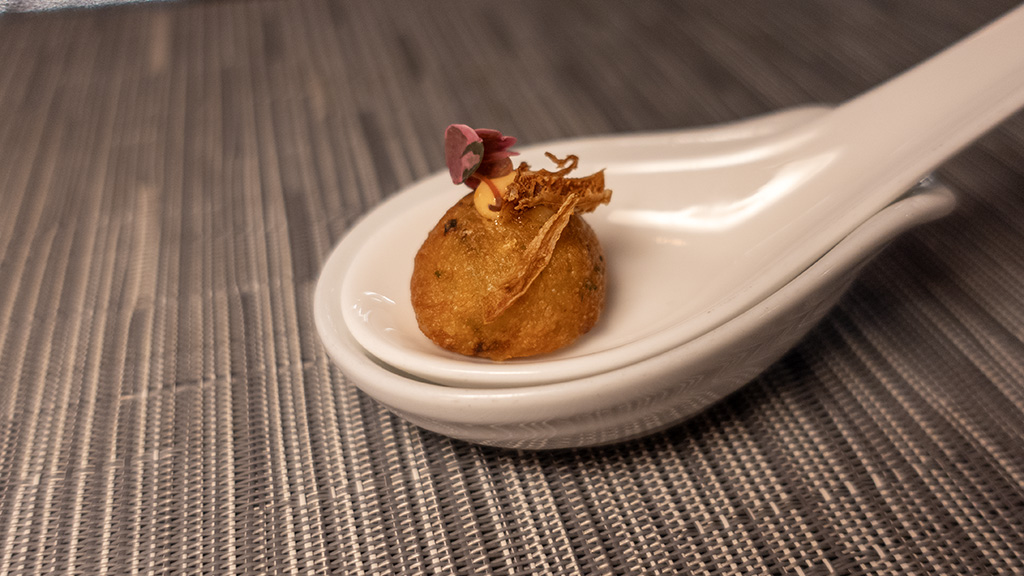
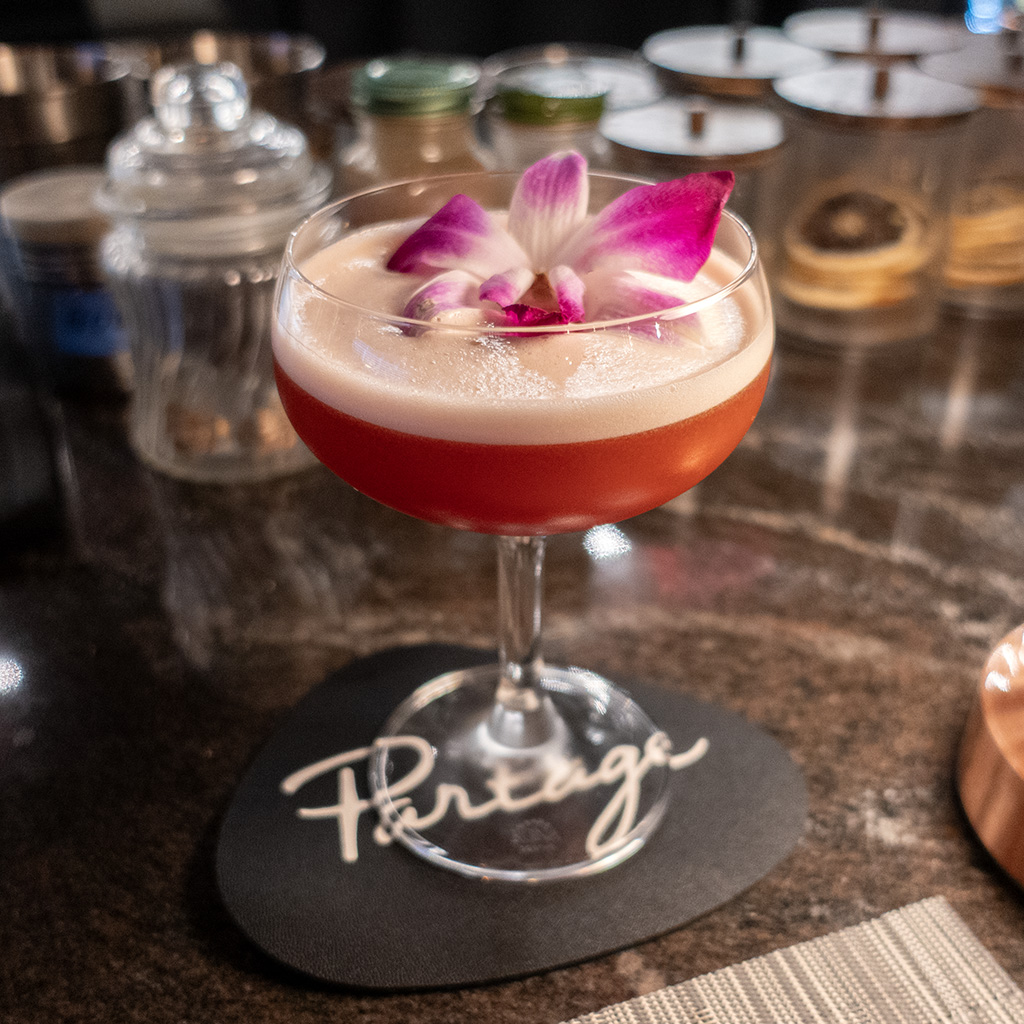
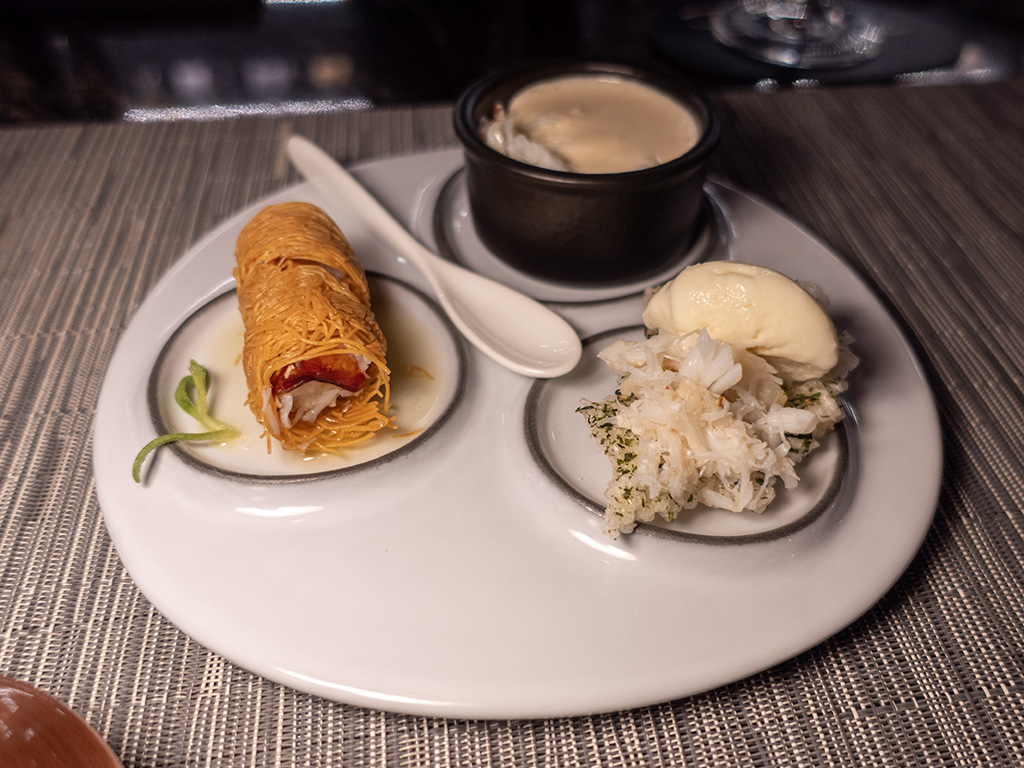
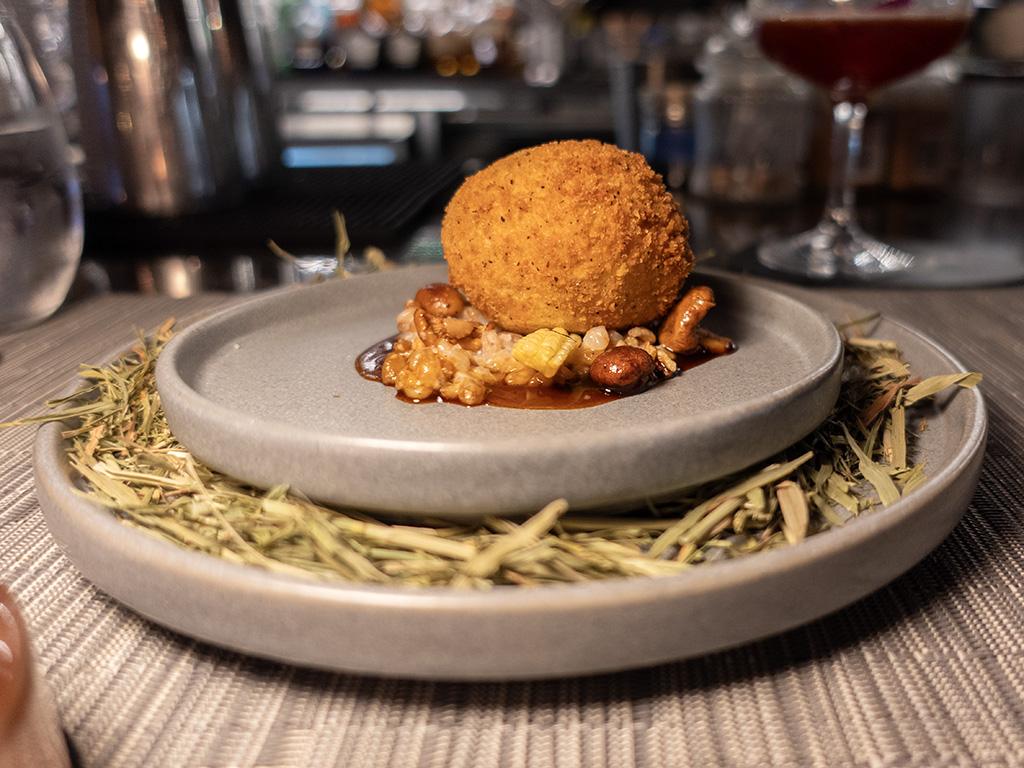
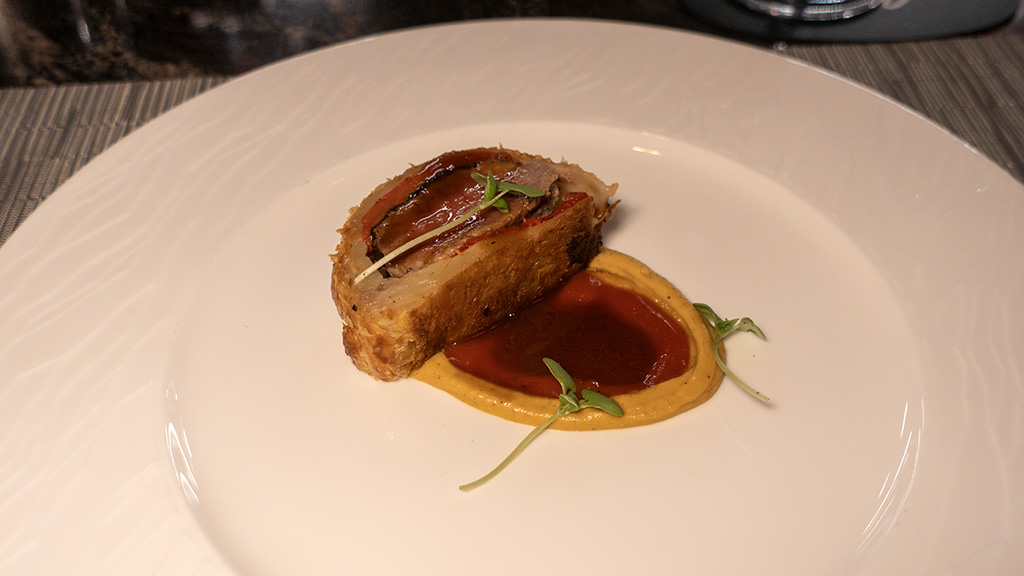
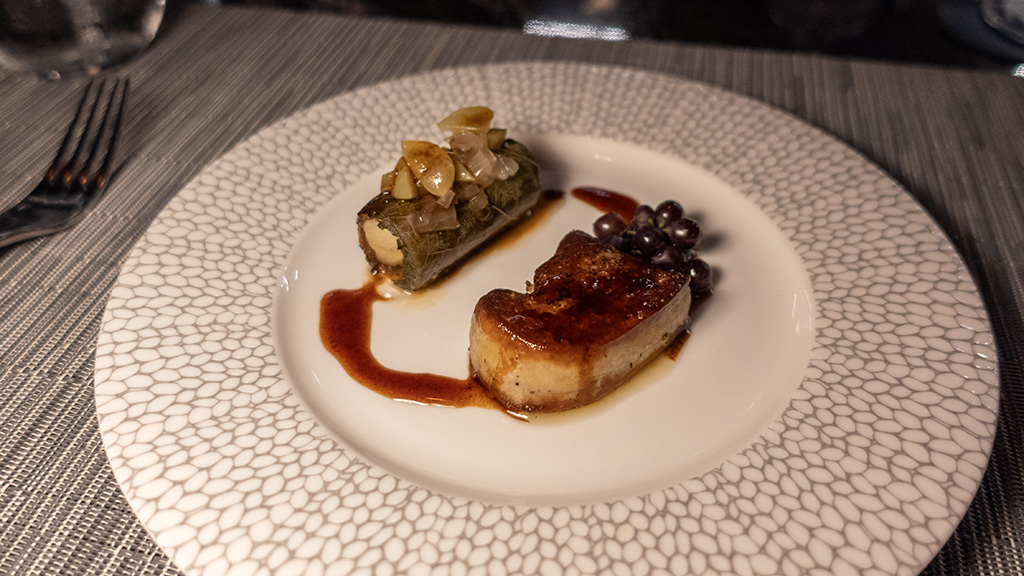
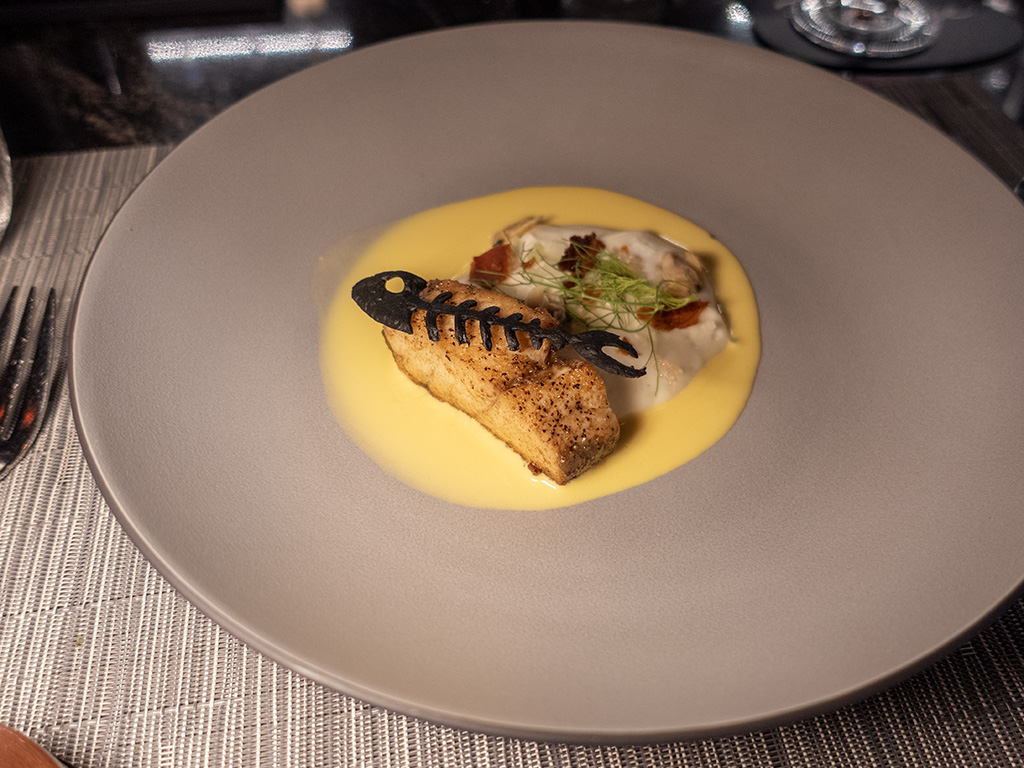
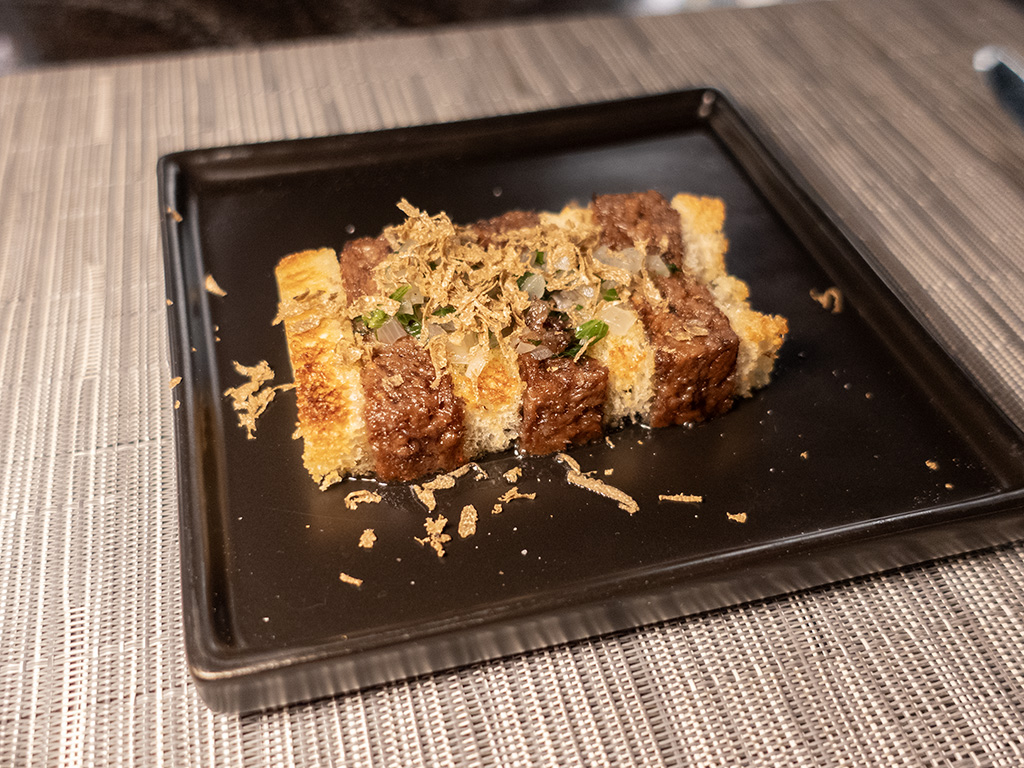
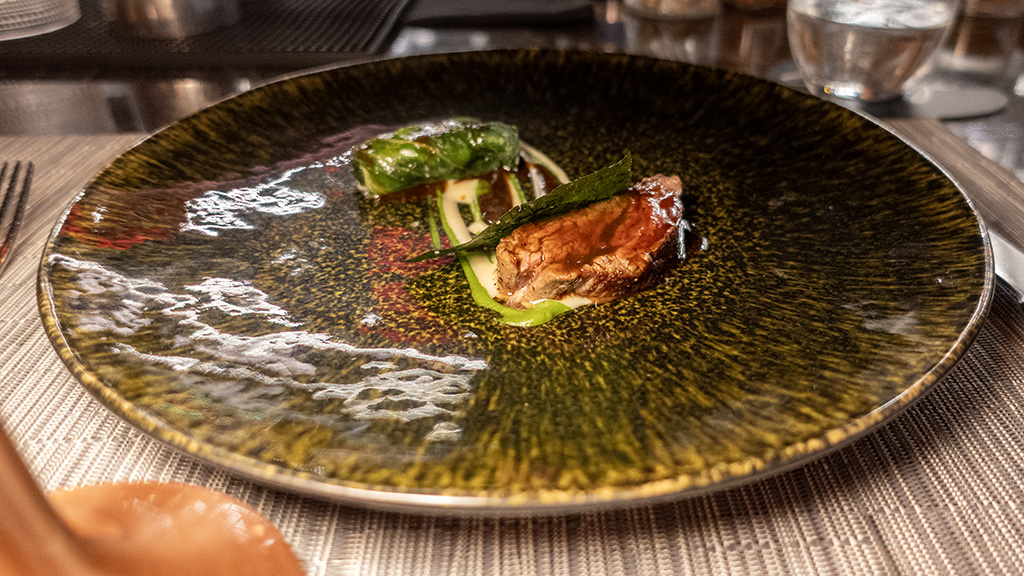
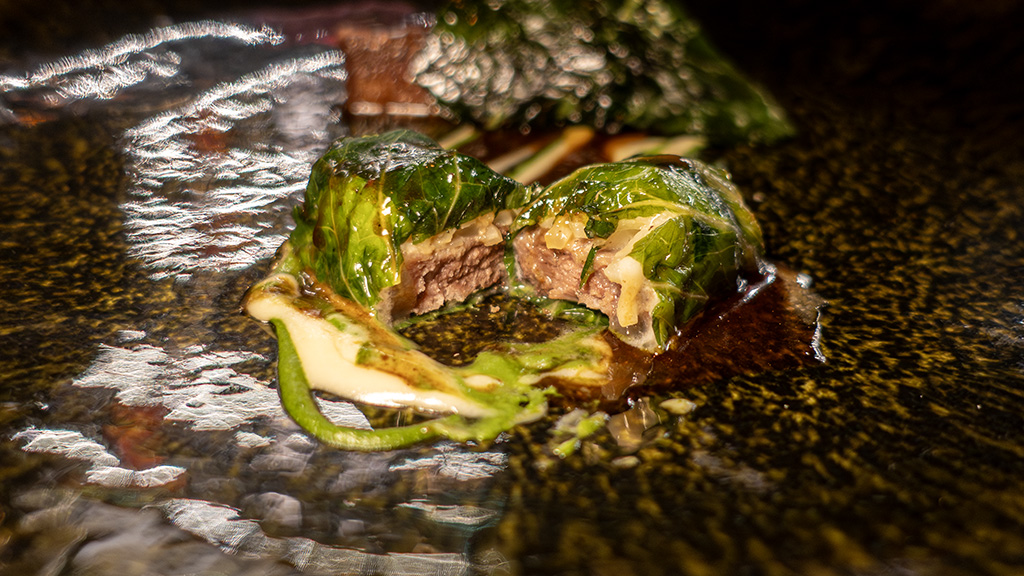
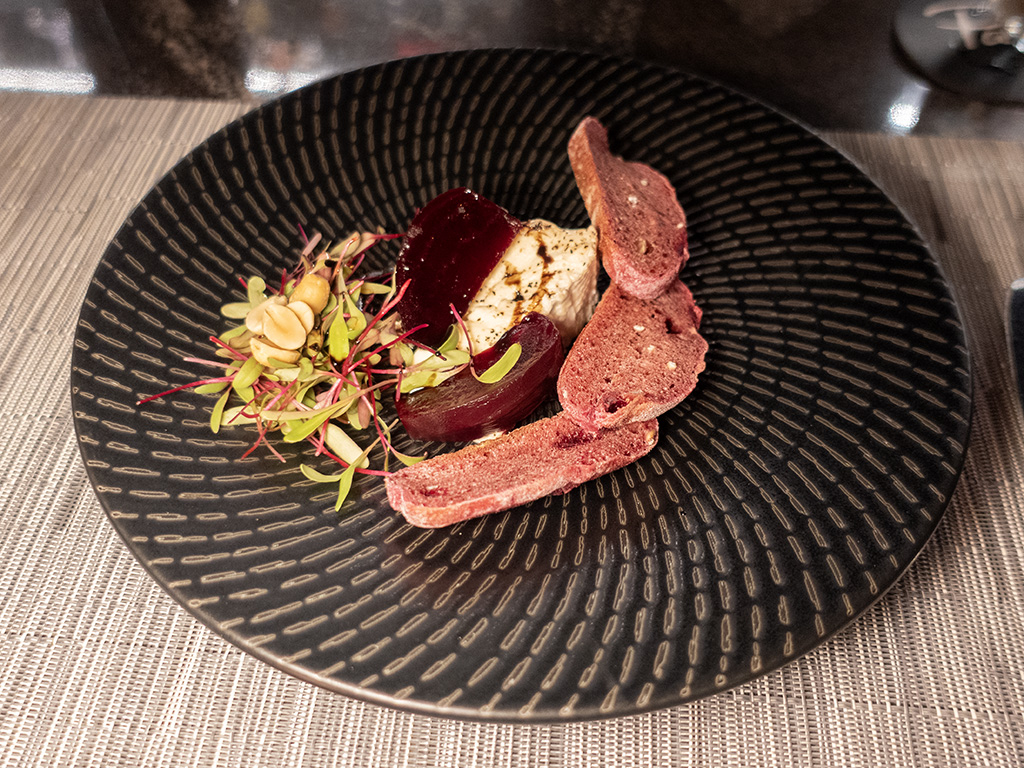
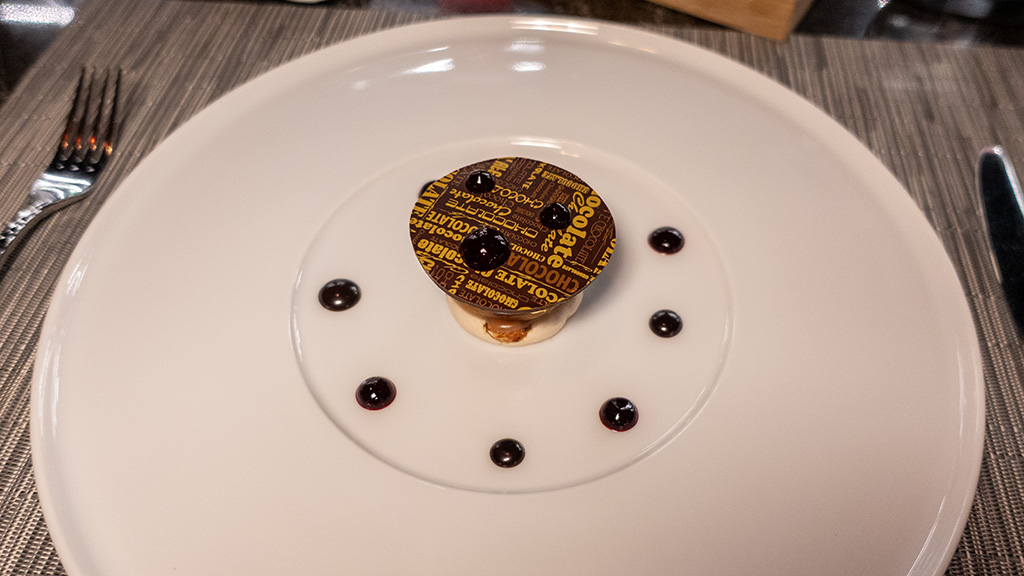
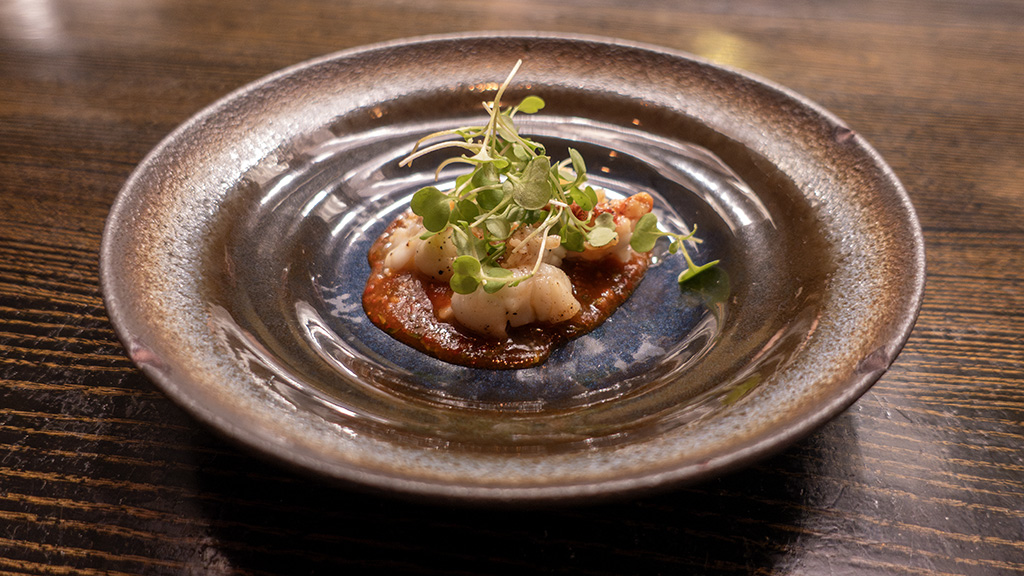
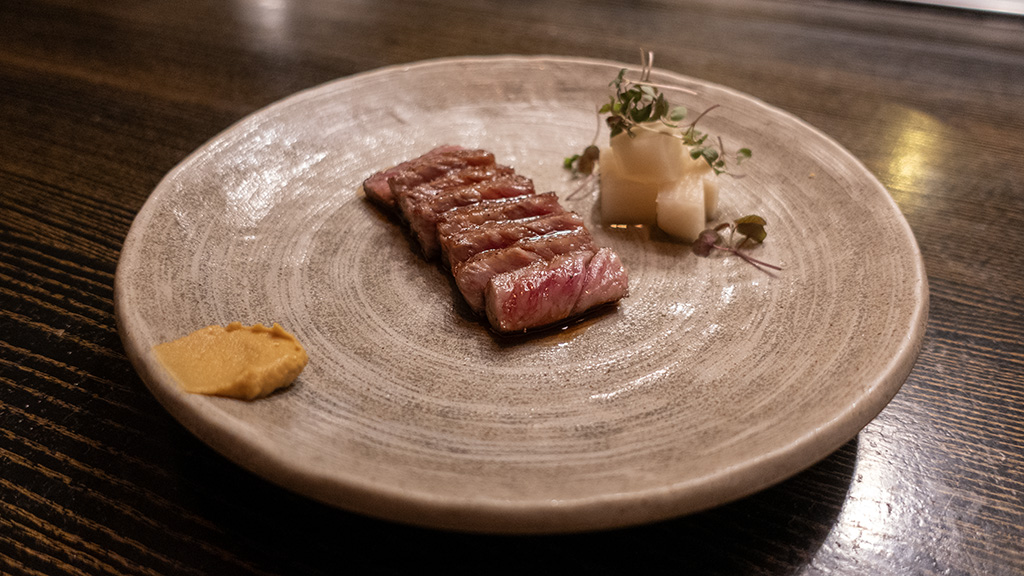
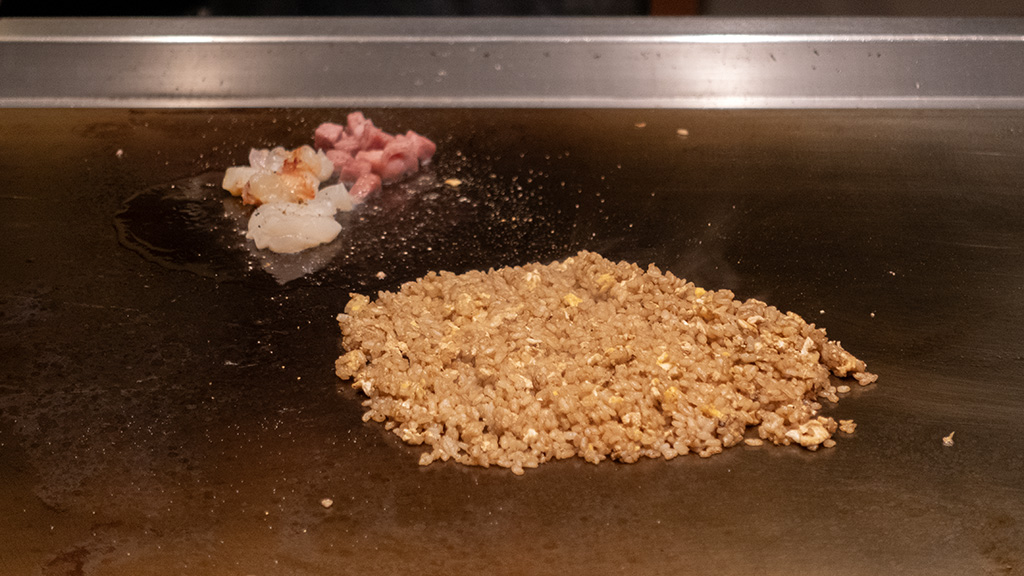
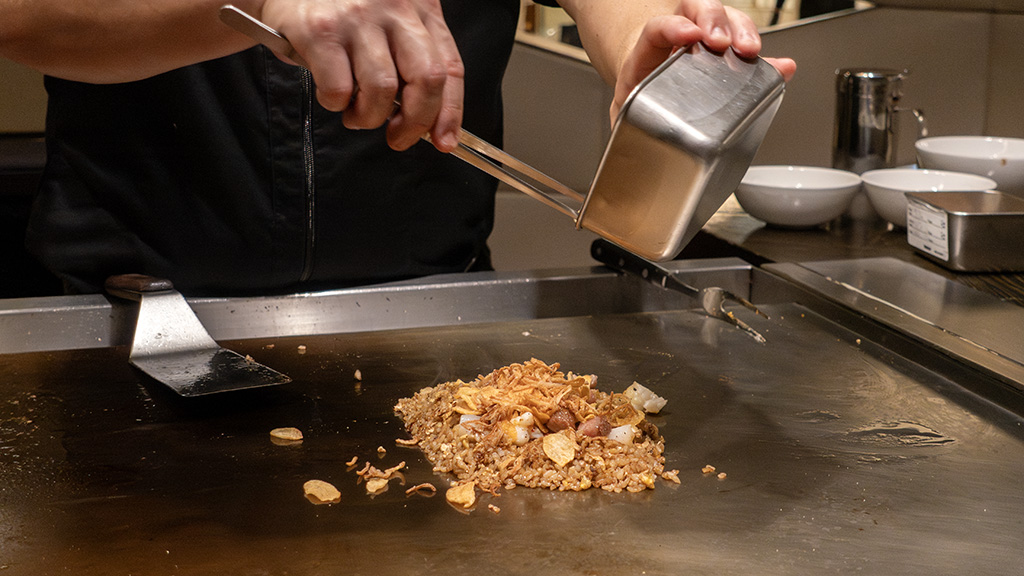
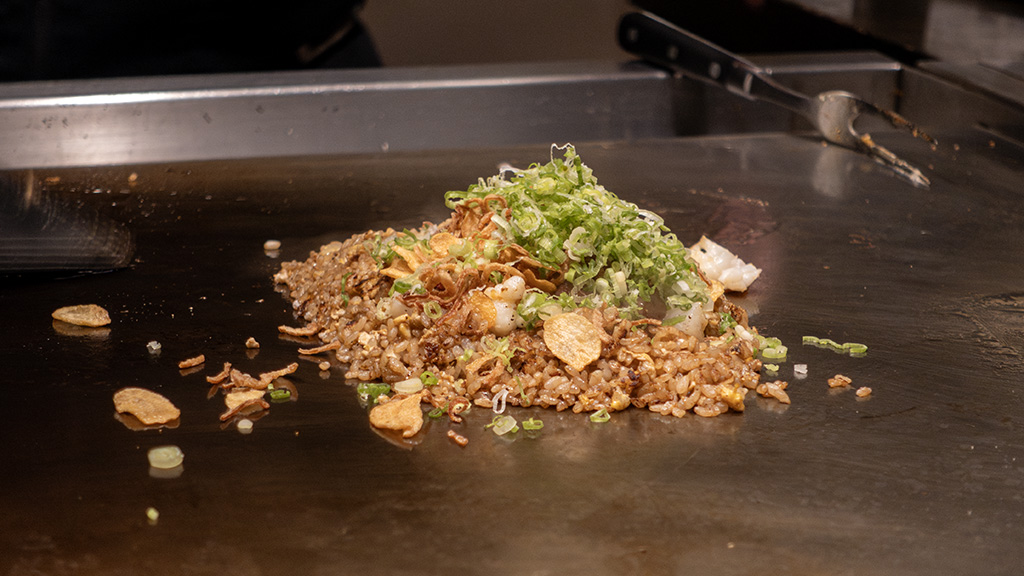
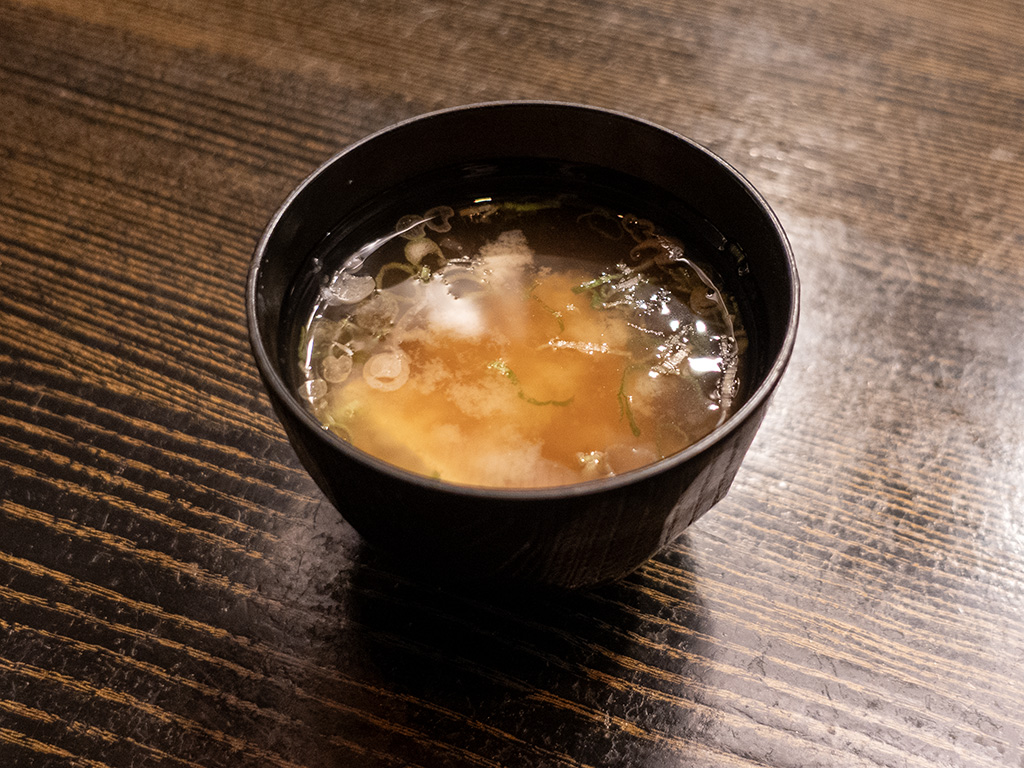
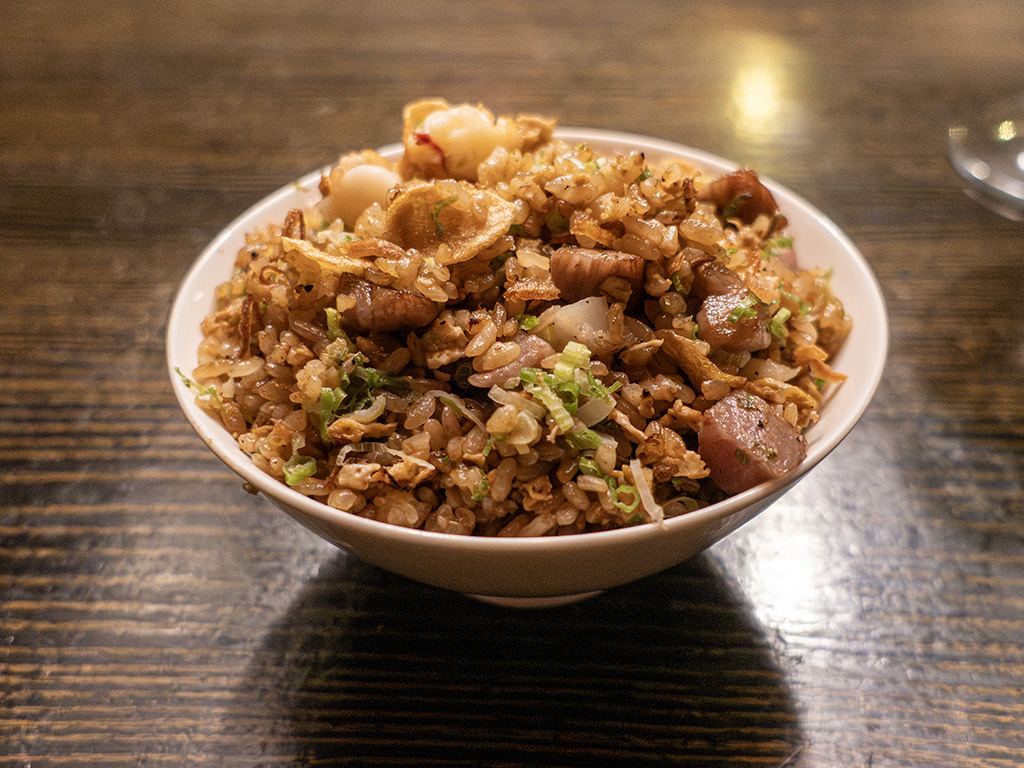
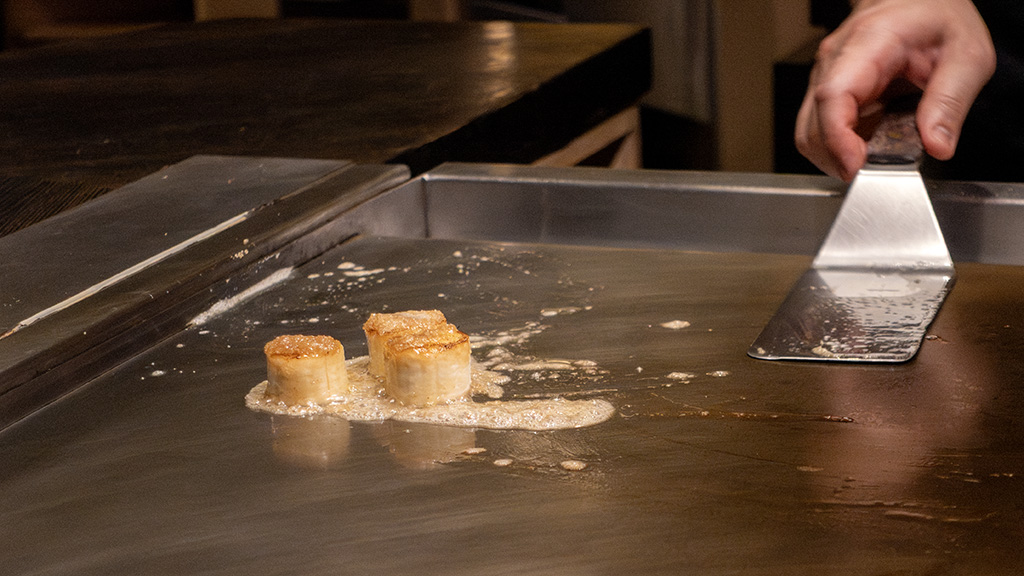
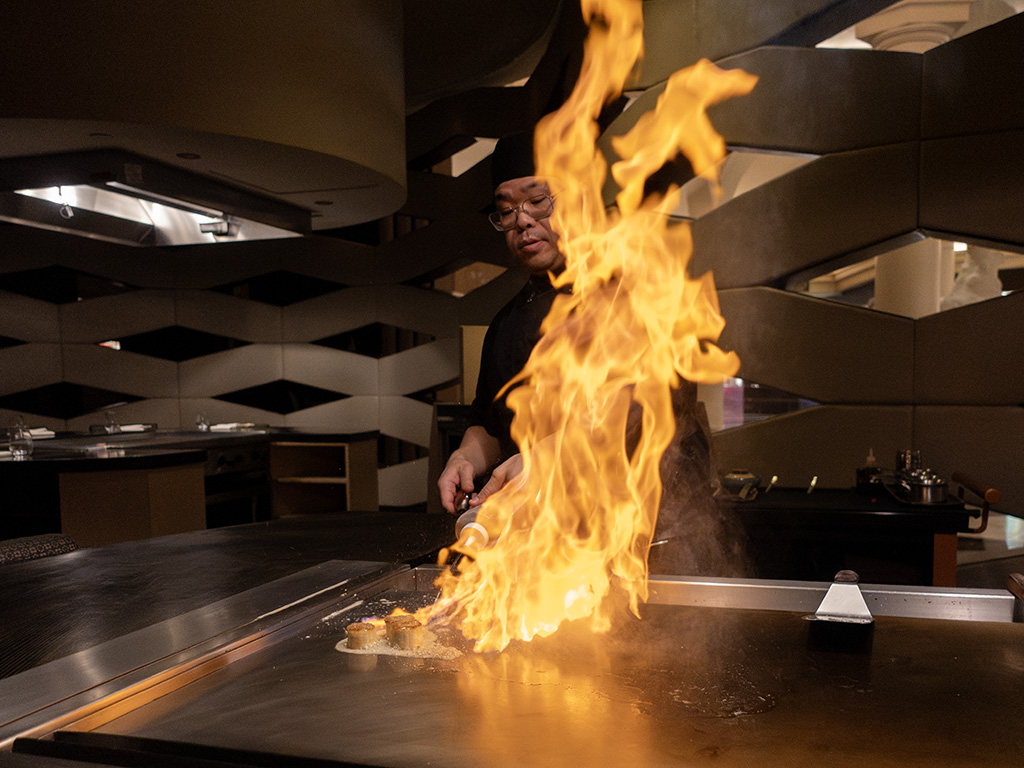
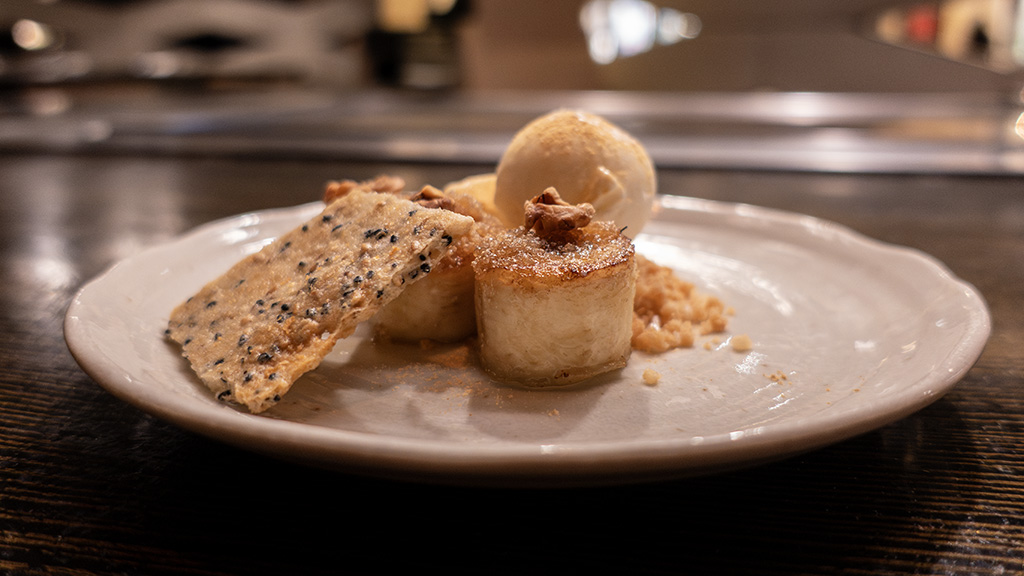
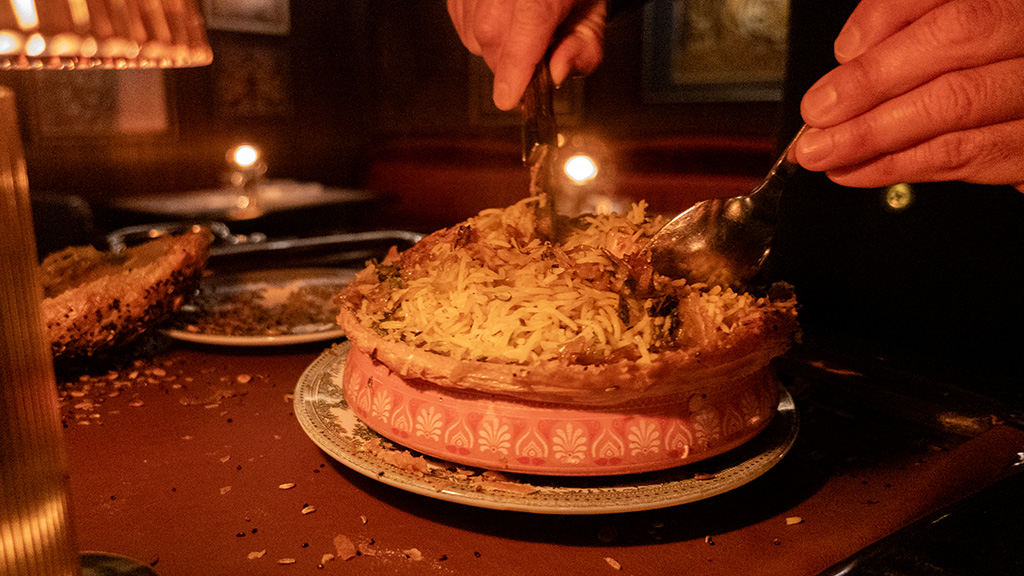
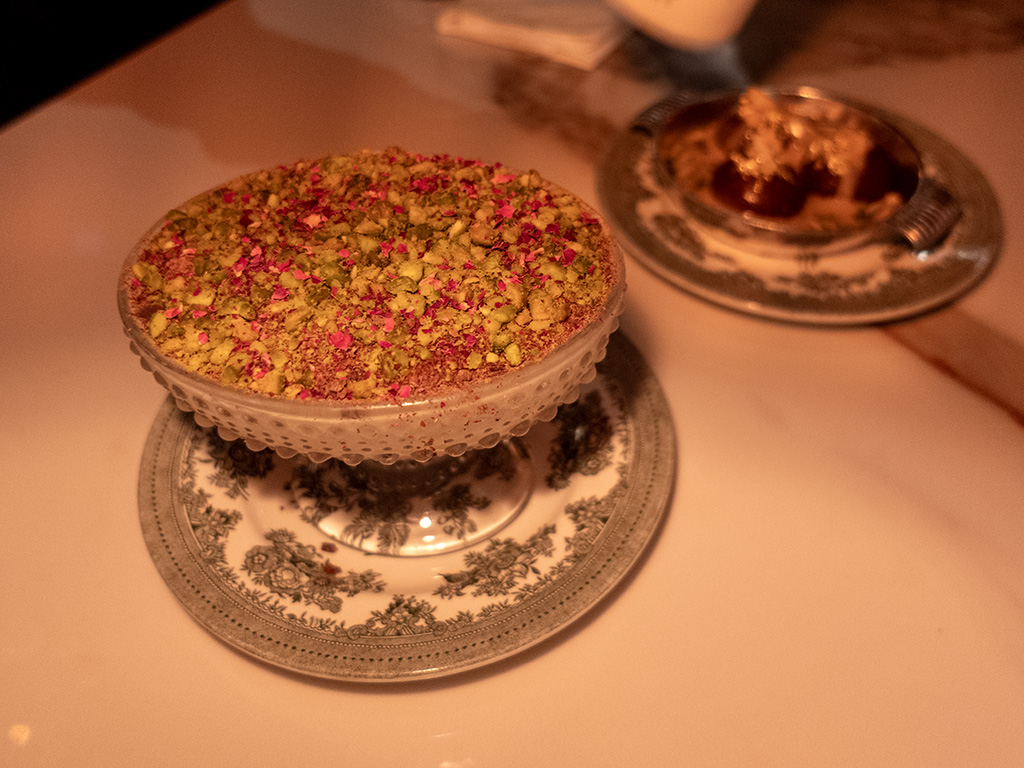
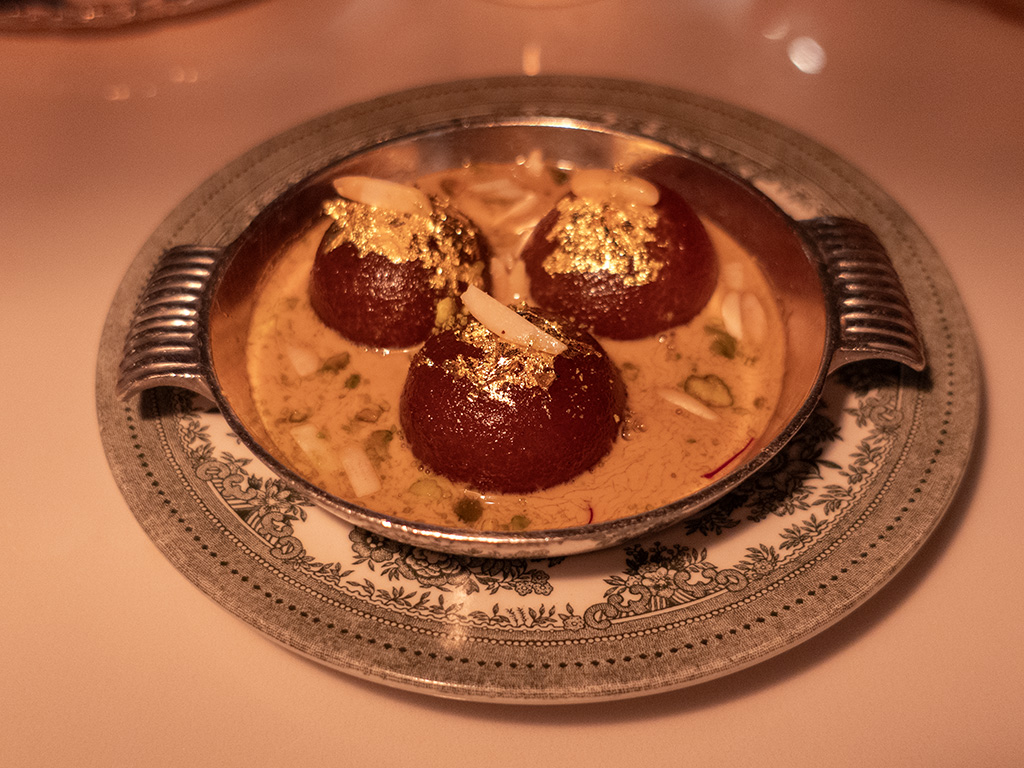
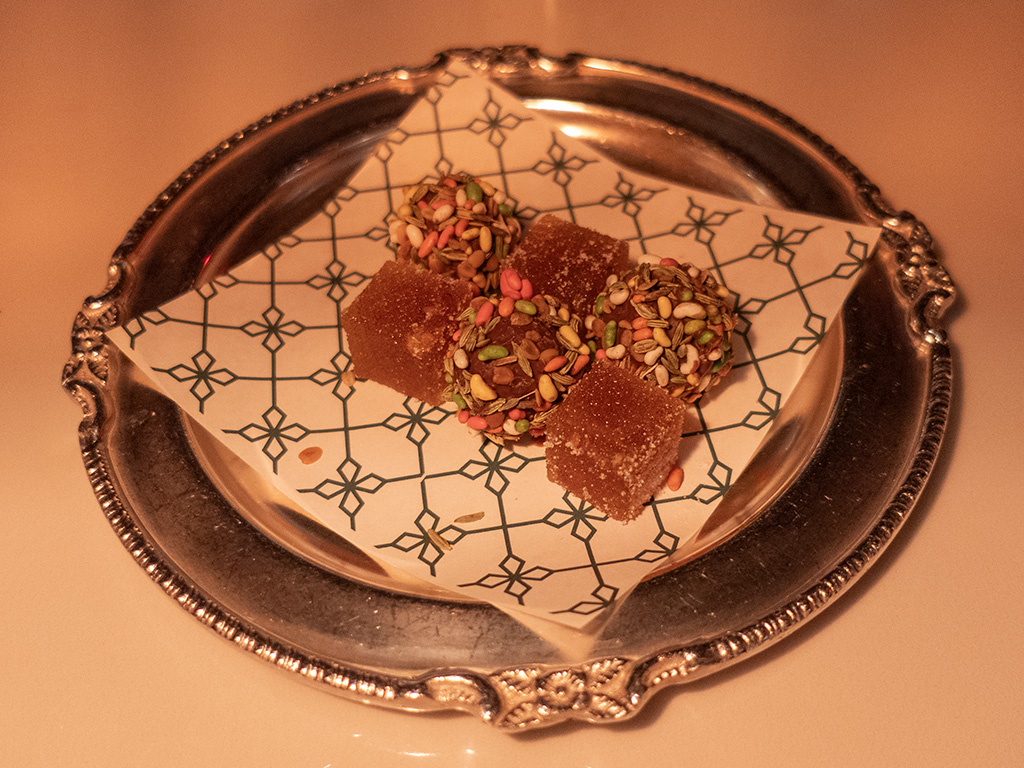
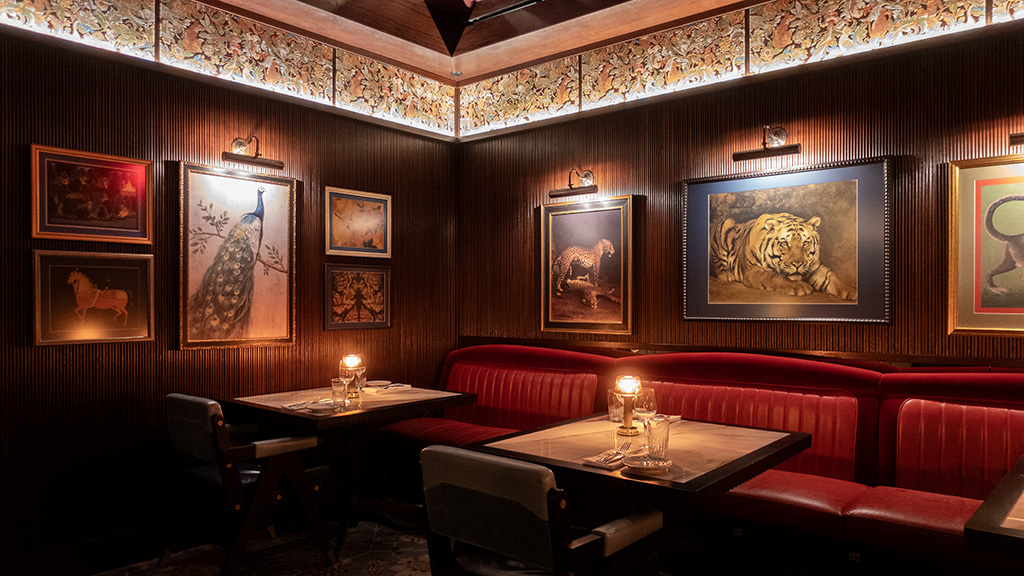
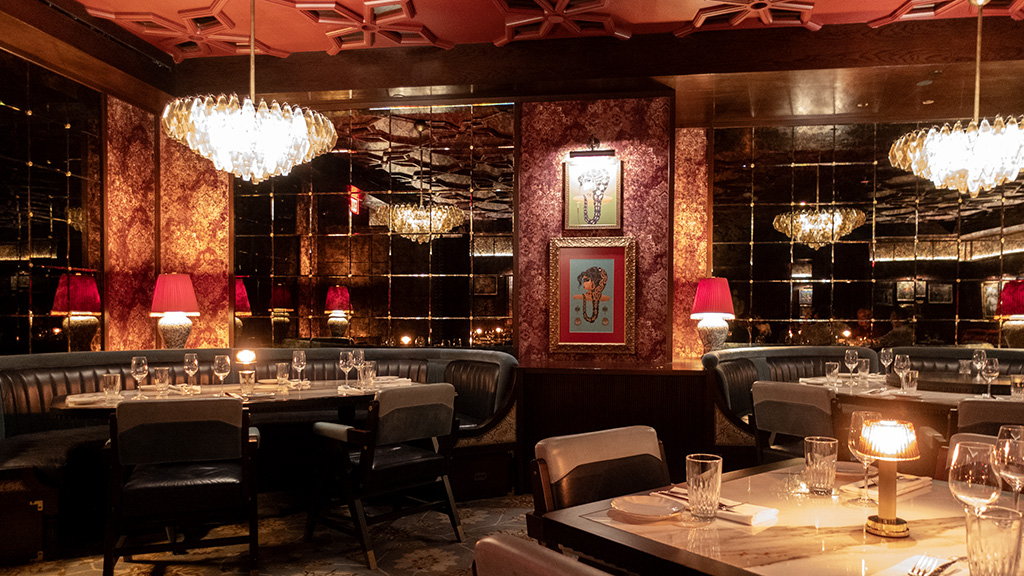
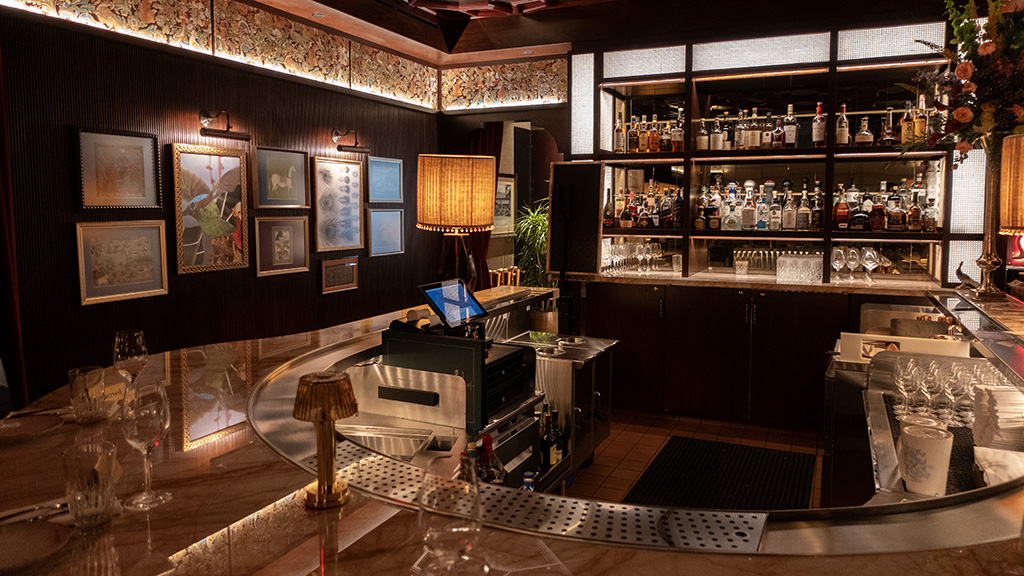
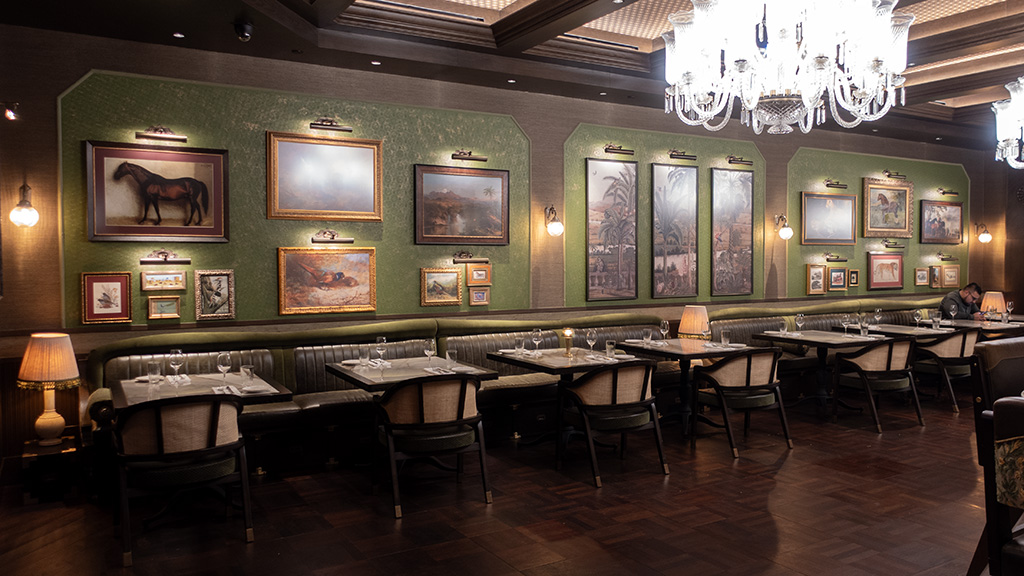
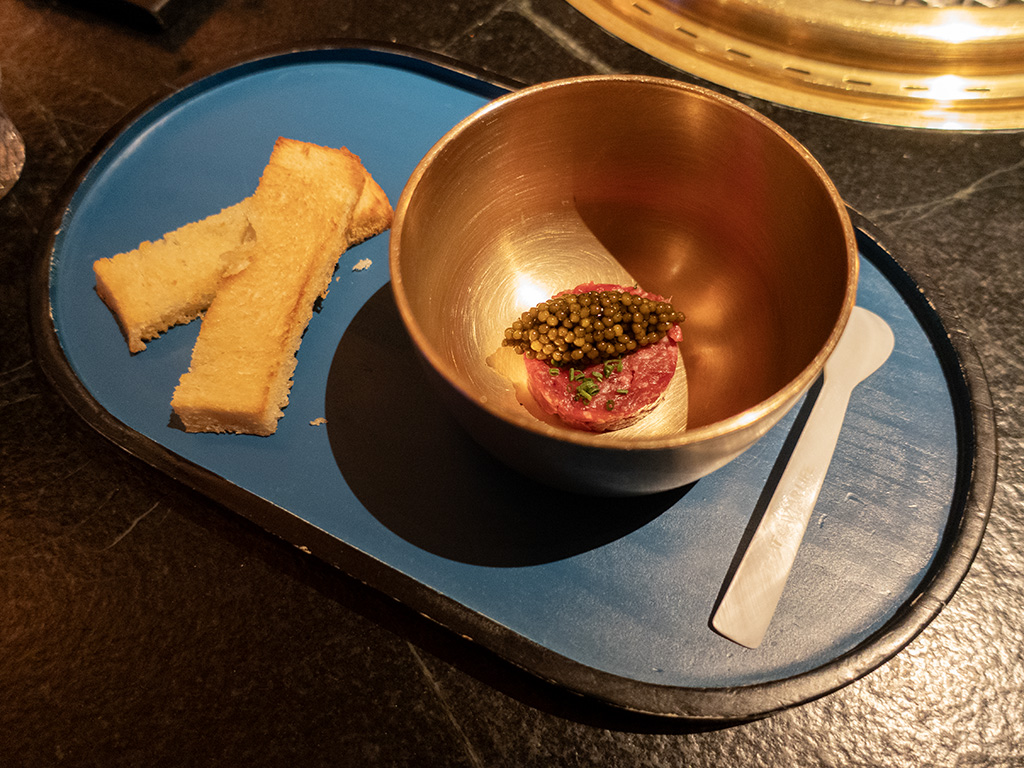
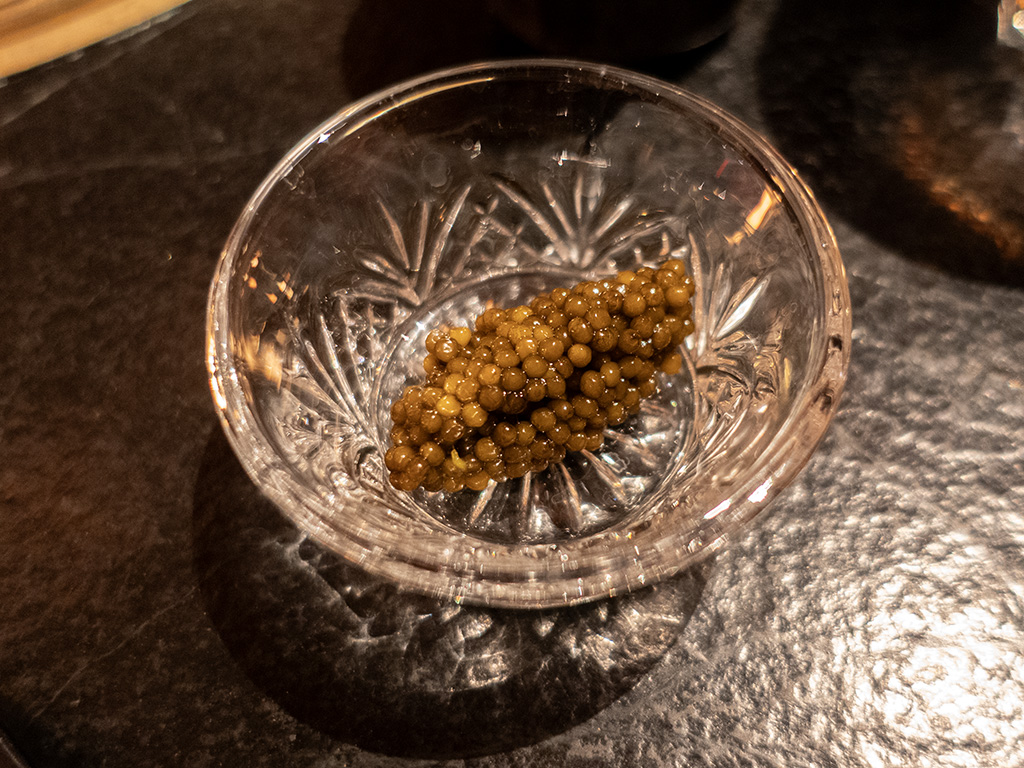
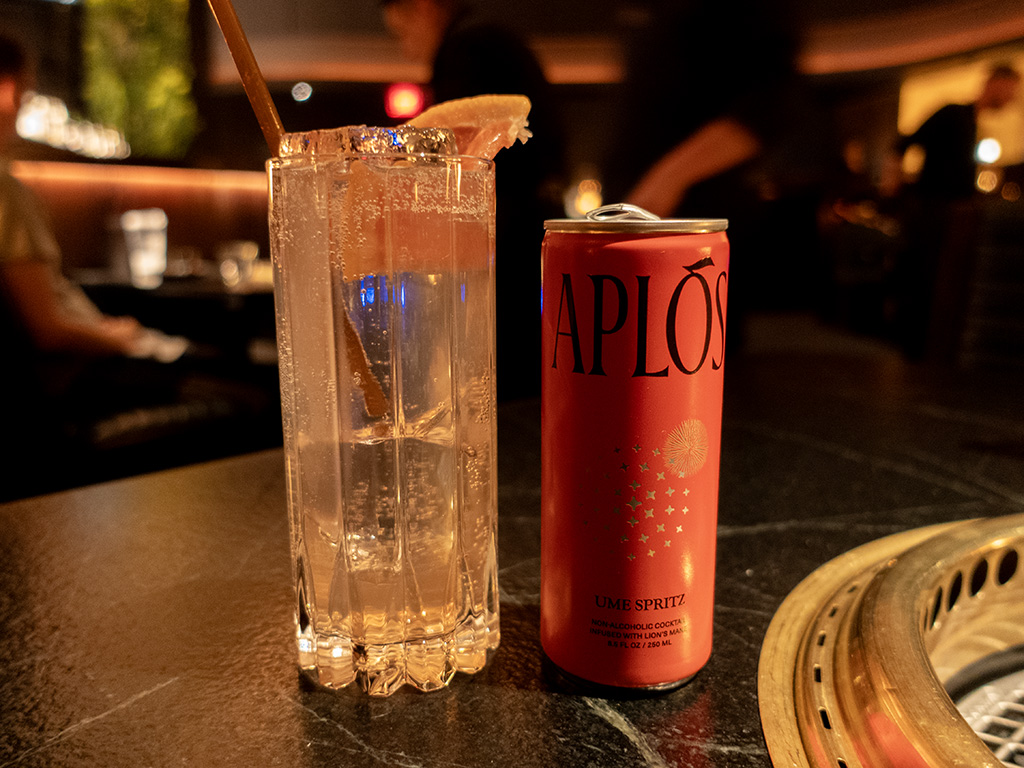
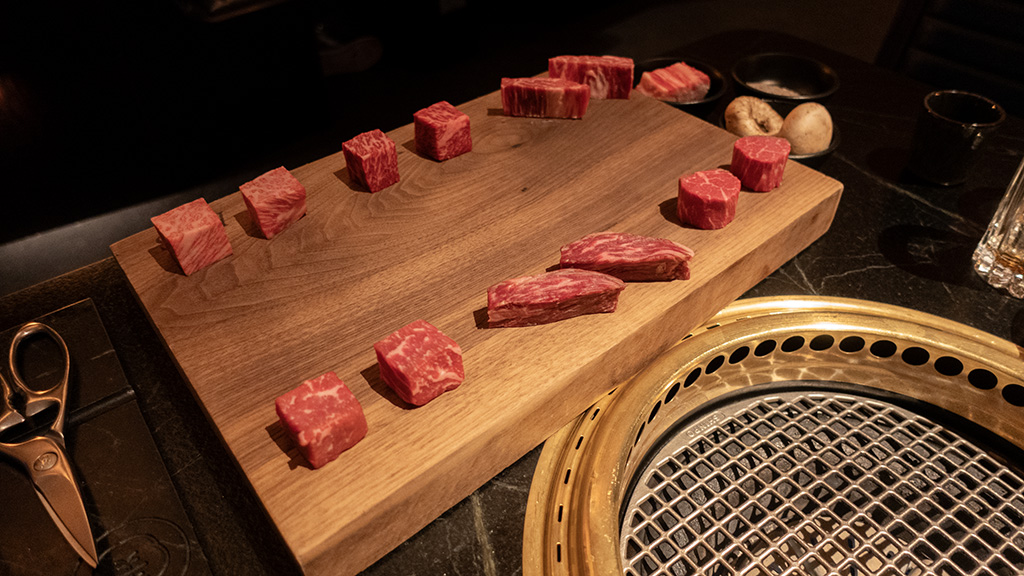
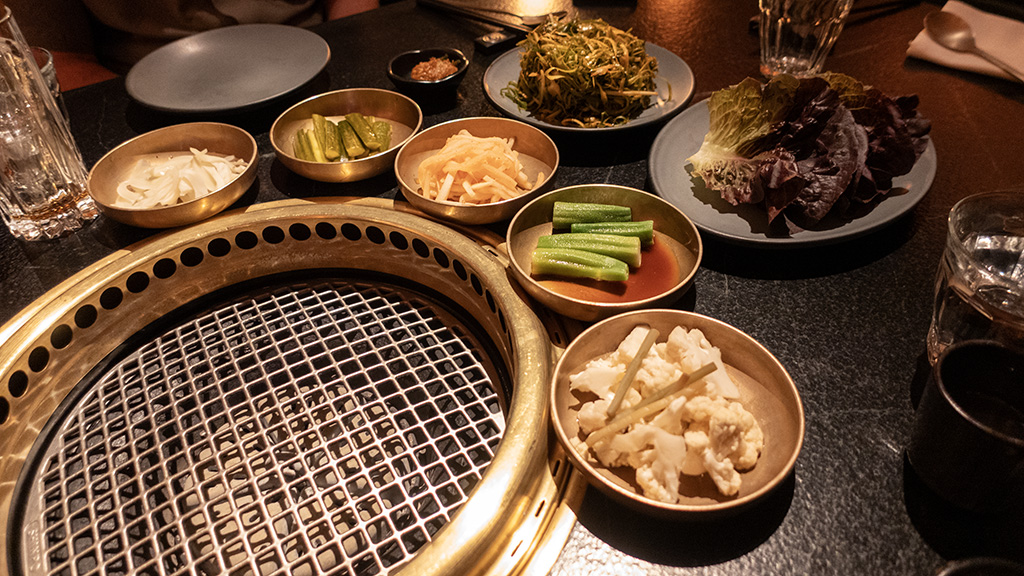
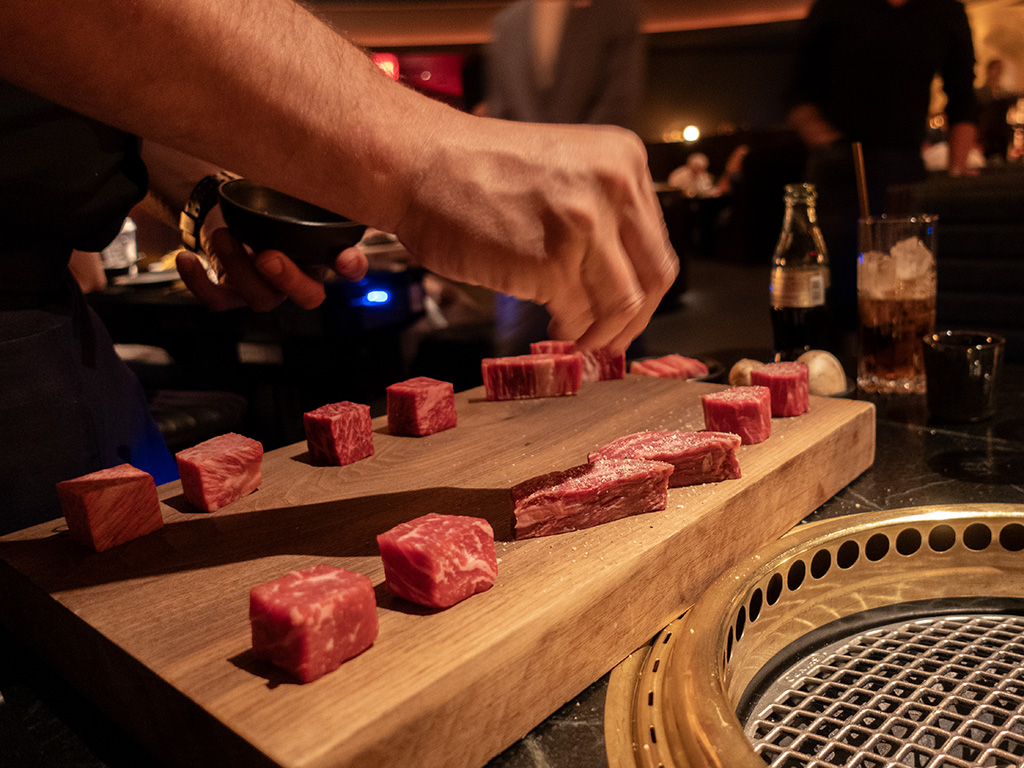
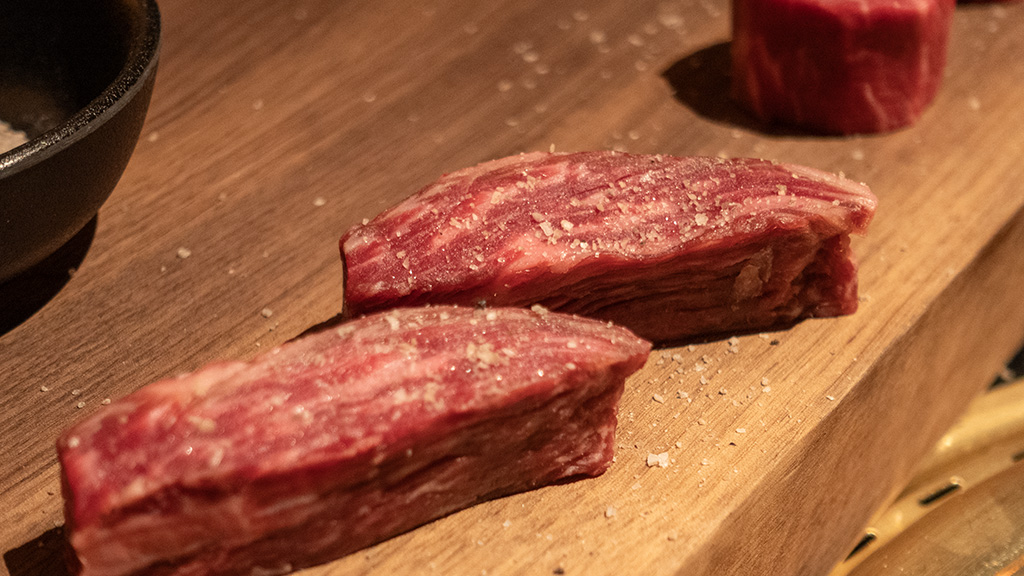
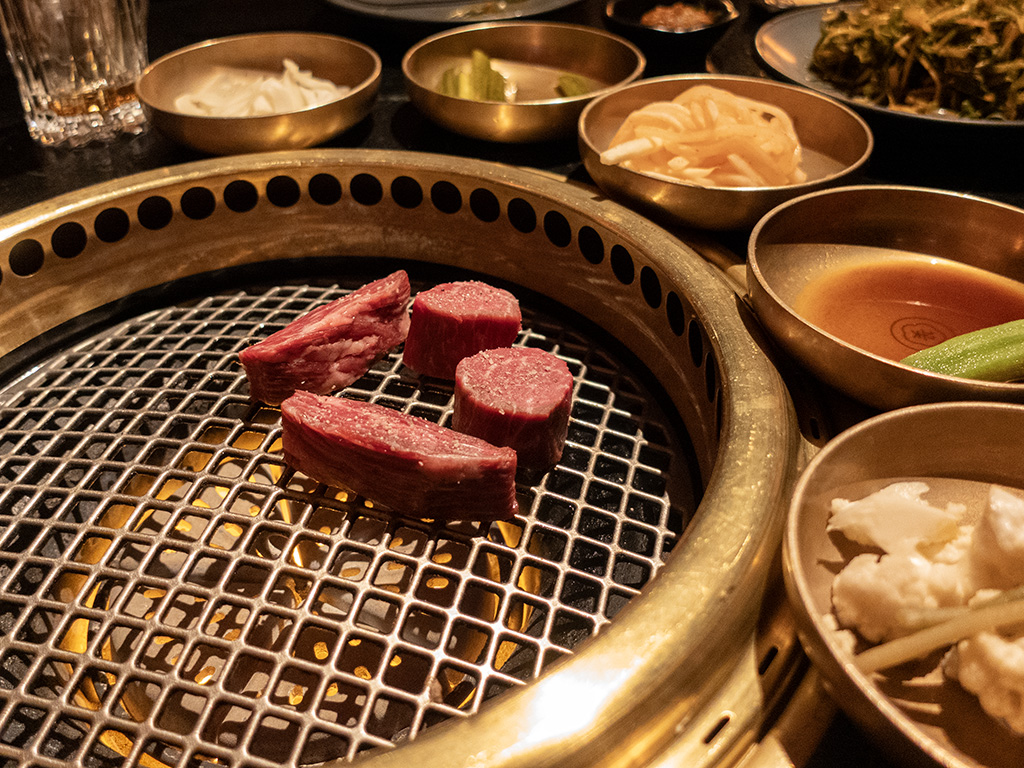
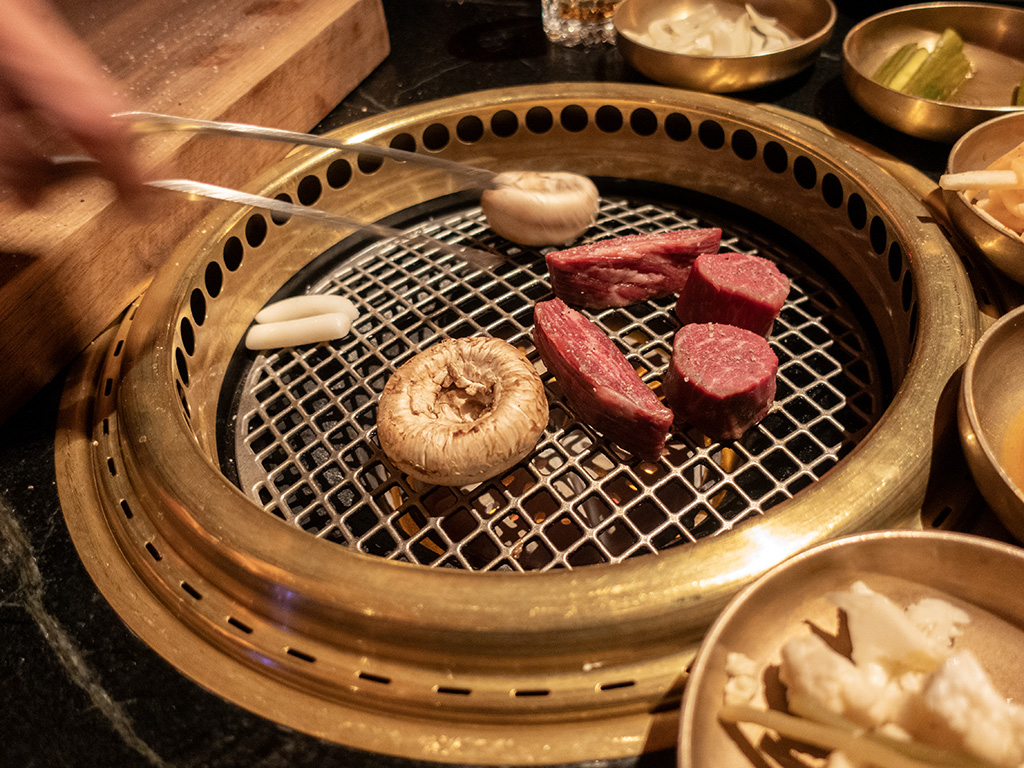
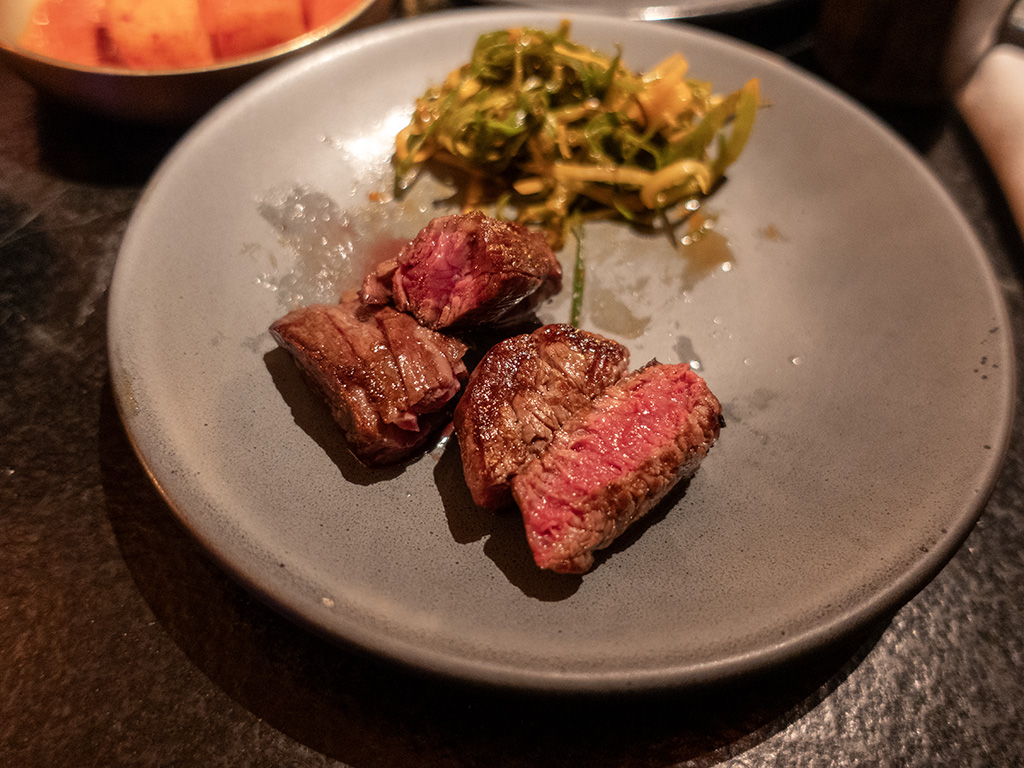
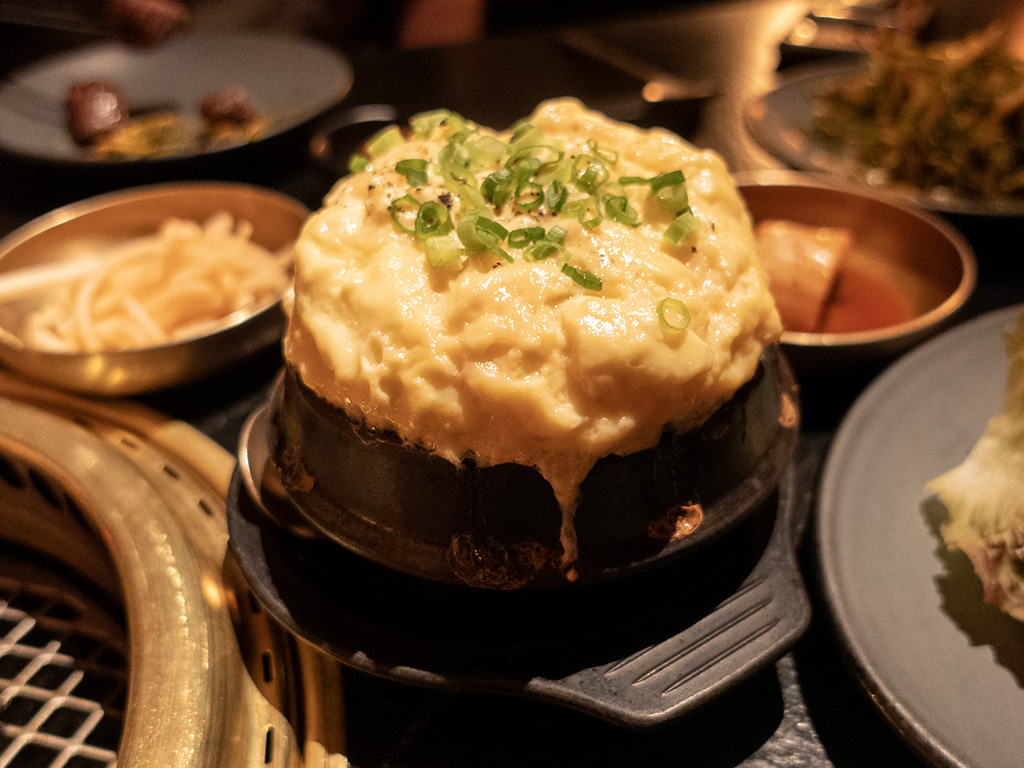
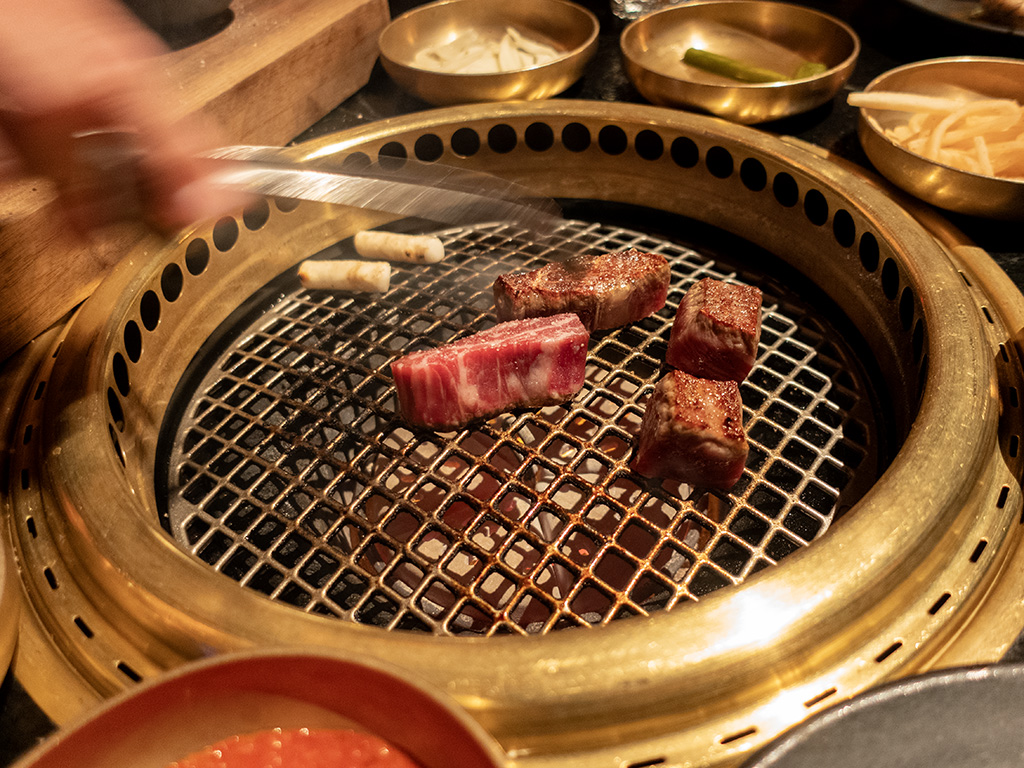
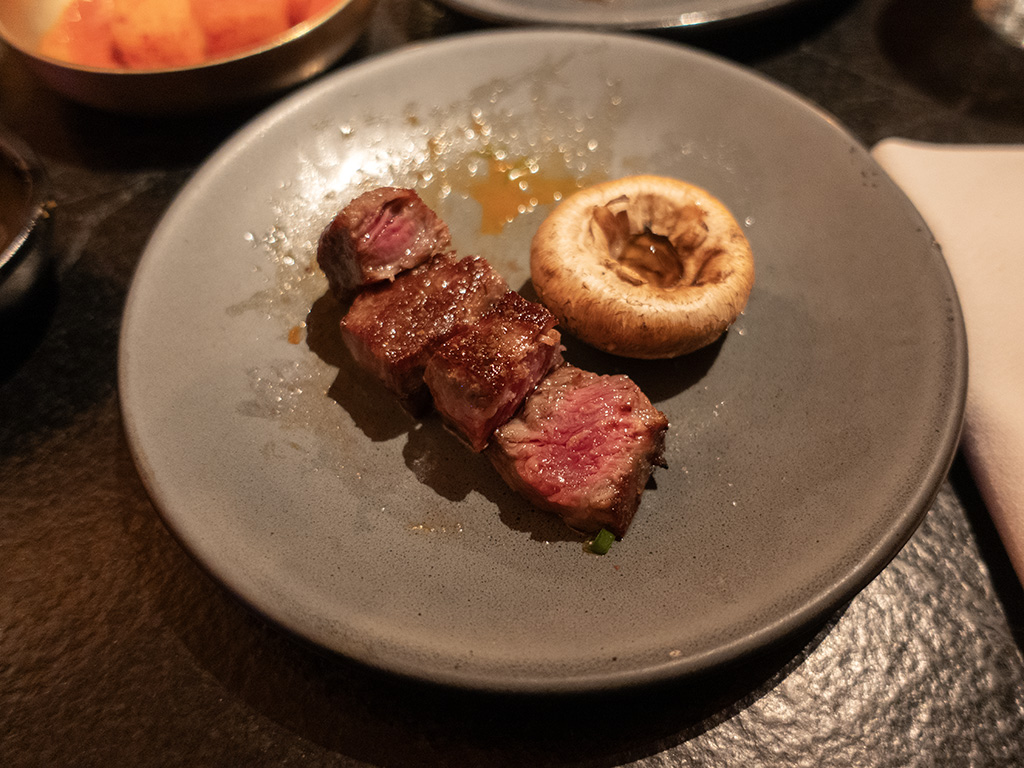
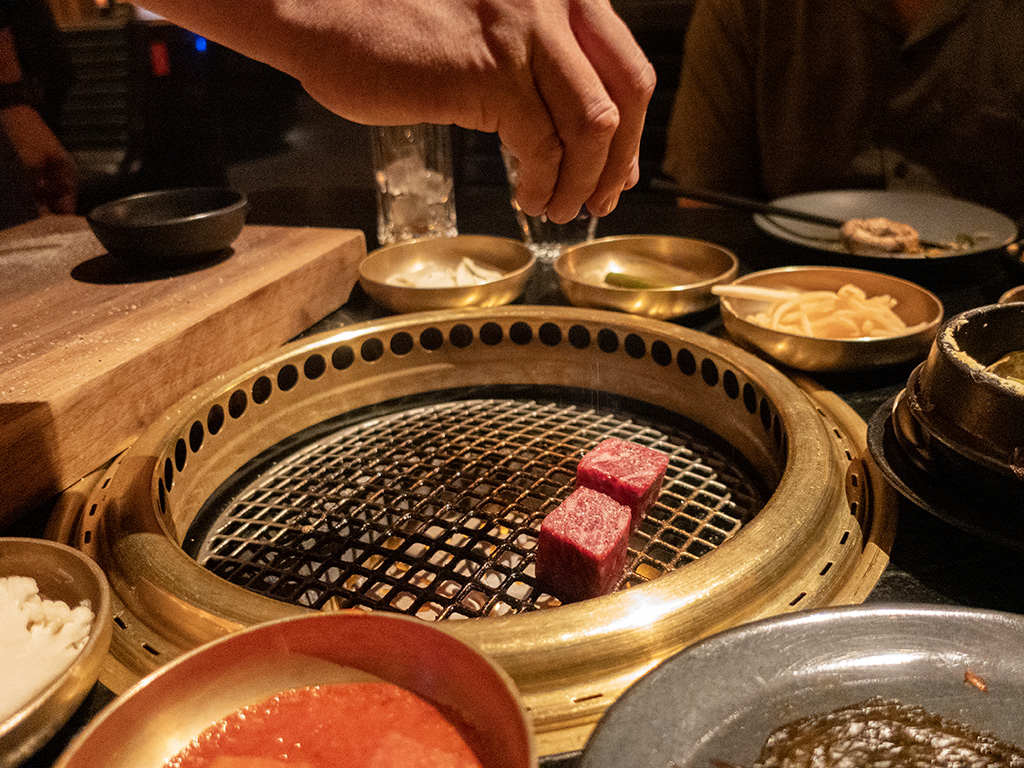
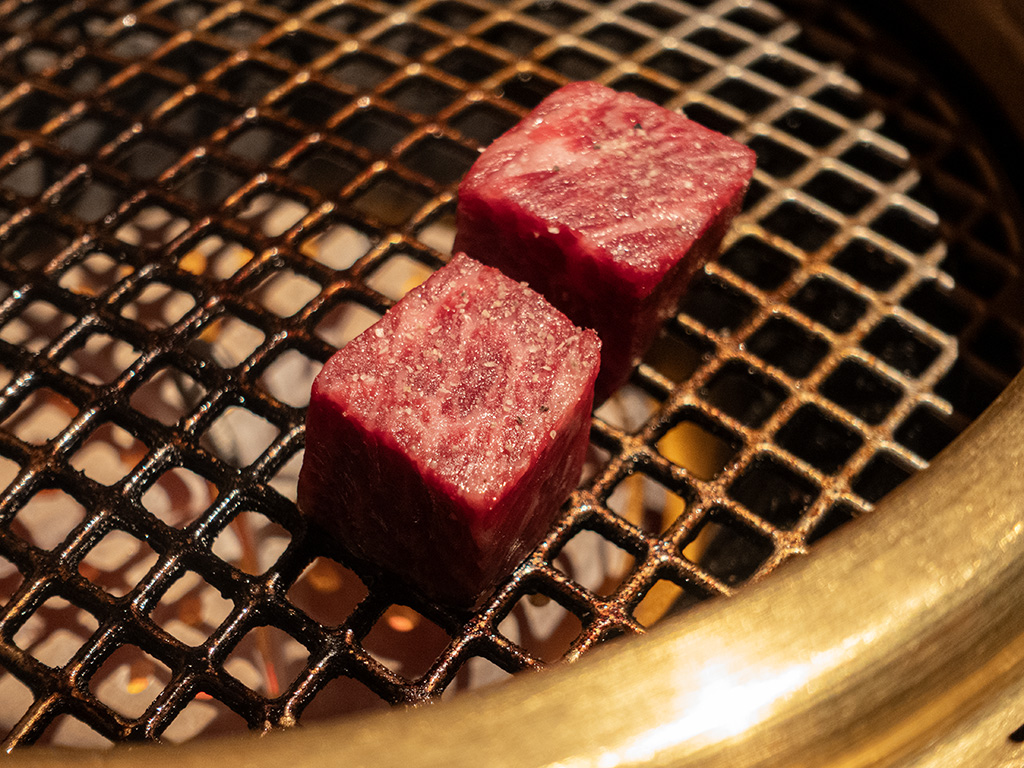
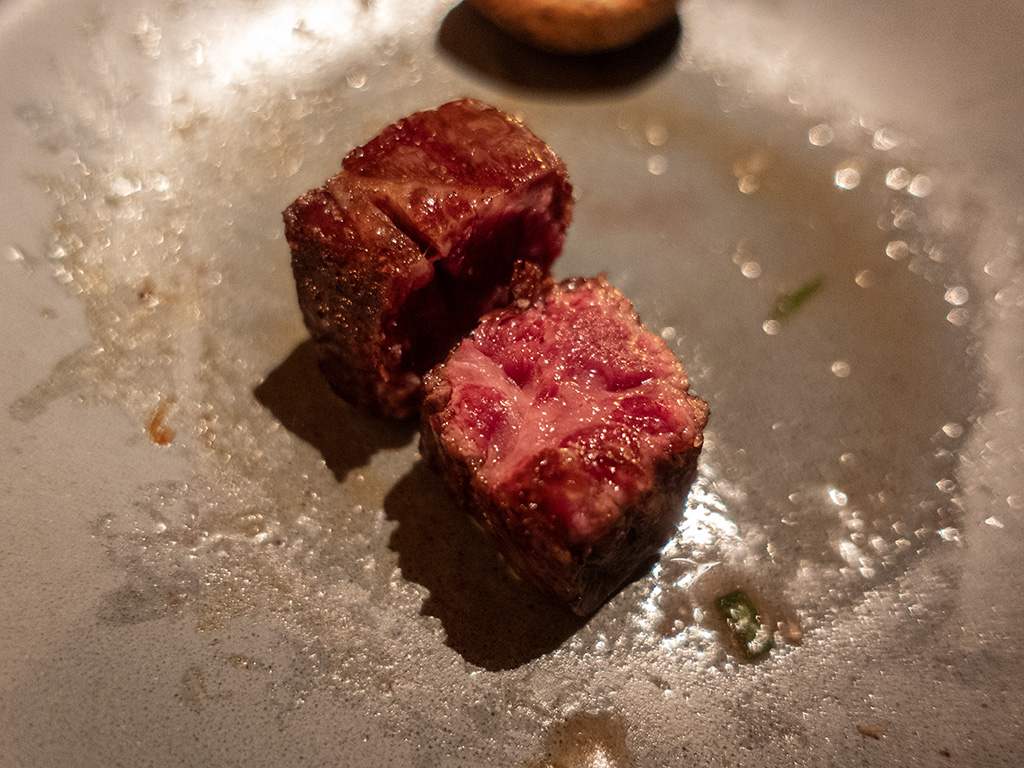
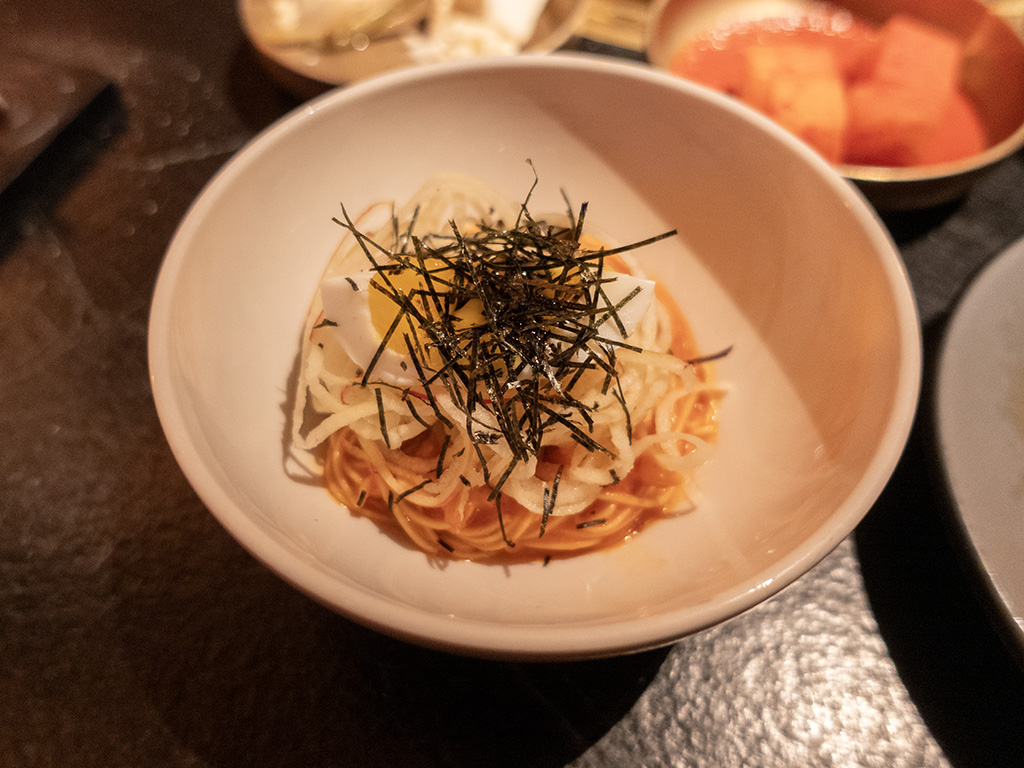
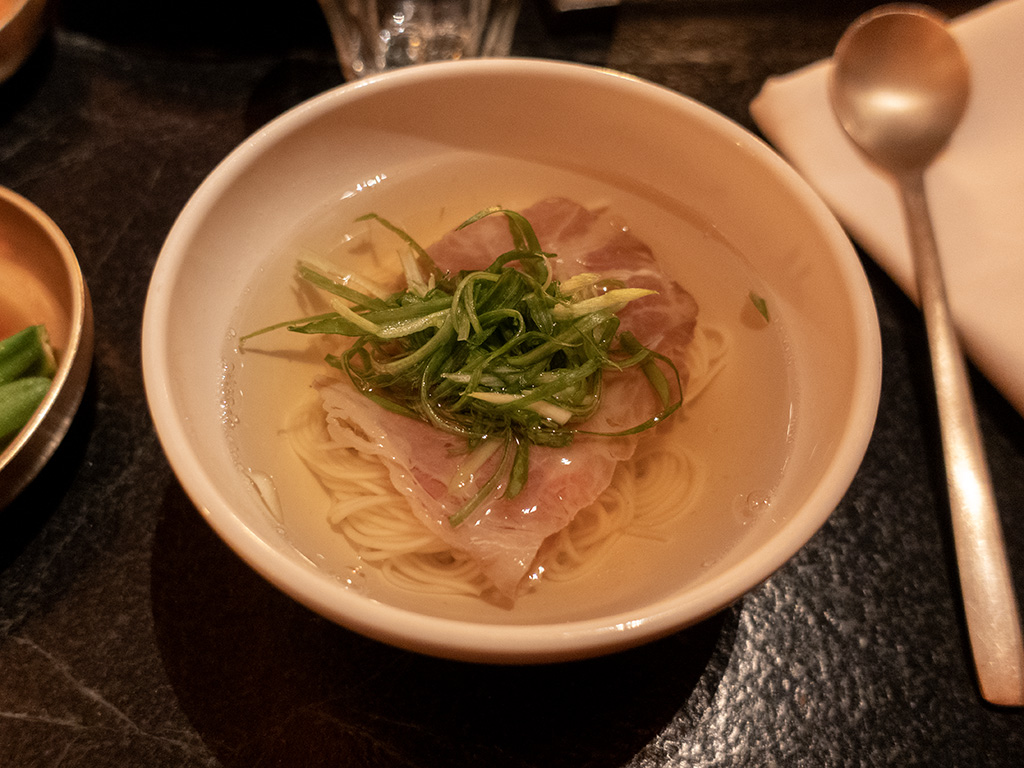
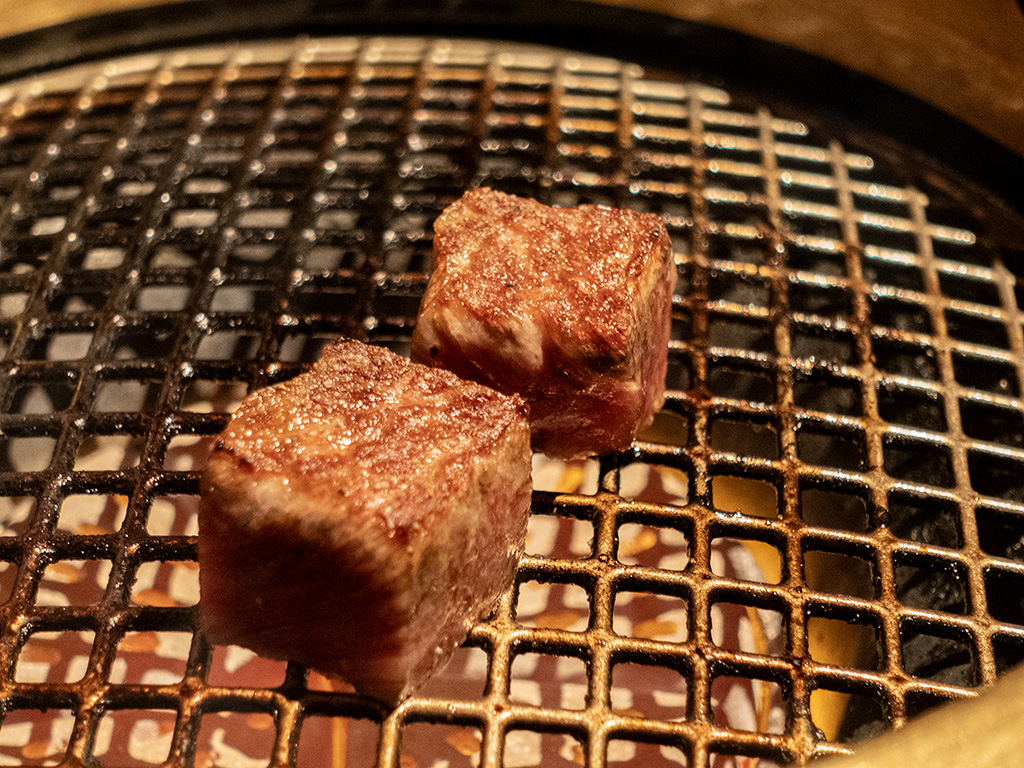
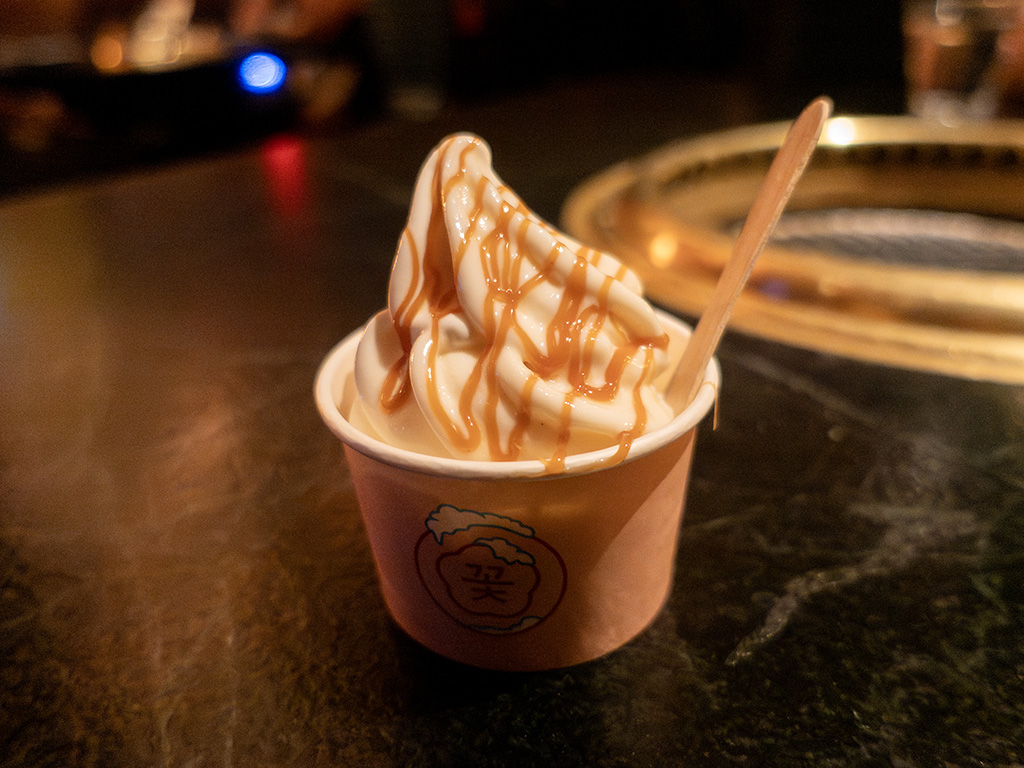
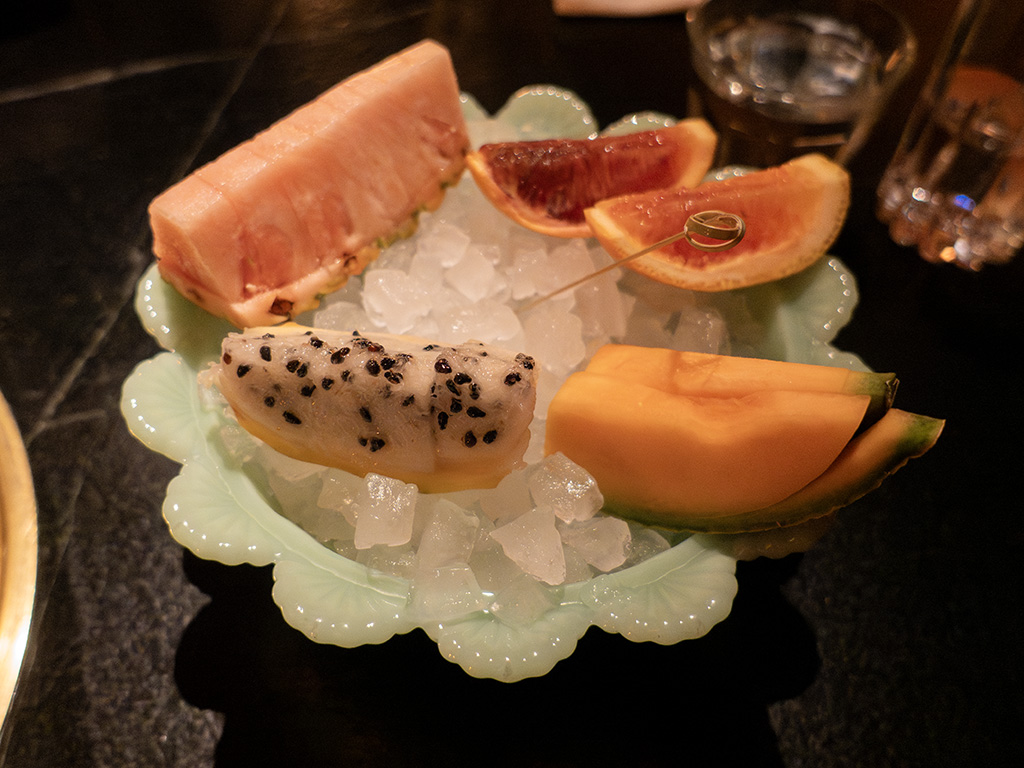
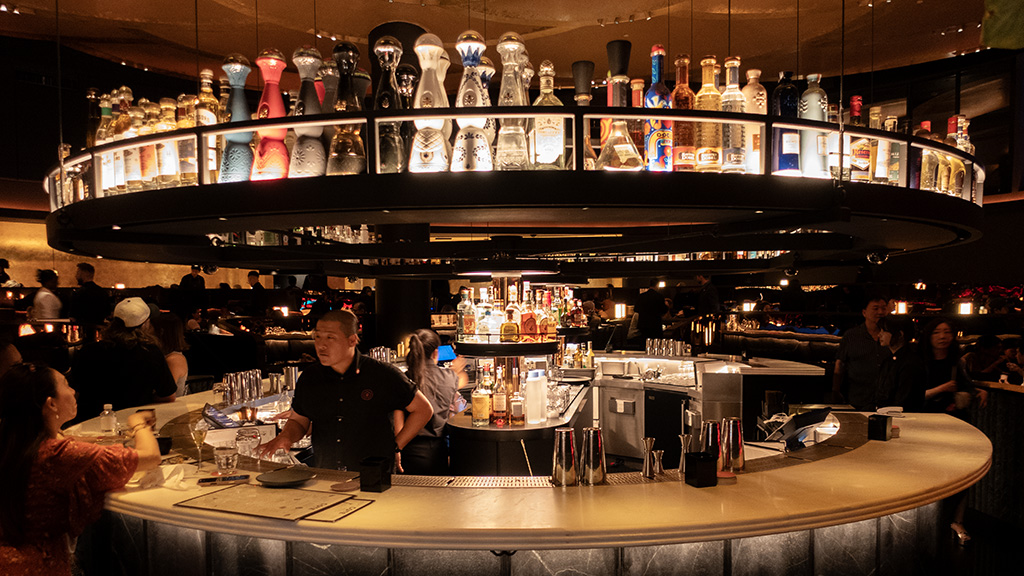
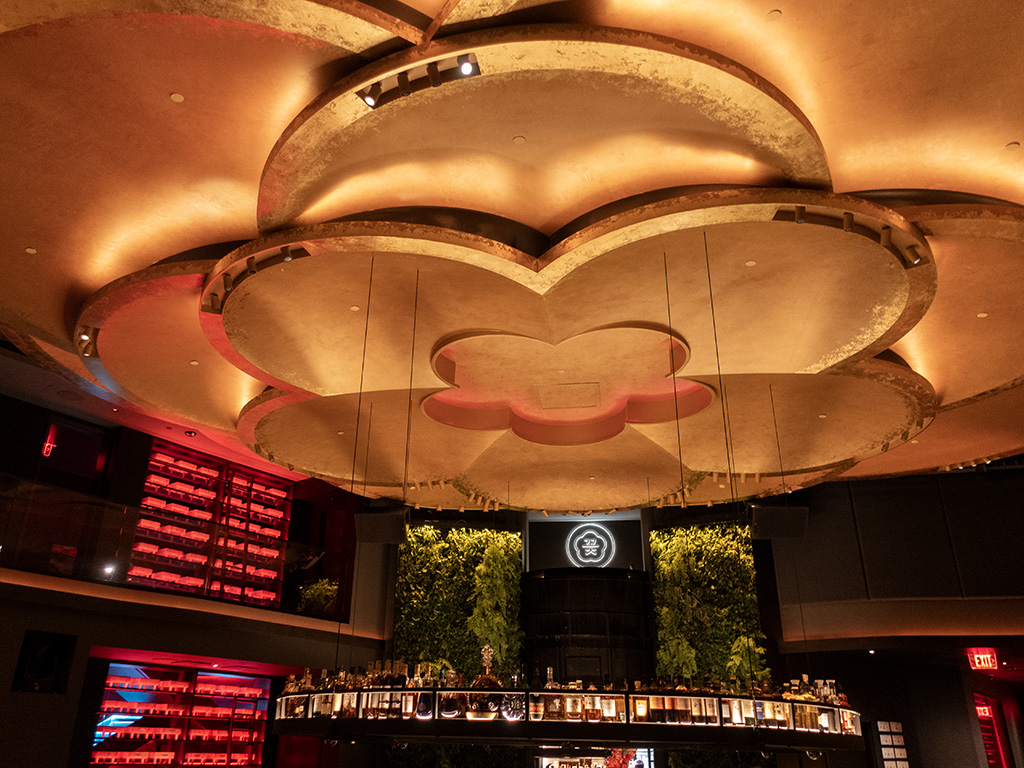
Hello, THE RANCH Restaurant in Anaheim, California

It’s that time of year again… time for me to celebrate my Twitch moderator anniversary with @PhummyLW.

Considering that I only post about this once a year, you might not have any context behind this and have no idea what I’m talking about. If that’s the case, then there are two pieces of prerequisite reading to get caught up: my restaurant reviews of the Capital Grille in Costa Mesa, California and Bello by Sandro Nardone in Newport Beach, California. If you don’t know how to read, the simple summary is that I go to a high-end restaurant together with my Twitch moderator once a year to treat him to a nice dinner on the anniversary of him becoming my mod.

This year, Phummy asked me to take him to THE RANCH Restaurant in Anaheim, California. For those who read my most recent blog post, that’s the reason I was staying at the JW Marriott, Anaheim Resort—so I could be in relatively close proximity to the restaurant (and because I enjoy going for walks around the Anaheim Convention Center, Disneyland Resort, and Anaheim GardenWalk areas).

As a side note, for those who are paying extra close attention, this blog post is a bit late for a few reasons. First, we had our dinner last Friday, but I didn’t have a chance to get around to blogging about it until today because I recently had some extremely packed weeks of work, so I’ve been spending the last several days balancing it out by playing video games (which is rare for me now), watching movies (which is even rarer), and just relaxing in general after doing only core work of critical or time-sensitive importance. Second, our actual anniversary is in the middle of Phummy’s final exam week at his university, so we decided to wait for him to wrap up so he can focus fully on excelling in his academics.

 
Upon our arrival at the restaurant, the hostess confirmed our reservation and brought us to our table. While walking us there, she asked if we were celebrating a special occasion. Phummy, of course, confidently informed her that we are celebrating our anniversary, and ended it at that. I, of course, have to clarify that we are celebrating a work anniversary and that we are not a gay couple. The hostess found that very amusing.

After being seated, a couple of other staff members asked us whether we were celebrating anything special, upon which we repeated the process of Phummy proudly declaring that we are celebrating our anniversary, and me needing to stipulate that it is a work anniversary. Everyone who spoke with us seemed to find the dynamic very amusing.

Not long afterwards, Phummy let me know that, when he booked the reservation on the restaurant’s website, he put a note in the “special request” section to make the experience as romantic as possible for us. If you haven’t noticed by now, Phummy finds great enjoyment in intentionally making the “anniversary” term confusing or misleading for people in hopes that they think we are a gay couple.

After speaking with us, it seemed like all the staff members were very on board with joining Phummy in trolling me and really emphasizing just the “anniversary” part of “work anniversary.” What I think happened was that the hostess and staff saw Phummy’s special request, but when we walked in, we didn’t look anything like a romantic couple, so they held back under the belief that there had been some kind of error or misunderstanding. However, after confirming directly with us about our “relationship,” it seemed like every staff member enthusiastically committed to Phummy’s joke.

 
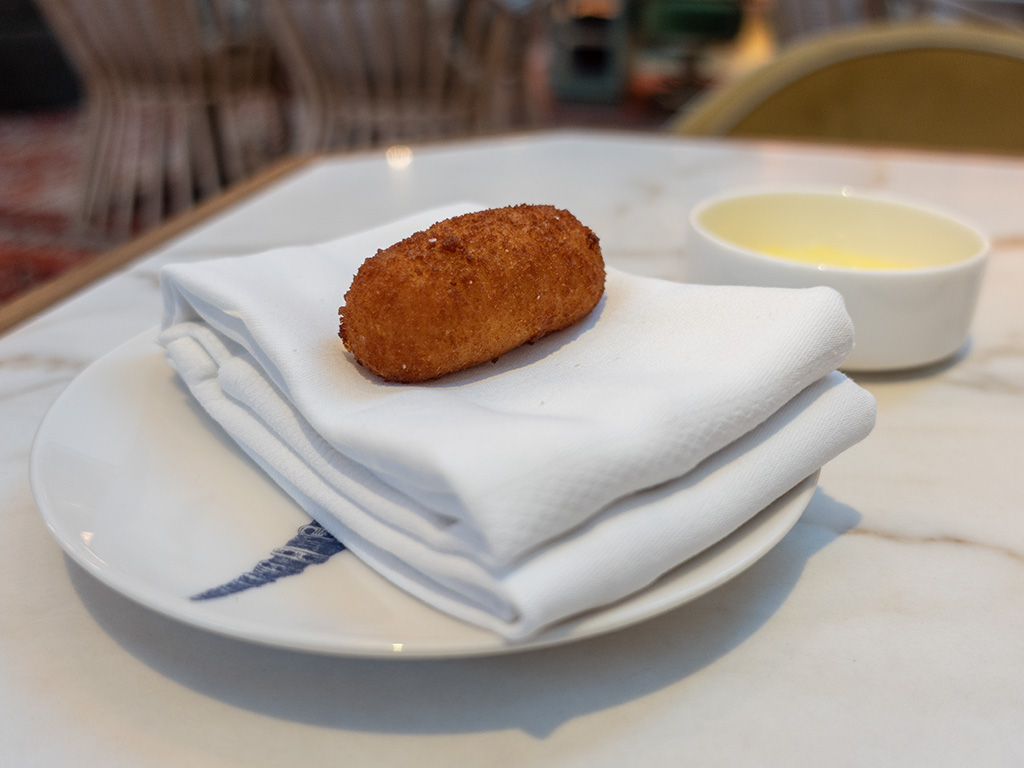
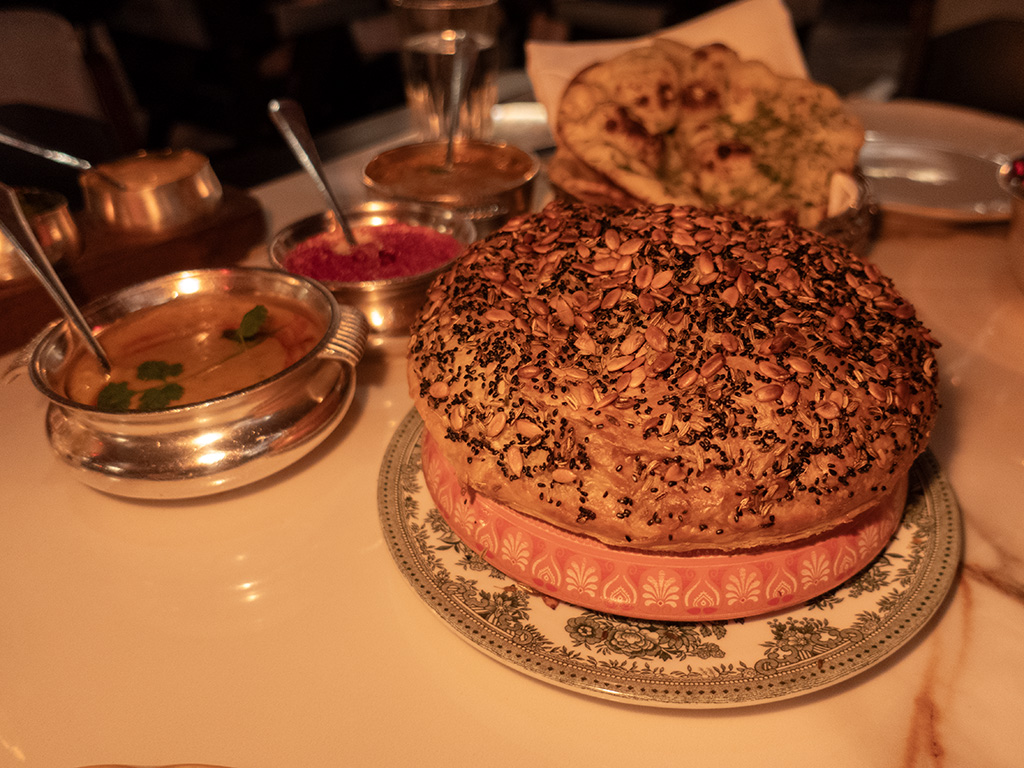
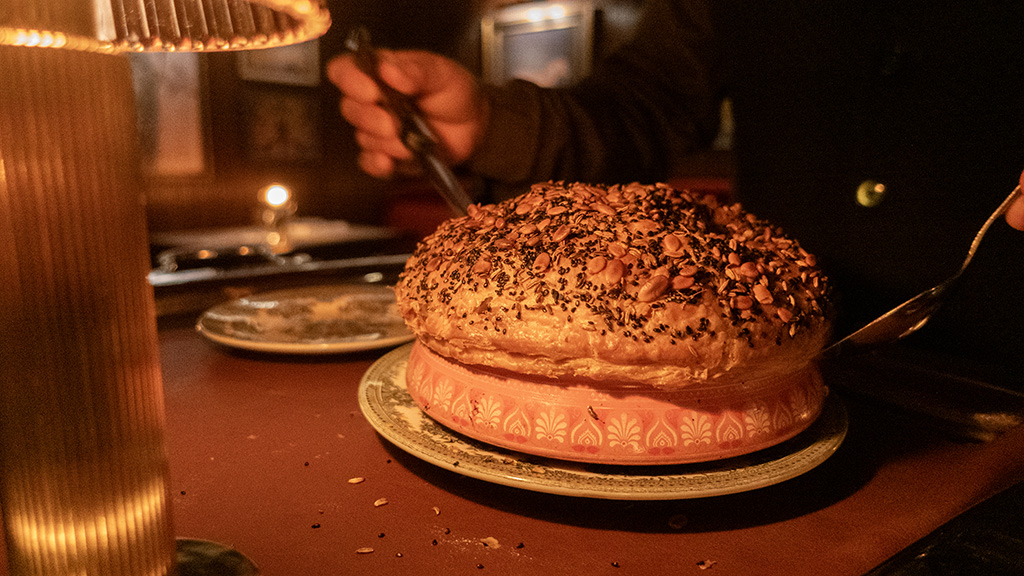
While we were deciding what to eat, we were brought out some complimentary bread. There were seven orbs of five different kinds of bread arranged in a flower shape. This is the first restaurant that I’ve ever seen do something like this, and I appreciated their creativity. The bread quality was also pretty good, though I didn’t have that much of it because I didn’t want to fill up my stomach too much with carbs.

I accidentally came into this dinner not hungry because there was a bit of a mix-up. Phummy originally told me that the dinner was on Saturday the 23rd, but then later said that apparently the reservation actually went through for Friday the 22nd instead. I confirmed the schedule change and updated it in my calendar, but I guess I forgot to update it in my brain. I accidentally ate some free dinner at my hotel’s restaurant on Friday with my elite status vouchers, and only after finishing two entrées did I remember that I was supposed to meet up with Phummy. Thus, my meal at THE RANCH was actually my second dinner of the day.

Our waiter asked if we wanted to order any drinks. I told him that I don’t drink alcohol, but gestured over to Phummy to see if he wanted anything. I then found out / remembered that Phummy is not yet of legal alcohol drinking age in the United States. So instead, we both ordered mocktails.

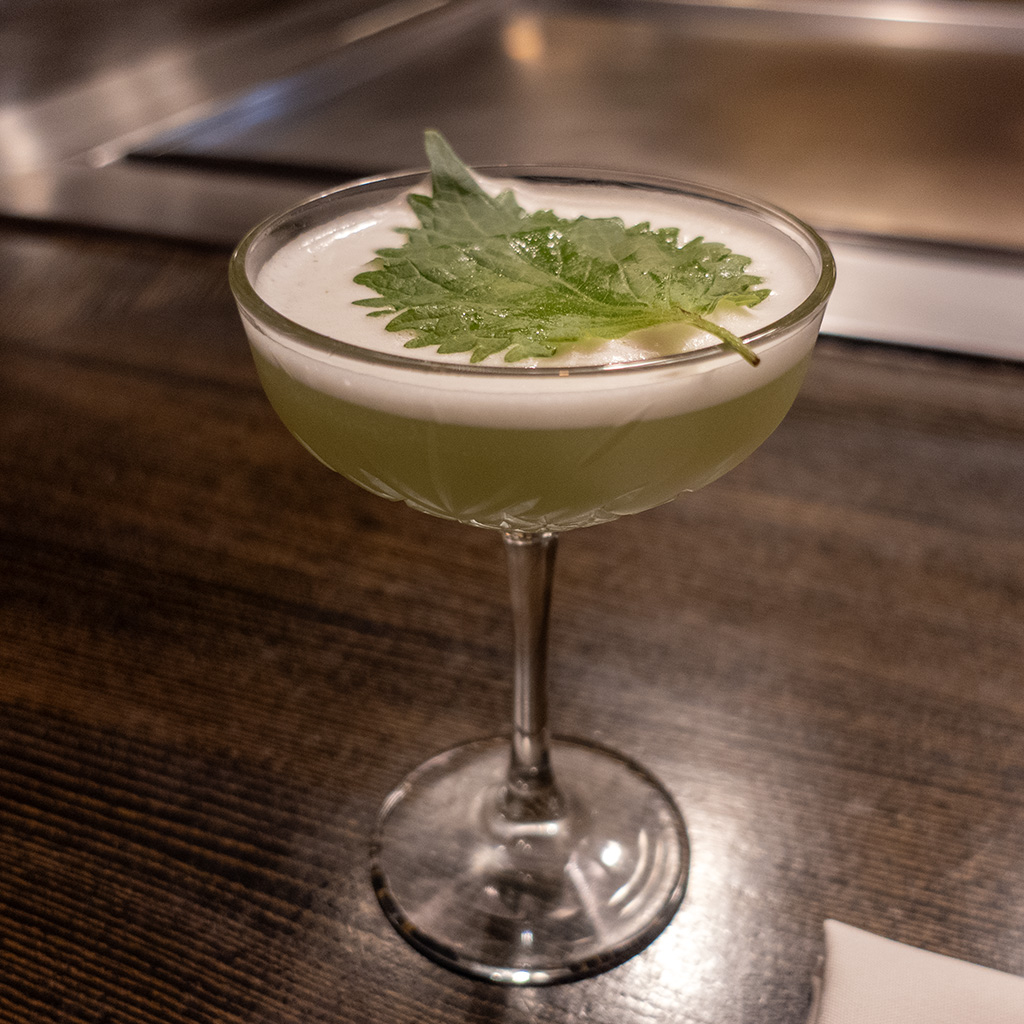
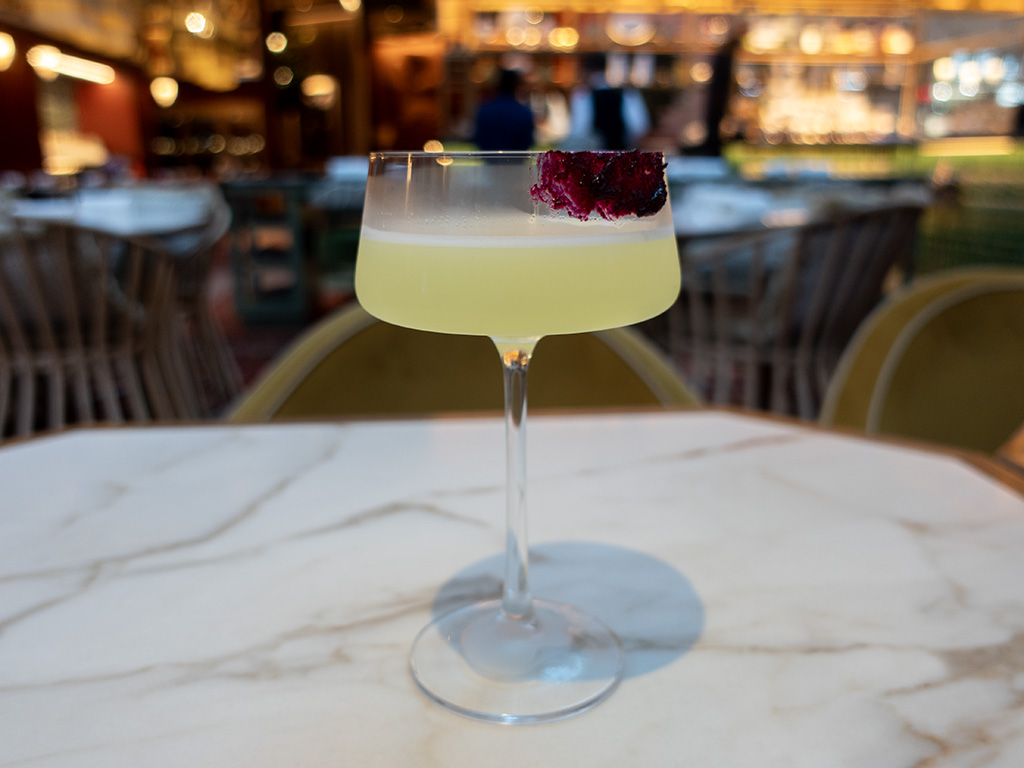
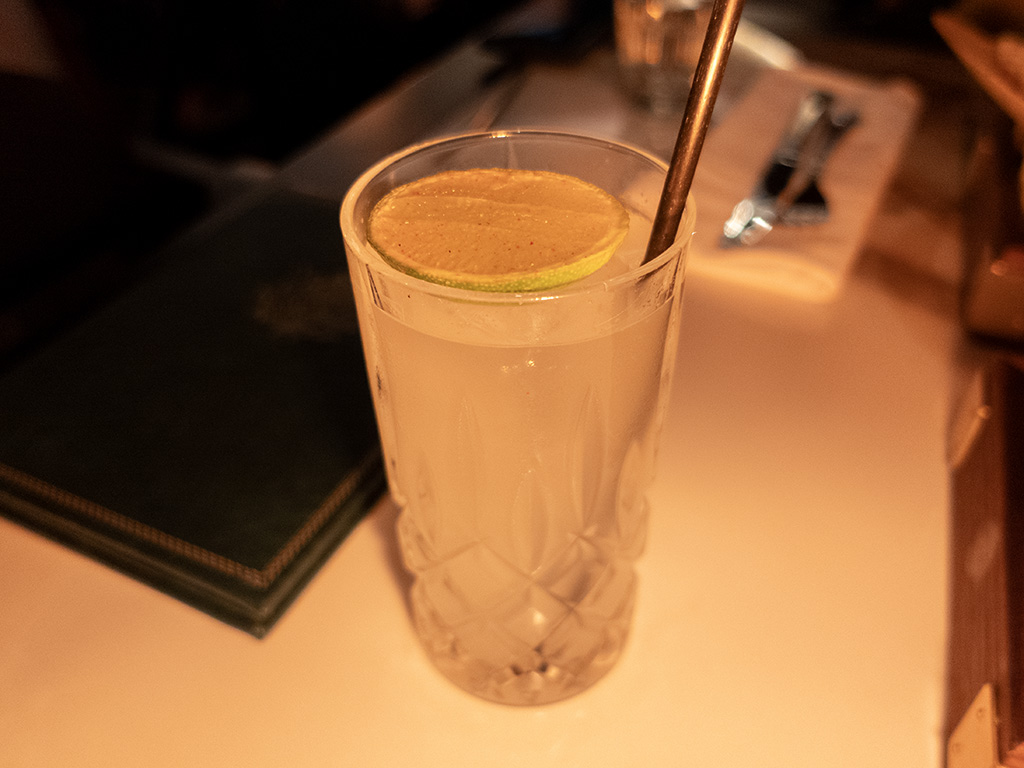
I ordered a hibiscus and jalapeño mocktail. It was quite strong and intense, and it gave a nice kick every sip.

While delivering our drinks, the waiter asked what kind of work anniversary we were celebrating, i.e., what we do for our jobs. This is a bit of a complex question, considering that my main job is being the Director of Corporate Operations at Tempo, and my secondary job is being a business consultant, and Phummy doesn’t work together with me in either of those. I told our waiter that, and then further elaborated that Phummy is a Twitch moderator, which in normal people terms, is functionally similar to being a personal digital media assistant. Our waiter was very interested in this, so he stood at our table for a few minutes while I fairly thoroughly explained everything.

Then I looked over at Phummy. His drink was already empty.

The waiter asked Phummy if he wanted another one, to which he confirmed.

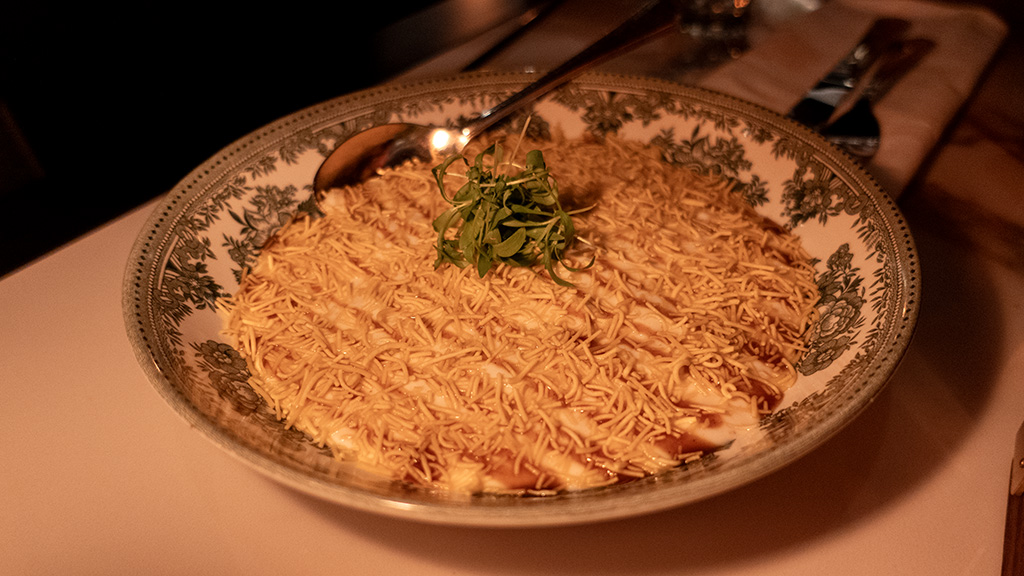
For our appetizer, we got a Robbins Island Tasmanian Wagyu Beef carpaccio with white alba clamshell mushrooms, black truffle, wild arugula, and pecorino romano.

This was good, but the beef was sliced comically thin. And yes, I understand that the entire point of carpaccio is to cut the fish or meat into thin slices, but this beef carpaccio was so thin that it basically just ripped apart from its own weight when I tried to pick it up.

The greens supplemented the meat flavor very well. I took some of the vegetables and placed them on top of the carpaccio, then rolled it up as best I could; this made for some satisfying and well-rounded bites.

While we were having our appetizer, the waiter came back with Phummy’s second drink. I don’t quite remember exactly what all the components of the drink were, but as you can probably tell, it was a citrus-based mocktail.

The main menu had a lot of nice beef options, but was fairly limited in seafood. I’m still trying to avoid red meat where possible in order to reduce saturated fat consumption, lower cholesterol, and maintain heart health (and because I just like seafood better anyway). Thus, I was tentatively deciding on getting pan-seared halibut. However, there was also a special farm menu that day with a few additional options.

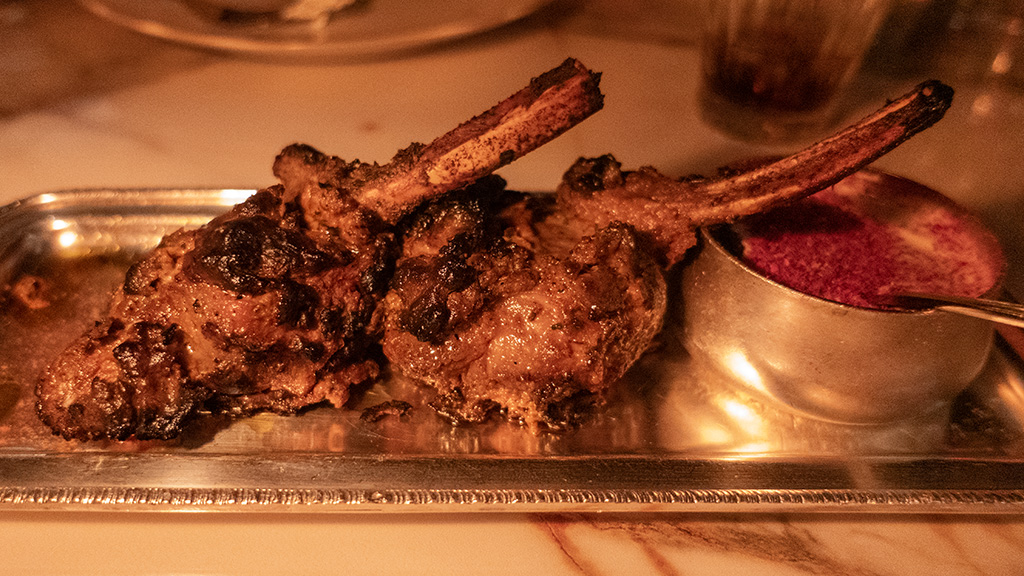
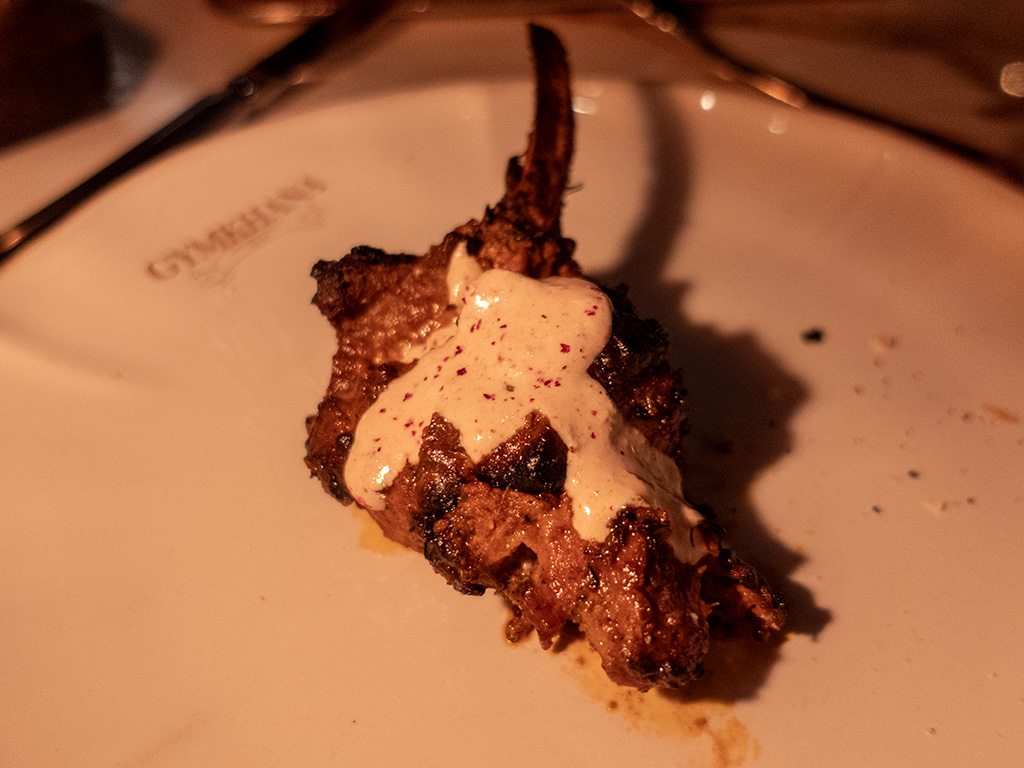
I ended up ordering pistachio-crusted Colorado lamb chops with whole grain mustard spätzle, green garbanzo beans, red spring onions, ramp chimichurri, and lamb jus as my main entrée. Yes, lamb is still red meat, but lamb is not as common as beef, poultry, or fish in the United States, so when there is a high-quality lamb dish at a restaurant, I will usually get it.

This lamb was great, but interestingly, I actually enjoyed the spätzle as the most notable part of the dish. The texture and doneness level of the pasta was perfect, both when eating it on its own as well as when combining it with a bite of lamb.

For my side, I got some grilled asparagus.

Separate from both the main menu and the side farm menu were a few special unlisted dishes, one of which was a filet mignon. Phummy is a fan of filet mignon, so that’s the dish he ordered; it came topped with a bone marrow compound butter sauce crust as a supplement, as well as with an included side of potato fingerlings.

For his side, he got lobster mac and cheese, composed of house-made pasta and Vermont white cheddar.

I ended up not being able to finish my lamb chops and asparagus, so I asked for it to be put in a to-go container. I technically could’ve finished it if I really pushed myself, but I wanted to still leave a little bit of room for dessert.

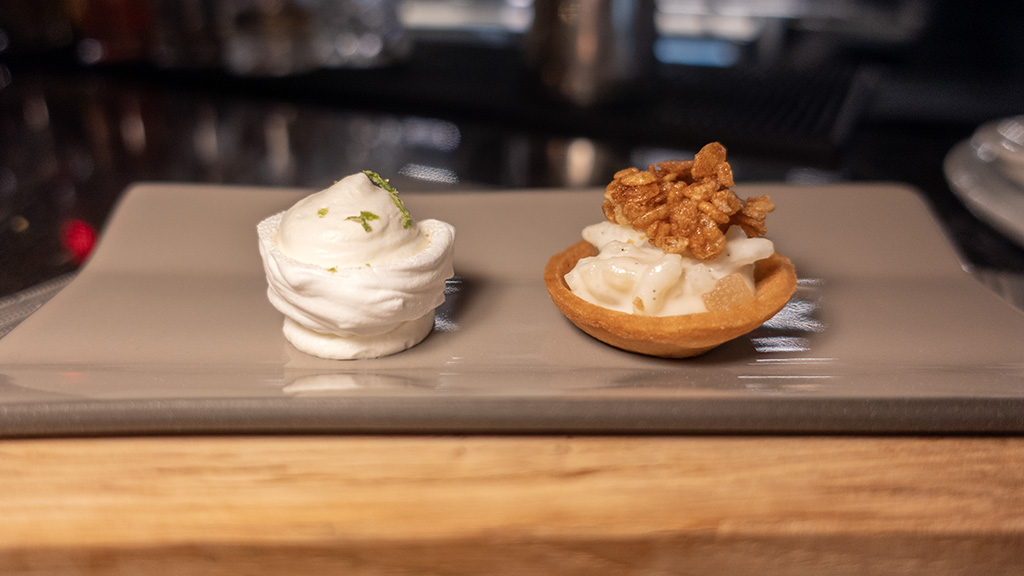
Phummy and I each ordered one dessert, but when the waiter came back, he had three plates. One of them was a complimentary celebratory dessert on the house—a Tahitian vanilla bean crème brûlée with seasonal madeleines. They wrote “Happy Anniversary” on the plate with chocolate from a piping bag.

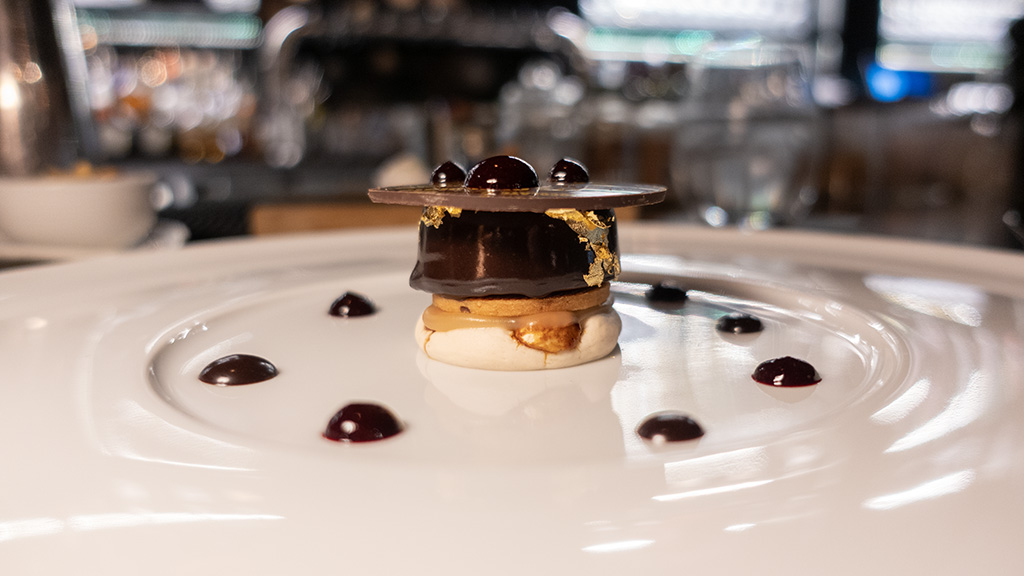
My dessert was a hazelnut crunch bar with praline crunch, chocolate crémeux, caramelized hazelnuts, Valrhona Caramélia chocolate mousse, caramel sauce, and vanilla ice cream.

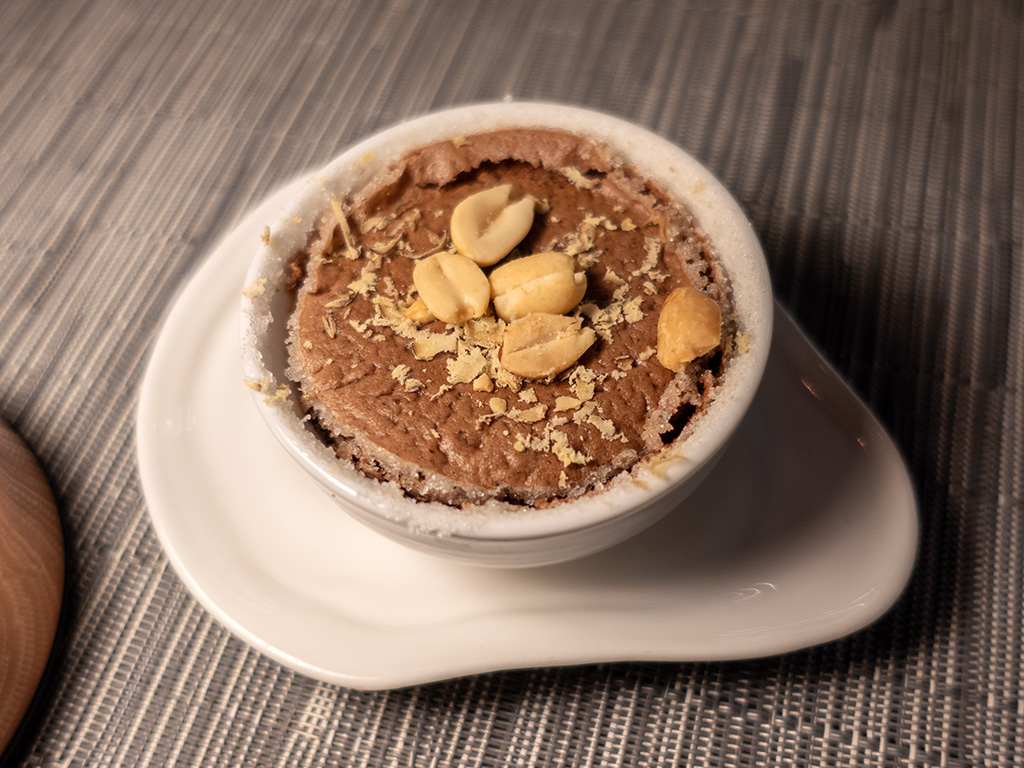
Phummy opted for the Milky Way, made with República del Cacao chocolate, malted nougat, and salted caramel ice cream.

While he was consuming it, we had an interesting discussion about the trademark implications of naming their dessert the Milky Way, and whether it would constitute infringement under the standards of likelihood of confusion. My conclusion was that, yes, the fact that they named this the Milky Way would indeed likely fall under infringement territory.

After we finished all three desserts, the waiter brought out our check. To further commit to the anniversary joke, he wrote “Happy Anniversary!” at the top of our receipt.

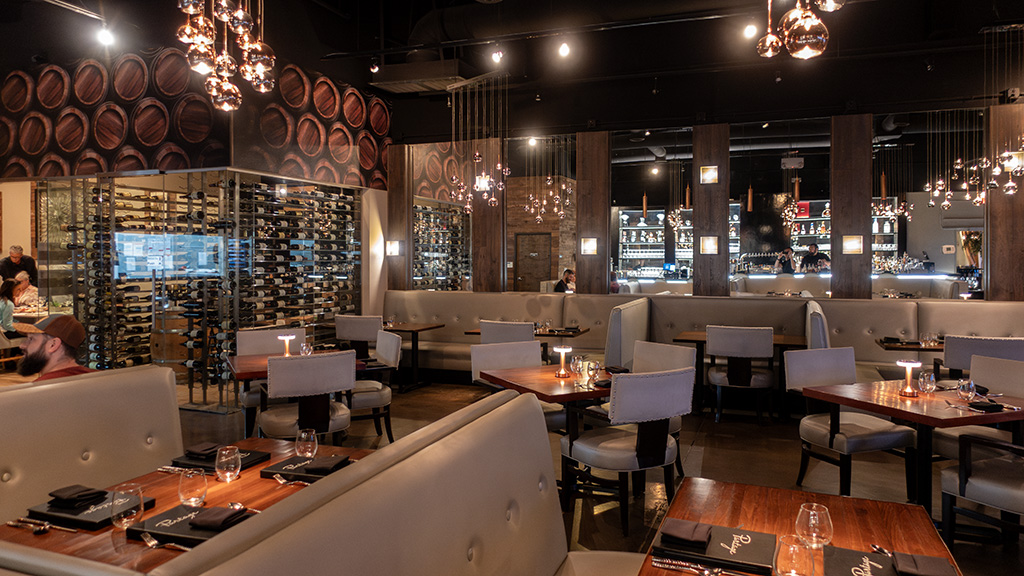
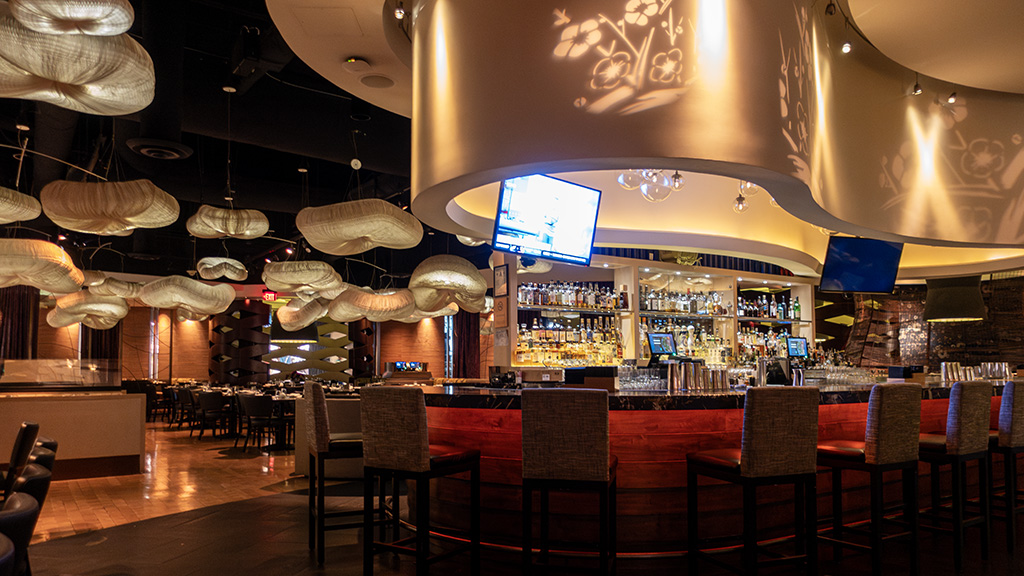
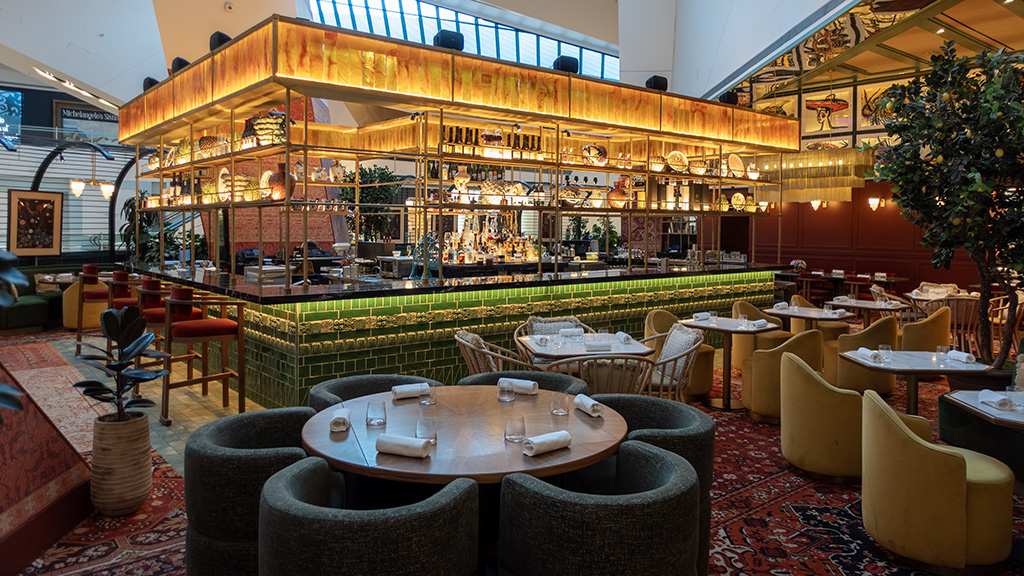
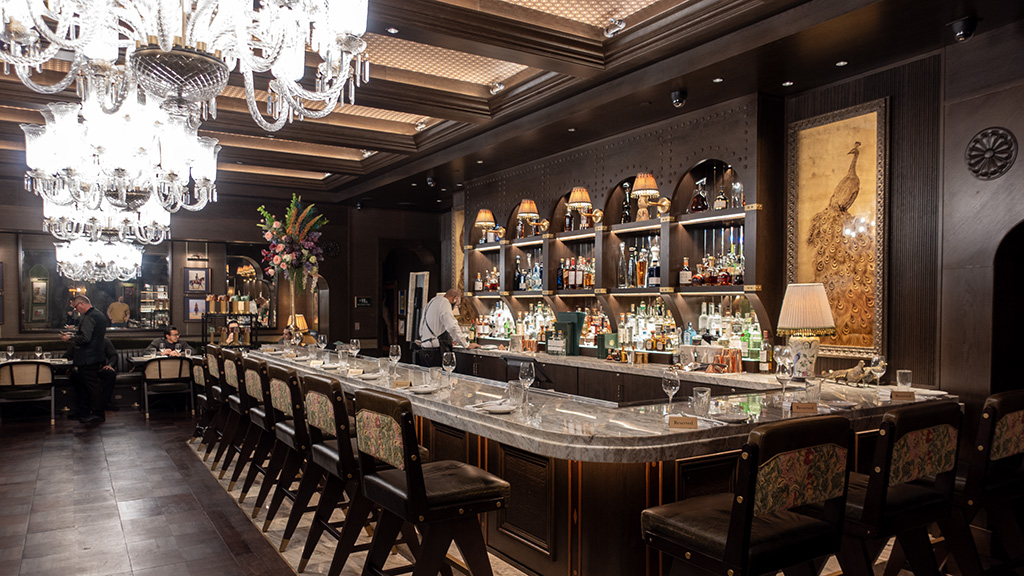
Here is a photograph of the main dining area of the restaurant.

While stopping by the restroom, I noticed that the door to a vacant private dining area was left open. I peeked inside and snapped a photograph.

On our way out, the hostess gave us one final departing “happy anniversary!”

This is what the restaurant looks like from the outside. The left door leads to the restaurant, while the right door leads to the saloon.

Thinking back, I probably should’ve checked out what the saloon looks like while I was there, even if it was just for a few minutes. The entryway was delineated with stanchions though, so I guess it is possible that they were having a special event there and we might not have even been allowed in as non-ticketed guests.

Wagyu beef carpaccio $  25.00
Colorado lamb chops $  74.00
Filet mignon $  74.00
Bone marrow crust $  15.00
Asparagus $  18.00
Lobster mac ‘n’ cheese $  30.00
Hazelnut crunch bar $  17.00
Milky Way $  17.00
Vanilla crème brûlée $   0.00
Mocktail ×3 $  36.00
Bottled water ×4 $  40.00
Sales tax (7.75%) $  26.82
Gratuity $  90.00
Total $ 462.82

The table to the right shows how much I paid.

The restaurant offers valet parking, but they also had a free self parking option in an adjacent lot right on the opposite side of a nearby fence, easily within walking distance.

I am about 98% sure that both Phummy and I drank regular house filtered water and not bottled water. However, I was charged for four bottles of water at US$10.00 each. Usually, the way to know for sure that you are getting paid, premium water is that they will bring the glass bottles directly to you and leave them on your table, and they definitely did not do that for us. Thus, I’m pretty sure that I ended up inadvertently paying for a different table’s luxury water supply. Having an excess US$40.00 on your bill isn’t really the best feeling, but I’m over it at this point; I had a chance to audit the check before remitting payment, so I bear a lot of the fault for not catching it before handing over my credit card.

If you’ve read my previous restaurant reviews, you may have picked up on the fact that I am very much against the United States’ tipping culture, and I will usually only add on around 15% in gratuity to my bill. However, I still assess this on a case-by-case basis, and when I notice that the staff is going noticeably beyond what I think is the standard of service, I am happy to tip more generously. Every single staff member we encountered at THE RANCH was stellar, and I could tell that they genuinely wanted to give Phummy a fun, memorable experience. Thus, my ~26% gratuity isn’t me being a hypocrite; I just thought they deserved it in this instance. Also, technically, considering that I paid an extra US$40.00 for water that I’m pretty sure we did not get, if you recalculate that as if it was extra gratuity, then I guess tipping US$130.00 on a new US$306.00 subtotal is… over 42%. 😶

Overall, I thought the food was great, but I am undecided on the value for the cost. For comparison, this is right around the price point of last year’s Chef’s Table, and I thought the experience with Chef Frankie was a league or two above THE RANCH with regards to ingredient quality, dish preparation, and portion size. The service was top-tier at both locations, but was just different; Bello by Sandro Nardone focused on chef-to-diner personalization, while THE RANCH had a broadly supportive and attentive staff.

If you’re interested in dining at THE RANCH but are concerned about the price point, I think one thing to keep in mind is that you can be a lot smarter about assembling a good meal without spending as much as I did. I think our waiter noticed that I didn’t really mind what the price was of anything, so he did a great job upselling us by describing add-ons like drinks and supplements in a very appetizing way, and reminding us about side dishes. If you’re not getting what is basically the most expensive dish in every single category, then I imagine your bill will be much more manageable than this.

Phummy is already thinking ahead to next year’s anniversary dinner and figuring out what kinds of unique and special things we can do for it. I guess I have to wait patiently for another eleven and a half more months to figure out how he plans on trolling me next…


—§—


Hello, Chef’s Table on Royal Caribbean’s Navigator of the Seas

The last time I was on a Royal Caribbean cruise on Quantum of the Seas this past winter, I tried their Chef’s Table, a private, premium, multi-course dining experience with a small group of other cruisers. I enjoyed it a lot, so when I went on a spring cruise on Navigator of the Seas, I booked it again.

Chef’s Table is an upgraded experience that comes with an additional US$118.00 supplement. Because I purchased the unlimited premium dining package add-on prior to sailing, my upcharge was lowered to $59.00 (consisting of a $50.00 base price and a $9.00 mandatory 18% gratuity). The extra fee isn’t cheap, especially considering that all your basic meals are already included in your standard fare, but if you compare the quality of the food and service to other fine dining establishments on land, it’s actually not bad.

Chef’s tasting menus like this are usually rotated by season. Because my previous cruise was during the winter and it’s spring now, I was looking forward to seeing how they changed up the menu. Unfortunately, the course list was exactly the same as it was on my previous cruise, which was a bit disappointing. Upon the conclusion of my meal, I did some research about how frequently they change up the menu, only to discover that… they don’t. Apparently this menu is highly standardized and remains the same, year-round and fleet-wide.

I feel like this is a huge missed opportunity to hook the foodies into spending more money every time they’re on a Royal Caribbean cruise. Yes, having delicious, high-quality food is probably the most important facet of attracting customers, but if they want to monetize food enthusiasts as repeat customers, I feel like adding in at least some kind of novelty value every season would be a big plus.

So, if you already read my blog post about my previous Chef’s Table experience, then this one will probably feel like déjà vu. Regardless, I still decided to do a full post about it again because there are still some thoughts I had throughout this meal about the limited differences it did end up having compared to the one I experienced on Quantum.

I don’t drink alcohol, so in lieu of the wine pairing, I requested a non-alcoholic pairing instead. On Quantum, they had a designated non-alcoholic pairing prepared, and when I brought it up, they even asked if anyone else at the table wanted to pass on the wine and make a substitution too.

However, this time on Navigator, it felt like the non-alcoholic pairing was an afterthought. The waiter’s facial expression made it look like he was incredibly confused that I didn’t drink alcohol, and at one point during the dinner, he even asked me “would you like another one?” as if I was supposed to be ordering the mocktails myself rather than there being a pairing.

On Quantum, the waiter immediately took away my wine glasses, but on Navigator, I had six empty, unused wine glasses sitting in front of me for over half the meal, and the waiter only thought to remove them after the first three of six courses were already done. Additionally, because this was a circular table, it felt a lot more cramped. The rectangular table that was used on Quantum had more efficient usage of space because there was very little unused space on the table, but on a circular table, the entire center of the table is unreachable, so you end up having all the wine glasses really close to each other and your eating area is just basically a pie slice.

The meal started with some bread.

At this point, I noticed that there were 13 people at the table—six couples, plus me solo. I started having a sneaking suspicion that the capacity of the table was supposed to be 12, but because I was a solo diner, they squeezed in another couple so that they didn’t end up with 11 in this session and “miss out” on a spot if there is no other solo diner who signs up. That would give a partial explanation of why we all felt so cramped and had so little space.

The reason I found this out? They ran out of bread. They prepared 12 portions of bread, even though there were 13 people. I got my own blossom of bread, but the man sitting next to me didn’t get one and had to share one with his wife. He ultimately got his portion… after course number four.

After an unusually long wait, we were served the first course, scallop carpaccio with yuzu vinaigrette and crispy quinoa. This was very consistent with the previous scallop carpaccio I had on Quantum; it was cut extremely thin, so I rolled them up into tubes with the quinoa and some vegetables inside so that it had more substance per chew.

After finishing my dish, I looked up and noticed that the woman across the table from me hadn’t received one. I wondered if this was another case of the kitchen only making 12 instead of 13, but after someone else also noticed and asked her about it, she said that she had an allergy and requested a substitution. Considering how long we had to wait to get our first course, I figured that it would be plenty of time to prepare her substitute dish as well and serve everyone at once. A while after everyone at the table finished their scallop, the woman finally got her alternative dish.

I also finally received my “first” drink of the non-alcoholic beverage pairing. I say that this is the “first” because the actual first one I got was supposed to be in substitution for the welcome champagne. This one was the first drink of the actual meal.

For the second course, we received smoked tomato soup with garlic focaccia croutons. As you can see from the photograph, it was just focaccia and not croutons.

The smoked tomato soup was served plain at first, and then the chef came out to add the cream and basil sauces into the soup.

I remember from Quantum that I really enjoyed the earthiness and smoky flavor of this soup, and this is actually one of the dishes that I thought Navigator did even better. The flavor was much more intense here, almost as if the Quantum version of soup was diluted. I still had some of the bread left from before, so when I ran out of focaccia, I dipped the bread into the soup to clean my bowl.

The third course was Maine lobster salad with hearts of palm, pineapple, cilantro, and vanilla dressing.

I liked the Quantum version of this a little bit better because the Quantum’s lobster was prepared in a more pure and simple way, while this one had a lot of sauce, some of which was already soaked into the vegetables. With that being said, liking the more plain version of lobster is just a personal preference (mostly because I just really like the flavor of lobster itself); everything about this dish was delicious, including the sauce.

My next mocktail was a pineapple and coconut drink. It looks like a fruit slushie and I think it visually looks extremely sweet, but in reality, it was actually quite moderate in sweetness. That meant that it was easier to discern the flavors of the fruits themselves, which I thought made the overall flavor profile of the drink much better.

Our fourth course was roasted branzino with grilled zucchini, peppers, lemon confit, and pesto.

This was another dish that was very consistent between Quantum and Navigator. The fish was cooked very well, and the vegetables and citrus complemented it well. I noticed that the sauce here was a bit stronger than the one served on Quantum, but that was fine, as a majority of it was pooled in the moat of the plate and diners could personally decide how much to use.

A significantly noticeable difference between the dining experience on Quantum and Navigator was the skill of the sommelier. On Quantum, it was easy to tell that the sommelier was experienced and confident in the way that he explained and served the wine, but on Navigator, the sommelier made some questionable choices that even I, as someone who never drinks alcohol, found to be quite obviously unusual.

I don’t know if this was just him being nervous, but he was very fidgety with the wine bottles. I believe a reasonable expectation you can have of your sommelier presenting the wine is to hold it steady with a folded liteau so that there is minimal body heat transfer, and so the diners can still see the label on the bottle. The sommelier for our dinner seemed to really like touching the bottle with his bare hands, and not just touch it, but really get in there and massage it like he was loosening some cramps.

For one of the wines—specifically, the Leviathan Red Blend California—the sommelier poured it into a decanter first. Remember the pineapple drink I had earlier? It had a little too much in the glass, so some of it overflowed and ended up forming a puddle on the table. Do you know where the sommelier decided to place the decanter on the table so that people could look at it (after cradling it and massaging it too, for a bit)? Directly on top of the puddle. A blind man literally had a statistically higher chance to place the decanter on a dry spot of the tablecloth than this sommelier.

Here is a picture of the sommelier serving the wine to my next-seat neighbor. Hmm, I wonder why he still has so much bread left. Oh wait…

The fifth course of the evening was filet mignon.

Prior to serving it, our waiter (who, if it wasn’t clear, is the same person as our sommelier) went around the table collecting doneness level preferences. Most people ordered their steak medium rare, while the other half ranged from medium to medium well. During this process, he told an elaborate story about how it is worth trying steak cooked medium rare, even if you usually like it more cooked, and he shared some anecdotes about how he is slowly convincing his wife to eat steak cooked closer and closer to medium rare.

He had started this quest by asking the person next to me, so by the time he had gone all around the table (and also finished telling his story), I was last in line to give my order. I asked for my filet mignon to be cooked rare. He asked “oh, so you want it still mooing?” This is obviously a joke, but with this guy, I literally could not tell. Just in case there was a miscommunication, I clarified, “no, I’d just like it regular rare, not blue rare” (because blue rare is often the doneness level at which you get “your steak is still alive” comments). The waiter then repeated his joke, asking, “yes, so you want it still mooing?” to which I replied “yes, that would be great.”

Fortunately, the steak came out properly rare, and it was delicious.

The filet mignon was served with a side of potato purée, asparagus, carrots, and baby tomatoes. The chef also came around and added some bordelaise sauce to the moat; I ended up barely using any sauce because the flavor of the steak and vegetables was so great on its own.

On Quantum, the filet mignon had a nice quirk where it was served with extra crispy potato chips pressed into the potato purée. I enjoyed that the Navigator version also came with a few potato chips on the side as well. The portion was small enough that it added a nice little diversity of flavor and texture without being considered too significant a component of the overall dish.

For our final beverage of the night, we got espressos—a regular salted caramel espresso for me, and an espresso martini for everyone else.

By this point, because the service had been so excruciatingly slow, we were about to hit the end of hour 4 of our dinner and it was almost 9 PM (we started at 5 PM). Because it was so late, most people didn’t dare take more than a sip or two of their espresso martinis out of concern that the caffeine would keep them up all night. Luckily, I have the blessing (or curse, depending on how you look at it) of being immune to caffeine, so I enjoyed my entire espresso. I thought it was extra great because I also really like salted caramel.

The espressos were served in conjunction with the sixth and final course, The World.

In theme with the slow service, they brought out our orbs of chocolate first, and then our waiter disappeared for a while. They were gone for long enough (and also did not give clear enough instructions) that the woman sitting two seats away from me started cracking open her chocolate orb with her fork. I had to stop her and told her to wait a bit longer, because there was a surprise coming.

The surprise, of course, is that the waiter comes out with some warm caramel sauce and pours it over your desserts to melt the outside chocolate shell and reveal the inside.

Inside was peanut butter ganache, Valrhona chocolate mousse, and salted caramel gelato.

On Quantum, I wasn’t able to eat much of this because it was so overwhelmingly sweet that it registered on my taste buds as bitter. However, I’m happy to report that the Navigator version was not excessively sweet. I was quite excited that I was able to taste all the ingredients this time, and in celebration, I finished the entire thing.

This was also time for celebrations. Two couples were celebrating anniversaries, so they each got a small slice of chocolate cake with a candle.

On Quantum, the Chef’s Table took place in a private room all the way in the back of Chops Grille. On Navigator, the Chef’s Table is actually inside the main dining room on the center floor. I wouldn’t say either arrangement was better or worse; it was just different. I guess this version on the Navigator is better if you’re the type who wants to brag to others that you’re having a nice meal, while the more private Quantum version is better if you don’t want to hear the quiet chatter and clinking of utensils on dishes from other regular diners.

Here are some photos I took from the perspective of our dining table.

This is what the Chef’s Table dining table looked like. While taking this photograph, I did not notice that one of the couples from the dinner was still there taking pictures, so that was amusing to notice after-the-fact while I was organizing my photographs. The couple there was very kind (as was everyone else at the table); I ran into this particular couple a few days later on the pool deck when I was out for a walk, and we had a great chat about their cruising adventures.

If you want to go on a fun scavenger hunt, you can zoom into the table to see where my seat was. It’s quite easy to figure out if you know that I am the only one who finished my entire dessert and drank my entire espresso.

Here’s another view of the Chef’s Table, but from the opposite side of the dining area.

After my second Chef’s Table, my assessment of the experience remains mostly the same as before. The thing that makes it special is the interactions and conversations you have with the other diners. There were some more shy diners this time compared to my dinner on Quantum, but after the alcohol got flowing, they got a whole lot more chatty.

If you want a high-class and elegant dining experience during your cruise away from the regular bustle of the main dining room or buffet, then I would recommend this experience for people who don’t have children to bring with them and have the budget or financial flexibility for the supplemental charge. My recommendation here still stands, even with the inconsistent service I experienced on Navigator compared to Quantum.


—§—


Food photo dump from Royal Caribbean’s Navigator of the Seas from San Pedro to Vallarta

After what I would consider a fairly successful first-ever cruise experience for me on Royal Caribbean’s Quantum of the Seas, I continued keeping an eye out on various cruise lines’ websites to check for opportunities to book a second cruise. Eventually, I ended up managing to catch a great deal on Royal Caribbean’s website for a 7-night cruise to Cabo San Lucas, Mazatlán, and Puerto Vallarta.

The base fare for a solo cruiser in an interior cabin was $1,156.00, but it came with a $347.00 discount as part of a sale, another $226.00 discount on top of that for a different promotion, and an additional $81.00 discount even on top of that for being a Nevada resident. (Apparently the resident discount applies to short-notice bookings for residents of states neighboring the port, which is a way to incentivize nearby people to book the cruise assuming that traveling the relatively short distance won’t be too much of a hassle for them.) With $155.82 added on for taxes, fees, and port expenses, my total base fare for this trip was US$657.82. I bought a bunch of add-ons so the grand total was closer to a thousand dollars, but for the base price, $657.82 is insanely low.

I’m a bit behind on blogging right now, and I’ve actually been back from this cruise already for one week. However, I’m taking a brief break from traveling and have a bit more time now, so I’ll be catching up soon. I used this extra free time to go through and organize my cruise photos, and I’ve decided to split it up into four blog posts (this one being the first one).

To start, here is a rundown of (most of) the food I ate on the cruise.

Like last time, I purchased a premium dining package add-on that allowed me to eat at any specialty restaurant for no extra charge (apart from the extra charge of actually purchasing the add-on, that is). Normally, all meals are included in your fare, but if you get this add-on, you get to go to more private and higher-quality on-board restaurants instead of the buffet or main dining room. This cost me $214.62 extra for the 7-night cruise, which is broken down into $181.93 for the package and $32.69 for a mandatory 18% prepaid gratuity.

Also like last time, I purchased The Key for $181.93 (this is separate from the dining package, and it is just a coincidence that they share the same base price, which was due to a pretty steep discount on The Key). The main perk of this is the fact that it includes on-board Internet access, but it also comes with a special welcome lunch and departure breakfast.

The welcome lunch on Quantum of the Seas was great—I had a nice, private window seat and enjoyed some delicious fish. The welcome lunch on Navigator of the Seas, however, was a bit… different. Instead of giving everyone a private table, they randomly grouped some strangers into larger parties. For example, rather than giving me a solo table, I was put in a group of nine at what is basically a really big family dining table. This is fine for something like the Chef’s Table where you’re intentionally opting into it, but it seemed weird for a regular meal like this.

Regardless, thanks to a handful of chatty people at our table, it wasn’t too bad. I got to know some new people, and many of them were intrigued at my mobile lifestyle of traveling non-stop and living out of hotel rooms most of the time.

As the main entrée of my lunch, I ordered some branzino with asparagus. Similar to last time, the fish came out looking sort of sad, but taste- and texture-wise, it was great.

For dinner on embarkation day, I dined at Izumi Sushi. I intentionally scheduled sushi night to be the first night because I wasn’t sure if I was going to get seasickness, so I figured that it would be best to try and get ahead of it and eat a lot of ginger from the sushi restaurant as a preventative measure.

As my appetizer, I had crispy rice spicy tuna, which was made from creamy tuna, masago, spicy aïoli, chili garlic oil, hot crispy rice, and jalapeño.

For my first main course, I ordered a poke bowl with seasoned tuna, salmon, avocado, sea salt, sesame chili oil, onions, scallions, masago, seaweed salad, and sushi rice.

I comboed that with my second main course, the assorted sashimi with salmon, yellowtail, and shrimp. It looked like getting the sashimi was much better value than getting the assorted nigiri in terms of portion size. Because the poke bowl came with plenty of sushi rice already, I fished some out and combined it with the assorted sashimi to have some build-your-own nigiri.

For dessert, I had assorted mochi ice cream. It usually comes with one piece each of mango, strawberry, and chocolate, but I requested for the chocolate to be replaced with a second piece of mango. It’s not that I dislike chocolate, but rather, I just find more consistency in liking fruity flavors instead.

This is what the entrance of Izumi looked like.

This is a shot of the interior of Izumi. I had a fairly late dining time, so it was pretty empty by the time I was there.

Next on my rotation was Jamie’s Italian. I dined there twice—one time for lunch, and one time for dinner on a different day.

On the day that I went for lunch, I started my meal with their ultimate garlic bread, which is made from warm artisan buttermilk buns, herby garlic butter, Parmesan, and rosemary.

For my main entrée, I ordered truffle tagliatelle.

I remembered from Quantum of the Seas that this pasta dish was borderline-inedibly salty, so for this one, I put in a special request with the waitress to minimize the amount of excess salt that was added to this dish. She passed along my preference to the chef, and it was very well honored; this came out at the perfect saltiness level, and it tasted great.

For dessert, I got some ice cream topped with fruits and caramel popcorn.

Jamie’s Italian was located inside the Windjammer Buffet in its own dining room along the edge of the ship. This meant that I got to enjoy a great view of the ocean through the floor-to-ceiling windows while dining.

On the day that I went to Jamie’s for dinner, I started with some crispy squid with a side of lemon and garlic mayo sauce.

For my main course, I had lasagne made from slow-cooked beef and pork, topped with herbs, baked in a Béchamel sauce with tomatoes, mozzarella, and Parmesan. I’m usually not the biggest fan of eating a ton of cheese, but the cheese in this dish wasn’t unpleasantly pungent like some other cheeses are. This was also specially made with low sodium, which made me like it more than I expected.

For dessert, I had a banana split with one scoop each of vanilla, chocolate, and strawberry ice cream, topped with caramel popcorn and a caramel drizzle. This was incredibly delicious and possibly the best dessert I had on the ship. The caramel was torched in a way such that, combined with the banana, it tasted like a fruity crème brûlée.

Next is the big one: Hooked Seafood. Seafood is my favorite type of food, so I spent three of my dinners dining at Hooked.

Each dinner started with some cheesy bread.

The first night at Hooked, I selected fresh-shucked oysters with mignonettes as my appetizer.

That was followed by The Captain’s Platter as my main entrée, consisting of a four-ounce lobster tail, grilled halibut filet, and three jumbo shrimp. This was accompanied by some melted butter as the dipping sauce and some seasonal vegetables as the side dish.

Afterwards, I opted for a lemon tart for dessert.

The second night at Hooked, I started with some mussels steamed in a garlic white wine sauce.

For my main entrée, I ordered a grilled salmon filet. I got this because I figured the portion size of the fish would be larger, but it was about the same as what was served in The Captain’s Platter. The platter didn’t have an additional upcharge, so it seems like it is just categorically better, considering that you get to select the type of filet you want anyway, and you get the “bonus” lobster tail and shrimp as well.

For my side, I got some lobster mac and cheese. It was quite greasy and didn’t really have much lobster in it, so I would’ve probably been better off trying the coleslaw or corn on the cob instead.

For dessert, I got a cherry tart topped with a scoop of vanilla ice cream.

For my third and final night at Hooked Seafood, which was also the final dinner I had on the cruise ship before debarkation day, I ordered some baked oysters as my appetizer—half Rockefeller and half leeks and white wine. I’m glad I got to try this for the sake of variety, but I much preferred the fresh oysters and drunken mussels instead.

My main course this day was the surf and turf, which came with a lobster tail and steak. I’m still working on improving my heart health and minimizing my consumption of saturated fat, so I’ve been avoiding red meats where possible. With that being said, I figured that, even though filet mignon isn’t as low in saturated fat as cuts like the round, it’s lean enough that I could enjoy a surf and turf for one of the days.

For my final dessert at Hooked, I got a coconut cream pie, made from coconut custard and topped with whipped cream and toasted coconut. It also came with a few dollops of caramel and a few dots of chocolate sauce.

This is what the interior of Hooked Seafood looked like.

And finally, the last specialty restaurant I went to, which rounds out all the available options, was Chops Grille, Royal Caribbean’s popular American-style steakhouse.

Upon being seated, I was brought some bread: one piece of onion bread, and one piece of pretzel bread. It came with a side of butter, but I opted to just have the bread on its own because I didn’t feel like clogging my arteries that day.

For my appetizer, I ordered a pan-seared crab cake topped with fresh herbs and served alongside some chipotle aïoli.

For my main entrée, I ordered a hand-cut nine-ounce filet mignon cooked rare. According to the menu, their filet is sourced from the Midwest. I requested the sauce on the side in the moat of the plate and only used a very small portion of it, considering that I like the actual flavor of the beef and don’t want strong sauces to overwhelm or detract from the flavor.

For my sides to go along with the steak, I asked for half portions each of Yukon gold mashed potatoes and grilled jumbo asparagus.

To conclude my meal at Chops, I got some key lime pie as dessert.

And finally, the last thing I ate on the ship before disembarking was an Eggs Benedict with crab cake and avocado, along with a side of hash browns. This was part of the special à la carte breakfast that came with The Key, and luckily, I had a private dining experience this time and didn’t have to share a large family-style table with strangers.

Overall, I’d say that I liked the food on Navigator of the Seas a little bit more than the food on Quantum of the Seas. However, that comes with a few caveats. I enjoyed the Italian food on Navigator more because I learned from my mistakes on Quantum and asked for the sodium reduction. Additionally, I just really like seafood, so the fact that there was a dedicated seafood restaurant this time basically by default made me like Navigator’s food more. I did enjoy the creativity of Wonderland on Quantum of the Seas, but that was somewhat gimmicky and didn’t contribute as much to the overall perception of core food quality.

There are three things not pictured in this blog post:

The first is the food from Café Promenade. This is the late-night option for people who want something to eat after the buffets and main dining rooms are closed, and I usually only came here when I had intensive workouts at the fitness center and needed some extra calories before ending my night. I usually just got some pastries or pizza from here, and they weren’t particularly notable or special (the pizza tasted like generic grocery store frozen pizza).

The second is Johnny Rockets. Navigator of the Seas has a Johnny Rockets Express on the pool deck that usually sells burgers à la carte for an extra charge, but because of my premium dining package, I was able to redeem one combo (a burger, fries, and beverage) for free every day. I only went here a couple of times, and I guess I ended up forgetting to take a picture of my burger every time. The burgers and fries here were the equivalent of what you’d find at a decent fast food restaurant on land. It was worth it for me because it was inclusive in my dining package, but otherwise, it’s around a $15 additional supplement, which I think is way too high for the circumstances (specifically, the fact that you can get other good food elsewhere on the ship for no extra charge).

And finally, the third is the Chef’s Table. I had it last time on Quantum of the Seas and enjoyed the experience enough that I booked it again for Navigator of the Seas. It usually costs an extra $118 per person, but with my unlimited dining package, I was able to get it for a discounted $59 upcharge (composed of a $50 base price and a $9 mandatory 18% gratuity). I will have a dedicated blog post on the Chef’s Table coming up soon.


—§—


Hello, Hayworth in Henderson, Nevada

I’m a bit behind on blogging right now, and after my recent trip to Hong Kong, I have since taken and finished another entirely separate trip (which I will blog about soon). However, in between those two trips, I returned to home base in the Las Vegas Valley to take care of some errands, and while in town, I met up with one of my friends who wanted to check out a new restaurant called Hayworth in Henderson, Nevada.

I am often fairly selective with restaurants that I blog about. I understand that online reviews can have significant influence on the success of a business, and even though I maintain that I am just a casual blogger who likes to write about my life, the reality of the situation is that my blog posts end up on the front page of search engine results for restaurants with surprising frequency. Thus, when I write reviews, I usually only write about chef’s tasting menus or omakase experiences such that someone else can go to that same restaurant and replicate my same experience. I avoid writing about à la carte restaurants because a bad experience could be attributed to myself doing a poor job at assembling a meal from the menu options, so for those kinds of restaurants, I usually do “food photo dumps” where I just share pictures but don’t go into too much detail.

With that being said, I do really want to stick with the idea that this is just the personal website of some random Asian guy from America. I don’t want to hold myself to too high of a standard for my blog, because I want this to be a fun and enjoyable way to leave a record of my life online, and I don’t want to fall into the trap of not releasing content because I don’t think it meets an arbitrary, meaningless standard.

The fact that I had to give that introduction probably foreshadows how I feel about this restaurant. However, I do think it is important to note that just because I did not have the best experience does not mean that you also will not have a good experience. As of today, Hayworth has stellar reviews online, and when I went in-person, I did not see any signs or receive any requests from staff that may have prompted those skewed reviews (i.e., nobody asked me to leave a positive review). Surely, that many people can’t be wrong, so make sure you’re only taking my opinion as one data point, rather than just trusting me entirely.

So with that out of the way, this was our meal.

 
For our starter, we ordered some warm challah knot bread topped with poppy and smoked sea salt.

At first glance, the texture seemed nice and it looked very flaky, but upon biting into it, I realized it was very dry. It was not flaky at all; instead, it was quite crumbly. It reminded me of when I was younger and my mom would tell me to buy dinner rolls at the grocery store, but I forgot to look at the expiration date on the packaging so I ended up accidentally grabbing a pack that expires tomorrow, and my mom would try and make up for my mistake by microwaving the bread, but that would only just make it worse.

The bread came with a side of whipped chicken schmaltz. My heart isn’t healthy enough for me to be eating globs of saturated fat, but I still gave it a taste—not only because I wanted to see what it was like, but also because I was curious if the fat would help soften the bread.

No, I did not like it. And no, it did not help the dryness of the bread.

For my beverage, I asked my waitress to ask the bartender to surprise me with their best non-alcoholic drink. She asked me to narrow it down a bit, so I let her know that I like fruity flavors. She came back with a mixed berry mocktail.

This was extremely intense in flavor and extremely sweet, as if it was overloaded with syrup. That wasn’t functionally a problem for me, though; I thought the flavor itself was good, and I had no problem sipping some of the drink and then following it up with a sip of water to help dilute it and make the taste less overwhelming.

For our second appetizer, we got steak tartare made from hand-chopped filet. This was prepared tableside as cart service.

As you can probably tell from the photographs, there were a lot of ingredients added to the steak and egg yolk. The server was at it for a while.

You might have noticed a strange blue ingredient mixed in with the beef. We asked what it was, and the server revealed that it was… Takis Blue Heat Rolls. Now, don’t get me wrong, I love when restaurants make innovative, experimental dishes and add new twists to their menu. But I feel like there is still some kind of threshold somewhere that should not be crossed. I’m wondering whether putting blue Takis in beef tartare exceeds that line.

I’m someone who loves beef tartare for the flavor of the beef. Unfortunately, this beef tartare had way too much going on for my preference. It had too many additions that masked the flavor of the beef, and then to top it all off, the blue Takis were so strong that they masked the flavor of the additions. Ultimately, it sort of just tasted like a mess.

My friend consigned this dish after trying only a little bit, so I ended up eating an overwhelming majority of it. I didn’t like it, but I didn’t dislike it so much that I would let it go to waste, so I finished it all. Throughout the process, I was secretly hoping that some magical culinary miracle would happen where my tastebuds would suddenly become taste-blind to the Takis and then a completely new flavor profile would emerge, but alas, the entire thing just kept on tasting like Takis.

I don’t regret having this, because now I can say that I went to a restaurant and they crushed some Takis into my beef tartare, and that just sounds absolutely hilarious. However, I definitely would not have this again.

For my main entrée, I ordered two pasta dishes. The first was cavatelli with brown butter whey, Grana Padano, soft herbs, and black pepper.

This was my favorite dish of the dinner. It was a bit too salty for my preference, but it was still delicious. The texture of the cavatelli was perfect. The overall flavor profile had a great combination of traditional savoriness with an unexpected kick of light earthiness. I think a lot of what made this dish great was the sauce, so the shape of the cavatelli was ideal for absorbing and retaining the sauce.

The second pasta dish was a disaster. It was beef tongue agnolotti with crème fraîche (which was comically written as “créme fraiché” on the menu), chicken jus, chili crisp, and duck fat crumble.

I’m someone who has tried the most expensive cuts of A5 Japanese wagyu, but even then, believe it or not, my favorite cut of beef is… tongue. There is just something about beef tongue that is very delicious to me. Maybe it’s because I’m tasting my food, my food is tasting me, and thus, great balance emerges into the world. However, there is a caveat to that.
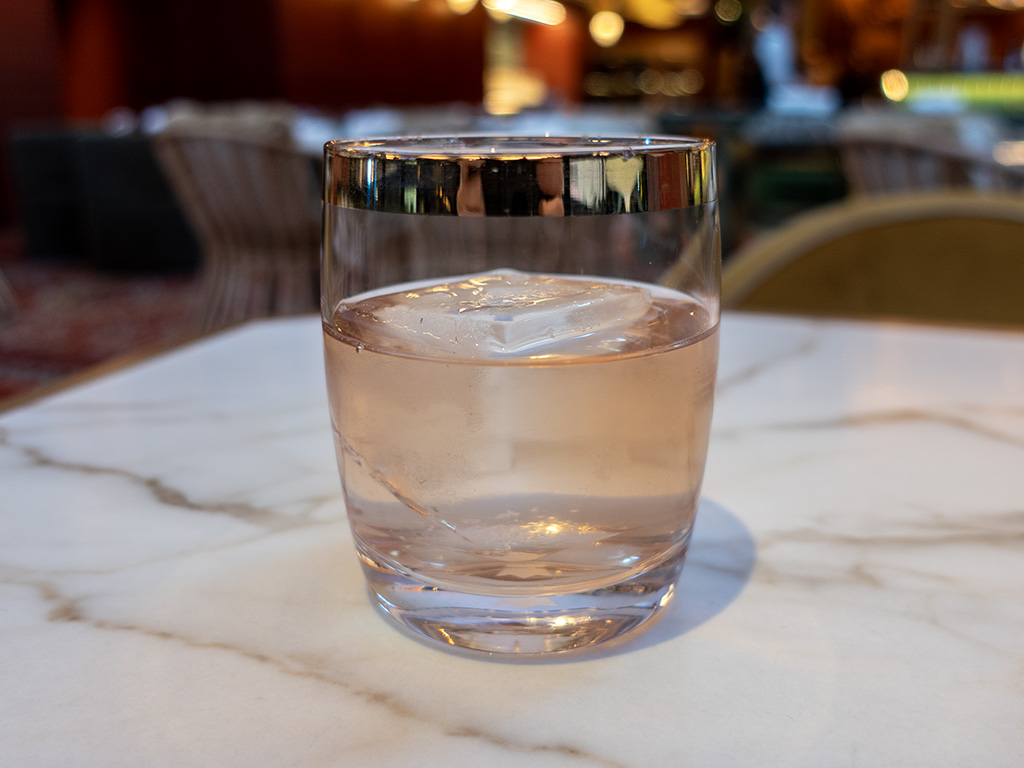
I like to categorize beef tongue into two broad groups: Korean-style 혀 and Mexican-style lengua. Of course, there are many more ways to cook tongue than just those two variants, but basically, the key difference for me is whether it is sliced and seared or diced and braised. I still like the diced and braised style of cooking tongue, but I really like the sliced and seared way. Sliced-and-seared tongue is usually lightly or minimally seasoned, and because of the method of preparation, the flavor of the tongue gets to speak (or lick) for itself. And the best part of it all? The texture is chewy, bouncy, and snappy, and when seared perfectly, sometimes even comes with a light crisp—this all makes for a very fun eating experience.

Unfortunately, this agnolotti was prepared the braised way. Doubly unfortunately, whatever marinade they used was repulsively salty to the point that the shredded beef tongue in each piece of agnolotti tasted bitter. To top it all off, the sauce was also way too salty, and it was just covered in grease and fat.
My friend ordered a 20-ounce prime New York strip steak. When I asked him for a review of it so I could include it in my blog post, he shrugged. I sampled a small portion of it, and my assessment was, “this steak is steak.” He agreed with my analysis. There wasn’t anything particularly remarkable about it… which isn’t necessarily a bad thing, but it also isn’t preferred over being notably high quality.

The strangest thing about the steak, though, is the fact that it came with a side of kettle-cooked potato chips. I think it might have been better if it came with a well-balanced set of thick-cut fries and mixed vegetables as the sides, but I guess these potato chips definitely added to the memorability of the steak.

For dessert, we got a sticky plum pudding to share. The portion size was satisfyingly larger than expected, and the flavor profile seemed good, but this was way too sweet for my preference.

Here are some photos I took of the interior of the restaurant. This first picture is of the bar area; my friend ran into some unexpected delays and was about 15 minutes late for our reservation, so I waited in this bar area for our table to be assigned and prepared after he arrived.
This is what the dining area looks like. It is empty in these photographs because I took this right before departing and we were some of the last people there finishing our meals, but even just an hour before this, the restaurant was absolutely packed and bustling.

This is the exterior of the restaurant. The sign says they were established in 1976, but this particular location took over the spot and celebrated their grand opening only a couple months ago, in February.

Warm bread and schmaltz $   9.00
Steak tartare $  27.00
Cavatelli $  25.00
Beef tongue agnolotti $  27.00
Prime New York strip steak $  69.00
Sticky plum pudding $  14.00
Berry mocktail $  12.00
Diet Coke $   5.00
Gratuity (18%) $  33.84
Sales tax (8.375%) $  15.72
Total $ 237.56

This table to the right shows how much we paid. My friend and I split the bill half-and-half and processed each of our respective halves separately on the mobile payment device, so he might have tipped more than I did; I used my own numbers and scaled it up accordingly just for the purposes of this breakdown.

It’s probably needless to say at this point, but I do not think Hayworth is worth the money. If I had shown up for a quick lunch and ordered only the cavatelli with the berry mocktail, then I guess I would’ve given this restaurant a glowing review, but overall, the dishes were hit-or-miss (with way too many misses).

The service was remarkable. All the staff seemed not only well-trained, but also just socially savvy and intuitive people who genuinely enjoyed working at Hayworth and interacting with customers. Another funny element related to that is, throughout our meal, I think we ended up speaking with and getting checked on by four or five different people. Near the end, my friend started joking about how it seemed like management was basically just throwing the entire kitchen personnel roster at us. If this restaurant was rated on service alone, it would be top-tier.

However, unfortunately, I think their style of cooking is a bit too crude and primitive. The way the dishes were far too salty, fatty, and/or sweet made me think that this kind of preparation would be satisfying for hunter-gatherers who are chasing after those biologically carnal dopamine hits that signal high-calorie survival foods. If you’re looking for more refined dishes where the individual ingredients are left to speak for themselves, then I don’t think Hayworth is an optimal choice for a multi-course dinner.


—§—


Hello, Feuille at The Wellington in Central, Hong Kong

My blog posts from my trip to Hong Kong are coming to an end, and I saved the best for last. Out of the many different restaurants I went to, most of which were tasting menus and other curated dining experiences, my favorite one from my Hong Kong travels was Feuille, located on the fifth floor of The Wellington in Central.

Feuille is the French word for “leaf.” This restaurant picked it as their name because they specialize in creating innovative dishes with vegetables. To clarify, it wasn’t a vegetarian restaurant, but they did avoid red meat throughout the whole tasting menu and instead used only seafood and poultry.

There were two options for the tasting menu: the discovery menu and the signature menu. At a lot of restaurants, the tasting menus have different items and follow a different flavor storyline. However, upon reviewing the two course lists, I realized that the discovery menu was just a shorter version of the signature menu. The discovery menu was HK$1,288 per person; the signature menu was only HK$400 more for what seemed like quite a lot more food. Thus, I ended up going with the signature menu.

The first appetizer was lamiaceae seed kombucha. I’m usually not that big of a fan of kombucha because it just tastes like I’m drinking vinegar and I don’t particularly like vinegar, but this kombucha was much milder than expected. It gave a nice, refreshing kick to start the meal, and it wasn’t so sour that it made me pucker.

Next was mustard seed and sea grape atop a shiso leaf. I think the leaf was dehydrated, because it had a very brittle texture to it, and it tasted “leafy,” but had less of the iconic shiso flavor than I expected. Overall, it felt like I was eating a miniature garden, which was fun.

Afterwards was a yeasty pastry with sobacha and comté. This tasted like a deeply earthy and satisfyingly nutty bread.

The menu said the next item had pointed cabbage, watercress, and nutmeg in it, but it was difficult to identify exactly what I was eating. I imagine those vegetables were mixed into the light, creamy substance placed atop the carb that served as a base for this bite.

Next was a creamy substance with a consistency in between custard and soup, made from chives, corn, and hazelnut. There was a small dollop of caviar included in the center.

The best way for me to describe all these grain and seed dishes is that they captured and extracted the essence of the entirety of each vegetable that they used as an ingredient.

Vegetables usually have a lot of natural water content in them, but all these dishes tasted like the vegetables were dehydrated so that you only capture the true crux of the vegetable flavor without it being diluted or watered down. On top of that, some vegetables come with an element of bitterness, but for all these dishes, it was as if that bitterness was pinpointed and surgically omitted. And finally, each flavor profile tasted more “complete” with all elements of the vegetable, rather than just the part that is sold in mass market (i.e., there was a perfect amount of flavor from what would basically be considered the entire plant, rather than just the popular vegetable portion).

Although Feuille had a wine pairing (four glasses for HK$688 or seven glasses for HK$988), they did not have a non-alcoholic pairing.

When I browsed their à la carte drink menu, there was one mocktail that caught my eye as something that is locally significant: 涅盤遊記, or the Voyage à Nirvana. This was made with lapsang souchong—a smoked Chinese black tea—and monk fruit.

This flavor profile and combination was very new to me, and it was not something I recall ever having tried in the past. It was quite a bit more strong and intense than I expected; I accommodated by just taking small sips to enjoy it throughout my entire meal, and then just drinking water as my primary beverage to go along with it.

Before the next set of courses, the waiter brought out some dough and set it within view on the corner of the table. This dough was going to become bread that I would eat later on during my meal, but it was freshly made so the yeast hadn’t risen yet. While we were waiting for it to finish rising, it was placed on the table so I could keep an eye on it and monitor its progress as a form of entertainment.

While that bread was in progress, the waiter also brought out some other bread that was already ready to eat. This was labeled on the menu as Feuille bread. I didn’t see any leaves on it, so I imagine it was just their signature bread that was named after the restaurant.
This was some great bread. The outside was crispy, crunchy, and firm, but not so much so that it was dry. The inside was very soft. The contrast in texture made the bread more interesting to eat, and the seeds sprinkled on top added an extra depth to its flavor that I liked.
The bread was served with a side of dill pil-pil sauce topped with edible flowers. There was a creamy element to it, but it was extremely light and refreshing, almost as if they had used a slightly thicker fat but then somehow extracted the fattiness from it and only left behind the texture.

I used a generous portion of this sauce with each bite of bread because it was so crisp and light. The best way for me to describe this flavor profile is as if I was eating a gourmet plant, but the only parts of the plant that hit your taste buds are the parts with brighter notes. It wasn’t bright in the sense of it being citrusy or anything; it maintained its core earthy identity, yet it had a very bright twist.

I had a lot of bread left over after finishing all this dill pil-pil sauce, but that was fine; I was already expecting future dishes to also come with great sauces, and I was anticipating finishing any leftover sauce by using this bread as an absorbent.

This is the point in the menu where things are a little fuzzy in my memory, considering that I am writing these blog posts after the fact and it’s already been almost three weeks since I actually had this dinner. I’m trying to cross-reference some of these dishes with what the menu says, but I have a suspicion that they didn’t follow the course list exactly.

The first thing that confuses me is what this is. The waiter briefly explained it to me, but I don’t quite remember what he said. This tasted very intensely of seafood, so I think it might have been something from the sea that was dehydrated and flattened.

Next was some kuruma prawn. This came with a little more of the dill pil-pil sauce that was served with the bread. The prawn had a perfect texture—firmer on the outside, and unbelievably tender on the inside.

The menu listed two components under the kuruma prawn dish, so I am guessing that these were supposed to contribute to the overall flavor profile of the prawn. The first was tomato water.

In the same spirit as how I described the vegetables above, this tomato water tasted like they took only the pleasant essences of tomato and got rid of everything else. I have no issues eating tomatoes as part of a dish, but I don’t often just snack on tomatoes like I would for different fruits like apples or oranges because, for some reason, I seem to sense the sourness of tomatoes far more acutely than the average person. This tomato water had absolutely no sourness to it, so it was as if they had, again, zeroed in on any undesirable elements of the dish and zapped it away.

The second component to go along with the kuruma prawn was celery. I am fairly certain that this was the celery dish (albeit, very unconventionally prepared)… but I think this might have also been the wild fish dish, which is listed as its own separate plate to be served along with algae and romanesco. You can only barely see it in the photograph, but the wild fish was under the sauce.

Next was Sai Kung’s spiny lobster with pumpkin and marigold. I liked this clean switch from green vegetables to orange vegetables; it served as a clear progression in the flavor storytelling, both in a visual sense and with the way it tasted.

The lobster was hiding underneath, so I lifted its cover and took another photograph from a different angle. Similar to the prawn from earlier, this lobster had a perfect texture—a balanced firmness and softness on the outside, along with extreme tenderness on the inside.

I’ve never had this kind of sauce to go along with lobster before, and I liked it much better than the general clarified butter that usually accompanies lobster. I felt like the pumpkin in particular was neutral enough that it didn’t really interfere with or alter the flavor of the lobster.

Next up was their fungus dish, a delicate pastry topped with a heaping portion of black truffle.

They brought out this plate to show it to me first, before taking it back to the kitchen to finish preparing it for my consumption.

I thought it was going to come out much more different, but the only final touches they seemed to have made were to cut it in half and add a small pool of sauce to the side, which the menu says is derived from shaoxing wine.

I like black truffle, so I was glad to see this on the menu. As expected from high-quality truffle, this had a mild, deep, earthy, nutty flavor that was enhanced and complemented by the sauce and the pastry underneath.

It was time for the main entrée.

This came with an optional supplement for some A4 wagyu striploin; diners could either replace the provided main entrée with the wagyu for HK$388, or they could add it on as a separate, second entrée for HK$488. I ended up passing on this, not only because the standard entrée was something that is not common in the United States and I wanted to try it while I had the chance to in Hong Kong, but also because I already had a lot of food high in saturated fat so far during my trip, so I wanted to be conscious of my heart health and not overdo it on highly-marbled red meat.

So, the main entrée I got was Shiqi pigeon served with Kyoho grape and arugula.

I really appreciated the creative presentation with the pigeon leg, though I’m sure it has spooked some people in the past if they are not as adventurous with their dining habits. Also, it’s not often that you get to eat poultry cooked medium-rare in the United States, so I savored the opportunities in which I was able to do so in Hong Kong.

This is probably the best pigeon I’ve ever had in my life. I guess that’s not really a difficult title to earn, considering that I almost never eat pigeon, but regardless, this pigeon was prepared very well. I’m the type of person who eats steak rare or blue rare and loves beef tartare, and that preference for seeking out that distinct texture of raw or undercooked meat extended to pigeon as well.

I’m not really a huge fan of eating chicken feet, so I assumed I probably wouldn’t really like pigeon feet either. The part of the foot that was on the opposite side of the string grip was the only section I left alone, though; I chewed the skin and meat directly off the thigh, which had a stronger flavor than the fleshy part of the breast.

Next came a beetroot.

Of course, the actual part I was supposed to eat wasn’t the entire beetroot. Instead, the inside was carved out and had a creamy substance made from beetroot, juniper, and roses.

I don’t think this was intended to be a dessert yet, but it had a nice natural sweetness to it, which signaled the beginning of the winding-down process of the culinary adventure. I like when foods are used as containers like this; although the beet wasn’t soft enough to eat and was only there to serve as a cup, it had absorbed some of the cream and gotten softer, so I scraped that part and ate that too for a stronger beet flavor.

This was the final confusing area of the menu. The course list said that the next dish was made from rosella, chocolate, and magnolia. I am guessing this was supposed to be a two-part item, but it didn’t really match the description too closely.

This first item was a frozen treat sprinkled atop edible flower. The texture was like eating aerated ice cream that was flash frozen using liquid nitrogen. That brittle texture paired with the flower petals made for a fun chewing experience.

This second item was a complete mystery. As you can probably tell, it was a vegetable-based “chip,” for a lack of a better way to describe it. It had a combination of a floral/fragrant and an earthy aroma.

Apart from that, I have no idea what it was made from. I guess one possibility is that the chocolate, which was missing from the prior serving, might have been reimagined somehow in a flowery way and served like this.

Remember the dough from earlier? Partway through my meal, the waiter came back to check on it, and after confirming that it had risen enough, he brought it back to the chef to turn into actual bread. I didn’t realize it, but this was actually part of the dessert—the bread was baked to accompany some black banana and vanilla ice cream.

Funny enough, even though there were some absolutely incredible seafood dishes as part of this tasting menu, this bread and ice cream ended up being my favorite dish strictly on a metric of how much it triggered my “wow, that is delicious” radar.

I usually don’t like black (i.e., overripe) bananas because I think it tastes like fermentation gone brutally wrong. One of the reasons I never drink alcohol, beyond just the fact that it is bad for your health, is that I think it tastes horrific; when I taste black bananas, I sense some of that alcohol flavor in it (along with a splash of acetone). With that being said, going along with the theme of the rest of the food items at this restaurant, this black banana and vanilla ice cream tastes like it precisely extracted only the good part of black bananas while completely cleansing it of all the chemical tastes of real black bananas.

To make things even better, the bread was cooked with some kind of nut lining the bowl. Because the nuts themselves were also cooked, there was an incredible Maillard reaction that gave it somewhat of a charred flavor, but without any bitterness. It tasted like the bread also absorbed some of that flavor, because the softer, inside part of the bread had a nutty element to it as well.

All of these elements combined—the soft, hot bread; the hard, warm nuts; and the smooth, cold ice cream—worked together to make this a truly orgasmic dish.

And finally, for the last dish of the dinner, I received a custard with cauliflower and coconut.

Because this came out at the same time as the other dessert, I tried sampling it with the bread. However, I realized that the chef had controlled the flavor profile of the bread and ice cream combo to such perfection that this custard made it seem underwhelming. So, instead, I had this standalone and on its own, which made both dishes much better.

The last bite, provided after the conclusion of the meal, was pâte de fruit. It was flavored with orange, which I guess is not too difficult to guess just from the fact that it is also the color orange, but I think there might have been some other fruits mixed in as well.

On the back of the course list, there was a map that showed the location from which each of the main ingredients of the dinner were sourced.

Here are some photographs of the dining area.

Considering that I was aiming for a bedtime of around 10 PM HKT during my trip (which is the equivalent of 7 AM PDT), I booked a reservation for the earliest time slot they had for dinner, which was 6 PM HKT. I was the first person to show up that day, so I managed to get some shots of the restaurant with no other customers having arrived yet.

Signature tasting menu HK$ 1,688.00
Voyage à Nirvana HK$   128.00
Still water HK$    38.00
Service charge (10%) HK$   185.00
Total HK$ 2,039.00
Converted to USD US$   260.63

The table to the right shows how much I paid.

If you’ve followed my blog with at least a little bit of interest, you most likely realized that I like experiencing new and different things in basically all aspects of my life, including with food. Thus, I get pretty allured when a restaurant does something novel with their dining, such as adding in their own special twist or coming up with experimental and/or uncommon dishes.

If you’ve followed my blog, you might have also noticed that I am very descriptive and precise when sharing what I’ve eaten at restaurants. Even though I am not a good cook and I have no formal culinary background, I can usually figure out what I’m eating just based on the broad background I’ve built. Even if the menu or course list is inaccurate or has mistakes (which, believe it or not, happens more frequently than you’d expect), I can easily identify that and fix it before writing about it on my blog.

The reason I loved Feuille so much is that it threw me off a lot in both of those aspects. I don’t actively seek out vegetarian restaurants (or restaurants that do fine dining with a focus on vegetables) because I find vegetables to be somewhat boring. However, Feuille took vegetables and made them fun, exciting, and delicious. On top of that, while eating these innovative dishes, I had a very hard time figuring out (and remembering) what they were made of and how they were prepared, as is probably apparent by the unusually vague and confusing way I wrote my review in this blog post.

Another thing I appreciated about Feuille is their philosophy. The waiter told me about how they try to minimize waste by using as much of the whole ingredient as possible, and how they make their logistics more efficient by sourcing ingredients from as local as possible. I think that consuming (or at least utilizing) the entirety of an ingredient is how we are “meant” to interact with the world around us. Restaurants end up having a shocking amount of perfectly usable food products discarded as waste, so it is intrinsically satisfying to me when an effort is made to optimize this.

This is obviously a pretty high price for a single meal, but if you analyze it within the context of fine dining, I think that Feuille offers extraordinarily high value for money. The food was top-tier, the experience was captivating, and the service was functionally flawless. If you are seeking a meal within this price range, I highly recommend Feuille.


—§—


Hello, VEA at The Wellington in Central, Hong Kong

My second-favorite restaurant I dined at during my visit to Hong Kong was VEA, located on the 30th floor of The Wellington in Central. I found this restaurant because I was looking for some spots with local and regional food, and I saw that VEA aims to honor Hong Kong’s heritage by way of sourcing authentic Chinese ingredients. They then add a French twist to integrate an element of innovation and uniqueness to their dishes.

The restaurant was arranged as multiple bar-style tables wrapped around the kitchen area in curves. I was seated at the final spot of one of the center tables. Obviously, this kind of table arrangement isn’t really conducive to privacy, but I feel like I lucked out by getting as private a seat as possible, while also still being in the middle of the action so I could watch all the different areas of the kitchen with a simple turn of my head.

When the host brought me to my seat, there was an envelope already there waiting for me.

The envelope contained two items: the course list for the tasting menu, and a mission statement describing what VEA aims to do with their food.

The tasting menu started with some savory snacks. The first was a delicate pastry-style dish topped with greens and served with a side of a creamy sauce.

The sauce was served in a small music box that played an instrumental melody on repeat that diners could listen to while eating the first snack.

The pastry was already great, but the sauce somehow still made it significantly better. The sauce tasted like it captured the deliciousness of an extremely rich and fatty cream while somehow keeping it light and eliminating any greasiness.

There was a little scroll tucked into the music box. Upon unraveling it, I found the lyrics to the tune to which I enjoyed the snack.

The second snack was another delicate pastry, but this one was topped with some prawns.

This was also served with some sauce. Just like the first snack, the prawns were amazing on their own, but the sauce elevated it to perfection. This was after I was very impressed at the first sauce and my expectations were already raised pretty high, and this sauce still somehow blew them away.

This was quite a large portion of sauce, and I think one sauce bowl was intended to serve two people dining as a pair. I was dining alone for this meal, but I ended up getting a full bowl anyway. That was great news for me considering how much I loved it; after finishing the prawn pastry, I proceeded to finish the rest of the leftover sauce with the side spoon I was given as if the sauce was yogurt or pudding.

While eating the snacks, the waiter came by to finalize my selections for any modifications I wanted to make to the tasting menu.

The first modification was to decide whether I wanted to replace one of the courses with fish maw, Oscietra caviar, and quinoa for a supplemental cost of HK$1,280. What I appreciated was that there was a replica of what the different special dishes were like so that diners could visually see what they would get prior to committing to a large upcharge.

Although I’m a big fan of caviar, I saw that there was already a caviar dish on the tasting menu, and HK$1,280 was quite a large additional fee (especially considering that it is a substitution and not just a bonus dish), so I passed on this supplement.

The second modification was to decide whether I wanted to replace a different one of my courses with 28-head dried abalone pithivier and sweetbread for a supplemental cost of HK$2,030. As you can probably guess, I opted to pass on this one as well, though I did like taking a look at these replicas too.

And finally, the third modification I had to decide on was whether or not I wanted to add on a beverage pairing. I noticed that they had a spirit-free cocktail pairing curated by their executive mixologist. Usually, non-alcoholic pairings like this are more abridged compared to their alcoholic pairings, but the one at VEA had seven drinks listed, which I thought was quite a lot. That sounded like pretty good value, so I ordered the spirit-free pairing.

The first drink of the pairing came out soon afterwards, which had elderflower, yuzu, cucumber, and soda.

For the first of eight courses, I was served Kristal caviar with spring peas in a smoked coconut sauce. Usually, caviar is used as a way to enhance a dish, but to my absolute joy, this was a dish where the main element was a generous portion of caviar.

This was my favorite dish of the dinner. The caviar, as expected, was delicious. The spring peas were small enough that the shape went nicely with the caviar and the roundness of both items made for a fun textural experience. The peas were firm enough that they had their own variant of a “pop” when I bit into them. The smoked coconut sauce was a bit of a phenomenon on its own, because it tasted both rich and mild at the same time; all the positive aspects of coconut were emphasized and strong, while the somewhat “watery” flavor you sometimes detect in coconut was completely absent.

The next drink of the non-alcoholic beverage pairing had prickly pear, apple, cardamom, lemon, and cinnamon.

That went along with the striped jack served with pumpkin and two-year preserved turnip.

It’s a little bit difficult to tell from the photograph, but this was basically a sphere that was assembled with slices of fish and vegetables. It made for an easy eating experience, as I was able to layer one slice of each together and get a well-balanced and refreshing bite each time.

The third drink came in a tall glass and was made with dried plum, Chinese vinegar, and ginger beer. The outside of the glass was affixed with a sugary cinnamon powder.

This was my favorite drink of the night. Just based on the ingredient list, I wasn’t expecting to like this due to the presence of vinegar, but this was not sour at all. The sugary cinnamon on the outside was also amazing, and every modicum of etiquette and class went out the window as I rubbed the lower portions of the glass on my lower lip to get more of the powder per sip (even though powder placed on the bottom of such a tall glass is mostly just assumed to be decorative).

As the next dish was being prepared, they brought out another replica of it so I could see what was coming up.

Here it is in cooked form: sea cucumber in tiger prawn sauce with a few spritzes of aged Shaoxing wine.

The server recommended that I cut the sea cucumber into small pieces ahead of time. I’m glad she suggested that, because it was a great idea—it allowed the sea cucumber more time to absorb more of the amazing tiger prawn sauce and made each bite juicier. The sea cucumber itself had a perfect balance of tenderness and bounciness. I couldn’t really tell what element the Shaoxing wine added to the dish, but that subtleness is probably what was intended.

The next beverage was peony tea with quince and rhubarb.

For the fourth course, I received rough scale flounder with some white turnip in a Longjing tea sauce.

This was a classic, straightforward whitefish dish with nothing too fancy or crazy. The sauce was mild (but still tasty), the flounder was tender, and overall, this checked off all the boxes for what you’d want in a light and clean whitefish dish.

The next beverage was a genmaicha with Paragon white Penja pepper.

This concluded the first half of the tasting menu. Upon entering the intermission phase, I was given a roll of haw flakes to munch on while preparing for the two main entrées.

I took this opportunity to check out the washroom. There was limited space in the restaurant so it was a bit cramped and I couldn’t get a good angle for the photograph, but I think this is quite literally the most luxurious public washroom I have ever been to in my entire life.

Upon returning to my seat, finishing my haw flakes, and catching up on reading the news on my phone, the brief wait was over and I was presented with my first main entrée: Yunnan mushroom congee with preserved turnip. If you remember from before, this is the dish that I could have replaced with fish maw instead.

This mushroom tasted like it had multiple different flavor profiles at once. While chewing, I sensed a bit of nuttiness, savoriness, earthiness, and sweetness at the same time (though I’m not sure which of those were from the mushroom itself and which were from other ingredients in the congee). For a lack of a better way to describe it, it also tasted “meaty,” and if a vegetarian wanted to eat a meat substitute, I think this mushroom would act as a great alternative.

The second-to-last drink of the spirit-free pairing had tangerine, monk fruit, dark plum, liquorice, and Prunellae Spica.

In a similar fashion as the previous dishes, another replica was brought out to show the core ingredients of the next upcoming dish.

To go along with the second main entrée, I was given a small cup of tea. This was just some bonus tea and was not part of the beverage pairing.

As the grand finale, I was served Aveyron lamb with carrot purée and angelica root.

This was the dish that otherwise would have been replaced by the abalone had I opted to order the supplement instead. I actually really like lamb and would consider it my favorite kind of red meat, so it especially would not have made sense for me to swap it out.

The lamb was milder than I expected, and extremely tender. The root vegetables and the sauce were also proportionally mild, so it did not overpower the lamb.

The final beverage of the spirit-free cocktail pairing was strawberry mango tea. It was prepared inside an infusion vessel, and more specifically, The Porthole by Crucial Detail. This probably had the most “basic” flavor profile out of all the beverages, but because of its refreshing and familiar fruitiness, I would still rank it as my second favorite drink of the night.

Each segment of the kitchen had a different course that they specialized in preparing, depending on what kinds of equipment were present in that section of the kitchen. By the time my dinner was soon coming to an end, it was already getting pretty late, and the section of the kitchen right in front of me transitioned from making appetizers to making dessert. I got a nice view of one of the cooks intricately preparing my next dish.

The tasting menu’s first dessert was cucumber and green apple sorbet with stinky herbs. I was spooked when I saw “stinky herbs” on the ingredient list because I didn’t know just how stinky the stinky herbs would get, but they weren’t actually stinky at all, which I assume was a consequence of proper preparation.

The smaller orbs below the sphere of sorbet were actually orbs of cucumber and apple, rather than more sorbet. I enjoyed that textural contrast, as having that soft crisp made the chewing experience more fun.

The second dessert, and the final course of the tasting menu, was black truffle cheesecake with soy sauce toffee.

The truffle was mild and delicious, and the cheesecake had all the positives of the cheesecake flavor you expect, but without any of the heaviness or greasiness. The toffee was also quite special; it tasted like an elevated version of toffee, with the saltiness of the soy sauce enhancing and making more prominent the caramelized flavor caused by the Maillard reaction.

And with that, the eight-course tasting menu came to an end. I was given a mignardise along with the check.

I don’t know if this was just a special thing they were doing that day because it wasn’t mentioned on the course list, but a server came up to me and asked me if I was interested in some durian ice cream as if it was a bonus. Of course, I eagerly agreed; durian is not a flavor that you see often in the United States, so I wanted to have it in Hong Kong while I could.

This was more of a multi-faceted durian dessert than it was just durian ice cream. As expected, it had a bit of that iconic durian stink to it as I brought it up to my mouth, but as I bit into it and chewed, it got replaced by custardy sweetness.

Here is a photograph of a different section of the kitchen. The area with the ovens was furthest away from me, which I guess is a good thing, because that meant my seat maintained a comfortable temperature throughout my meal.

This is the VEA sign by the entrance.

On my way out, the hostess stopped me to give me a little goodie bag to bring home (or in my case, to bring back to my hotel). I opened it after my train ride back to my hotel in Admiralty and found a Chinese hickory nut marshmallow chocolate chip cookie inside, which I enjoyed as a late-night snack before going to sleep.

I’ve eaten a lot of nutty cookies, and I’ve also eaten a lot of chocolate chip cookies, but I don’t often get to have both at the same time. This cookie combined the best of both, and it tasted great. On top of that, the addition of marshmallows added a second dimension of sweetness that complemented the sweetness of the chocolate.

Tasting menu HK$ 2,280.00
Mocktail pairing HK$   580.00
Still water HK$    60.00
Service charge (10%) HK$   292.00
Total HK$ 3,212.00
Converted to USD US$   409.99

The table to the right shows how much I paid.

This is one of the most expensive meals I’ve ever had on a per-person basis (though I guess a decent chunk of it was from the mocktail pairing, which I thought was great, but I still would’ve had no problem just having only water throughout my meal).

With that being said, for me, I think it was worth it. The portion sizes were satisfying, the selection of dishes fit my personal preferences perfectly, the service was fantastic, and I felt great about all aspects of the meal in its entirety.

Although the fish maw and abalone supplements might be alluring to some, I would not recommend them (though keep in mind that this suggestion is coming from someone who did not actually try them). If they were strictly additive to the eight-course tasting menu, then people who really love fish maw or abalone might be able to justify getting them, but keep in mind that they are replacements. They are quite expensive, and they are replacing dishes that are already very delicious and fit well with the flavor storyline of the overall tasting menu.

If a ~US$330 meal (which excludes the beverage pairing) is within your budget, then I highly recommend trying out VEA. It offered all the components of a top-tier tasting menu, both in terms of the food and the overall experience, and everything about it either fulfilled or exceeded my expectations.


—§—