Hello, Mississippi Civil Rights Museum in Jackson

In order to stay on schedule, I’m moving through the southeastern states a bit more quickly than anticipated. I’m only staying three nights in Ridgeland, Mississippi, a northern suburb of Jackson, the capital of Mississippi—one for travel, one for work, and one for a tourist activity. The most popular and highly-rated tourist attraction in Jackson seemed to be the Mississippi Civil Rights Museum, so that’s where I decided to spend my off day.

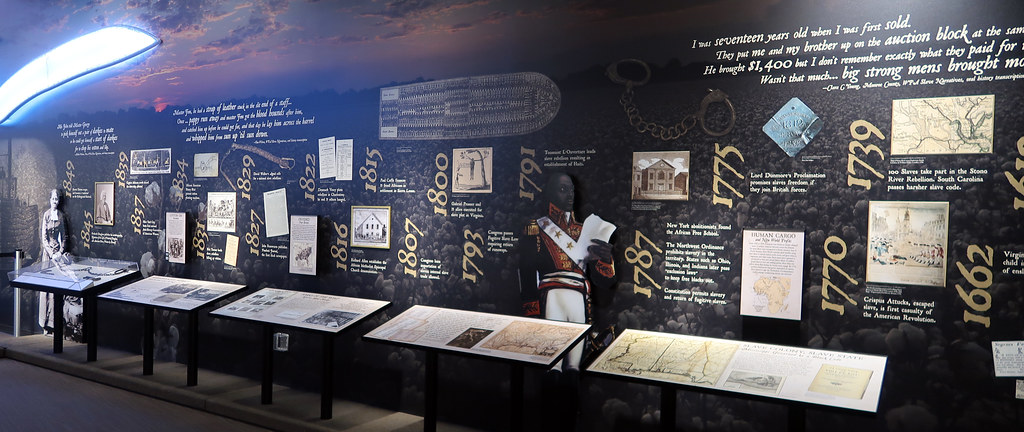
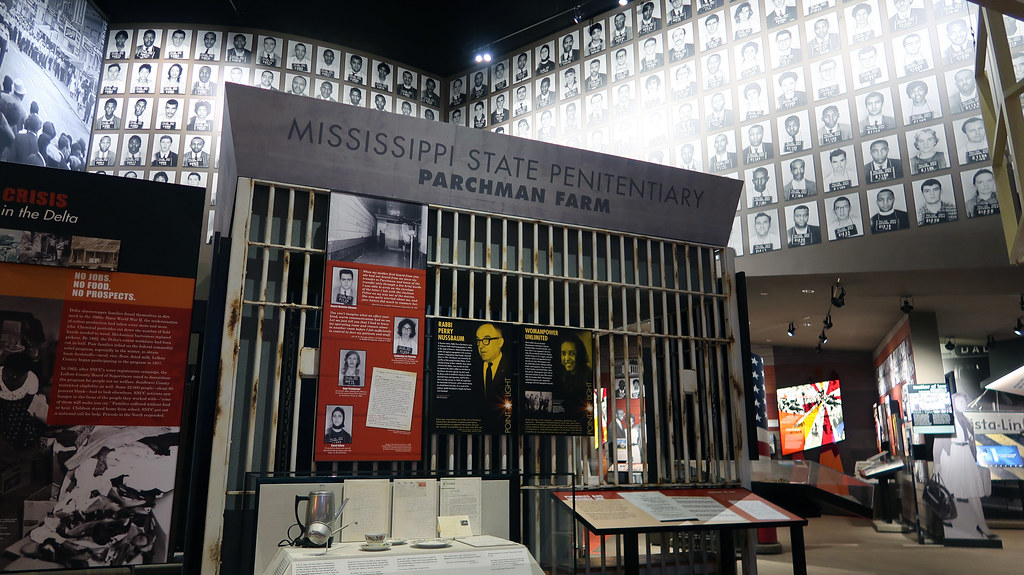
The museum opened with a section called the “Mississippi Freedom Struggle,” which gave a broad overview of the Civil Rights Movement and provided a general timeline of its progression.

Mississippi Civil Rights Museum

Afterwards, the exhibits started with “Mississippi in Black and White,” which spotlighted the African-American leaders of the Civil Rights Movement.

Mississippi Civil Rights Museum

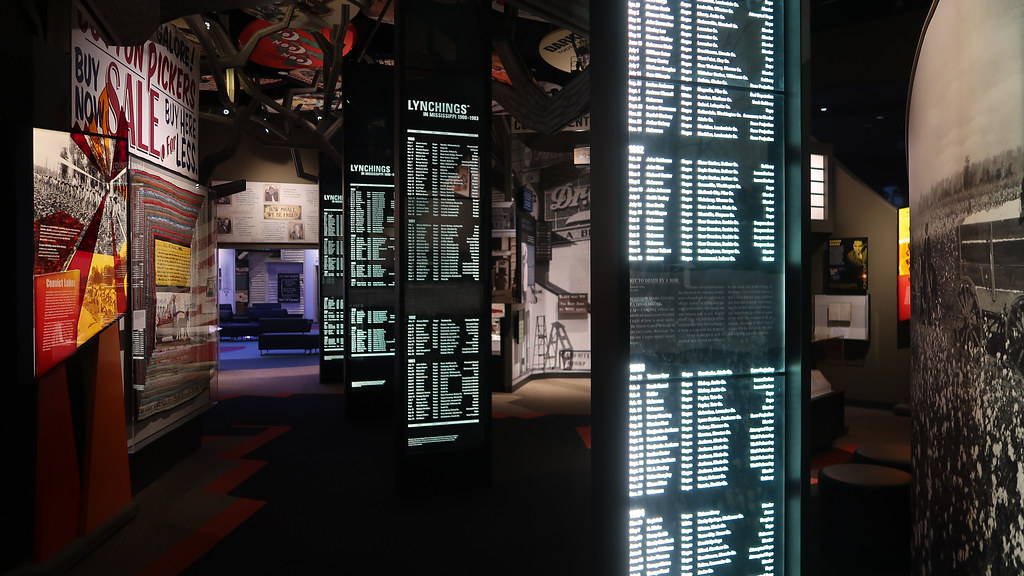
Also in this section were five monoliths listing, honoring, and memorializing lynching victims. These monoliths were my favorite part of the museum—not only did they just provide raw data for you to interpret on your own, but I did not realize that so many people were lynched for such mild “crimes,” many of which were not even proven. Intertwined in the lists were excerpts of news articles that covered some of these lynchings.

Mississippi Civil Rights Museum

In the center of all these sections was a circular area that housed a light structure called “This Little Light of Mine,” which was built to honor the civil rights activists who gave up their lives to further the cause. It also had music from the era playing that civil rights activists used to rally morale and faith from supporters.

Mississippi Civil Rights Museum

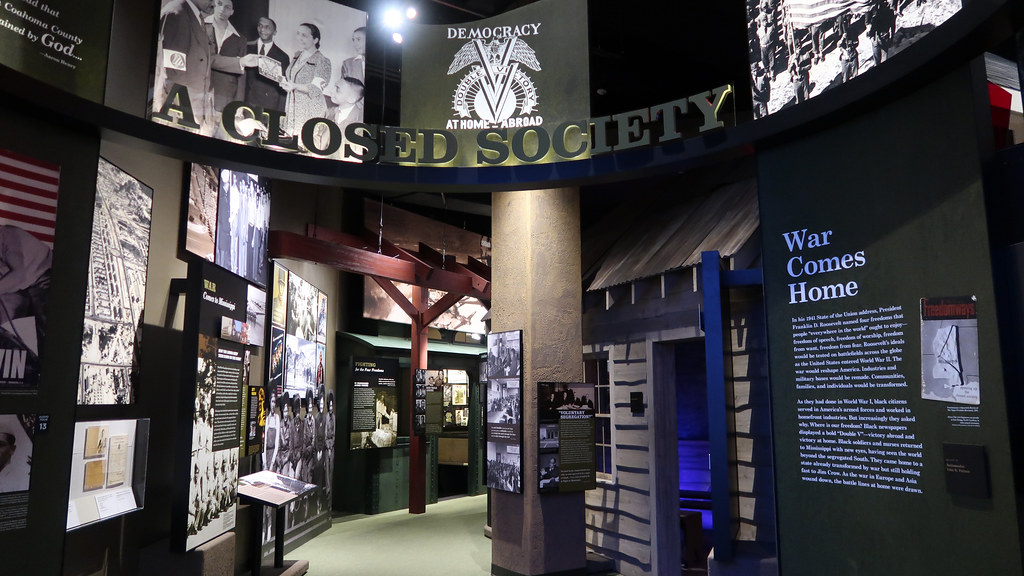
Next up was “A Closed Society,” a section that explored how the experiences of Black Mississippians who had served in World War II catalyzed the Civil Rights Movement.

Mississippi Civil Rights Museum

Within this section were two short films, the first of which was in a small classroom. The film showed how Mississippi refused to honor equality among races and would separate whites from those with colored skin. It also displayed a lot of statistics about how Black children were at a substantial dis­ad­van­tage when it came to educational resources compared to their white counterparts.

Mississippi Civil Rights Museum

The next feature short film was about the lynching of Emmett Till, a Black child who had been killed by white men. This film showed that, even though the nation was this far into the Civil Rights Movement, whites could still get away with killing Blacks. Apparently, Emmett Till’s slaying was a big part of driving the Movement forward because his mutilated face was printed in media outlets so people could see for themselves just how brutal the killing was.

Mississippi Civil Rights Museum

In “A Tremor in the Iceberg,” the museum showed how a new generation of leaders gave the Movement a fresh sense of urgency and drive.

Mississippi Civil Rights Museum

The short film in this section covered Medgar Evers’ assassination, and how, somehow, a white man could still get away with killing a Black man. Be­cause of the systemically racist nature of jury selection and how it was based on voter registration, the jury was hung, and the assassin wasn’t con­vict­ed until decades later.

Mississippi Civil Rights Museum

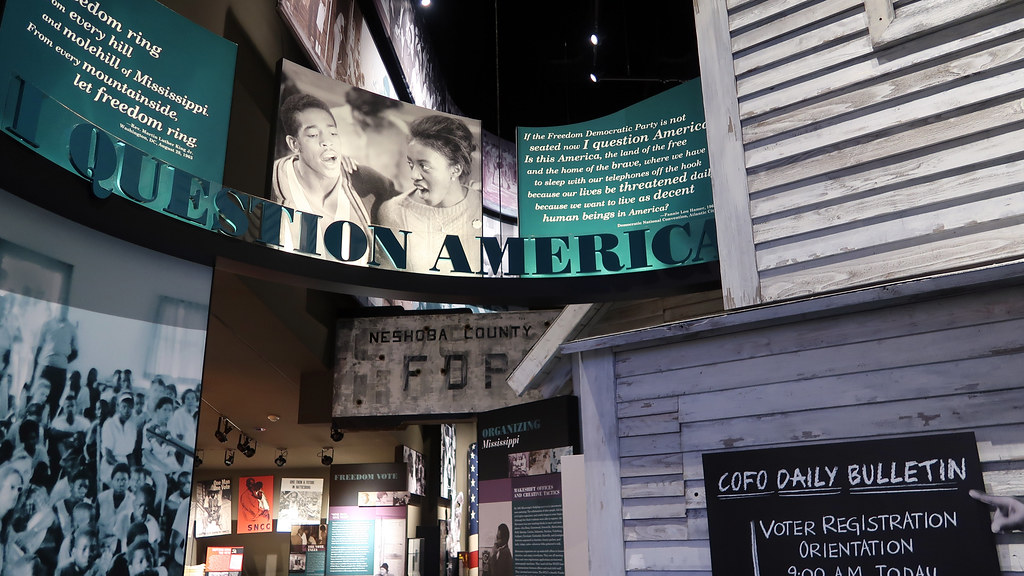
In the next section, “I Question America,” things really picked up in the Movement as it garnered more support, but it still wasn’t easy. The two feature films in this section were one in a church that showed the efforts of the Student Nonviolent Coordinating Committee and the Council of Federated Organizations, and another about three activists who had gone missing after an encounter with the police.

Mississippi Civil Rights Museum

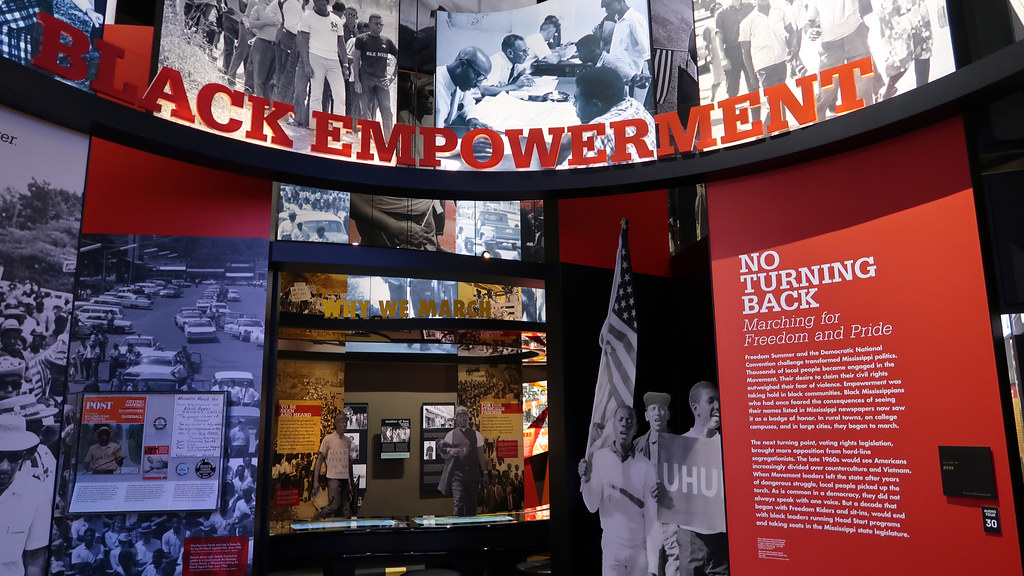
As the timeline creeps closer to present day, “Black Empowerment” highlighted the triumphs of the Movement that ultimately led to the Voting Rights Act of 1965. This section also housed some artifacts from the period.

Mississippi Civil Rights Museum

Finally, “Where Do We Go From Here?” featured some of the stories from the people of the Movement. This was also a place where museum participants could contribute their own thoughts on what’s next for civil rights.

Mississippi Civil Rights Museum

As a general overview of the museum, this was another one of those spots where I unexpectedly spent a lot more time than I anticipated. This museum had a way of pulling you in and keeping you hooked on finding out what happened next.

I think one of the reasons the museum had this effect on me goes hand-in-hand with something else I found out, which is, how little I actually knew about the Civil Rights Movement. I was obviously aware that this had happened in the past, but after reading through a lot of the exhibits and displays, I realized that I had confused a lot of what happened in the mid-1900s with what had happened in the mid-1800s. More specifically, a lot of events that I thought happened in the 1850s and 1860s actually took place in the 1950s and 1960s, but I just wasn’t aware of it.

I can definitely attribute this to the fact that I never took history seriously during school so I probably never retained any of this when I learned it, but learning it now and having it completely challenge my existing understanding of the Civil Rights Movement definitely made me feel very ignorant.

This was also very eye-opening, in the sense that all of this was happening not too long ago. When my grandmother was my age, there were Black people getting shot and killed just for being a nuisance, and there would be a jury of people who would look at the case and say “eh, the white guy’s innocent,” which is mind-blowing to me. This in particular is an example of one of those things that I misunderstood by a factor of a century—I expected stuff like this to happen in the 1850s, but not in the 1950s.

I thought this was a great museum. The way it was organized made me hungry for more knowledge, and it kept my attention throughout a bulk of the ex­hibits, which I personally think is impressive for someone who has historically hated learning about history.

The short films were also unique in the sense that their presentation always included some extra dimension and element of display—either using mul­ti­ple screens, having differently-shaped screens, or having physical light-up artifacts in the background of the films. The museum took it a step beyond just playing videos that you otherwise would just be able to watch on YouTube.

Note that the Mississippi Civil Rights Museum is part of the “Two Mississippi Museums” experience, with the other half containing the Museum of Mis­sis­sip­pi History. Because I spent so much time on the Civil Rights Museum side, I didn’t really have much time to go through the Museum of Mis­sis­sip­pi History, so I ended up just photographing everything on that half so I could look back through it later.

If you plan on scheduling a visit here, which I would highly recommend as a must-do activity if you’re ever in the Jackson area, then this is an all-day, open-to-close kind of museum.


—§—


Hello, Barber Vintage Motorsports Museum in Birmingham, Alabama

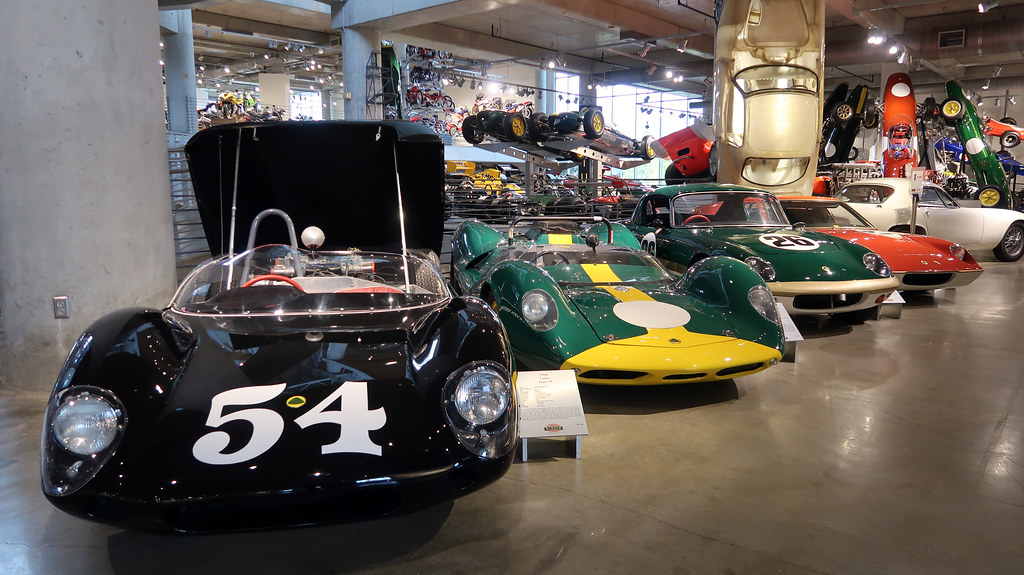
For my second activity in Birmingham, I decided to go to the Barber Vintage Motorsports Museum. I don’t really know anything about motorcycles, so I don’t really have too much commentary on these photos—I just took a ton of pictures of everything that looked shiny and fancy, then picked out the most unique ones to feature here.

Barber Vintage Motorsports Museum

Barber Vintage Motorsports Museum

Barber Vintage Motorsports Museum

Barber Vintage Motorsports Museum

Barber Vintage Motorsports Museum

Barber Vintage Motorsports Museum

Barber Vintage Motorsports Museum

Barber Vintage Motorsports Museum

Barber Vintage Motorsports Museum

Barber Vintage Motorsports Museum

Barber Vintage Motorsports Museum

Barber Vintage Motorsports Museum

Barber Vintage Motorsports Museum

The museum also had an outdoor area that I was able to access through a rear door on the first floor. I was lucky enough that, on the date of my visit, there were a few cars prac­ticing on the track. I was able to watch them do a few rounds from the pedestrian bridges, then I managed to find my way down to the main racetrack so I could watch from just meters away.

Barber Vintage Motorsports Museum

Barber Vintage Motorsports Museum

This museum was overwhelmingly rated as the top tourist attraction in the city, so I decided to go, even though I don’t really have that much of an in­ter­est in motorcycles. This is the general system I’ve been using for other cities as well—rather than seeking out things that I already know I enjoy, I’m just trusting other tourists and going to see things that they say were great. I figured this is also an efficient way to expand my breadth of knowledge and experiences.

I’m very glad that I used this system and came across Barber Vintage, because this museum was amazing.

I usually rate museums based on the variety of different kinds of exhibits they have. For example, I thought that the Kentucky Derby Museum was one of the best museums because it had a little bit of everything—a walking tour, a 360° theater, regular videos, displays, text, interactive experiences, and more. The Barber Vintage Motorsports Museum basically had none of that—it was almost entirely just displays. However, if you take just one thing and do it ex­cep­tion­ally well, that’s sometimes enough, and this museum was an example of that.

I would’ve never expected myself to do this, but I spent right around four hours just looking at motorcycles, and that was just with the self-guided general admission ticket, which didn’t even include access to the entire basement floor. The way that this museum organized the motorcycles, set them up on racks and displays, and sorted them by type, region, and era was extremely satisfying. Even the aesthetics of the architecture of the building was nice.

If you’re ever in the Birmingham area, I agree with all the tourists and highly recommend that you check out this museum. It’s an amazing museum for people who aren’t motorcycle enthusiasts, and it’s probably going to feel like heaven for people who are.


—§—


Hello, USS Yorktown (CV-10) at Patriots Point Naval & Maritime Museum

I saved the best for last—for the third and final blog post of my trip to Patriots Point Naval & Maritime Museum, here’s the USS Yorktown.

USS Yorktown at Patriots Point

When my co-worker told me that we’re going on an aircraft carrier, it didn’t quite immediately click in my mind as to how large of a watercraft we would be visiting. After arriving at Patriots Point, I had a moment of just staring at the USS Yorktown in amazement at its size. It slowly sunk in that it was an aircraft carrier, as in, it carried aircraft… which meant it had to be big enough for planes to fit on—and take off from—it.

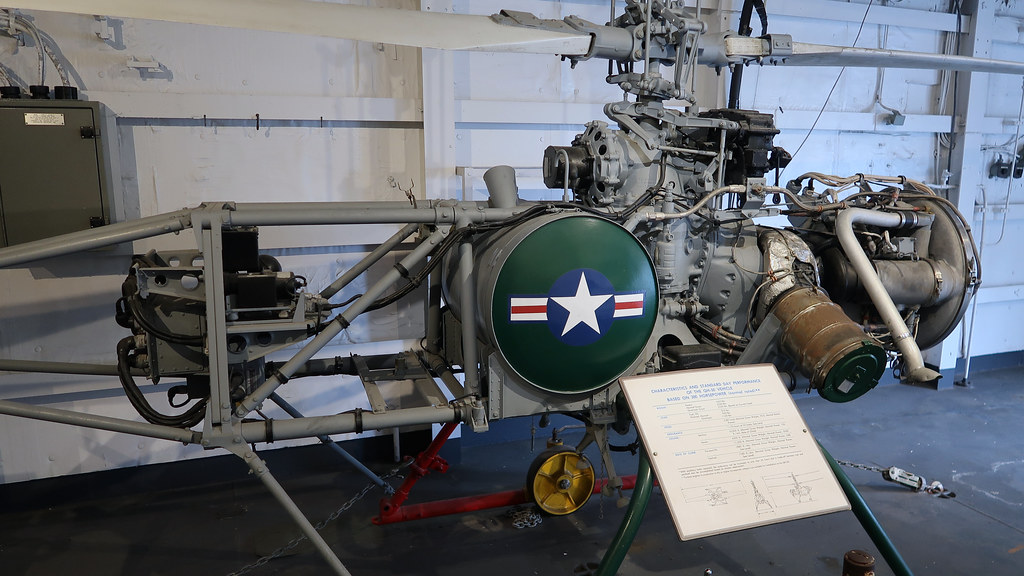
After entering, we spent some time just walking around the main deck and looking at all the aircraft.

USS Yorktown at Patriots Point

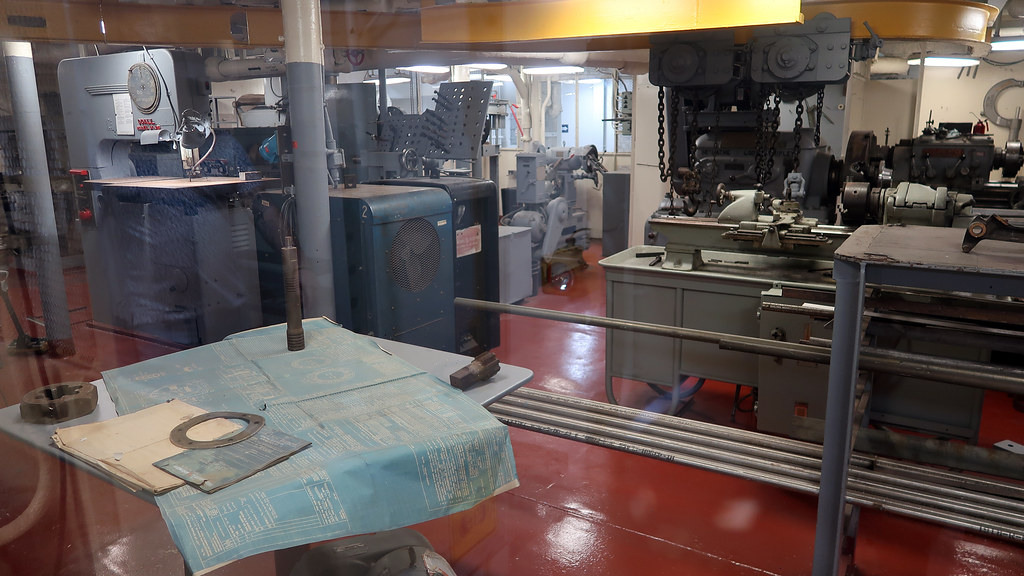
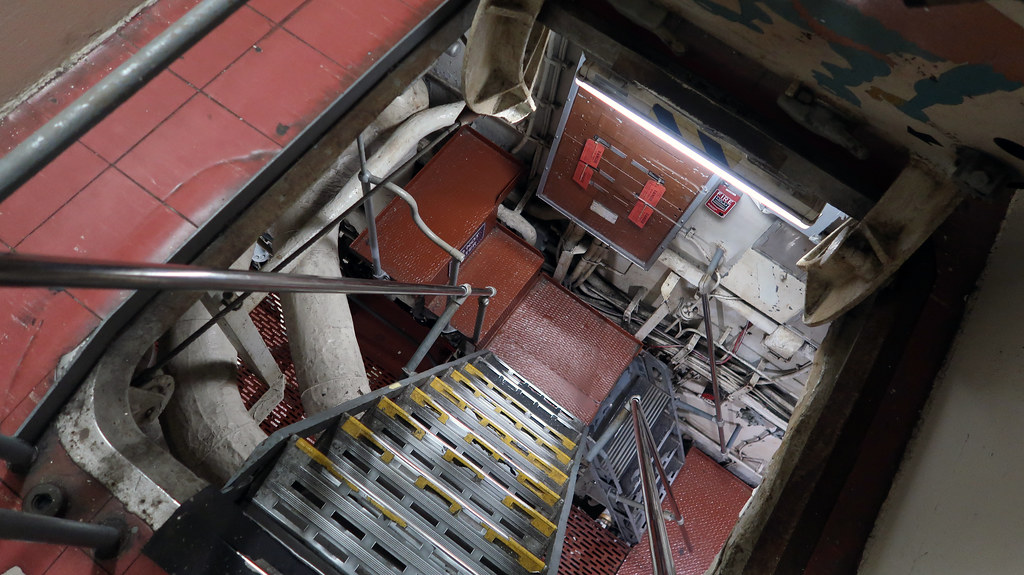
Our first tour was named “Living & Working Spaces, and the Engine Room Experience” (which I think is fairly self-explanatory). This took us through the more “active” areas of the Yorktown so we could see what life was like aboard the watercraft when it was still in service.

USS Yorktown at Patriots Point

USS Yorktown at Patriots Point

USS Yorktown at Patriots Point

USS Yorktown at Patriots Point

USS Yorktown at Patriots Point

Although this was nowhere near as cramped as the submarine, it’s still impressive how people would be able to live on the watercraft for extended pe­ri­ods of time in such close proximity without going insane.

After completing the loop of the first tour, we returned to the main deck and looked at some more aircraft and other exhibits on our way to the entrance to the second tour.

USS Yorktown at Patriots Point

USS Yorktown at Patriots Point

USS Yorktown at Patriots Point

The second tour was called “The Flight Deck & Bridge.” After navigating through a short path, we made it out to the upper level of the aircraft carrier to actually see some of the aircraft that it was carrying.

USS Yorktown at Patriots Point

USS Yorktown at Patriots Point

USS Yorktown at Patriots Point

USS Yorktown at Patriots Point

USS Yorktown at Patriots Point

I go into far greater detail about this in the blog post I already wrote covering the USS Clamagore and Laffey (and you should definitely read that if you want my thoughts), but in summary, this is how history should be taught. Walking through the USS Yorktown was an extremely intriguing and in­ter­est­ing experience, and as someone who has absolutely hated history classes in the past, I thought my visit to Patriots Point was a very valuable ex­pe­ri­ence.

As I mentioned before, we had a late start to our day, so there were actually two entire tours aboard the USS Yorktown that we were unable to complete—the “Yorktown Wardroom, Catapult Room, & Brig” and “WWII Carrier Rooms.” In addition to that, my co-worker and I only got general admission tickets; there were also some upgrade options available, one of which was an add-on for a captain’s guided tour, and another one that included a five-minute flight motion simulator experience.

Charleston is fairly out of the way and I’m not sure if I’ll have a reason to return anytime soon, but if I do, I’m definitely making another stop at Patriots Point. Not only do I still need to actually finish seeing everything that the museum has to offer, but this is also one of those spots where having a prior visit under your belt will enhance your future visits and allow you to notice things the second time that you didn’t notice the first.

And with that, my time in Charleston comes to an end. I have a handful of pictures that I still want to post as a photo dump, but my journey now con­tin­ues to the next destination.


—§—


Hello, Medal of Honor Museum and the Vietnam Experience Exhibit

As a continuation of yesterday’s blog post about the USS Clamagore and Laffey from visiting Patriots Point Naval & Maritime Museum, today’s spot­light is on the Medal of Honor Museum and the Vietnam Experience Exhibit.

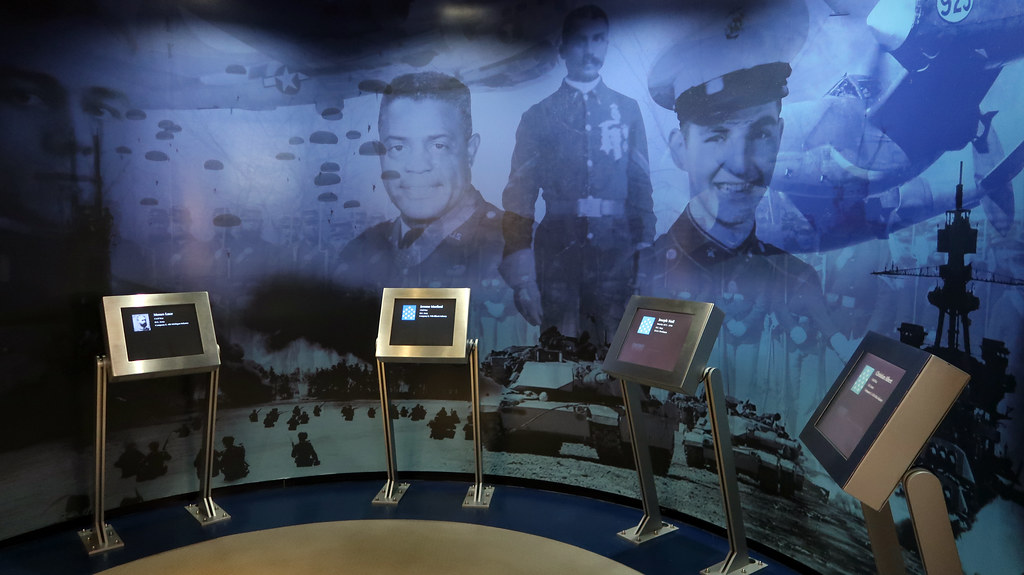
The Medal of Honor Museum was inside the USS Yorktown (which I’ll show tomorrow). The Medal of Honor is the United States government’s highest award, and it is given to members of the military who distinguished themselves from others through great valor during combat.

Medal of Honor Museum at Patriots Point

Medal of Honor Museum at Patriots Point

Medal of Honor Museum at Patriots Point

Medal of Honor Museum at Patriots Point

As I mentioned in my previous blog posts, I don’t really have much background knowledge in history, so I didn’t really know anything going into this museum. My co-worker did, though, and he said that this museum was fairly biased—which is unfortunate, but also expected, seeing as this is an A­mer­i­can award in a museum in the South, and featuring Medal of Honor recipients of ethnicities of past United States war enemies might not yield the best reactions from some people.

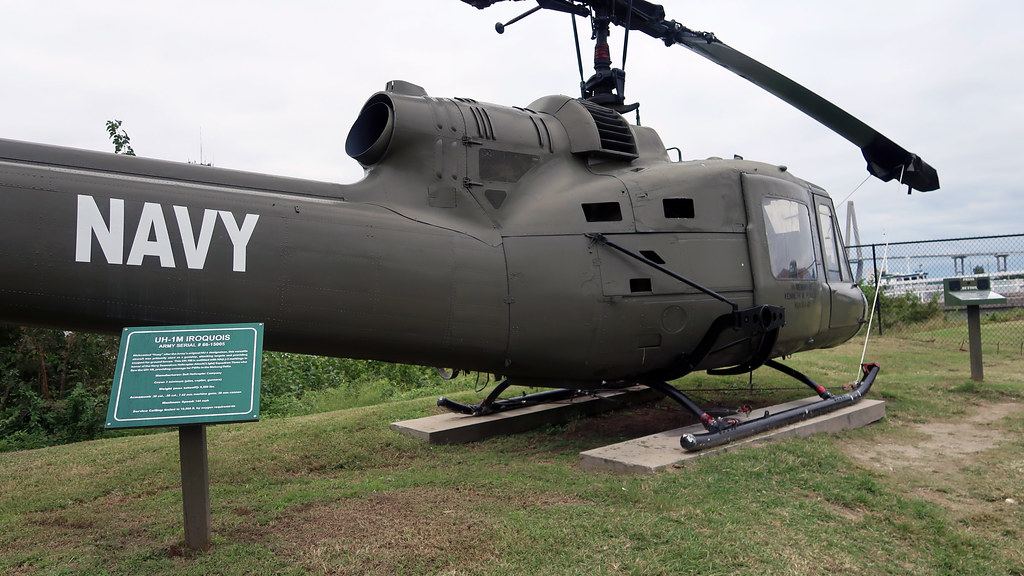
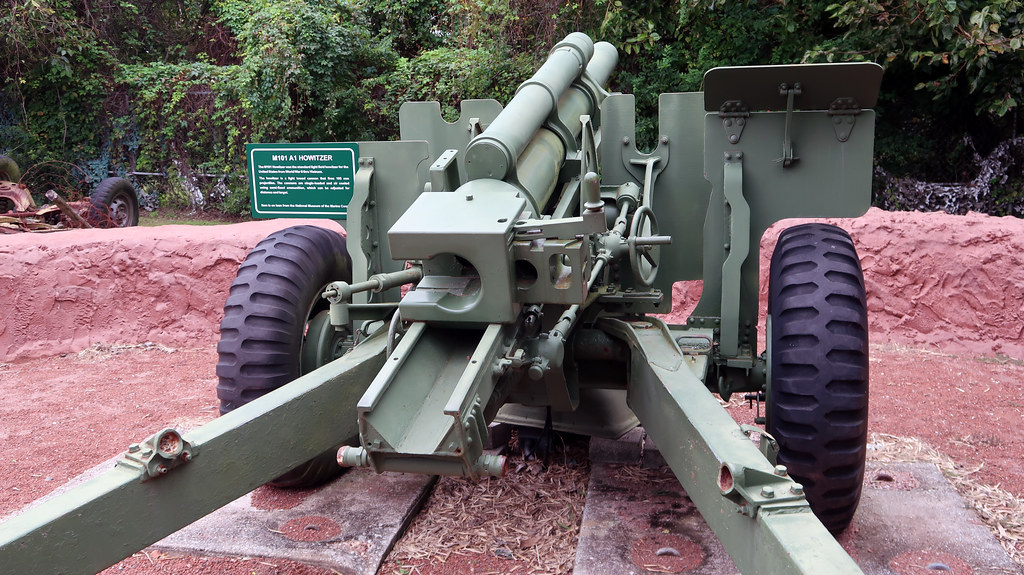
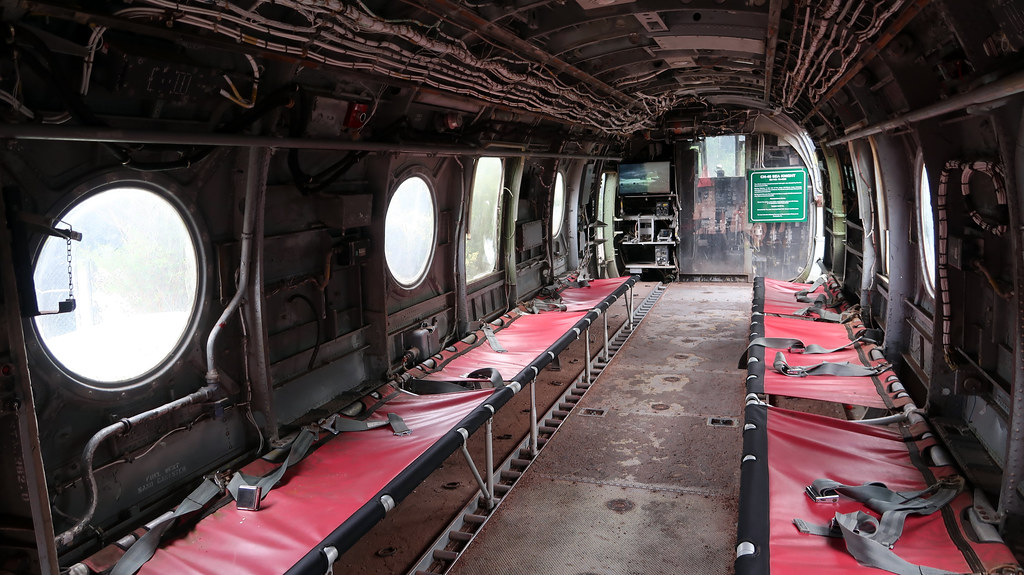
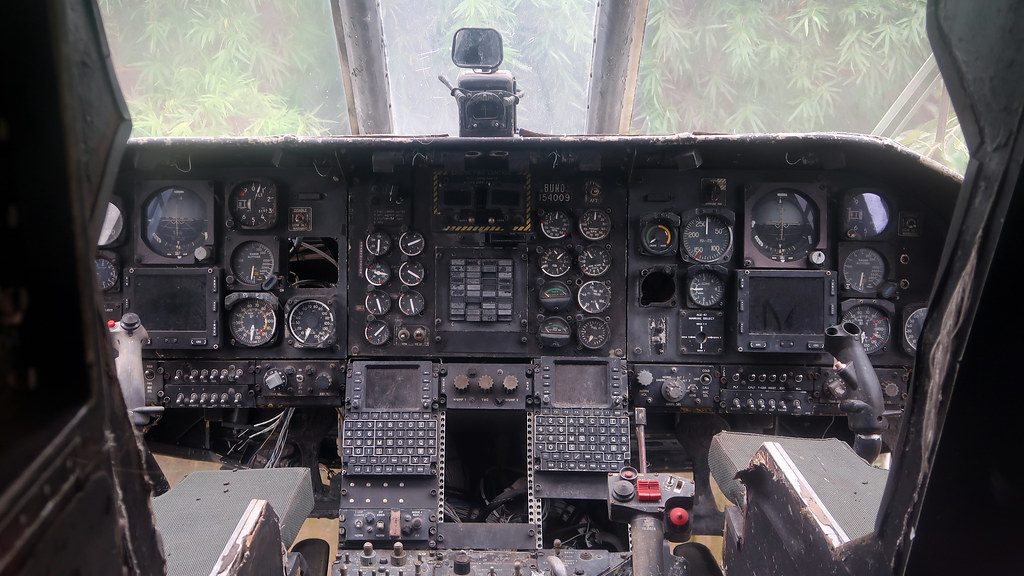
For the final exhibit before closing time, we walked through the Vietnam Experience Exhibit. This was a hybrid indoor and outdoor exhibit, with the in­door section resembling a traditional museum with items on display, and the outdoor portion being modeled to try and emulate what it actually looked and felt like during the Vietnam War. They had speakers set up in inconspicuous locations to pump “war sounds” into the area, there were a hand­ful of huts that were designed to look like the ones in Vietnam, and a lot of the aircraft and vehicles were accessible so visitors could see inside.

The Vietnam Experience Exhibit at Patriots Point

The Vietnam Experience Exhibit at Patriots Point

The Vietnam Experience Exhibit at Patriots Point

The Vietnam Experience Exhibit at Patriots Point

The Vietnam Experience Exhibit at Patriots Point

The Vietnam Experience Exhibit at Patriots Point

The Vietnam Experience Exhibit at Patriots Point

There was a photo opportunity at the top of the watchtower; my co-worker eagerly told me to get in position and man the machine gun.

The Vietnam Experience Exhibit at Patriots Point


—§—


Hello, Cold War Memorial in the USS Clamagore (SS-343), and the USS Laffey (DD-724)

For the next tourist activity of Charleston, I was joined again by my co-worker to go to Patriots Point Naval & Maritime Museum. The museum is ba­sically four museums in one, with three ships and an experiential exhibit.

We attended a wedding over the weekend; I didn’t join in on the afterparty, but my co-worker did. This meant that he slept in and had a late start, so we only had about four hours to experience everything. The museum(s) is/are massive, and four hours wasn’t enough to see everything, even though we weren’t standing there reading all the information on all the placards. If you also want to go, I’d recommend a 4-6 hour trip at the minimum; if you’re an enthusiast who loves the topic, this is honestly an amazing place to spend the entire day from open to close.

Because the museum was so large, I decided to split it up into a few separate blog posts. The first two museums we went to were the Cold War Memorial inside the USS Clamagore (which is a submarine), as well as the USS Laffey DD-724.

Patriots Point Naval & Maritime Museum

Patriots Point Naval & Maritime Museum

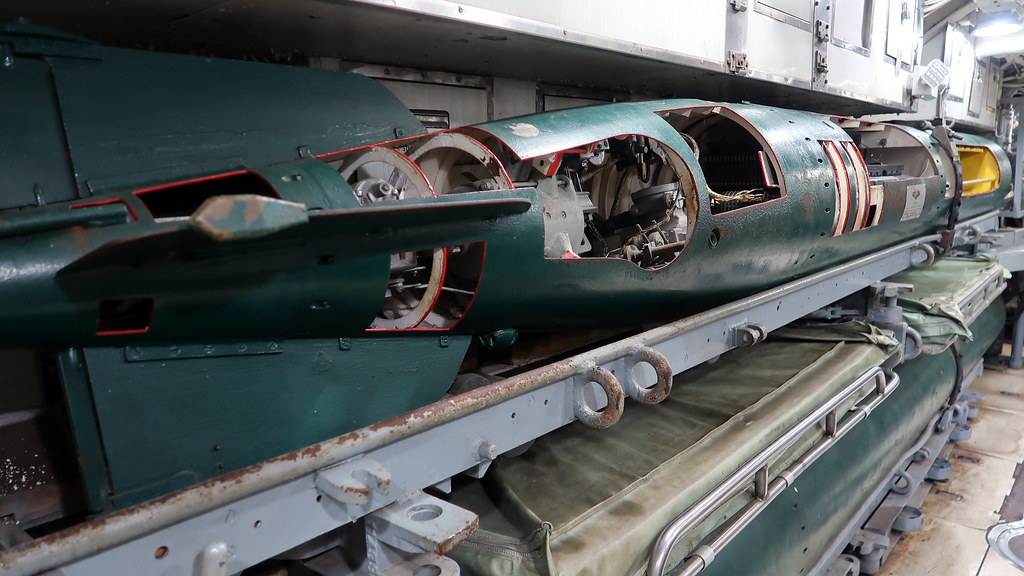
The submarine exhibit outlined what underwater life was like during the Cold War so we could see it first-hand.

Patriots Point Naval & Maritime Museum

Patriots Point Naval & Maritime Museum

Patriots Point Naval & Maritime Museum

Patriots Point Naval & Maritime Museum

Patriots Point Naval & Maritime Museum

Patriots Point Naval & Maritime Museum

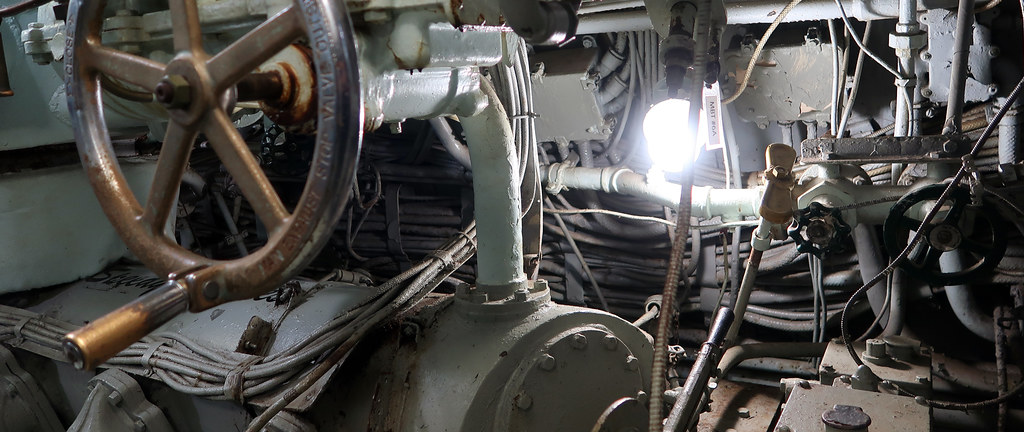
The main takeaway I got from walking through the entirety of the length of the submarine was how large and small it was at the same time. I had never been on a submarine before, and I’m not sure where I got this impression, but I assumed that a submarine would be more like a smaller boat, but capable of being completely underwater. I imagined the interior would reflect something like a private jet. I’m sure there may be some submarines that exist that are like this, but the USS Clamagore was quite literally an entire house crammed into a watercraft.

As I walked through all the different rooms, I realized that this was built for people to live in here for extended periods at a time—all the essentials were directly in the submarine. However, it was also extremely space-efficient, meaning, there was very little open space that wasn’t already being used for some important purpose. The one long hallway stretching across the length of the submarine required a good amount of flexibility and agility to nav­i­gate because of how narrow and short it was.

My co-worker asked me whether or not I thought I could survive in one of these for a long period of time. I do well with small spaces, so that wouldn’t be much of a problem, but I know for a fact that I wouldn’t be able to tolerate the smell and heat. The submarine had a section where it showed the en­gine and had a speaker emitting the sound of one engine… and apparently during normal operation, there are ten of them running at the same time, resulting in ten times the volume. They also produce an insane amount of heat, and it would be normal for it to be ~120°F (~48°C) in that room.

 
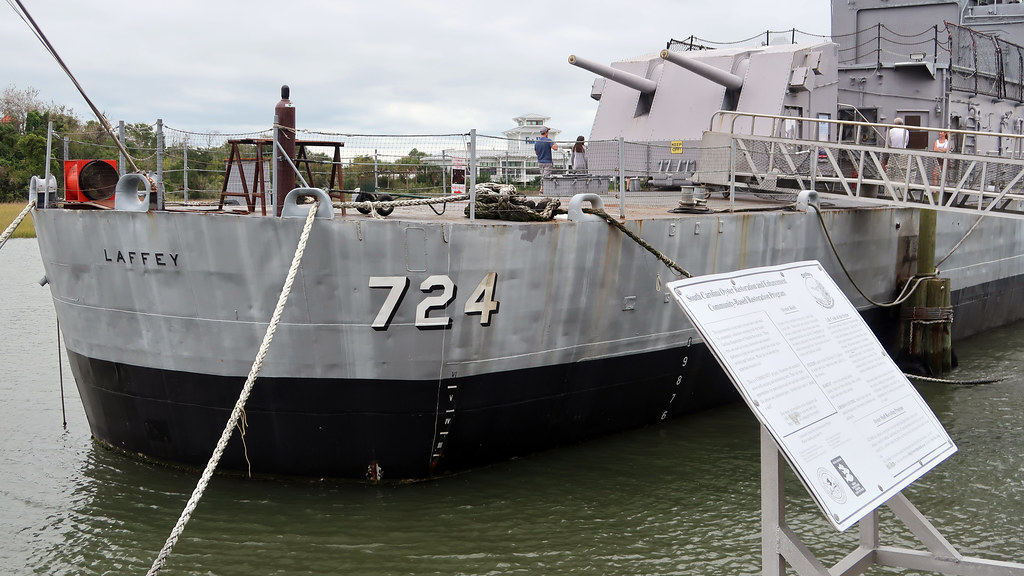
Next up was the USS Laffey, nicknamed “The Ship That Would Not Die” due to how resilient it was during the most relentless suicide air attack in his­to­ry during the Normandy landings on June 6, 1944, better known as D-Day.

Patriots Point Naval & Maritime Museum

Patriots Point Naval & Maritime Museum

Patriots Point Naval & Maritime Museum

Patriots Point Naval & Maritime Museum

Patriots Point Naval & Maritime Museum

Patriots Point Naval & Maritime Museum

During the tour, I found my locker.

Patriots Point Naval & Maritime Museum

You might not know this about me, but while I was still in school, I passionately hated history. It was my least favorite subject, I failed my Advanced Place­ment exam in history during high school, I took no history courses as an undergraduate university student while earning my Bachelor’s degree, and I quit my graduate program for my Master’s degree because their breadth of knowledge requirement forced me to take eight history courses to make up for my lack of exposure to history.

My opinion on the topic of history is slowly changing. I started feeling this way when I started going to more historical museums during my road trip, but I think the USS Laffey was the “tipping point” that made me realize that history isn’t actually really that bad, and the thing that’s bad is actually just the American education system.

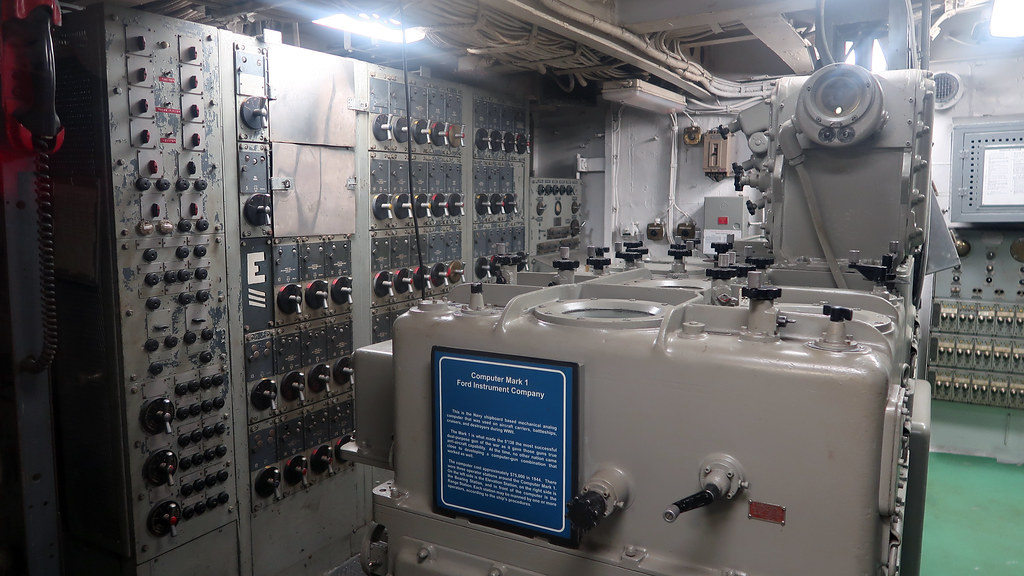
After watching all the videos on the ship about what happened to it, seeing all the rooms and some of the equipment that the military used to fight to defend the United States, and literally standing in the same watercraft as the veterans with my own two feet, it somehow just occurred to me in a very surreal manner as to how “real” everything was.

This isn’t to say that I was doubting that any of these historical events happened; it was just that, when I learned about it by reading out of a textbook and taking exams, I felt many degrees of separation from the topic. By seeing all this in-person, it hit me as to how important and significant all this was, and how relevant this actually still is to modern-day life.

These museum exhibits were built in a way such that both history enthusiasts (like my co-worker) and history idiots (like I) could learn something new and have a nice experience. What made it even better for me was that, as someone who grew up in the middle of nowhere in the Chicagoland suburbs, and then lived east of the Santa Ana Mountains in California before moving to the middle of the desert in Las Vegas, I didn’t really have much exposure to water. The fact that I was just even on a tremendously large boat to begin with was an exciting experience, so being able to walk through both these watercraft was amazing.


—§—


Hello, South Carolina Aquarium in Charleston

After a few more days of catching up on work and staying indoors to escape the humidity, I emerged from my hotel room to go on my first tourist ac­tiv­i­ty of Charleston. One of my co-workers flew in to Charleston in preparation for the wedding that we will be attending this coming weekend, so I went with him to the South Carolina Aquarium.

I’ve been to the Shark Reef Aquarium at the Mandalay Bay in Las Vegas, the Seattle Aquarium, and the Henry Doorly Aquarium in Omaha, so this was my fourth aquarium experience (as far as I can recall).

The first area we walked through was the turtle hospital, where they were nursing injured turtles back to health. This was an interactive experience where recovering turtles were visible along the walls, and there were exhibits showing what it’s like being a doctor treating a turtle.

South Carolina Aquarium

After the turtle hospital, we moved onto the main section of the aquarium. Like all the others I’ve been to, it is particularly difficult to take good-quality photographs in aquariums due to all the reflections on the glass.

South Carolina Aquarium

South Carolina Aquarium

South Carolina Aquarium

South Carolina Aquarium

South Carolina Aquarium

South Carolina Aquarium

There was a section of the aquarium where you could reach into the water and pet some of the fish. I personally am not really the biggest fan of dipping my hand in water touched by hundreds of different people during a pandemic, and I also didn’t want my hand to come out smelling fishy, so I opted not to participate, but I took a photo.

South Carolina Aquarium

The aquarium also had a random area near the escalators that housed a bald eagle. The photo looks a little weird because the eagle’s body was facing me, but it had turned its head nearly 180° so it looks like its head is facing away from me.

South Carolina Aquarium

I have extremely bad eyesight, so when I saw this tiny bird eating something, I just assumed it was a worm, though I was wondering how the worm was so short and fat. Well, after opening the files on my camera and reviewing my photographs, I found out why—the bird wasn’t actually eating a worm, but rather, what appears to be a mouse fetus.

South Carolina Aquarium

Next up was the reptile and amphibian section.

South Carolina Aquarium

South Carolina Aquarium

The last area of the aquarium we went to was the outdoor section.

South Carolina Aquarium

There as a bird sitting outside that I think was a pelican, and it kept on dipping its beak into the water and trying to snap at the pufferfish. Needless to say, it wasn’t very successful.

South Carolina Aquarium

There was a lot of boat activity that was visible from the aquarium, so I snapped a photo of the largest boat.

South Carolina Aquarium

It took right around two hours for us to get through everything at the South Carolina Aquarium, and that’s without reading all the text, so if you’re a marine life enthusiast, this could easily become a 3- or 4-hour trip. This was one of the more interactive and education-centric aquariums I’ve been to, and there are many opportunities to learn new things through kinesthetic means.


—§—