Hello, Reptile Gardens in Rapid City, South Dakota

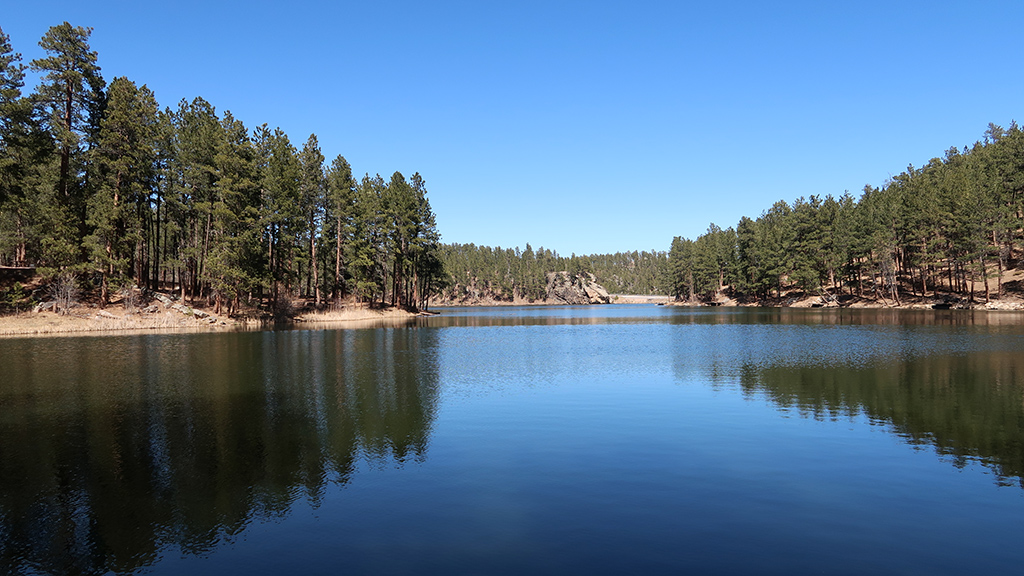
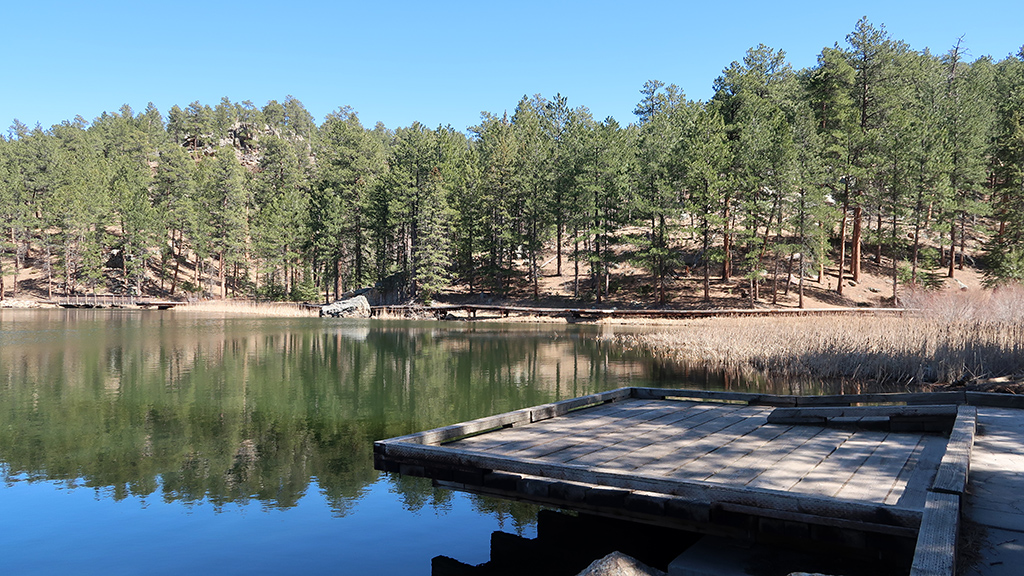
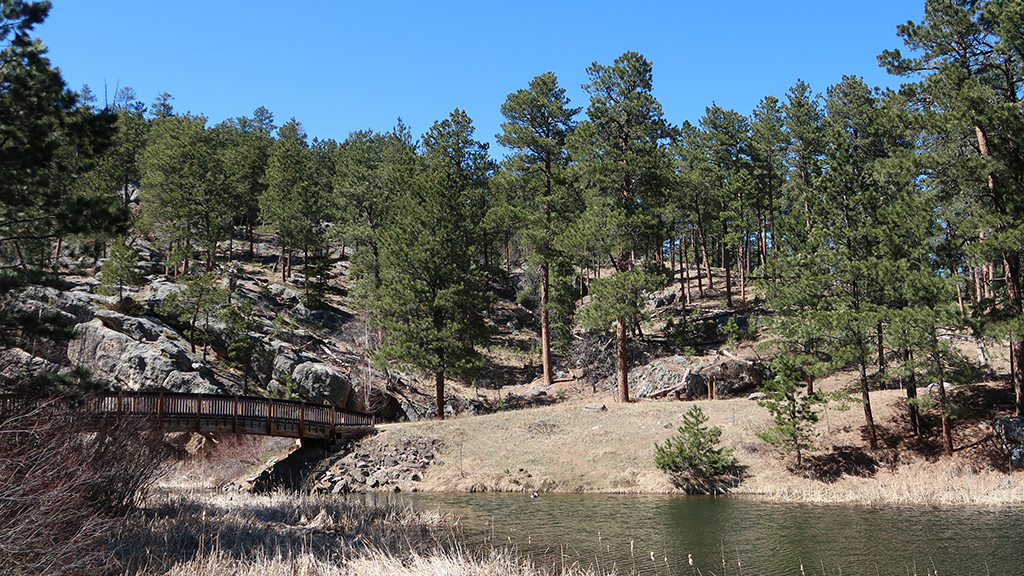
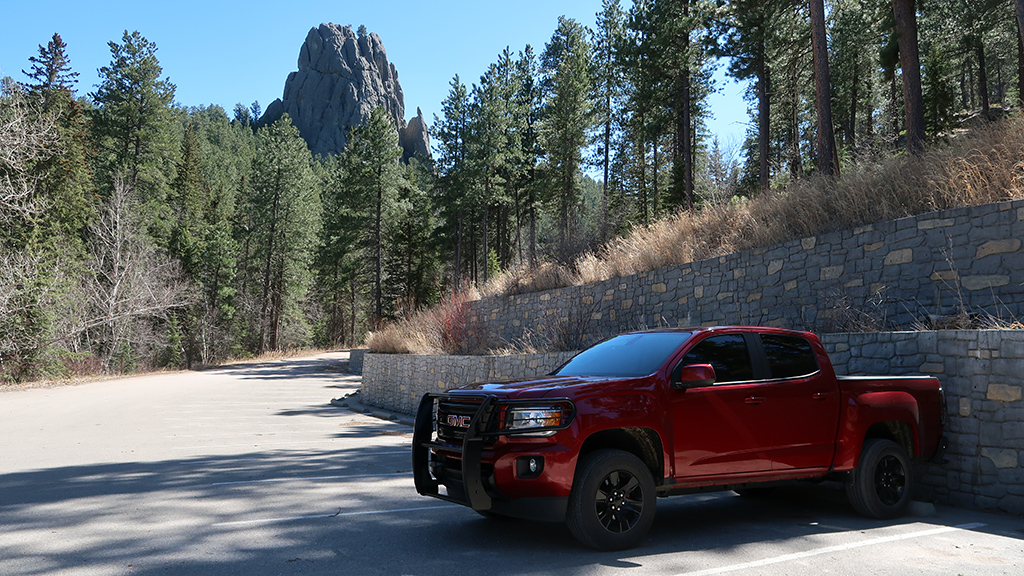
I’ve been looking at a lot of rocks and mountains lately from all my hiking and visiting national parks and monuments, so I decided to switch it up a bit and go to the Reptile Gardens south of Rapid City, South Dakota to look at some animals.

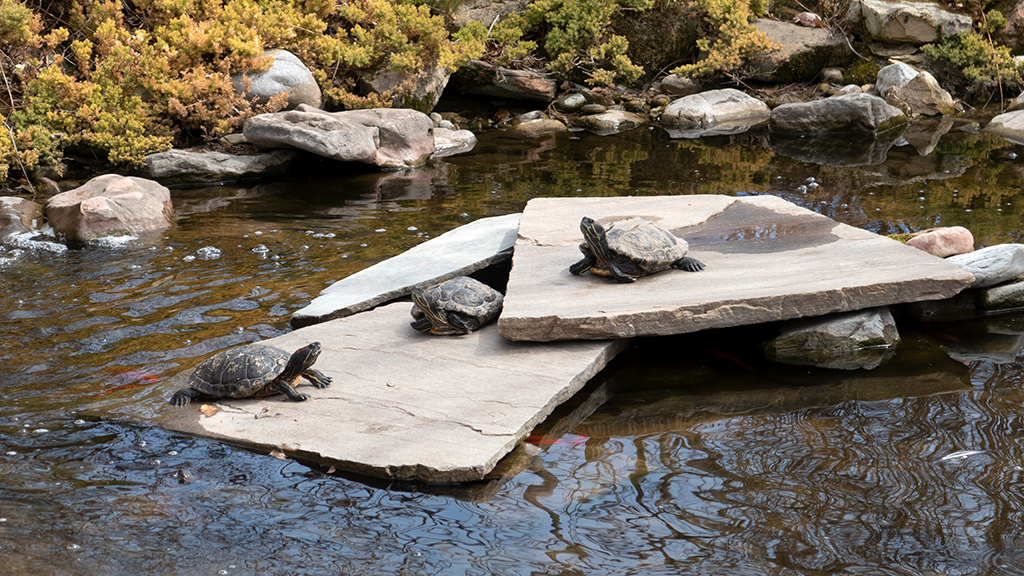
Apparently the Reptile Gardens is in the Guinness World Records as having the largest reptile collection. I remember the Dallas Zoo in Texas also having a lot of reptiles, but I didn’t count the number of reptiles on display in either one of the locations, and the Reptile Gardens did indeed definitely have a lot of reptiles.

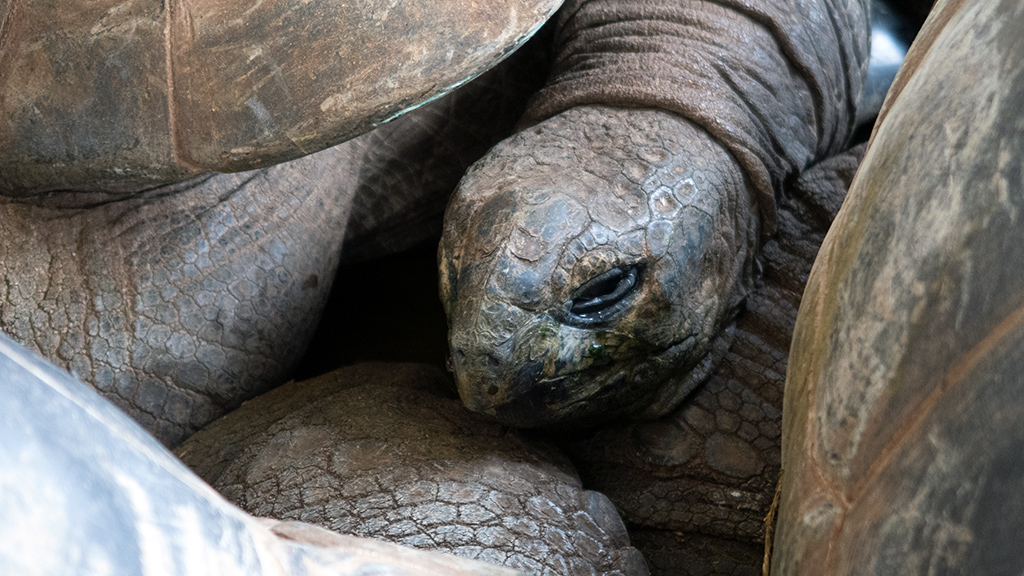
It’s still considered off-season (and it’s still pretty cold outside), so not all the exhibits were open. Apparently, Reptile Gardens has a lot of interactive areas where you can pet reptiles, but those weren’t available during my visit—the only animals I were able to safely touch were the giant tortoises that were just peacefully lying around (and even then, I only pet their shells).

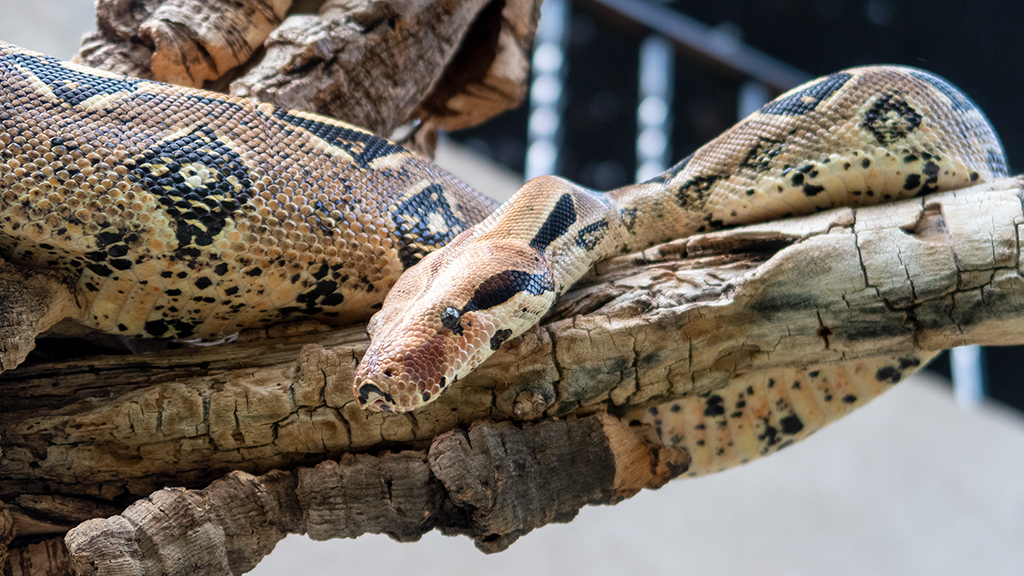
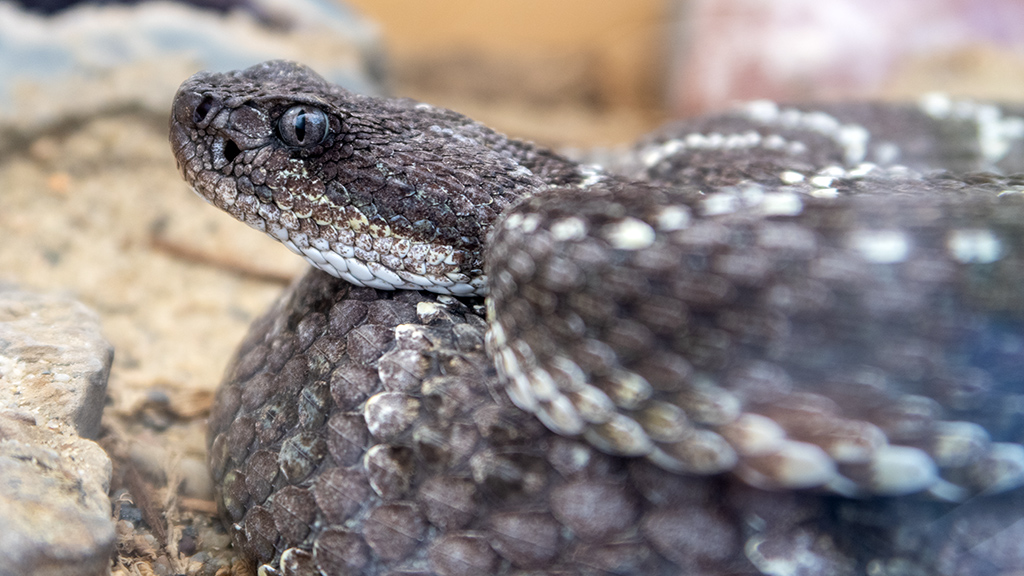
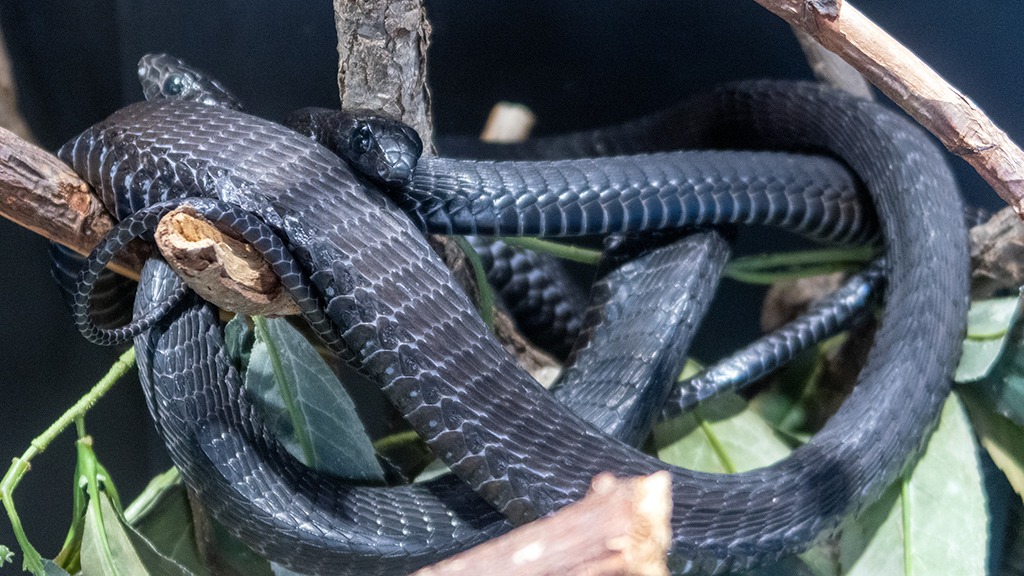
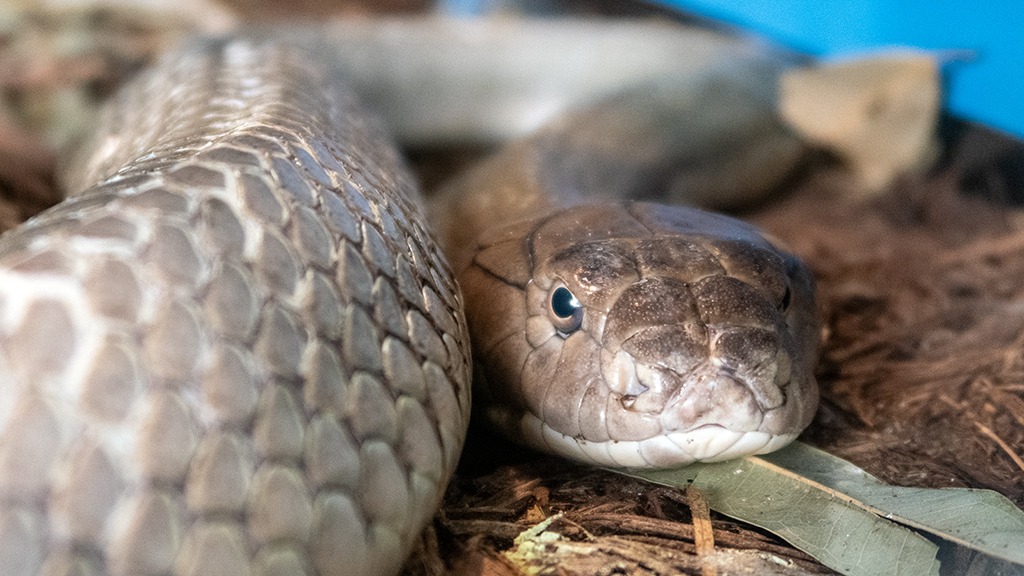
Reptile Gardens is composed of both an outdoor area and a few indoor areas. The largest indoor area was the Sky Dome, and the mezzanine level had a ton of snakes. According to the labels next to the exhibits, the Sky Dome is home to some of the most dangerous snakes, both under the metric of the number of people who die to the particular species of snake per year, as well as the species with the strongest venom. And of course, there were plenty of non-poisonous snakes on display as well.

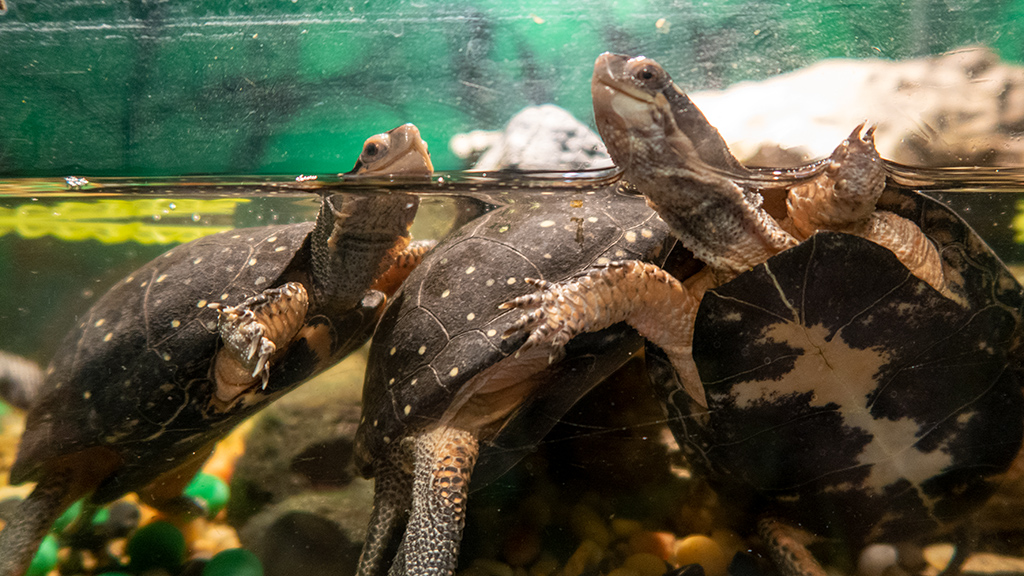
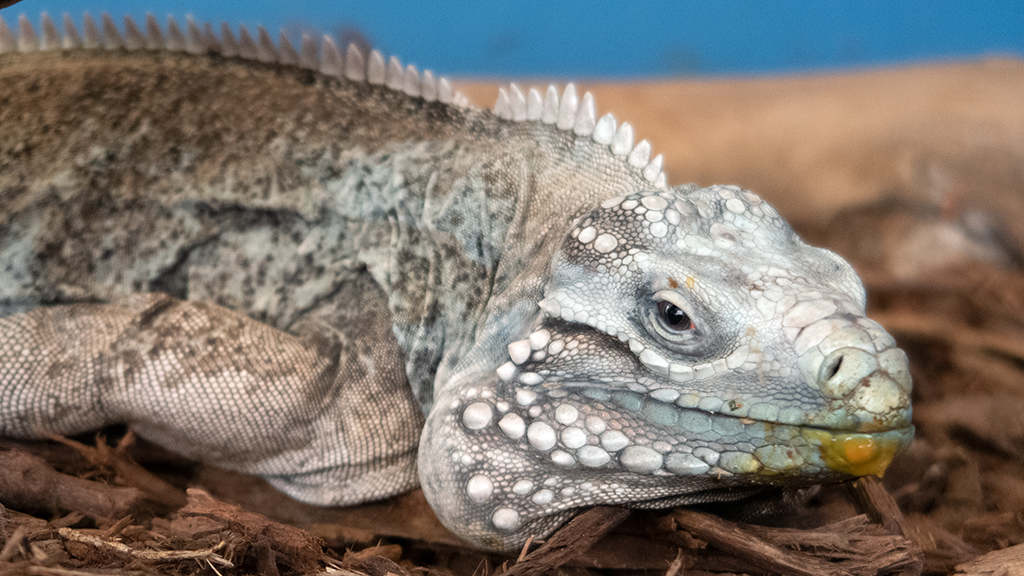
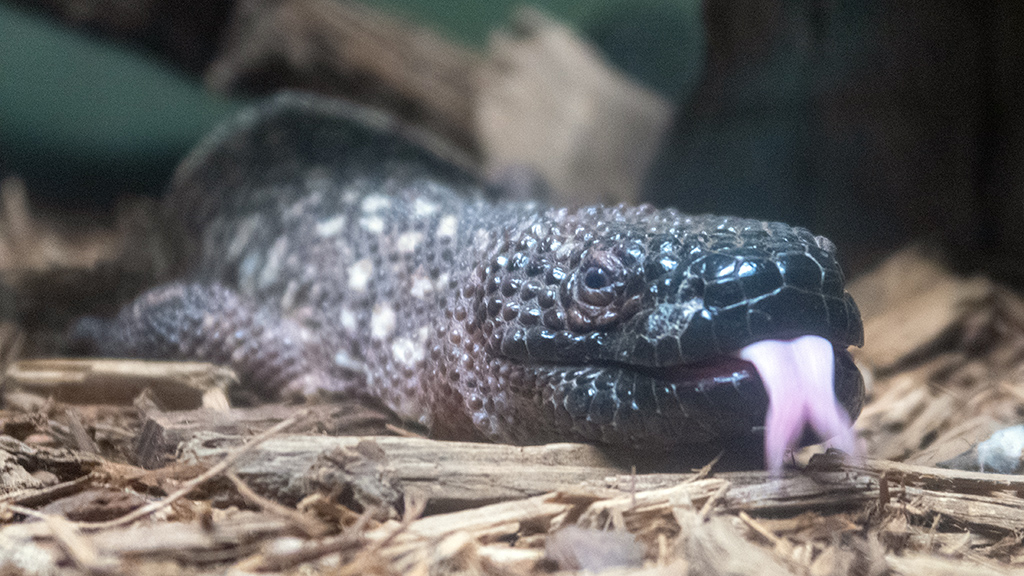
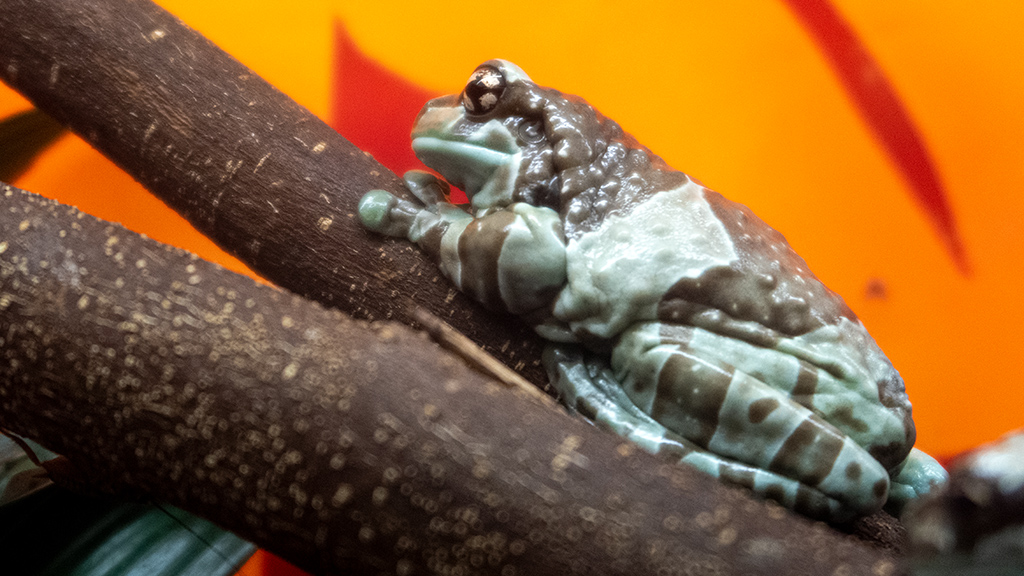
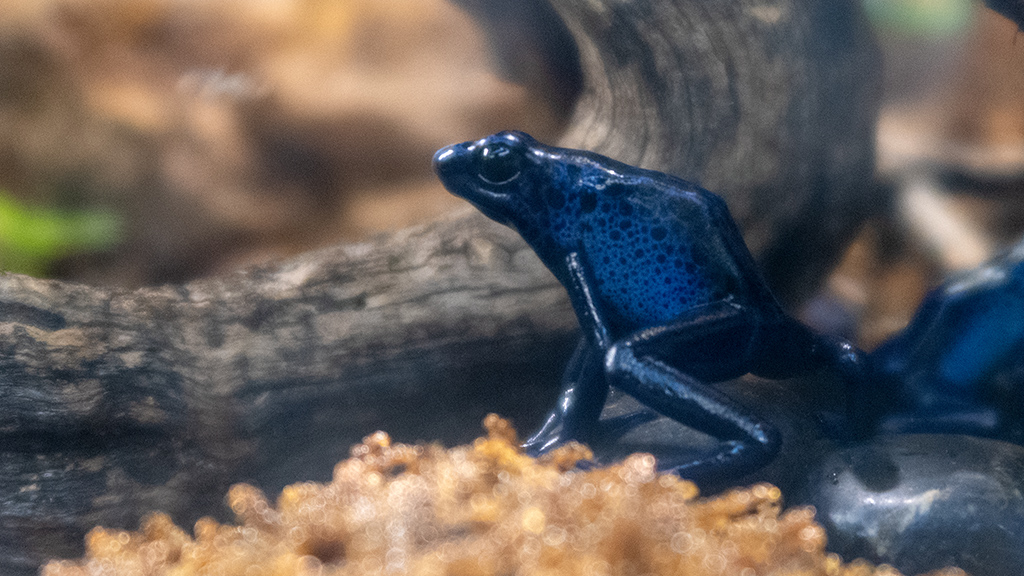
Of course, snakes weren’t the only reptiles on display; there were some lizards, dragons, toads, and frogs too, among other reptiles and amphibians. The bottom floor of the Sky Dome had a loop around the main vegetative area that housed crocodiles and alligators as well, including a sixteen-foot-long giant saltwater crocodile named Maniac, but that area had very poor lighting and none of my photos came out that well.

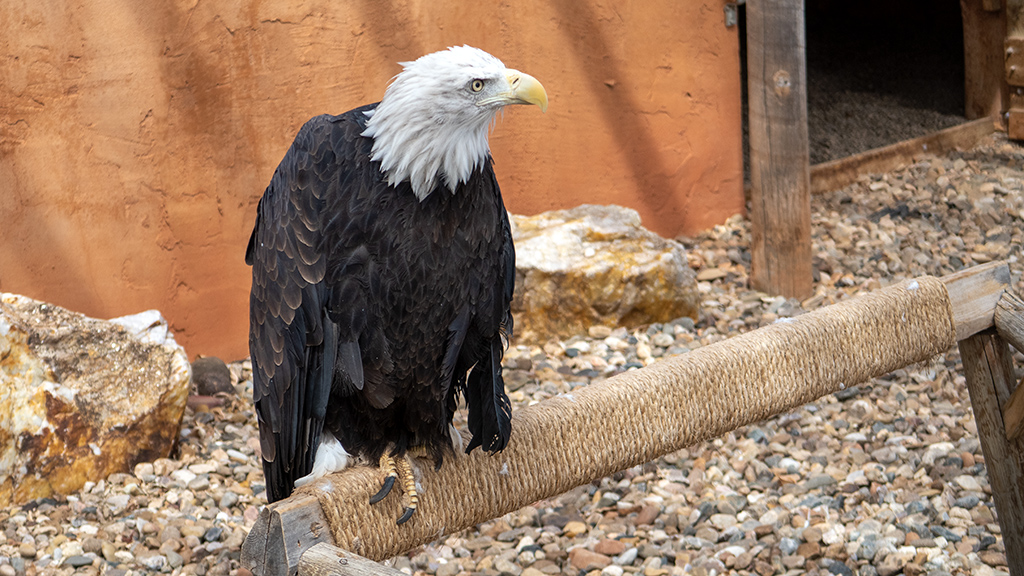
Taking a quick detour outside, there was a bald eagle named Cheyenne; she has apparently been a resident of the Reptile Gardens for over a decade now.

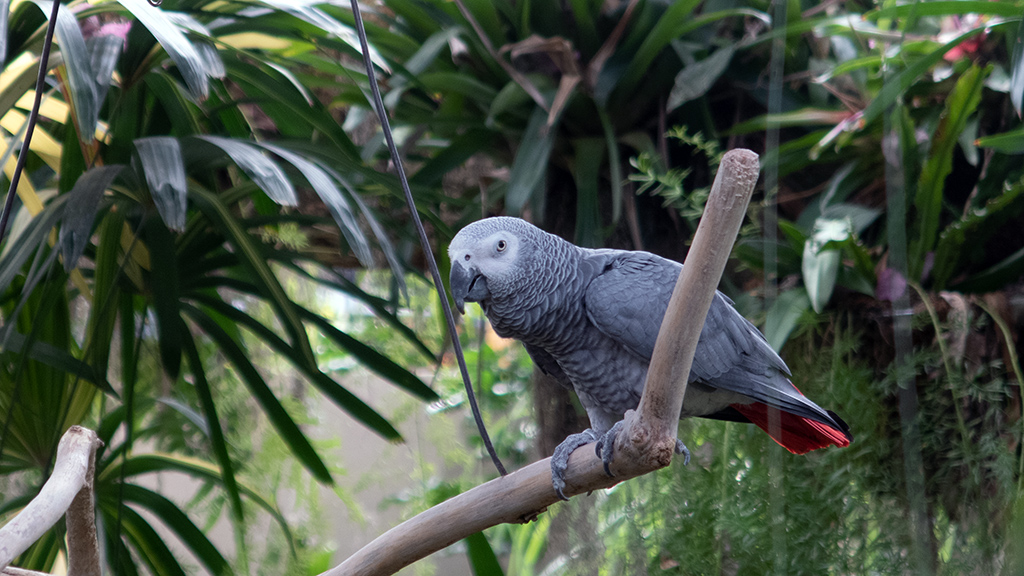
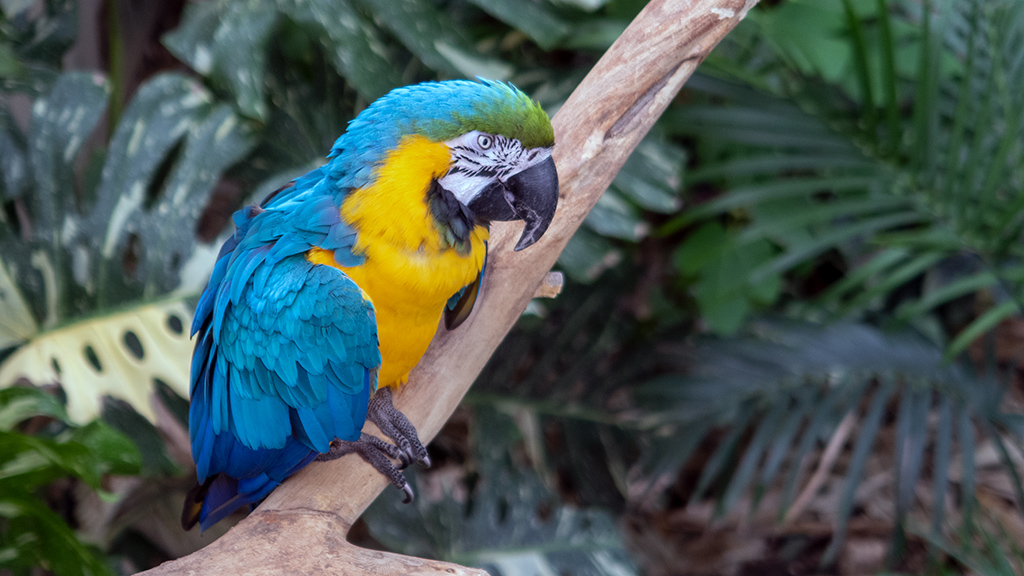
Back inside the central area of the Sky Dome where there was more vegetation, there were also some parrots. They were out in the open just perching on branches, and I was a bit confused as to why they weren’t just randomly flying around and away.

When I researched it online, I found out that a lot of zoos clip their wings as to inhibit their ability to fly. I’m not sure if the Reptile Gardens also do this, or if I just happened to get really lucky and saw the parrots when they were staying put for some rest—I wasn’t able to find a staff member nearby at the time to confirm.

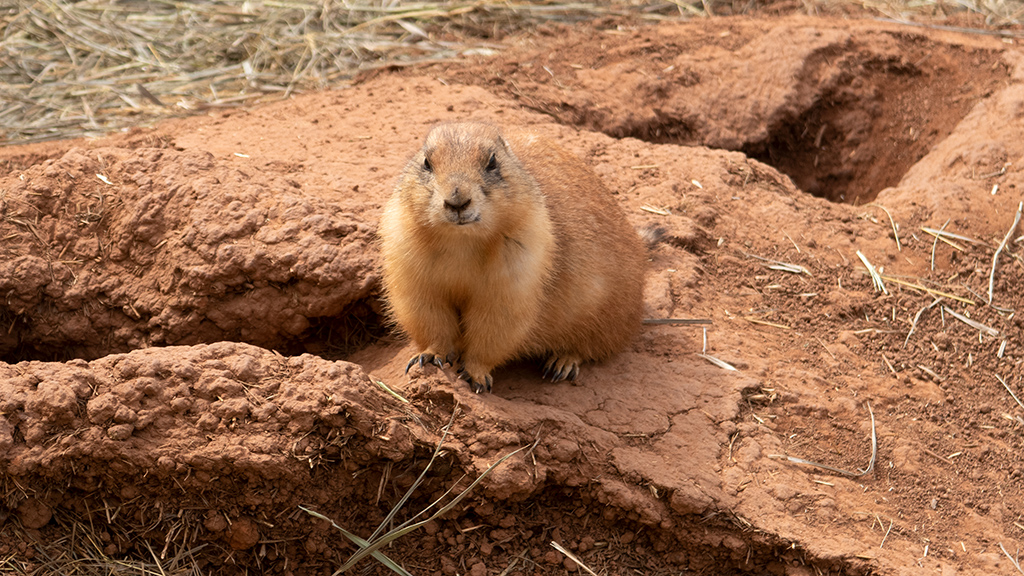
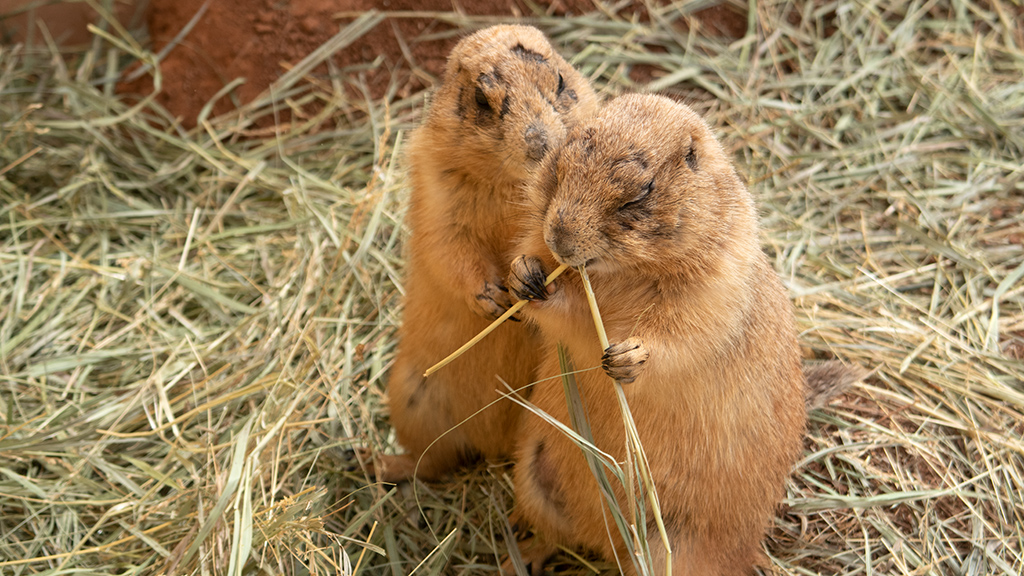
And last but not least, my favorite section of the Reptile Gardens… had nothing to do with reptiles. Instead, it was the Prairie Dog Town, which housed a bunch of black-tailed prairie dogs running around in their enclosure and munching away at some hay.

The Reptile Gardens was a surprisingly pleasant trip. It had more of a small-town zoo kind of feel to it (which makes sense, because Rapid City is a pret­ty small city), but it definitely wasn’t at the cost of quality.

I actually liked this zoo a lot better than some of the other zoos I’ve been to, because I noticed that Reptile Gardens seems to put a lot more care and attention to detail into the animal habitats. I’ve seen a lot of other zoos build comfortable and compatible enclosures and environments for the animals, but I noticed here on many occasions that it looked like Reptile Gardens wanted to go beyond that and give the animals a luxurious home instead.

Another thing I noticed was how hilariously large the gift shop was. There was a lot of pretty decent and unique merchandise, and I felt like it acted more as a general Rapid City gift shop, rather than just a gift shop limited to the Reptile Gardens. The staff there was nice as well; I had a nice con­ver­sa­tion with one of the employees there who asked me about my travels and told me some stories about Rapid City that she’d experienced from over four decades of her living there.
I stopped by here because I saw that the general consensus from previous visitors was very positive, and I agree with that sentiment. The outdoor grounds were also still under active construction and renovation, so if you decide to visit, it’s possible that you might be able to see a lot more than I was able to this time around.


—§—


Yes, I’m still alive; and hello, Cheyenne Depot Museum in Wyoming

It’s been almost precisely two weeks since my last blog post, which I understand can be a bit jarring, considering I had previously been blogging once every few days with new travel updates. I’ve had a few people message me to make sure I’m still alive and didn’t randomly fall off a mountain in Colorado; I highly doubt I would be clumsy enough to put myself in a situation where such a thing would happen, but regardless, I appreciate the con­cern.

Since leaving Utah, I made my way across Colorado and made a few stops, specifically in the Grand Junction, Denver, and Fort Collins–Loveland areas. As a whole, Colorado is probably my favorite state, but my two weeks spent in Col­orado this time around wasn’t exactly that exciting, for a handful of reasons:

  1. I was going to split up my trip some more and spend some time in the mountains, but I failed to realize that it still regularly blizzards in the Col­orado mountains in March, so I had to shuffle things around as to not have to drive across the elevation changes of I-70 in a snowstorm. I end­ed up going straight from Grand Junction to Denver in a single drive on a day that I knew would be dry.

  2. Even not in the mountains, it still regularly snows in Colorado in March, so I got snowed in on more days than I would have liked. Hiking is a bit difficult in the snow, and even when it’s not snowing, the below-freezing temperatures turned a lot of the hiking trails I wanted to visit into ice skating rinks. Yes, I could’ve done some indoor tourist activities, but I mostly just didn’t want to bother taking the risk of driving through several inches of snow, getting in a collision, and getting stuck. That’s already bad enough for a normal person, but it’s especially bad when you’re a nomad living out of hotel rooms and heavily reliant on your vehicle.
  3. Tempo Games is staffing up really hard right now with our new Series B investment funding in order to ramp up production on The Bazaar. That means that I, as the one who handles all of corporate operations, am overloaded and buried in work. Not only do I need to take care of post-in­vestment legal tasks, but I also need to handle all the human resources and legal aspects of all our new hires. A majority of the past two weeks have been spent working inhuman hours in an attempt to keep the company moving.
  4. In the little free time that I did have, I decided to relax and rest up for a bit, considering I had just visited three major national parks and gone on a handful of good hikes. I caught up on some Final Fantasy XIV content, read some ebooks, and took my truck in for an oil change and routine maintenance. It was nice leaving the blinds open, turning on a virtual fireplace on the hotel TV, turning on a dim light, and staying cozy indoors while watching the snow fall outside.

 
After the fairly uneventful stay in Colorado, I made it to Cheyenne, Wyoming. For my first activity of the city, I decided to go to the Cheyenne Depot Museum. When I first arrived in Cheyenne, my hotel asked for a bit more time to clean and get my room ready, as they were sold out the previous night due to… you guessed it, an unexpected snowstorm that shut down interstates.

While waiting for housekeeping to wrap up, I was originally planning on going for a walk on a local greenway, but decided against it because of how windy it was. Instead, I decided an indoor activity would be better, and thought it would be a great day to learn about trains, which apparently is some­thing that Cheyenne is notably known for.

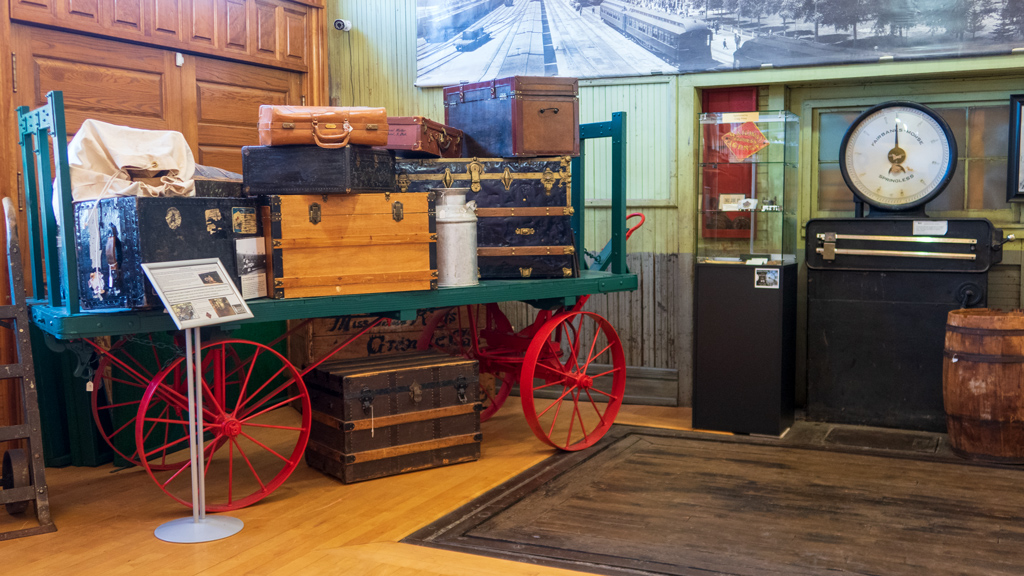
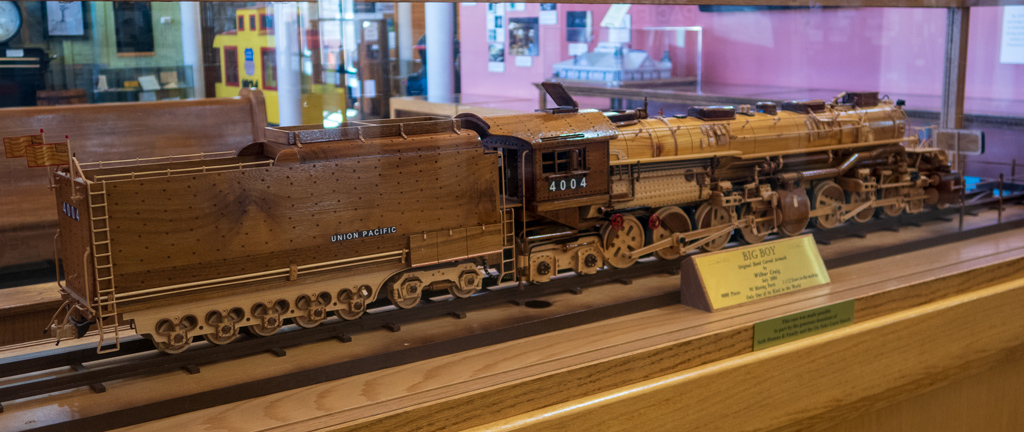
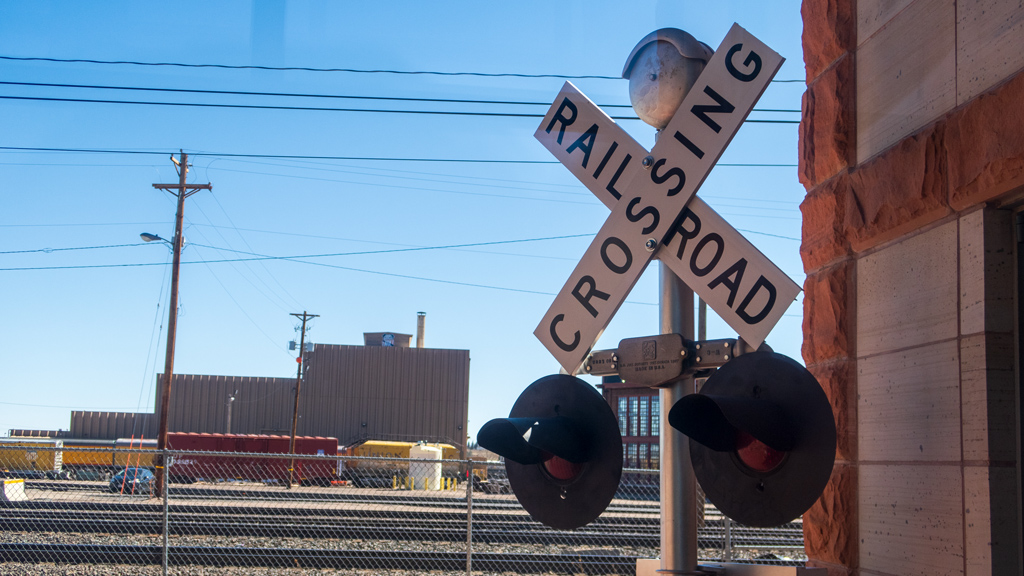
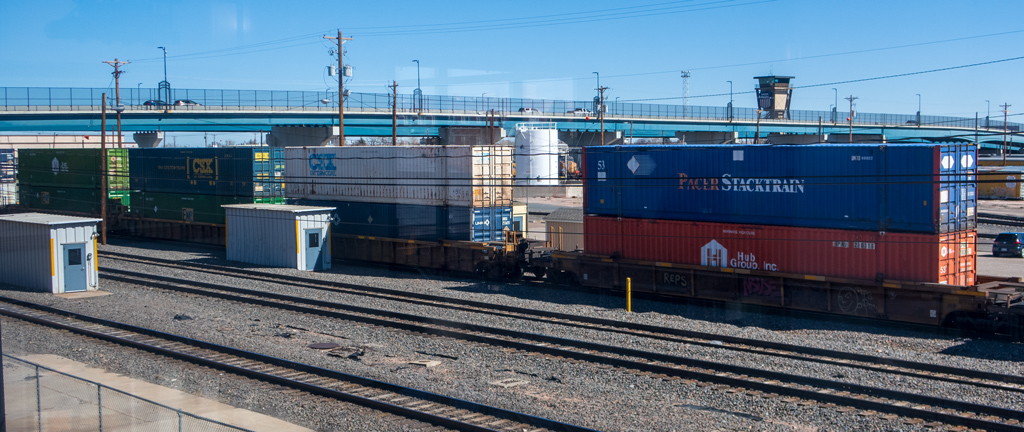
The location of the museum was actually quite convenient, as if you were patient, you would be able to see real trains crossing on the train tracks di­rectly behind the museum. There were no decommissioned trains in the museum itself, so this was actually one of the only ways to see a real train at the train museum—which is unfortunate, but reasonable, as having a worthwhile display of real trains would mean the scale of the museum would have to be astronomically larger.

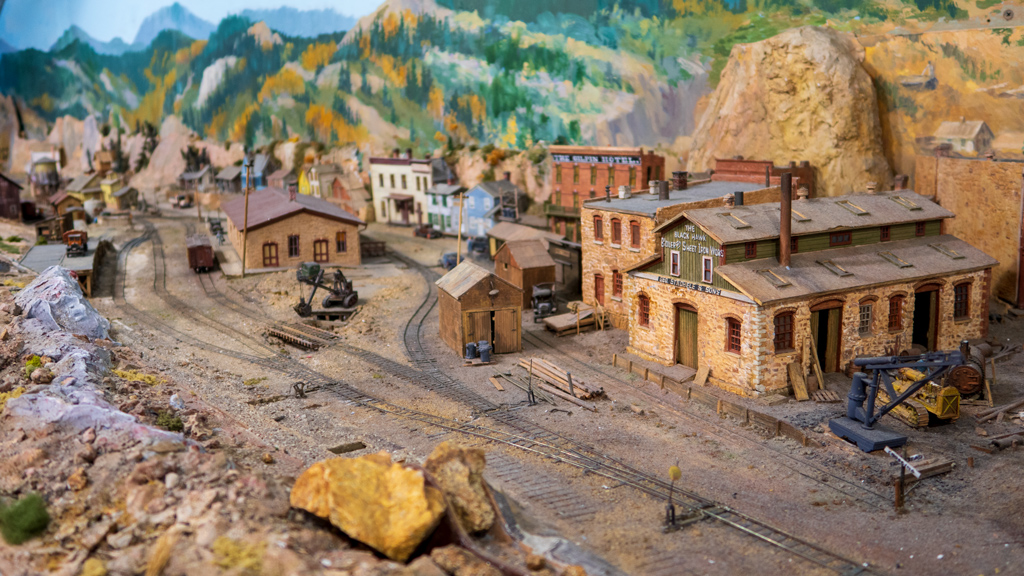
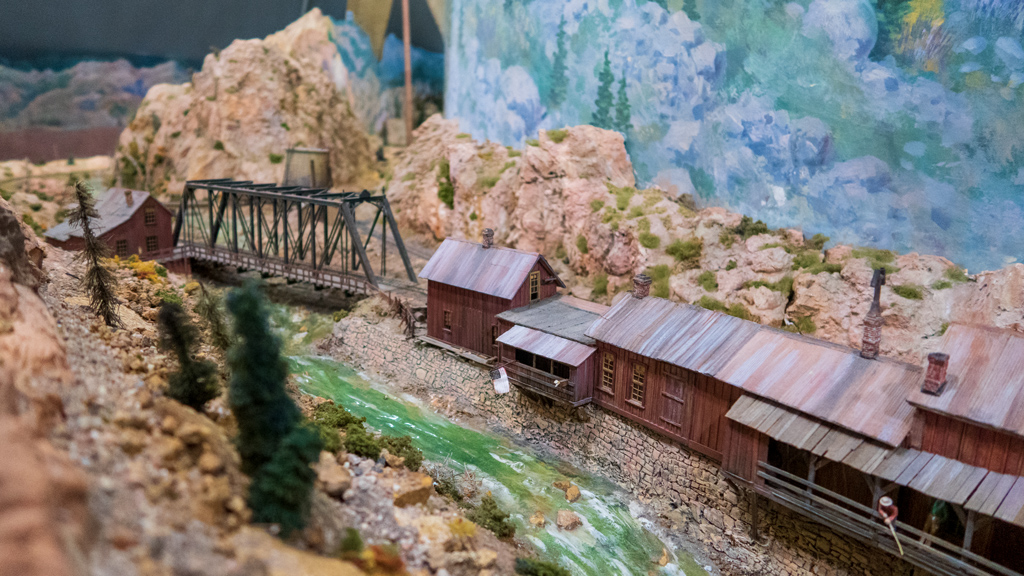
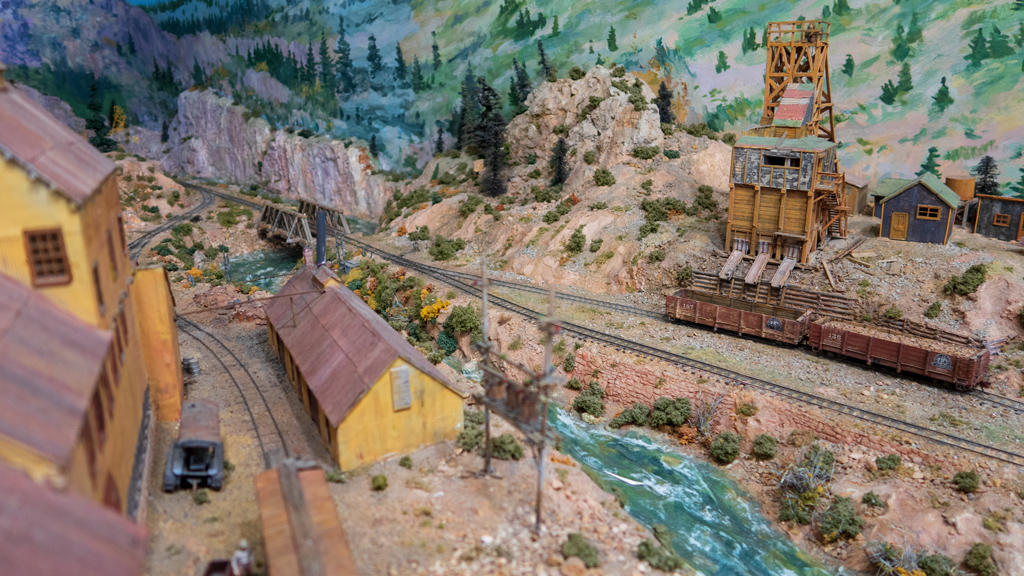
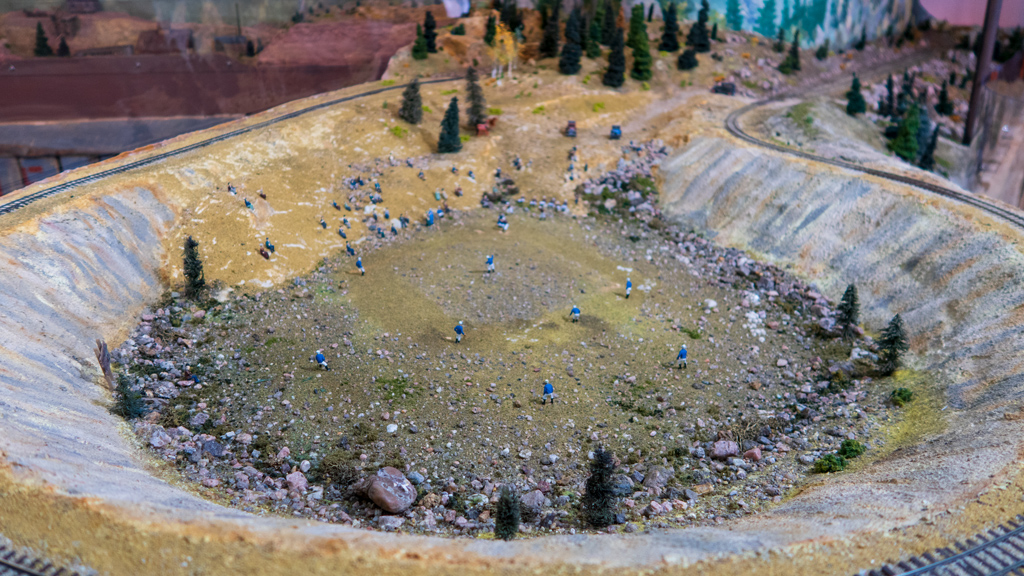
One of my favorite things about the museum was the model train exhibit on the second floor. Unfortunately, the actual model train didn’t appear to be operating, but the display itself was still very impressive—it had great attention to detail, and according to some of the labels, it appears like it was mod­eled after real areas that were symbolic and significant to the train industry.

With the time that I’ve spent in Cheyenne so far, I think it’s actually a surprisingly nice and pleasant city.

Downtown Cheyenne feels like a suburb in the metropolitan area of a larger city. Everyone I’ve encountered was very kind (which tends to be a char­ac­ter­is­tic of less-populous areas in general), the drivers are respectful and non-aggressive, it’s still large enough that all the major chain stores and res­tau­rants are still conveniently present, and the air quality was pure.

Another intriguing thing I noticed about Cheyenne was the heavy police presence—every time I would drive out, I would see several law enforcement vehicles on the road. I imagine a small city like Cheyenne doesn’t have much crime, so it appears like Cheyenne takes a very patrol-oriented and com­mu­ni­ty policing philosophy, ensuring that they have good active coverage of the city to ensure that it remains peaceful.

The last time I was in Wyoming, I drove across Interstate 80, spent some time in Rawlins, then connected onto U.S. Route 287 from Laramie and headed down to Fort Collins, so I didn’t have an opportunity to visit Cheyenne. This isn’t going to be my last stay in Wyoming either—I’ll be skirting around Wyoming to visit Nebraska and South Dakota, then cutting back through the northeastern corner of Wyoming again on my way to Montana.


—§—


Hello, Palm Springs Air Museum

After a nice hike in the sizzling hot sun, I decided to stop by the Palm Springs Air Museum for my second major tourist activity of the weekend before heading back to Orange and Los Angeles Counties.

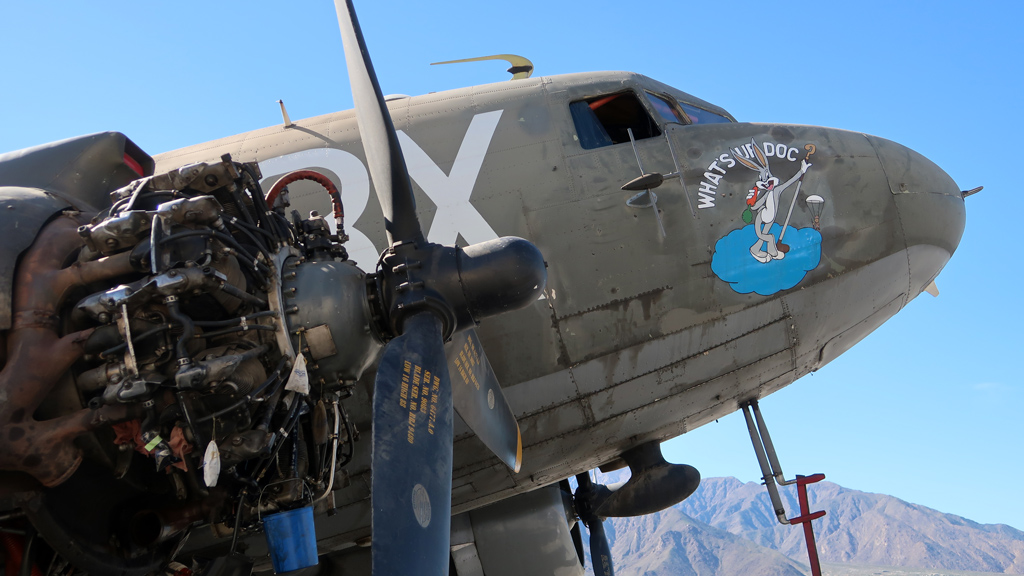
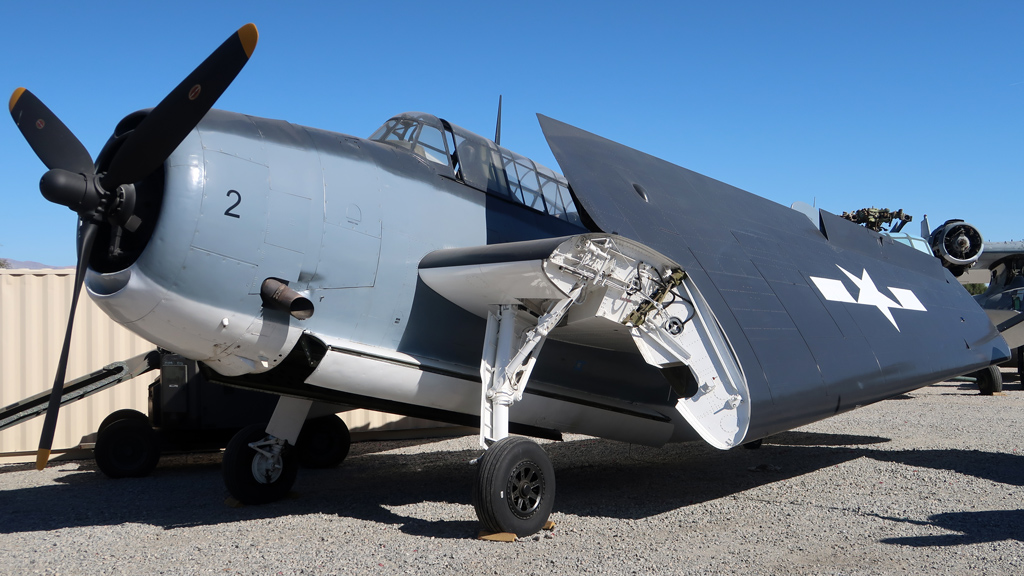
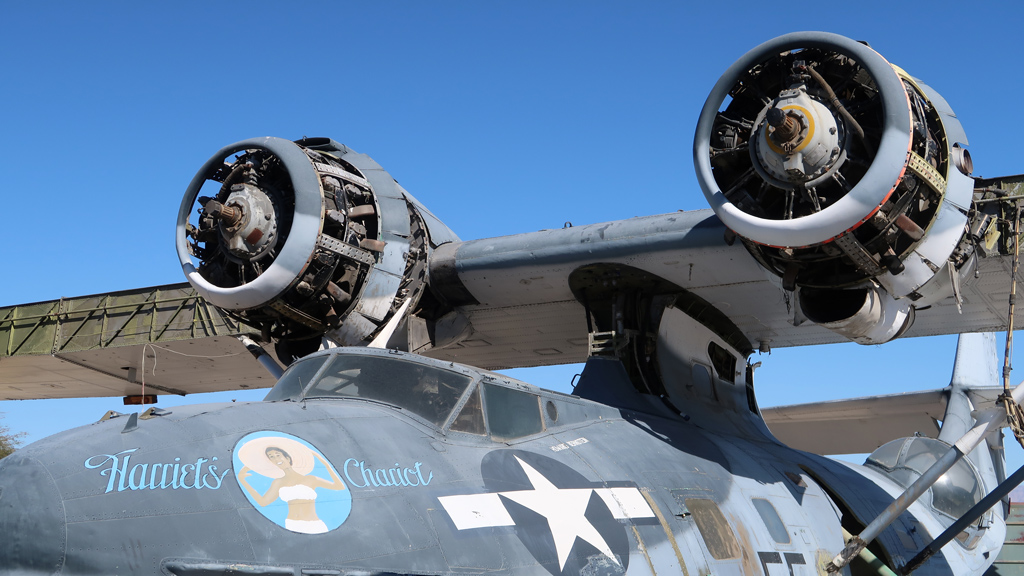
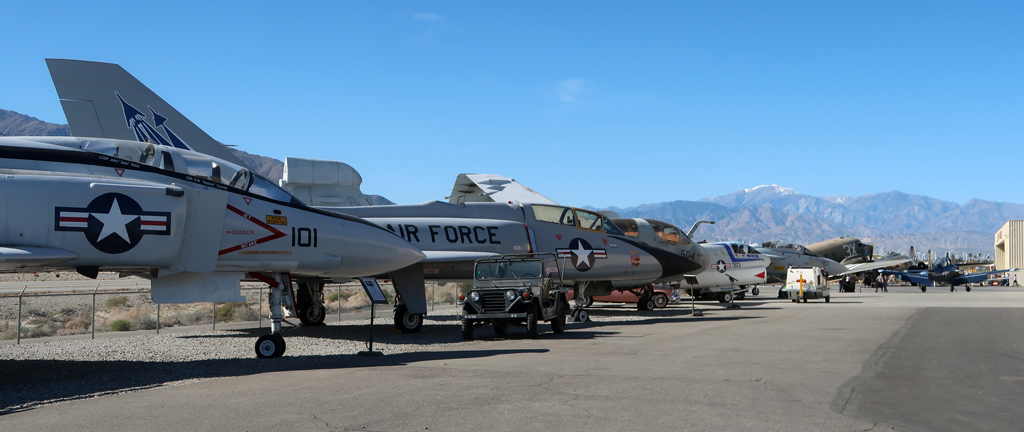
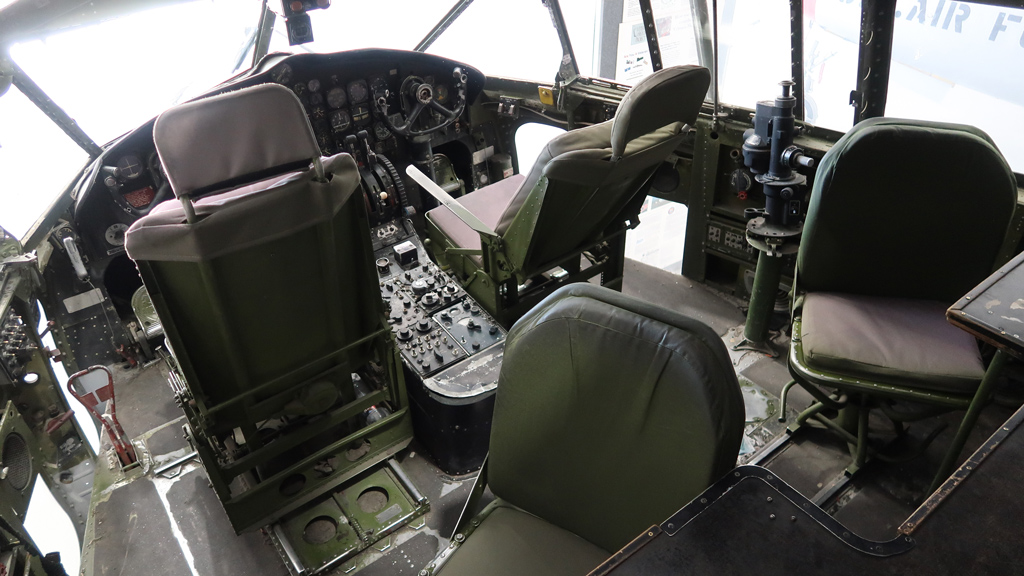
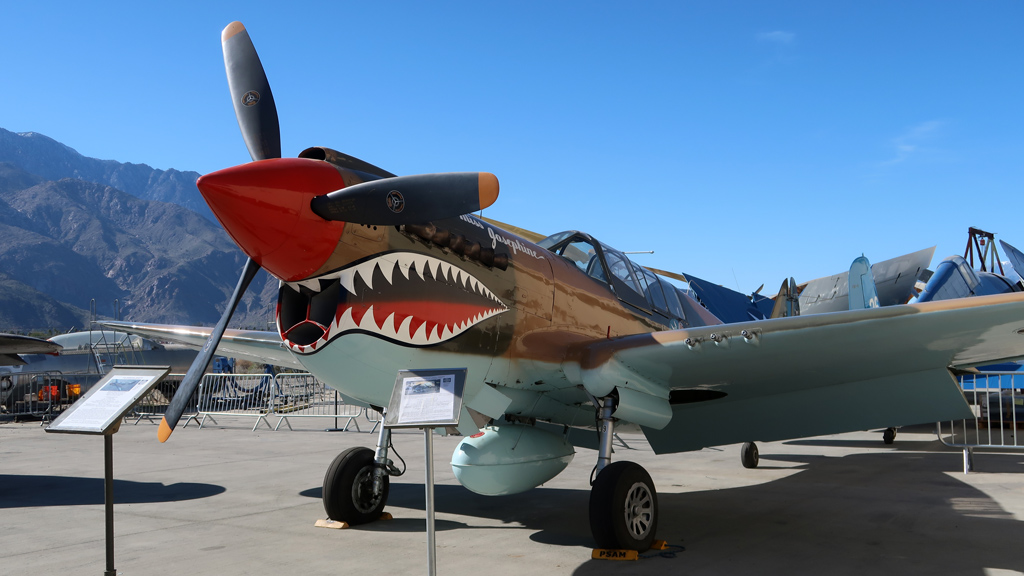
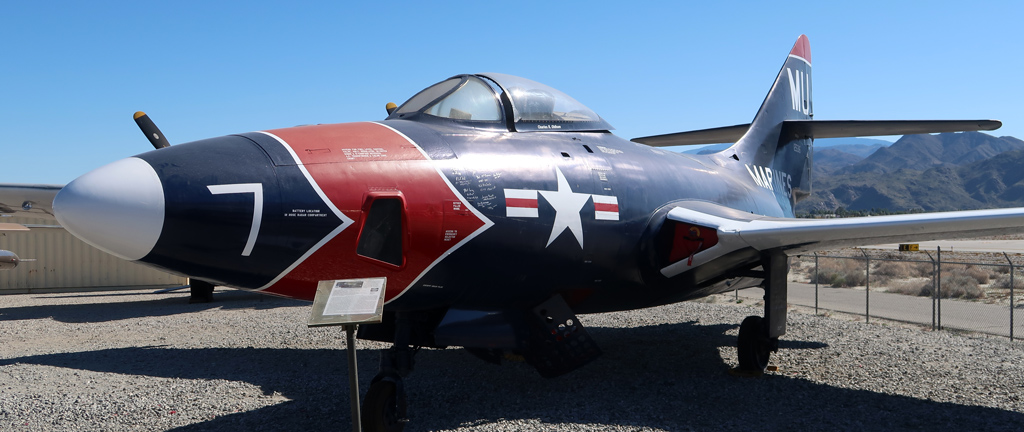
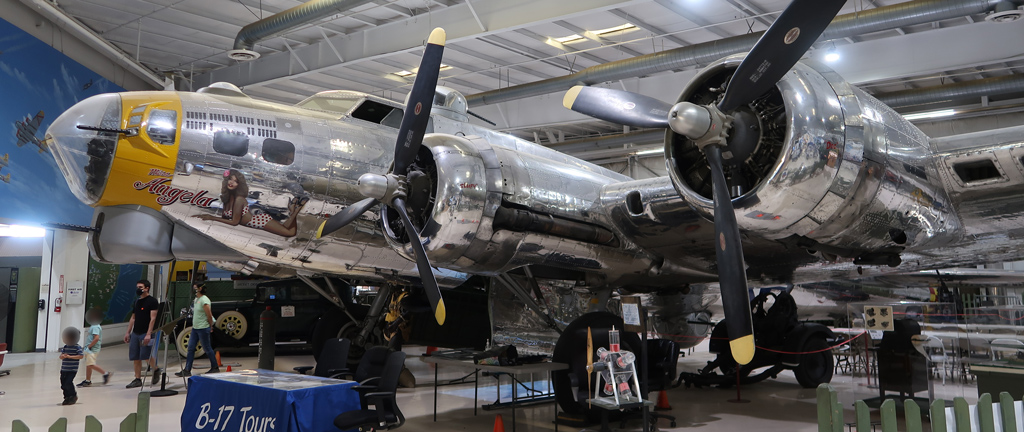
I’ve been to a few aviation museums at this point, but I’m still not very well-versed in aircraft, so I still don’t have too much commentary to add to my photos—I mostly just snapped a photo of everything that looked nice, then picked out my favorite photos to feature here.

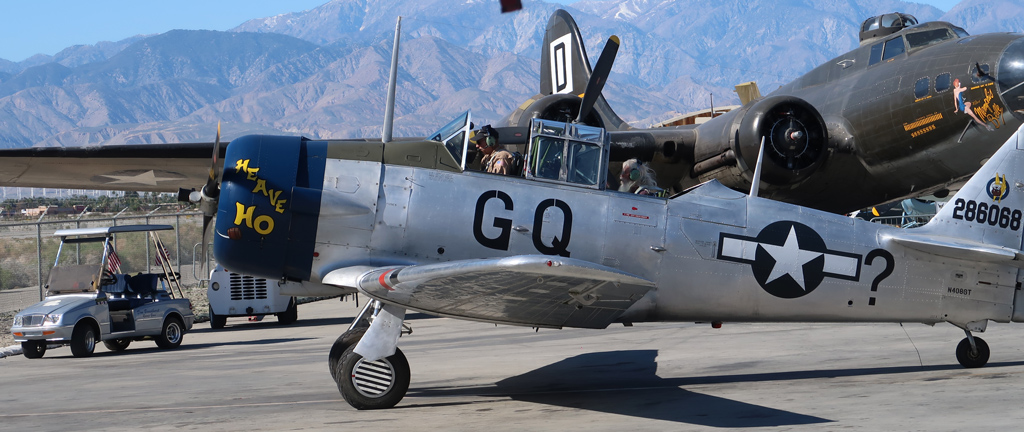
However, I do have some more information about my first two photos. The Air Museum obviously had general admission tickets, but it also allowed peo­ple to purchase extras called “Warbird Rides.” These were rides in aircraft ranging anywhere from US$99 for a C-47 Skytrain to US$4,995 for a T-33 Thunderbird. While I was at the museum, I was lucky enough to see someone purchase a ride on a T-6 Texan for $495.

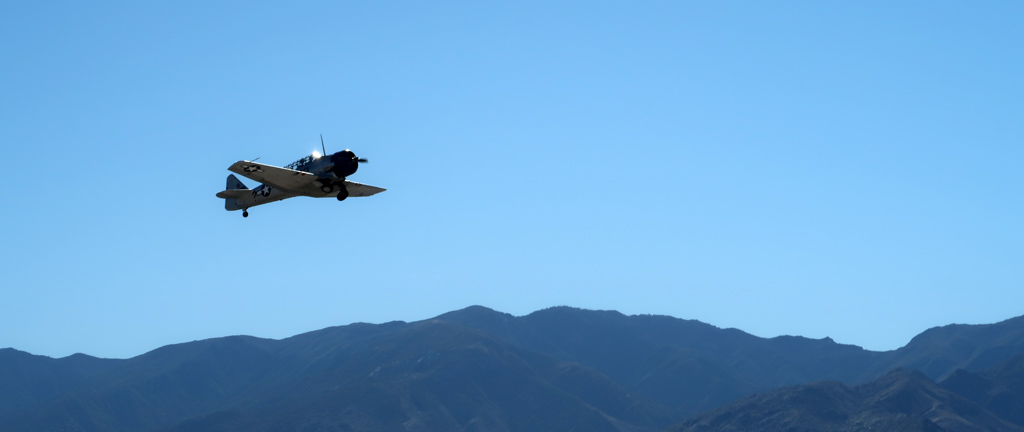
The first photo above shows the pilot and the passenger in Heave Ho GQ 286068, and the second photo above shows the plane taking off into the sky. The rest of the photos below are just interesting things I saw at the museum.

At the end of my museum tour, I went upstairs into the library, which had some flight simulators that I tried out. I discovered that I am an absolute ex­pert at shooting bullets where enemy aircraft used to be, no matter how much I try to lead my shots…

Although I’m still nowhere near competent at aircraft, I’m starting to learn and remember things from these museums I’m visiting, and it’s always sat­is­fy­ing to see a few recurring themes across these museums that I can recall from past visits to different museums.

I always like living in the present and looking towards the future, so I would love to see some displays of modern-day commercial aircraft that I per­son­al­ly take through major airlines, so that I can learn more about the big metal tubes in which I fly thousands upon thousands of miles per year. I think it would also be pretty neat to have prototypes of advancements in aircraft technology soon to come, sort of like how other museums in other fields of study will spotlight what scientists are currently working on.

However, until then, I still appreciate taking a look at the evolution of aircraft, and seeing just how quickly things have advanced so that I can hop on a plane whenever I want for a few hundred dollars and be wherever I want to be in a matter of hours.

Continue reading


—§—


Hello, National Museum of Nuclear Science and History in New Mexico

For my first tourist activity of Albuquerque, I decided to visit the National Museum of Nuclear Science and History. The museum officially lies in an un­in­corporated area of Bernalillo County, but still holds an Albuquerque address.

A bulk of this museum was fairly traditional, with a mixture of some interactive exhibits, objects on display, and plaques with text. The museum opened with an area called the “Pioneers of the Atom,” which introduced notable figures who paved the way to discoveries and advancements of the atom.

Next up was a section about World War II. It started with an overview of the countries involved in the war, as well as the creation and use of the atomic bomb. It then dove deeper into things like the Manhattan Project and the assembly of the atomic bomb, and provided video footage of interviews con­ducted directly with some of the scientists and soldiers involved with the atomic bomb during the war.

National Museum of Nuclear Science and History

There was a section off to the side of the World War II section that was dedicated to the temporary exhibit of the season. When I went, it was an exhibit showcasing the cruelties committed towards the Japanese during World War II, and how the United States reacted very harshly and aggressively towards the Japanese in response to their attacks. Similarly to how I got a lot of the timeline of the civil rights movement mixed up, this section made me feel par­ticularly ignorant when I learned that this forced relocation of the Japanese-Americans happened as recently as the mid-1900s.

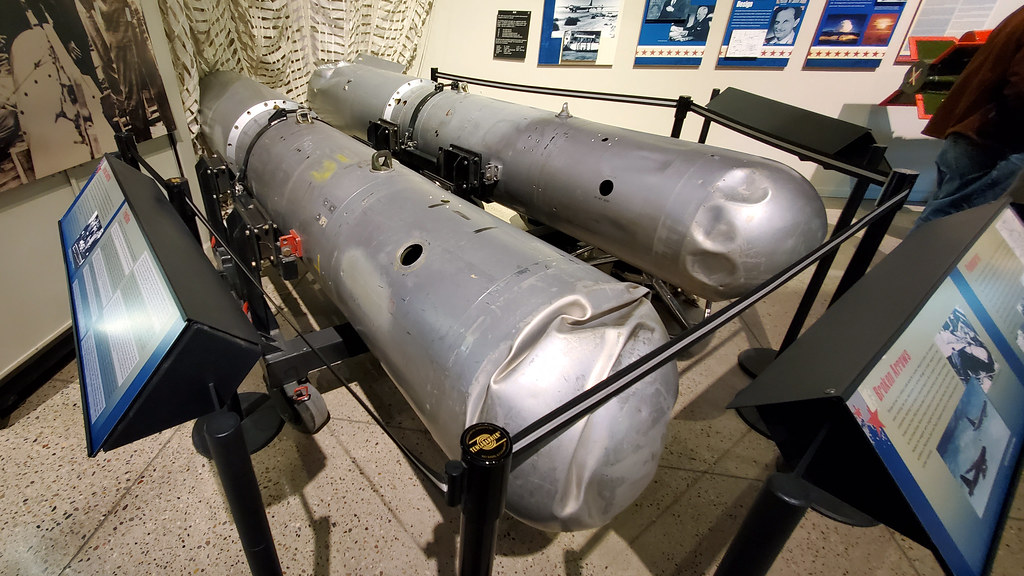
The next section focused on Hiroshima and Nagasaki. First it showed the bomb casings of the atomic bombs dropped on the Japanese cities, then it explained the Japanese post-war recovery process, and how the atomic bombs affected the Japanese for a very long time.

National Museum of Nuclear Science and History

Next up on the timeline was the Cold War. Again, not having been much of a history enthusiast throughout my youth, a lot of this information was pret­ty new to me.

National Museum of Nuclear Science and History

The most amusing piece of information I saw was about the concept of “MAD,” which stands for Mutually-Assured Destruction. This doctrine states that, if one side attacks the other with a nuclear weapon, they functionally guarantee the destruction of both parties, because the defending party will re­taliate with equal or greater force. Thus, it is in everyone’s best interest for all parties to have extremely powerful nuclear weapons, because then, no­body will attack each other in fear of getting destroyed themselves.

National Museum of Nuclear Science and History

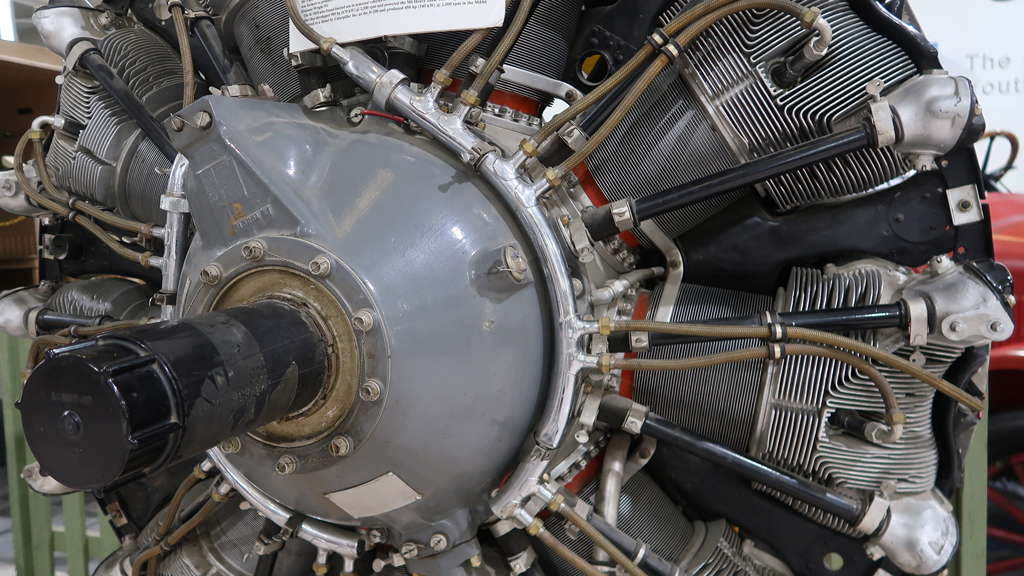
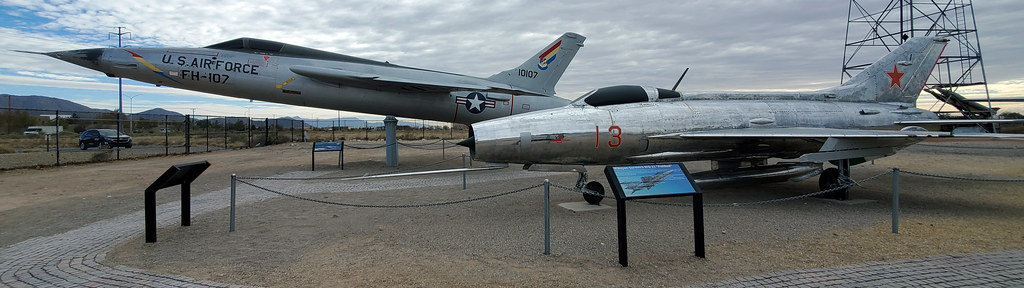
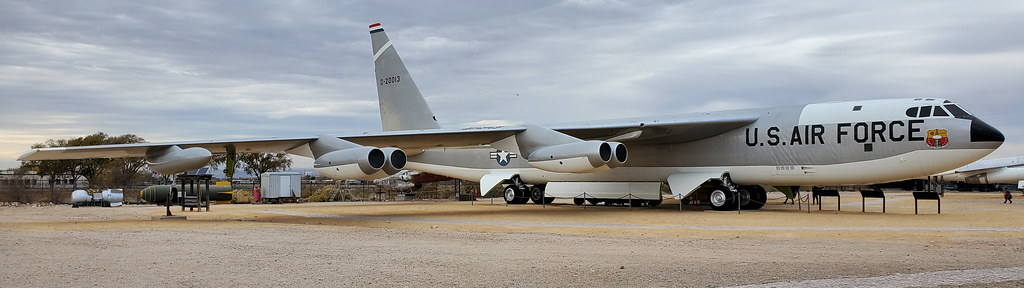
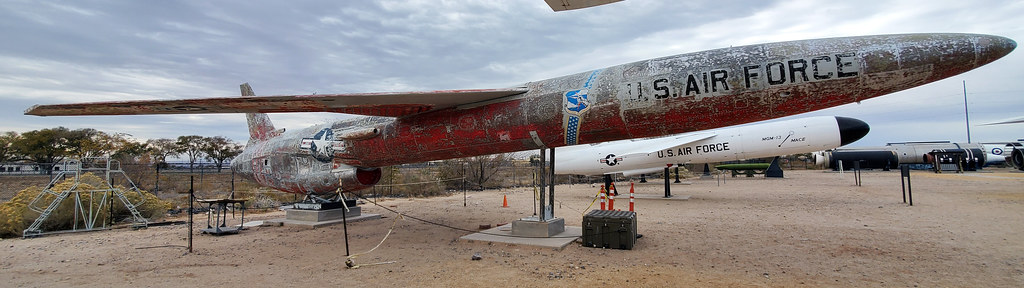
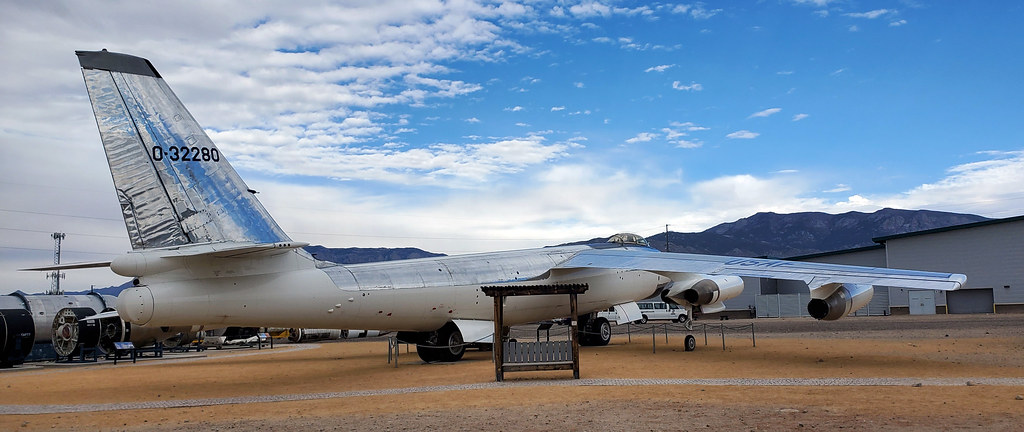
At this point in the museum, there was a door leading outside to Heritage Park, which held a lot of planes, rockets, missiles, and other military equip­ment.

National Museum of Nuclear Science and History

National Museum of Nuclear Science and History

National Museum of Nuclear Science and History

National Museum of Nuclear Science and History

National Museum of Nuclear Science and History

National Museum of Nuclear Science and History

National Museum of Nuclear Science and History

National Museum of Nuclear Science and History

National Museum of Nuclear Science and History

Looping back inside, the exhibits started getting closer to modern day, with nuclear medicine and radiation being the next sections. I took a little in­ter­ac­tive quiz about radiation exposure, and apparently, my exposure is very average. Right beside it was a look back at atomic pop culture and the dawn­ing of the Atomic Age.

National Museum of Nuclear Science and History

The end of the museum had what looked like sponsored exhibits, and covered things like nuclear waste transportation, green energy alternatives, and the uranium cycle.

The exhibits were interesting and the military planes and equipment were nice to look at, but I think the most memorable takeaway from this museum is the overview of the historical events.

This is a continuation of something I’ve been realizing lately while going to a lot of museums during my road trip, and something I’ve been regularly men­tion­ing in my blog—the American education system is absolutely horrible at teaching history, and somehow finds a way to make it seem as boring as pos­si­ble. Now that I’m actually learning about it in a compelling way, all of these events feel much more consequential and relevant, so I’m much more interested and invested in knowing the logic behind why things happened the way they did, and how things ultimately ended up playing out.


—§—


Hello, Reunion Tower in Dallas, Texas

For our second tourist activity of Dallas, Monica and I went to Reunion Tower.

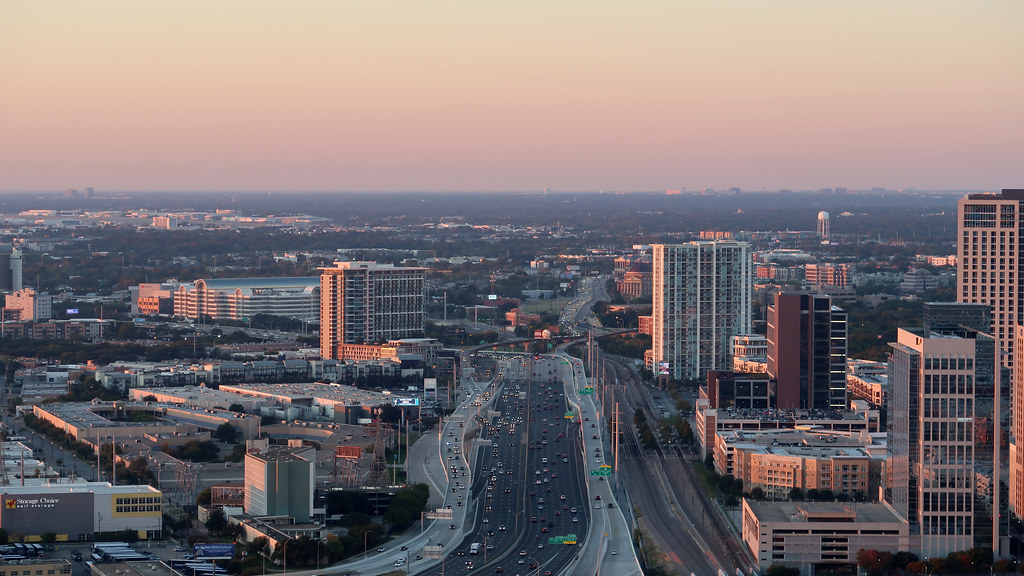
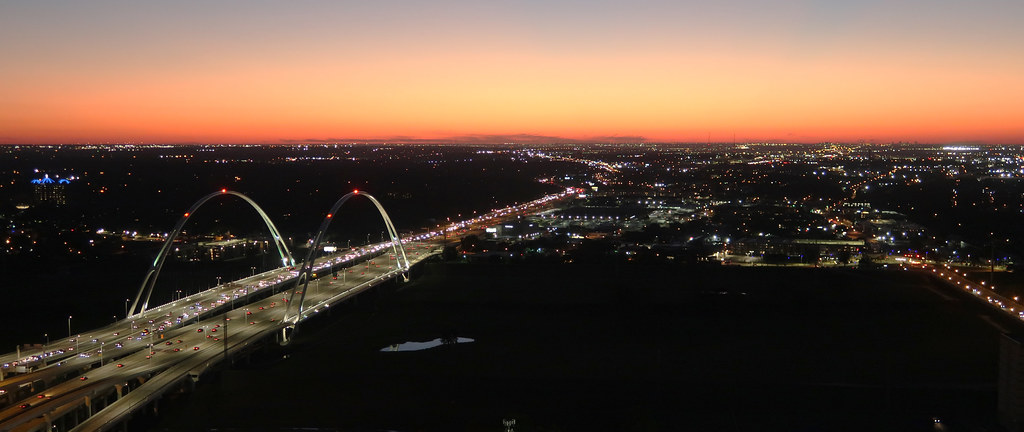
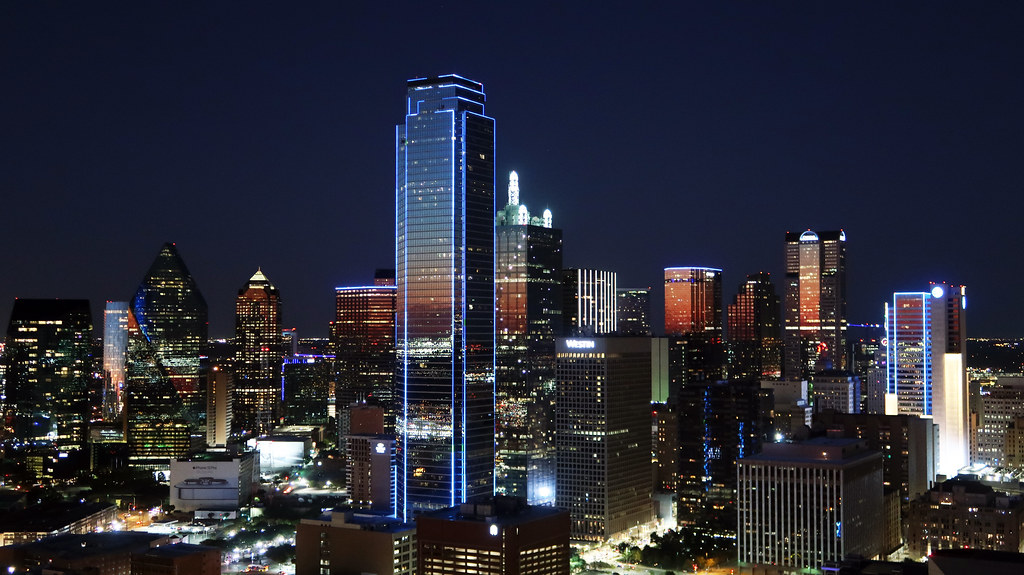
When we traveled together to Seattle a little over a year ago, we went to something similar—the Space Needle. Reunion Tower wasn’t quite as tall as the Space Needle, but I still got some good views of the Dallas–Fort Worth metroplex.

Reunion Tower

Reunion Tower

Reunion Tower

Reunion Tower

Reunion Tower

We intentionally timed it so we went right around sunset, so we would able to see the orange sunlight flooding across the city, as well as the night lights from the buildings downtown about half an hour later.

Reunion Tower

Reunion Tower

You might have noticed that some of the photos have bars in them. In case you would be curious, I took a photo of what the bars were from—Reunion Tower has a bunch of lights circling the observation deck that are held up by these bars, and they illuminate for some light shows on special occasions.

Reunion Tower

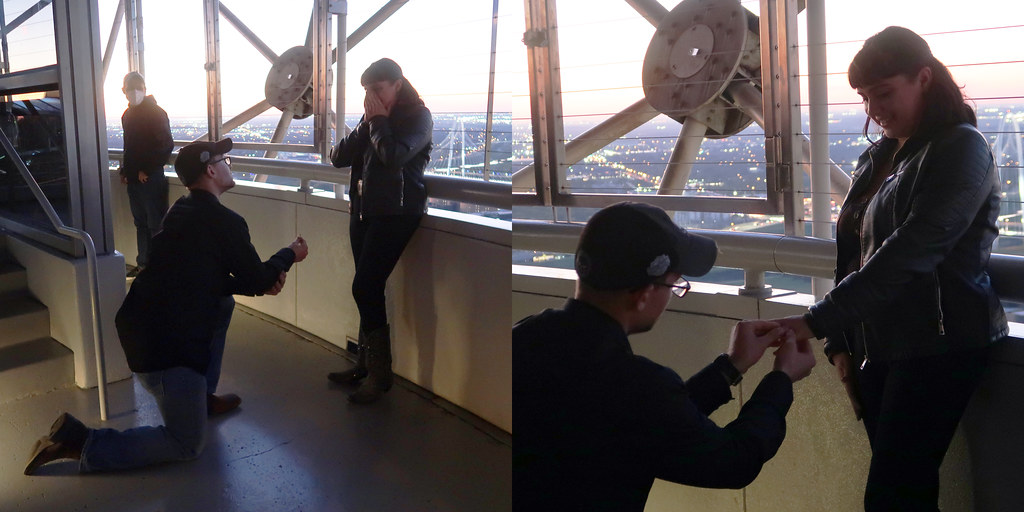
As a bonus piece of content, I managed to capture a marriage proposal, acceptance, and engagement between an unknown couple out on the outdoor portion of the observation deck.

An unknown couple gets engaged at Reunion Tower

I have no idea who they are, but if you do, then let them know—they had a videographer already recording, but I’m sure they would appreciate the ad­di­tion­al photos I captured as well.


—§—


Hello, Dallas Zoo in Texas

After spending around four days in my hotel room almost non-stop working, I emerged out into the open for my first tourist activity of Dallas.

A little over a year ago, my friend and former assistant Monica joined me for a trip to Seattle, where we visited the Woodland Park Zoo. Since that time, Tempo withdrew from esports and pivoted to game development, so Monica and her team found a different home. She also got a full-time job outside of esports, and she works as an executive assistant to a CEO of a company in the Dallas–Fort Worth metroplex.

For this trip, we reunited over the weekend to continue our exploration of the country, with our first stop being the Dallas Zoo.

Towards the beginning of the zoo exhibits were some tamarins. There was a special section later called “Tamarin Treetops,” but for some reason, they split out a few of the tamarins and placed them near the entrance too.

Dallas Zoo

Afterwards, we looped into the Lacerte Family Children’s Zoo and visited the alpacas.

Dallas Zoo

Right next to the alpacas was the goat yard.

Dallas Zoo

In the center of the Children’s Zoo, there was a large pool of koi fish. Of course, there was a section where we could pay a quarter to get some koi food and feed the fish.

The magic of this exhibit being in the Children’s Zoo, though, is that you don’t actually need to pay money to get food to feed the fish. That’s because, if you look on the ground around the food dispenser, you’ll see a ton of pellets of food just laying there, because after children purchase food to feed the fish, they will drop a portion of it on the ground because their hands are too small to hold it all. … I should be charging you a fee for this extremely valuable information.

Dallas Zoo

Outside the Children’s Zoo was the flamingo pond.

Dallas Zoo

We continued on the path north and walked past Primate Place and towards the tiger-viewing building. There was a “Tiger Classroom” where you could learn about the tiger, and then there was one single tiger who was just hiding in the corner. I managed to catch him roaming around on the edge of his enclosure, but whomever decided to plant massive bamboo plants to obscure the view of the tiger probably shouldn’t keep working at zoos.

Dallas Zoo

Next up was the Otter Outpost. I’ve seen a lot of otters, and I’ve attempted to take a lot of photos of otters, but they never really end up that great be­cause otters are very fast swimmers, and they usually don’t sit still. Miraculously, I managed to capture the best otter photo I’ve ever taken in my life, of this otter peacefully laying on a rock observing those who were observing him.

Dallas Zoo

After the otters, we continued on the path to the Herpetarium, which is an exhibition space for reptiles and amphibians. This was my favorite part of the zoo, not only because the animals here were the easiest to photograph, but also because there were so many of them in such a wide variety.

Dallas Zoo

Dallas Zoo

Dallas Zoo

Dallas Zoo

The next area on the northern side of the zoo, cleverly named ZooNorth, had some anteaters, sloths, and Galápagos tortoises. This area also had the Wings of Wonder exhibit with a bunch of birds, but I wasn’t able to capture any good photographs of the birds because, not only were most of them just far away and nestled in the trees, but it was very sunny out, so it was difficult to get my camera to focus on the birds instead of the shining sky.

Dallas Zoo

Just south of Wings of Wonder was Bug U!, a section with… you guessed it, bugs. I thought it was intriguing, and this was Monica’s favorite part of the zoo because she is a bug enthusiast, but I opted not to include any photos of this section here because, not only did the photos not turn out too well due to glass glare and the difficulty of focusing in on small bugs, but also because people tend to get irrationally grossed out by bugs.

After going through a tunnel to the western side of the zoo, we visited the penguins. The penguin exhibit had a glass viewing area on the side, so I was able to capture an action shot.

Dallas Zoo

Next to the penguins were the cheetahs.

Dallas Zoo

This is when tragedy struck. Right as we reached the intersection to go to the Wilds of Africa and the Giants of the Savanna, we were met by two zoo em­ploy­ees who said that both sections were closed for the remainder of the day due to a private event. Yes, this literally meant that we weren’t able to ex­pe­ri­ence half of the zoo because of unlucky timing.

After they said that, I vaguely remembered that, while I was in the process of entering the zoo and paying for parking, the attendant did mention that something-something “Africa” was closed today. I figured that it was just a single really popular exhibit that was closed, so I told her that it was fine and entered the zoo anyway. Little did I know that she actually meant the entire western half of the zoo was closed.

Because of my limited time in Dallas, and the fact that Monica works during normal business hours on the weekdays so she only has time to go ex­ploring the city during the weekends, I decided this was fine and we went on to our next tourist attraction. It’s unfortunate that I missed so much, but I guess it’s just something to look forward to if I ever end up returning to the Dallas Zoo.


—§—