Hello, Montana Historical Society in Helena

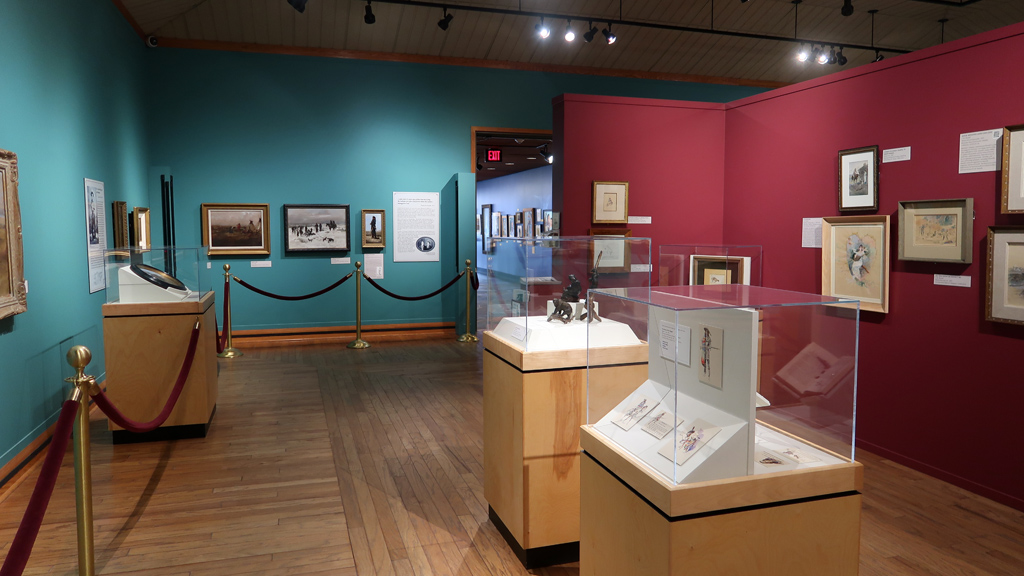
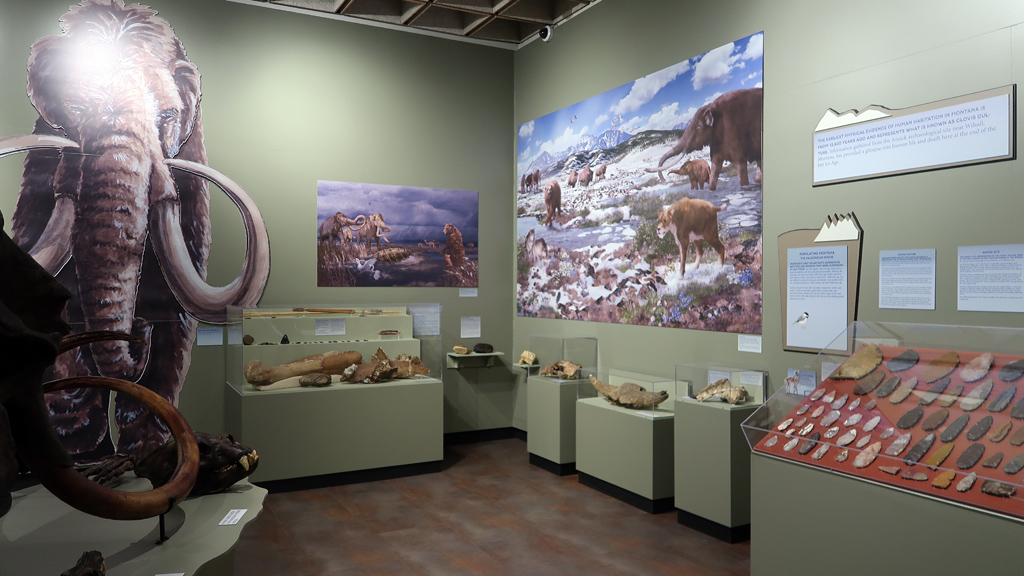
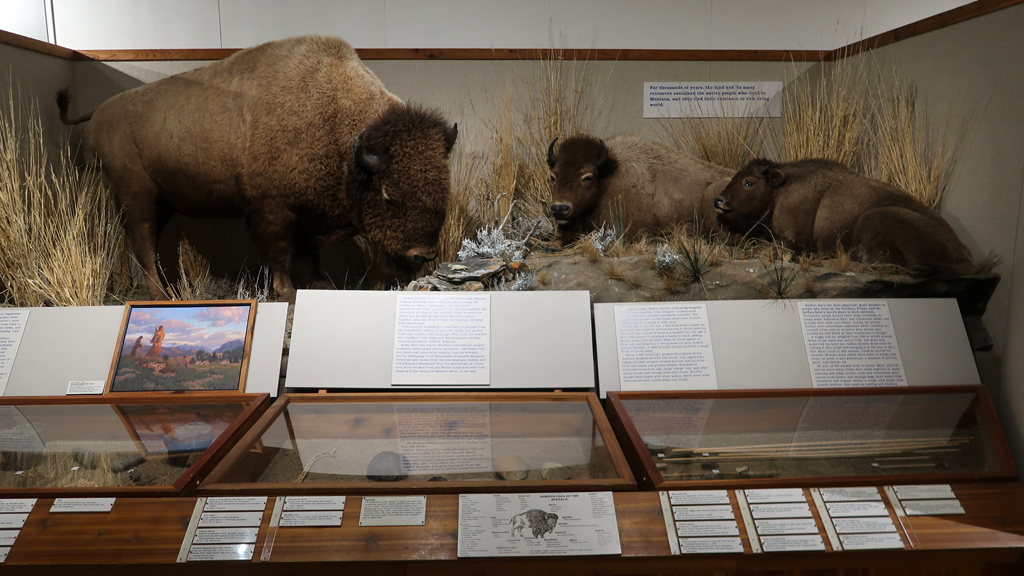
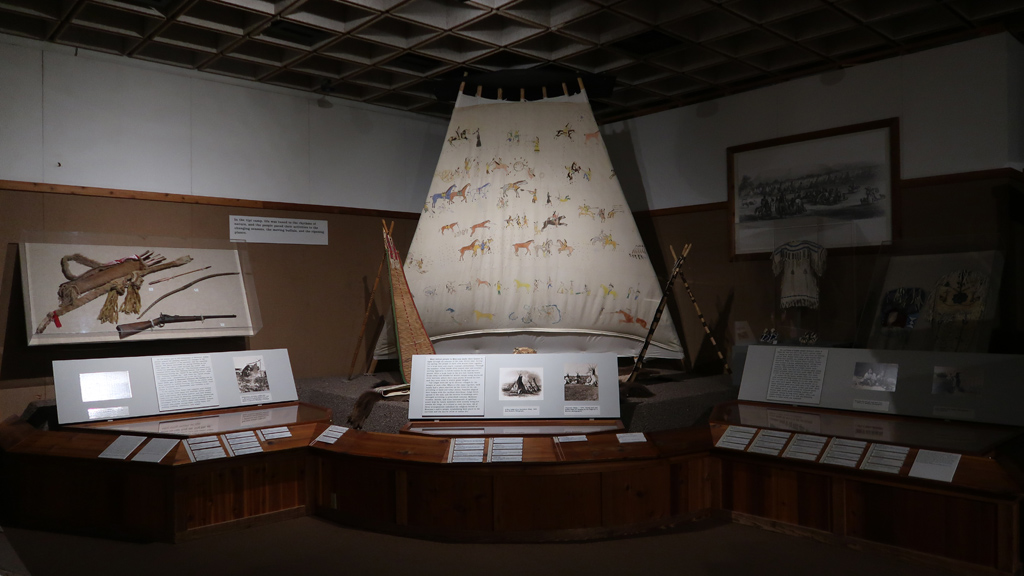
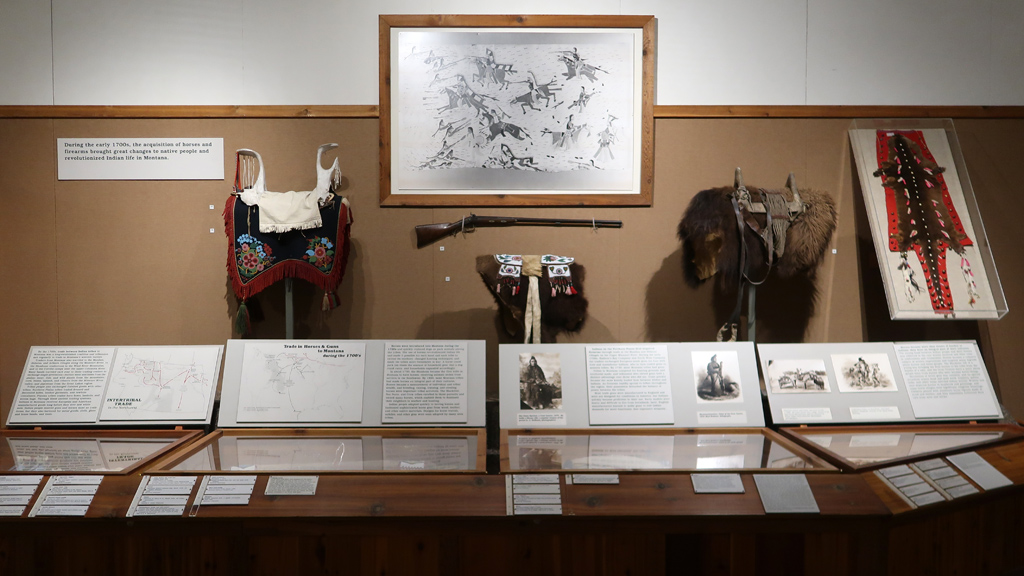
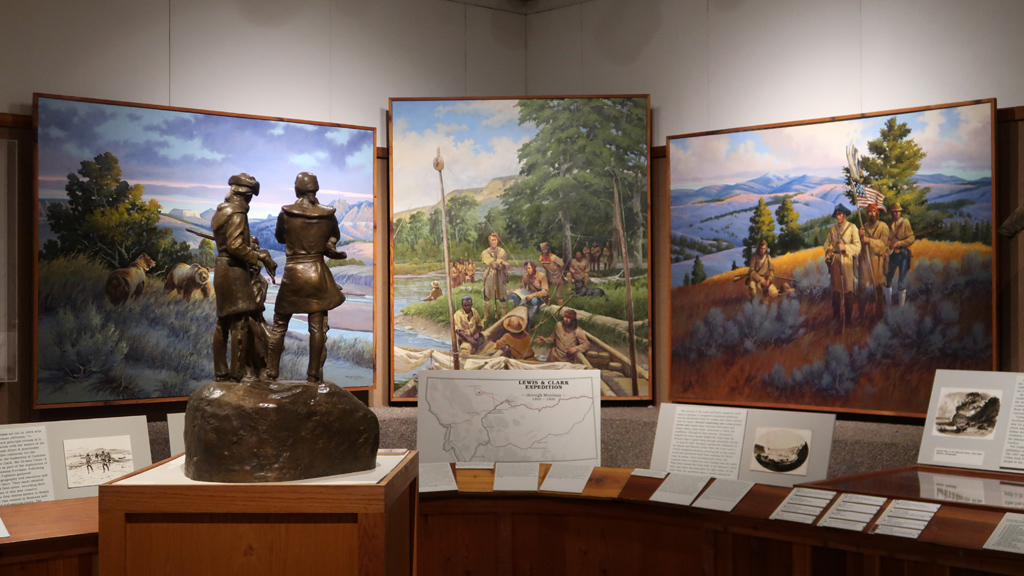
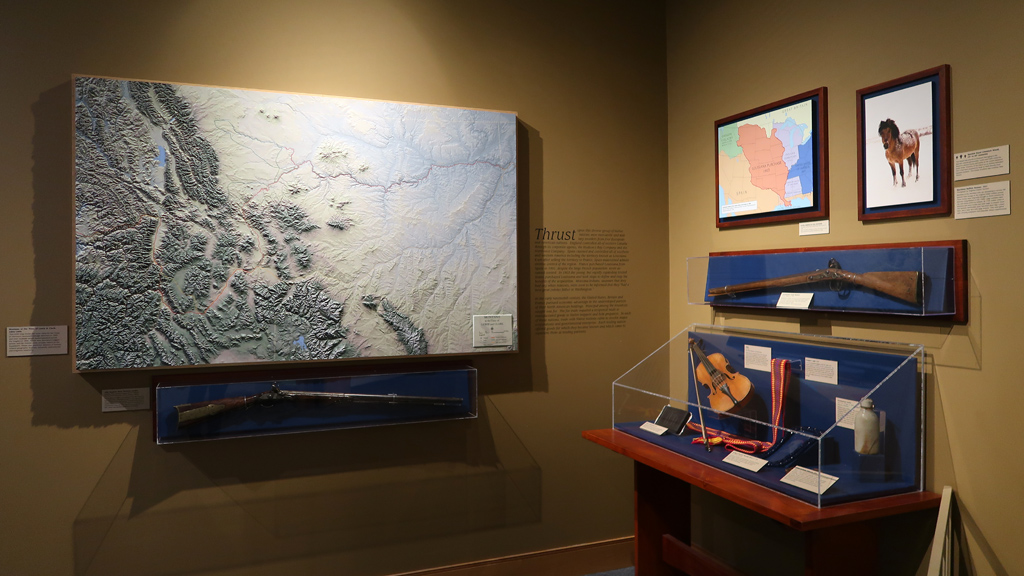
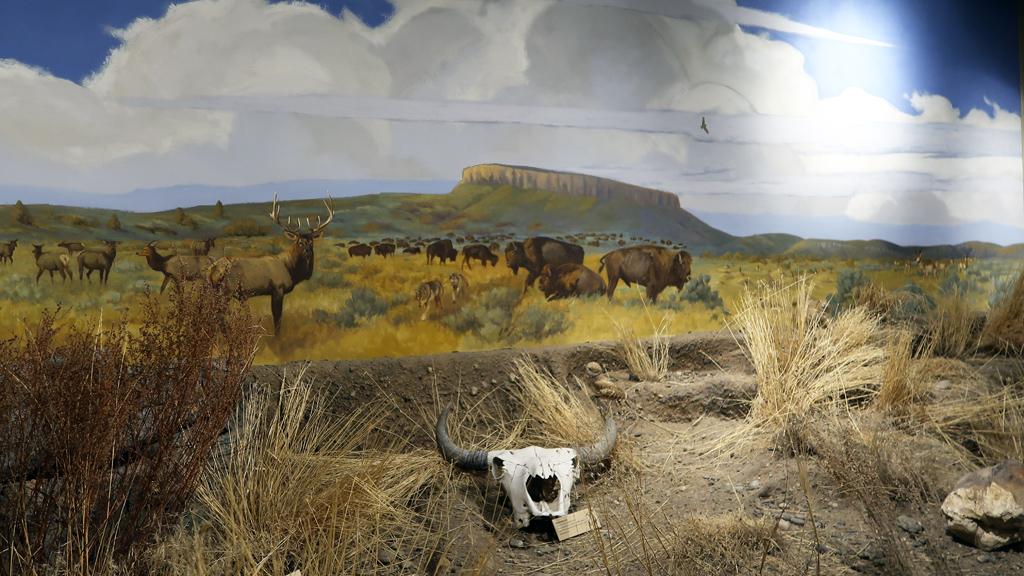
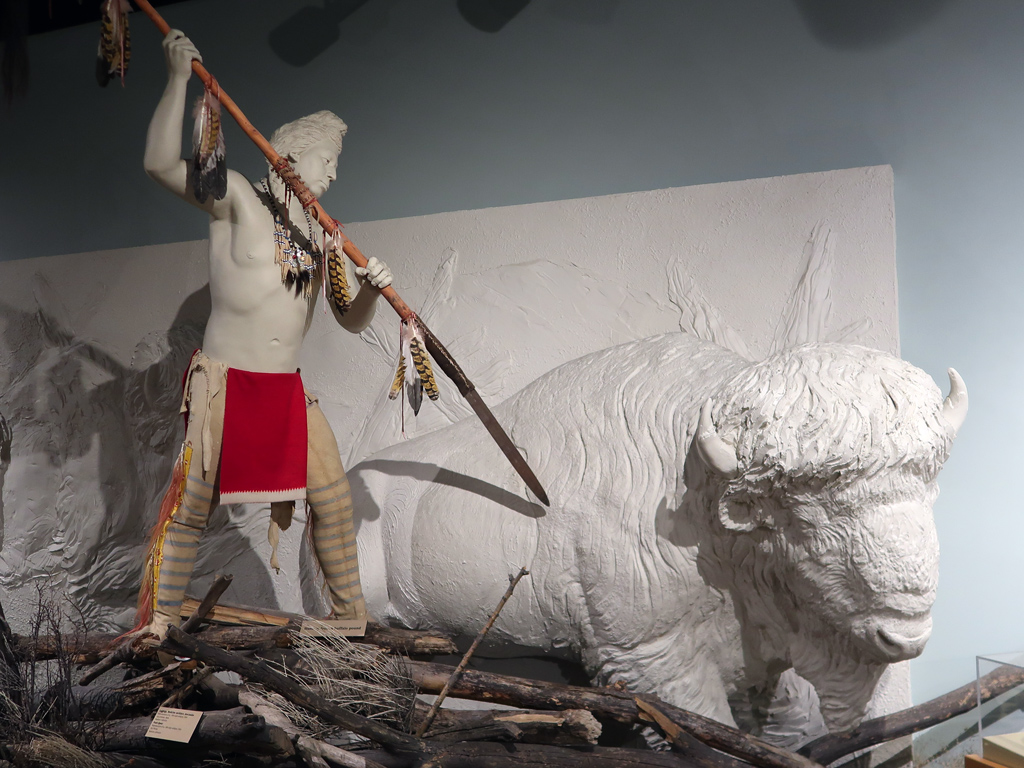
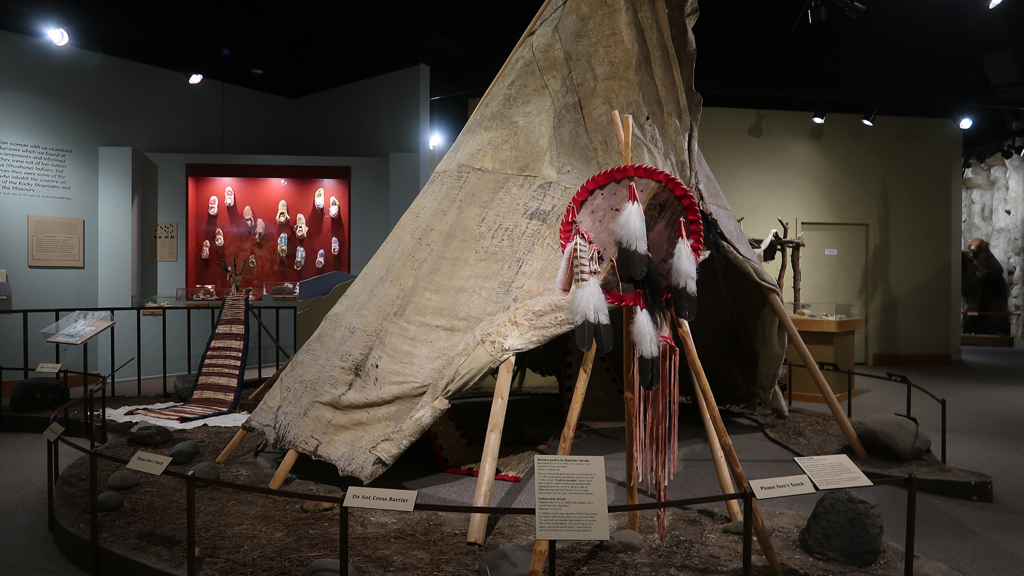
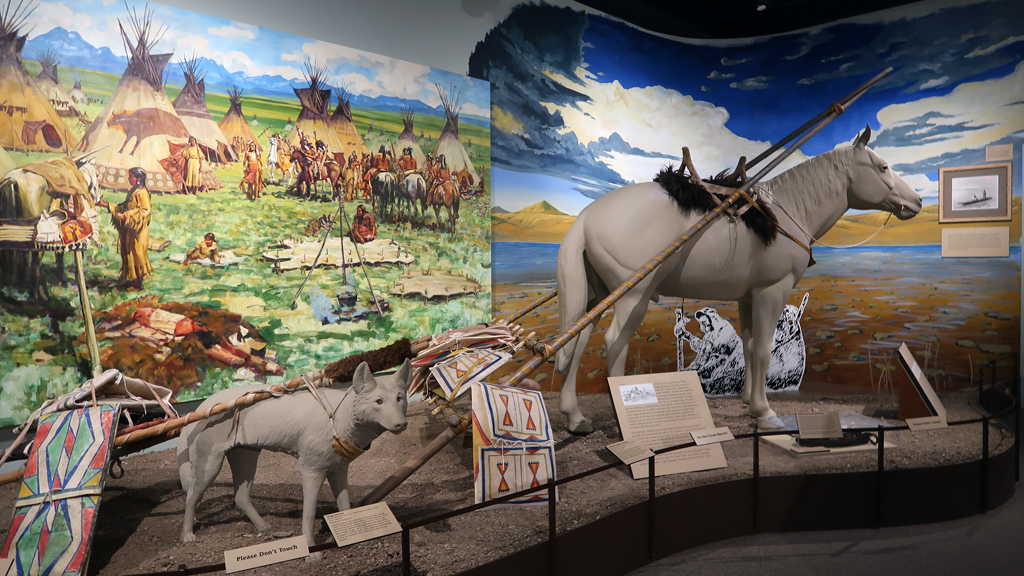
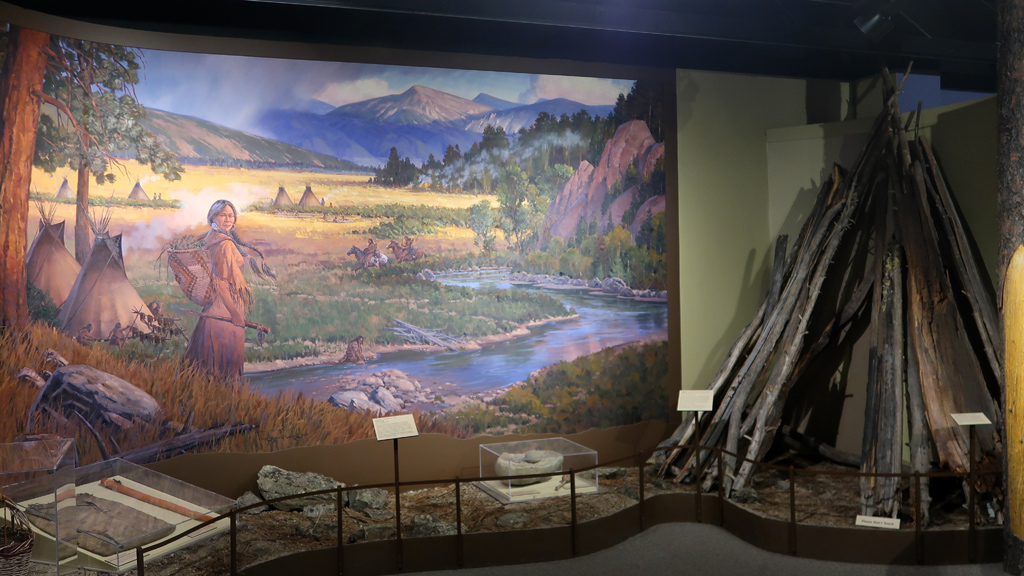
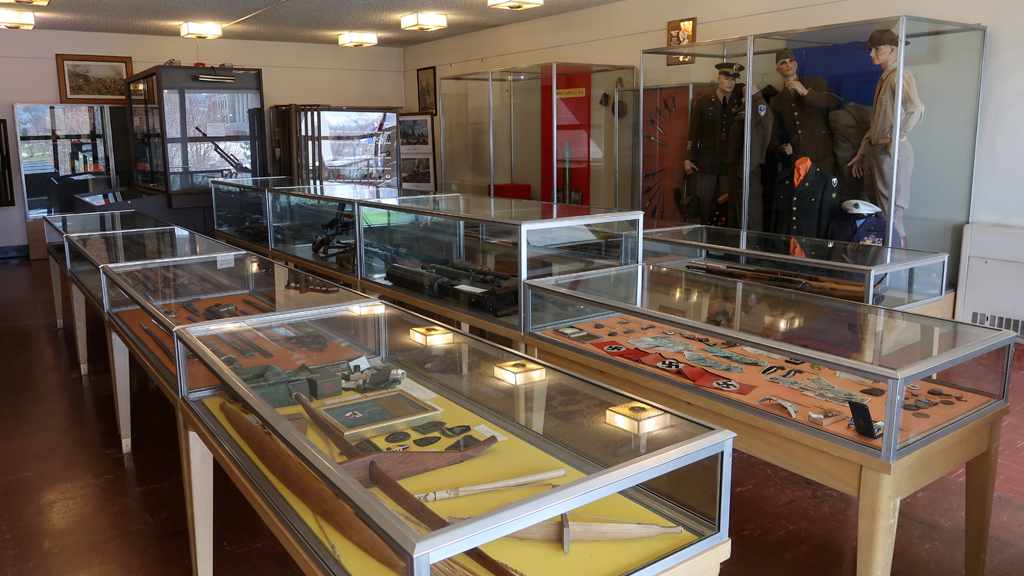
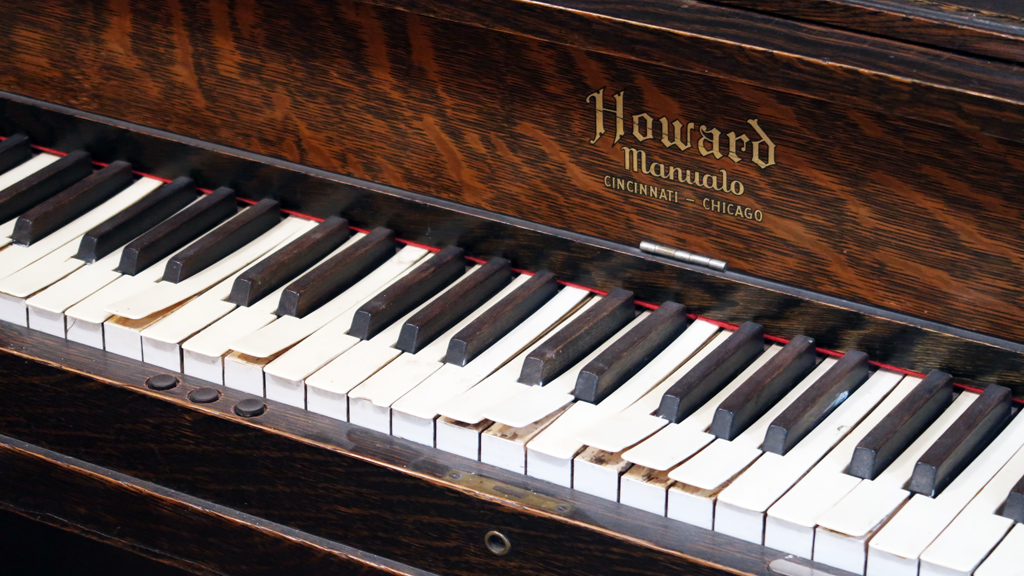
On one of the rainy days during my stay in Helena, Montana, I found myself an indoor activity to do—visit the Montana Historical Society.

Apparently a visit to the Montana Historical Society is usually done as a two-part trip, the first to the museum that I visited, and the second to the O­rig­i­nal Governor’s Mansion on Ewing Street. Unfortunately, I woke up pretty late and had some time-sensitive work to get done, so I had a little bit of a late start to my day and didn’t have enough time to visit both before closing time. However, I still got a thorough walk through the entire museum por­tion.

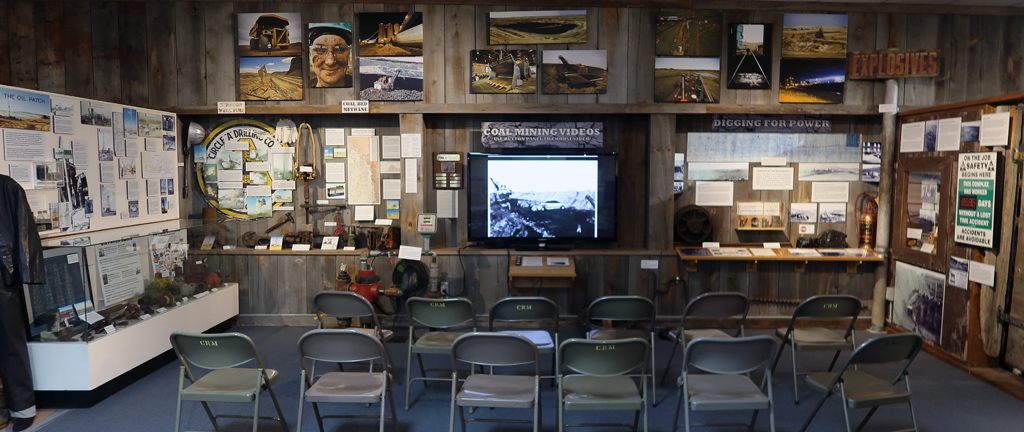
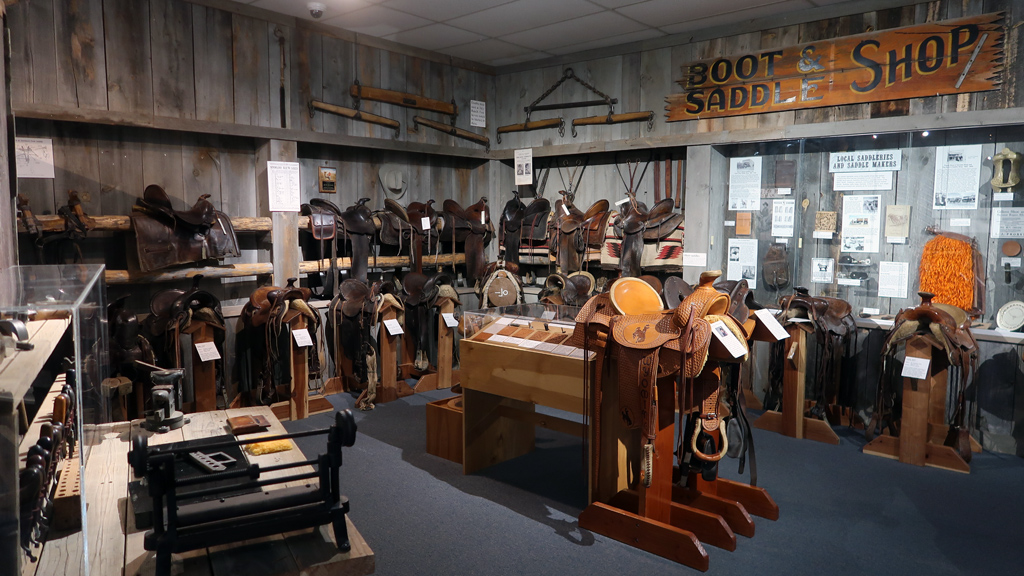
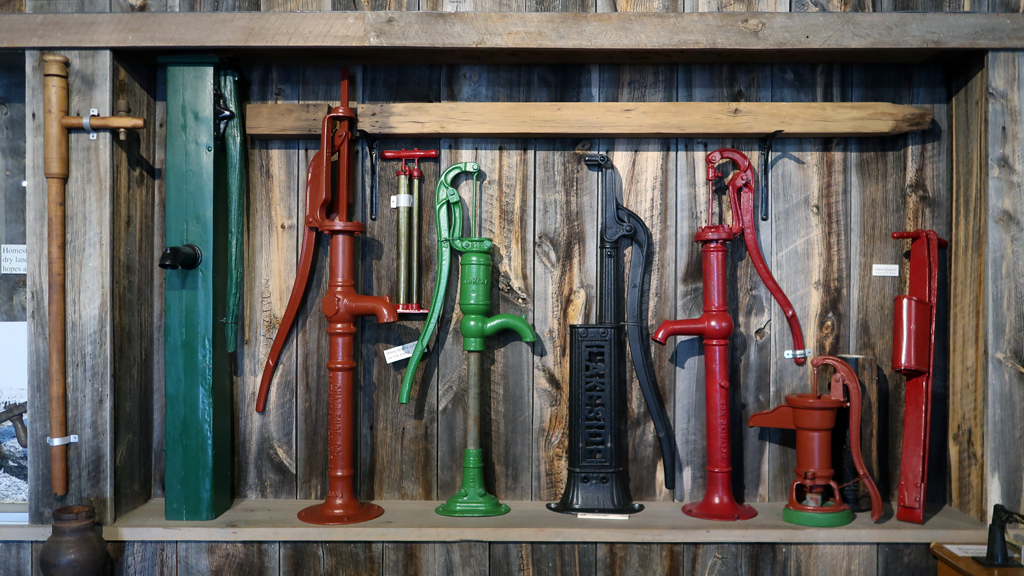
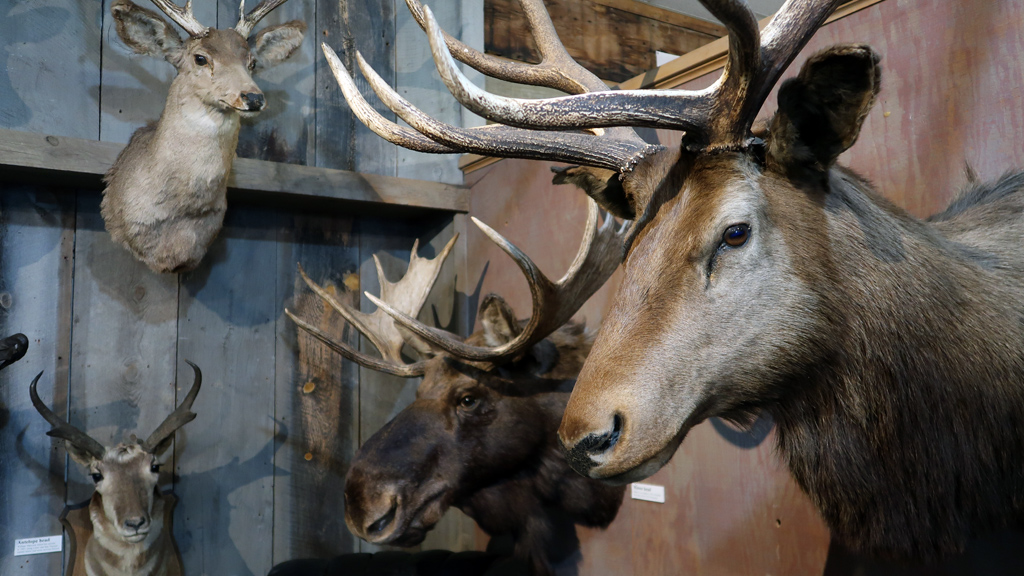
Overall, I’d say that this was probably one of the most cookie-cutter, textbook museums you can find. It focused in on a topic (Montana history), had a lot of exhibits on display behind locked glass, had a few videos playing on screens, and had a decent amount of text explaining the various different ex­hib­its.

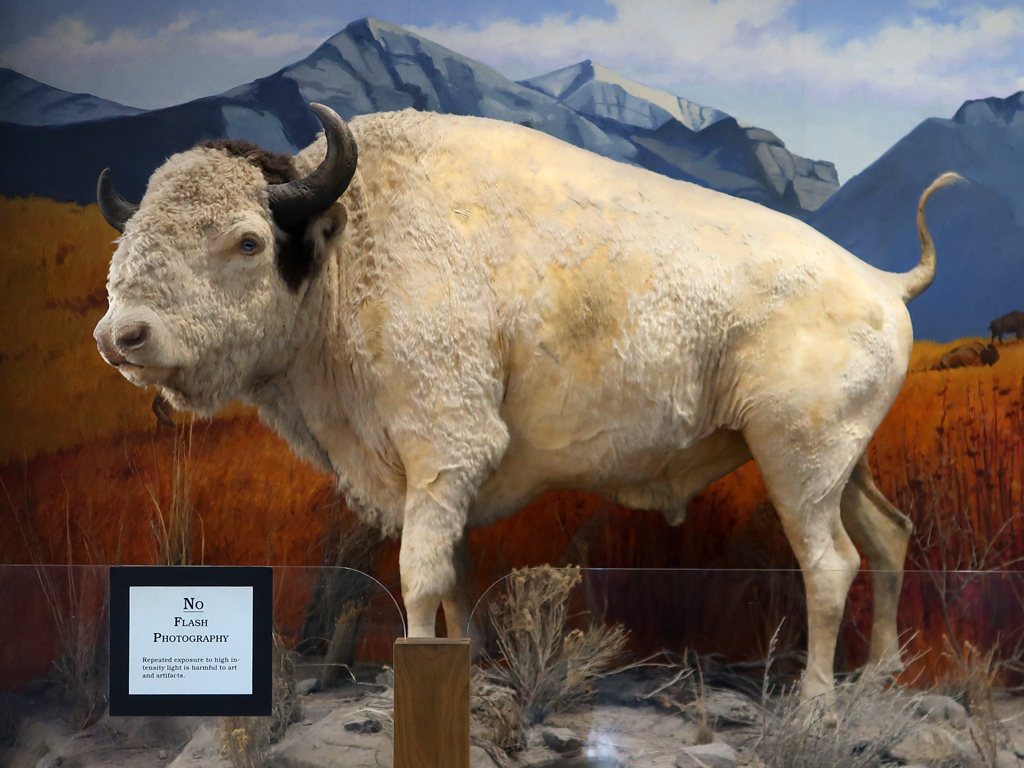
My favorite part of the museum was on the second floor, which was actually more of an office floor than it was a museum floor, but there was one ex­hibit by the stairway. Apparently this is a white buffalo (not entirely albino, but close), which is very rare.

Because of how rare it is, scientists monitored it closely and ensured it would be of extra good health. This additional support meant that the buffalo grew far beyond its regular life expectancy, and once it died of natural causes, it was taxidermically stuffed for preservation and turned into an ex­hibit at this museum. You can tell how old it was because of how much hair it lost—I guess buffalos bald too, just like humans.


—§—


Hello, Archie Bray Foundation in Helena, Montana

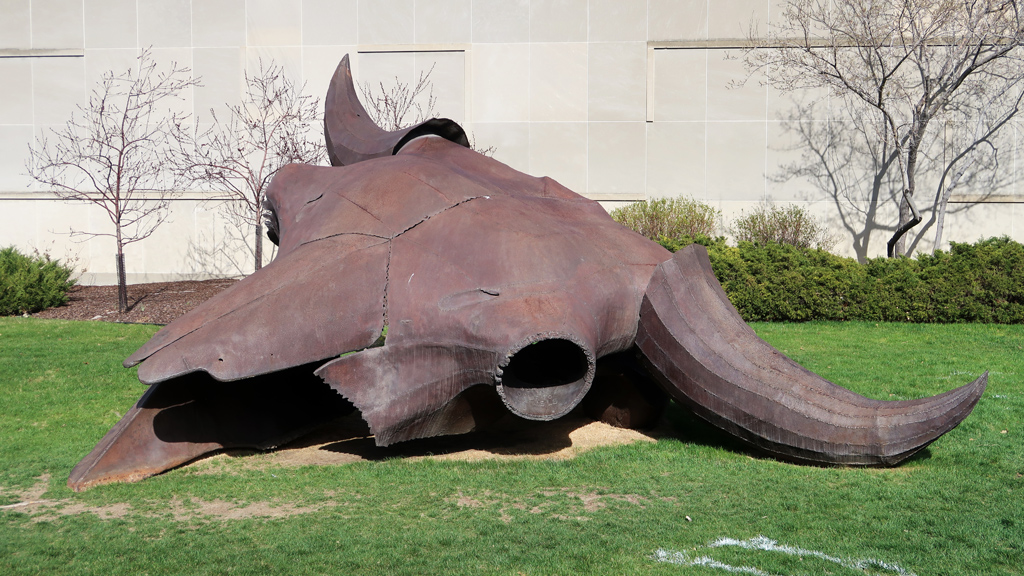
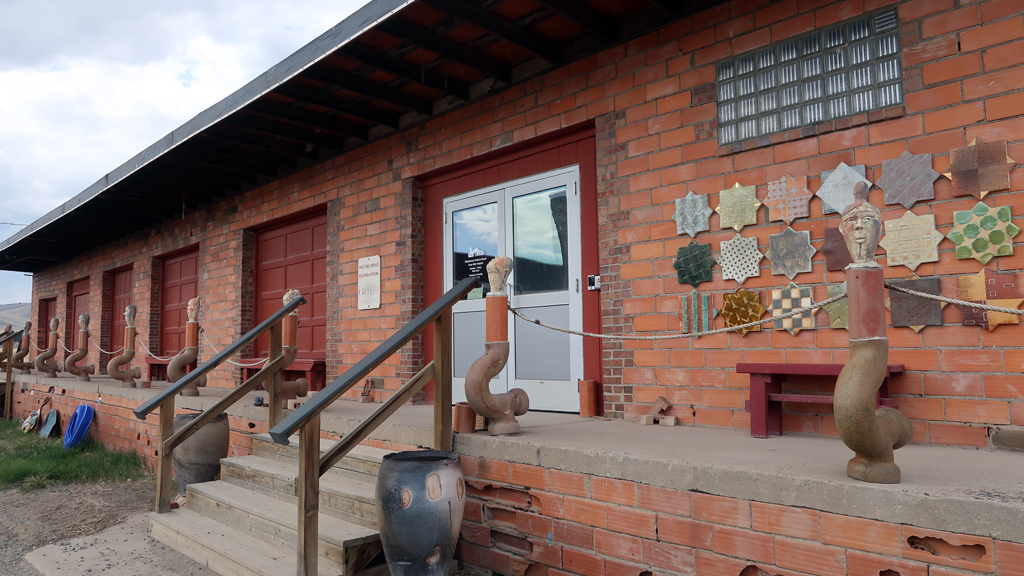
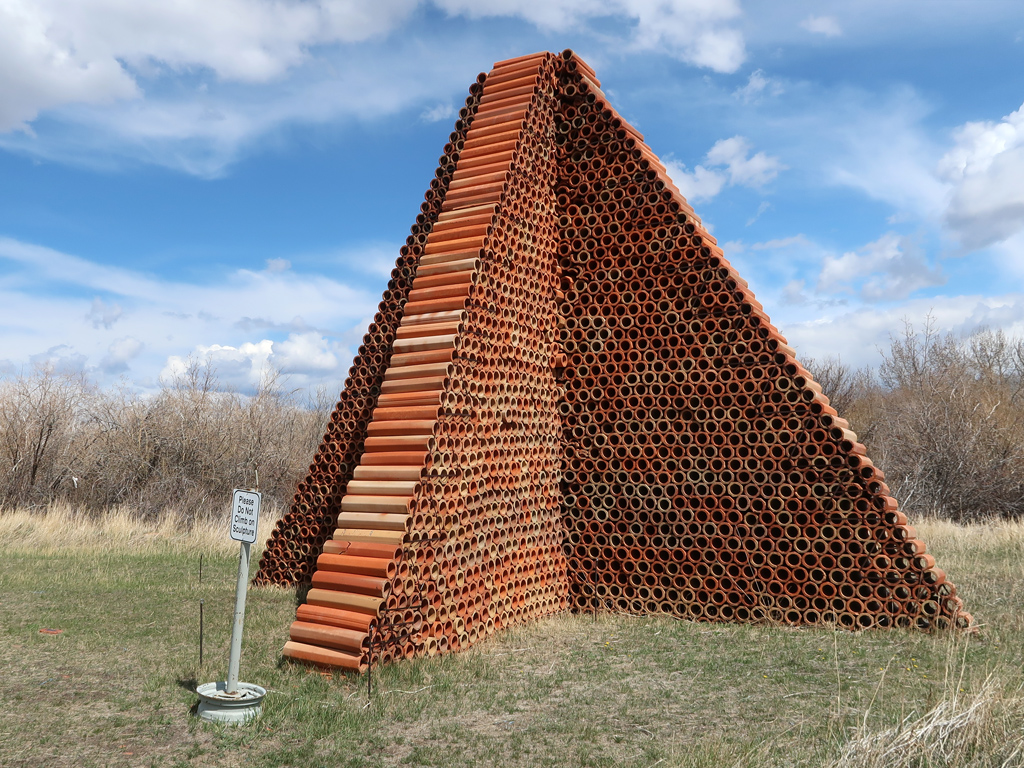
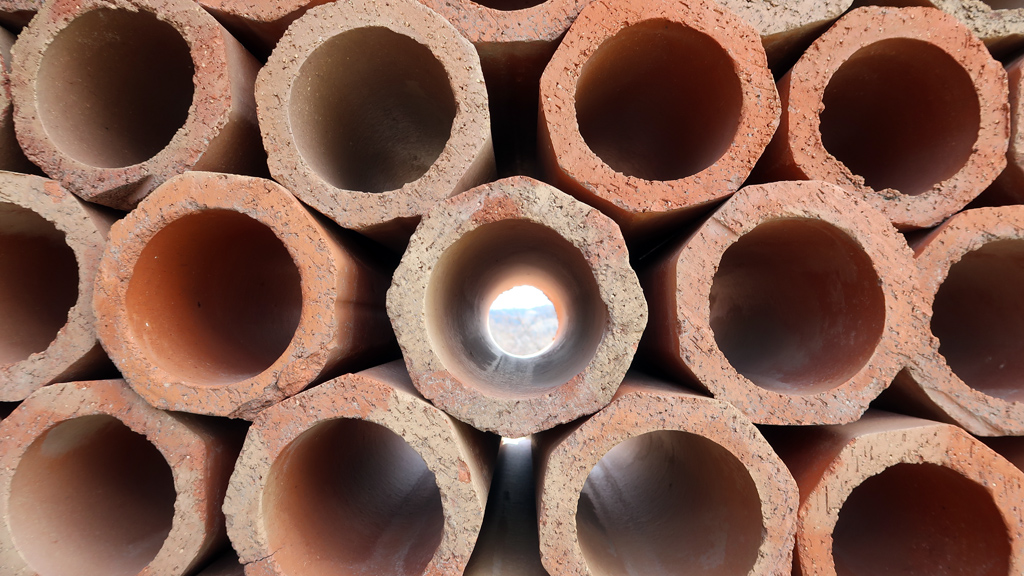
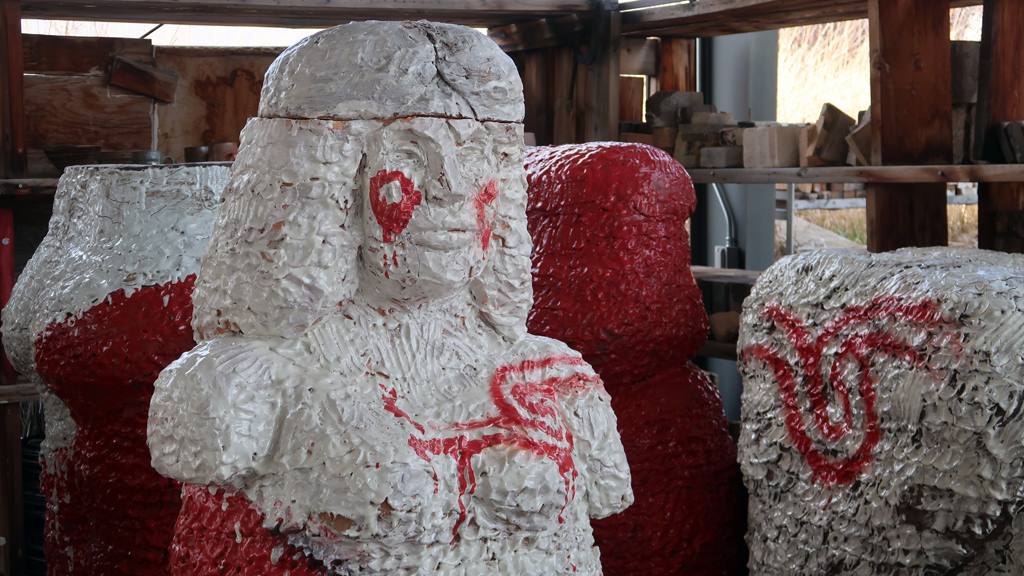
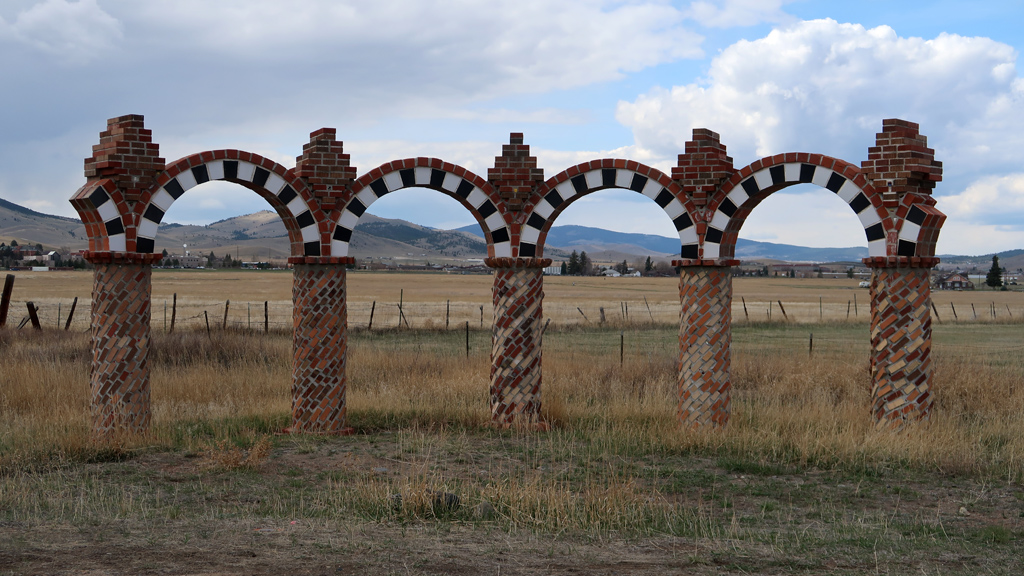
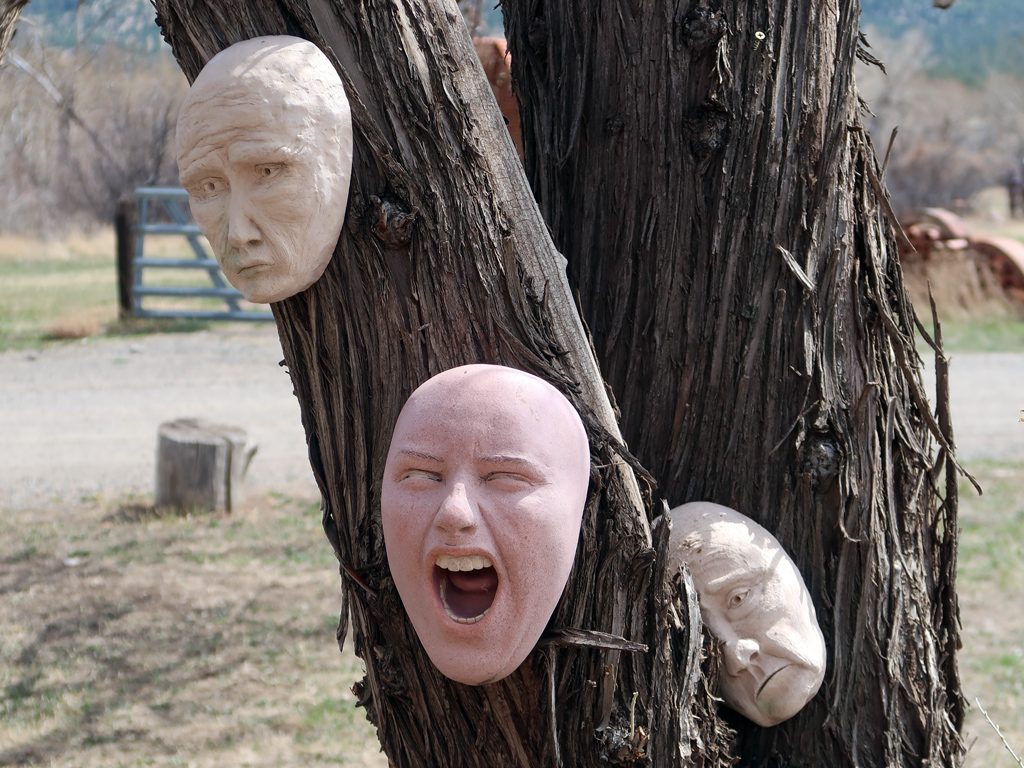
While hiking at Spring Meadow Lake State Park (photos of which I’ll probably share in a Montana round-up blog post, because there aren’t many), I no­ticed that there were some strange sculptures out in the open in the distance. Curious, I looked up what was in that general direction on Google Maps and found the Archie Bray Foundation, which appeared to be some kind of school and museum that’s open to the public.

When I went to visit the following day, it didn’t quite go as planned—the building with the exhibits was closed, the studios had signs that said they were not open to the public, and the sales center (which I think was open?) had a sign on the door that said that masks were required for entry, regardless of vac­ci­na­tion status, without exception. This reminded me of a restaurant I saw in Texas that said “No masks allowed. Yes, it’s political.” … Except, the op­po­site, obviously.

As you may have guessed, I am a normal human being who has not even touched a mask for months except for when going on a plane, and I didn’t have a mask with me, so I chose to honor their wishes and did not enter. Luckily, there was a lot of stuff outdoors that I could still check out.

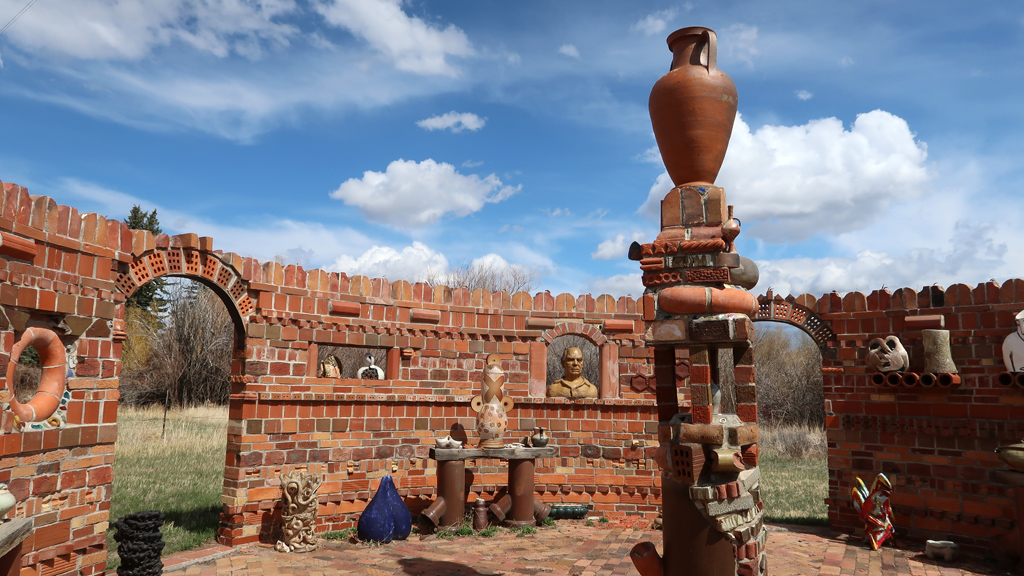
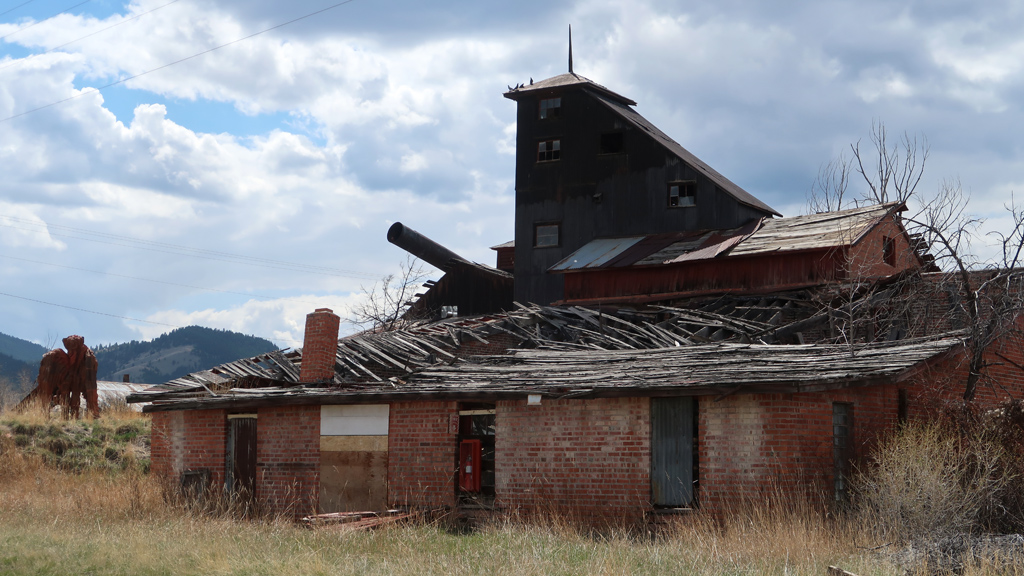
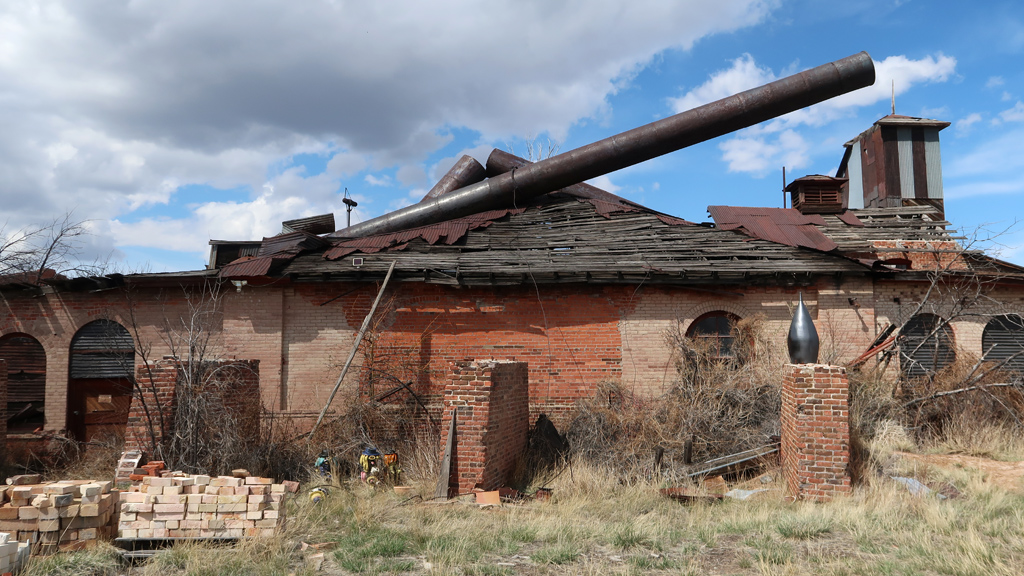
As I got close to the back of the property, things got weirder—there were more buildings, but they all looked abandoned and were falling apart.

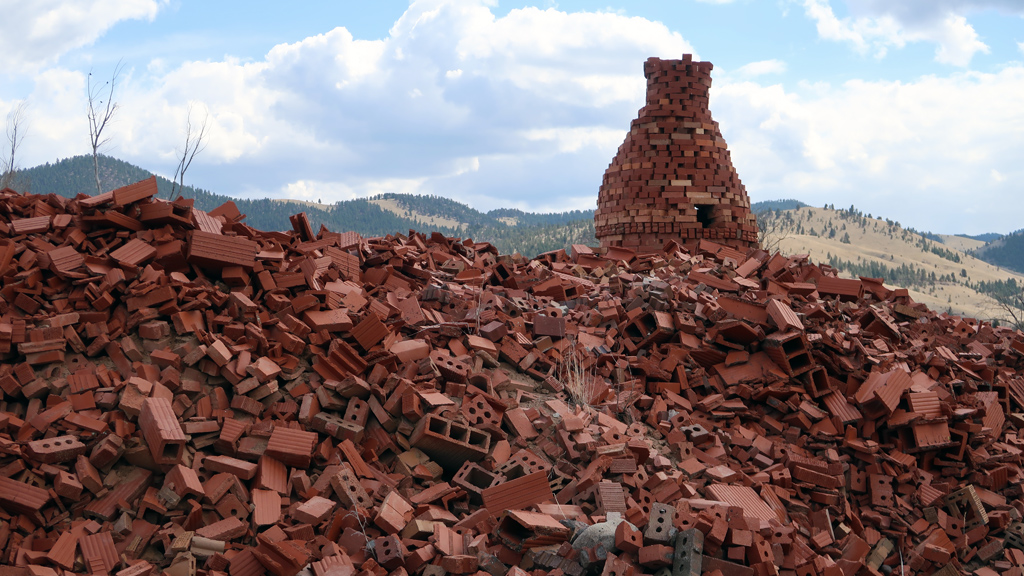
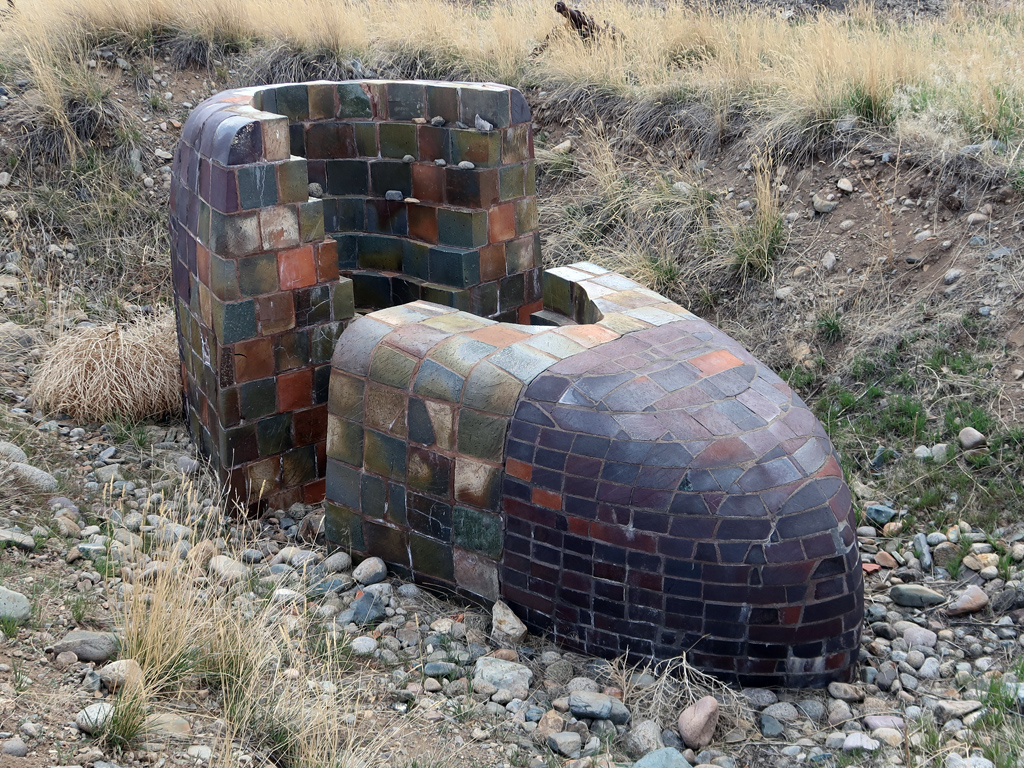
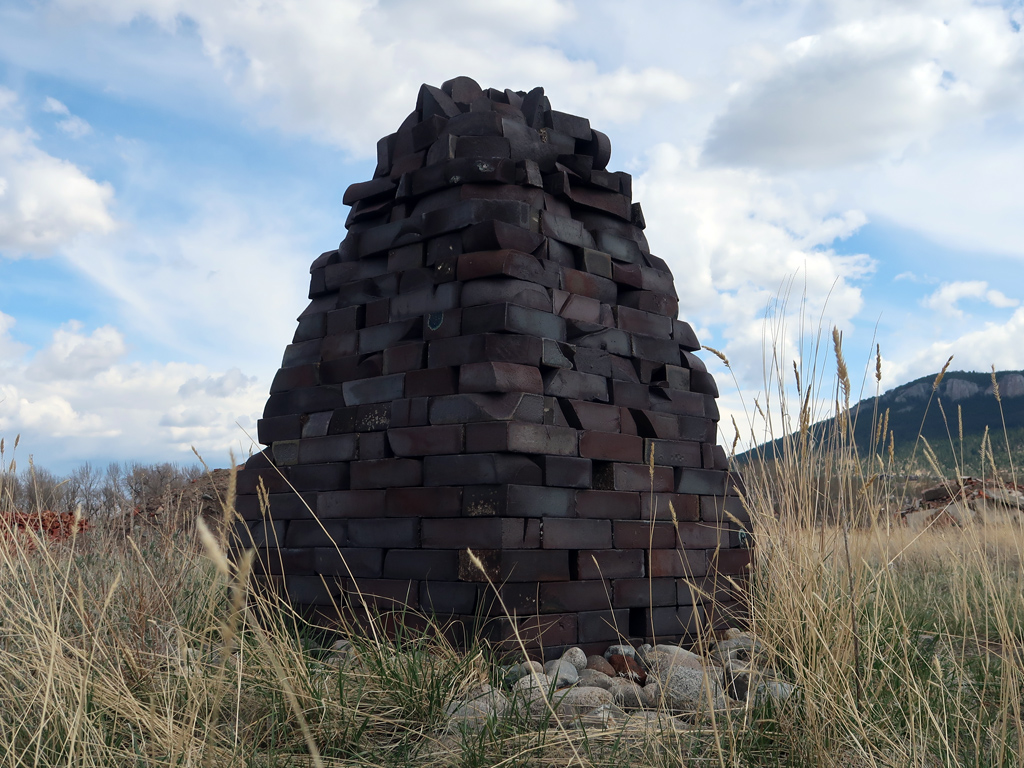
Further still, there were random things built on the outskirts of the plot of land, all of which seemed to not really make any sense. For example, there was an area that had a massive pile of what appeared to be scrap bricks, but then it looked like someone had just randomly climbed to the top of the dis­carded pile and built a furnace.

In summary, I have absolutely no idea what in the world I witnessed. It was very strange experience, but still a pretty amusing use of half an hour.


—§—


Hello, Campbell County Rockpile Museum in Gillette, Wyoming

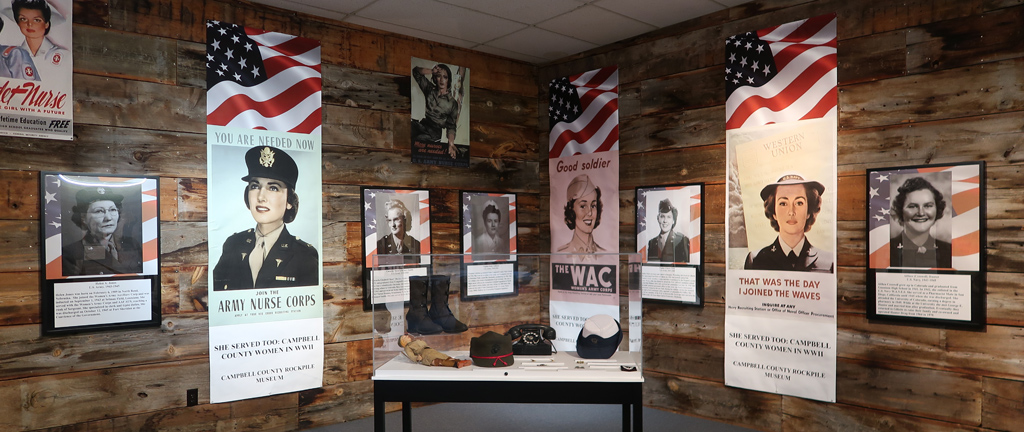
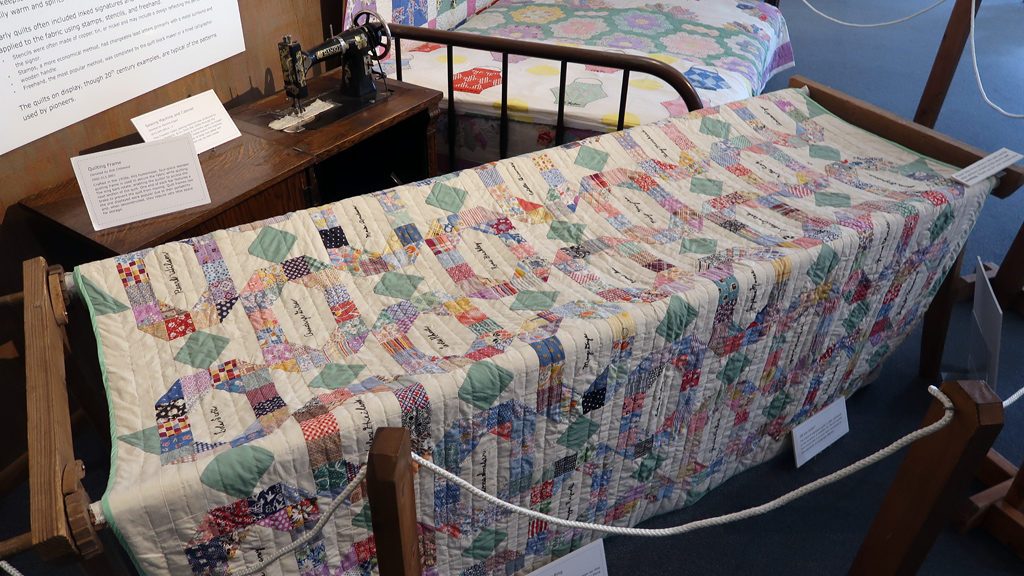
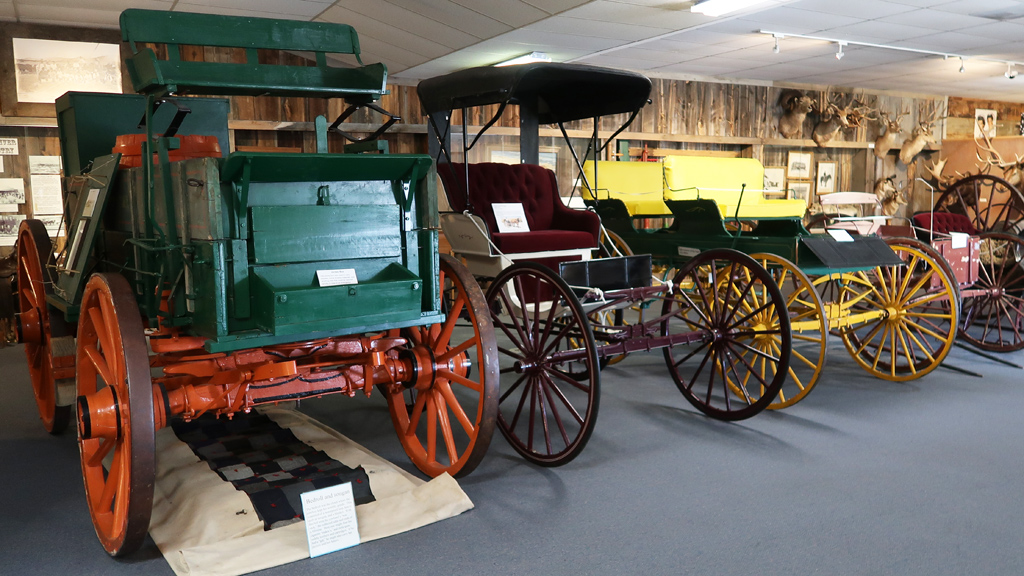
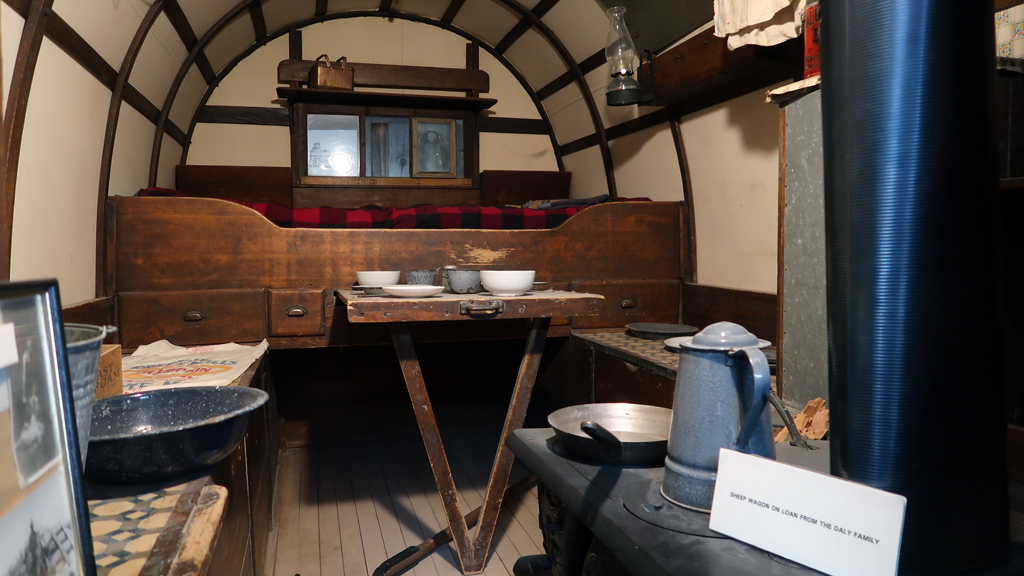
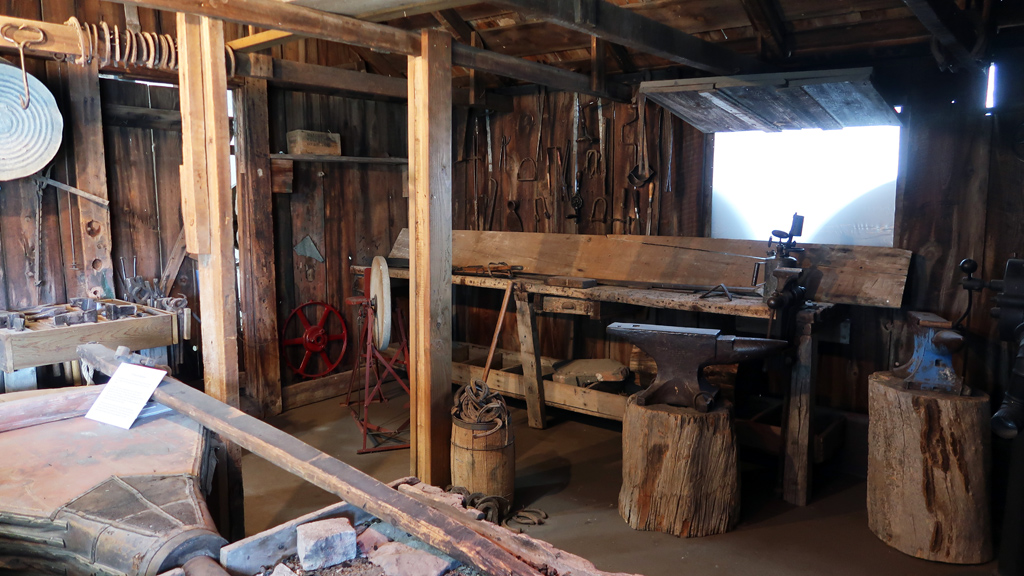
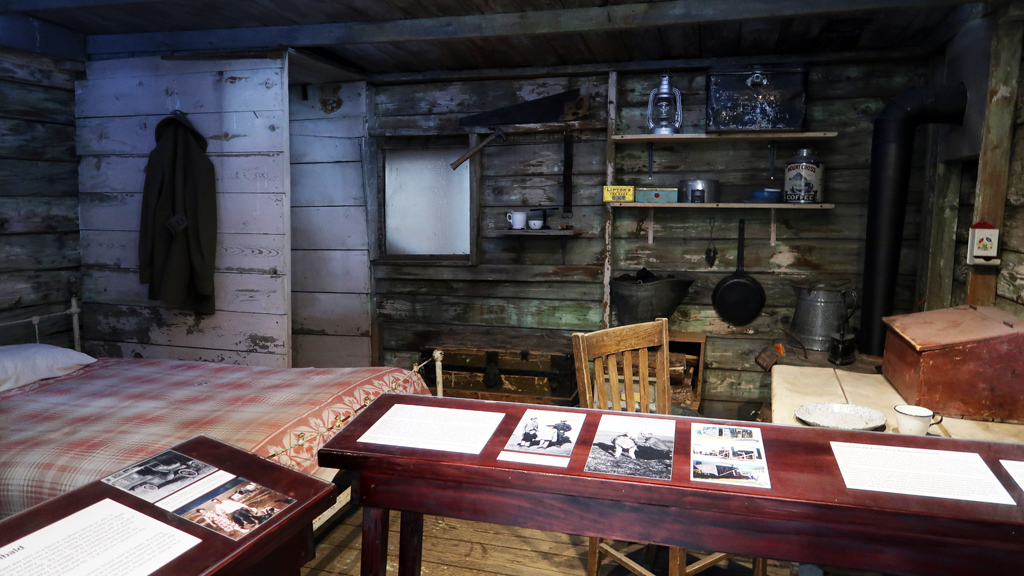
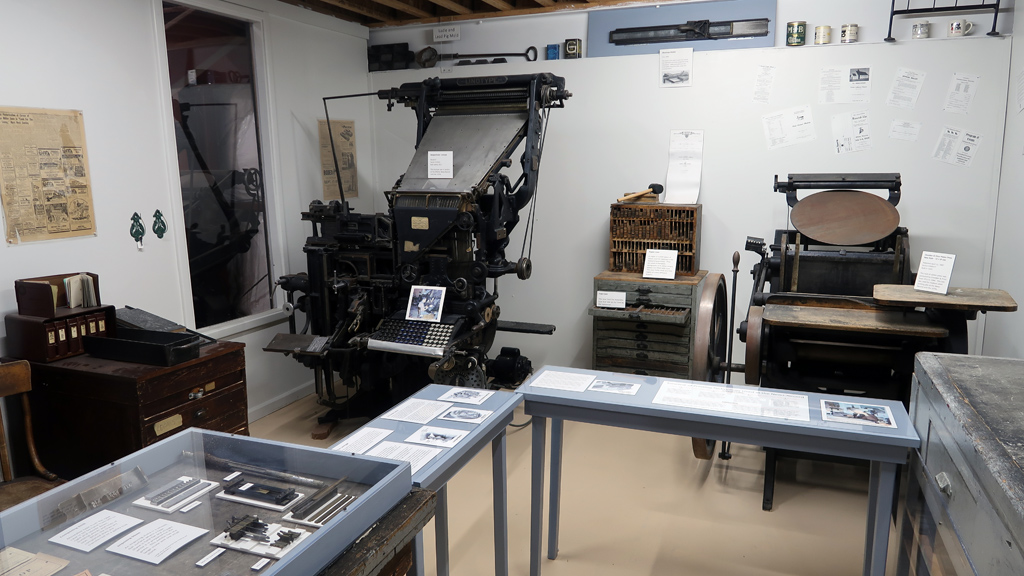
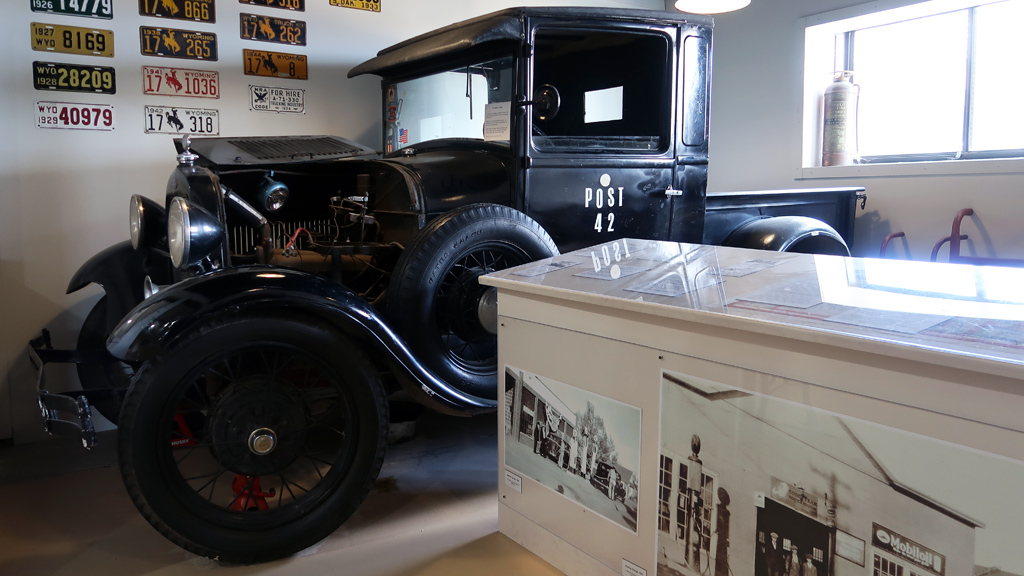
As my second tourist activity in Gillette, I visited the Campbell County Rockpile Museum, a museum mainly focused on local Gillette and Wyoming history. It wasn’t quite as impressive as the Frontier Relics & Auto Museum, but I noticed that the Rockpile Museum still made a bit of an effort to make at least half of the museum a lot more immersive and realistic than many other museums I’ve seen.

There were four “sections” to the museum. The first, main area was the main building, which was laid out more like a traditional museum.

While I was there, I also encountered a lot of kids who were dressed up in old attire. When I asked about them to one of the front desk attendants, he told me that one of the local schools likes to do immersive experiences where kids dress up and pretend like they’re living in a certain time period, and part of that experience involves coming to the museum and looking at some of the relics from the time period that they’re studying.

The second section was two smaller buildings that acted as classrooms for the children. Apparently the larger one was in active use at the time, but I got to peek into the smaller one; it resembled a fairly normal classroom, and I didn’t see anything particularly notable about it.

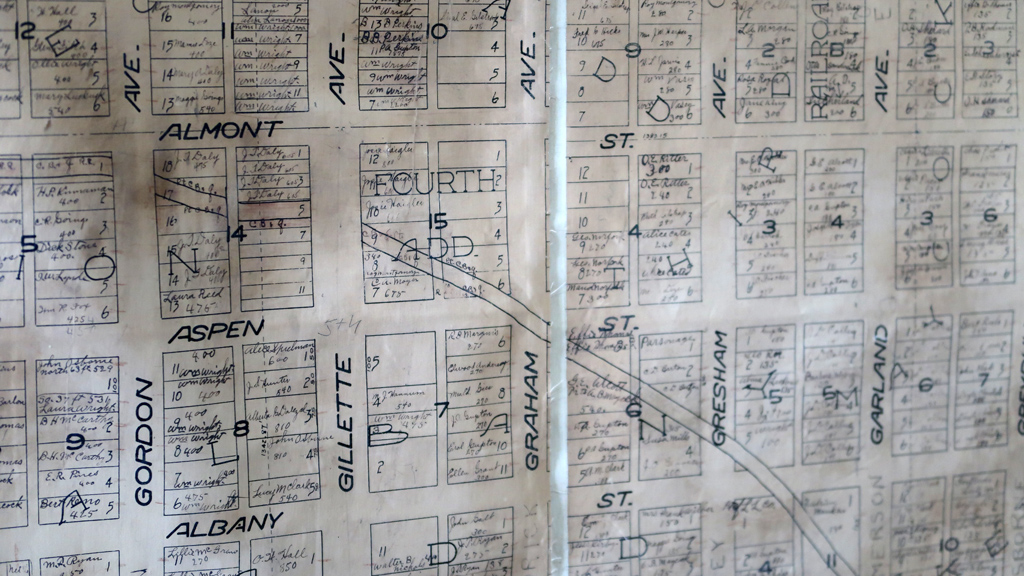
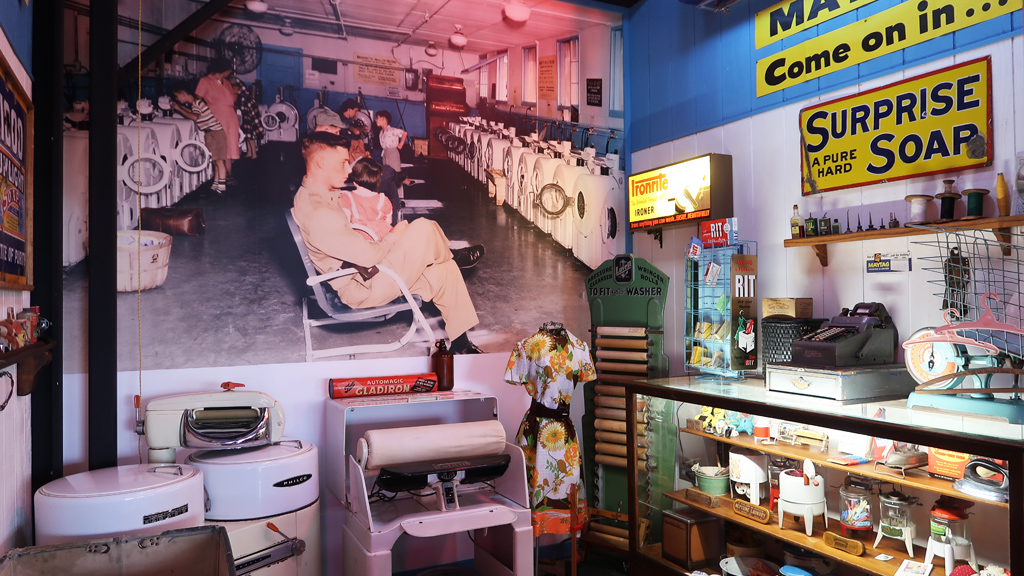
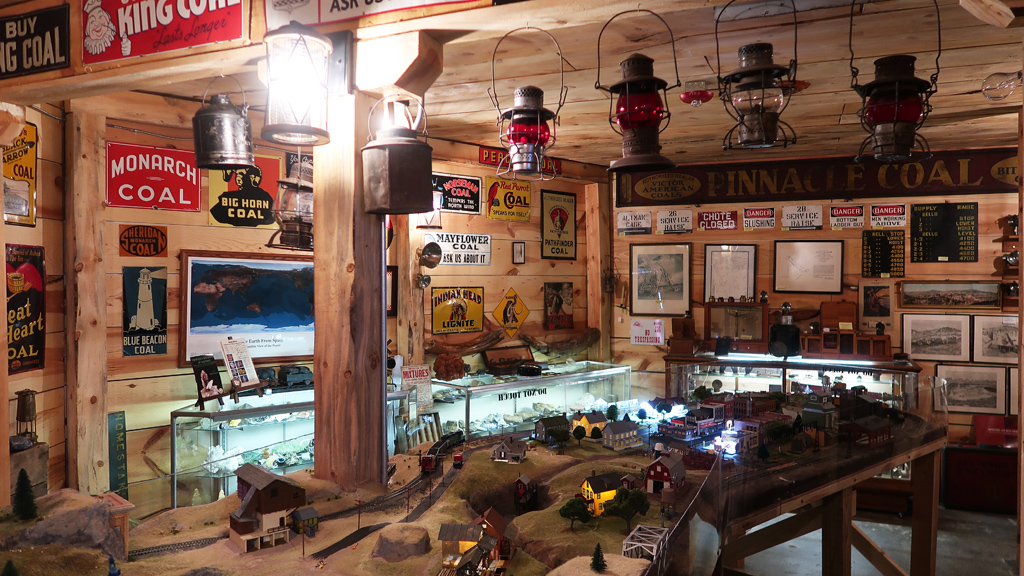
The third section was the newest section, and was the section that had more immersive experiences. This section focused a lot more on Gillette’s ev­o­lu­tion in particular. There were recreations of the various places that used to exist in Gillette, and one section of one of the walls was dedicated to show­ing how much Gillette had grown as a city through maps and satellite imagery.

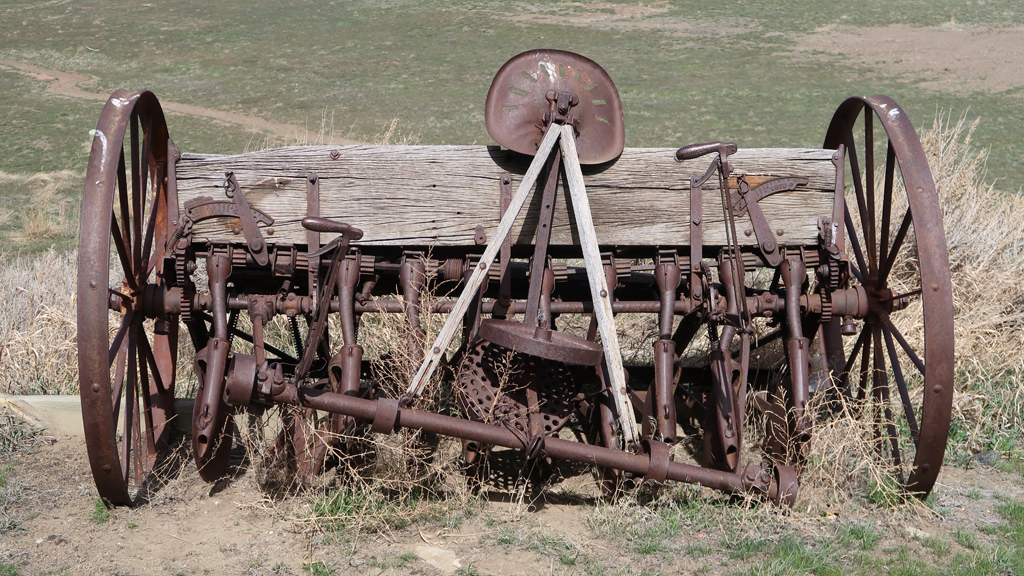
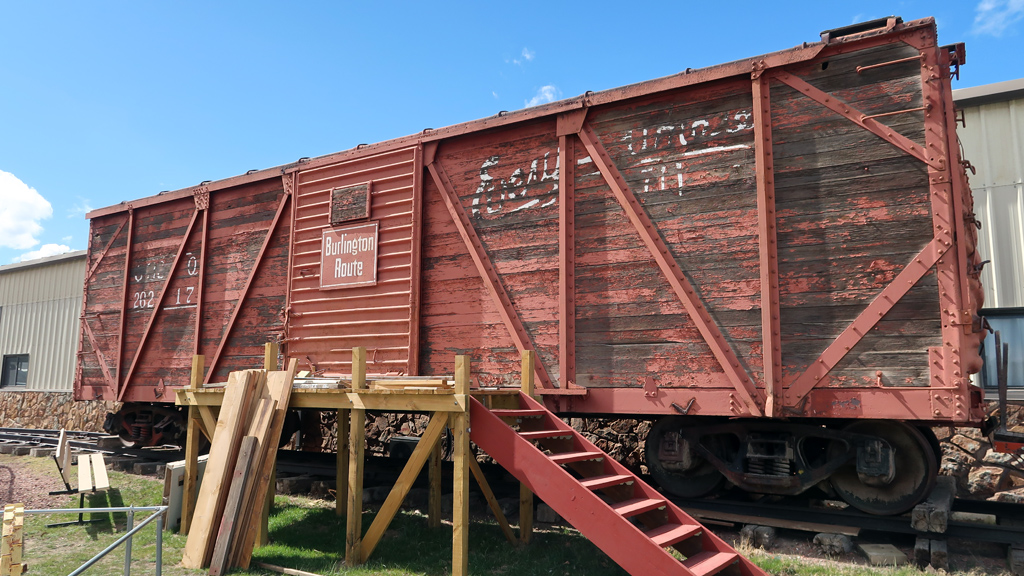
Finally, the fourth and final section was outdoors and had all the larger exhibits, primarily focused on what appeared to be farming equipment and trains.

I personally think this museum is geared more towards locals to learn about how their city and state came to be what it is today, and less about at­tract­ing and impressing tourists. With that being said, if you’re a general history enthusiast, I think this museum would be a nice stop to check out some of the neat little relics from the past.


—§—


Hello, Frontier Relics & Auto Museum in Gillette, Wyoming

The most efficient path from southwest South Dakota to southern Montana was through Wyoming, so I made yet again another trip through Wyoming, mak­ing it my third visit to the state—the first across the south, the second through the southeast corner, and this time through the northeast corner. My first stop was at Gillette, Wyoming.

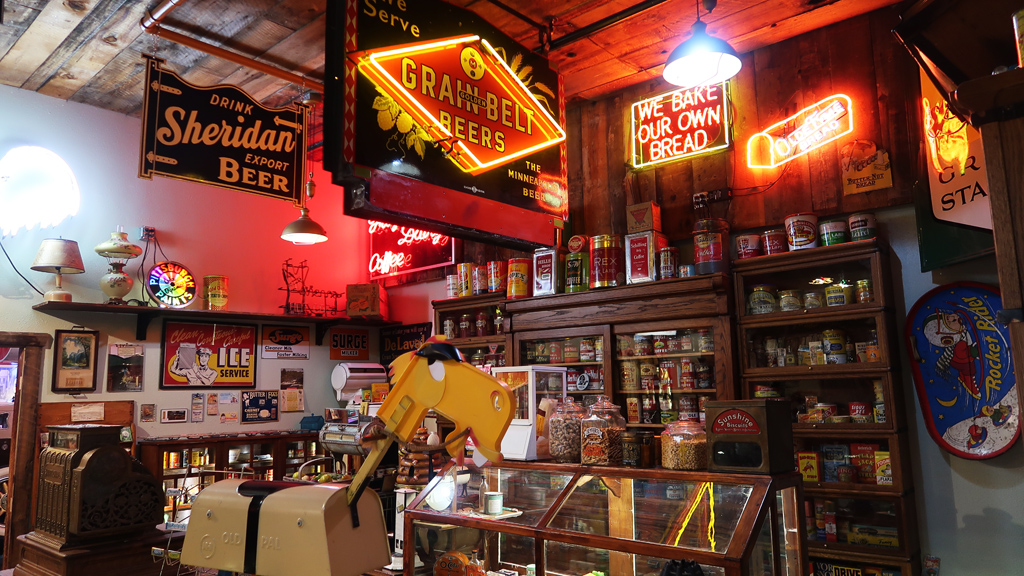
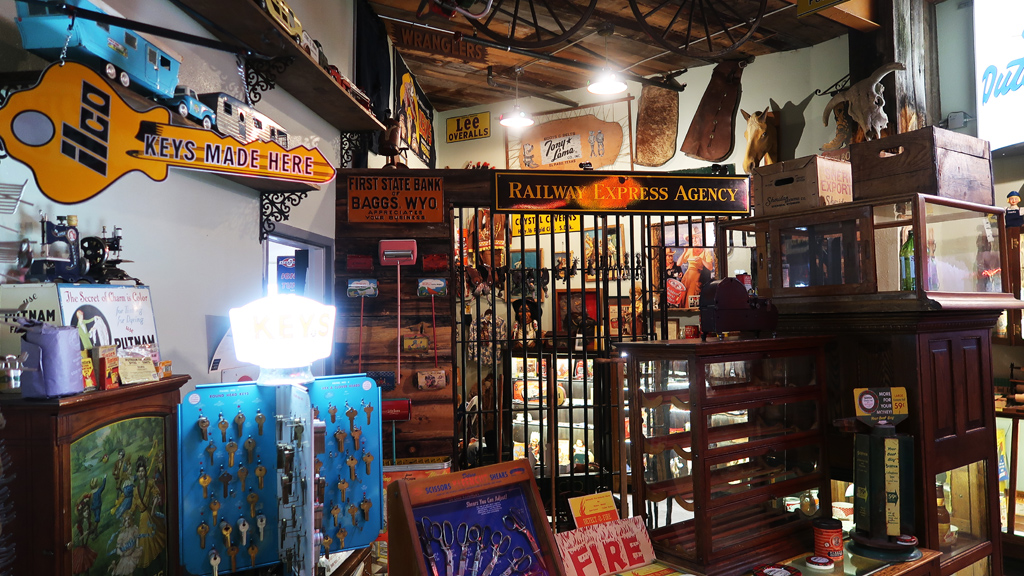
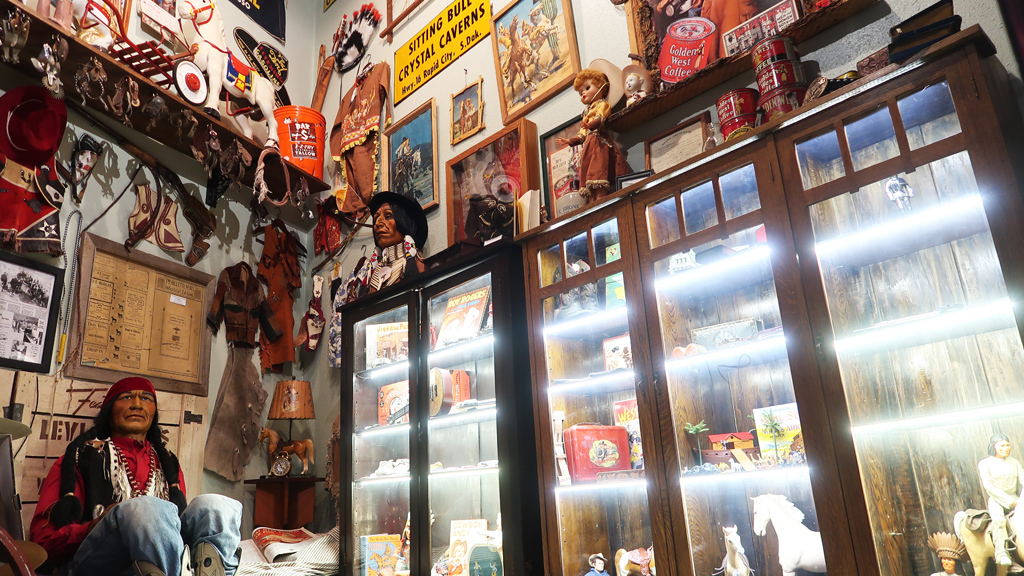
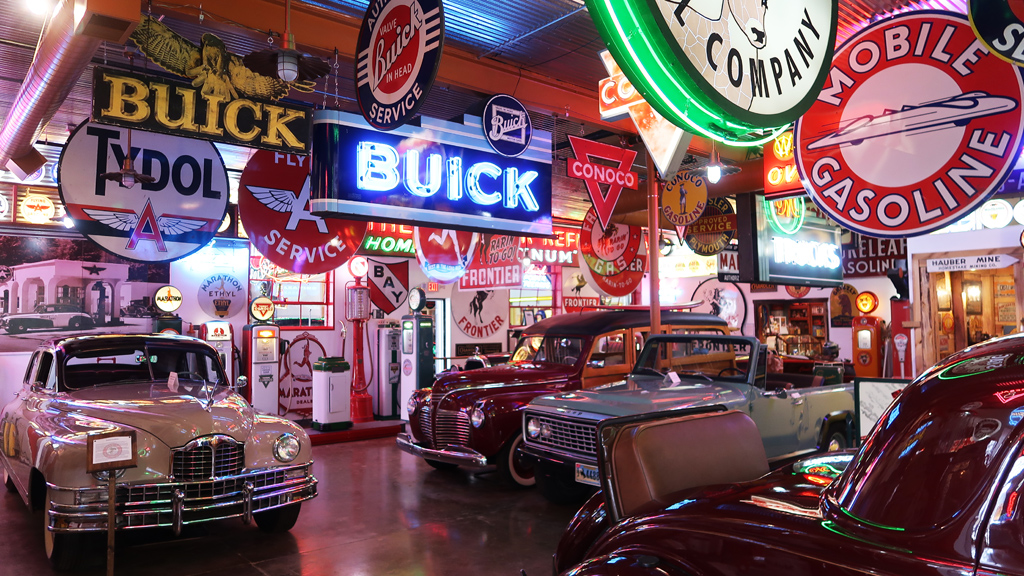
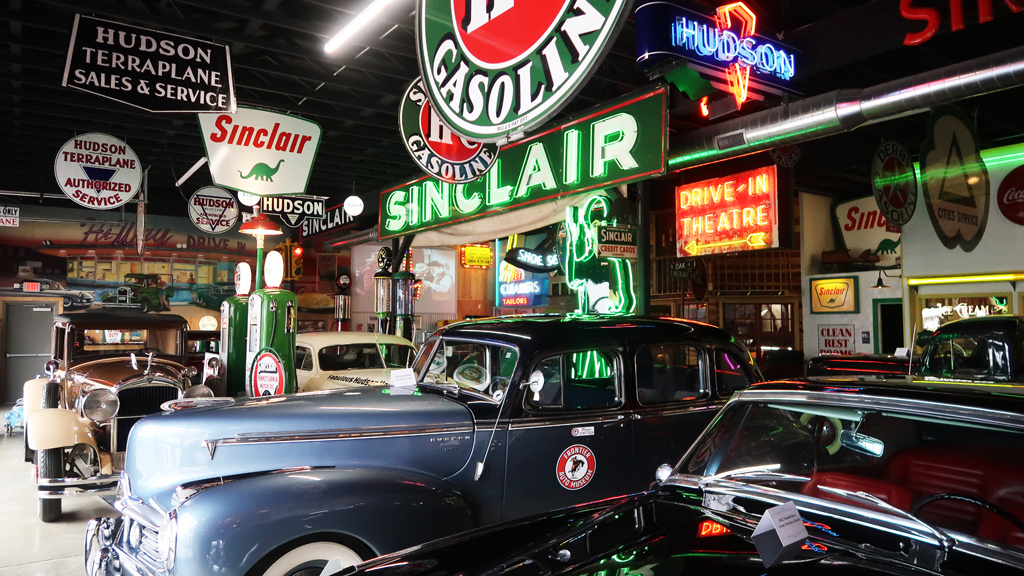
One of the most recommended tourist attractions in Gillette was the Frontier Relics & Auto Museum, and after visiting, I definitely agree. Although it might seem strange, I’m pretty sure that this museum is actually my all-time favorite museum, even after having visited nearly 40 states at this point and having gone to major museums and tourist hotspots in each one.

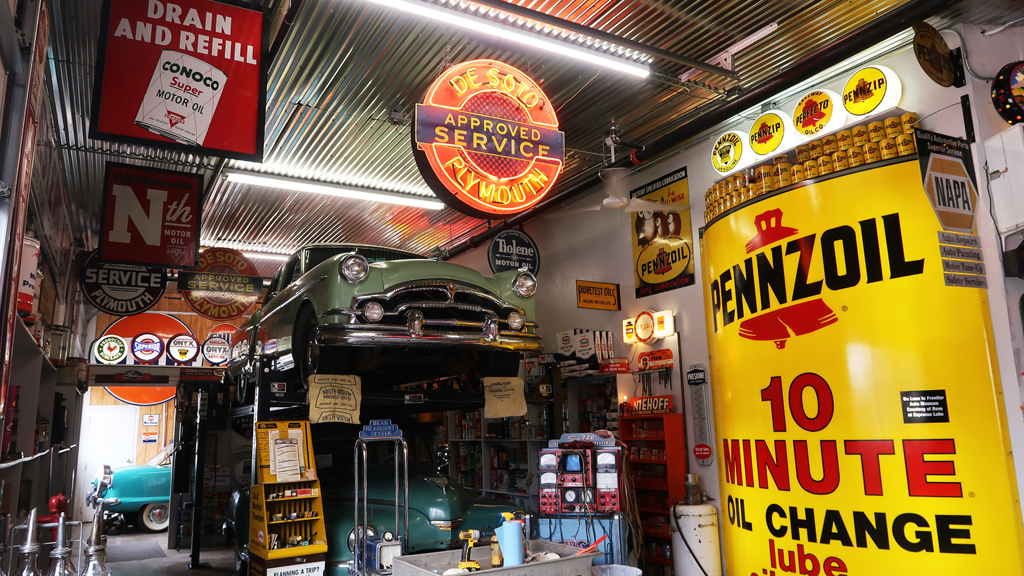
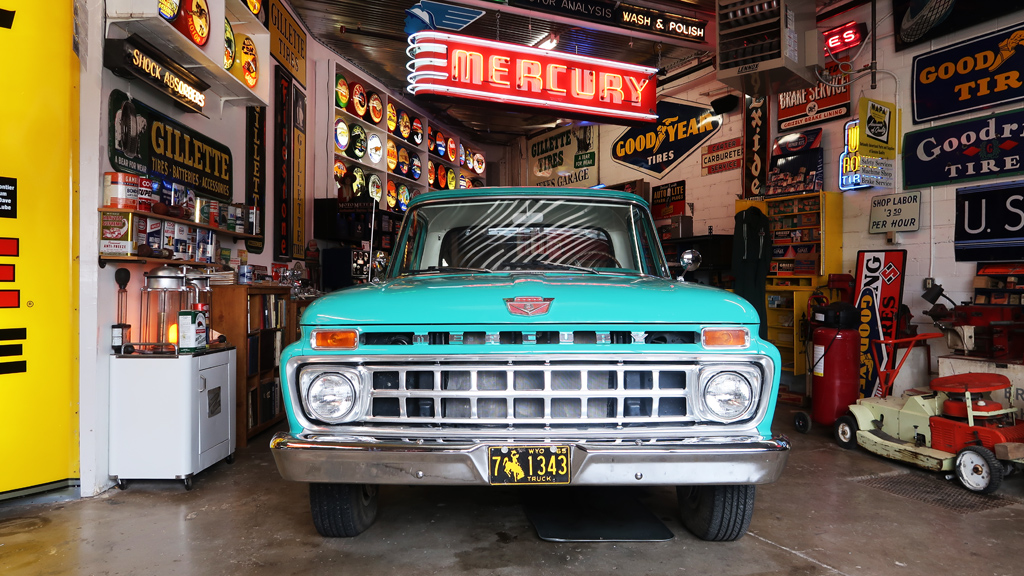
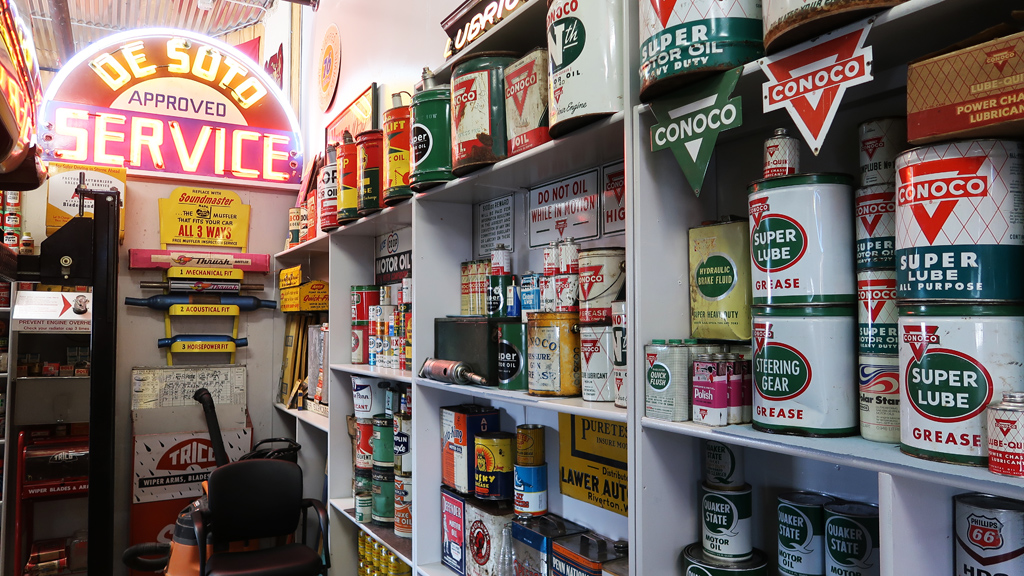
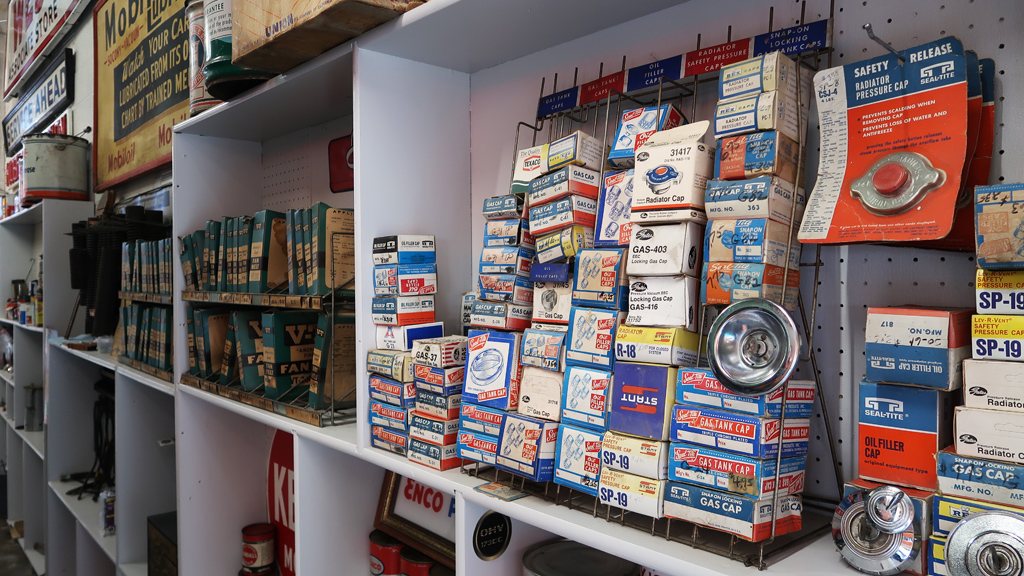
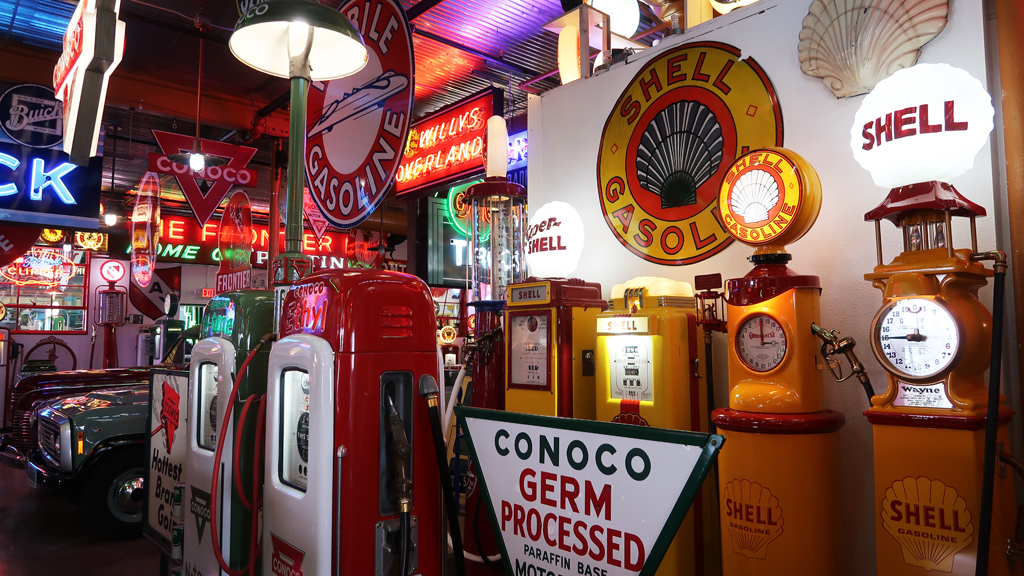
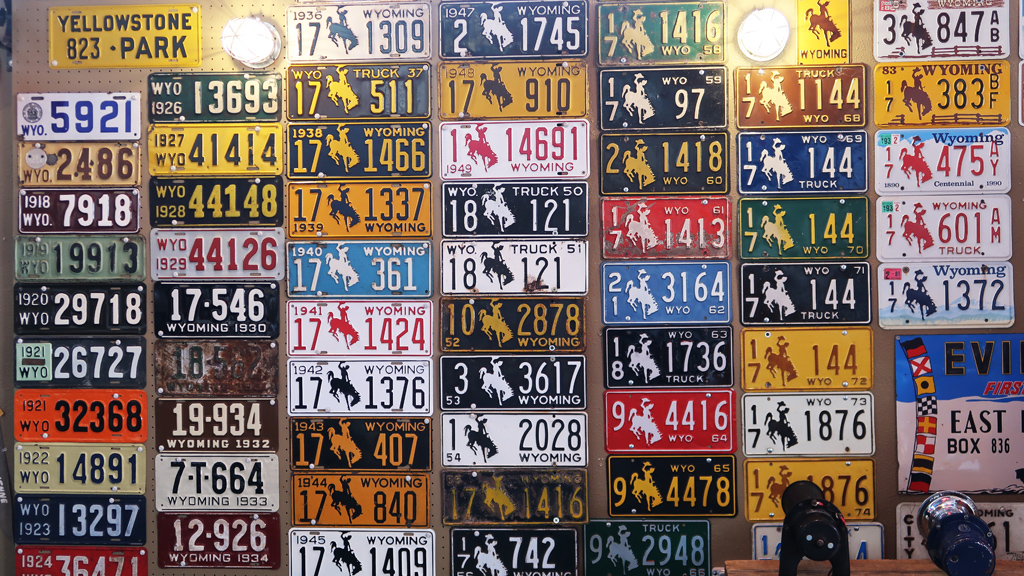
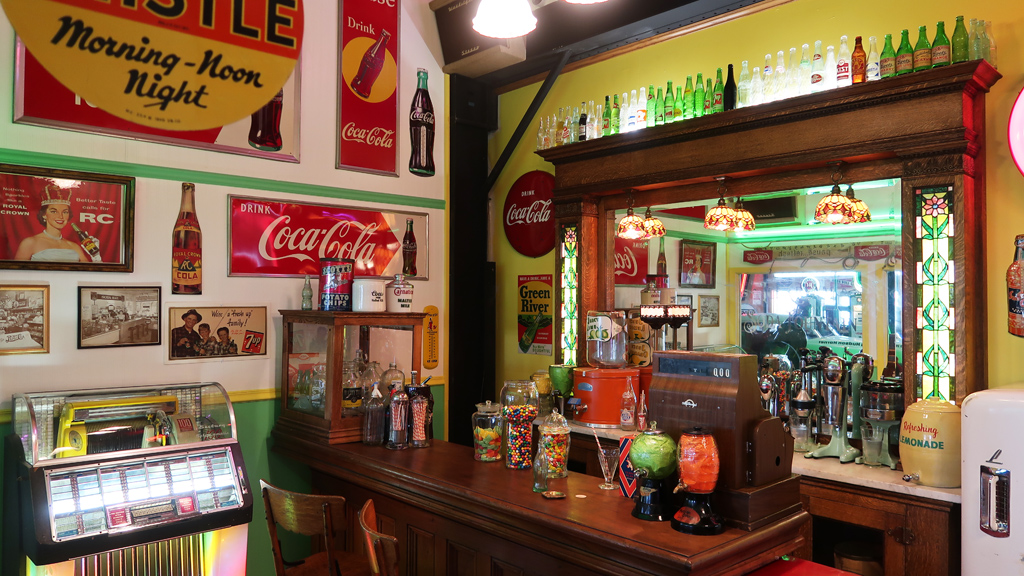
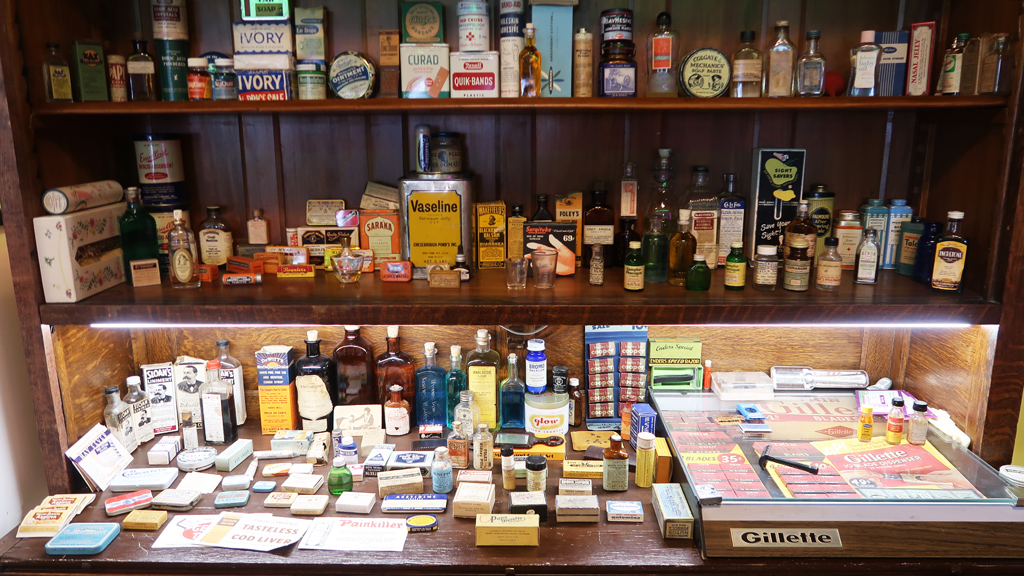
The Frontier Relics & Auto Museum is very special in that, on first look, it is very disorganized and chaotic. However, that is precisely why it is such an amazing museum. Stepping inside makes you feel completely immersed in that time period (which I think was somewhere around the 1940s to 1960s—I don’t know for sure because I am not a history enthusiast and know very little about history). Everything around you makes you feel like you’re actually a real person living real life in that era.

Most museums will take relics from the past, organize them in straight rows and columns, lock them behind a glass enclosure, and label them. Instead, this museum spreads them out all over the place out in the open. For example, there is a section that is built like a mechanic’s shop, and it looks like you’re walking through the shop shortly after a mechanic finished working on a car, placed leftover parts back on the counter, put work orders on their desk, and threw their gloves on top of their toolbox.

I feel like this premise would only ever work in a small town like this, because if a major museum in a major city did this, I know for a fact that it would be absolutely destroyed by children (and likely even have a lot of the relics stolen by deviant teens and adults). However, I’ve noticed that the culture out in the “middle of nowhere” places like this is much better than big cities, and I’ve noticed that people have much more kindness, integrity, and respect for each other, so it’s nice that this museum is taking advantage of that to give its visitors an amazing time.

If you ever find yourself passing through Gillette for any reason, I highly recommend that you take a stop to visit this museum. The experience that you’ll get from it is very unique and one-of-a-kind.

(As a disclaimer, even though I share a lot of neat things and positive experiences from my travels, I rarely ever call something the “best,” so I feel the need to clarify here that this actually is my personal honest opinion and that I was not compensated in any way for this review, nor do I plan to accept any compensation or other benefits after-the-fact.)


—§—


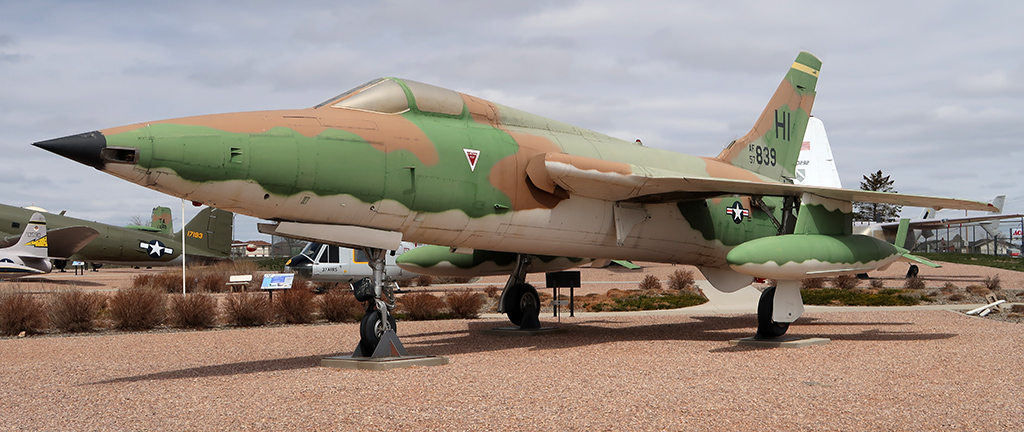
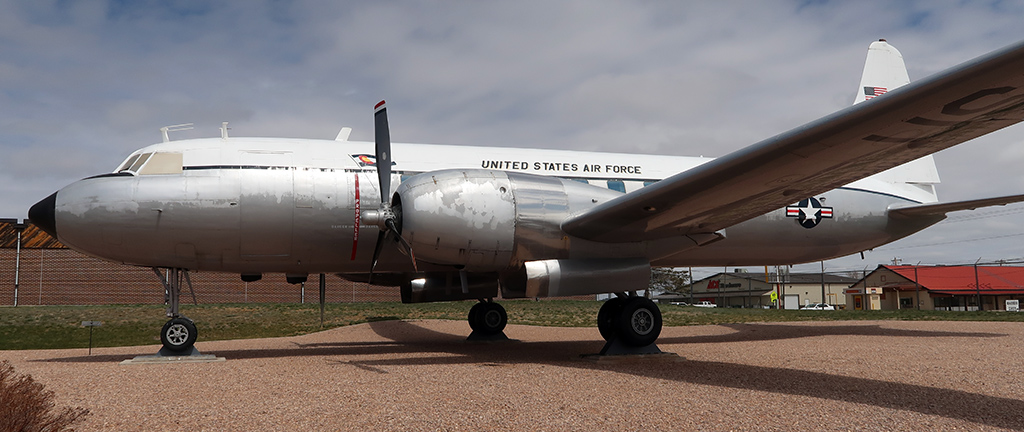
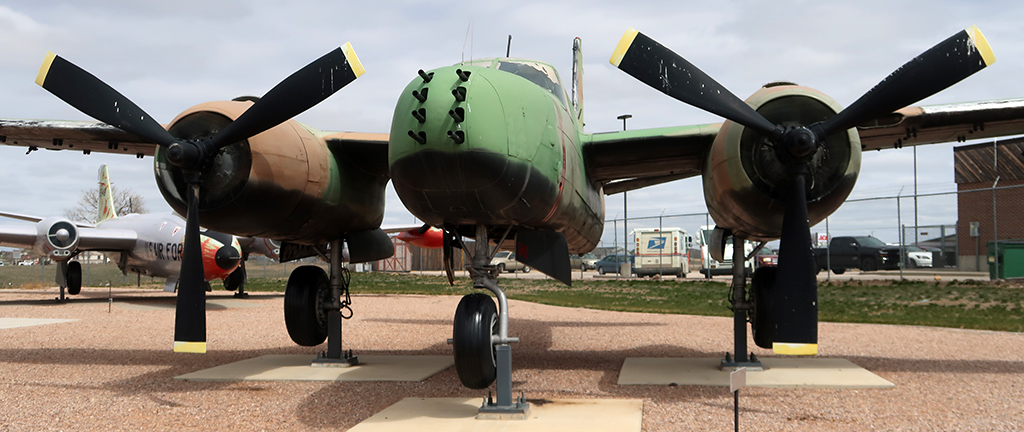
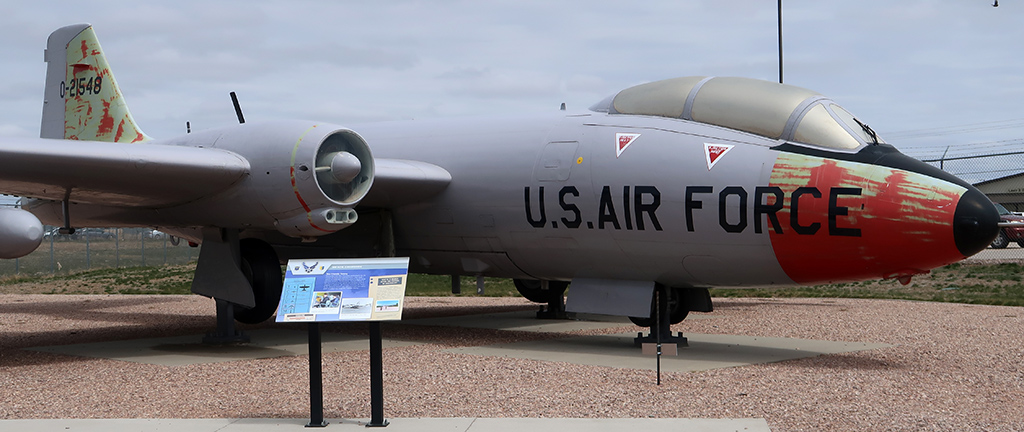
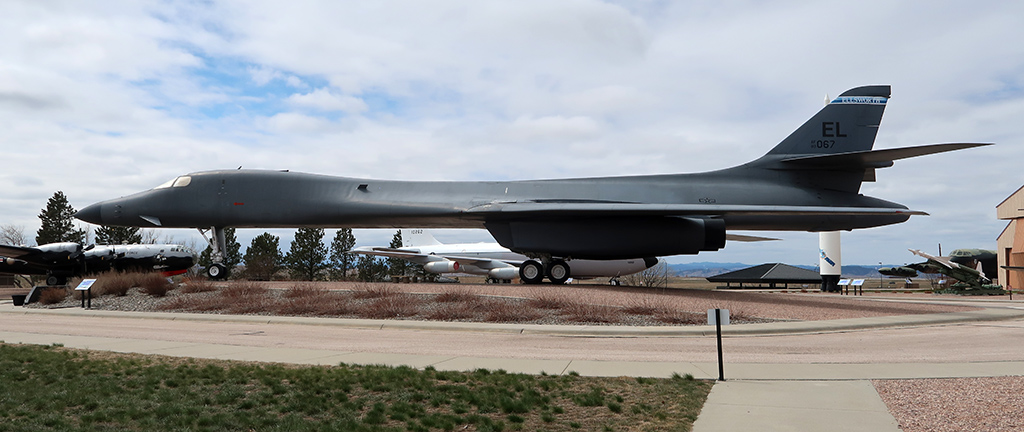
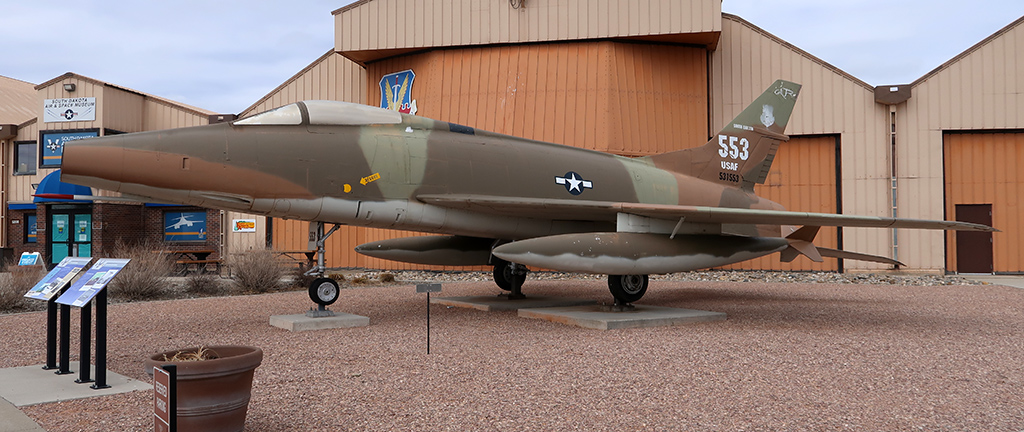
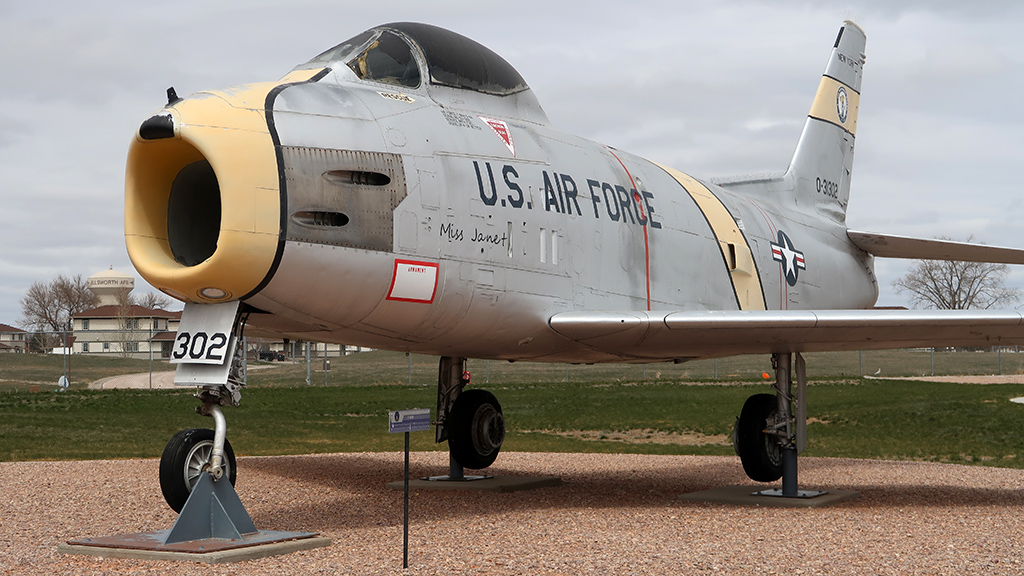
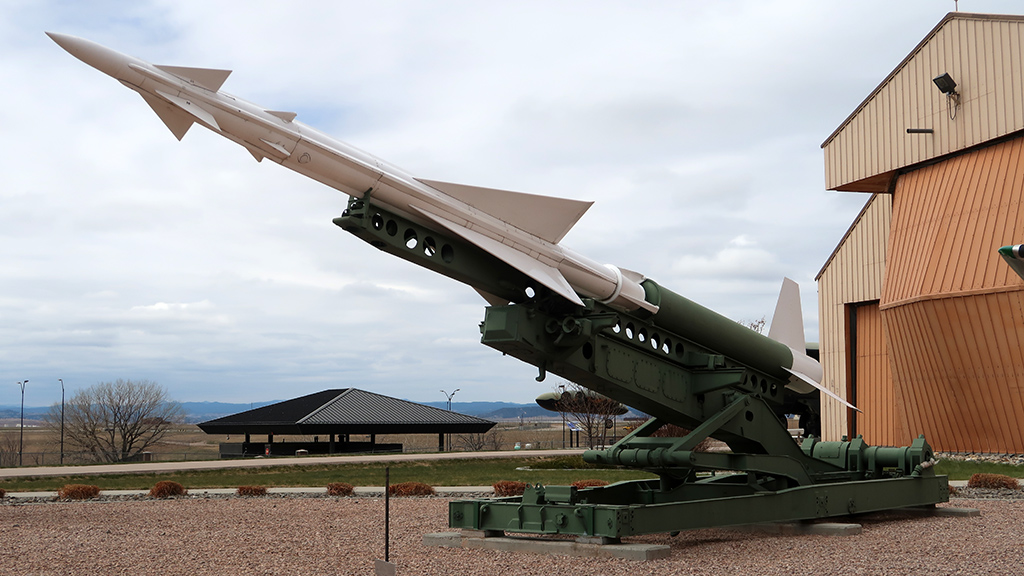
Hello, South Dakota Air and Space Museum at Ellsworth Air Force Base

For my final activity of the Rapid City area in South Dakota, I decided to visit the South Dakota Air and Space Museum, officially in Box Elder, but with an Ellsworth Air Force Base postal address and just outside the Ellsworth AFB secure entrance.

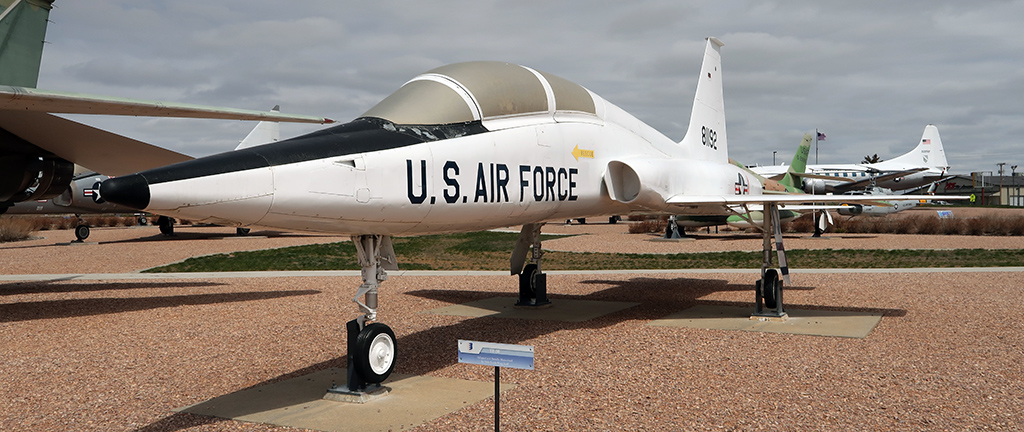
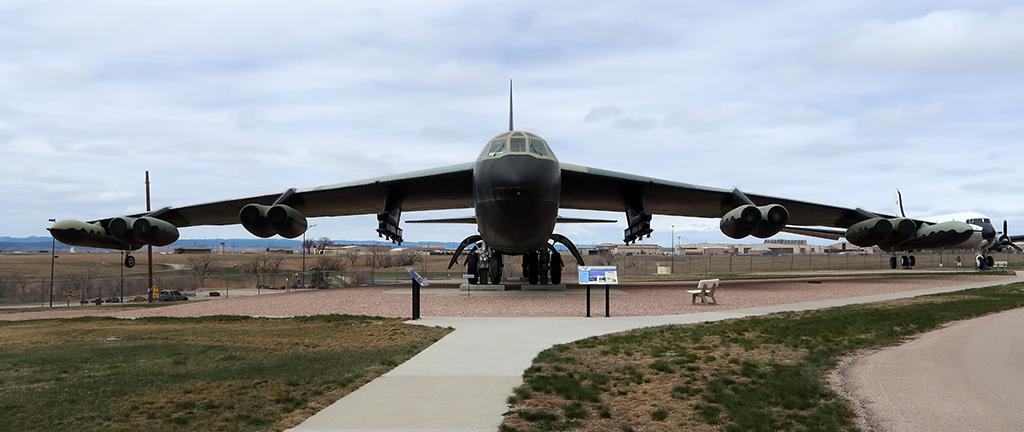
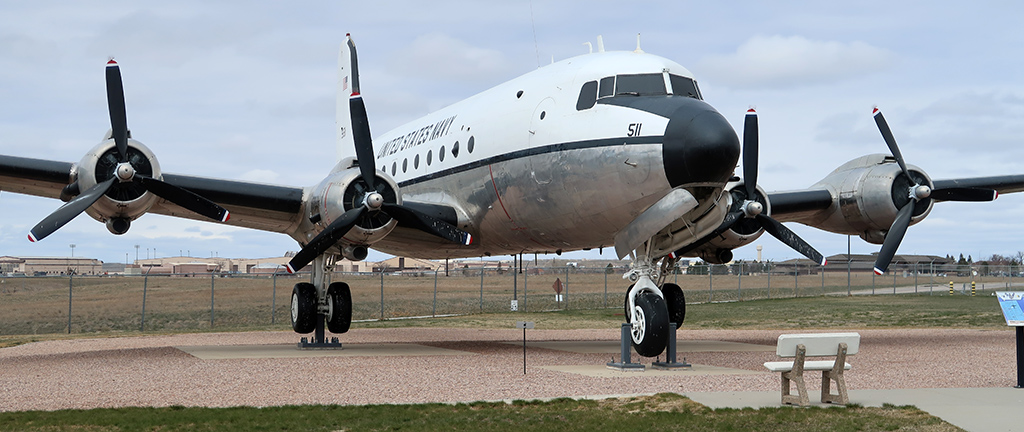
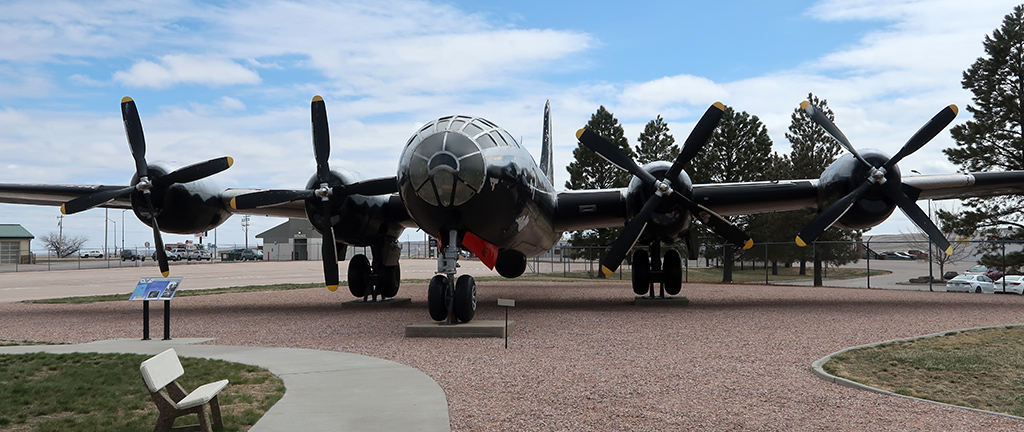
As I’ve mentioned before, I know very little to nothing about aircraft, apart from just general information about commercial planes from major United States airline carriers that I ride to get to different places in the country. Because of this, I can’t really give much specific information about the planes that I saw. To make matters worse, the actual museum was closed on the day I visited due to a private event, so I was only able to look at the planes parked outdoors and had very limited information.

With that being said, one of the more obscure supplementary reasons why I continue to go to air museums is actually because I personally think I am not very good at photographing aircraft, and one of the best ways to get better, apart from doing research and learning from someone who is already good at it, is to keep trying and practicing and analyzing your work to identify ways you can improve.

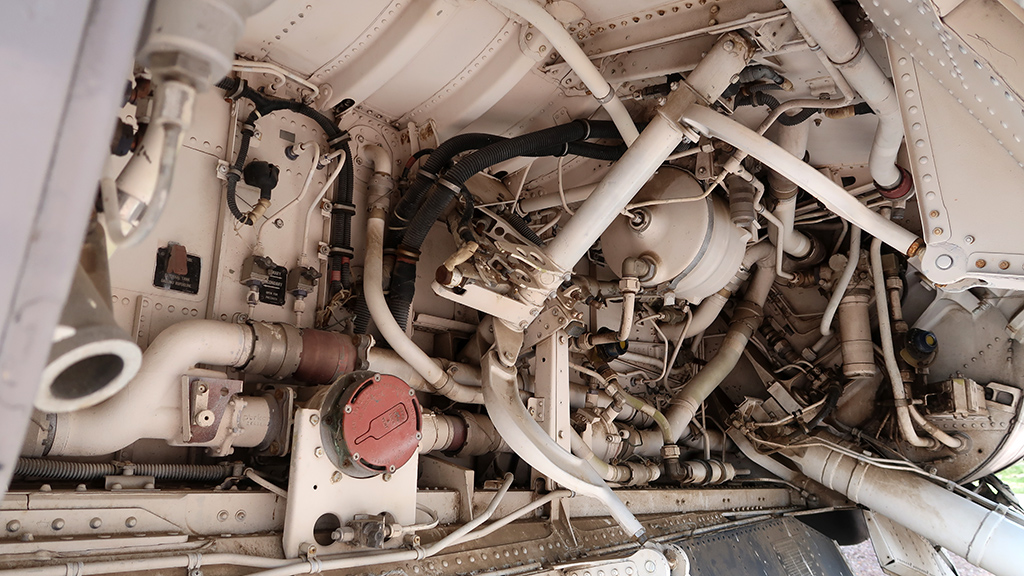
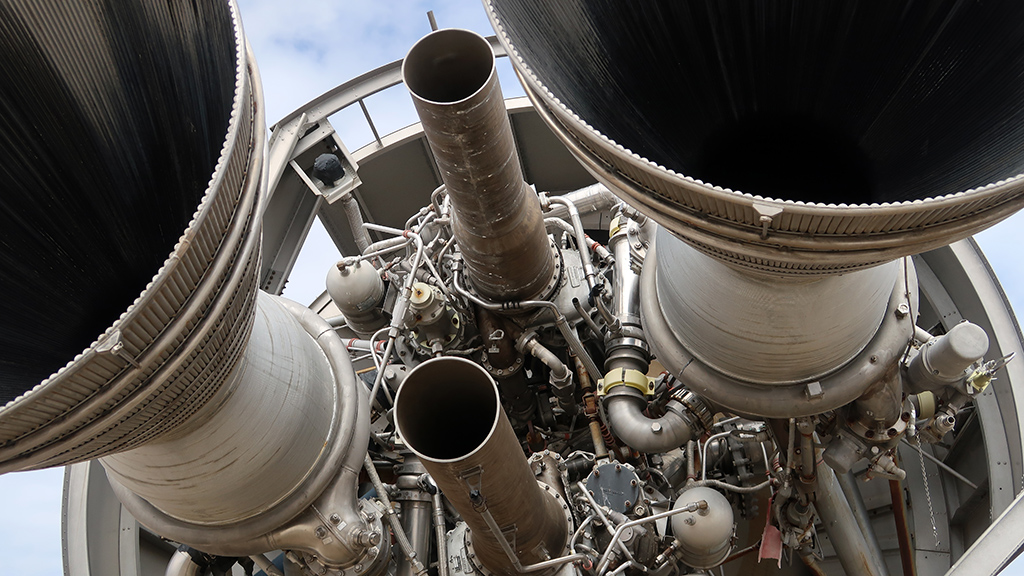
So, come along on my aircraft-photographing journey where I try out various different angles, perspectives, and crops to experiment with what makes the most visually-appealing capture. I’ve also included a couple photos of the visible innards of a few aircraft, in case you somehow stumbled across this post as an aircraft enthusiast and actually know what you’re looking at, unlike me.


—§—


Mount Rushmore National Memorial is overrated

Of course, a trip to Rapid City, South Dakota wouldn’t be complete without a visit to Mount Rushmore National Memorial… at least that’s what you’re supposed to think, based on how popular it is. So, for one of my Rapid City tourist activities, I drove my way up into the Black Hills National Forest to see the faces of four of our past presidents carved in stone.

And that’s it. George Washington, Thomas Jefferson, Theodore Roosevelt, and Abraham Lincoln. You can’t really get much closer than how close I got for that photo, and that’s with my point-and-shoot camera zoomed in all the way. Washington is prominently visible and Lincoln is pret­ty clear, but Jef­fer­son is sometimes obscured, and Roosevelt is practically only visible from certain angles.

The path up to Mount Rushmore was nicely decorated with all the flags of the 50 states, as well as a few of the territories.

At the end of the path was the entrance to the museum and the auditorium. The museum wasn’t particularly large, and it was pretty text-heavy, but there were some exhibits showing smaller models of the stone and how the stone is most effectively carved at that height and at that kind of scale.

Apart from that, there was a short hiking trail around the area, and that was about it. The trail was called the Presidential Trail, and it had a lot of places where you could stop to read about the different presidents and look at Mount Rushmore from various different angles. One of them allowed you to walk into a cave-like structure and peep at Washington through some rocks.

Partway down the trail, there was a nice view back towards the entrance where you could see the flag display, entrance to the museum, and seating for the auditorium.

Further down the path was the Sculptor’s Studio, which was unfortunately closed due to being off-season. From there, I took the scenic route back to the park­ing lot.

I think for someone who is a huge Mount Rushmore enthusiast, you can get through everything there is to see (including all the museum exhibits and the videos that play in the miniature theater) in about 2-3 hours at most. I personally took about an hour and a half starting from when I entered the park­ing garage to when I got back to my truck.

This is definitely one of those places where you would go just so you can say that you’ve been there before, but isn’t something majestic or breath­tak­ingly stunning like some other national parks or national monuments. I think the most impressive thing about Mount Rushmore is just the fact that a man decided to carve gigantic faces into the side of a mountain, and then pulled it off.
One thing to note for America the Beautiful Annual Pass holders is that admission to Mount Rushmore is still going to cost you US$12.00. They man­age to get away with doing that because they charge that amount for using the parking garage, not for actual admission to the memorial. This means that, if you walk to Mount Rushmore, you could get in for free… but that isn’t exactly a viable thing to do, considering Mount Rushmore is fairly deep into the mountains, and there are no other free parking areas from which you can safely walk to the memorial.
Being a little disappointed at how quickly that went, I decided to continue westbound on South Dakota Highway 244 and came across a little parking area where I could take a photograph of the profile view of Washington.

Continuing even further westbound led me to an intersection with a dirt road that takes you to Horse Thief Lake. There was nobody else around, so this was an amazing opportunity to take in the view, enjoy the tranquility of the water, and watch squirrels scurry around up and down the rocks.

Would I recommend a trip to Mount Rushmore National Memorial? Absolutely not. However, would I recommend a trip to the Black Hills that includes a stop at Mount Rushmore? Definitely yes.

My stay in Rapid City was unreasonably, unmanageably windy and cold, so I didn’t have much of an opportunity to go out and do everything I wanted to do. However, what I did manage to do in the Black Hills was great.

If you plan a vacation around Mount Rushmore in addition to stops at places like Crazy Horse, various hiking trails in the Black Hills, the scenic drives around Sylvan Lake, and maybe even some of the mines or the Presidential Wax Museum in Keystone, then that would make for a far more complete day than just going to only Mount Rushmore.


—§—