Hello, REACH Museum in Richland, Washington

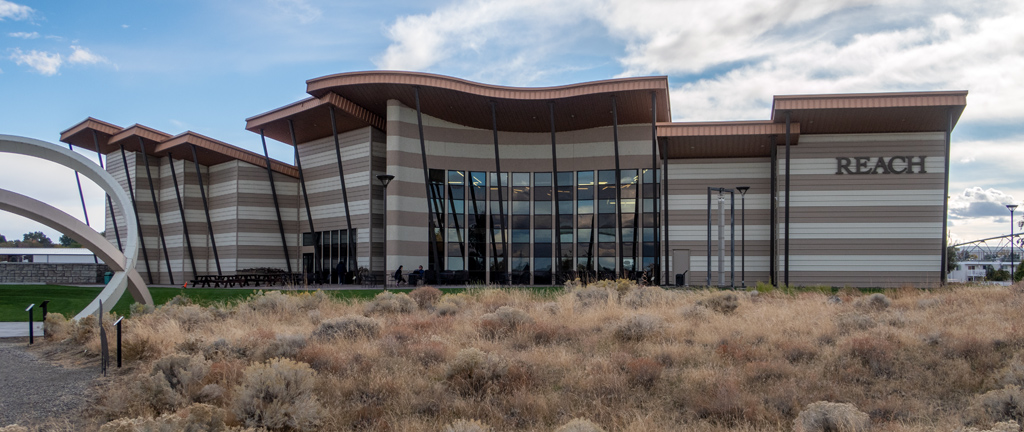
For my final tourist activity in Tri-Cities, Washington before heading out across northeast Oregon into Idaho, I visited the REACH Museum in Richland.

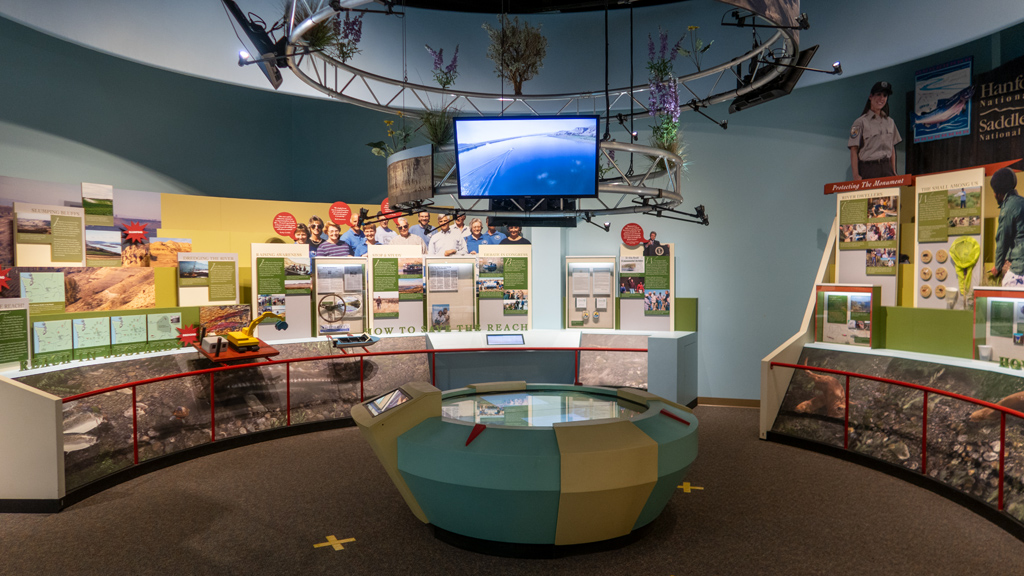
This was a very traditional and straightforward museum. It didn’t really have anything too innovative or compelling, but it wasn’t bad either. It reminded me a lot of the spirit of how the American education system works, in that, it’s not interesting enough to really pull you in, but if you have the intrinsic mo­ti­va­tion to learn about that particular topic, there is plenty of information there for you to digest in your own time.

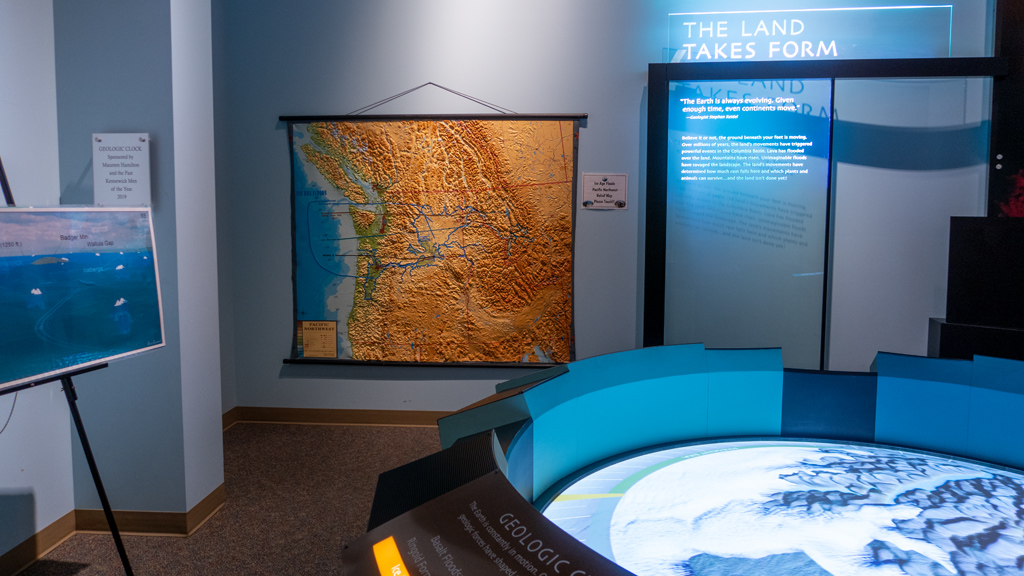
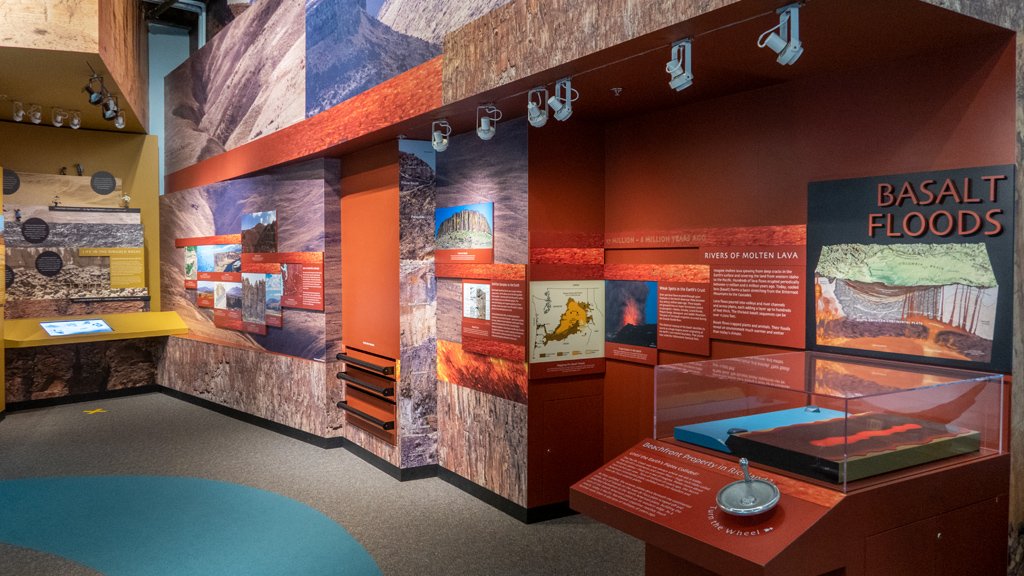
The first gallery in the museum covered the geology of the planet and how it changed to become what it is today.

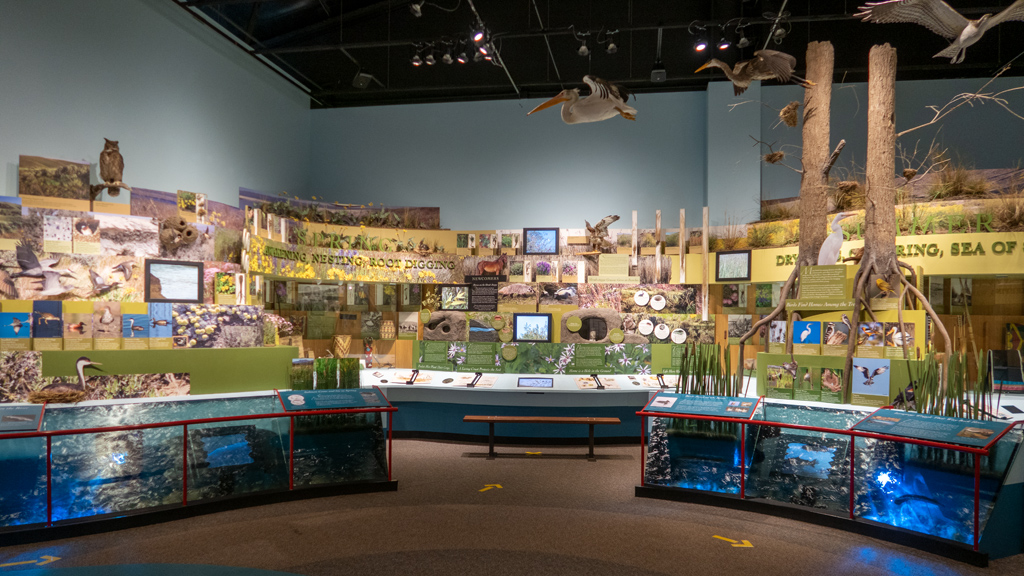
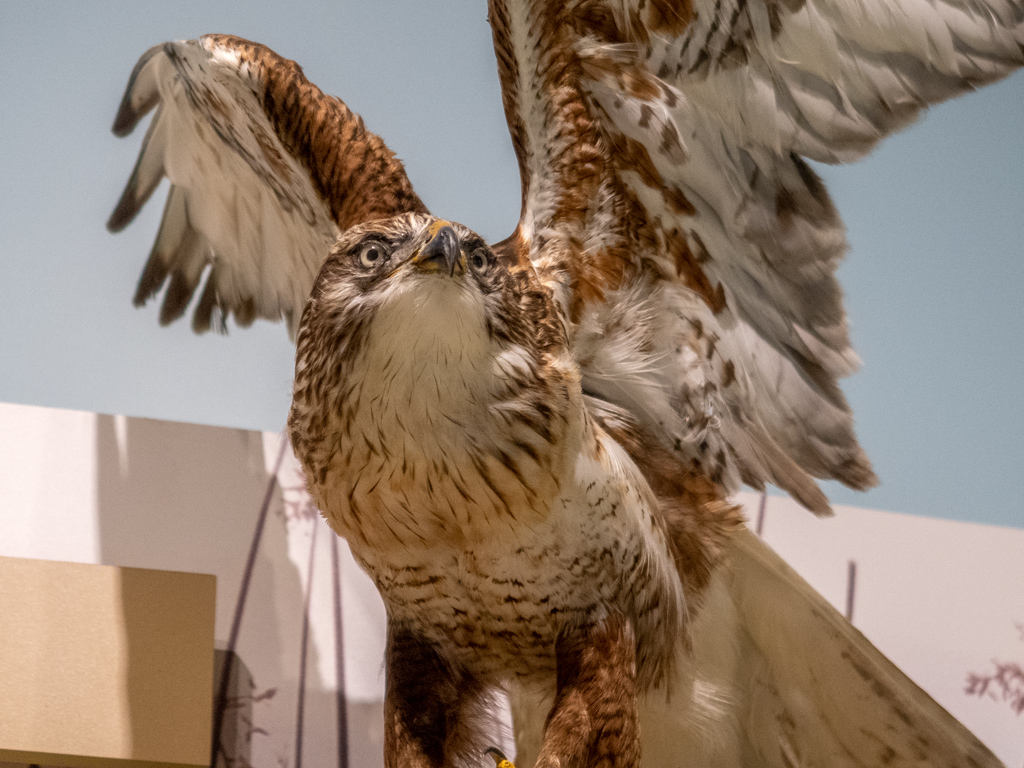
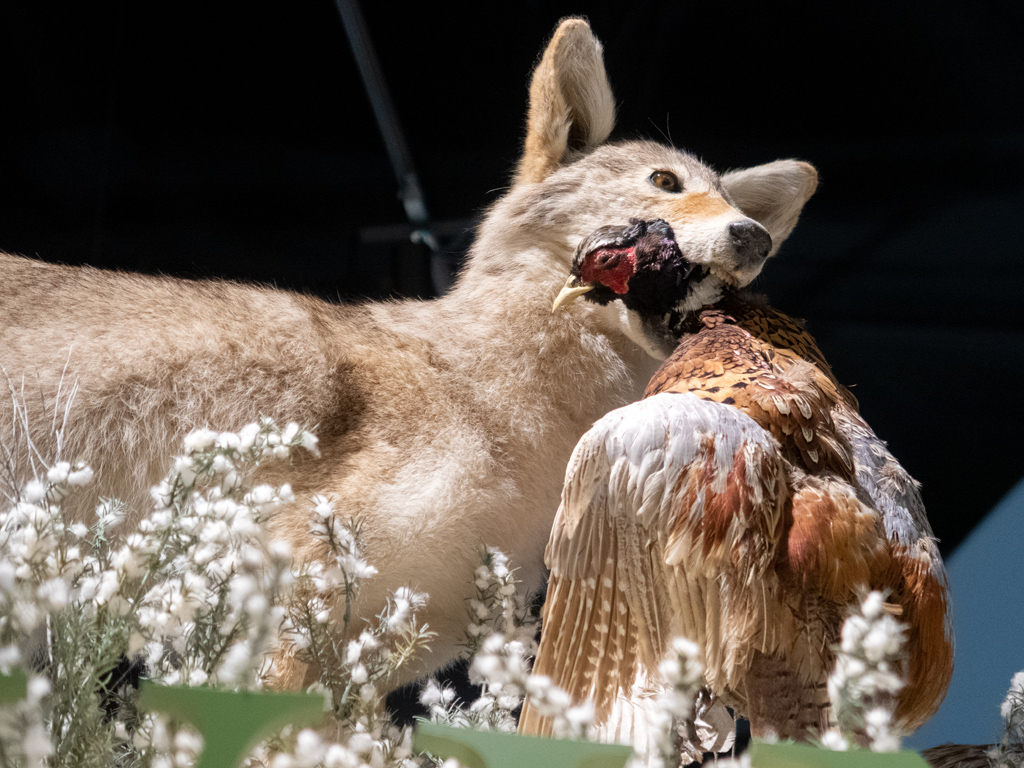
This area had some decently realistic taxidermied animals.

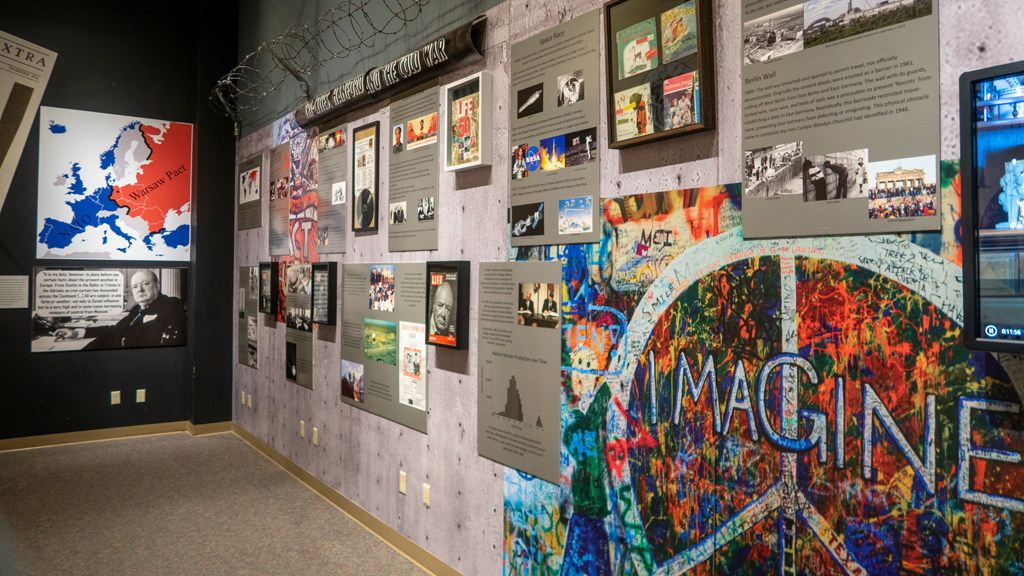
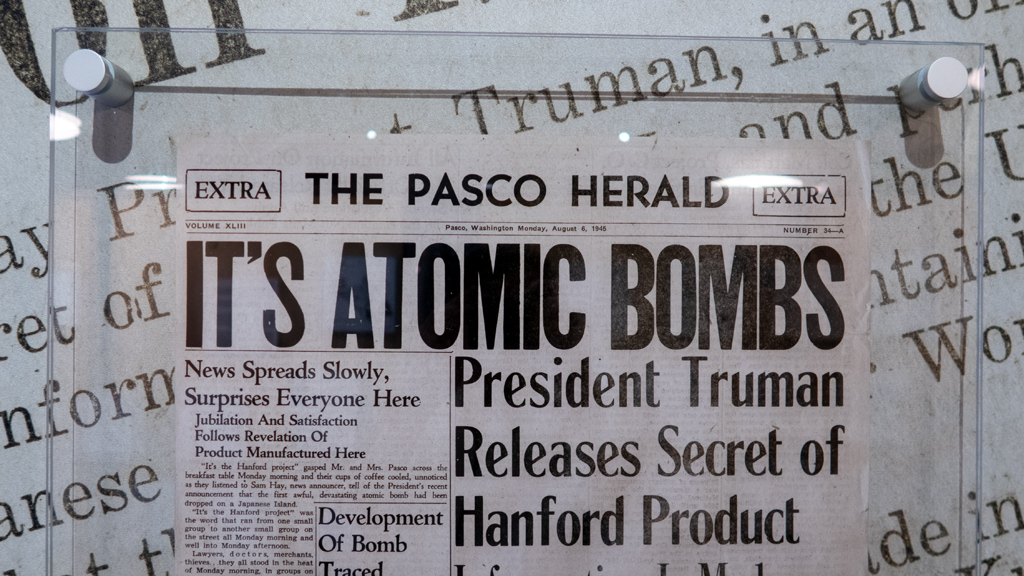
The second gallery covered the events that happened during World War II with a focus on the atomic bombs. Most of the information here overlapped with what I had already seen during my tour of the B Reactor at Hanford at the Manhattan Project National Historical Park.

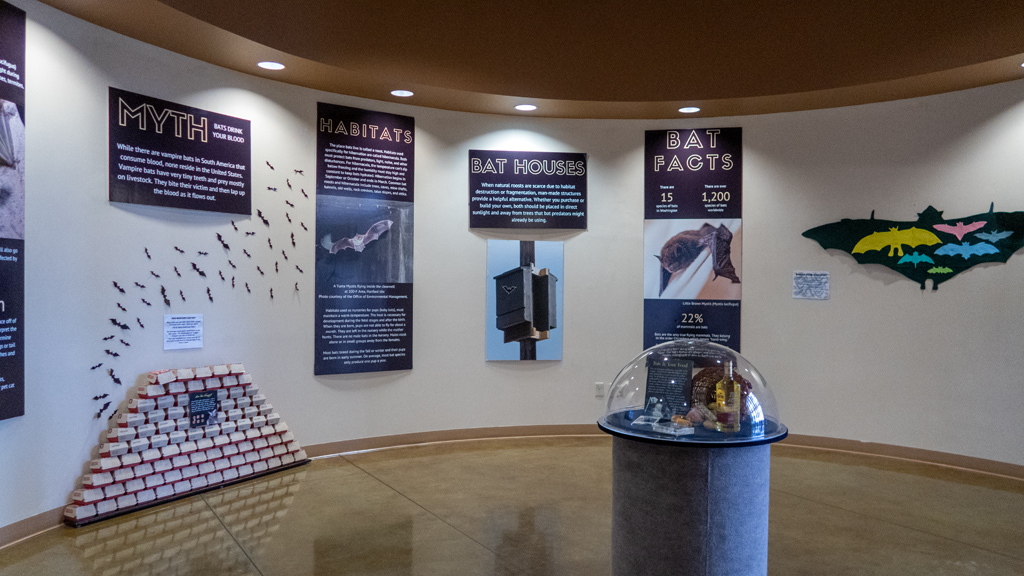
The rotating section of the museum, presumably themed after Halloween, was a section on bats.

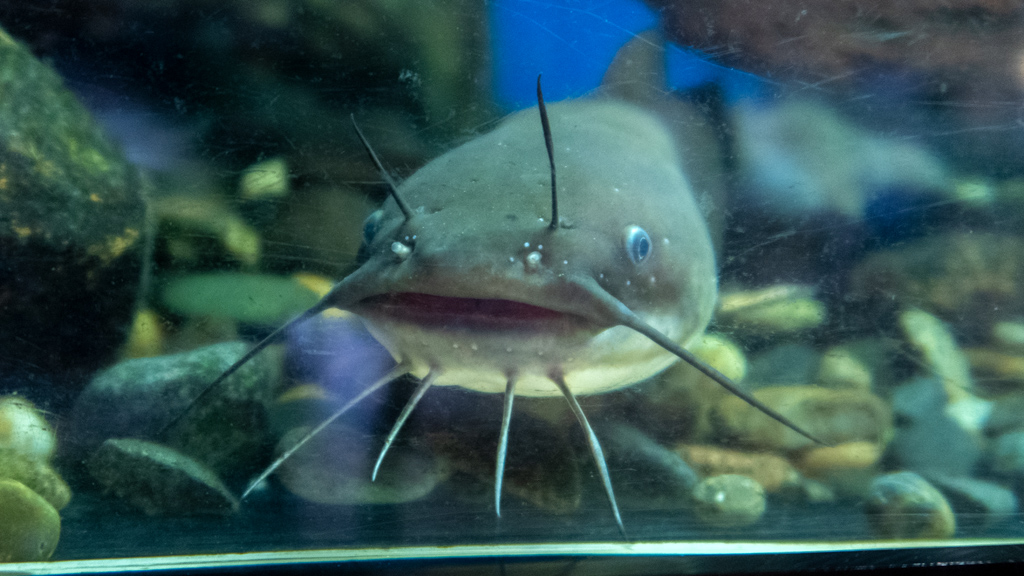
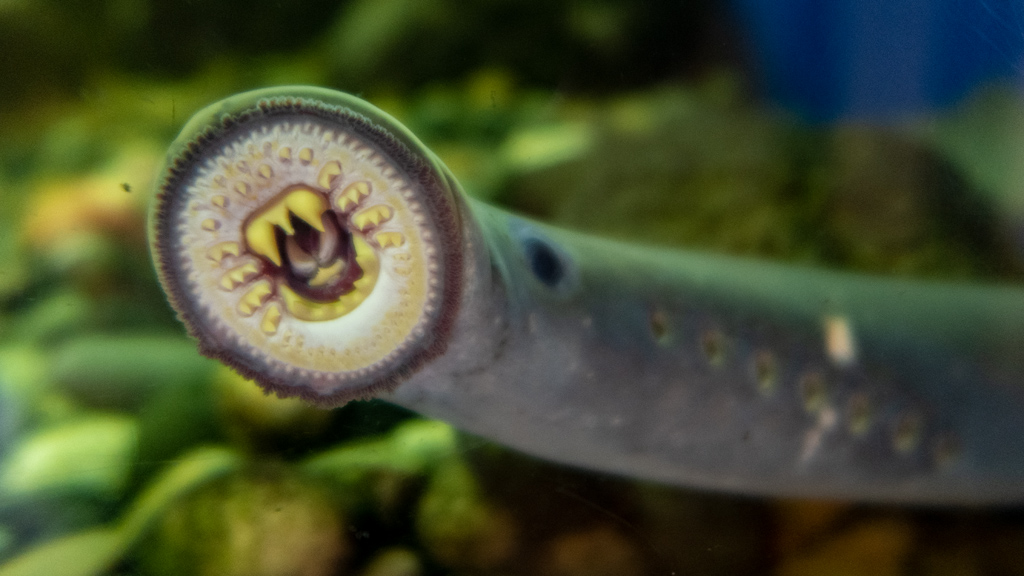
The most interesting part of the museum, in my opinion, was the fact that they had an aquarium near the entrance with some very interesting sea crea­tures. I managed to capture a nice shot of a catfish and a lamprey.

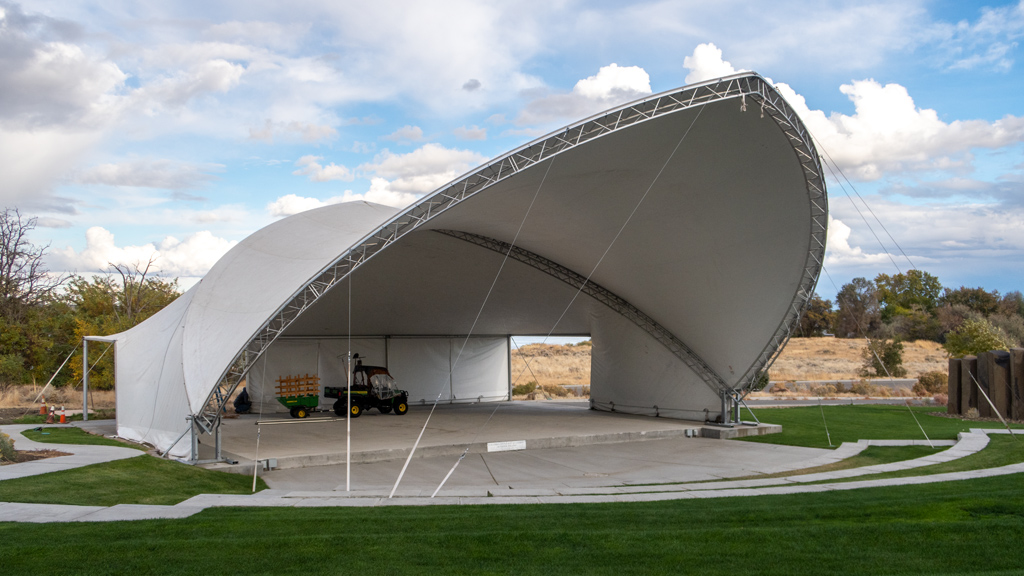
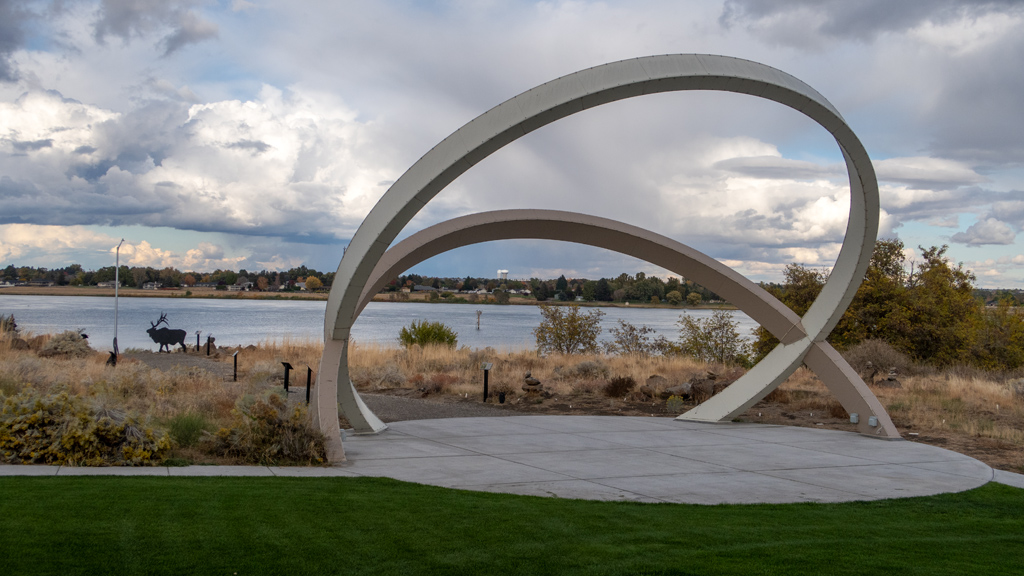
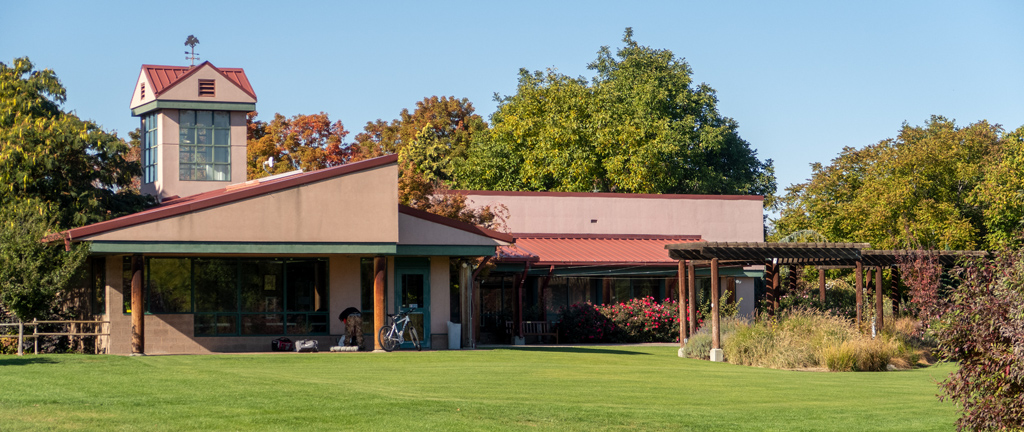
Funny enough, I enjoyed the outside of the property more than the inside. It looks like there were some event areas set up, which I imagine are used for per­for­mances, banquets, corporate meetings, or other gatherings. They were aesthetically nice and had great views of the Columbia River.

There was also a path leading away from the building and towards the river, which was lined with various placards and steel animal cut-outs. I started walking northbound on that trail for a bit, and noticed that it would lead me to Bateman Island if I crossed Columbia Park Trail, but I only had a light jack­et and it was pretty cold, so I decided against it for this trip.

If the breadth of the museums you’re able to go to is limited, and you’re patient enough to read a lot of text, then I think the REACH Museum would be worth­while—it has a decent chunk of information packed into a relatively small space. Although the content delivery method isn’t stunning, it is still visually pleasing and well-organized, and from what I’ve seen, it seems to be one of the best you can get in this area.


—§—


Hello, Manhattan Project National Historical Park, B Reactor in Hanford, Washington

Apart from its wine, another thing that the Tri-Cities area is known for (at least for tourists) is Richland’s involvement in the Manhattan Project via the Han­ford Site. While in the area, I decided to book a tour of the B Reactor to learn more about the nuclear bombs used in World War II.

Surprisingly, the tour was free. I showed up at the visitor center at my designated tour time slot and was greeted by a docent who showed us an in­tro­duc­to­ry video and walked through some of the rules with us. Afterwards, the group and I loaded onto a bus (a nicer one with individual chairs in a 2-2 seating configuration, and not bench seats like a school bus) and took a 45-minute ride to the B Reactor.
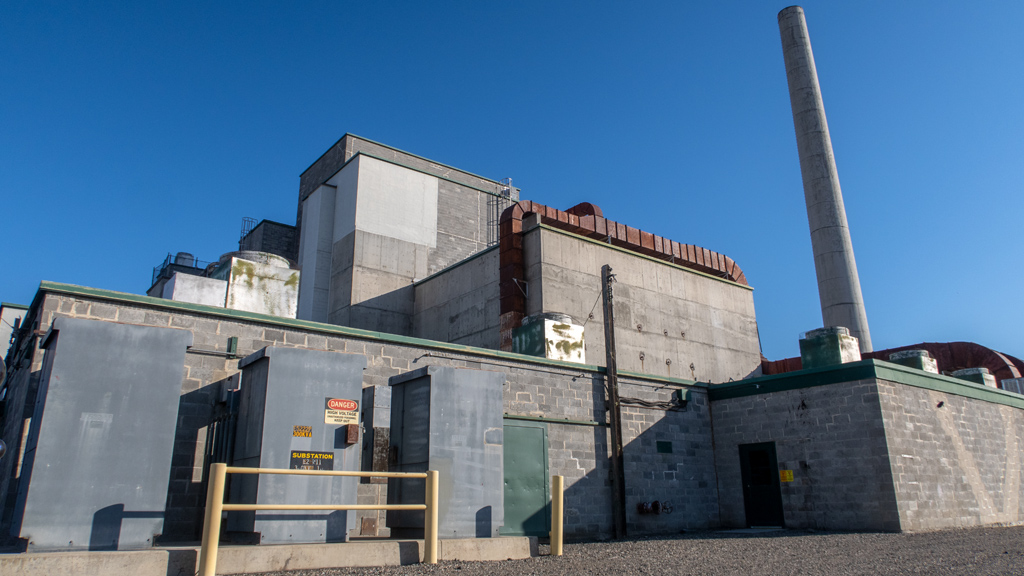
Upon arrival, we were taken directly to the actual reactor.
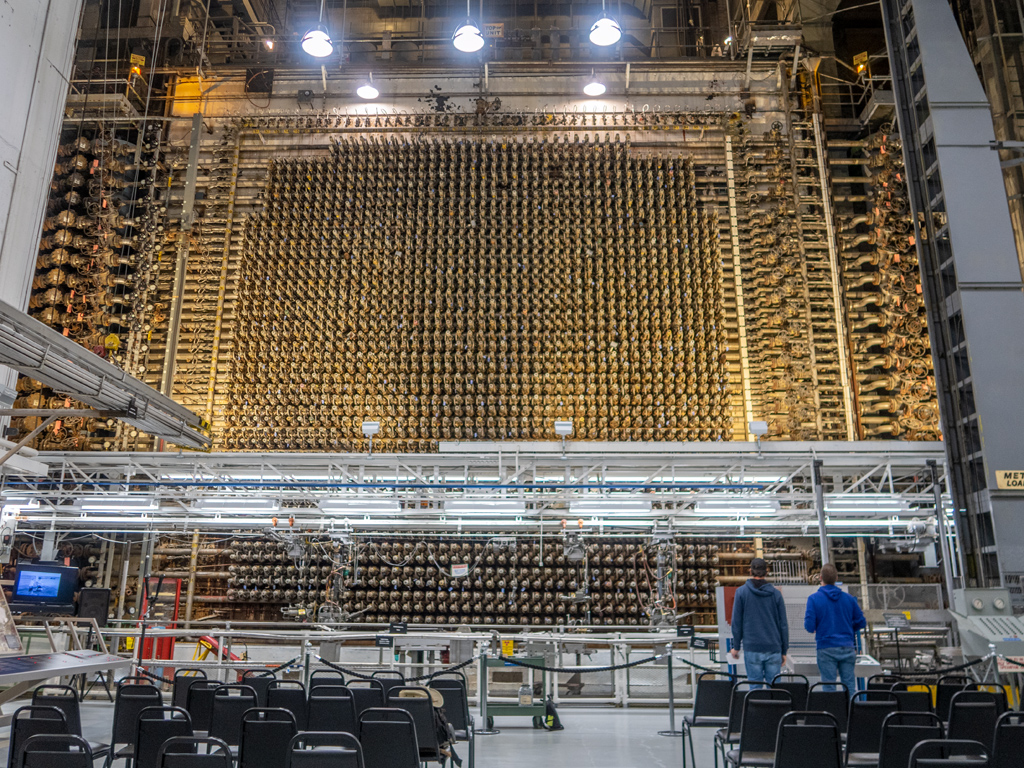
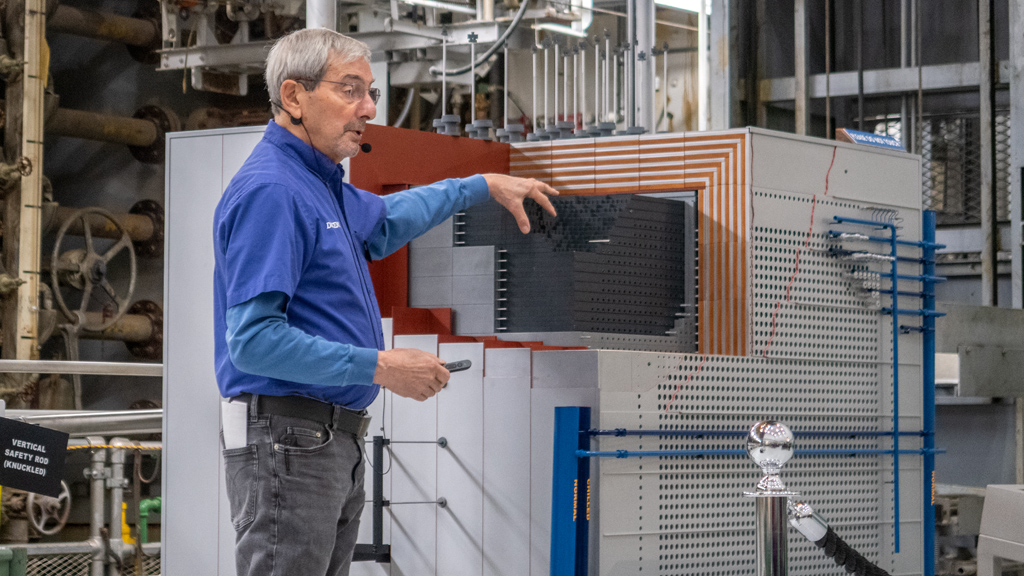
After everyone got seated, another docent gave us a brief overview of the Manhattan Project and explained the logistics how the reactor worked and what steps the staff had to take to remain safe from radiation.
If I remember correctly, the docent informed us that there were 2,004 process tubes in the reactor. At first, the plan was to build it with only about a thousand, but on the advice of some engineers, the number of tubes was increased as a safety measure. This ended up being a very wise decision, as there were some unexpected chemical imbalances in the reactor that required more fuel to be inserted, so the excess process tubes were immediately put to good use upon operation.
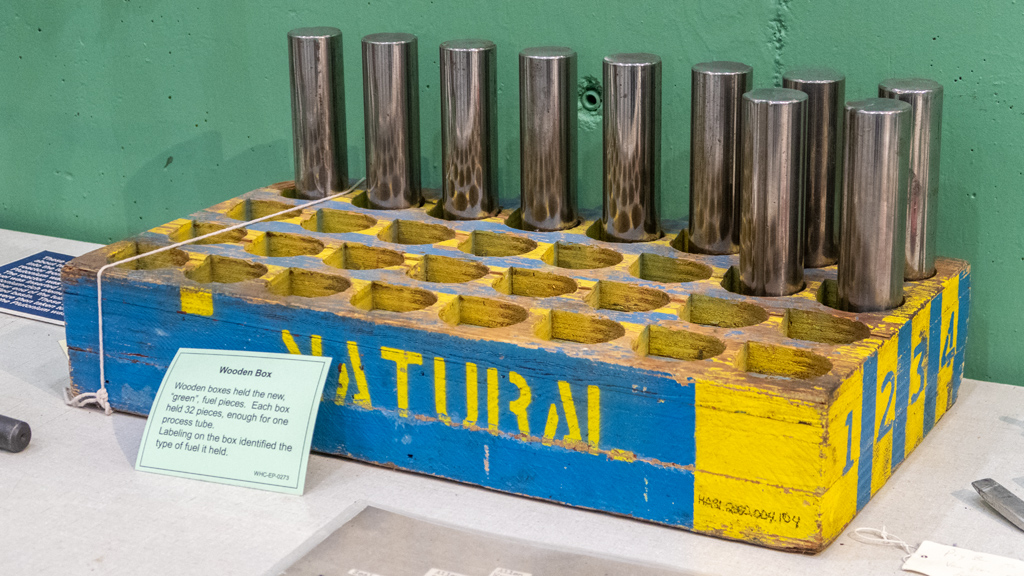
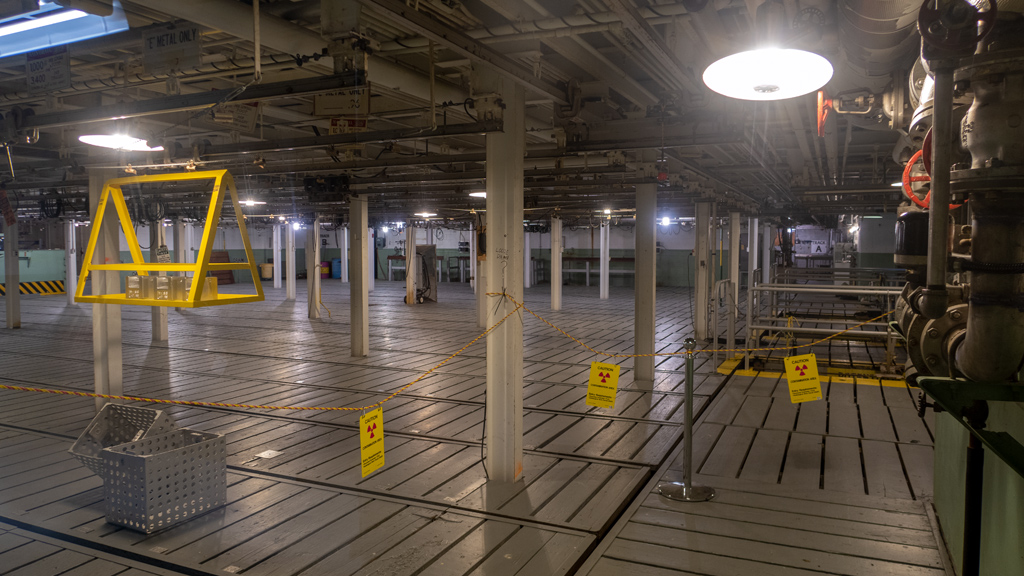
Displayed on some tables nearby the reactor were some equipment and accessories that were used during the operation of the reactor. For example, there were some fuel tubes that were inserted into the reactor, off-set between two spacer tubes each.
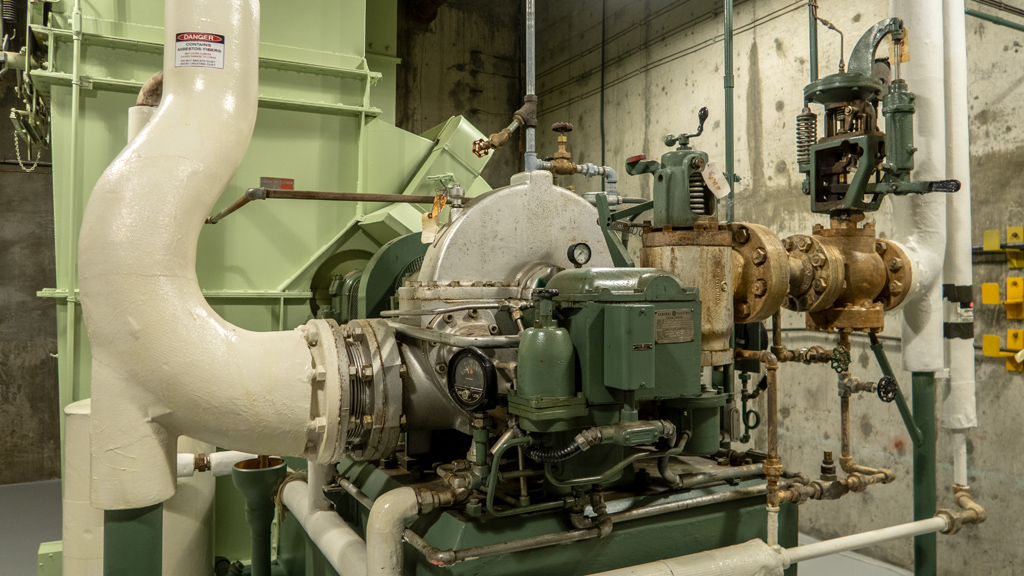
Around the corner was the exhaust fan hallway, which contained four exhaust fans—two steam-powered and two electric.
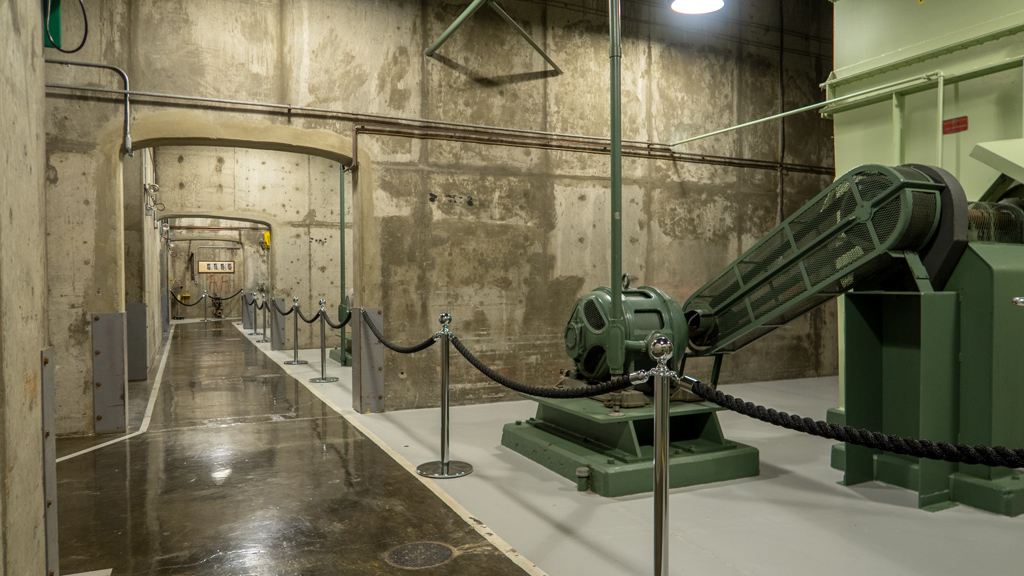
Originally, this hallway was split into individual “pods” for each of the fans, and the only way to get from one room to the other was around a curvy bend—the architecture was constructed this way because the radiation traveled in straight lines, so if one of the fans were to malfunction, the radiation could be contained in one of the rooms. Since then, archways were excavated into the concrete walls to create the hallway.
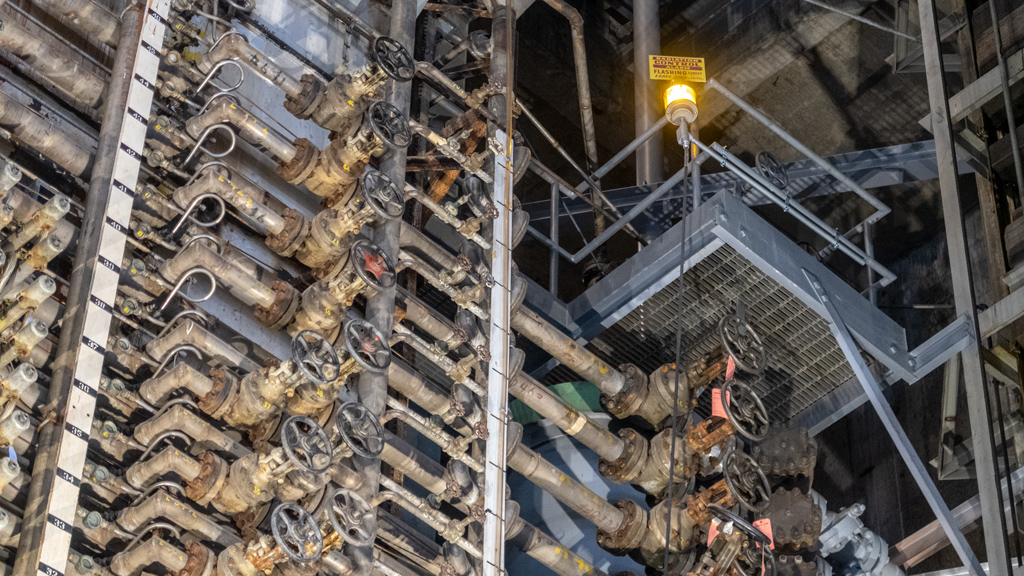
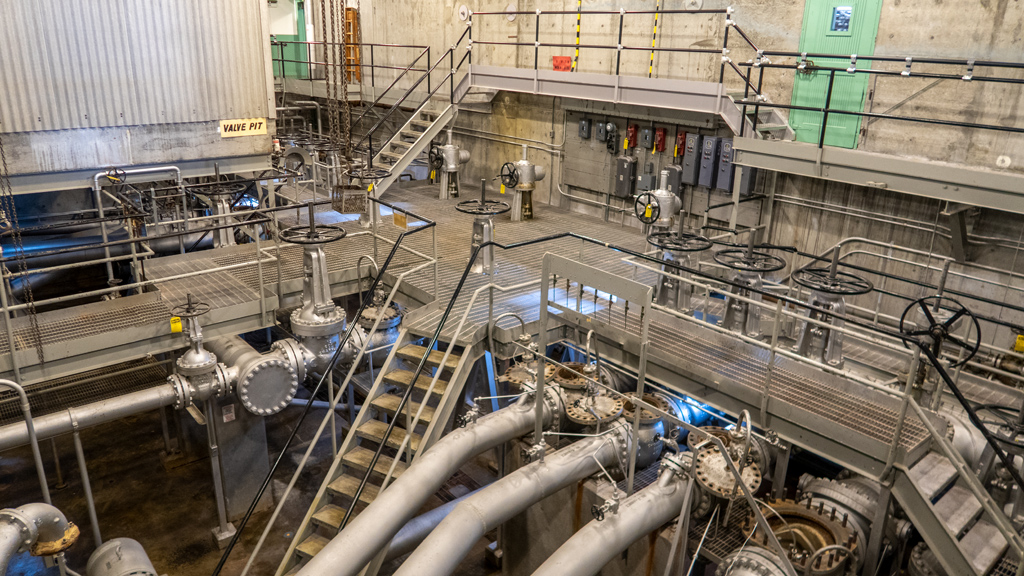
Next, I visited the valve pit, which was responsible for passing treated water through process tubes. The docent had a small presentation in this area, and he explained that, until not too long ago, this room was annually audited as part of a peace agreement. The way the room would be checked to ensure the facility was no longer operational was to verify that the tubes did not show signs of having been recently wet.
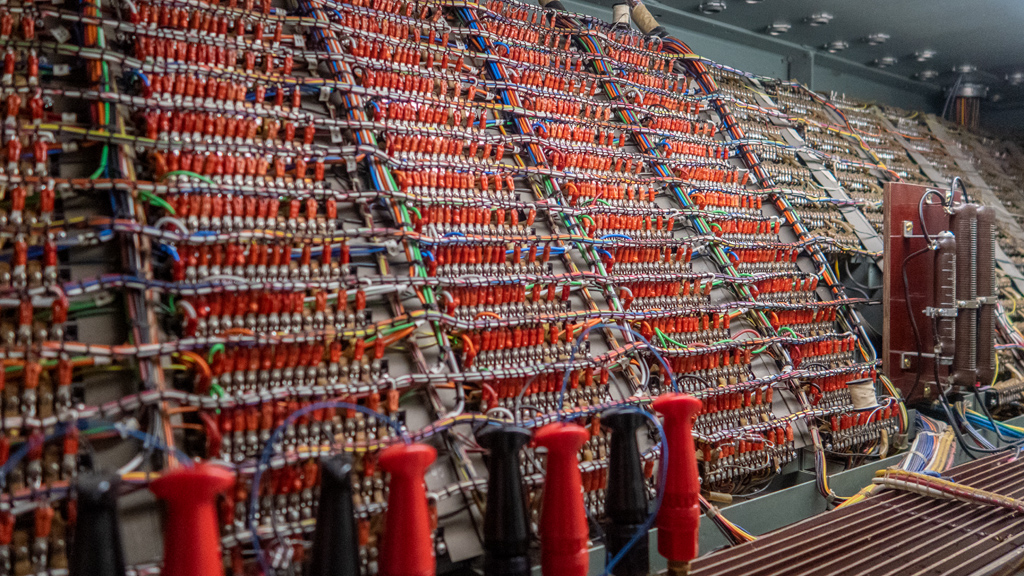
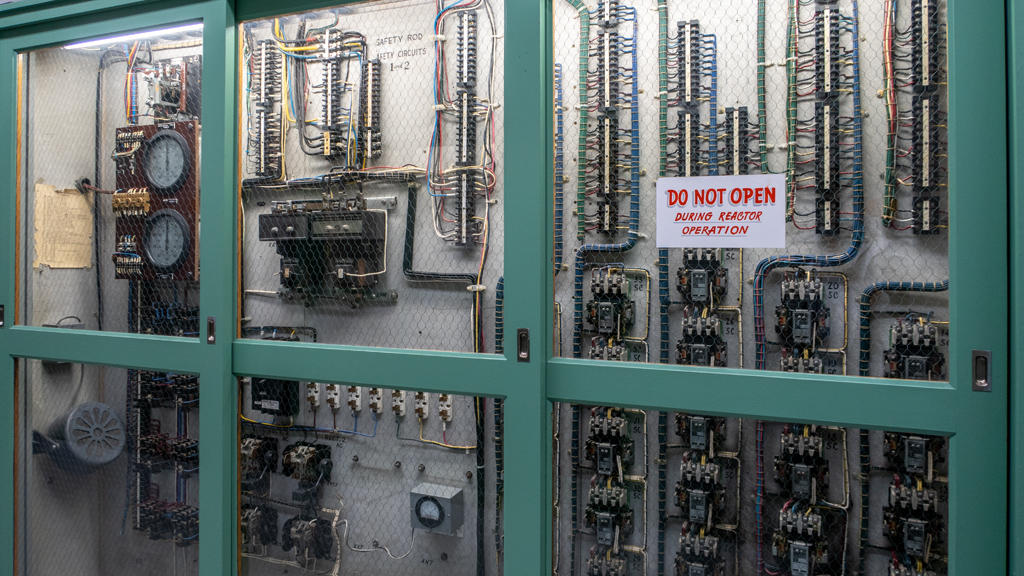
I don’t quite recall exactly where this photo was from; I believe it might have been from a hallway near the electric equipment room.
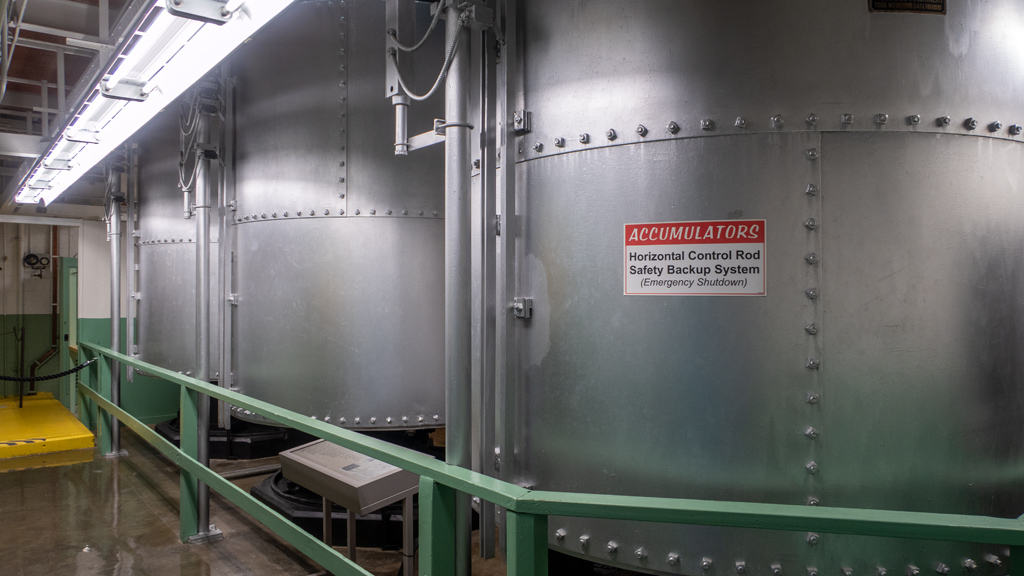
Around the corner was the accumulator room, which contained, as you may have guessed, accumulators. They served as a back-up system for inserting hor­i­zon­tal control rods into the reactor in the event of a power failure. There was a mirror between the accumulators that was strategically angled so you could see the inside of the accumulators from the ground; they contained a lot of small rocks.
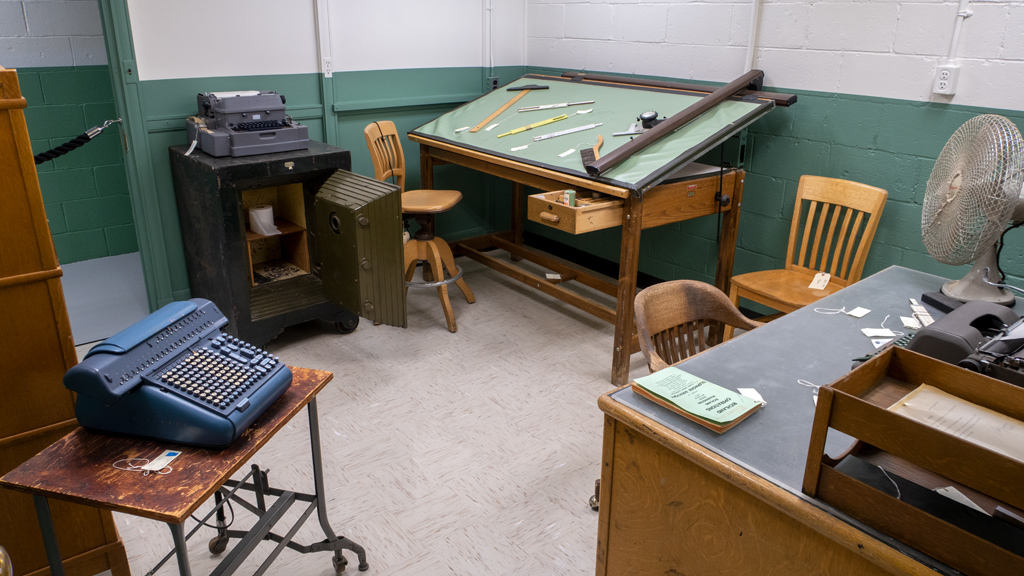
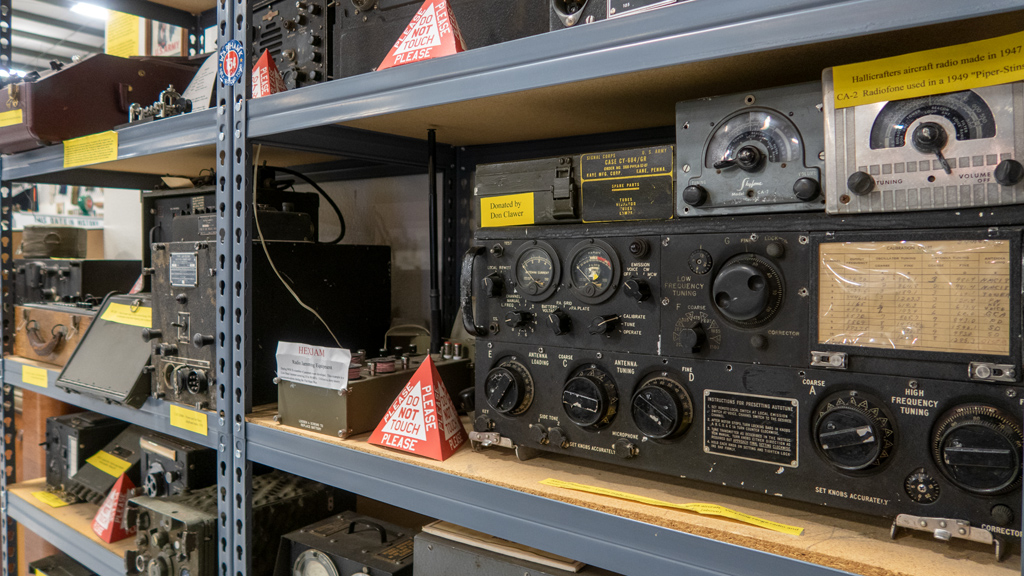
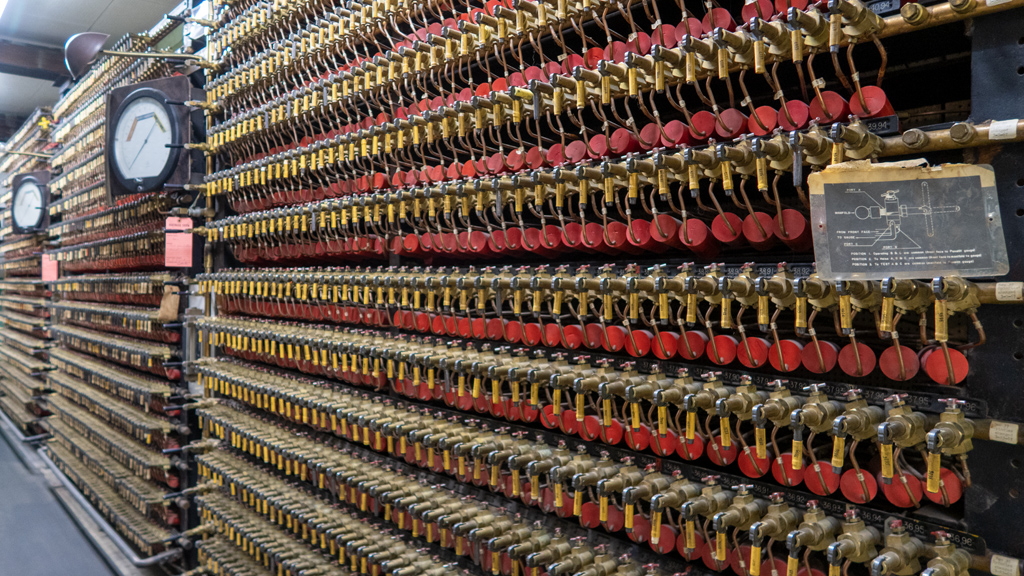
This was one of the unlabeled rooms right outside the accumulator room, which appeared to have some telecommunications equipment, tools, and in­stru­ments on display.

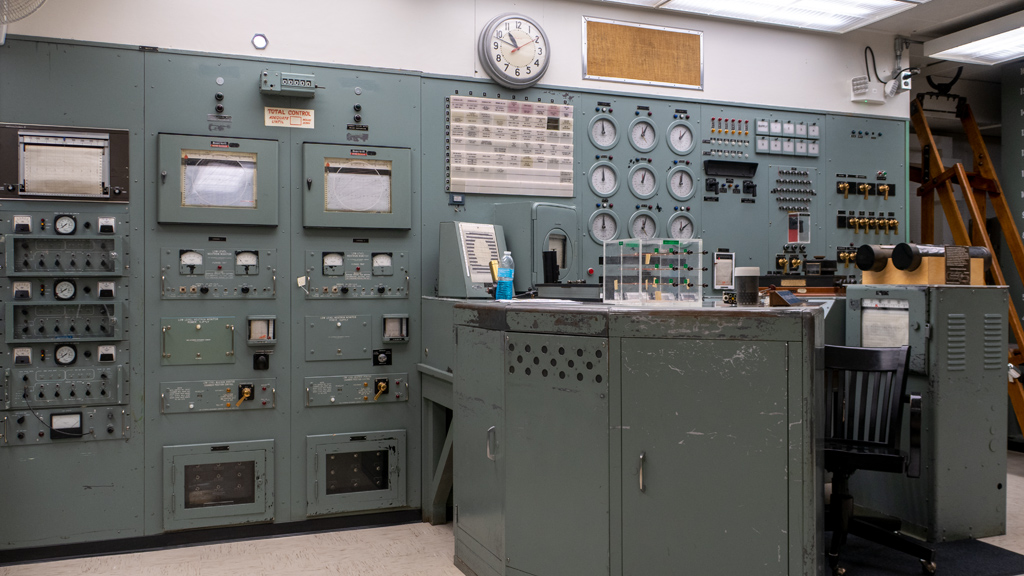
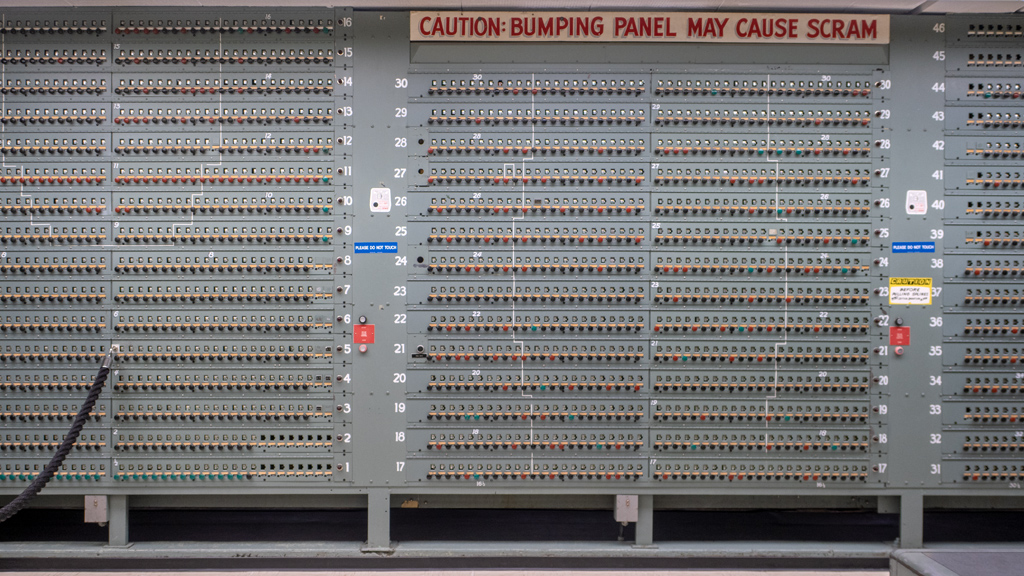
I eventually made my way over to the secondary “main attraction” (behind the reactor itself), which was the control room.
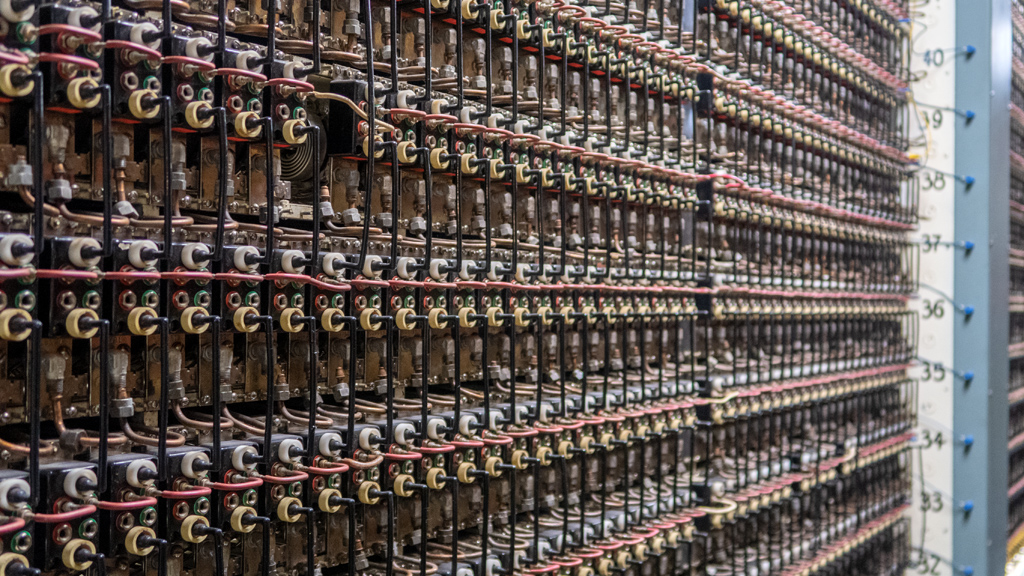
After thoroughly exploring the control room, I continued my way down the hallway to the fuel storage basin. This area was blocked from public access due to contamination, but there was a viewing area behind some thick glass where we could see where irradiated fuel was stored prior to being shipped to the 200 Area, also known as the Central Plateau.
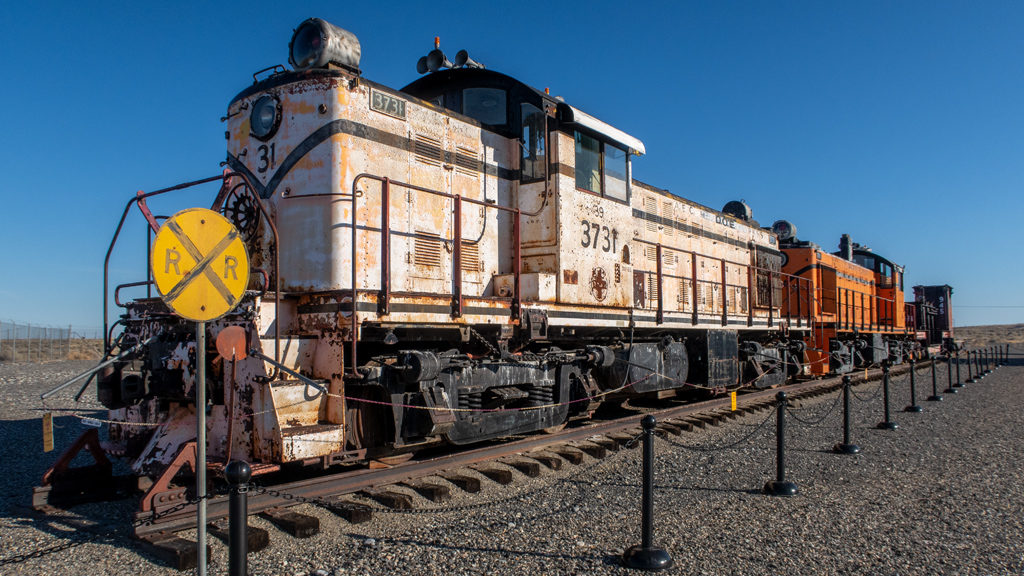
Outside, there was a train on display. The docent did not specify what this was for, but just from the fact that it is on display at the B Reactor, I imagine this was one of the trains used to transport fuel and materials to and from the reactor.
I talked about this more in-depth in previous blog posts when I started visiting museums a lot more a year and a half ago when I completed the first por­tion of my road trip, but museums like this have played a very large role in lessening my dislike of the topic of history. Throughout all my academic years as a student, history was my most hated subject because the way it is taught in the United States is passive and makes everything appear in­con­se­quen­tial.

Now that I’m actually seeing this all first-hand, I’m able to conceptualize and internalize what happened. Additionally, the docents here were former employees of the Manhattan Project at Hanford, they are lifelong residents of the Tri-Cities area, they are still taking an active role in the clean-up proc­ess, and it’s clear that they truly care about helping people understand the importance of this history.

These docents demonstrated a stark difference from the history teachers I had, especially in high school, where it was a recurring theme for them to just lecture at me out of a textbook. They only cared about the process (i.e., saying that they showed up for class so they can collect their paycheck), rather than caring about the results when it came to the students.

I thought this tour of the B Reactor was amazing, and I am astonished that it was free. Based on quality and the resources they have to put in for trans­por­ta­tion and staffing, they could justify charging ~US$30 for this, and even then, it would still be an amazing deal.

I think the timeframe allotted for self-exploration was a little short, and it was mainly geared towards the casual visitor. If you are an enthusiast or end up getting very interested in the topic, this is absolutely a tour worth attending twice.
 

—§—


Hello, Yakima Area Arboretum & Botanical Garden in Yakima, Washington

For my first stop after leaving the Seattle Metropolitan Area, I decided to visit Yakima, a city inside the Yakima Valley and named after the Yakama In­di­an Reservation (no, that is not a typo—apparently they changed the spelling of their tribe’s name from Yakima to Yakama in 1994).

I only spent a day and a half in Yakima, so I didn’t get to explore too much—I generally stayed around the bend of Interstate 82 and didn’t drive south­west into the suburbs. However, in the areas through which I did drive, my impression of Yakima… is that it is probably one of the most difficult areas in which I’ve ever driven.

The drivers weren’t particularly bad, and the vehicular volume was obviously nowhere close to even a fraction of any major metropolitan area, but at least on the eastern side of Yakima that I saw, I think the city planners did an absolutely horrid job. My best guess to justify the mess is to think that they never expected Yakima to have more than a modicum of population.

During less busy hours, driving around felt fairly normal. However, I selected an inopportune time of around 5 PM to go out to get some dinner and shop at Target to stock up on snacks and sports drinks. Long story short, when there are a lot of cars, it is prohibitively and paralyzingly difficult to get a­round.

Everywhere I went, there were unprotected turns onto major streets, which meant, if you were going straight or turning left, you would just be idly sit­ting there, hoping for a break in the traffic. Even worse, these roads were right by major interstate exits with no stop lights, so there were no man­u­fac­tured breaks in the traffic from signal light flow—you just had to hope that you were lucky.

One example of this was when I drove southbound on North Fair Avenue near exit 33 of Interstate 82 and turned right onto South Fair Avenue Loop to prepare to turn left onto East Yakima Avenue. After literally 14 minutes of queuing up and watching other cars struggle as well, I finally was next in line to turn. I sat there waiting for an additional two or so minutes before I looked in my rear view mirror and saw that the line of cars waiting to turn left be­hind me was so long that it was flowing back beyond the fork in the road, now even blocking the cars trying to turn right. After realizing this is bor­der­line a lost cause, I just started creeping forward and obstructing the flow of lateral traffic until they slowed down enough for me to floor the ac­cel­er­a­tor and squeeze in between two cars. Nobody even honked at me for my dangerous maneuver, which makes me think that they see these antics at this in­ter­section so much that they’re used to it.

At one point, I tried to turn onto Yakima Avenue from a different spot farther down west after departing a business, and even that was nearly impossible (even though it was a right turn) because everyone seems to be parked on the street in the very narrow right-most lane, and with many people in Yakima owning large pick-up trucks and SUVs, visibility is completely blocked.

Again, I don’t know how it is out in the southwestern suburbs, because I never went there, but at least in the busier area by the interstate, they really need to erect some more traffic lights.

 
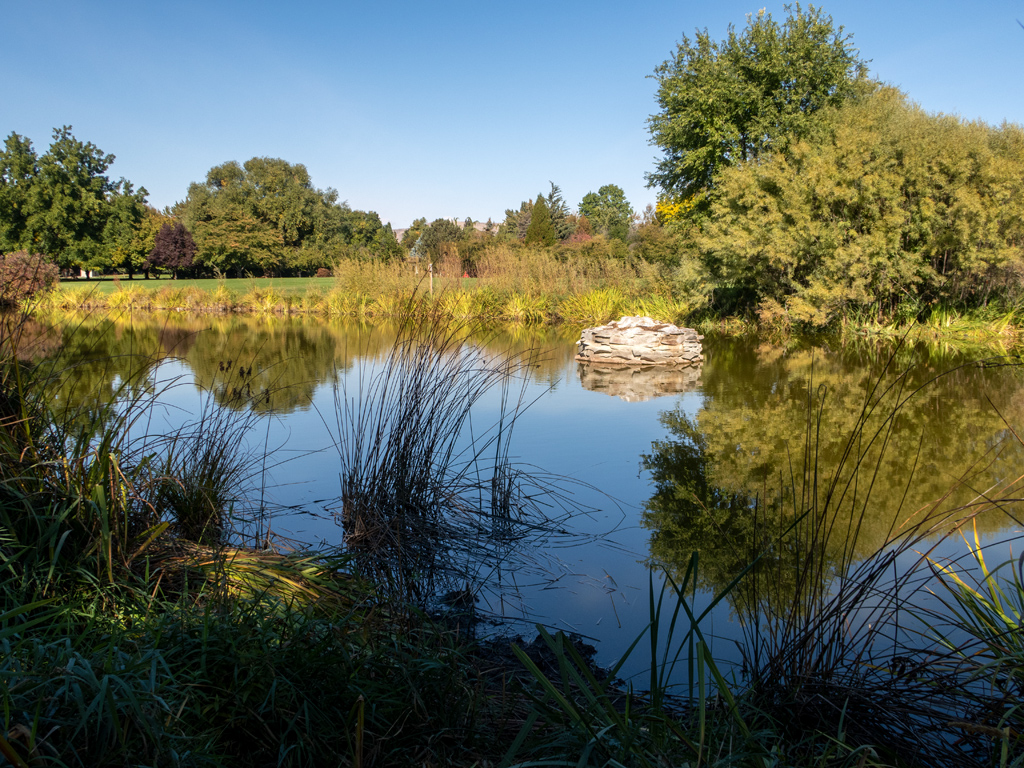
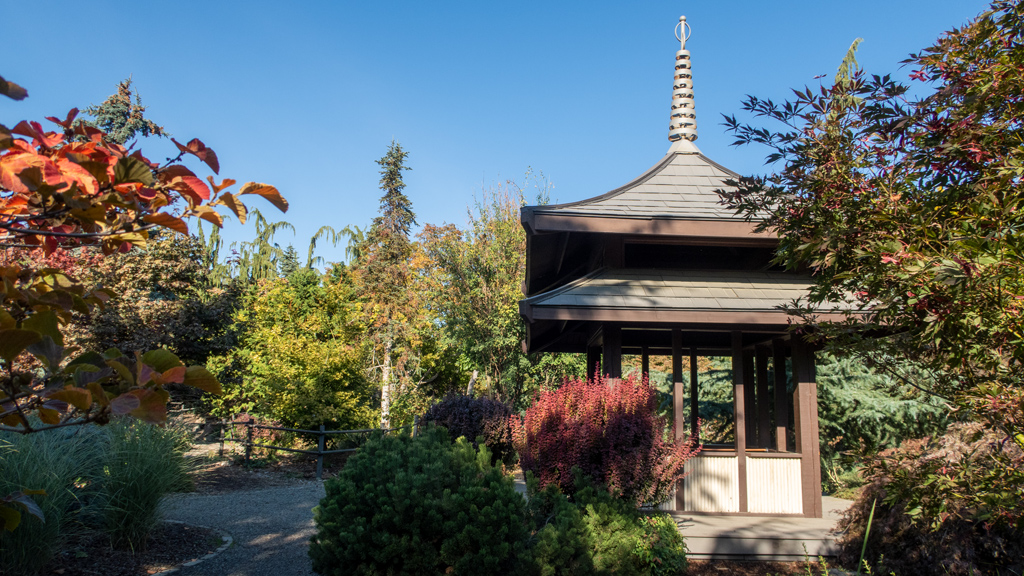
Apart from struggling to drive, I also visited the Yakima Area Arboretum & Botanical Garden, which was conveniently located near the interstate. The weath­er was nice and brisk, perfect for a quick stroll before heading out to my next destination.

Unfortunately, it seemed like the building was closed for some reason (there was a makeshift notice on the glass doors stating that they’re closed), but the outdoors area was all open and accessible by the public.

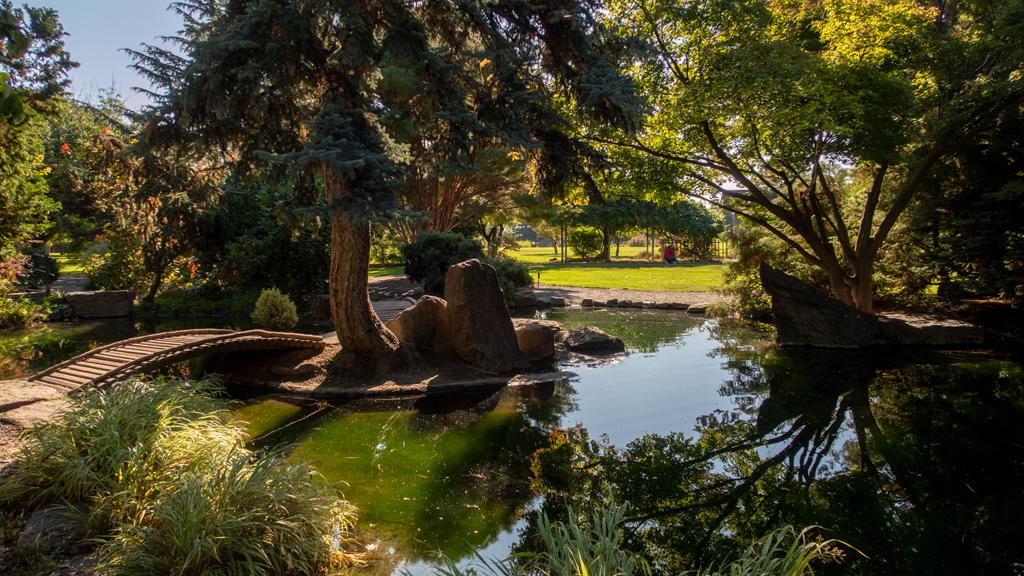
Deeper on Noel Pathway into the forest, there was a nicely-maintained pond surrounded by trees, rocks, bridges, and a waterfall. While I was walking through, I noticed a group of people taking what appeared to be wedding photos (you can sort of see the photographer in the picture immediately be­low).

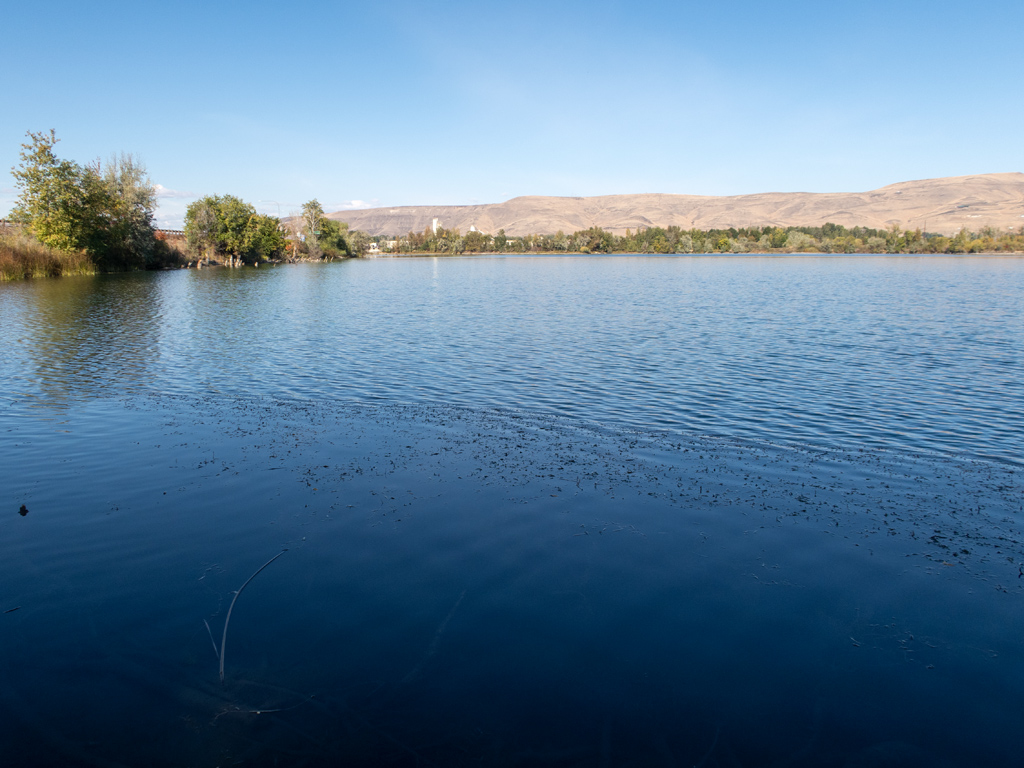
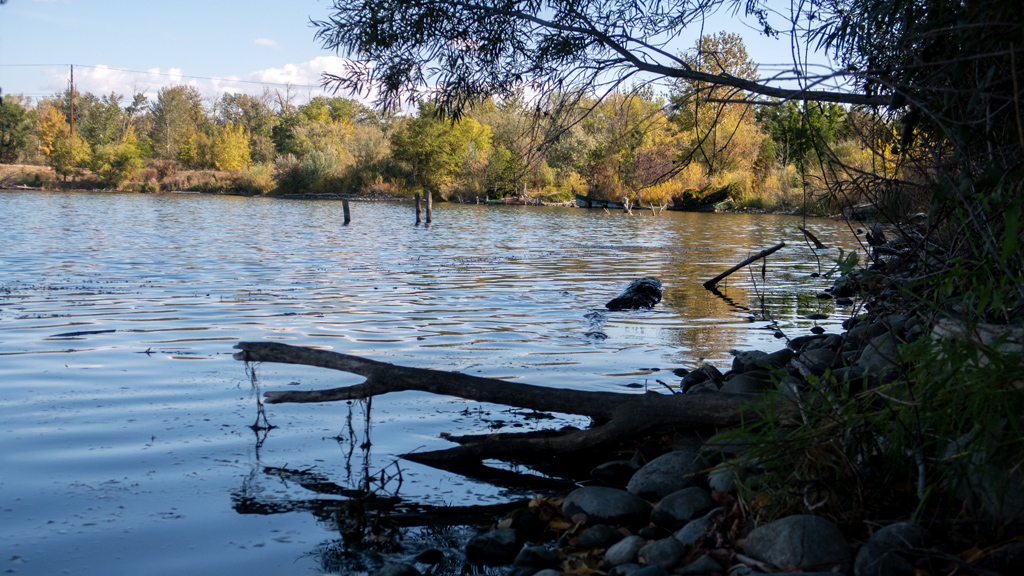
After walking across and up to the northern side of the field, I maneuvered over a ditch to make it to a different path that led me to some nice views of Buchanan Lake.

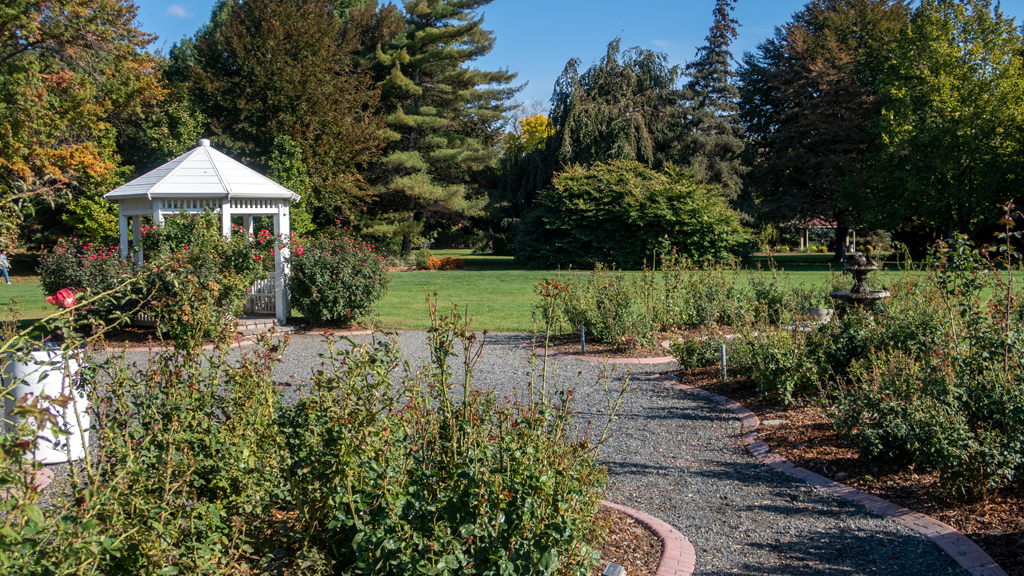
Once I managed to retrace my steps and hop over the ditch back onto arboretum property, I made my way to the botanical garden area, where I saw the rose garden.

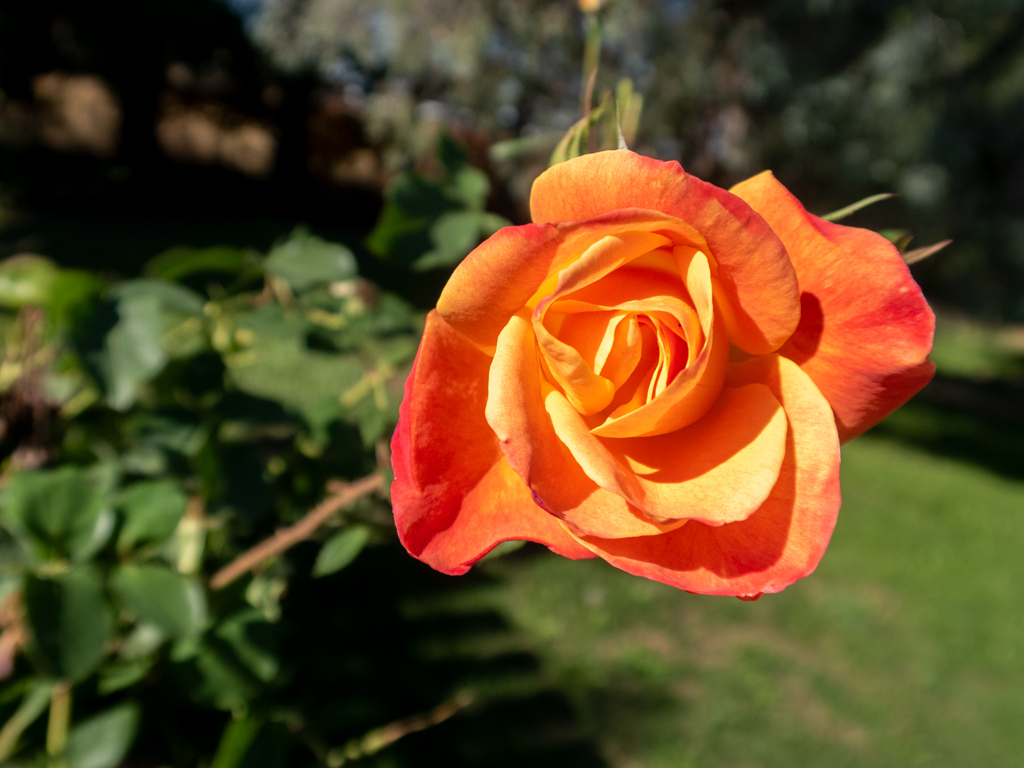
There weren’t too many roses around, probably because of the season, but there were still a handful in bloom.

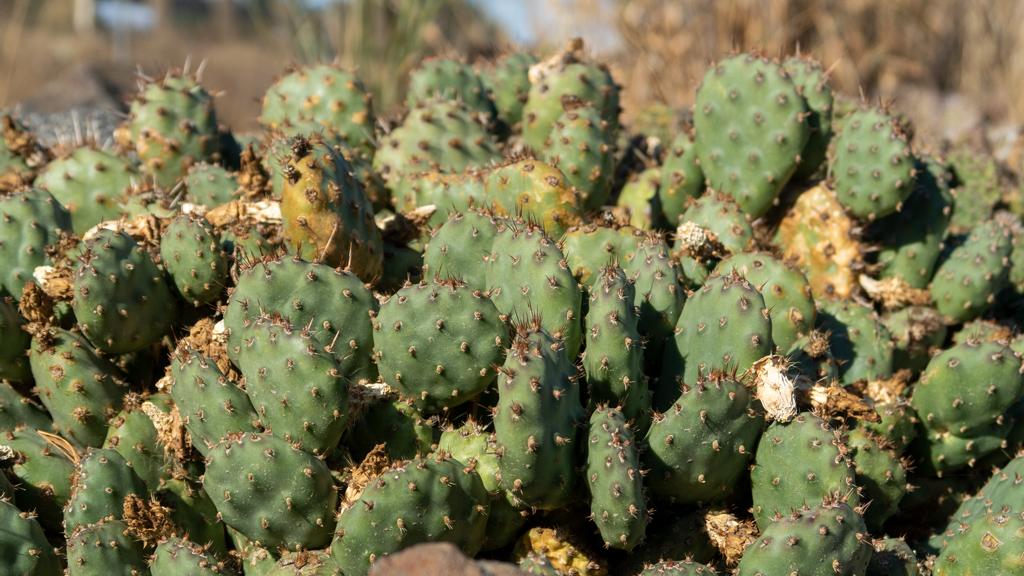
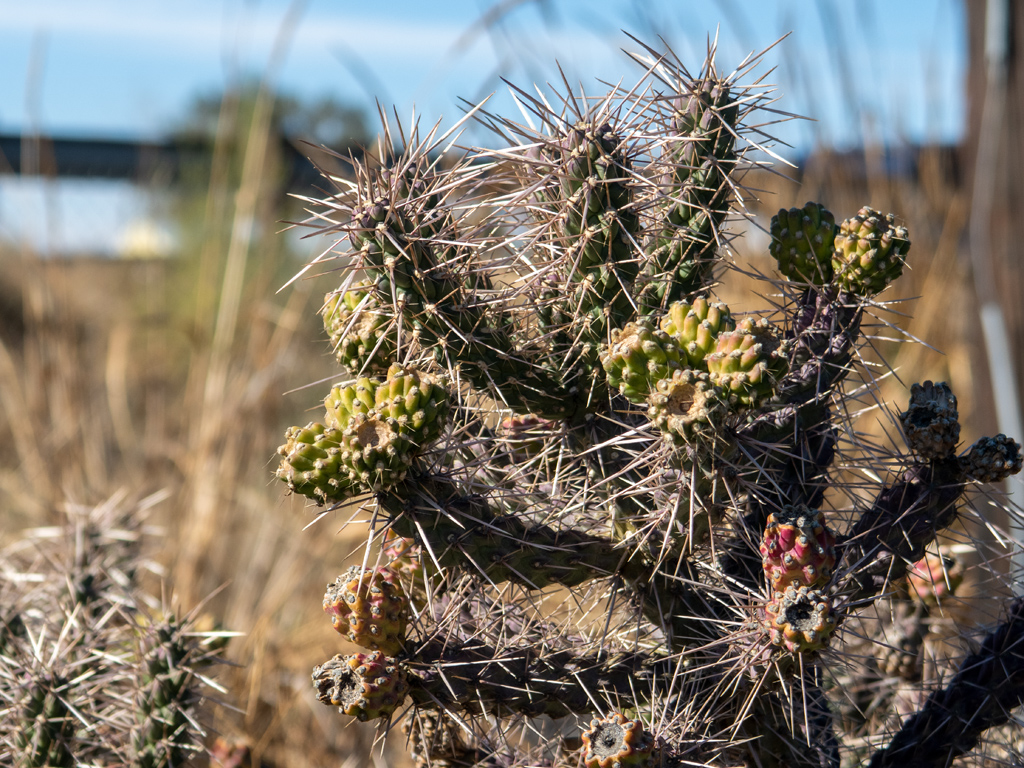
On my way back to my truck in the southern parking lot, I came across a little island of desert vegetation in the northern parking lot.

For my next stop, I’m continuing southeast on Interstate 82 to the Kennewick–Pasco–Richland Metropolitan Area, better known as Tri-Cities.


—§—


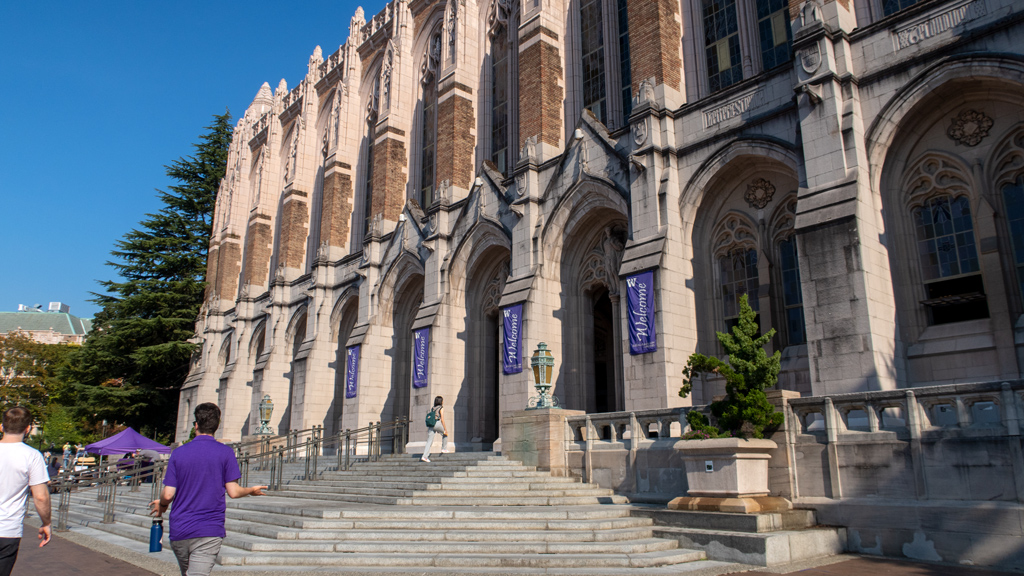
Hello, University of Washington in Seattle

Back when Tempo was an esports and gaming content creation company more than the game design and game development company that it is now, we had a content director named Glen Tokola who took over the editorial department after me. After Tempo phased out those departments, the Glen tran­si­tioned his career to a different position, and is now the Esports Manager at the University of Washington.

With my stay in the Seattle Metropolitan Area soon coming to an end, Glen wanted to give me a tour of the university campus before I left and con­tinued on my road trip, so I headed over to check out the football stadium and some of the university buildings.

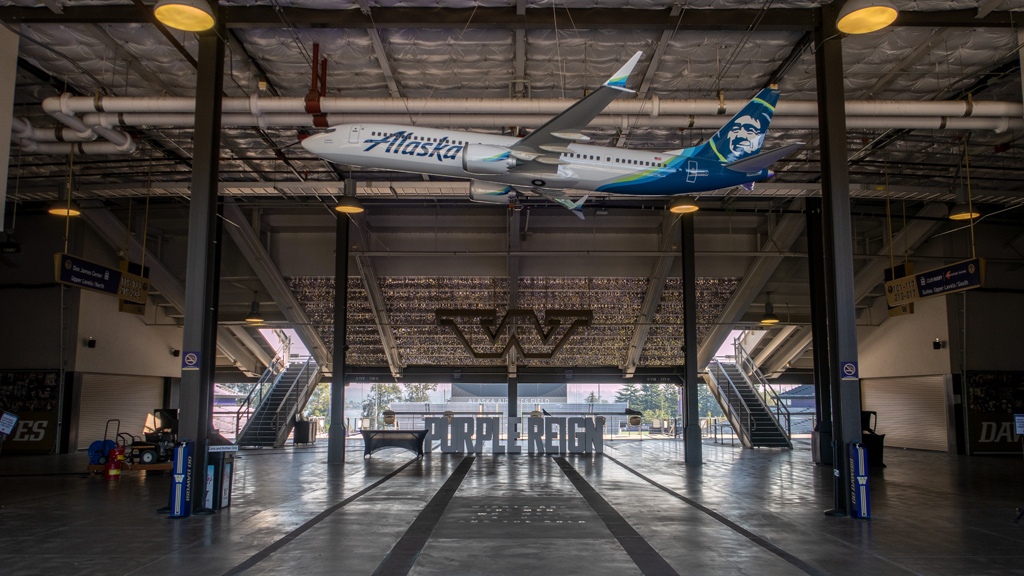
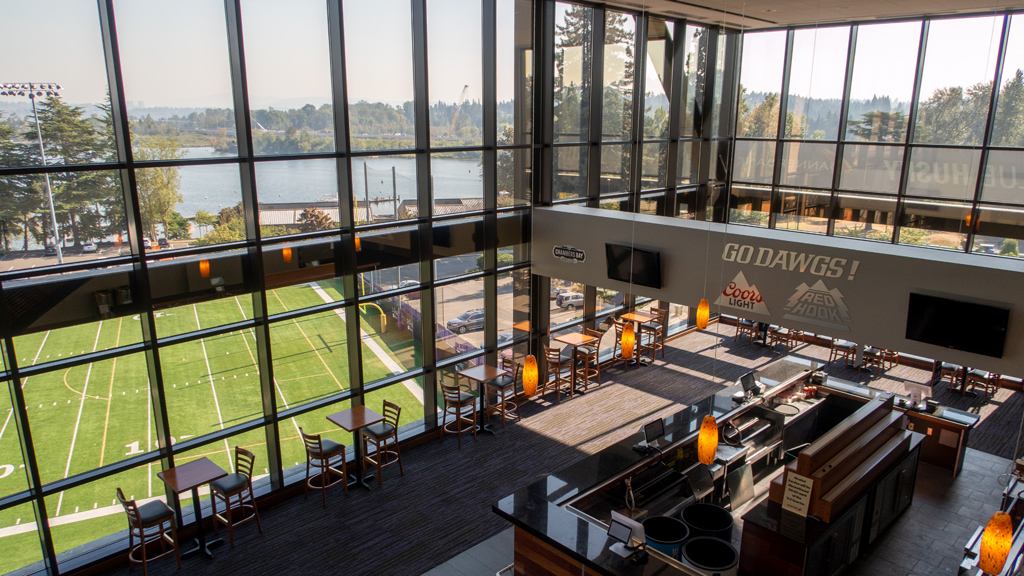
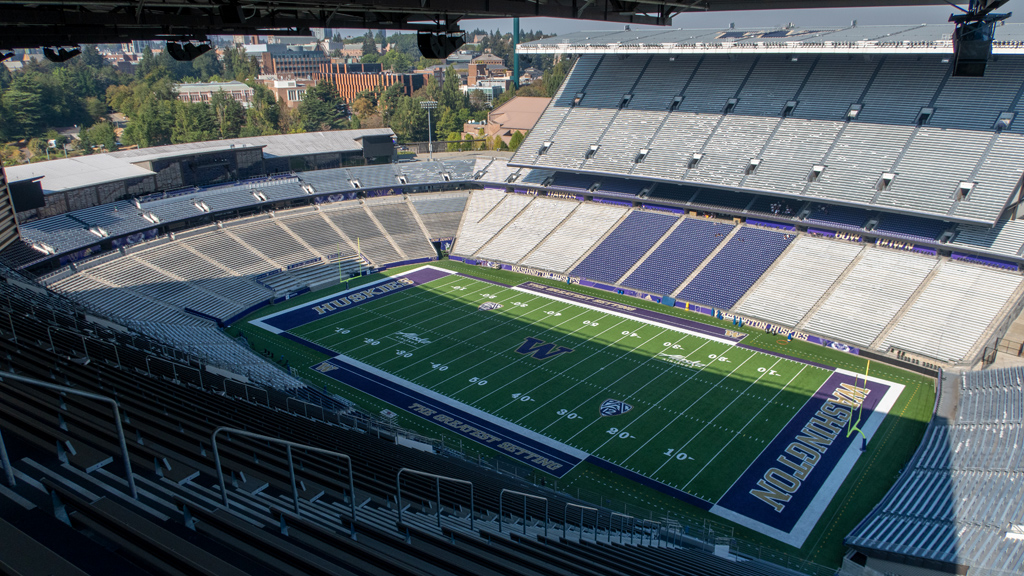
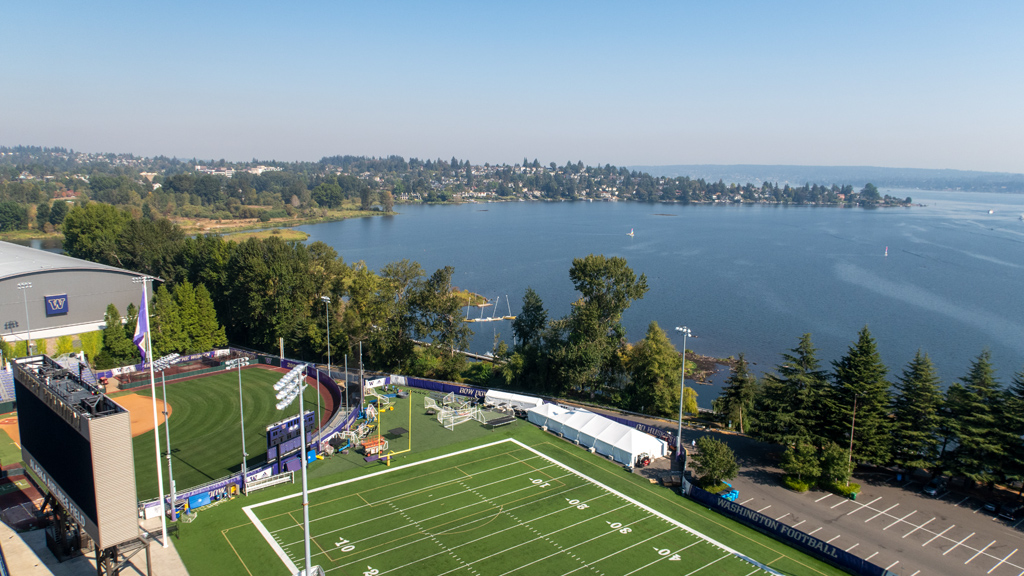
The tour started at Husky Stadium. One of Glen’s co-workers who handles sales for the football team showed us around and was able to take us to some of the more exclusive areas.

We eventually made it to the upper-most floor, where I stepped outside and was able to see unobstructed views of the entire field.

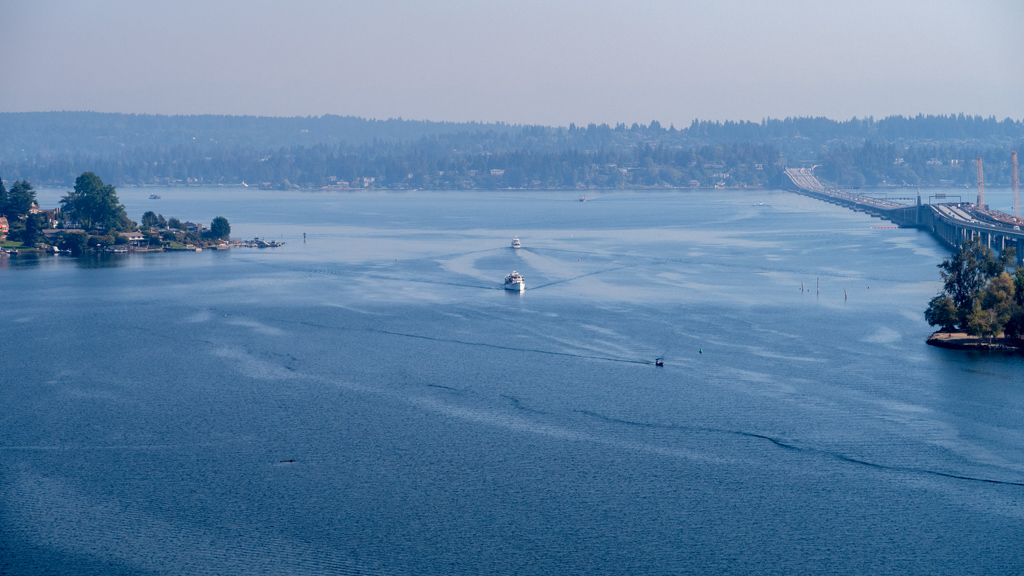
This area of the stands also had amazing views of Union Bay and Lake Washington.

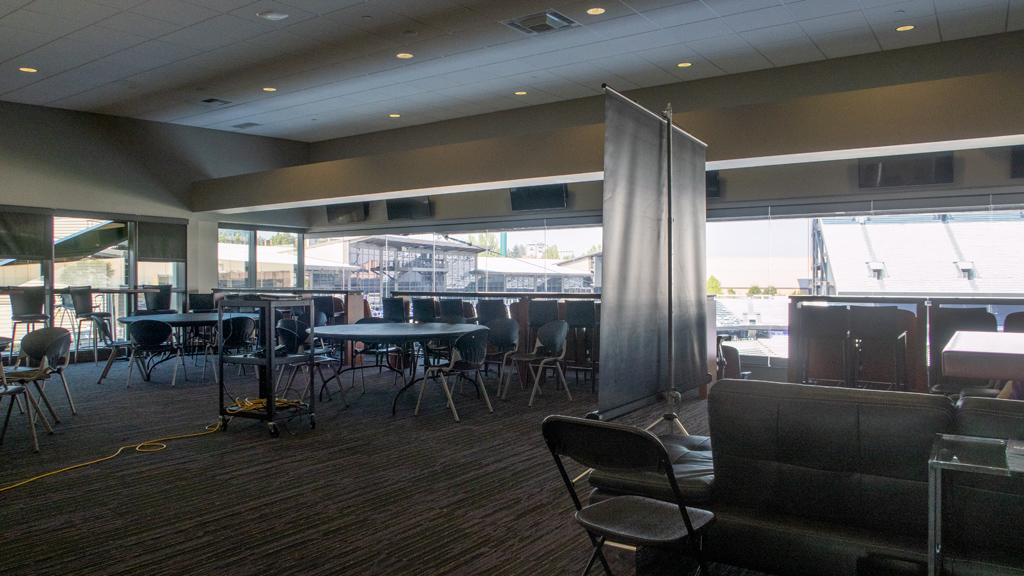
We also got to take a peek into the presidential suite. Apparently this is a coveted place from which only the highly privileged are able to watch the football games. To me, it just looked like a normal room, but I took our tour guide’s word about the prestige of the room, so I snapped a photo.

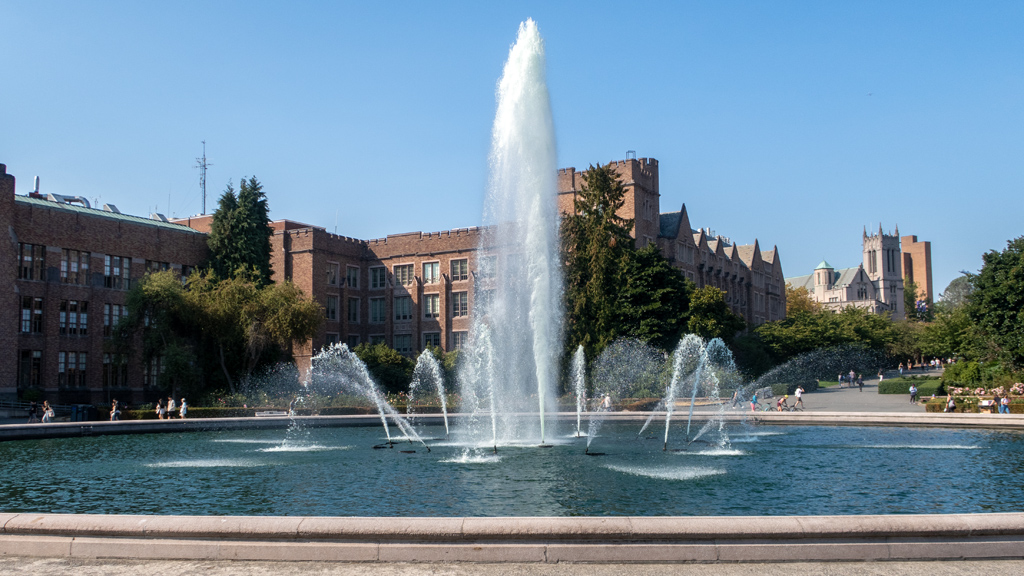
After a thorough trip around the stadium, we headed to the main campus area. At the end of a long, grassy strip of field was Drumheller Fountain.

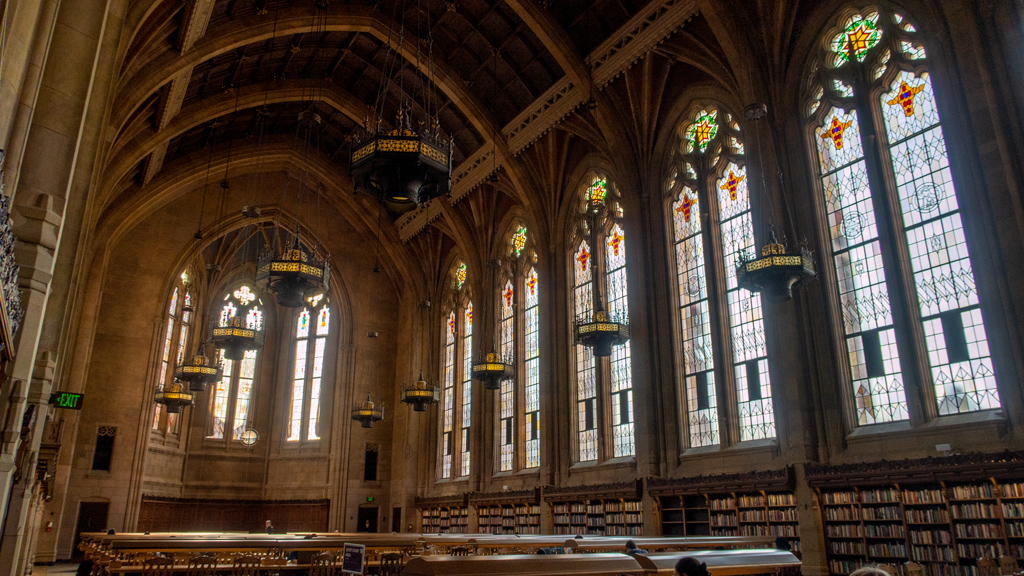
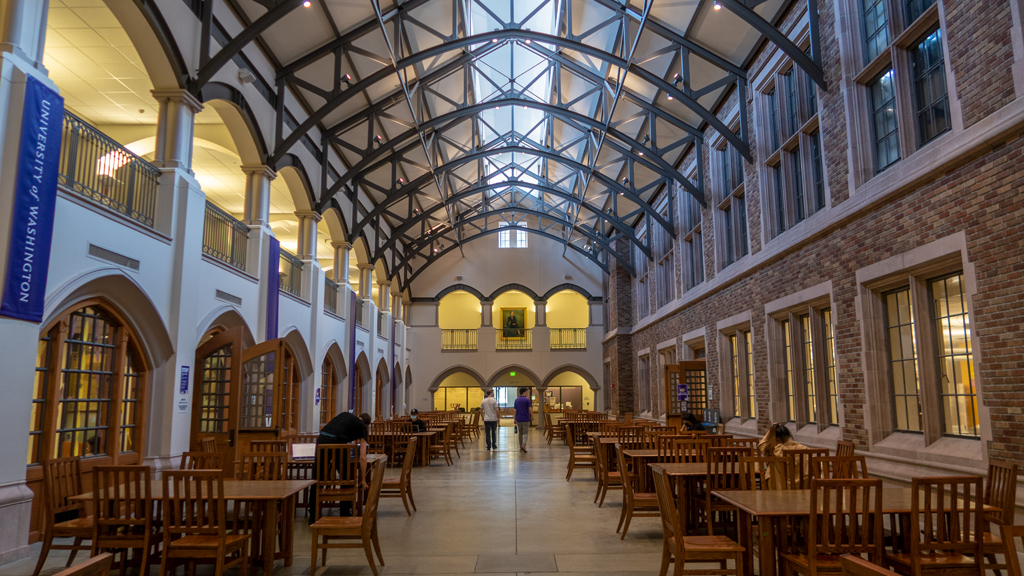
From this point, we walked around some more and I wasn’t quite able to keep up with exactly what buildings we were entering, but we saw some in­ter­esting libraries and even peeked our heads into some empty classrooms, waiting to be occupied by students in the upcoming and soon-to-start ac­a­dem­ic year.

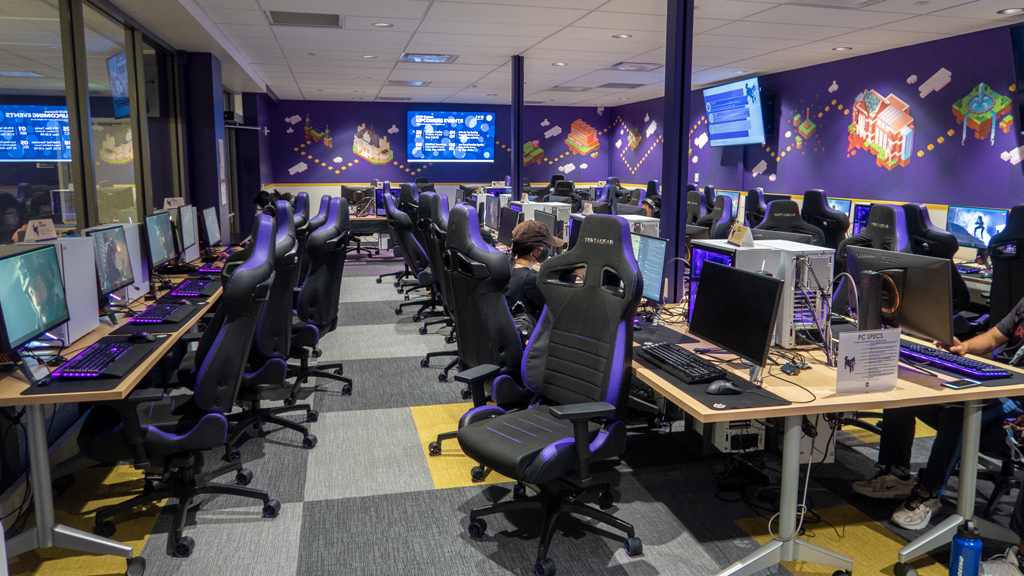
Finally, Glen took us to the new esports room, which is basically like a LAN center.

I already played a lot of video games when I was an undergraduate at the University of Wisconsin-Madison, though I was somewhat limited by the fact that my laptop wasn’t very high-end, so I lagged a lot. I’m glad that my school didn’t have some­thing like this when I was a student about a decade ago, or else I feel like I would’ve spent an unhealthy amount of time in it.

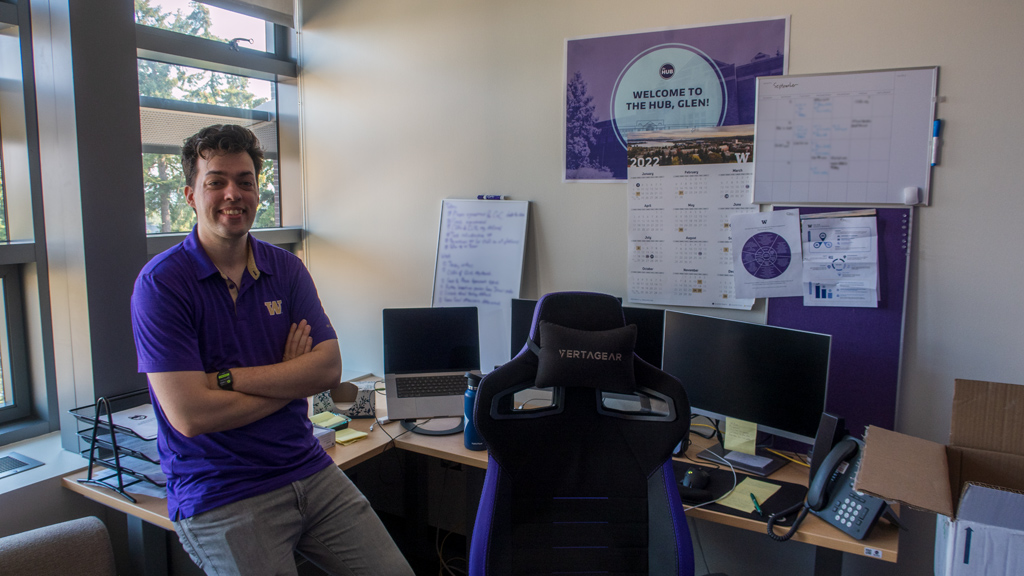
Here is Glen in his office.
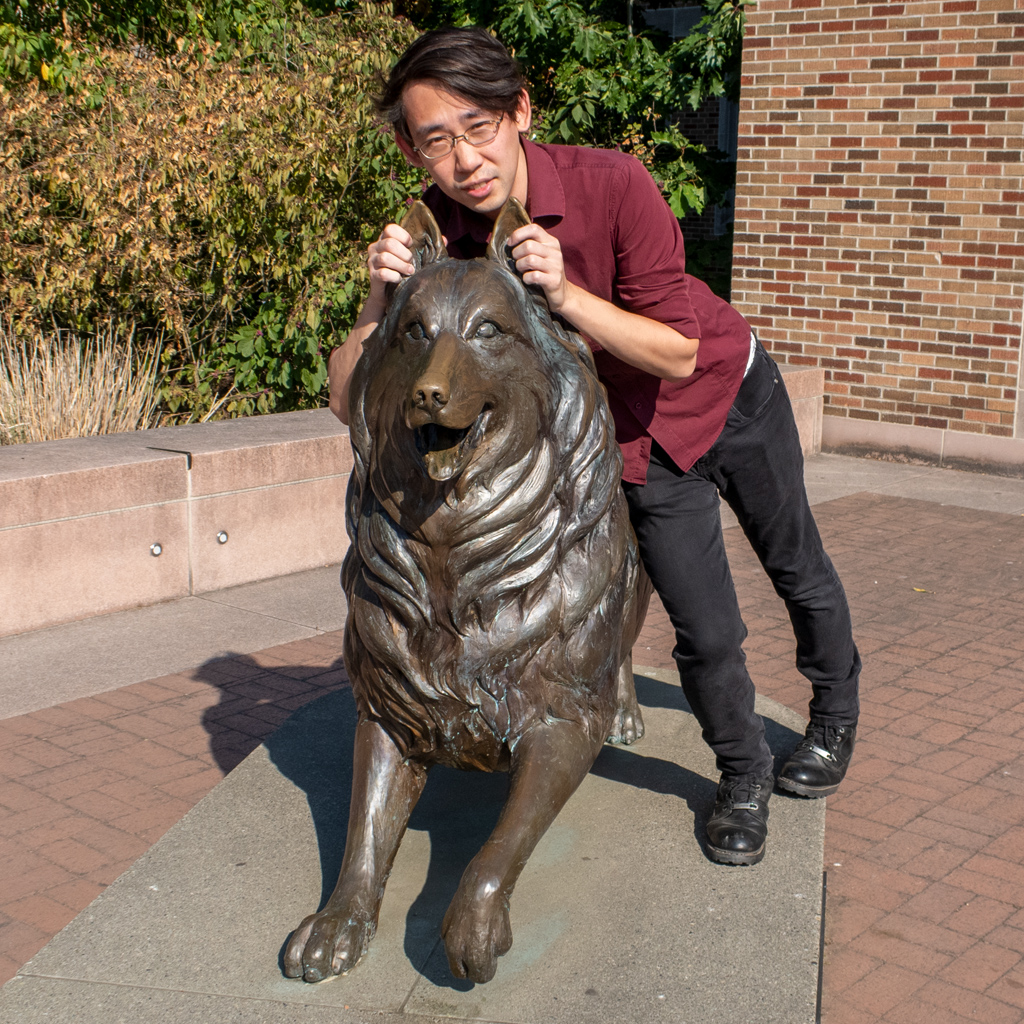
The University of Washington campus had a lot of husky statues scattered around. I pet all the ones I came across, but decided to take a picture with one before I left.

For the record, I thought Glen would zoom in and capture just my face with the face of the husky, which is why I am standing in a way that makes it look like I learned how to use my legs yesterday … I did not realize that he was going for a full-body shot.

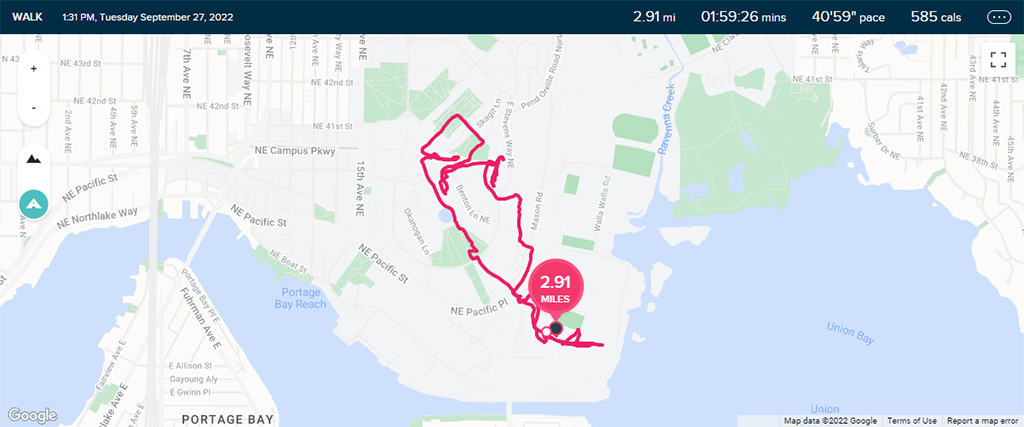
Overall, our tour was a little over three miles (the GPS tracker shows less distance because I started it late and it also didn’t keep track of movement very accurately inside some of the buildings). It got a little warm towards the end, but it was a pleasant trip, and it brought back some of the nice memories from when I was still an undergraduate student.


—§—


Hello, Tacoma Art Museum in Washington

I’m already back in the central Seattle Metropolitan Area, and I switched up the ordering of publishing blog posts because I wanted to add a bit more va­ri­e­ty, but I still have one more post from my four-day stay in Tacoma, Washington—for my third and final tourist activity, I went to the Tacoma Art Mu­se­um, in quick and convenient walking distance across the street from my hotel.

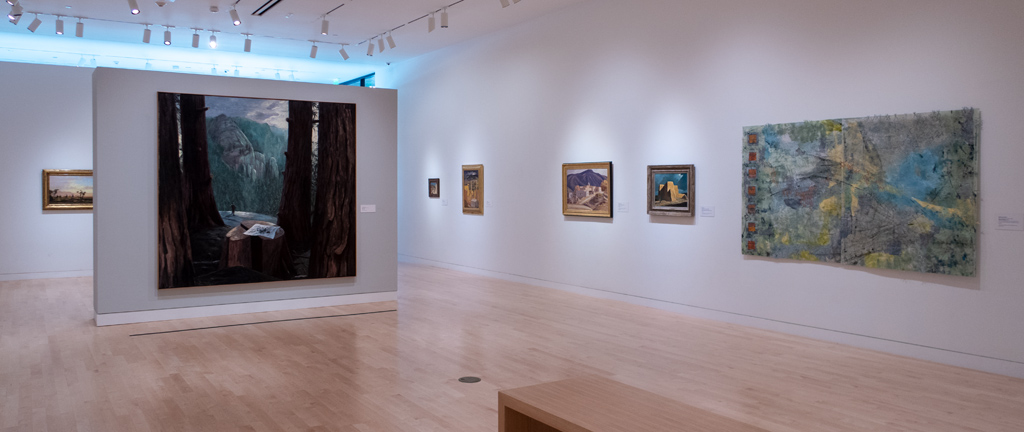
The Tacoma Art Museum was probably one of the most traditional and straightforward museums that I’ve been to in a while.

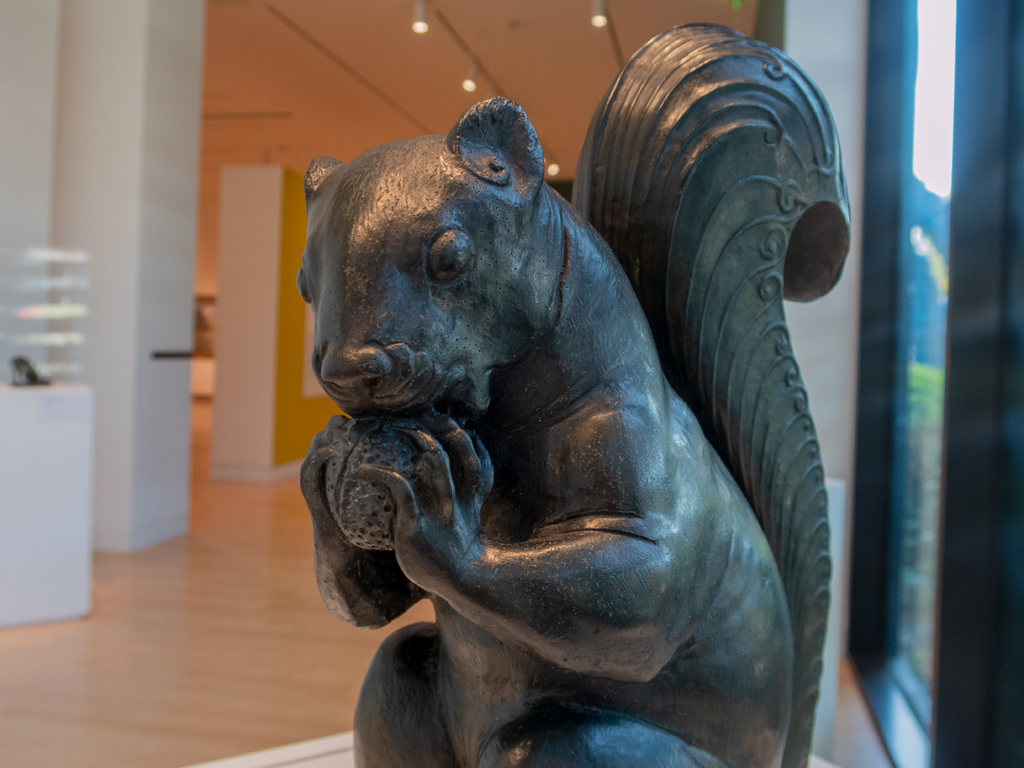
The first gallery was “Animals: Wild and Captured in Bronze.”

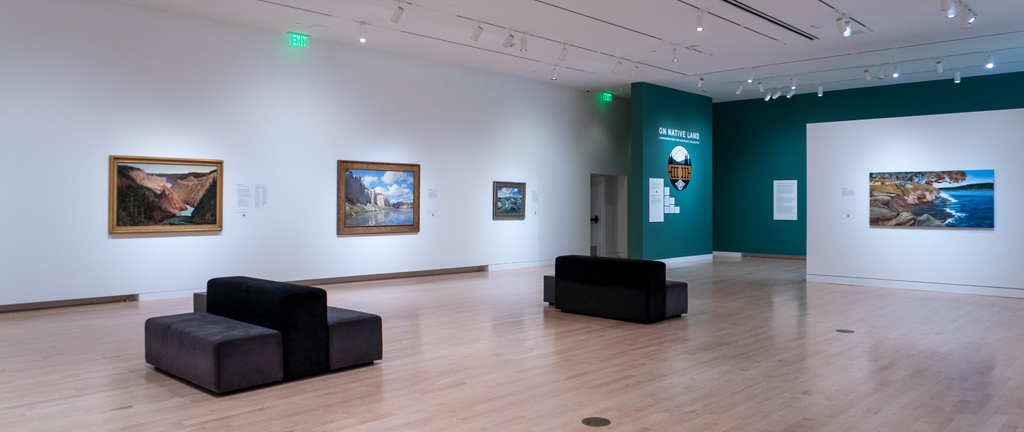
Next was “On Native Land: Landscapes from the Haub Family Collection.”

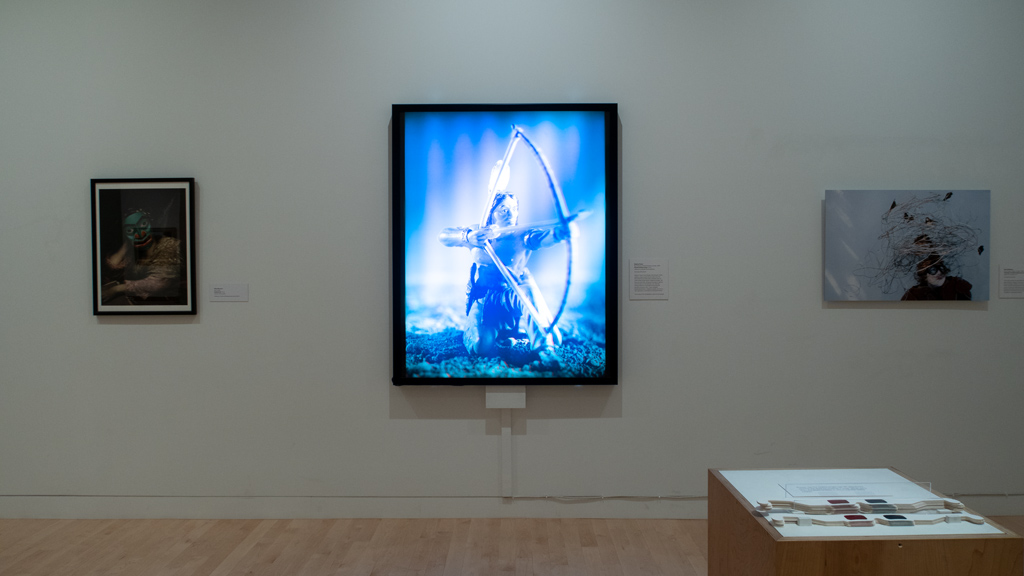
Around the corner was “Native Portraiture: Power and Perception.”

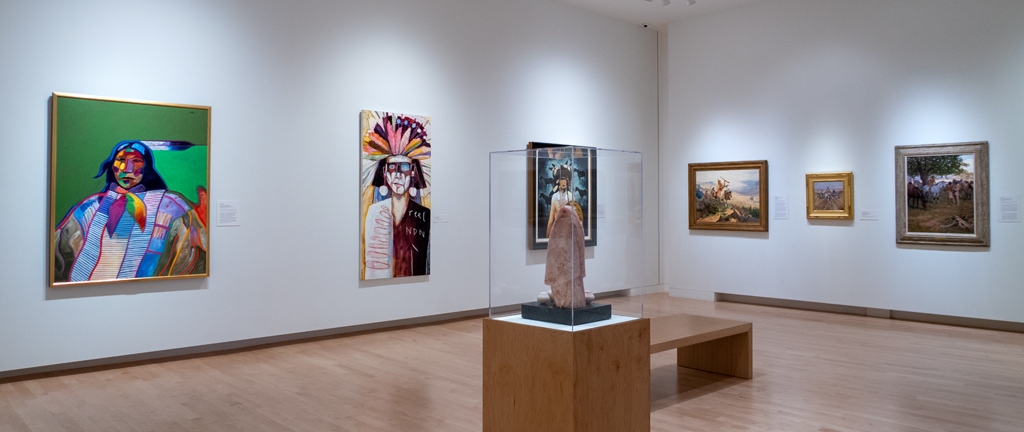
The final area of the exhibits on Natives was called “Places to Call Home: Settlements in the West” and “Winter in the West.”

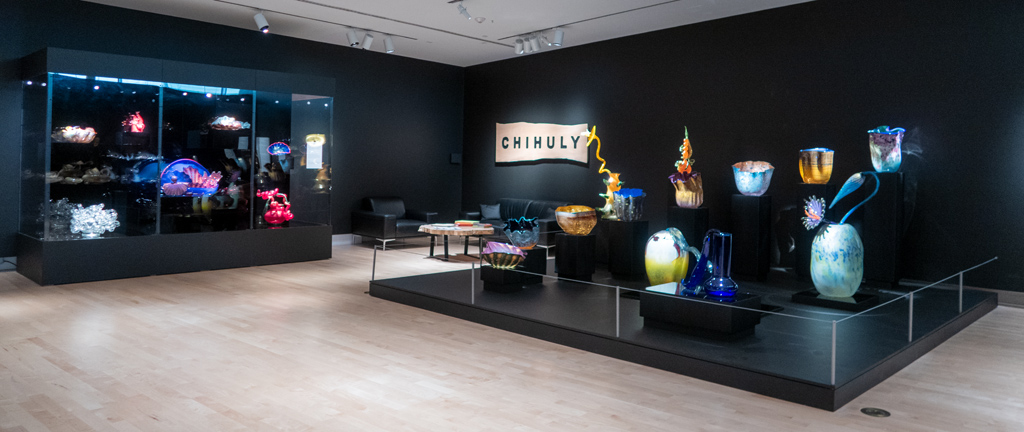
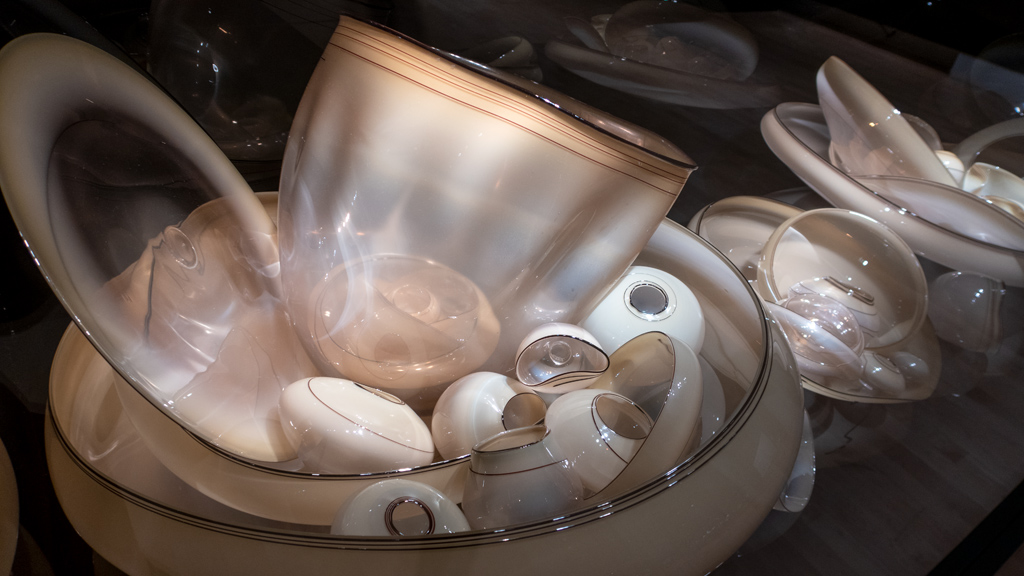
I’ve already seen a lot of Chihuly’s art because of his residency in the Seattle Metropolitan Area, including Chihuly Garden and Glass, the Chihuly Bridge of Glass, and the Museum of Glass. The Tacoma Art Museum also had its own small section of Chihuly’s art, as well as a little reading corner for books con­taining photographs and descriptions of Chihuly’s art.

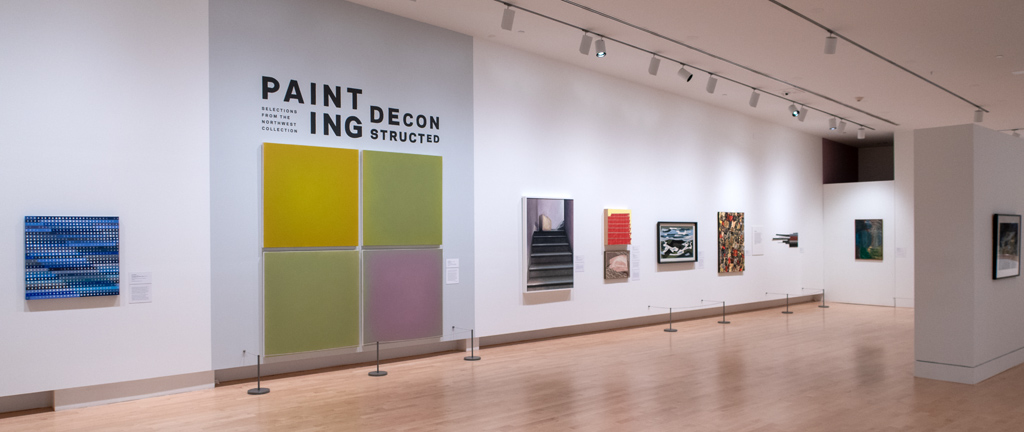
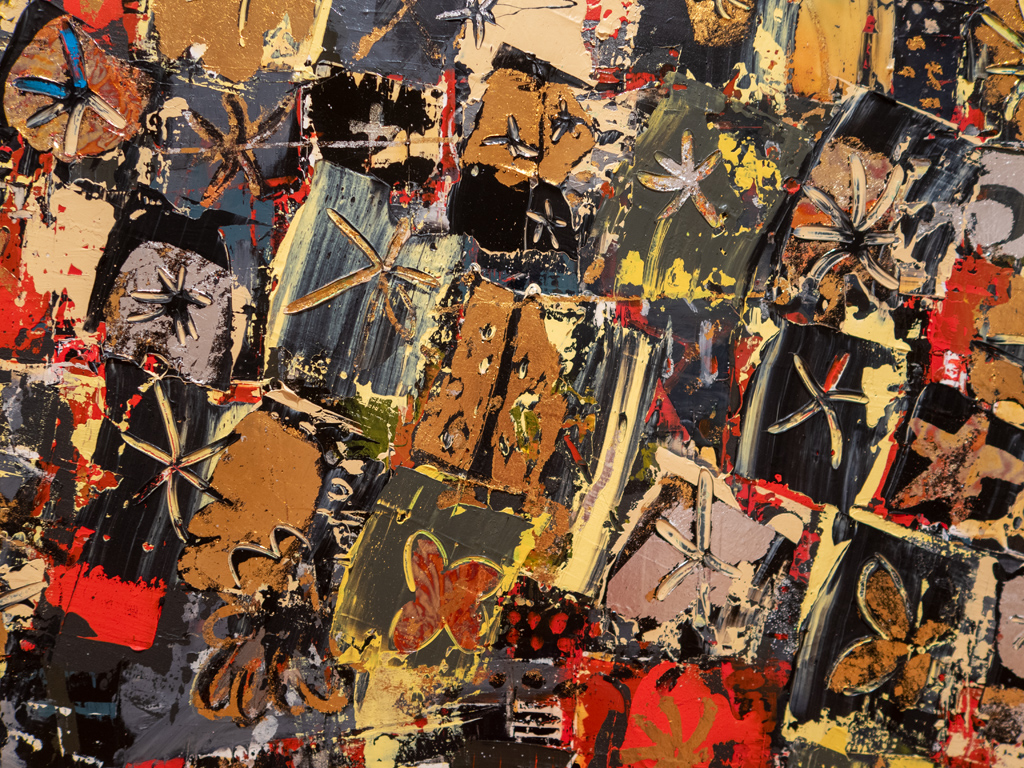
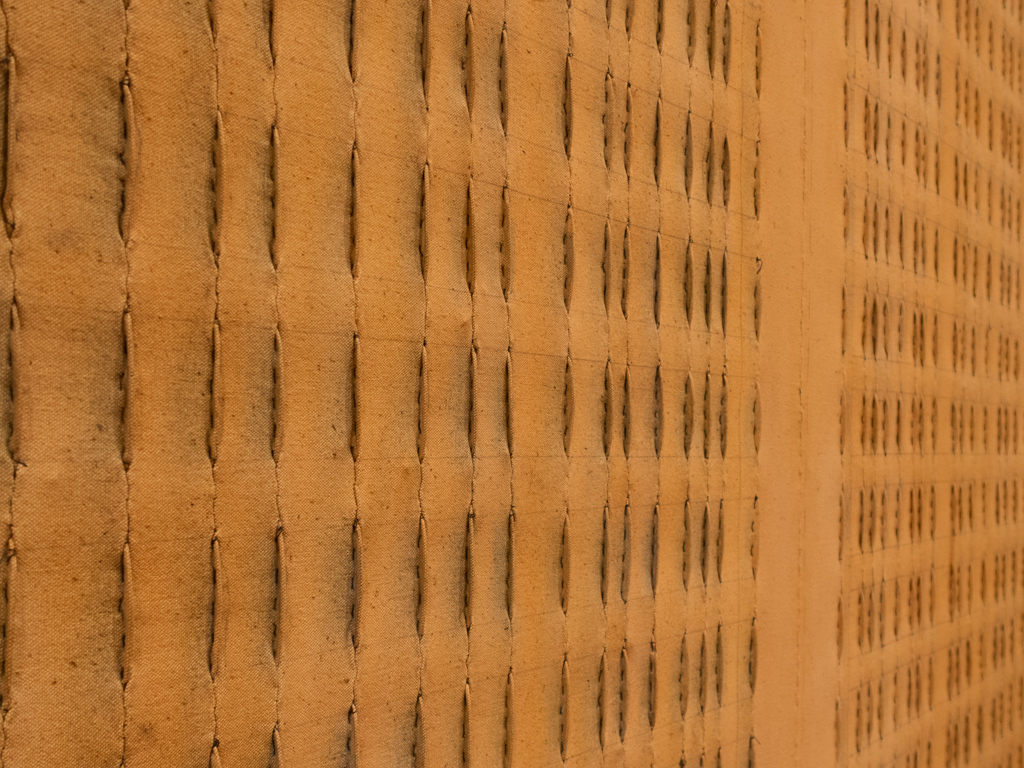
The next gallery was “Painting Deconstructed: Selections from the Northwest Collection.”

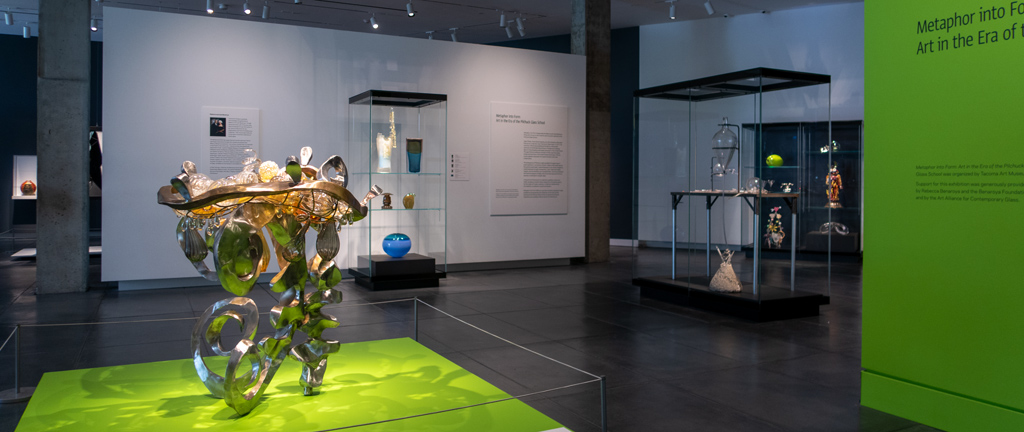
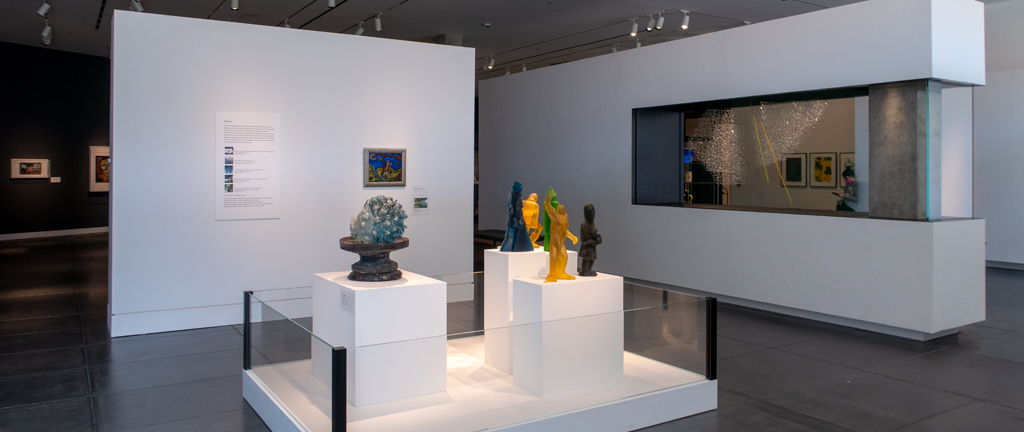
Finally was my favorite gallery of the museum, “Metaphor Into Form: Art in the Era of the Pilchuck Glass School.”

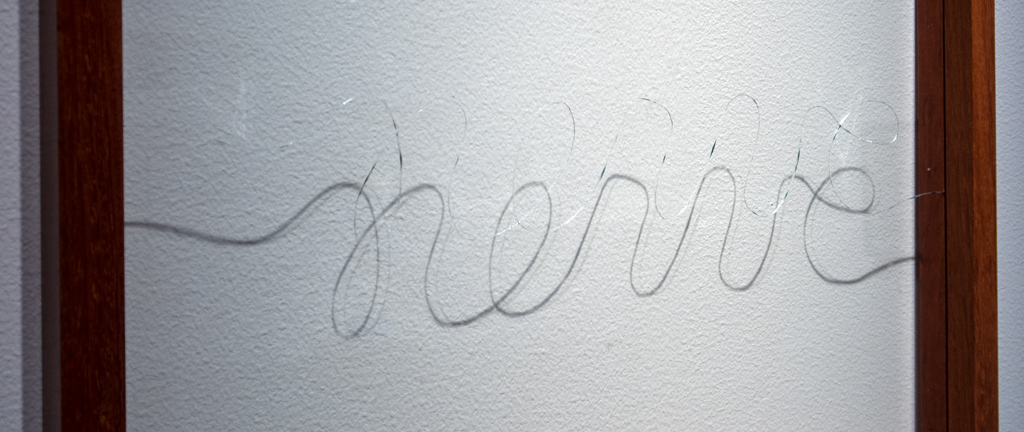
“Nerve” was my favorite art piece. The word “nerve” was etched in cursive into the glass, and to the naked eye straight-on, it was nearly invisible. How­ever, with the light shining onto the glass, it created a very visible shadow onto the wall. I liked the messaging that, even though something might not be obvious, it doesn’t necessarily mean that it isn’t there.
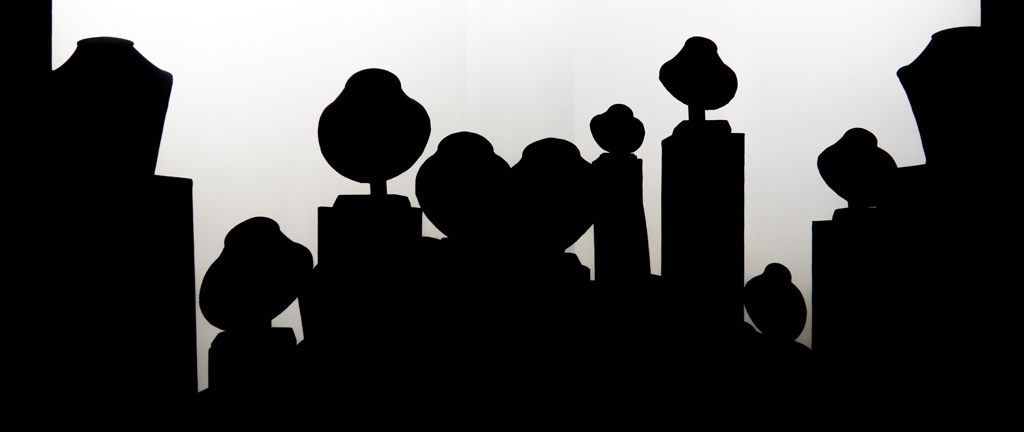
I also enjoyed this piece of black jewelry mannequins in front of a bright white backdrop. Usually, jewelry mannequins simply serve the purpose of em­pha­sizing the actual jewelry pieces, so it was interesting seeing the otherwise-usually-neglected mannequins being used as the primary art com­po­si­tion.

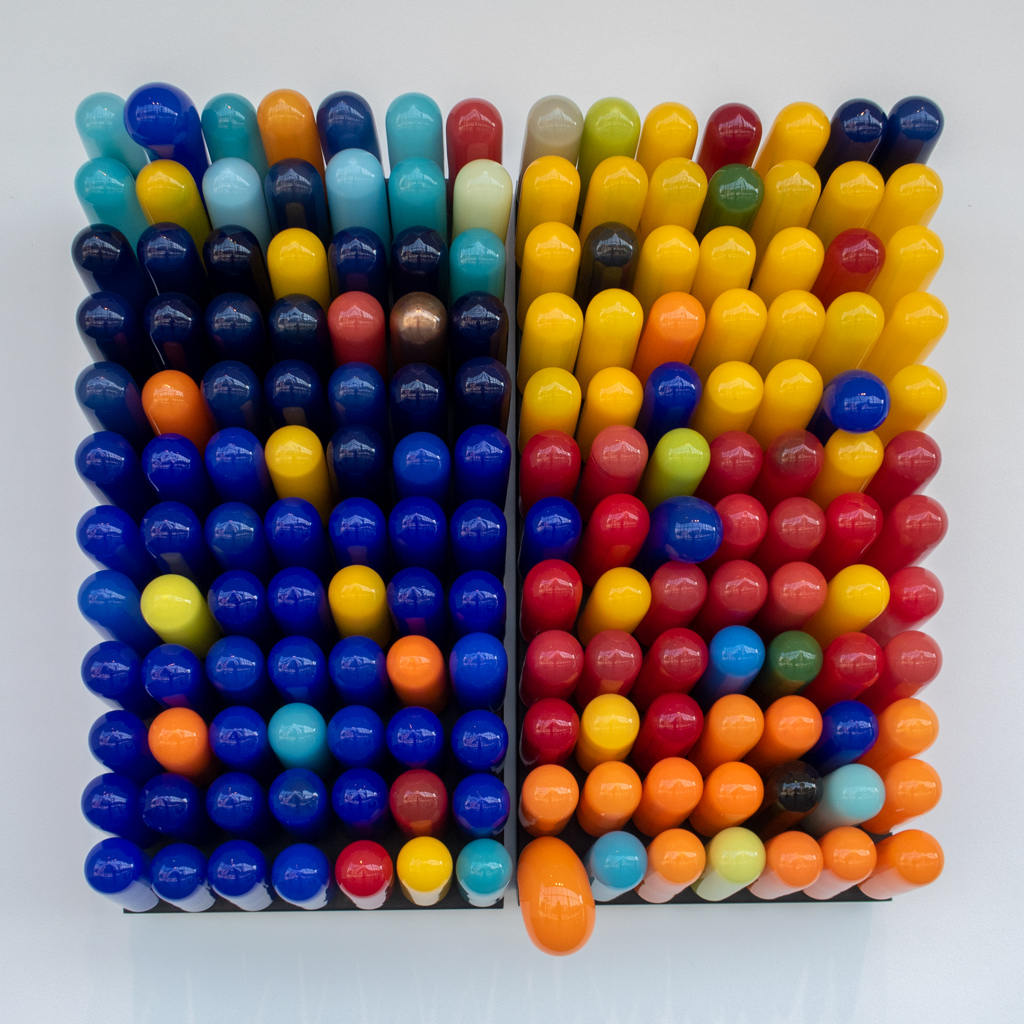
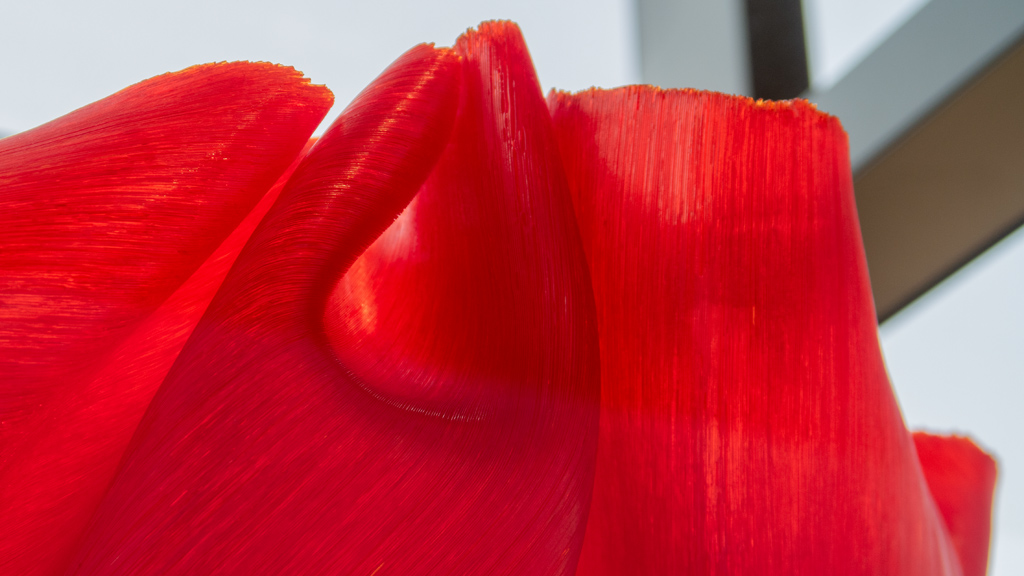
The rest of this gallery had more modern art pieces, with many of them being unique creations of glass art.

Although the museum wasn’t bad, I don’t think the price-to-value ratio was quite right (even after having a discounted admission price due to a handful of galleries that were closed for renovations). If you don’t have access to too many other art museums, the Tacoma Art Museum could be fine, but oth­er­wise, it is extremely simple and frankly a little bit boring.

I unfortunately did not realize this when I visited, so I ended up paying full price, but as of right now, they offer free admission every Thursday evening. If you manage to visit during that weekly community event, then it could be a decent way to spend an hour or two.


—§—


Hello, Point Defiance Zoo, Aquarium, and Park in Tacoma, Washington

For my second tourist activity of Tacoma, Washington, I went to the Point Defiance Zoo and Aquarium. Compared to other zoos I’ve been to, it was fairly small and didn’t really have very many animals. This zoo also had a lot more children visiting that I remember from my other zoo visits, so it was a bit chaotic with children running around everywhere and screaming.

 
On the southern side of the zoo was the Asian Forest Sanctuary.

My favorite part of this zoo trip was seeing the elephant, though that was probably because there was a zoo employee there holding a talk and sharing more information about the particular elephant that visitors were able to see. Apparently, the elephant is over 50 years old, and she recognizes the zoo­keeper who has cared for her for the past 30 years. The elephant also apparently knows when her particular caretaker is on the premises and gets anx­iously excited in anticipation.

On the northern side of the zoo was a large area that had a few musk oxen.

Nearby was the Red Wolf Conservation Center and the Red Wolf Woods.

In the Rocky Shores area on the eastern side of the zoo, I saw some sea otters, seals, sea lions, puffins, and other birds and sea animals.

Further down the path near the Wild Wonders Outdoor Theater were some penguins.

Close to the penguins were the Discovery Hut and Budgie Buddies, which had some birds.

Unfortunately, the South Pacific Aquarium was closed for renovation, but luckily, the Pacific Seas Aquarium was still open.

After taking a thorough tour of the zoo and aquarium, I headed over to Point Defiance Park, a very short drive down Five Mile Drive, around the traffic circle, and up North Waterfront Drive. I stopped by the Point Defiance Botanical Garden and walked around the Point Defiance Rose Garden, Dahlia Trial Garden, and Herb Garden.

I continued my walk northbound and did a loop around the Japanese Garden across from the Point Defiance Pagoda.

After getting a little bit lost, I managed to find a path through the playground and down onto Promenade Lane, where I was able to take in some views of Commencement Bay from the Point Defiance Marina.

If you don’t have much accessibility to zoos, then the Point Defiance Zoo and Aquarium isn’t a bad place to visit, but if you have limited time or have the opportunity to go see other zoos instead, then I’d recommend bumping the zoo and aquarium down a bit lower in priority.

With that being said, Point Defiance Park and Marina were very pleasant, and considering that going to the park is free (as opposed to the zoo and a­quarium requiring an admission fee), I think it is definitely worth it to go for a walk at the park and get some exercise in while taking in the pretty sights.

The cold air from the bay was very refreshing when it hit my face for the first time after I had navigated my way there through the warm sun, and if you’re up for a longer walk, it appears like Promenade Lane has direct access to the beach.


—§—