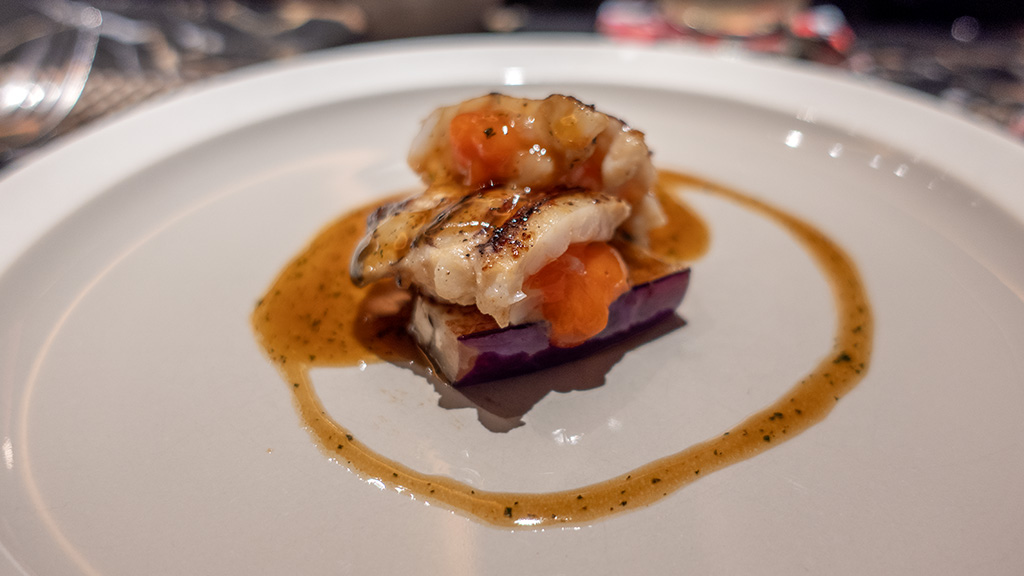
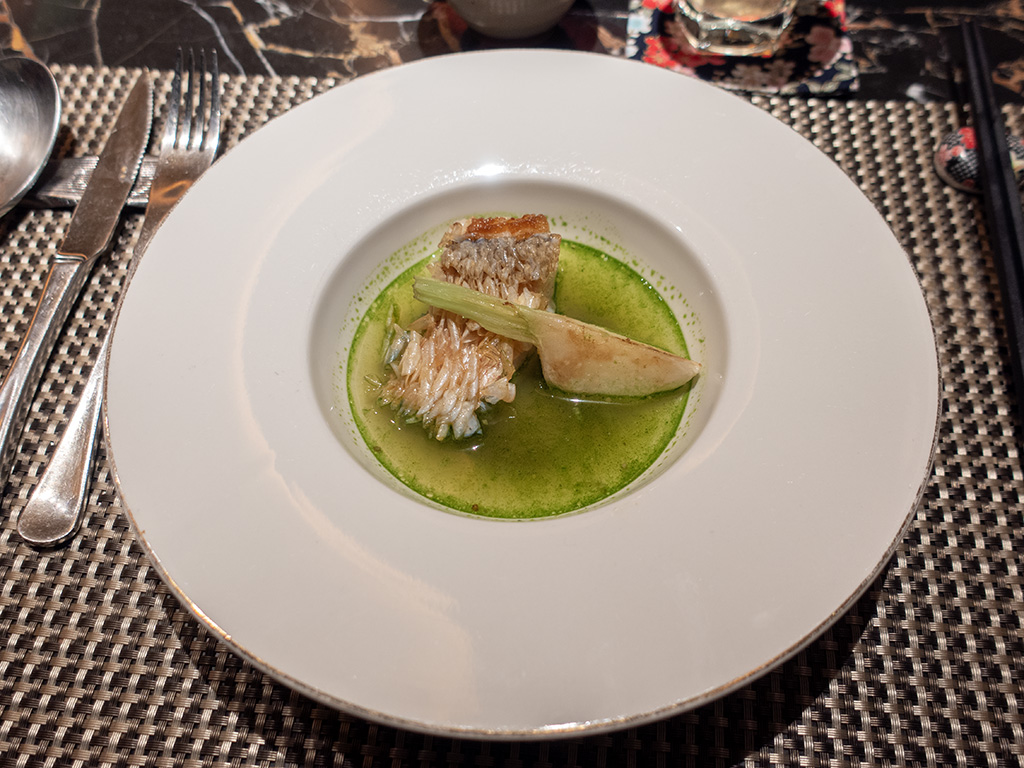
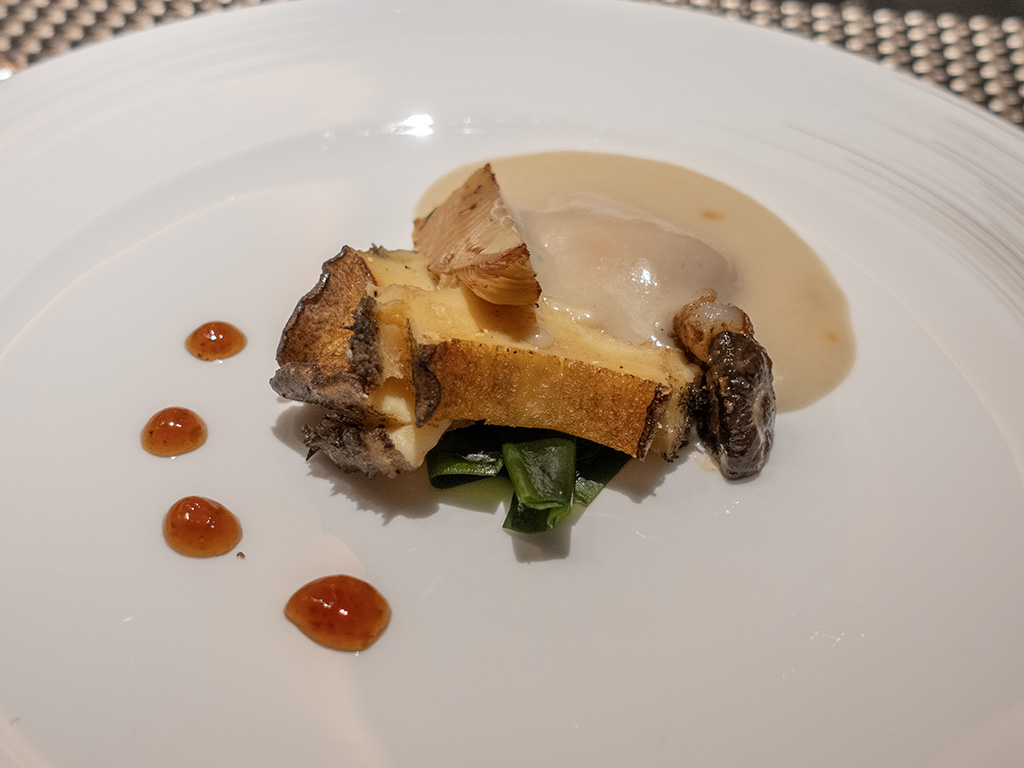
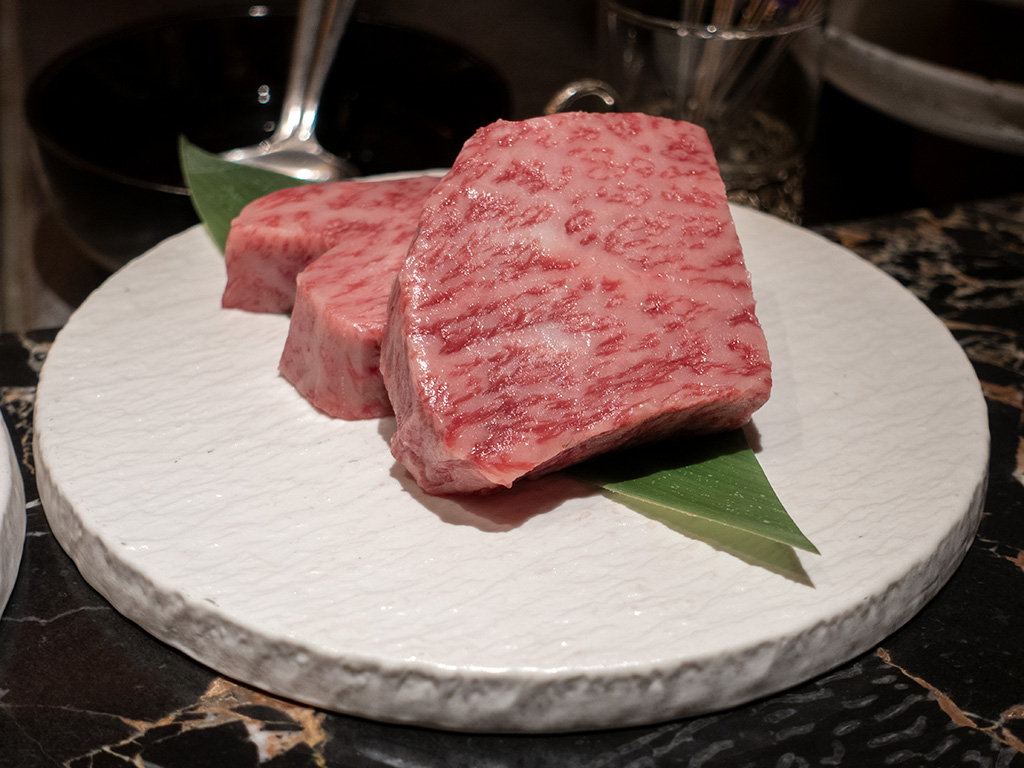
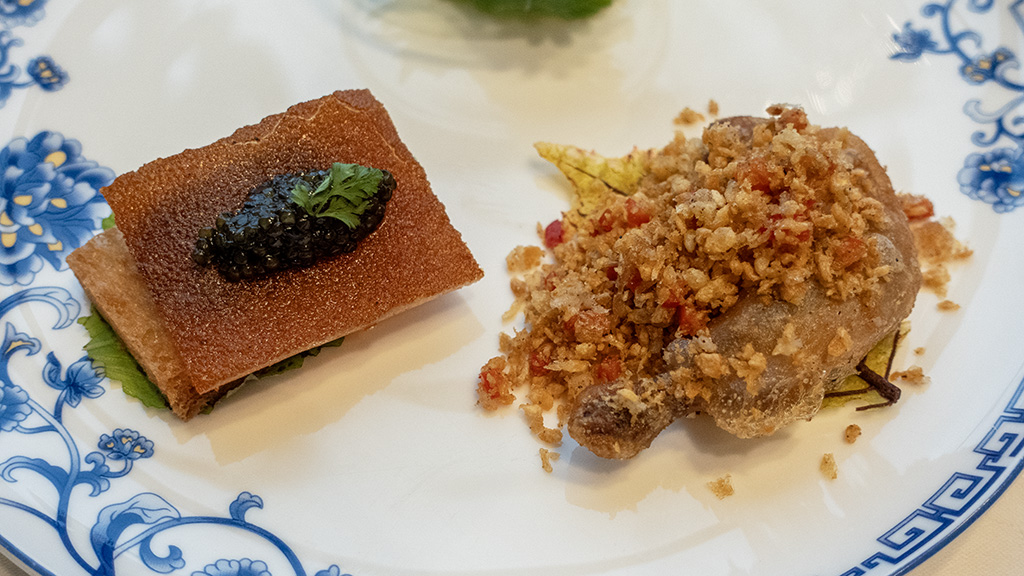
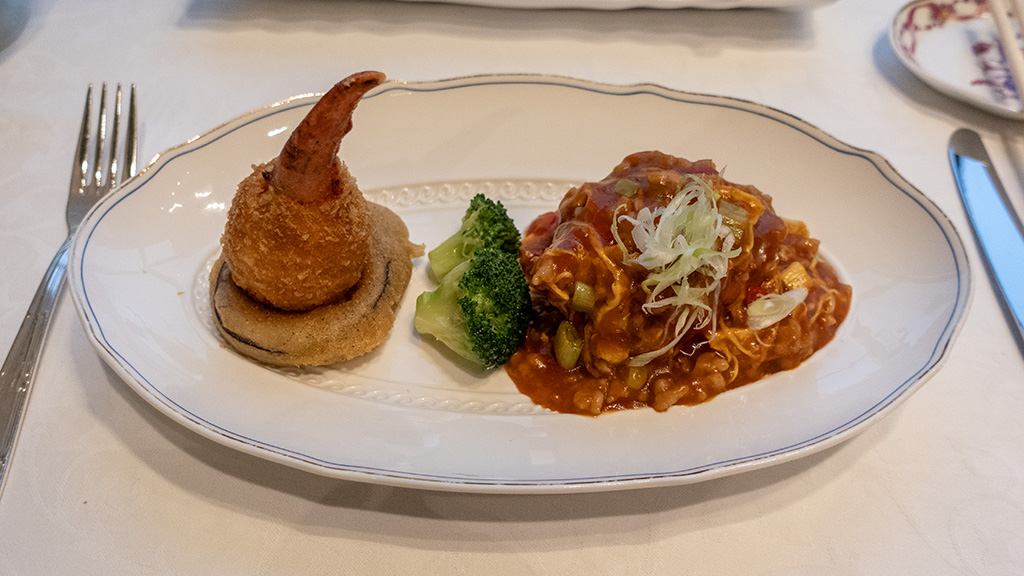
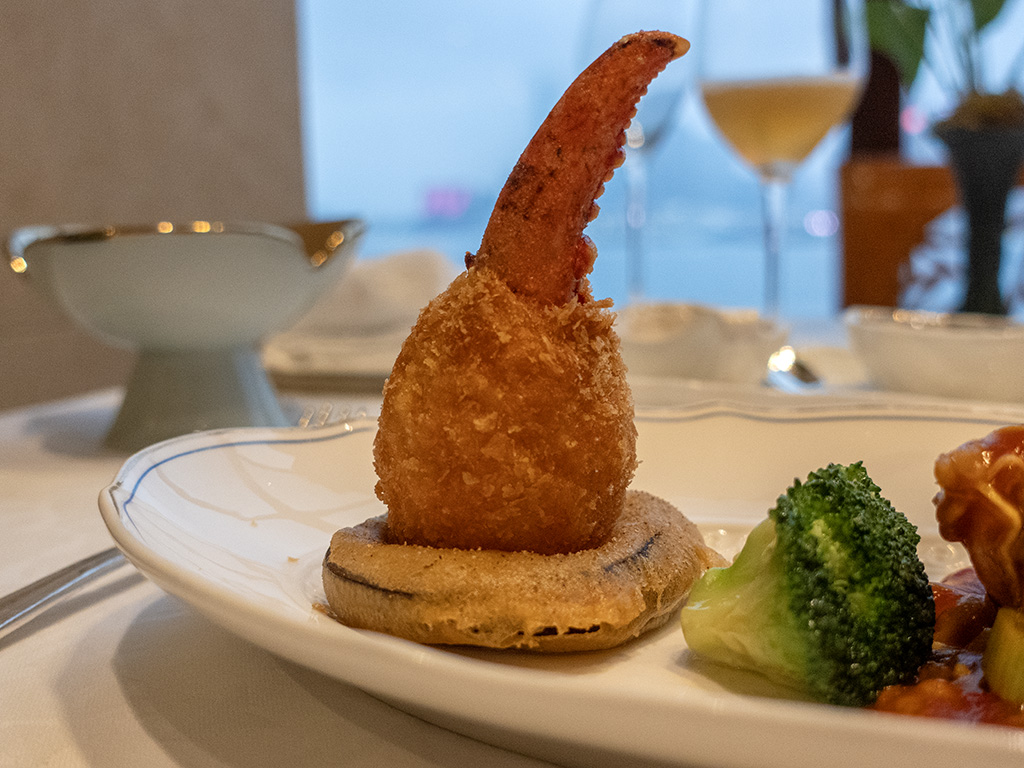
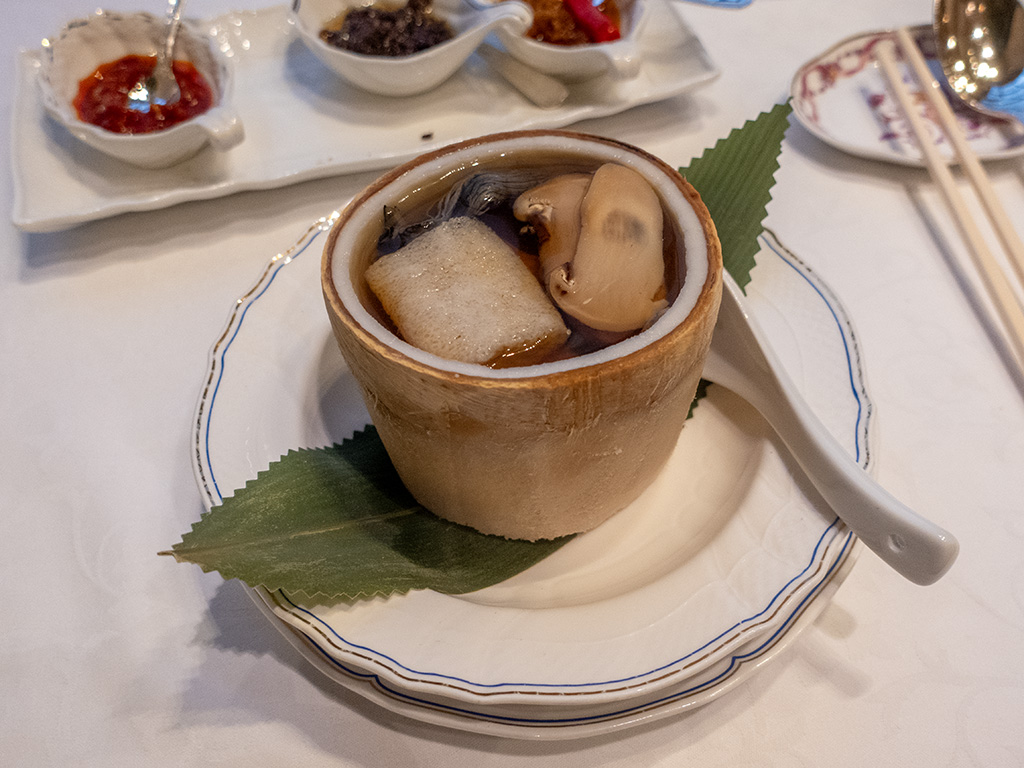
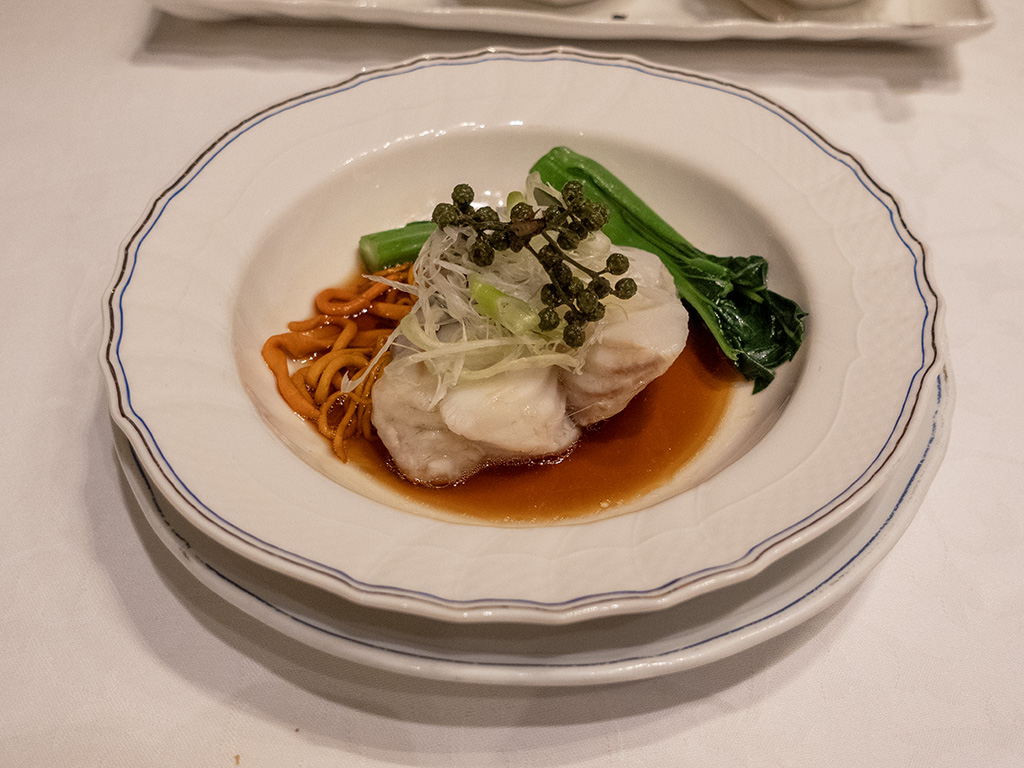
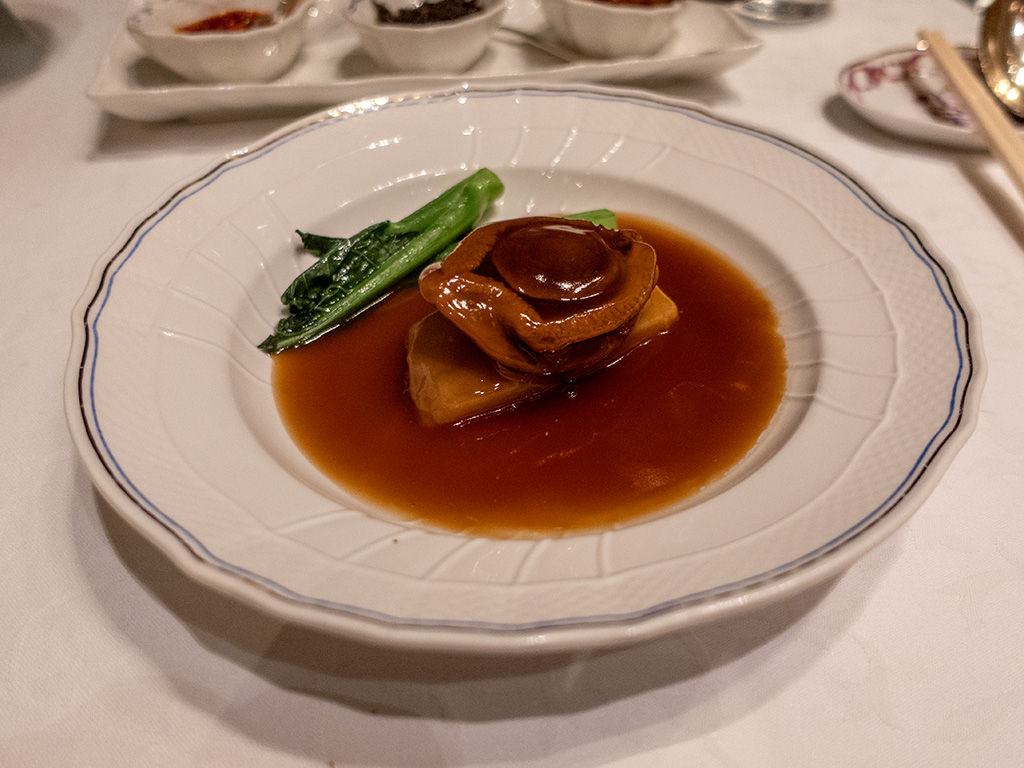
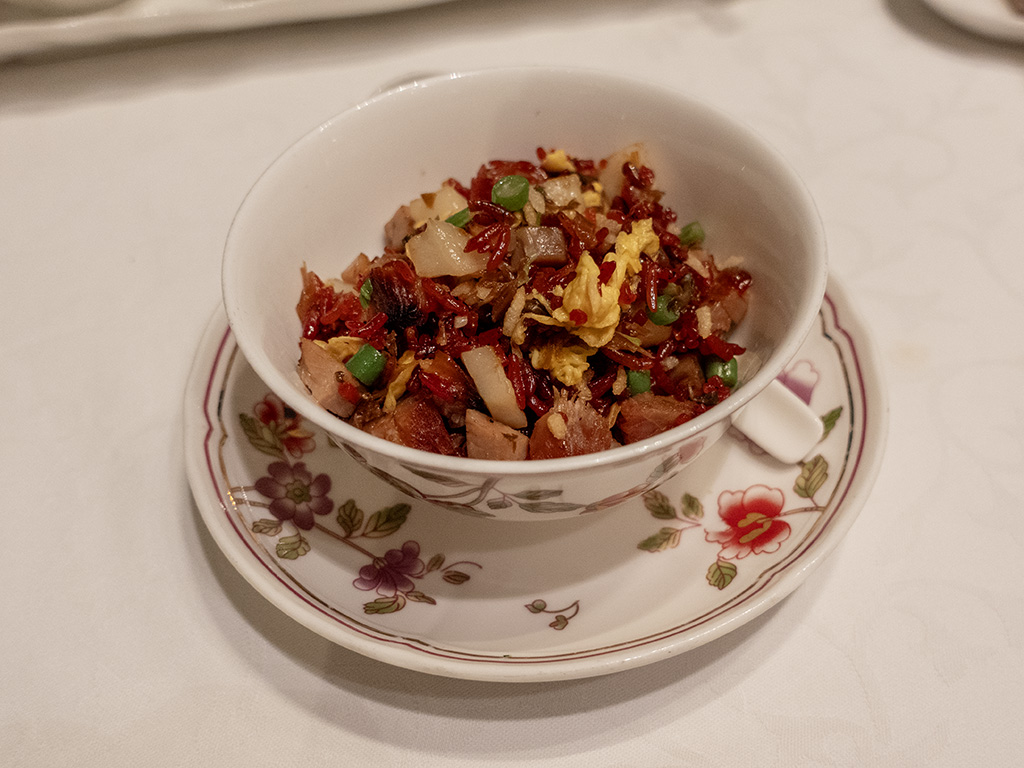
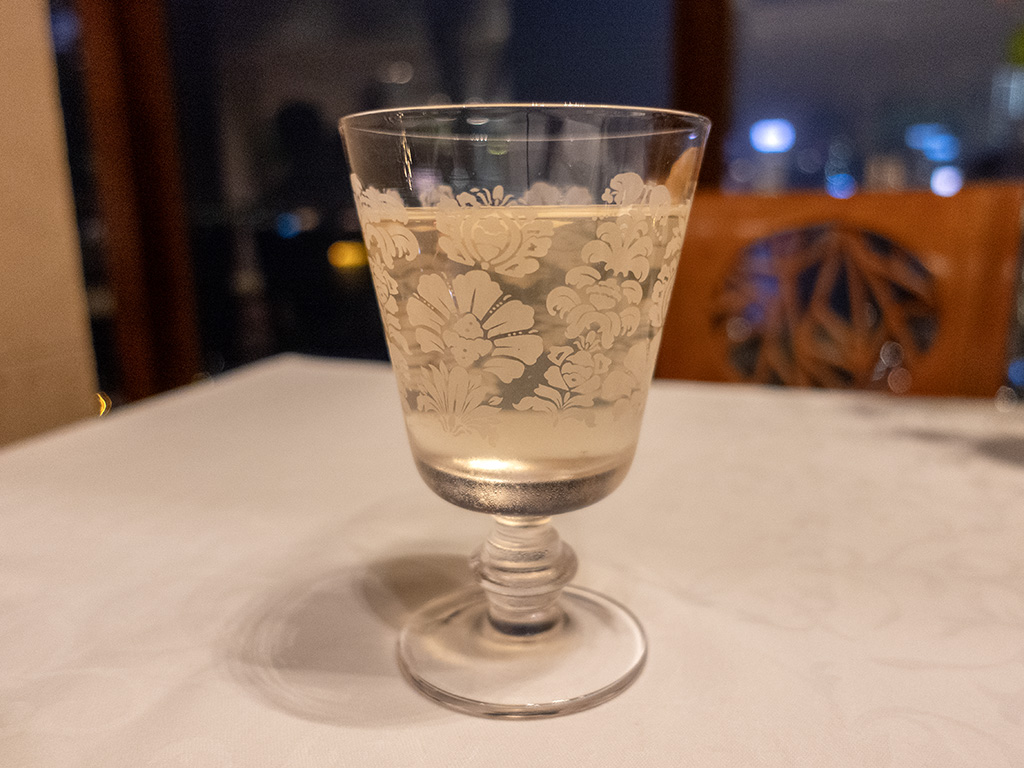
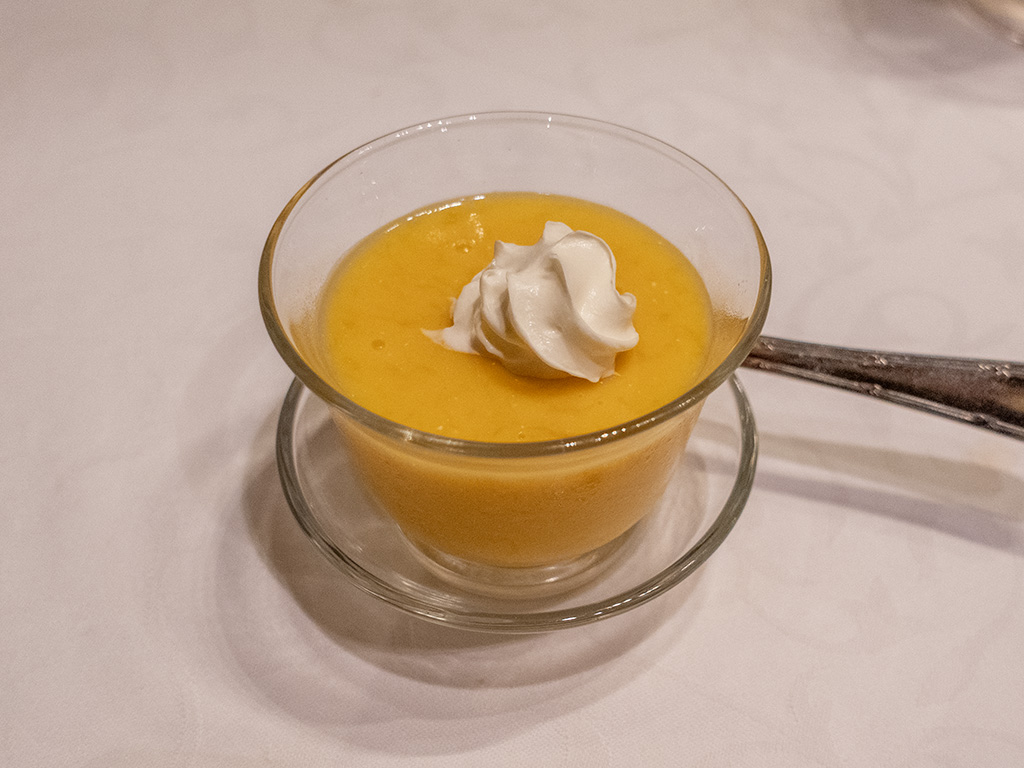
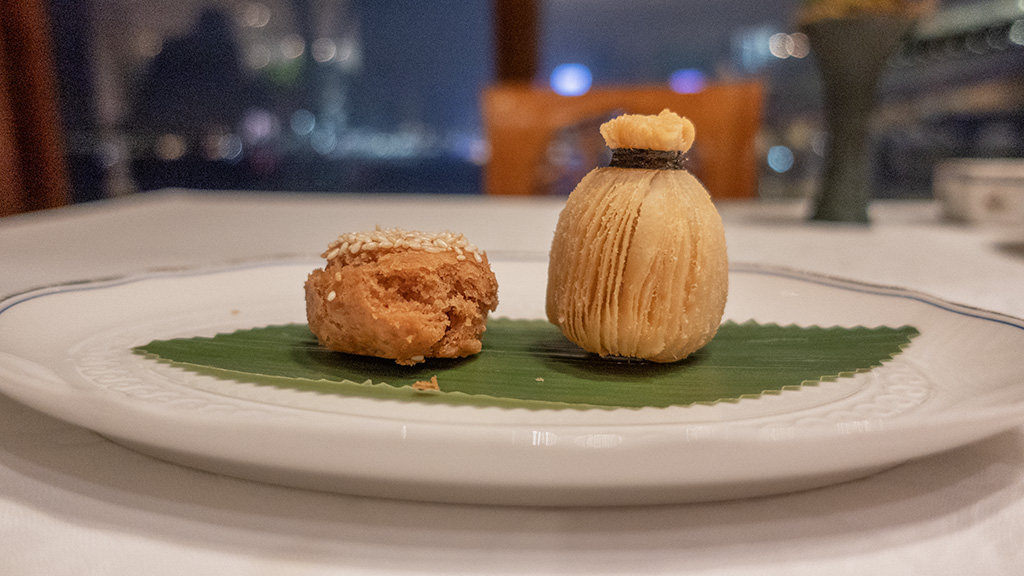
Hello, Gordon Ramsay Hell’s Kitchen at Caesars Palace on the Las Vegas Strip

I have the Chase Sapphire Reserve, a premium credit card that comes with a US$795.00 annual fee but makes up for it in cardholder perks. Towards the end of 2025, Chase reworked the Sapphire Reserve give more credits and rebates on certain kinds of spend at certain retailers or websites, in exchange for an increase in the card’s membership fee. Unfortunately, I’m not really a fan of the “coupon book” style of rewards programs where they make you go to a bunch of different places and buy a bunch of different things in order to get full value from your benefits.

For example, I absolutely hate the StubHub credit. I think these ticketing websites are a huge rip-off that charge exorbitantly high fees for providing a service that has minimal value. I am eagerly waiting for someone out there to make a great piece of easy-to-use ticketing software so that it becomes industry standard for venues to install it in-house on their own websites (similar to how my blog is run on a customized version of WordPress) and forego these ticketing monopolies like Ticketmaster altogether. For events that already do have their own in-house ticket selling systems, I checked on StubHub for those same tickets to see if it was worth tapping into the Chase credit for it instead, and tickets on StubHub were literally over double the price compared to just buying it direct from the organizer.

Luckily, Chase does have one new perk that is worth it for me: the OpenTable credit. Although their selection of restaurants that qualify for the credit is fairly limited (i.e., it’s not just any restaurant available on OpenTable), there are some decent options in there. I like going out and trying interesting new spots, and I like taking guidance from curated lists of restaurants because it encourages me to expand my scope of dining outside of my routine preferred cuisines.

The OpenTable credit refreshes every half year, and the cut-off for the first round of US$150.00 in credits was the end of 2025. So, in late December, I decided to try out Gordon Ramsay Hell’s Kitchen at Caesars Palace on the Las Vegas Strip in Paradise, Nevada. (Yes, that does indeed mean that these photos are more than two weeks old; I have been short of time lately because I did my “12 Days of Christmas” live streaming marathon event again around Christmas and New Year’s, and I am now finally finding a chance to catch up on blog posts.)

 
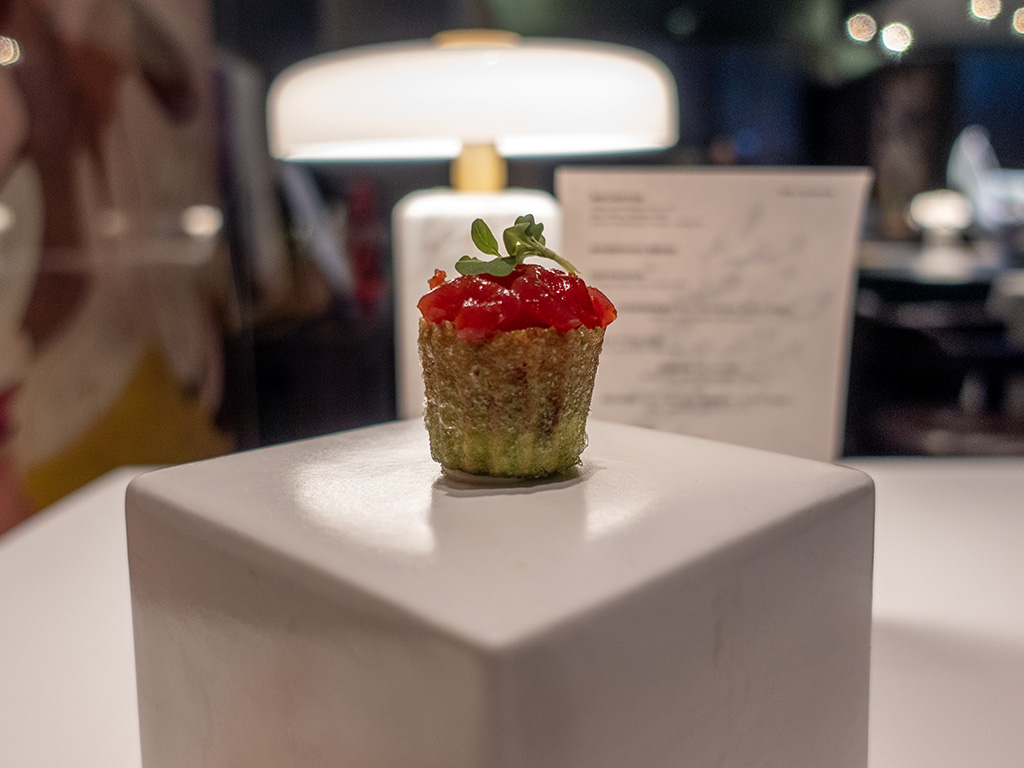
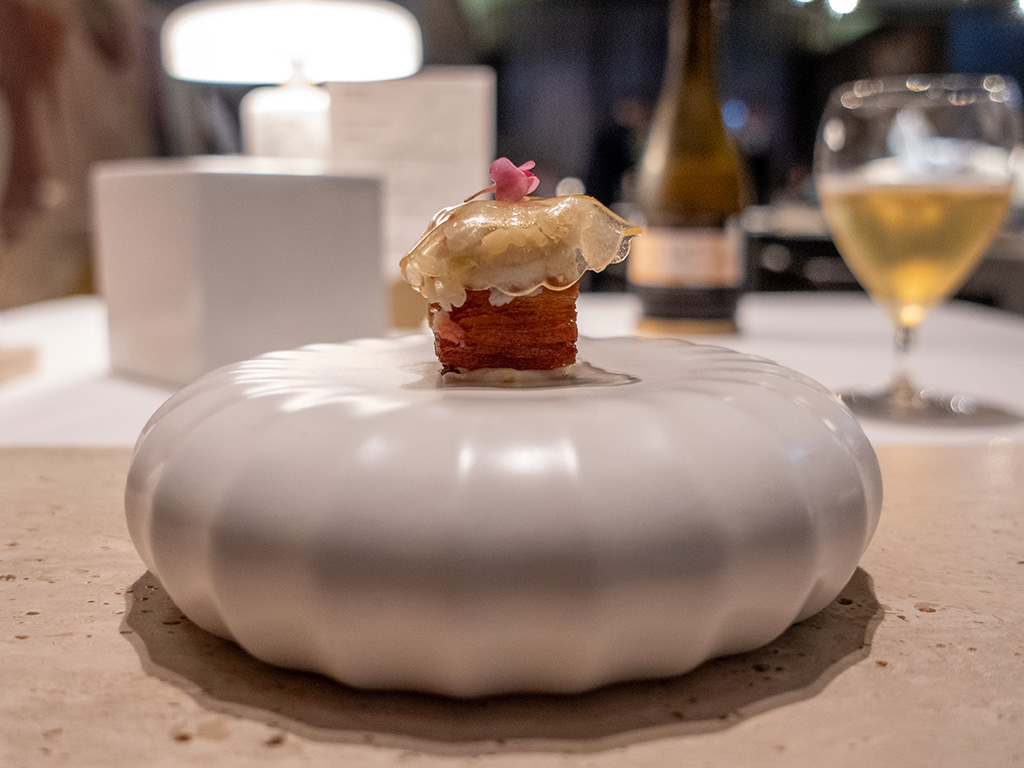
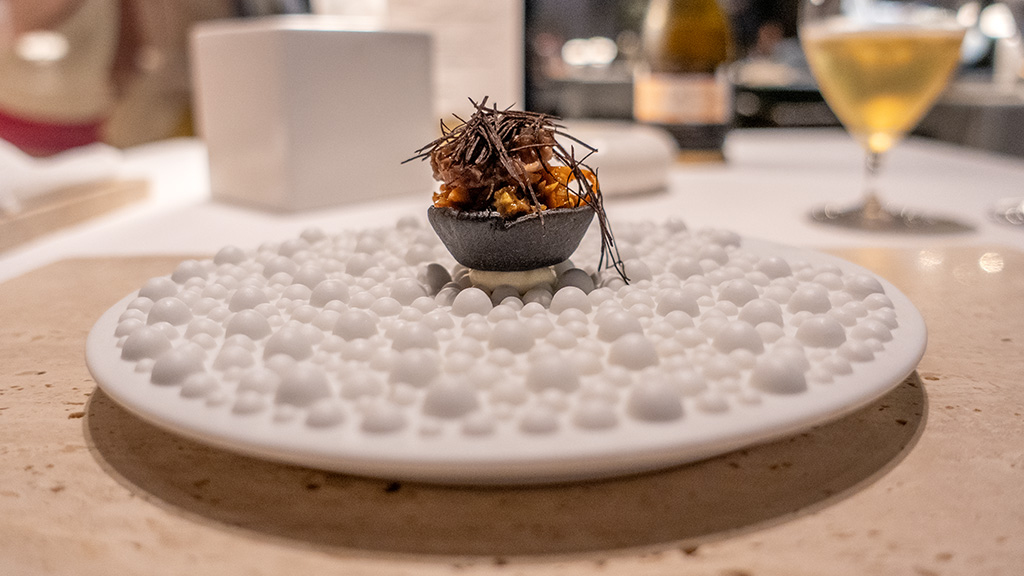
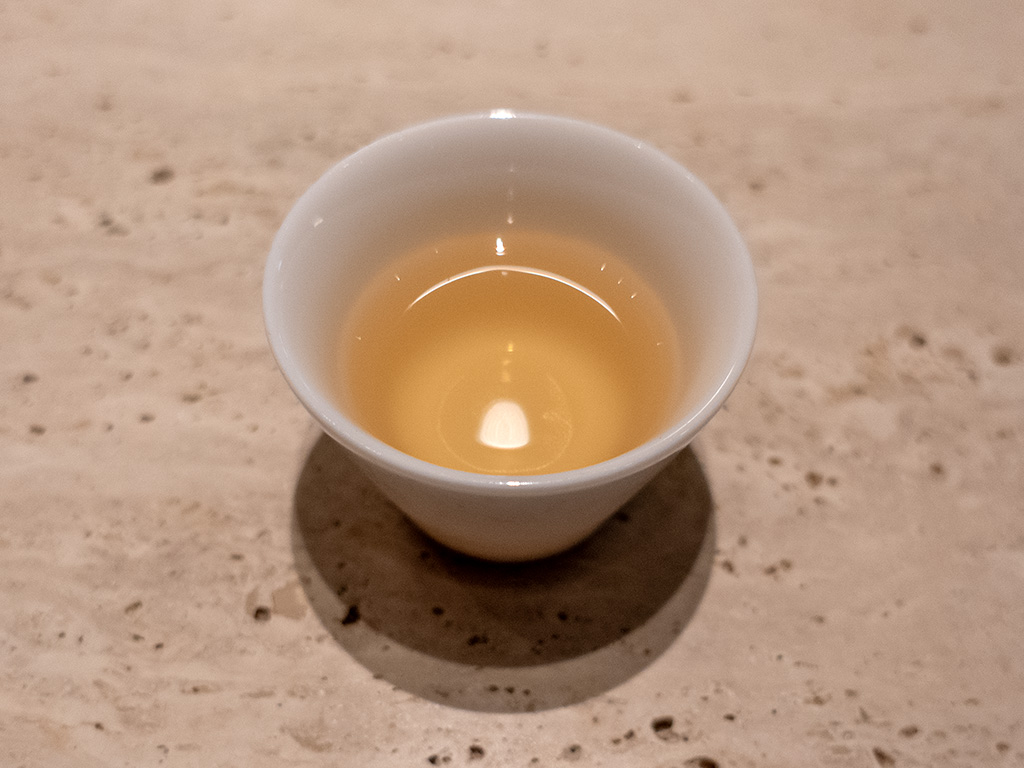
I decided to order the three-course prix fixe menu along with a non-alcoholic beverage. Although often served with predetermined dishes as designated by the chef, this prix fixe menu offered two options, one of which was for the first course.

For my starter, I ordered pan-seared scallops topped with braised short rib and served alongside Brussels sprouts and delicata squash in a celery root puree. Although the presentation seemed a bit chaotic due to the seemingly unorganized and disheveled nature of the individual food items, it was actually quite good taste-wise. The scallop was a good balance of firm and tender, and I thought the flavor combination worked pretty well together.

My friend, on the other hand, opted for something else for his first course—roasted beets and burrata with prosciutto di Parma, Medjool dates, dukkah, clementines, and shallot vinaigrette. He picked this instead of the scallop because he doesn’t eat seafood (and yes, if this sounds familiar, this is indeed the same friend from my blog post from almost 10 months ago with whom I went to Stubborn Seed at Resorts World).

I sampled some of this, just to try it out and see how it tastes, in anticipation of writing about it on my blog. I ate one piece of the beets. I don’t really know how else to describe it apart from “very beets.”

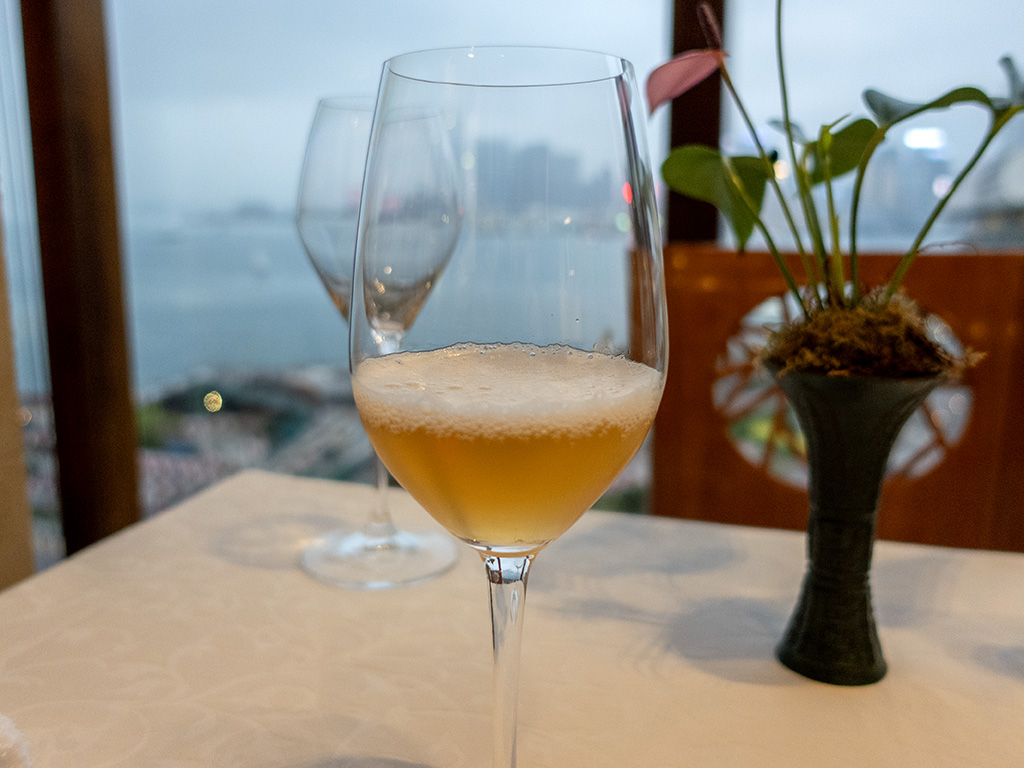
The mocktail I picked was the Hell’s Red Infusion, made from apple, strawberry, rhubarb puree, and simple syrup in ginger beer.

When I took my first sip, I don’t think I mixed it well enough, because it was almost like I took a big swig of a highly-concentrated fruit smoothie. After going back and mixing it more thoroughly though, it became much better—the texture smoothed out, and the drink was sweet but not too sweet.

I’m curious whether the sweetness ended up becoming more subdued overall because I had accidentally taken a big gulp of the sweetest part upfront. Regardless, it ended up being better that way, because I don’t like excessively sweet things anyway.

I guess my friend thought the tasting menu wouldn’t be enough for him, so he ordered an additional bowl of mac and cheese.

This was my least favorite dish of the meal. I think this would probably be fine for someone who likes intensely cheesy and greasy foods, but for me, it was mouth-coatingly cloy. I stopped eating more after a single piece of macaroni in fear that the aftertaste of the cheese would negatively affect the flavor profile of the upcoming course. Luckily, the Hell’s Red Infusion had enough of an acidic fruitiness to it that it cut through that fat and helped reset my palate.

It’s time for a short intermission.

I often don’t eat at celebrity chef restaurants. I have no issue dining at restaurants branded under the name of a chef who got famous simply for being a world-class chef, but I avoid restaurants named after celebrity chefs who earned their fame off the basis of a television show or social media. I’ve grown a significant distrust of online influencers, and with the few examples that I do have from trying out celebrity chef restaurants anyway (like Guy Fieri’s Vegas Kitchen & Bar at the LINQ), it just reinforced my notion that I should stick with restaurants run by regular chefs who focus more on their food than on being a broadcast personality.

With that being said, I still wanted to try one of Gordon Ramsay’s restaurants, just for the experience. I vaguely recall joining my friends at a Gordon Ramsay restaurant almost ten years ago when I first visited Las Vegas and before I moved here, but I didn’t order anything, and I don’t even remember which Gordon Ramsay restaurant it was. Since then, I’ve seen a lot of videos about his iconic beef Wellington, so I figured I should try it at least once so I know what it’s like.

Back to the food. Fortunately, although the prix fixe menu came with only one option for the main course, it ended up being the beef Wellington—a black truffle beef Wellington served together with potato purée and a side of glazed root vegetables atop a red wine demi-glace. There were three ways to order it: with a foie gras add-on, with a lobster tail add-on, or with no enhancements. I knew for sure that I wanted to supplement a lobster tail, but I was considering asking whether I could get both add-ons instead of just one; I ultimately just went with the lobster tail as to not make the dish too overwhelming.

Believe it or not, I actually really enjoyed the beef Wellington. The meat was cooked to a great doneness level and was very tender. The puff pastry was nice and flaky, but still had a very subtle dougheyness to it that enhanced the texture. The vegetables were cooked in a way such that they had a good balance of firmness and softness. The lobster tail, although not particularly remarkable, was still a solid addition.

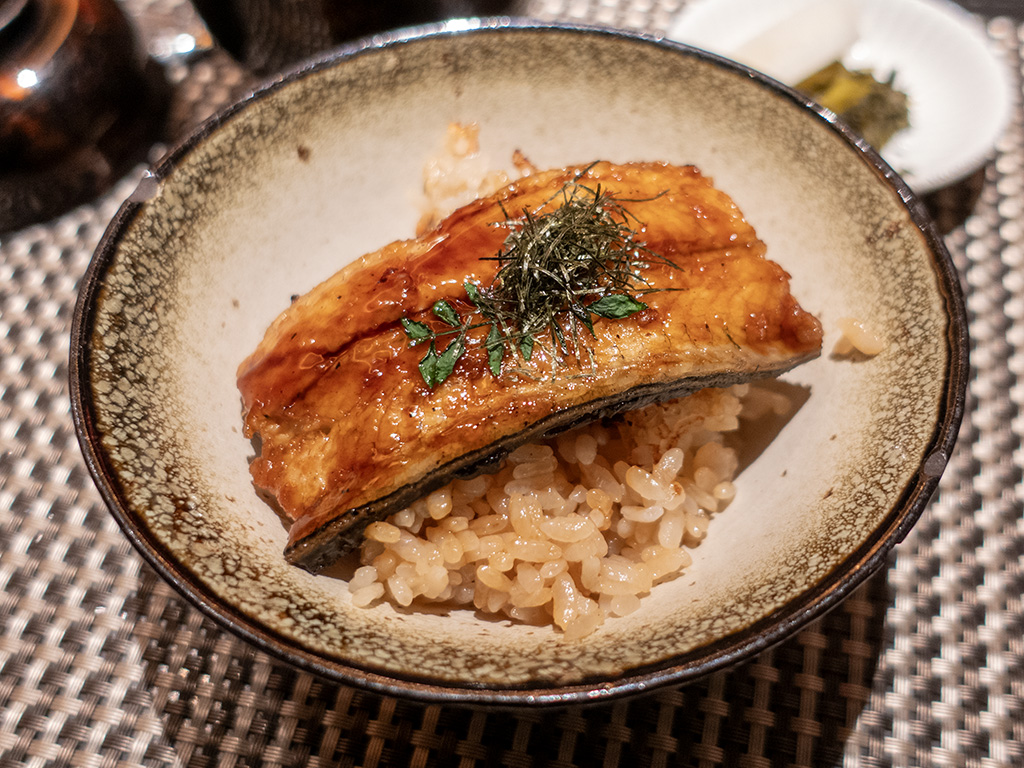
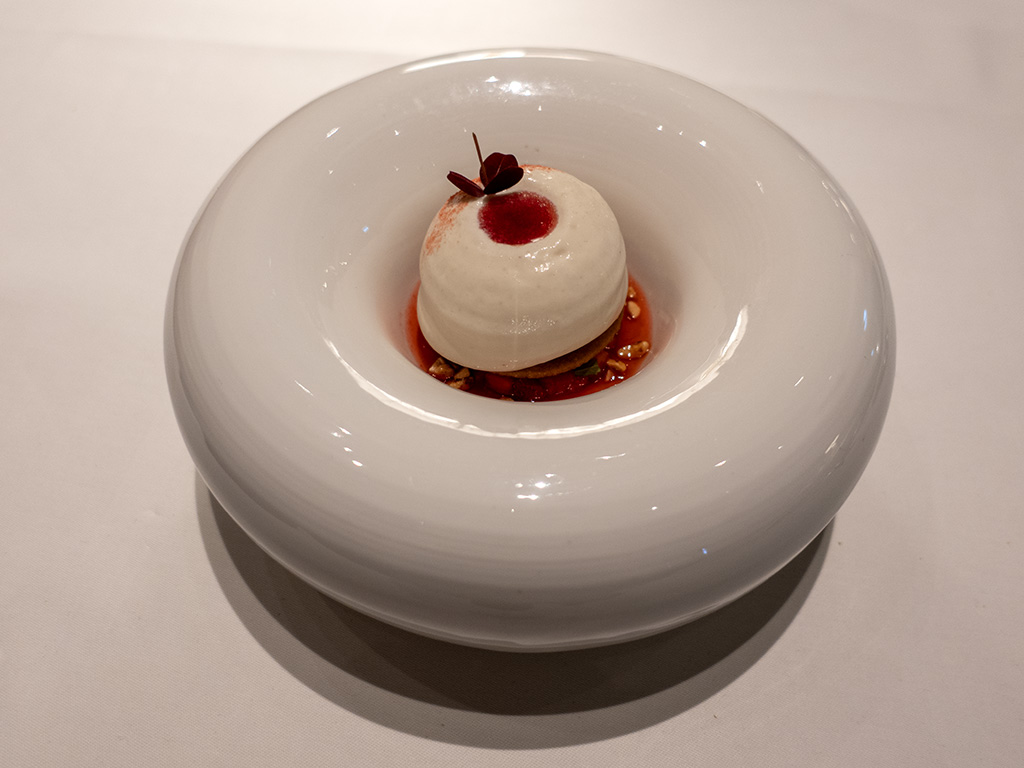
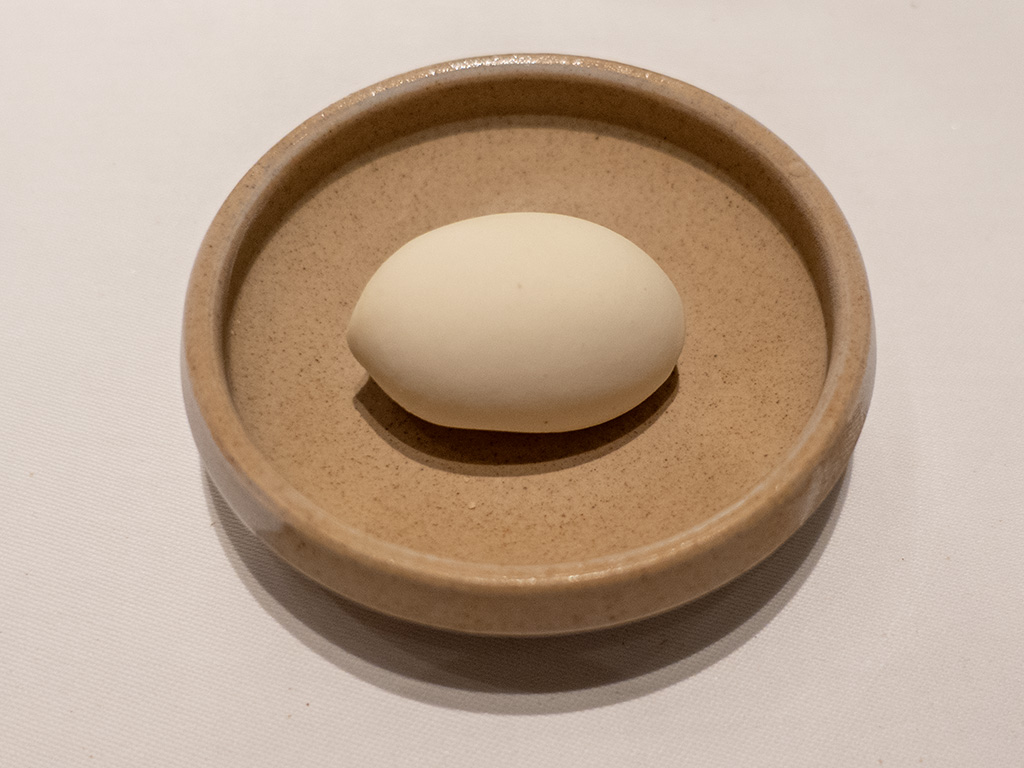
For the third and final course, I was served sticky toffee pudding topped with a scoop of speculoos ice cream for dessert.

The portion size on this was quite unexpectedly large. It was a bit too sweet for my personal preference, but it was still refreshing compared to the very rich beef Wellington that I had just finished. I also particularly enjoyed trying the speculoos ice cream, as that’s not a flavor that I have tried before, and I don’t often have an opportunity to eat even speculoos-adjacent flavors of ice cream in general.

This is a photograph I took of the front entrance area upon arrival. There was a large screen right at the door displaying a video of Gordon Ramsay speaking. Funny enough, I don’t remember a single word he was saying because I was too busy staring at the fact that he was basically wearing running shoes instead of standard slip-resistant clogs or work boots…

This was the bar area right near the entrance.

Deeper into the restaurant, this was the main dining area. My friend and I were seated at an edge table in the left-side area of the photograph, while the kitchen was just off frame to the right of the photograph.

This was the kitchen area. We didn’t pay the extra mark-up to be seated near the kitchen, so we didn’t have a good view of it while we were eating, but this area was wide open enough that I was able to just walk right up to it after we were finished dining and take some close-up pictures without needing to disrupt other customers.

This is a view of the front of the restaurant. Even though this Hell’s Kitchen location is marketed as being part of Caesars Palace and has the same street address as Caesars Palace, they don’t actually share the same building. Hell’s Kitchen is right up to Las Vegas Boulevard, nearby the Caesars Palace fountains in front of their main lobby entrance.

Here’s what the view looks like if you’re standing in front of Hell’s Kitchen and looking westward towards Caesars Palace and the Bellagio (with the Cosmopolitan and a small slice of the Vdara in the far distance).

Dinner prix fixe menu ×2$ 271.90
Lobster tail add-on$  25.95
Mac and cheese$  17.95
Hell’s Red Infusion mocktail$  13.95
Sales tax (8.375%)$  27.62
Gratuity$  50.00
Total$ 407.37
This table to the right shows how much we paid. This table does not show the aforementioned OpenTable dining credit; you are supposed to pay the full check at the restaurant, and then the US$150.00 gets deducted after-the-fact on your credit card statement.

My final verdict is… I would’ve liked it if I didn’t look at the price. The food was unexpectedly quite good, but not so good that it would warrant paying over US$200.00 per person for the meal. I think if the prix fixe included either the foie gras or lobster tail as part of the menu at no additional cost, and also provided a complimentary soft drink, then I think the base US$135.95 pricepoint for the prix fixe would be reasonable. However, with all of those being supplementary, the core prix fixe menu seems marginally underwhelming.

With that being said, it was surprisingly quite packed, even though it was early on in the evening during a weekday when you wouldn’t expect it to be so busy. Considering the popularity of the restaurant, it seems that natural supply and demand has determined these high prices, so I guess there isn’t much I can say about that.

One very interesting phenomenon I experienced at Gordon Ramsay Hell’s Kitchen that I have never before seen at another restaurant is how brutally efficient everything was. When you put in an order at a restaurant, you usually have to wait a bit for the food to come out. However, at Hell’s Kitchen, the food came out shockingly fast. I realized that this was probably a side effect of making the prix fixe menu their prominent, flagship option for dinner, and with the high volume of customers ordering it, the cooks can reliably constantly pump out the three core dishes over and over again without concern of the dish not being ordered. Consequently, those three dishes are always readily available to be served to diners with minimal wait time.

Although I enjoyed my dinner, I personally would not dine here again, and I see it more as a one-time-only kind of experience. As for others, I would probably only recommend this to people who either also have the Chase Sapphire Reserve OpenTable credit to use specifically in Las Vegas, or for people who are big fans of Gordon Ramsay who want a fun Hell’s Kitchen experience and are willing to pay a mark-up for the ambiance and the significance of the brand.


—§—


Hello, “All Aboard for Holiday Bells and Whistles” at the Bellagio Conservatory in Las Vegas

To fulfill what has become a seasonal tradition for me, I just went back again to the Bellagio Conservatory & Botanical Gardens inside MGM Resorts’ Bellagio Resort & Casino on the Las Vegas Strip in Paradise, Nevada. If you’re not familiar with it already, the Conservatory is an area near the registration and check-in desk of the hotel where designers build themed sets that are decorated based on the season.

I was there to check out their winter installation, “All Aboard for Holiday Bells and Whistles.” Yesterday was actually the last day to see this installation, as they’ve already gone into their dark days to swap everything out to the Lunar New Year 2026 exhibit. In case you missed it, I took plenty of photographs during my last-minute visit before they closed down.

If you want to see past installations, the Bellagio keeps a small photo archive of the most recent ones on their website. If you want to see ones from further back in time, or if you specifically want to see my pictures, I have blog posts up for “Lunar New Year 2025: Year of the Snake,” “The Birds and the B’s,” and “Glam Menagerie: Surrealist Summer.”


—§—


Hello, Ethel M Chocolates Factory & Cactus Garden in Henderson, Nevada

I talked about this in much greater detail last week in my blog post reviewing Magical Forest at Opportunity Village, but in summary, I’ve had a renewed and more positive outlook on winter over the past handful of years, and I’ve lately been seeking out some seasonal, holiday-themed places to check out in my free time.

Another popular holiday-themed spot in the Las Vegas Valley is the Ethel M Chocolates Factory and Cactus Garden in Henderson, Nevada. Each year throughout most of November and December, their cacti are adorned with holiday lights for an annual tradition that has apparently been going on for decades. I was heading out of Las Vegas soon for my next trip, so before I left, I squeezed in a visit to the chocolate factory and garden.

I timed my visit so that it was early enough that their chocolate factory was still open, in hopes of being able to see the chocolate production process and potentially get a tour, while still being late enough that the sun would set while we’re on-site and the lights on the cacti would be illuminated.

I’m not entirely sure what went wrong with the timing—I assume I was just a bit too late—but when I showed up, the little podium near the factory area was vacant (which I assume is where the tour registration attendant or docent would have be stationed), and it didn’t seem like there was much activity going on inside the production room. There were still windows looking in though, so even though I didn’t get a proper tour (if there were even some available at all), I still got to take a look at the equipment.

After seeing all the machinery, I headed over to the retail area of the store.

The only time I eat chocolate nowadays is if I get it as part of a dessert at a restaurant off a tasting menu. Otherwise, I avoid it because I taste nothing but bitterness from dark chocolate, while other sweeter kinds of chocolate just seem to be an unhealthily high source of sugar. Knowing that, it’s probably unsurprising that I didn’t want to buy anything that was for sale. However, it was still amusing taking a look at the vast assortment of different available options.

My friend decided to buy some dark-chocolate-dipped Swiss candied orange slices.

I didn’t want to be too un-fun, so I figured that grabbing a beverage from their Cactus Garden Café wouldn’t hurt. I decided to try out their peppermint hot chocolate, which came with an incredibly steep price of US$9.00 for a 16 oz. portion size, but ended up being some of the most delicious hot chocolate I think I’ve ever had.

Warm drink in hand, I headed out into the cactus garden and stood in line to purchase an admission ticket.

The line was incredibly long and was split into multiple different lanes, but I noticed that one of the lanes off to the side was not being used. I suspect that everyone else thought that wasn’t a proper lane because they saw so few people standing in it, so they all crowded into the other lanes. I, on the other hand, am a thrill-seeking risk-taker when it comes to figuring out ways to not have to wait in line, so I walked down that empty lane to find out… that it was indeed a proper lane. I got to cut what I imagine was over a hundred people who would have been in front of me.

Admission was only US$3.00, which I guess more than makes up for the expensive hot chocolate.

In no particular order, here are a bunch of photographs I took throughout the Cactus Garden.

The garden’s path was winding and self-intersecting, so there wasn’t a clear linear route to take to walk through the garden. Because of that, I ended up doubling back multiple times and going in circles to make sure I saw everything before I left.

Even though the items for sale inside the store were pretty pricey, you can’t really beat and get much more value than what you receive with the $3 admission ticket to the Cactus Garden. You can tell that the garden was designed with the community in mind, i.e., even if the retail area was intended for profit, the garden is intended to serve as a pleasant gathering place for friends and family. At that price point, it seems like their objective is simply to break even with the garden after the extra staffing and electricity costs.

If you’re within a reasonable distance of the southeast Las Vegas Valley, I highly recommend checking out Ethel M Chocolates Factory and Cactus Garden. I thought it was quite good at instilling holiday spirit, and I felt it had a blissfully joyful vibe to it overall.


—§—


Hello, Magical Forest at Opportunity Village in Las Vegas, Nevada

I used to hate the winter when I was younger.

Snow would always be a hassle because my parents bought an impractically large single-family house with a gigantic driveway, so I would have to shovel the driveway. During a snowstorm, I would often have to shovel multiple times a day in multiple different passes so that the snow wouldn’t freeze onto the steep driveway, otherwise my parents’ sedans wouldn’t be able to make it up and into the garage.

Driving in the snow was a nightmare. My parents didn’t do proper routine maintenance on their vehicles because they wanted to save money, which I’m pretty sure meant that their tires were either perpetually in need of replacement or possibly the wrong type of tires for winter driving. There were a few instances of very near misses of their small cars losing traction and nearly causing a collision.

I was always very cold in the winter. I have a pretty low body fat percentage, so I don’t have much insulation to keep myself warm. My parents kept the thermostat in the low 60s°F to save money on heating. When I told my parents that I was cold, they would tell me to toughen up. Instead of buying me an effectively functional winter coat, they treated me like a fashion accessory and dressed me up in impractical designer coats because they were obsessed with showing off brand names.

… Then I grew up.

I moved out, got my own job, bought my own clothes, and purchased my own pickup truck. Over time, living my own adult life made me realize that winter isn’t actually too bad.

During my road trip across the United States, I actually particularly enjoyed the time I spent in the snowier regions. I think back fondly to the snowy hikes I did in Utah, Idaho, and Wyoming; and I remember how cozy I felt when I got snowed in a few times in Colorado and Utah so I spent the entire day in my warm hotel room with the curtains open, watching the snow fall while a video of a fireplace was playing on the TV.

It doesn’t snow very often in Las Vegas, and in the very rare scenario that it does, it basically never accumulates. I can drive up to Mt. Charleston to see piled-up snow during the winter, which is about 45 minutes away from the Strip, but I can’t really get snowed in down in the Valley. However, it still gets cold, and the community still likes to celebrate the holidays in their own, dry way.

To get into the holiday spirit, I decided to check out Magical Forest at Opportunity Village, an annual winter celebration with Christmas lights, trees, and activities. I knew that this was a yearly recurring thing for a while, but I had never taken the time to head on over before now. I was already looking for some holiday-themed places to visit soon; when I saw that Magical Forest distributing discounted US$17.99 tickets on Groupon (down from the standard US$25.00 full-price admission), I decided to redeem the deal and finally check it out.

I showed up right when they opened at 5:30 PM PST because I thought that would be when they were least busy. I figured that, after getting off work, people would need time to commute back home, gather up their families, and drive over to the venue, which would mean that most people would show up later on in the evening.

My logic might have been sound on a weekday, but I forgot that today is Sunday. It was absolutely packed at 5:30 PM, and there was a long line stretching deep into the parking lot consisting of visitors waiting to get through the security checkpoint.

I heard that one of the prime attractions at Magical Forest is the train. Unfortunately, I had unlucky timing, because the train was apparently suffering from technical difficulties and was not in operation.
After what I think was about a ten to fifteen minute wait, I made it through security and entered the park.

For my first activity, I took a right turn directly into the forest where all the decorated Christmas trees were.

Right at the beginning, there was a “Southern Lights Fire Station” that had a small indoor section with some firefighting equipment on display, as well as a raffle for a fire- and rescue-themed toy car. It seemed like this was the only hybrid indoor-outdoor display throughout the forest.

Right outside was a railroad crossing for the Forest Express. I imagine this is the train that was out of service, as disclosed by the sign near the box office.

I continued deeper into the forest. It seemed like a majority of the displays were sponsored, so there were a lot of logos and advertisements integrated into the decorations. (These are some examples of ones where it was either more subtle, or the branding was posted off to the side instead of front-and-center.)

As I walked even deeper, I started hearing some live music. Because of the curvy nature of the winding path, I was able to see that there was something happening on the other side of some trees, but couldn’t quite reach it yet.

I think this is one of the most comically prominent examples of the embedded advertising.

After doing a few more loops and turns, I made it to the Castle Stage, which is from which I was previously hearing the live music. It seemed like it was mostly just younger teens who were preforming, likely as volunteers or as part of a community program. The frequency with which they sang the notes in tune was questionably lacking, but they all seemed to be having a great time and putting in fantastic effort.

I stuck around to listen to the music for a little bit, then continued on my way on the forest path.

As I was approaching the end of the forest, I came across the Cookie Factory. The line was quite long, so I decided against trying a cookie.

Instead, I continued down the path towards the exit. On my way out, I saw a Disney-themed display, which made me wonder what the likelihood was that this was a properly-licensed display (microscopically low), and whether the very commercial nature of the entire Magical Forest would prompt Disney to actually notice and take some form of action (also still very low).

After exiting the forest, I walked out into the park to check out some more of the attractions. The first one I saw straight ahead was the Avalanche Slide.

Again, the line was ridiculously long so I did not participate, but I’m not really sure if I would’ve even wanted to participate at all to begin with, even if there was no wait. I’m always hesitant to slide down slides because I can’t get the image out of my head that the butt of my pants is basically being used as a cleaning rag to wipe down the surface of the slide as I’m descending…

Nestled under the height of the slide was Frost Bites. At the box office, I received a buy-one-get-one-free coupon for some hot chocolate, but I ended up not using it because I didn’t want to be double-fisting two cups of hot chocolate and occupying both my hands (because I went to this alone), thus preventing myself from taking more photographs.

In the far corner of the park was Santa’s Brewhouse, Reindeer Games, and Beer Garden. This was a 21+ area that had an additional checkpoint by the entrance with a security guard that was distributing special, age-gated credentials. I don’t drink alcohol and I didn’t feel like playing a solo game of cornhole or foosball, so I just snapped a picture from the outside and didn’t go in.

The southern side of the park had a funnel cake truck, a diner, a holiday market, and a row of holiday vendors.

At the end of the lane was a decorated fire truck from the Clark County Fire Department, along with a short row of children who wanted a tour of the inside.

In the activity area, there were some family-friendly games, like mini-golf.

This area also had Cheyenne’s Enchanted Carousel.

For those who wanted to warm up and go indoors, Camelot Hall was set up inside a multipurpose room in a nearby building that housed an arts and crafts station and some concessions.

At this point, it seemed like I had seen everything in the park, so I circled back towards the entrance/exit.

Before leaving, I peeked inside the Holiday Shoppe, which was basically just a regular souvenir store.

Right in front of the exit, there was a donation booth themed as a wishing well.

By the time I was leaving, the park was significantly less busy. I guess that makes sense, because parents probably want to get their kids in bed before it gets too late, so they likely prefer to come earlier on in the evening and leave before it becomes nighttime. If I had known that, I would’ve shown up about two hours later, and I probably would’ve had a much more peaceful experience compared to feeling like I’m trekking inside a gigantic crowd of crying children like I did today.

With that being said, I still enjoyed my visit to Magical Forest at Opportunity Village. I’m not someone who really celebrates holidays, and I usually treat every day like a regular day, so seeing festive things like a seasonal winter event once in a while helps keep things fresh and different.

I think a big part of the allure of Magical Forest is participating in the various different activities, all of which are very family-oriented. If you just want to sightsee the lights and decorations, then going alone is fine and you’ll be able to see a lot of lights in a high-density space, but you wouldn’t be getting maximum value out of your ticket. I would probably only fully recommend this for people with children who want to spend time together as a family and try everything out hands-on.


—§—


Hello, All Nippon Airways flight 6 from Narita to Los Angeles

For the past two and a half weeks, I have been blogging daily about my visit to Tokyo, Japan to share my thoughts and photographs from various activities I did during my trip.

In case you missed the context of it, I decided to go to Japan because I had some friends I trust who were also going to be in Japan during some of the days that overlapped with my itinerary, so even though I was basically going on a solo trip, I wouldn’t entirely be alone because I would have people to meet up with on a case-by-case basis upon my arrival.

I had a chance to travel under this structure before, but I opted not to do so because I wasn’t sure I could go to a country that doesn’t speak English and be able to get the most out of my vacation. However, after going to Vietnam and having the trip turn out to be a success, I had more confidence to go to Japan and manage just fine on my own. Thus, I seized this opportunity.
If you haven’t been keeping up with my blog since late November, you’re in luck—with this blog post being the concluding post of the “Japan series,” I figured I’d give a preliminary table of contents here in case you want to do some chronological reading prior to this blog post about my flight back to the United States.

(Just to clarify, this is chronological on the basis of when I published the blog posts; I didn’t necessarily do the tourist activities in this order, and I sometimes scrambled up the ordering intentionally so that there would be more variety in the flow of blog posts, e.g., so there wouldn’t be back-to-back museums or back-to-back parks.)

The final verdict from the trip is that I loved it. Tokyo quickly became my second favorite city of all time, only losing first place to Las Vegas, which is literally the city I voluntarily picked as my home and isn’t really a fair comparison.

Everything just makes sense in Tokyo. I love going outside and walking around in big cities, and I like being able to blend in with a crowd and feel like I am just one regular person who is a component of a larger, bustling society. With that perspective in mind, I’m sure it’s easy to tell why I call Las Vegas home and why I decided to live on the Las Vegas Strip. Tokyo reminds me a lot of the Las Vegas Strip, but instead of being composed of degenerate drunk gamblers, Tokyo gives off a well-educated and professional vibe.

All of Tokyo feels highly efficient and optimized. The culture emphasizes the importance of not causing a disruption to others, so you can generally go about your life uninterrupted and gain full benefits from the various systems that are put into place. For example, the public transit system is highly reliable and makes it very easy to get around without a vehicle. Everything is highly intuitive and orderly, so as long as you’re paying attention, you should generally be able to pick up on things and fit in fairly easily.

Everyone I met in Japan was very kind and considerate. Being of Korean ethnicity, I was always told growing up that Japan is supposed to be my “enemy” because of the two countries’ past history, and I was always warned how Japanese people would be racist against me. I’m not necessarily trying dismiss the struggles and hardships that older Korean people faced, but on this trip, I personally found out first-hand that all the Korean people in my life were horrifically wrong about Japan. Although I am thoroughly an American, I am still visually Korean; even then, every single Japanese person I encountered was still very welcoming and respectful.

The food literally everywhere in Japan is just categorically better than the food in the United States. I’m sure a lot of it just has to do with personal preferences, especially considering that Japanese is my favorite cuisine, but even the worst possible food in Japan was above average to American standards, and the average in Japan was on par with some of the best restaurants I’ve been to in the United States. One of my friends who was with me in Japan said that one of her favorite snacks in Japan is to get an egg sandwich and freshly-heated chicken filet from 7-Eleven and combine the two; I tried this, and it was quite literally better than any chicken sandwich I remember ever having in the United States.

Within days of arriving in Tokyo, I was already looking up long-term housing options for my next trip. Because of my loyalty to Marriott, I stayed at the AC Hotel Ginza this time around, but that ended up being pretty pricey. I was willing to spend the extra money because I felt like I would be able to rely on the staff in case something went wrong, but then I realized that I can basically rely on literally anyone in Japan because of how willing everyone is to help out someone in need. I am looking forward to my next visit to Tokyo, and the next time I go, I’m hoping I can find a good serviced apartment so I can stay for longer without having to check out with a very expensive lodging bill.

 
So with that trip summary out of the way, here is an overview of the flight I took back to the United States. I opted for All Nippon Airways flight 6, cross-listed as United Airlines flight 7946, from Narita International Airport to Los Angeles International Airport.

As a side note, I intentionally booked two different airlines of the same alliance—United Airlines on the way out and All Nippon Airways on the way back—so I could experience two different long-haul business class flights serviced by two different carriers. I flew in and out of Narita International Airport because flights to Haneda International Airport were more expensive enough that it wasn’t worth the time savings on the shorter train ride. I flew from and to Los Angeles International Airport because Harry Reid International Airport back at home didn’t have any non-stops to Tokyo.

On the way to Narita International Airport, the timing didn’t quite work out for me to take the Keisei Narita Skyaccess line back to the airport like I took on my way to Ginza, so I instead rode the Asakusa line, which became the Keisei line. Although it took about half an hour longer, I’m glad I got the experience, because this line went through and had stops in the less populated areas between Tokyo and Narita, so I got a glimpse at what “country life” is like in Japan.

Upon arrival, I had a smooth entry into the airport. The lines at both immigration and security were short and quick, and I cleared both without incident.

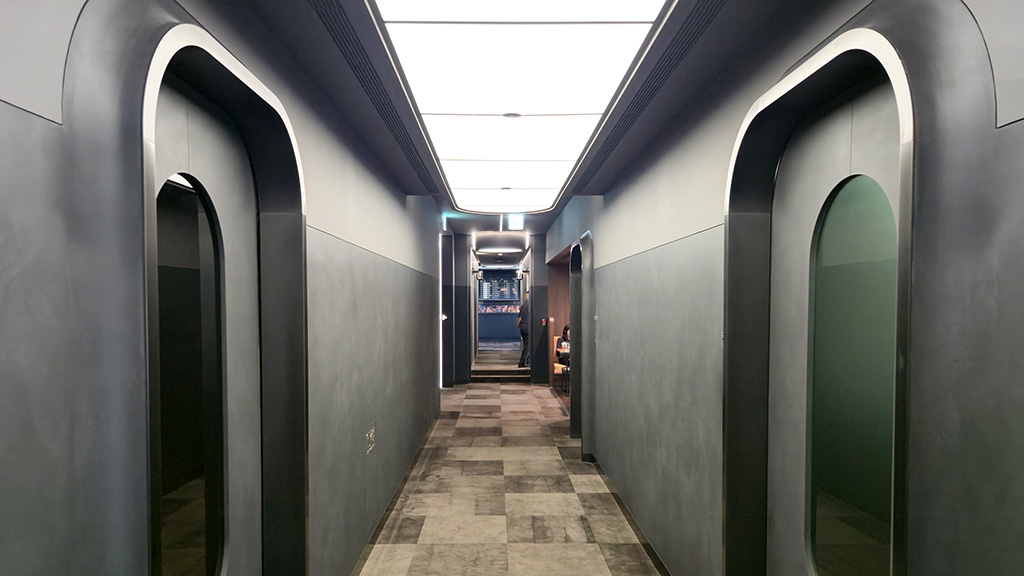
After arriving at Satellite 5 of Terminal 1, I found an escalator to the upper floor with the airline lounges.

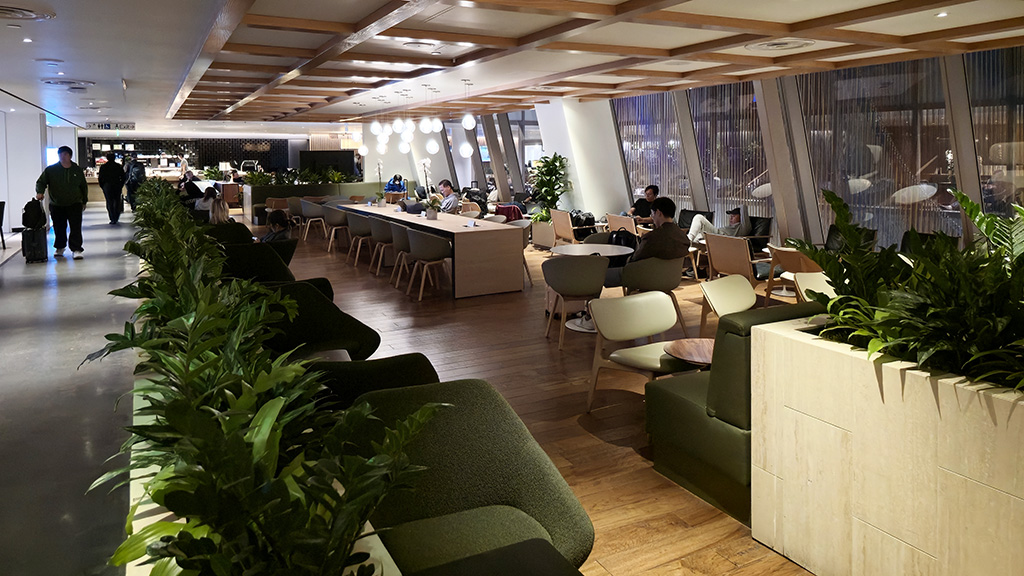
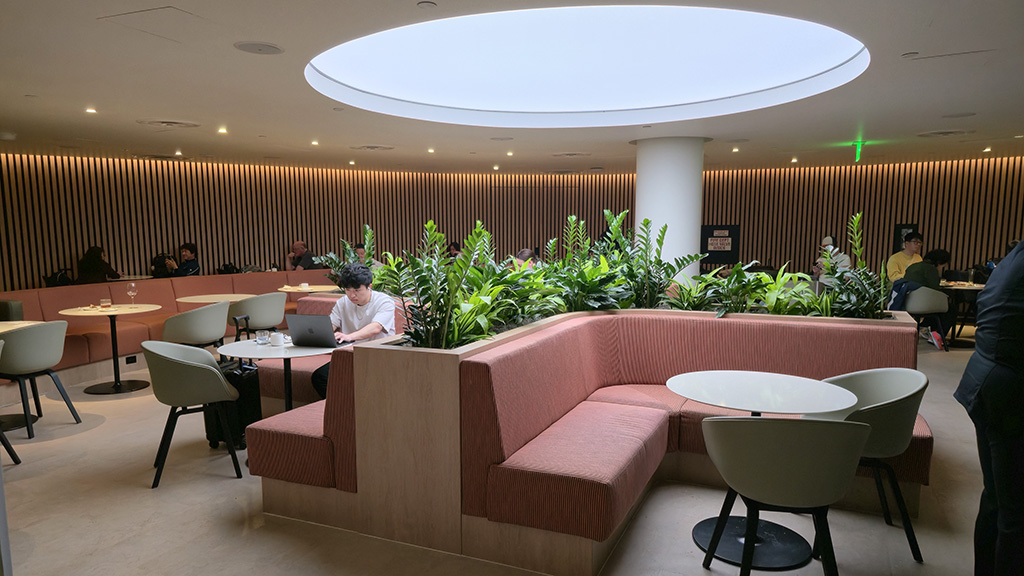
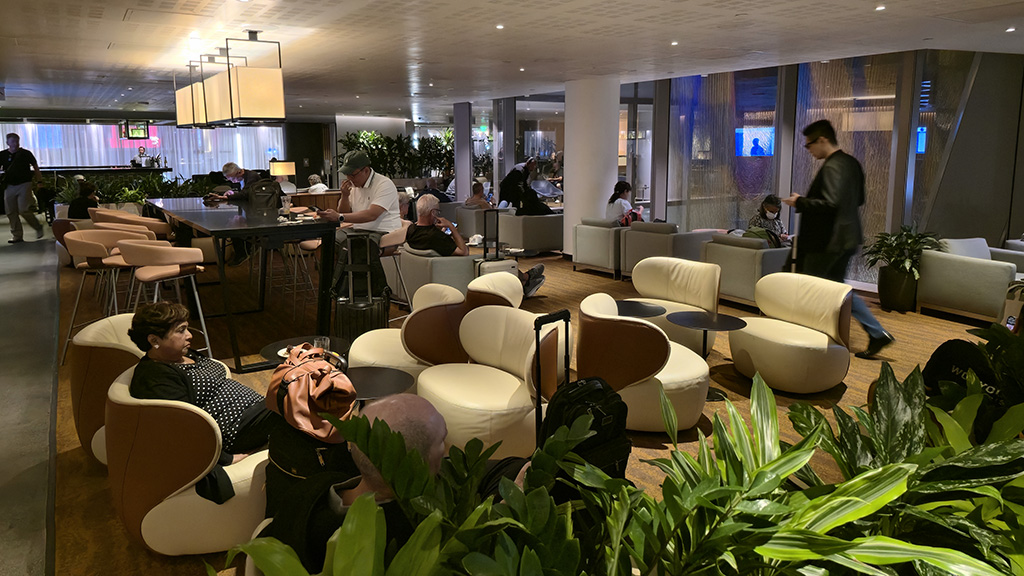
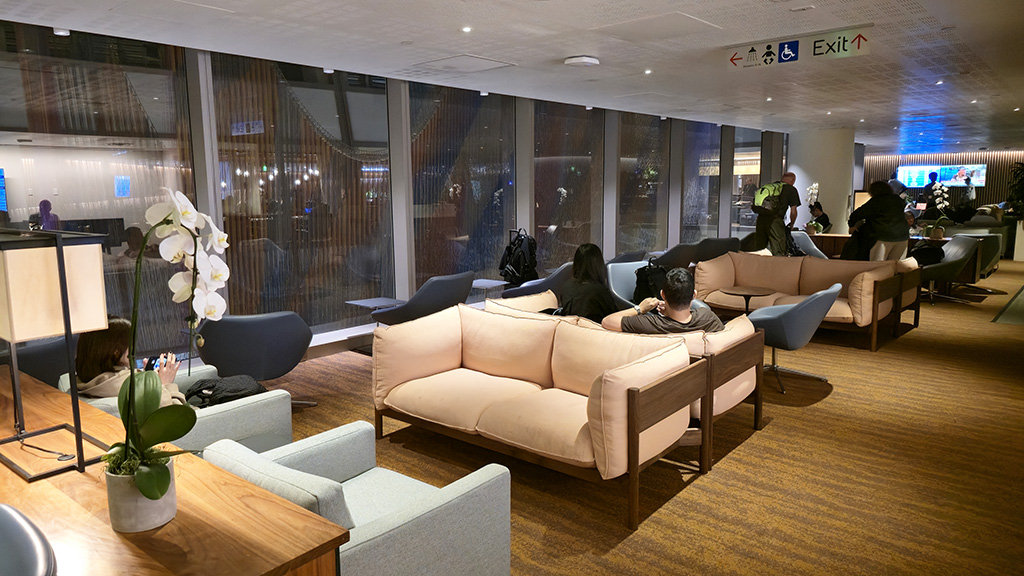
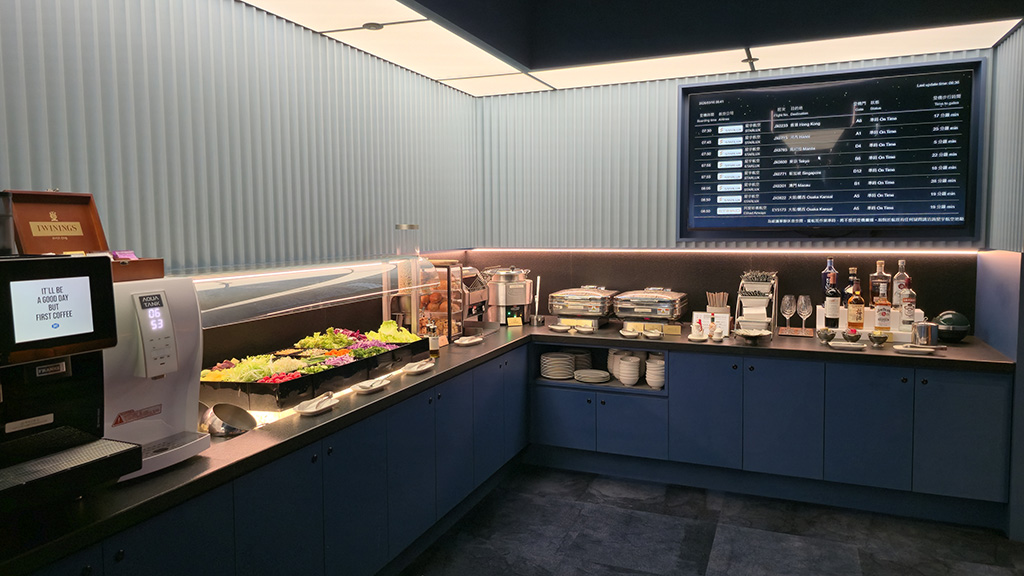
As part of my ticket, I was able to enjoy the ANA Lounge prior to departure. It wasn’t too busy when I arrived, though it did fill up pretty quickly over the next couple hours.

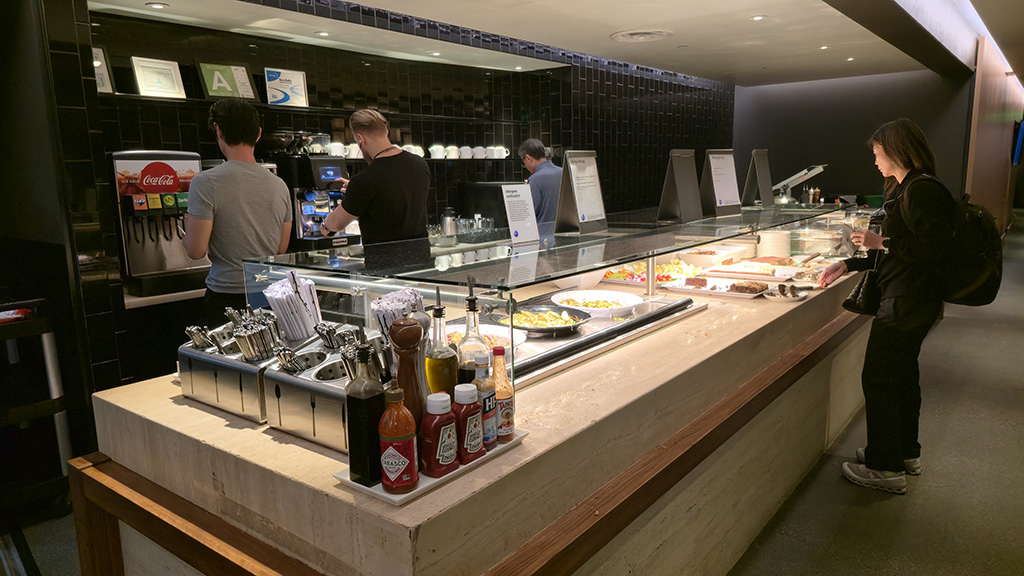
In addition to a standard buffet area that you’d expect to see in an airport lounge, the ANA Lounge also had a noodle bar. I ordered a nice, warm bowl of ramen.

After eating a decent amount of food and getting a good chunk of work done in the lounge, my departure time was approaching, so I headed down to my boarding gate.

After a short additional wait for the pre-boarding passengers, I was able to embark our Boeing 787-9.

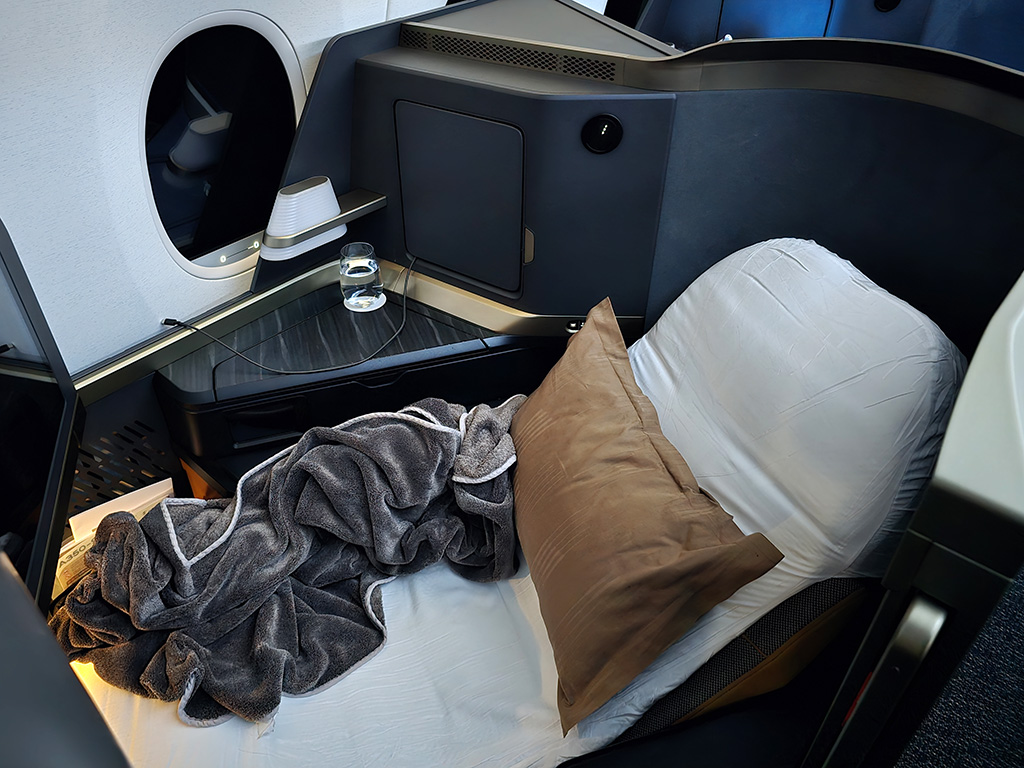
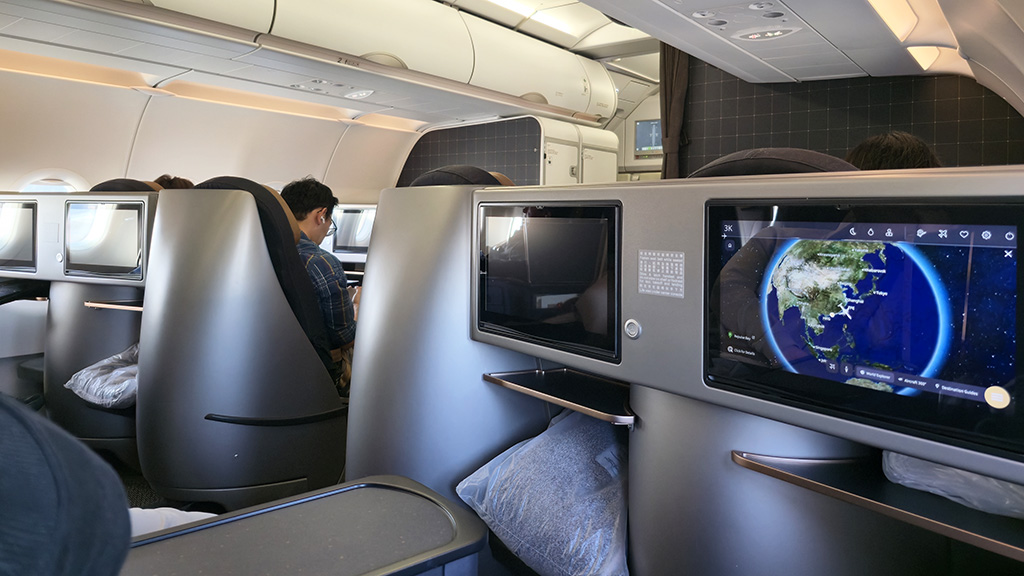
Unfortunately, this plane had the older staggered configuration, so I wasn’t able to try ANA’s new The Room seats. If I wanted to fly in The Room, I would’ve had to take a layover in San Francisco first and pay a higher fare on the ticket. Even though I visited and spent time with friends in Los Angeles prior to my departure, it still technically counted as a “layover” from Las Vegas; I didn’t want to then take yet again another layover before flying across the ocean, so I just settled with the staggered business class seats.

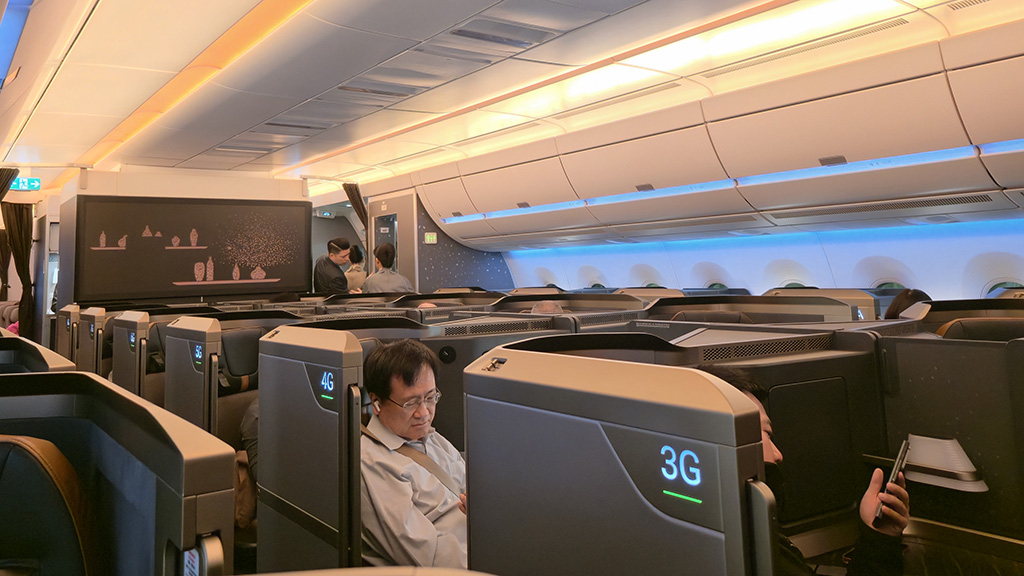
With that being said, I was able to secure what is, in my opinion, the best seat of the aircraft: 13K. This seat is the last row of the business class cabin, so it has the most privacy, as nobody is behind you staring at the back of your head. Excluding during takeoff and landing, there is a curtain that blocks the pathway to the premium economy cabin, which adds to the privacy. This segment of the cabin only has six rows of seats, while the front segment has seven, which means there are fewer passengers in this cluster, thus adding to the feeling of peace.

The seat itself is an “inside” seat, meaning the table separates the seat from the aisle; these configurations alternate, so an even-numbered row would have the seat closer to the aisle, creating less distance from those walking by. It is situated on top of the wings for a more stable ride, and it is close to the engines so the engine noise can act as white noise and drown out any potential disruptive passengers. Some people say they don’t like the wing acting as an obstruction in their photographs, but I don’t mind; in fact, I personally like having the wing there, because I take horizontal photos, so I think the wing just adds an artistic element to the picture.

Here is what the rest of the cabin looks like. From this wide shot, you can tell what I mean by a seat being an “inside” seat, and how the seats and tables alternate depending on what row you’re in.

After boarding the flight and settling in, I took out my laptop and squeezed in even more work; I had been spending a lot of time out and about being a tourist, and I hadn’t been getting as much work done as I wanted to over the prior two weeks, so I had a decent chunk to catch up on.

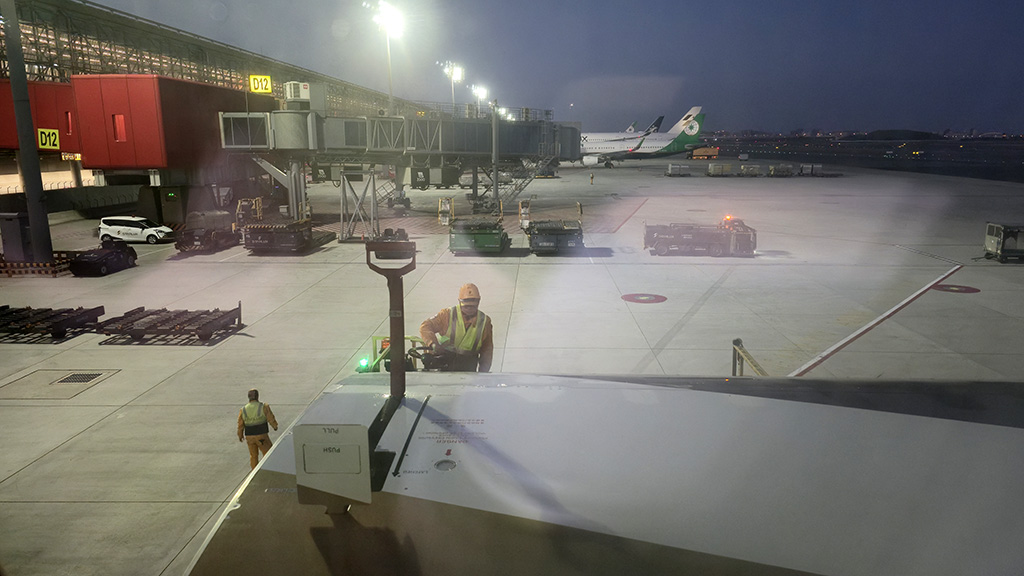
After about half an hour, the boarding process was complete and I stowed my laptop away in the overhead bin to prepare for take-off. During that time, the sun had set and it was already pretty dark outside.

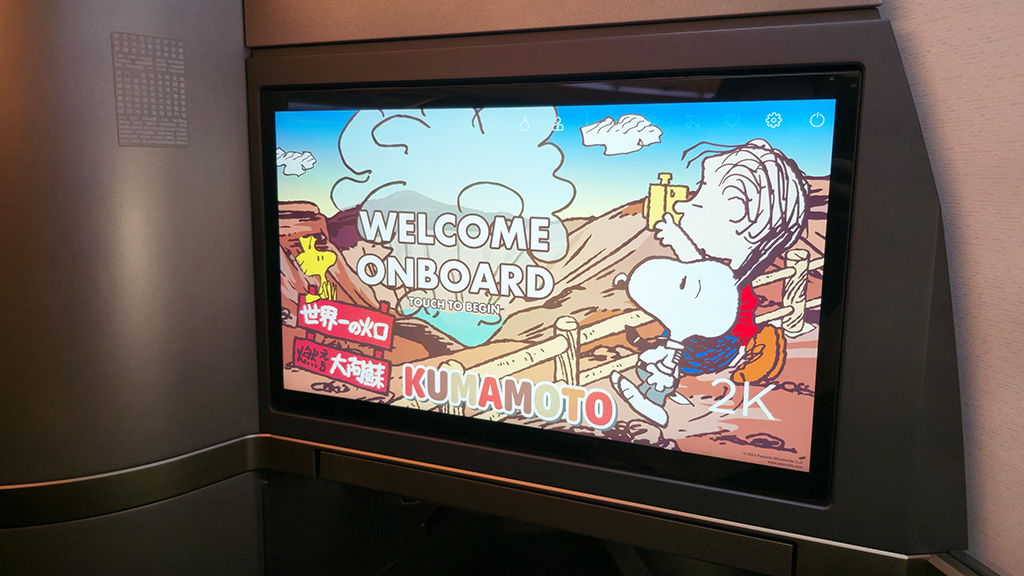
I was not aware of this, but I found out that ANA has a partnership with Pokémon and integrates Pokémon’s intellectual property into their safety videos. This was fun to see, as Pokémon is one of the franchises that I’m actually pretty familiar with because I grew up playing early-generation Pokémon games and watching the cartoons.

As part of the safety video, there was a note about how, if an emergency evacuation ever becomes necessary, photography is prohibited during the process. It might not necessarily be the case this instance, but really specific warnings or rules like this are often rooted in real-life events. It amuses me to think that there is technically a non-zero chance that someone forgot to get off the plane in an emergency because they were too busy taking pictures of everyone else deplaning instead.

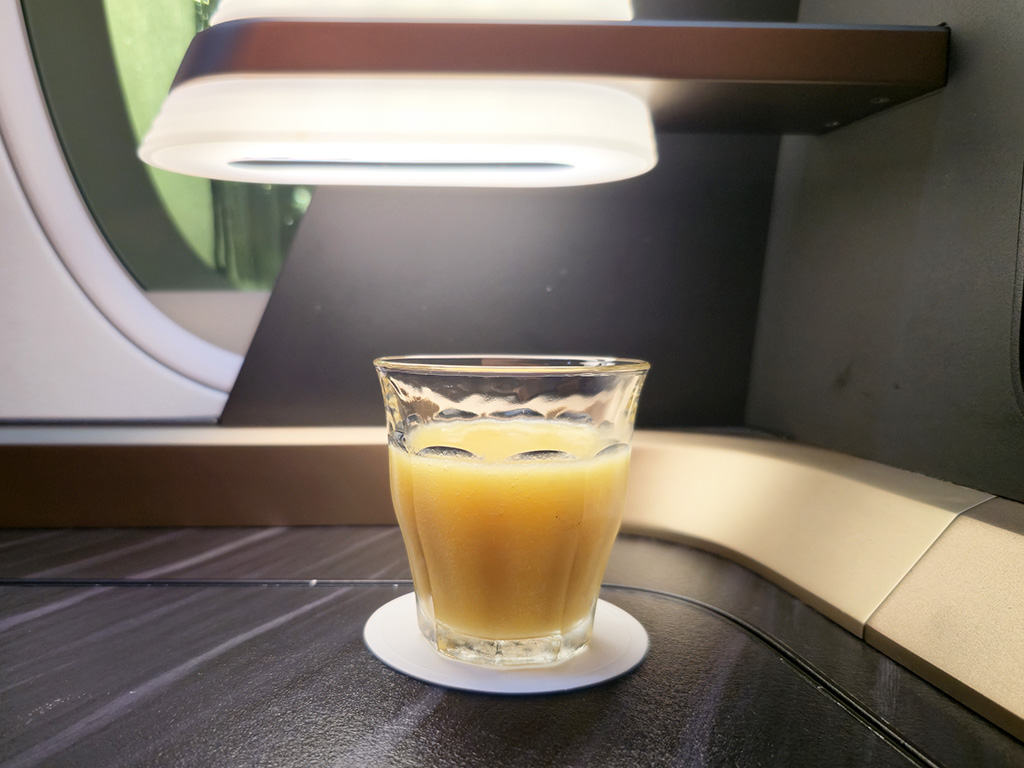
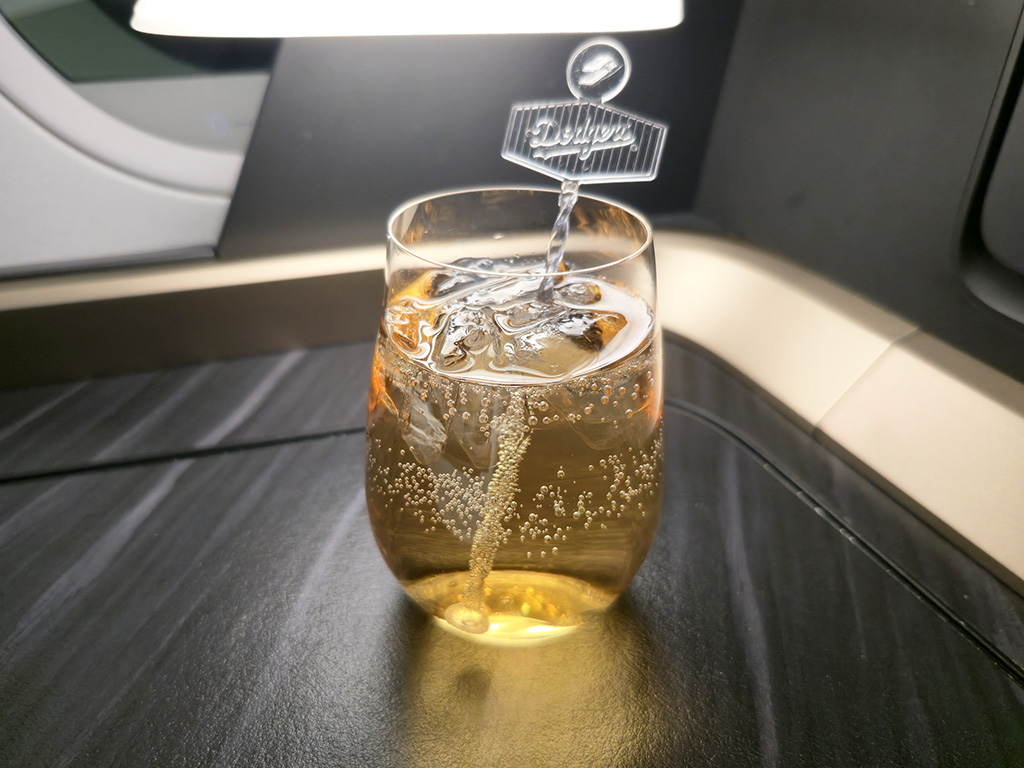
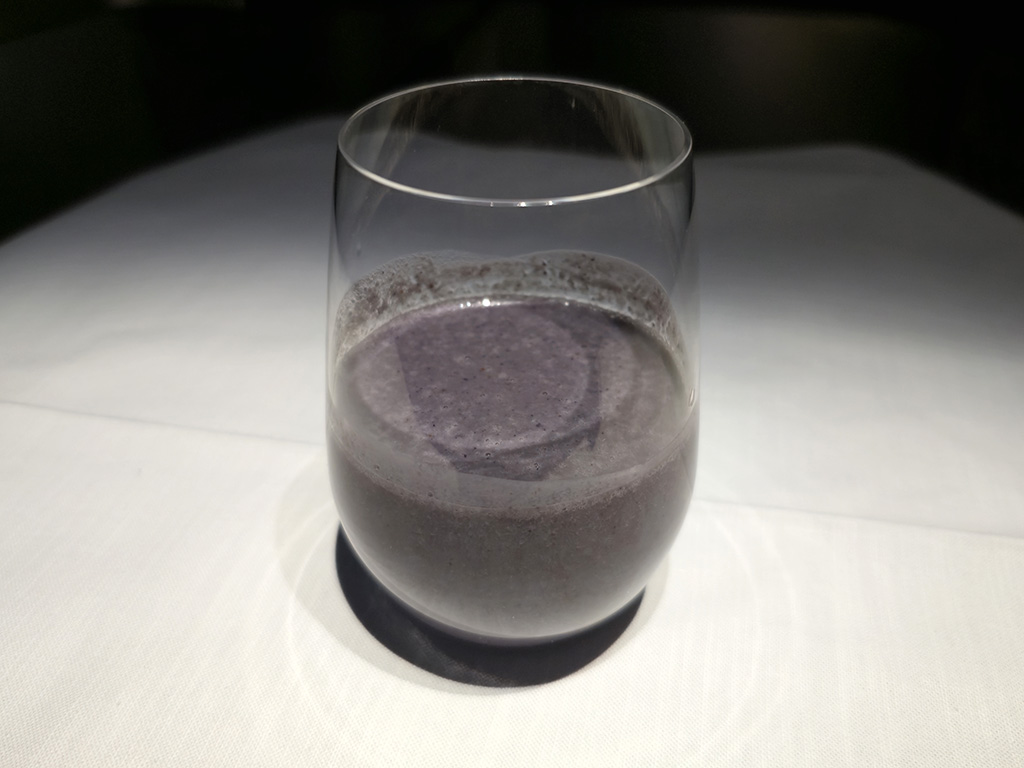
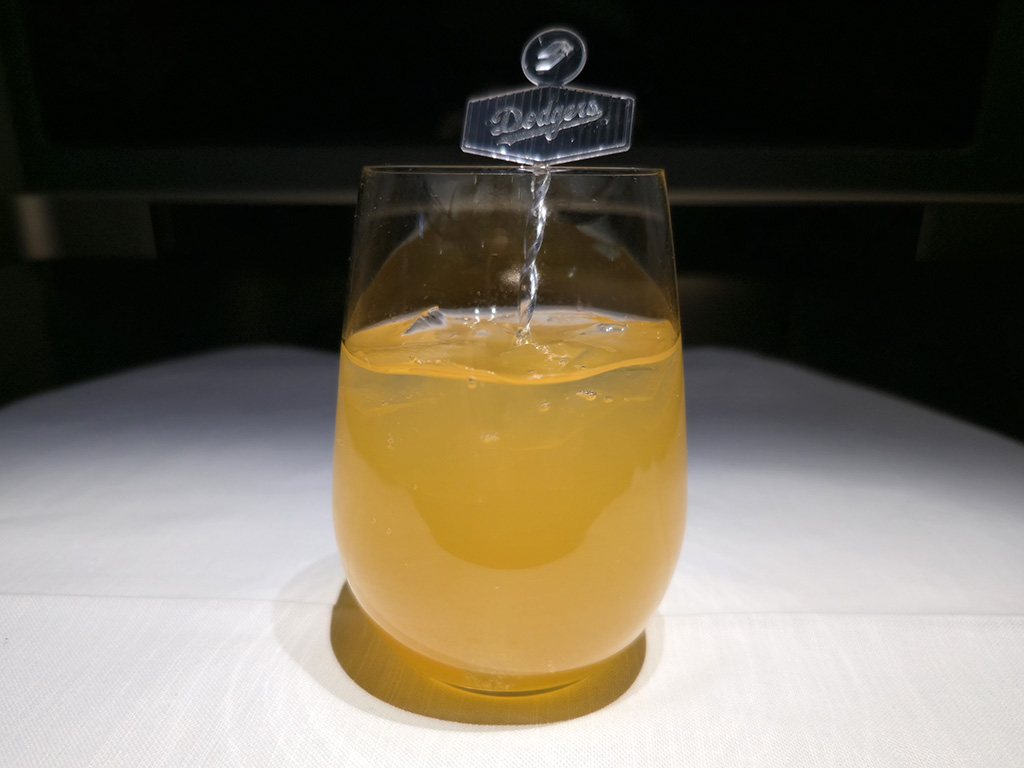
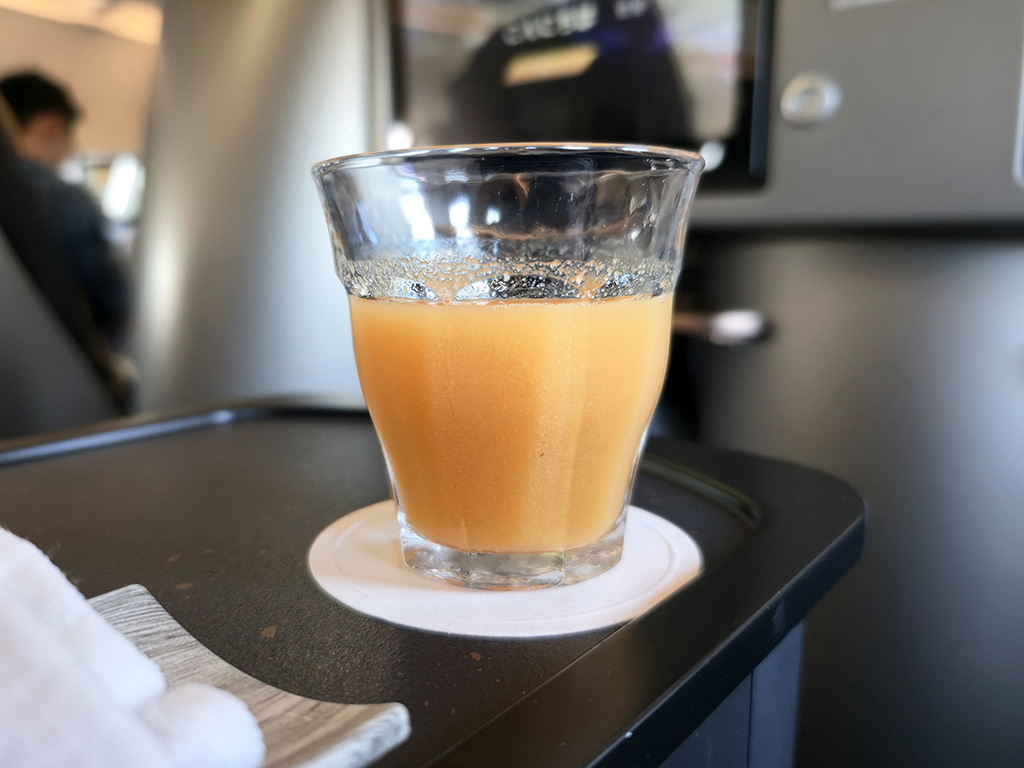
After getting airborne, we received our amuse-bouche—pastrami chicken, cheese, and olive in a bowl, accompanied by two black sesame and walnut pistachio sticks. For my beverage, I ordered ANA’s original aromatic kabosu drink.

While waiting for meal service to begin, I also ordered a cup of ANA’s original Shizuoka-cha green tea matcha blend.

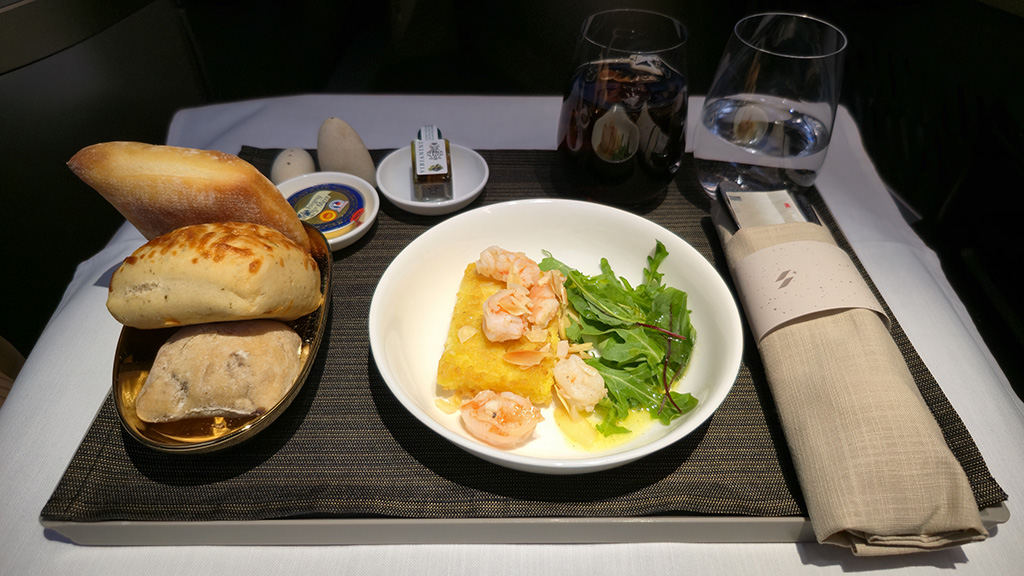
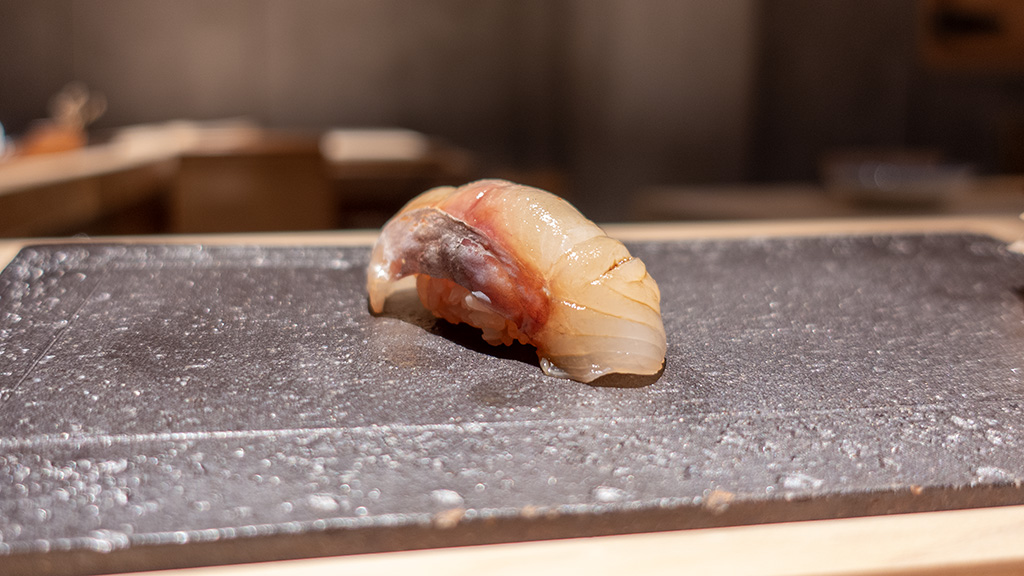
After a little while, the first dish of meal service was served—the “selection of morsels.” This consisted of barracuda sushi, herring sushi, vinegar-pickled ginger, fig with sesame cream, and smoked scallop.

Next was the first of two tidbits, marinated grilled mackerel in soy-based sauce with eggplant, green onion, and chili pepper.

The second tidbit was savory steamed egg custard with snow crab meat.

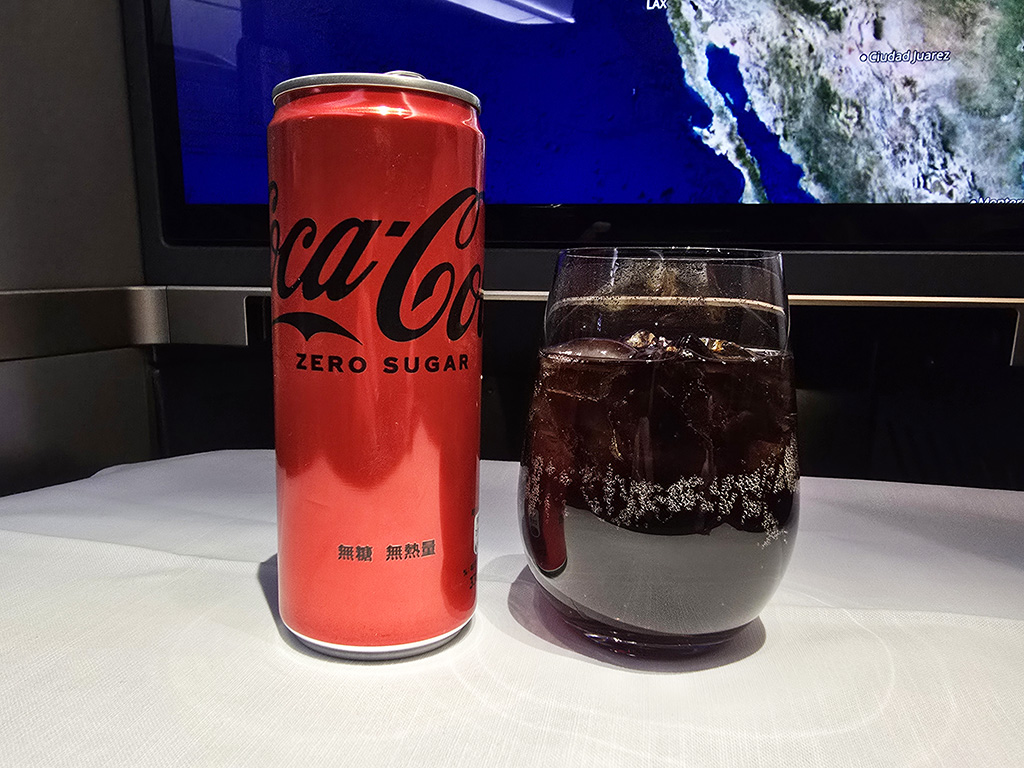
For my beverage to go along with my meal, I ordered some sugar-free cola. They brought out a regular Pepsi rather than a Diet Pepsi or Pepsi Max, which wasn’t to my preference, but wasn’t that big of a deal. The design on the can was unique and did not resemble anything I had seen in the United States before.

Afterwards was the main entrée, beef sukiyaki, served with a side of steamed rice, miso soup, and Japanese pickles.

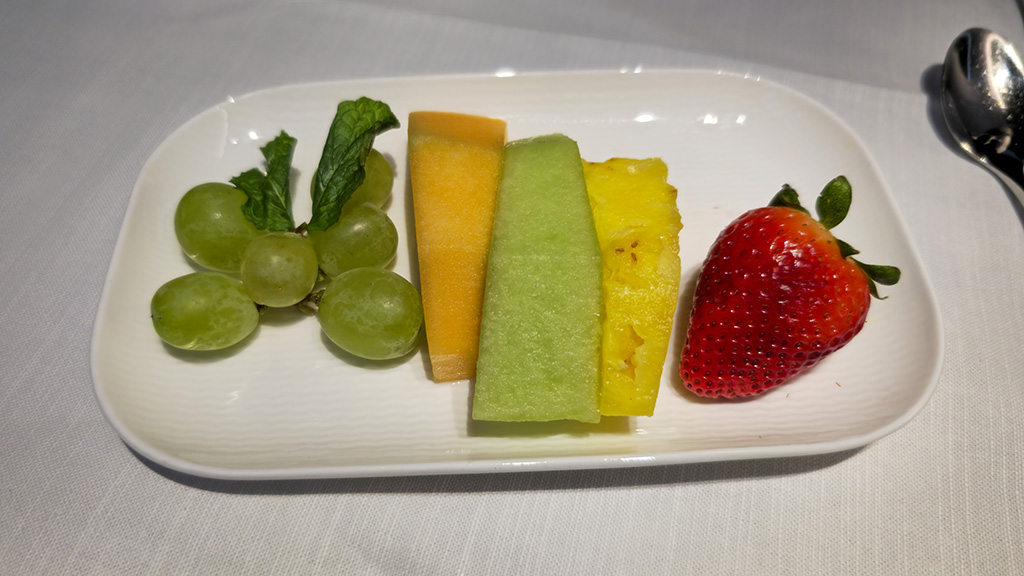
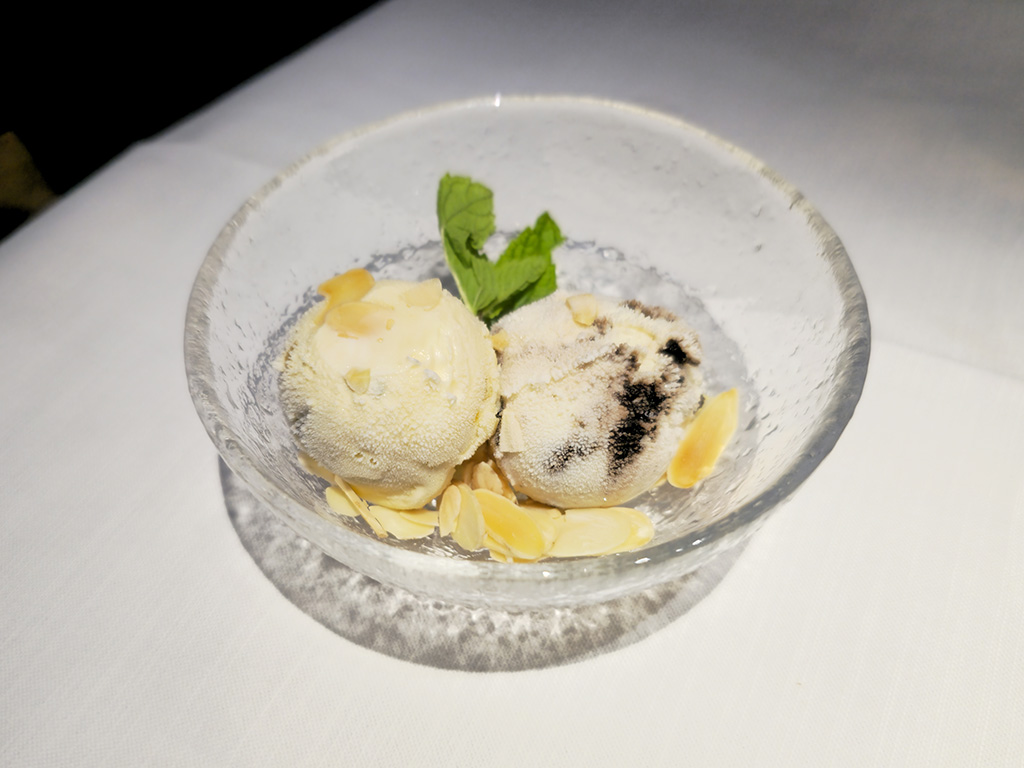
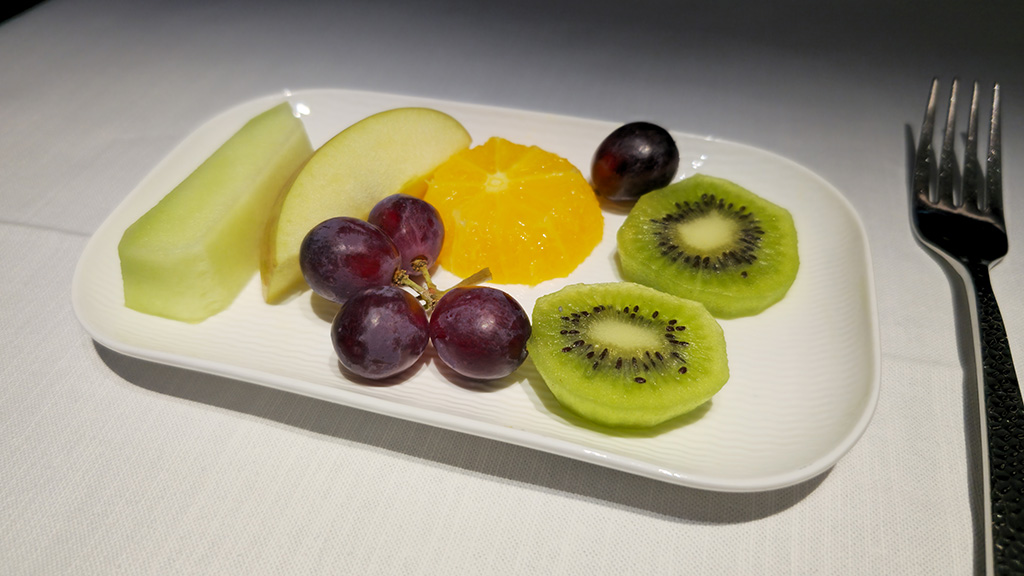
For dessert, we had three options, two of which included a cheese plate or a fruit bowl. The one I decided on was chestnut mousse with cream and coffee jelly. This also came with a small square of white chocolate.

Although the portion sizes were relatively small, it still ended up being a fairly hearty-feeling meal considering how much food I had already eaten at the lounge. After relaxing for a bit and letting my stomach digest, I got tired enough to lean back and go to sleep for the night.

… Or so I thought.

Usually, long-haul flights will wake you up with about two hours left to go so that they can serve breakfast before landing. However, for some reason, this flight woke me up with a little over three hours prior to arrival. I technically could’ve just kept sleeping, but the cabin lights illuminating and the flight attendants moving around was enough of a distraction that I couldn’t stay asleep.

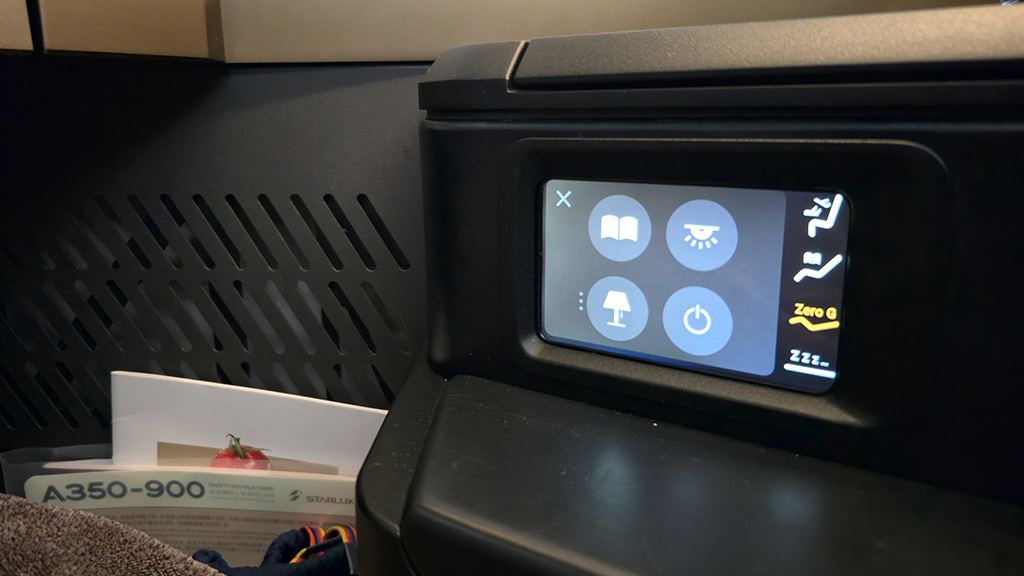
Eventually, the pilot made an announcement that the second meal service will be beginning earlier than normal due to some expected turbulence coming up about an hour before landing. Reasonably, they didn’t want a bunch of plates, cups, and silverware out on the tables during rough air. Although grumpy from early rising, the rationale was reasonable, so I switched my seat from bed mode to relax mode and waited for breakfast.

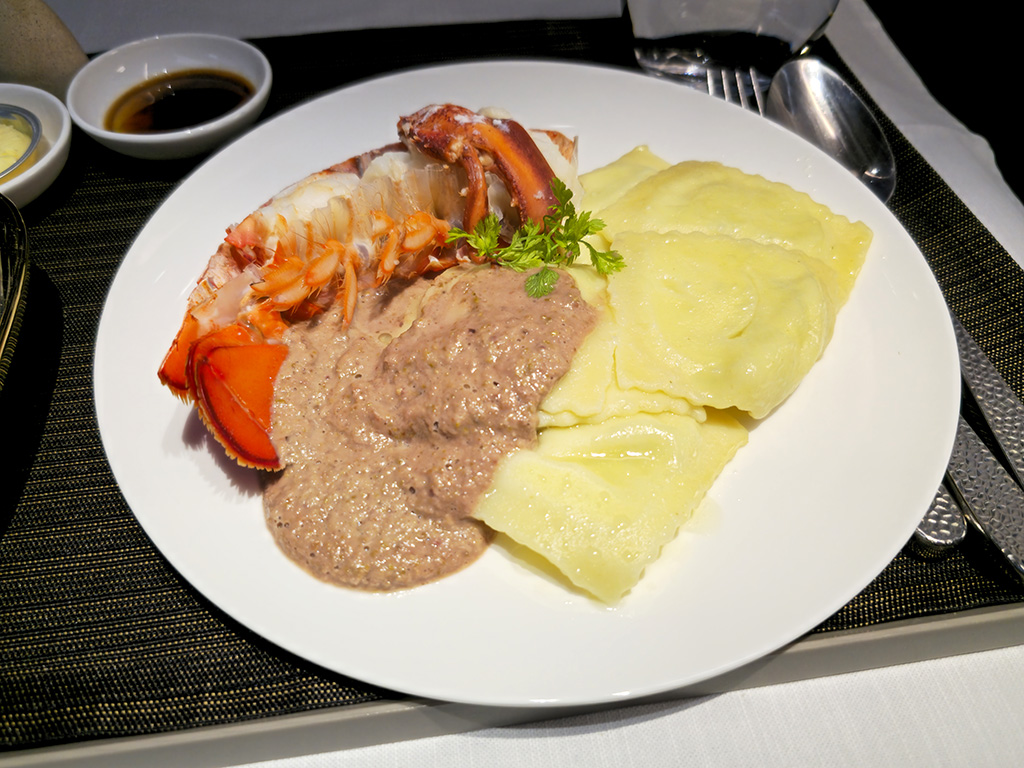
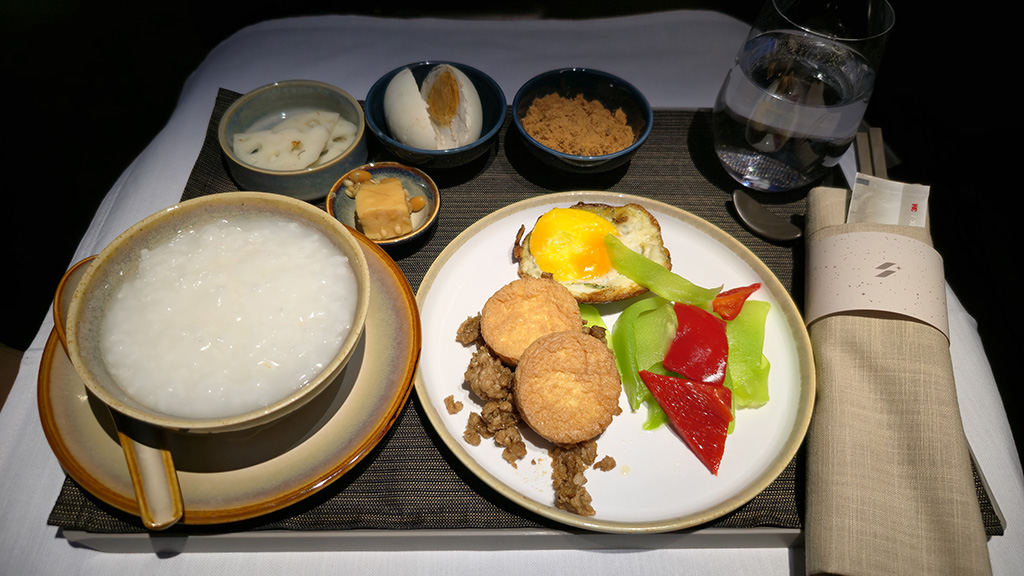
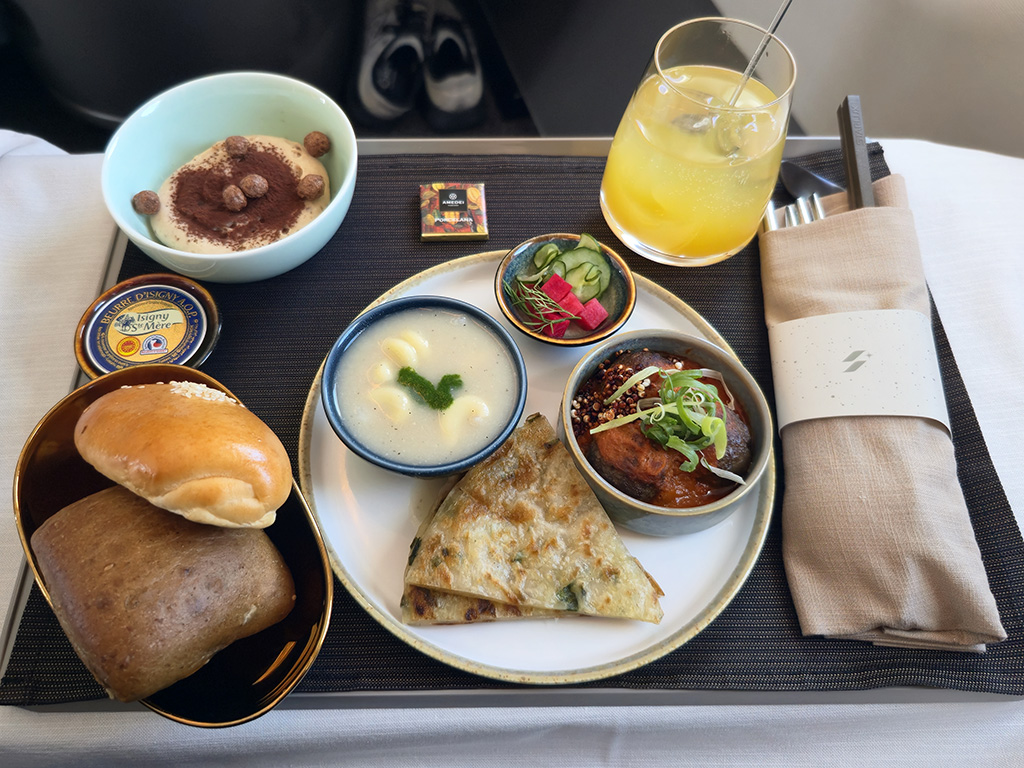
My meal this time came out all at once, instead of as separate courses. For breakfast, my main dish was grilled salmon with sake lees and steamed rice with a side of steamed chicken and marinated mizuna greens in sesame sauce, miso soup, and Japanese pickles.

In addition to some plain water, my flight attendant also brought me ANA’s original “Coffee Journal in the Sky.” I’m not enough of an enthusiast to know whether or not this was any special kind of coffee, but I did appreciate that I was able to try all of ANA’s signature beverages on the flight.

For the sake of getting some more value out of my flight, I asked for a second breakfast—negi miso ramen from Megumino, Hokkaido. This was a special soup blend containing medium-thick noodles, onions, sesame paste, and ginger. It was served warm and not hot, so I was able to enjoy it without worrying too much about temperature. This was filling and rounded out my breakfast well.

After finishing all my food, I reclined back and waited for the severe turbulence to begin.

… It never came.

Better safe than sorry though, I guess.

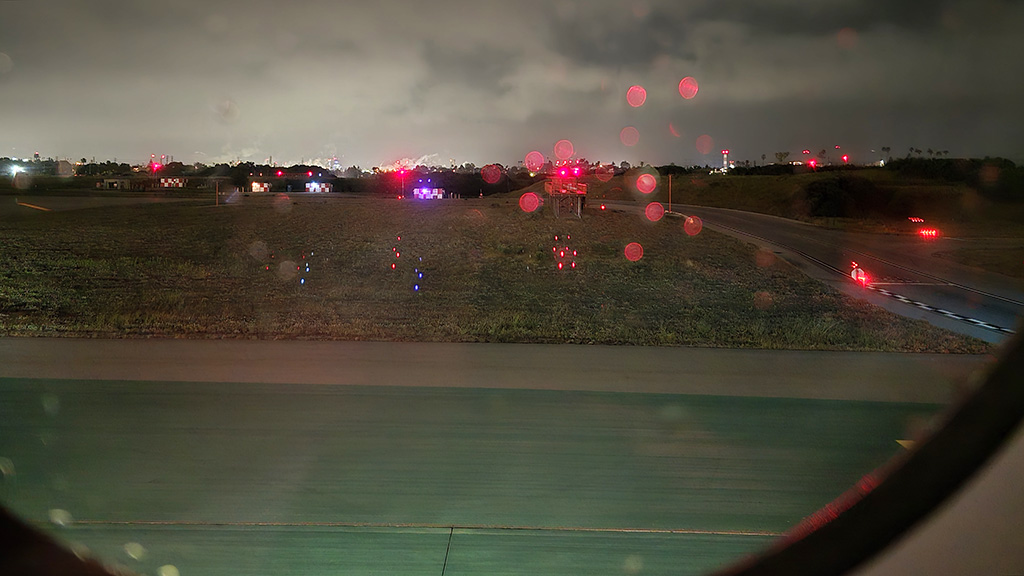
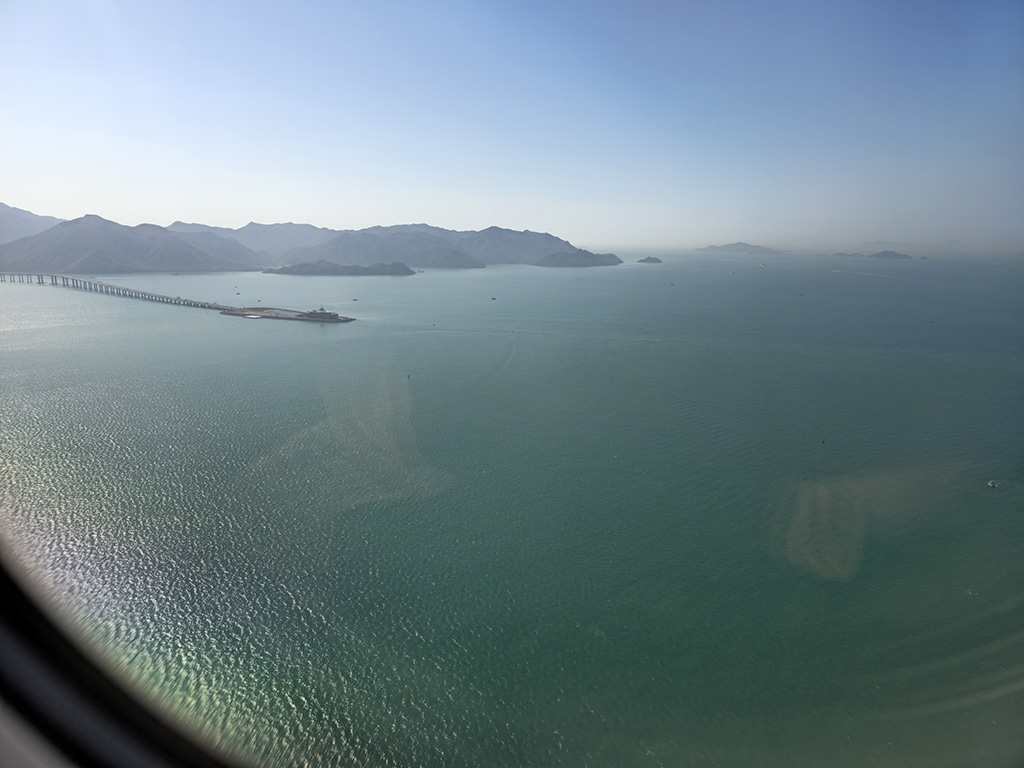
After about nine hours, we made it to Los Angeles airspace. Our runway was longitudinal going westbound, so we had to fly east out to the San Gabriel Valley first before looping around back to LAX. This allowed me to get a nice view of downtown Los Angeles during our descent.

After just shy of nine and a half hours of travel time, we pulled into our gate.

While the aircraft was preparing to deplane, an arrival video played on the screens, and I was welcomed back home to the United States by Pikachu.

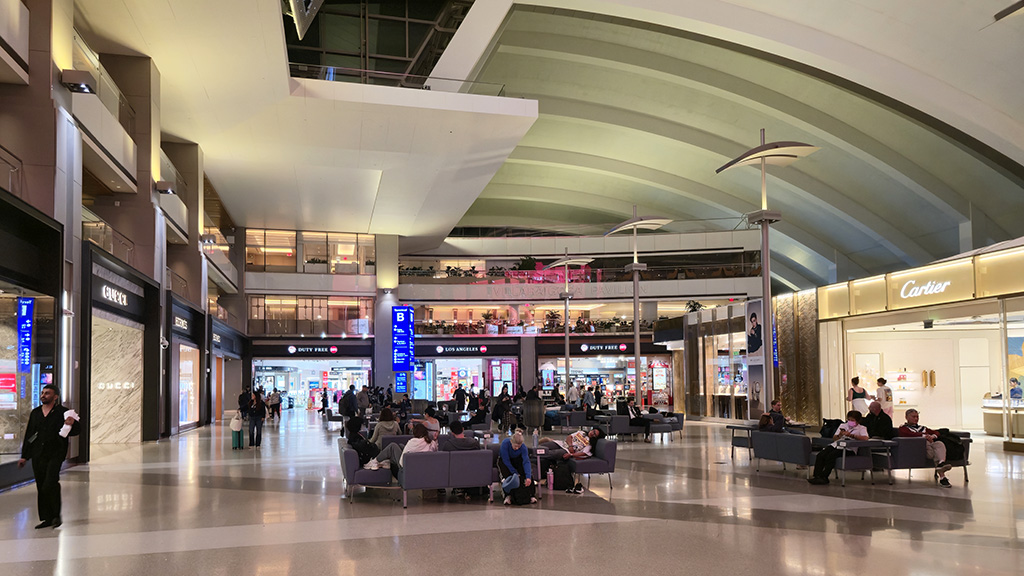
After a very brief wait, I deplaned to the familiar sight of the Tom Bradley International Terminal at Los Angeles International Airport.

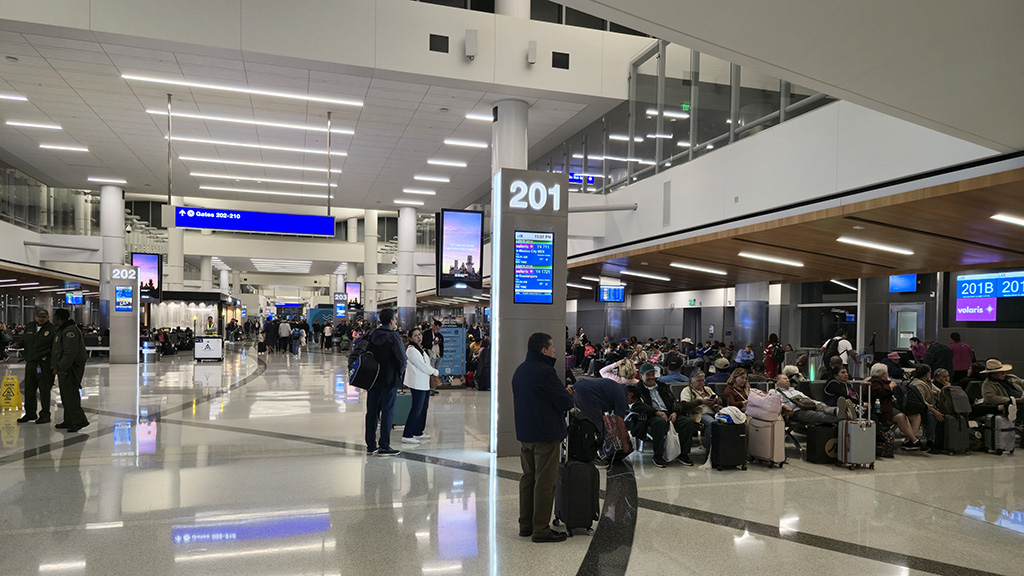
I don’t know if this observation was exacerbated by having just arrived from a country that is so accommodating as Japan, but I began seeing Terminal B at LAX with a different perspective and noticed how tricky it might be to foreigners. I noticed that everything was written in only English, which I found to be comparable to if I had landed in Japan and all the signs were in only Japanese. That would’ve obviously been a tremendous struggle for me, which implies that foreign tourists entering the United States are actually facing that struggle as a very real scenario.

I’m enrolled in Global Entry, which is a very convenient service for United States citizens that allows me to re-enter the country very quickly by just looking at a few identity-verifying cameras and walking through without any questioning. This is only for people who have enrolled in the service, passed a background check, and attended an in-person interview.

Unfortunately, non-English-speaking foreigners who had stood in the same line as me were getting rejected at the checkpoint over and over again, presumably because they were following everyone else around them and ended up in the wrong line without even realizing it. If having a bunch of common translations is not feasible, then I think it would still be nice to at least have some visual representation on where people are supposed to go upon arrival, e.g., mark the Global Entry line with a gigantic American flag, and then put a sign next to it with a picture of a bunch of different flags of other large countries across the world and draw an arrow to the other checkpoint.

I fly with only a carry-on bag, so I didn’t have to wait for luggage. This meant I was able to get off the plane and make it outside in a matter of only several minutes.

I like walking and getting blood circulation back in my legs after a flight, so I walked around half a mile from Terminal B to the end of Terminal 7 and called rideshare service to whisk me away from the airport. As a secondary reason, I like getting picked up at Terminal 7 instead of Terminal B so that I don’t have to sit in the car in traffic in the LAX horseshoe, and my driver can just take the East Way shortcut from Terminal 1 to Terminal 6 to come get me instead, upon which we can immediately leave airport property and be on our way.

I don’t think I have much more to add beyond the general overview I gave at the top of this blog post, in addition to the various thoughts and comments I shared throughout my 16 previous blog posts. I am very glad I decided to take this trip to Tokyo, and I will definitely be taking such an opportunity again if something comparable were to ever arise in the future.

In addition to revisiting Japan, I have two more countries on my near-future “want to go” list: Singapore and Taiwan. For a long time, Antarctica was the only place outside of the United States that I really wanted to visit, but with these successful Vietnam and Japan trips, I am much more inclined to expand my tourism into more areas of Asia.


—§—


Hello, Shinjuku Gyoen National Garden in Tokyo, Japan

While I visited Yoyogi Park much earlier on during my two-week trip to Japan, I noticed while using Google Maps to navigate that there appeared to be another park not too far away called the Shinjuku Gyoen National Garden in Shinjuku City. As I mentioned a bunch of times before in my nature-related blog posts from Tokyo, I really enjoy the fact that there are so many serene oases in the middle of a dense city of concrete and steel, so I decided to stop by the Shinjuku Gyoen National Garden during one of my free mornings.

The entrance to the garden was unique in that it basically resembled a train station. Usually, there is a collection of ticket booths and/or kiosks where you can either purchase admission or redeem a barcode that you receive through email after an online order. However, at the Shinjuku Gyoen National Garden, although there was a traditional ticket counter off to the side, the primary entrance consisted of a bunch of lanes through which you could use your transportation card to get in.
I conveniently had a Welcome Suica card, so I scanned that and was able to get in without any wait. I was automatically charged 500円, which was helpful because I loaded my Welcome Suica card with the maximum allowable funds upon arrival and still had a decently high balance nearing the end of my trip, so I was looking for ways to spend the money so it wouldn’t go to waste after I left Japan.

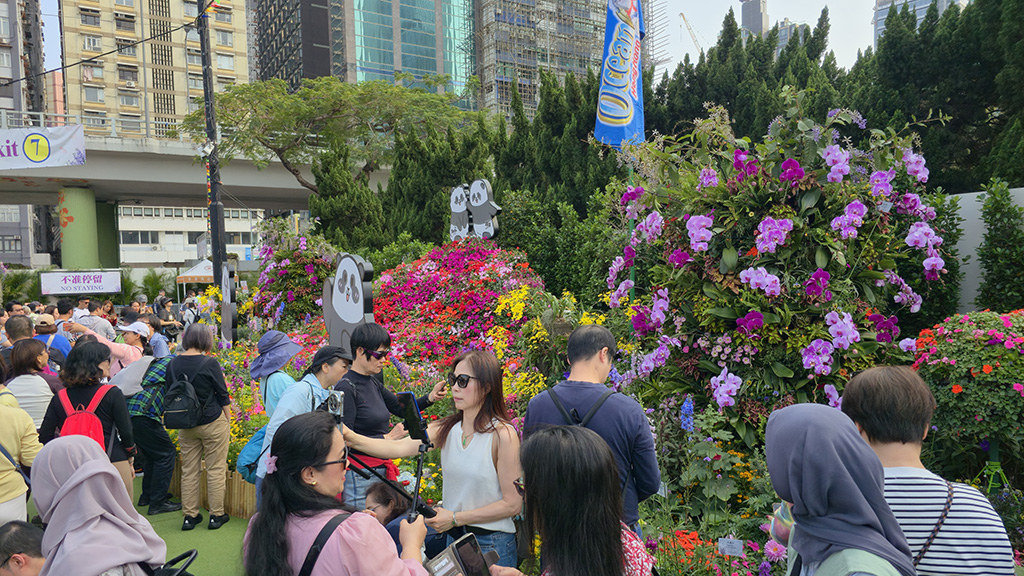
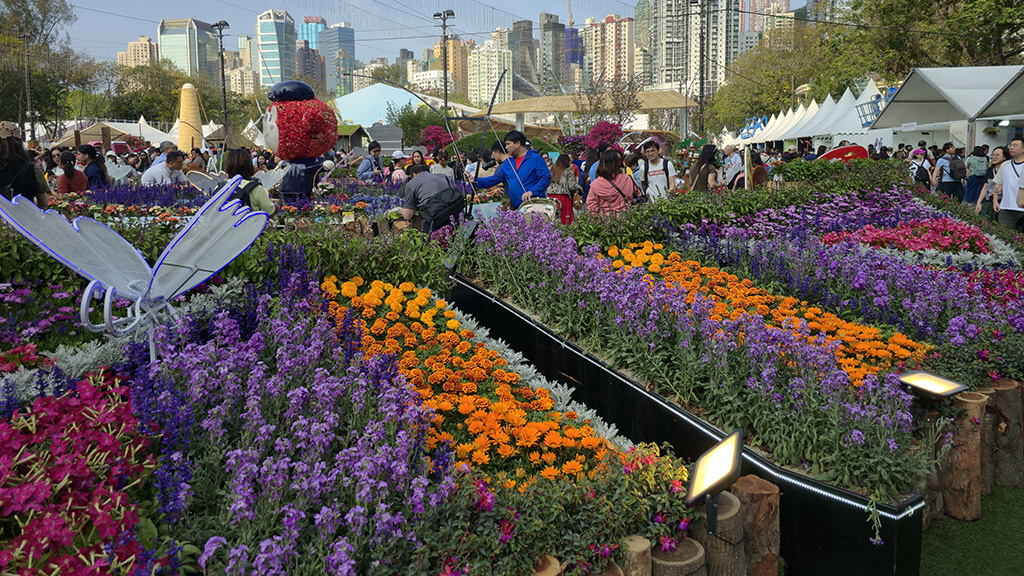
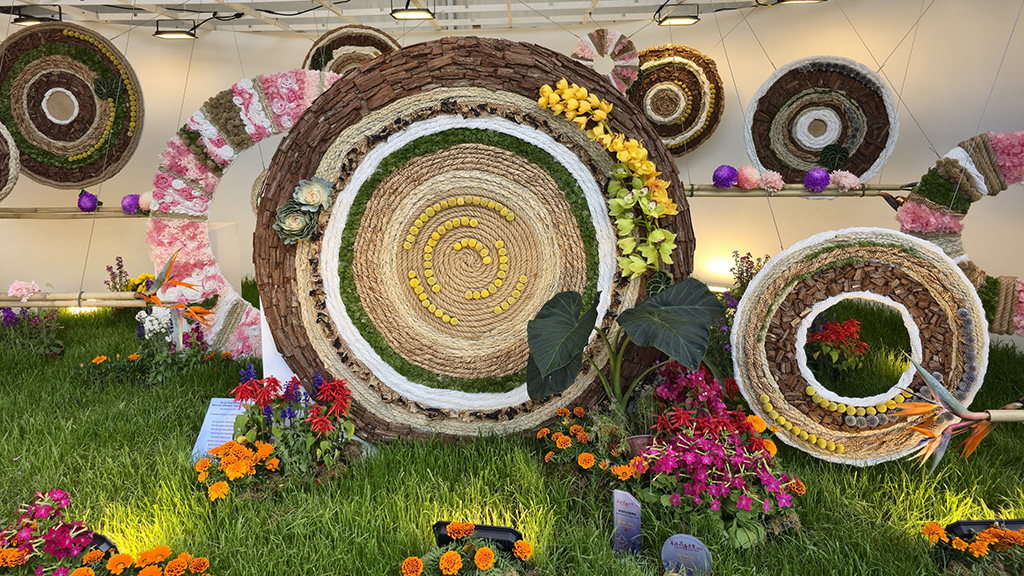
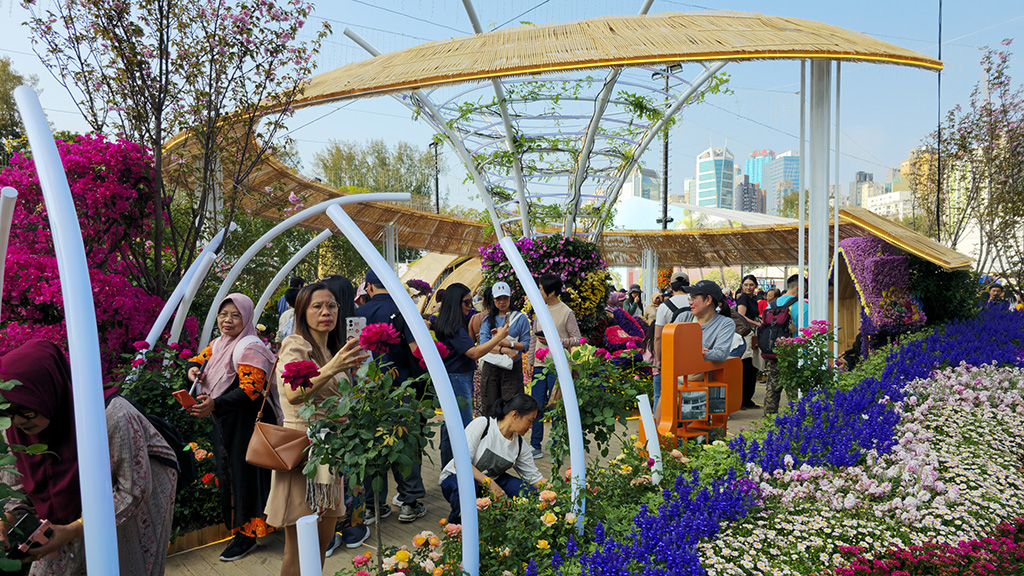
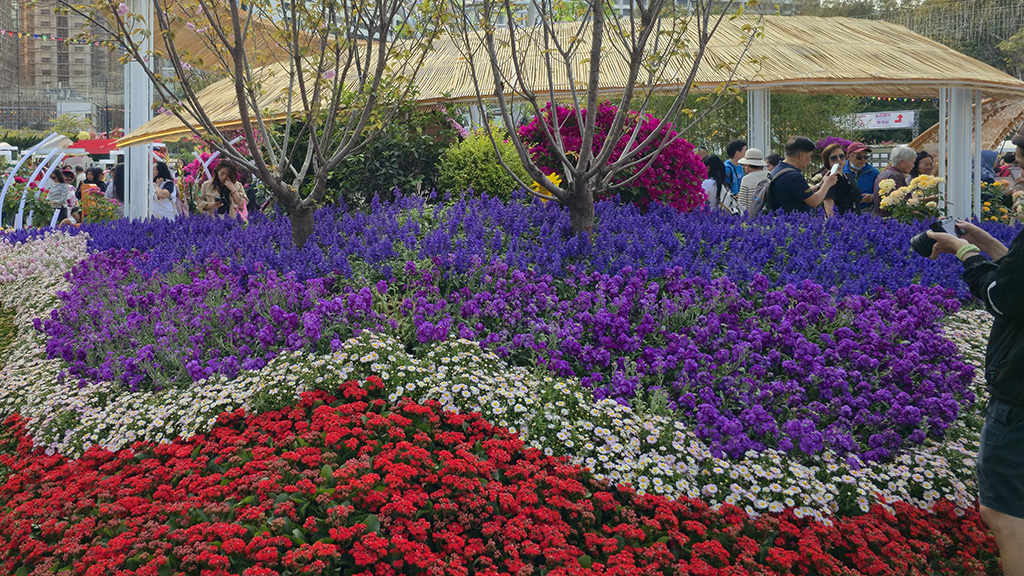
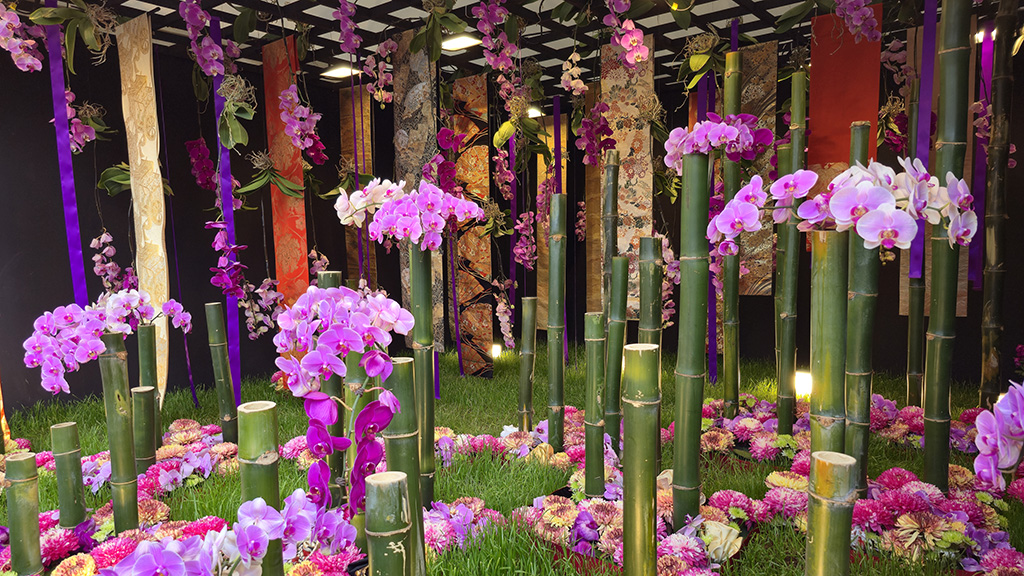
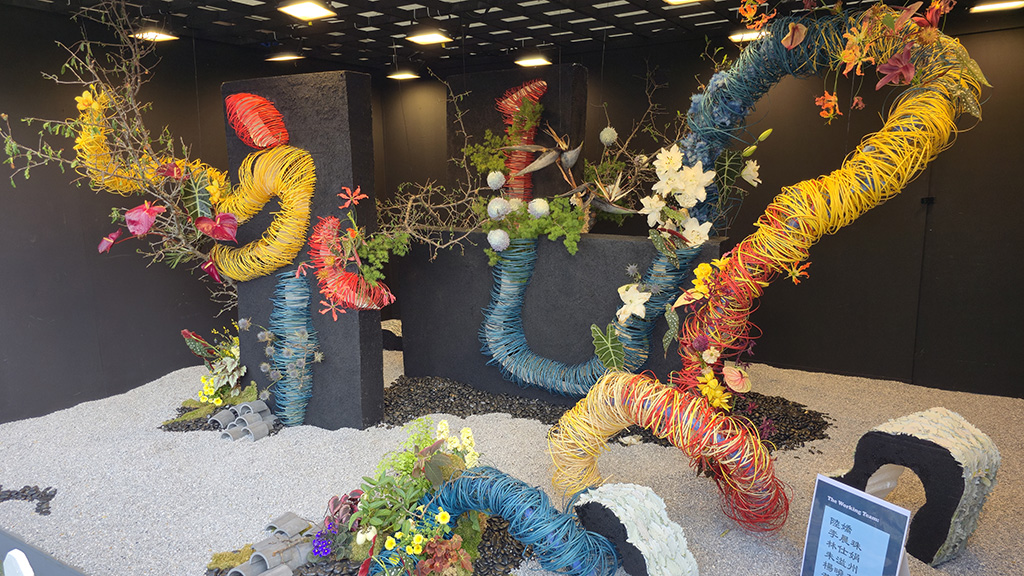
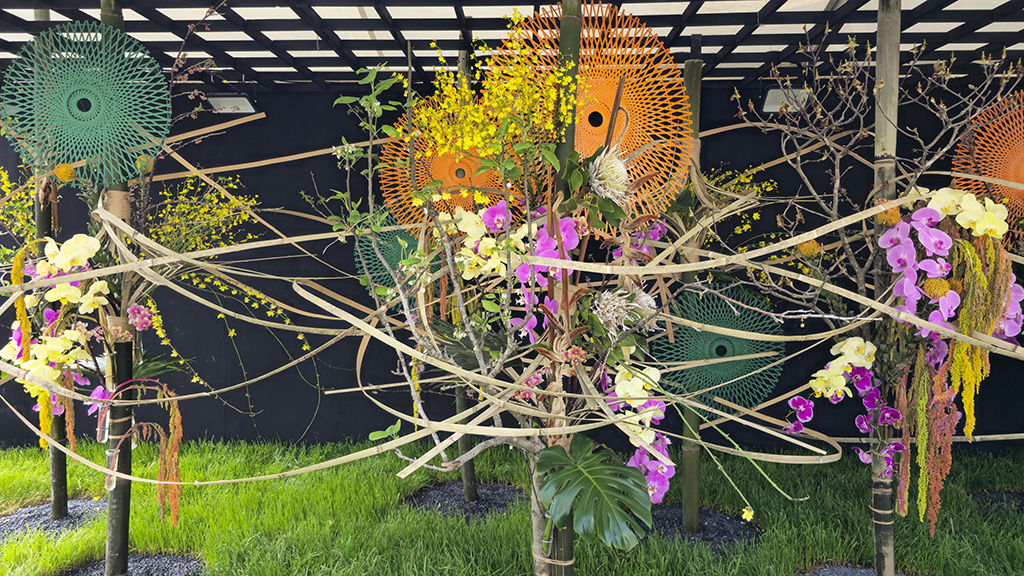
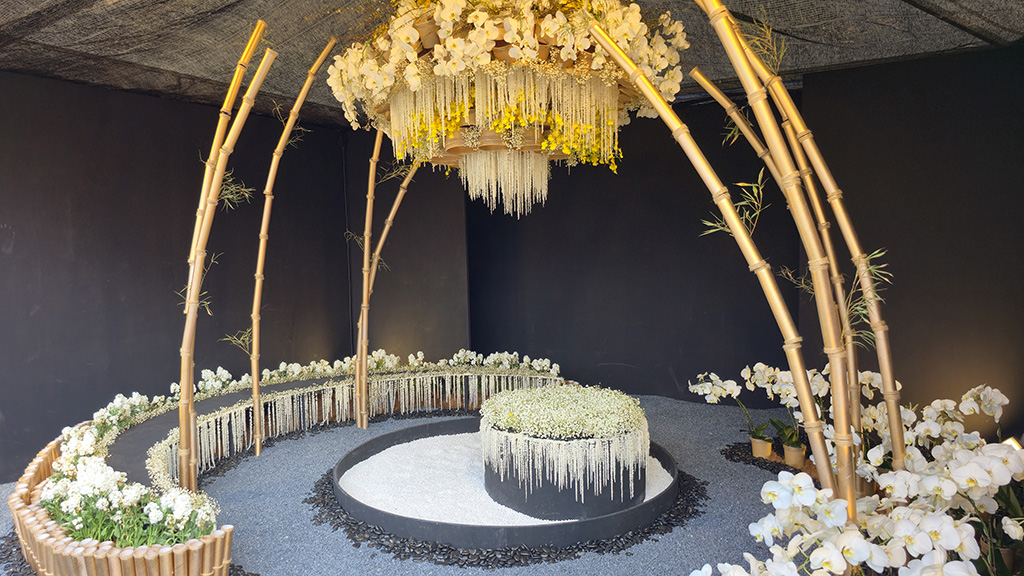
The special feature on rotation during my visit was a floral arrangement. There were a bunch of little huts that housed a wide variety of flowers in a diverse collection of shapes and sizes.

Although I got a few good close-up shots, there were so many people hovered around all the flower arrangements that it was difficult to get some clear photos without having someone else’s body or camera phone in frame. This was overwhelming the most popular area in the garden, which makes sense because I imagine the locals who were visiting had already seen the rest of the garden and were primarily interested in the new sections.

After entering the deeper sections of the park, I stayed along the western side and explored the denser and more foresty areas first.

I eventually popped out at 上の池, or Kami-no-ike, which translates to the Upper Pond. I looped around this small body of water a couple times and got some photographs from various different angles and vantage points.

At the end of one of the paths running alongside the forest and connecting to the pond was 森の家, or the Forest House.

That was a rest house that also doubled up as a small museum.

Further east was 旧御凉亭, or the Kyū-Goryōtei, which roughly translates to the Old Imperial Cooling Pavilion and is also commonly referred to as the Taiwan Pavilion.
After departing the pavilion, I circled around and captured more photographs of more small bodies of water. Although there wasn’t an endless flow of water from one side of the park to the other, all the ponds were situated close enough that it felt like it extended from the west edge to the east end.

From there, I began heading closer to the center of the park to take a break.

I already mentioned this before in previous blog posts, but one of the things I really like about tourist activities in Japan, especially outdoor ones on large plots of land, is how well-integrated rest areas are in the exploration experience.

I imagine this is likely because Japan has a relatively high ratio of elderly people in their population so they have to accommodate people who might not have as much energy or stamina as young adults, but even for someone like me who can hike for several miles at a time, it’s still nice to have a place to rest up and catch up on some emails and messages after an hour or two of walking.

Instead of going to a regular rest house, I decided to take my break at this café in the center of the property.

This was my snack of choice—a matcha and red bean dessert in between two fluffy pancakes.

This was as delicious as I expected. The various different flavors combined with and complemented each other well, with none of them being too distinct nor overpowering any other flavors. The texture was pleasant and fun, with the distinct cold ice cream adding depth to the otherwise warmer bun. It had a perfect level of sweetness such that it enhanced the overall flavor profile but did not overwhelm any of the individual flavors.
In the United States, I’m generally avoidant of going to random cafés in the middle of tourist hotspots because the food items they serve are usually overpriced and are just microwaved or otherwise reheated versions of mass-produced generic foods of mediocre quality. However, my luck has been much better in Japan, because it seems like all these spots have actual kitchens with skilled staff who prepare the food well, so I have been having a good time stopping by these cafés and trying out their signature items wherever I go.

After finishing my food, I trekked back out and walked over to the on-site greenhouse.

There were a lot of “no photography” signs inside the greenhouse, but those signs also included a clarification that the prohibition on photography was specifically for professional photographers using professional equipment to photograph models. Other people were taking pictures inside with their phones, so I figured that my still frames of the vegetation wouldn’t be an issue.

After doing a full loop throughout the greenhouse, I headed back outdoors to check out the pre-war greenhouse remains and the smaller greenhouses off to the side in a blocked-off area.

Just down the path was 管理事務所, or Kanri-Jimusho, which translates to the Management Office.

At this point, I noticed that I was nearing the gate through which I had entered, but there was still a section of the park I hadn’t yet seen. I retraced my steps and went backwards to the eastern side of the park, and in the process, ran into 新宿御苑ミュージアム, or the Shinjuku Gyoen Museum. It was relatively small in size, but still had some nice things to look at inside.
The southeast corner of the park was home to プラタナス並木, or the Puratanasu Namiki, which roughly translates to Platanus Row Road. As you can likely tell by the name, this was a walking path hugged by two rows of Platanus trees, one on either side.

Also in this area was 整形式庭園, or Seikeishiki Teien, which translates to the Formal Garden. Because this was at the far edge of the garden, the buildings were peeking through, which made for some nice photographs that showed the contrast between the lush green trees of the garden and the tall manufactured buildings of the city.

After confirming that I had seen everything notable in the garden, I cut across through the center to make my way back to the exit. On the way, I saw what was probably the most unique-looking Starbucks I’d ever seen. I don’t go to Starbucks too often, but I figured it would be fun to grab a drink on the way out so that I can say I’ve been to Starbucks in Japan and compare it to the United States; unfortunately, the line was literally over 40 people long, and I didn’t feel like waiting, so I decided to pass.

Because I decided to just keep my United States sleep schedule in Japan considering that I tend to go to sleep fairly late while at home, I ended up waking up very early in Japan. I arrived at the Shinjuku Gyoen National Garden early in the morning, right around when it opened, so it wasn’t too busy for most of my stay.

However, when I was done seeing everything and was getting ready to leave, it was in the late morning and approaching the afternoon, which meant much more people had arrived by then. It appeared like the garden was a hotspot for picnics, as a lot of families had set up blankets on the lawn to enjoy a meal while sitting in nature.

Although all these parks fit the generic “nature retreat inside a busy city” archetype, they all had their on unique identities. Compared to the other two major ones I went to—Yoyogi Park and the Imperial Palace—the Shinjuku Gyoen National Garden seemed to be the smallest in area, but felt the largest. I imagine this was because I didn’t fully get to see all of Yoyogi Park and Meiji Jingū because I was just following my friends around for that, and a big portion of the Imperial Palace grounds were not accessible to the public.

Overall, I had a nice morning at the garden as a refreshing start to my day. According to my fitness tracker, this also served as good exercise, as my thorough meandering and navigating through the park ended up netting me just shy of five miles’ worth of steps.


—§—