Hello, SEA LIFE Kelly Tarlton’s Aquarium in Auckland, New Zealand

At the end of last month, my friend Doug Wreden held his annual charity event for the Monterey Bay Aquarium Foundation, during which one of the stretch goals—at half a million dollars—was for him and me to go to New Zealand to buy cologne and visit the aquarium as an inside joke. We met that threshold, so as promised, Doug and I went to SEA LIFE Kelly Tarlton’s Aquarium in Auckland, New Zealand.

I’ve been to a handful of aquariums before—the Aquarium of the Pacific, South Carolina Aquarium, and Seattle Aquarium just to name a few—and comparatively, SEA LIFE was a little bit underwhelming. With that being said, Auckland isn’t exactly one of the biggest cities ever with a ton of resources, so contextually speaking, SEA LIFE wasn’t actually that bad.

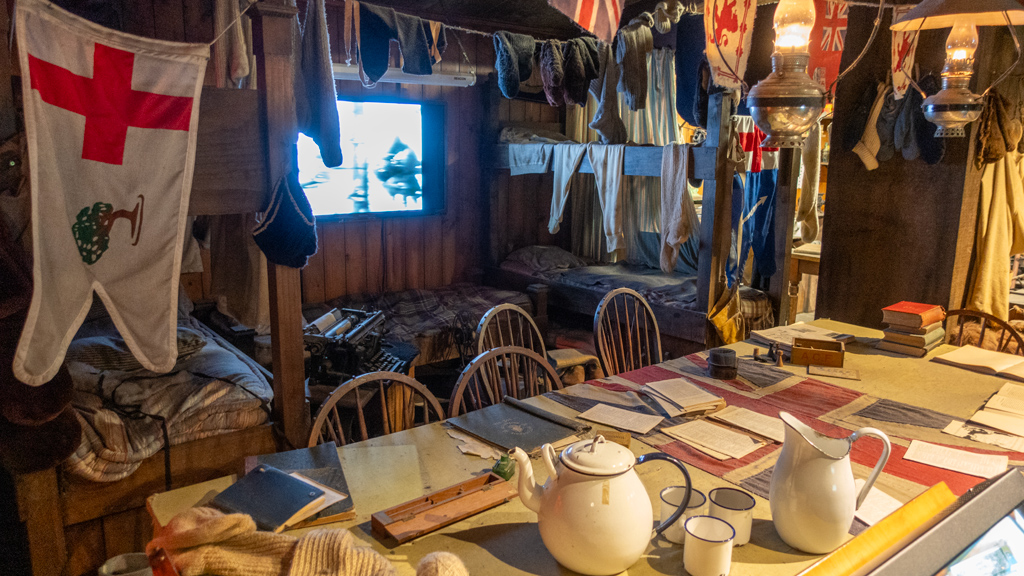
The aquarium started with a section that was basically a history museum, which was a little bit strange. However, once we got past that part, it started resembling what you’d expect from a typical aquarium.

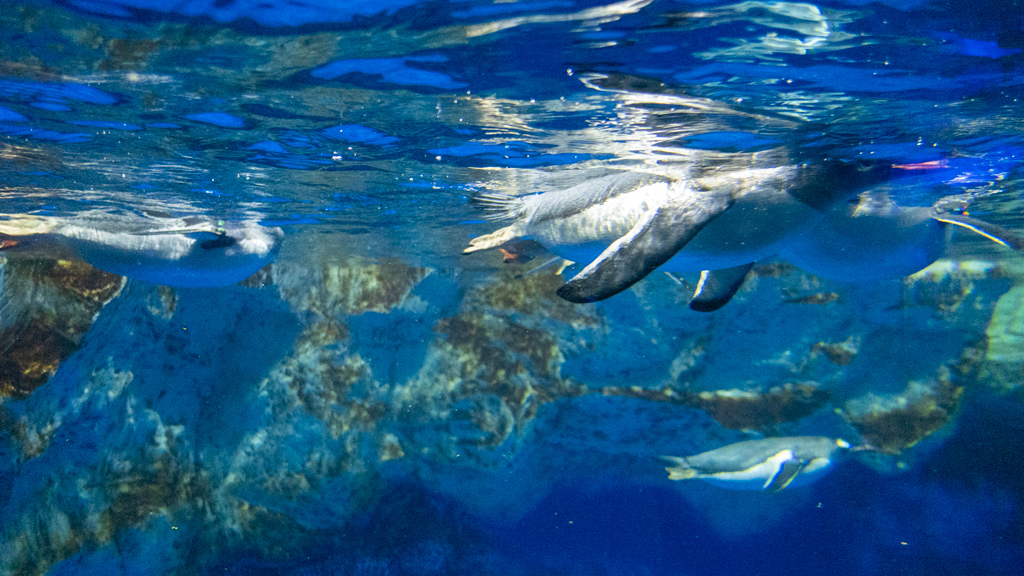
My favorite part of the aquarium was the immersive tunnel. I’ve seen other aquariums that have the 180° glass tubes that allow you to see fish, sharks, and other sea life above you, but the one that SEA LIFE had was far more advanced. The tunnel was much longer than expected and laid out in a circular pattern. It had an automatically-moving conveyor belt so you could stand in one spot and take in the view around you without needing to walk.

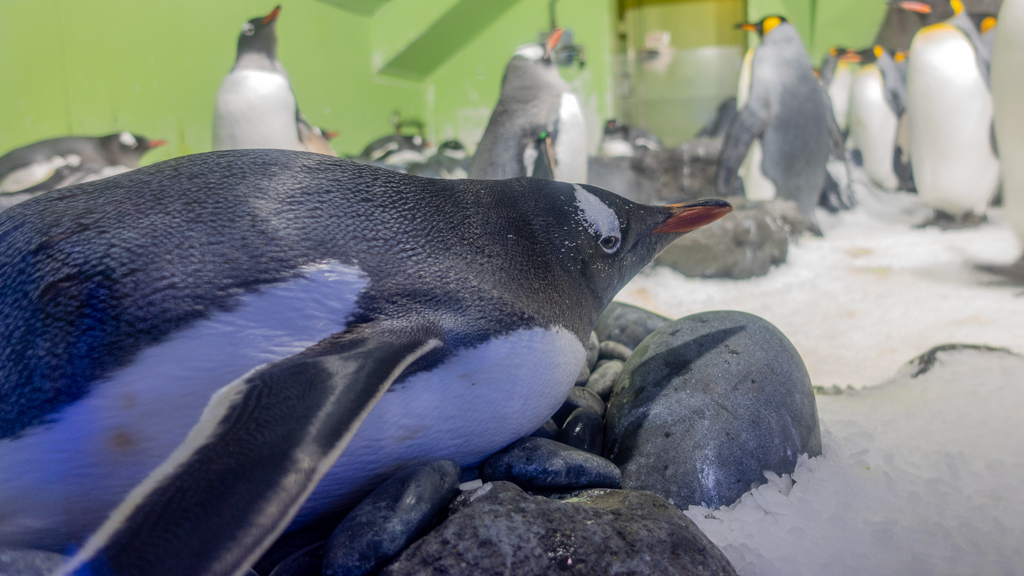
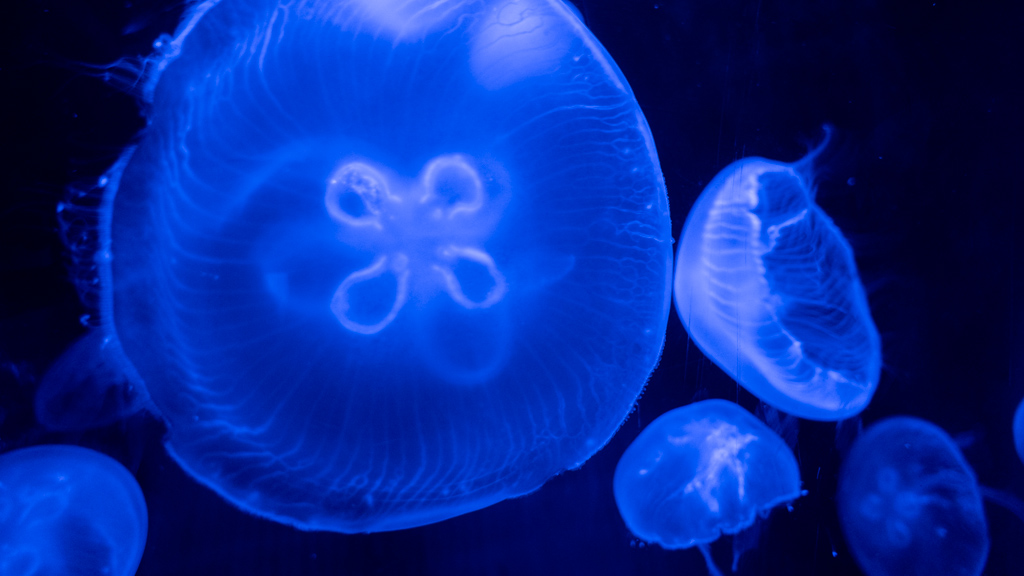
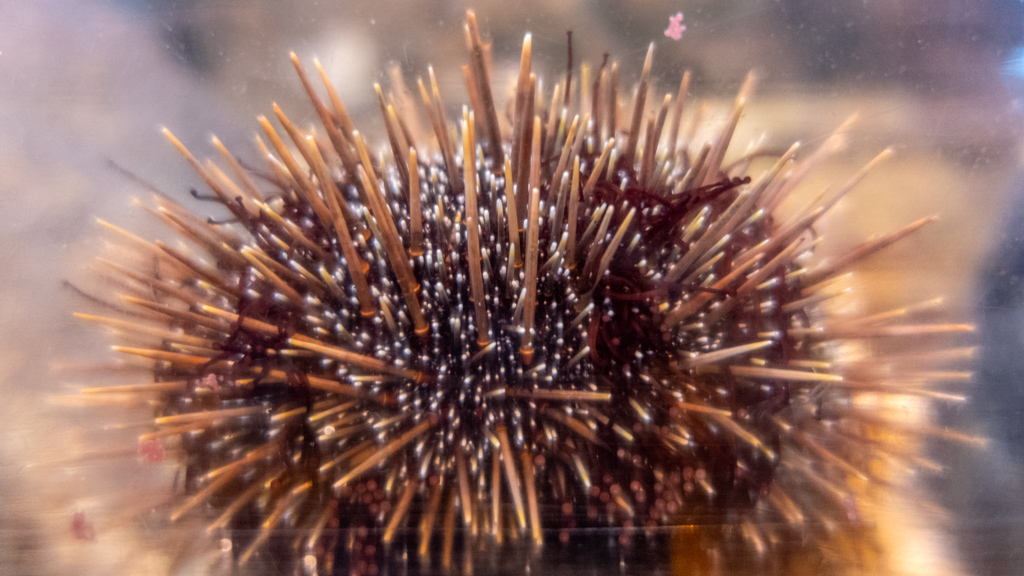
I took a lot of photos throughout the aquarium; below are the ones that turned out the best:


—§—


Hello, Moorten Botanical Garden in Palm Springs, California

My stay in the Coachella Valley has approached its end. There was a bunch of stuff I did where I couldn’t really justify writing an entire blog post about it, and I might include some of it in a round-up or photo dump post at some point, but I do have one more dedicated post from the Moorten Botanical Garden in Palm Springs, California.

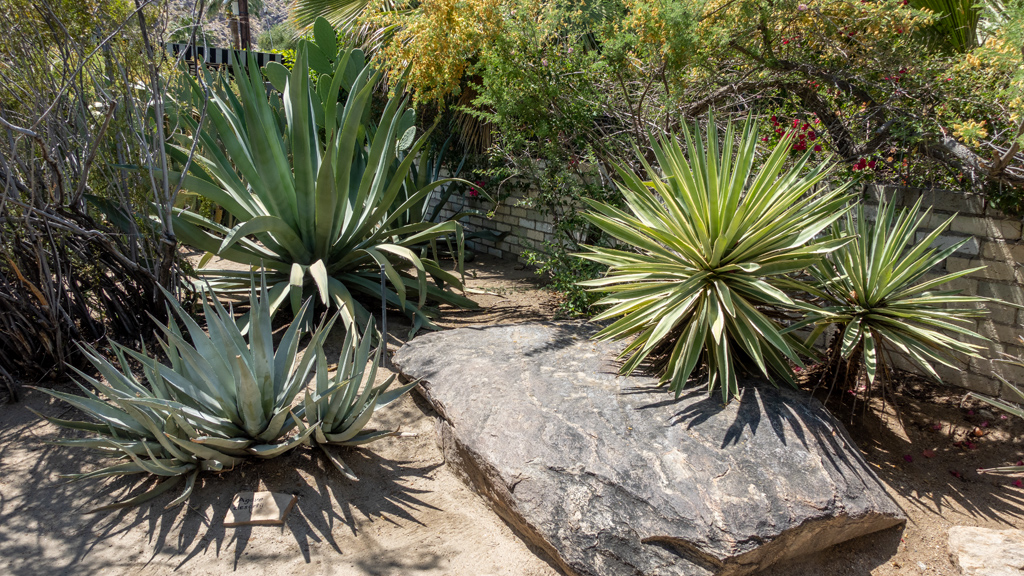
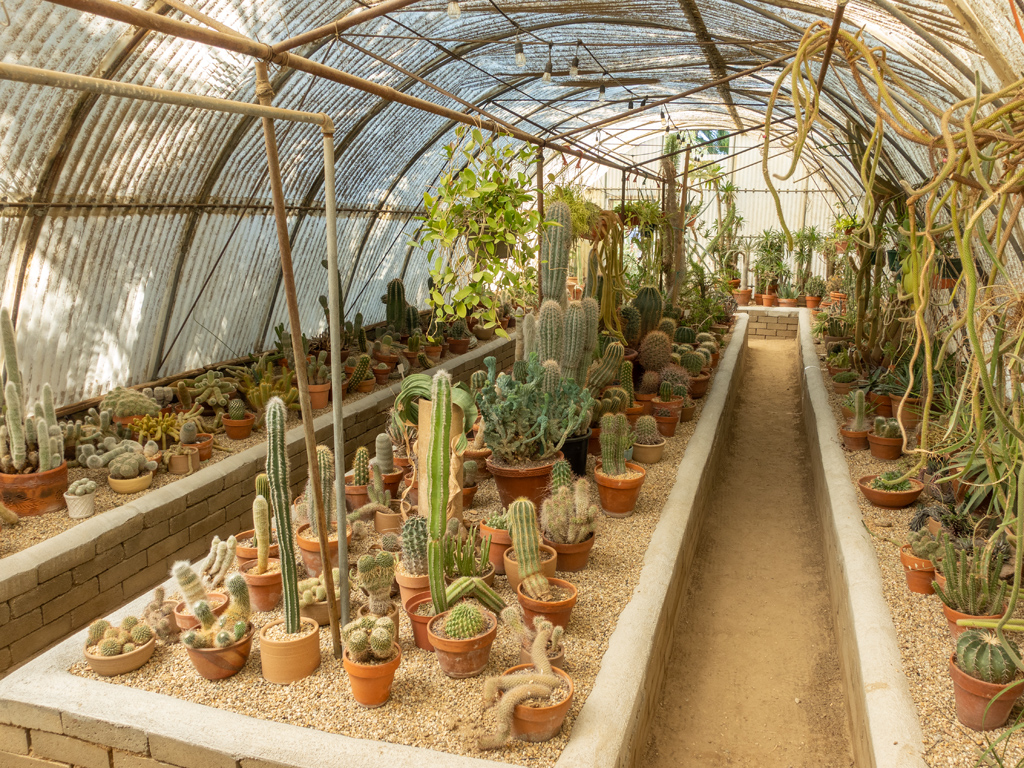
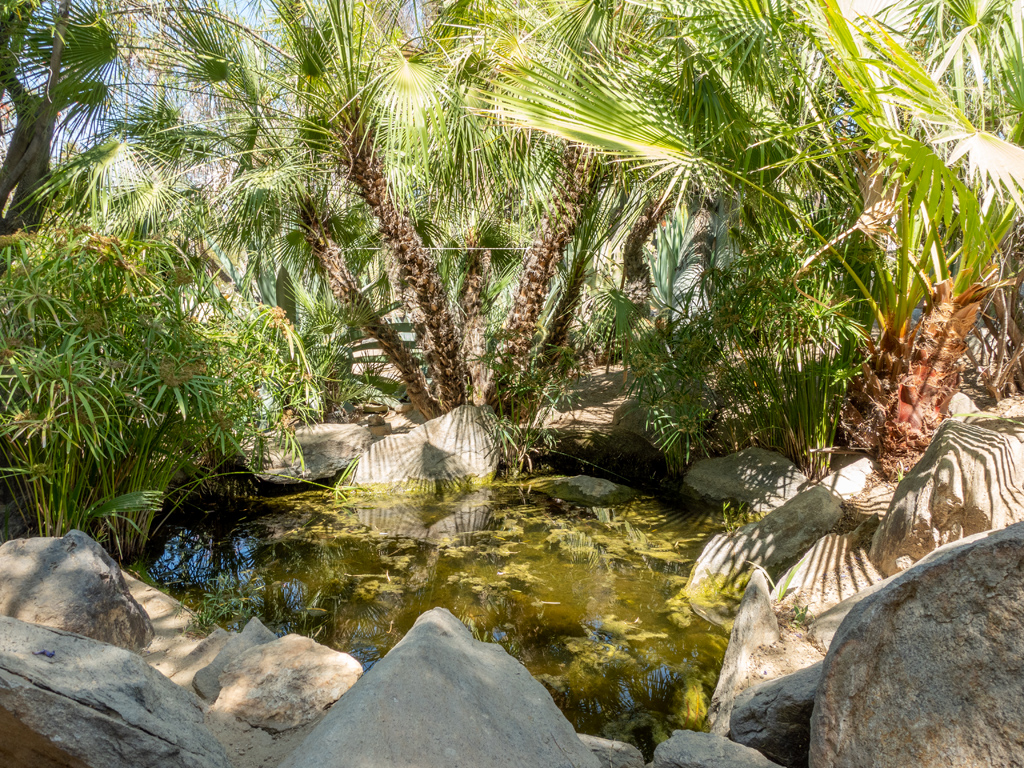
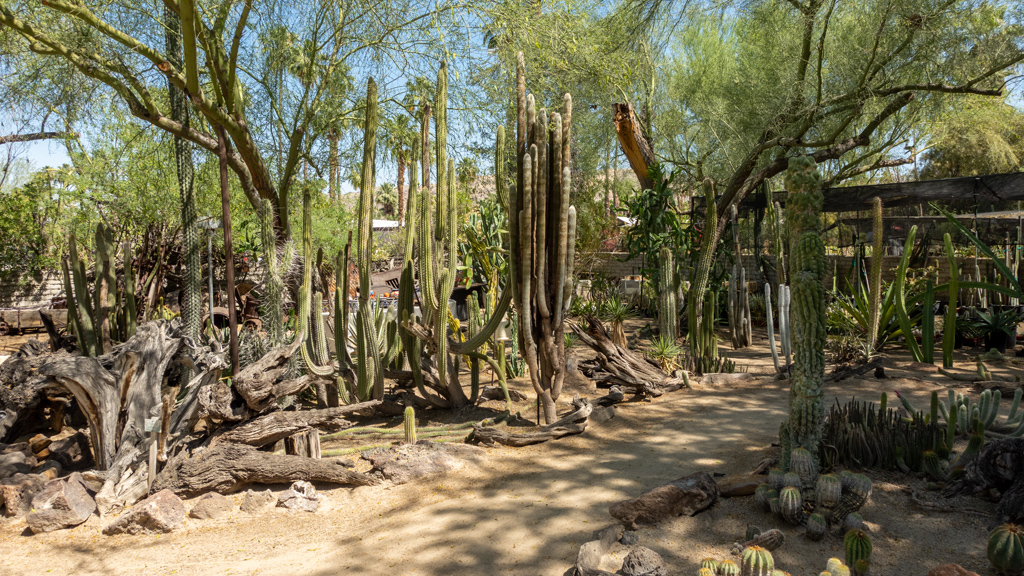
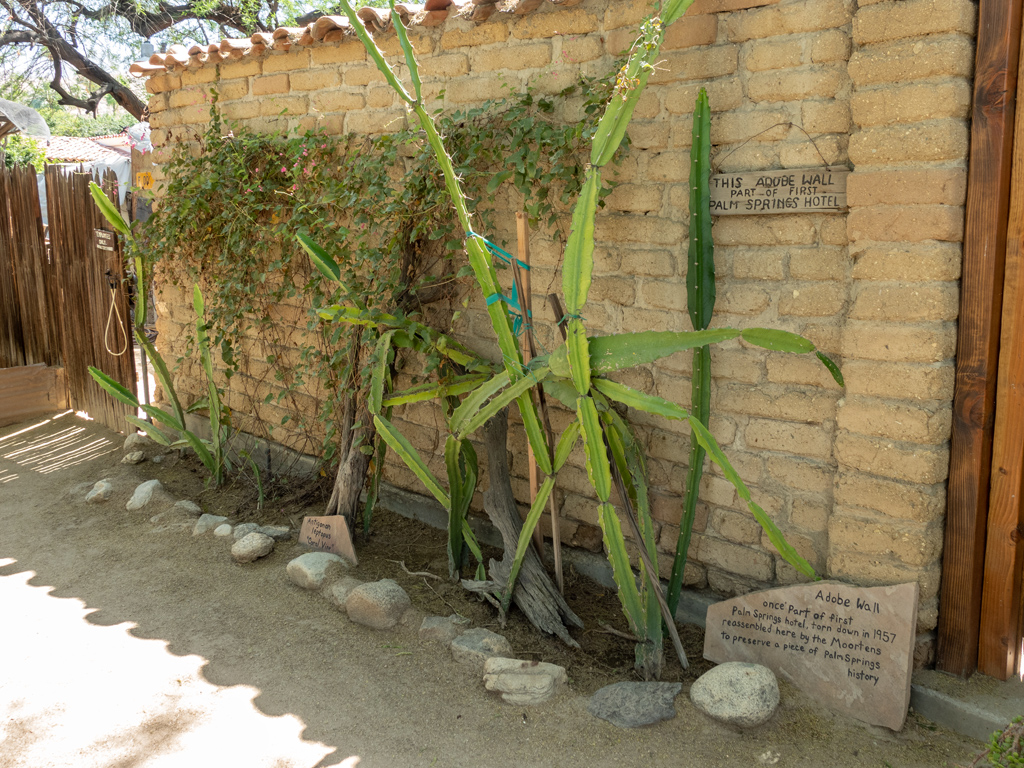
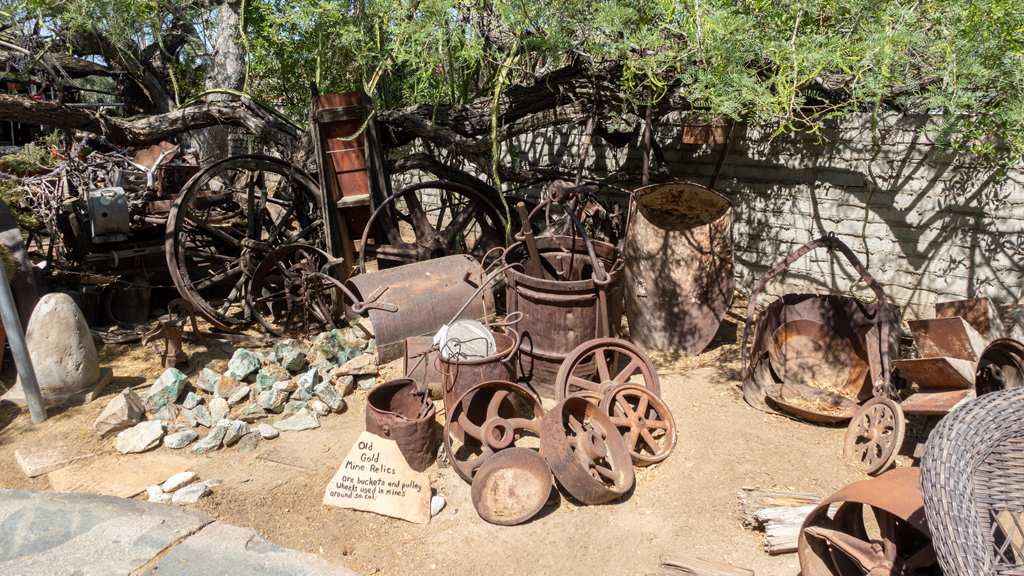
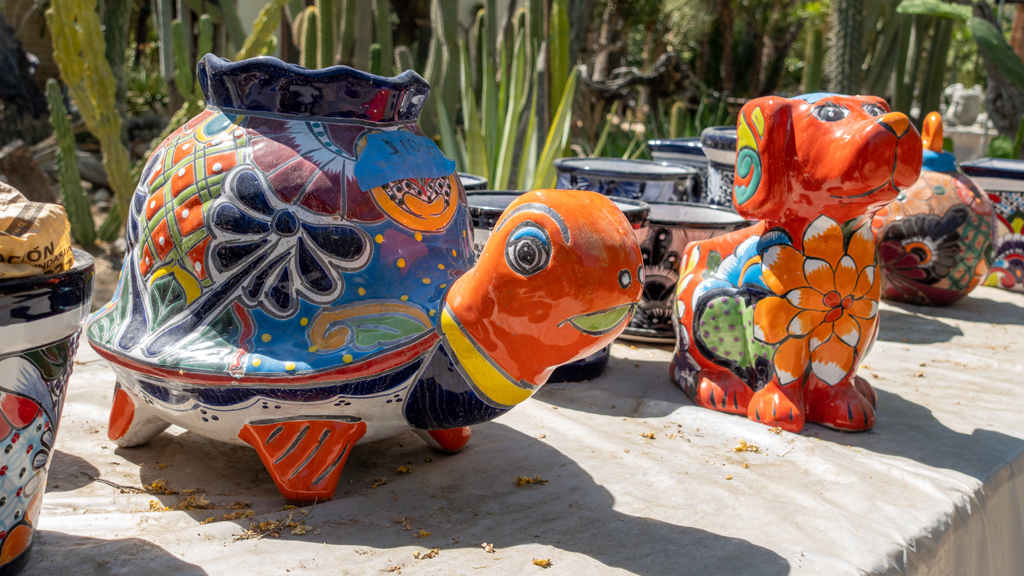
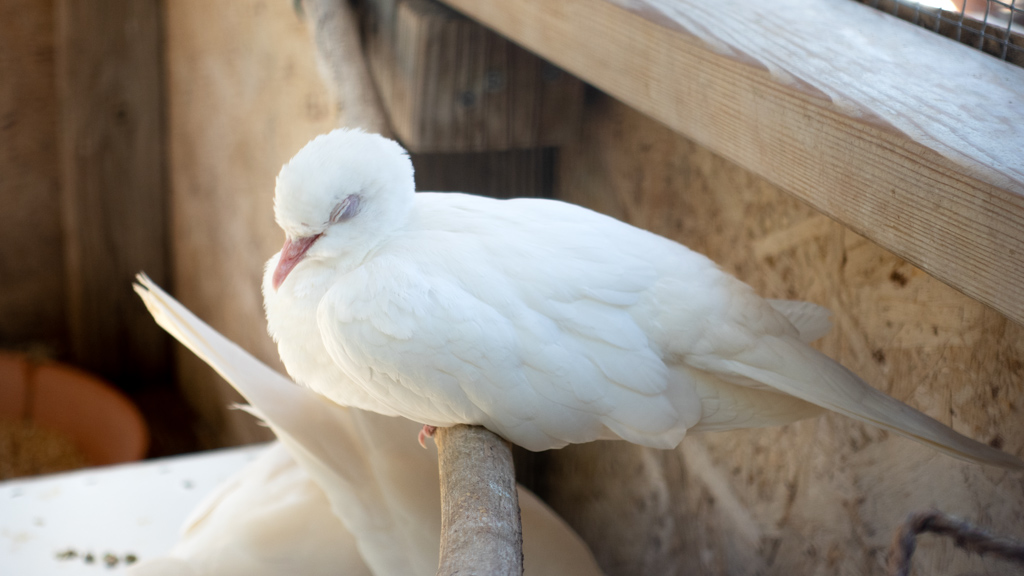
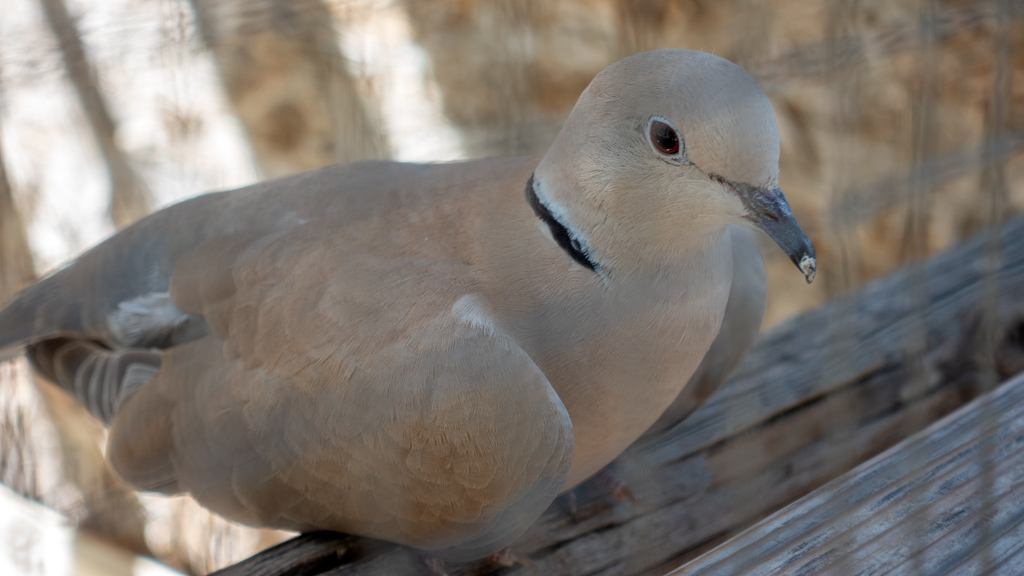
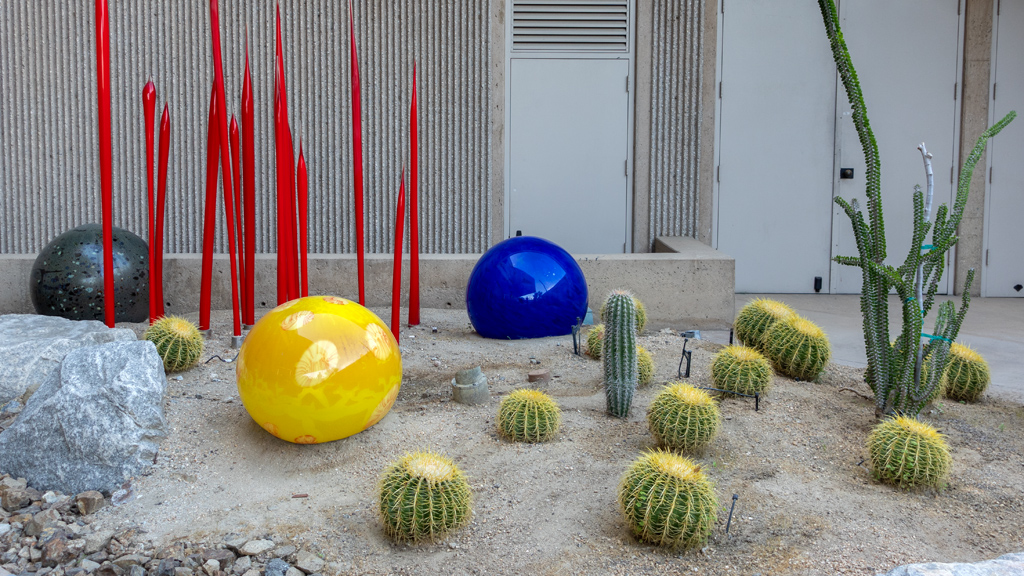
Admission was US$5.00, which I thought was a fair price relative to the size of the garden. There was a main outdoor garden, a cac­tarium, an event area, a shop with cacti and other goods for sale, a small collection of historical artifacts, and a bird cage.

The outdoor area of this botanical garden is fairly dense. I like getting nice photographs from optimal angles so I was orienting my body in peculiar ways, and I apparently managed to back my arm into one of the cacti and get thorned through my shirt. The worst part is that I didn’t even notice it had happened until I was prepared to leave the botanical garden, so I’m actually very curious how long I spent with a small set of cactus spines sticking out of my arm while walking through the garden.

It was extremely hot and sunny when I went. I’ve been waking up fairly late lately and the garden closes at 4 PM, so I ended up going in the afternoon when it was around the hottest time of day, before the sun set and the air temperature cooled down. There are a few small shaded areas and the cac­tarium is fully enclosed, so those were some nice spots to try and stabilize my body temperature before venturing back out into the sun.

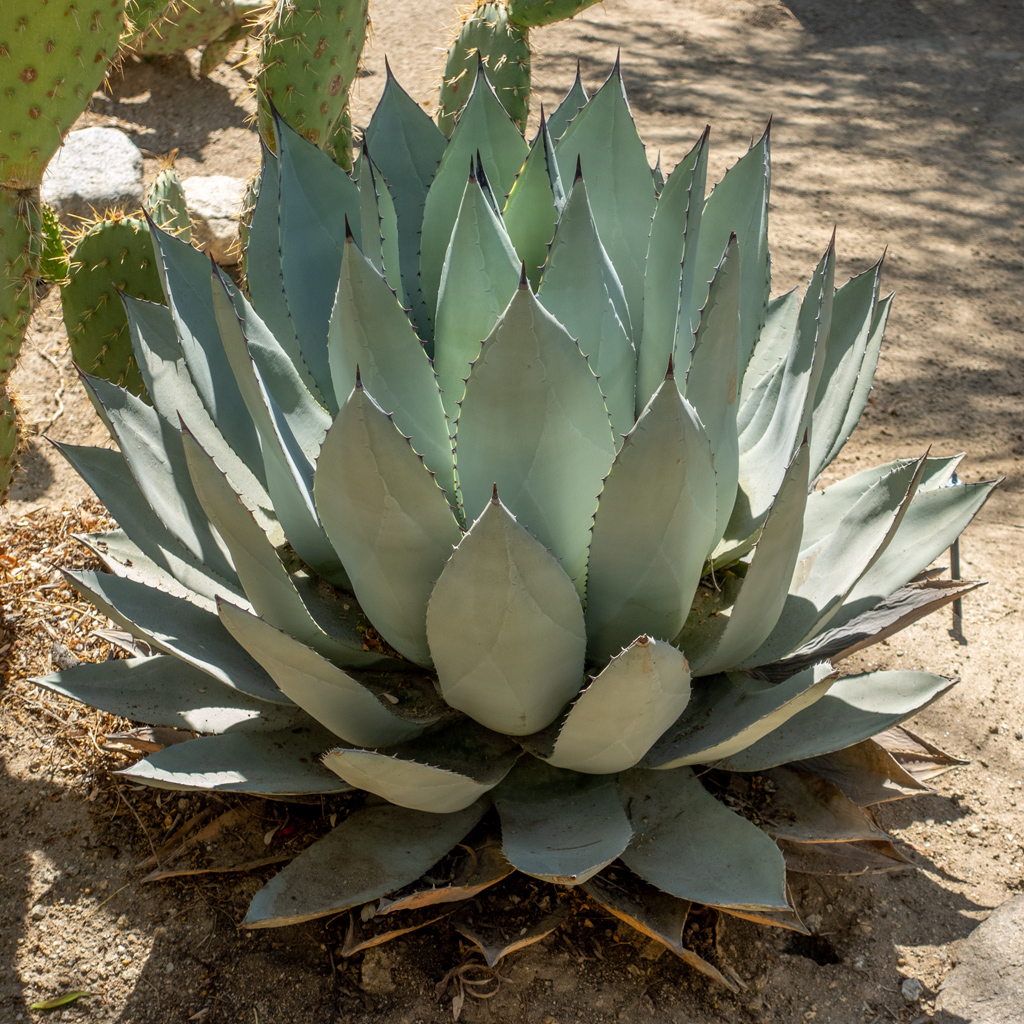
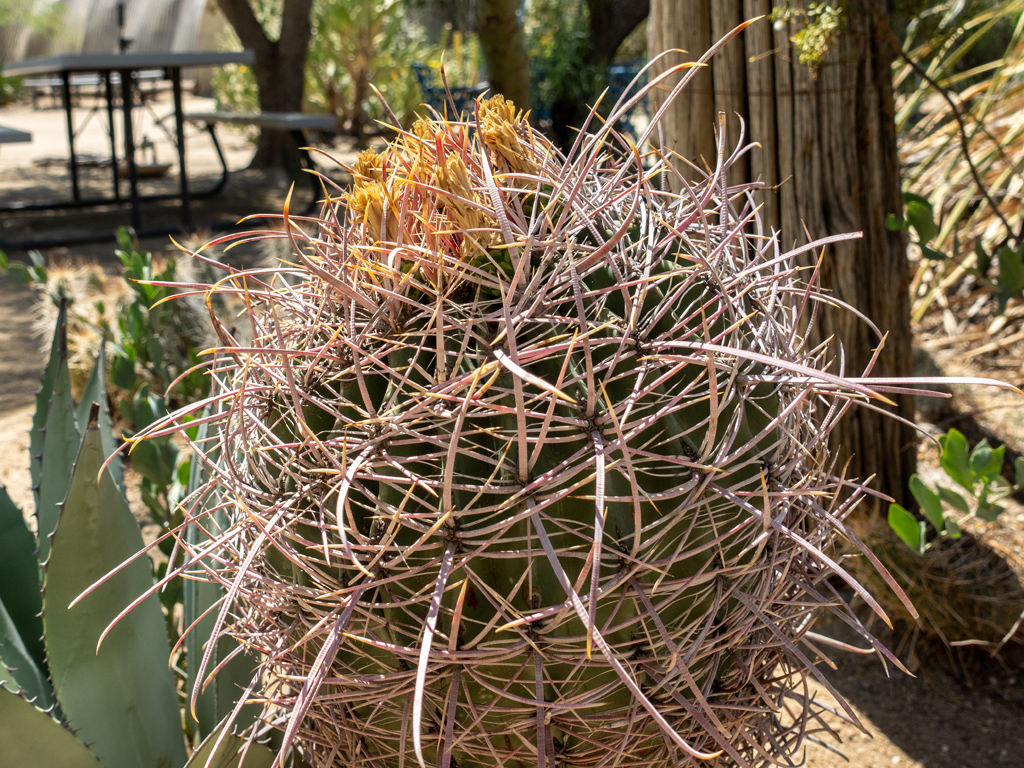
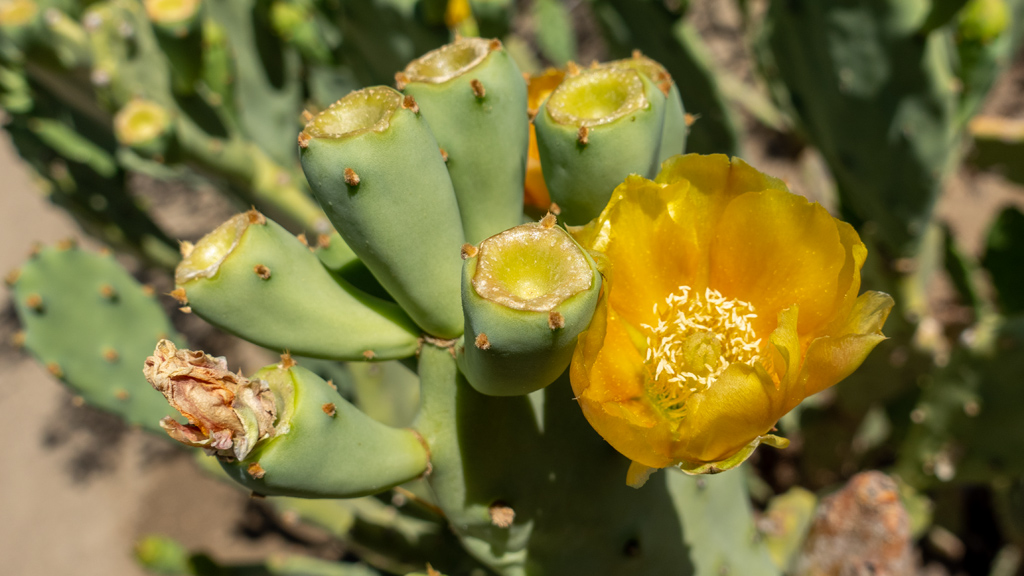
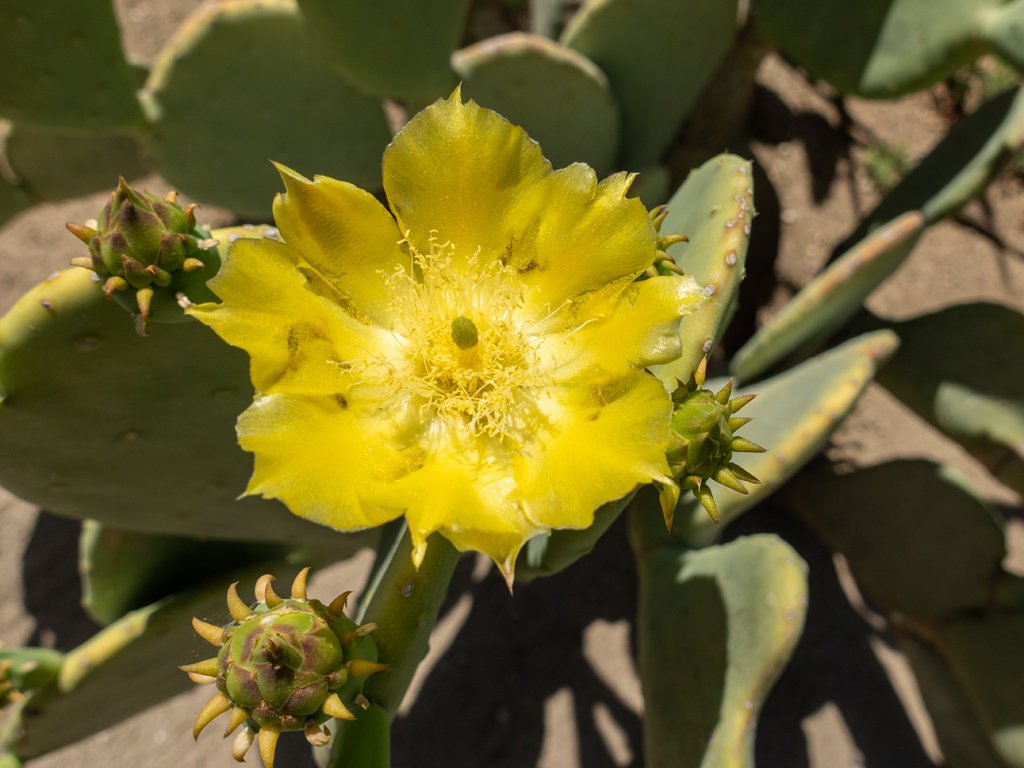
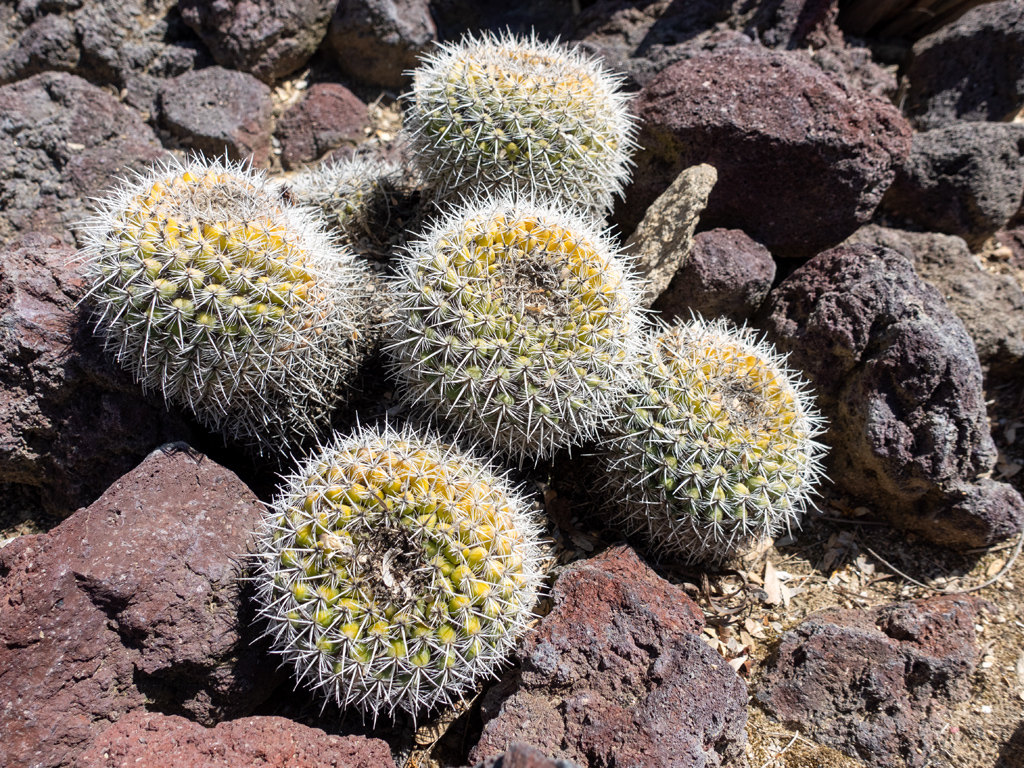
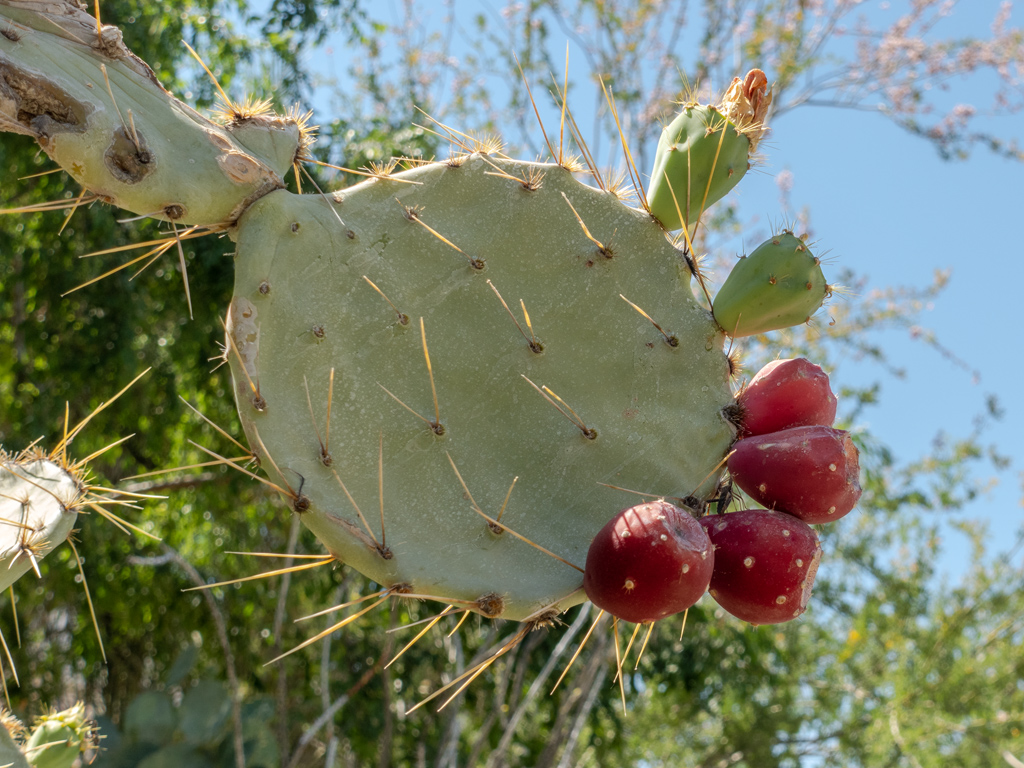
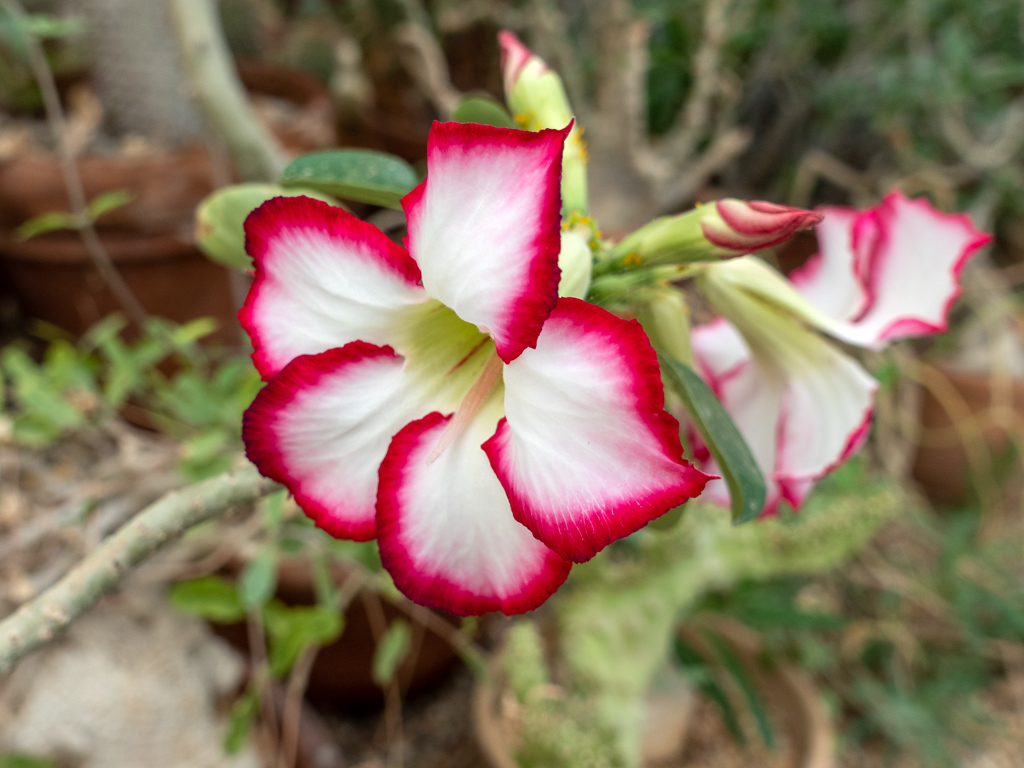
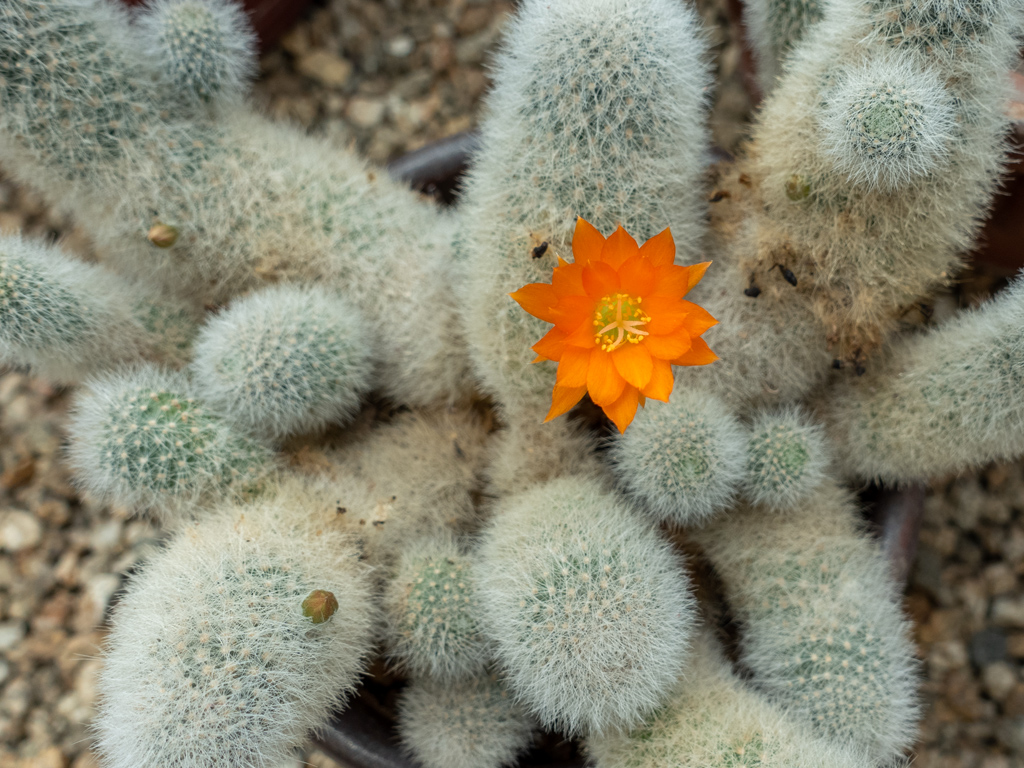
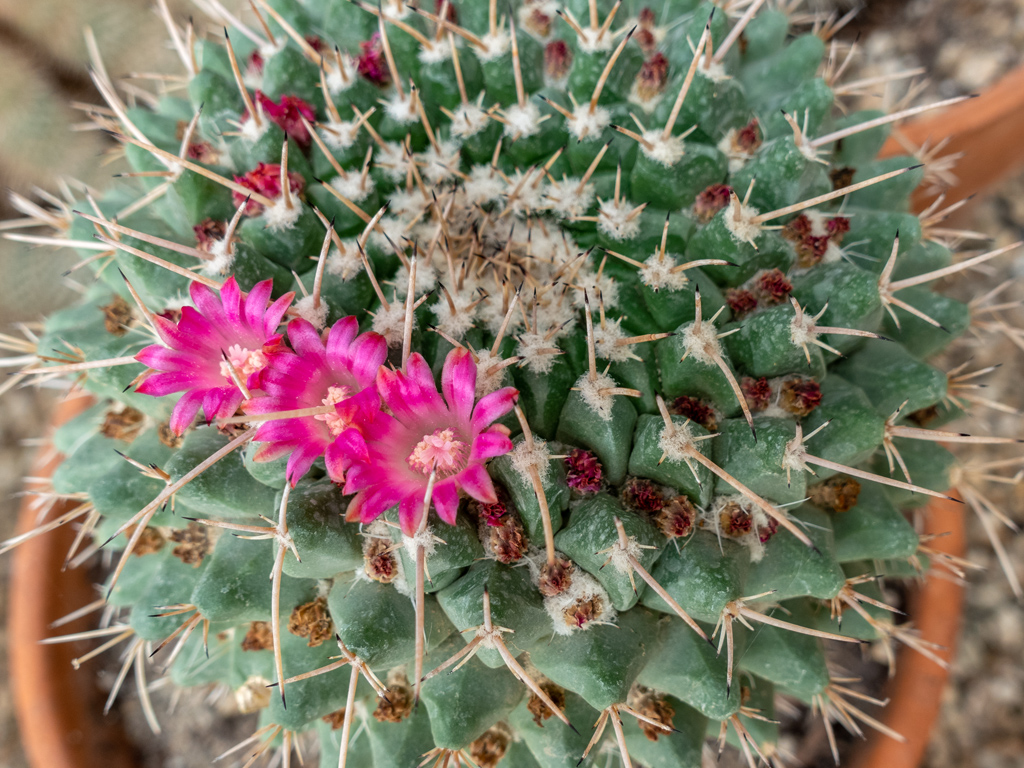
There were two notable things that stood out to me. First was the fact that this was a very unique botanical garden due to its desert nature. When you think of botanical gardens, you usually think of fields layered with colorful flowers, but seeing everything layered with harsh, spiky cacti was an in­ter­est­ing sight. With that being said, cacti also bloom flowers, but in smaller quantities, so the fact that they were rarer and more sparse made the flow­ers even more appealing.

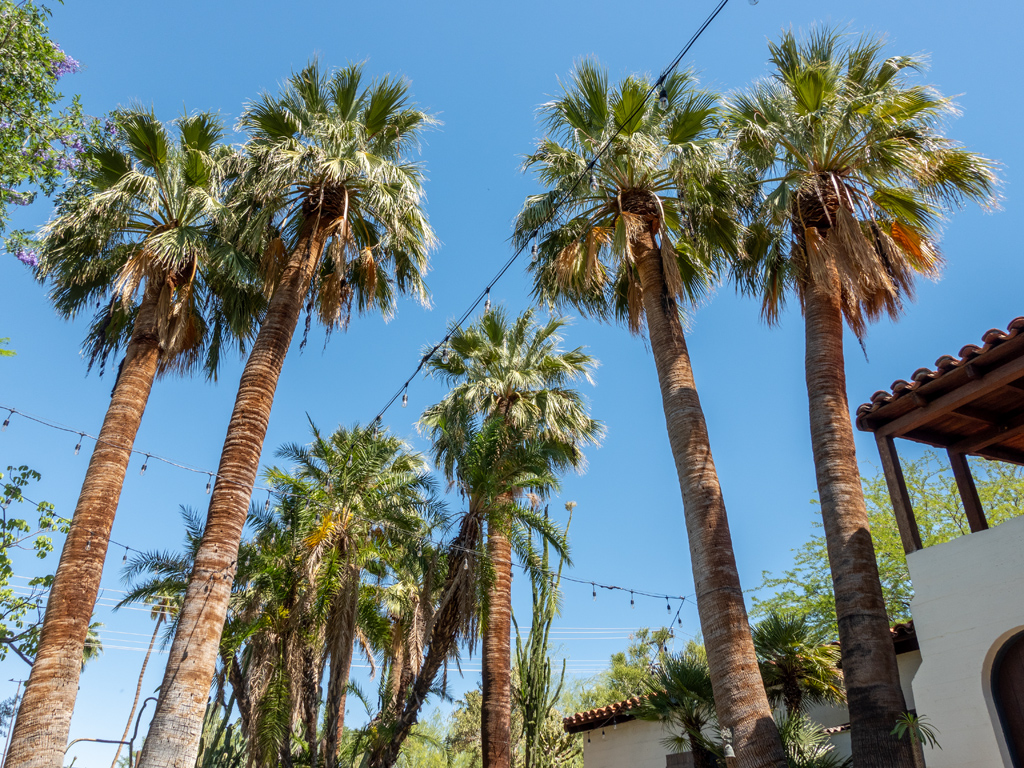
The second thing I liked was the contrast between the natural desert landscaping of the botanical garden, and the manually-introduced tropical palm trees along South Palm Canyon Drive and the luxury real estate surrounding the botanical garden visible in the distance. Seeing that I am a resident of Las Vegas and consider it to be my favorite city, I think it is unsurprising that I like strange things that seem a bit out of place, and having two opposite bi­omes right next to each other in parallel eyeshot of each other is definitely a very strange sight to see.

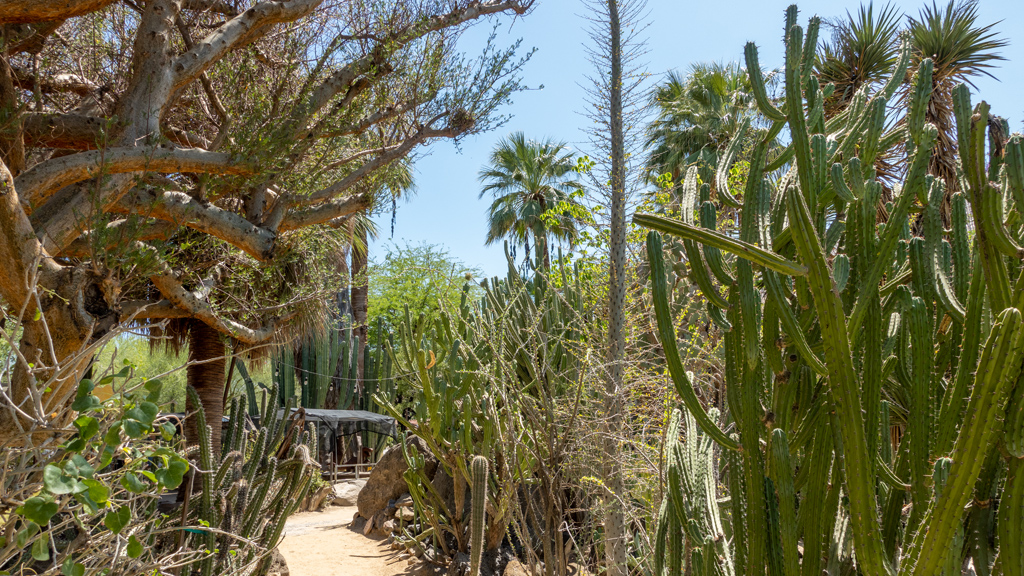
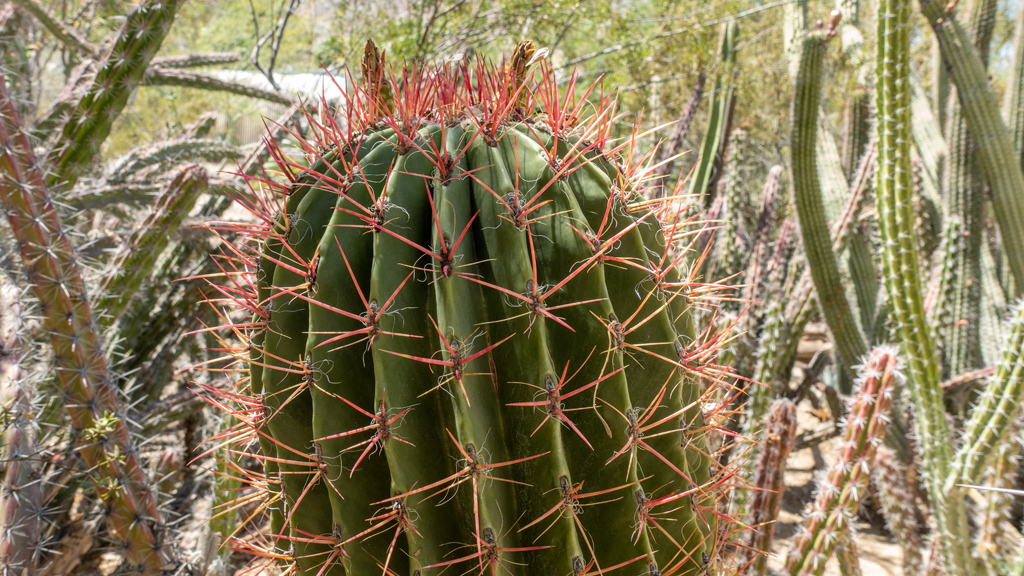
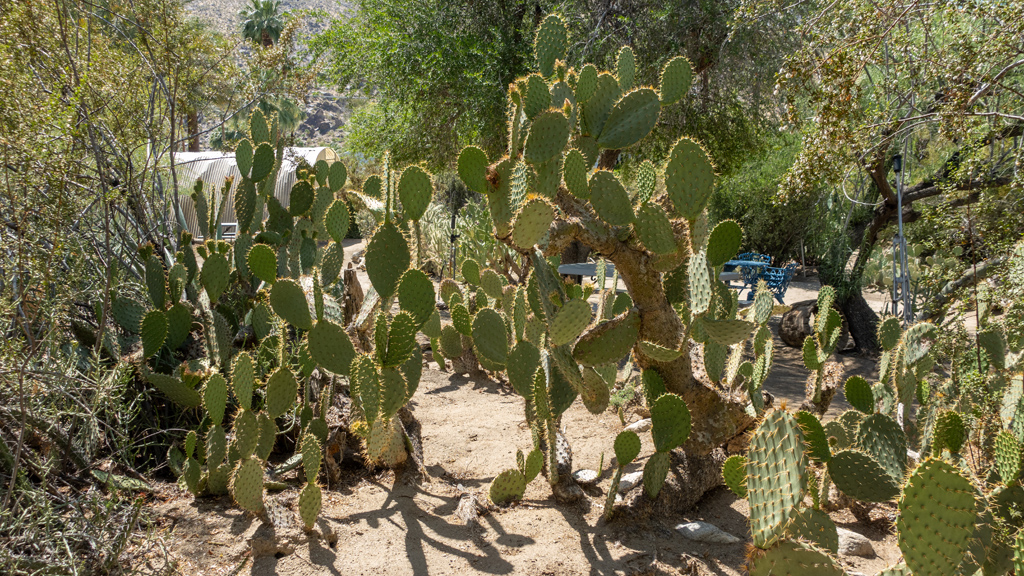
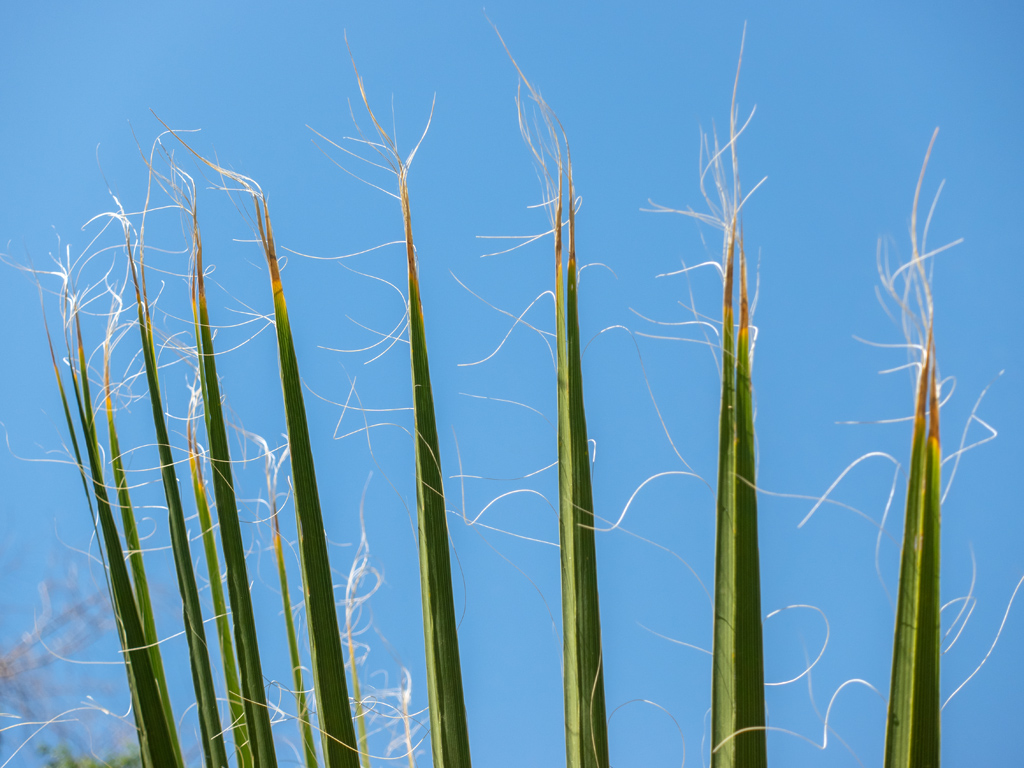
Below are some photographs taken all throughout the botanical garden that I thought turned out the best.


—§—


Hello, Palm Springs Art Museum

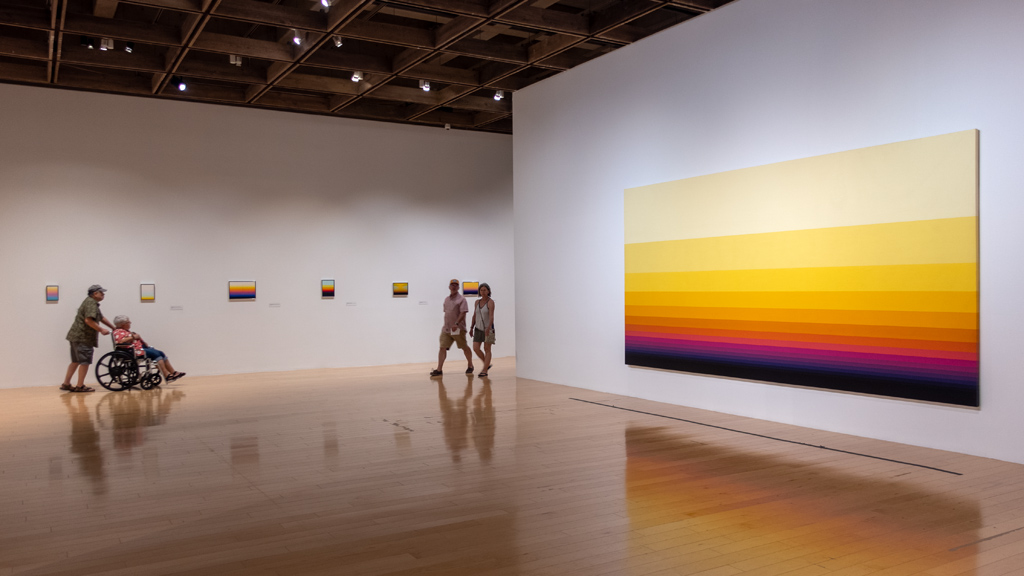
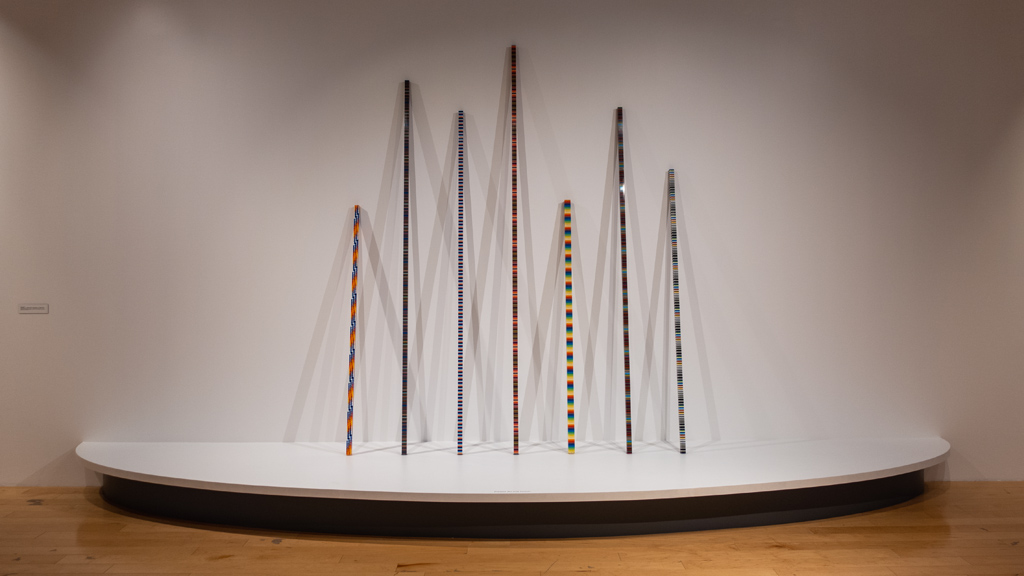
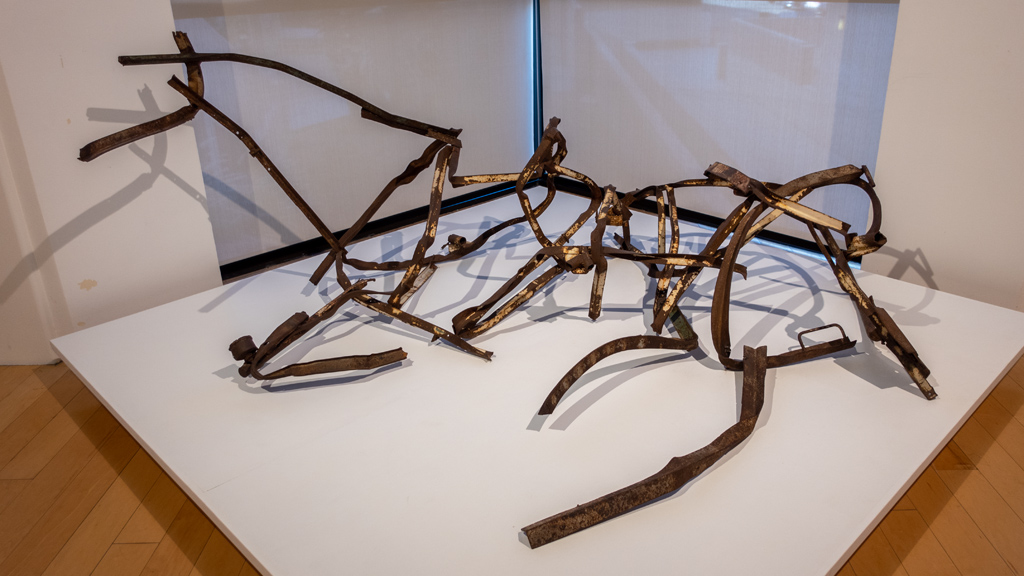
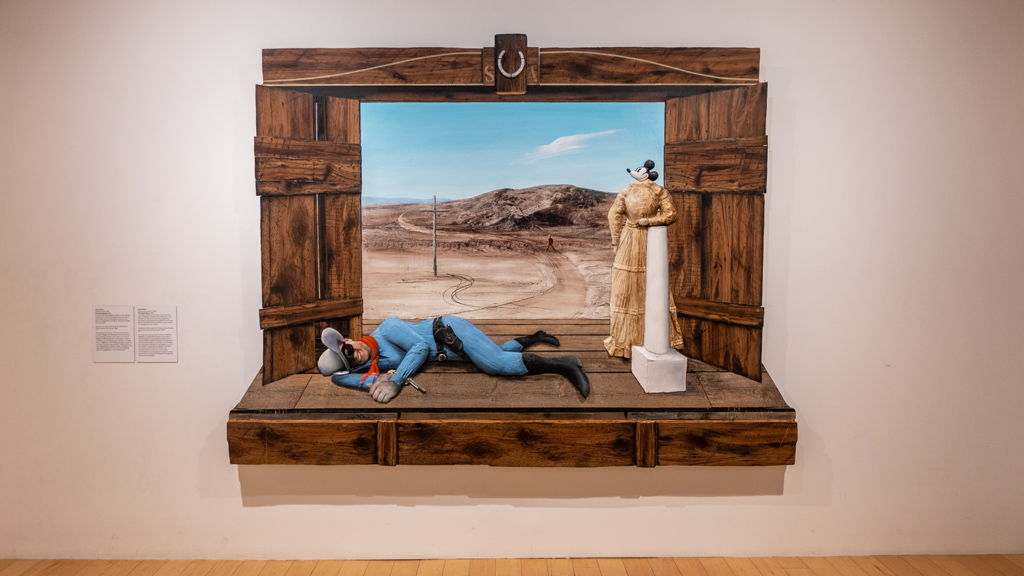
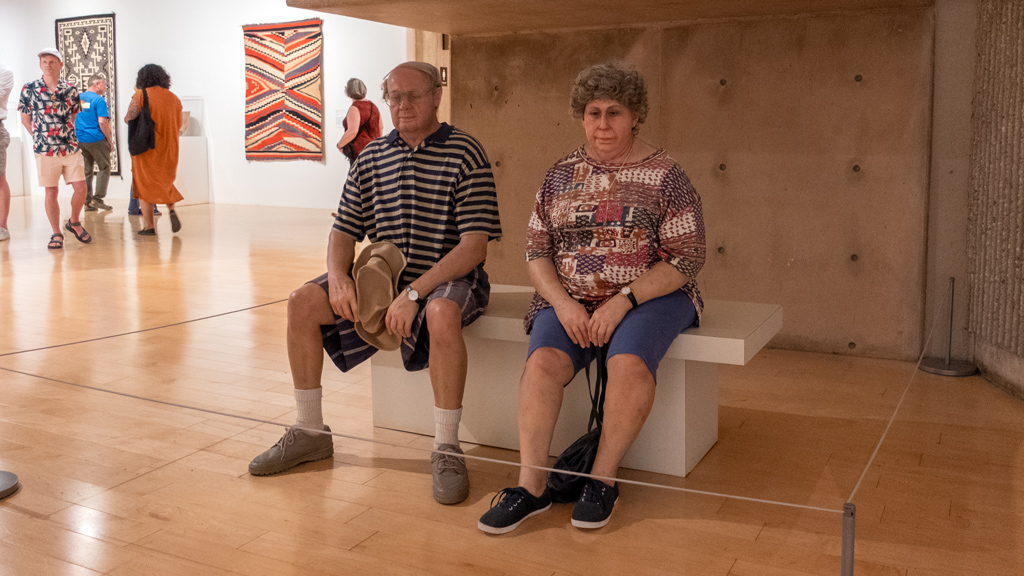
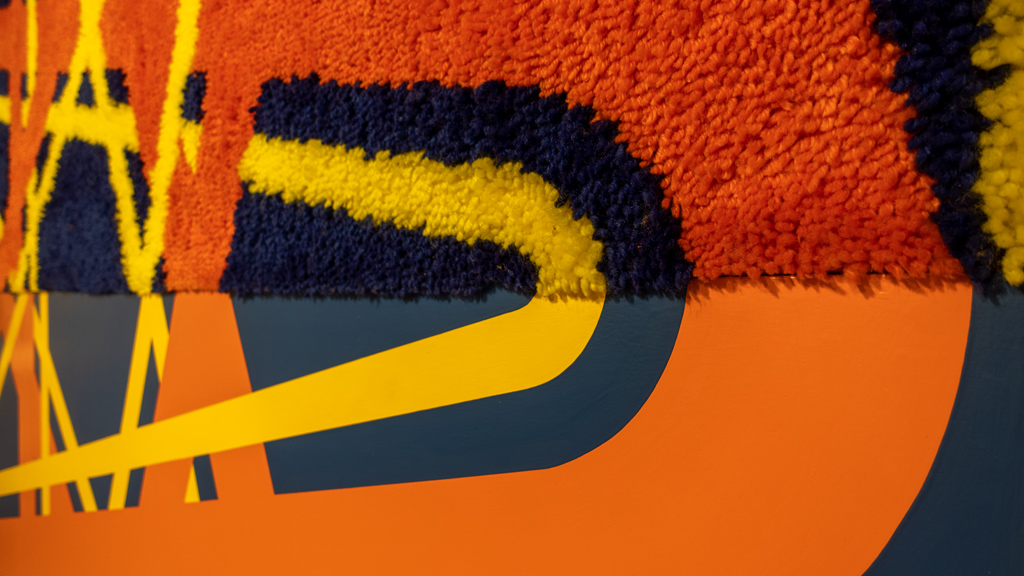
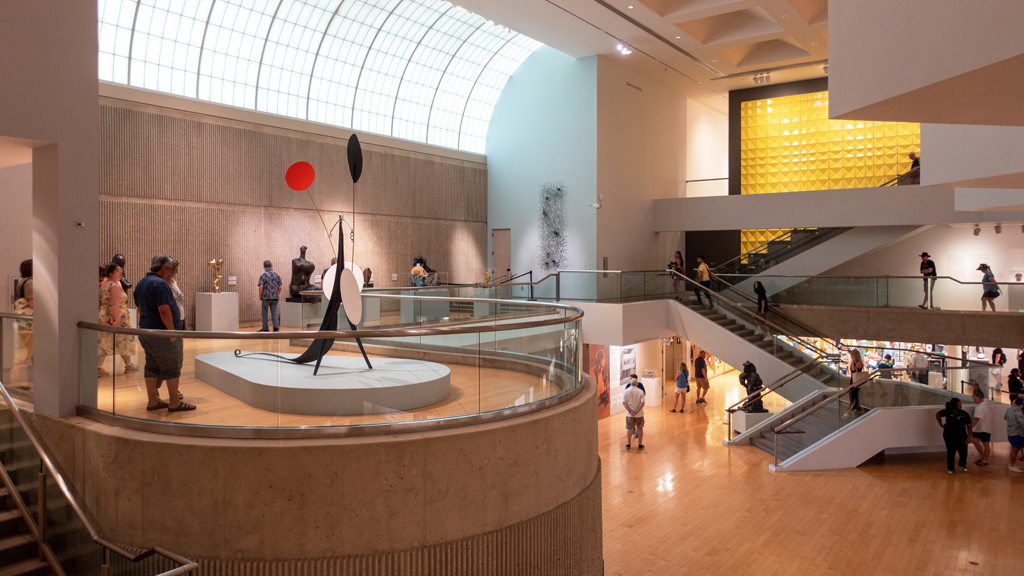
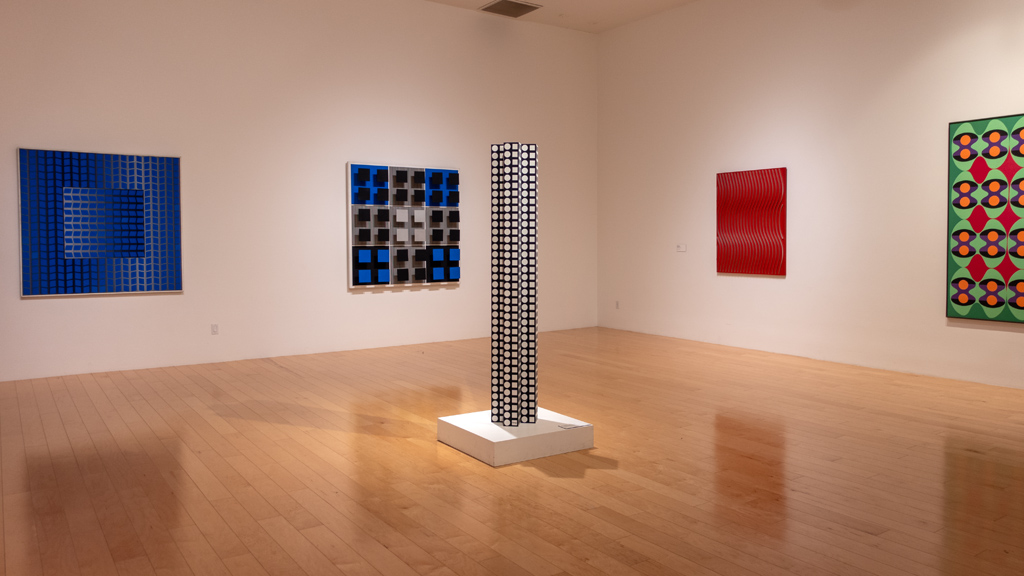
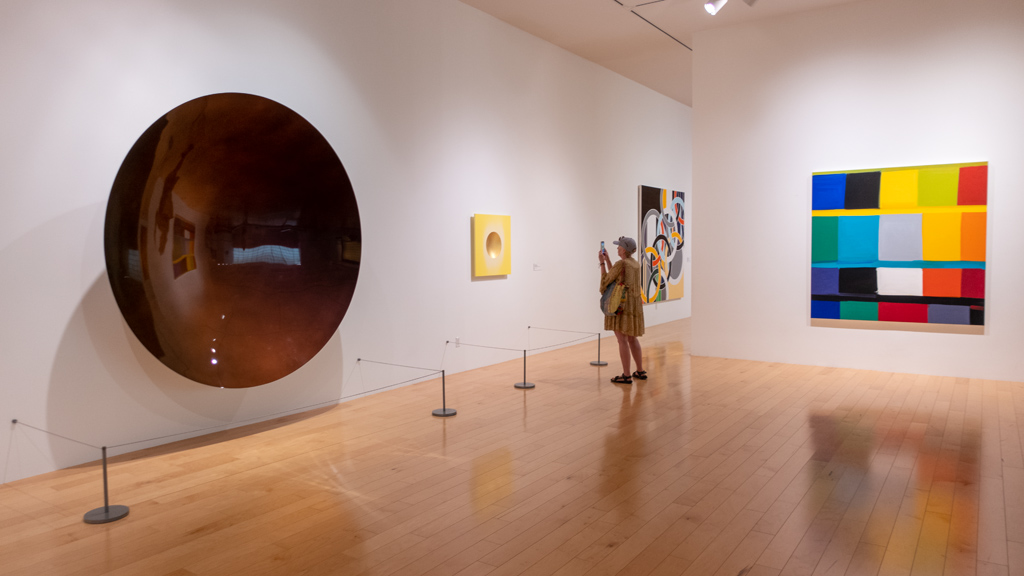
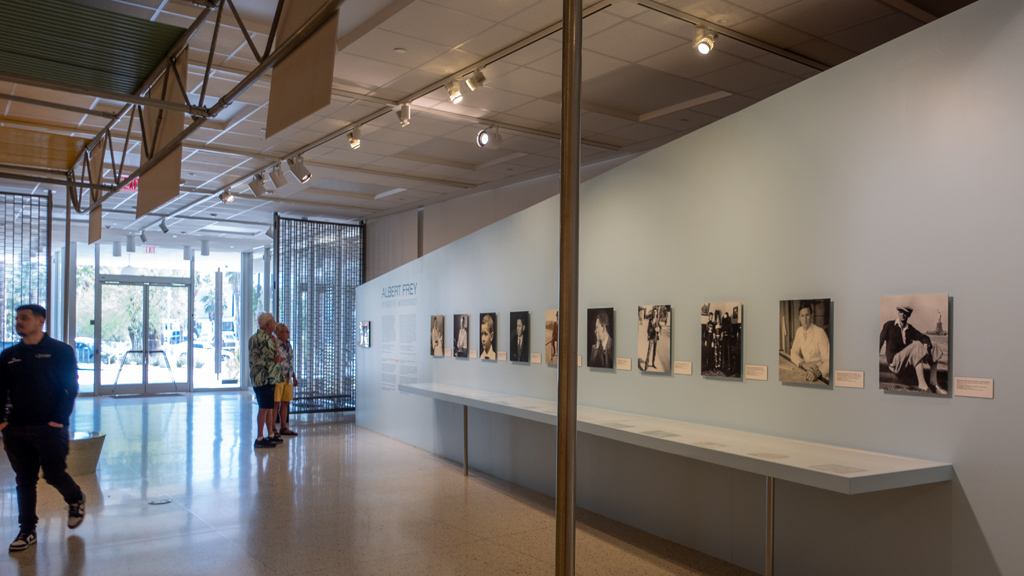
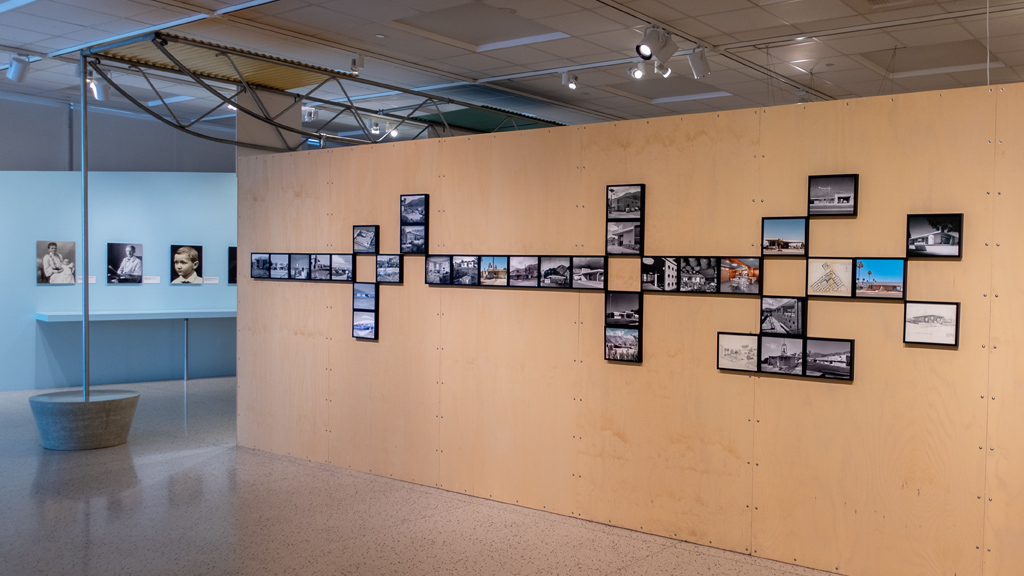
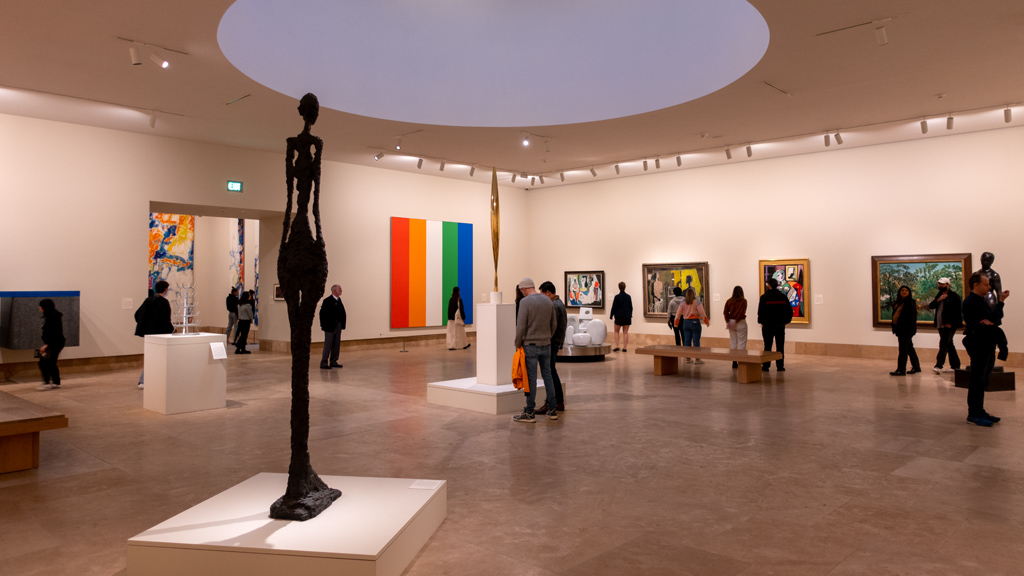
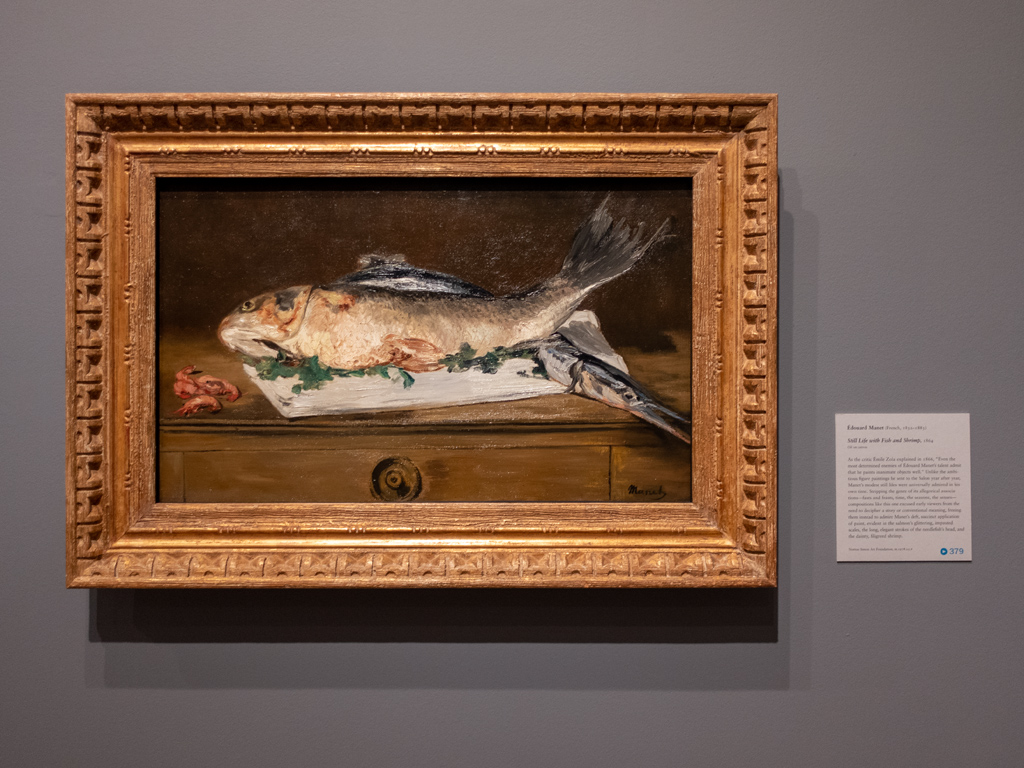
While in Palm Springs of the Coachella Valley in California, I decided to check out the Palm Springs Art Museum and the Palm Springs Art Museum Ar­chi­tec­ture and Design Center. The two buildings are in walking distance of each other—about half a mile away down Palm Canyon Drive and Museum Way.

I took advantage of the free admission they have on Thursdays between 5-8 PM, funded by the City of Palm Springs. Cost of general entry would’ve oth­er­wise been US$16.00 for the main museum and US$10.00 for the A&D Center. A convenient thing about being free on Thursdays is that that’s also the day that VillageFest takes place in downtown, which was nice to check out after the museums.

It was obviously worth it for me because admission was free and it was a nice spot to check out while touring around Palm Springs. However, if you’re pay­ing for admission, that might not always necessarily be the case. I thought these art museums were about what I’d expect as average for an art mu­se­um—they weren’t particularly innovative or revolutionary, but they did have a decent number of unique pieces so that it wasn’t too boring for those who might not be fine art enthusiasts.


—§—


Hello, First Original McDonald’s Museum in San Bernardino, California

I’m a fan of Palm Springs and the Coachella Valley, so I’m making another trip there to explore some more stuff that I didn’t have an opportunity to check out during my previous two visits. On my way there, I decided to take a rest stop in San Bernardino, California to check out the First Original McDonald’s Museum.

This museum is built on the site of the very first McDonald’s. Apparently, the land was bought out by the owner of Juan Pollo and now acts as an un­official hub for preserving the history of McDonald’s. It’s become a meme among my friends about how much I like McDonald’s, so I figured this would be a good spot to tour.

I ate a lot of McDonald’s as a kid, so this was pretty nostalgic. I didn’t really recognize many of the older Happy Meal toys, but it was very fun to see some of the older wrappers and packaging that I remember seeing and eating out of when I was single-digit age.

And for all the car and truck enthusiasts who have been leaving comments in my past blog posts asking if I am still driving the same pickup truck, yes I am. Here it is in the overflow dirt parking lot of the museum.

Unless you’re planning on becoming a McDonald’s franchisee or something, I wouldn’t really consider this to be a must-see tourist hotspot. With that being said, if you’re already passing through the area and have eaten McDonald’s throughout your life, I think this museum is a very compelling rest stop candidate.


—§—


Hello, Norton Simon Museum in Pasadena, California

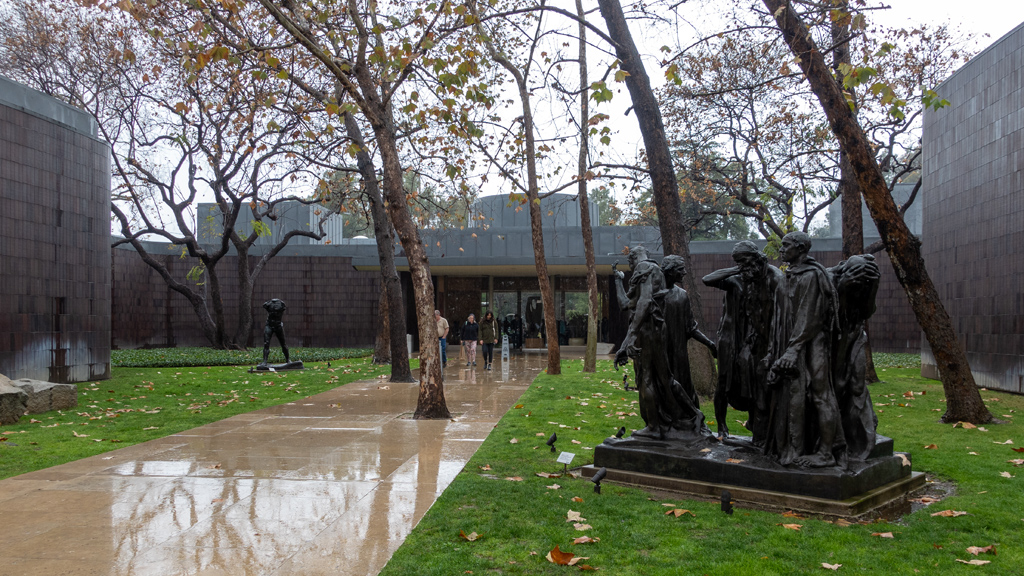
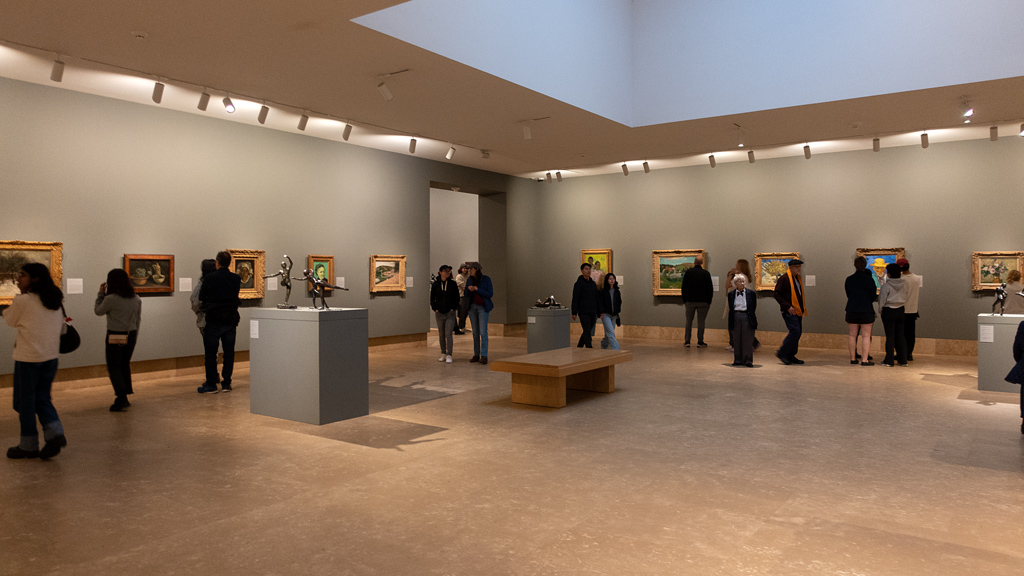
My friend Dani is still in town, and for our next tourist activity, she picked the Norton Simon Museum in Pasadena of Los Angeles County, California.

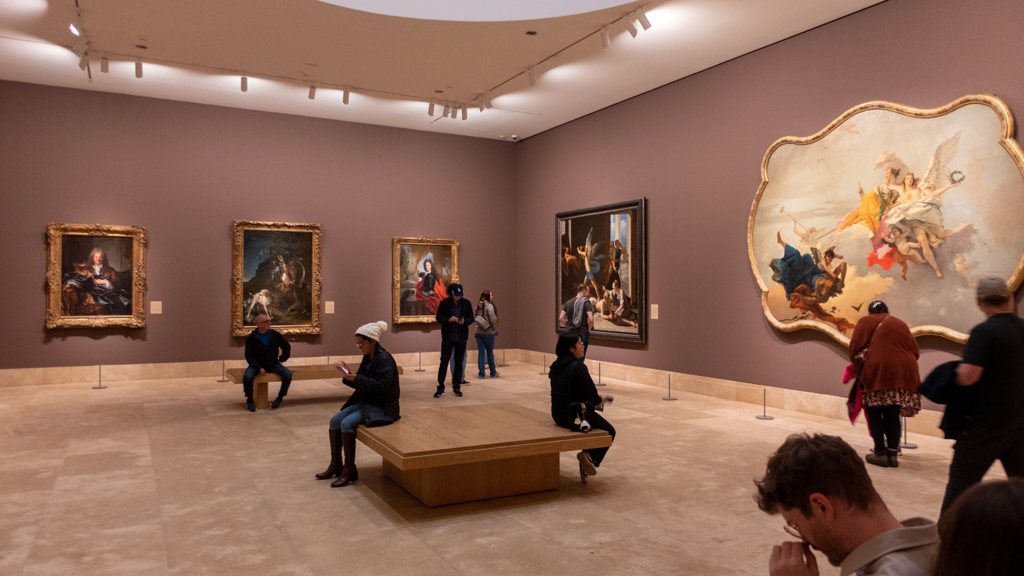
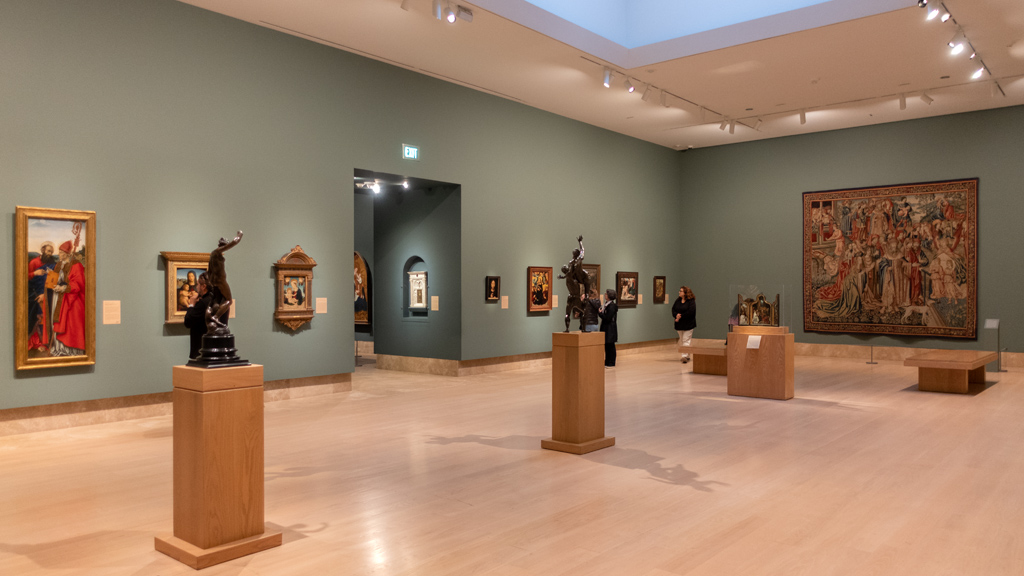
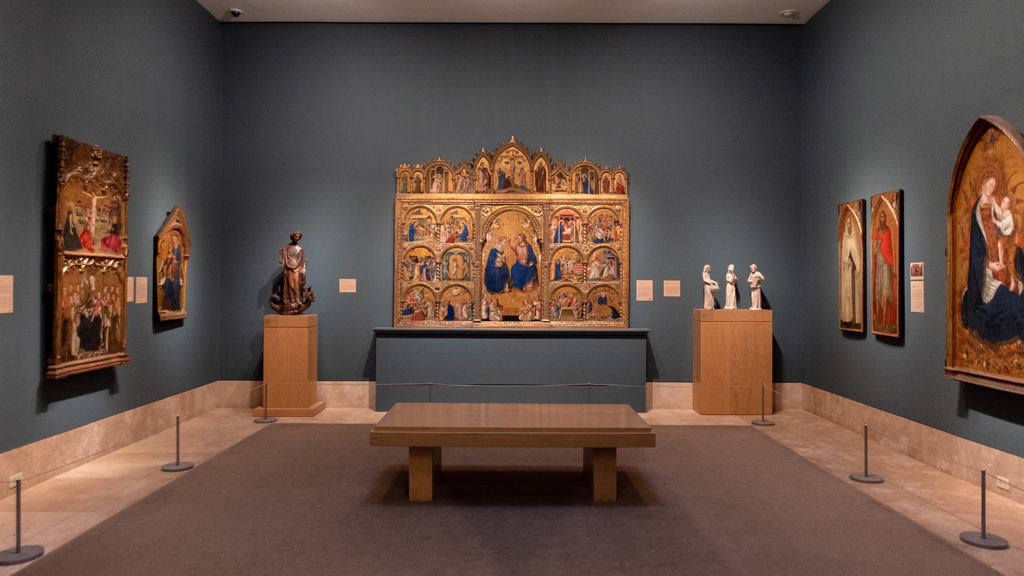
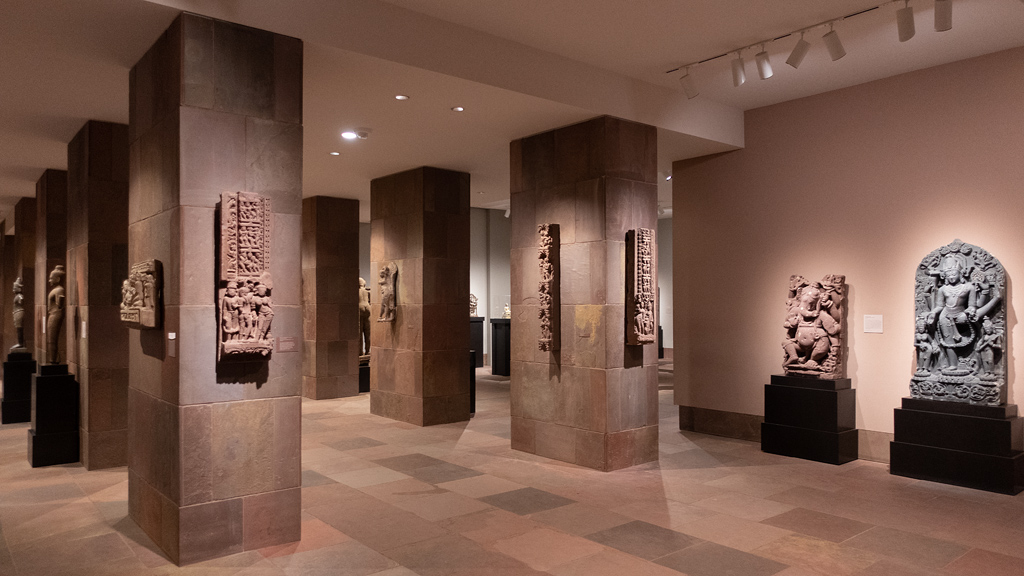
There was a phase during my two-year road trip during which I was intrigued by art museums and art galleries, but I think that period has ended, be­cause I found the Norton Simon Museum to be fairly understimulating.

It was also extremely packed and congested inside—probably be­cause Los Angeles has been going through a rainy phase so people probably thought an art museum would be a good indoor activity for a gloomy day—so it was difficult for me to stand still and read the placards without feeling like I was ob­structing the view of a row of people walking assembly-line style past me.

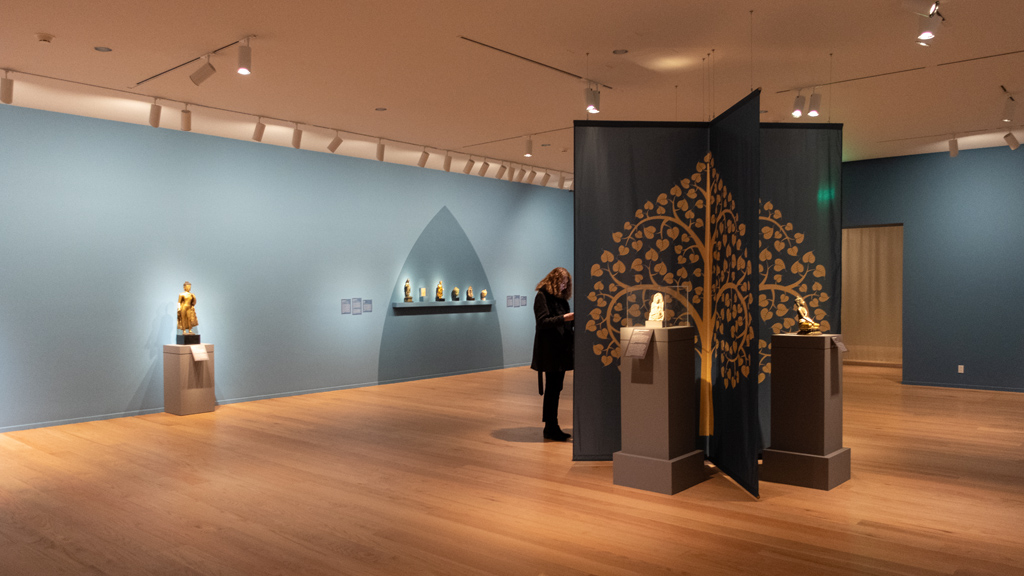
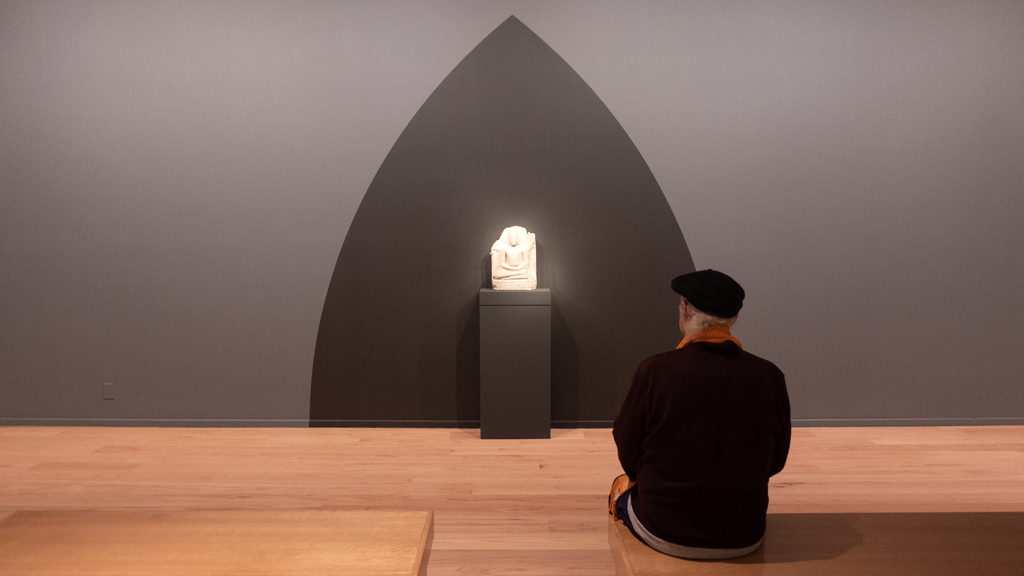
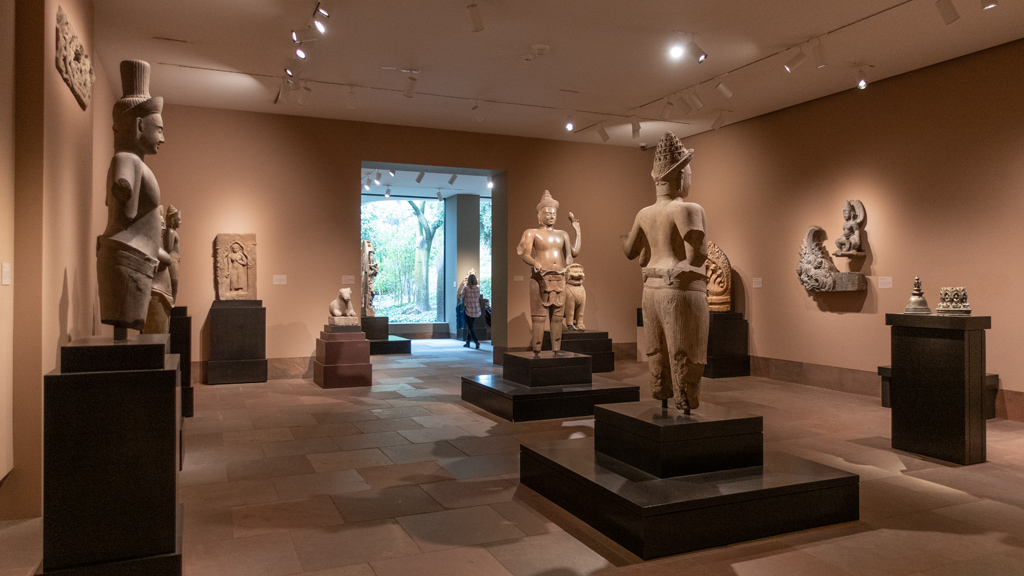
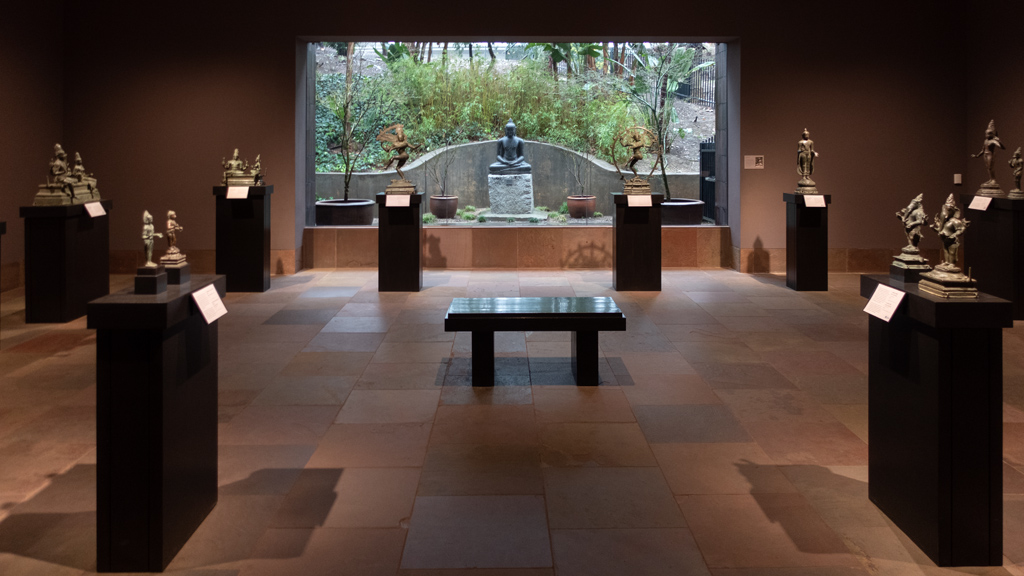
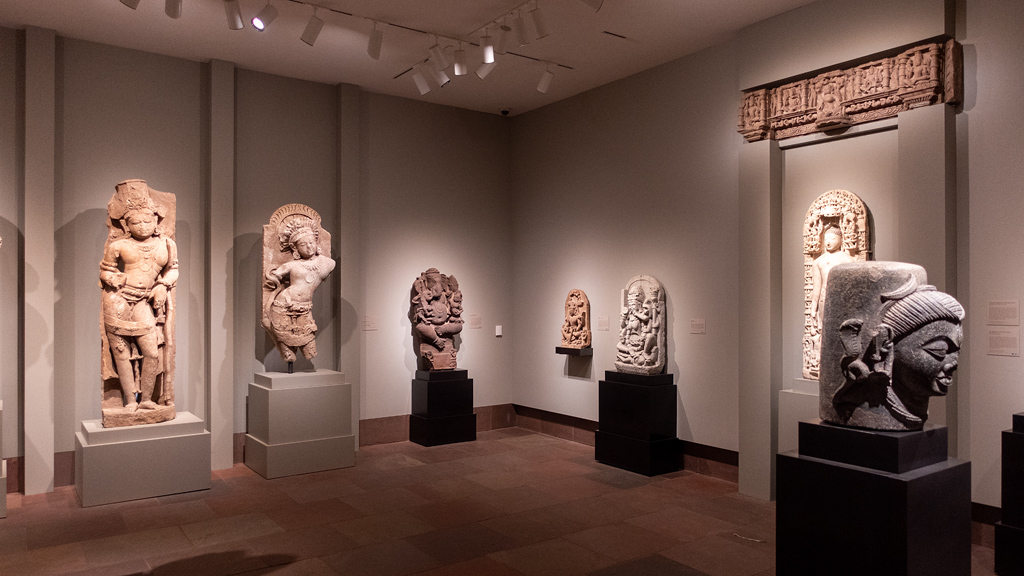
The downstairs area had a spotlight called “Benevolent Beings: Buddhas and Bodhisattvas from South and Southeast Asia,” which I found to be a bit more interesting.
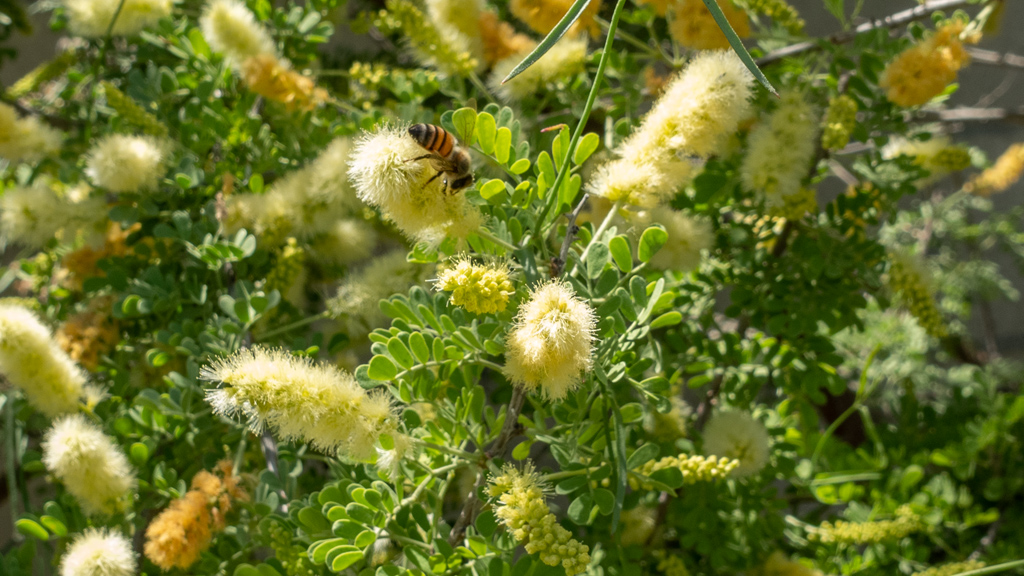
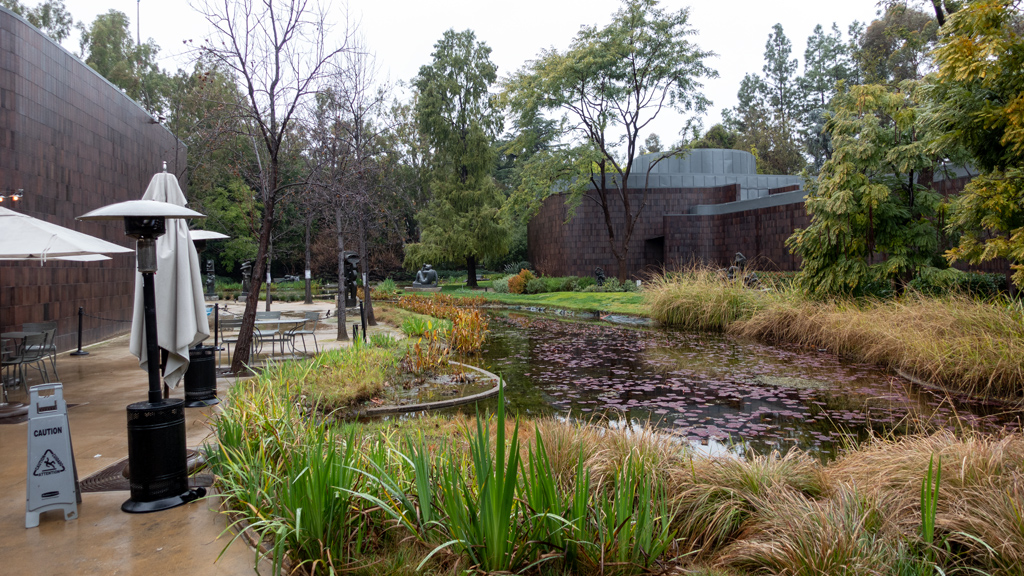
Unfortunately, the Sculpture Garden in the outdoor area was closed due to heavy rain.

Even though this wasn’t personally my thing, it was nice to see that Dani seemed to enjoy it. We paid US$20.00 each for admission, which is not bad for an art museum of this size in Southern California. I’m still glad that I went, because I like to broaden my breadth of knowledge and understanding on var­i­ous topics, and even though I’m probably not creative or attuned to artistic themes enough to be able to get the most out of this experience, it was still nice to look at everything.


—§—


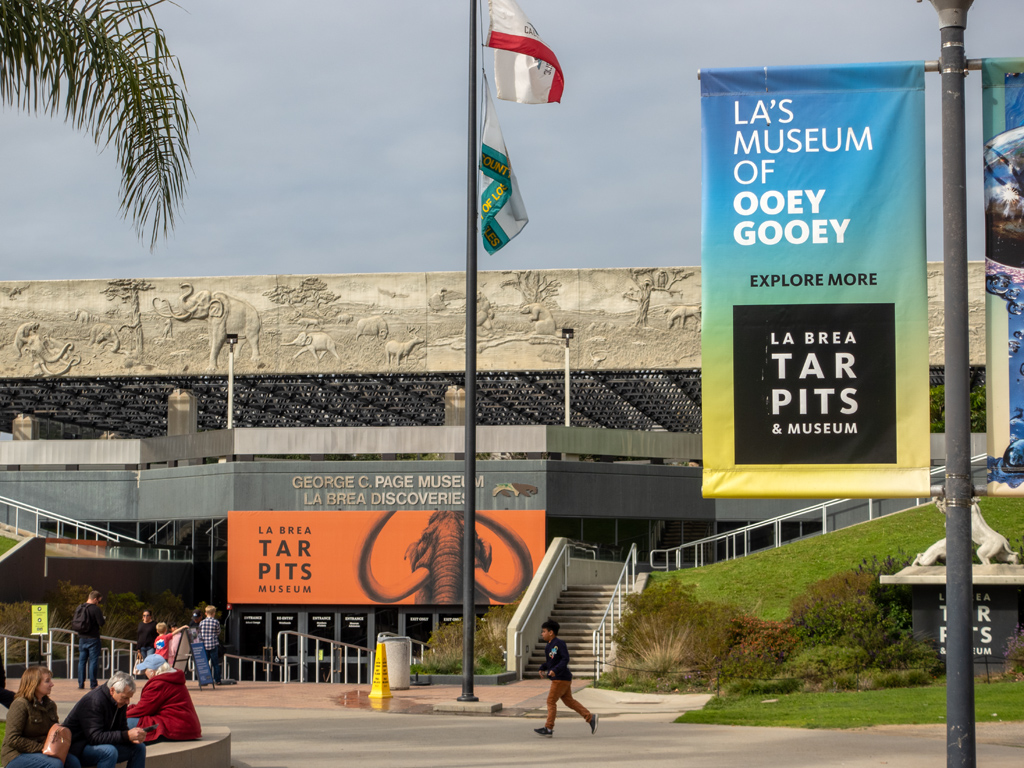
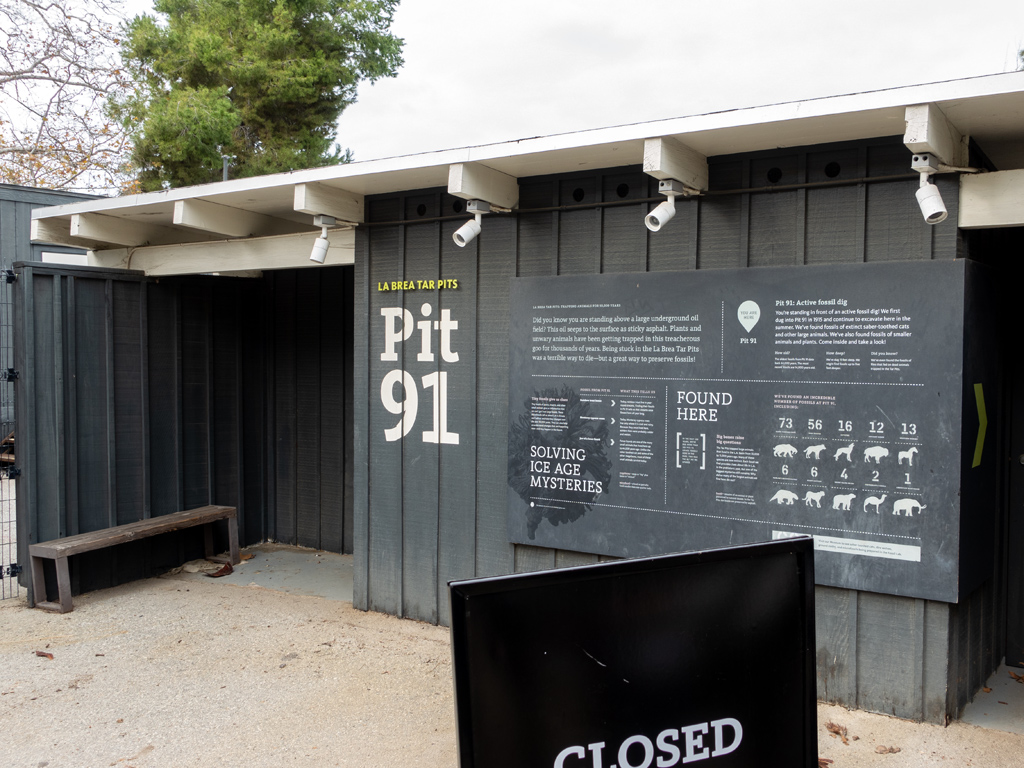
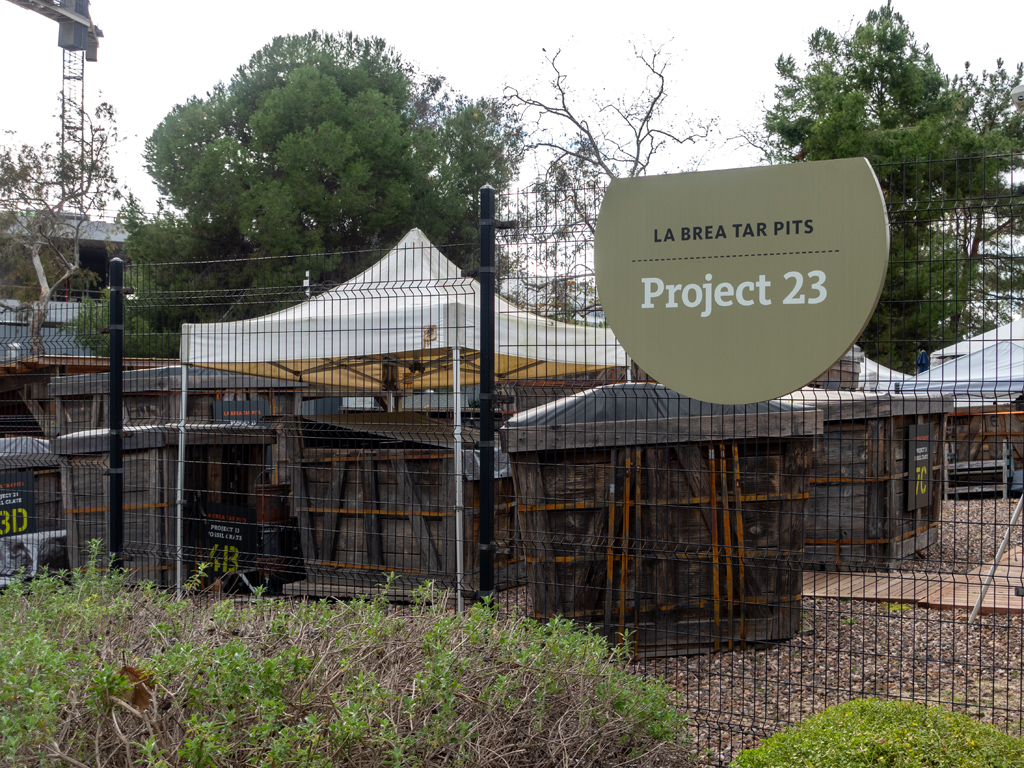
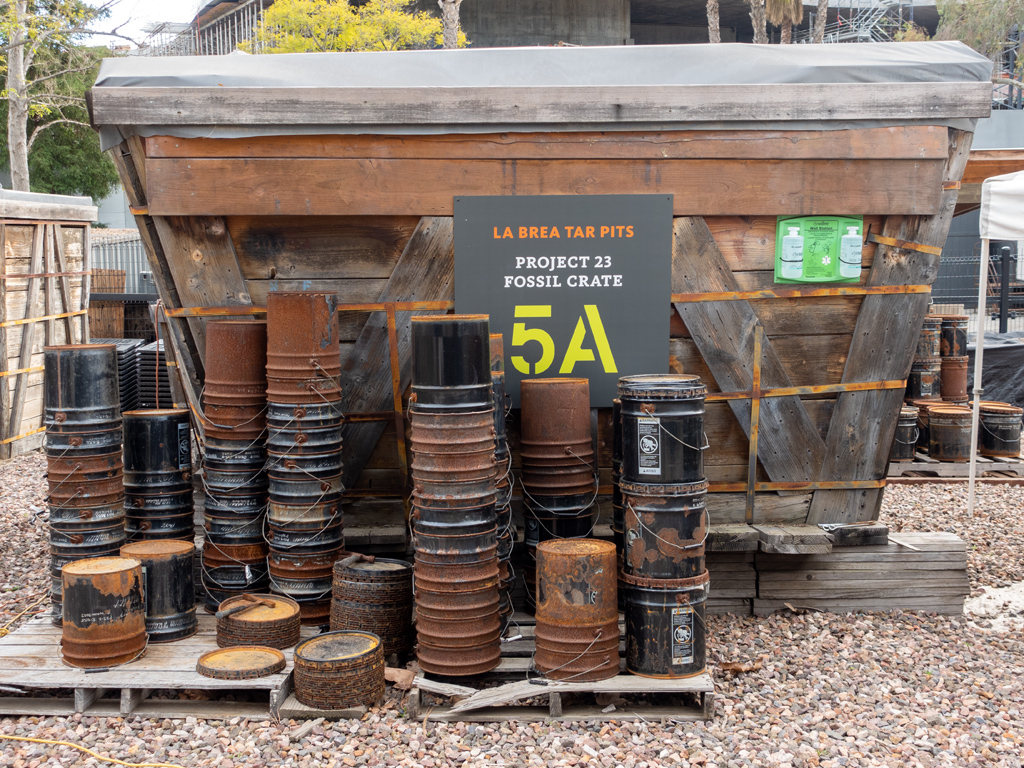
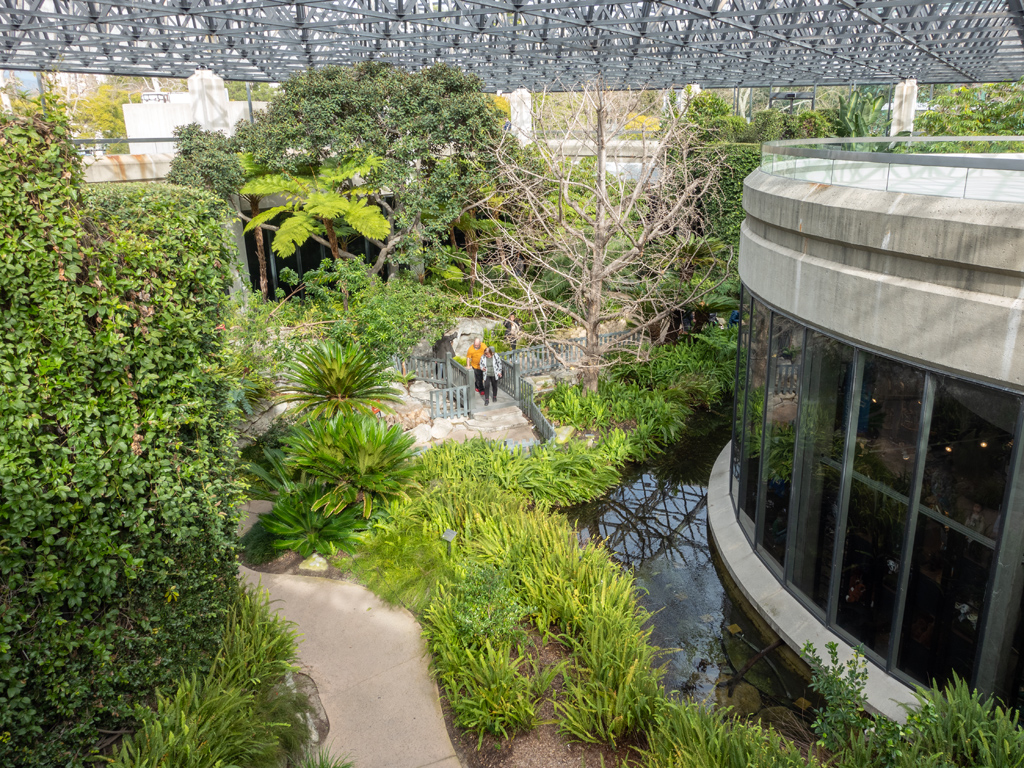
Hello, La Brea Tar Pits and Museum in Los Angeles, California

My friend Dani, who you may remember as the owner of Mina the cat, was making a trip to Los Angeles, so I headed over from Las Vegas to visit her while she was in town. For one of our tourist activities, we visited the La Brea Tar Pits and Museum in Los Angeles, California.

When Dani first told me she wanted to visit the Tar Pits, I was a bit confused as to why she would want to go look at a bunch of asphalt. But, when she ex­plained more about the story behind it, it became a lot more interesting.

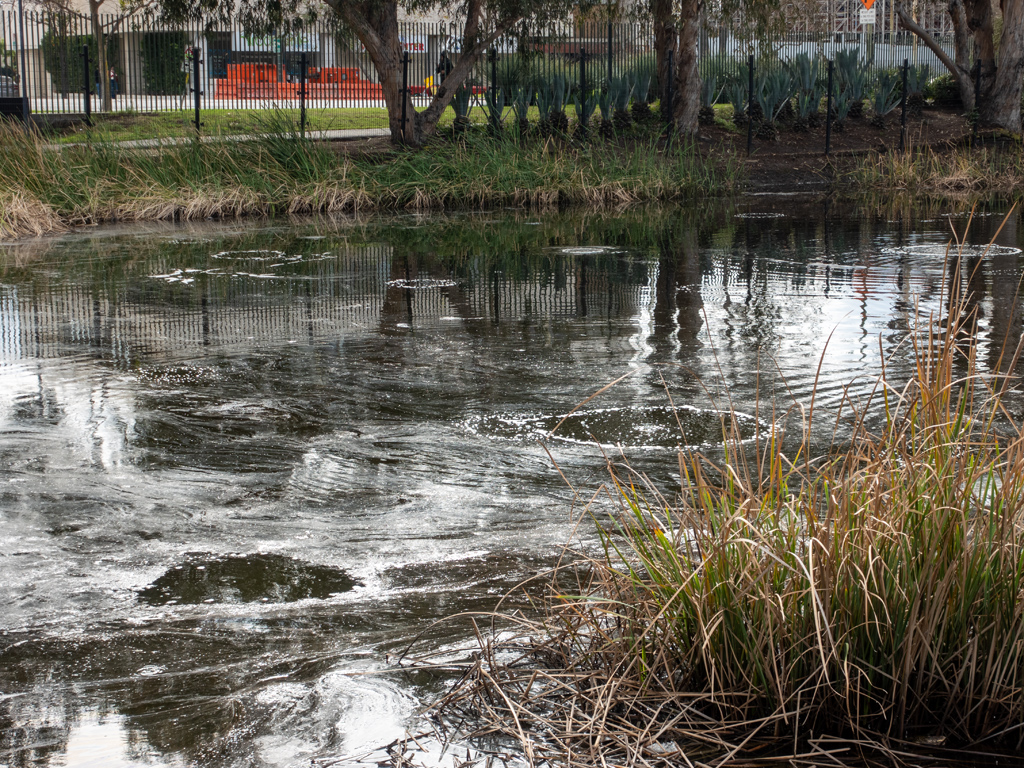
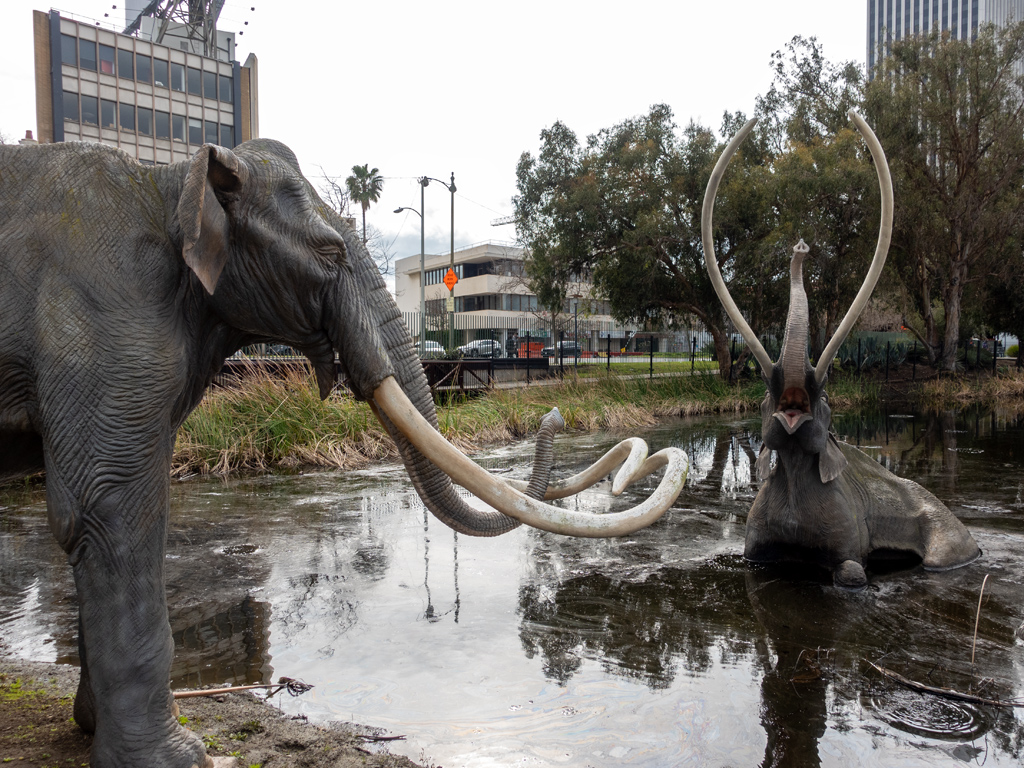
Apparently, the tar pits are a naturally-occurring phenomenon that would trap animals in them a long time ago. Small animals would get stuck in there first, then some medium animals that were predators of the small animals would see them in there, think it’s an op­por­tu­ni­ty to get some free food, and also go into the tar pits and get stuck. Then some larger animals that were predators of the medium animals would see them in there, think it’s an op­por­tu­ni­ty for them to get some free food, and also go into the tar pits and get stuck. This process would continue until many different animals of many dif­fer­ent sizes ended up getting stuck in the tar.

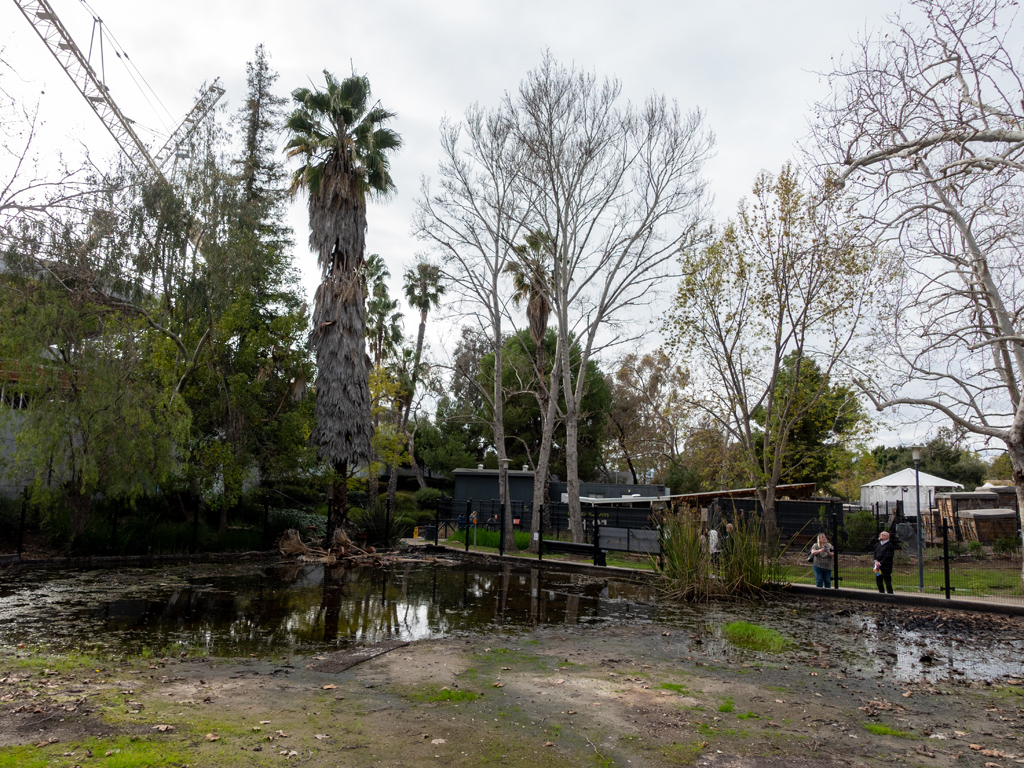
The tar is still active and was bubbling up while we were there. There were also many cones set up by staff and sparingly spread out across the entire plot of land—this was to warn people about locations where even more tar was randomly coming up where it didn’t used to be, so that visitors wouldn’t end up stepping in it.

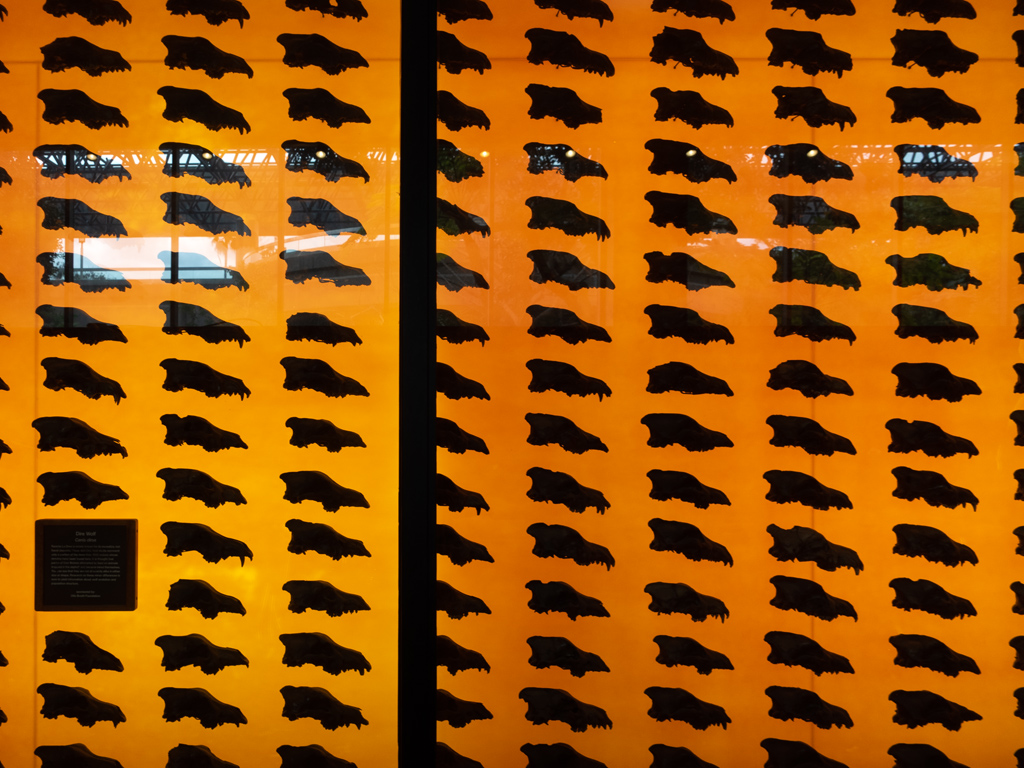
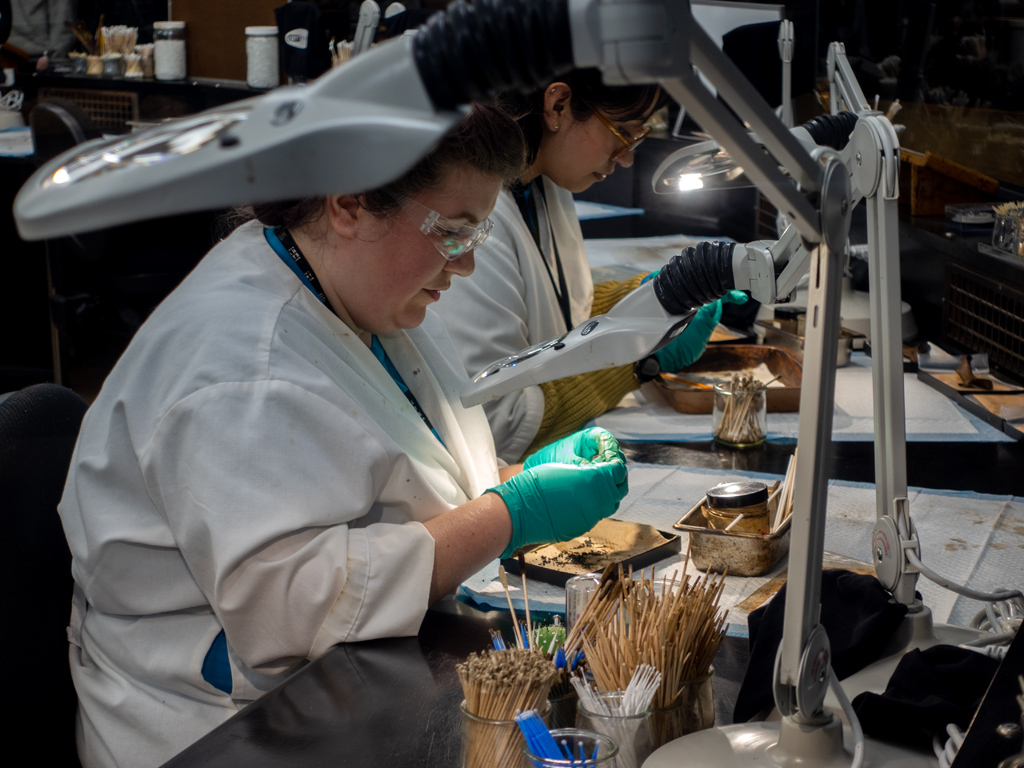
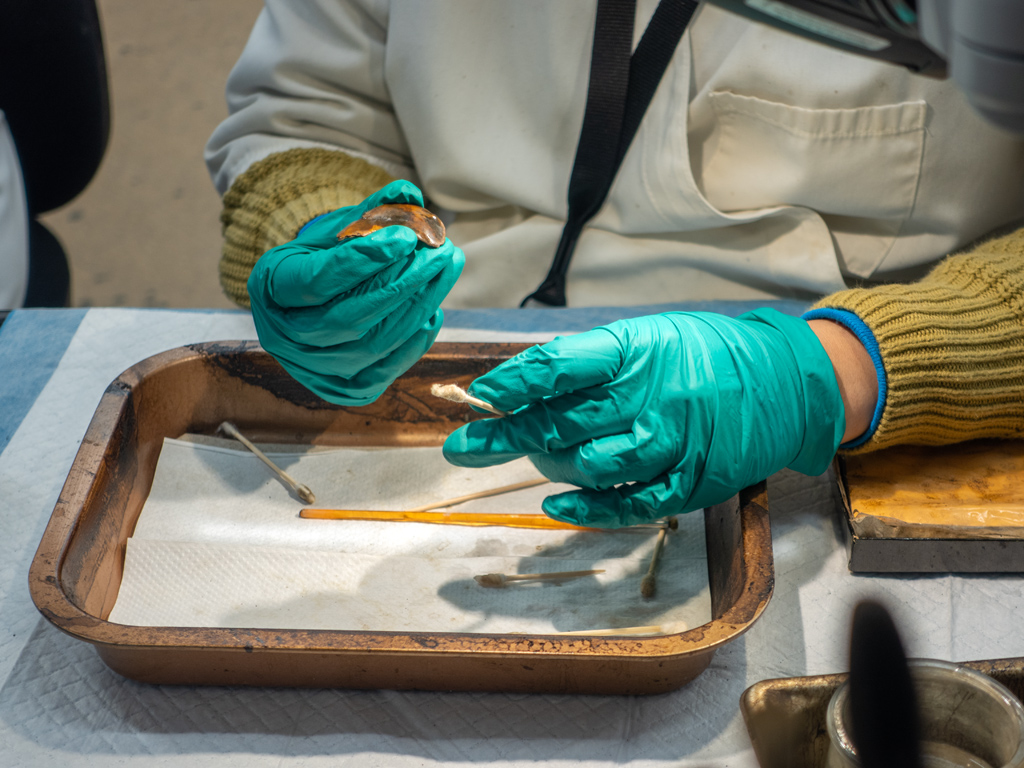
There was also an indoor portion of the museum. It was very stereotypical of a regular museum, but one portion of it I liked was the laboratory section where we could watch scientists clean fossils found in the tar pits.

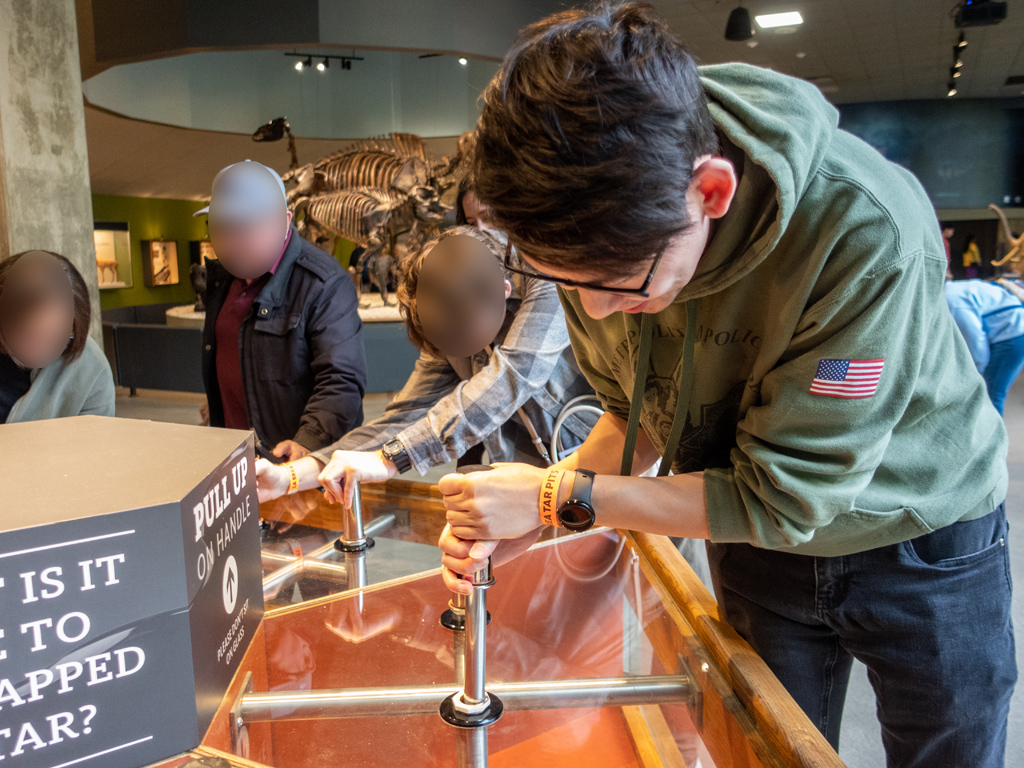
There was also an interactive section where you could test your strength and see whether you would be able to pull yourself out of tar, if you had gotten stuck.

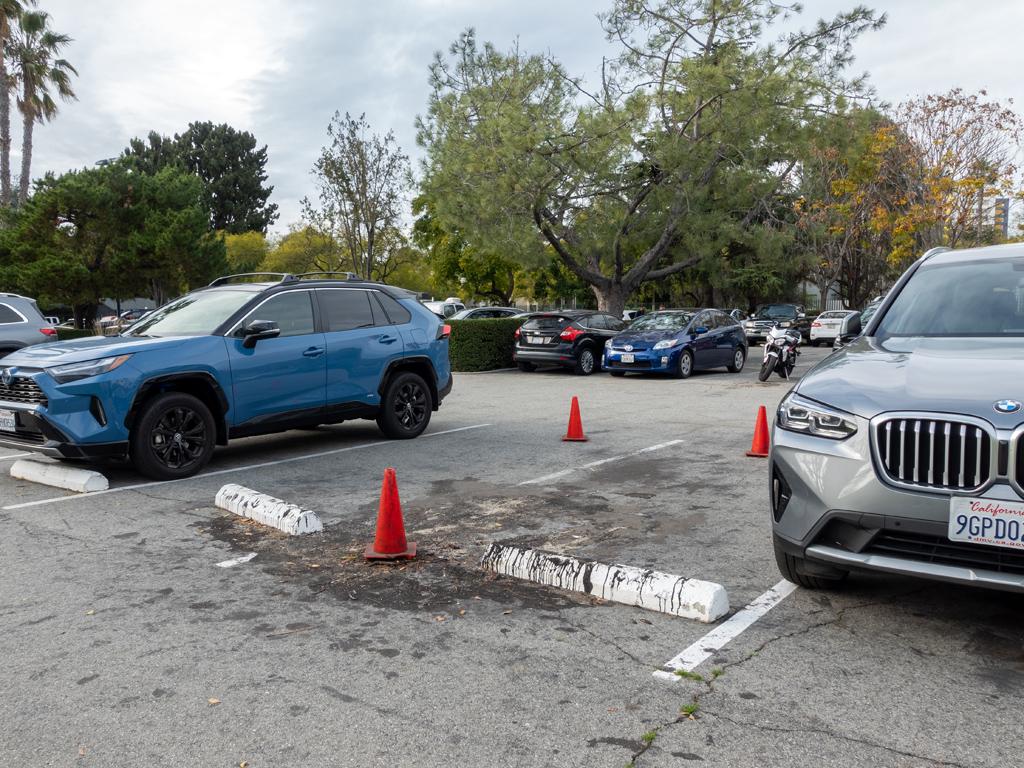
Remember how I said the tar sort of just erupted from random locations throughout the plot of land? When we had wrapped up and was walking back to the spot I had parked, we saw a section that was coned off in the parking lot because tar was coming onto the surface even through the pavement. It made me wonder how damaged the vehicle above the leak was, if there was one parked above it when the tar first came out, as well as how long it would take for the entire parking lot to eventually be covered in cones.

The La Brea Tar Pits are in the same block as the Los Angeles County Museum of Art and the Academy Museum of Motion Pictures, so if you’re going to either of those two, I think it’s worth a visit just to see something so unique and different in the middle of a city.

If you’re interested in learning more about the fossils, admission to the museum was US$15.00 per person for me, but if you just want to see the tar pits, that is free and open to the public.


—§—