Hello, Denver Firefighters Museum in Colorado

When I was younger, and before I got involved with the esports and video gaming work that led to and evolved into what I do today, I used to work in law enforcement. My Bachelor’s degree from university is in a field adjacent to the investigative aspect of law enforcement, and I was originally planning on becoming a prosecutor before deciding that becoming a lawyer would be too boring. More specifically, I worked at my local police department in the Chicagoland suburbs while I was still living with my parents.

It’s always a running joke that police and firefighters are rivals. This existed in my department as well—the police would always tease the firefighters about how we would always have to actively be running around on patrol, while the firefighters just relax at the fire station until they get called. Of course, this doesn’t account for the fact that the nature of the work of both professions is different, but we conveniently ignored that part.

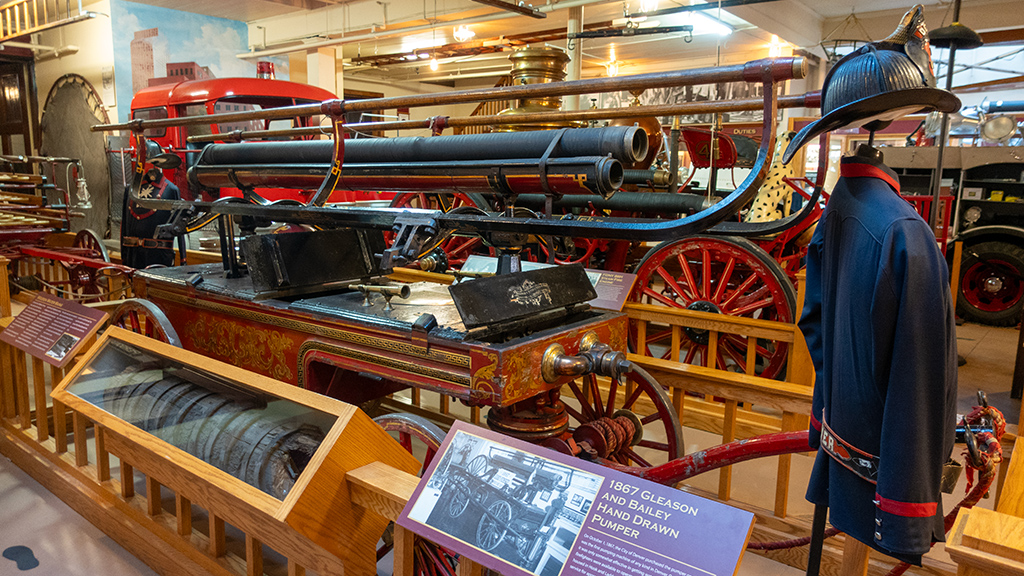
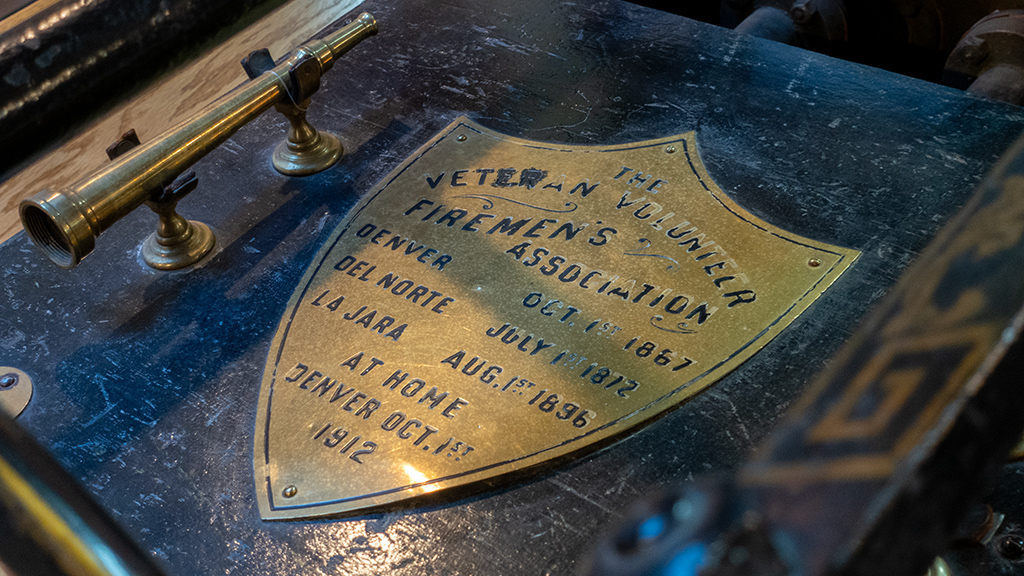
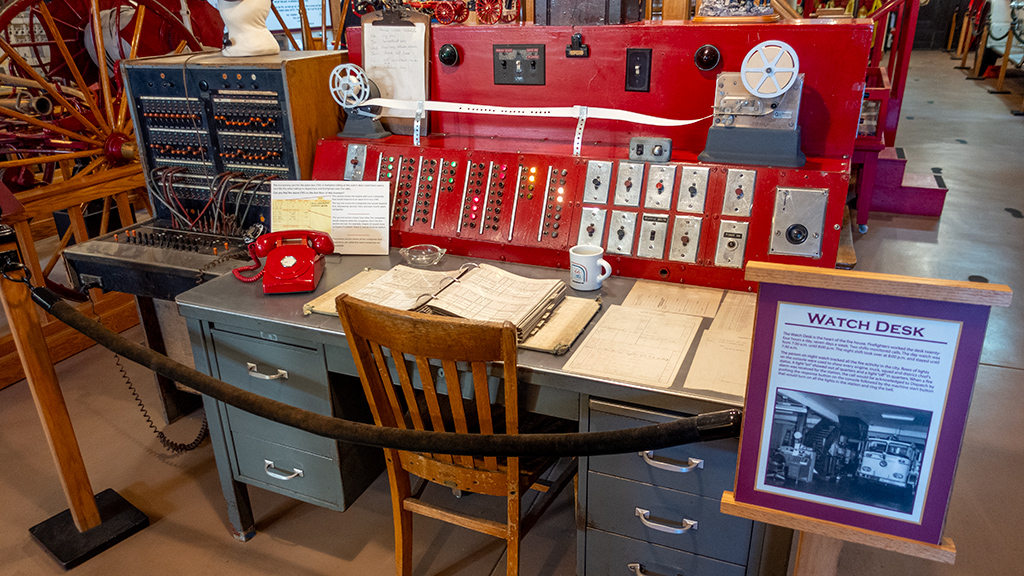
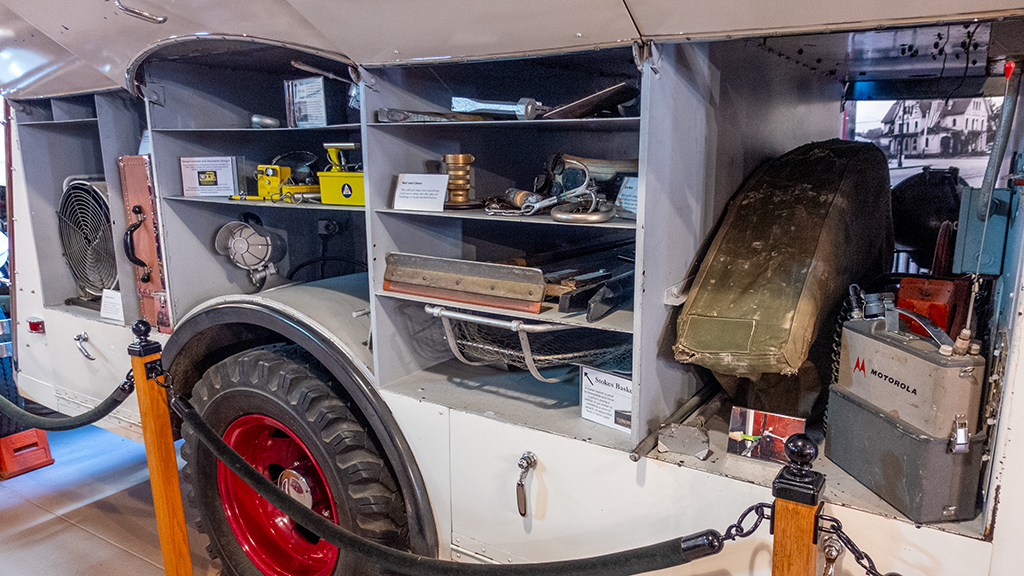
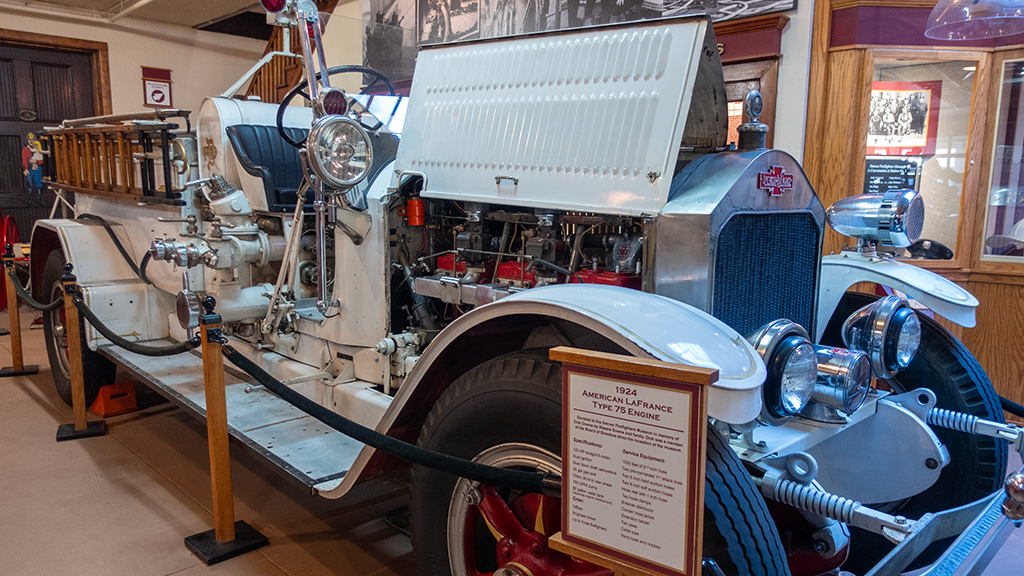
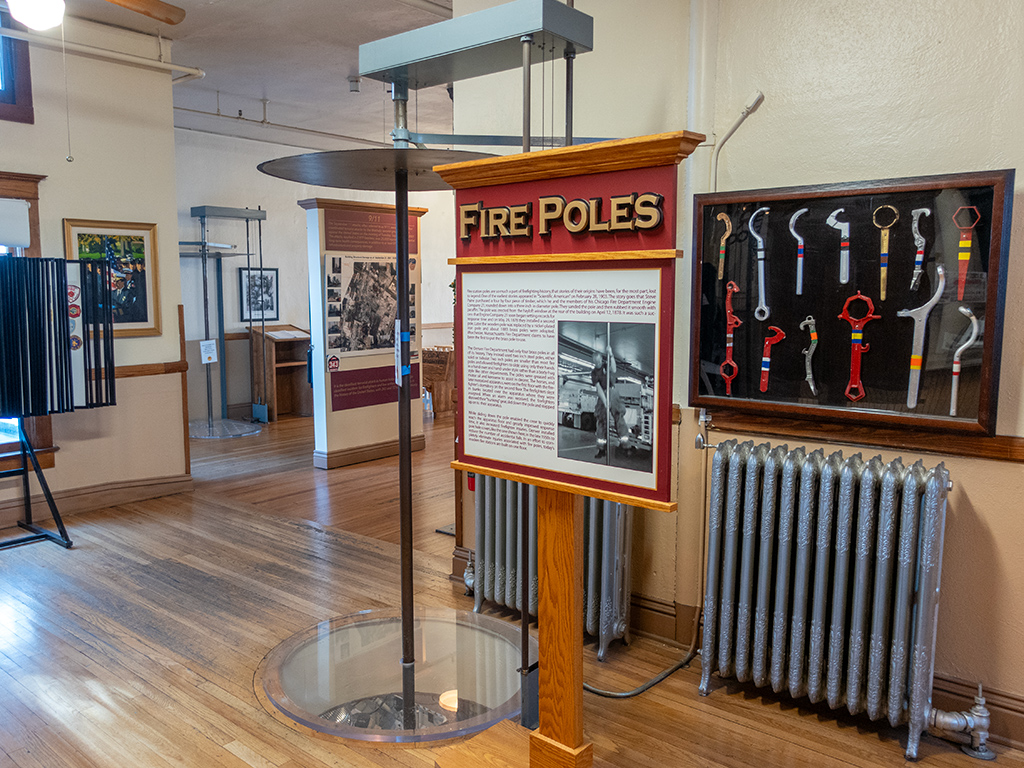
Although there is the occasional memorial for fallen first responders, there aren’t too many full-blown museums dedicated to police officers and firefighters, so when I saw that there was one in Denver, Colorado—the Denver Firefighters Museum—I decided to check it out while I was in town.

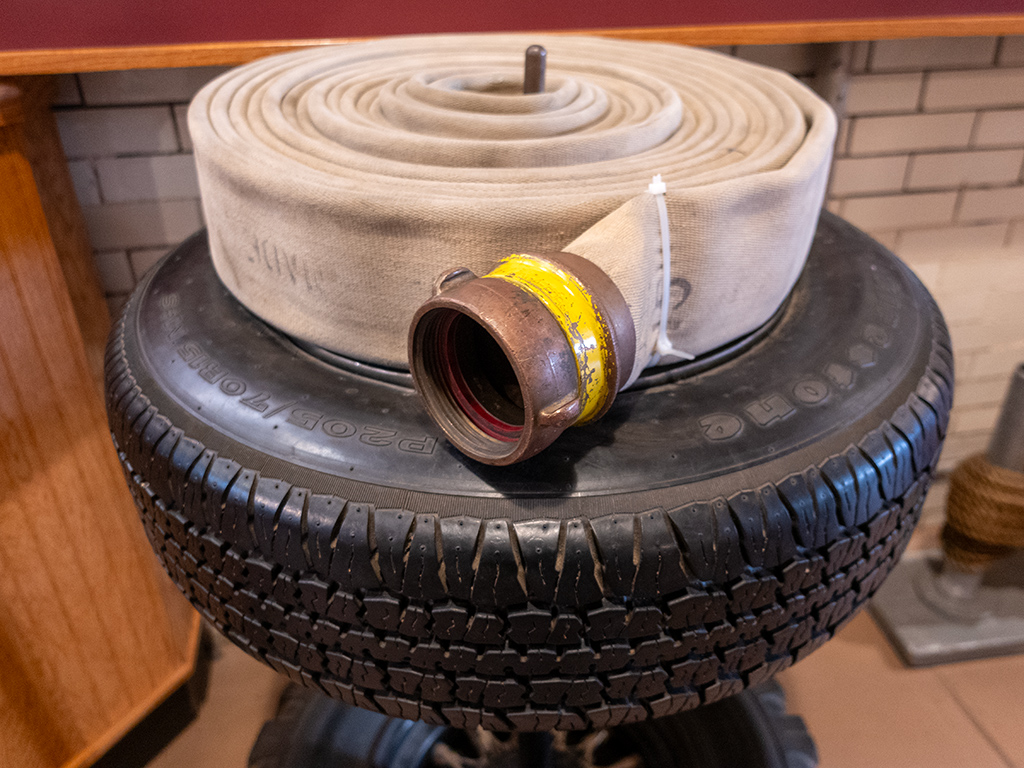
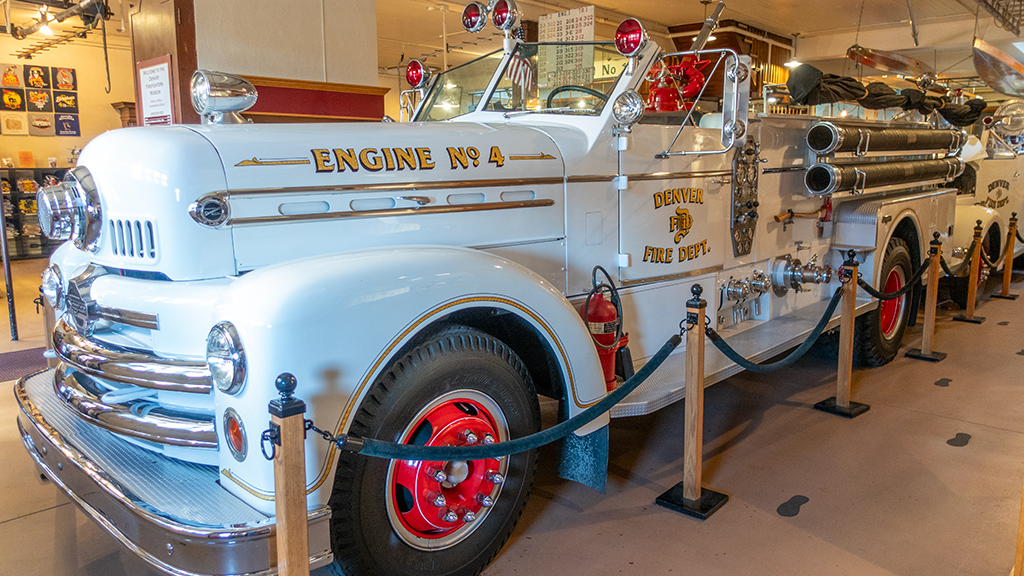
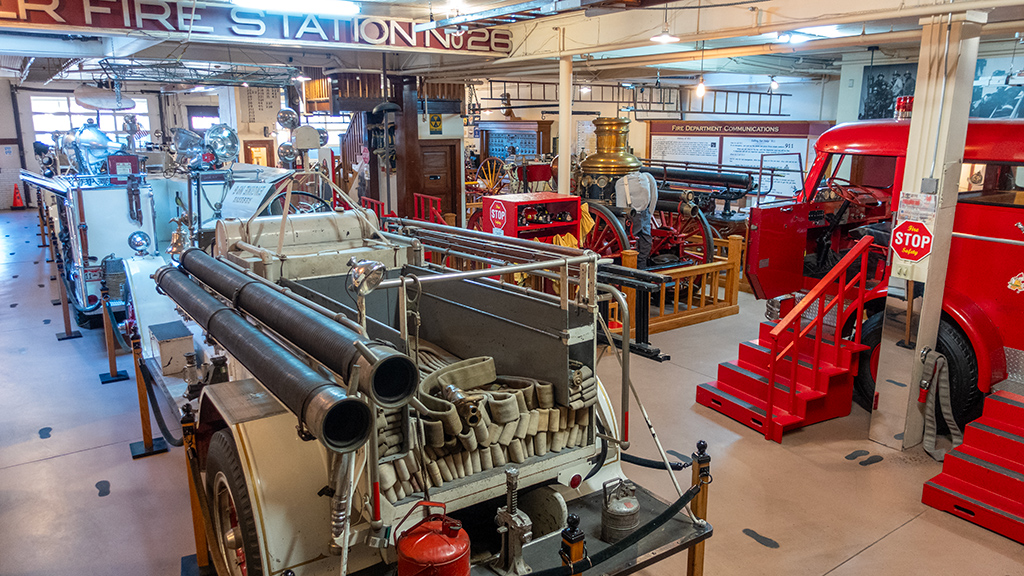
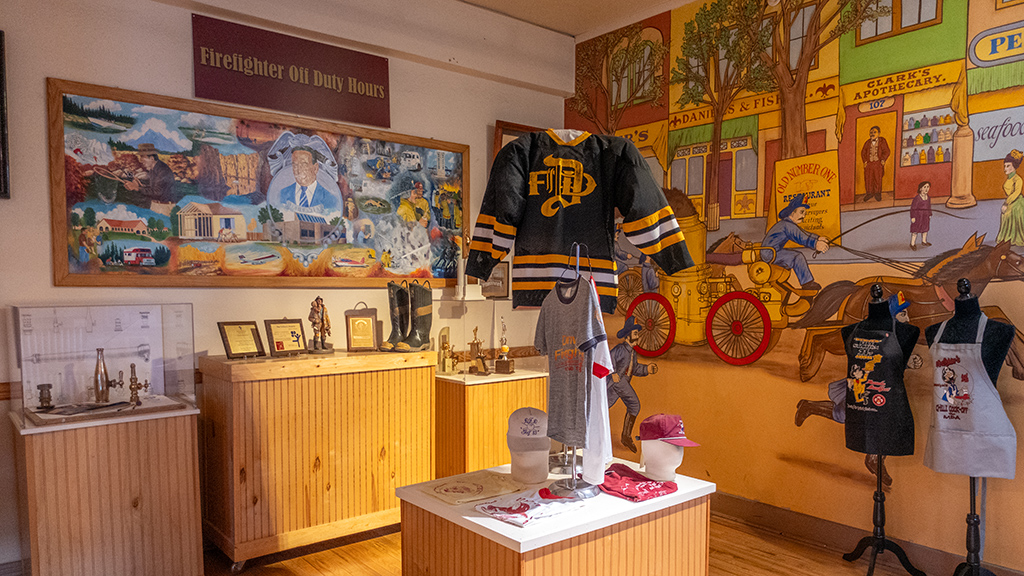
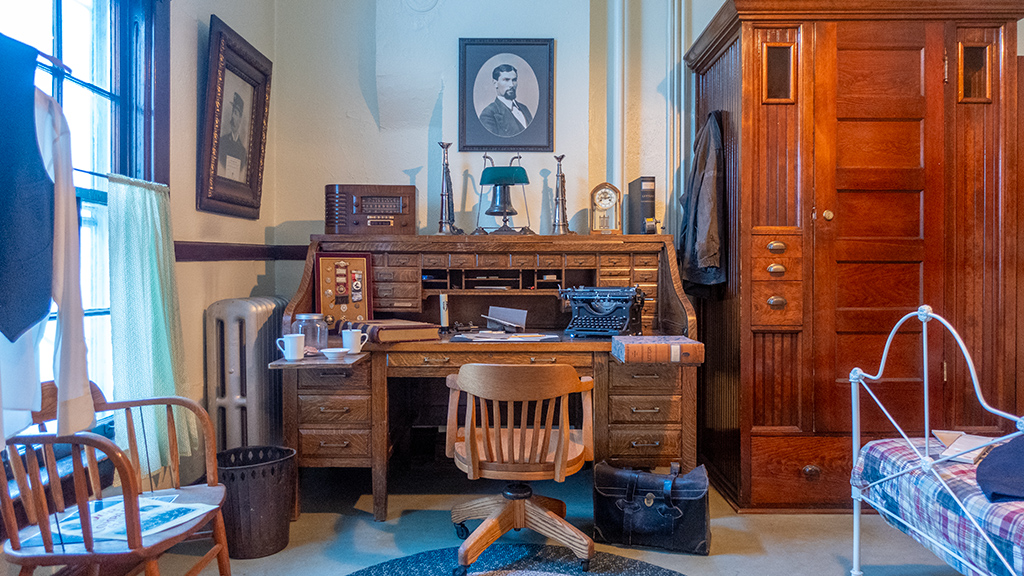
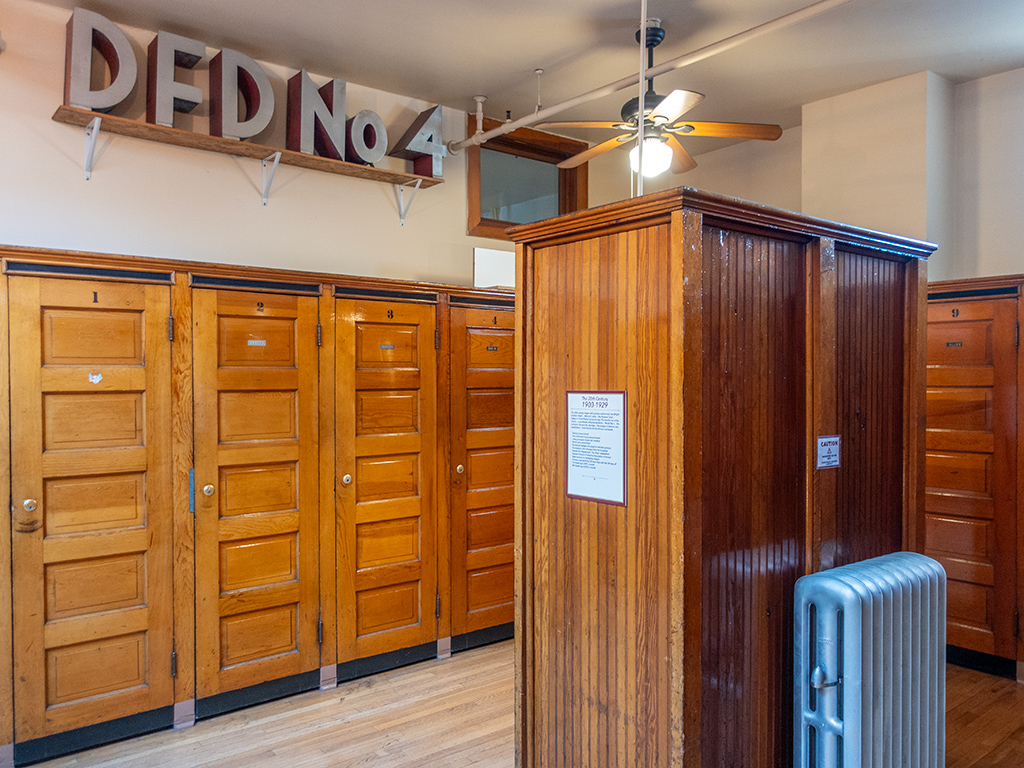
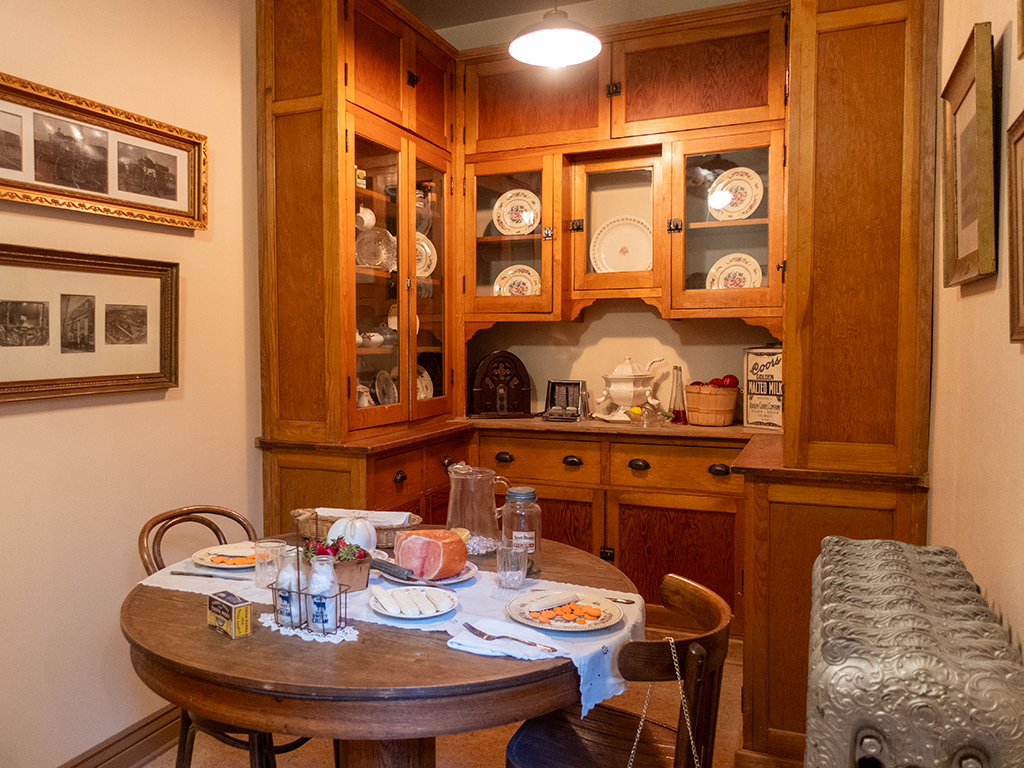
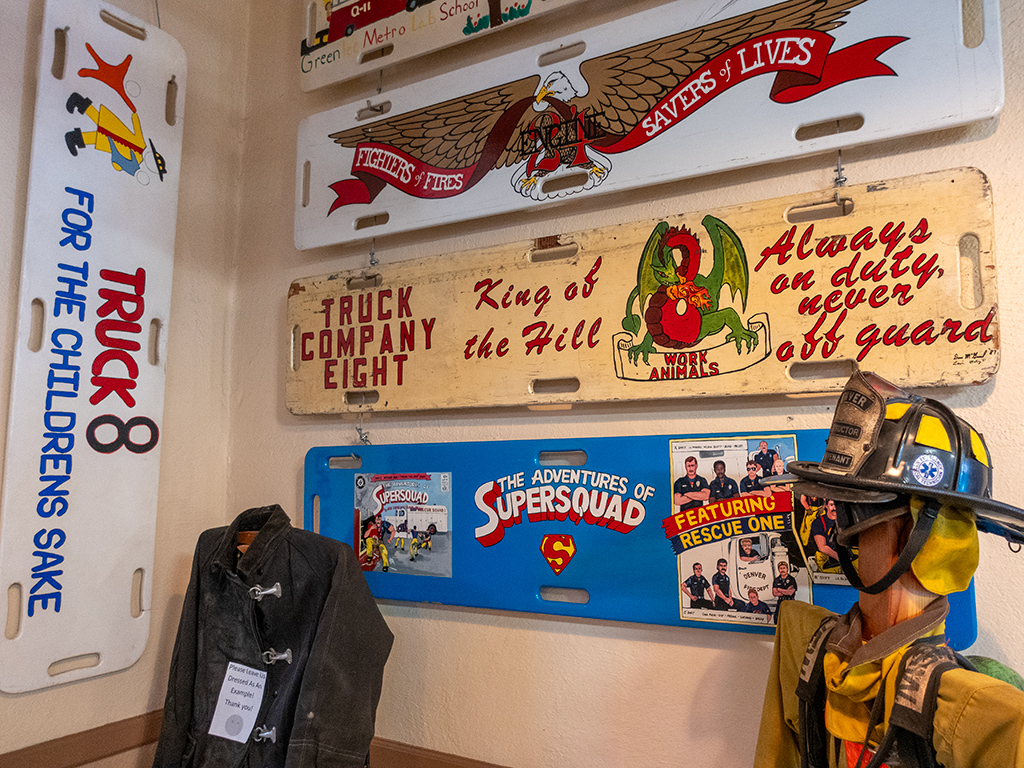
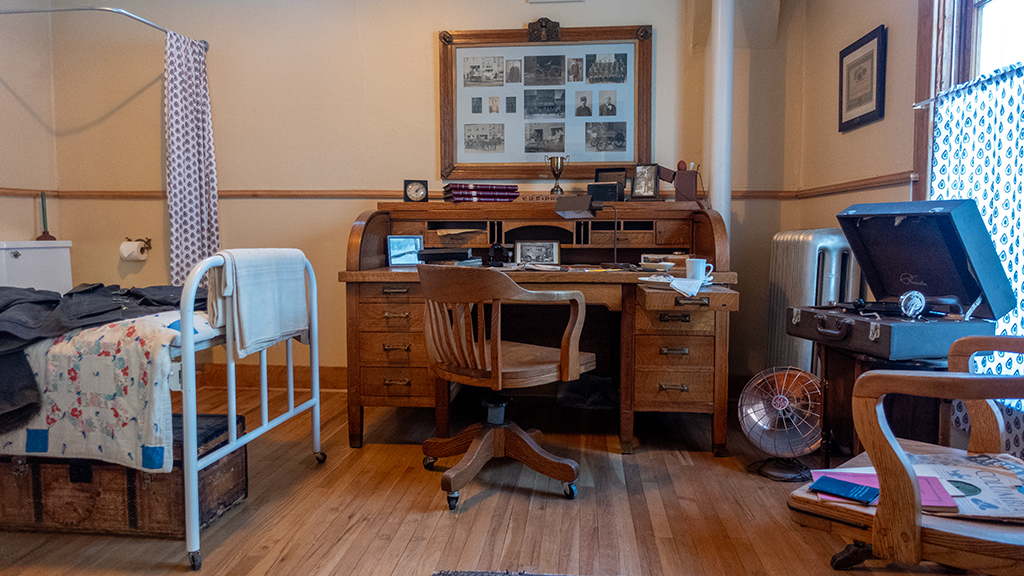
Here are some photographs from my visit:
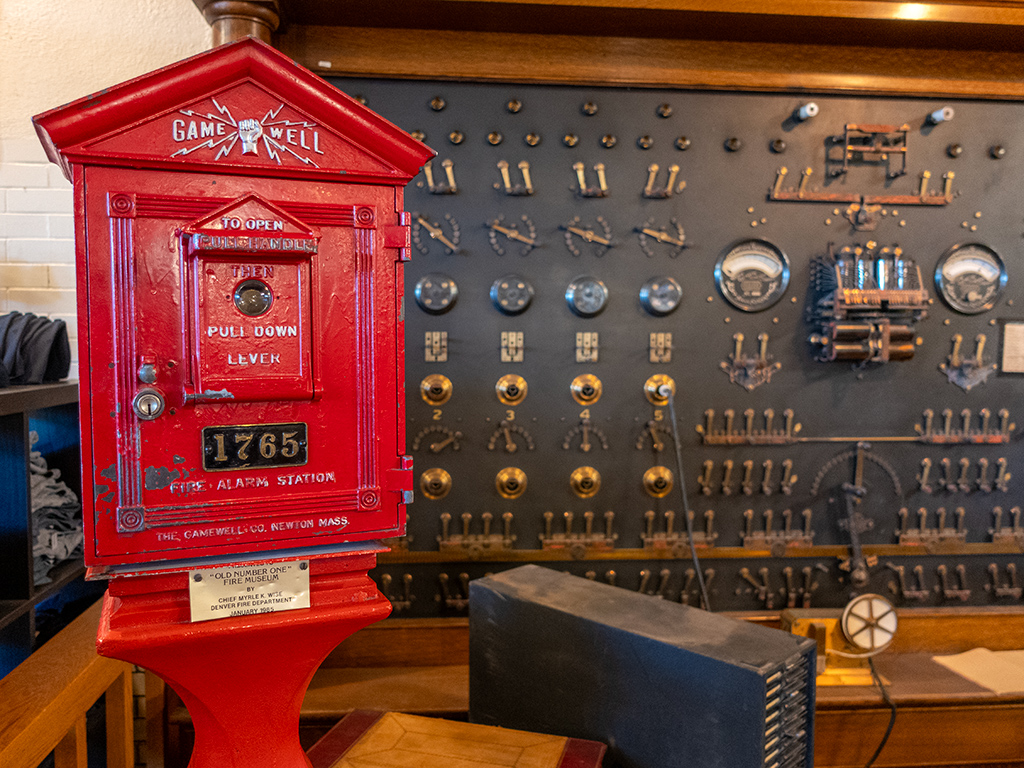
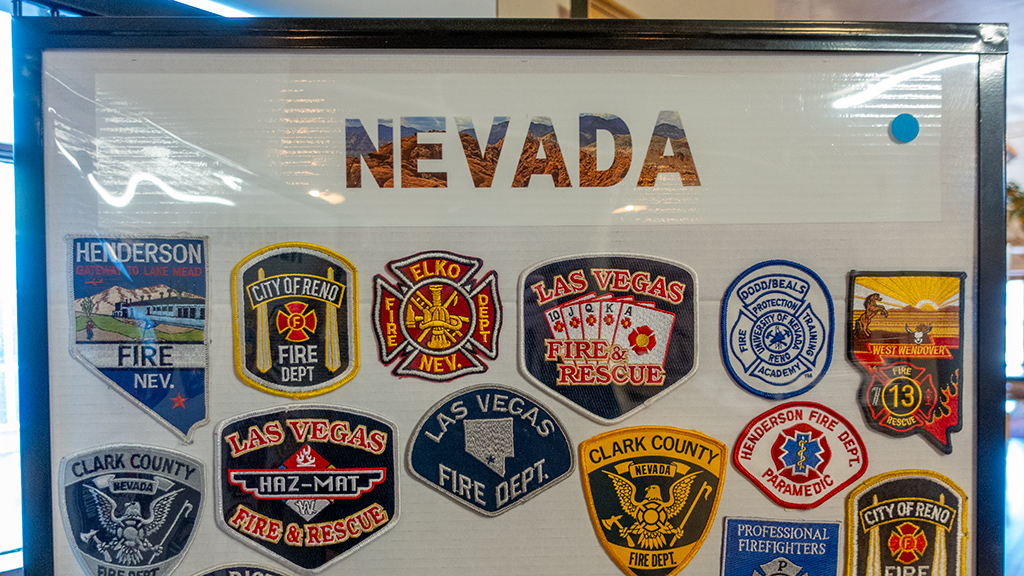
They had a collection of framed patches from each state, so of course, I had to scroll to Nevada. I was happy to find that they had patches from my fire departments back at home, Las Vegas Fire & Rescue and the Clark County Fire Department.

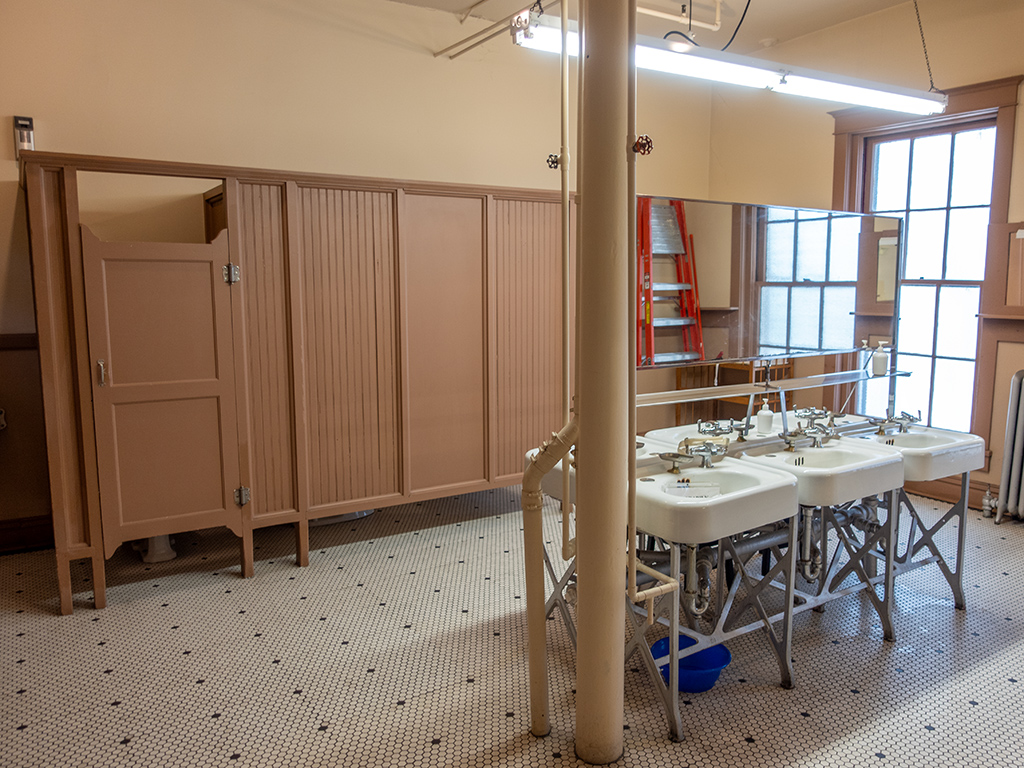
I thought this was a display of what the bathroom looked like at the old Denver Fire Department, but upon closer inspection, I found out that this was actually a functional bathroom, and the bathroom that was intended to be used by museum guests.

It seemed like a good chunk of the Denver Firefighters Museum was dedicated to teaching children about fire safety, which obviously wasn’t of particular interest to me, but was still a good use of resources to help educate the youth. Beyond that, there was also plenty of firefighting-related artifacts and relics on display that were interesting to look at. General admission was only US$9.00, which I think was a good deal for an hour and a half of exploration.


—§—


Hello, Smith Tower in Pioneer Square, Seattle, Washington

I’m in Seattle again for a convention coming up this weekend, but I flew in a few days early to spend time with my friend Dani while I’m in town. One of the things we decided to do was get a guided tour of the Smith Tower in Pioneer Square.

Unfortunately, our timing was unlucky and the tower was closed for a private event shortly after our guided tour, so we didn’t have an opportunity to spend additional time after our tour walking around the exhibits. (They invited us for complimentary general admission for a self-guided tour to finish exploring the tower on a later date to make up for it, though.)

Here are some photos I took during our tour:

On the observation floor, there was a chair that is said by legends to cause young, single women who sit in it to soon find and marry their future husband. Dani insisted I sit in it so she could take a picture of me.

Here are some photos of Seattle from the wrap-around observation balcony:

Before we left, we used the photo station on the observation floor to take a few souvenir pictures. As usual, I am ecstatic to be there, as you can tell.

I enjoyed our guided tour. Dani and I were the only ones who attended for that time slot, so we got a very personalized experience.

Dani loves the architecture of the building, so our tour guide focused on the history of the construction of the Smith Tower, the unique elements and components of its construction, and its various structural improvements implemented throughout the years. He also took us to areas outside of where the museum signs were pointing, so I suspect that we might have gotten access to some exclusive areas that are not usually shown to regular visitors.

With my background in law enforcement and interest in criminology, our tour guide also focused on the crimes that used to take place in the offices of Smith Tower and their impact in current wiretapping technology. I’ve always found the concept of double agents, re-doubled agents, and triple agents to be very interesting, and I found those aspects of the crimes to be particularly intriguing. I was also impressed at the ciphers used to transmit information over radio signals disguised as nightly bedtime stories.

On top of the topics being aligned with our interests, I think we also rolled a good tour guide who excelled at storytelling, as he was able to relay all that information in a compelling and captivating manner.


—§—


Hello, New Zealand Maritime Museum in Viaduct Harbour, Auckland

My trip to New Zealand with my friend Doug Wreden is soon coming to a close, and we just wrapped up our final full day in Auckland. He wanted to have a relaxing day in the city before leaving, so he went for a run, which is an activity that is calming and therapeutic for him. My stamina is nowhere near as good as Doug’s and running is just exhausting for me, so instead of joining him, I decided to go off on my own for a few hours and visit the New Zealand Maritime Museum.

In case you missed it from prior blog posts, the reason Doug and I came to New Zealand to begin with was because his annual charity event for the Monterey Bay Aquarium Foundation raised US$625,376.68, and the stretch goal for surpassing half a million dollars this year was for Doug and me to go to New Zealand to fulfill an inside joke that he has with his live streaming community. Part of that was to go to the aquarium in Auckland, and I figured that further visiting a maritime museum was also fairly fitting of the theme. As an added bonus, the New Zealand Maritime Museum seemed to have a lot of great reviews as well.

Those positive reviews were well-justified. Even though I don’t really have much of a personal interest on the topic, I can confidently neutrally say that the New Zealand Maritime Museum is one of the best museums I’ve ever been to. Not only does it have a lot of text, multimedia, and items on display like most other museums, but it also has a lot of immersive and highly interactive experiences.

I, as someone who wasn’t particularly attached to the topics and skipped a lot of the reading, still spent three hours taking a look at everything. Someone who is a true enthusiast on the matter could easily show up when it opens, go through the ground floor, take a break and eat lunch at the café, then return to the top floor and stay until closing time.

On the note of topics, even though this is a maritime museum, it covered a lot of adjacent subjects as well. The ground floor had exhibits on landfall, discovery, and settlement of New Zealand; early immigration; and yachts. The top floor had exhibits on maritime art, Kiwi identity, and model ships. Even within those broader categories, there was a lot of granulation of subtopics that helped widen the scope of what museum-goers can learn.

Admission is free for Auckland residents. As an out-of-city visitor, my admission fee was NZ$24, which is right around US$15. I think that is an amazing deal; from my past experience visiting museums, I feel like most major cities would charge around US$30+ for admission to a museum of this size and quality, and I’d imagine places in California would try and get away with charging US$50+.

If you’re in Auckland and want to spend some time doing a peaceful activity indoors, I recommend checking out the New Zealand Maritime Museum.

Here is a collection of photographs from my visit:
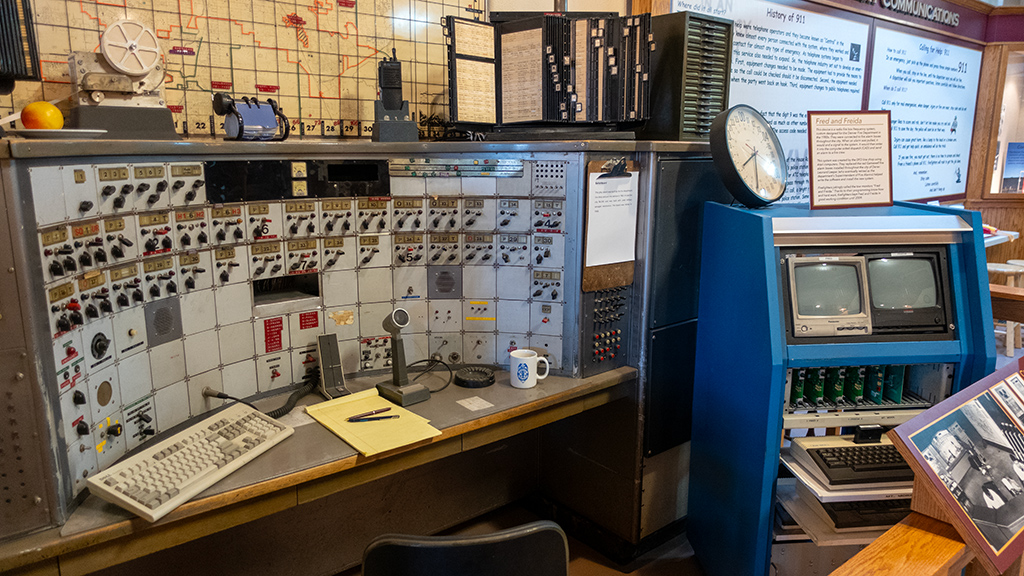
The various different sections of the museum are connected via outdoor pathways, and some indoor sections of the museum have windows with great views; here are some photos I took of the Viaduct Harbour surrounding the museum:


—§—


Hello, Wai-O-Tapu Thermal Wonderland in Rotorua, New Zealand

After our stop in Tūrangi, we started heading north towards Auckland so we can be back in time for our return flight to the United States. On our way to the city, we took a one-night stop in Rotorua to check out the Wai-O-Tapu Thermal Wonderland.

Wai-O-Tapu is a collection of hot springs and geysers showcasing the results of New Zealand’s geothermal activity. To put it in simpler terms, it appears like the Earth has really bad flatulence in this area, and to relieve itself, it is fuming copious amounts of stench and steam from every available hole in the ground.

I was a bit disappointed at how absently dim the glowworms were in the Waitomo Glowworm Caves compared to the marketing materials on their website, so I adjusted my prospects and went into Wai-O-Tapu with fairly low expectations. However, Wai-O-Tapu delivered on its promises, and the thermal park exceeded what was featured online.

It was overcast and raining on the day we went, so there was poor natural lighting and some of the colors weren’t quite as vibrant as they seem to usually be. Even then, it still had very interesting sights. The closest thing I could think of that I’ve seen before was the bubbling tar from the La Brea Tar Pits, but otherwise, Wai-O-Tapu was a completely novel experience for me.

Admission was done on a flat-rate basis. There were three sections to the geothermal park, and your ticket allows you to explore as few or as many of them as you prefer, so we walked through all three. Here is a collection of some photographs I captured during my self-guided tour:

I know basically nothing about The Lord of the Rings, never really found it that interesting or compelling, and have consumed neither the books nor the movies. With that being said, when people found out that I was taking a trip to New Zealand, an overwhelming number of people insisted that I do activities related to The Lord of the Rings, because apparently the country of New Zealand was used as a set for the movie (or something like that, I don’t exactly remember).

I’m sure it’s no surprise that I did not partake in those recommended The Lord of the Rings activities. However, I happened to come across a crater that was used to produce sound effects for one of the movies, so I figured I’d post a photo of it to soothe the fanatics and be able to say that I technically did see something related to the franchise.


—§—


Hello, Ruakuri Cave in Waitomo, New Zealand

After spending a few days in Auckland, we continued our New Zealand trip by driving south to Waitomo to explore their cave system. We booked two tours—one of the Waitomo Glowworm Cave and one of the Ruakuri Cave.

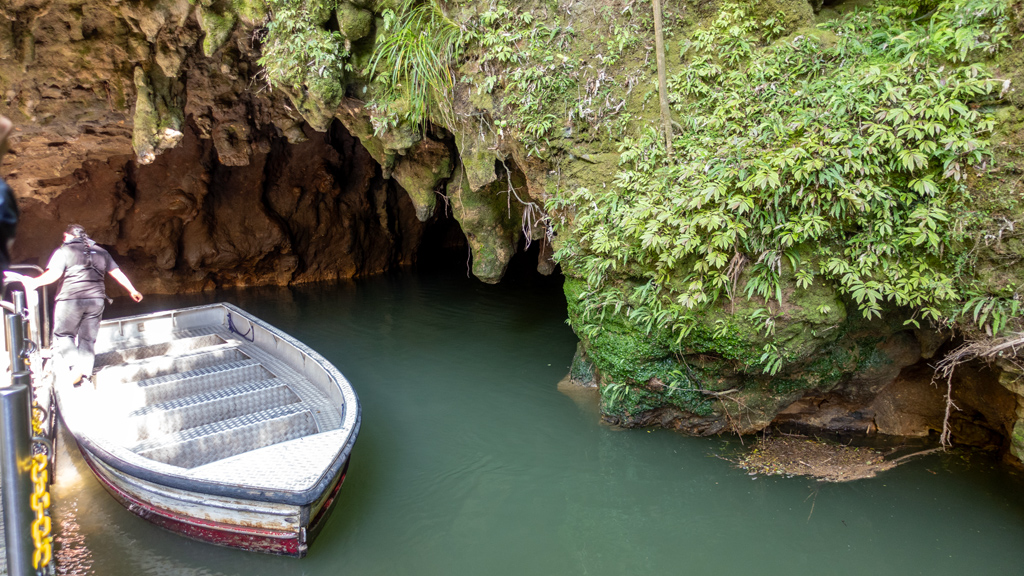
Photographs were not permitted inside the Waitomo Glowworm Cave, but I was able to snap this shot from outside after the boat tour was over.

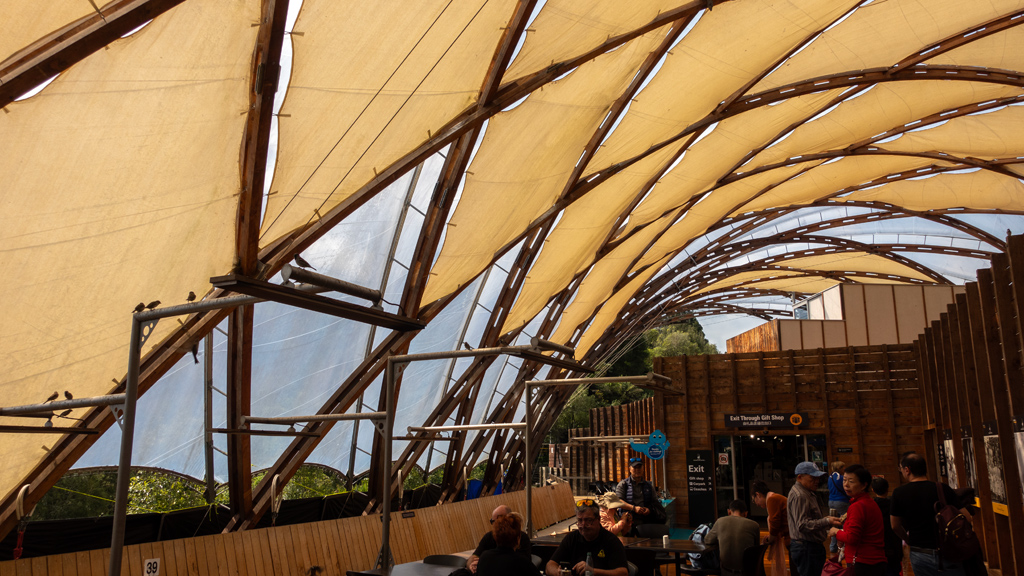
In between the tours, we took a quick break and I had some lunch at their café.

The Ruakuri Cave was in a different area from the Waitomo Glowworm Cave, so we took our rental car over and met up with the tour guide at the Ruakuri entrance.

We descended into the cave through a long, winding ramp.

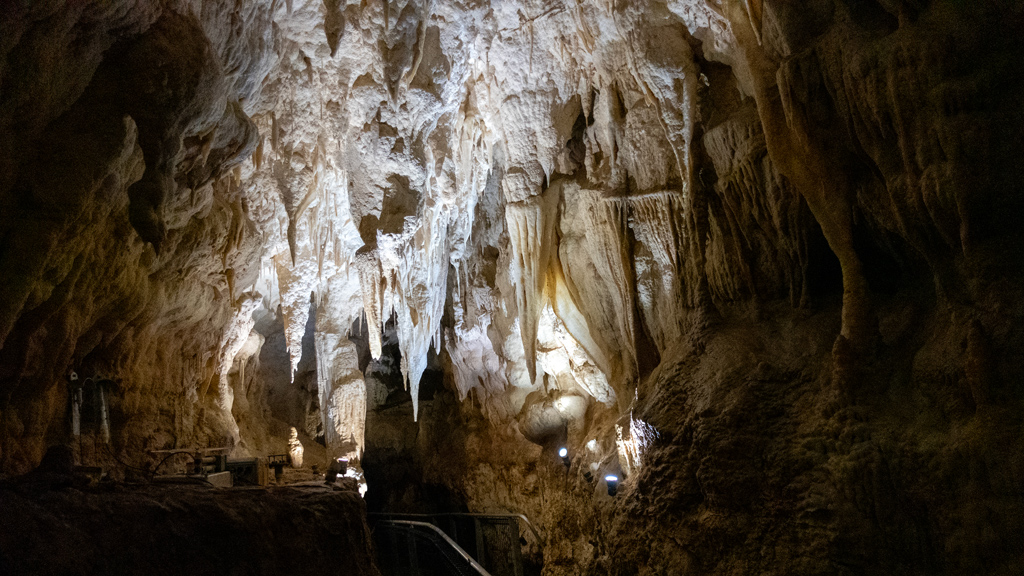
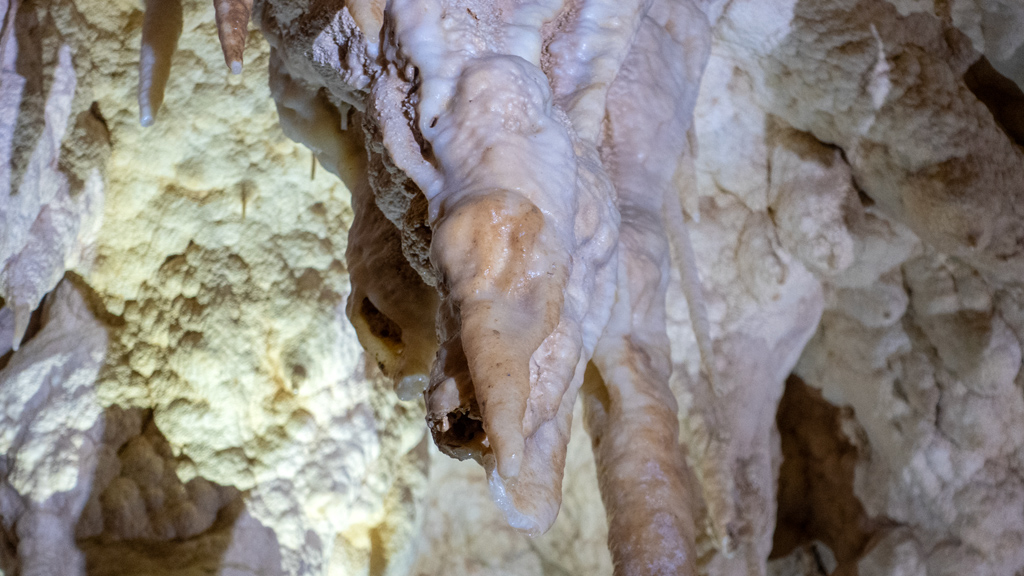
Our tour guide took us through the cave, explaining the history of the rock formations and teaching us about the biology of glowworms.

You may be wondering where the glowworms were. If you’re not familiar, glowworms are bioluminescent insect larvae. The marketing materials for the Wiatomo Glowworm Caves made them seem extremely bright and vibrant… but this is basically the best that we saw:

Keep in mind that this photo is from my camera’s raw sensor data with everything enhanced right up to the point where leveling it any higher would cause static to appear in the image. They were barely visible, and to make things worse, I have astigmatism so I could hardly see the lights and couldn’t really get my eyes to focus in on them.

In case it wasn’t obvious from the photograph, no, those are not real climbers—they set up those mannequins to demonstrate what people had to do a long time ago to enter and map out the cave.

The glowworms were disappointingly underwhelming. To give them the benefit of the doubt, there are certain seasons during which the glowworms are brighter and more visible, but based on what I saw, the photos that they show on their website seem outright deceptive.

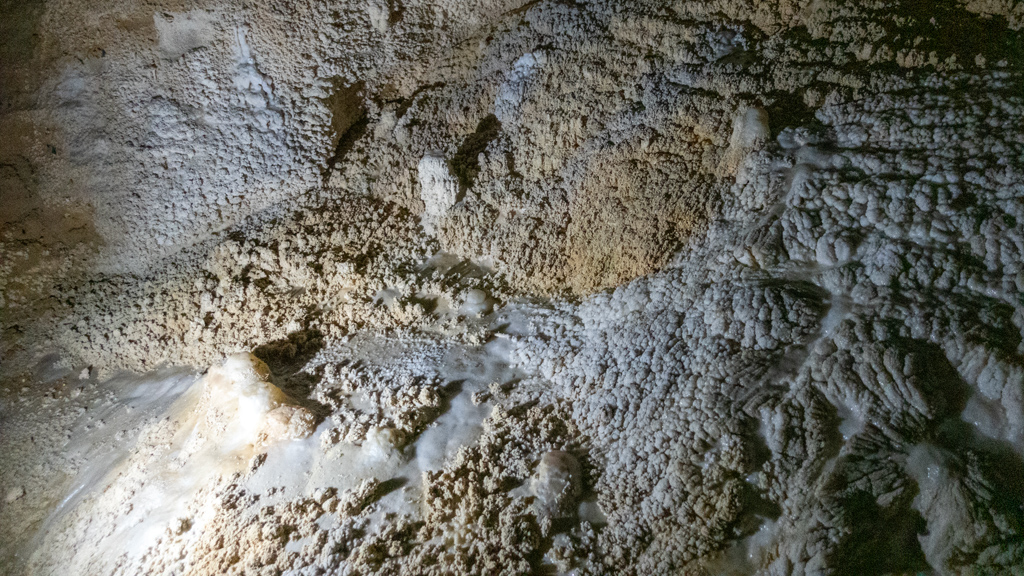
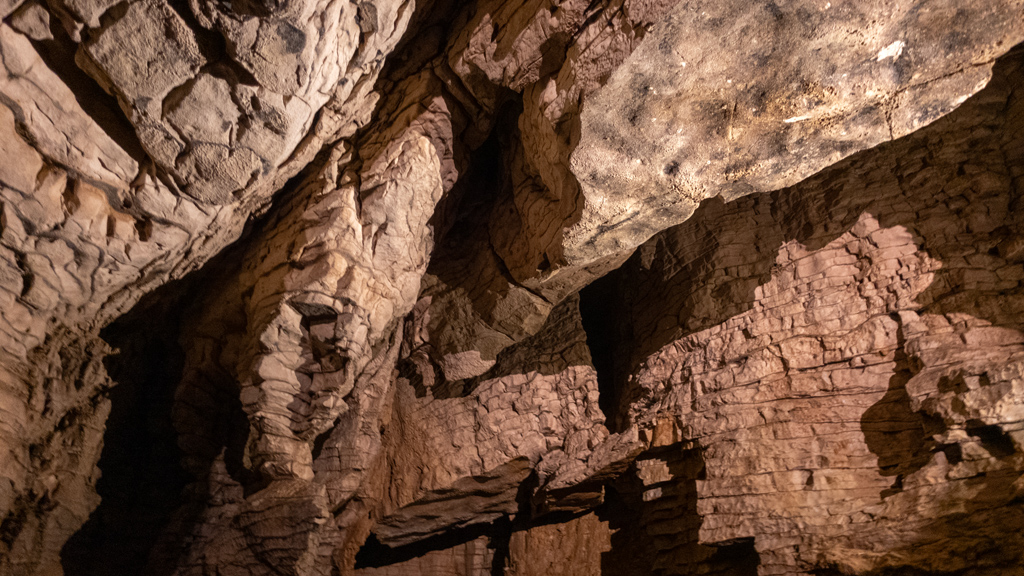
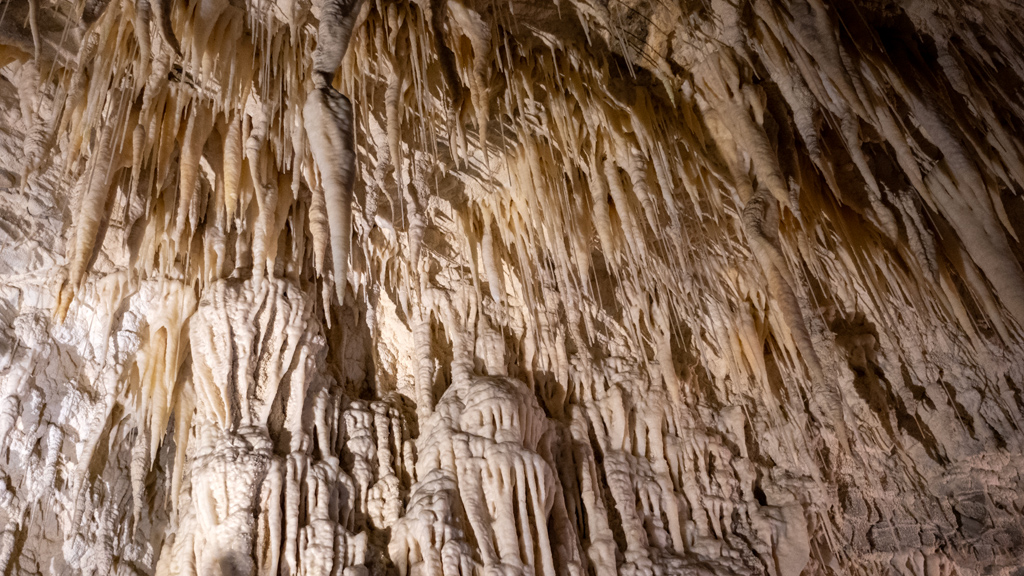
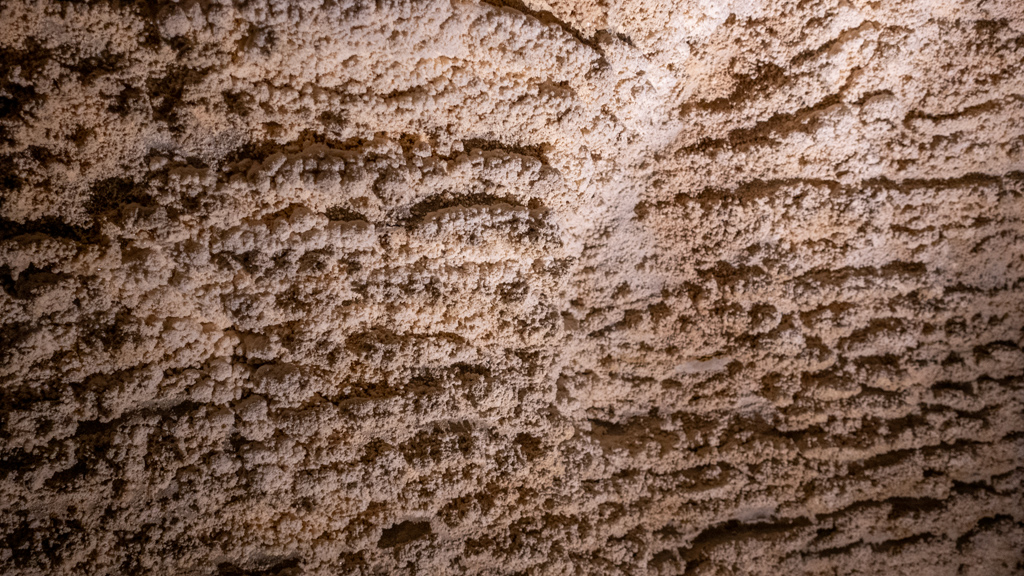
With that being said, the cave system was interesting and I enjoyed seeing all the rock formations. I have been to Wind Cave National Park in South Dakota in the United States of America before, and it was nice seeing the difference in rock structures between the two.


—§—


Hello, SEA LIFE Kelly Tarlton’s Aquarium in Auckland, New Zealand

At the end of last month, my friend Doug Wreden held his annual charity event for the Monterey Bay Aquarium Foundation, during which one of the stretch goals—at half a million dollars—was for him and me to go to New Zealand to buy cologne and visit the aquarium as an inside joke. We met that threshold, so as promised, Doug and I went to SEA LIFE Kelly Tarlton’s Aquarium in Auckland, New Zealand.

I’ve been to a handful of aquariums before—the Aquarium of the Pacific, South Carolina Aquarium, and Seattle Aquarium just to name a few—and comparatively, SEA LIFE was a little bit underwhelming. With that being said, Auckland isn’t exactly one of the biggest cities ever with a ton of resources, so contextually speaking, SEA LIFE wasn’t actually that bad.

The aquarium started with a section that was basically a history museum, which was a little bit strange. However, once we got past that part, it started resembling what you’d expect from a typical aquarium.

My favorite part of the aquarium was the immersive tunnel. I’ve seen other aquariums that have the 180° glass tubes that allow you to see fish, sharks, and other sea life above you, but the one that SEA LIFE had was far more advanced. The tunnel was much longer than expected and laid out in a circular pattern. It had an automatically-moving conveyor belt so you could stand in one spot and take in the view around you without needing to walk.

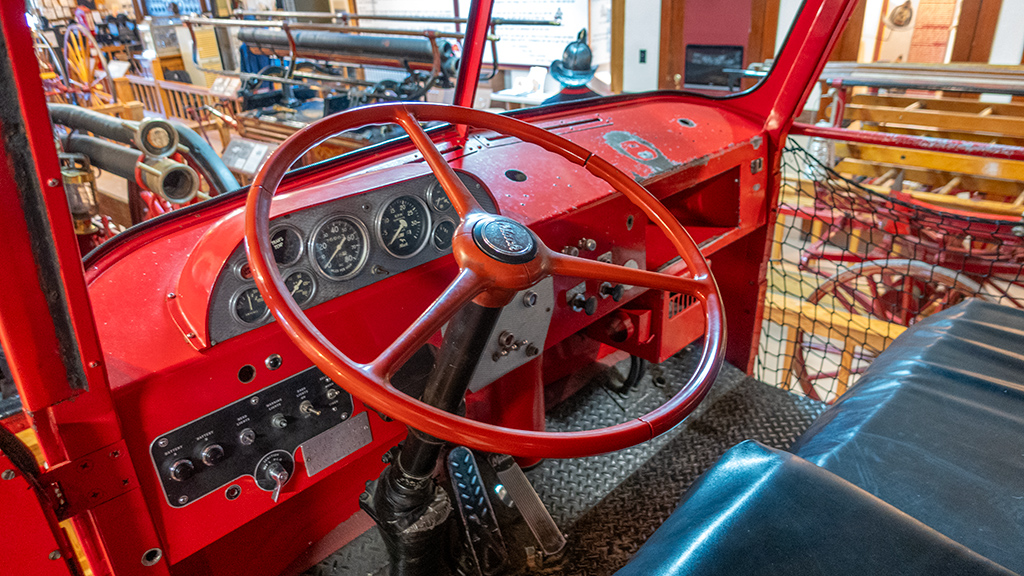
I took a lot of photos throughout the aquarium; below are the ones that turned out the best:
 

—§—