My COVID-19 booster dose vaccination experience

Back in April 2021, I wrote a blog post about my experience receiving my first two doses of the Moderna COVID-19 vaccine. Due to a special credential I held, I was able to get vaccinated a lot sooner than the general public, so I wrote it as a way to share an anecdote with my readers who may be looking to hear others’ stories.

The booster dose of the COVID-19 vaccine was approved a little while back, but because I was out traveling on my road trip when my six-month post-vaccination recommended booster period came around, I decided to wait until I returned back home to Las Vegas before getting my booster. Because of this, a lot of other people have already gotten their third dose, but I figured I would still write about my experience as a sequel to my first blog post.

 
Before I begin, I feel like the United States has evolved (or possibly devolved) into a situation where, if someone makes a statement about anything re­lated to COVID-19 (including things like the efficacy of masking by the general public, or the safety of the COVID-19 mRNA vaccines), people will draw conclusions derived from said statement that have no logical continuity. I also personally believe the United States has catastrophically mishandled the pandemic by somehow politicizing it, which has brought great division to the topic—a topic where even any divisiveness is probably too much.

With that being said, I want to clarify that I am not implicitly encouraging everyone to get vaccinated just by sharing my own personal vaccination ex­pe­ri­ence. For a combination of many reasons, I have come to the conclusion that I will respect and honor the decisions of both people who do and do not choose to get vaccinated.

Thus, if you are someone who does not trust the COVID-19 vaccine at the moment, I request that you do not leave comments on this blog post or send me messages accusing me of making other people get vaccinated, because I am not. In a similar vein, if you are someone who supports vaccine mandates and are upset that I am taking a neutral stance, I also request that you do not leave comments on this blog post or send me messages forcing me to force other people to get vaccinated.

 
Returning back to my own vaccination experience, this went a lot better and smoother than my first two doses. As a reminder, if you haven’t read my previous blog post, both of my first two doses were administered to me in the Cashman Center, a massive multipurpose facility… and it still took about two hours for each of my doses, even though I had an appointment.

This time, I went directly to the Southern Nevada Health District on 280 S Decatur Blvd. It was a huge difference compared to the Cashman Center—SNHD is supposed to be closed on the weekends, and this was a special evening and weekend COVID-19 vaccination arrangement, so there was almost nobody there except for the staff and a few vaccination recipients.

Southern Nevada Health District

Upon entering, there was a massive family in front of me that clearly had absolutely no idea what they were doing, so I had to wait a few mi­nutes for them, but after a different staff member noticed that I was standing in line, she took me off to the side and got me checked in for my appointment.

She scanned my QR code, confirmed my identity, asked which manufacturer of vaccine I wanted (I picked Moderna because it is the vaccine that seems to be performing the best against the newer COVID-19 variants), and let me into the area where tables were set up for vaccinations. There was already a spot open and ready for me, so I sat down, went through some basic questions with the nurse (such as explaining my post-vaccination experience for my previous two doses), received some post-vaccination advice (such as recommending drinking a ton of water), then got vaccinated.

From the time I stepped into the building to the time I was seated off to the side for my 15-minute post-shot waiting period, it was no more than about six mi­nutes, and I spent a total of about 20 mi­nutes at the health district.

 
My vaccination appointment this time around was also in the afternoon, just like my second dose. For my second dose, I started feeling tired in the eve­ning, so I prepared for the same thing to happen after my third dose by washing up and getting in bed after returning to my hotel room. Earlier on in the day, I had also prepared a carton of bottled water and some sugary and fatty snacks, in case I lose my appetite and need the calories.

I browsed social media and watched some videos for a bit, and I was a tiny bit more tired than usual, but I ended up having enough energy left that I got out of bed and started getting some more work done while I could, sort of as a way to cram before my inevitable suffering the following day. I worked fine throughout the evening and night, then fell asleep at 11:30 PM PST.

I woke up at 2 AM, and that’s when the side effects started. I was dizzy and had body aches, and I had the same problems regulating my body tem­per­a­ture as I did for my second dose. I fell back asleep for no longer than an hour and a half at a time before waking up again for another hour or so, with this cycle repeating throughout the night.

For the entire day following the day of my vaccination, I felt very unwell. We all know that you’re supposed to lay in bed and rest up, but I ended up in a very counterproductive situation where, the longer I would lay in bed, the worse I would feel. I would eventually manage to get up, and I would pro­gres­sively start feeling better… but then I would reach a point of exhaustion that I would have to lay back down, then I would pro­gres­sively feel worse a­gain and continue the cycle.

As I predicted, I did indeed lose my appetite. The fatty and sugary snacks helped maintain my caloric intake, and I also ordered a large portion of ice cream on a food delivery app, which helped me reach at least 2,000 calories for the day. I eventually fell asleep at 9:30 PM.

My second night of sleep was much better than the first—after falling asleep at 9:30 PM, I slept uninterrupted until 5:30 AM, when I woke up already feeling much better and very thirsty. I drank some water, went to the bathroom, took some deep breaths, and stretched a bit. My body temperature reg­u­la­tion was back to normal. I actually felt like I had already gotten enough sleep and was rested enough to start my day, but figured that I should still get a few extra hours of sleep in, just to ensure that I’m fully recovered. I fell back asleep at 6:00 AM and woke up for a second time at 9:00 AM.

Throughout the second full day post-vaccination, I was still slightly dizzy, but I was able to resume life as normal. I was able to take a shower and drive safely to a fast food restaurant nearby to get some breakfast in the morning (because I had just barely missed free breakfast hours at the hotel by the time I was ready), then I took on a twelve-hour workday to catch up on stuff I missed from the previous day.

 
One thing that I want to note is that my heart rate monitor alerted me that my heart rate was unusually high throughout the entire first full day after vaccination—so much so that it logged me as having been in fat burn zone for a majority of the day, and miscalculated how many calories I burned that day because of it. One of my co-workers also notified me about this and confirmed that he had the same thing happen to him for his vaccination.

Prior to receiving the vaccination, I had to check a box acknowledging that young men have a higher chance of inflammation of the heart after receiving an mRNA COVID-19 vaccine—specifically, myocarditis, which is the inflammation of the heart muscle, and pericarditis, which is the inflammation of the outer lining of the heart. I clearly did not develop either of these conditions from the vaccine, considering that these are both very serious conditions and I was perfectly fine after a day, but I’m curious if a very high heart rate was a sort of milder version of the side effect related to this warning.

By the third full day post-vaccination, I was entirely back to normal health-feeling-wise, and my heart rate seems to have returned to within ~10% of nor­mal levels.

 
If you choose to get a COVID-19 vaccination, may it be your first or third dose, I wish you the best of luck, and also highly recommend leaving a day or two free after your scheduled vaccination appointment so you can rest up and recover, in case you experience side effects like I did.


—§—


Hello, Grand Canyon National Park in Arizona

After my one-day “layover” in Gallup, the next and final destination of this segment of my road trip was in Flagstaff, Arizona. As you might have guessed, my main reason for stopping by Flagstaff was to visit the Grand Canyon National Park.

I’ve always heard great things about the Grand Canyon, ranging anywhere from people saying it was one of their favorite vacation destinations, to one person alleging that he had heard from all his friends that it was life-changing. Although I personally disagree about the “life changing” part, I do think that it’s an amazing place to visit, and it has been my favorite hiking destination so far.

I have to make it back to Las Vegas soon for some time-sensitive stuff, so I only scheduled one day at the Grand Canyon. As a secondary point, it is also a bit inconvenient to get to the Grand Canyon, because the closest Marriott-branded hotels are in Flagstaff, and the lodging options closer to the Grand Canyon all seem a bit underwhelming and expensive. Because of that, I opted to stay at the SpringHill Suites by Marriott Flagstaff and made the three-hour round trip to the Grand Canyon on my visitation day, an hour and a half there and an hour and a half back.

My hike of choice was the West Rim Trail. I took a shuttle out to Hermit’s Rest and walked the path back to Grand Canyon Village. Along the way, I stopped at Pima Point, Monument Creek Vista, The Abyss, Mohave Point, Hopi Point, Powell Point, Maricopa Point, and Trail View Point.

I took 143 photos throughout my hike, and I’ve picked out my favorite ones to feature here. Although I don’t precisely remember exactly where each of these photos were taken, the progression of the photos follows the order of the scenic overlooks that I just listed.

Grand Canyon

Grand Canyon

Grand Canyon

Grand Canyon

Grand Canyon

Grand Canyon

Grand Canyon

Grand Canyon

Grand Canyon

Grand Canyon

Grand Canyon

Grand Canyon

Grand Canyon

Grand Canyon

Grand Canyon

Funny enough, my main takeaway from my hike at the Grand Canyon is that I should probably get laser eye surgery soon. The Grand Canyon in person was incredible, but after browsing through the photographs I took and zooming in all the way, there is an immense amount of detail that I missed out on due to my poor vision. It left me speechless as to just how massive the scale of the Grand Canyon is, and how intricate the rock formations are.

In a similar vein, there are no photographs that do the Grand Canyon justice. Looking back at the pictures I took is reminding me how big the Grand Canyon is, but that’s only because they are simply acting as a memory trigger for me to immerse myself back into my experience of being there in-person. Prior to this, I’ve obviously looked at plenty of other people’s photos of the Grand Canyon, but that wasn’t enough to prepare myself for how much I was impressed when I first saw the canyon in-person.

The route I took for my hike was fairly easy and straightforward, but there are a plethora of more difficult hikes that I can tackle when I am better pre­pared. One of the hikes I definitely want to do is to go down into the canyon. The depth of the Grand Canyon is right around 6,000 feet (or 1,829 me­ters), so I probably will not be fit enough to head all the way down to the bottom anytime soon, but I’m eager to be able to go down part-way during my next visit.

Grand Canyon


—§—


Hello, Pyramid Rock in Red Rocks Park in Gallup, New Mexico

Using the day I gained in my schedule by departing Albuquerque, New Mexico early, I decided to stop by Gallup, New Mexico, a small city on Historic Route 66 on the western side of the state near the Arizona border. Gallup is adjacent to Church Rock, a census-designated area in McKinley County that has boundaries that include Red Rock Park, a park with a convention center, a museum, campgrounds, and rodeo grounds.

My hike of choice in Gallup was the Pyramid Rock Trail, with the trailhead starting deep beyond the horse stalls and extending to the summit of Pyr­a­mid Rock, the highest point of the park.

Pyramid Rock Trail in Red Rocks

This was a fairly well-trafficked trail, so it was a very pleasant hike. The path was clearly marked a majority of the time, and in areas where there might be some confusion, there were rock towers built by other hikers to show people the way. (I contributed a rock to one of the towers.)

Pyramid Rock Trail in Red Rocks

I’m great at falling for false summits, and it happened again on this trail. It seems like I took a wrong turn at one of the intersections, because I ended up in a dead end with a moderately nice view.

Pyramid Rock Trail in Red Rocks

This clearly wasn’t Pyramid Rock, though, because I could see the actual summit off in the distance. It seems like I wasn’t the only one fooled, because there was another woman there with me. I took in the view for a bit, snapped some photos, then retraced my steps back to the intersection to take the other path.

Pyramid Rock Trail in Red Rocks

As I got closer and closer to the summit, I realized that I was clearly getting closer distance-wise, but not necessarily height-wise. This hinted me towards the fact that there is probably a tough, steep, strenuous climb right before the summit (and I ended up being correct).

I didn’t bring any snacks and only had a single bottle of Powerade Zero, so I was mildly concerned about running out of energy, especially at this el­e­va­tion of about 7,000 feet above sea level, and also considering that I was already getting tired.

Pyramid Rock Trail in Red Rocks

As you might have guessed, I did indeed make it. Reaching the summit was very rewarding. There were a few people coming down from the summit who cheered me on and told me I was almost there. Once I got to the top, the sweeping 360° views were amazing. The woman I saw earlier at the other sum­mit also joined me about 10 minutes later at the true sum­mit of Pyramid Rock.

Pyramid Rock Trail in Red Rocks

Pyramid Rock Trail in Red Rocks

So far, I think this is one of my favorite hikes that I’ve ever done. If you’re a beginner who’s looking for a challenge to step up your hiking, I think this is a fantastic intermediate trail to try out.

This hike feels like a real hike and not just a walking trail. There are sufficient obstacles, but the more difficult ones are assisted (i.e., the steepest rocks you have to scale have cut-outs for your feet). The path isn’t just a mindless straight line; you’re not going to constantly get lost, but you do have to use your eyes to look around and think about where you’re going to go next, which I think adds an important element of mental stimulation to the hike.

I also think the summit is very important—it’s pretty disappointing when you reach the end of the trail and there isn’t really much there. The view from the summit here couldn’t get any better—not only is there a view from all different directions, but I’d go far as to say that each quadrant of the view had u­nique elements that made it look like you were at multiple summits at once.

Pyramid Rock Trail in Red Rocks

Pyramid Rock Trail in Red Rocks

The hike down was obviously much easier, and I managed to survive only having a single bottle of Powerade… though I did eat two protein bars that I had in one of my storage boxes once I got back to my truck. If you’re going on this hike and aren’t used to high elevations with lower oxygen saturation, it definitely wouldn’t hurt to bring some snacks along with you.

Pyramid Rock Trail in Red Rocks


—§—


Goodbye Albuquerque

As of today, my five days in Albuquerque, New Mexico have come to an end. My original plan was to stay for six days, but I shortened my stay by one day and decided to spend one night in Gallup, New Mexico, which is on the way to my next major destination, Flagstaff, Arizona. I did this for two main rea­sons, the first being that I wanted to break up the monotony of my drive by cutting it in half and doing it over two days instead of one, and the sec­ond reason being that I wasn’t really that big of a fan of my hotel room.

You might already know this, but I have a very acute and sensitive sense of smell. If there’s mold, mildew, or mustiness in an area, I’ll notice it im­me­di­ate­ly, no matter how subtle it is, and if I’m in the area for too long, I’ll start getting headaches. This was a massive problem back in St. George, Utah when the air conditioner spewed out a horrible smell of mold and mildew akin to dirty gym shoes, and the curtains had some strange musty, me­tal­lic odor to them. Since then, I’ve been much more careful about picking out newer hotels, and generally haven’t had this problem anymore.

That is, until Albuquerque. This was clearly an older hotel, and it wasn’t really maintained the best, so my room smelled very musty when I arrived. I in­ten­tion­al­ly picked the full-service corporate-run Marriott Albuquerque so I could have a nice view, enjoy free beverages and snacks in the lounge, and have a nicer stay. Although I had an amazing view out of floor-to-ceiling windows, the lounge was still closed due to being short-staffed from the pan­dem­ic, and the room was clearly dated and a little bit rough around the edges.

With all that considered, I figured that it wasn’t worth the extra cost to stay at this hotel, so I decided to leave a day early, which not only gave me an op­por­tu­ni­ty explore another city for a day, but also saved me a little bit, because I booked a SpringHill Suites instead. (Just to be clear, the Marriotts brand­ed as just “Marriott” are usually very nice and have a lot of amenities, and I would highly recommend them; it’s just that this particular one in Al­bu­quer­que was disappointing.)

View from Marriott Albuquerque

Marriott Albuquerque

Marriott Albuquerque

I already have two dedicated blog posts from two of my major tourist activities in Albuquerque, one where I went to the National Museum of Nuclear Science and History, and another when I explored the Sandia Mountains. I went on two additional hikes, but I felt they didn’t warrant their own blog posts, so I decided I would put them in this Albuquerque round-up instead.
The first hike was at the Albuquerque Volcanoes, which are in the general area of the Petroglyph National Monument. There are five volcanoes in that cluster, and I hiked around and onto three of them—the JA, Black, and Vulcan Volcanoes. The first two, I was able to summit, but the third one was blocked off so hikers couldn’t get to the top. I snapped some photos from the two volcanoes I was able to climb up, then took a photo of the volcano that I wasn’t allowed to.

Albuquerque Volcanoes

Albuquerque Volcanoes

Albuquerque Volcanoes

Fitbit Activity Tracker

My second hike was the Canopy Loop at the Rio Grande Nature Center State Park. I figured it would be a mistake to visit New Mexico and not see the Rio Grande up close, so I found a hiking trail that went right alongside it.

My favorite part about this hike was how visually different it was from all the other hikes that I’ve done recently. A majority of my hikes throughout the sum­mer and fall have been exceptionally green, so it was a nice change of pace seeing a lot of trees that had finished going through their autumn phase and were now ready to weather the winter.

Canopy Loop Trail at Rio Grande

Canopy Loop Trail at Rio Grande

Canopy Loop Trail at Rio Grande

Canopy Loop Trail at Rio Grande

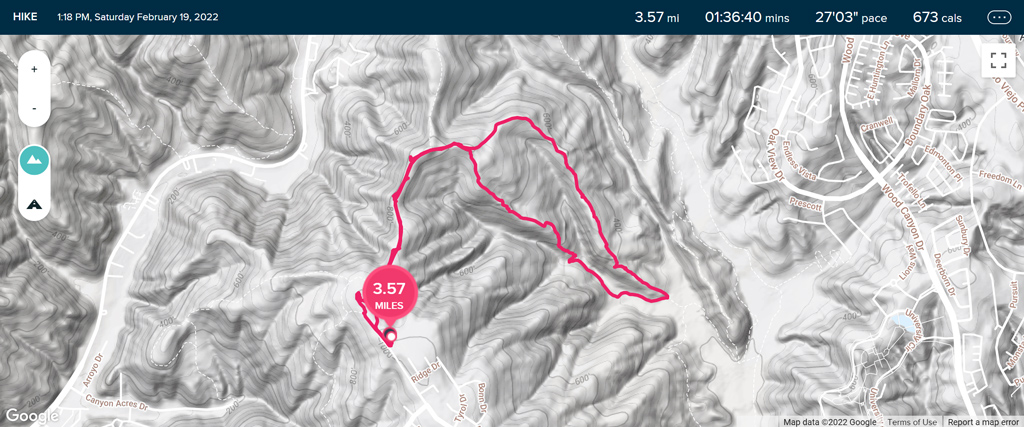
Fitbit Activity Tracker


—§—


Hello, Sandia Mountains in New Mexico

For my next tourist activity of Albuquerque, I wanted to check out Sandia Crest, the highest point of the Sandia Mountains in Bernalillo and Sandoval Counties, east of Albuquerque. Many tourism websites suggested doing so via the Sandia Peak Aerial Tramway, a 15-minute tram ride up the western side of the Sandia Mountains.
When I went to buy tickets, I saw that a round-trip tram ticket cost $29, there was an extra $3 grounds fee, and tax came out to an additional $2.06, for an overall total price of US$34.06. I thought that was fairly steep for a tram ride, so I looked into an alternative, which would be to drive up to Sandia Crest myself. From my hotel, it was 31.6 miles there and 31.1 miles back, and at the IRS average mileage rate of 56¢ per mile, that is the functional equiv­a­lent of spending $35 to drive there instead. The price difference was negligible, but I would have much more control over my sightseeing schedule and get to stop at many other locations along the way with my own truck, so I decided to drive.

I’m glad I did, because on the way out to the mountains, I took Historic Route 66 and went over the musical highway to listen to America the Beautiful. There’s a location on Google Maps for the Musical Highway, but it’s marked as permanently closed, and the reviews state that you can’t hear anything anymore. Through first-hand experience, I can guarantee that, as of today, the musical highway is still there and still singing. The notes aren’t that crisp, probably because the New Mexico Department of Transportation decided not to service the grooves in the road anymore, but as long as you align your right-side tires prop­er­ly, you can definitely still hear it.

Sandia Crest’s elevation is 10,678 feet (3,254 meters) above sea level, so I knew it was going to get cold up there, but I didn’t realize just how cold. Not even halfway up the winding Sandia Crest Scenic Highway portion of New Mexico State Road 536, there was already snow piled up along the side of the road.

Sandia Mountains in New Mexico

I eventually made it up near Sandia Crest, but quickly reached a point where I couldn’t advance further due to severely limited visibility.

Sandia Mountains in New Mexico

I went back to the fork in the road and tried to take the other path, but I had no luck there either—it was a decently steep hill, and my truck ended up getting stuck in the snow. I did what felt like a nine-point turn to get out of the snow, and just parked in a random spot on the side of the road.

Of course, to add insult to injury, a small blue Subaru showed up from behind me and just zoomed right up the road that I failed to summit.

Sandia Mountains in New Mexico

Luckily, my feet and legs have all-wheel-drive, so I used them to walk up the hill instead. When I got to Sandia Crest, shivering in the cold and being plum­meted by powdered snow being blown airborne by the wind, I went to the railing and looked out past the trees—the precise location where you’re supposed to have sweeping views of Albuquerque. Well, that clearly didn’t work out.

Sandia Mountains in New Mexico

Having no choice but to admit defeat, I returned to my truck and figured that today just wasn’t the day for a successful Sandia Crest visit. However, I did have other plans.
Sandia Mountains in New Mexico

As I mentioned before, one of the benefits of me driving to Sandia Crest instead of taking the tram was that I could make more stops along the way for some more sightseeing. When I was headed for Sandia Crest, I drove straight up there without stopping, but on my way down, I stopped at literally every single possible stopping location to take in the views.
Sandia Mountains in New Mexico

As I got further and further down the mountains, the weather got increasingly better, and I was able to walk around a bit without being turned into an ice statue.
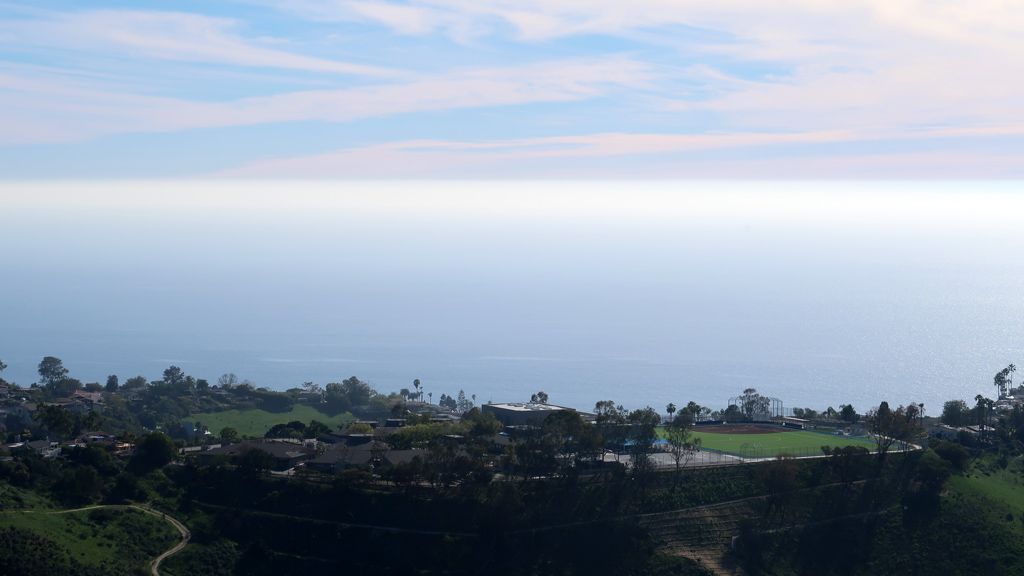
Sandia Mountains in New Mexico

My hope was to get a nice photo of Albuquerque, which clearly didn’t happen, but I got an alternative that was good enough—a nice, sweeping view of the opposite side of the mountains facing towards the east.

Sandia Mountains in New Mexico

Even further down the mountains, I found a little building nestled in the trees. It looked like it was a commercial building and not a residential one, but if you were in fact allowed to have a residential property out here, this seems like an incredible place to have a second home. I’d definitely want a place where I could come out during times when I want to take a break from the city so I can breathe some fresh air and go on hikes through nature.

Sandia Mountains in New Mexico

Seeing as I never actually took the Sandia Peak Tramway, I can’t necessarily conclude that driving is better, because I never actually experienced what the tram was like… but I think I did myself a huge favor by driving. The Sandia Mountains are much more than just the top, and if you’re into nature, I’d rate the Sandia Mountains as a must-see if you’re in the Albuquerque area.

(Though, as a side note, try to download an offline map of the area before you head over… I didn’t, and it was mildly disconcerting not having cell sig­nal in the middle of a snowstorm on the top of a mountain.)


—§—


Hello, National Museum of Nuclear Science and History in New Mexico

For my first tourist activity of Albuquerque, I decided to visit the National Museum of Nuclear Science and History. The museum officially lies in an un­in­corporated area of Bernalillo County, but still holds an Albuquerque address.

A bulk of this museum was fairly traditional, with a mixture of some interactive exhibits, objects on display, and plaques with text. The museum opened with an area called the “Pioneers of the Atom,” which introduced notable figures who paved the way to discoveries and advancements of the atom.

Next up was a section about World War II. It started with an overview of the countries involved in the war, as well as the creation and use of the atomic bomb. It then dove deeper into things like the Manhattan Project and the assembly of the atomic bomb, and provided video footage of interviews con­ducted directly with some of the scientists and soldiers involved with the atomic bomb during the war.

National Museum of Nuclear Science and History

There was a section off to the side of the World War II section that was dedicated to the temporary exhibit of the season. When I went, it was an exhibit showcasing the cruelties committed towards the Japanese during World War II, and how the United States reacted very harshly and aggressively towards the Japanese in response to their attacks. Similarly to how I got a lot of the timeline of the civil rights movement mixed up, this section made me feel par­ticularly ignorant when I learned that this forced relocation of the Japanese-Americans happened as recently as the mid-1900s.

The next section focused on Hiroshima and Nagasaki. First it showed the bomb casings of the atomic bombs dropped on the Japanese cities, then it explained the Japanese post-war recovery process, and how the atomic bombs affected the Japanese for a very long time.

National Museum of Nuclear Science and History

Next up on the timeline was the Cold War. Again, not having been much of a history enthusiast throughout my youth, a lot of this information was pret­ty new to me.

National Museum of Nuclear Science and History

The most amusing piece of information I saw was about the concept of “MAD,” which stands for Mutually-Assured Destruction. This doctrine states that, if one side attacks the other with a nuclear weapon, they functionally guarantee the destruction of both parties, because the defending party will re­taliate with equal or greater force. Thus, it is in everyone’s best interest for all parties to have extremely powerful nuclear weapons, because then, no­body will attack each other in fear of getting destroyed themselves.

National Museum of Nuclear Science and History

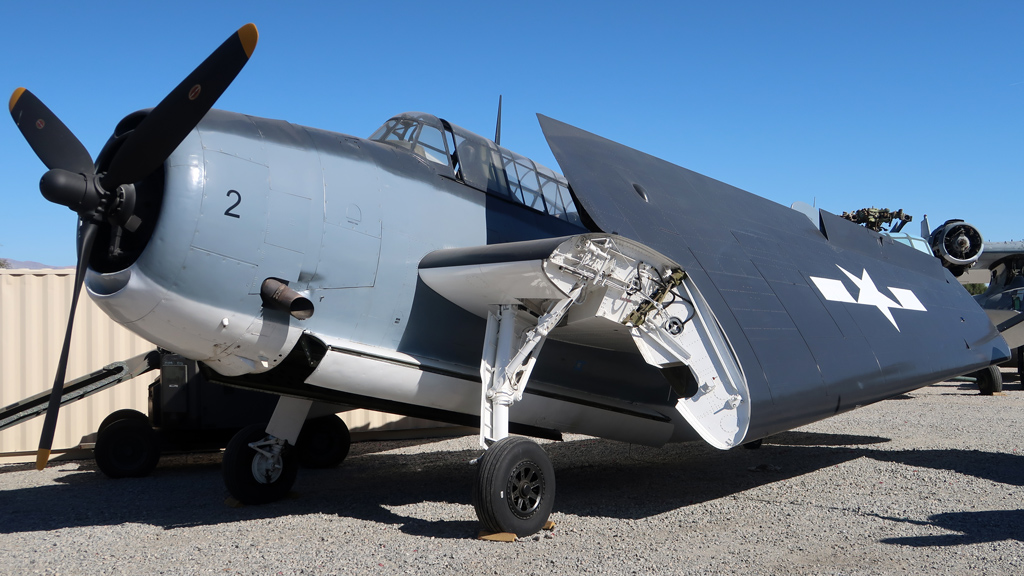
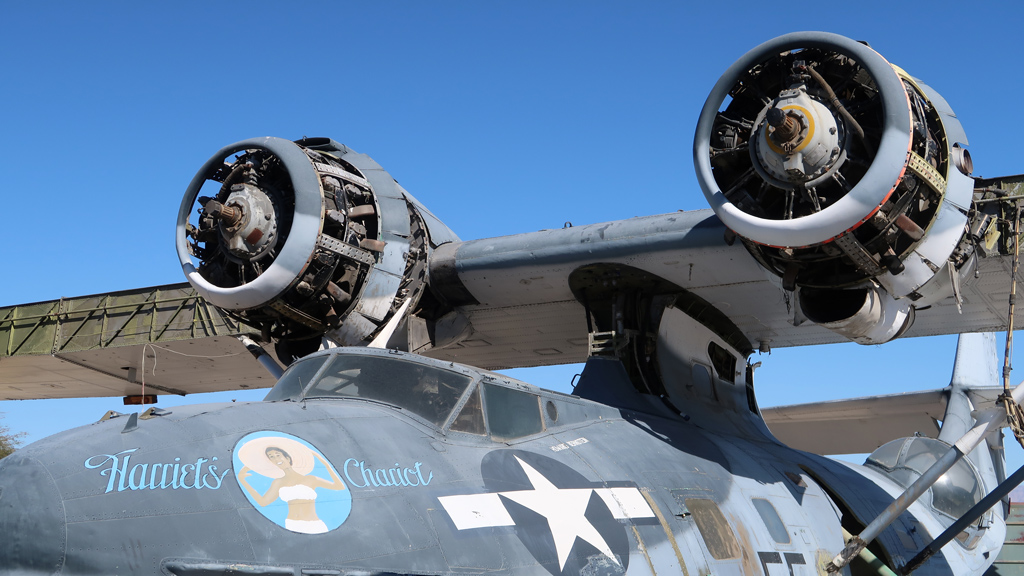
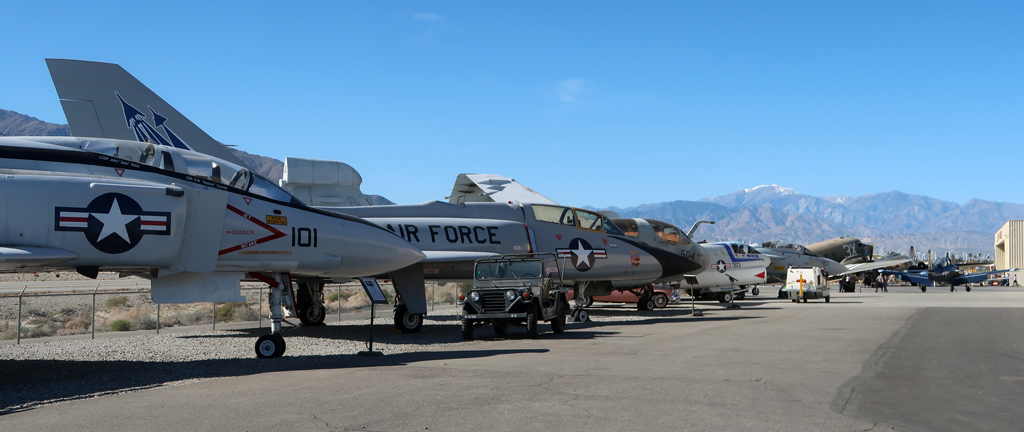
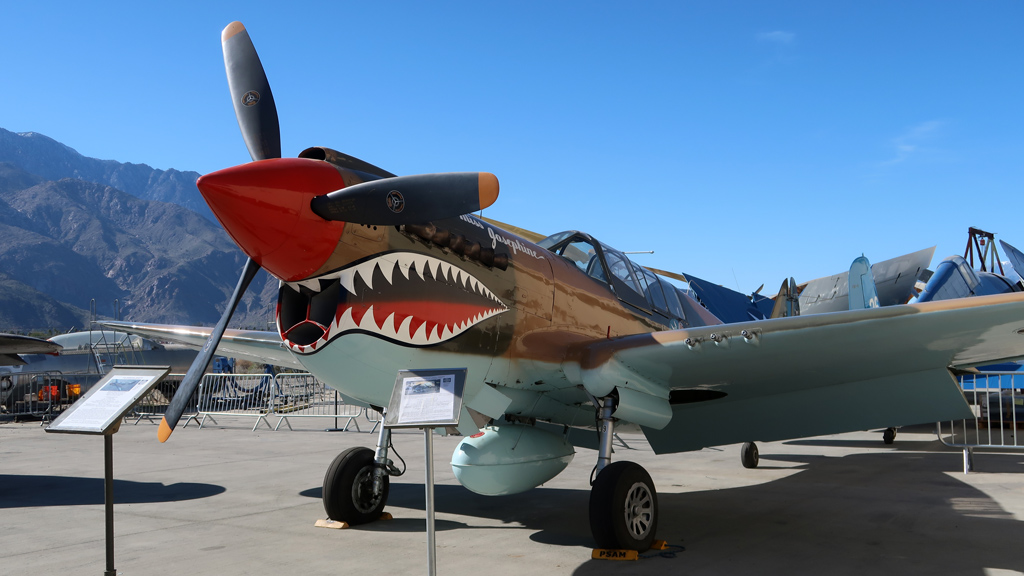
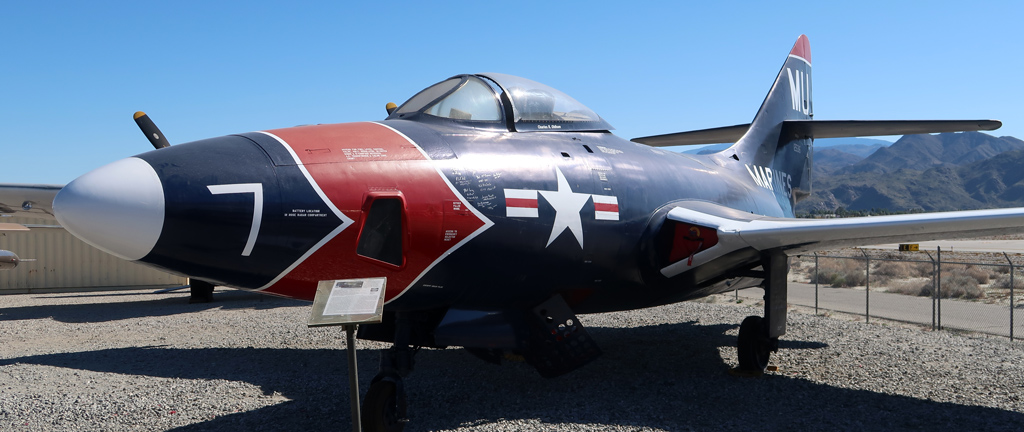
At this point in the museum, there was a door leading outside to Heritage Park, which held a lot of planes, rockets, missiles, and other military equip­ment.

National Museum of Nuclear Science and History

National Museum of Nuclear Science and History

National Museum of Nuclear Science and History

National Museum of Nuclear Science and History

National Museum of Nuclear Science and History

National Museum of Nuclear Science and History

National Museum of Nuclear Science and History

National Museum of Nuclear Science and History

National Museum of Nuclear Science and History

Looping back inside, the exhibits started getting closer to modern day, with nuclear medicine and radiation being the next sections. I took a little in­ter­ac­tive quiz about radiation exposure, and apparently, my exposure is very average. Right beside it was a look back at atomic pop culture and the dawn­ing of the Atomic Age.

National Museum of Nuclear Science and History

The end of the museum had what looked like sponsored exhibits, and covered things like nuclear waste transportation, green energy alternatives, and the uranium cycle.

The exhibits were interesting and the military planes and equipment were nice to look at, but I think the most memorable takeaway from this museum is the overview of the historical events.

This is a continuation of something I’ve been realizing lately while going to a lot of museums during my road trip, and something I’ve been regularly men­tion­ing in my blog—the American education system is absolutely horrible at teaching history, and somehow finds a way to make it seem as boring as pos­si­ble. Now that I’m actually learning about it in a compelling way, all of these events feel much more consequential and relevant, so I’m much more interested and invested in knowing the logic behind why things happened the way they did, and how things ultimately ended up playing out.


—§—