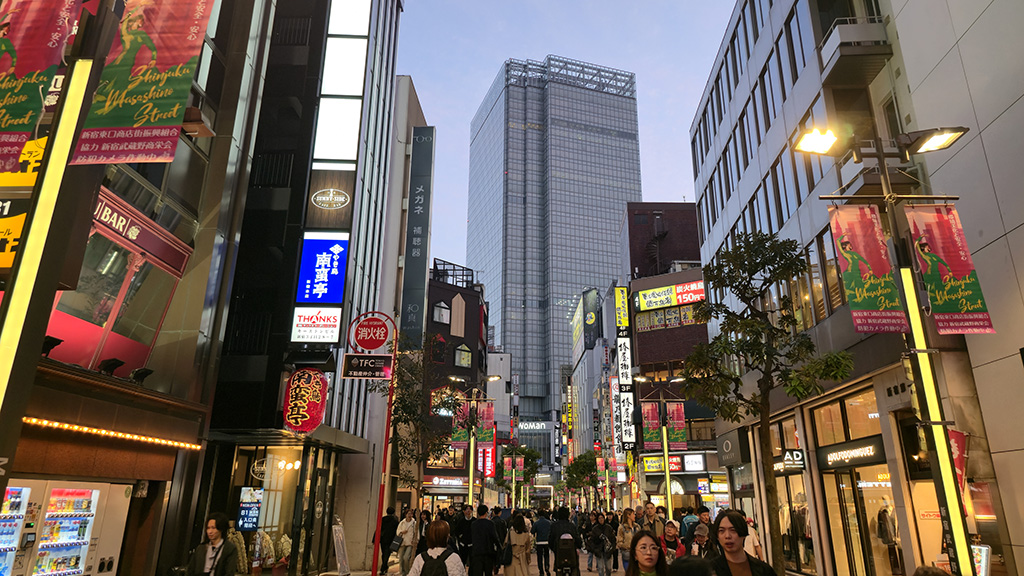
During my two-week trip to Japan, I stayed in a hotel in the Ginza neighborhood of Chuo City. Tokyo is so well-organized and intuitive that I was able to get a general idea of where things were in Ginza around my hotel pretty quickly, but whenever I was going to a different area, I opened Google Maps every time because of how good it is at planning subway and train routes for me with realtime transit information.
Every time I would open Google Maps from Ginza, I would get a glimpse of 皇居, which is the Imperial Palace, the big, grassy, foresty area to the northwest. It seemed like a nice place to go on a tourist activity, so eventually, I set aside time during the early afternoon of a random day to check it out.
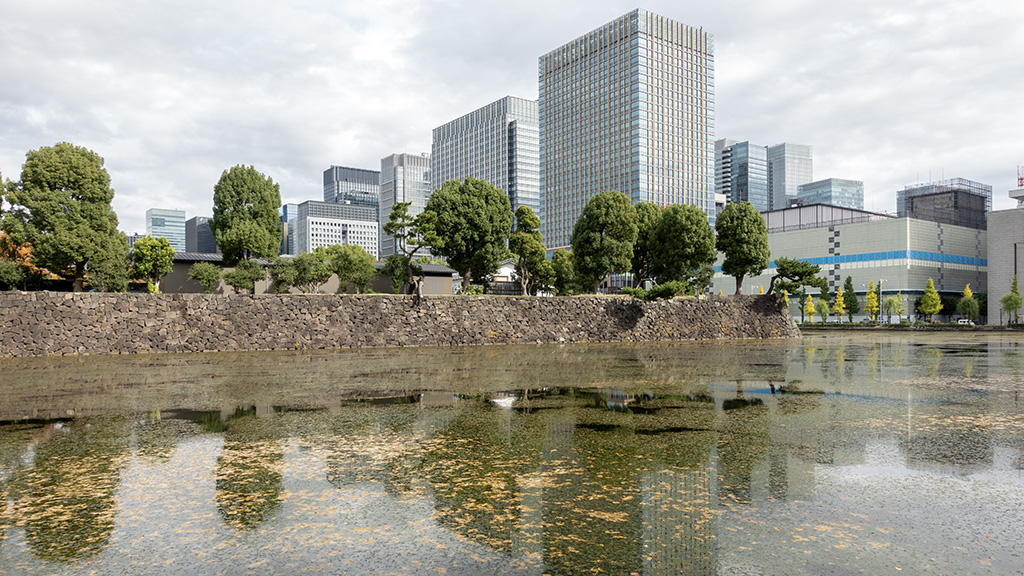
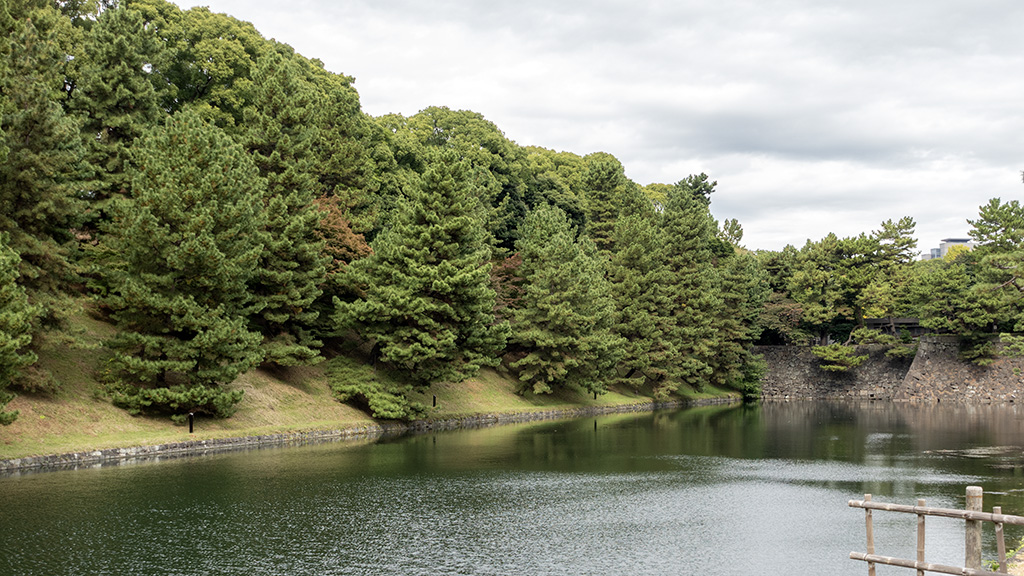
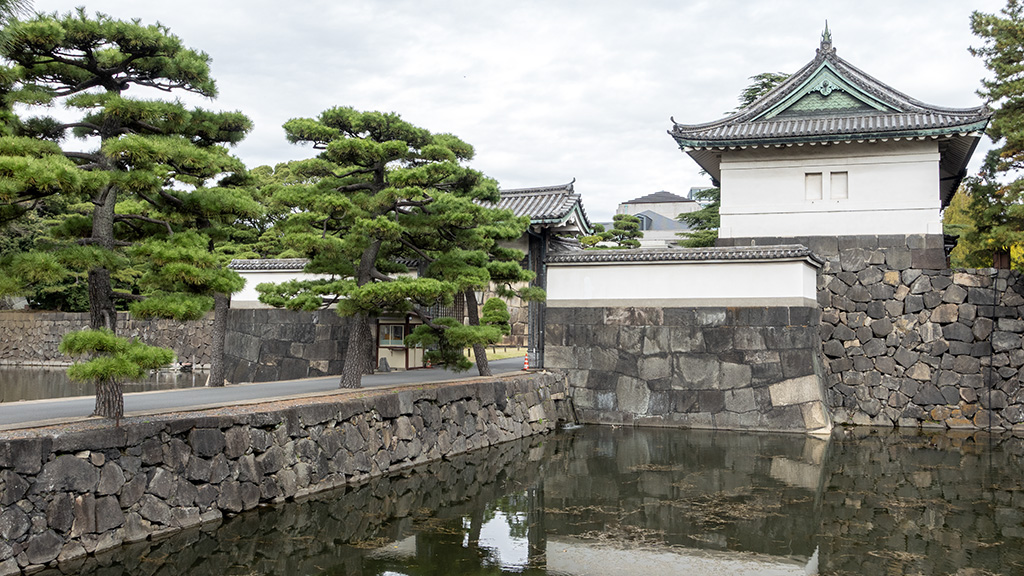
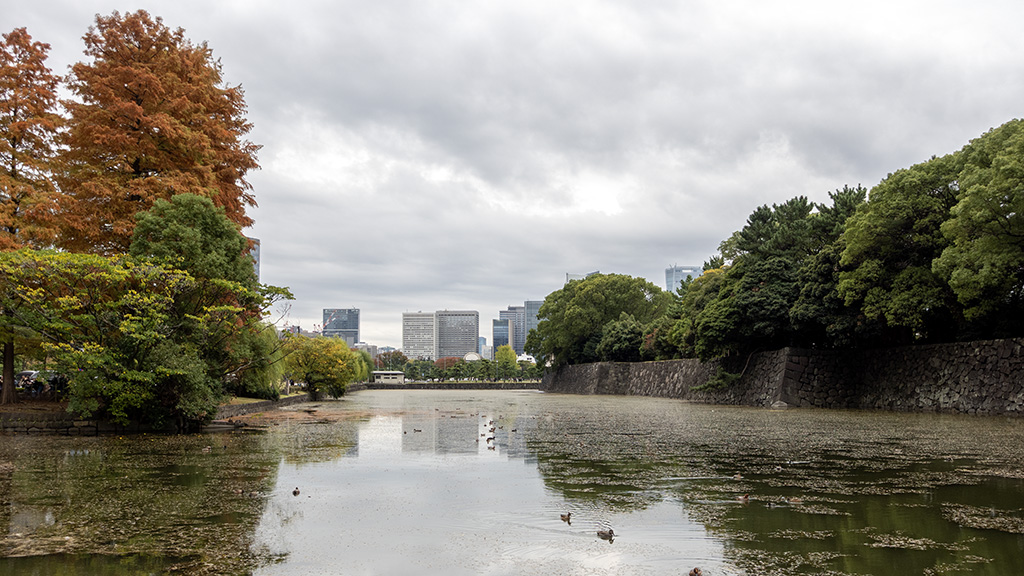
The walk to the Imperial Palace from my hotel was a little over 2 kilometers, or a bit under a mile and a half. Shortly after walking from Chuo City to Chiyoda City, I approached 凱旋濠, which is pronounced Gaisenbori and translates to the Triumphal Moat. I used one of the pathways to cross the water and get onto the main grounds.
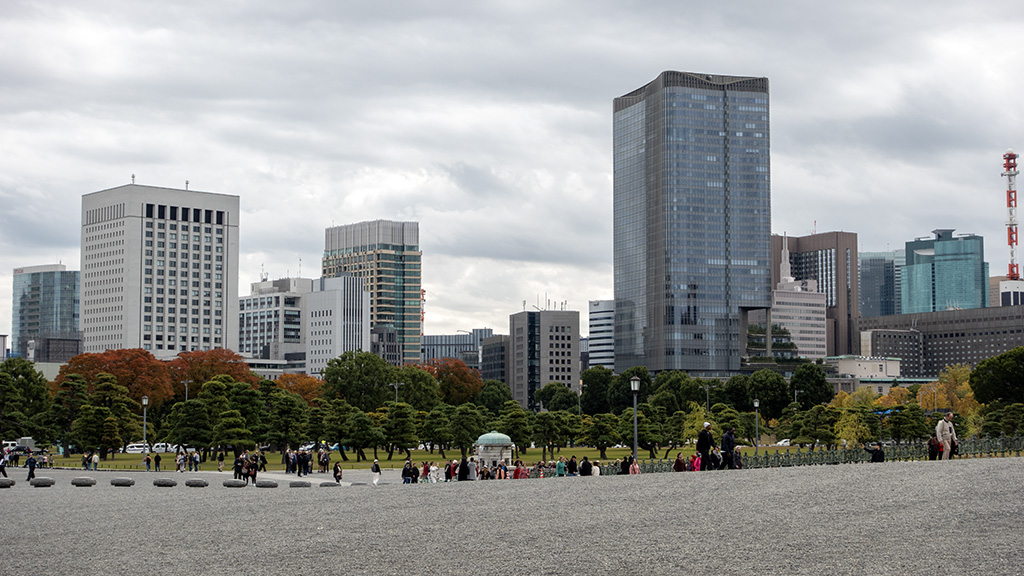
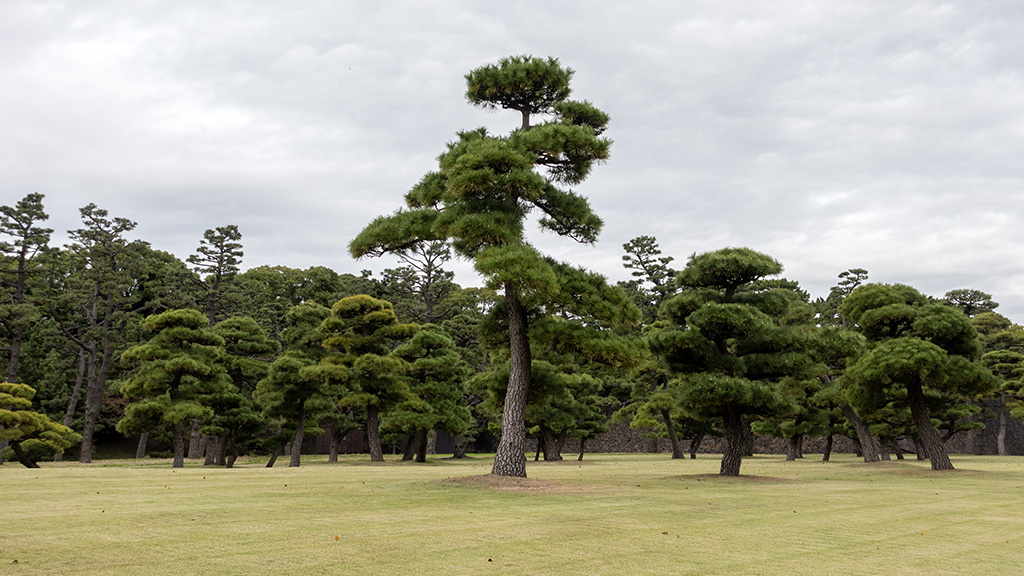
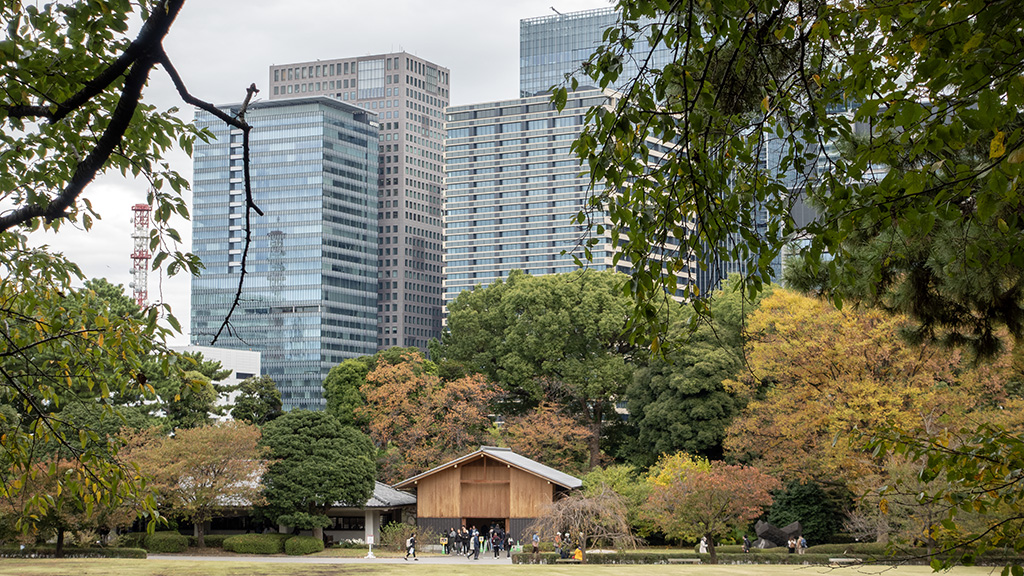
I didn’t really plan anything prior to showing up, so I didn’t quite know what I was supposed to do to actually tour the Imperial Palace. This resulted in me not actually realizing that I was simply in 皇居外苑, or Kokyogaien, and not actually on the Imperial Palace grounds like I had originally thought I was. That was fine, though, because the Kokyo Gaien National Garden was also nice to walk around.
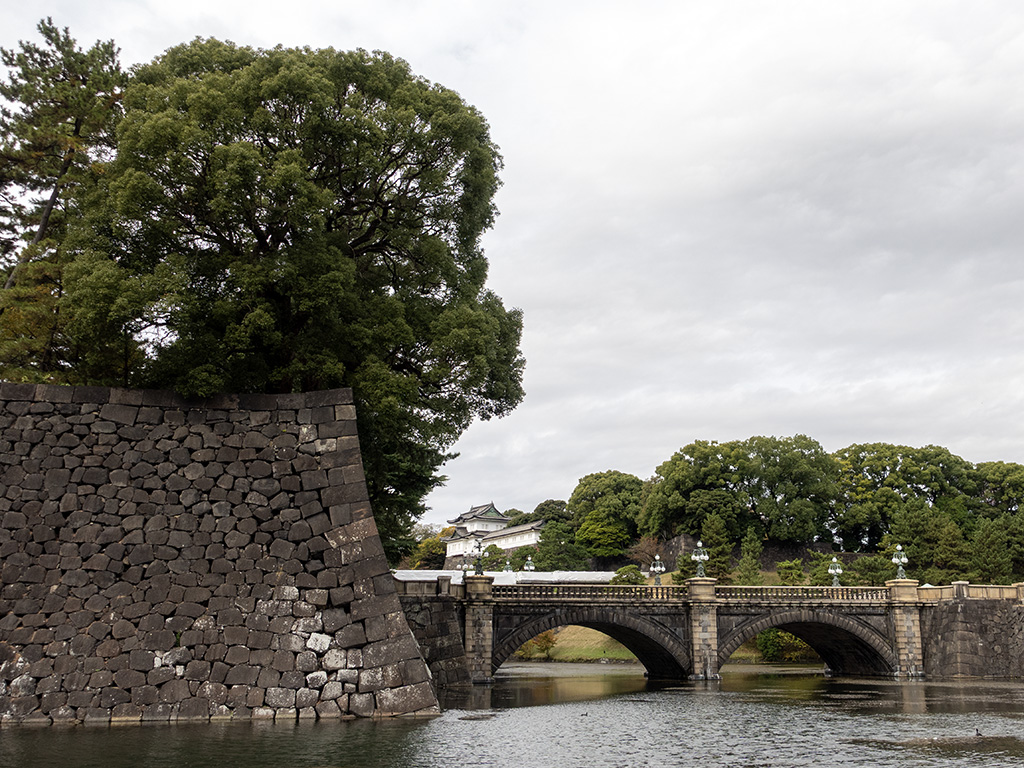
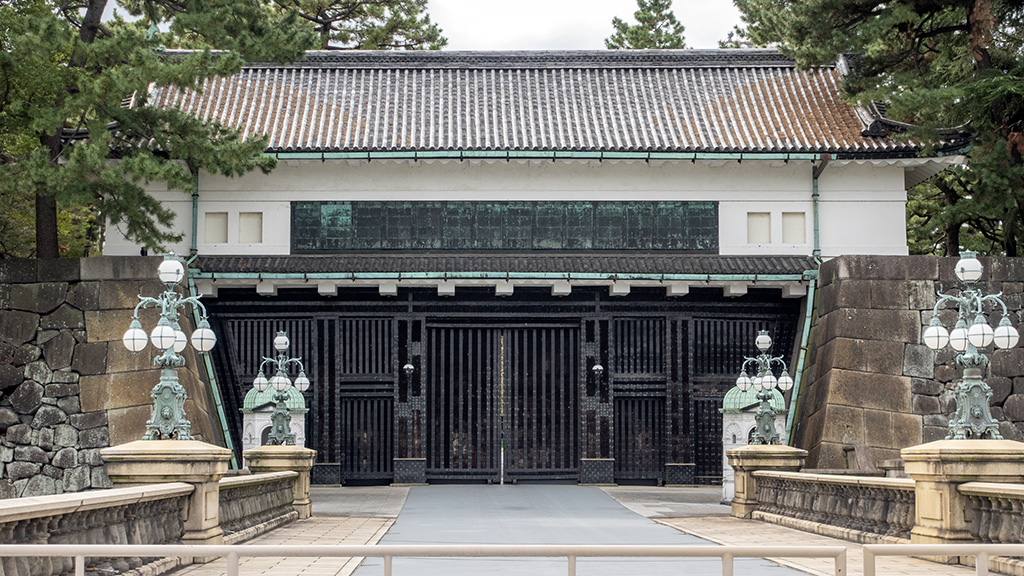
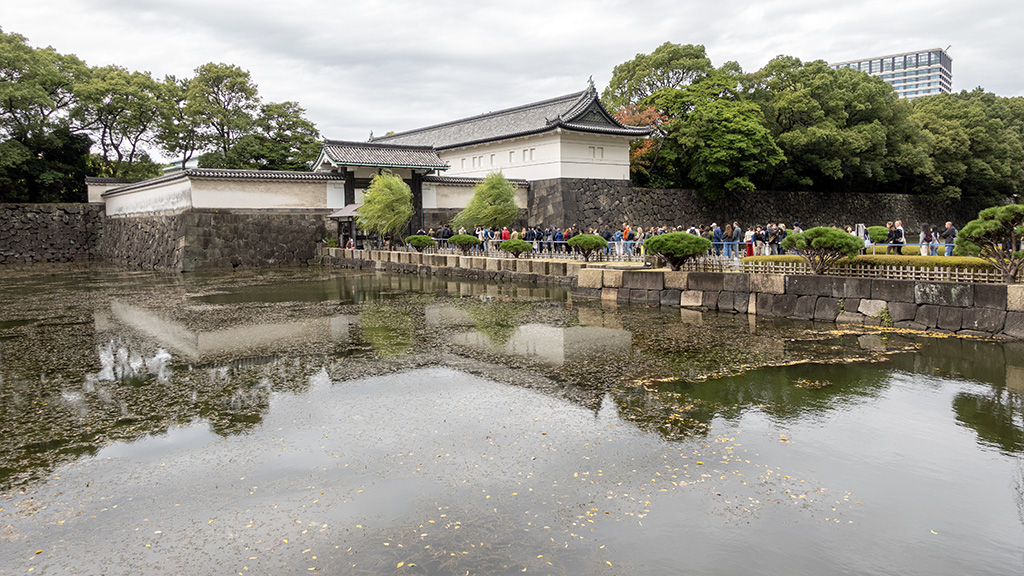
I believe this photo shows 二重橋, or the Nijubashi Bridge, which leads to the Nishinomaru Gate.
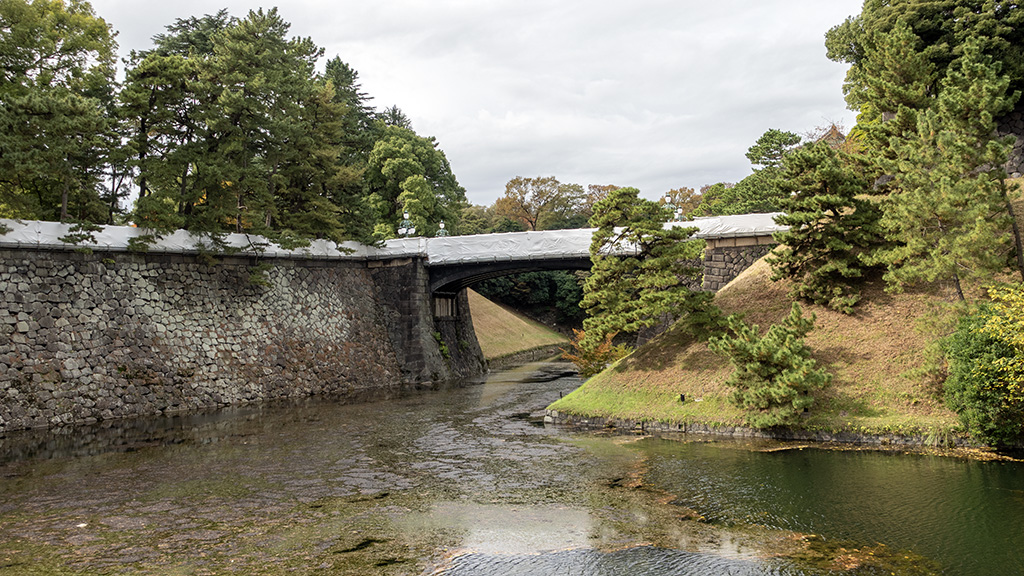
Northeast of that was 二重橋濠, or the Nijubashi Moat.
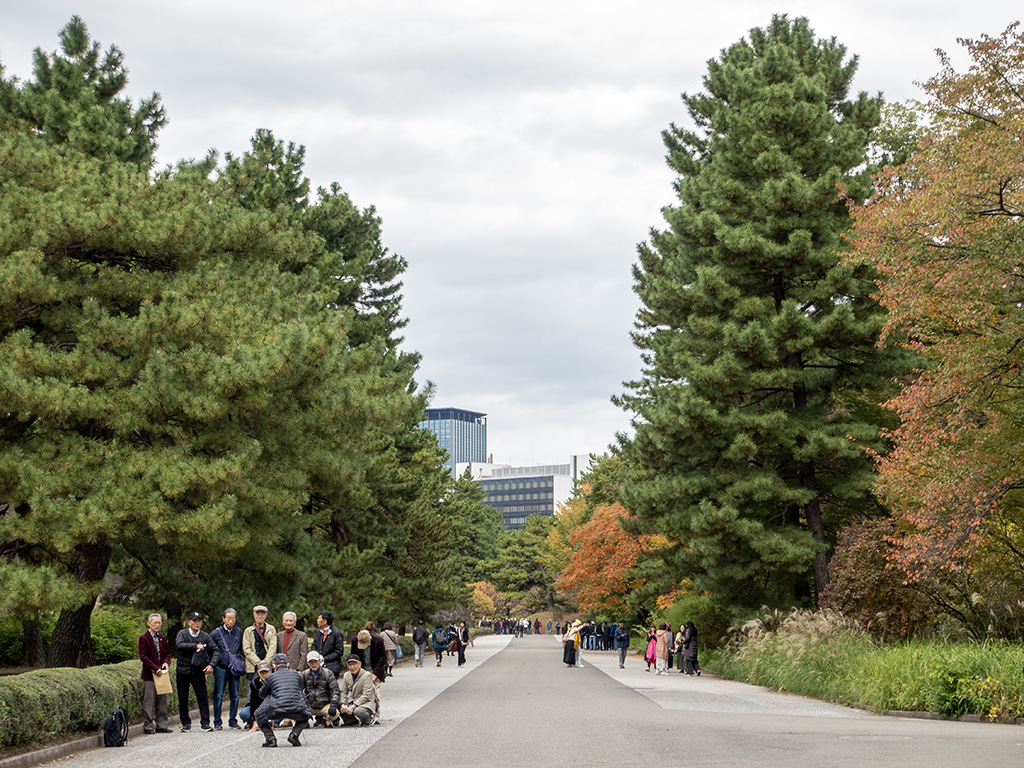
There were a lot of tourists in this area, many of which appeared to be part of large tour groups that were being guided around the area.
In my attempt to try and get closer to the Imperial Palace, I approached 坂下門, or Sakashita Gate. Even though I saw activity beyond the gate, the pathway to get there was barricaded off and supervised by security guards.
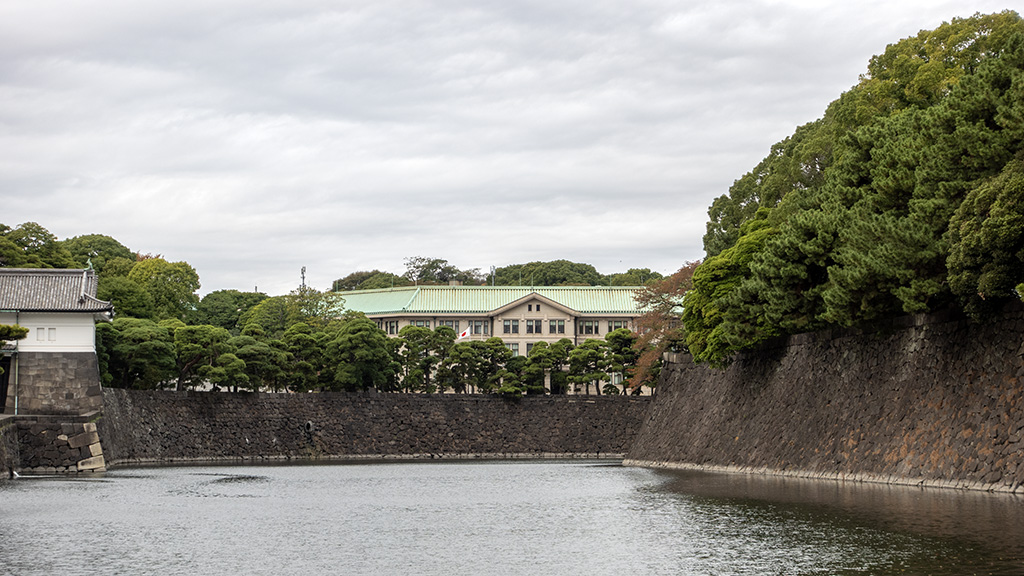
Continuing in my efforts to try and get onto the main Imperial Palace property, I followed the path and saw a building in the distance. I later found out that this was 宮内庁, which is the government office building for the Imperial Household Agency.
Around the corner was 桔梗門, or the Kikyō-mon Gate. This was guarded by a police checkpoint, and some vehicles were being authorized to enter, but it seemed like the area was not open to the general public. Several steps away from the checkpoint, I noticed some signs that said that tours for the day were at capacity.
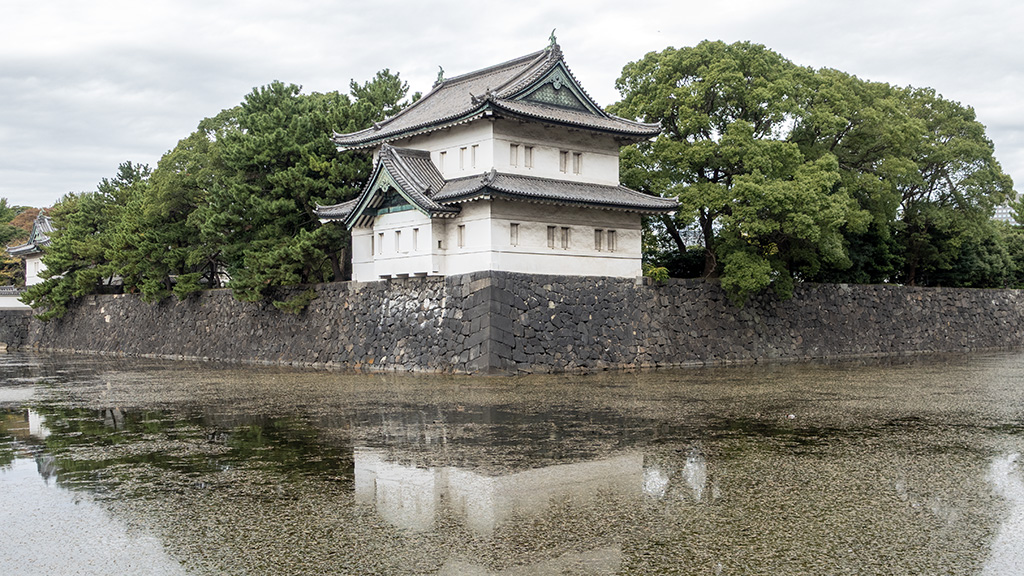
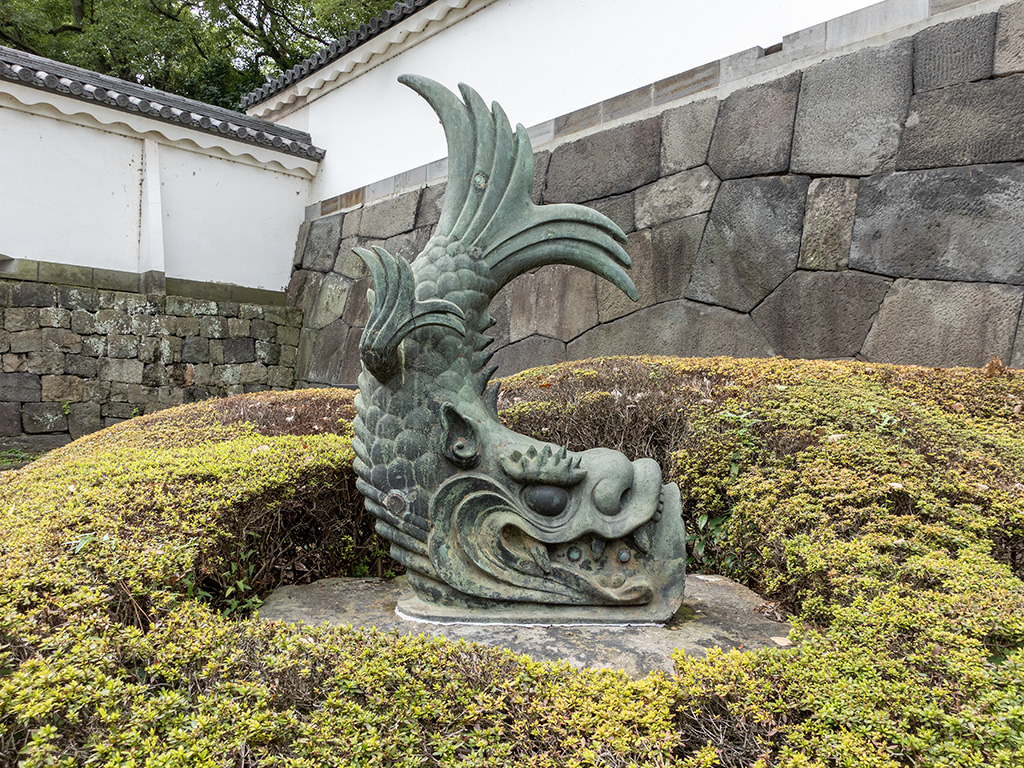
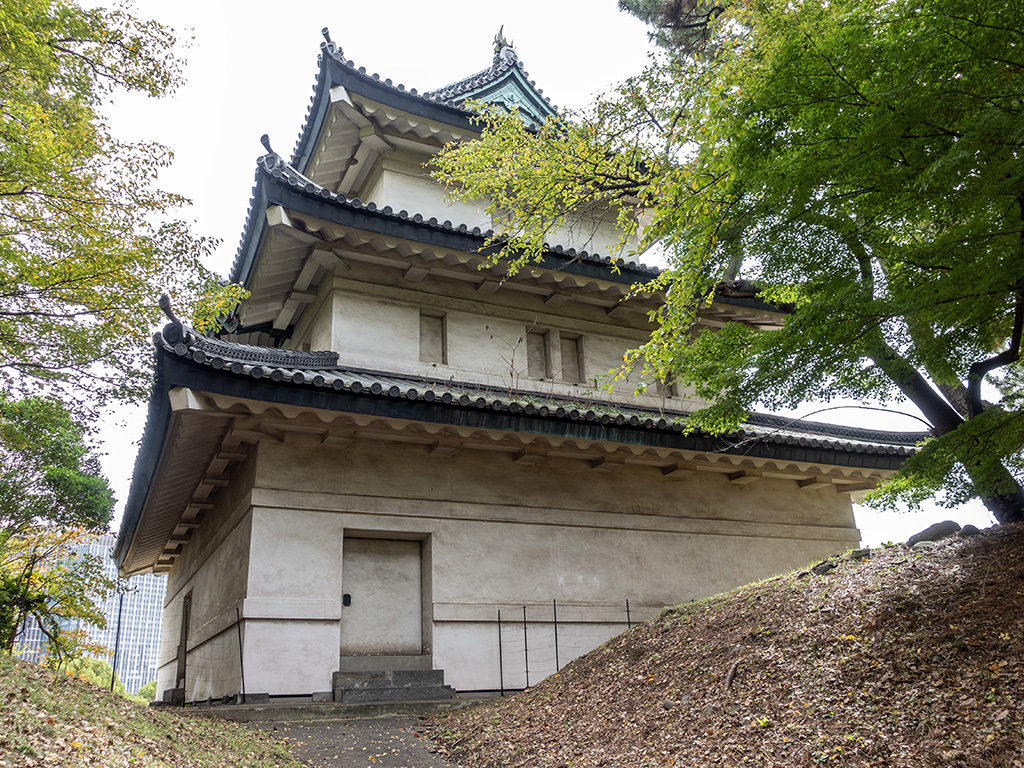
I continued walking alongside 桔梗濠, or the Kikyō-bori Moat. At the edge of one of the turns, there was a nice corner view of 巽桜田二重櫓, or the Sakurada Tatsumi Tower.
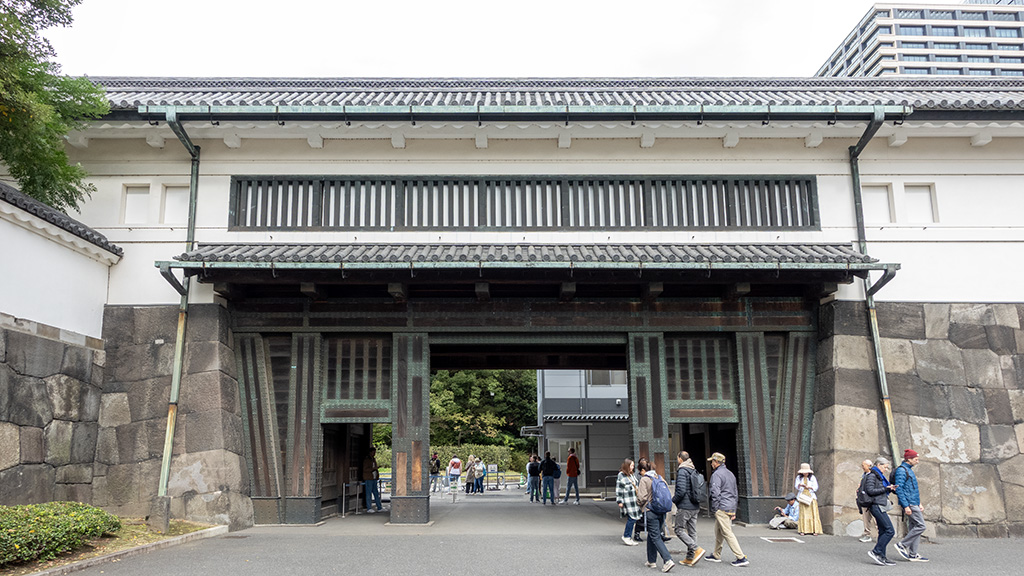
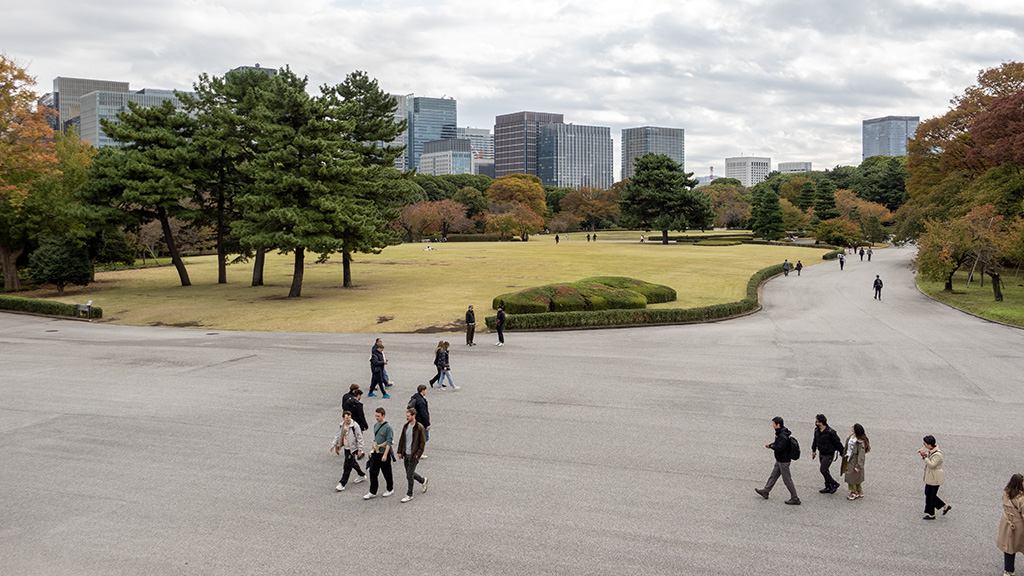
After walking more than an additional kilometer from 祝田橋, or the Iwaida Bridge, across which I first entered, I finally made it to the actual entry point to the Imperial Palace—大手門, which is the Ōte-mon Gate.
I stood in a long security line to get checked, but once I got closer to the front of the line, I realized that I had been standing in a bag check line that I might have potentially been able to skip because I was not bringing any bags in with me.
The reason this took so long is because a surprising number of people brought entire suitcases of their luggage with them; I assume these were people who booked flights that landed in the morning and went straight to tour the Imperial Palace before checking into their hotel and dropping off their belongings.
I did not have to purchase an admission ticket or pay an entry fee. Upon entering, I started walking around.
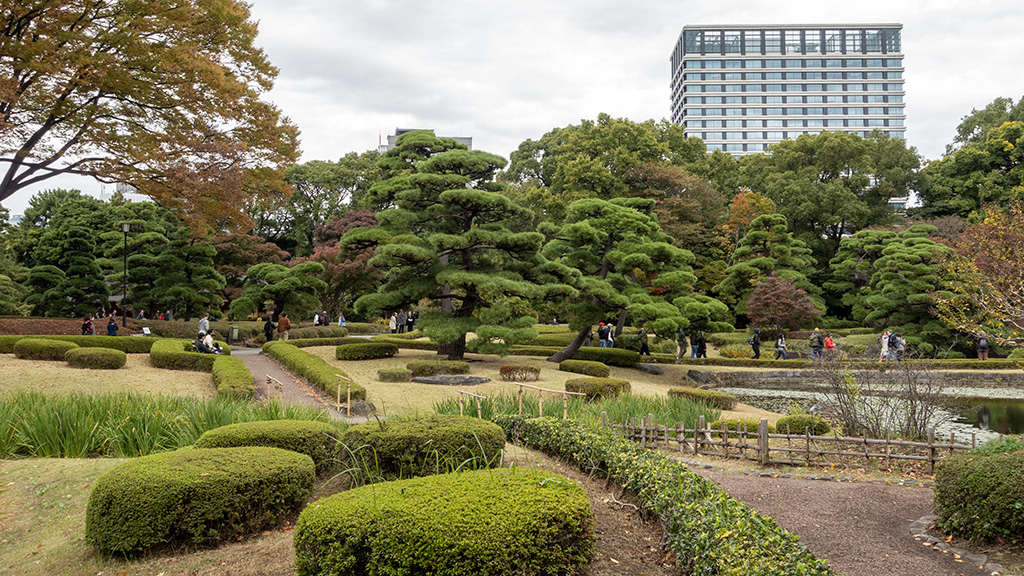
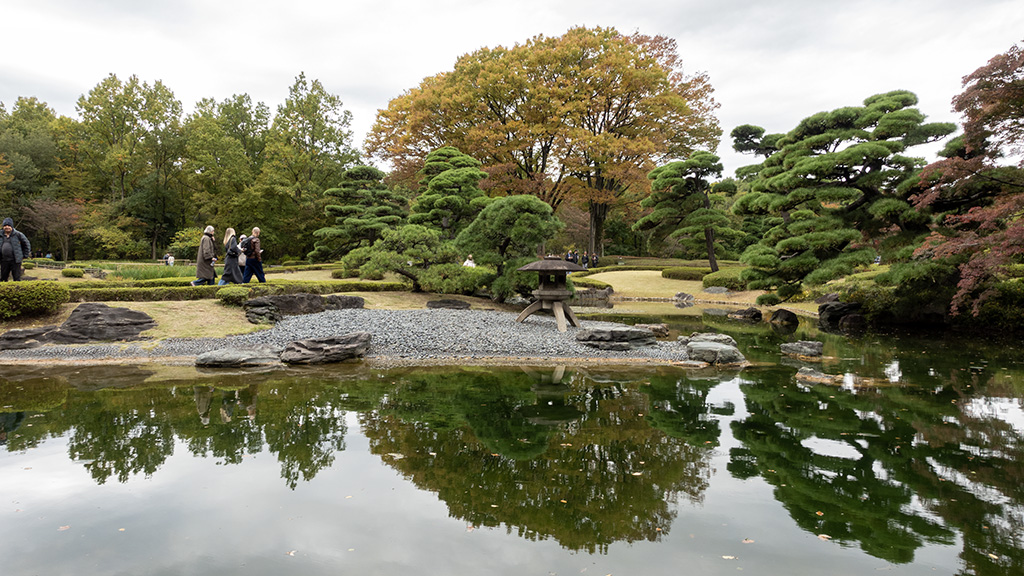
After traversing a bit northbound, I made it to 二の丸庭園, or the Ninomaru Garden.
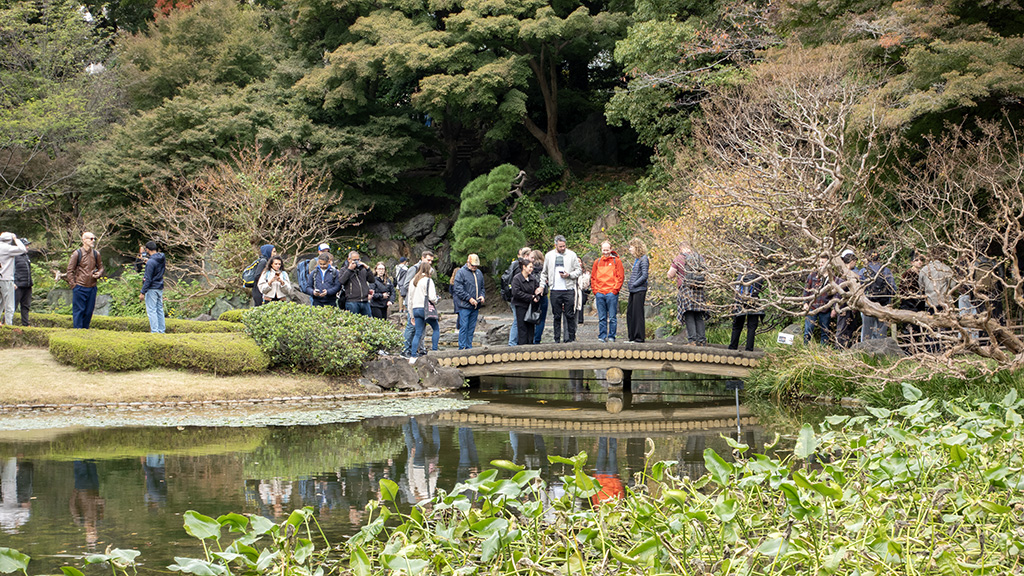
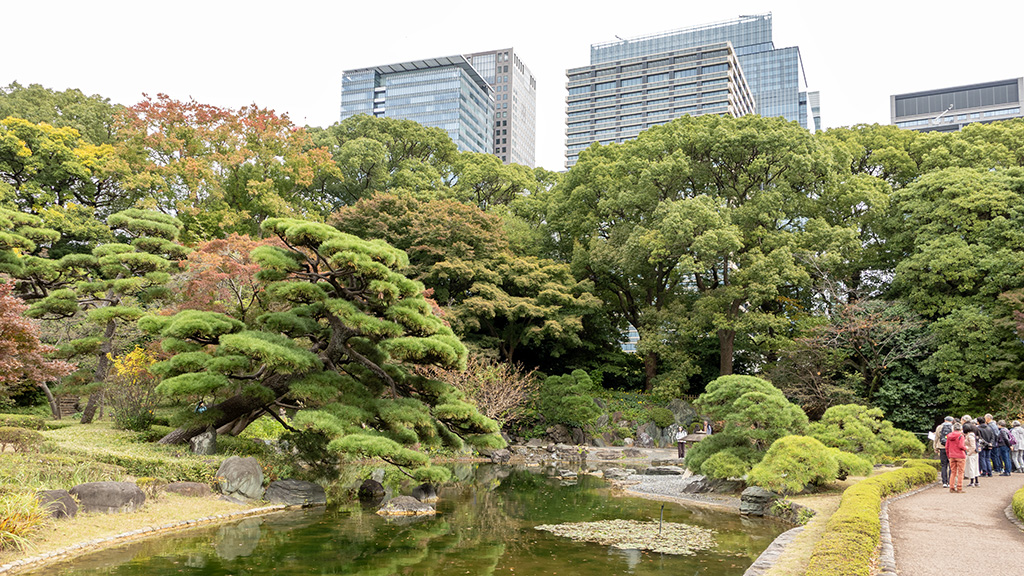
This garden contained 二の丸池, or the Ninomaru Pond. There were a lot of people huddled around this body of water taking photographs.
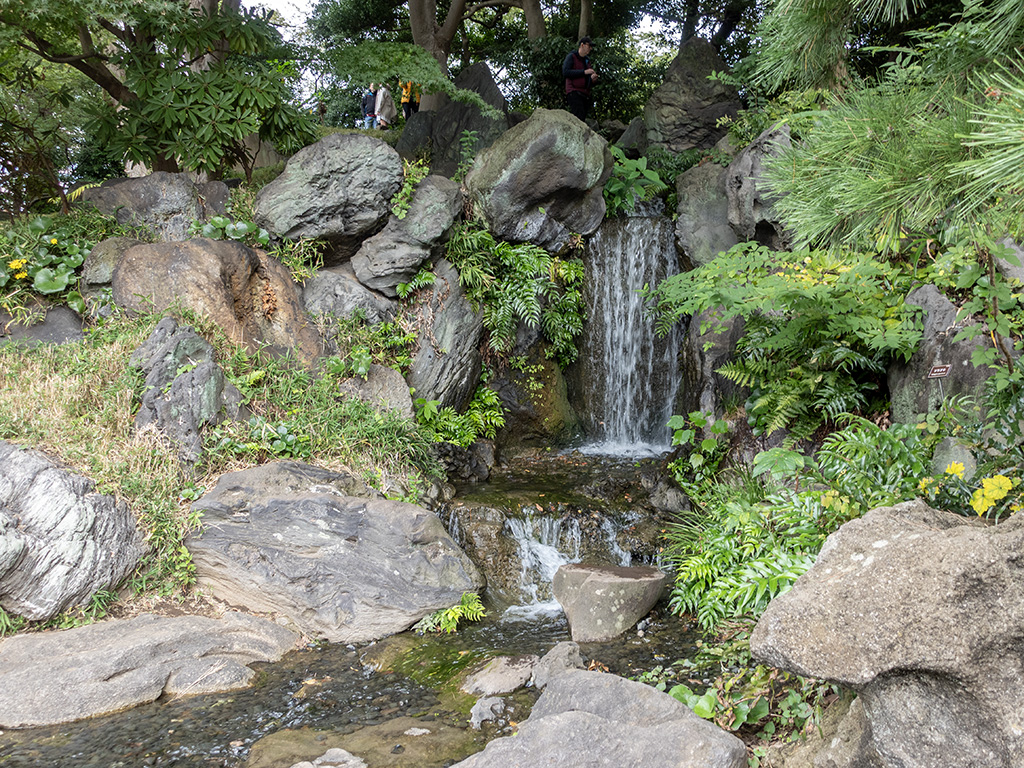
It seemed like this pond was sourced by this small waterfall.
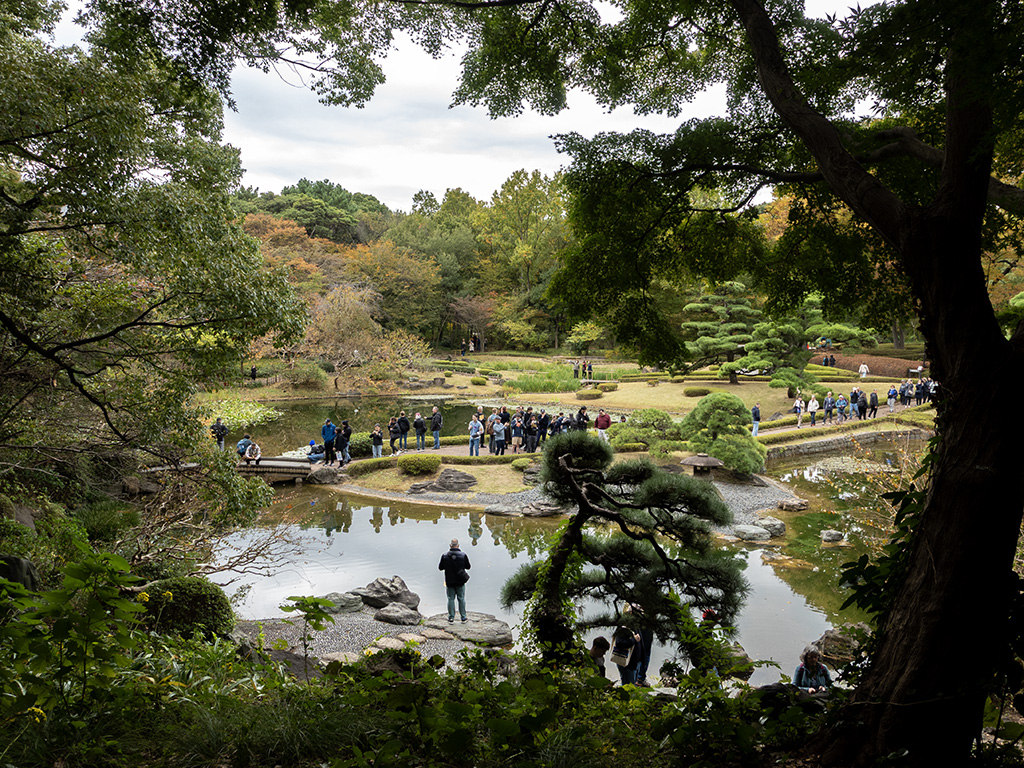
There was a pathway to climb the rocks and get to the top of the waterfall. I walked up and got this nice photo of the garden from an elevated vantage point.
After taking in the sights of the garden and pond, I continued west to 二の丸雑木林, or the Ninomaru Grove.
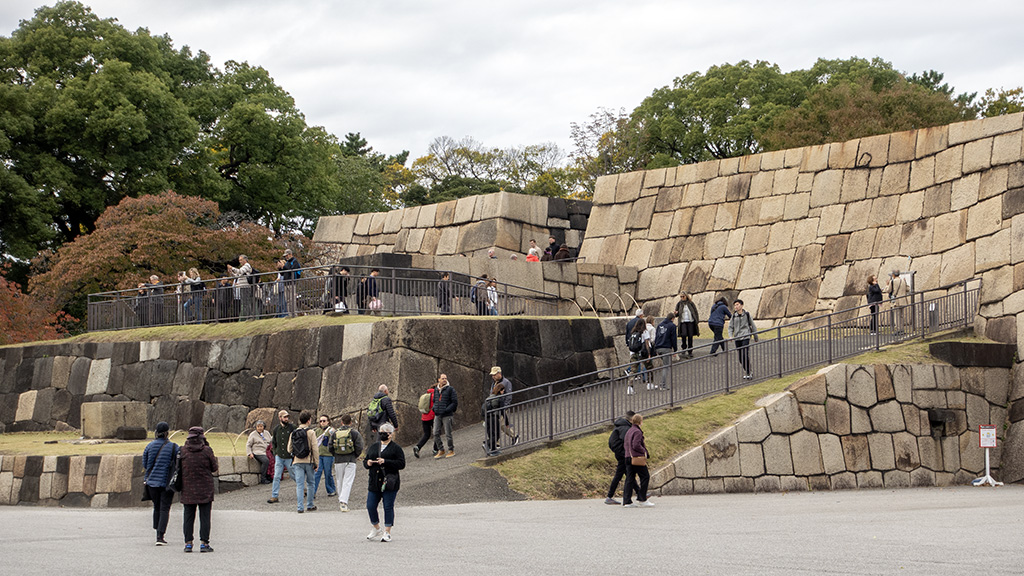
Upon walking even further west, I came across 江戸城跡, or the Edo Castle Ruins.
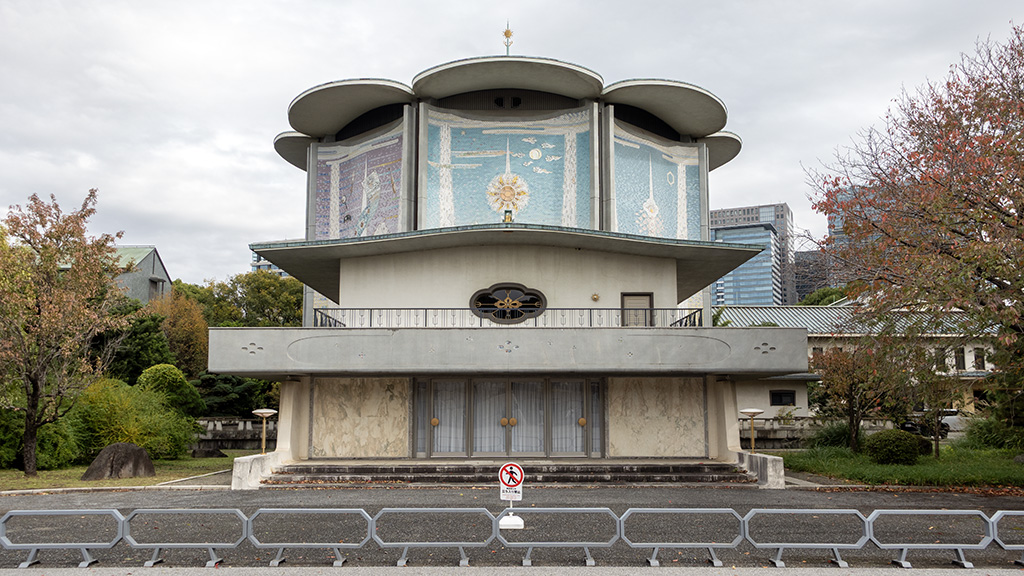
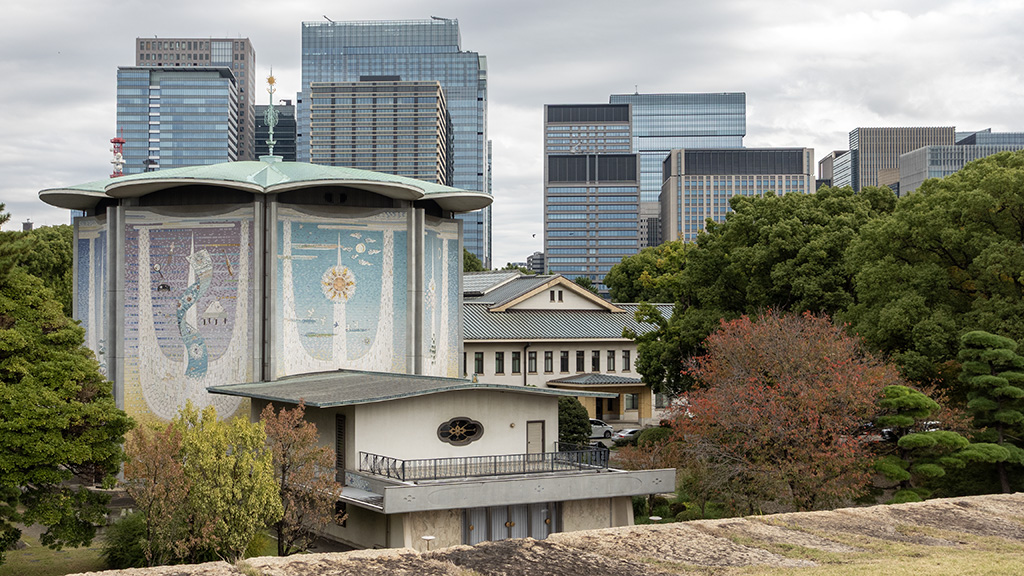
Beside it, I saw 桃華楽堂, or the Touka Gakudo, which is a concert hall.
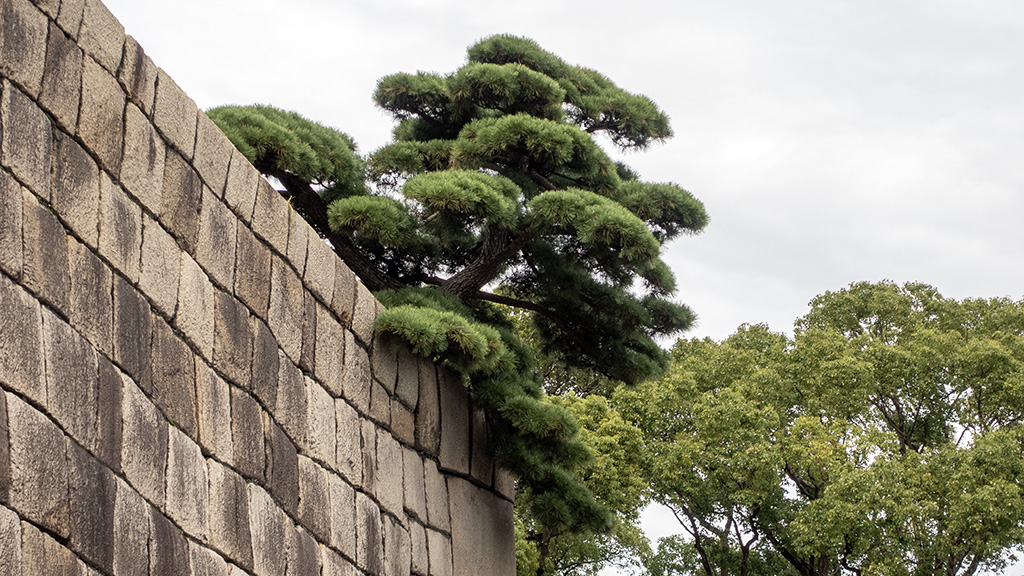
I saw this tree spilling over the edge of one of the walls of the ruins, which I thought looked interesting and would make a nice photo opportunity.
The ruins had a ramp and stairway up to the top, so I climbed up and got a view of a field.
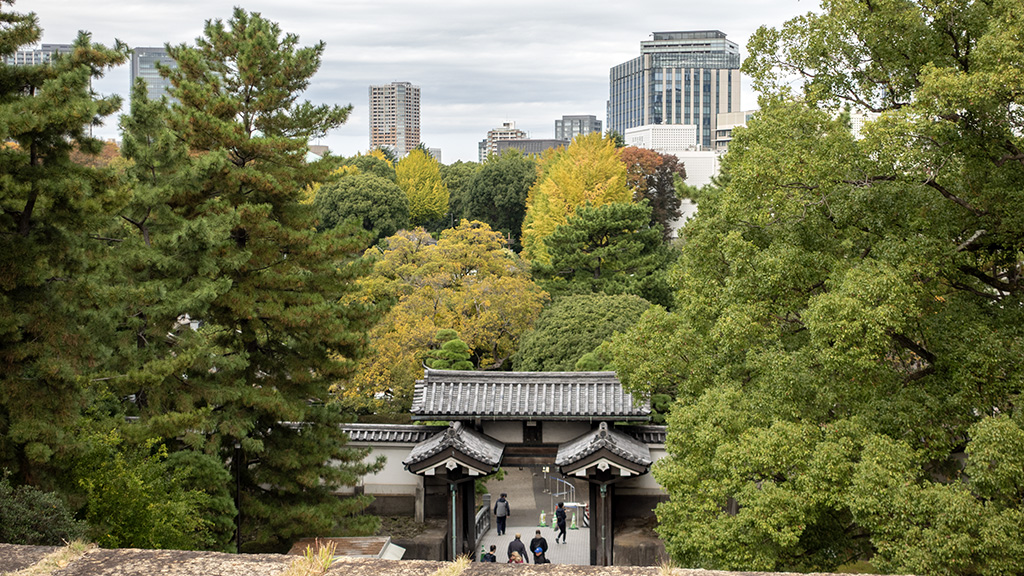
On the reverse side was a view of 北桔橋門, or the Kita-Hanebashi Gate.
To the east was the Touka Gakudo again, along with the Ōtemachi skyline as a backdrop.
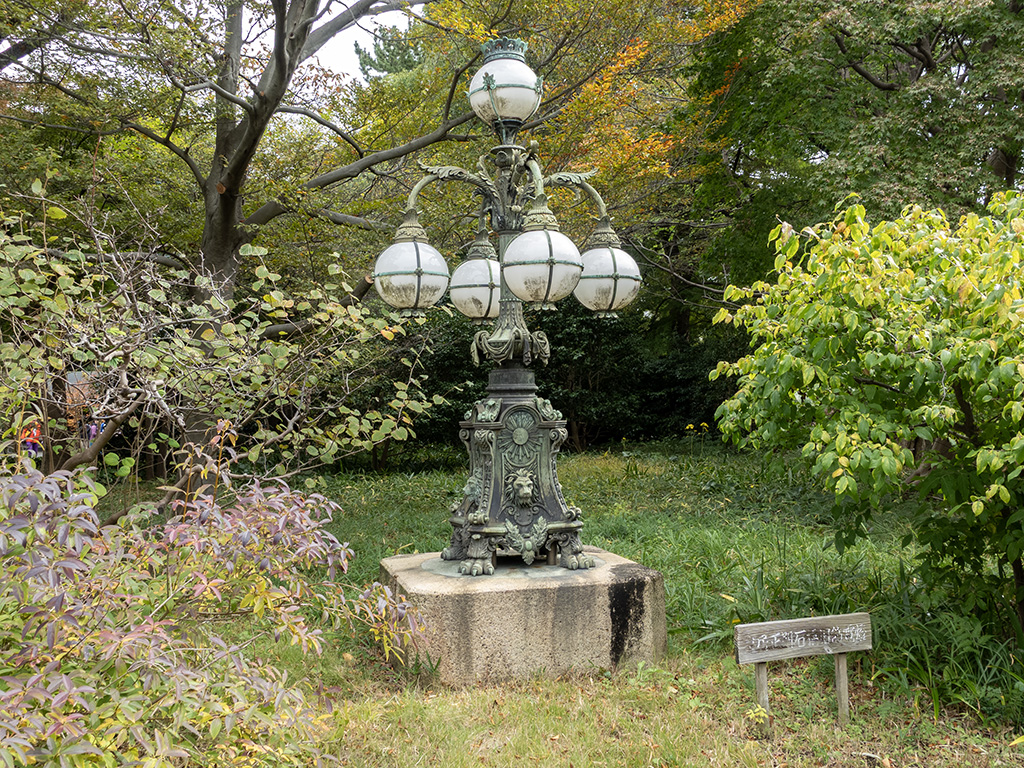
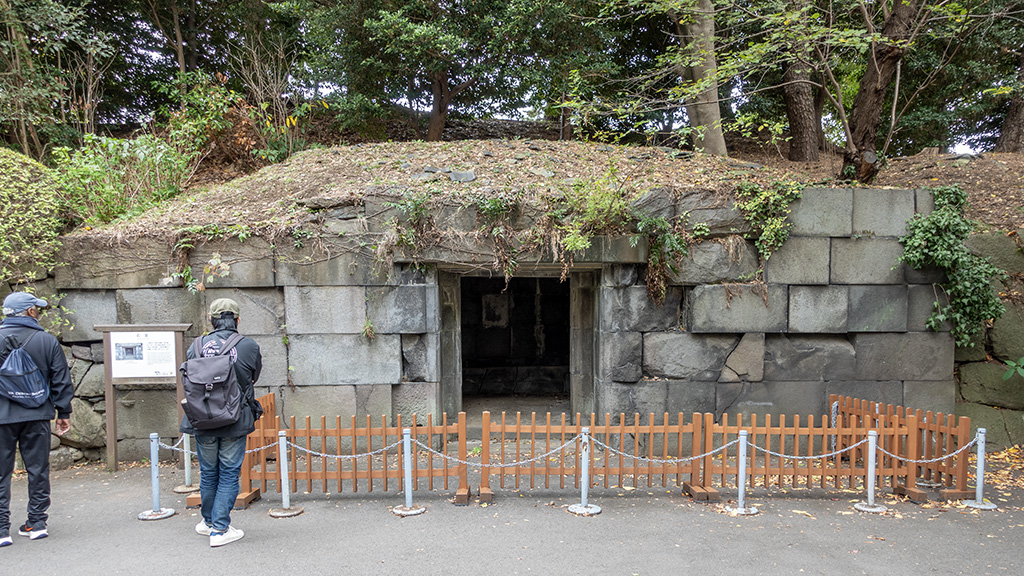
After descending from the ruins, I continued walking south and came across 石室, which is a stone hut.
A little bit further south of the hut was 富士見多聞, or the Fujimi-tamon Defense House. This was open to the public to walk through and basically served as a very small museum.
Across the field from the museum was 本丸休憩所, or the Honmaru Goten Rest House.
The far southern corner had 富士見櫓, or the Fujimi Tower. This was fenced off and not accessible to the public, but I was still able to get close enough to snap a nice picture.
After checking the map to make sure I saw everything, I circled back around and out through where I entered.
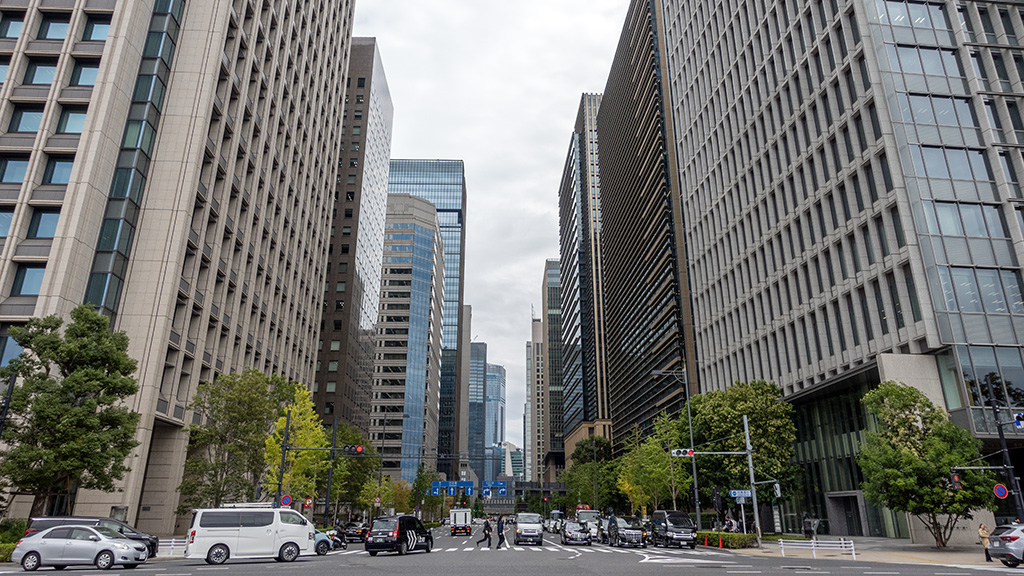
After popping back out of the gate, I was back in the bustling city looking down Eitai-dori Avenue.
I ended up spending about two hours here, and that was even without having a chance to see the inside of the Imperial Palace. On top of that, 皇居三の丸尚蔵館, or the The National Museum of the Imperial Collections, Sannomaru Shozokan, was temporarily closed, so I missed out on that as well.
I feel like a big part of seeing the Imperial Palace is to see the palace itself, so I feel like I can’t give a particularly meaningful recommendation on whether or not you should go to check it out. However, what I can say is that walking around was a pleasant experience that also served as decent exercise due to how large the site was. It wasn’t quite as peaceful and serene as some of the other outdoor activities I did due to how many more tourists there were here compared to other spots, but it was still a great way to get some fresh air in the middle of the day.
When I visit a new city, I want to do things in that city that are unique to the area. I’ve traveled so much at this point that I’ve been to a ton of zoos, aquariums, science museums, and other tourist attractions that are not local-specific, so nowadays, I try to avoid those kinds of activities and instead do something that I can’t do anywhere else.
One of my favorite things about Tokyo that I found out during my two-week trip there was how many unique museums there were in the metropolis. Some of it is because flagship retail stores in Tokyo are so large and well-organized that they seem like museums of their own (I mention this in my two already-published miscellaneous photo dump blog posts in the sections where I talk about the Yamaha and Fender stores), but some of them are just actual dedicated museums on very specific topics.
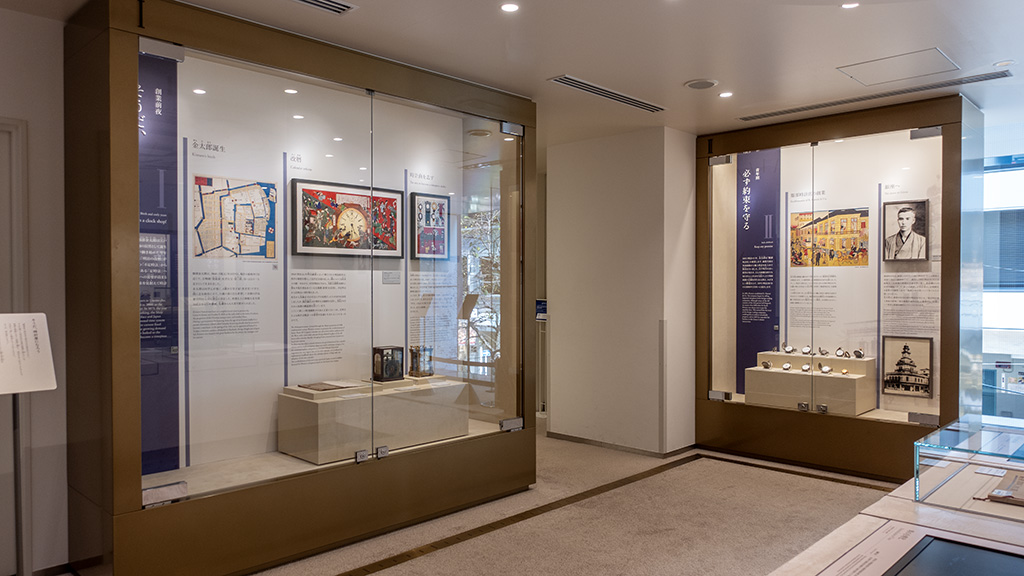
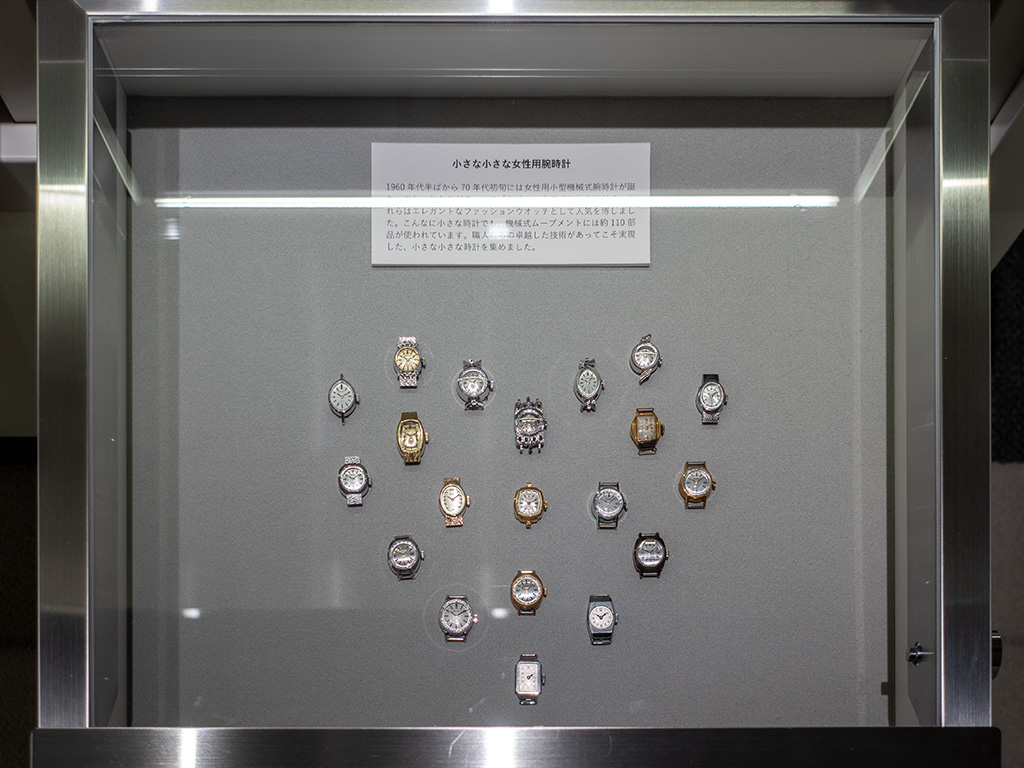
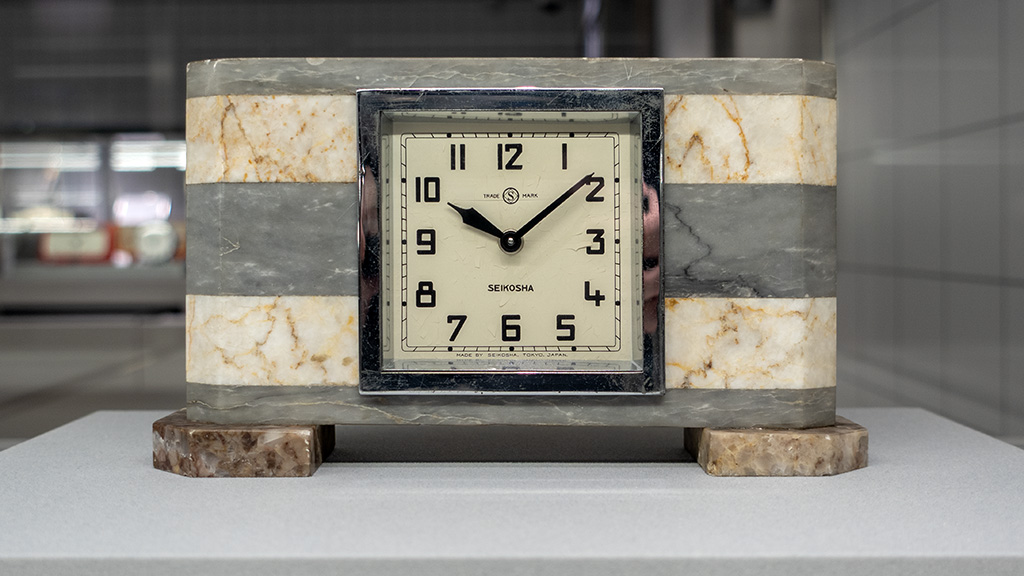
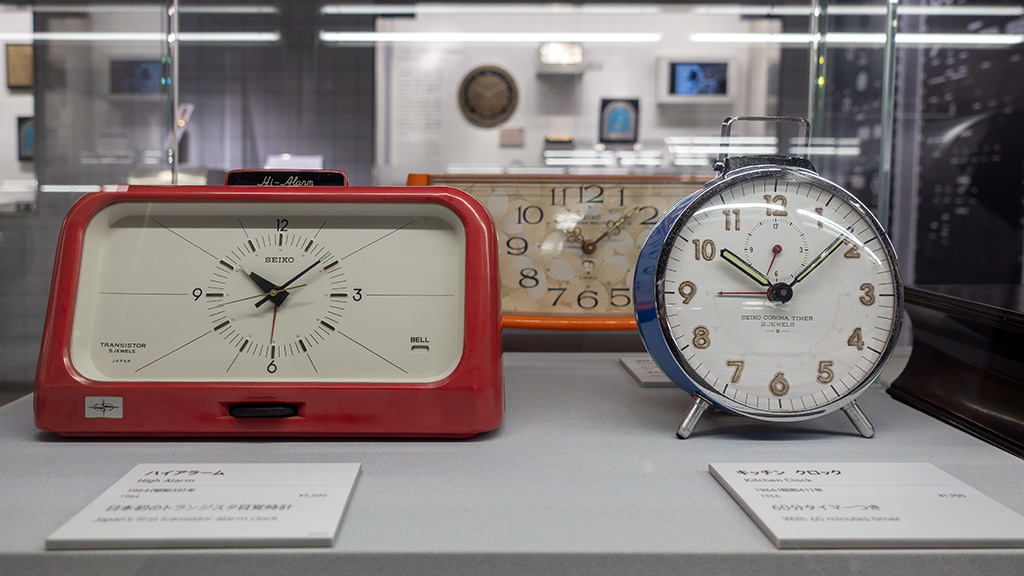
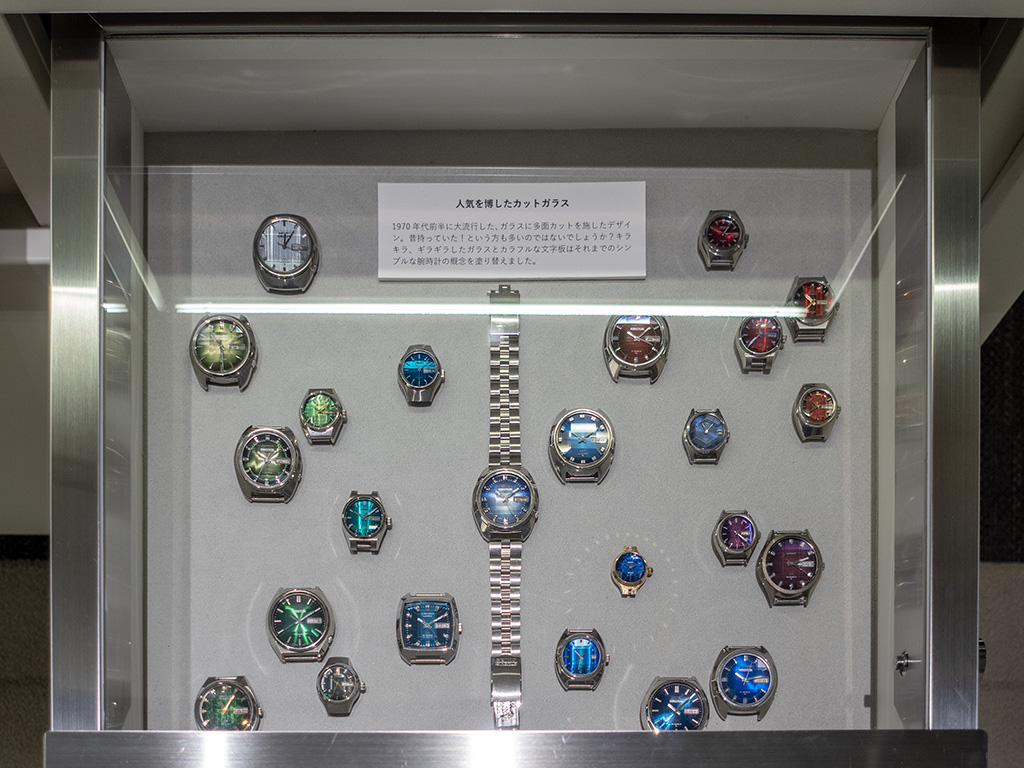
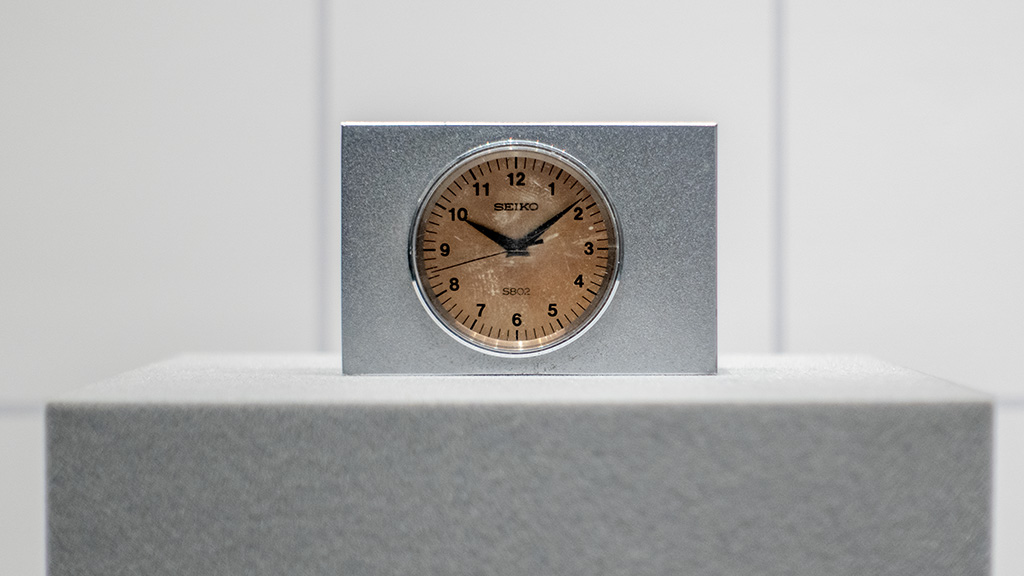
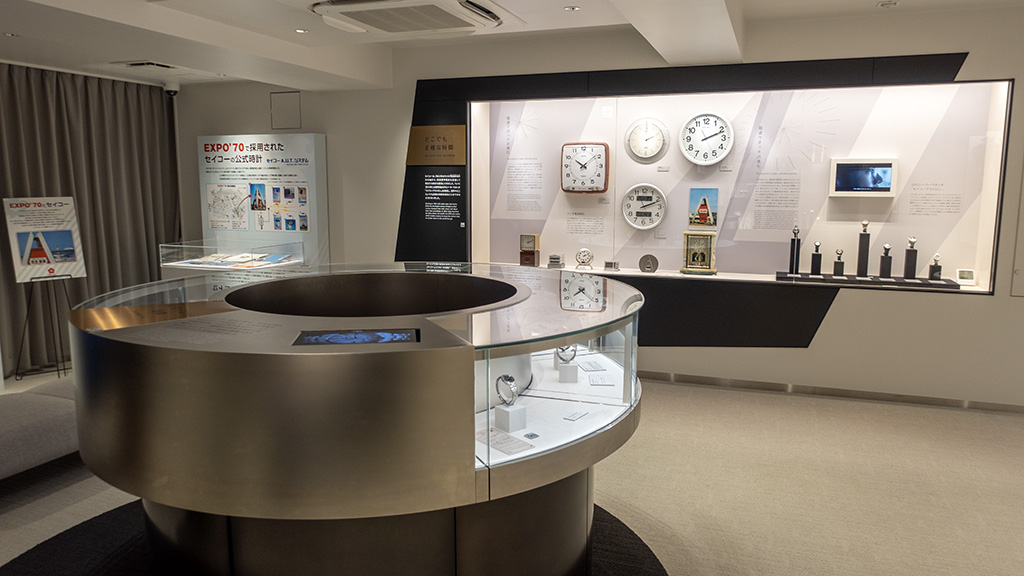
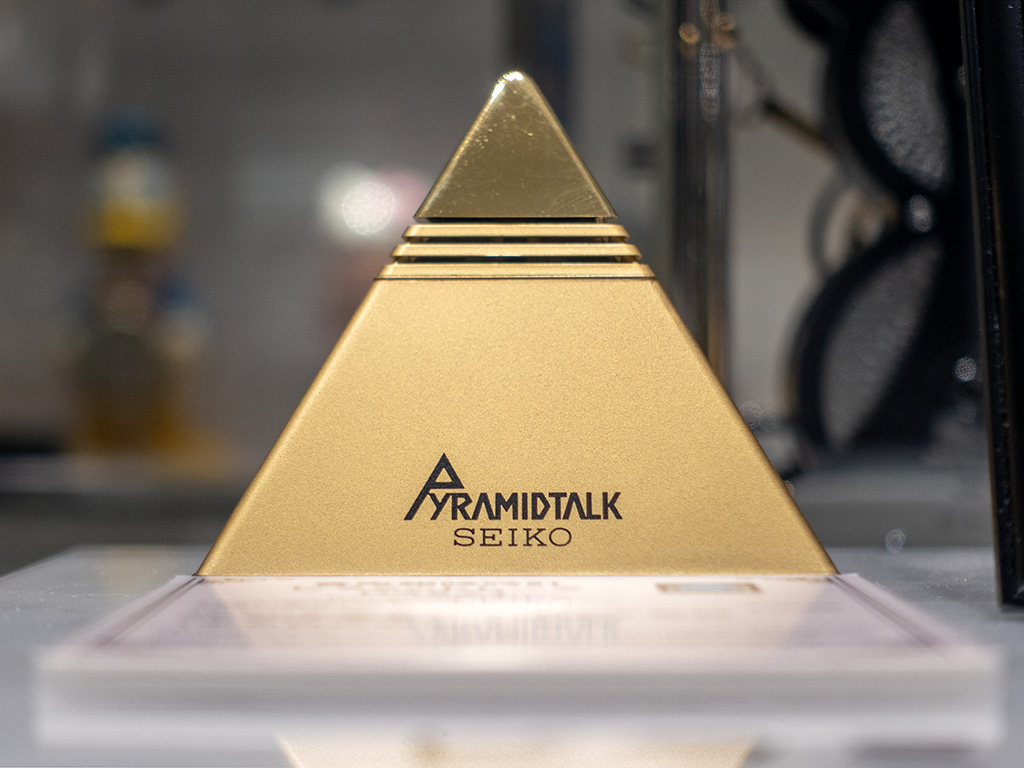
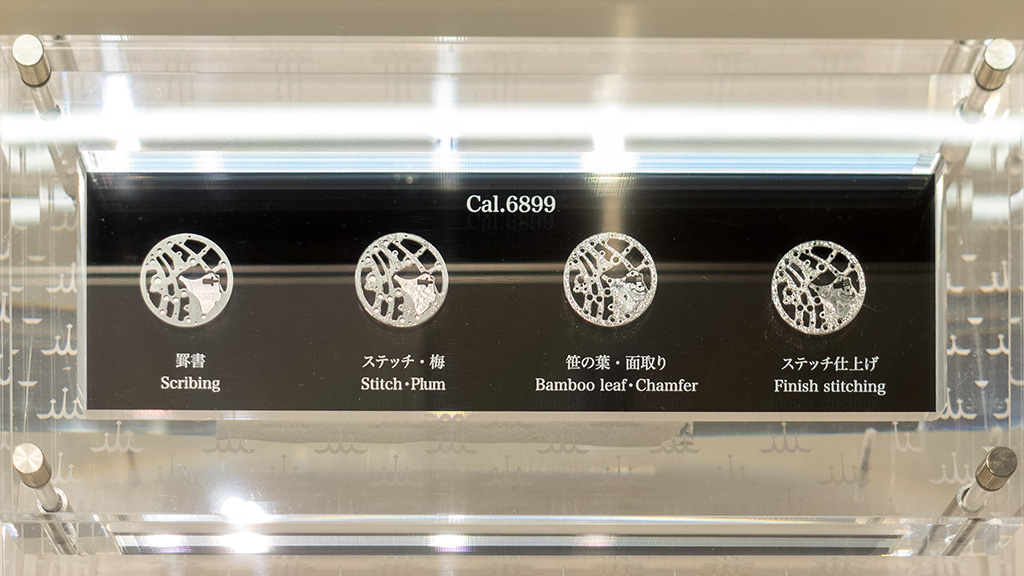
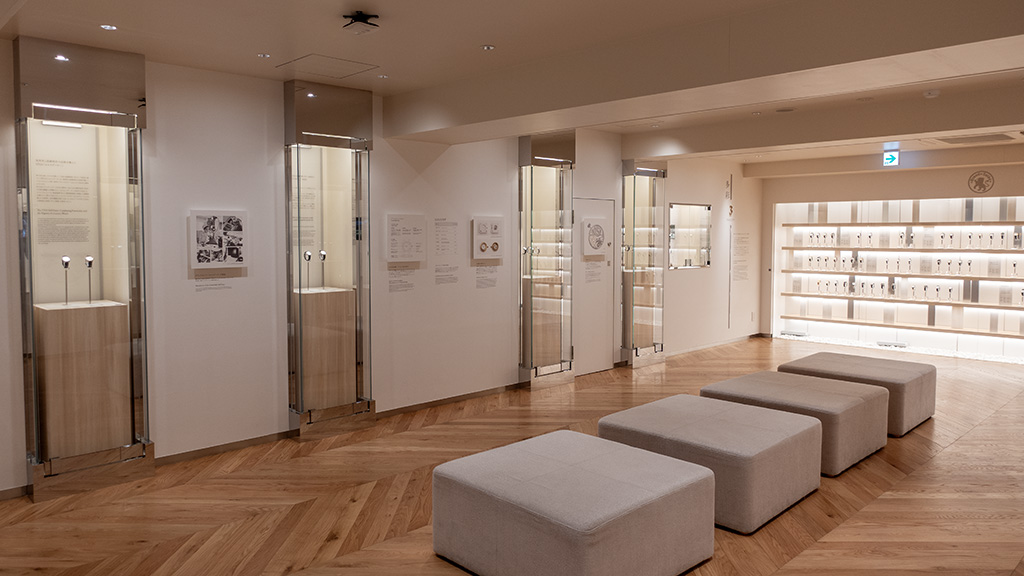
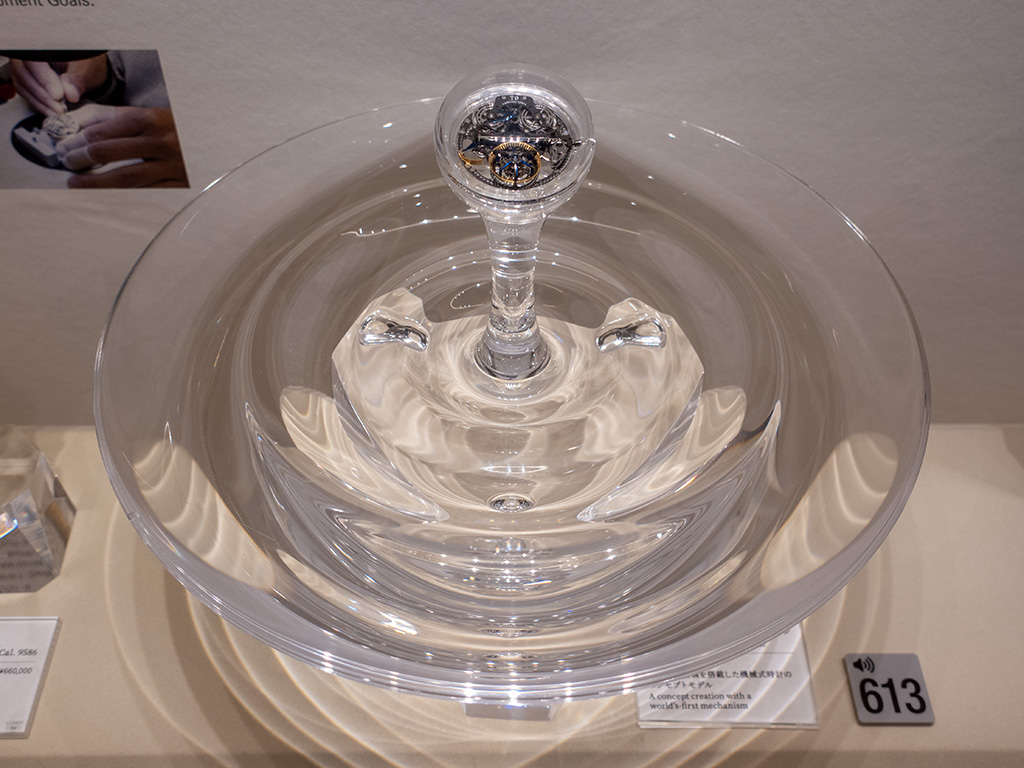
One of these specialty hobbyist museums was セイコーミュージアム銀座, which is the Seiko Museum Ginza. There were Seiko stores elsewhere in Ginza, but this wasn’t a hybrid store-museum—this was literally just a museum dedicated to watches and timekeeping.
It had free admission, which I guess makes sense because it acts as a marketing initiative to bring awareness to the Seiko brand, raise its reputation, and encourage people to purchase Seiko watches. However, I thought it was still generous to let everyone enter for free and provide such warm and welcoming service to patrons, especially considering the surprisingly large group of staff members who were on duty and actively performing maintenance on the displays.
I started my self-guided tour in the basement, which was called “Extreme Times.” This floor was dedicated to showcasing timekeeping as it pertains to sports, and how extremely tiny increments of time can mean the difference between a world record and second place.
The first floor was called “The Beginnings of Time.” This was the entrance, so there wasn’t quite as much on this floor as there was on other floors. The front desk was on this floor where staff members greeted you and explained the layout of the museum. There was also a short introductory film playing on a screen.
The second floor was titled “Always One Step Ahead of the Rest.” The exhibits on this floor showed the history of Seiko and how it was always ahead of its competitors, even though catastrophic events like destructive earthquakes.
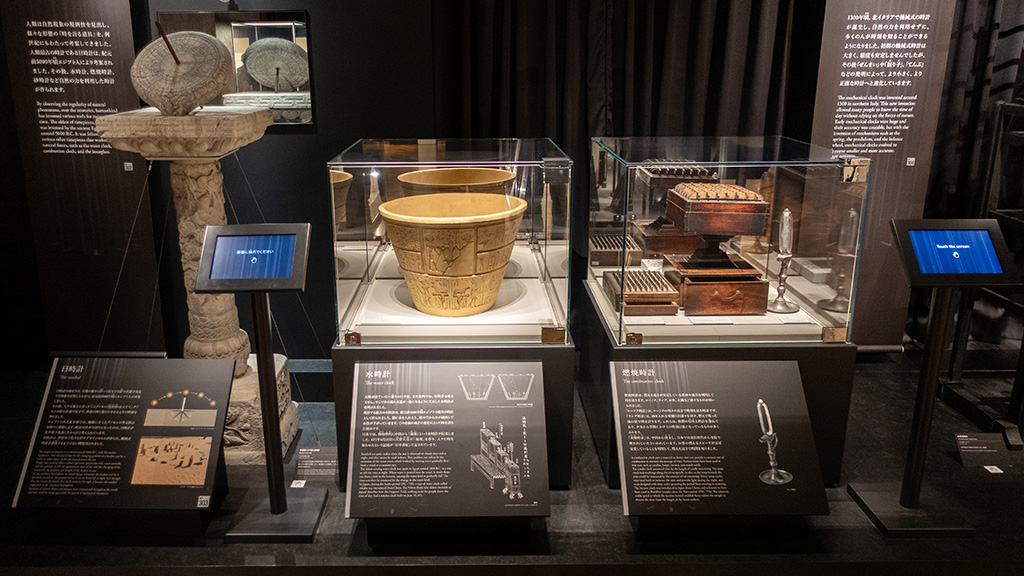
The third floor was named “From Time Indicated by Nature, to Human-Made Time.” This was another floor that covered the history of timekeeping, but this one focused more broadly on how time was kept prior to the availability of modern-day clocks, rather than focusing specifically on Seiko.
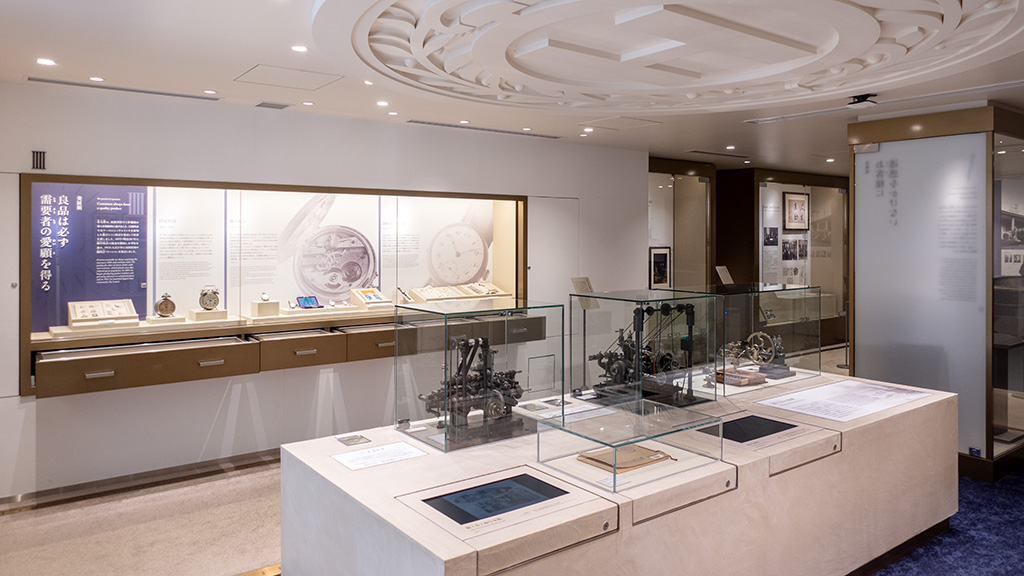
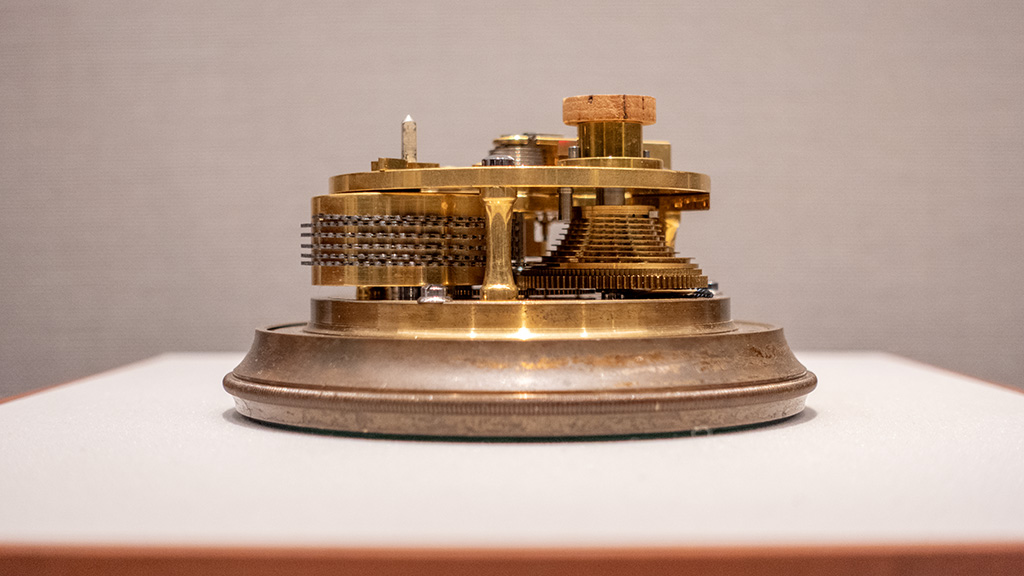
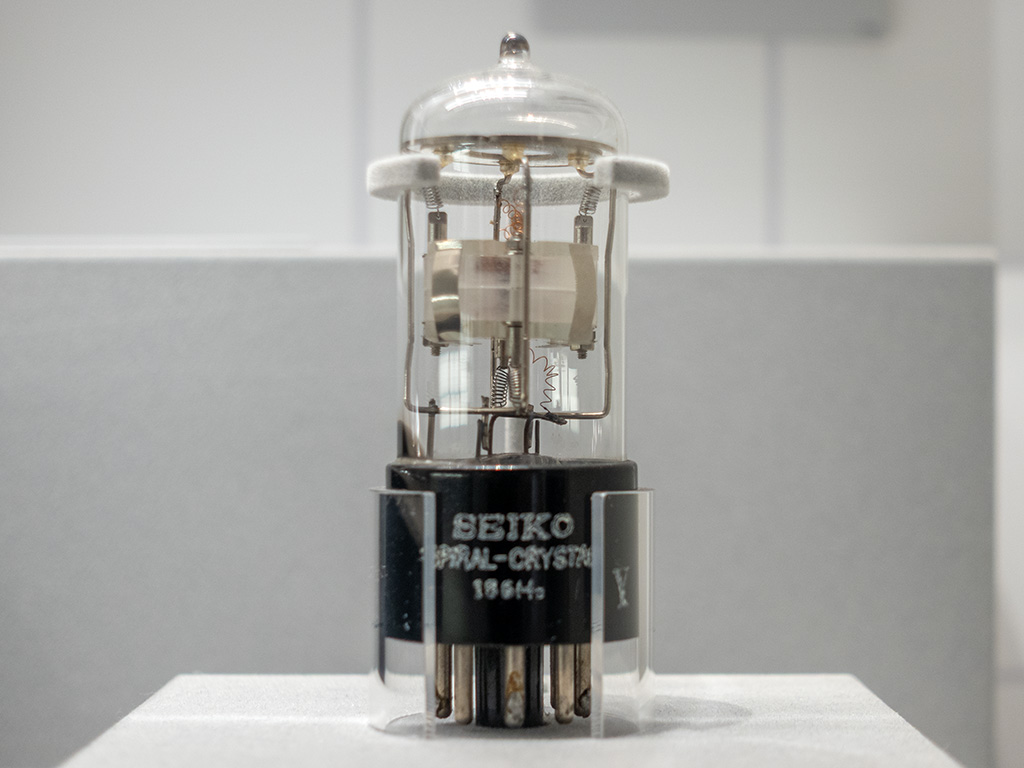
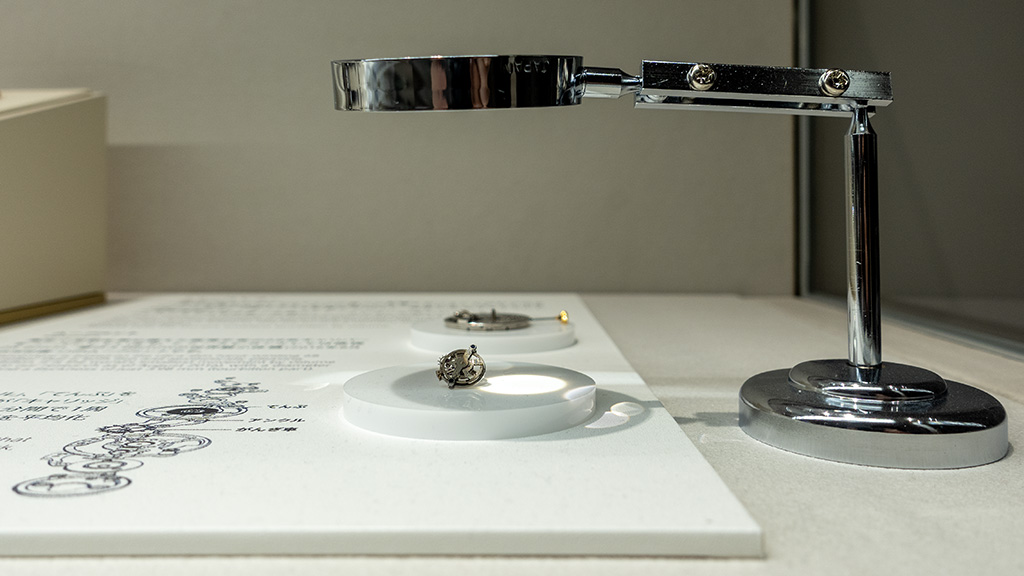
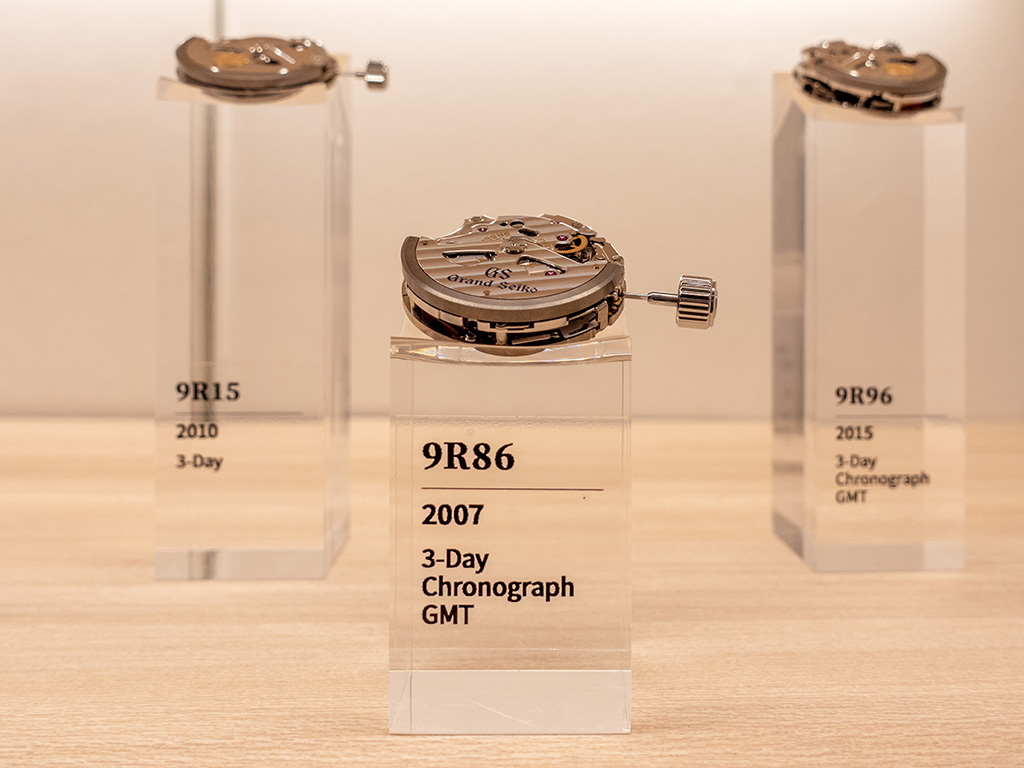
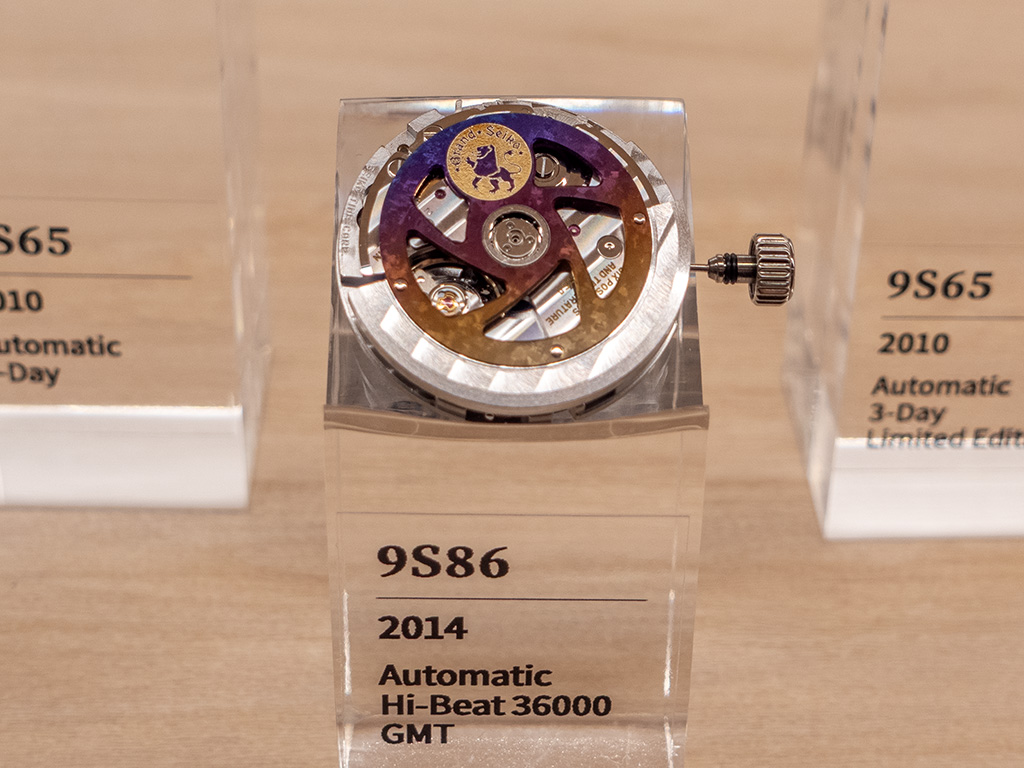
The fourth floor was called “Precise Time.” This floor focused on the evolution of timekeeping and how it turned into the modern-day clocks and watches that we know of today. This floor also provided a bit of insight on the mechanisms and technology behind how Seiko products are so precise in timekeeping.
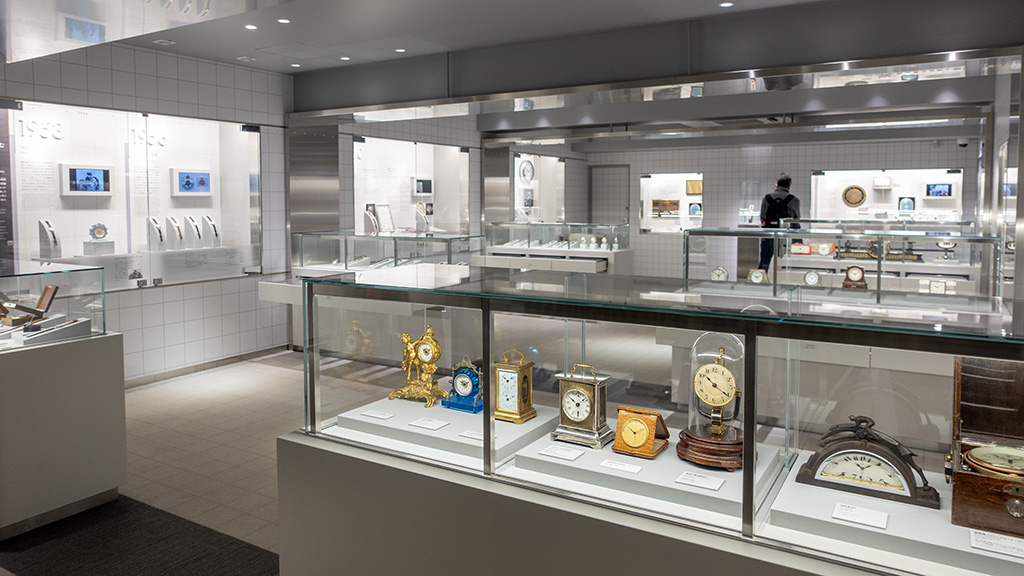
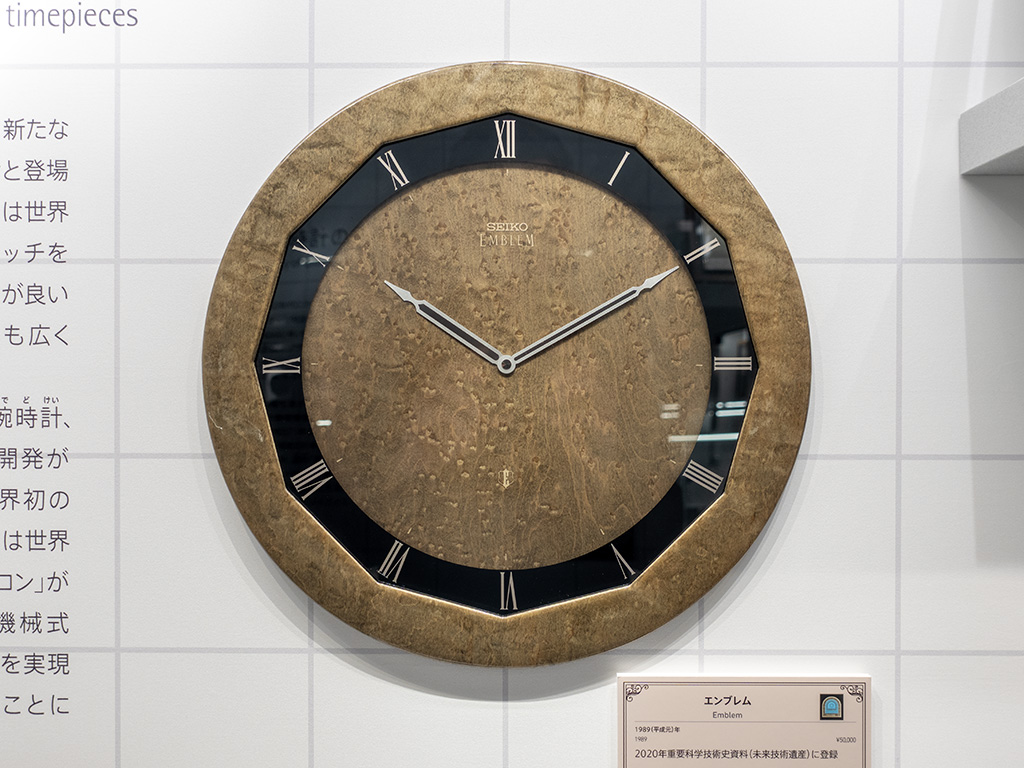
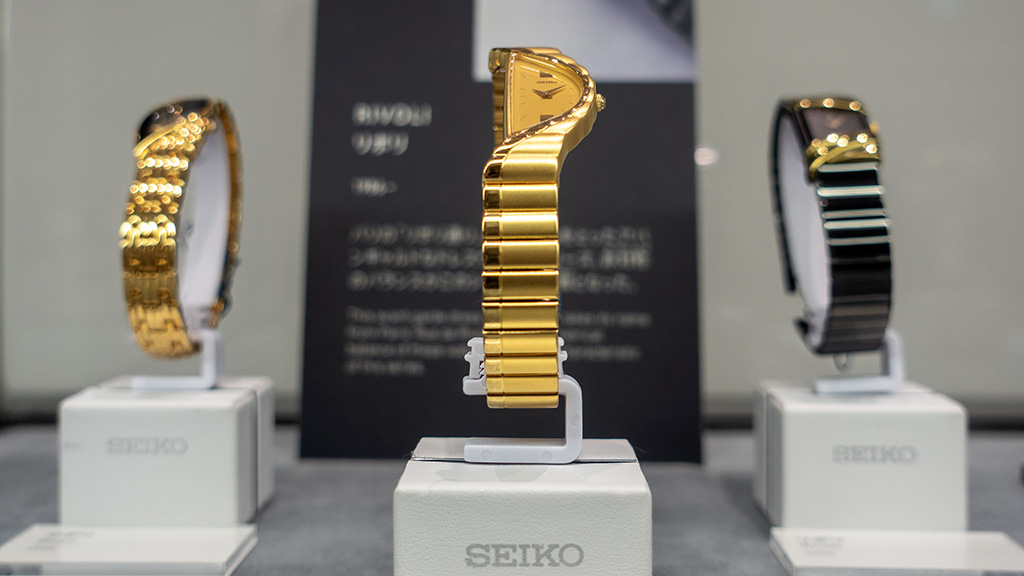
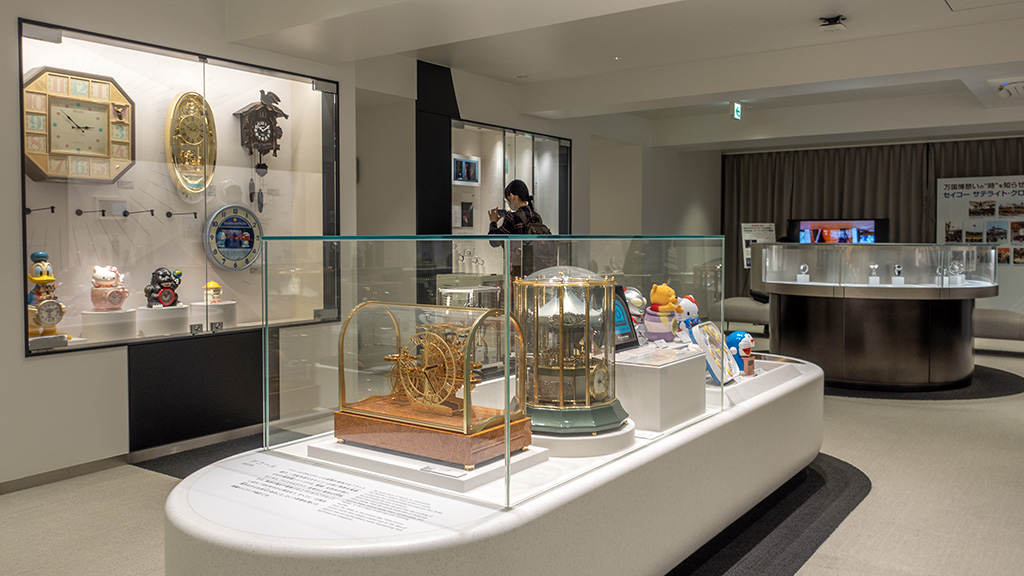
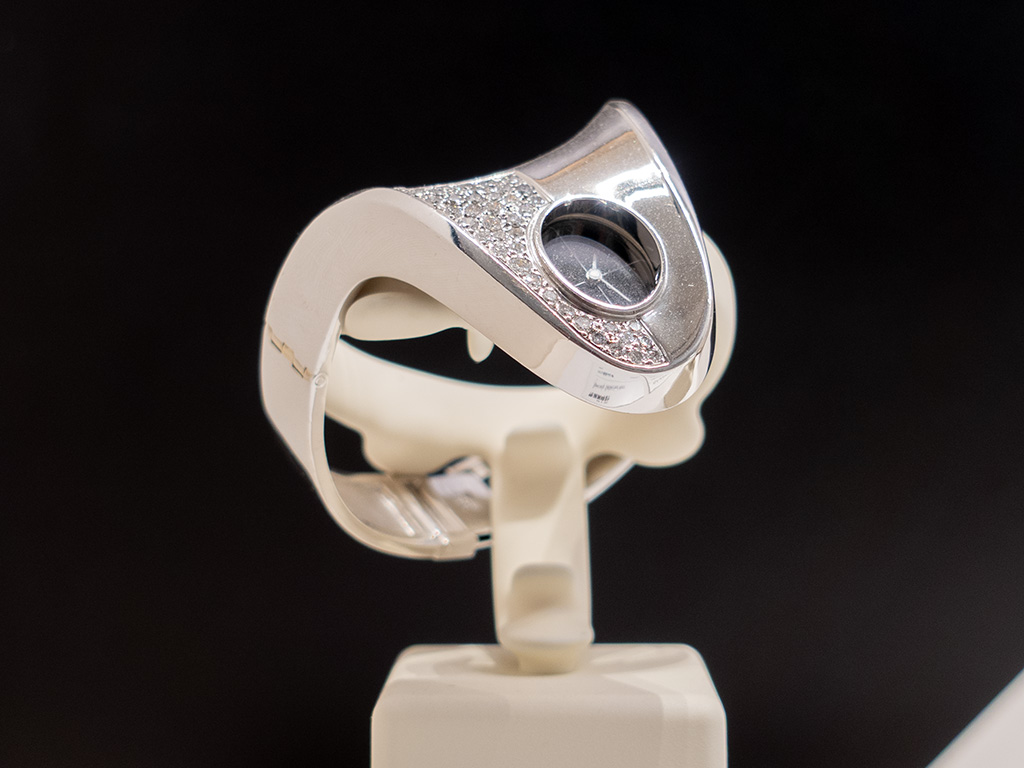
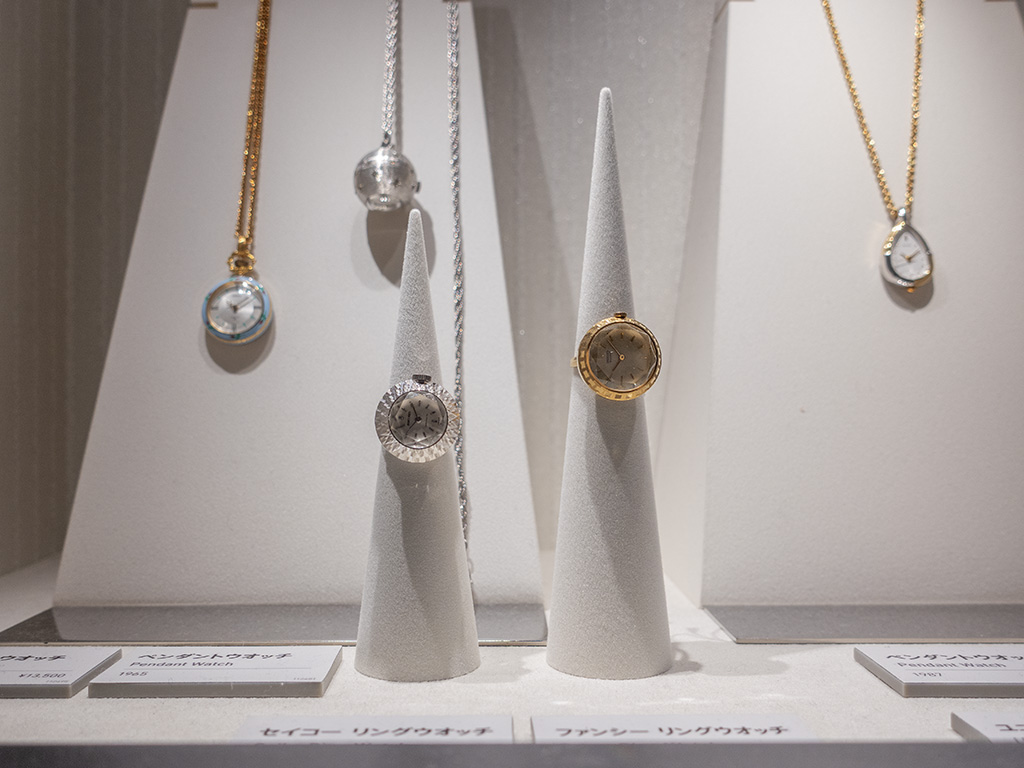
The fifth floor was “A Variety of Times.” On display here was a demonstration of how different clocks and watches can look while still serving the same purpose of timekeeping. This floor also had a continuation of showcasing some of the technology behind how these devices actually work.
I believe this was designed and intended to be the “fun” floor. There was a short movie playing (though I didn’t watch it because it was in Japanese and I couldn’t understand it), and this was the floor that showcased some of the fun collaborative clocks that used popular intellectual property like Pokémon and Hello Kitty.
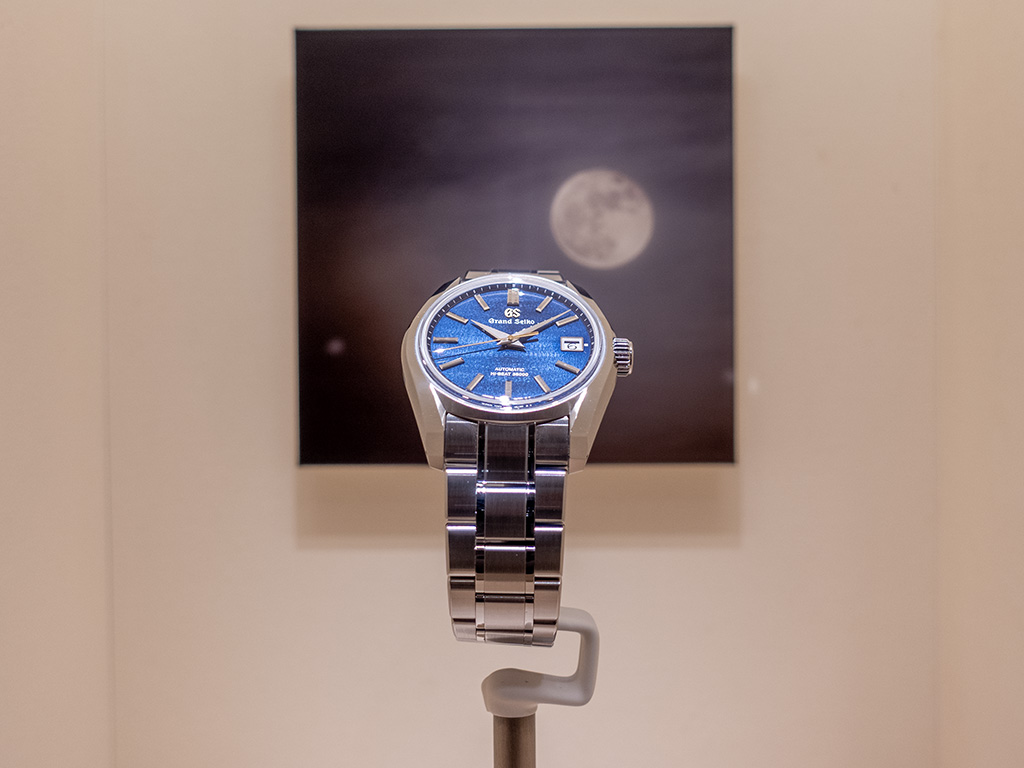
And finally, the sixth and highest floor of the museum was the Grand Seiko Museum, a mini-museum inside the main museum. As you were probably able to guess by the name, this floor was dedicated specifically to showcasing Grand Seiko, the luxury brand under Seiko. Seiko is often known for its practicality, functionality, and reliability; Grand Seiko focuses more on hand-crafted artisanship, elegance, and proprietary movement mechanisms.
I’m not much of a watch enthusiast, and I know very little about watches, so it was an enlightening learning experience to check out the Seiko Museum. It took me right around an hour and a half to get through everything, and that’s with me reading a majority of the text that was written in English, as well as taking a short break to have a quick chat with some fellow English-speaking tourists.
If you’re in Ginza and have a bit of free time, I think the Seiko Museum is very much worth the visit. Even if you’re not a watch enthusiast, you can spend a quick half hour just looking at things and still have it be an insightful and educating experience.
I know people who collect luxury watches and like to make a statement with their collection, but all the watches I own are simply ones that have some kind of significance or meaning to me, or have just piqued my curiosity and interest.
I’ve been told by my blog’s readers that they like learning about me, so for the sake of sharing something about myself that I otherwise don’t really foresee having relevant context in which to disclose in the future, I figured this is a decent opportunity to reveal what my personal watch collection consists of… if you can even call it a collection:
Fitbit Blaze. This was one of my first fitness trackers, which I purchased prior to Google’s acquisition of Fitbit. I usually give away my used electronics to friends and family members for whom my old devices would be an upgrade, but I never ended up finding someone who wanted a Fitbit Blaze, so I just kept it in my watch case.
Google Pixel Watch. After a few years, my Fitbit Blaze’s battery wasn’t able to retain much of a charge and it wouldn’t last even half a day. For a while, I just dealt with it by only using it when I was going on hikes, but eventually, I upgraded to a Pixel Watch so that I could continue getting fitness tracking all day. Unfortunately, the Google Pixel Watch also had a bit of a battery issue where it would only last one day on a full charge, so I upgraded to the Google Pixel Watch 3, and then recently, the Google Pixel Watch 4 for the extra health tracking technology.
Luminox Bear Grylls Survival XB.3749. If I was a watch, I would probably be this watch—well-prepared, well-planned, and well-stocked with all the resources needed to tackle any situation, but chaotic and adventurous enough to get myself into wild situations in which I would actually need to use a survival tool.
Diesel Mr. Daddy 2.0 DZ7313. One of the main reasons I have historically been uninterested in watches is because I always use fitness-tracking watches, so I would always wear those instead of a regular watch. Then, one of my friends introduced me to the idea of wearing a regular watch on my left wrist and my fitness tracker on my right wrist. That seemed like just quite enough of a goofy idea that I was on board. I’m the type of person to wear a skinny tie and quilted leather biker jacket to formal events where everyone else wears a normal suit; in those scenarios, I think this black leather watch with silver hardware fits very well with my outfit.
Casio DBC-32-1A Multi-Lingual Data Bank. When I was in elementary school, I wore a digital Casio watch. I remember this not because I remember checking the time frequently or anything, but because I remember having a watch-shaped tan line on my left wrist all the time. I don’t remember exactly what model of Casio watch I used to wear back then, but as a throwback to my youth, I bought the nerdiest-looking watch I could find that basically looks like an entire calculator integrated into a wristwatch.
Seiko Coutura SNE506. This is another “throwback” watch similar to the Casio one above. I don’t remember doing this, but apparently, one of the very first major presents that I had gifted to my dad was a Seiko watch. Again, I don’t remember exactly what model it was, but I figured this was close enough to act as a keepsake for the nostalgia. Side note, my parents were a victim of burglary, and the watch I allegedly gifted him was part of the thieves’ loot, so my dad doesn’t have it anymore.
Victorinox I.N.O.X. Chrono and Victorinox Journey 1884. I like the Victorinox brand—it is the maker of the original Swiss army knife, and they’re often synonymous with utility and practicality, which I think aligns with my personality pretty well. I already own two of their luggages, and now I also have two of their watches. I use my Victorinox luggage for road trips a lot now, but … I haven’t quite started wearing these Victorinox watches yet. Maybe someday.
Timex UFC Pro World Champion Edition and Timex UFC Beast. These are both limited-edition watches that I got because I’m a fan of UFC and I thought these watches were wild and absurd. This is definitely more of a fun purchase than a serious investment, but maybe they will eventually appreciate in price someday.
I imagine anyone who knows even a little bit about watches will look at this senseless mumbo-jumbo of a watch collection and be incredibly confused, but there is the latest drop of Adam Parkzer lore.
I have heard that Japan is apparently having a bit of a tourism problem, in the sense that they have too much tourism. Nice spots to visit in Tokyo have gone viral on social media, and I have noticed that some stores and attractions have insanely long lines while other comparable spots have no wait.
I have two philosophies that are applicable here. The first is that I value my time a lot, and if something involves waiting in line for a long time, I see that as a waste of time and will generally tend to be avoidant of it. The second is that I like supporting the “little guy” and helping smaller and less popular businesses sell their products and services, thus earning more cash runway to have an extended opportunity to prove themselves as a viable competitor in the open market. Long story short, I am very pro-capitalism and like seeing healthy capitalism at work.
I ended up applying this approach into practice a lot in Tokyo, because there are a lot of spots that are overbooked and overcongested, while something of seemingly equal quality and price just down the street is empty.
One of these examples was an “observation tower” experience. I don’t know if this is just my algorithm on social media and coincidental timing in-person, but Shibuya Sky seems to be the extremely popular, go-to observation tower nowadays. They do have a unique open-air deck at the top, but whenever I would be in that area, I would notice that they had signs up at the base of the tower notifying prospective sightseers that they had already sold out of tickets for the day.
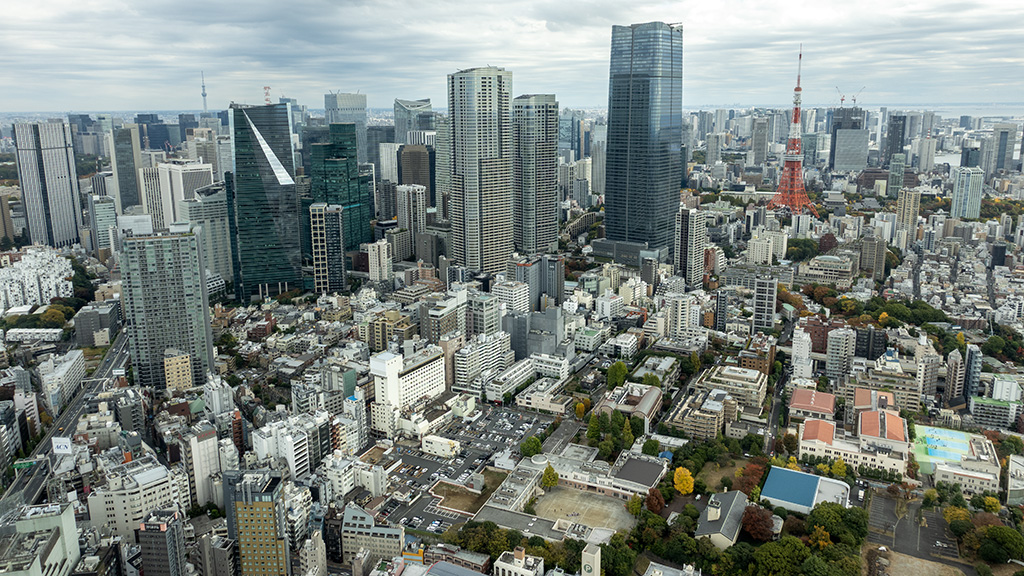
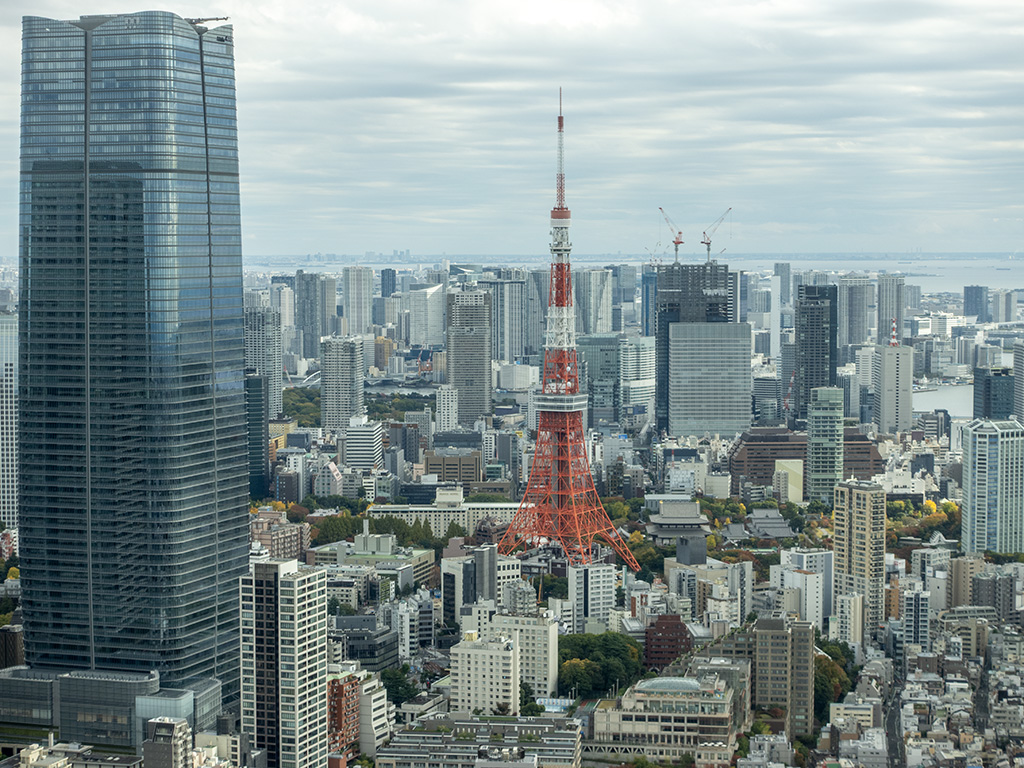
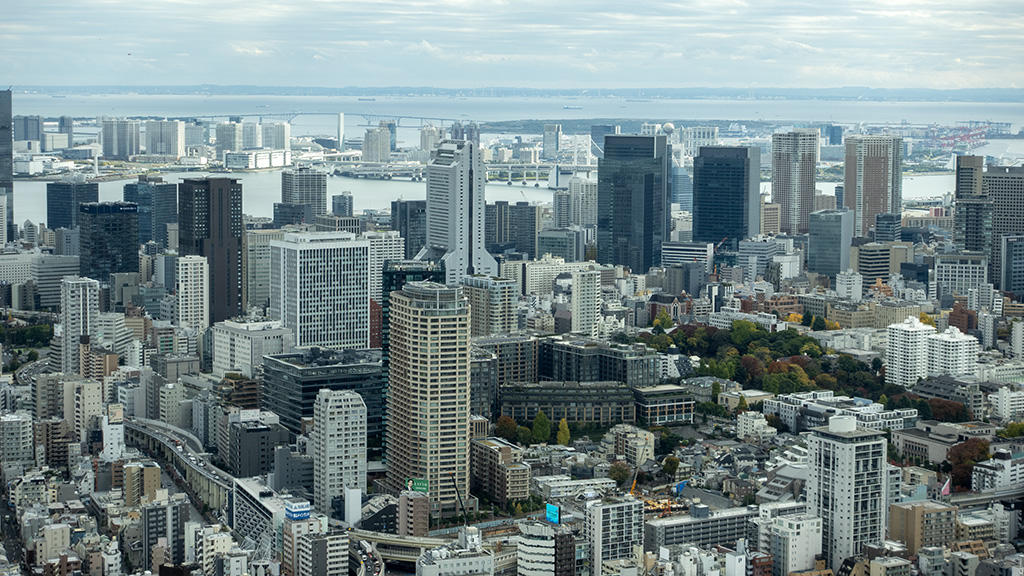
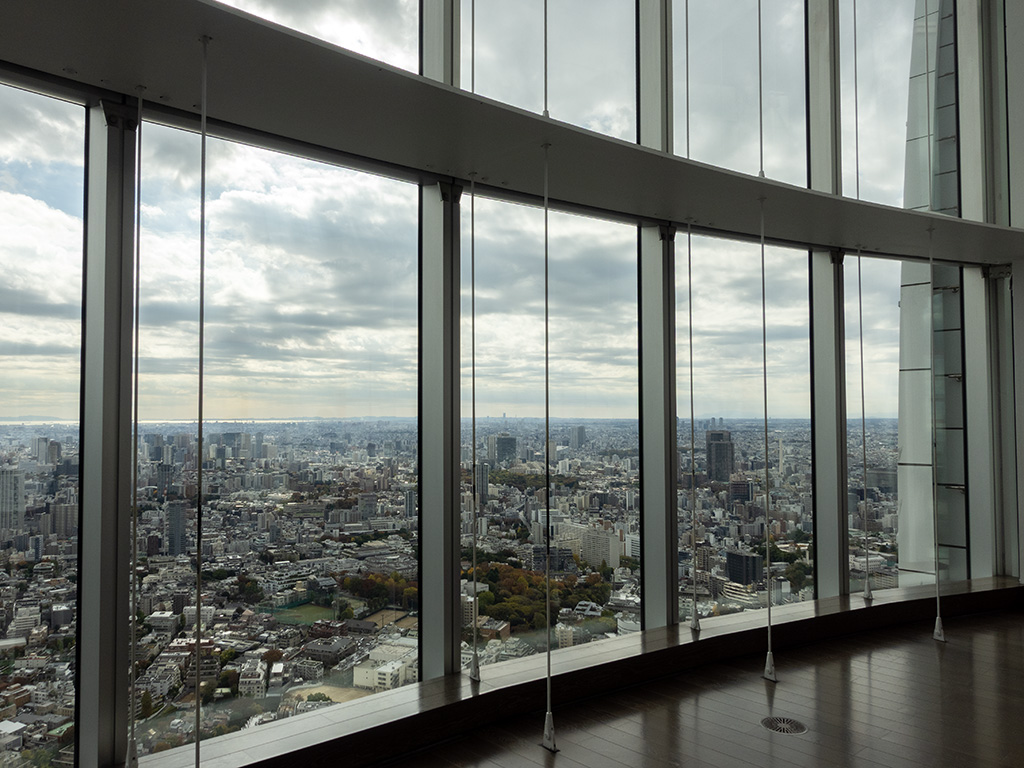
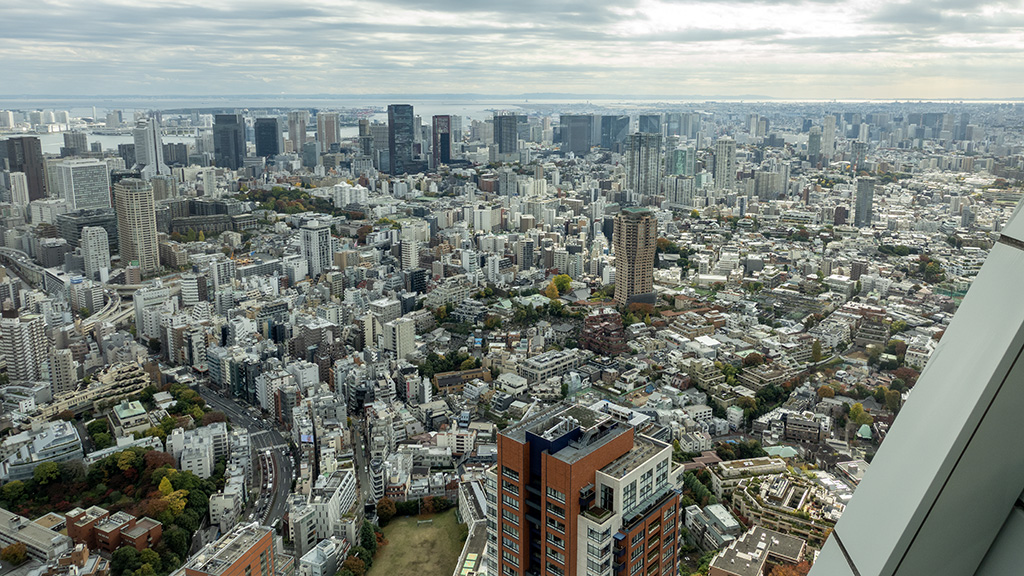
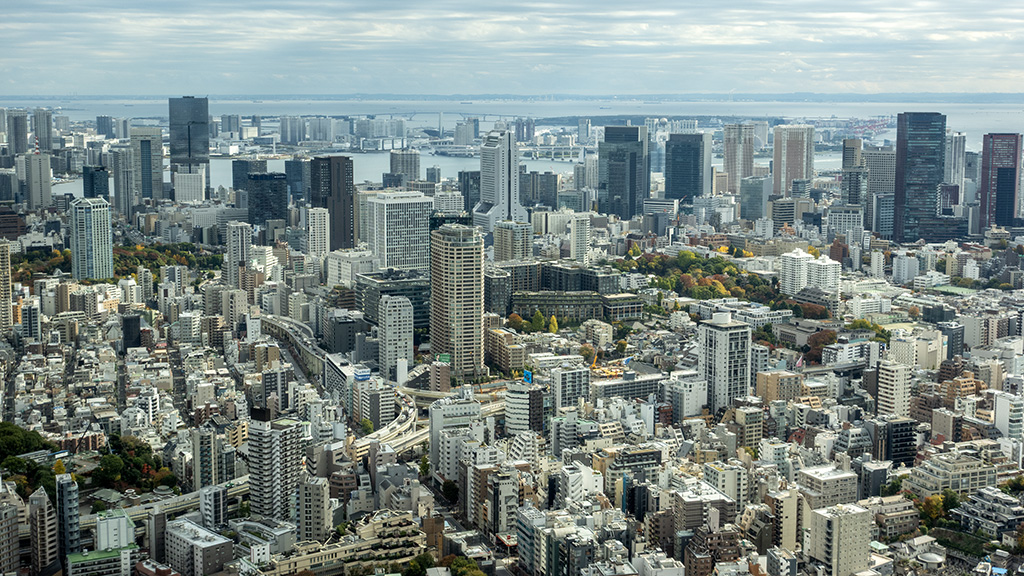
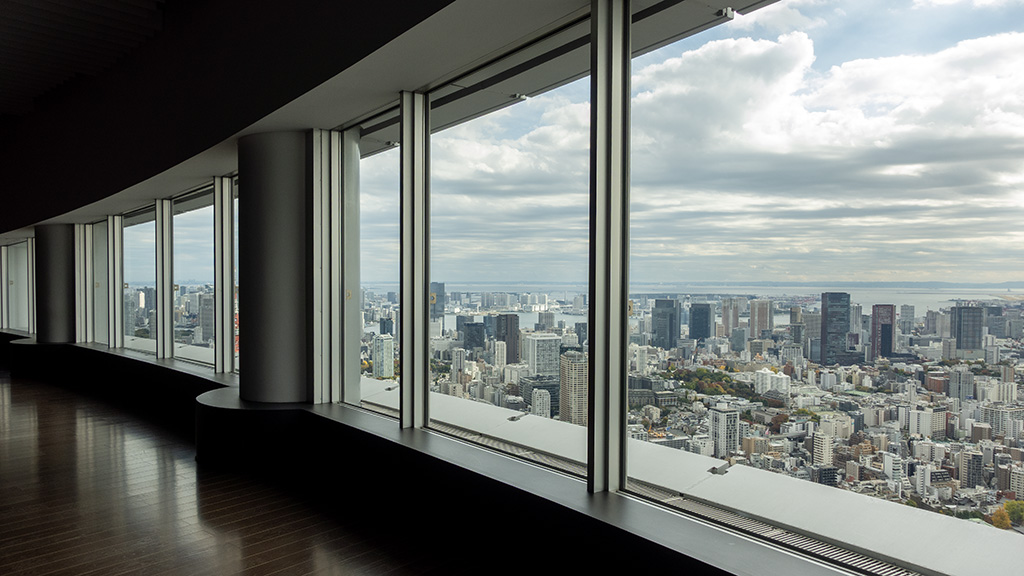
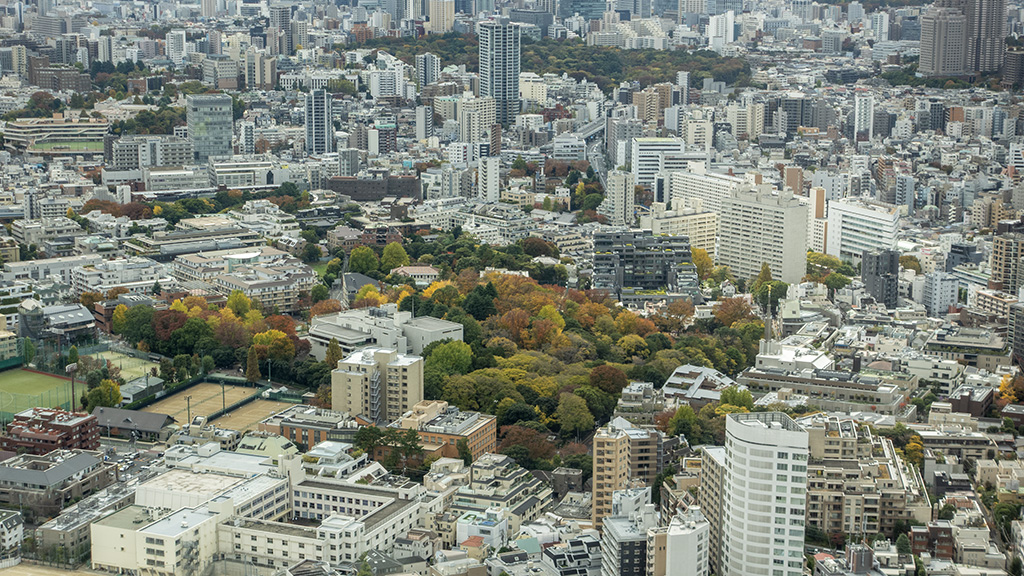
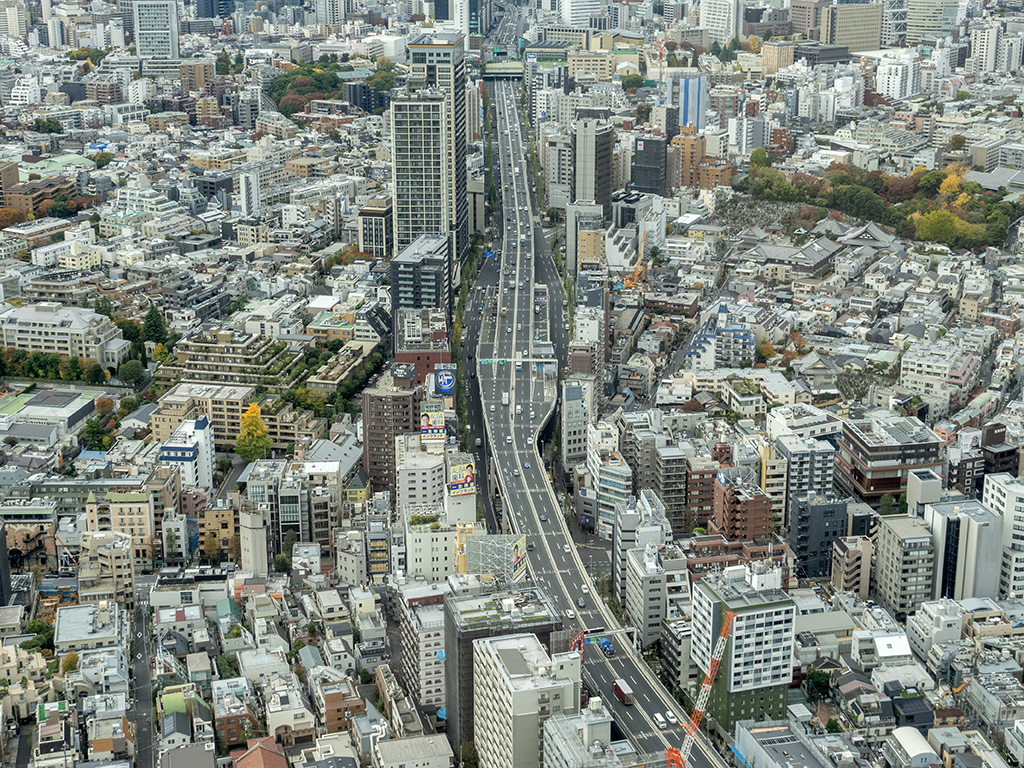
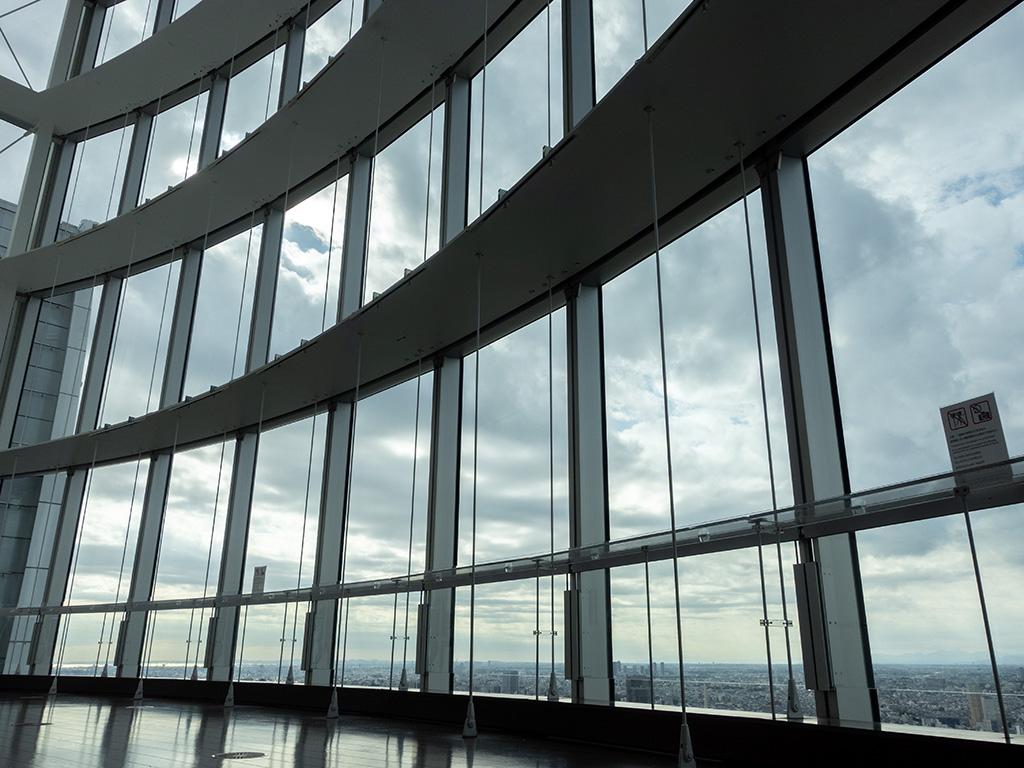
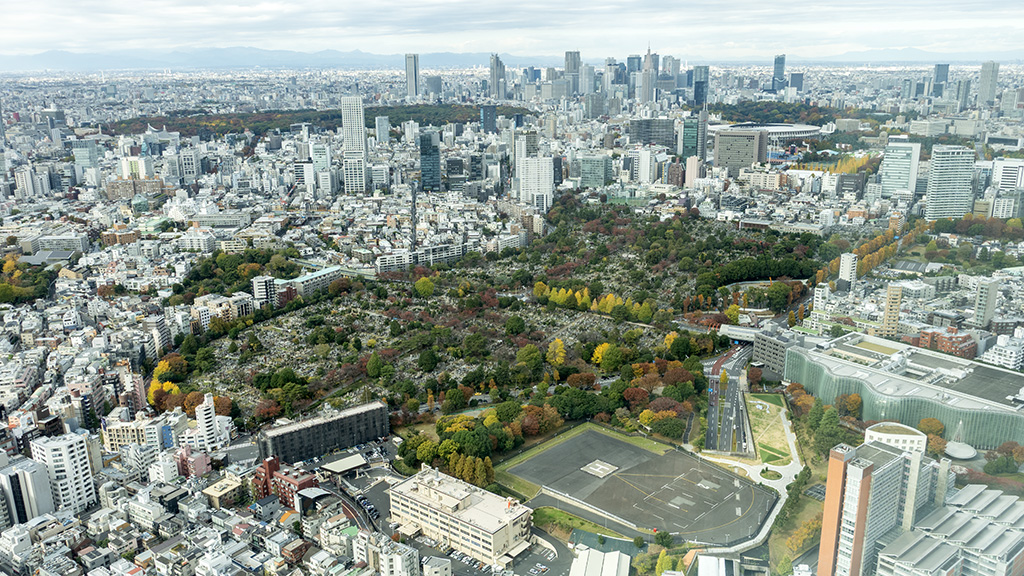
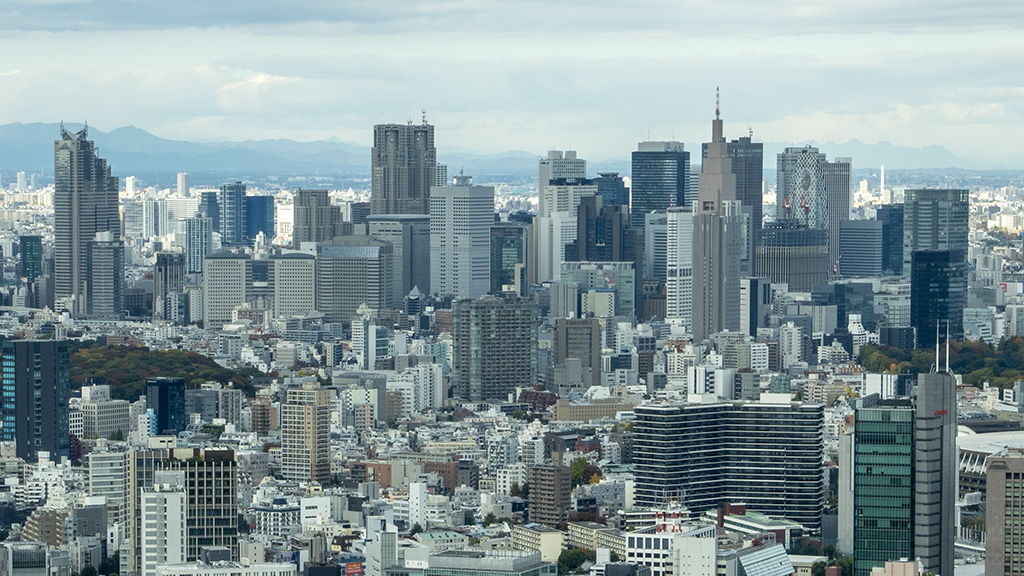
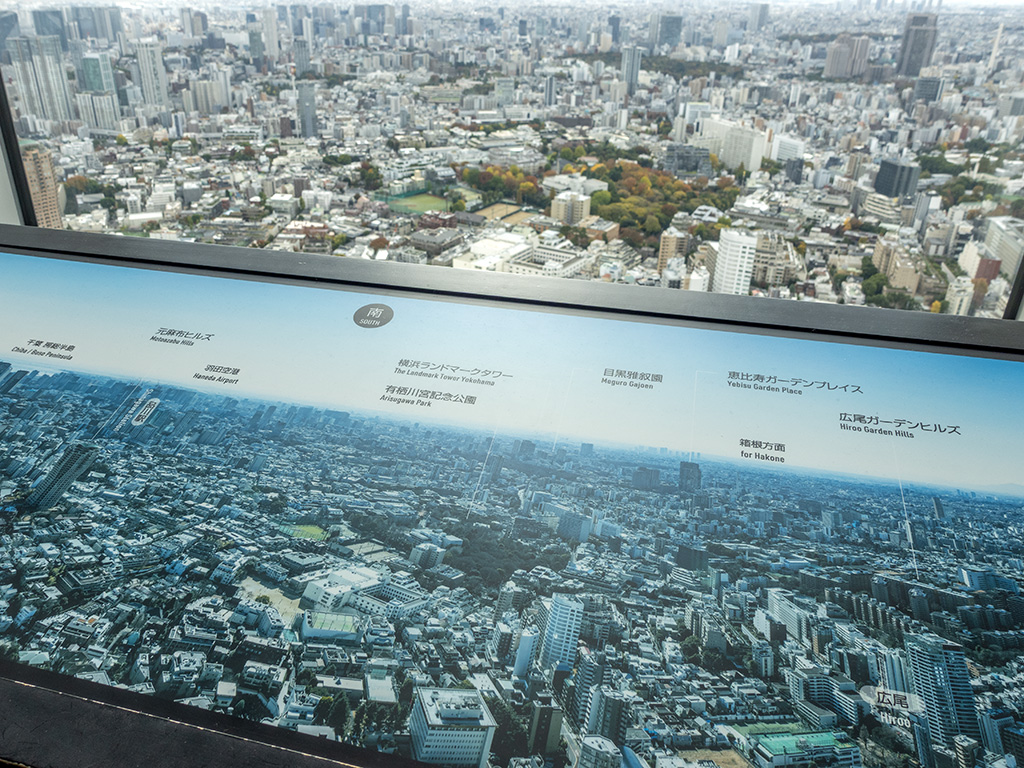
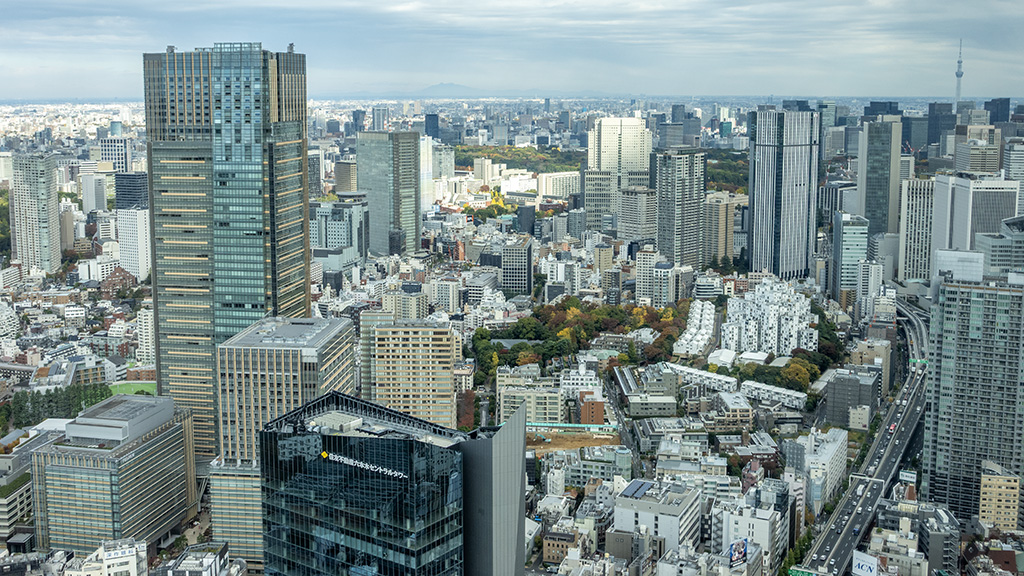
Instead, I decided to go to 六本木ヒルズ展望台 東京シティビュー, which is the Tokyo City View at Roppongi Hills. This allowed me to get a comparable observation tower experience with no wait. I paid 2,400円 for my on-site admission ticket, which was a little bit over US$15. I could’ve saved 200円 if I had pre-purchased a ticket online, but this was a relatively spontaneous trip, and there was no line in front of the kiosk, so I just bought my ticket on-site.
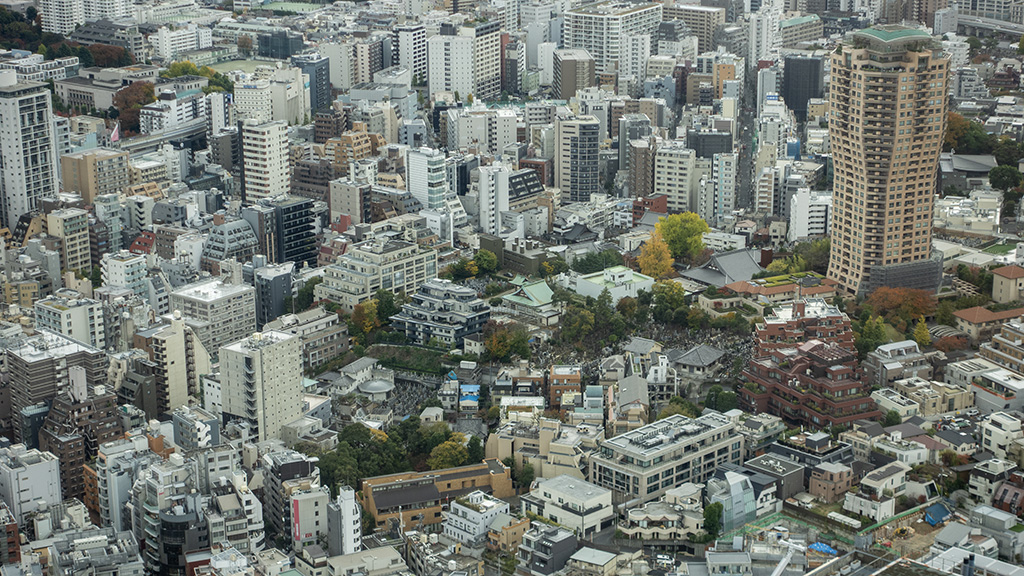
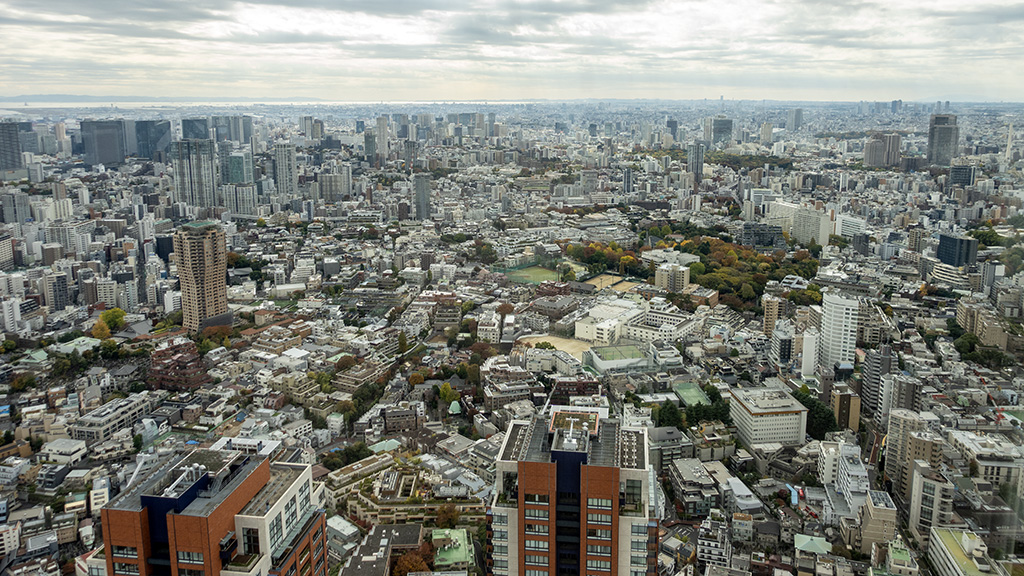
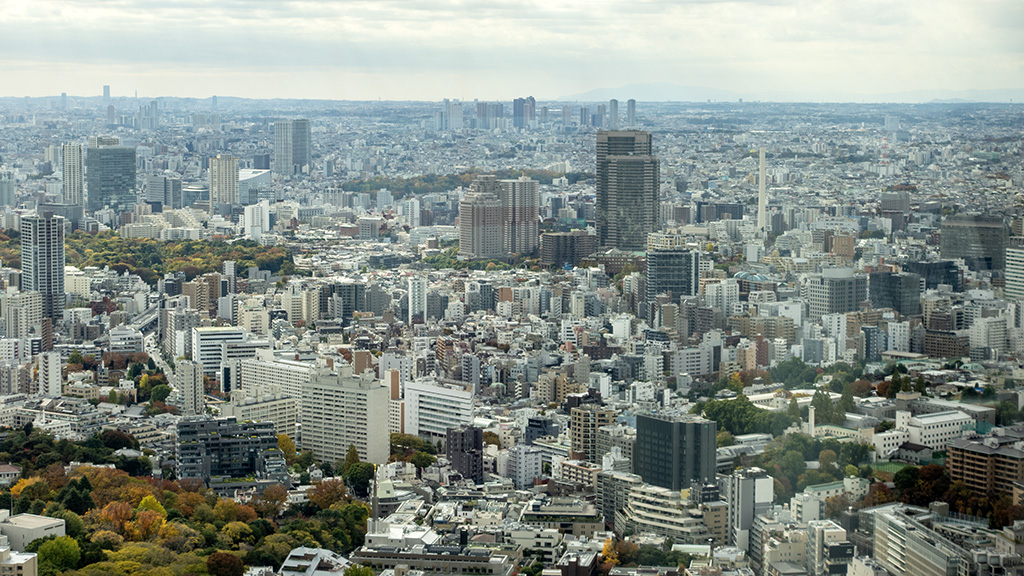
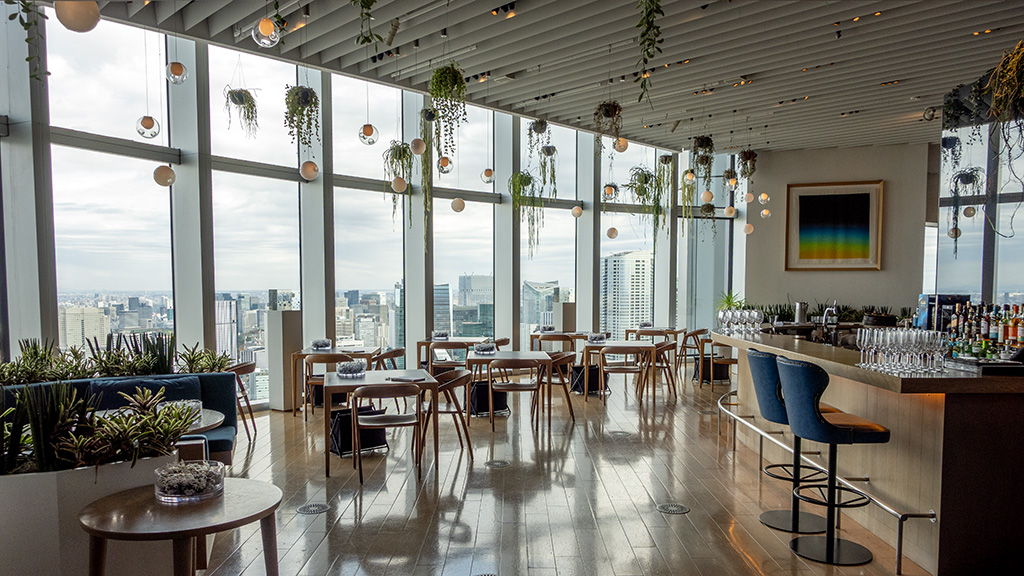
I slowly walked around the entire building, taking photos of the stunning view from all the different angles I could. The density of Tokyo made this even more visually pleasing compared to other observation decks I’ve been to in the United States where the buildings were more spread out.
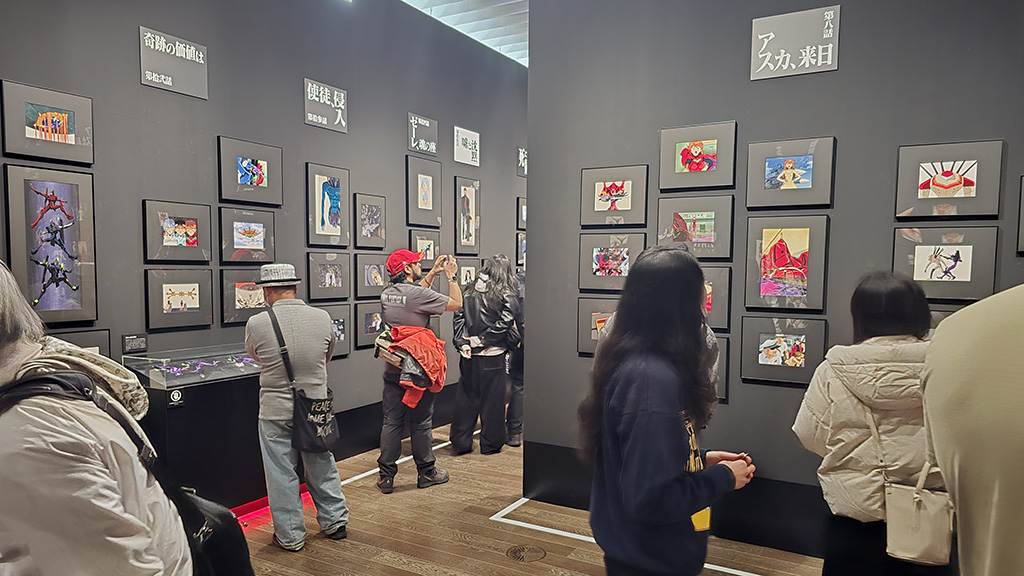
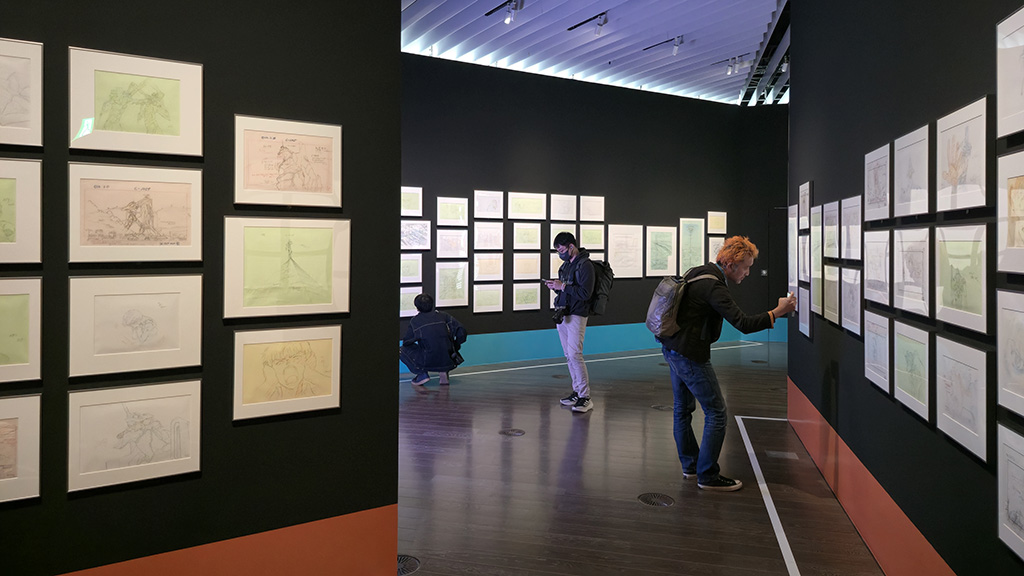
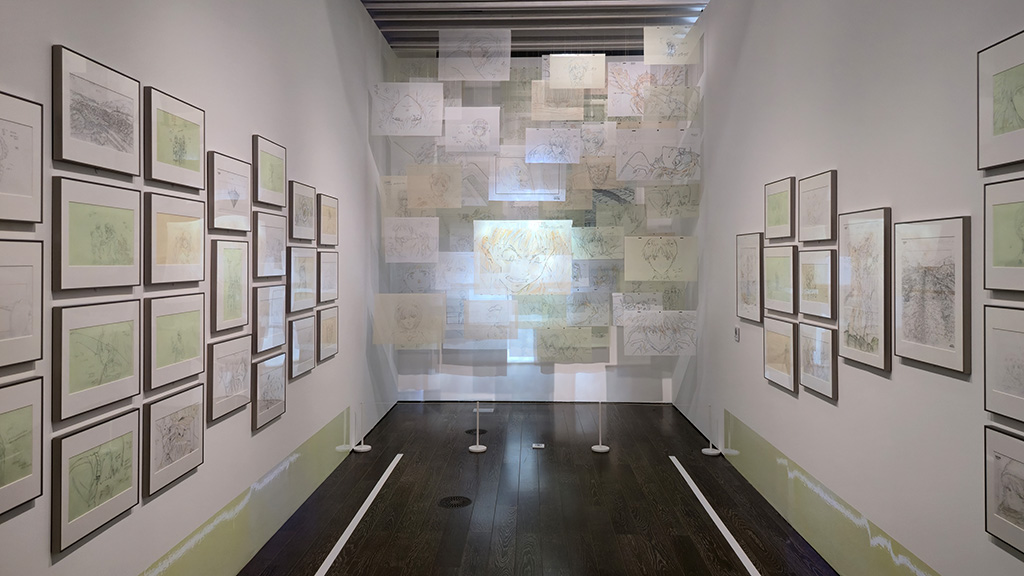
Complimentary with the purchase of my ticket, I was also able to see the “30th Anniversary Exhibition: All of Evangelion.” Apparently Evangelion is a Japanese anime. I had never heard of it before, but everyone else was going absolutely bonkers over it, so I assumed this was important enough that I should take some photos. This exhibit had more people in it than the observation area, so I wouldn’t be surprised if a lot of people bought an observation tower ticket just so they could see this Evangelion exhibit.
(If you’re wondering, these Evangelion pictures are lower quality than the other ones in this blog post because this exhibit only allowed photography with smartphones and prohibited the use of standalone cameras.)
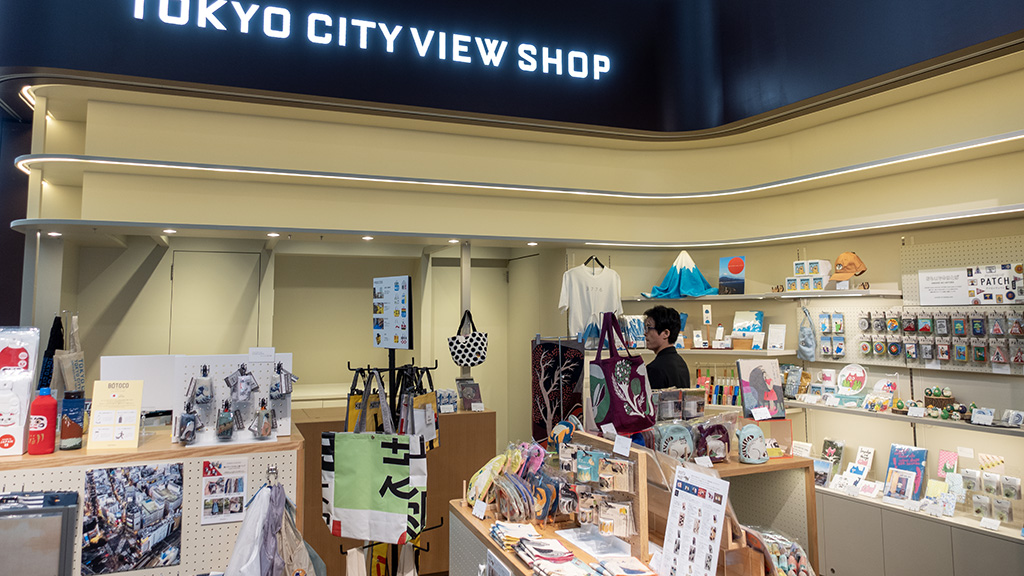
After being completely clueless but still having a good time looking at sketches and drawings of anime characters, I looped back out of the exhibition area and exited the paid section by going through the gift shop.
I didn’t buy anything, but I did browse their goods; it seemed to be fairly generic souvenirs, and I was surprised that they didn’t have anything that was more unique and customized to the Tokyo City View observation deck or the Roppongi Hills building.
A short distance away from the exit of the gift shop was a restaurant. It looked pretty nice and I wanted to dine in so I could thoroughly complete my Tokyo City View experience, but it was empty inside and there was no host at the front, so I figured that it was probably only open for dinner or something, and I walked onwards.
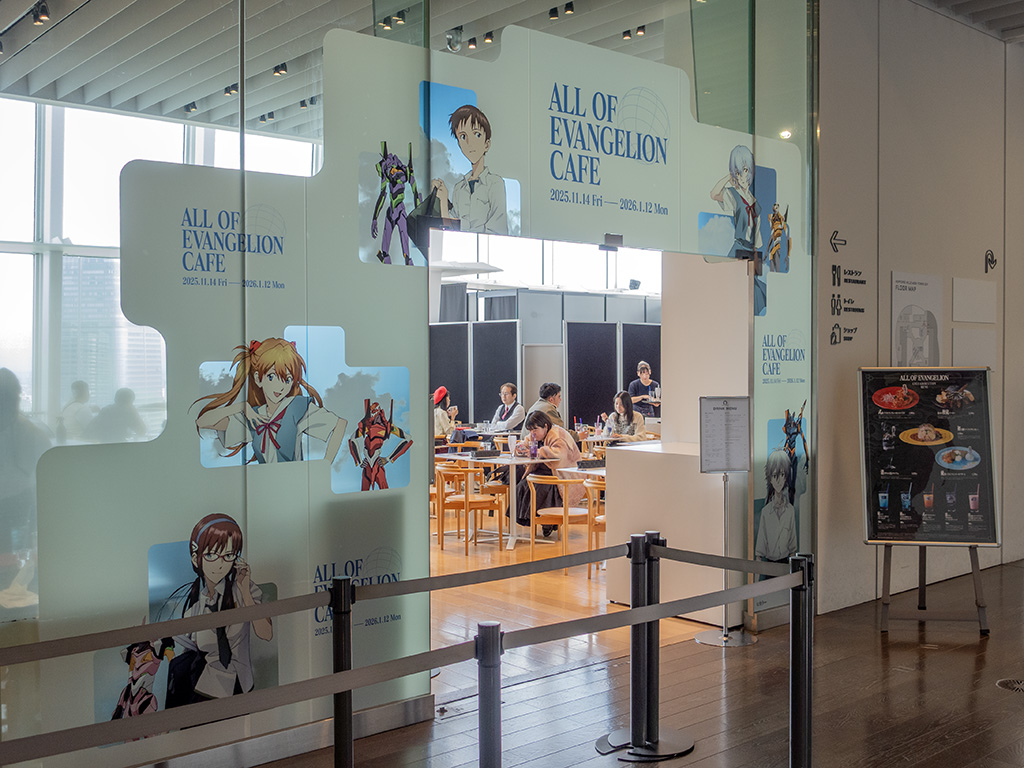
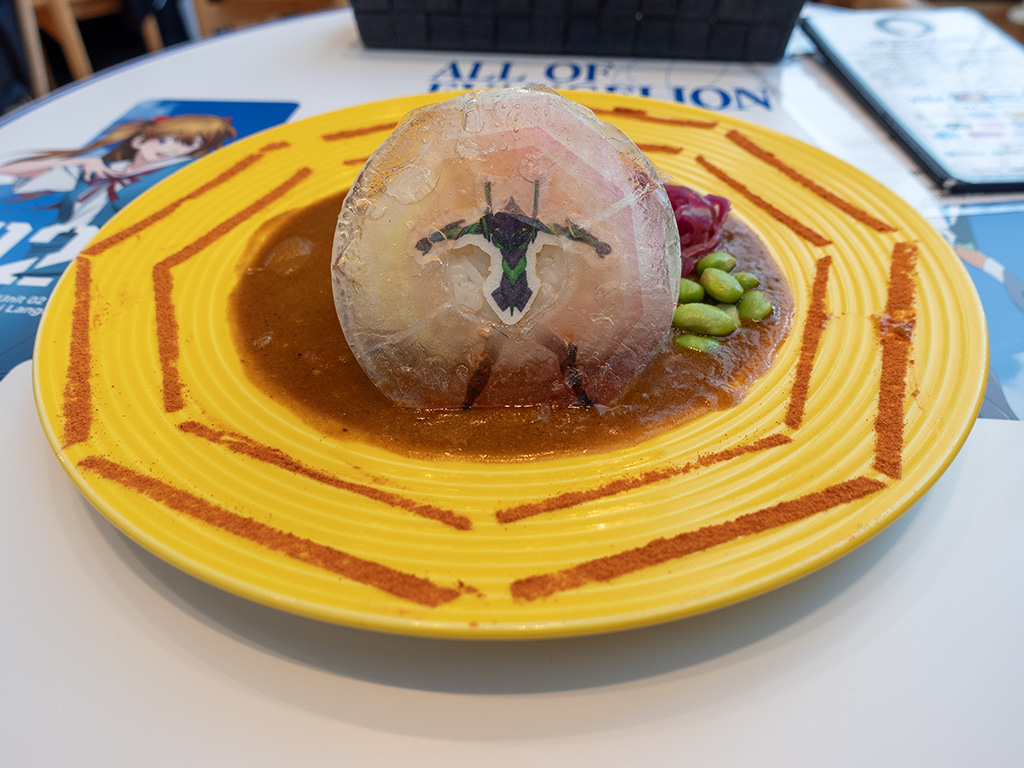
Next door (but still before descending from the observation floor), there was a café themed after Evangelion, presumably as part of the 30th anniversary celebration. I later found out that they are usually called “The Sun and The Moon,” but they appear to have rebranded temporarily to the All of Evangelion Café as part of the collaboration.
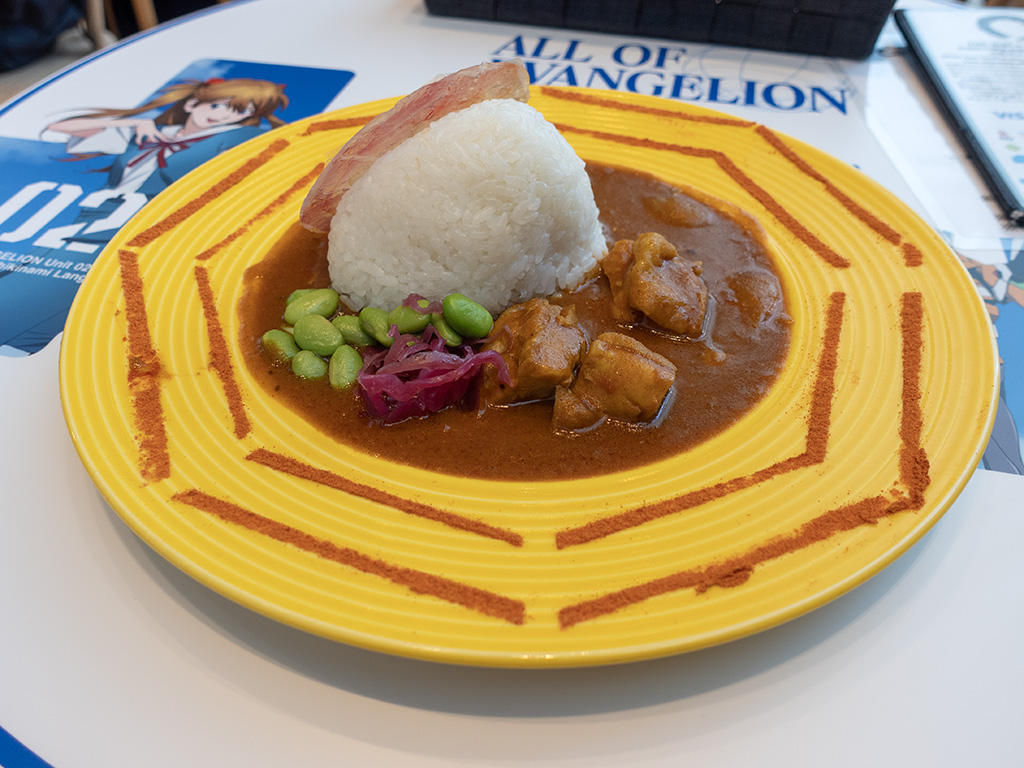
The food they served was also themed after Evangelion. They had a small collection of dishes and alcoholic beverages; I ordered some chicken curry rice and just opted for water.
The total came to ¥1,950, which was just under US$13—reasonable for United States pricing, but a little high for comparable food in Japan, though the markup was understandable due to it being a special partnership at a tourist hotspot and potentially needing to pay intellectual property licensing or royalty fees.
The chicken curry was very good compared to United States standards, but considering how amazing the food in Japan has been overall, this was mediocre when rated against other Japanese food.
After finishing my meal, I went back down to the lower floors, walked around a bit to check out some of the shops inside Roppongi Hills, then headed out for the next adventure of the day.
I feel like going to an observation deck is somewhat of a cliché thing to do in a city, but I think it was absolutely worth it in Tokyo. I’ve lived on upper floors of high-rise condominium buildings on the Las Vegas Strip, and I’ve gone to a lot of observation towers across the United States, so I’ve become somewhat desensitized to stunning views from high vantage points. With that being said, Tokyo was special in that it is such a dense city that you can just stand there staring out the window for a long time, and you will never run out of interesting things to look at below.
I did a wide variety of different activities during my trip to Tokyo. Some of them were long and warranted entire dedicated blog posts, but a lot of them were just quick activities during which I only took a few photographs. I still wanted to share those pictures, so this is a round-up of all my random and unsorted photos that aren’t going to make it to their own individual blog posts.
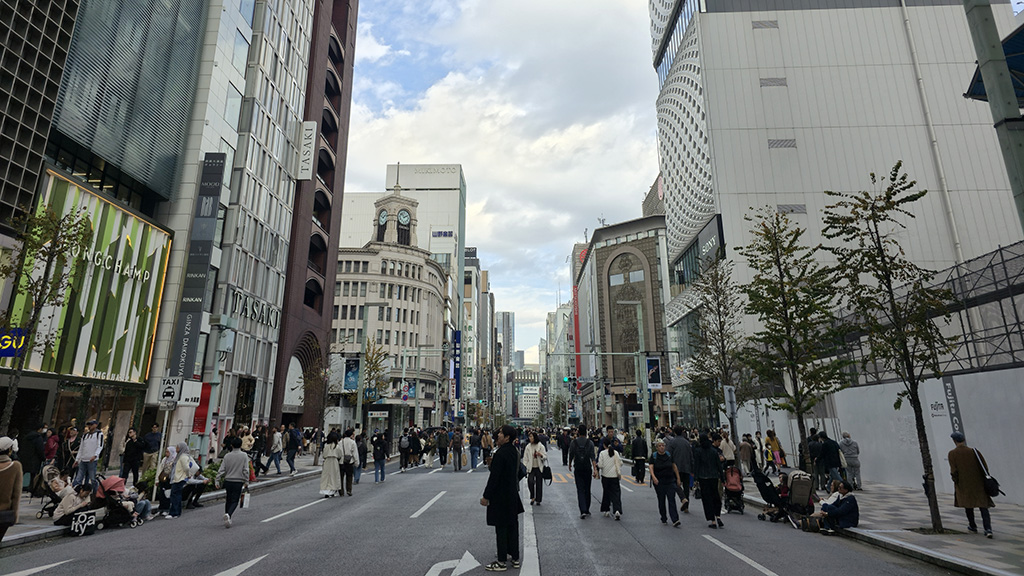
For my entire two-week stay in Tokyo, I stayed in a Marriott hotel in Ginza. During the weekends, whenever I opened a map app to figure out how to get somewhere, I noticed that a lot of the roads around my hotel were closed. Upon further research, I discovered that they turn a lot of the bigger roads in Ginza into a pedestrian-only streets to facilitate a safer and more comfortable shopping experience in the neighborhood. I seized the opportunity to take a picture from the middle of the road.
Back at home, the Las Vegas Strip does this during New Year’s Eve so that pedestrians may walk wherever they want on Las Vegas Boulevard and watch the fireworks celebrations that are put on by the casinos and resorts. I’ve heard some people say that the Las Vegas Strip should permanently be closed to vehicular traffic and always be pedestrian-only. I disagree with that and I think that the people suggesting this don’t quite understand how quiet and empty it sometimes get during the weekdays, but I am definitely on board with closing down the Strip for more holidays than just New Year’s Eve.
I have no problem joining my friends when they go shopping. Although I pretty much never buy anything for my own and always just end up becoming the designated purse and shopping bag holder, I always find it to be a good sightseeing experience and don’t have the same issues as other men who get bored when joining for shopping trips.
With that being said, the point at which I do get bored is if we are not actually actively shopping. During one of our visits to LUMINE EST Shinjuku, it was so busy and the queue for the changing room was so long that there was one point at which we were just idly sitting there for over 40 minutes waiting for a changing room to open.
One of the reasons my friends have such peace of mind inviting me and bringing me along to random things is because they know that I do not hesitate to decline if I’m not interested, and if I am not enjoying something, they know they don’t have to take it personally if I split off from the group. If that does end up happening, there is no harbored resentment, and I am always happy to join in for any future activities.
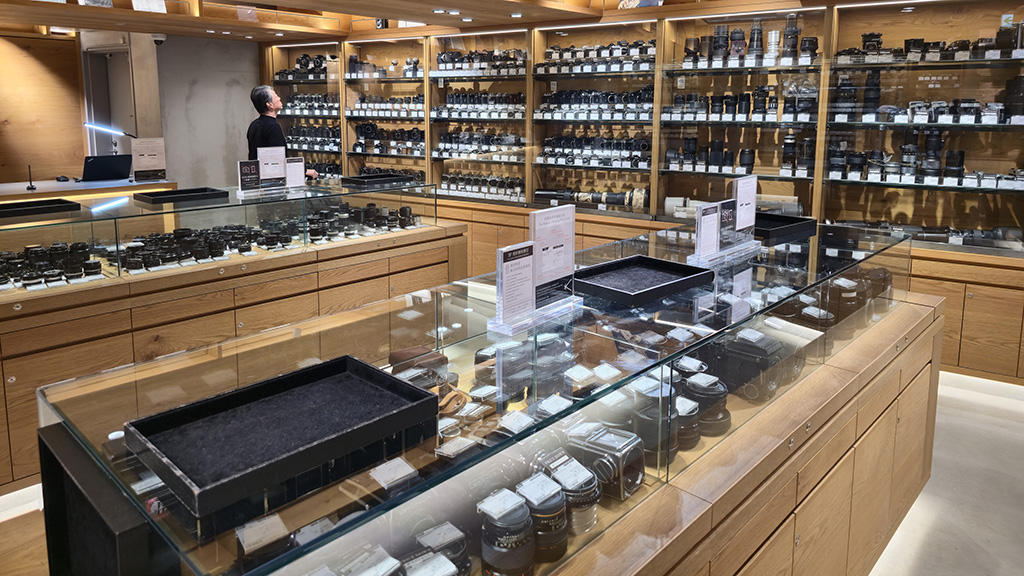
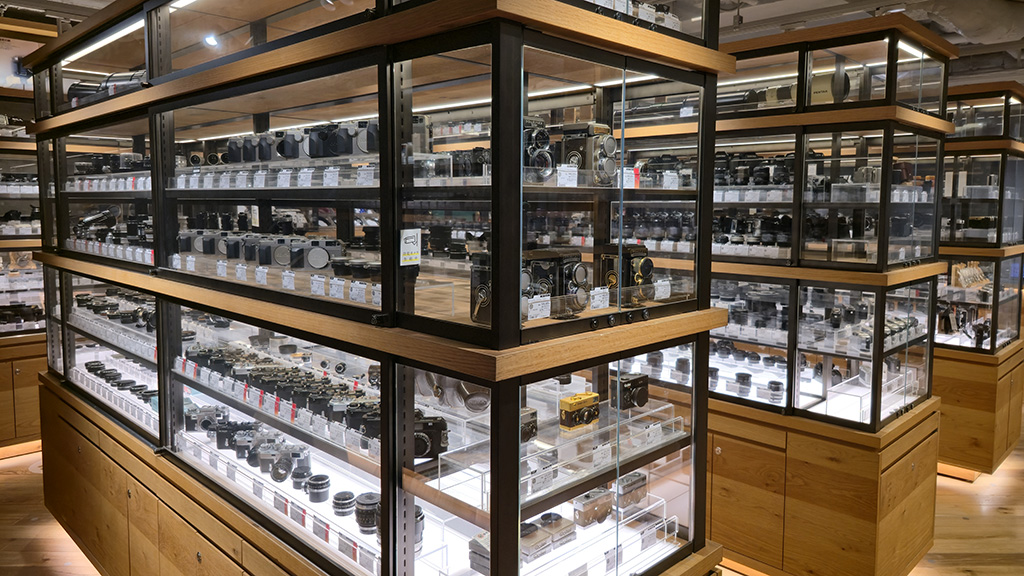
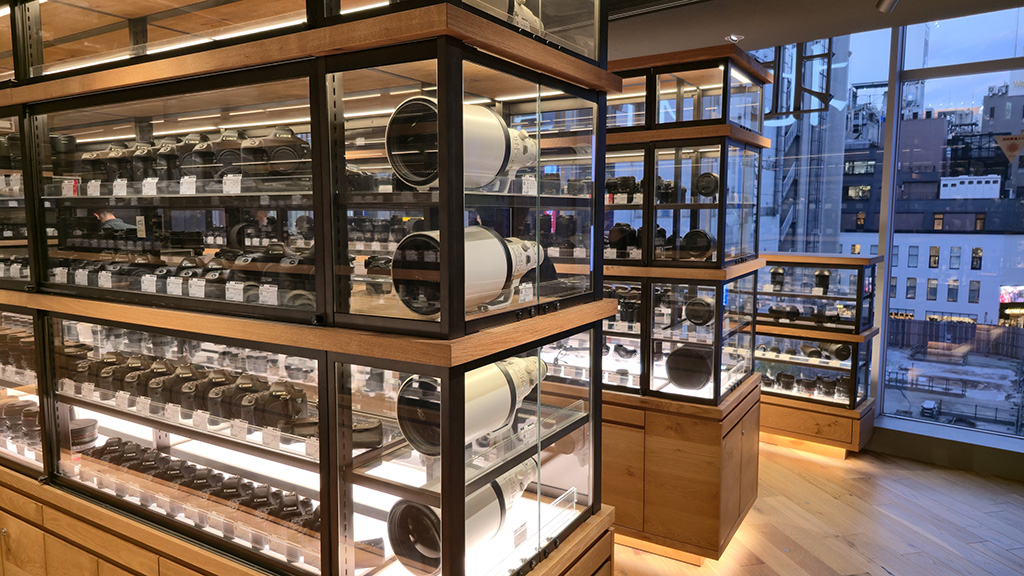
It doesn’t happen to often, but sitting there waiting for the changing room is definitely one of those not-so-fun times, so I decided to go exploring on my own for a little bit to check out some stores nearby that fit my interests. One of my friends told me I should go check out Kitamura Camera only a couple hundred meters away, as she had been there before and thought I would enjoy it.
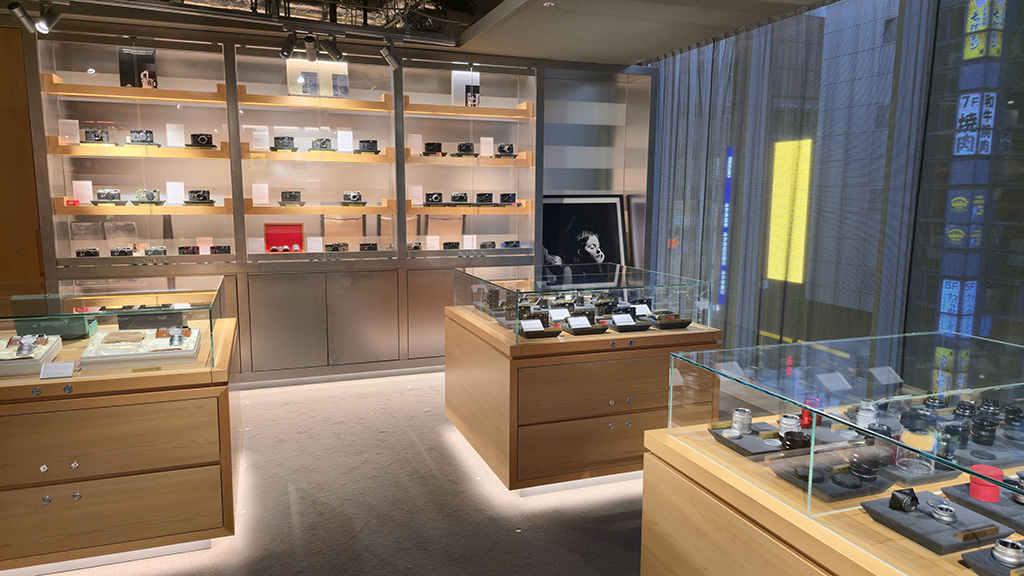
It was an amazing recommendation, because it felt like I was in camera heaven.
If you’re at all familiar with high-end cameras, you will likely immediately recognize from my gear that I am very much a beginner when it comes to camera equipment. That is exactly how I felt when walking through this store, and I literally was not even able to identify over 90% of the cameras on display. I didn’t buy anything, but this was a nice reminder to stay humble because, no matter how much you think you know, there’s still a lot out there in the world that you might not know about.
I don’t really get starstruck meeting celebrities, but I think I felt the closest thing I could to starstruckness when I saw all those cameras. Excited to check out more stores adjacent to my hobbies, I walked a couple kilometers south towards Shibuya. It wasn’t exactly a short distance, but I found walking around in Tokyo to always be pleasant.
I’ve amassed quite a collection of guitars, many of which are made by Fender or brands owned by Fender. I go into far greater detail about my collection in my blog post about visiting the Min-on Music Museum in Shinjuku, but in summary, I have four solid-body electric guitars, one hollow-body electric/acoustic hybrid, three acoustic guitars, one bass, and one ukulele.
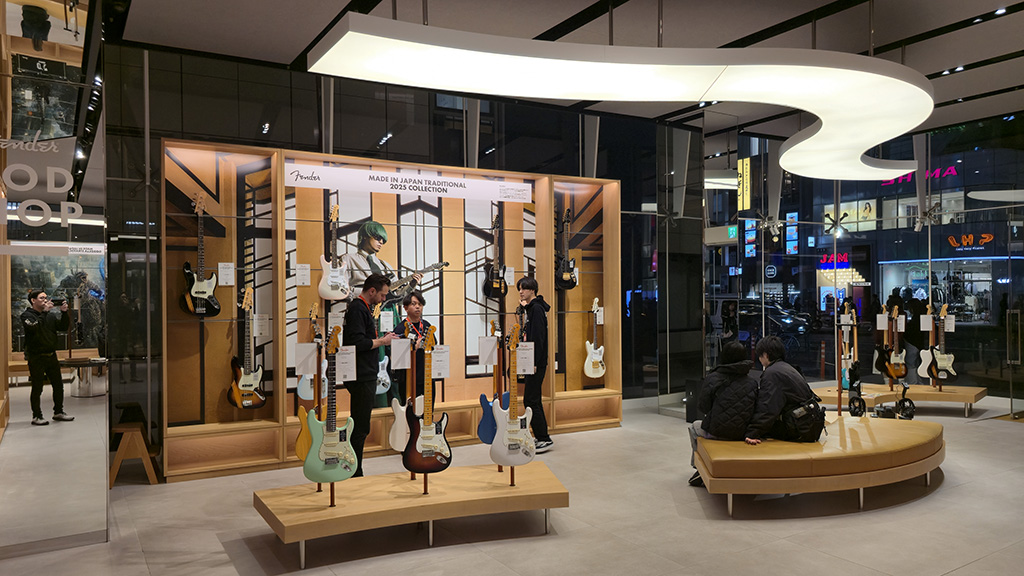
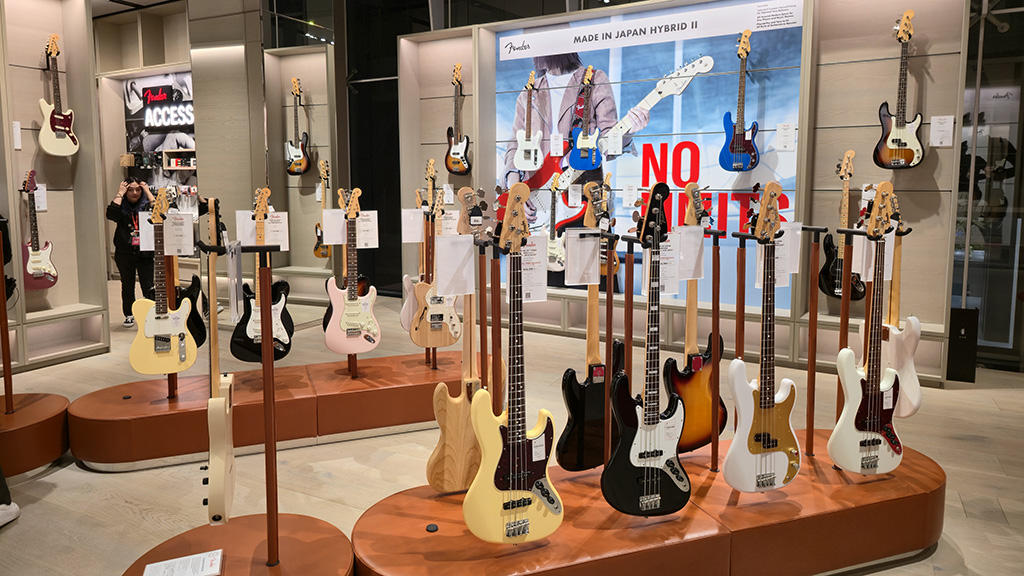
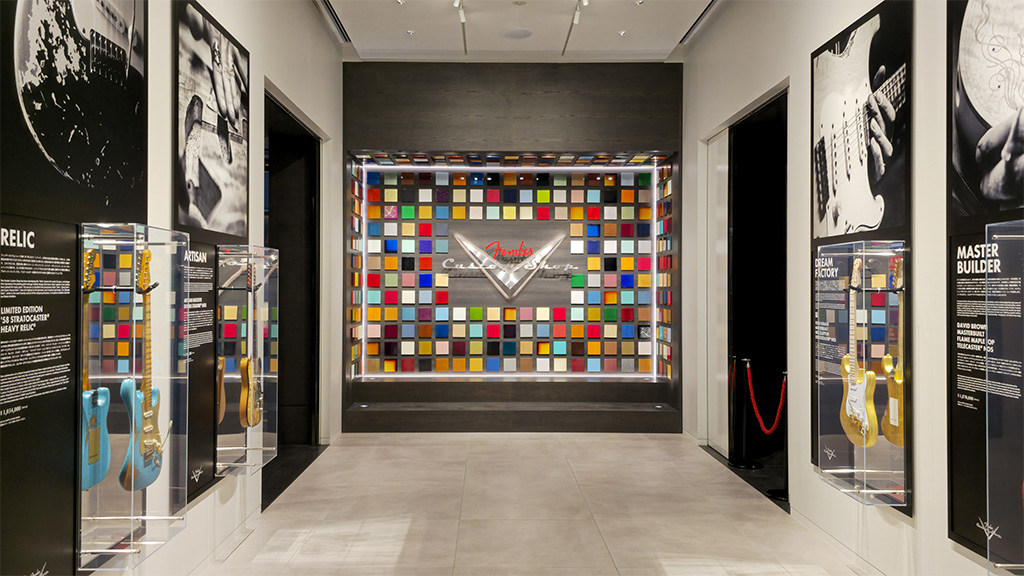
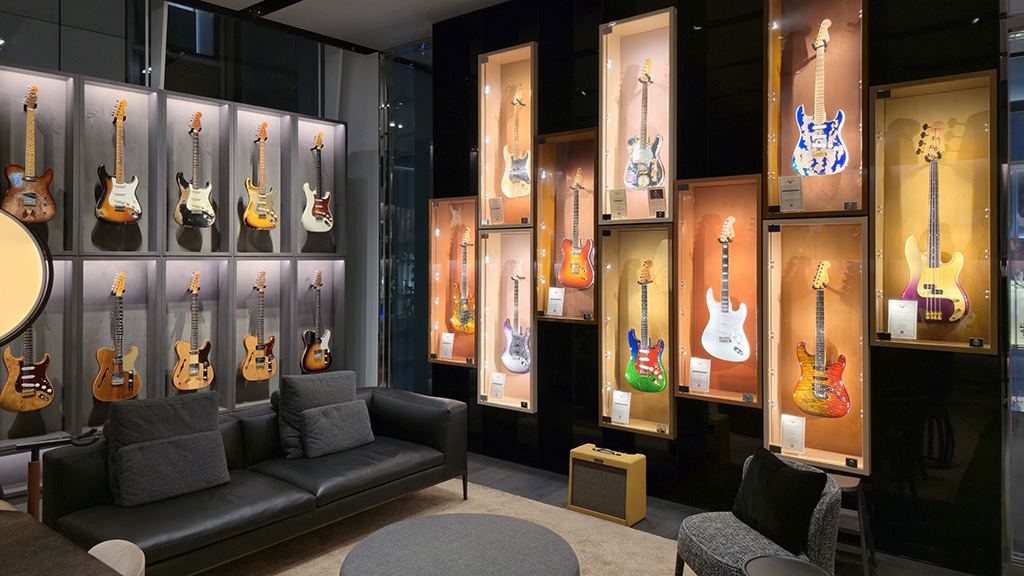
The Fender store wasn’t quite as overwhelming as the camera store and I recognized a lot of the guitars on display, but it was still nice to see all these guitars, basses, and amplifiers in-person. One thing that definitely was special, though, was the collection of iconic used guitars. At first I thought the guitars with the “exposed wood” patterns were intentionally designed like that, but after reading some of the labels, I realized that these were old guitars that had naturally developed those wear marks over time from a lot of use. I hope that at some point over the next few decades, my own custom satin black Mod Shop Fender Stratocaster will develop that kind of patina to show its age.
Now we jump to a different day on which one of my friends and I went to N9Y 奥渋店 羊とチーズとワイン酒場, which roughly translates to the N9Y Okushibu Lamb, Cheese, and Wine Tavern. We were originally going to go to either a curry or a katsu restaurant that my friend had heard from one of her friends was a good spot, but when we arrived, there was a line of around 15 people waiting to get in, so we decided to find something else and ended up at N9Y instead.
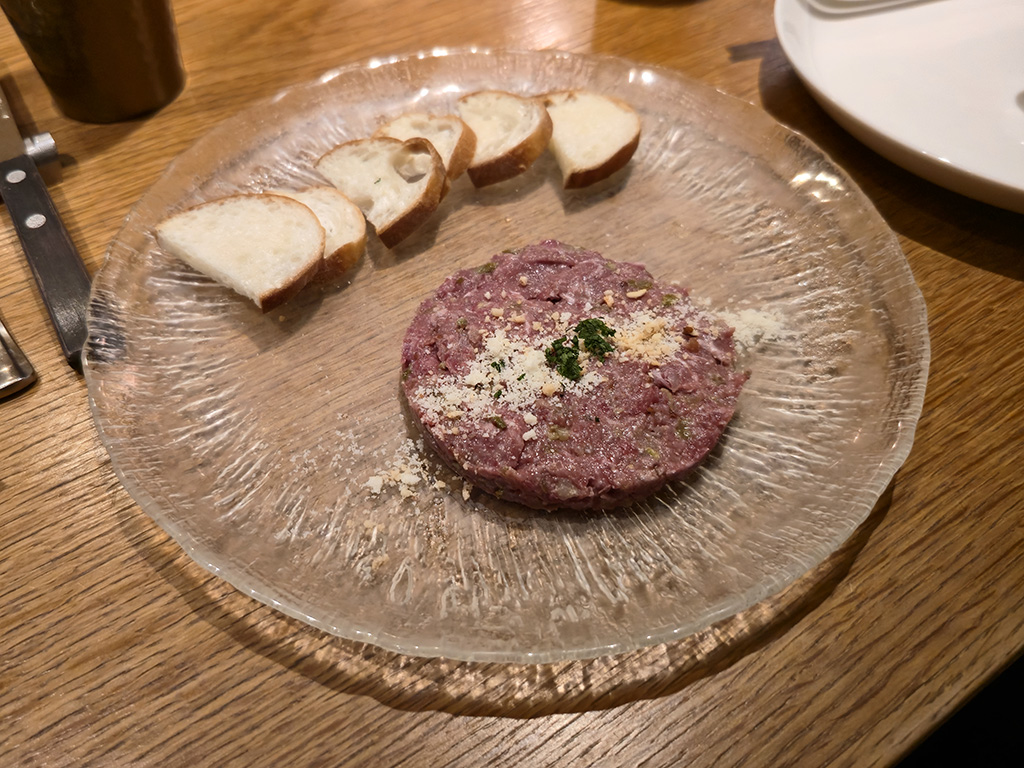
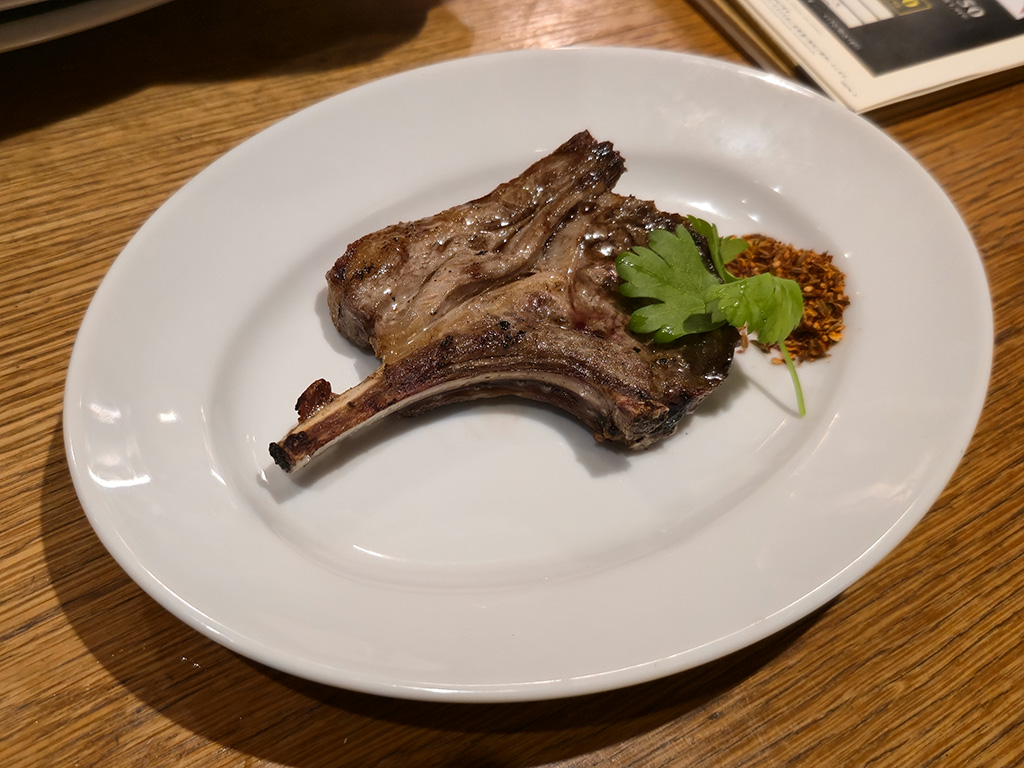
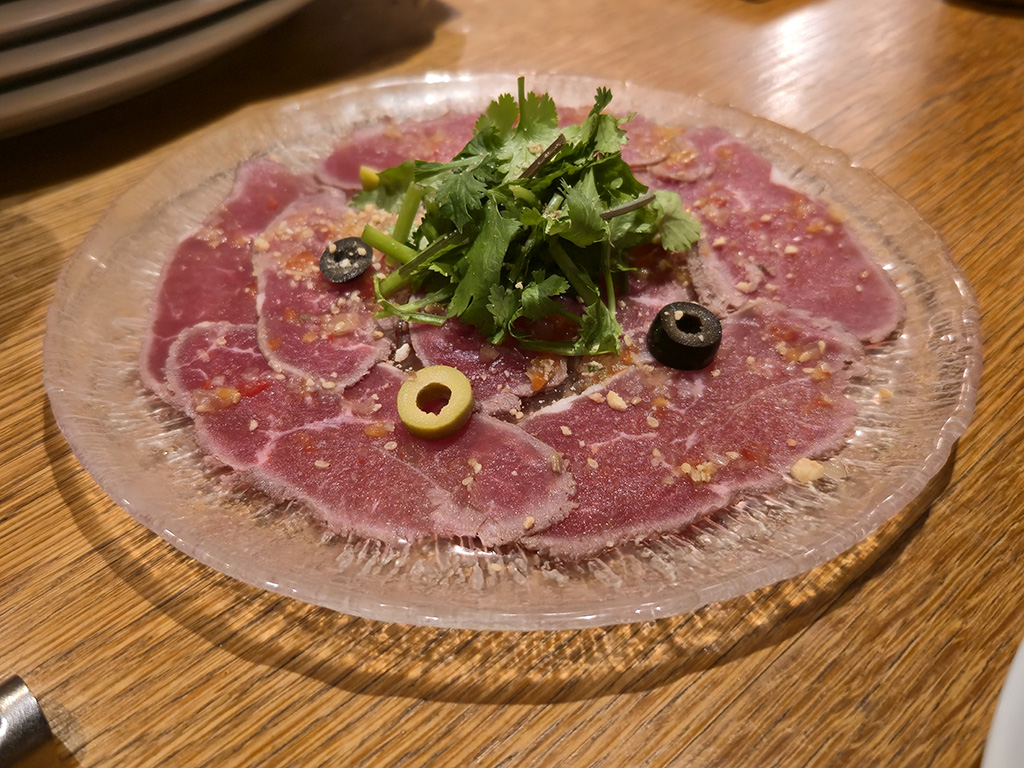
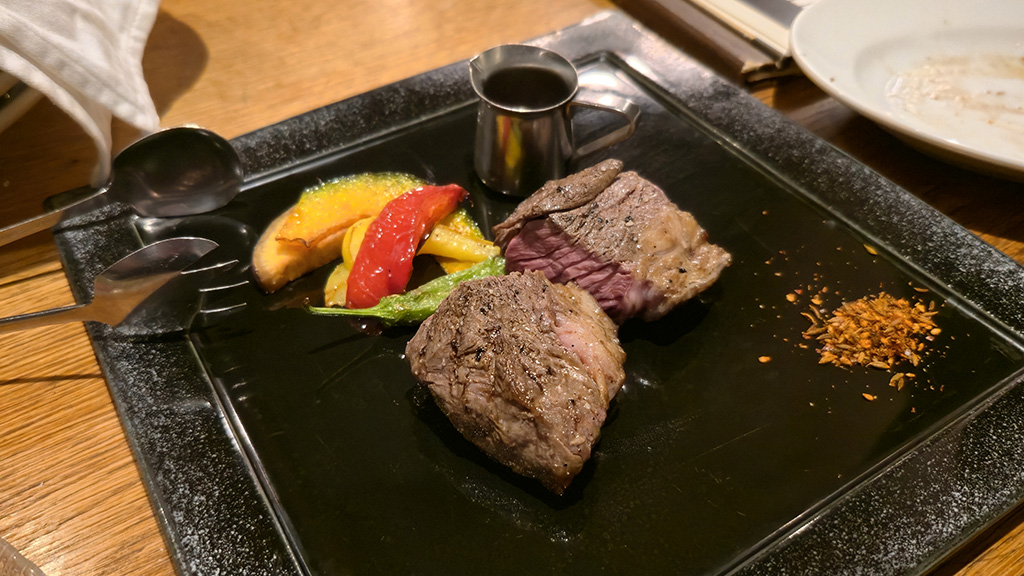
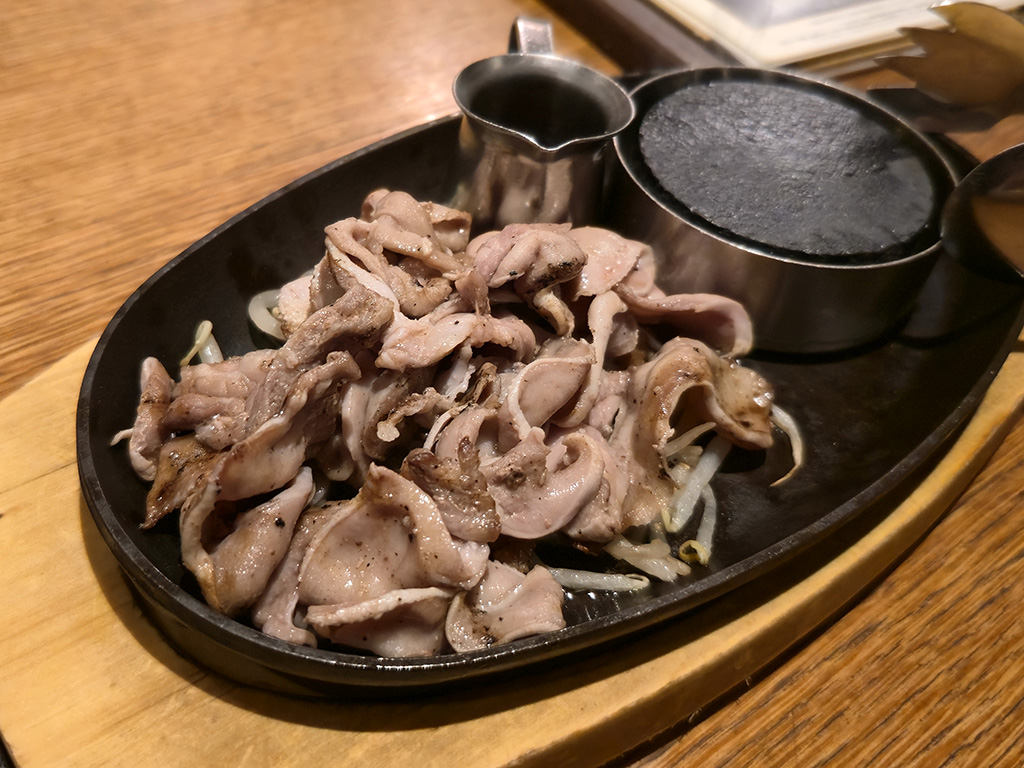
We ordered lamb tartare, a lamb chop, lamb tataki, lamb rump, and charcoal-grilled lamb tongue. All of it was great, but the lamb tongue in particular was probably some of the best lamb I’ve ever had in my entire life. It came with a hot stone on the side so we could sear the lamb some more if we wanted to. The tongue was delicious either way—searing it added a nice, firmer texture to the outside which I liked, but eating it unseared was also amazing and had the nice, “bouncy” feedback in your mouth that is iconic of well-cooked tongue.
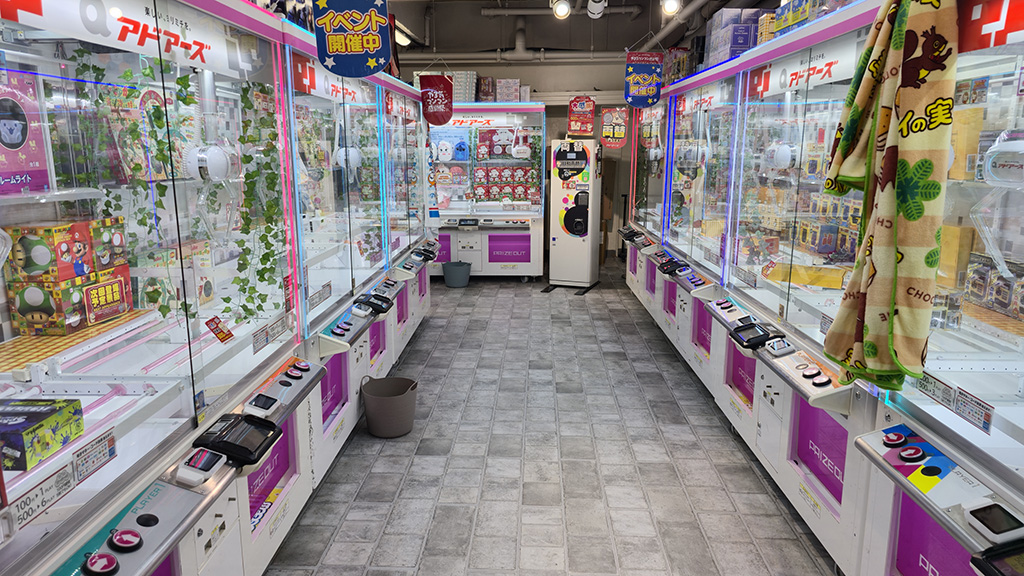
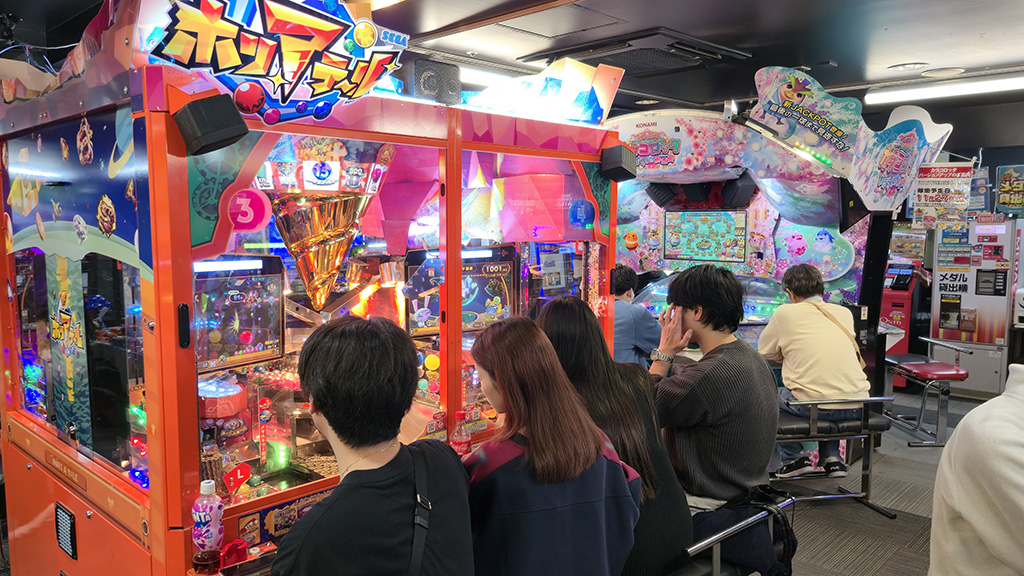
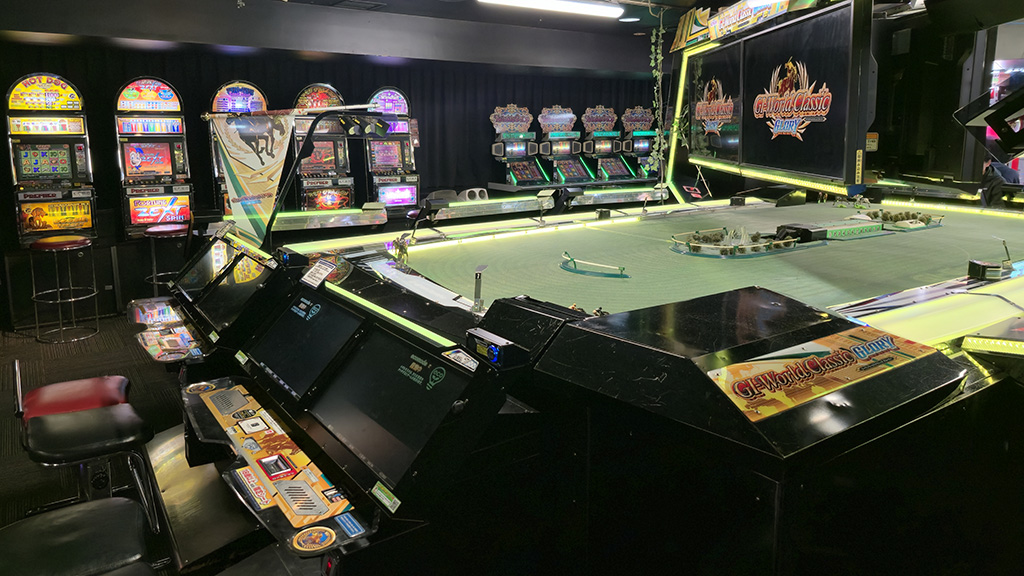
After dinner, we stopped by a random arcade. We didn’t play anything, but it was fun to look around. Compared to the United States, this arcade felt more like a casino than it did an American arcade. I think American arcades have optimized the environment for overstimulation and have rows upon rows of machines lined up in a straight line, but this arcade in Tokyo had more meandering paths and felt more like a collection of gaming machines that resembled the more “clustered” feeling of a casino.
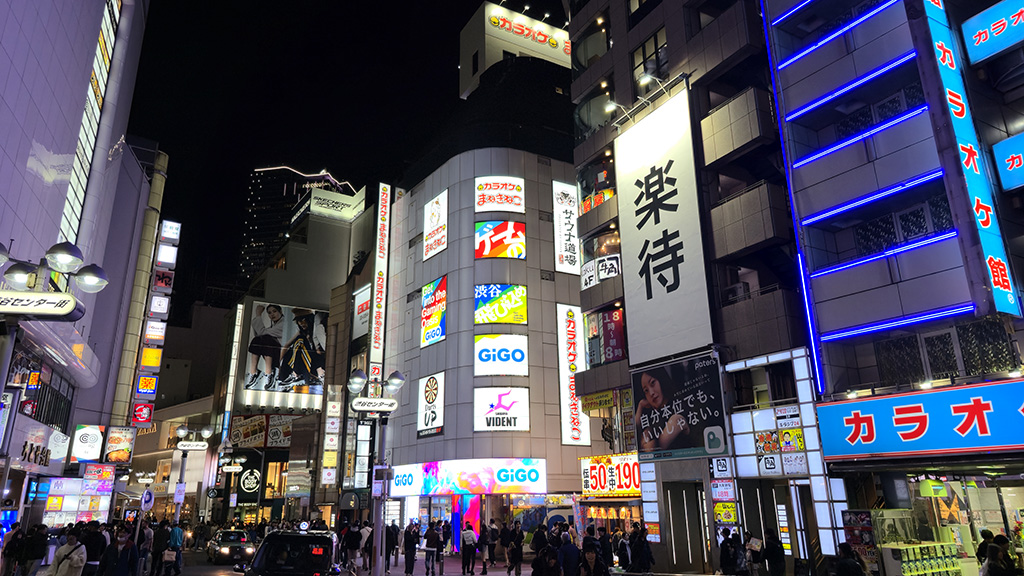
I took this picture of a random intersection because of the abundance of LED screens, which reminded me of the brightly-lit Las Vegas Strip back home.
After filling ourselves up with lamb and getting a decent amount of sightseeing in, we went to the train station to head back to Ginza.
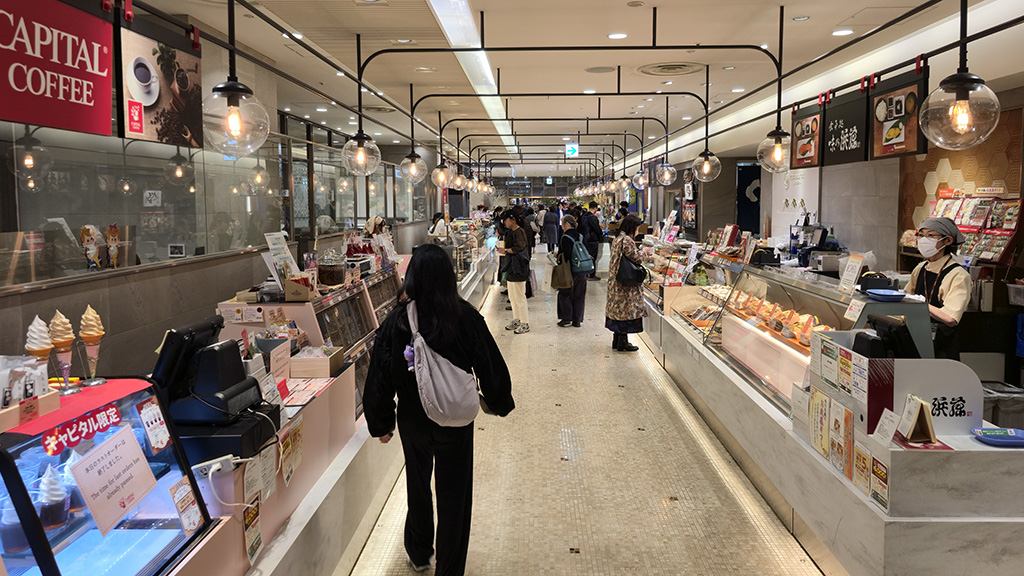
When I first arrived in Tokyo, I thought it was pretty inconvenient that there aren’t always places to eat food after you buy it. For example, this is a marketplace attached to the train station that serviced the train that would bring us back to Ginza. It was just rows of shops, but you basically had to take everything to-go.
However, after seeing it more frequently, I realized that it actually isn’t too bad. I found out that some of these places have a designated combined eating area elsewhere that is shared by all the restaurants in the area. This means that each restaurant doesn’t have to allocate their own dining space, which means more different restaurants can squeeze in to a smaller area, and thus, be more space-efficient and give customers more options when deciding what to eat. I thought of this as basically a compact food court, which is a nice concept.
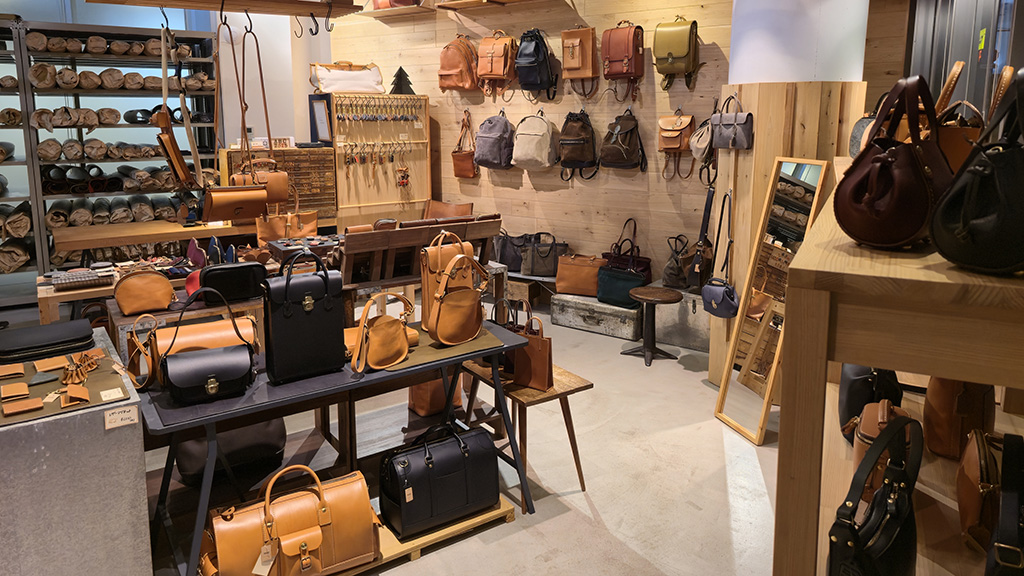
I mentioned above that I don’t really buy anything when I join my friends on their shopping trips. However, one of my friends back in the United States brought up a good suggestion that I buy a leather belt while I’m in Japan.
I own a handful of belts made from various exotic leathers, including saltwater hornback crocodile, stingray, and python, just to name a few. I also have some belts made from not-so-exotic leather, such as bison and calf. I tend not to buy souvenirs when I travel, but buying an authentic Japanese-made belt while in Japan seemed productive, as it would be an item that I would actually actively use and wear, while also serving as a pseudo-souvenir.
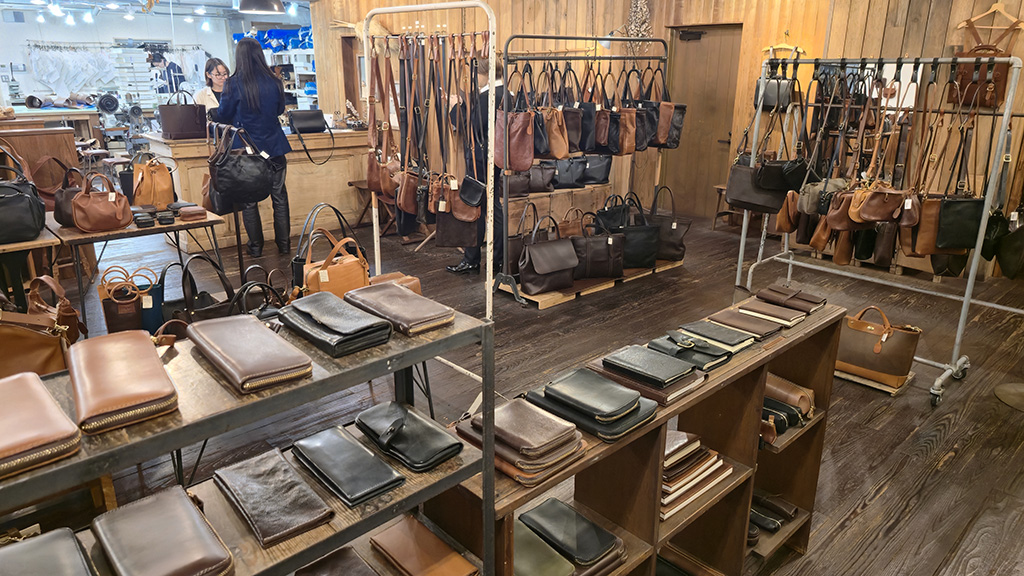
My friend recommended that I check out HERZ, but unfortunately, the location I went to did not have any leather belts. They instead recommended that I go to Organ, which did indeed have leather belts, but I found them to be a bit too mediocre for my preference. I ended up not buying anything from either store.
Later on, I did some more research and found a leather goods store called Prairie in Ginza just over half a kilometer away from my hotel. Upon visiting, I saw that they had two belts that I found interesting—one made out of Kobe leather, and one made out of cordovan horse leather. Although the Kobe belts were interesting because the leather is sourced from Japan, it seemed like there was no actual indication of its special status beyond just a sign on a shelf above the belt. However, the cordovan belts had certificate tags attesting that the leather was tanned and crafted in Japan, which was more compelling to me.
I ended up purchasing a black cordovan leather belt for ¥28,600, which was roughly around US$185. I think I could’ve gotten a ¥2,600 sales tax discount as a foreigner, but I’m not sure if Prairie was a participating tax-free store, and I forgot to bring my passport along with me anyway; either way, visiting Tokyo was such an amazing experience that I had no issue paying a little bit of sales tax and contributing to the government’s coffers.
Funny enough, I took a picture of the two stores that I did not buy belts from, but forgot to take a picture of the store from which I did buy my belt.
My experience in Japan was basically perfect almost the entire time… up until the second-to-last day. I’m actually very grateful I had this not-so-great experience at a restaurant near the end, because otherwise, I’m afraid that I would’ve had an unrealistically high assessment of Japan. To be clear, I still think Tokyo is incredible, and it is my new second-favorite city of all time (just behind Las Vegas, of course). However, this restaurant put things into better perspective and made me realize that there is still the rare spot once in a while that sucks, even in Tokyo.
The restaurant in question is 板前割烹 TENとTEN in Kabukicho, Shinjuku.
We arrived as a group of six. It was a very small restaurant, so we could see the entire interior from the door. There was a table that was clearly open and available, but the host said that they did not have a table for us and that we would have to wait. One member of our party looked into the restaurant and asked if we could sit at the open large table. The host acted as if there was no way all six of us would fit at that table, but he obliged and let us in. The table fit all six of us with plenty of room to spare.
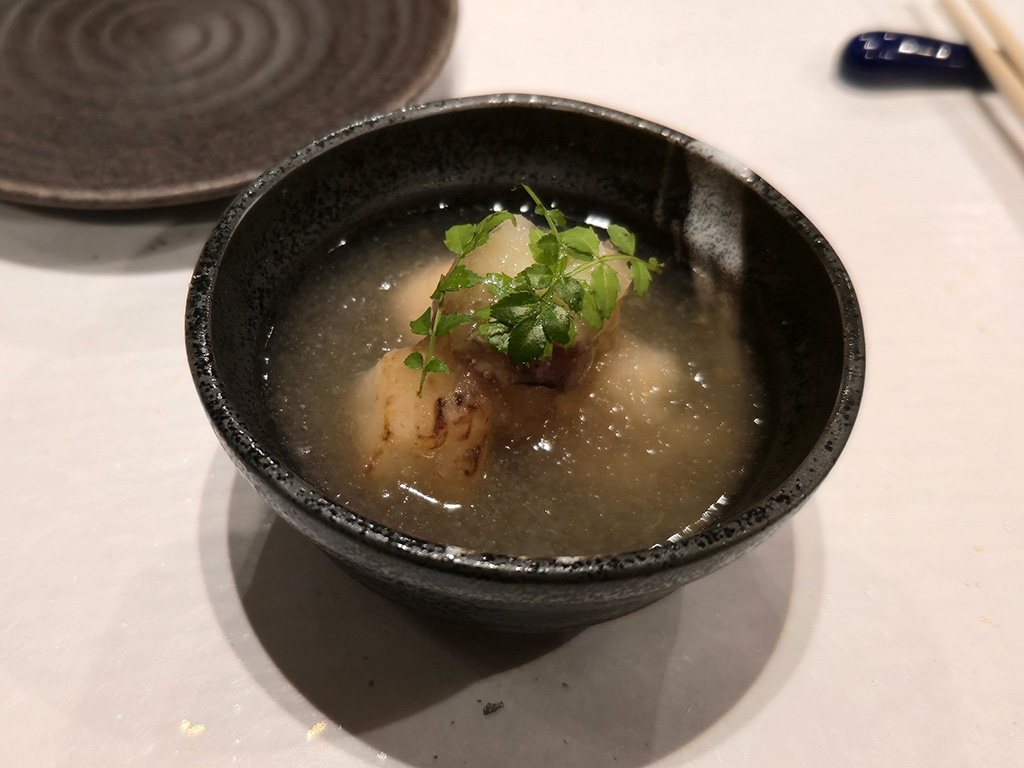
They then brought out amuse-bouches for everyone. I call them amuse-bouches (and not hors d’œuvres) because nobody at our table ordered them, and nobody had a say on what we received. This is common for high-end restaurants in the United States—the chef sends out a complimentary amuse-bouche to welcome diners into the restaurant and keep their mouths occupied while their food is being prepared.
This restaurant charged ¥700 (which is almost US$5) for each complimentary amuse-bouche by calling them “appetizers.” I only found out that I was charged for it because they snuck it into my credit card transaction without telling me about it.
When the waiter collected our drink orders, I just opted for water. I did not get a single water refill throughout my entire meal.
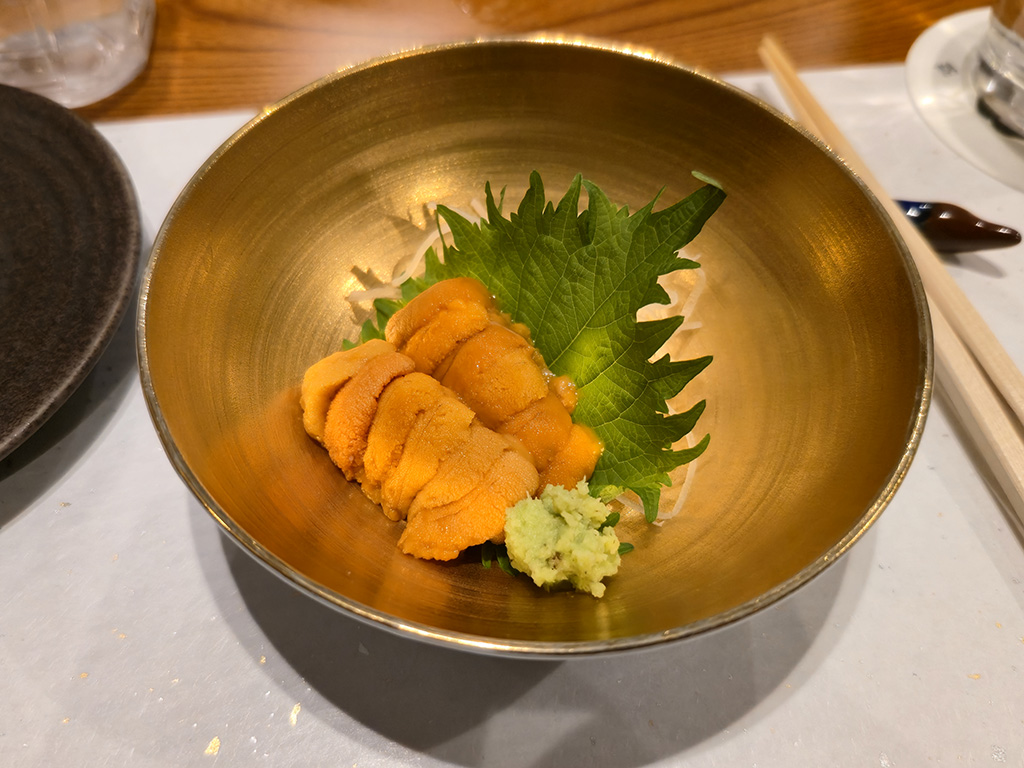
For my dinner, I ordered sea urchin from their main entrée menu. I asked whether it came with rice, and the waiter confirmed that, yes, it did come with a side of rice. I later found out that rice was not actually included in this entrée; instead, they snuck in another extra charge for the rice into my credit card transaction without telling me about it.
This sea urchin came out awkwardly early. It’s been a while so I don’t remember how much it cost, but the portion size was microscopic, and I remember thinking that I could pay this same price at a fish market even in the United States and get four times the amount of uni. It was a very long time before the next dish came out.
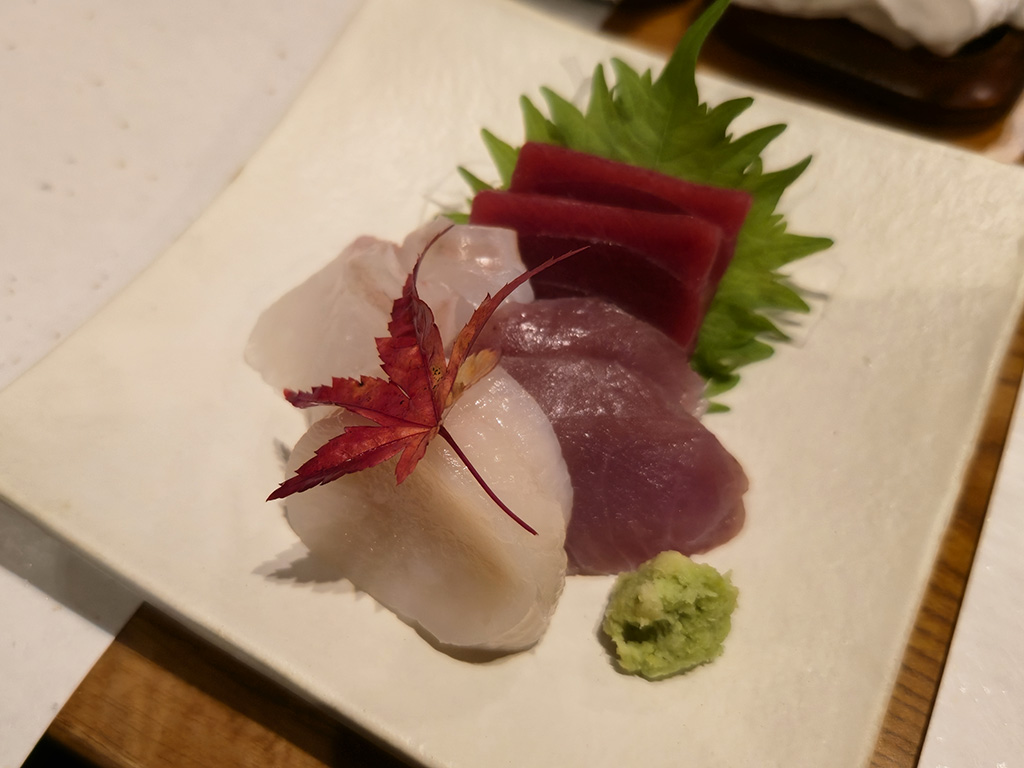
The portion size on the sea urchin was so small that I realized I would need a second dish. I asked for the sashimi, again off their main entrée menu. I once again asked whether this came with rice, and the waiter confirmed that it did indeed also come with rice. I never got the rice. The sashimi “meal” was only 8 pieces of very small-cut fish.
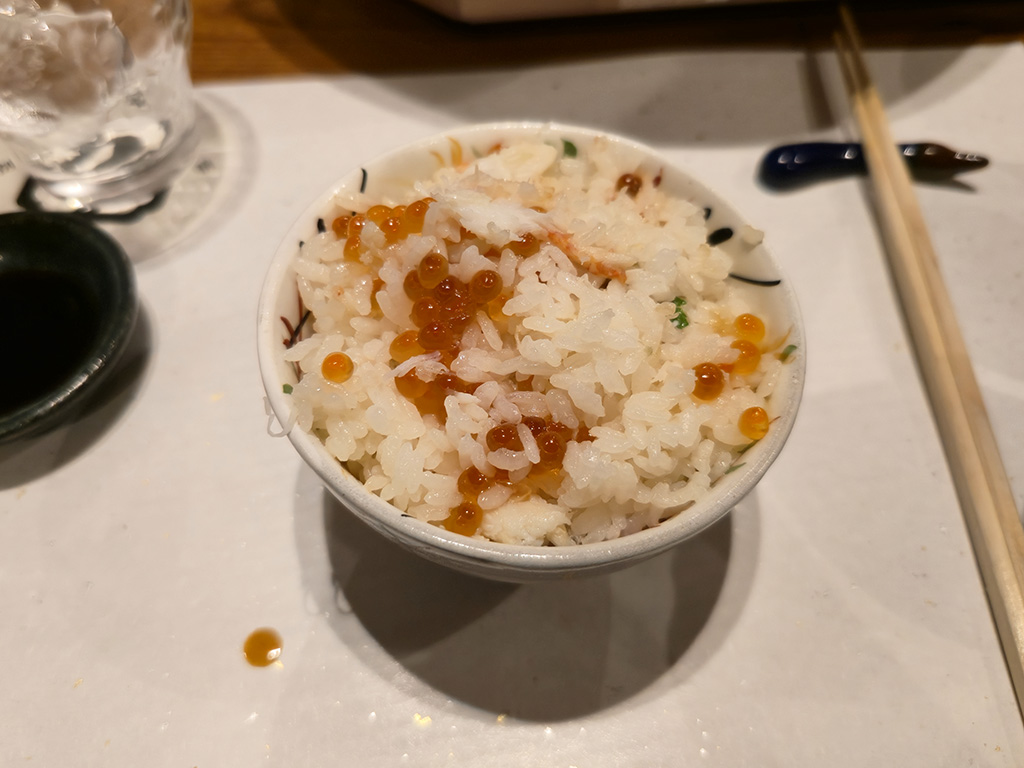
At this point, I felt like I had barely eaten anything. Someone else in our group ordered a crab and salmon roe rice bowl cooked in a clay pot. They designated on the menu that the portion size was large enough that it would serve two people. After a very long cooking process, they came out with three tiny bowls of rice, crab, and ikura. They mentioned that there was still more left in the clay pot and asked if we wanted some more; when we asked for more, they came back saying that they were mistaken and that there was no more left.
The process to pay for our food was an absolute disaster. Rather than just having one person pay for the full bill and exchanging money afterwards, someone in our group suggested that we all pay separately for our own food. I went up to the cash register and tried to pay for my and two of my friends’ food in a combined transaction as to speed things up, and then let the remaining three people in our party handle the rest on their own. I listed off the items that I was going to pay for, but the waiter missed half the items and collected inadequate payment from me, but not before adding in the extra hidden charges like I had mentioned earlier.
This ended up being the most expensive meal I ate in Japan, and by far the worst.
I very rarely call people scammers. It’s not uncommon to run into rip-offs or really bad deals, but it’s not often that straight-up scammers have much longevity in operating a storefront; scamming generally involves actual misrepresentation and fraudulent business practices, and that usually gets caught and called out fairly quickly. With that context in mind, Ten-to-Ten is absolutely a literal scam.
I left them a one-star review on Google Maps. Do not go to Ten-to-Ten.
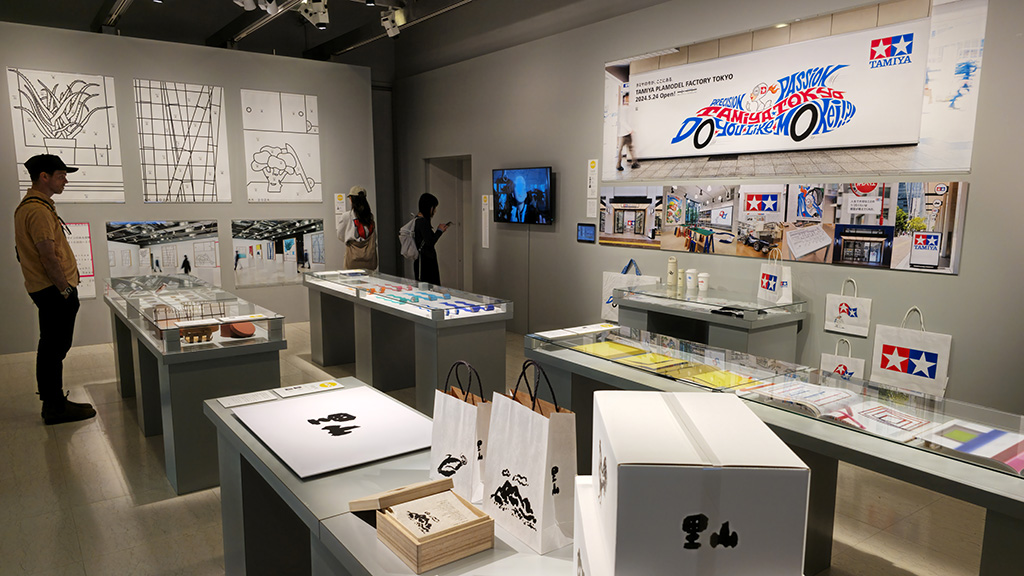
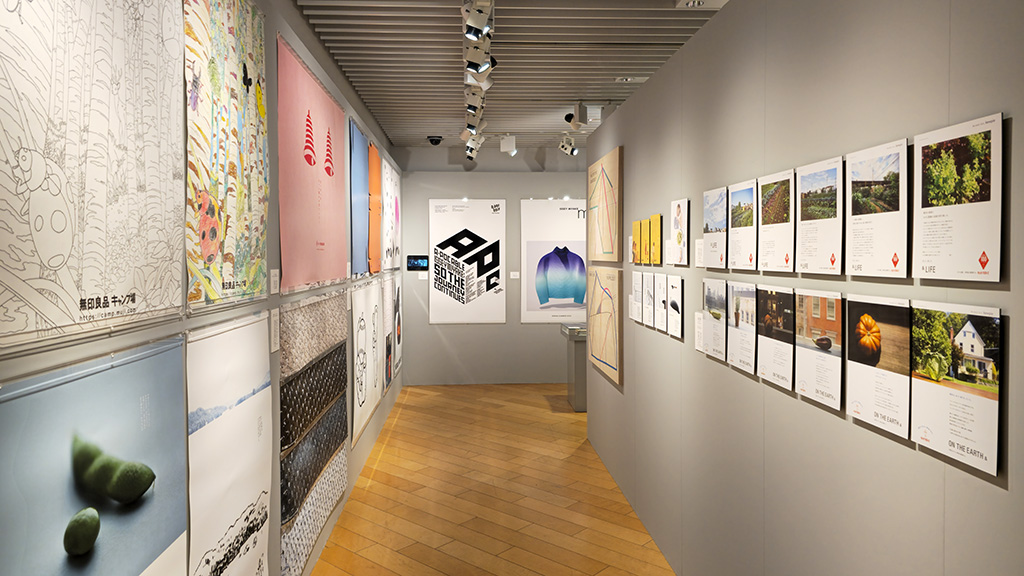
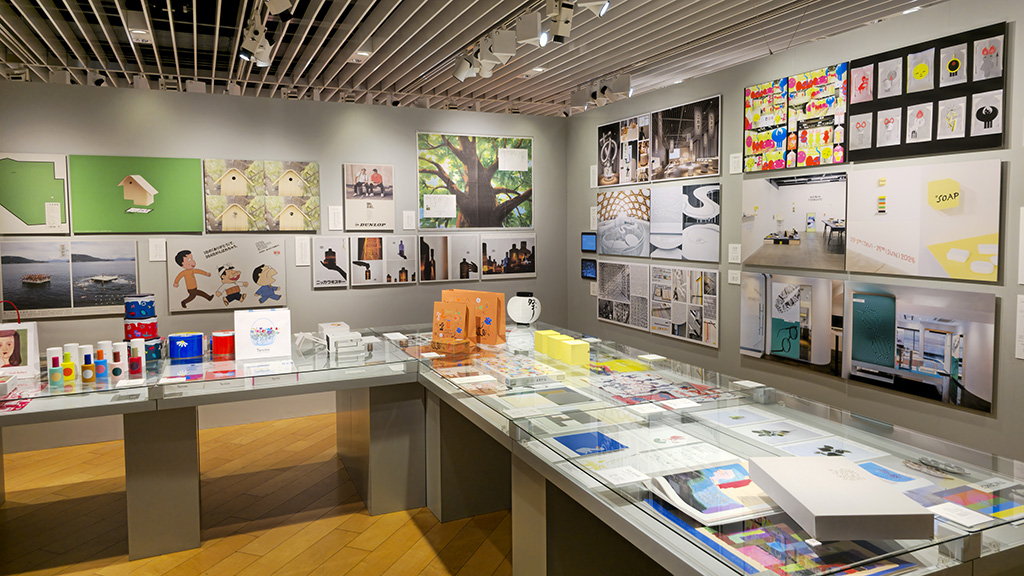
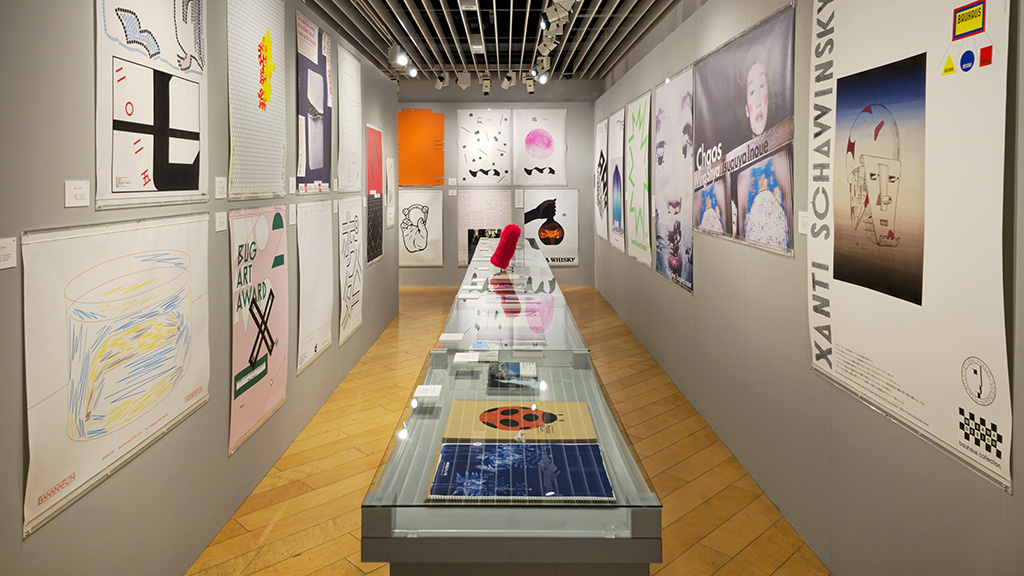
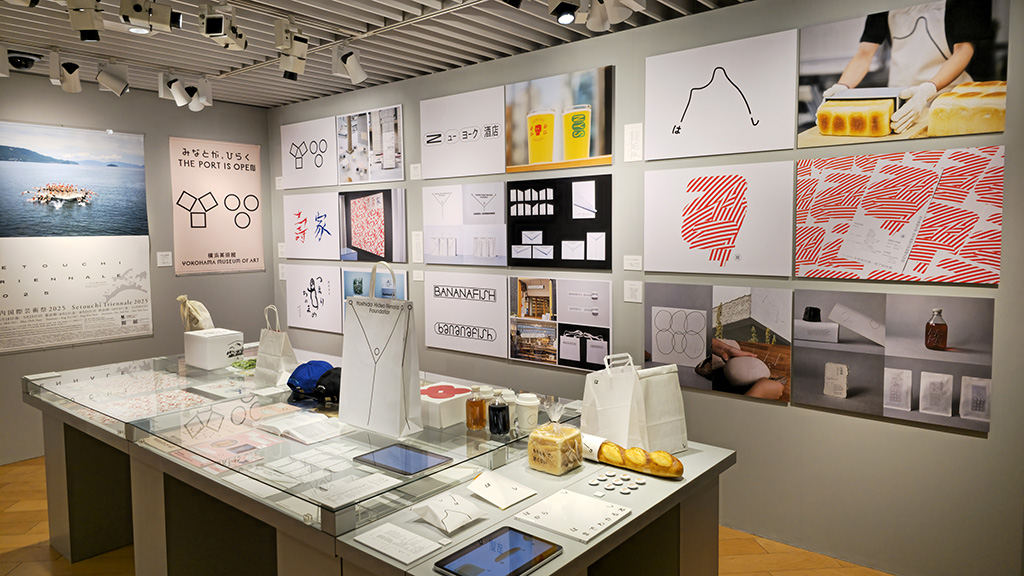
What wasn’t a scam, though, was the Ginza Graphic Gallery. It was a nice and cozy spot that had a lot of different graphic designers’ work on display. Although I don’t know enough about art to truly be able to appreciate all of this to the fullest, I think this is a great place for actual artists to stop by and gather some inspiration for their own work.
My favorite part about this gallery was actually the upper-most floor, which housed a small library and a theater viewing area. The projection screen had some of Japan’s award-winning advertisements playing. I literally sat there for what felt like over half an hour just watching commercials because of how good they were.
I’ve grown to dislike award-winning commercials in the United States because a lot of them just involve activism and virtue signaling about a social topic completely unrelated to the product or company being advertised. It was refreshing to see that commercials in Japan had not fallen into that trap; instead, they all had compelling storylines, captivating storytelling, majestic cinematography, and impeccable post-production.
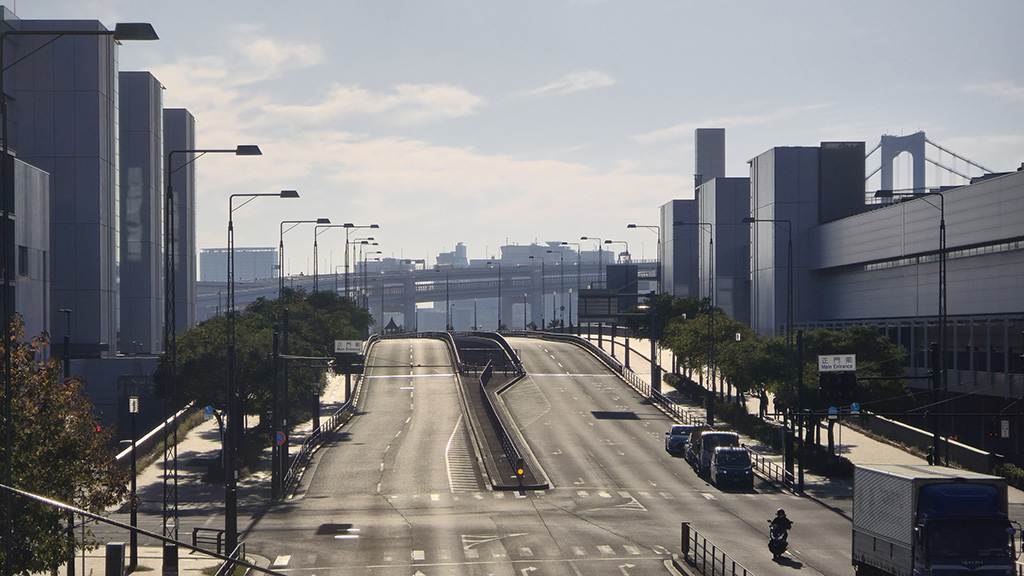
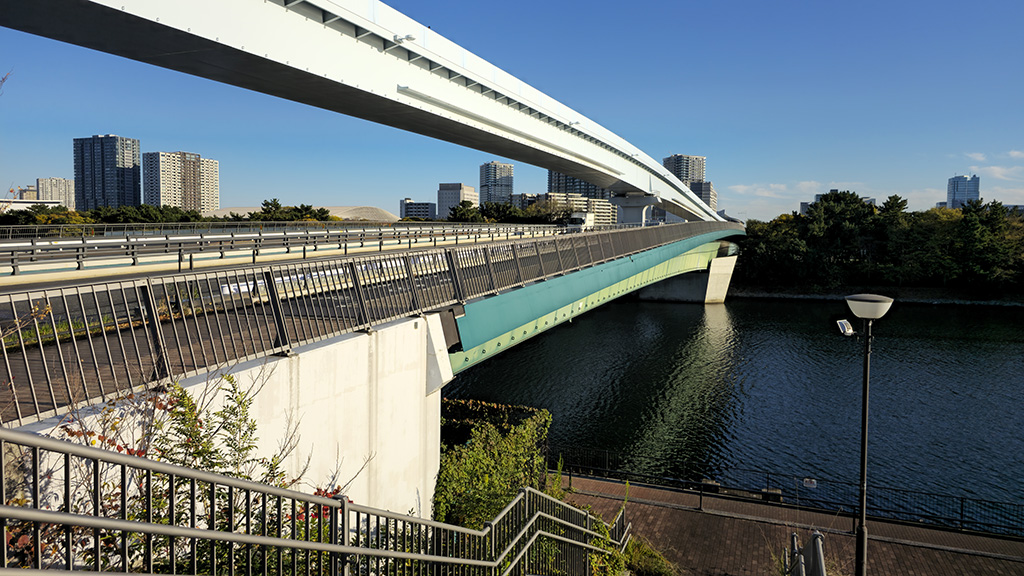
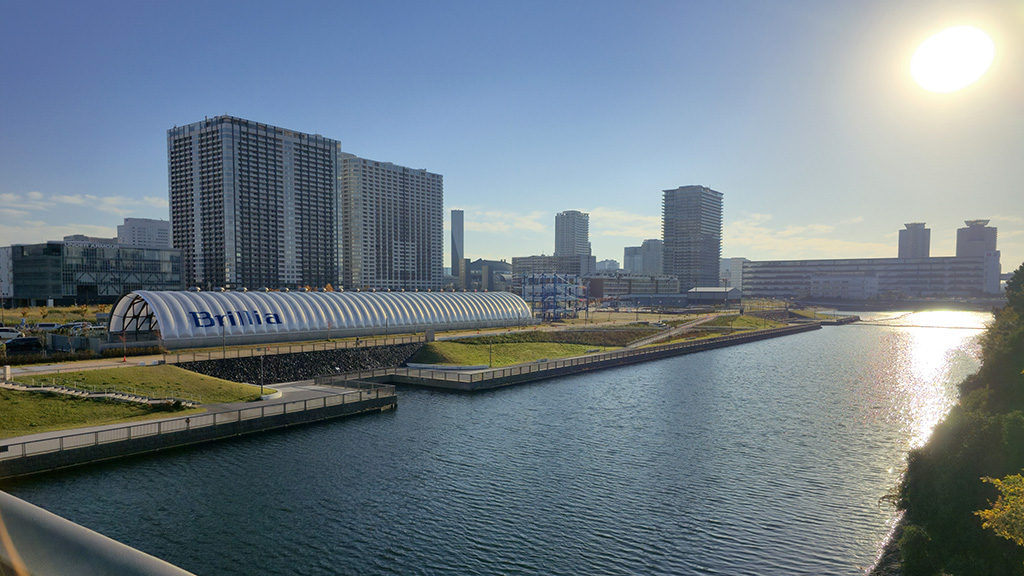
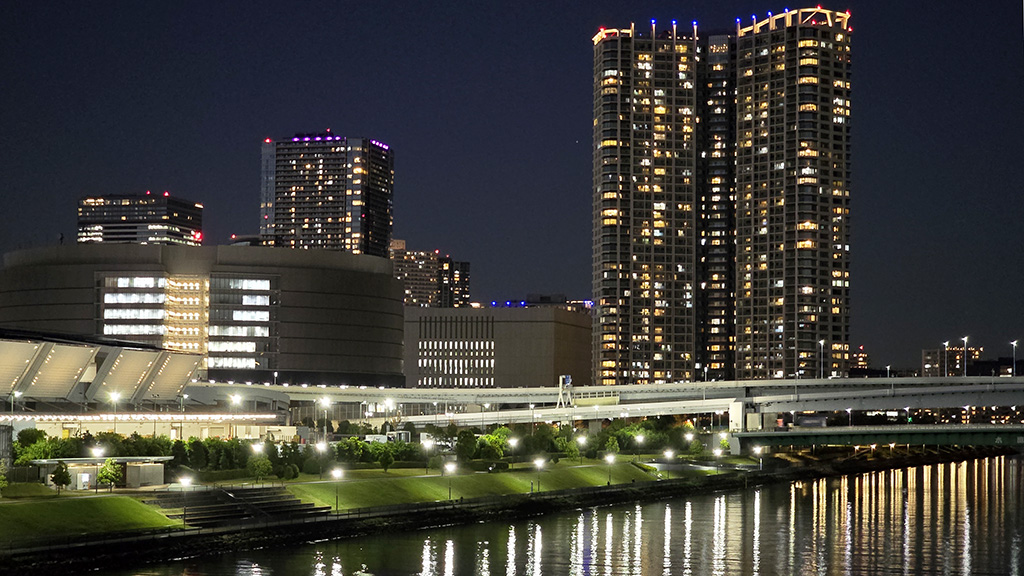
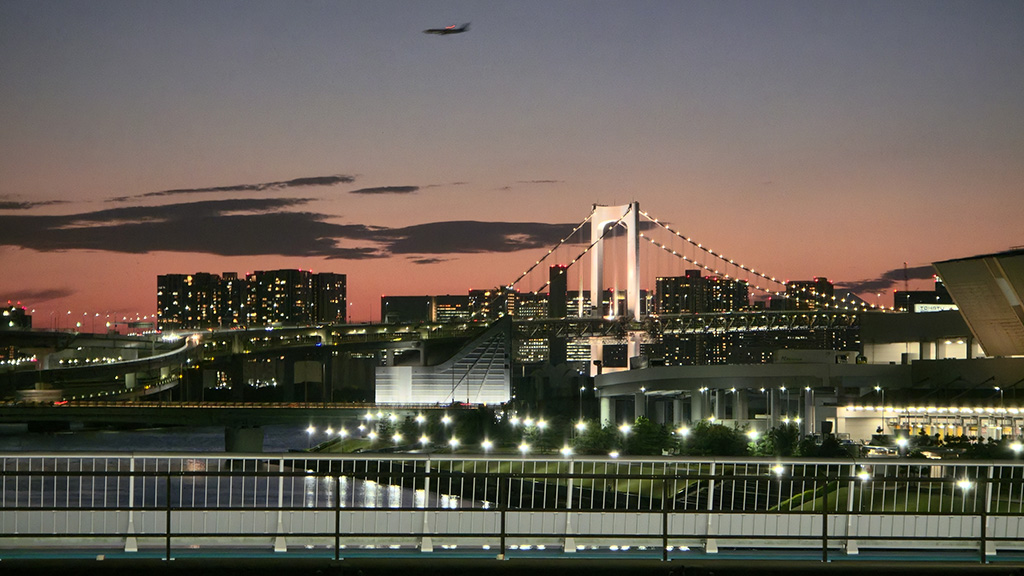
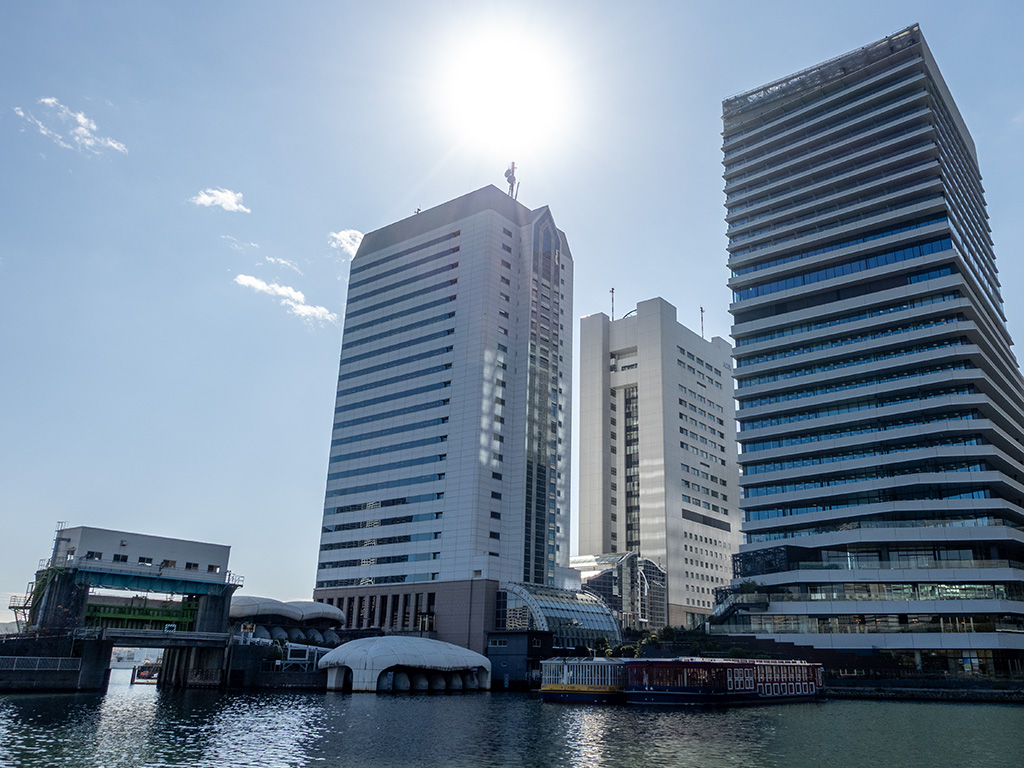
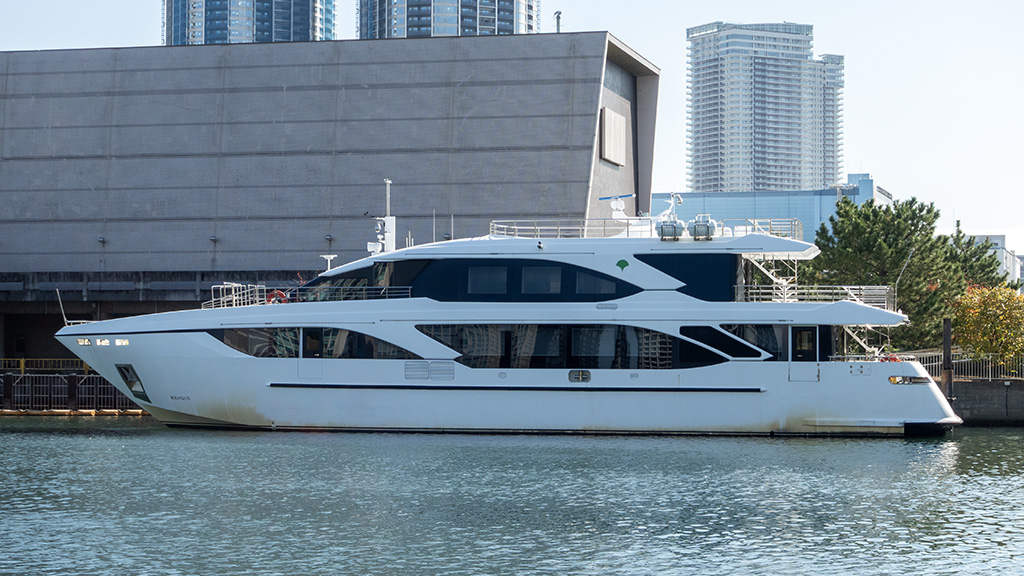
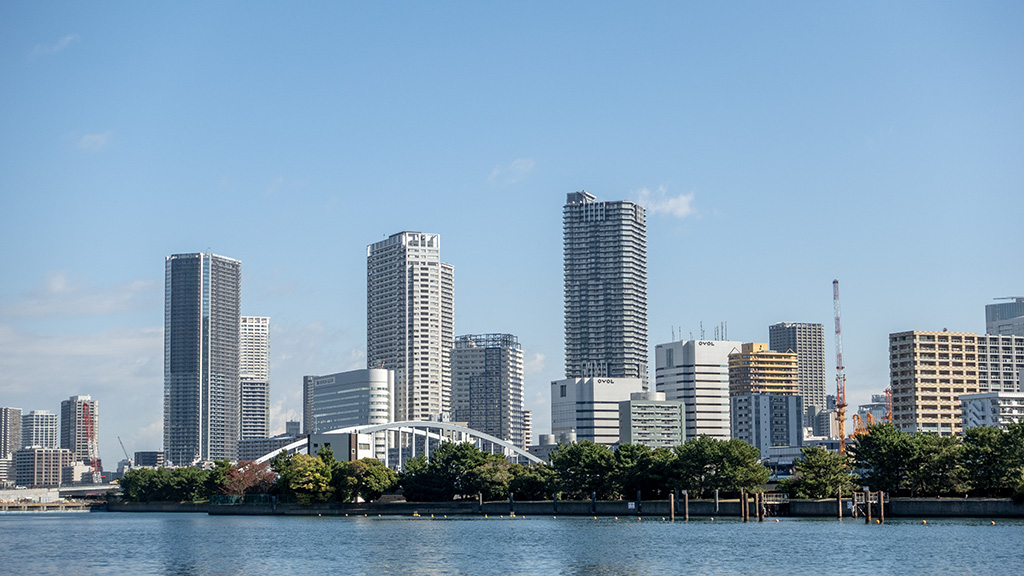
And finally, my last batch of photographs comes from a walk I did in the bay area of Koto City near the Toyosu neighborhood. I was here for a tourist activity, and instead of taking a train itinerary with a transfer, I just got off early before transferring and walked the rest of the way. I’m glad I did, because I was able to take in some stunning views along the way.
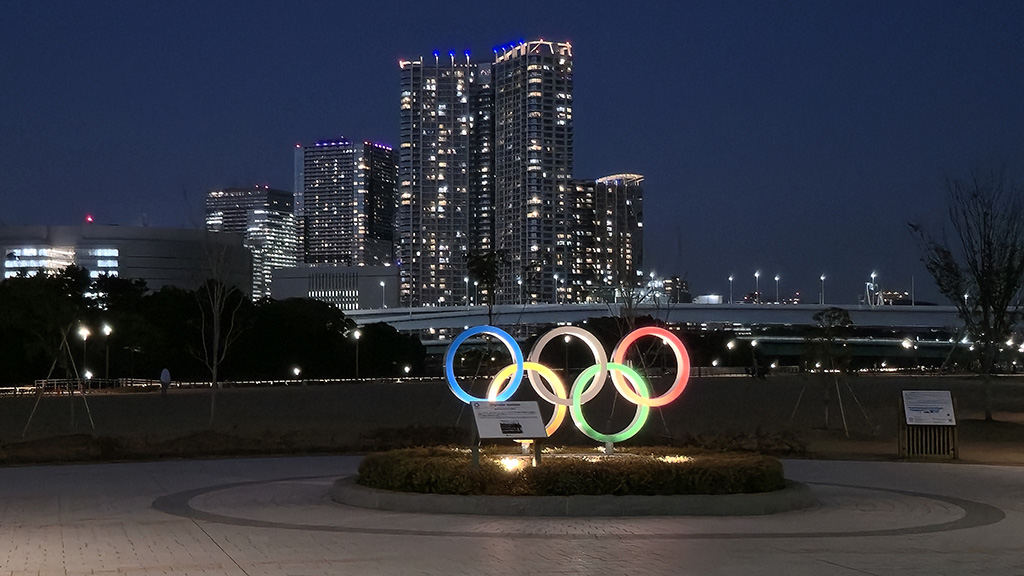
By the time I was done being a tourist, it was already dark out, so when I walked the return trip back to the train station, I was able to capture some nice nighttime photos as well.
This wraps up all my miscellaneous photos from Tokyo, but there’s still more to come; I have several more blog posts on the way that individually focus on one tourist hotspot each.
One of my favorite things about Japan is how densely everything is packed. I heard that there are a handful of reasons for this, the primary ones being the scarcity of land due to Japan being an island country and a lot of it being mountainous and unbuildable, as well as plots of land frequently needing to be split into smaller plots and sold off for descendants of landowners to be able to afford the inheritance tax.
As a side effect of these aforementioned matters, a lot of buildings in Japan are fairly tall and don’t take up much lateral space. This means that you can walk past a lot of different buildings in a short distance, so you’ll end up running into a lot of different stores, offices, and museums even within just a couple blocks, just to name a few examples.
While I was walking between Shinjuku City and Shibuya one day, I randomly ran into a large stadium that had many long lines of children walking in front of it. I figured that they were on some kind of field trip for their school and they were receiving a tour of the stadium. After checking the map, I discovered that it was 国立競技場, the Japan National Stadium.
I browsed the stadium’s website to see if there was a way for me to join on this tour, but it seemed like there were no public tours available for that day. However, I saw that a related building—日本オリンピックミュージアム, which is the Japan Olympic Museum—had regular operating hours during which it was open to the public. It was not too far away, just on the other side of スタジアム通り, which is pronounced Sutajiamu-dōri and roughly translates to Stadium Street.
After a quick walk to the museum, I paid the very low 500円 admittance fee, which is the equivalent of just over US$3.00.
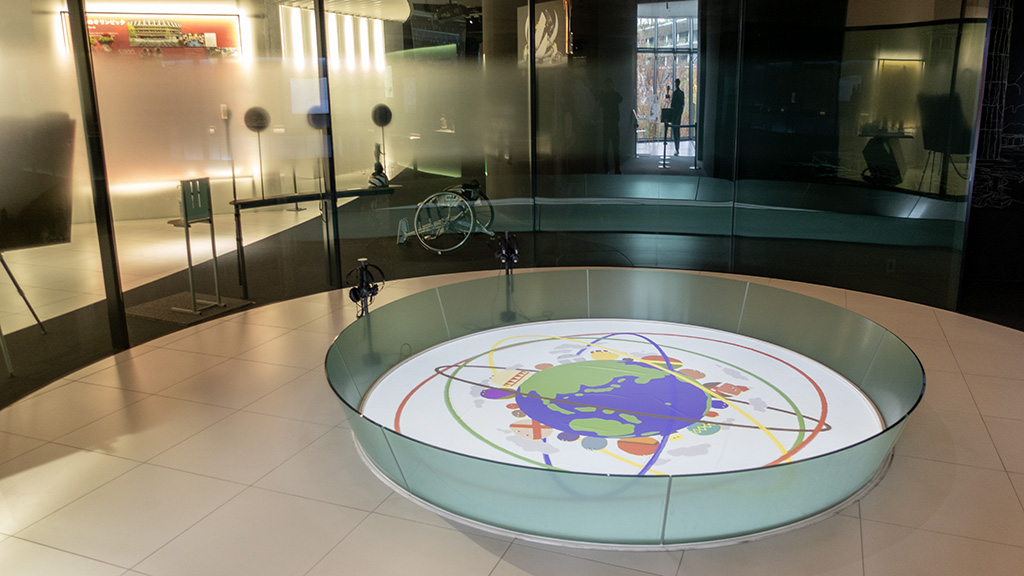
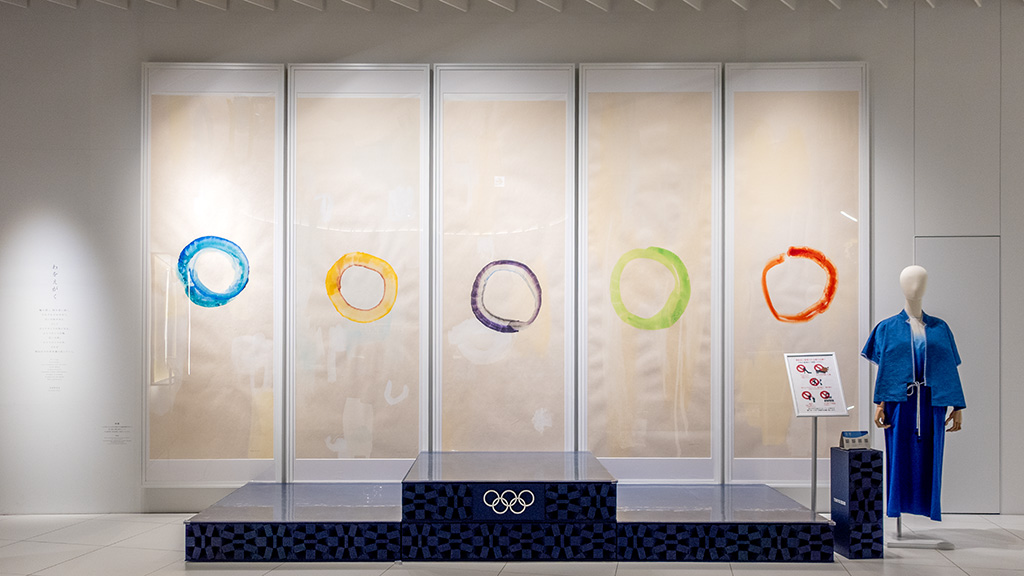
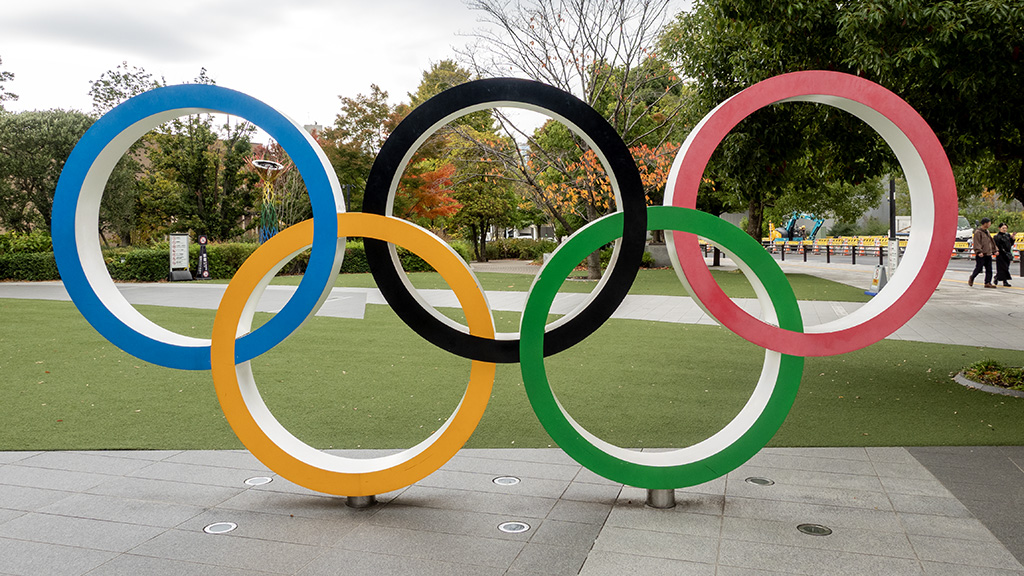
Right by the entrance of the museum, there was an art piece with the Olympic rings constructed with various different materials and various different sculpting methods. There were also some fun signs next to it to be used by people who wanted to take advantage of the photo opportunity.
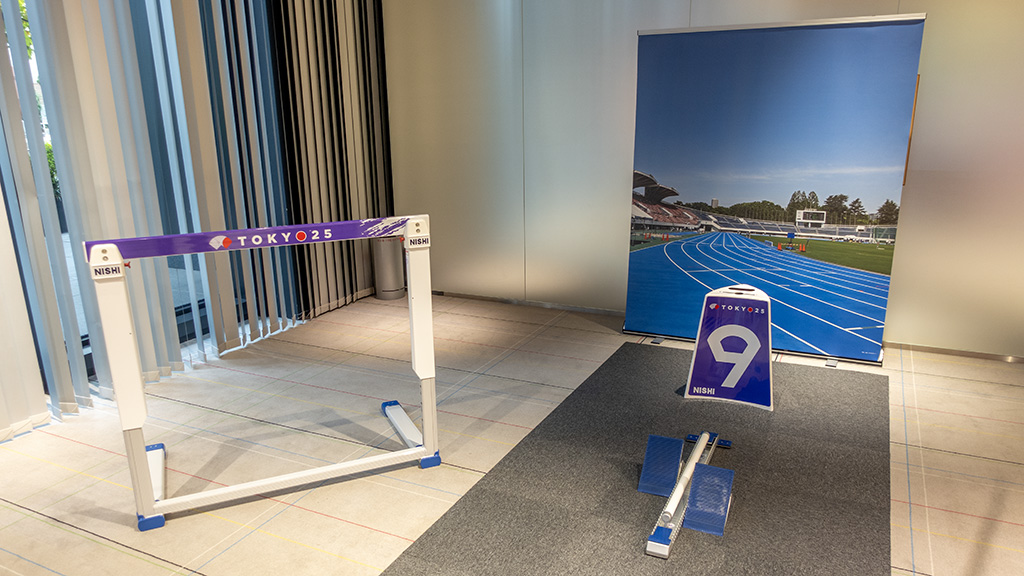
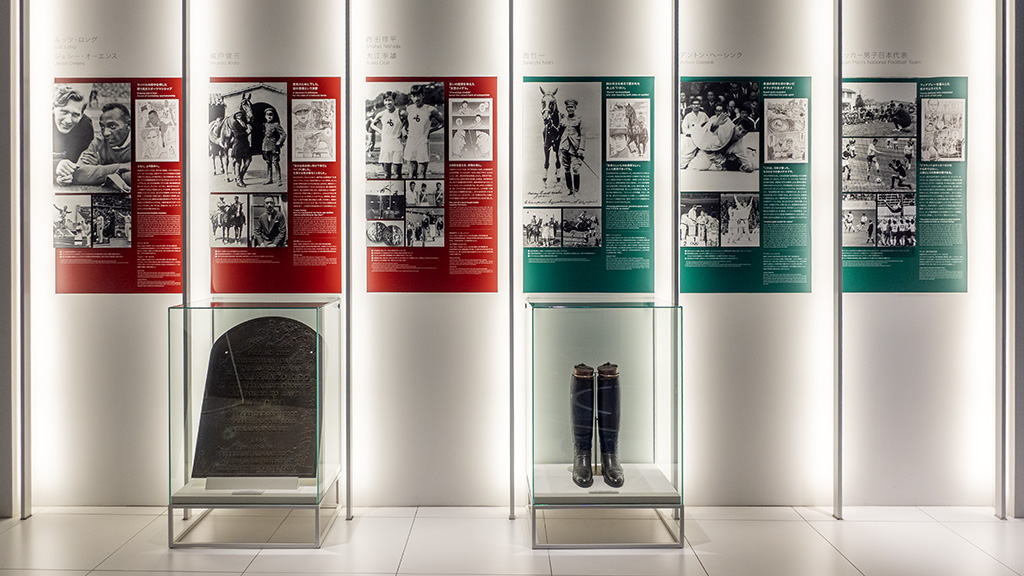
A few steps deeper into the museum was the track and field section with some equipment on display—batons, a hurdle, a starting block, and a javelin.
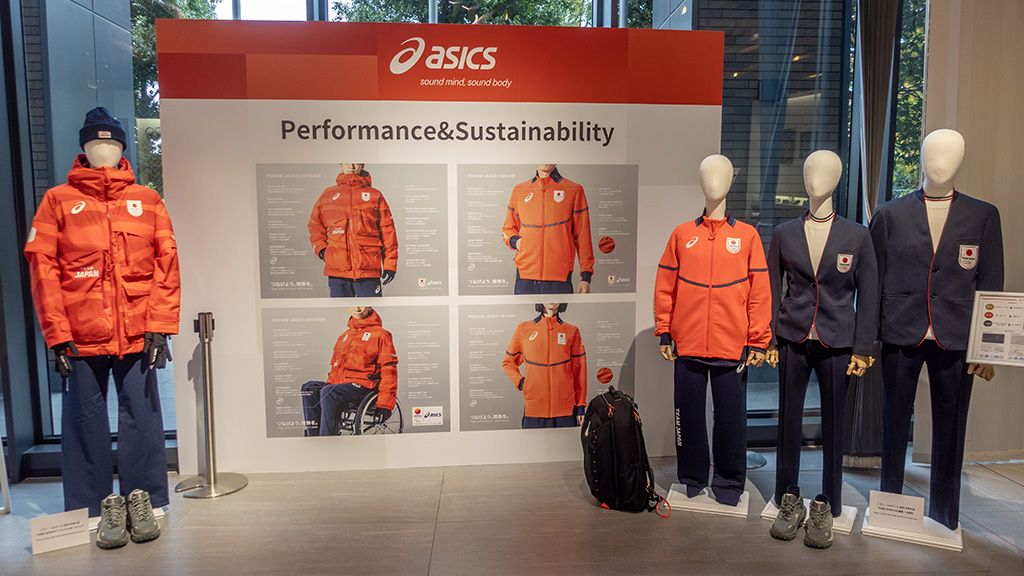
The next section covered apparel.
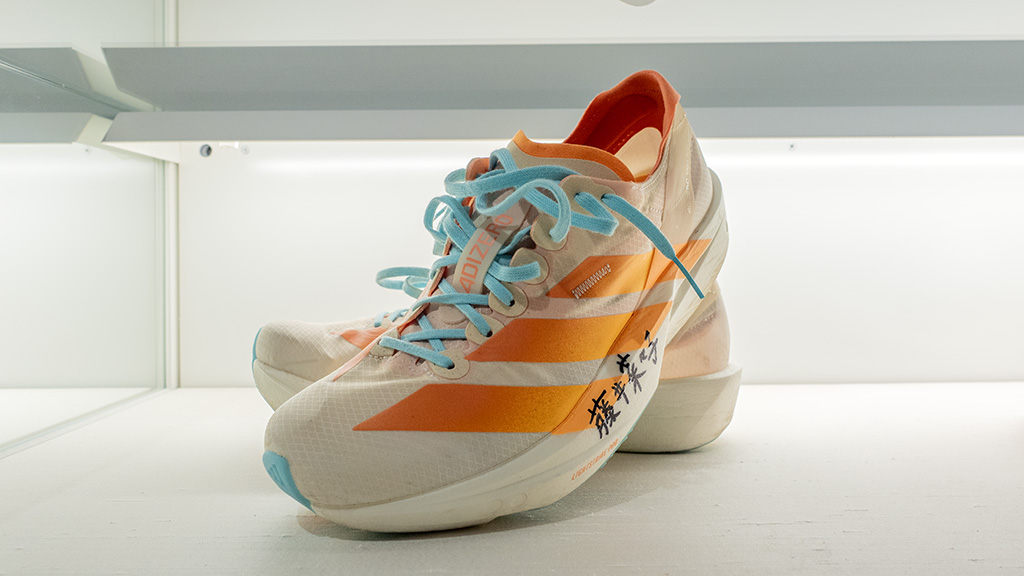
The apparel section had a glass-protected display case that had a row of shoes that had actually been worn at Olympic events by Olympic athletes. Most of them also had notes written on them, presumably by the competitors who wore them.
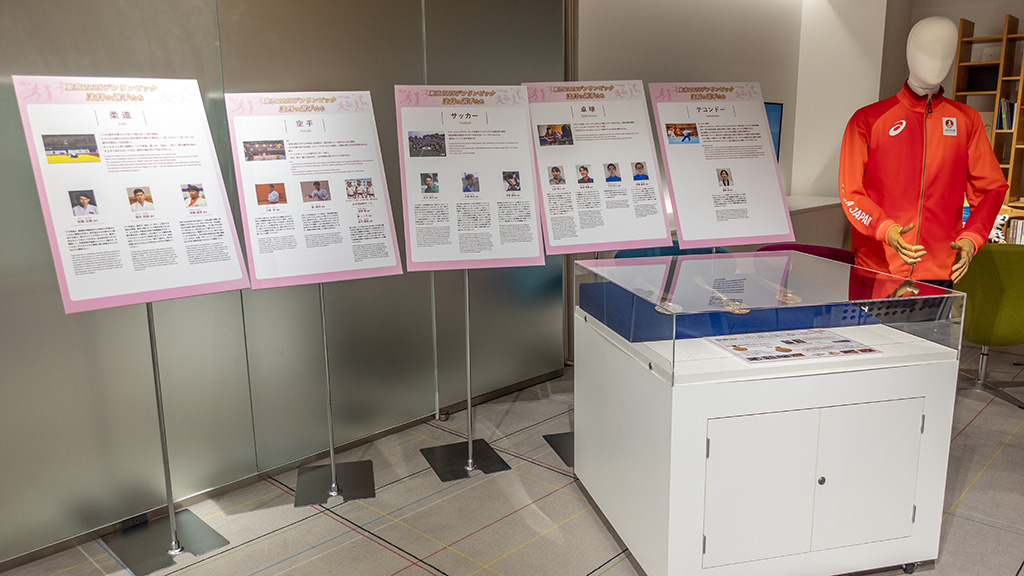
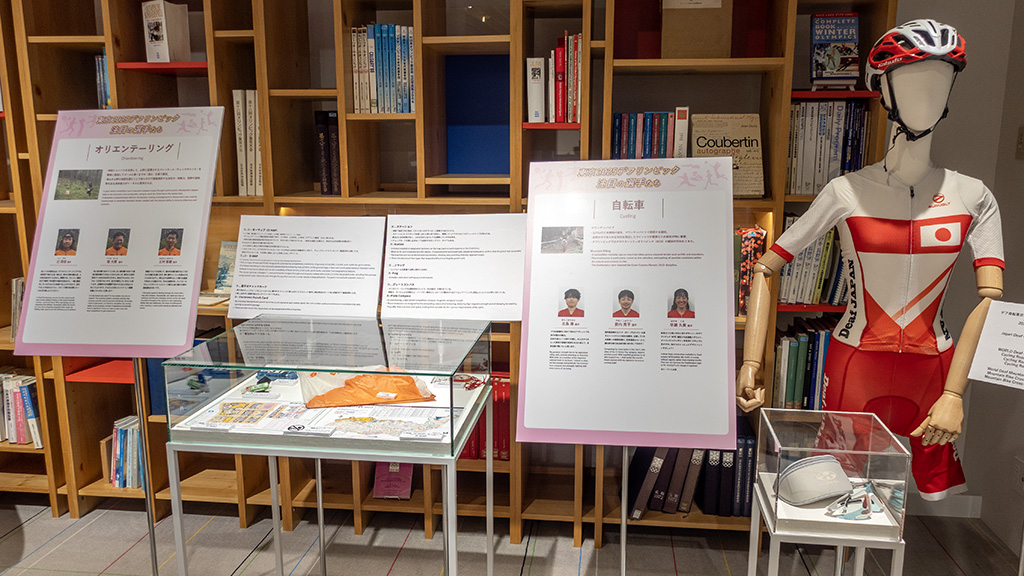
Beyond the apparel section was an area dedicated to the Deaflympics. Prior to my visit here, I did not know that there were more variants of the Olympics beyond the Paralympics, so I learned something new because of this exhibit. From what I gathered from these informational posters, the idea of the Deaflympics is for athletes to not use any hearing aids or implants so that everyone is on a level playing field without their sense of hearing, and their performance is strictly determined by their mastery of their other senses, primarily their visual acuity.
To go on a somewhat related tangent, one of the things that I really liked about Japan is how elegantly accessibility-friendly it is.
In the United States, I’m used to accessibility features sticking out like a sore thumb. More specifically, accessibility and accommodations for the disabled always seems like an afterthought, where infrastructure was built without accessibility in mind, and then accessibility was tacked on as a secondary consideration solely for the purpose of complying with ADA laws.
Adjacent to that, I’ve started to see and feel that some of the more extreme liberals and progressives in today’s political climate will use the concepts of accessibility and accommodations for the disabled as a way to virtue signal and feel good about their own selves, while in reality, they’re just causing more discomfort. I have always seen those with disorders or disabilities to be regular people just like everyone else, but they simply happen to have an extra set of challenges to address in their day-to-day lives. Thus, it is unsettling to me when activists pretend like they’re standing up for a good cause, but it only just ends up objectifying and drawing more unwanted attention to those who have a disability.
In Japan, it feels like everything was built with accessibility in mind from the ground up. Everything is very well-integrated, and it feels like it’s a part of everyone’s baseline culture to be considerate and accommodating to those who might need a bit more help with whatever tasks they happen to find challenging… but most importantly, they do it without thinking it’s anything special or honorable.
Connecting this back to the Olympic Museum, although there was this section dedicated to the Deaflympics, it seems like it was only separated out like this due to the 2025 Summer Deaflympics taking place in Tokyo. Beyond this, mentions of the Paralympics or other variants of the Olympics were just integrated in with everything else like normal, which I thought was nice.
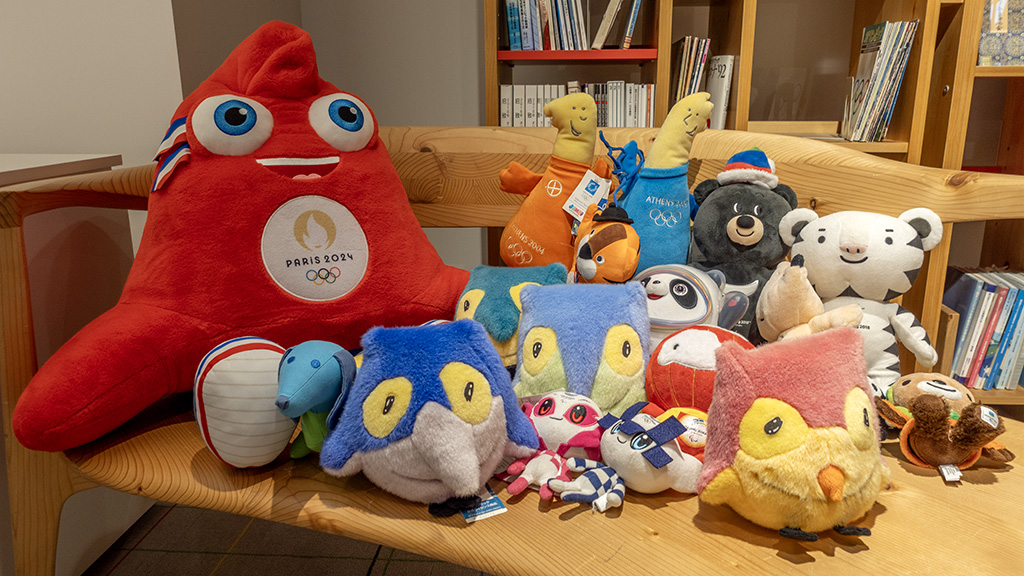
In the corner of the first floor, there was a little library section with a bunch of books. This area had some seating that you could use if you wanted to read any of the available literature. One of the seats was occupied by a set of Olympic-themed plush toys.
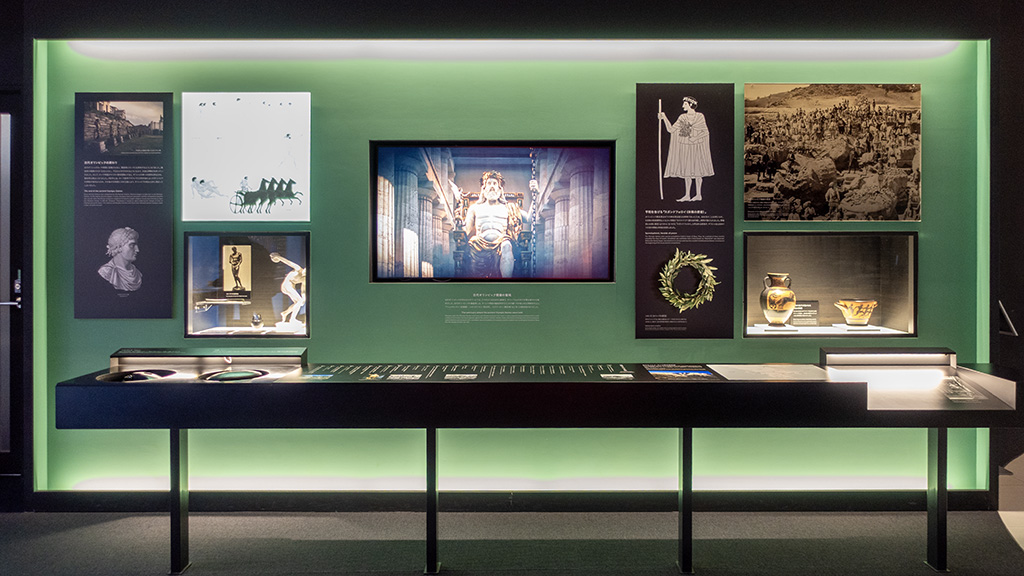
After seeing everything on the ground floor, I went up to the second floor. At the entrance to the new area was a projection screen with multimedia covering the history of the Olympics, which was accompanied by some more traditional museum exhibits and displays further explaining how the Olympics became what it is today.
As an American, of course, I had to find the USA pin.
Hanging on one of the walls was a bunch of torches. At first I thought they were just replicas, but after doing some more research later on, I found out that they were most likely authentic torches used for the Olympic Torch Relay. Apparently they manufacture a lot of these for each relay, so it would make sense that each country would be able to keep the ones they used.
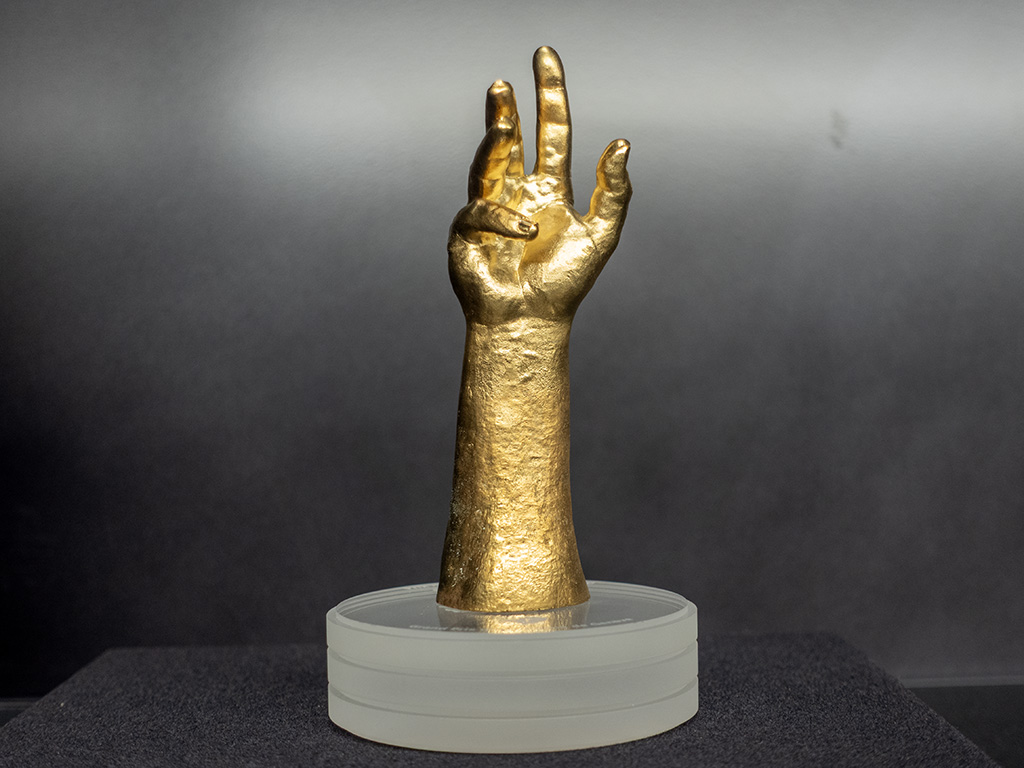
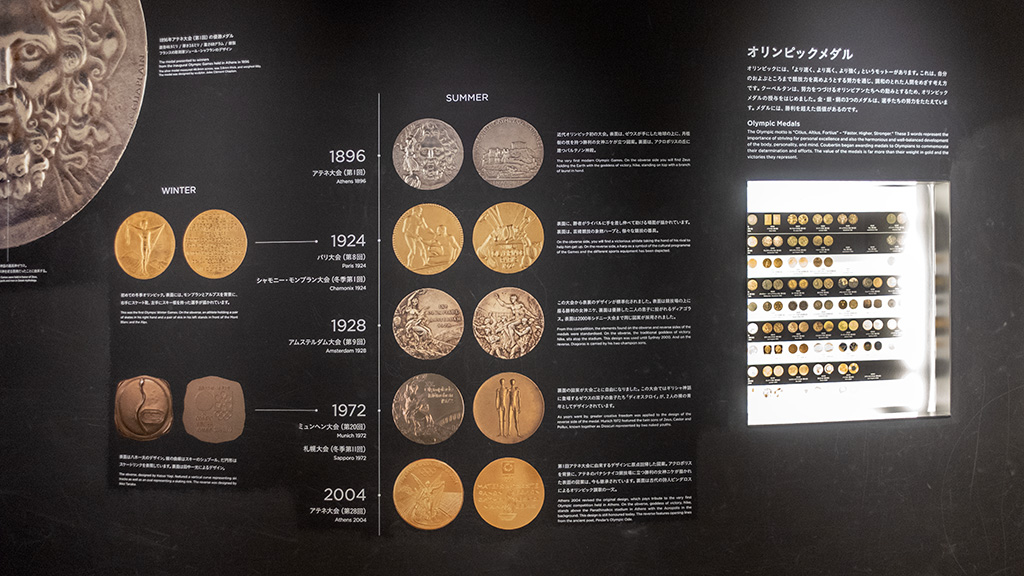
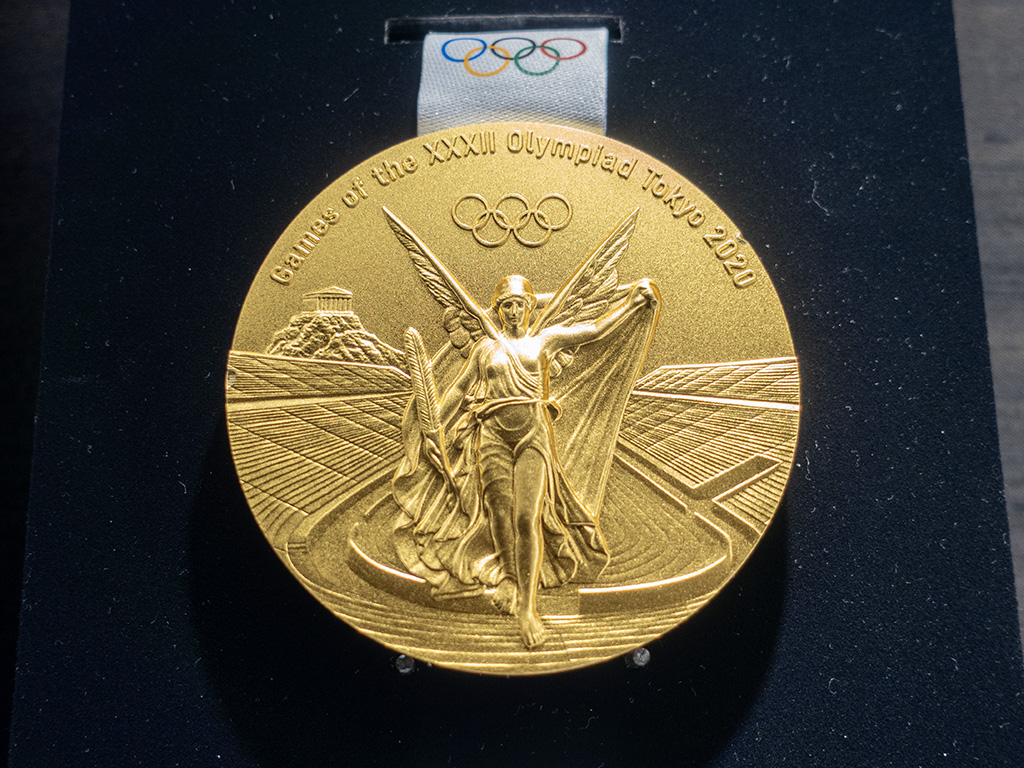
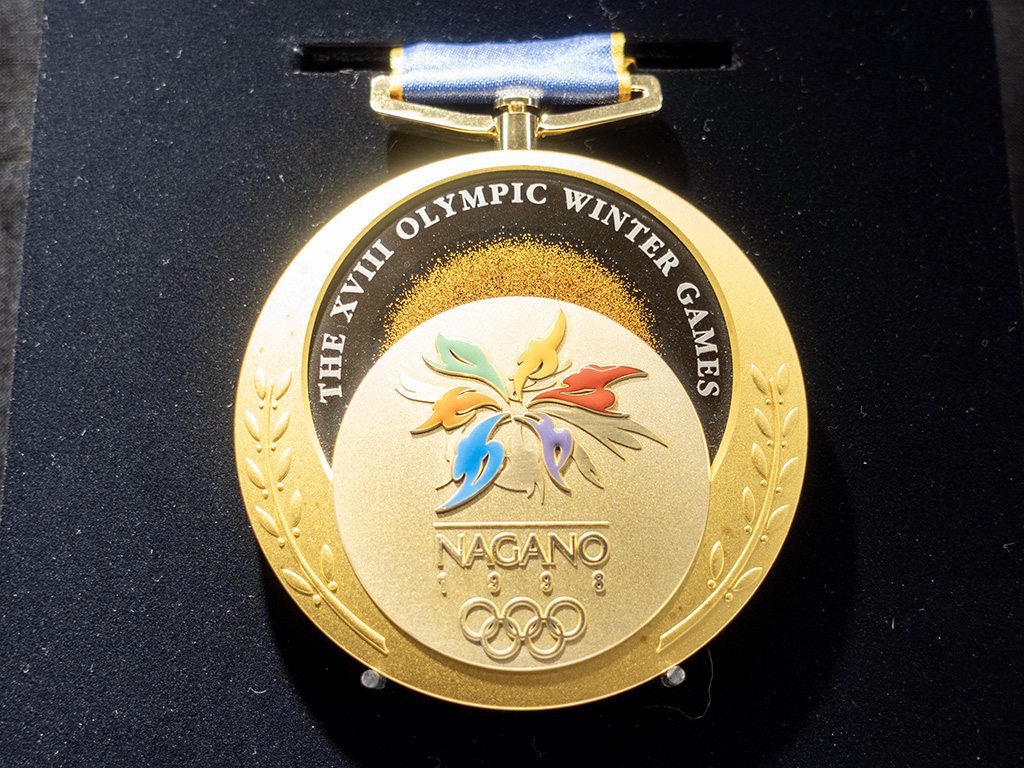
One section was dedicated to showing the evolution of the gold medal. There were a set of medals on display that definitely were replicas, but there were also a few authentic ones on display in a glass case.
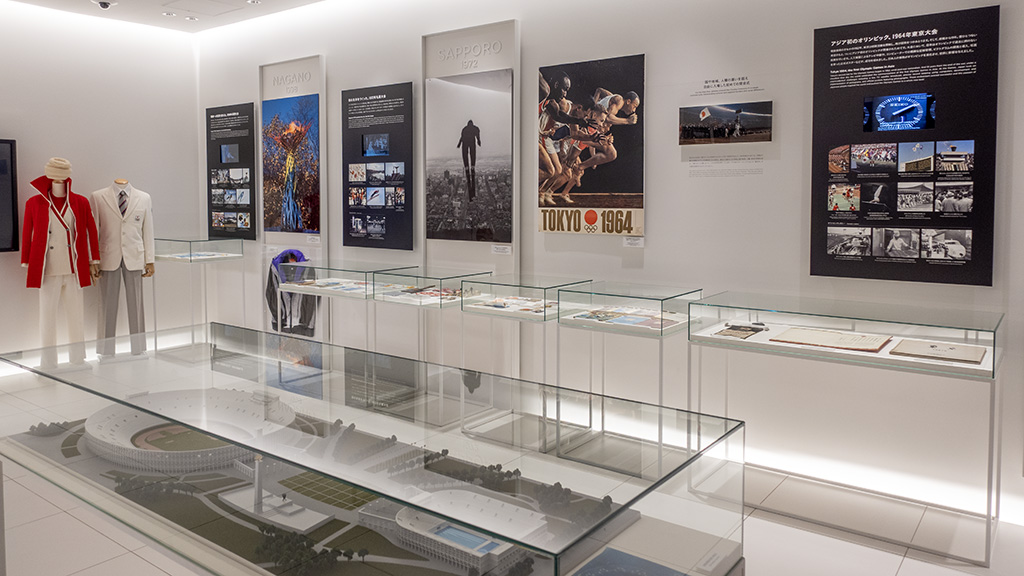
The next section was split off into its own room and was dedicated to the various different ways Japan participated in the Olympics as a host. There were dioramas of past stadiums, maps showing the route of past torch relays, and even artifacts from past events.
This next area was my favorite due to its interactivity—the simulation room. There were a handful of stations set up in front of large screens and overhead projectors where you could try short segments of various different Olympic sports to see just how inhumanly incredible the trained athletes actually are at these events.
The far back section had a simulation of the pistol shooting event, which I of course had to try out. I tried it once, and it said that I was only about 70% as accurate as an Olympic athlete, which I thought was catastrophically horrific. … Then I watched someone else try it out and her score was 4%, which I guess made me feel less bad about myself.
Nearby, there were a couple displays showing how much goes into building an Olympic athlete. It shows and acknowledges each athlete’s support system that is critically important to making sure the athlete performs their best.
Next up was a little theater room where I could take a quick sitting break and watch a short film about the Olympics. I didn’t take any photos here because it was just a video, but the theater room had a very wide screen that wrapped around the room in a crescent, so it was nice and immersive.
After the show was over, I headed back out to the main museum area to finish checking out the final handful of exhibits and items on display before heading out.
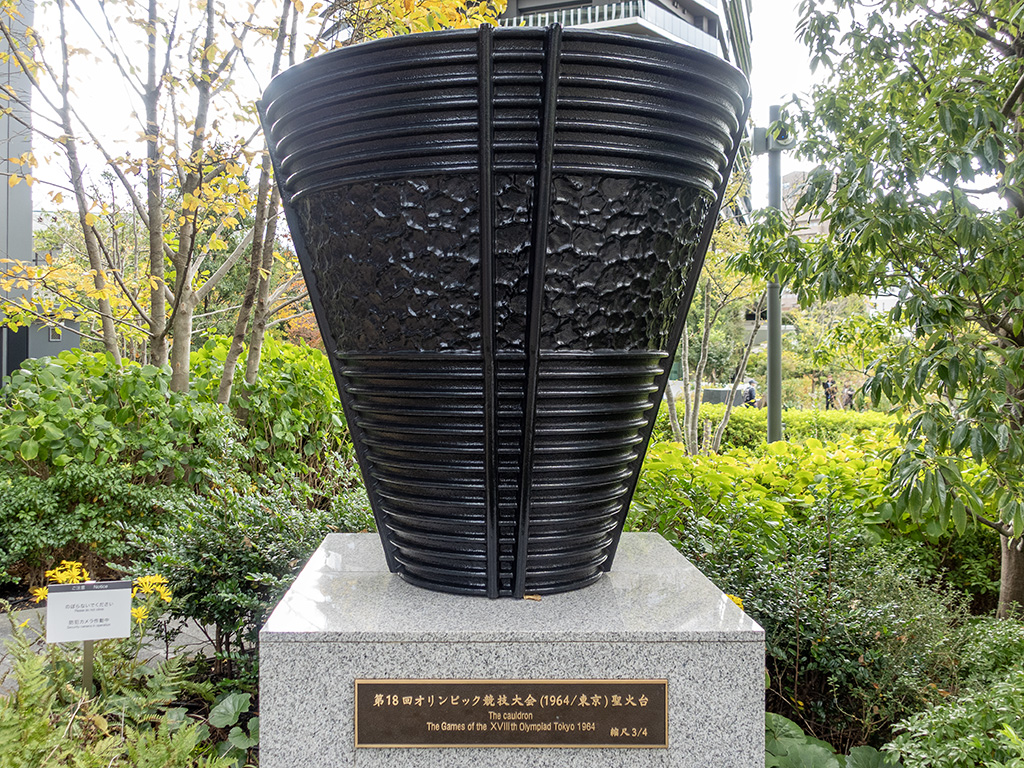
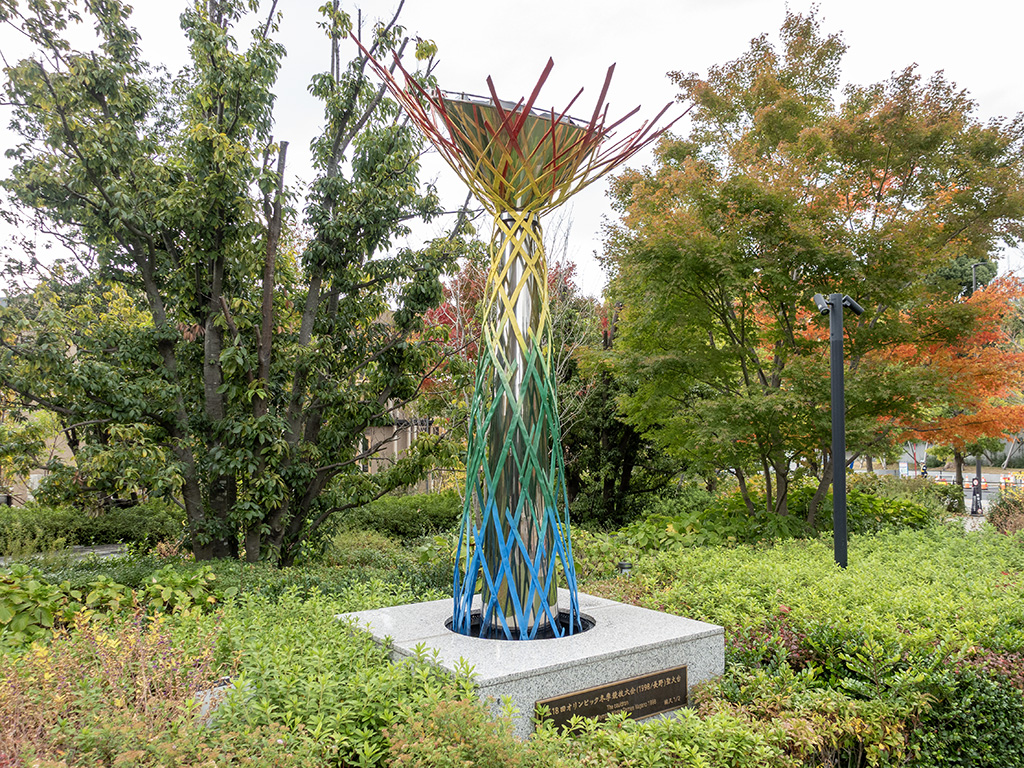
Outside the museum, there were a final few items on display that were more weather-resistant and a bit too big to reasonably keep inside in the indoor museum space.
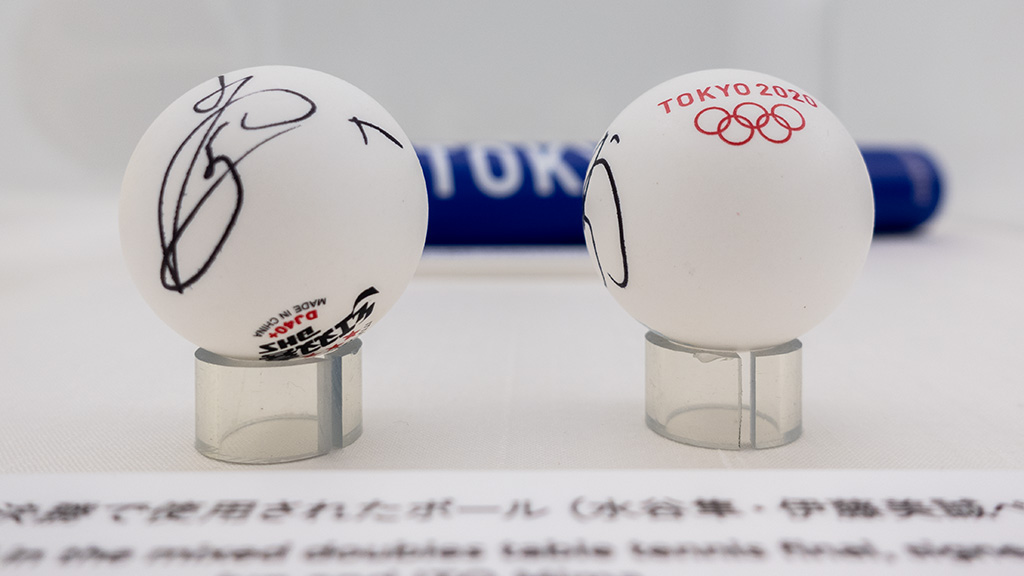
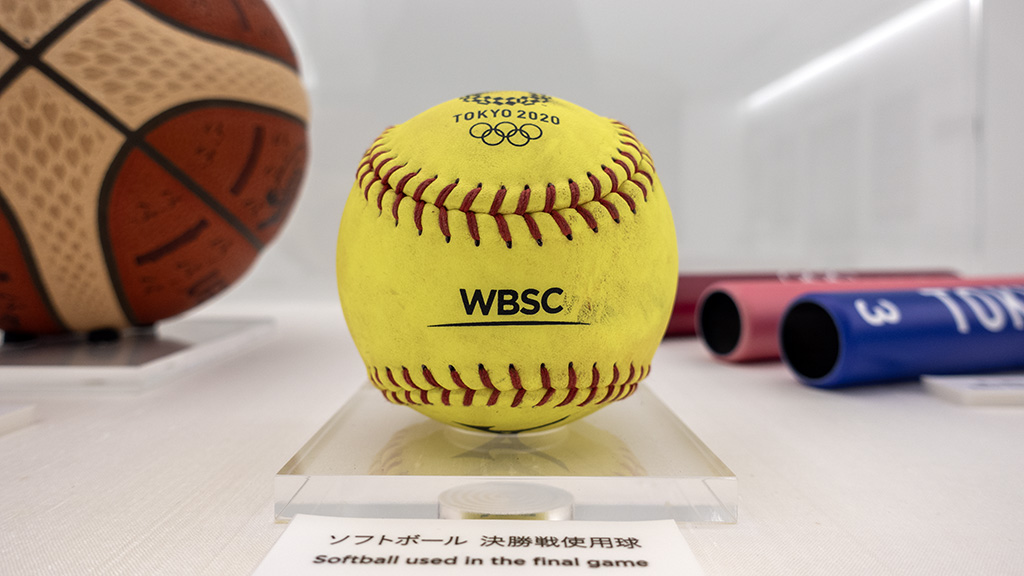
I thought this was a pleasant museum well worth and exceeding the value of the admission ticket, and I’m glad I stumbled across this area and decided to check it out. I especially liked learning about the Tokyo 2020 Summer Olympics due to how unique it was as a consequence of taking place in the middle of the COVID-19 pandemic—first enduring a postponement, and then later needing to conduct the events without spectators, both first-in-history occurrences.
It would’ve been neat to pair this with a tour of the stadium as well, but considering the misalignment of availability, just being able to see the museum was plentifully satisfactory.
Throughout a majority of my stay in Japan, I maintained the general sleep schedule that I have in the United States. I tend to sleep pretty late back at home already anyway, so it wasn’t too bad—I would fall asleep during the evening in Tokyo, then be awake by about 5 AM JST. On one of the days, after relaxing in my hotel room, getting a bit of work done, and taking a shower, I was out by 9 AM JST just in time for doors to open at 浜離宮恩賜庭園, which is the Hamarikyu Gardens.
At that point, I did not have any cash on me because none of my United States debit cards worked at any Japanese ATMs. Although I use a Chase Sapphire Reserve as my primary credit card, which I’ve blogged about before in terms of the value I get from the card, I have a checking account with a different, non-Chase bank that is far less widely accepted internationally. After my debit card got denied at three different ATMs, I gave up and realized that I would just have to go cashless and just rely on my friends if I ever need cash.
Sightseeing at the Hamarikyu Gardens was one of my solo activities that I did alone, so just in case I would show up not be able to gain entry due to them being cash-only, I did some research online and pre-purchased an admission ticket. Admission was 300円, which is less than US$2.00.
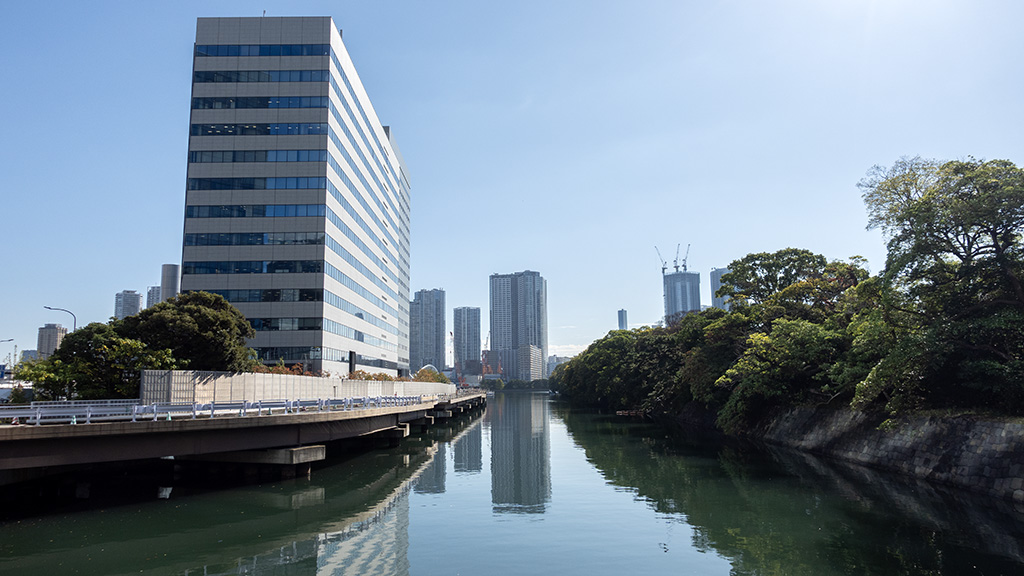
The Gardens were a relatively quick walk from my hotel in Ginza. I entered the grounds via 大手門橋, or the Otemon Bridge, and snapped a photo facing southeast from the bridge.
Upon arriving at the entrance, I found out that they do indeed take credit card and other cashless payment methods, but regardless, I was glad I had pre-purchased a ticket, because that allowed me to just show my QR code to the attendant and get very quick entry without needing to wait in line (though, I had arrived so early that there wasn’t really a line anyway).
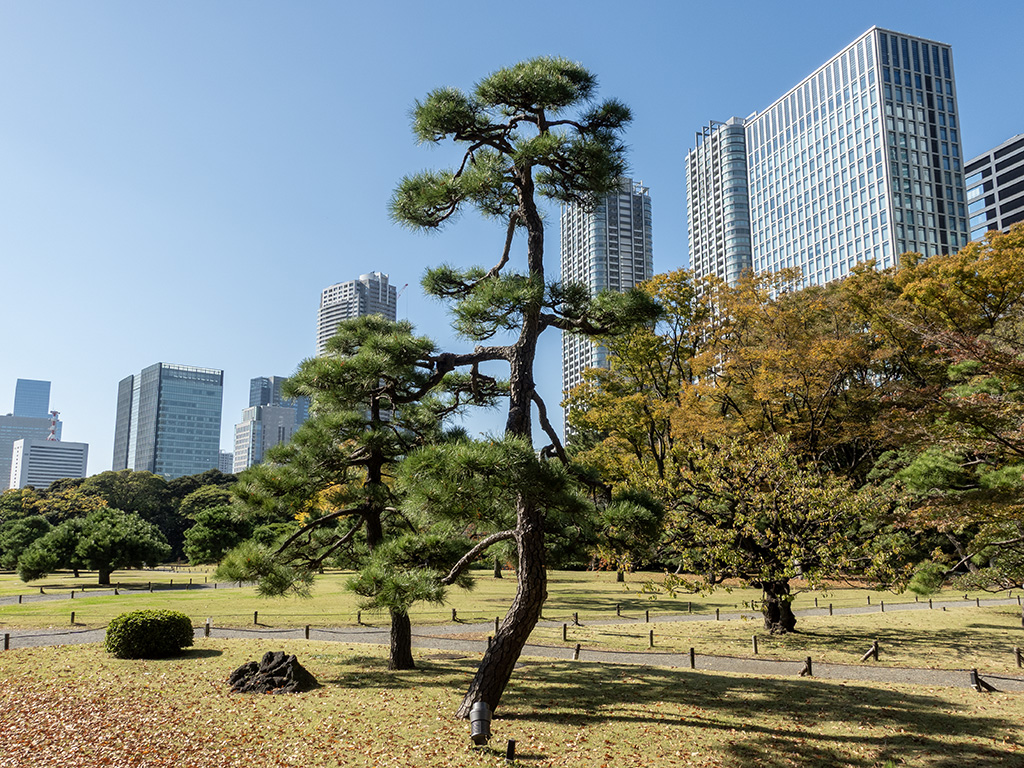
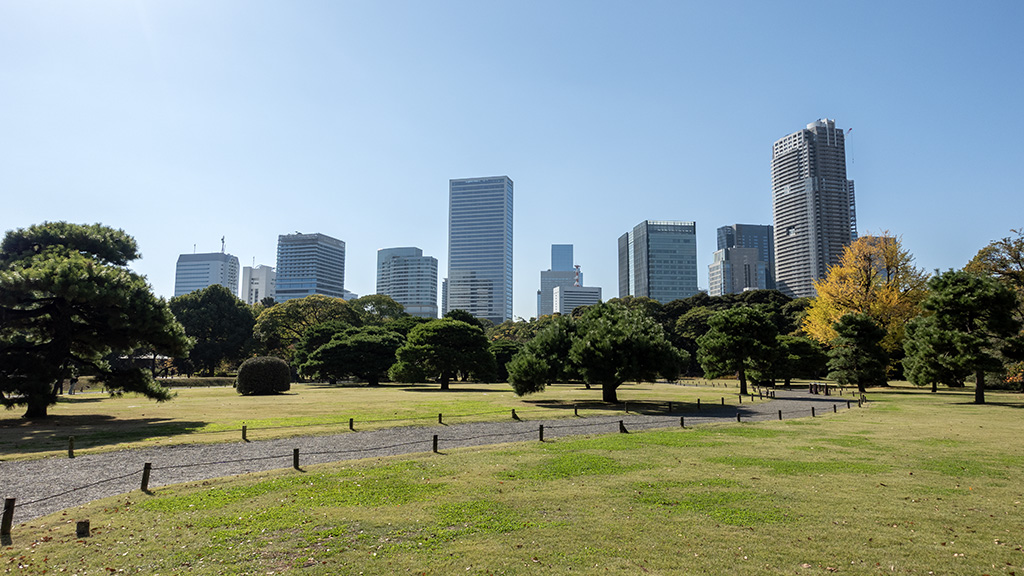
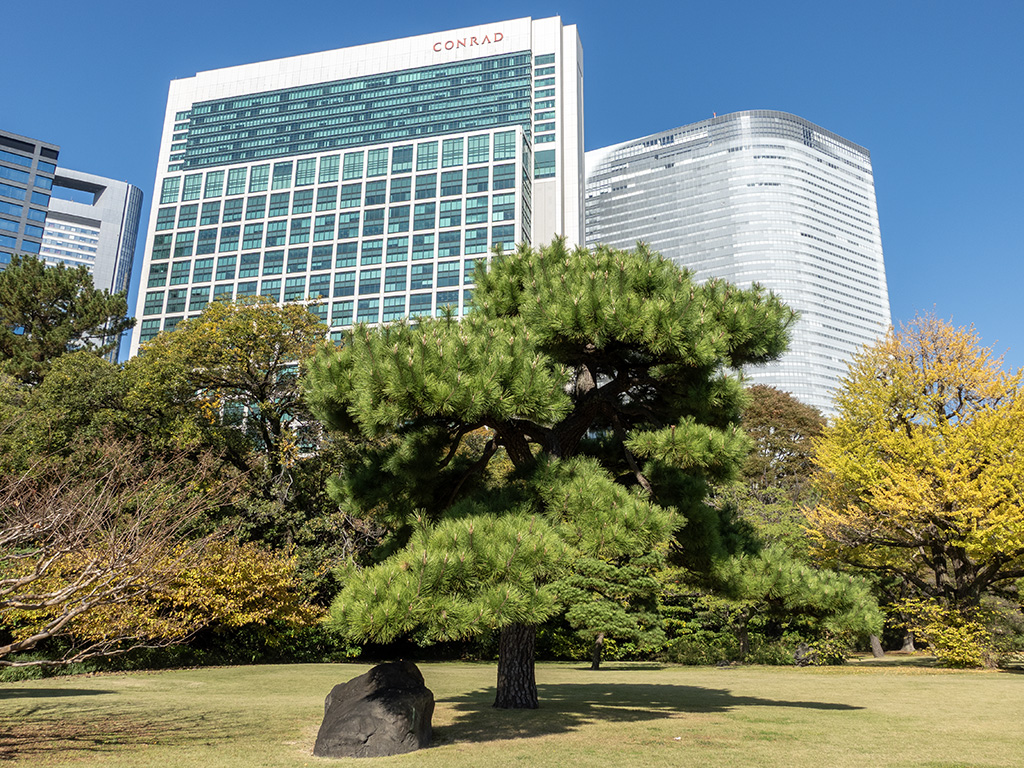
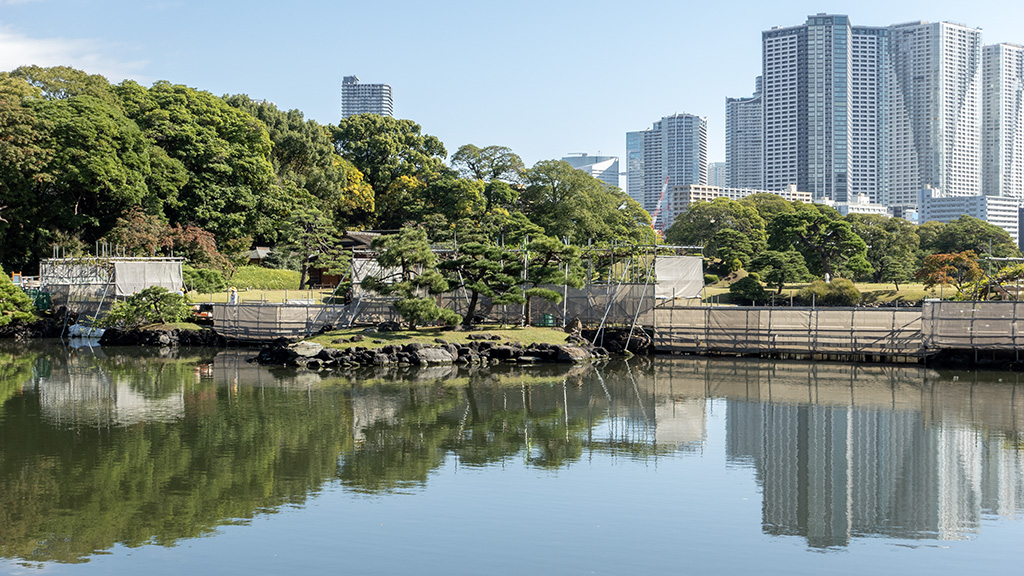
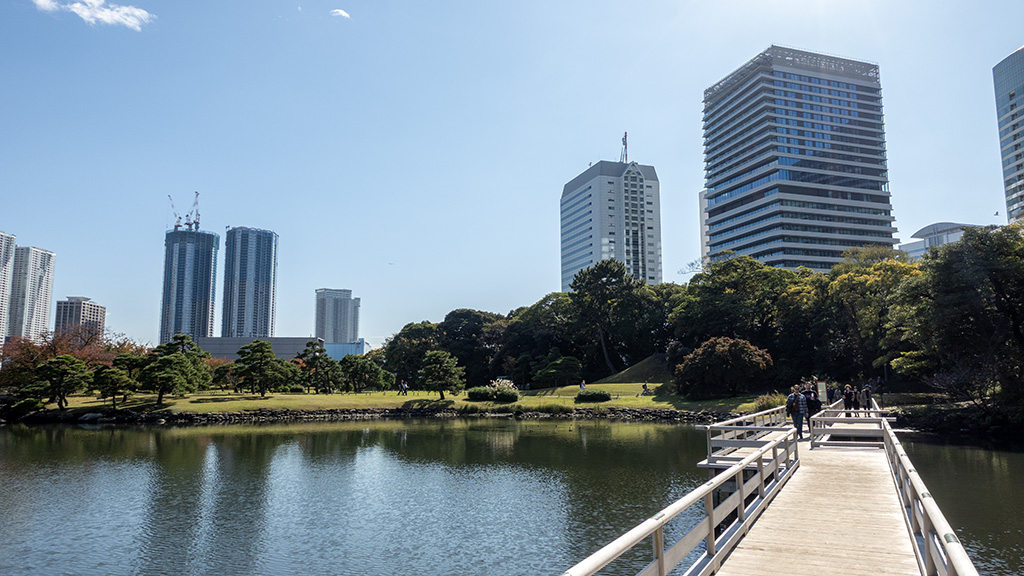
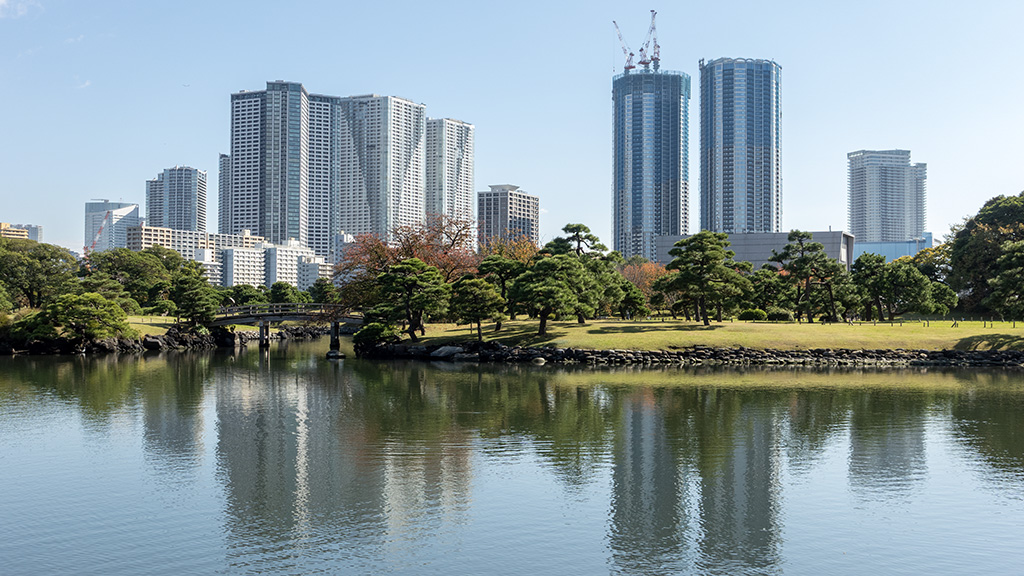
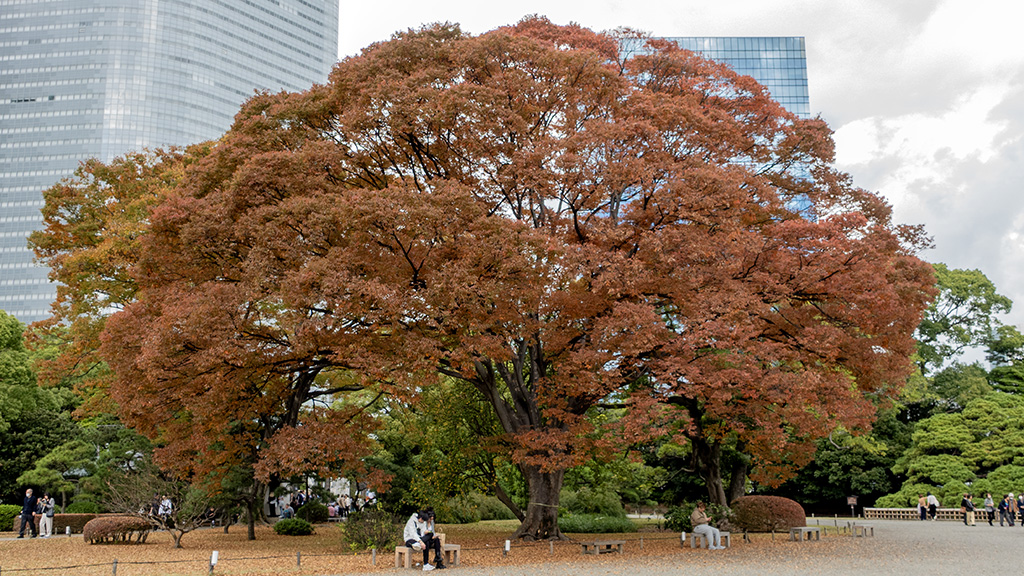
After entering, I first explored the northern corner and northwestern edge of the Gardens. The thing I particularly liked about this area was how the tall buildings served as a backdrop to the trees. Tokyo is a very busy and bustling city, and having a visual representation of the contrast between the densely-packed city and the serene oasis of nature was nice to see.
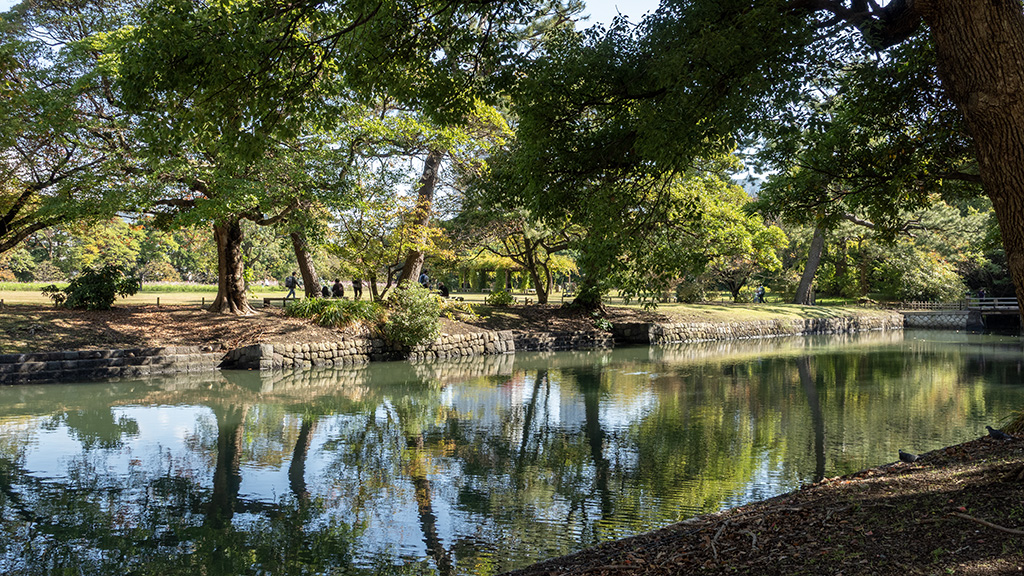
I made it over to 中の御門橋, or the Nakanogomon Bridge, but noticed that it appeared to be an exit, so I retraced my steps and walked back inside. Eventually, I made it to 内堀, which was the inner moat of the Gardens.
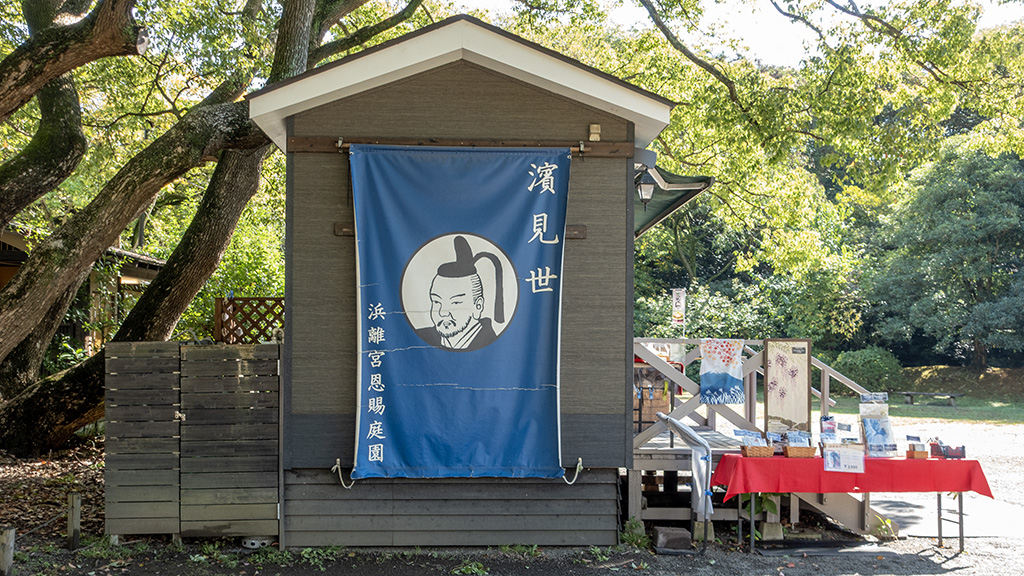
Over in this area was 濱見世, which looked like a snack and souvenir shop.
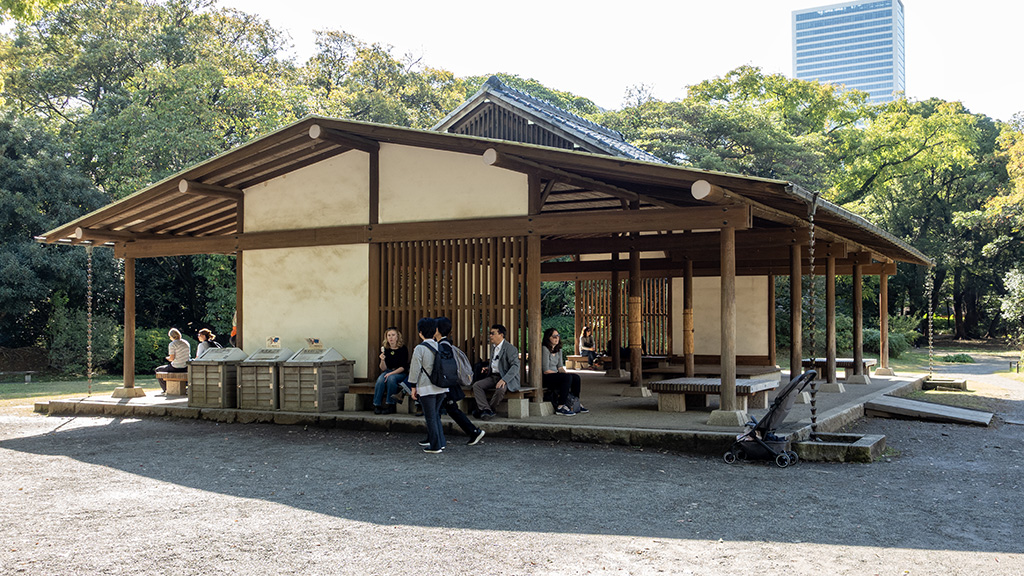
Across from that was a rest area.
I noticed that a lot of Japanese tourist attractions have rest areas. I don’t see them often in the United States, and I was able to devise two potential reasons for it—the first being that tourist activities in the United States usually aren’t as large and thorough as the ones in Japan, so there isn’t really a need for people to rest part-way through; and the second being that it’s generally considered undesirable in the United States for people to just loiter around without having much purpose in their activity.
I appreciated that Japan had rest areas in a majority of places I visited. Because Japan’s tourist hotspots have so much to take in and explore, especially if you’re patient and diligent about seeing everything, it’s nice to know that you can walk around and sightsee for a couple hours, retreat to the rest area to eat a snack and sit for a while, and then finish sightseeing without feeling too exhausted by the end. As for the matter of loitering, because Japan’s culture puts such emphasis on being considerate to others, it seems like people pointlessly loitering isn’t ever really much of a problem.
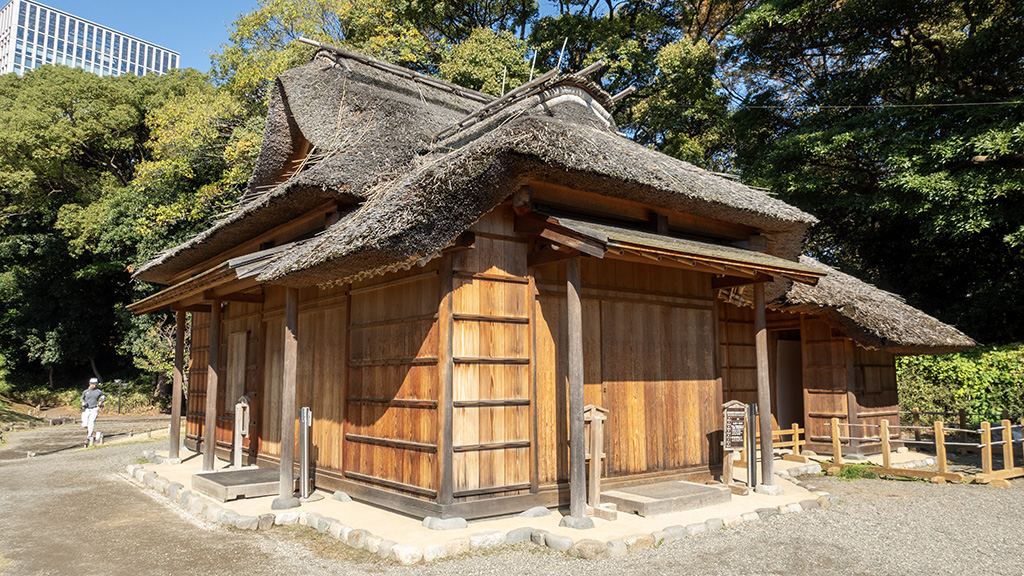
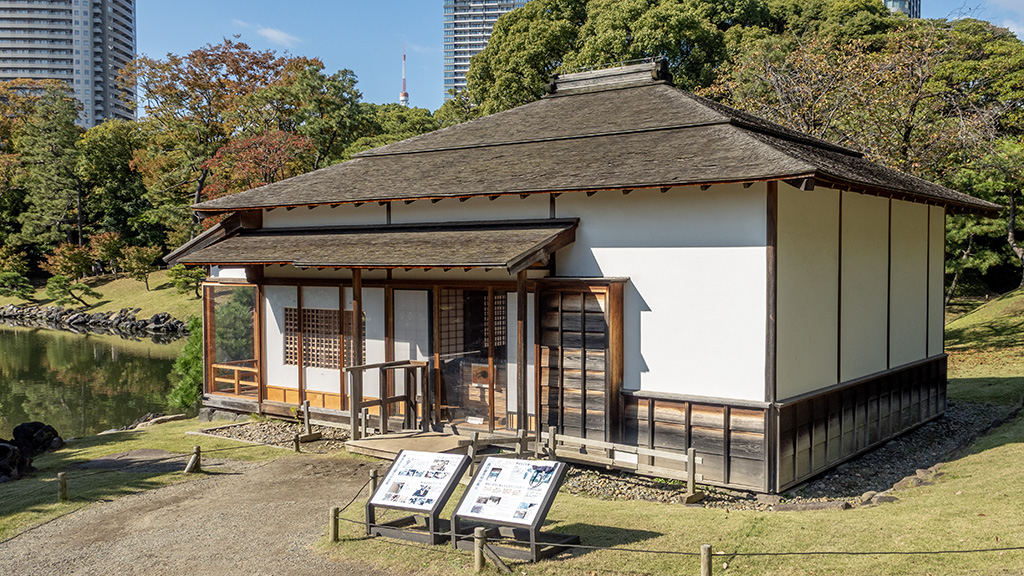
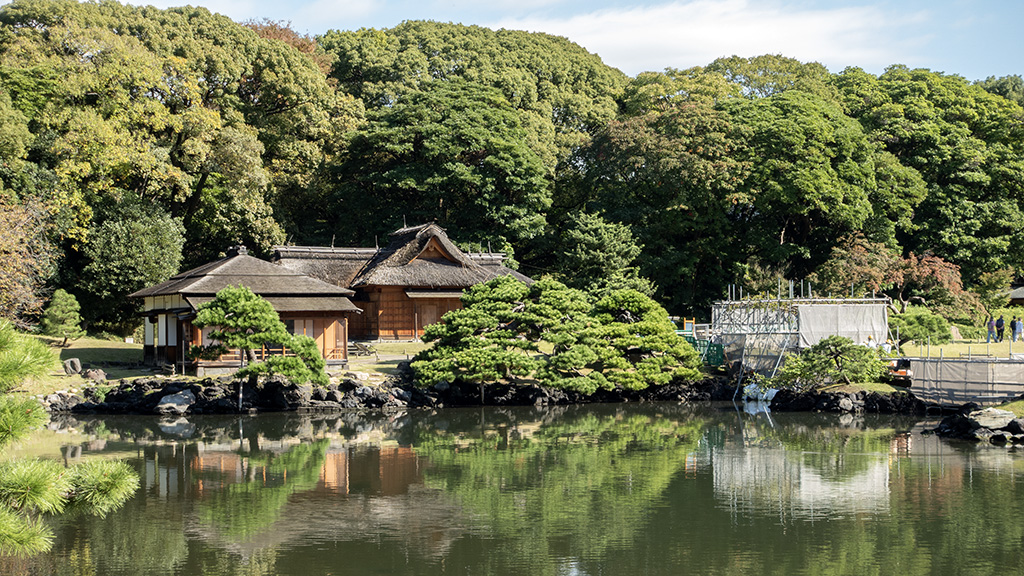
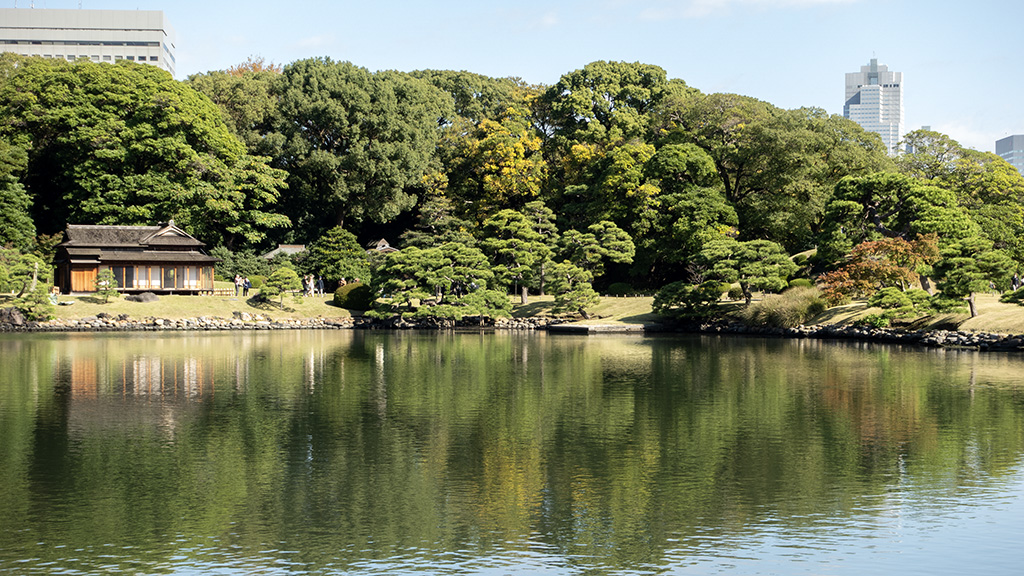
I wasn’t ready to take a break yet though, so I resumed southbound. I came across this structure called 鷹の御茶屋, which is read as Taka-no Ochaya and translates to Hawk Tea House.
I also saw this building called 松の御茶屋, which is read as Matsu-no Ochaya and translates to Pine Tea House.
This is a photograph I took while standing on 三間橋, or the Mitsuma Bridge, facing southward.
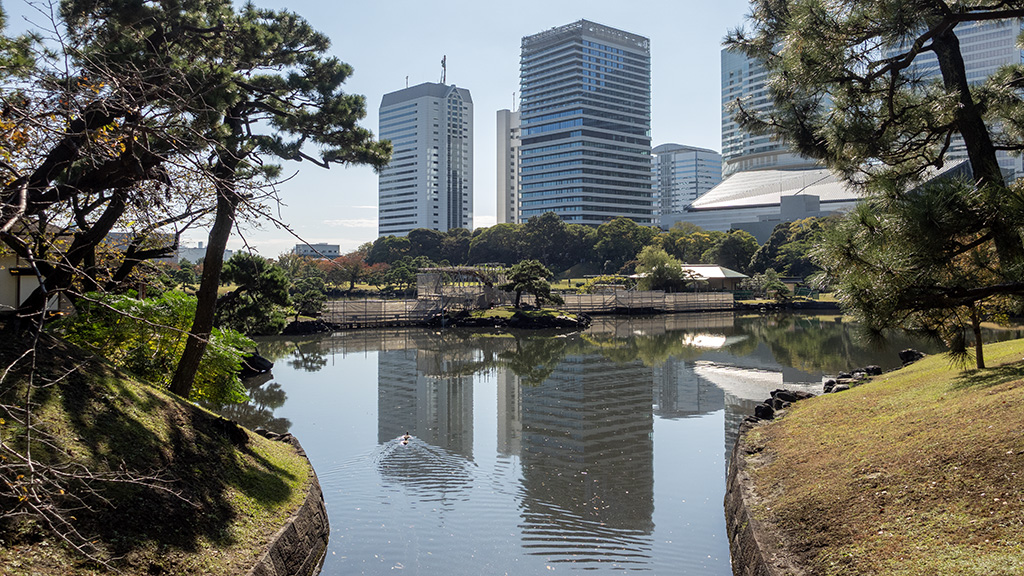
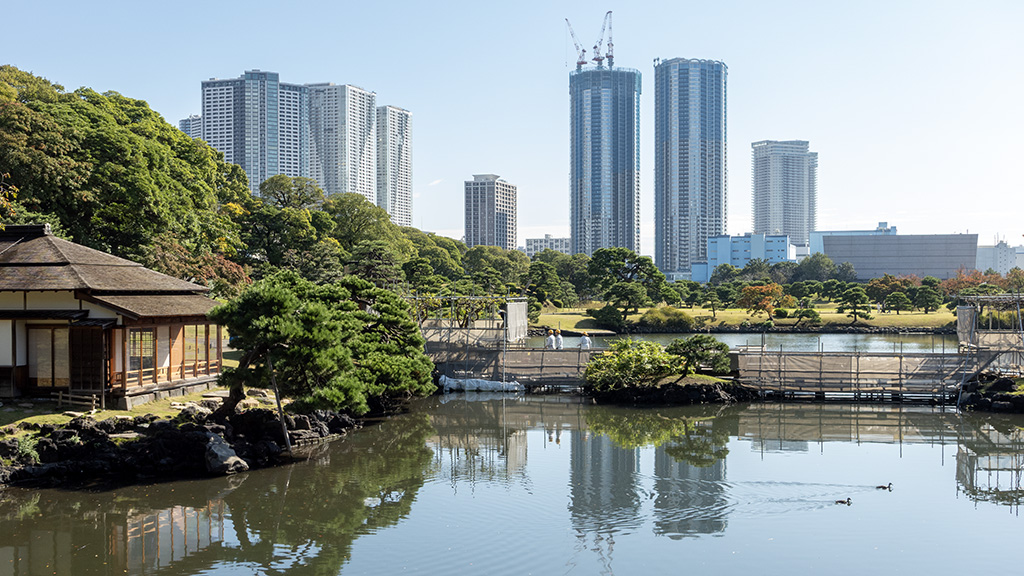
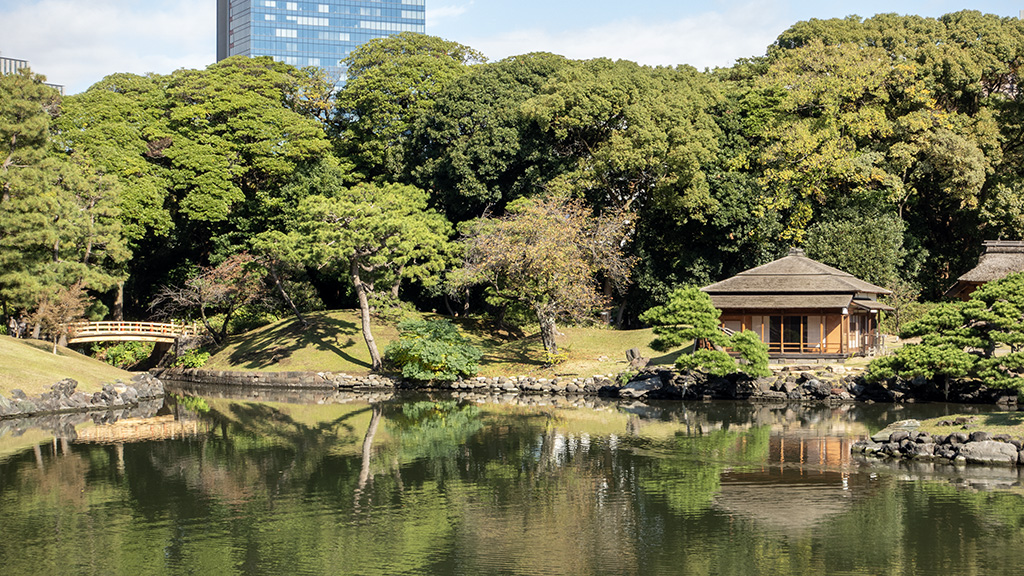
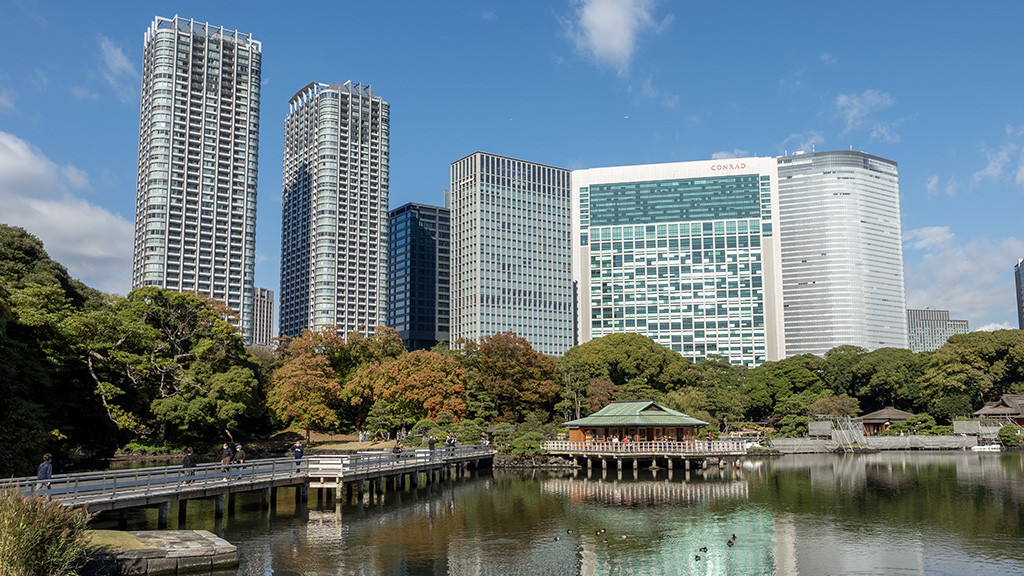
From here, I took the path circling 潮入の池, which is the Tidal Pond. There was some construction on one of the northern bridges, but there were a lot of other pathways and bridges through and around the pond, so I captured a lot of photographs from a lot of different perspectives and vantage points.
The building in the center here (below the Hilton Conrad Tokyo) is 中島の御茶屋, or the Nakajima Tea House. It was still pretty early in the morning, but the tea house was already filling up pretty quickly with customers.
By this point, I had made it to the southern side of the Gardens.
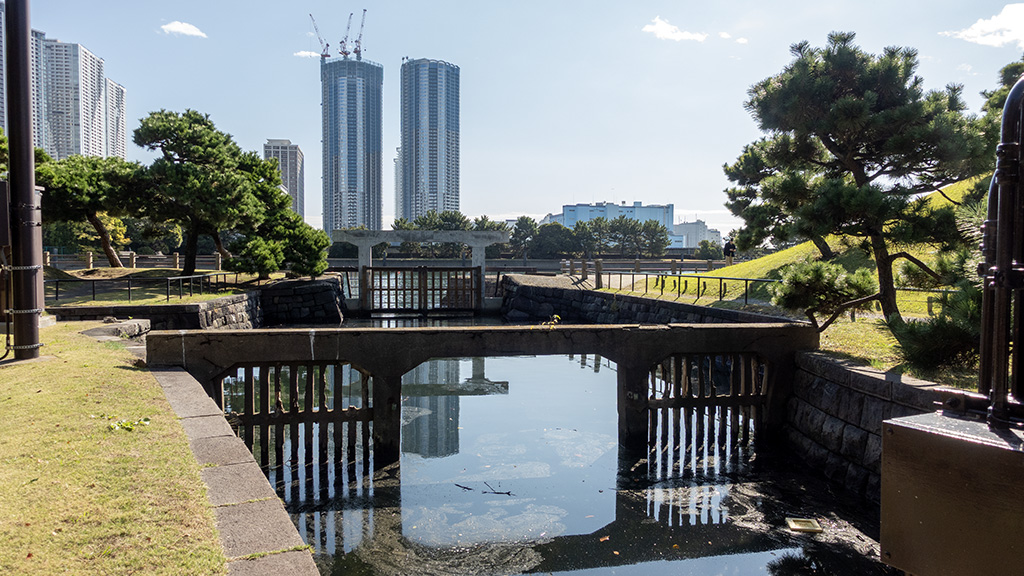
On the map, I saw that there was a paved path that went along right up to the edge of the water, so I decided to walk all the way south to check it out. The start of the path had a view of 汐留川水門, or the Shiodome River Water Gate.
As expected from a path that goes along a waterway’s edge, the elevation there was lower than the elevation of the rest of the garden. This made for some fun new perspectives when photographing trees growing at the top of a hill.
This is 横堀水門, or the Yokobori Water Gate.
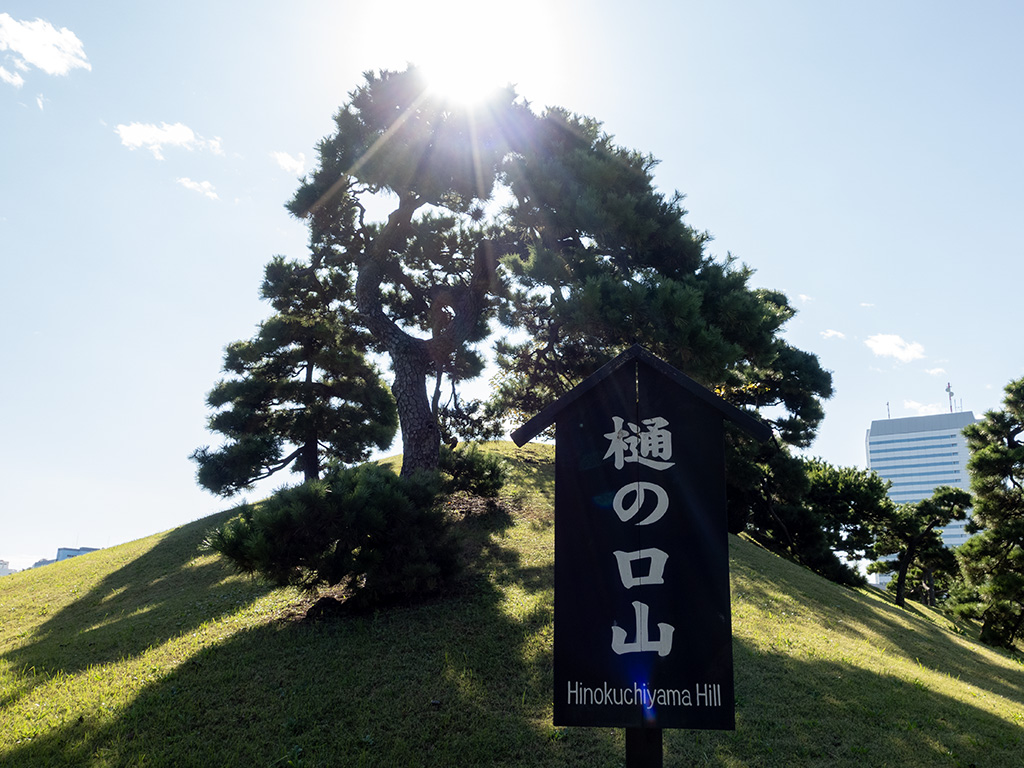
This is 樋の口山, or the Hinokuchi-yama Hill. There was a sign labeling it so I assume it has some kind of importance, but there was no other plaque or other information posted about it, so I wasn’t able to find out why the hill was labeled and partitioned off.
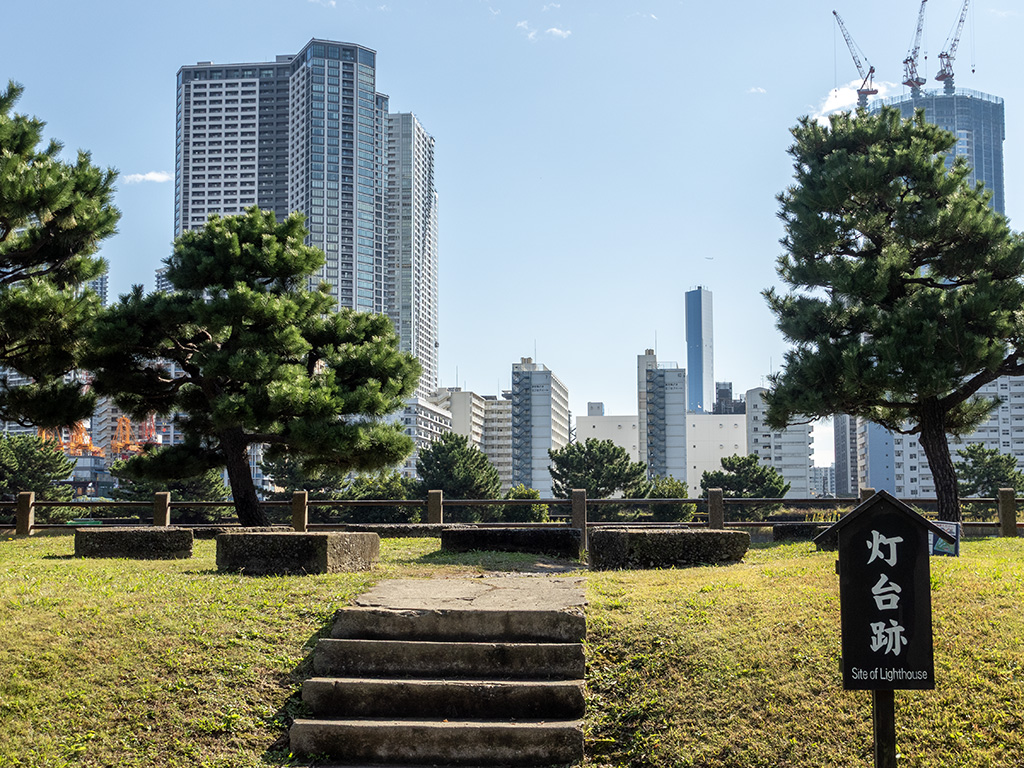
This is 灯台跡, or the Lighthouse Ruins. Apart from the sign labeling it as the site of a former lighthouse, the only other information around it was a sign asking people not to sit on the grass and to use the designated open spaces elsewhere in the Gardens instead. However, I feel like this one is a bit more self-explanatory; I imagine there used to be a lighthouse here to help watercraft navigate the nearby Sumida River.
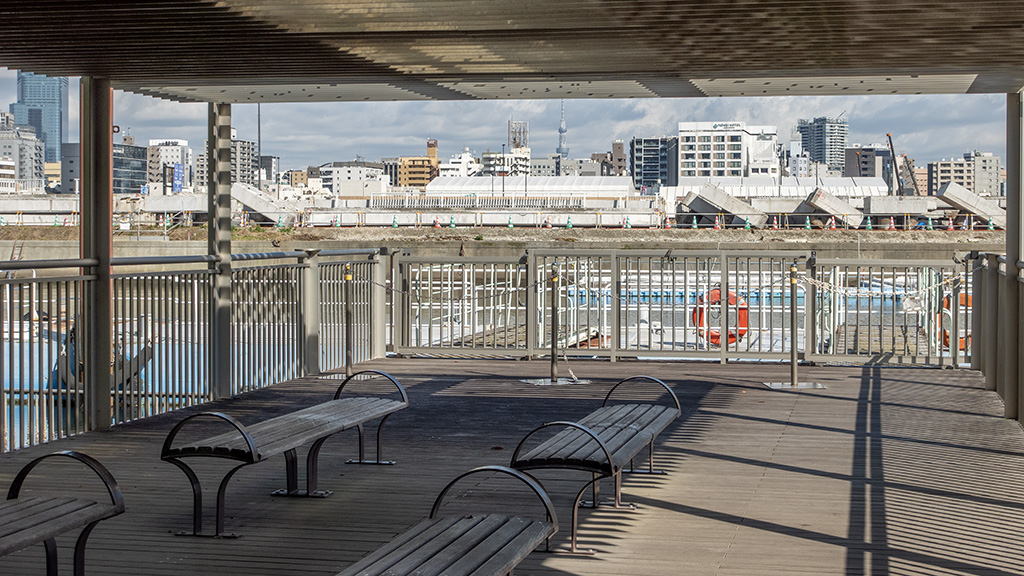
After walking the full path alongside the southeastern edge of the Gardens, I continued northwestbound and saw the Hamarikyu Ferry Terminal. It was not in service on the day of my visit, and there was some signage that implied that it might be closed for the season, but there was still enough equipment around the area that made me suspect that it was still capable of conducting standard operations if needed.
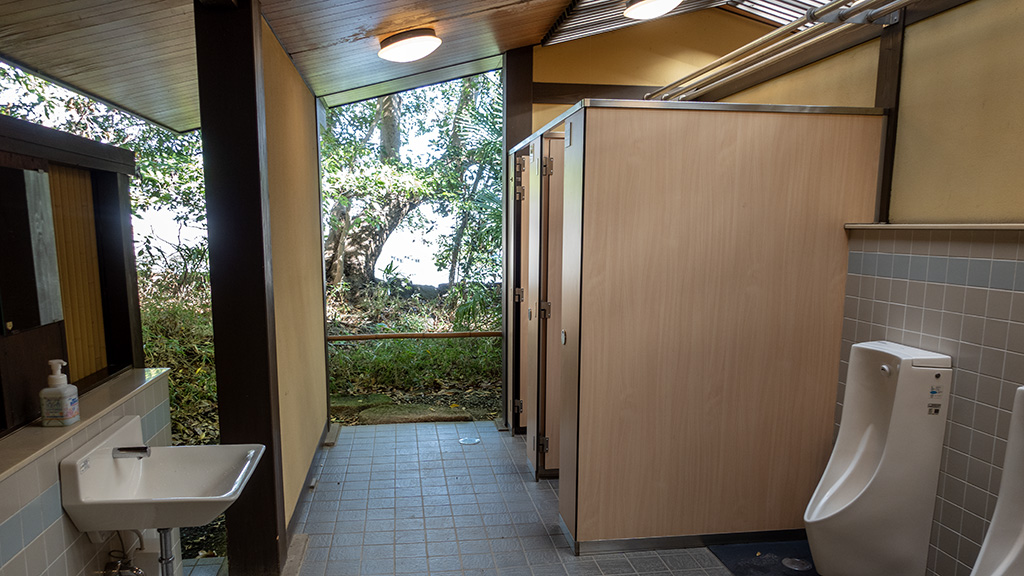
Before continuing on my way, I stopped at the toilets. This is probably the most one I have been with nature while urinating in a public bathroom.
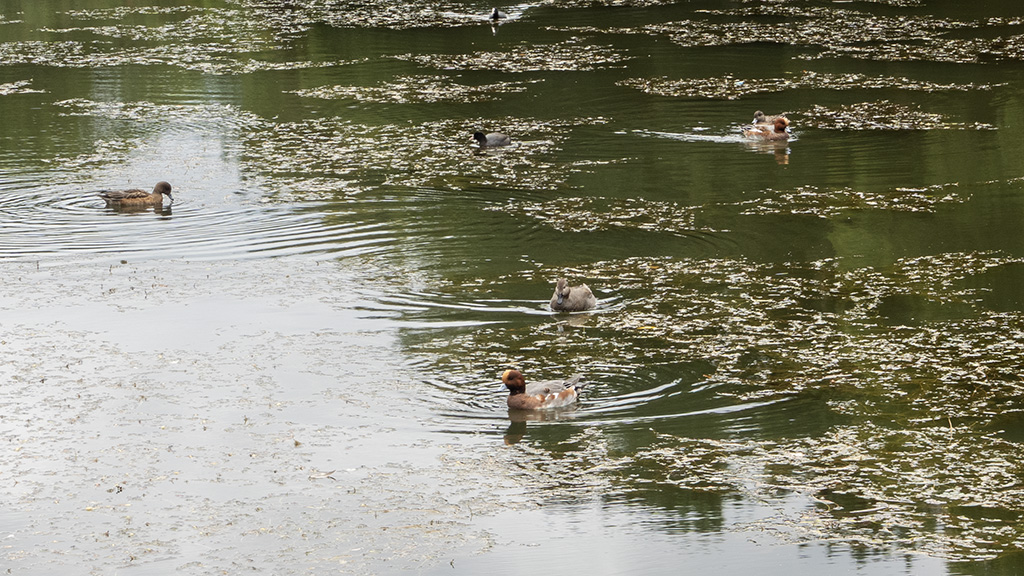
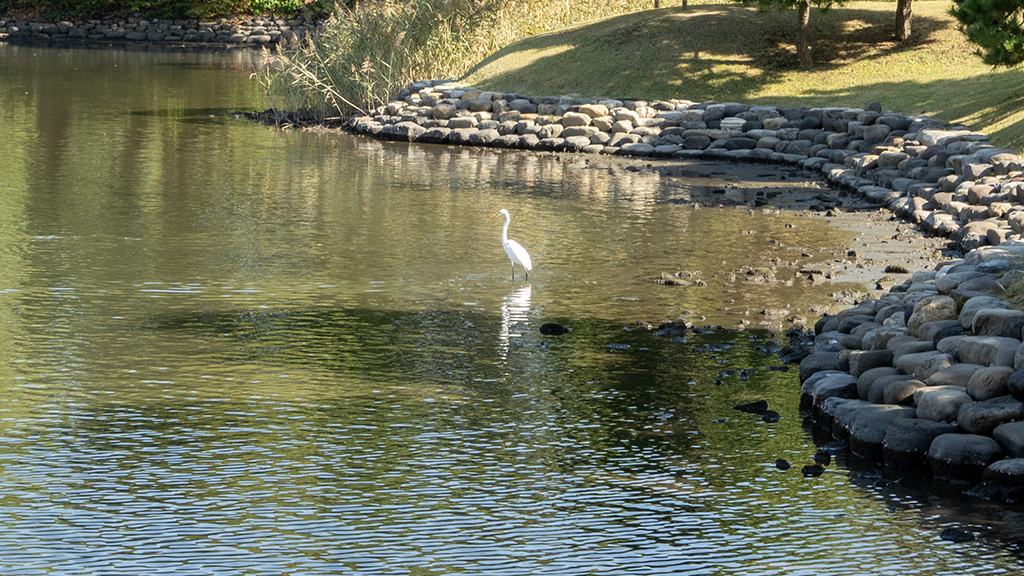
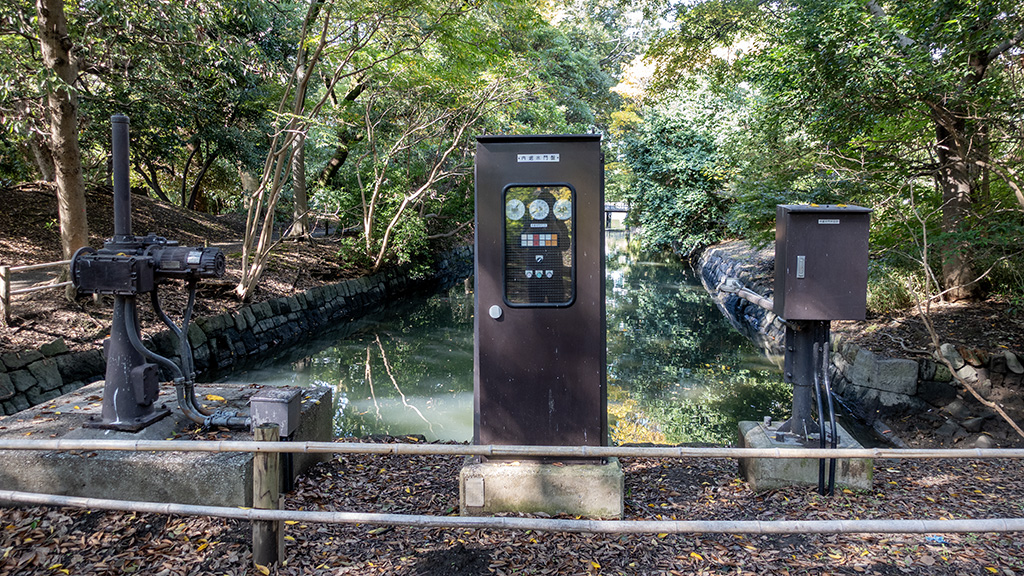
After concluding the volumetric reduction of my bladder, I continued deeper into the foresty area and came across this device near what was labeled on the map as 庚申堂鴨場, or the Koshin-do Duck Hunting Site.
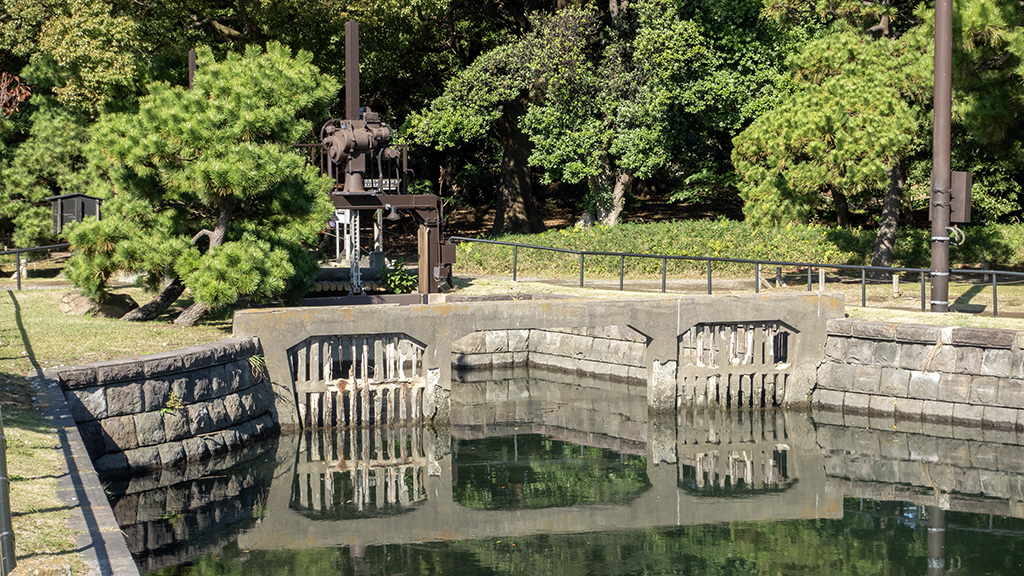
The device was labeled as 內盤水門盤, which roughly translates to “inner water gate plate,” so I am guessing that this might have had more to do with the moat I saw earlier, rather than the duck hunting field.
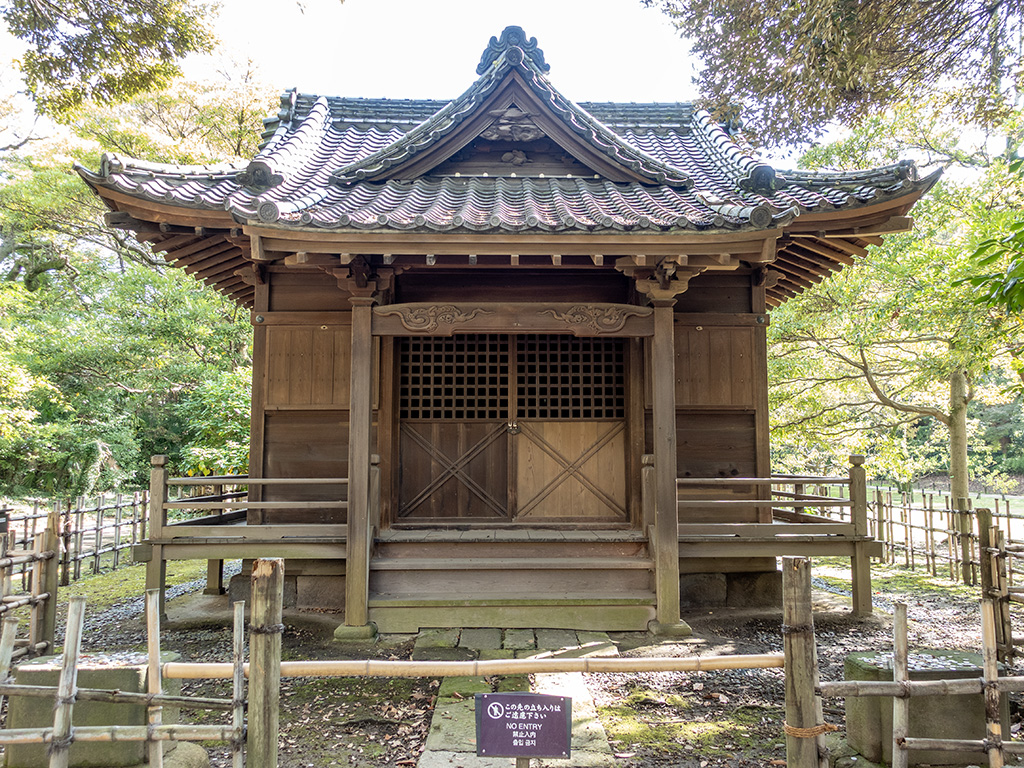
Also in this general vicinity was 旧稲生神社, which reads as the Kyu-ino Jinja and translates to the Former Inari Shinto Shrine.
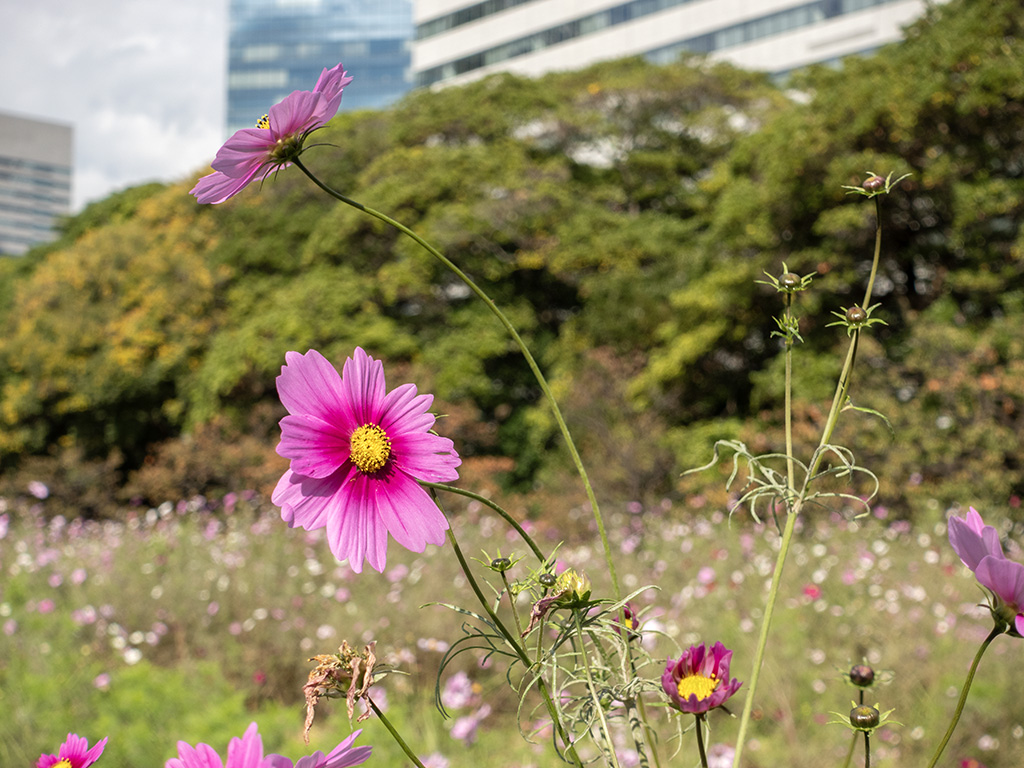
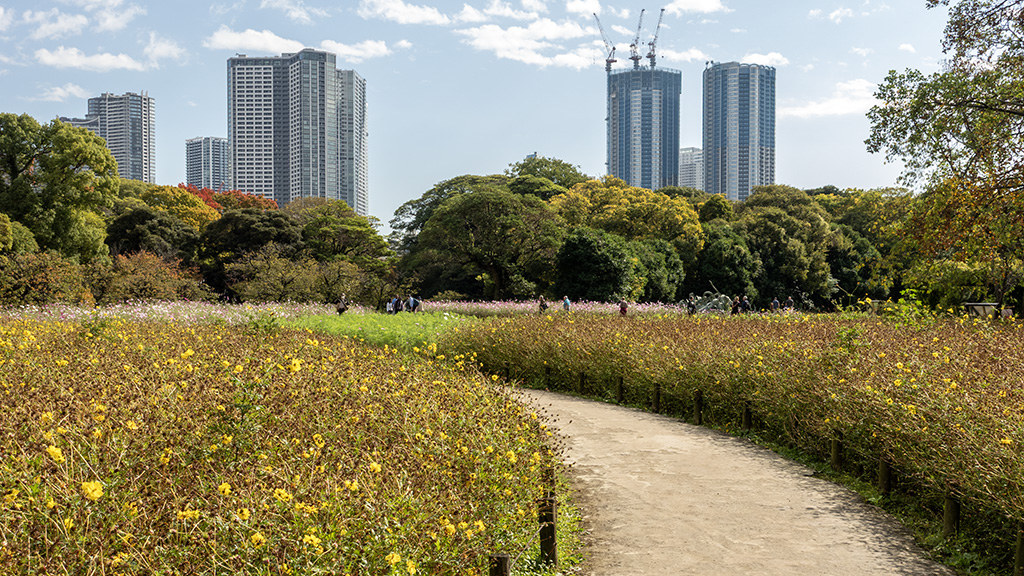
Upon emerging from the denser foresty area, I saw a flower field. My trip was during November so the flowers weren’t quite fully in bloom, but I imagine that this entire area becomes very colorful during the spring and summer.
After taking multiple paths through and around the flower fields, I continued northwest and back to where I had entered.
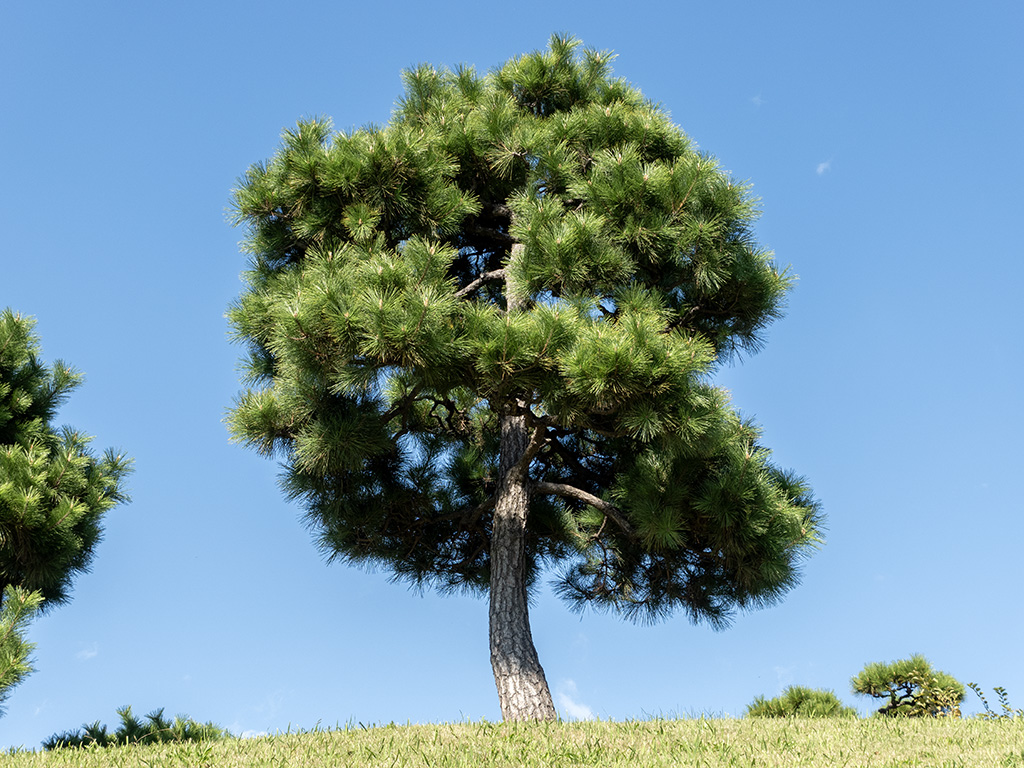
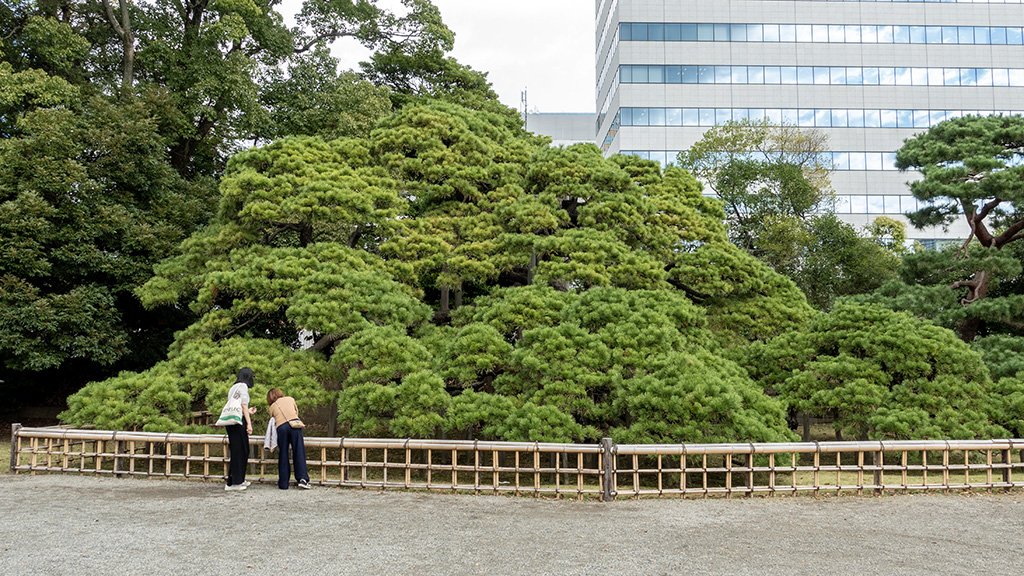
I had missed this earlier when I came in, but the 三百年の松, or the 300-Year-Old Pine, was fenced off and to the side of the main pathway.
This is what the Otemon entrance to the Gardens looks like. In case you’re curious, the text on the orange banner above the name of the Gardens says 特別史跡 and 特別名勝, which roughly translates to describing the Gardens as a special historic site of scenic beauty.
The Hamarikyu Gardens were very pleasant and served as a great way to spend a few hours sightseeing. Similar to Yoyogi Park, which I blogged about a handful of days ago, I especially like that Tokyo has these big public parks, gardens, and other pockets of nature integrated nicely into surrounding blocks of concrete, steel, and glass buildings.
The admission fee for the Gardens being less than US$2.00 is insane to me, as something like this in the United States would likely be about US$25.00 in populated cities and probably never be less than around US$15.00 even in the most suburban and rural areas. I thought this was amazing value for money and overall a great use of my time.