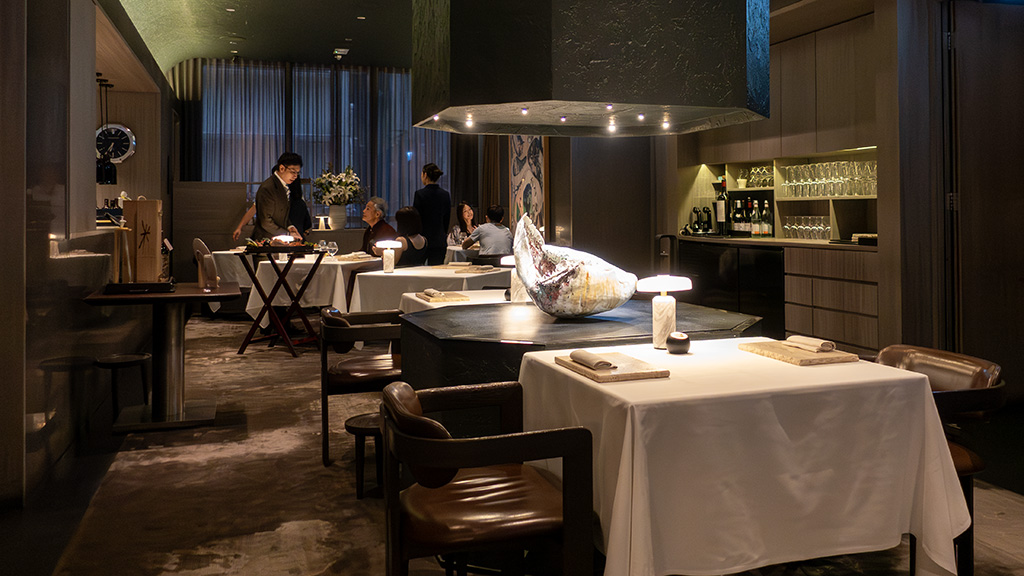
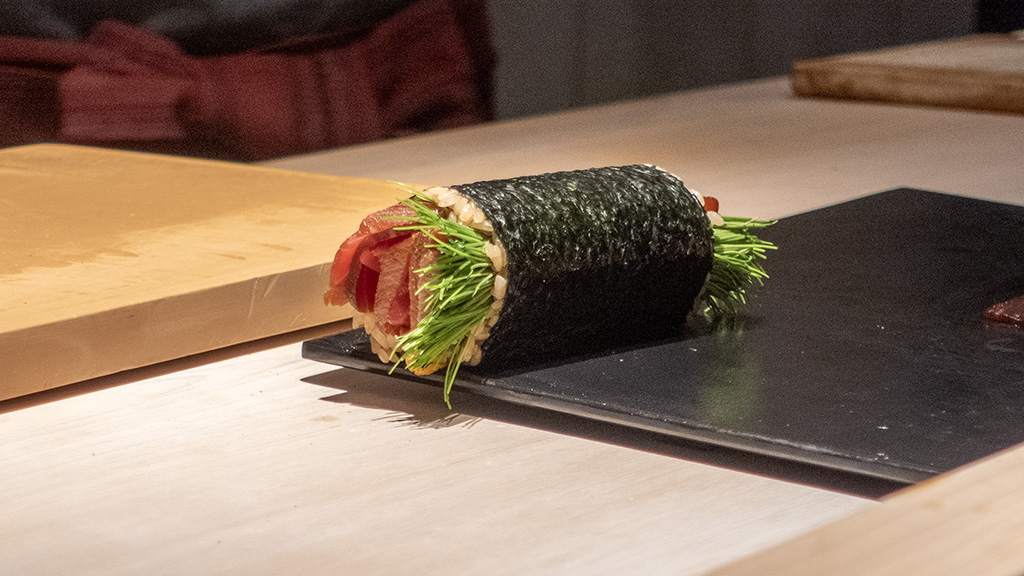
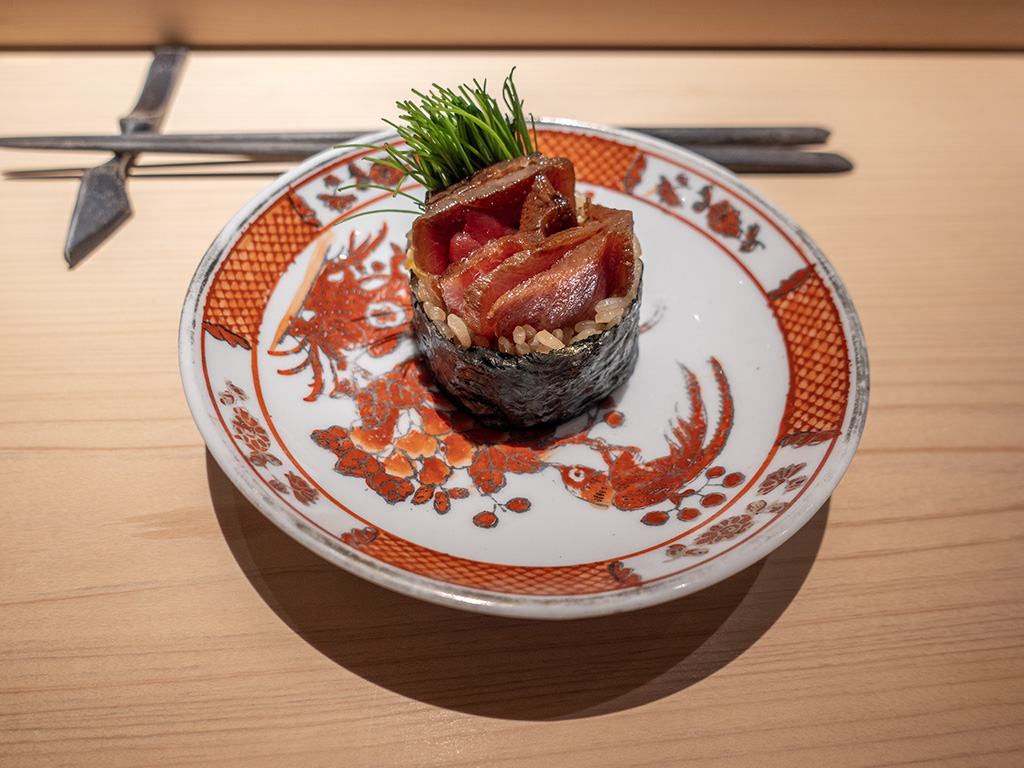
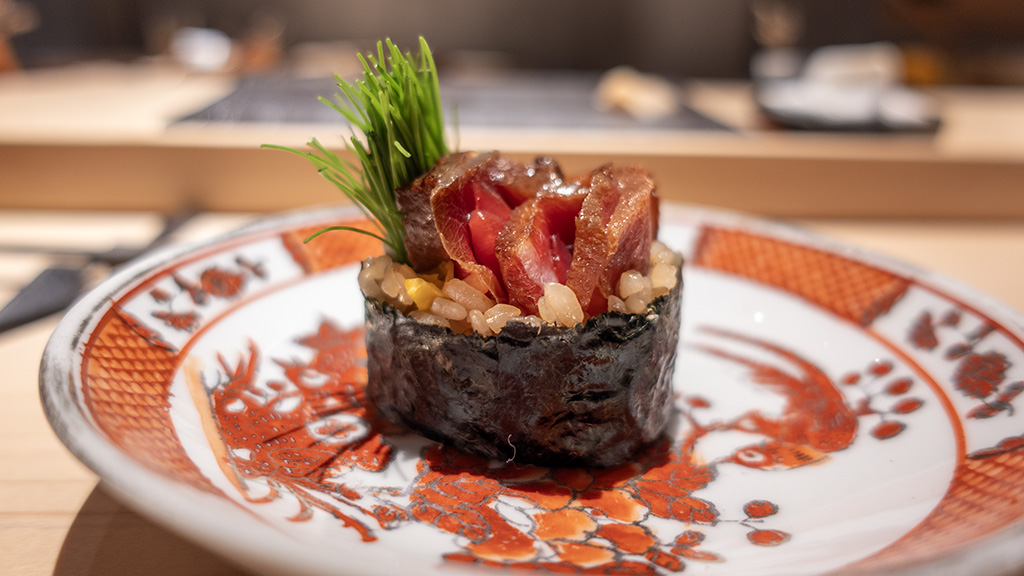
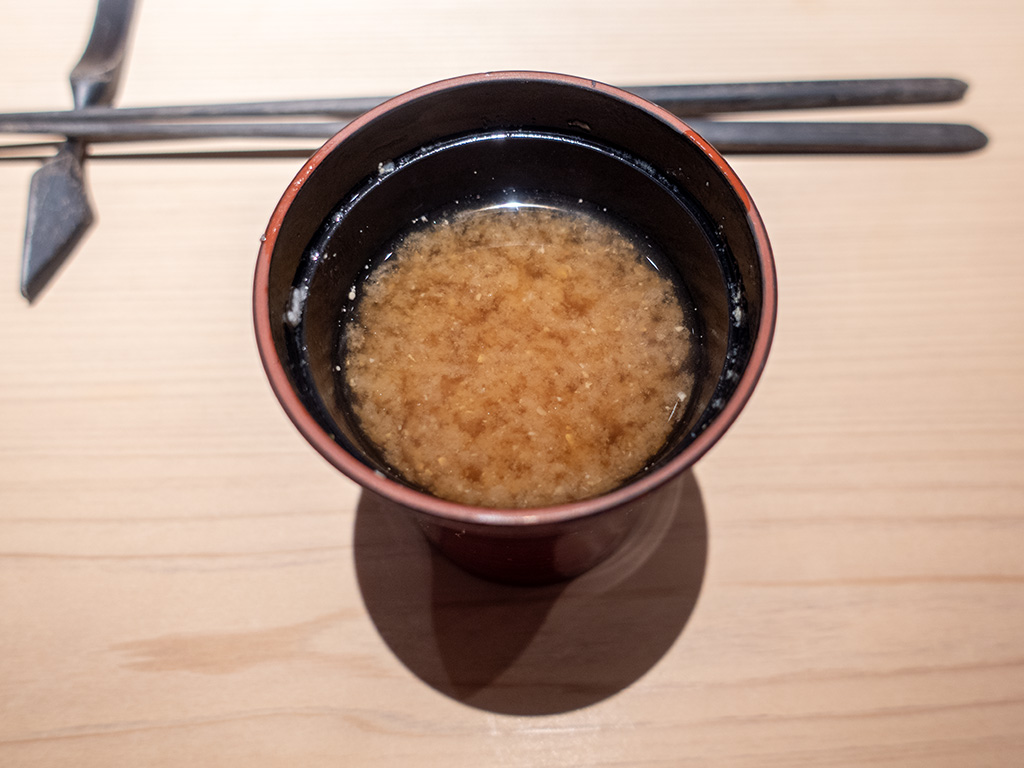
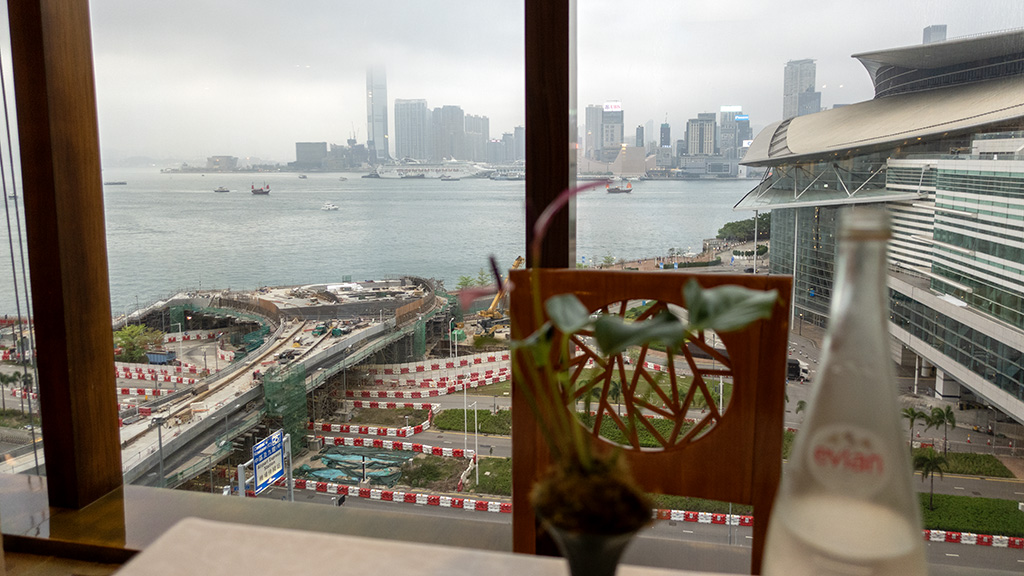
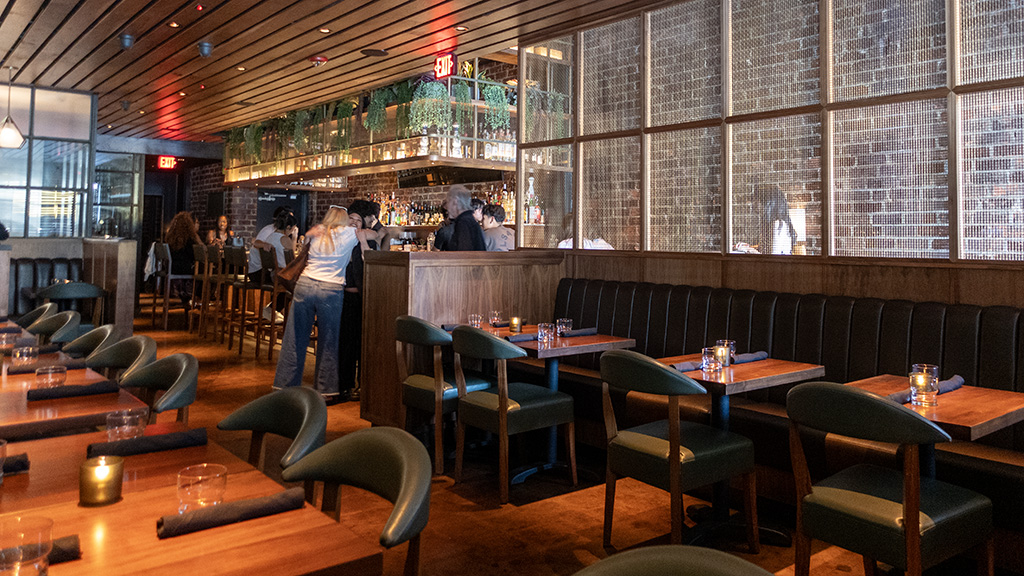
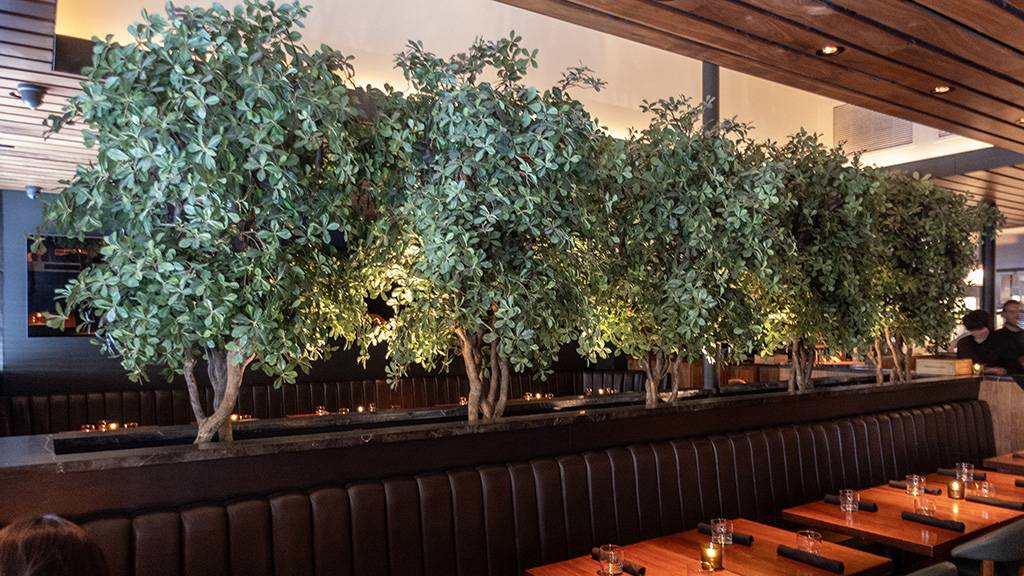
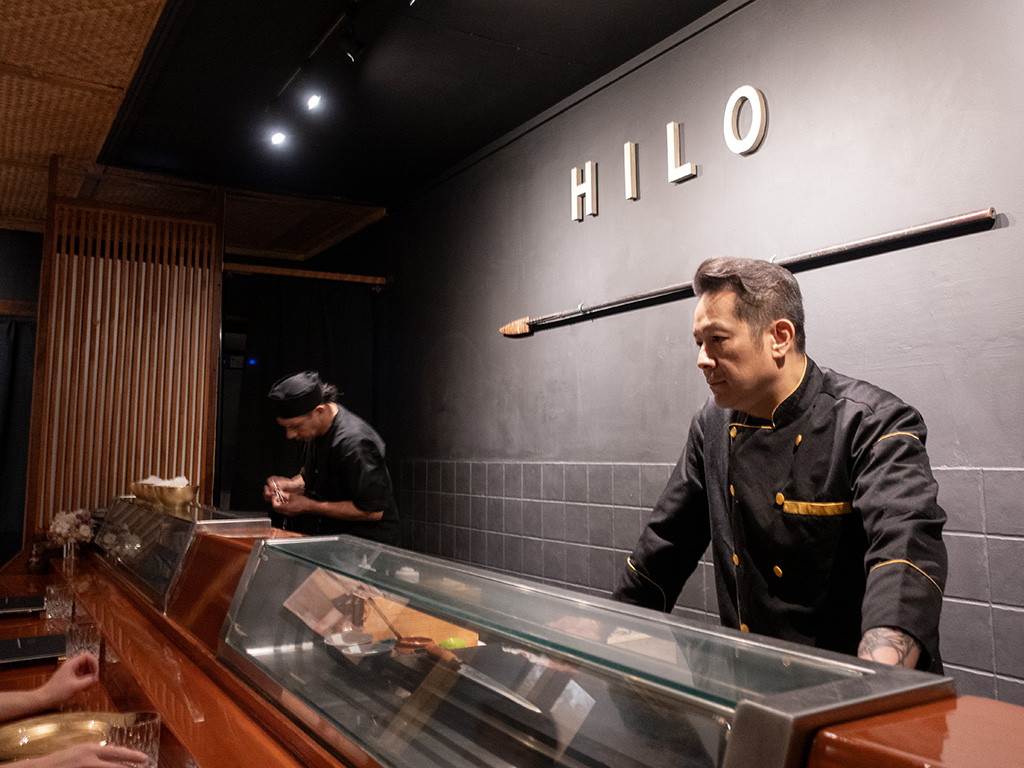
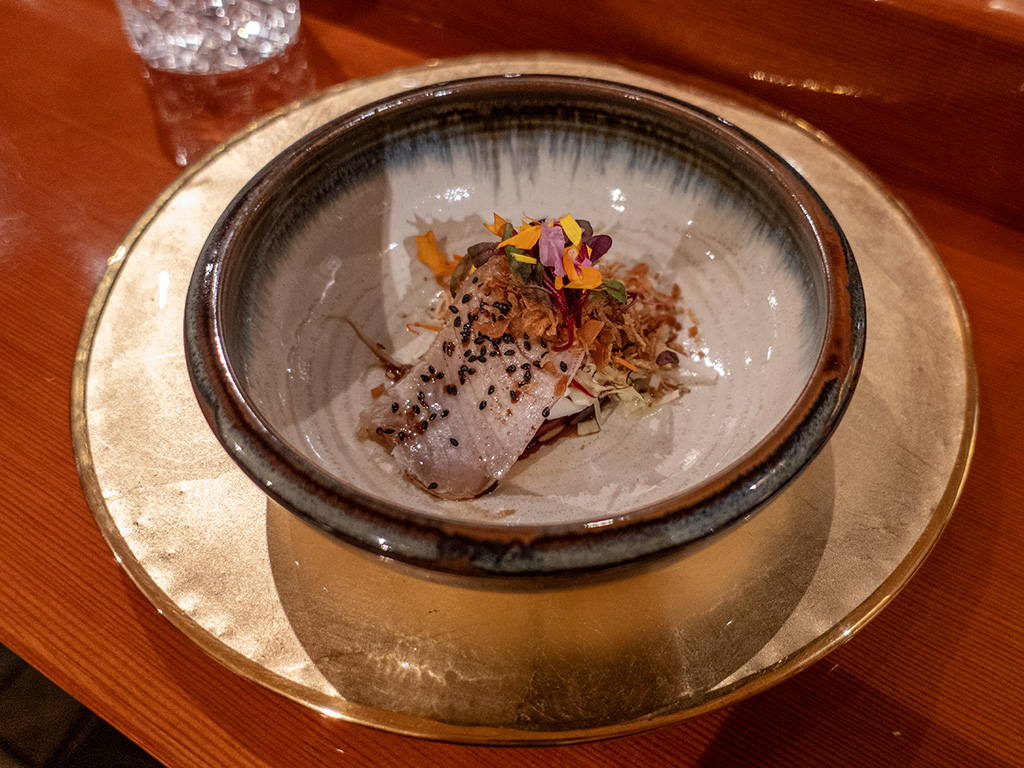
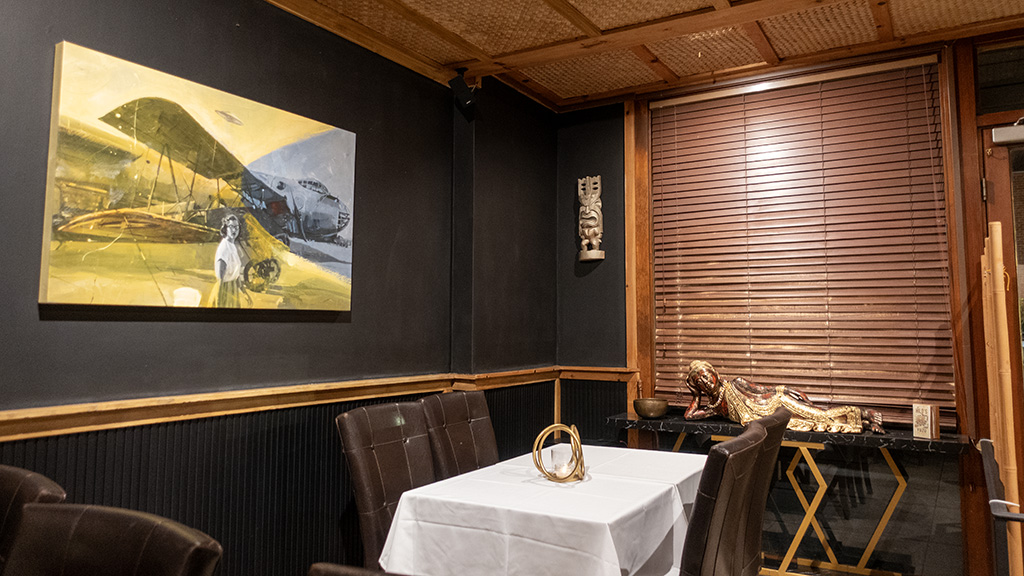
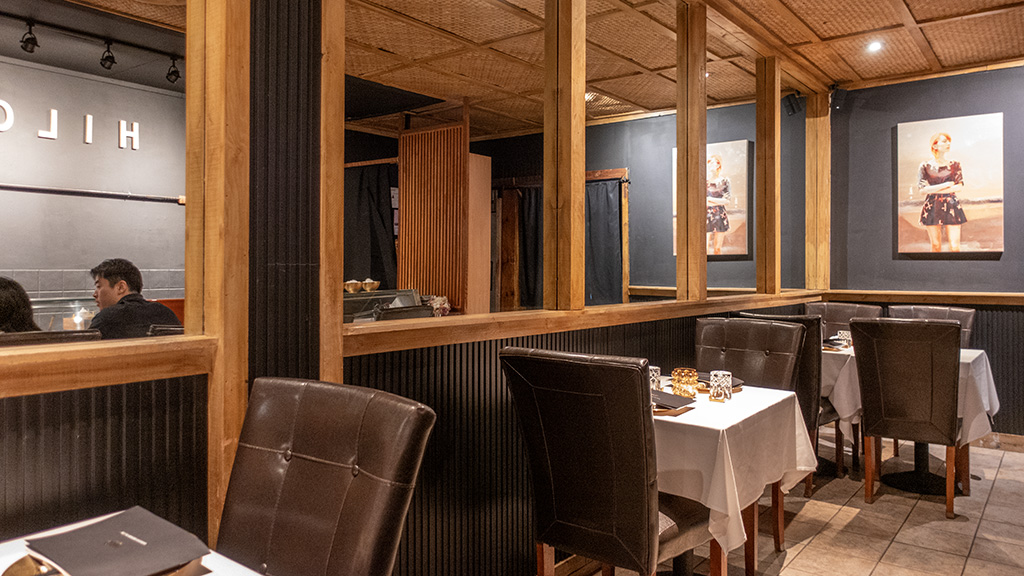
For one of the first dinners I had after my arrival in Hong Kong, I went to Teppanyaki Mihara Goten in Causeway Bay.
I had the luxury of just being able to tag along with my friends without putting in the effort of planning anything; they did all the research, picked the restaurant, and handled the reservation. Unfortunately, one downside to this was that the reservation was put in for 8:30 PM local time, which is the equivalent of 5:30 AM Pacific time, without me having an opportunity to ask if there were any earlier available time slots. I stay up pretty late and usually sleep after 5:30 AM PT anyway, but note that this dinner started at 5:30 AM PT. This made for an extremely drowsy dining experience.
The dinner lasted about three hours, which is lengthy, but not particularly unusual for a teppanyaki experience like this. In fact, I’d argue that the longer it is, the better it is, because watching the chef cook in front of you can be an entertaining and enlightening experience.
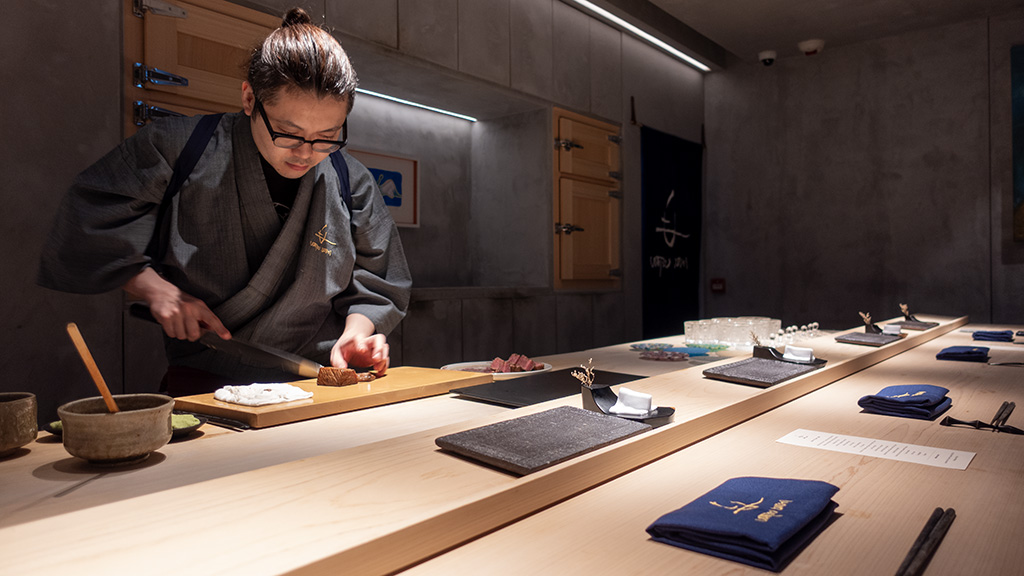
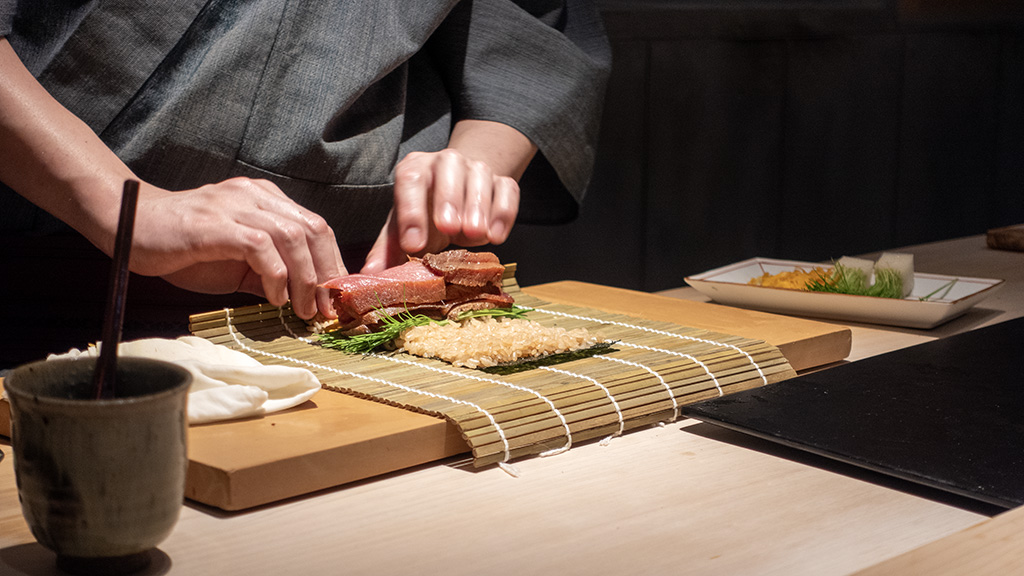
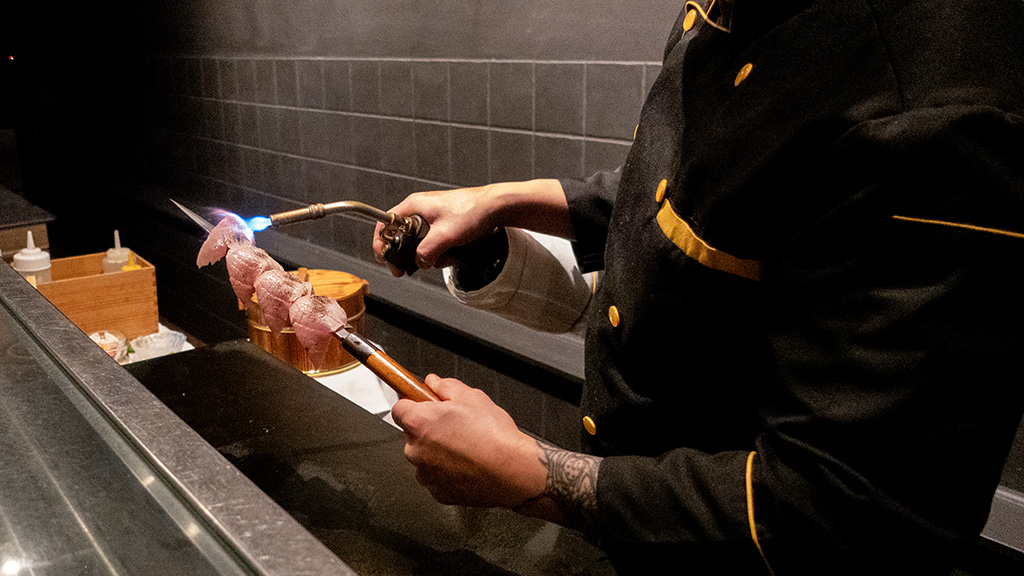
With that being said, about one-third of the way into the dinner, I was already mentally asleep. You might notice evidence of this from the fact that, for the first handful of dishes, I took a lot of photographs of the chef preparing the food, but for the later courses, I just have pictures of the dish. I didn’t do this intentionally and didn’t even notice I had done that until I was going through and organizing the photos I had; I was just so sleepy that my brain wasn’t working and I was just on literal auto-pilot of snapping a picture of the food and then putting it in my mouth.
There were a few different options for the teppanyaki menu. Because I like trying out limited-edition or seasonal options, I went with the spring special seasonal menu. It seemed like everyone else also got it, so I’m not sure if this was one of those situations where everyone in the party had to pick the same option and the decision had already been made for me without my input, and my personal selection didn’t matter.
Communication was tricky for this dinner—I showed up exactly on time, but the rest of my group was early, so it looked like I was late, and I was seated all the way at the far edge of the bar-style table in the last remaining chair. Thus, I was basically only able to chat with two of my friends directly next to me, and everyone else was too far away. Funny enough, even communication with the waitress was near-impossible; I have no problem understanding Chinese accents, but this waitress also had a United Kingdom accent layered on top of it, which I do have a major problem understanding. In my sleepy state, it felt like I was splitting brain cells in half trying to understand what in the world she was saying.
With all that context out of the way, here is what the seasonal menu consisted of.
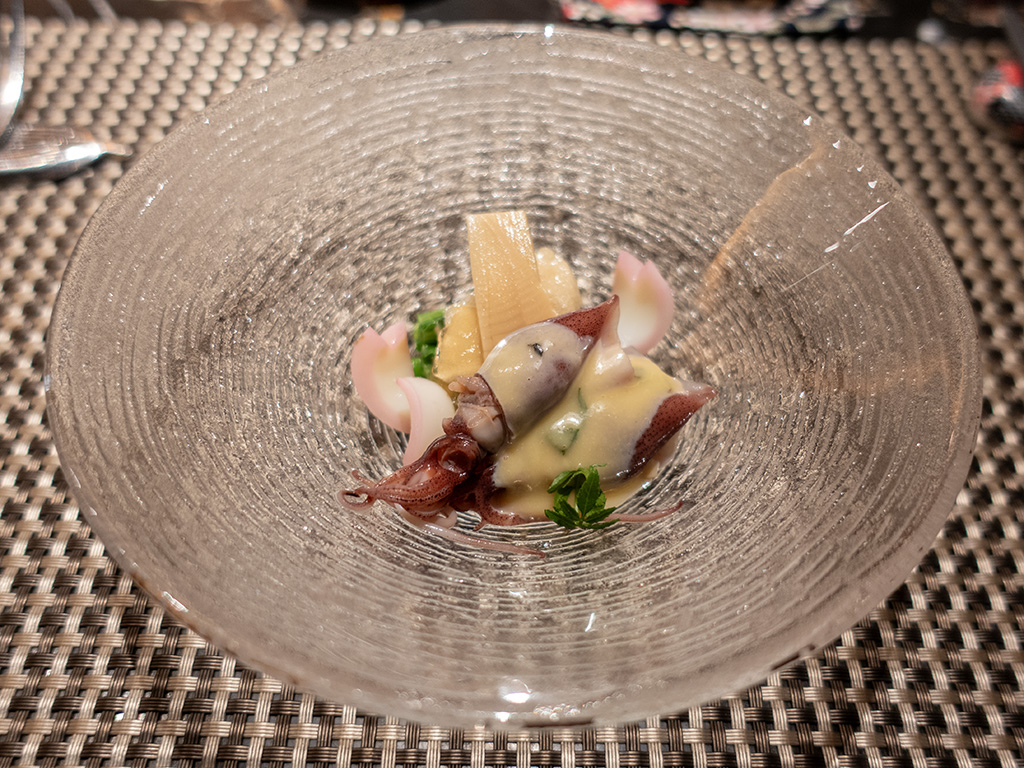
To start, we received firefly squid with kinome vinegar miso. The squid had an amazing, intense flavor that I liked a lot, but somehow, I liked the sauce even more. The squid was plentifully drenched in it, but it was mild enough that it complemented the squid well without overpowering it.
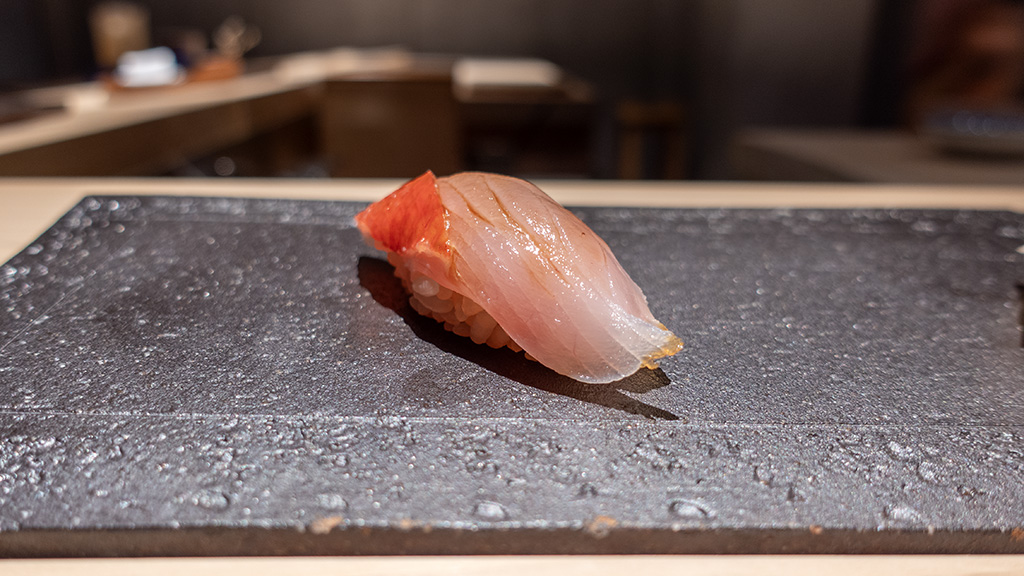
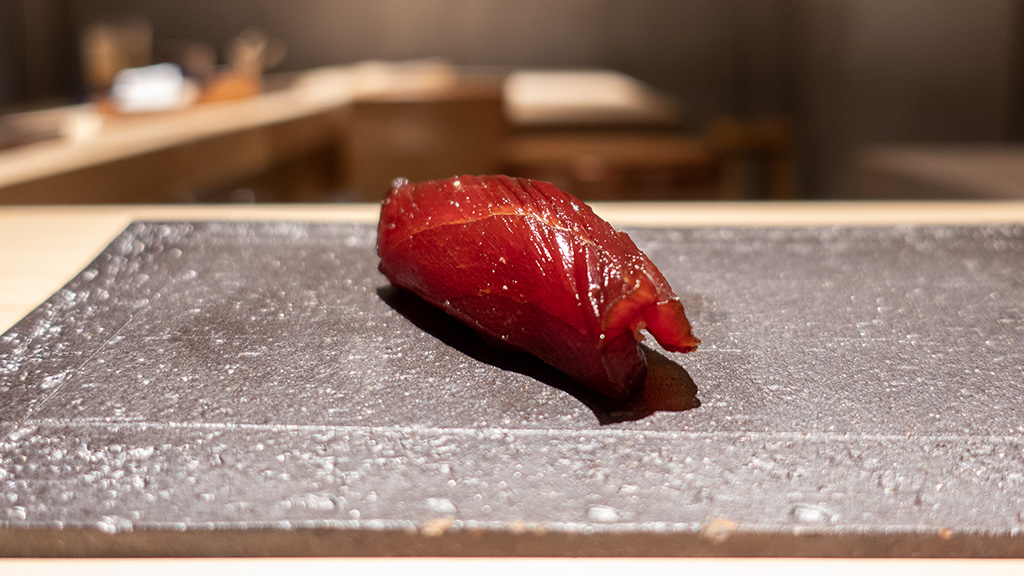
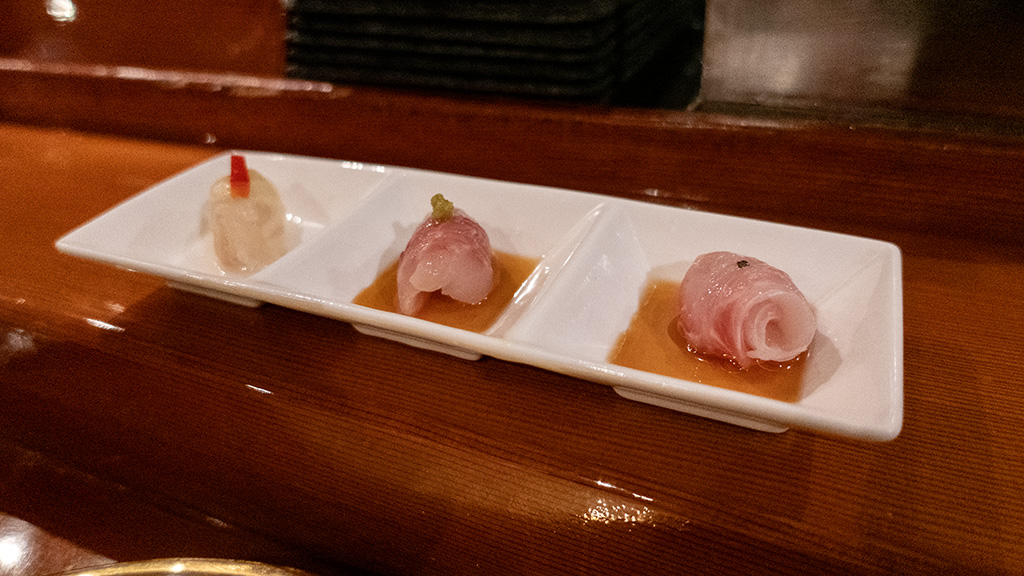
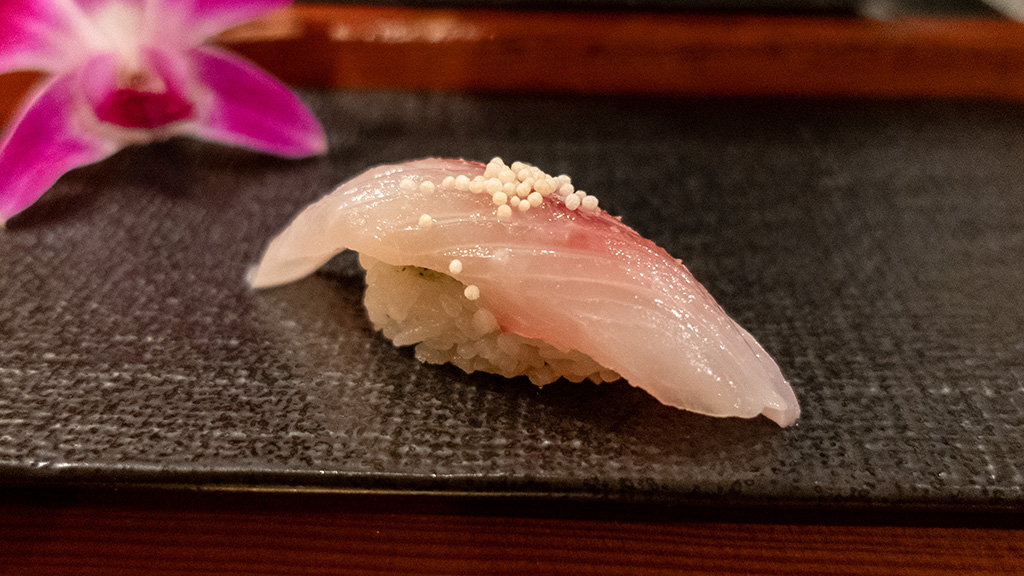
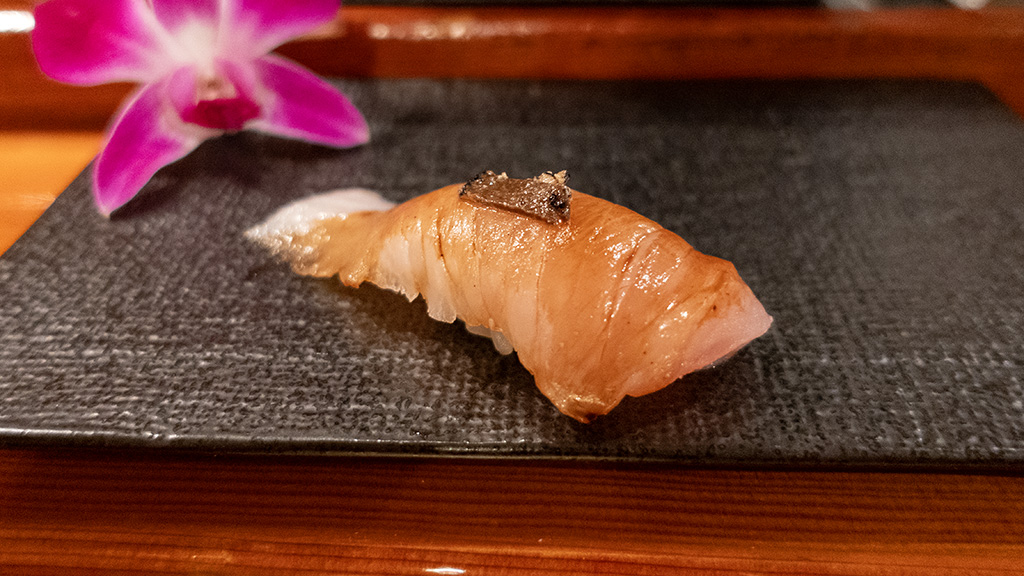
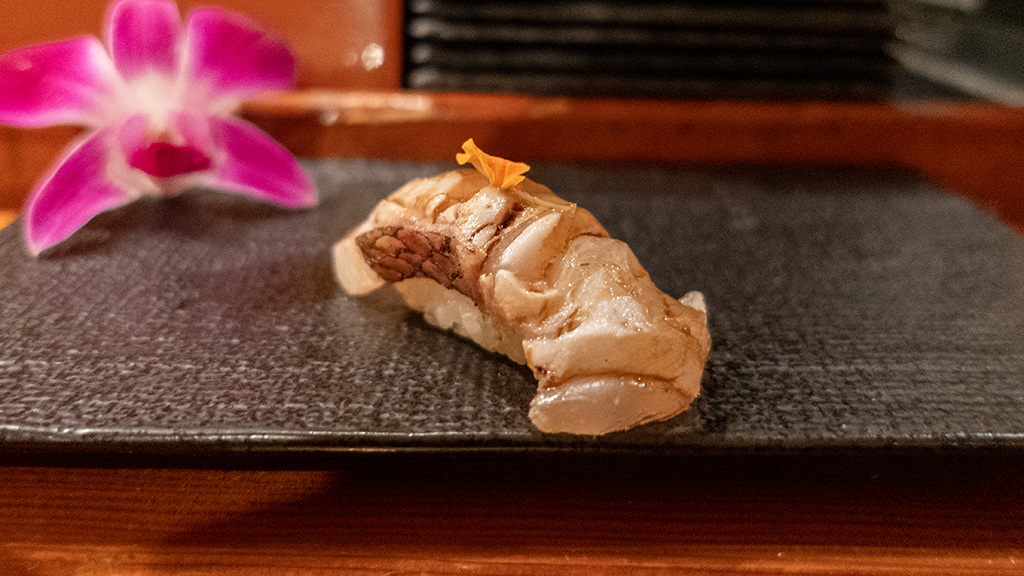
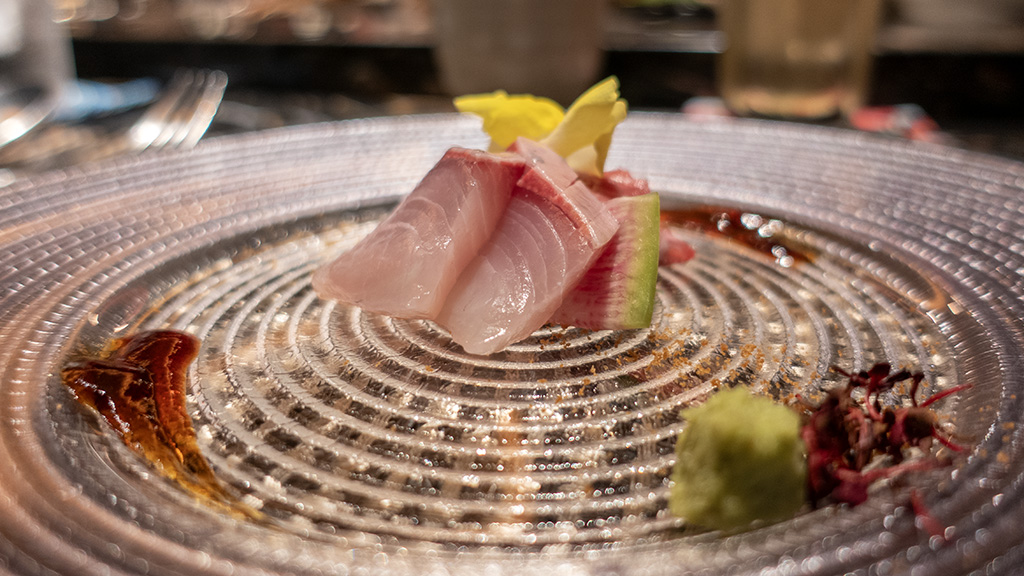
Next was some seasonal sashimi.
This was great taste-wise, but unfortunately, the portion size was comically small. Each piece of sashimi was cut so small that by the time I recognized that it was high-quality fish and was enjoying it, it was already fully shredded in my mouth and ready to swallow.
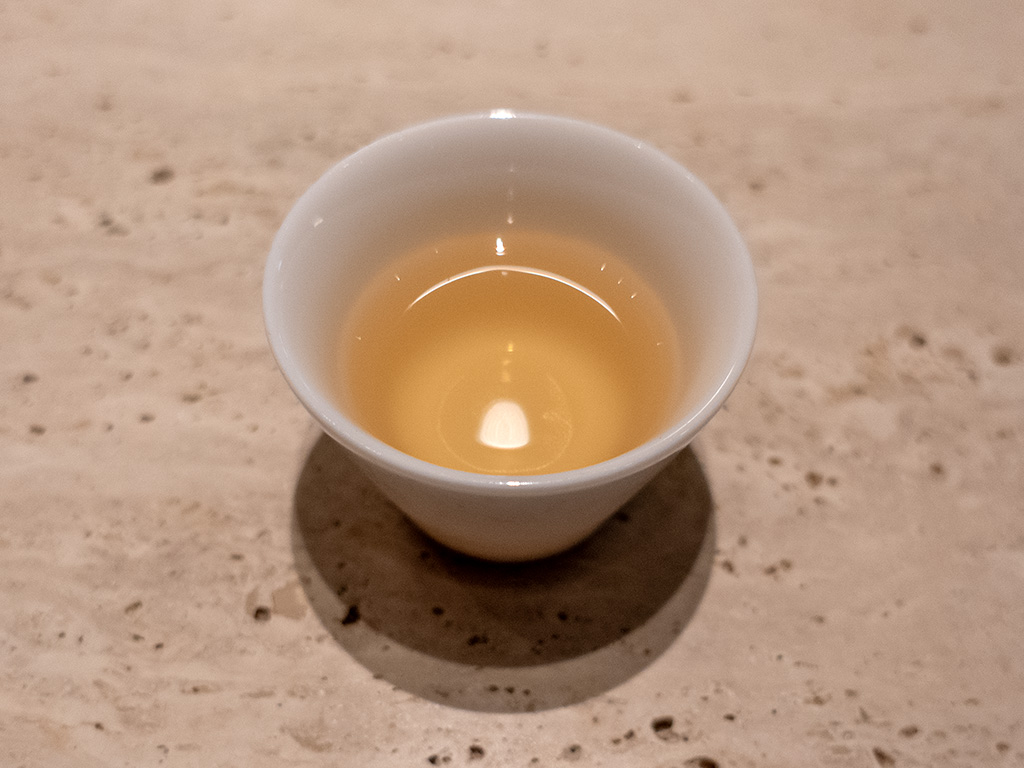
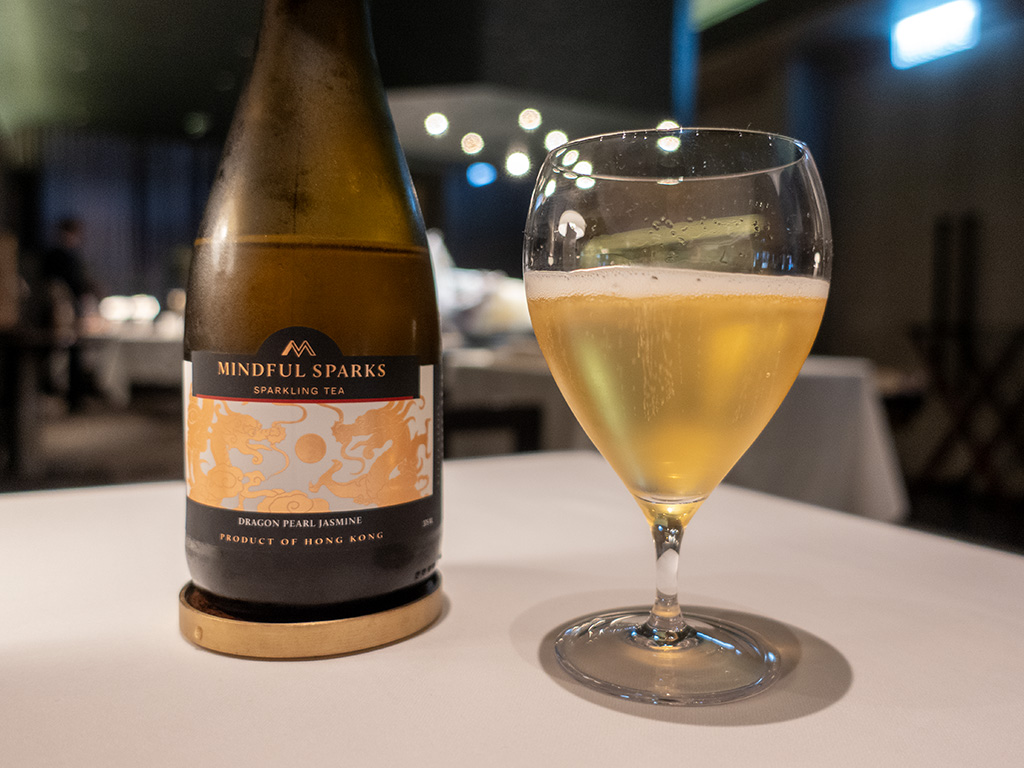
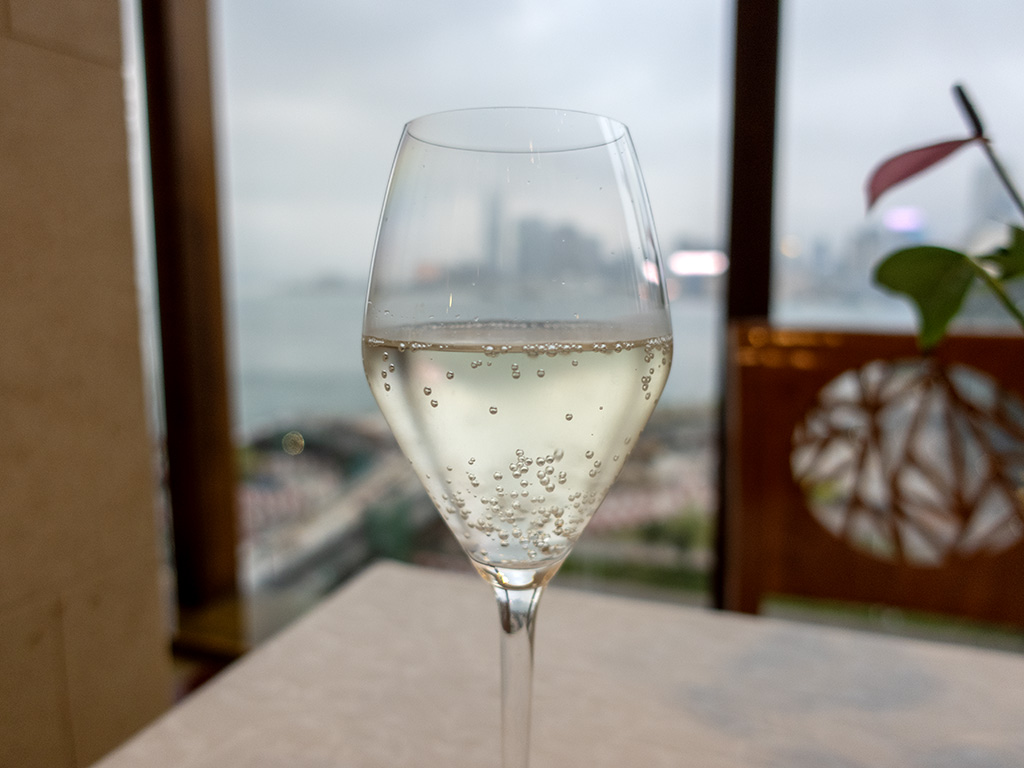
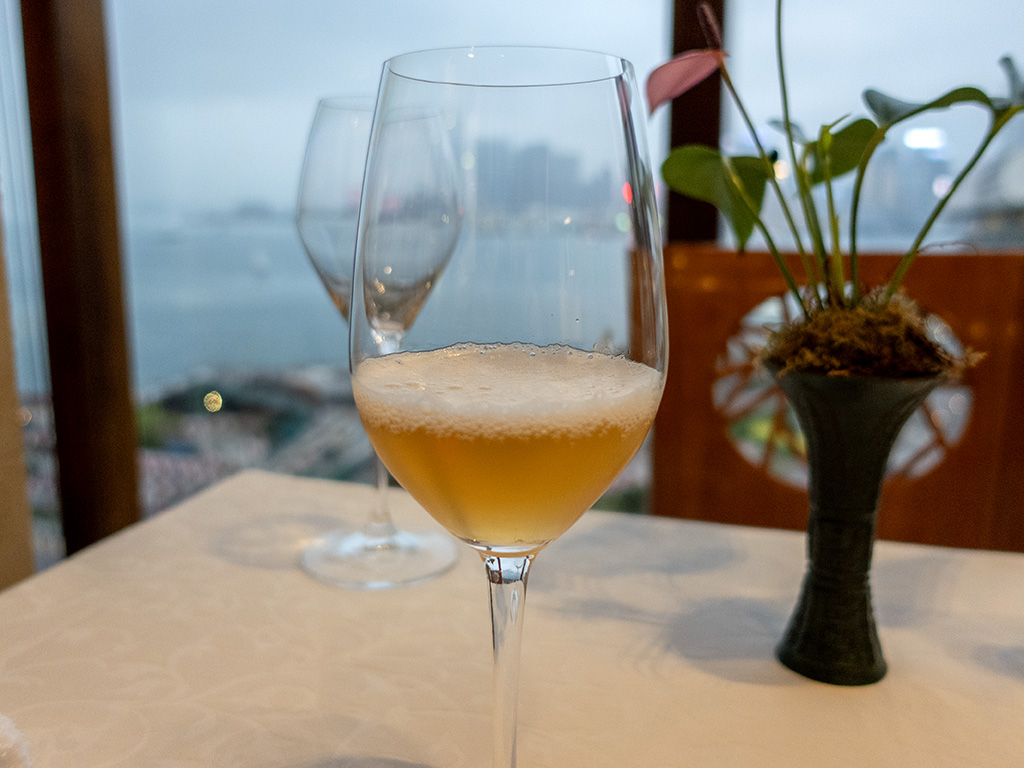
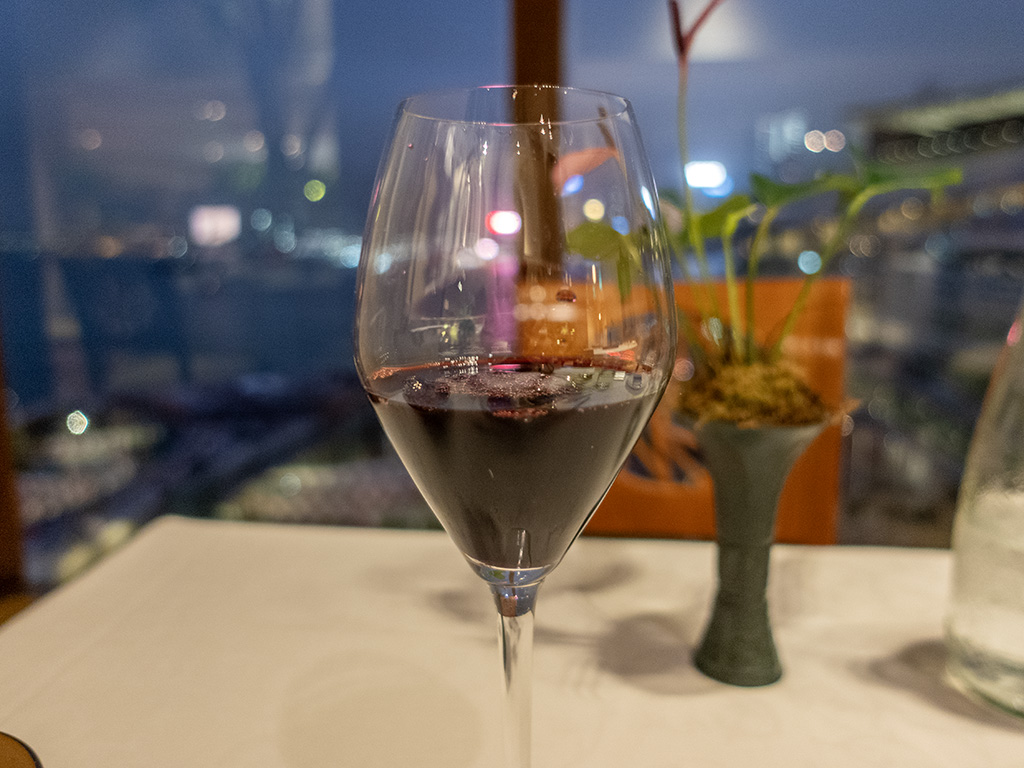
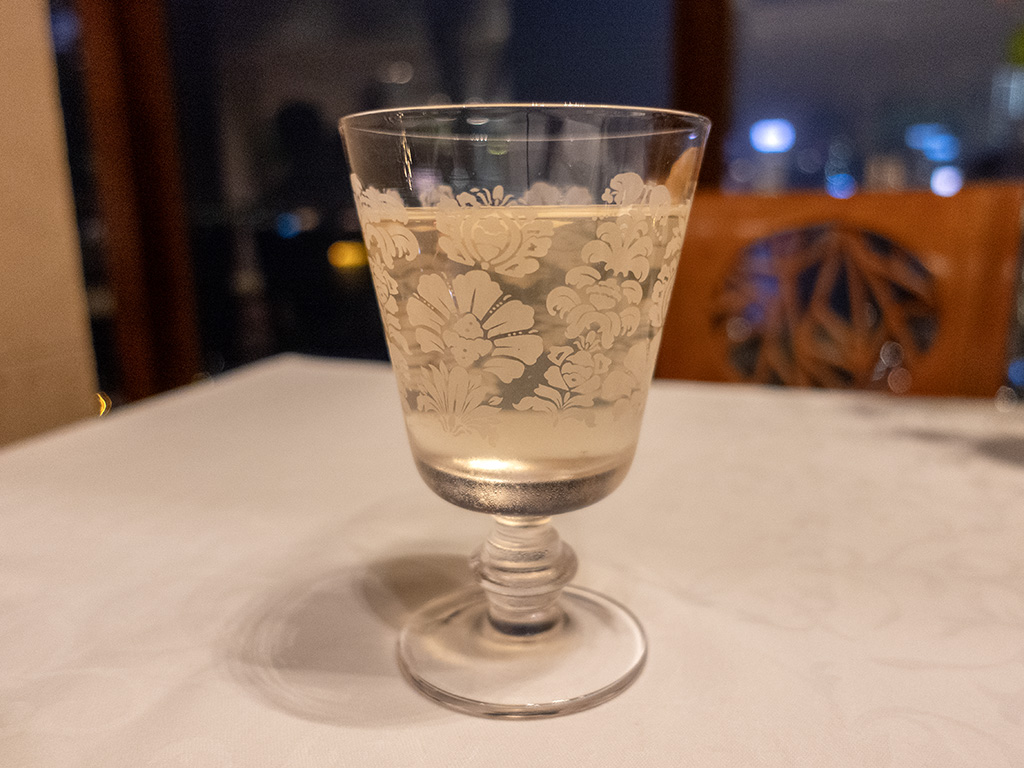
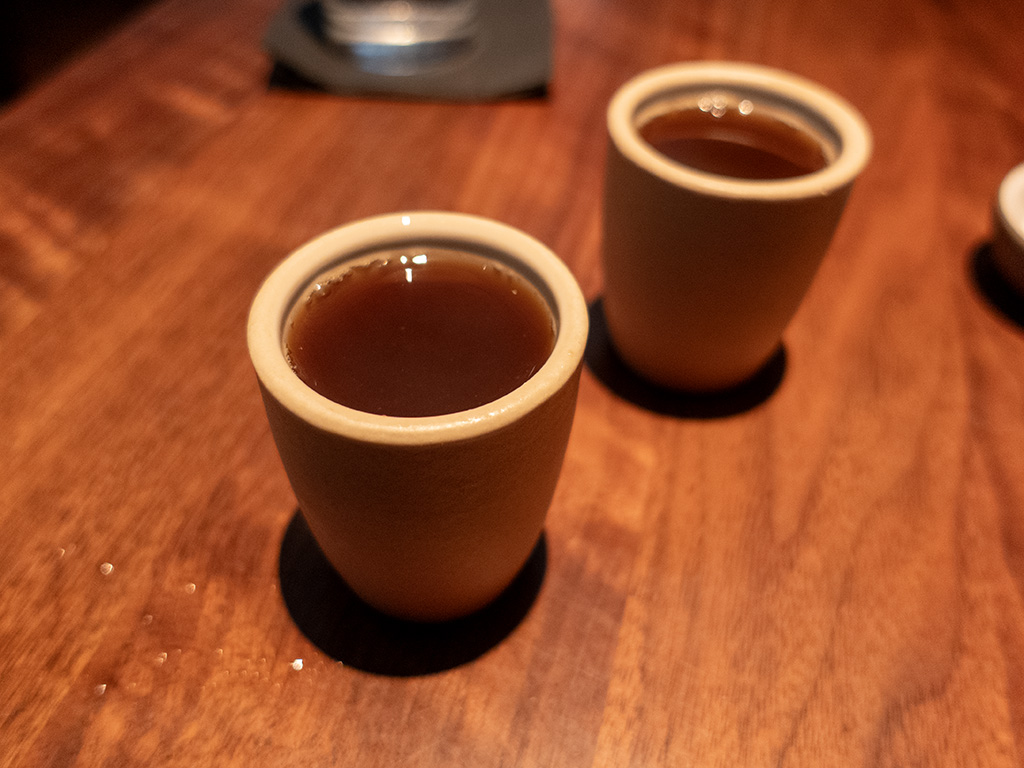
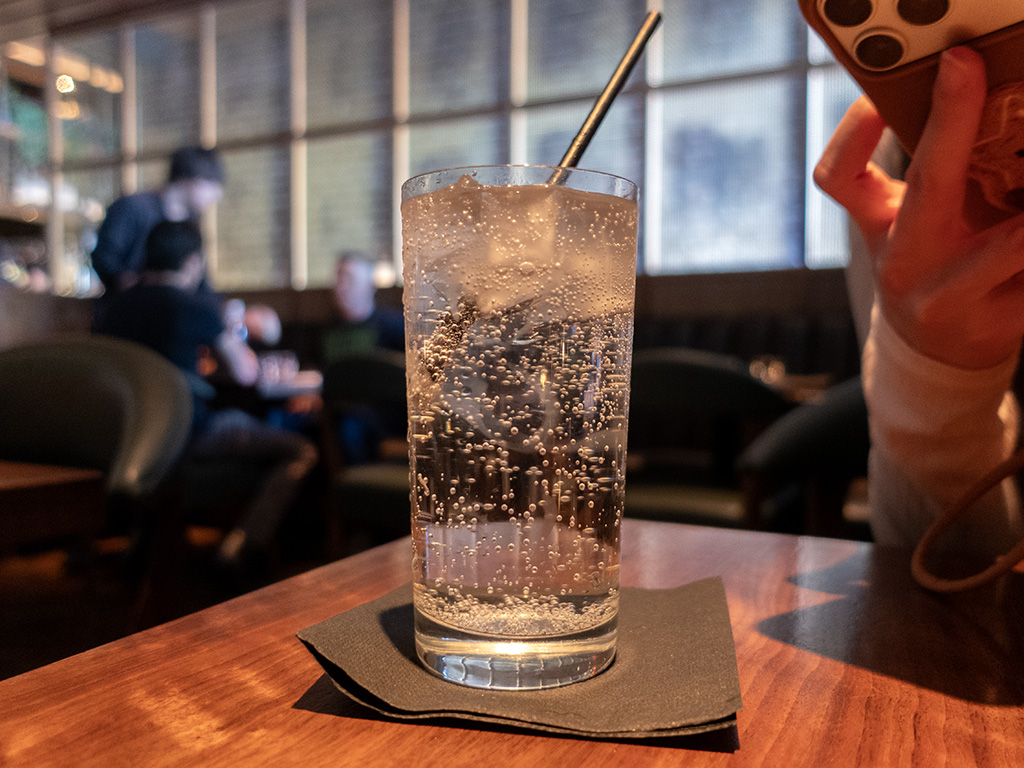
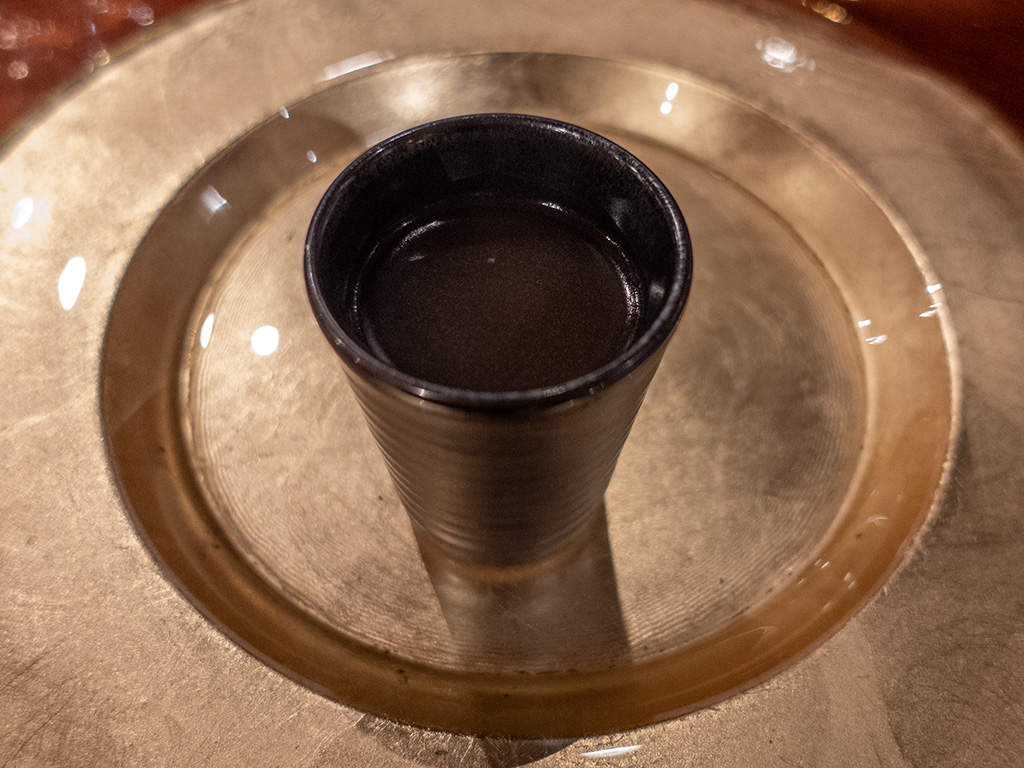
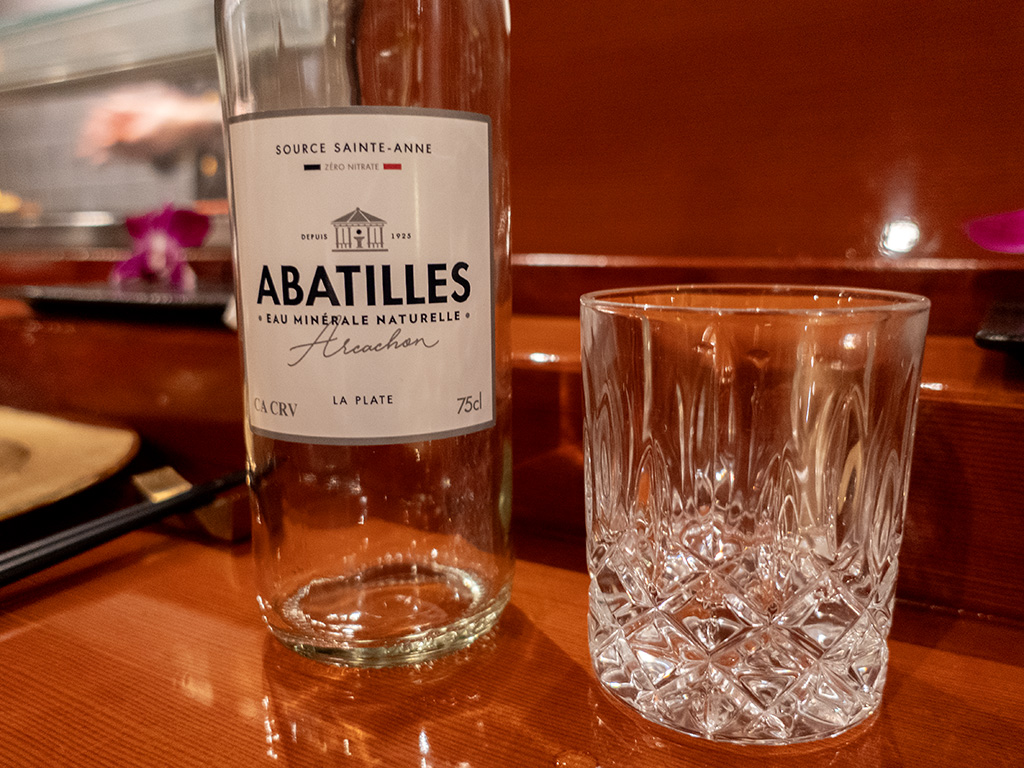
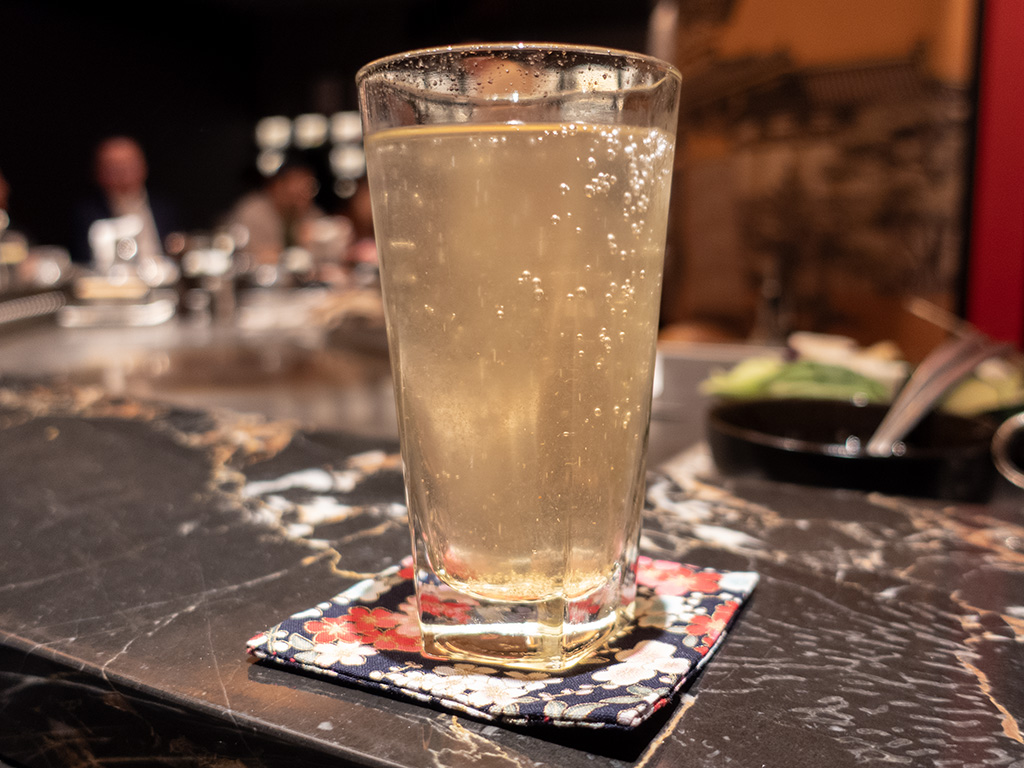
For my beverage, I noticed that the only way to get water was to pay for bottled water, so I figured that if I was going to pay money for a drink anyway, I might as well get something unique and flavored. I browsed through the non-alcoholic section of the beverage menu and picked one that I didn’t recognize so I could try something new. I don’t remember what exactly it was, but it tasted like a more earthy variant of plum.
At this point, all our orders were in and all our food was inventoried, so the wait staff started bringing plates of raw ingredients out from the back so the teppanyaki chef could cook everything in front of us on the grill.
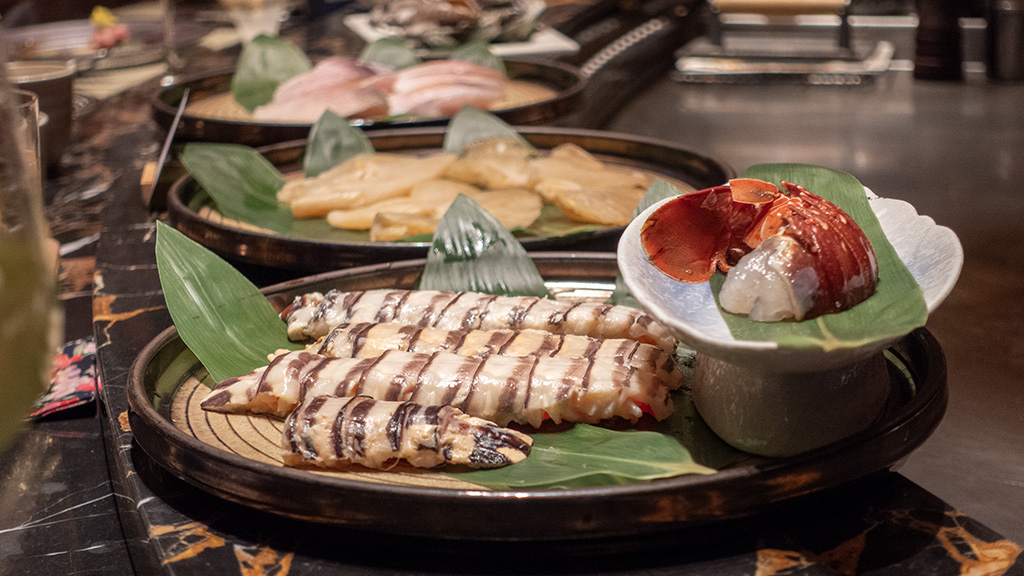
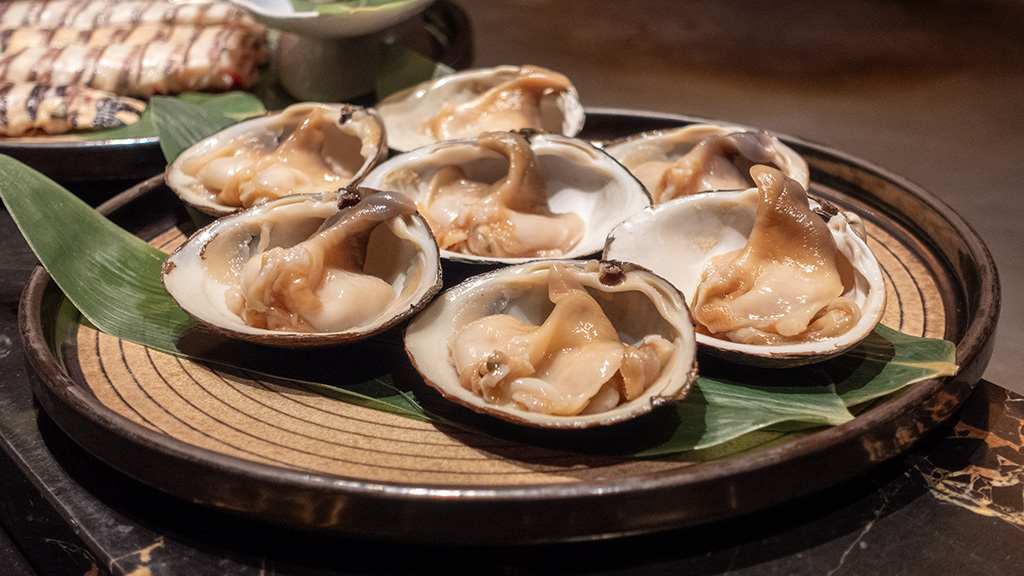
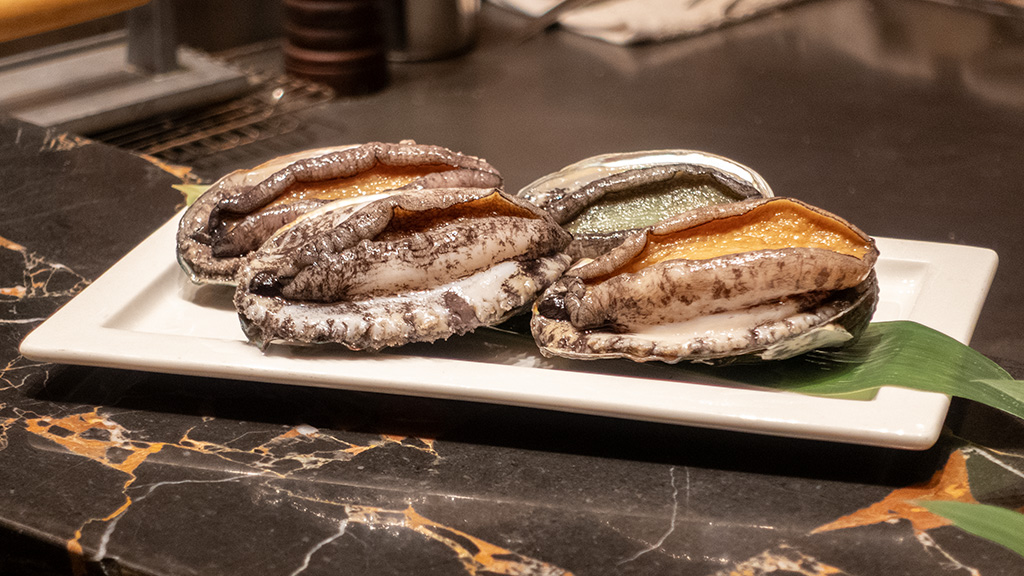
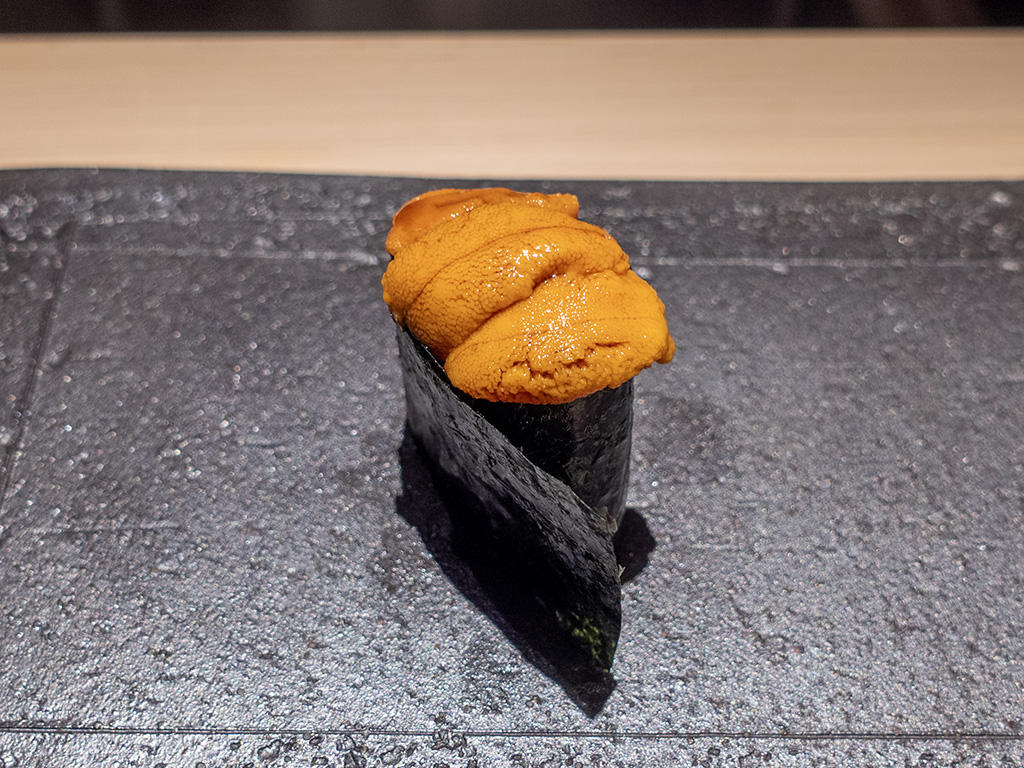
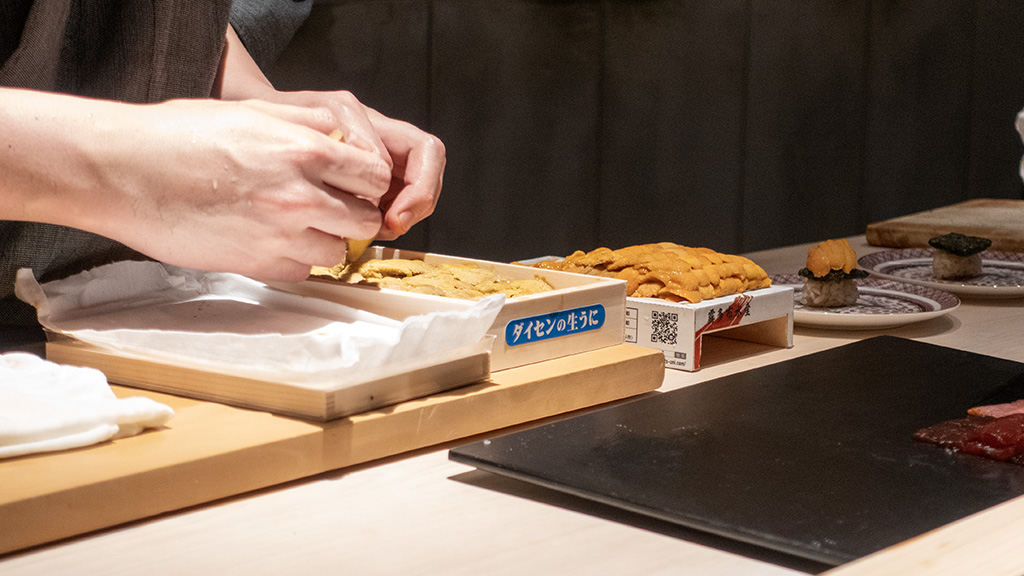
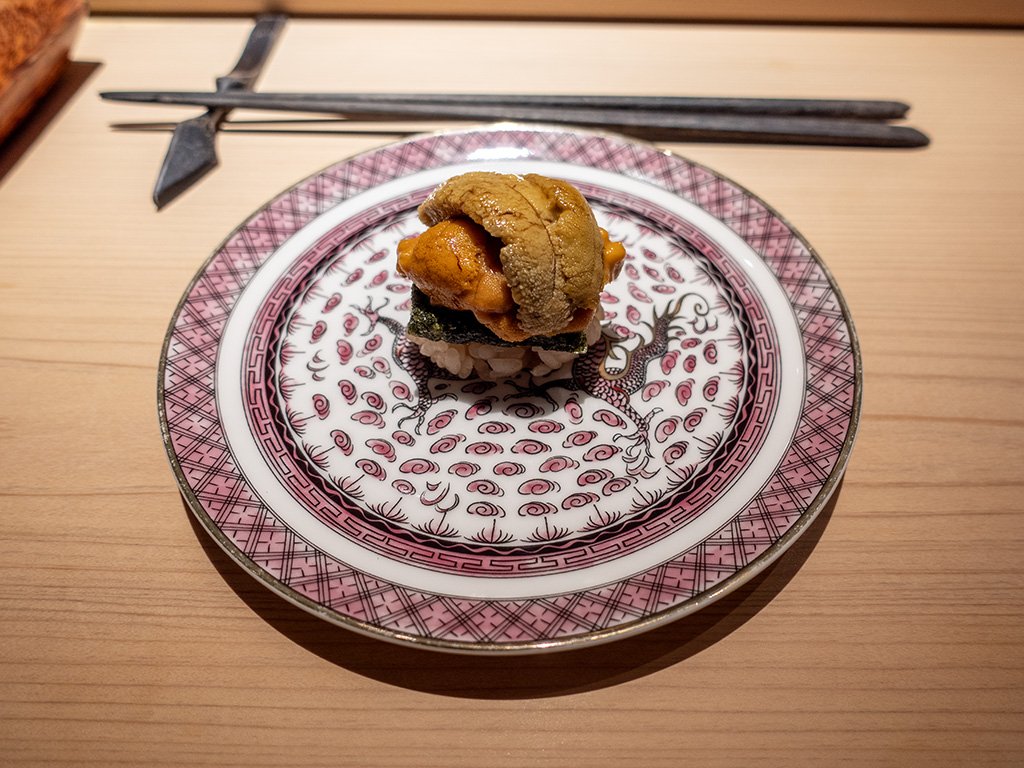
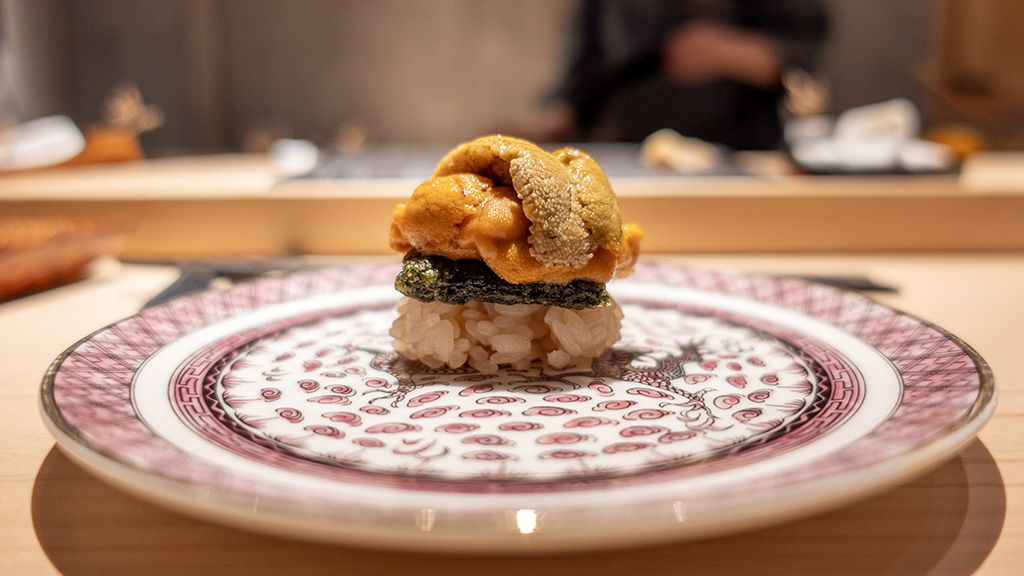
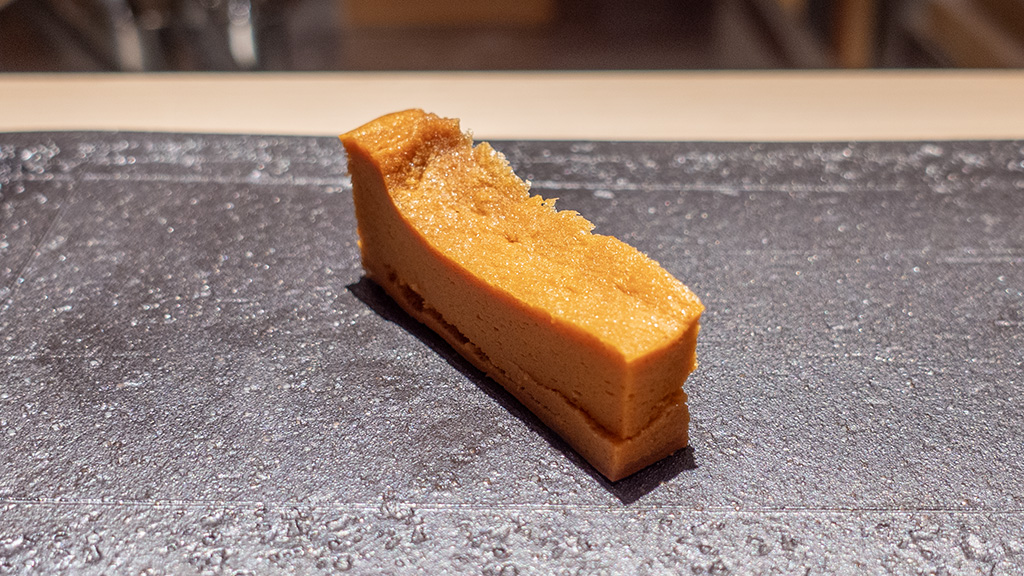
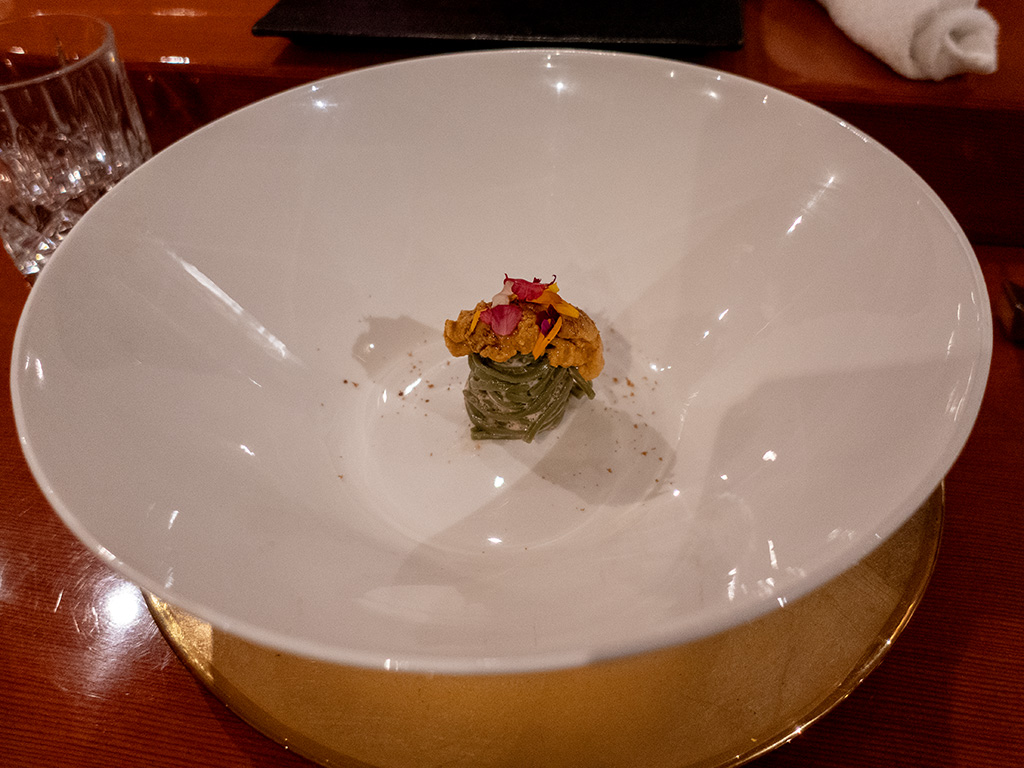
While all this was coming out and being put on display, I got my next dish, Hokkaido sea urchin. This was a supplement to the spring special seasonal menu for an additional HK$300. Considering that sea urchin is my favorite kind of seafood, I of course had to get the supplement.
Flavor-wise, it was very good. However, even though this was intended as a sashimi dish, I wish that they had still included a small portion of rice along with it. I think sea urchin goes very well together with rice because the individual grains of rice give a lot of surface area to “spread out” the sea urchin, thus engaging with a larger part of your tongue and taste buds.
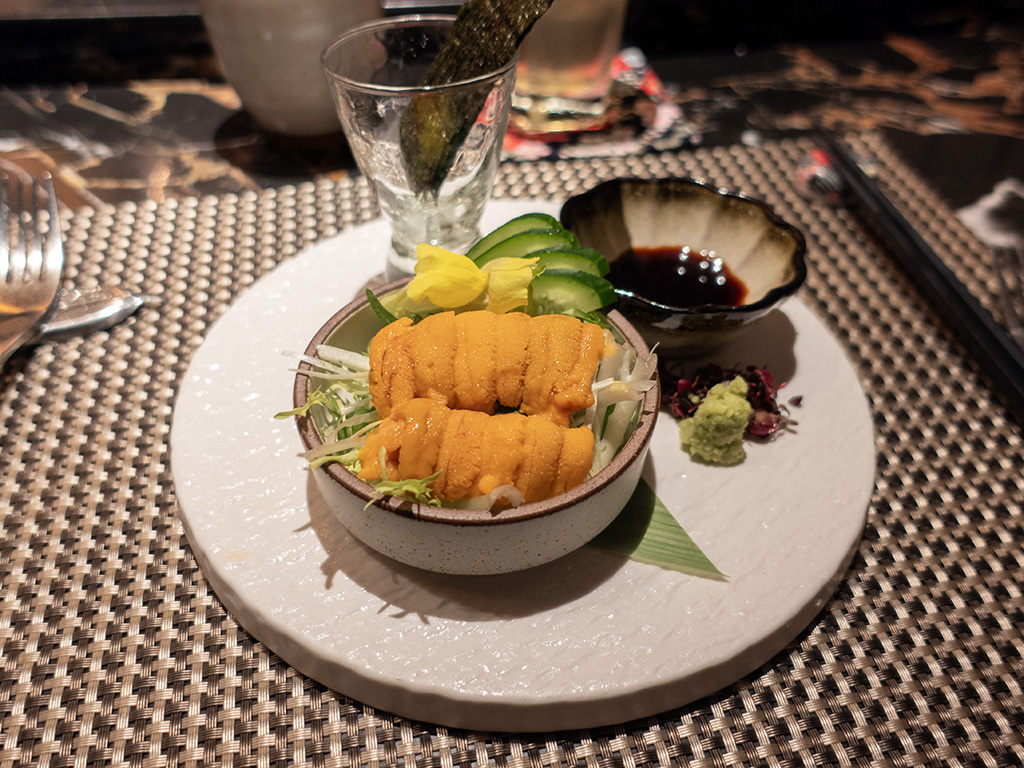
While I was eating the sea urchin, the chef started preparing the first entrée.
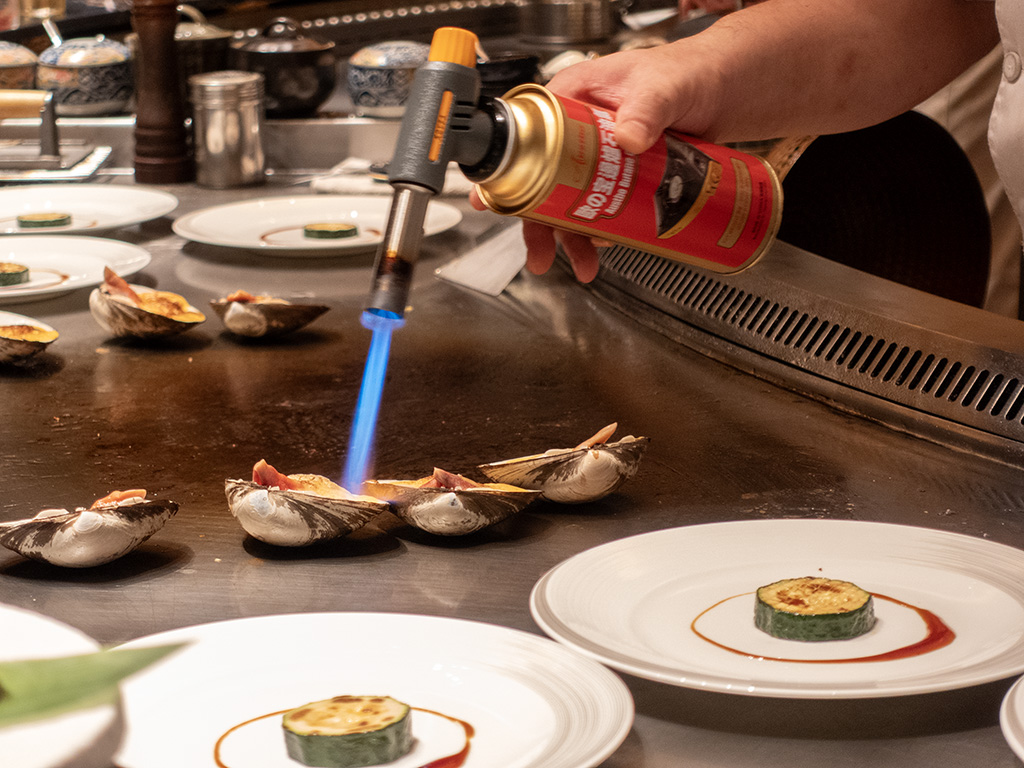
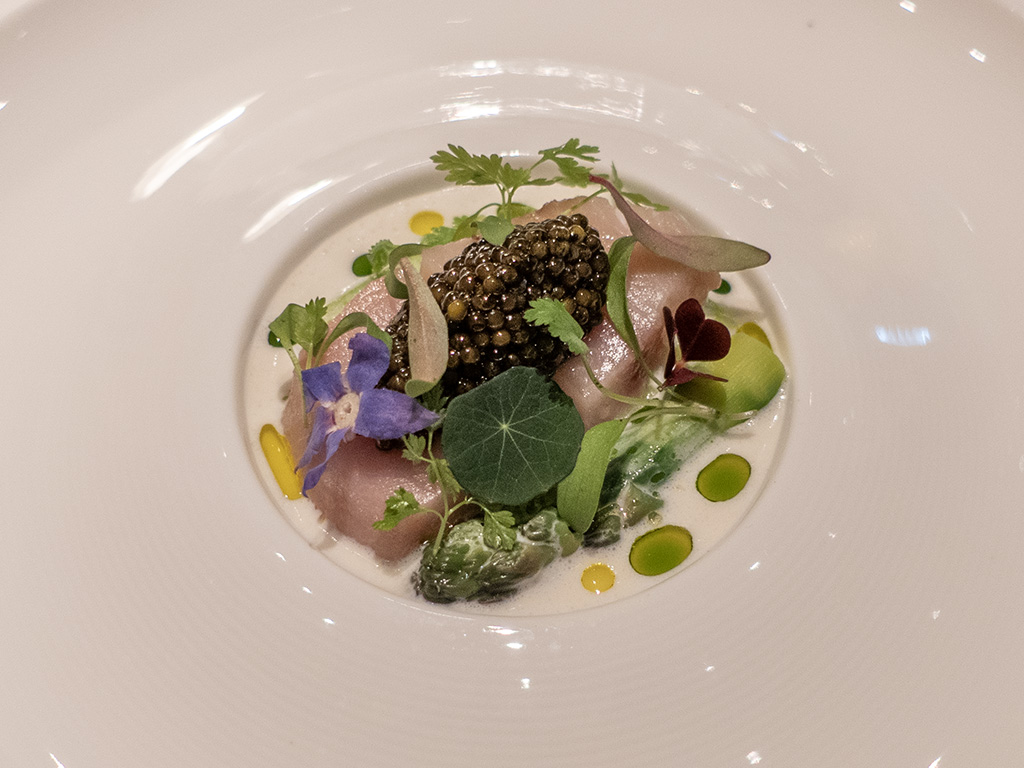
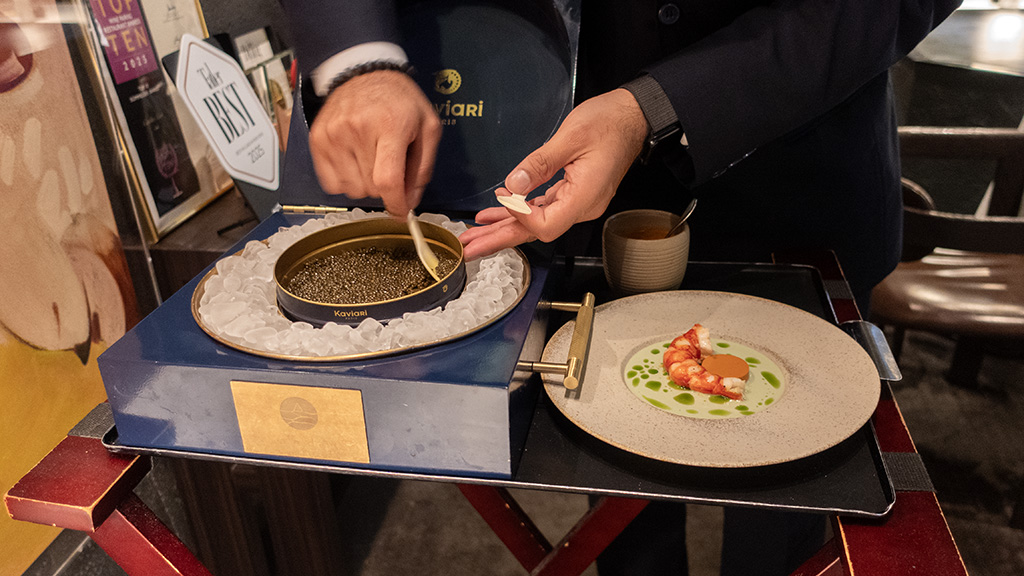
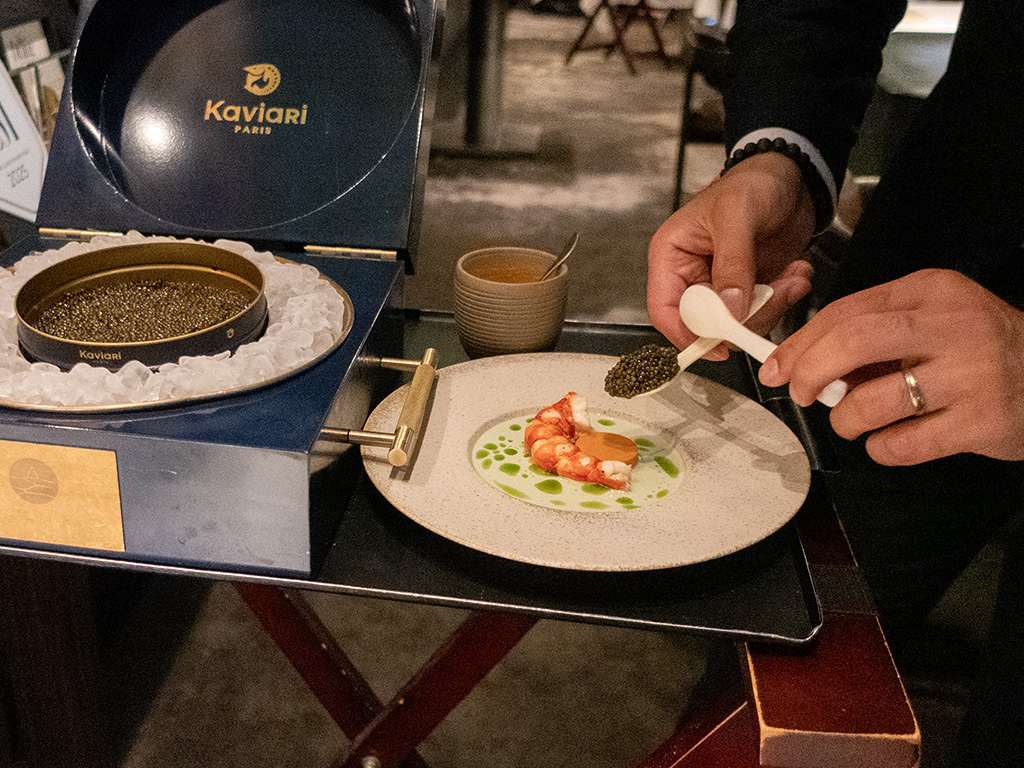
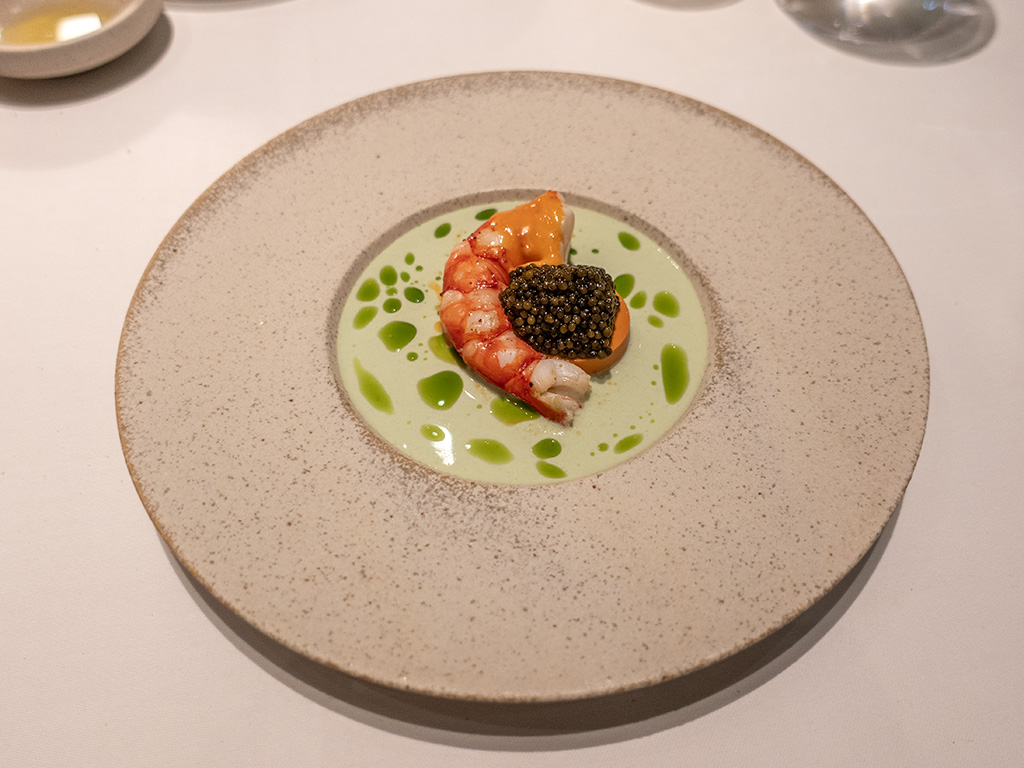
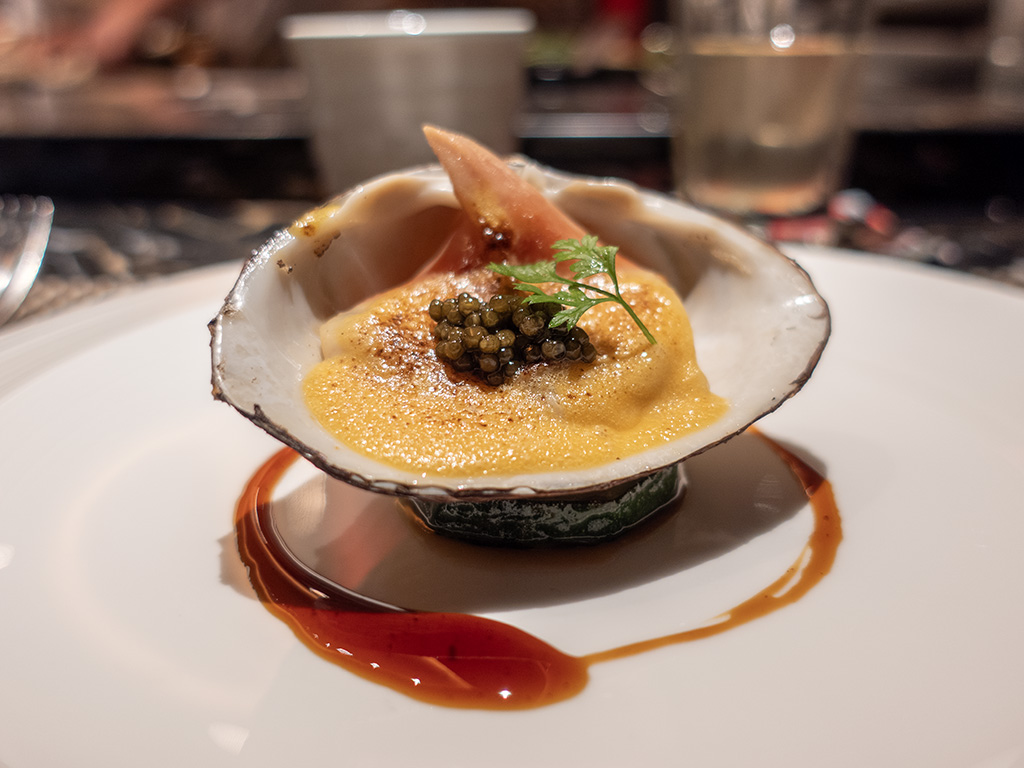
We were served sautéed surf clam with caviar and Japanese hollandaise sauce.
This was my second-favorite dish of the meal. This was an absolute explosion of umami and flavor. The sauce had all the good parts of a creamy sauce without actually being that creamy or fatty. The caviar added a nice saltiness to it. The slice of zucchini added a subtle element of refreshing vegetable without diluting any of the umami.
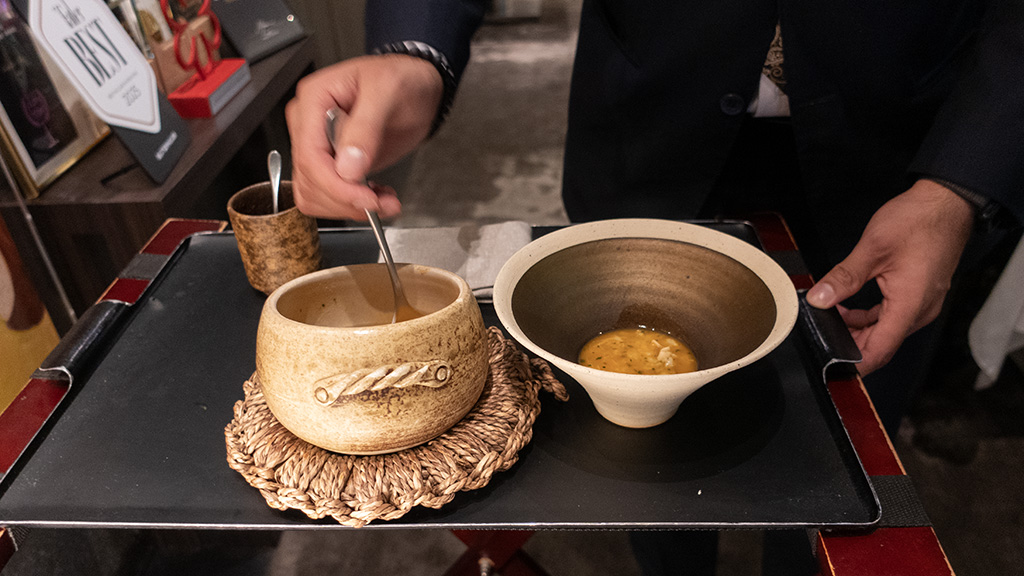
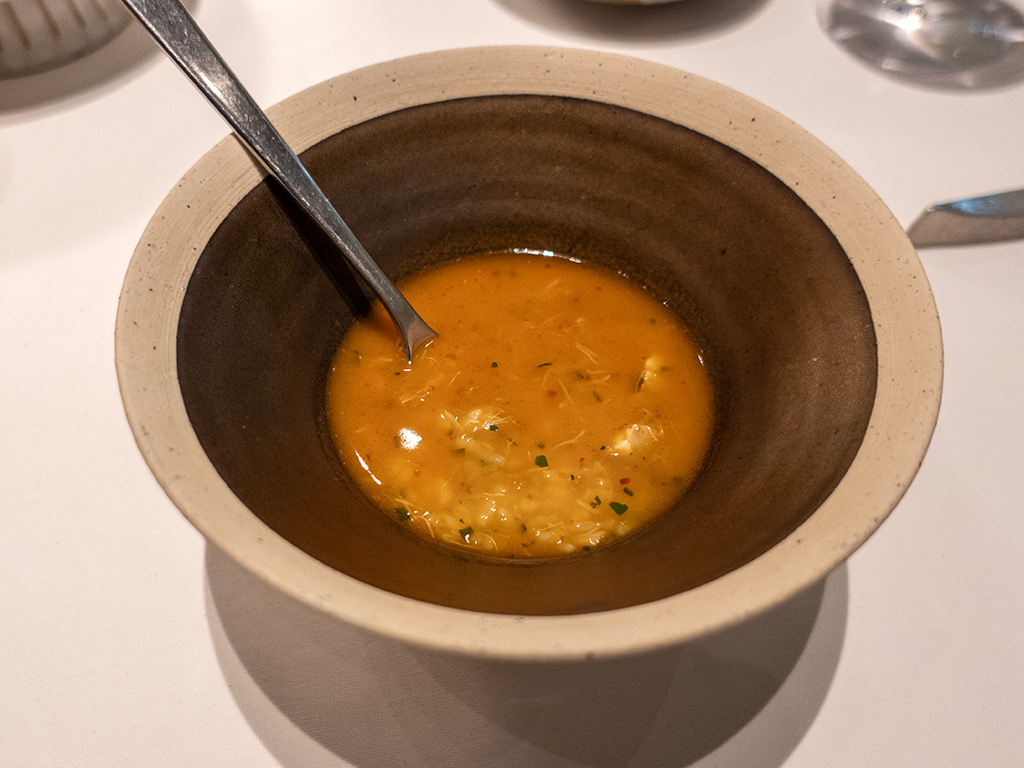
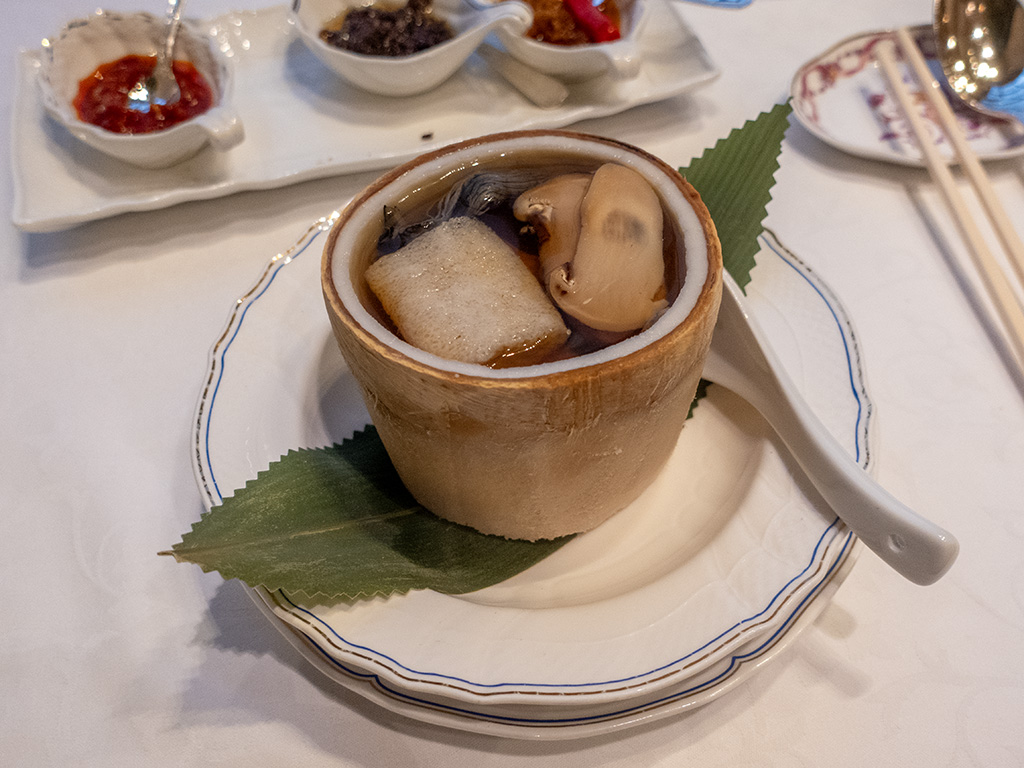
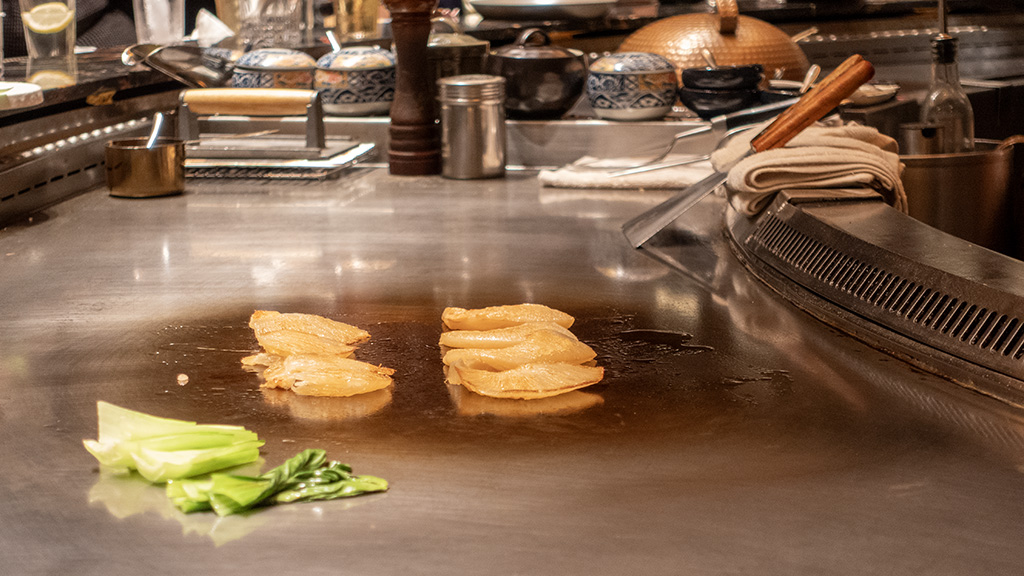
While we were eating our surf clam, the chef started grilling our shark fin, which was to be served in creamy chicken soup. For those who did not want shark fin, there was a substitution available for grilled fish maw, but all seven people in my group picked the shark fin.
Shark fin is illegal for me back at home. The United States passed the Shark Fin Sales Elimination Act as part of the National Defense Authorization Act for Fiscal Year 2023. Prior to that, Nevada passed Senate Bill 194, also sometimes referred to as the Wildlife Trafficking Prevention Act, in 2017.
I have had shark fin before in the United States when I was a kid and before it was outlawed, but I didn’t remember what it was like. So, of course, I seized the opportunity to try it legally while in Hong Kong.
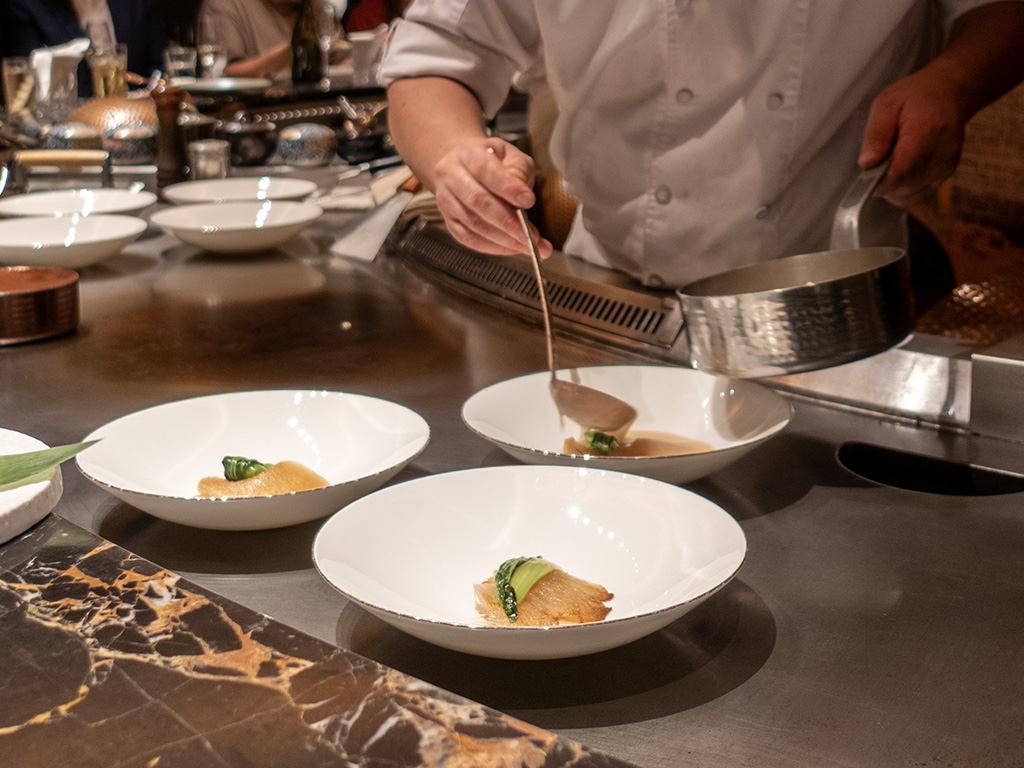
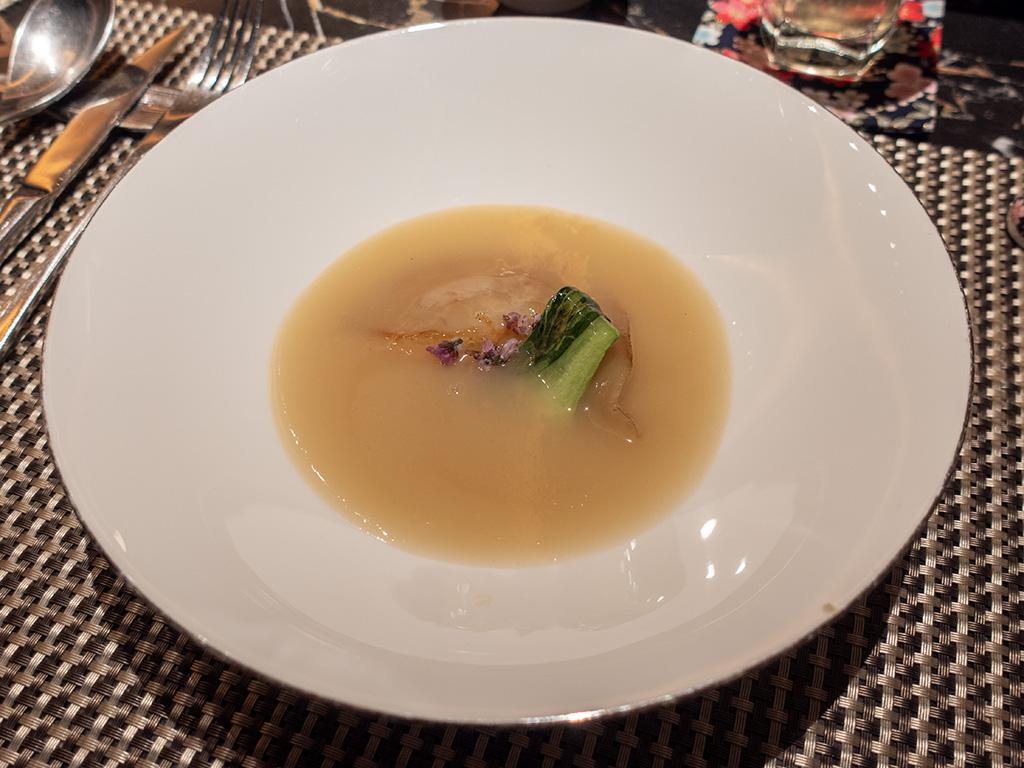
The soup and shark fin were delicious, but upon research, it seems like the shark fin doesn’t really have a standout flavor on its own, and the flavor came mostly from its ability to absorb and retain the flavor from the creamy chicken soup.
A lot of people apparently love shark fin for the texture, and I can confirm that the texture is definitely one-of-a-kind. It was a very fun eating experience, but not so irresistibly incredible that I would become a regular consumer of shark fin.
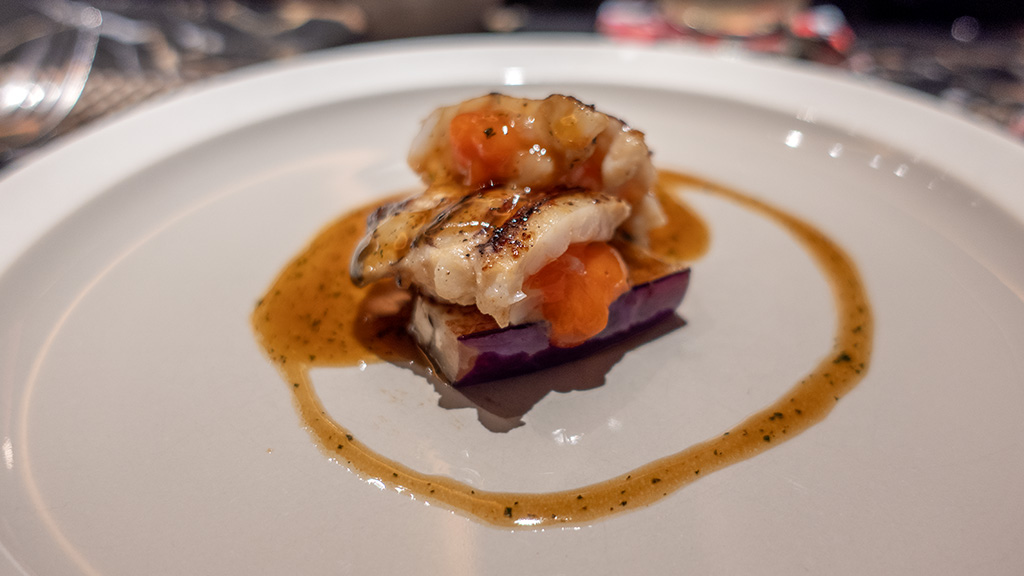
Next was my favorite dish of the dinner: grilled mantis shrimp with soy sauce butter. Similar to the surf clam, this was an absolute explosion of umami and flavor.
My guess is that the innards of the mantis shrimp were removed, mixed together into a smoother consistency, seasoned, and injected back into the shrimp as the orange paste that is visible in the photograph. I tried to confirm exactly what was done with it with the waitress, but I couldn’t understand her United Kingdom accent.
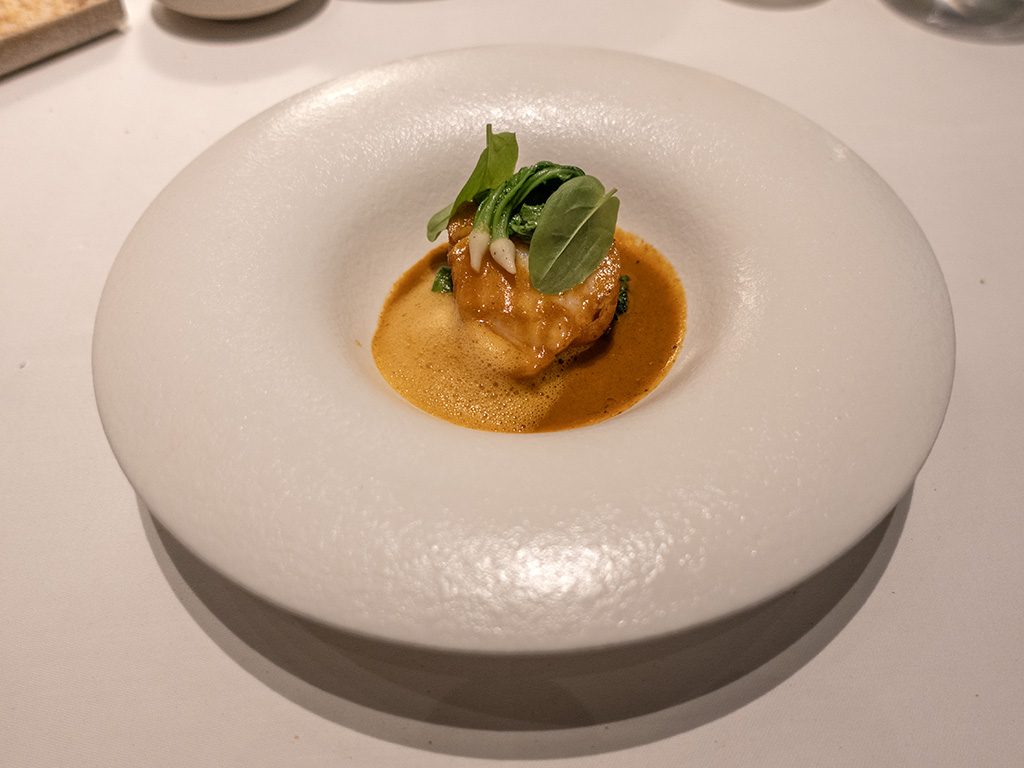
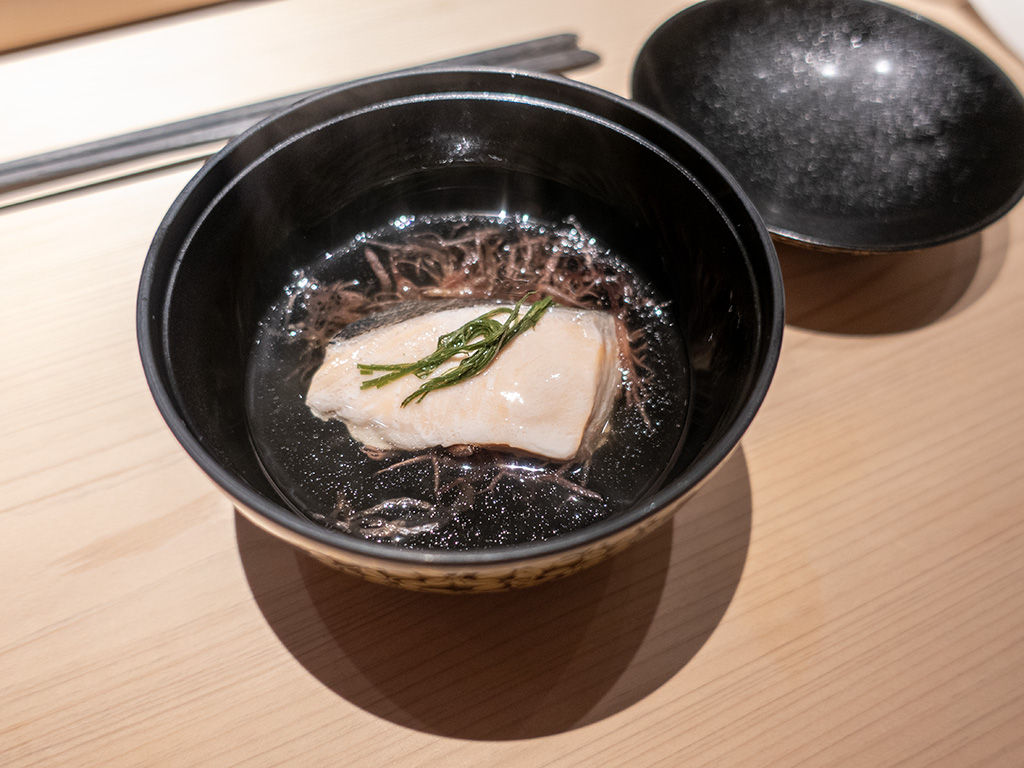
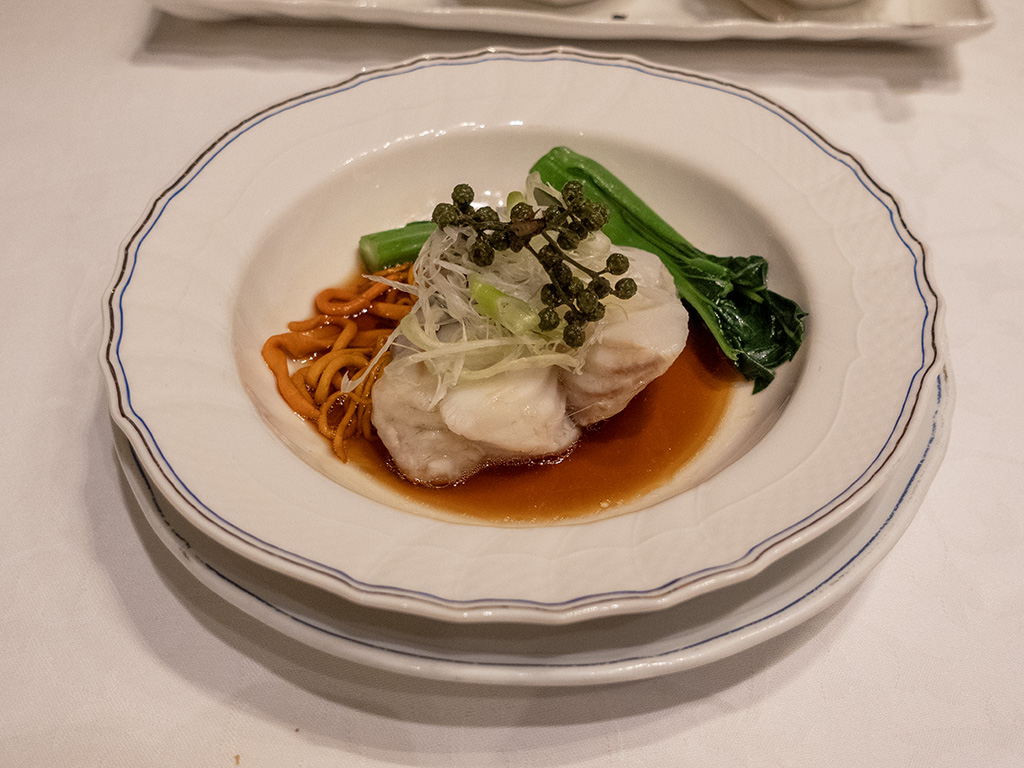
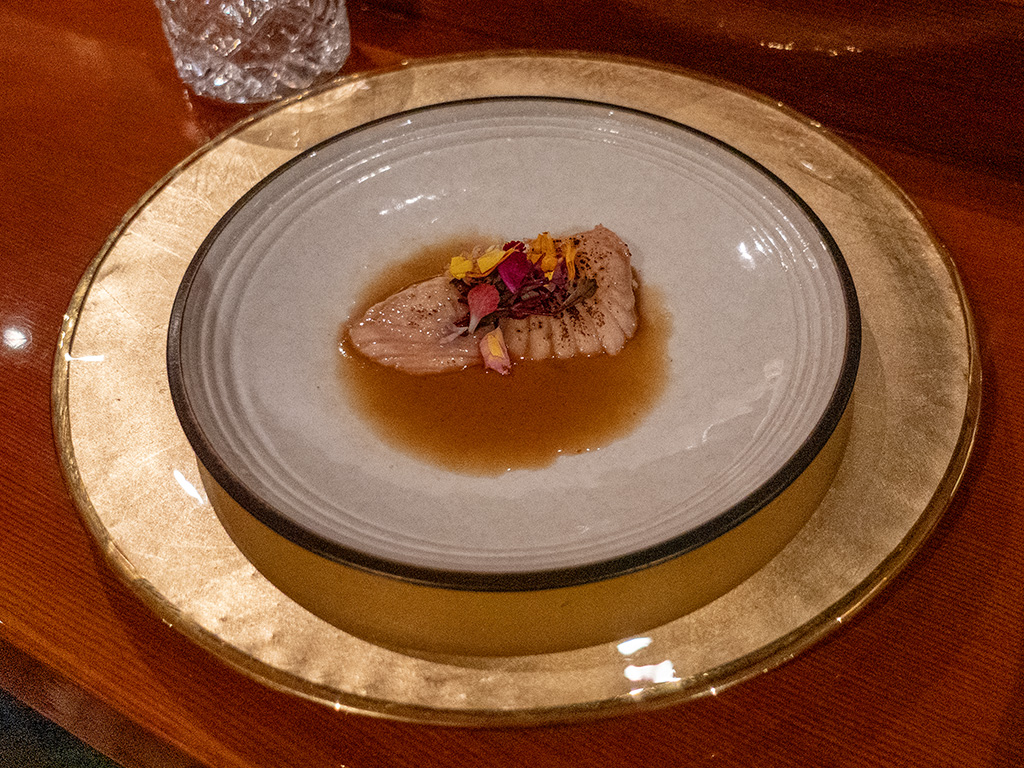
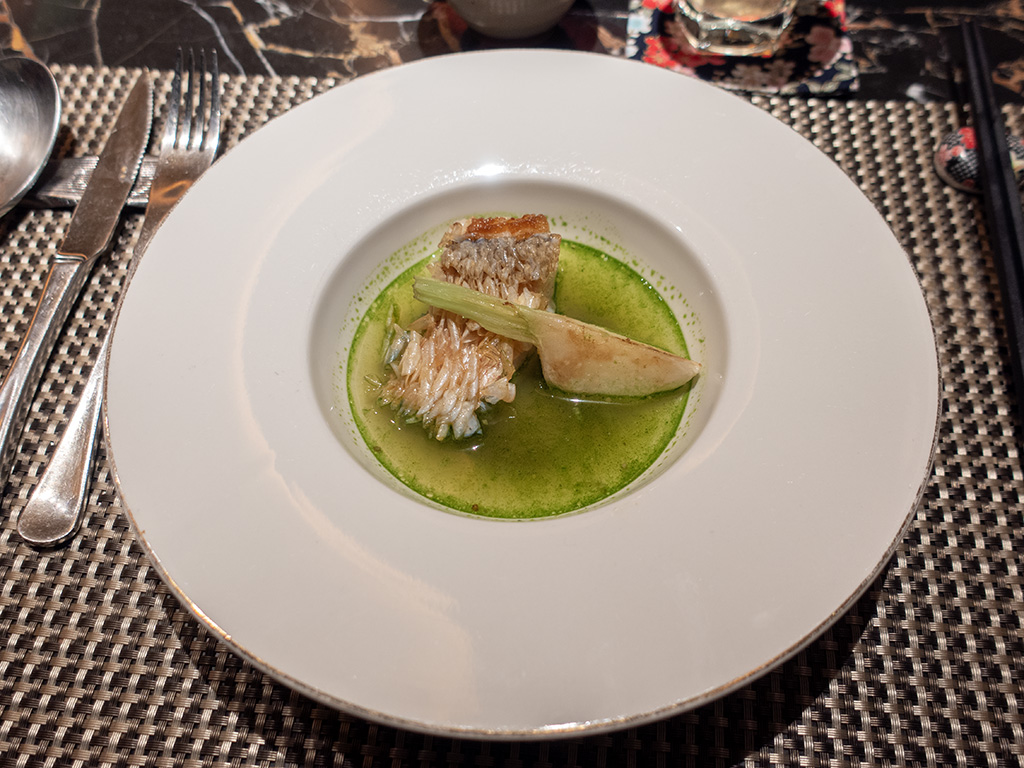
Next was grilled amadai in basil-flavored clam consommé soup.
The fish was very tender and the soup complemented it well by balancing the fish and seafood flavor with vegetable undertones, but the most intriguing part of this dish was the texture of the fish. As you can probably tell from the photograph, there was a crispy layer on top of the fish that almost tasted like miniature shrimp had been attached to the skin. This added a very fun additional element to chewing the fish.
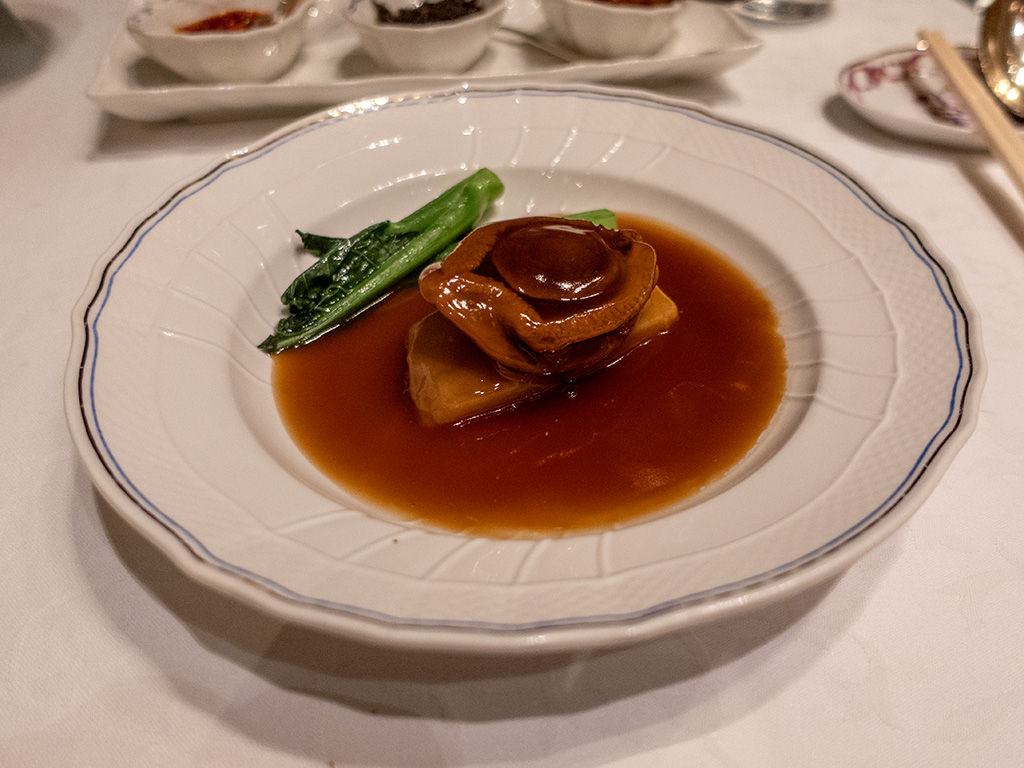
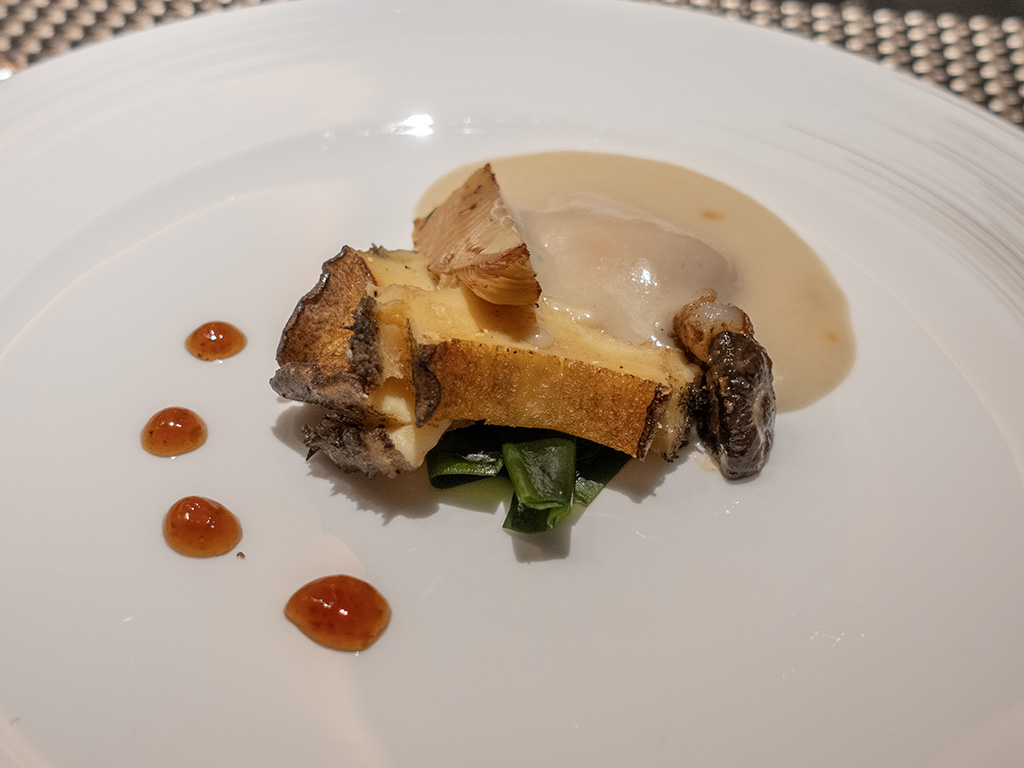
The next dish was broiled ezo abalone with sea urchin sauce and bamboo shoots.
By this point, I was basically falling asleep while upright. I do recall that this was delicious, but I don’t remember much more beyond that.
After the abalone, the menu had a second supplement option of grilled Australian lobster with Barilla Genovese and tapenade sauce for an additional HK$298. Although seafood is my favorite kind of food and I love lobster, I opted to pass on this supplement because I was already still residually full from overindulging until bloatedness for the past few days.
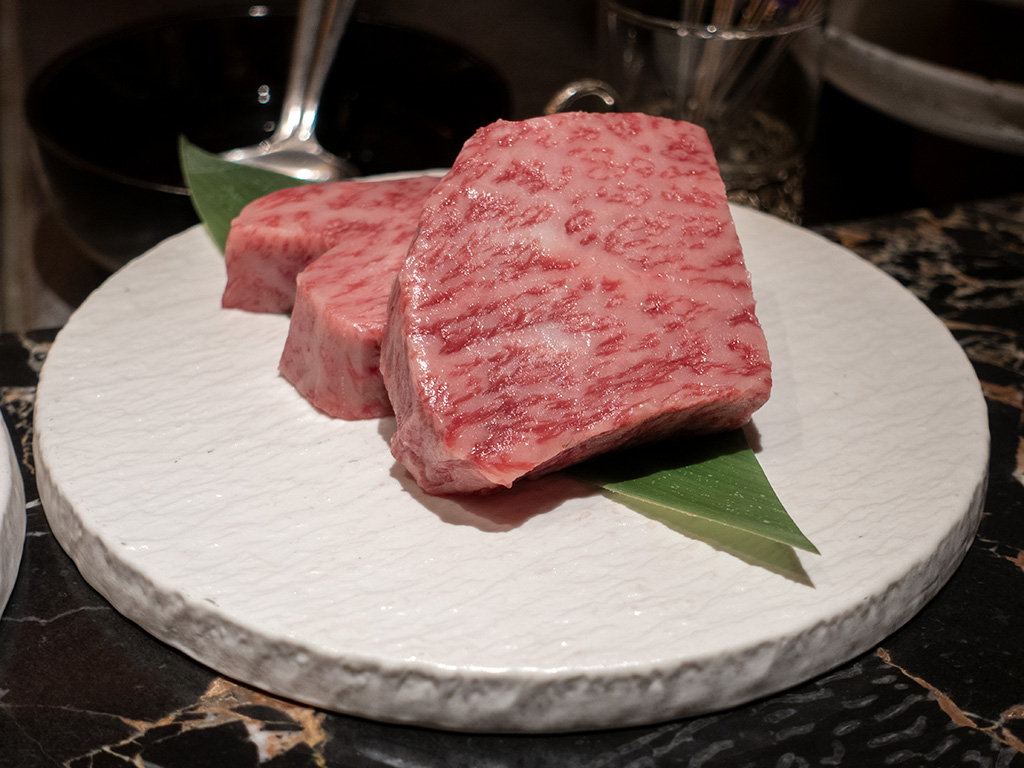
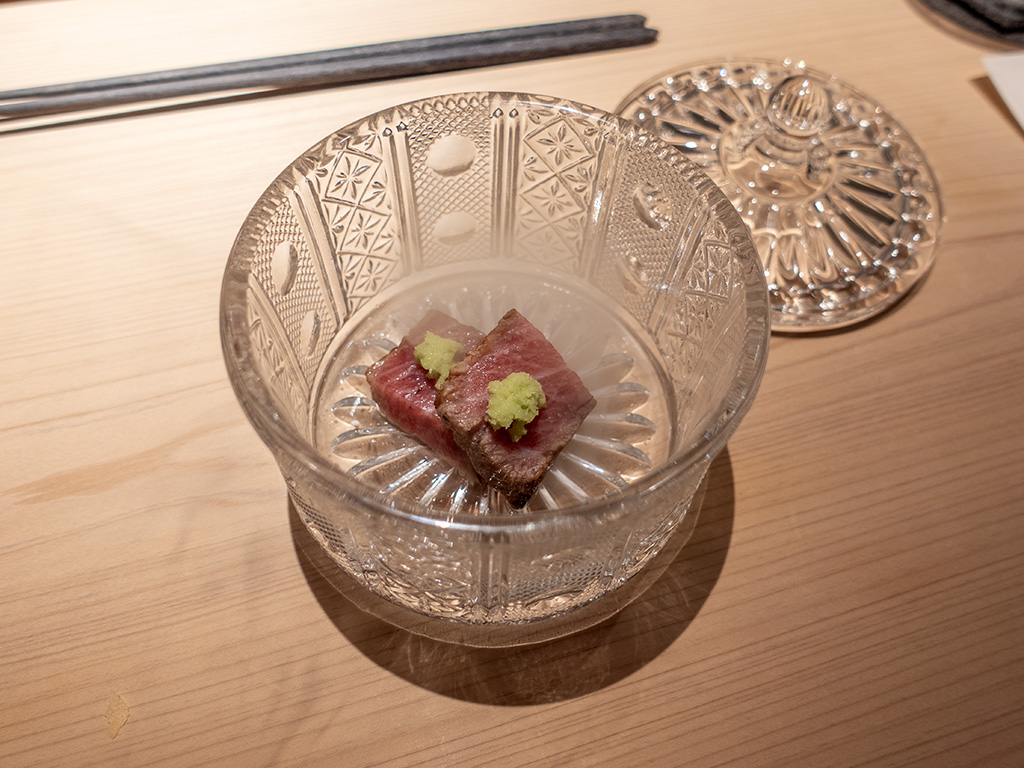
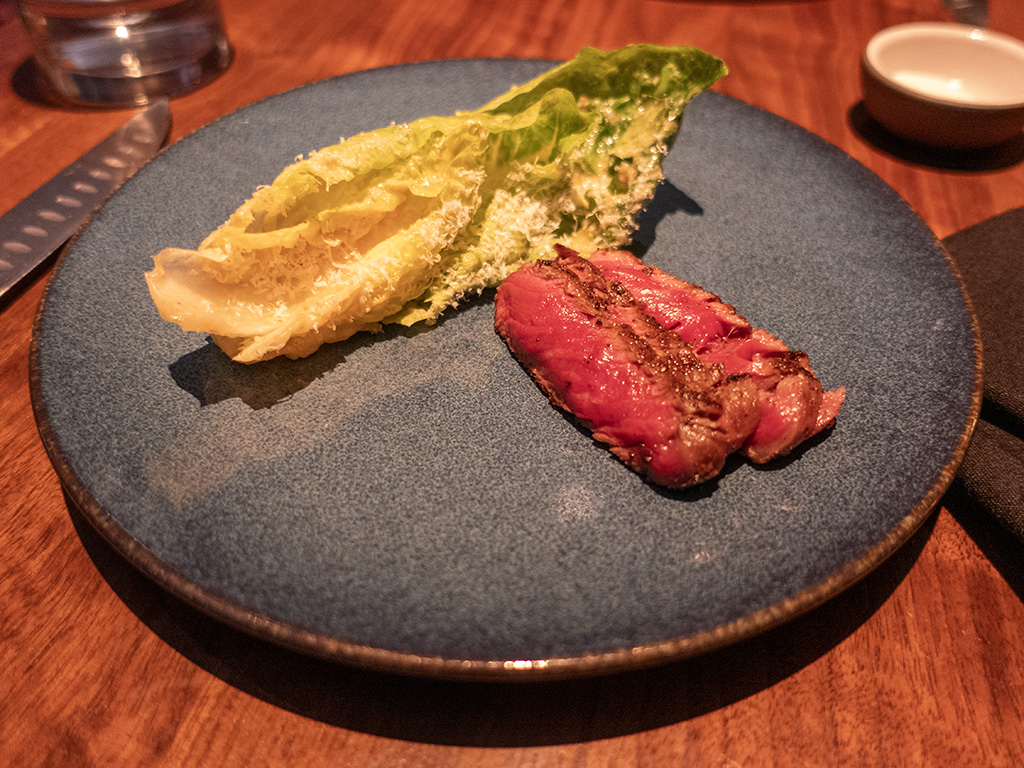
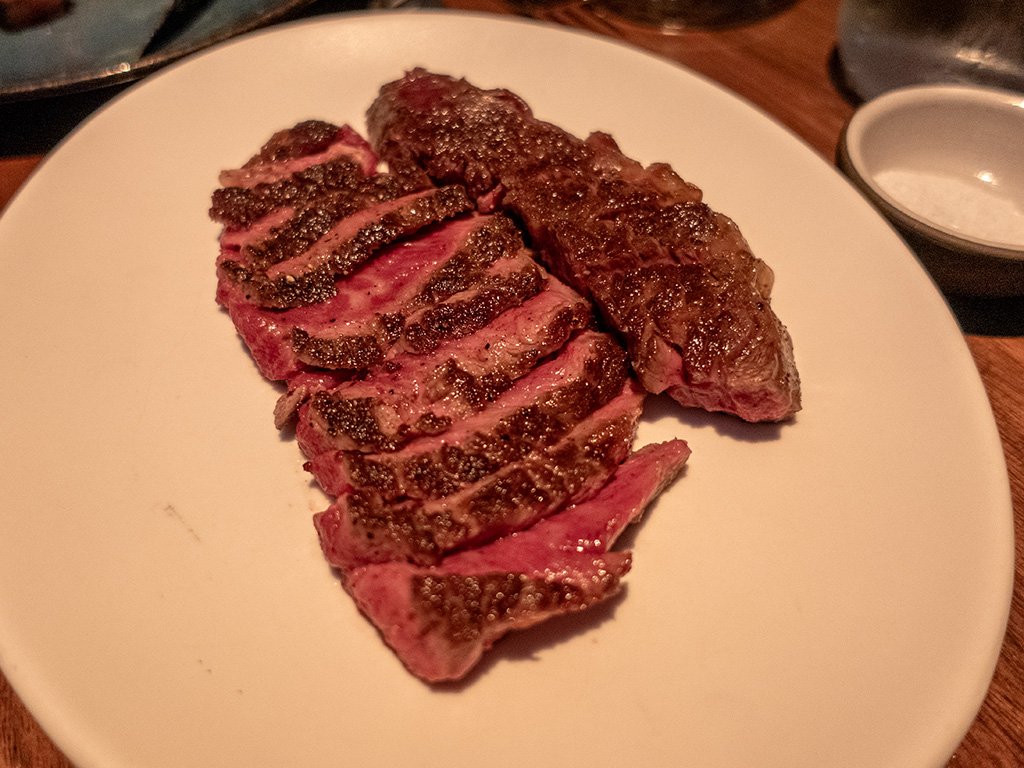
Labeled as the main entrée, the long string of seafood dishes was followed by two different cuts of beef: A4 Kumamoto wagyu sirloin and A5 Takamori “drunken” wagyu tenderloin.
I appreciated that they had two different kinds of wagyu beef. Having only A5 can get overwhelming and you often find yourself quickly reaching your limit due to how rich and fatty it is. Having some A5 wagyu and then rounding out the rest of the portion with A4 wagyu made it so we were able to eat a larger and more satisfying and fulfilling portion of wagyu without it feeling too heavy.
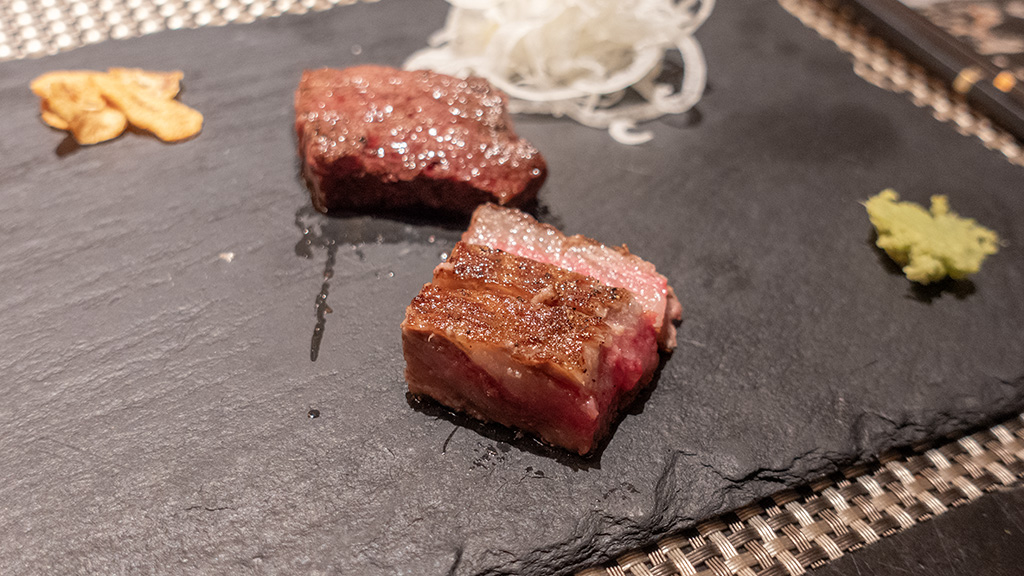
It’s just barely out of frame in the photograph, but of course, this was served with salt. I ate each bite with some onion, a bit of wasabi, and a heaping pinch of salt; all that worked together very well with the wagyu to really extract its amazing flavor.
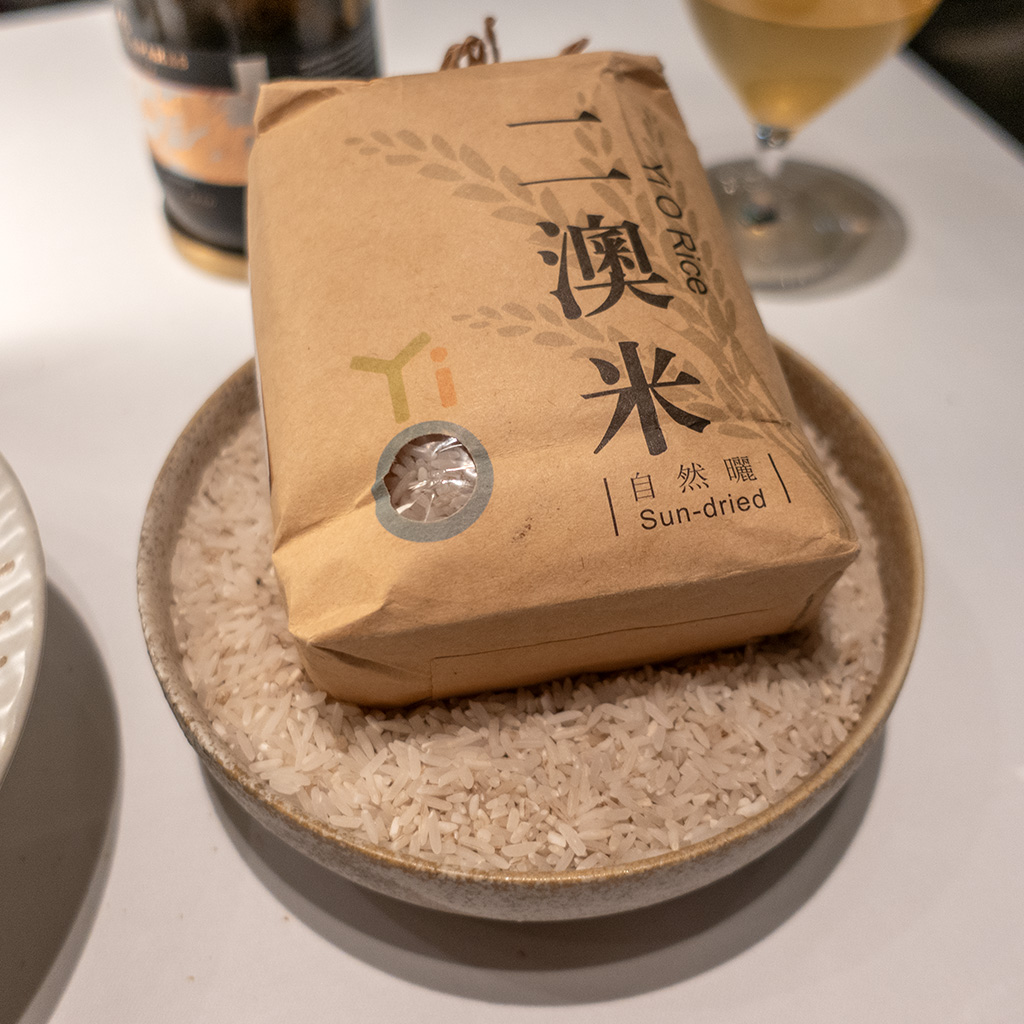
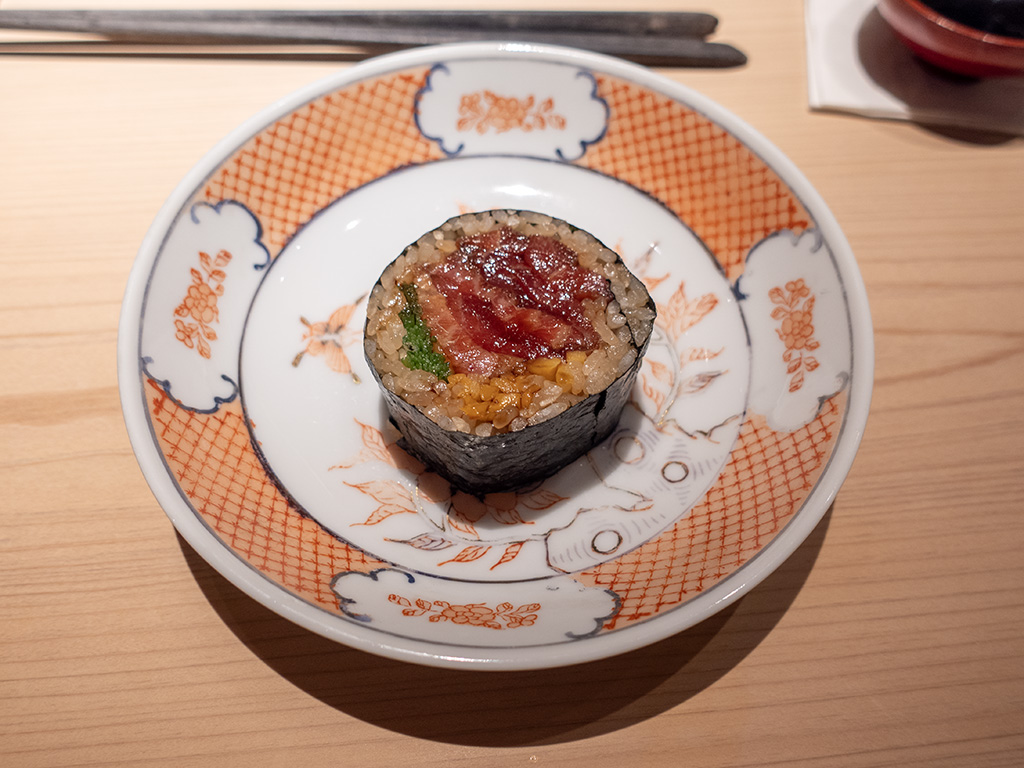
As the grand finale, we all got to pick a rice dish. The options were grilled eel kabayaki, foie gras teriyaki, snow crab and salmon roe, red sea bream and sakura shrimp, or seared Hokkaido flounder fin and salmon roe.
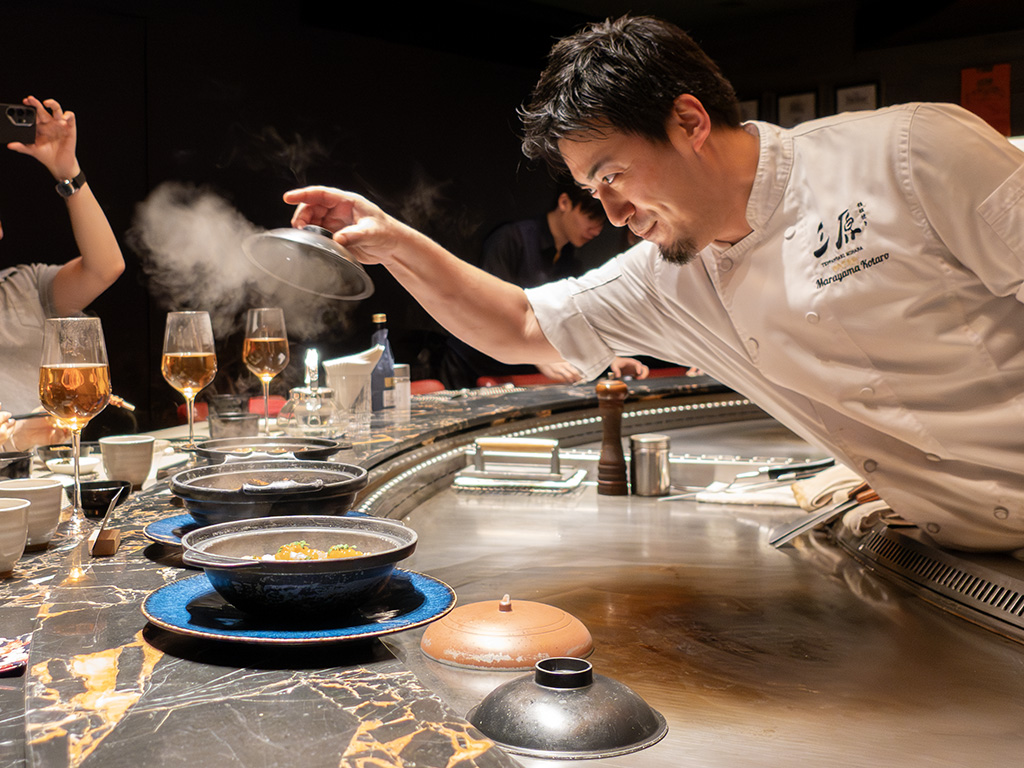
This was prepared all together and presented to us inside the clay pots in which they were cooked.
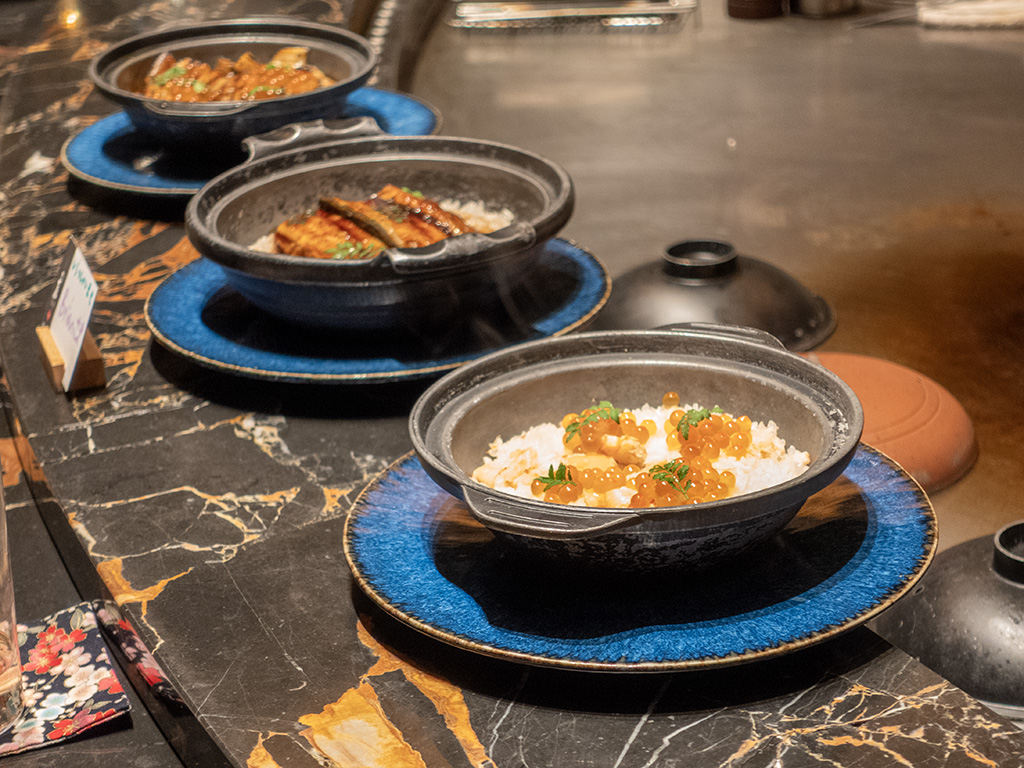
My friend sitting next to me opted for the seared Hokkaido flounder fin and salmon roe donabe, which came with an extra HK$150 supplemental cost.
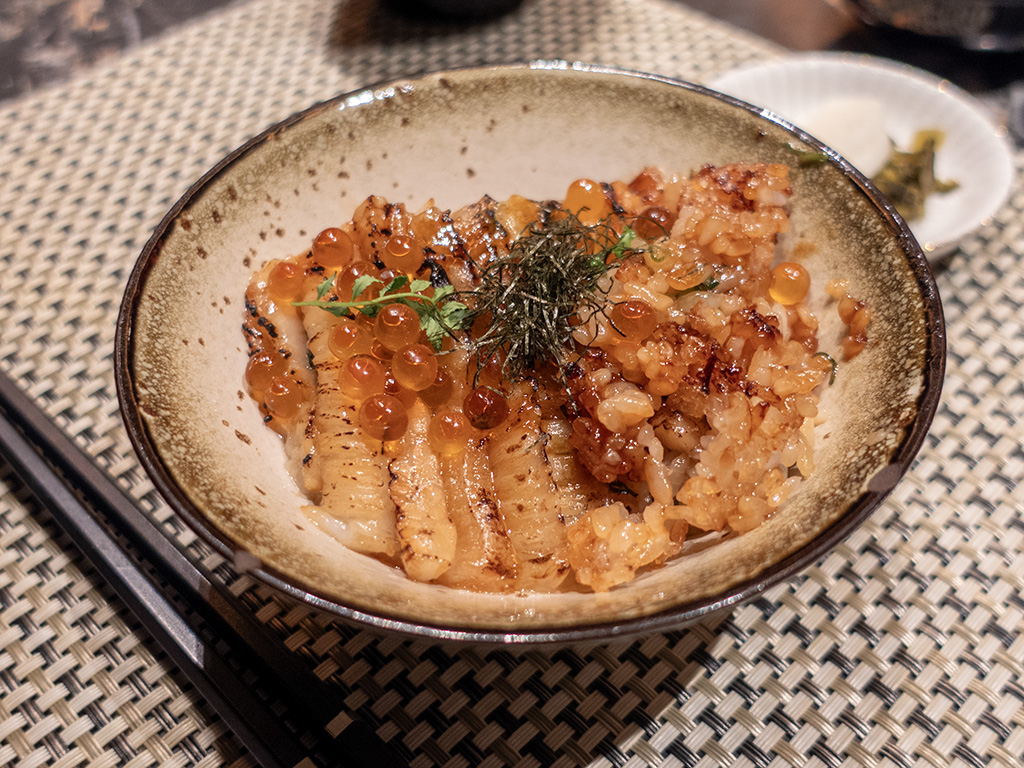
I went with the grilled eel kabayaki donabe. Interestingly, even though I liked it, I noticed that, for some reason, it wasn’t quite as top-tier as the other dishes were. I sampled some of my friend’s Hokkaido flounder fin and thought it was much better and comparable in quality to the excellence of the other dishes served that night.
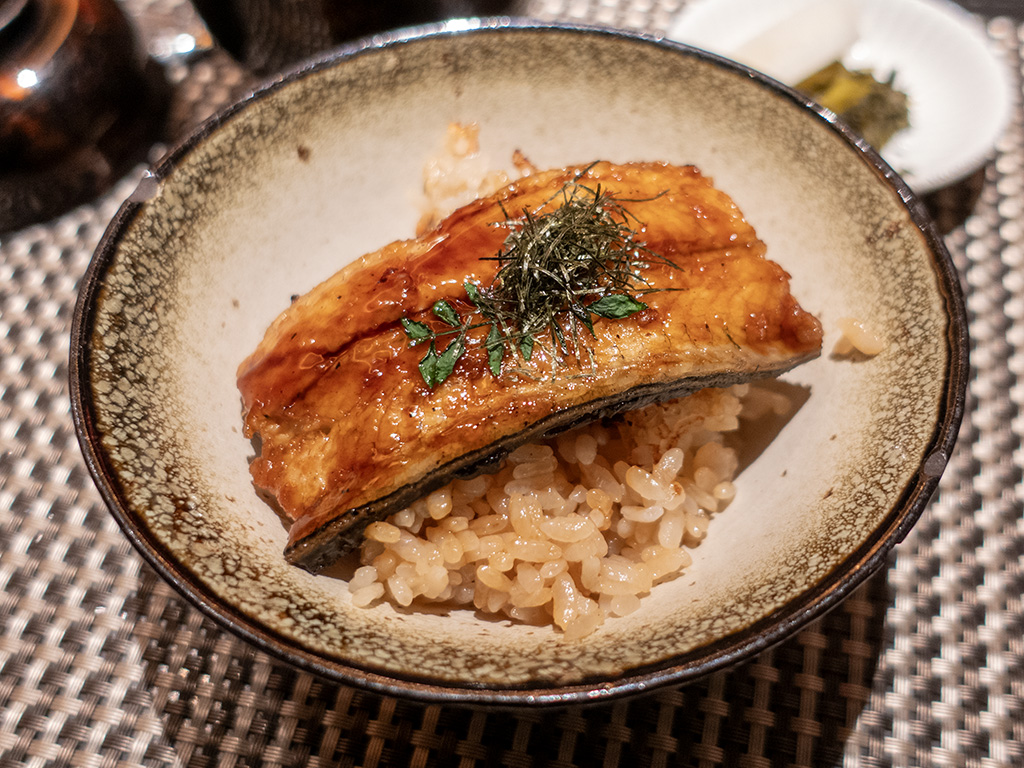
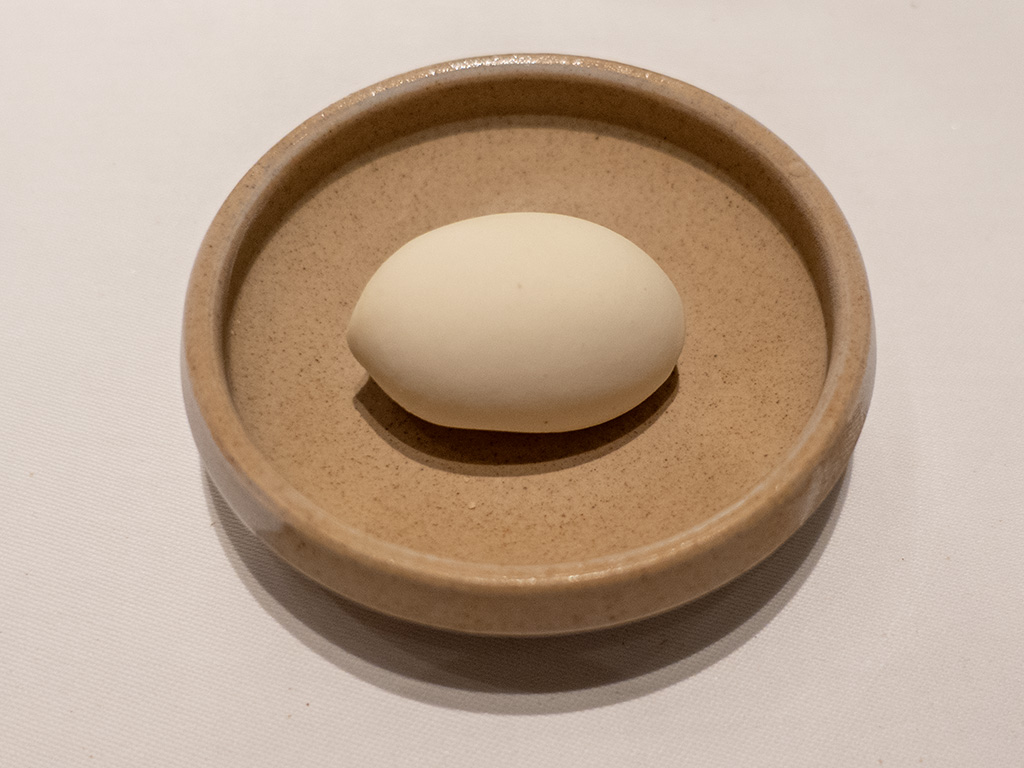
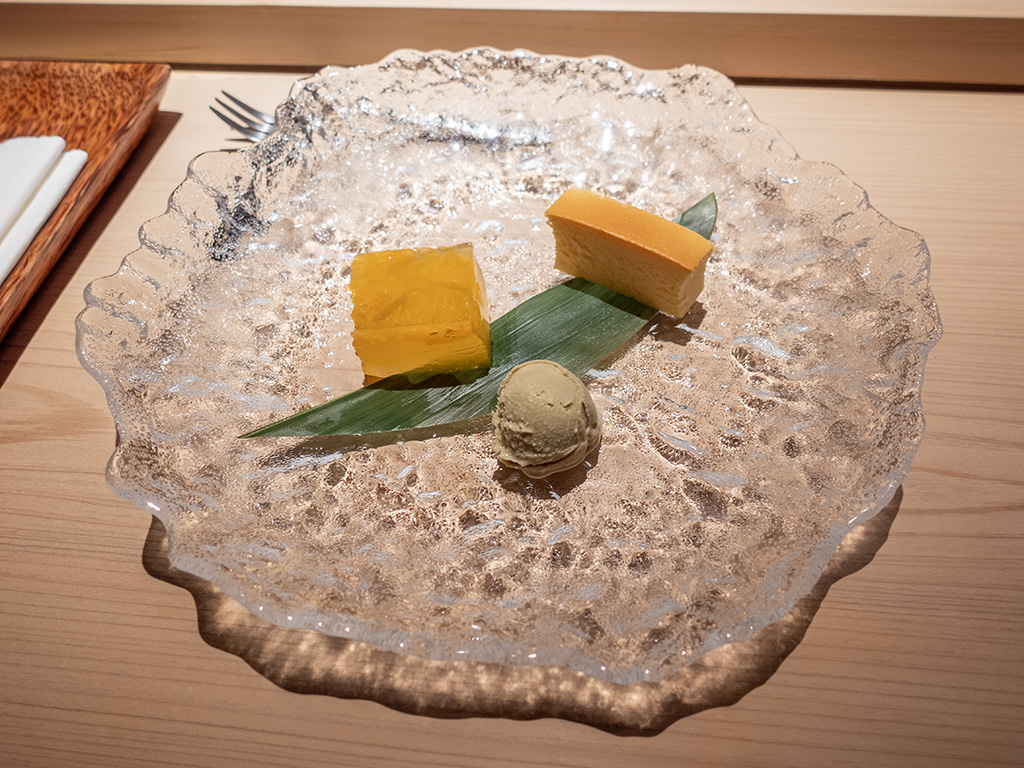
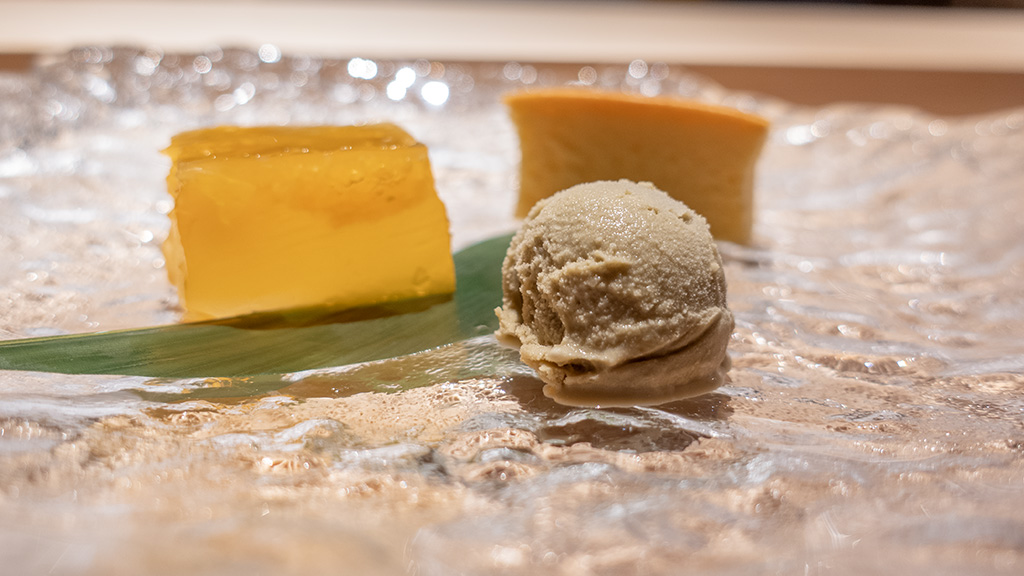
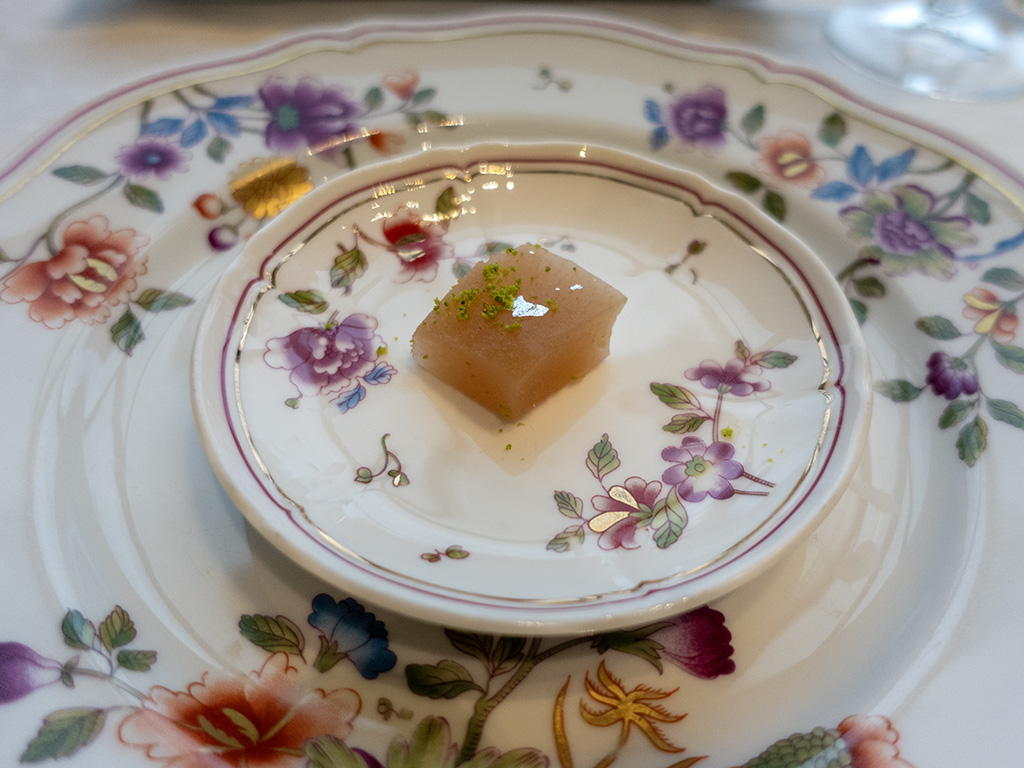
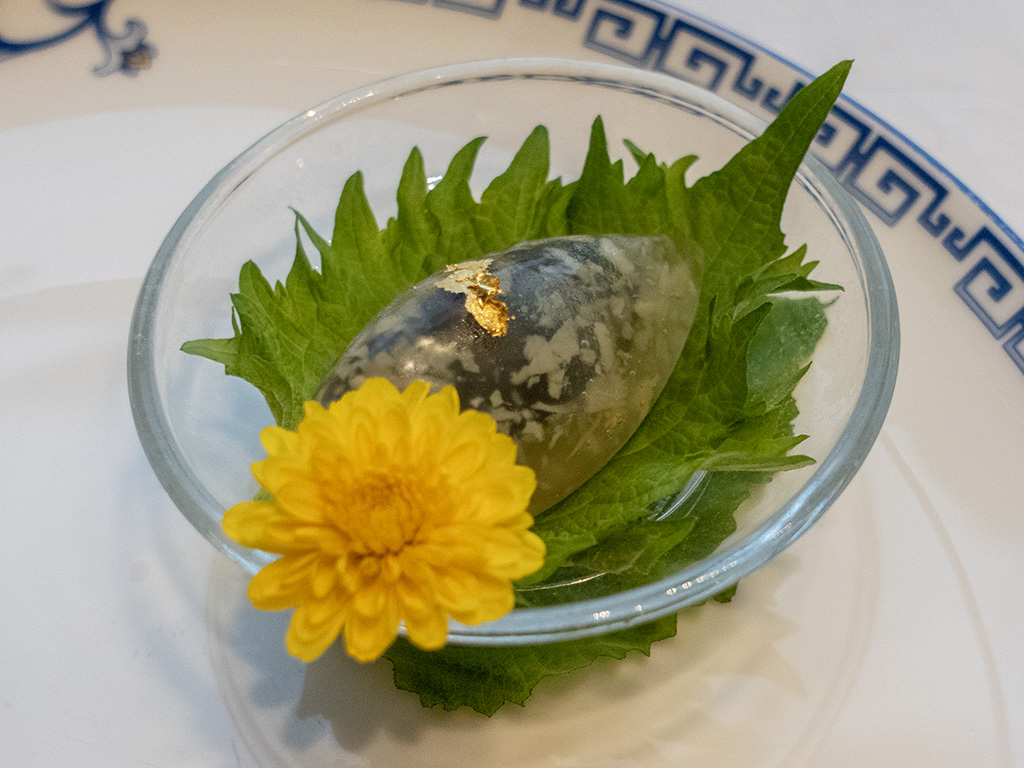
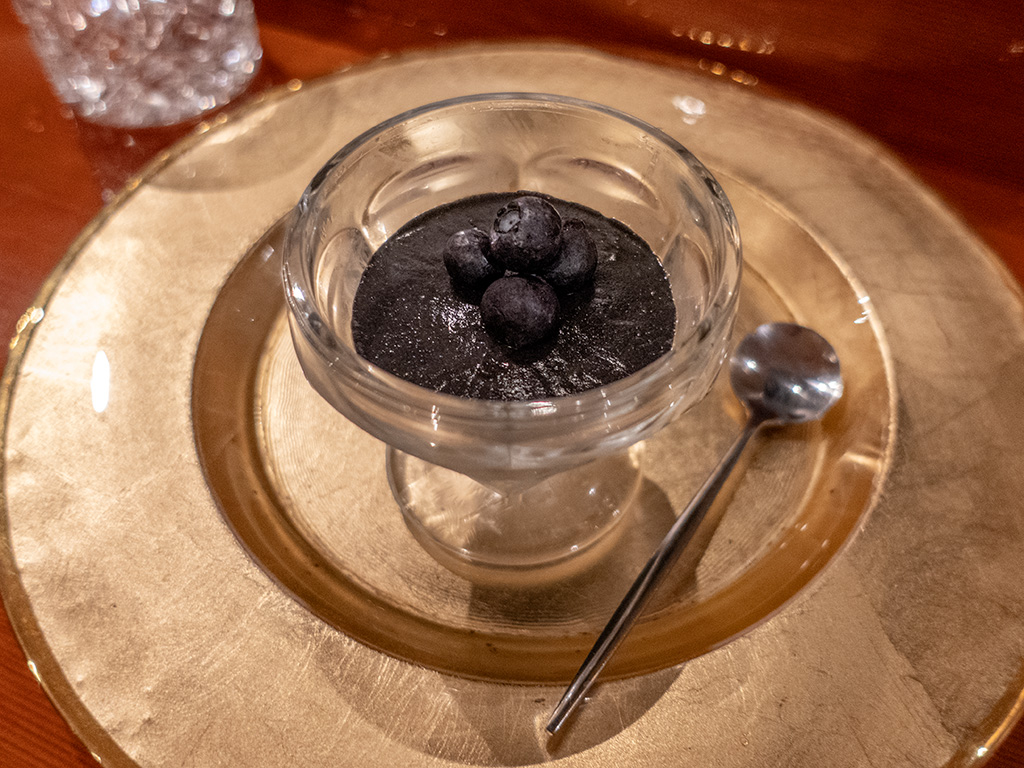
For dessert, we were allowed to pick from four different options. I went with the homemade matcha warabi mochi with vanilla ice cream.
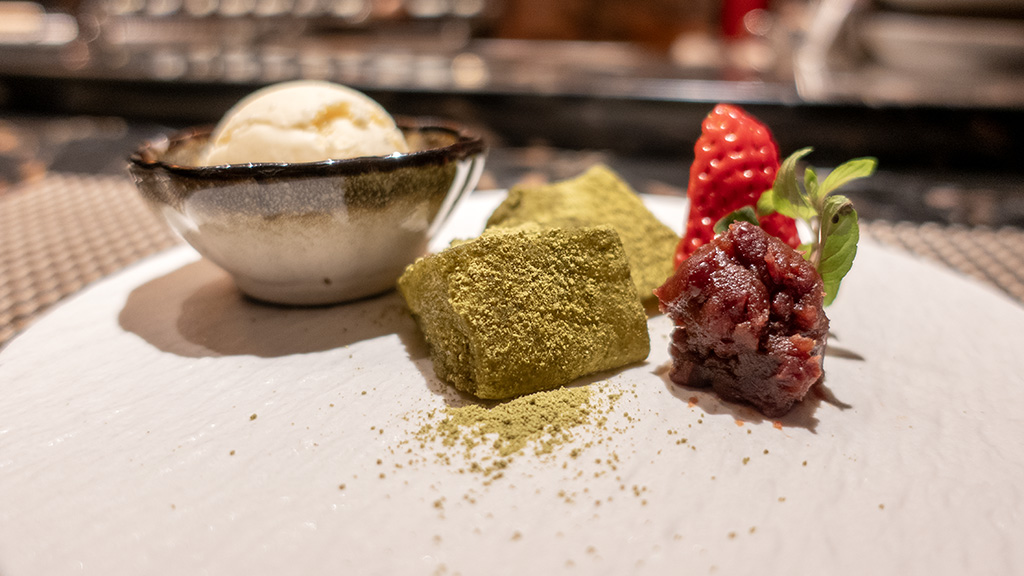
At this point, I was on the verge of collapsing and crashing my head onto the table in sleepiness, so I took this opportunity to stand up and walk around and take pictures of some of the other desserts as well.
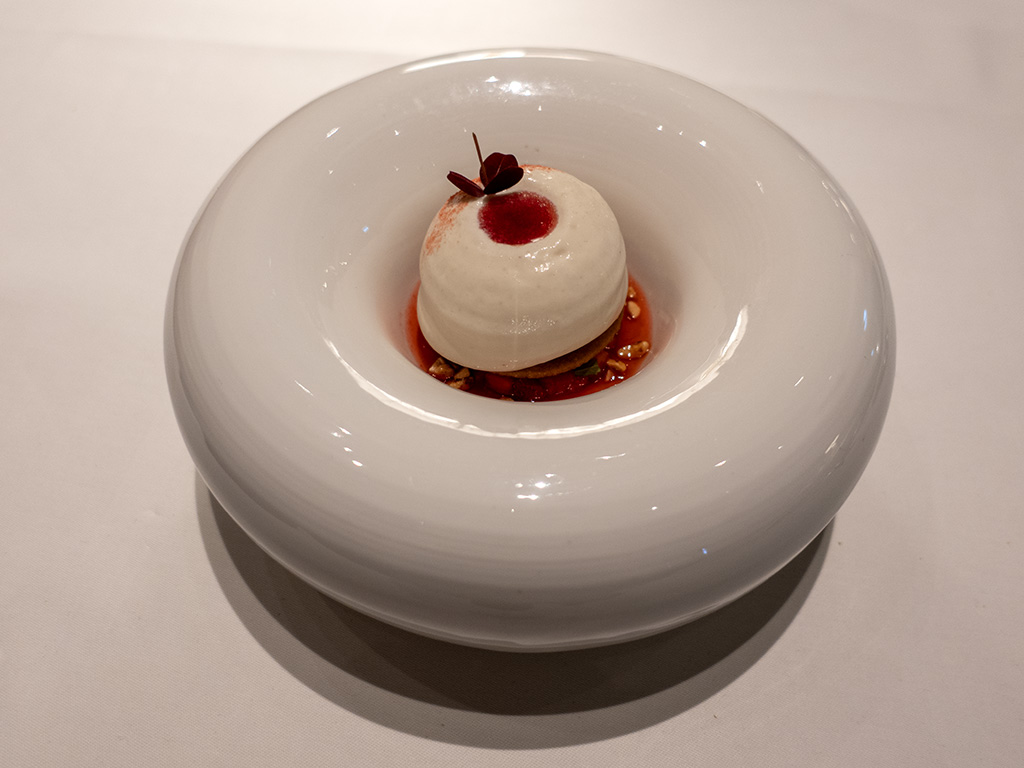
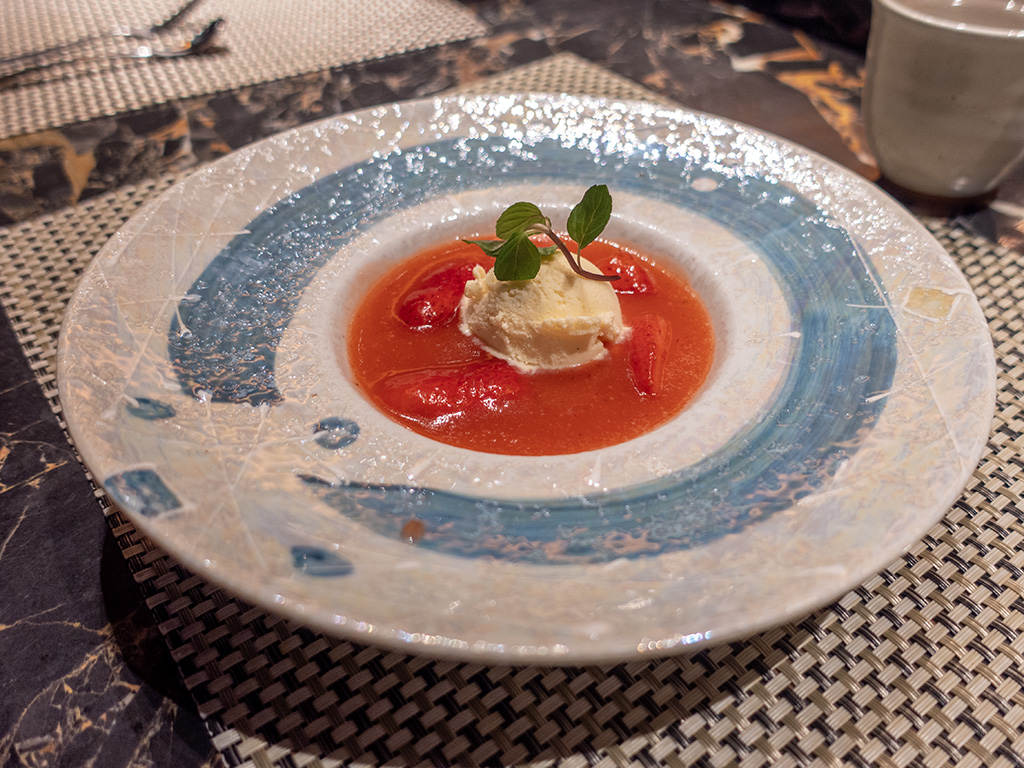
This was the strawberry soup with homemade vanilla ice cream. The menu labeled this vanilla ice cream as homemade while it didn’t include that designation for mine; I don’t know if it actually was any different, or if it even makes business sense to have two different kinds of vanilla ice cream on hand to serve for two different desserts, but I guess the texture did visually look a tiny bit different.
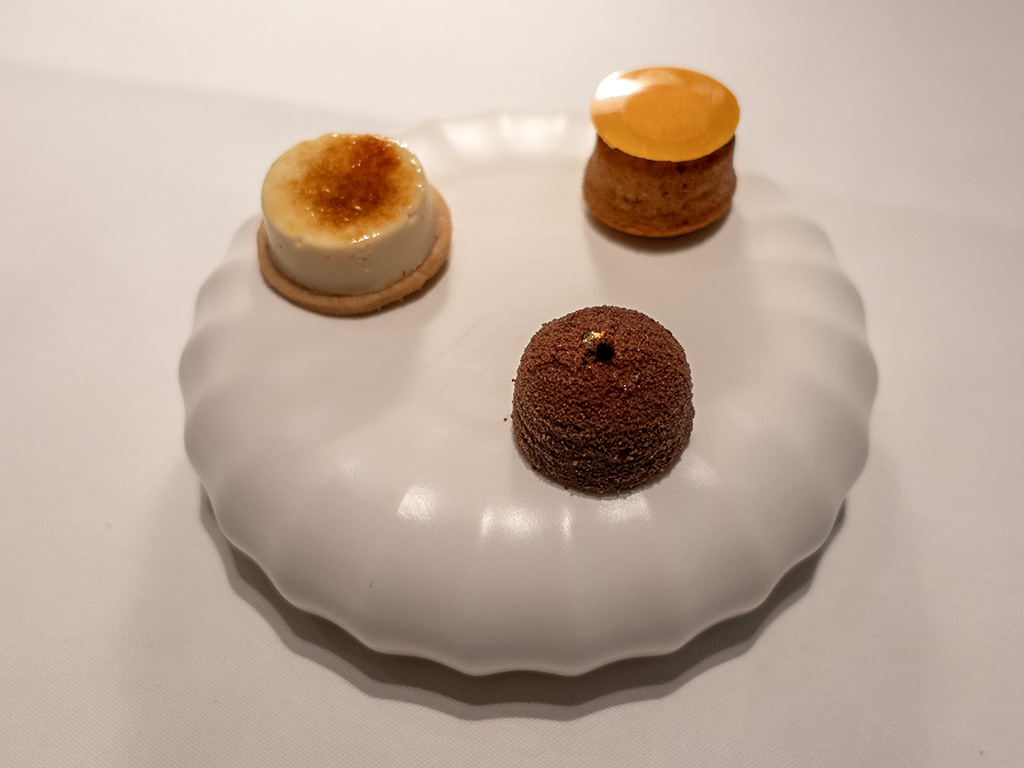
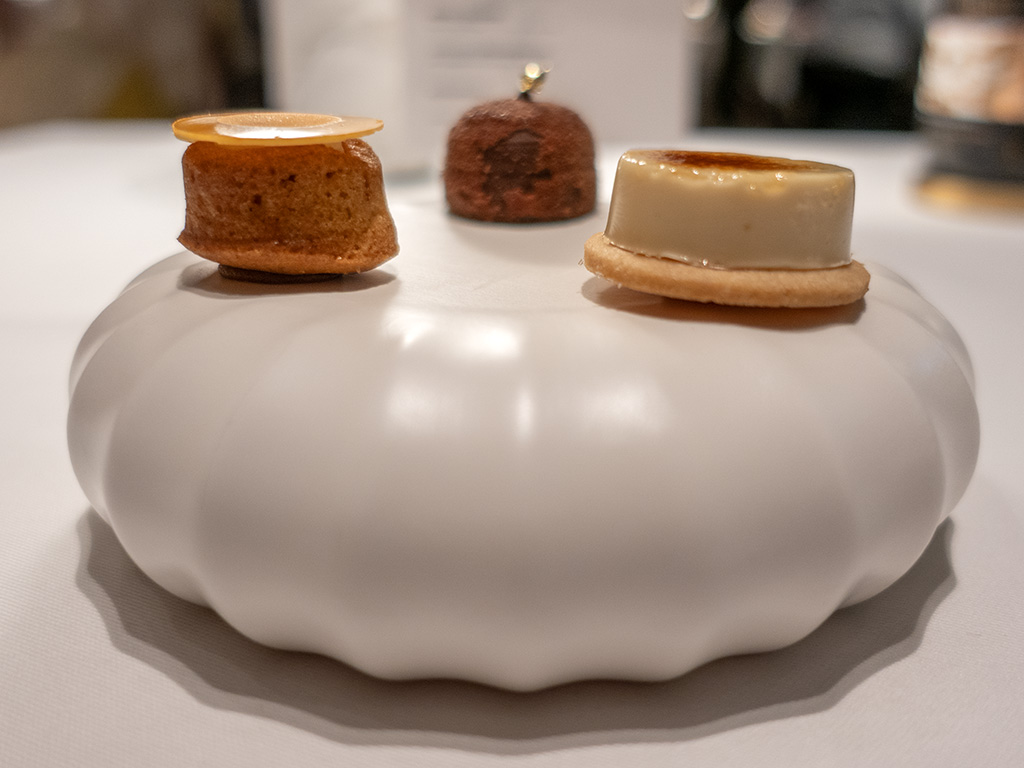
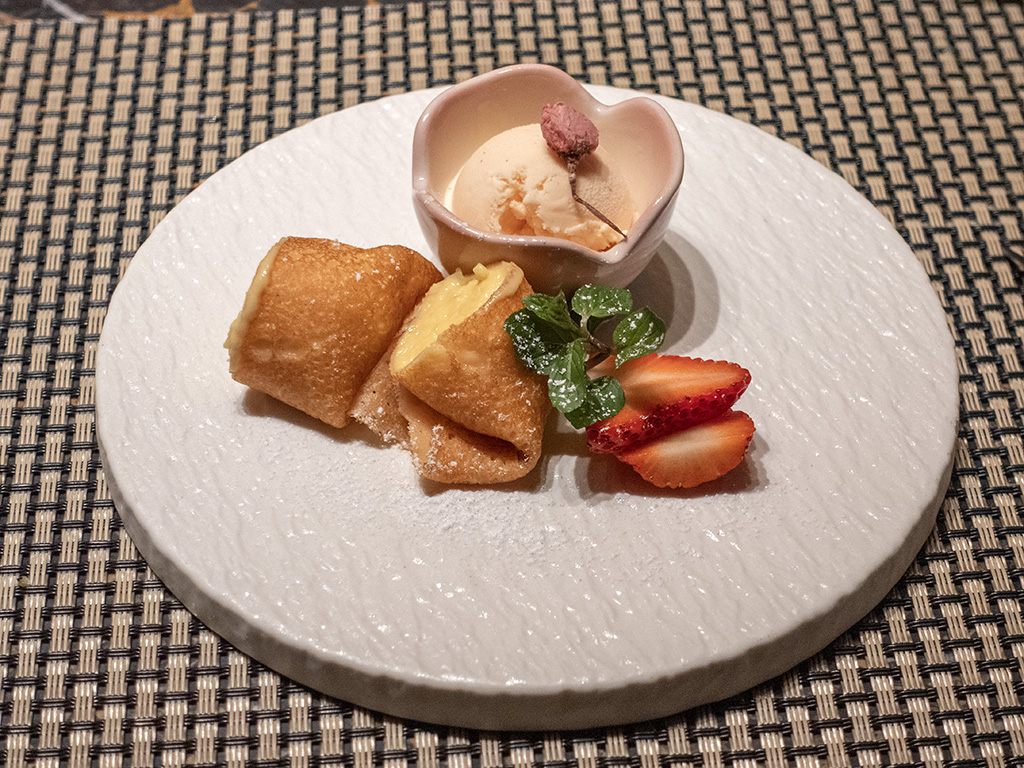
This was the custard cream sakura crêpe with homemade sakura gelato.
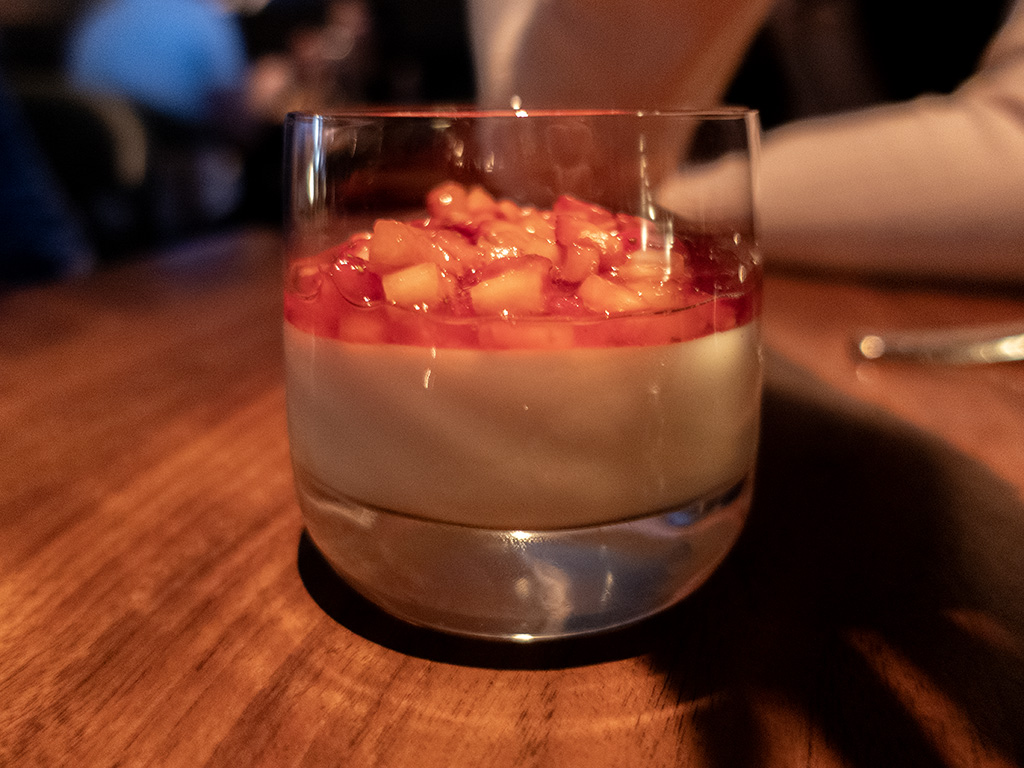
The final dessert, which isn’t pictured here, was almond blancmange with orange compote.
I really do not function well at all when I have not gotten enough sleep, and by the conclusion of the dinner, it was almost 9:00 AM PT. I wish I could give more insightful thoughts about my experience, but one of the areas in which I lose function with lack of sleep is my memory. With that being said, I had as great of a time as I could have possibly had, with this level of sleep deprivation in mind.
My friends paid the full bill for this restaurant so I don’t have exact numbers on hand, but the spring special seasonal menu was HK$2,280 per person, which is a little bit under US$300.00 at current exchange rates. That is quite expensive, but fine dining in Hong Kong seems to be pretty expensive in general. Also note that this is a teppanyaki restaurant, so there was also a material performative element to it as well in the sense of being able to watch the chef prepare your food in front of you.
Overall, if you are well-rested and are interested in having a splurge meal, I think Teppanyaki Mihara Goten is a spot worthy of your consideration.