In case you missed the context from the miscellaneous photo dump blog post from my first week in Tokyo:
I did a wide variety of different activities during my trip to Tokyo. Some of them were long and warranted entire dedicated blog posts, but a lot of them were just quick activities during which I only took a few photographs. I still wanted to share those pictures, so this is a round-up of all my random and unsorted photos that aren’t going to make it to their own individual blog posts.
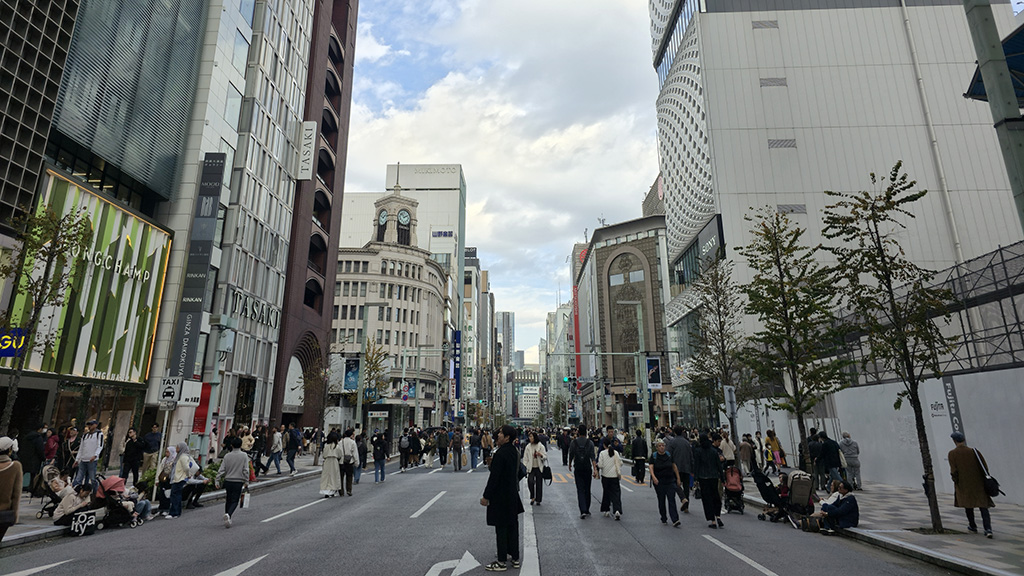
For my entire two-week stay in Tokyo, I stayed in a Marriott hotel in Ginza. During the weekends, whenever I opened a map app to figure out how to get somewhere, I noticed that a lot of the roads around my hotel were closed. Upon further research, I discovered that they turn a lot of the bigger roads in Ginza into a pedestrian-only streets to facilitate a safer and more comfortable shopping experience in the neighborhood. I seized the opportunity to take a picture from the middle of the road.
Back at home, the Las Vegas Strip does this during New Year’s Eve so that pedestrians may walk wherever they want on Las Vegas Boulevard and watch the fireworks celebrations that are put on by the casinos and resorts. I’ve heard some people say that the Las Vegas Strip should permanently be closed to vehicular traffic and always be pedestrian-only. I disagree with that and I think that the people suggesting this don’t quite understand how quiet and empty it sometimes get during the weekdays, but I am definitely on board with closing down the Strip for more holidays than just New Year’s Eve.
I have no problem joining my friends when they go shopping. Although I pretty much never buy anything for my own and always just end up becoming the designated purse and shopping bag holder, I always find it to be a good sightseeing experience and don’t have the same issues as other men who get bored when joining for shopping trips.
With that being said, the point at which I do get bored is if we are not actually actively shopping. During one of our visits to LUMINE EST Shinjuku, it was so busy and the queue for the changing room was so long that there was one point at which we were just idly sitting there for over 40 minutes waiting for a changing room to open.
One of the reasons my friends have such peace of mind inviting me and bringing me along to random things is because they know that I do not hesitate to decline if I’m not interested, and if I am not enjoying something, they know they don’t have to take it personally if I split off from the group. If that does end up happening, there is no harbored resentment, and I am always happy to join in for any future activities.
It doesn’t happen to often, but sitting there waiting for the changing room is definitely one of those not-so-fun times, so I decided to go exploring on my own for a little bit to check out some stores nearby that fit my interests. One of my friends told me I should go check out Kitamura Camera only a couple hundred meters away, as she had been there before and thought I would enjoy it.
It was an amazing recommendation, because it felt like I was in camera heaven.
My camera knowledge is fairly limited in scope to basic online media production only. I had a Canon G7X Mark II before it was burglarized from me while I was visiting Oakland, California. I replaced it with a Sony ZV-1, which I still use as my point-and-shoot camera that I bring around with me in my pocket to all my tourist activities (and, excluding the pictures taken on my Samsung Galaxy S24 Ultra, all the other photos lately are from that ZV-1). The camera I use as my webcam is the Sony Alpha 6100 with a Sigma 16mm f/1.4 DC DN lens. The camera I use for my secondary webcam (mainly used when I am live broadcasting and I need to switch between a desk shot and a room shot quickly) is the Sony ZV-E10 with a Sony 16-50mm f/3.5-5.6 OSS lens.
If you’re at all familiar with high-end cameras, you will likely immediately recognize from my gear that I am very much a beginner when it comes to camera equipment. That is exactly how I felt when walking through this store, and I literally was not even able to identify over 90% of the cameras on display. I didn’t buy anything, but this was a nice reminder to stay humble because, no matter how much you think you know, there’s still a lot out there in the world that you might not know about.
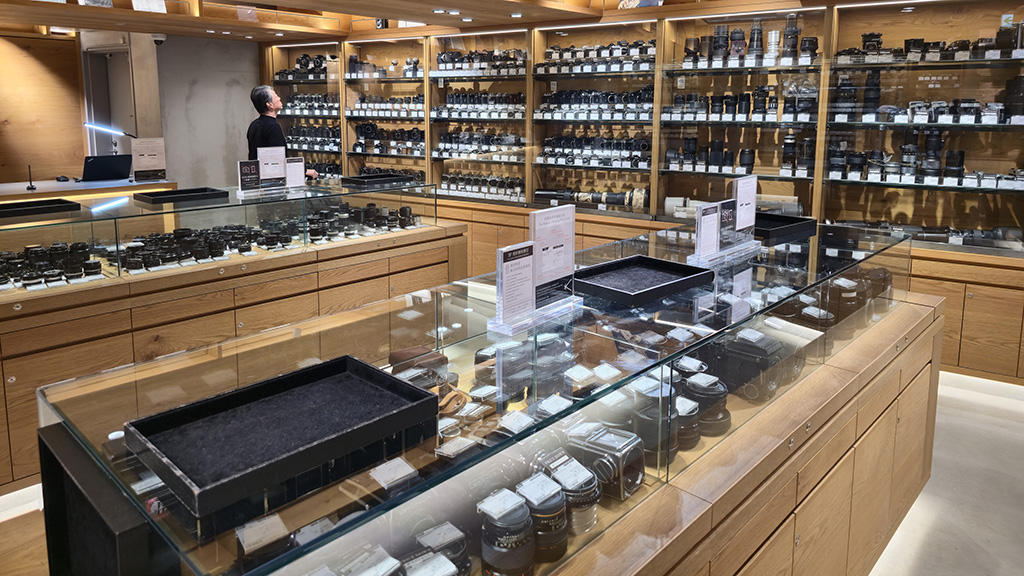
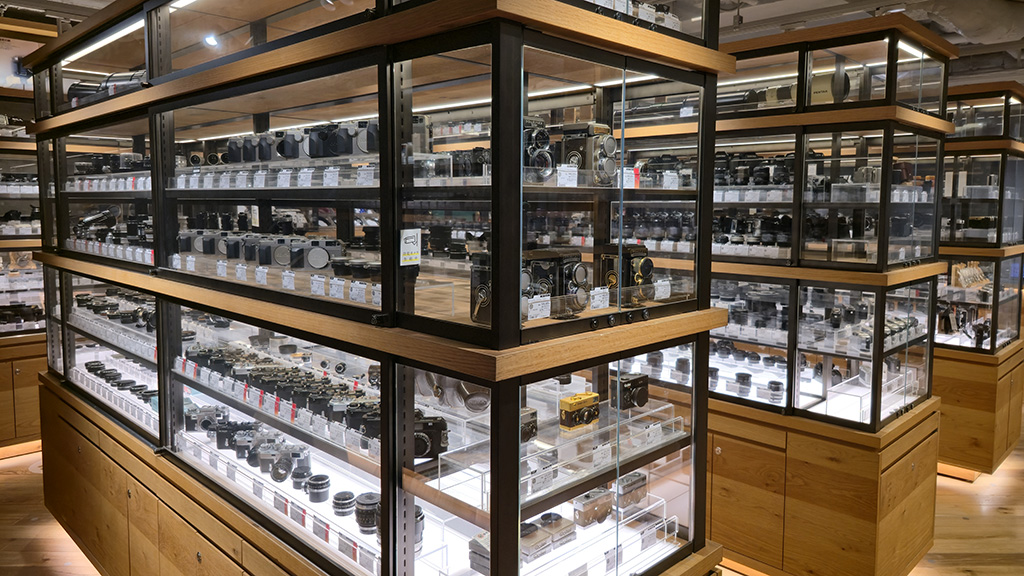
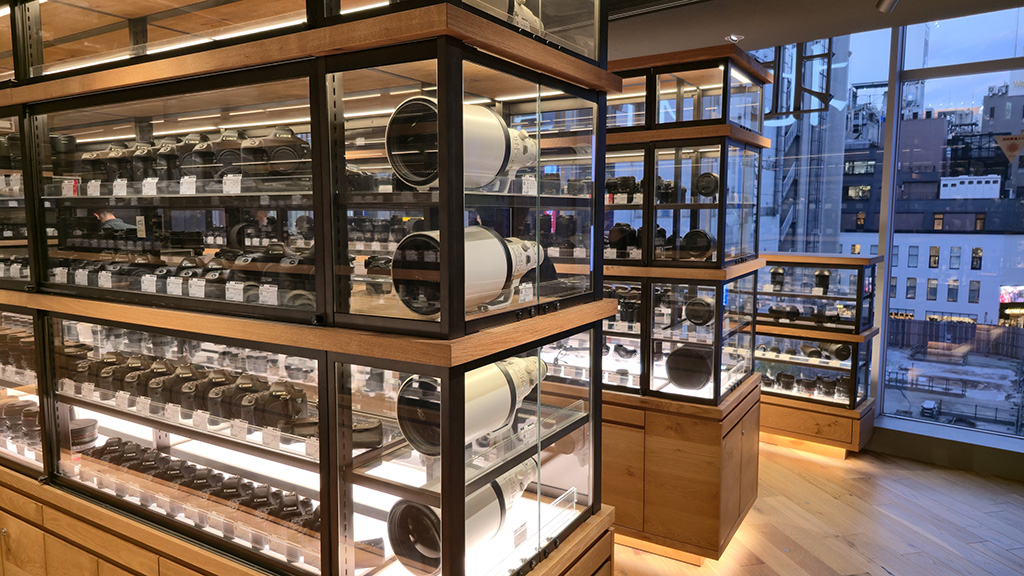
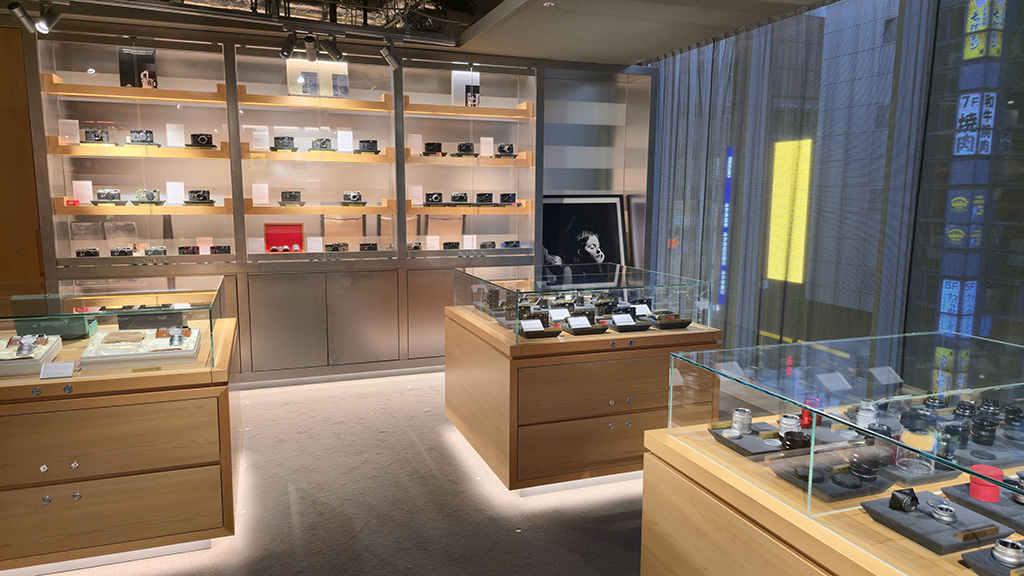
I don’t really get starstruck meeting celebrities, but I think I felt the closest thing I could to starstruckness when I saw all those cameras. Excited to check out more stores adjacent to my hobbies, I walked a couple kilometers south towards Shibuya. It wasn’t exactly a short distance, but I found walking around in Tokyo to always be pleasant.
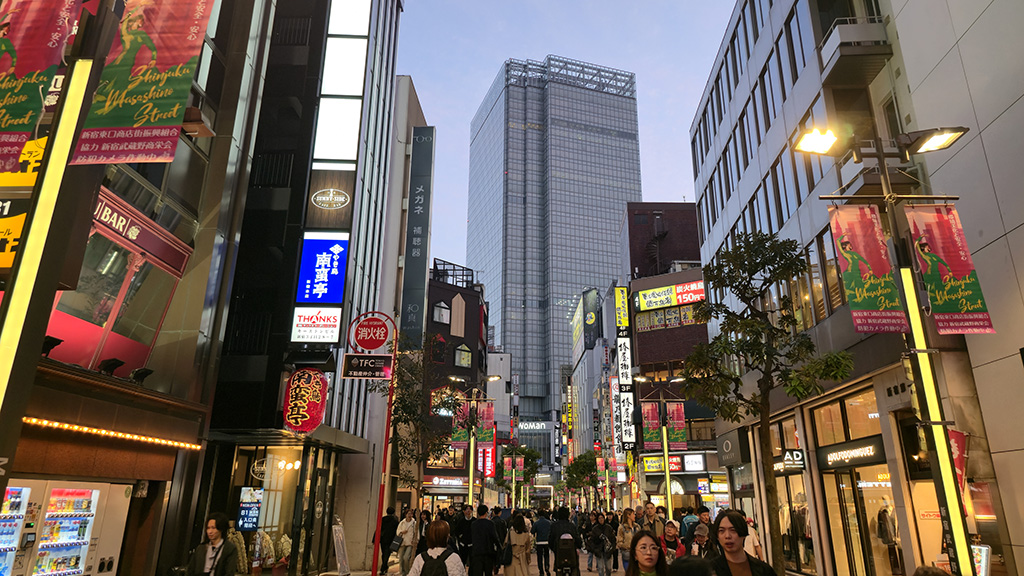
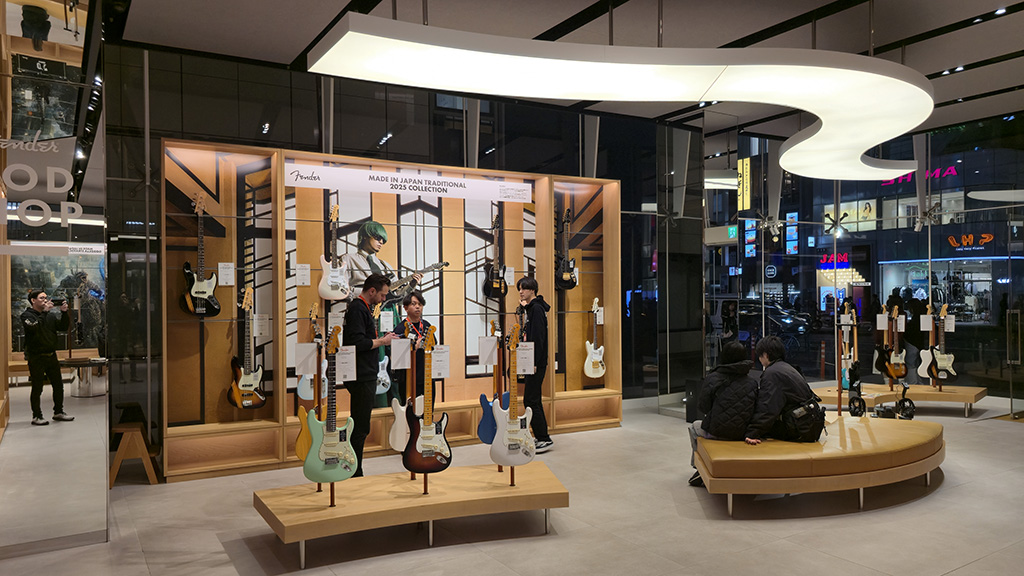
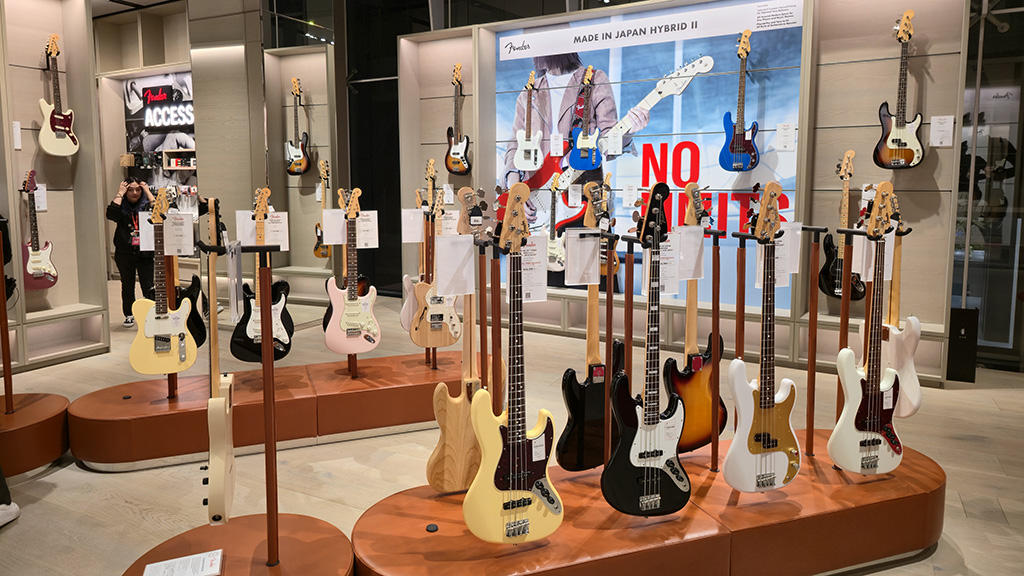
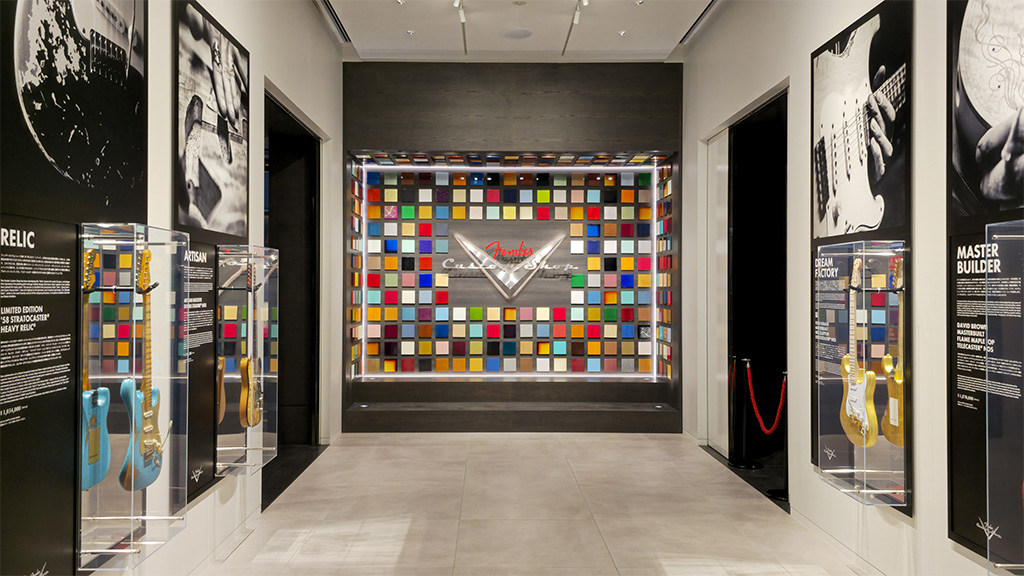
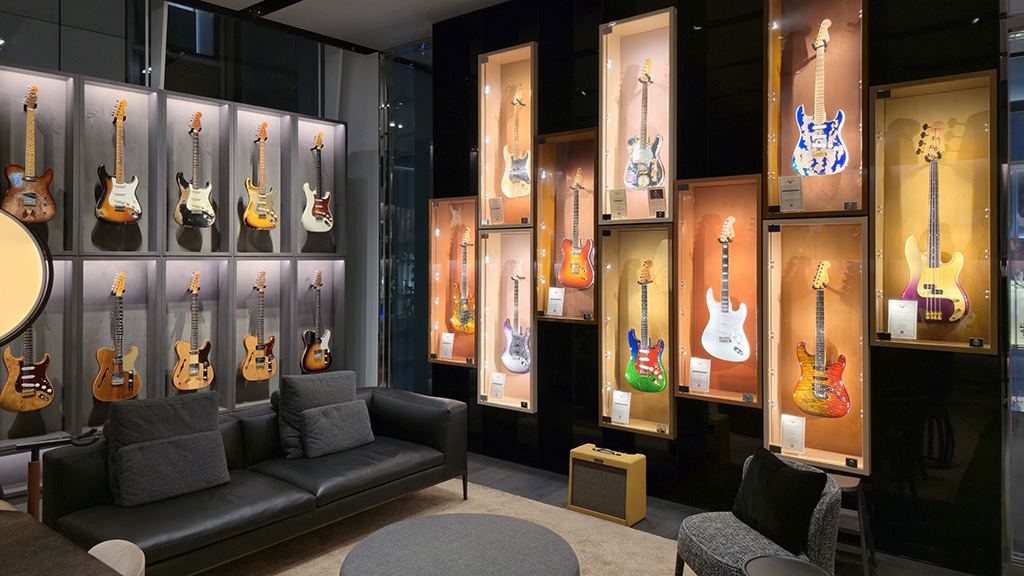
My next stop was the Fender Flagship Tokyo store.
I’ve amassed quite a collection of guitars, many of which are made by Fender or brands owned by Fender. I go into far greater detail about my collection in my blog post about visiting the Min-on Music Museum in Shinjuku, but in summary, I have four solid-body electric guitars, one hollow-body electric/acoustic hybrid, three acoustic guitars, one bass, and one ukulele.
The Fender store wasn’t quite as overwhelming as the camera store and I recognized a lot of the guitars on display, but it was still nice to see all these guitars, basses, and amplifiers in-person. One thing that definitely was special, though, was the collection of iconic used guitars. At first I thought the guitars with the “exposed wood” patterns were intentionally designed like that, but after reading some of the labels, I realized that these were old guitars that had naturally developed those wear marks over time from a lot of use. I hope that at some point over the next few decades, my own custom satin black Mod Shop Fender Stratocaster will develop that kind of patina to show its age.
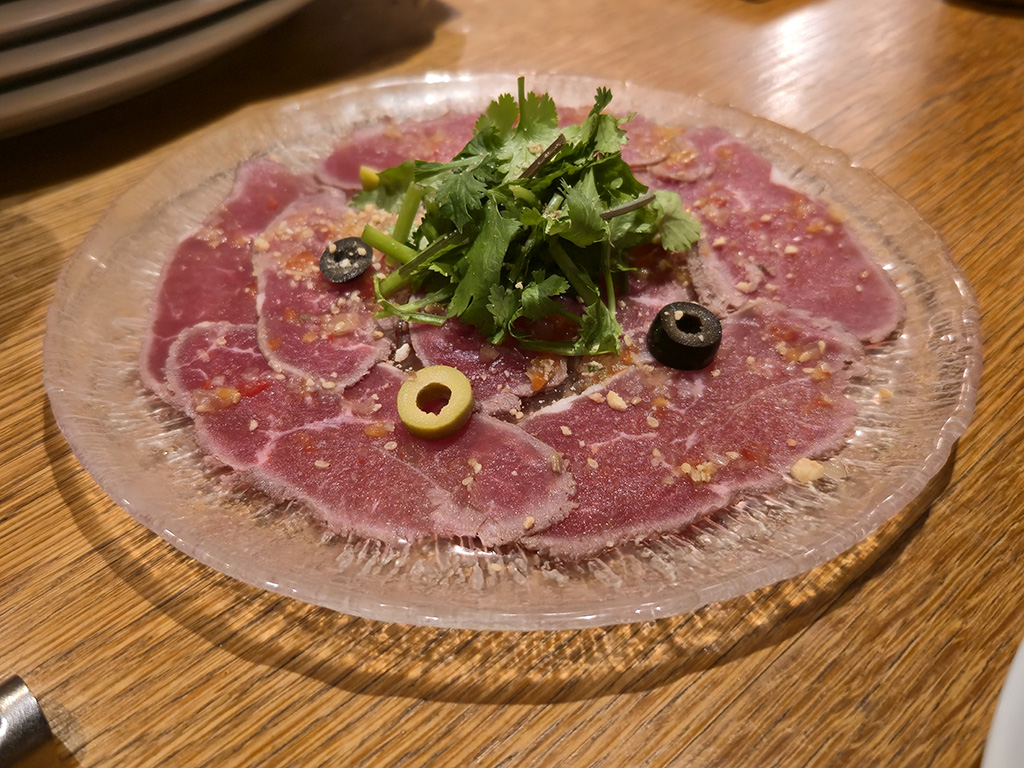
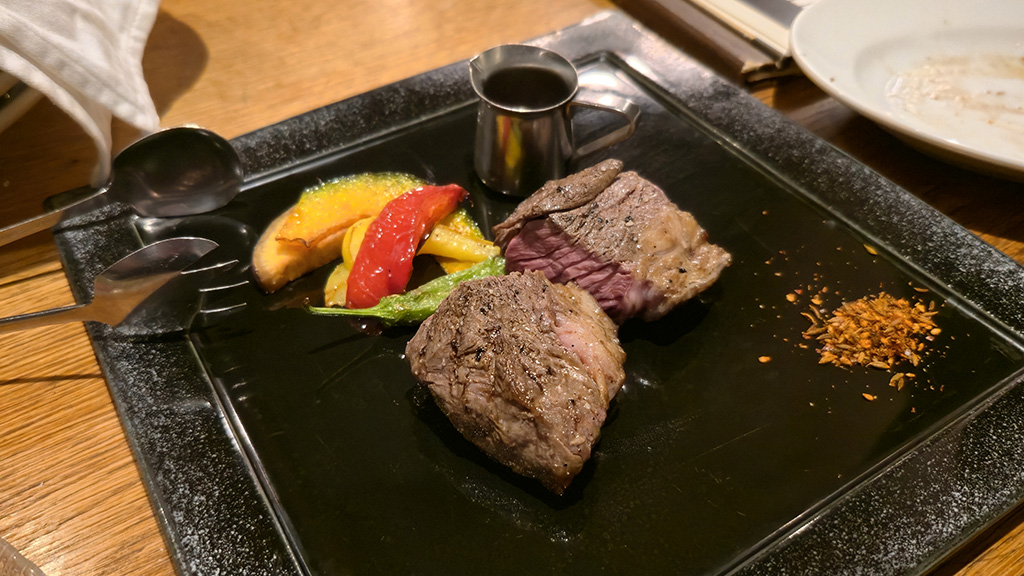
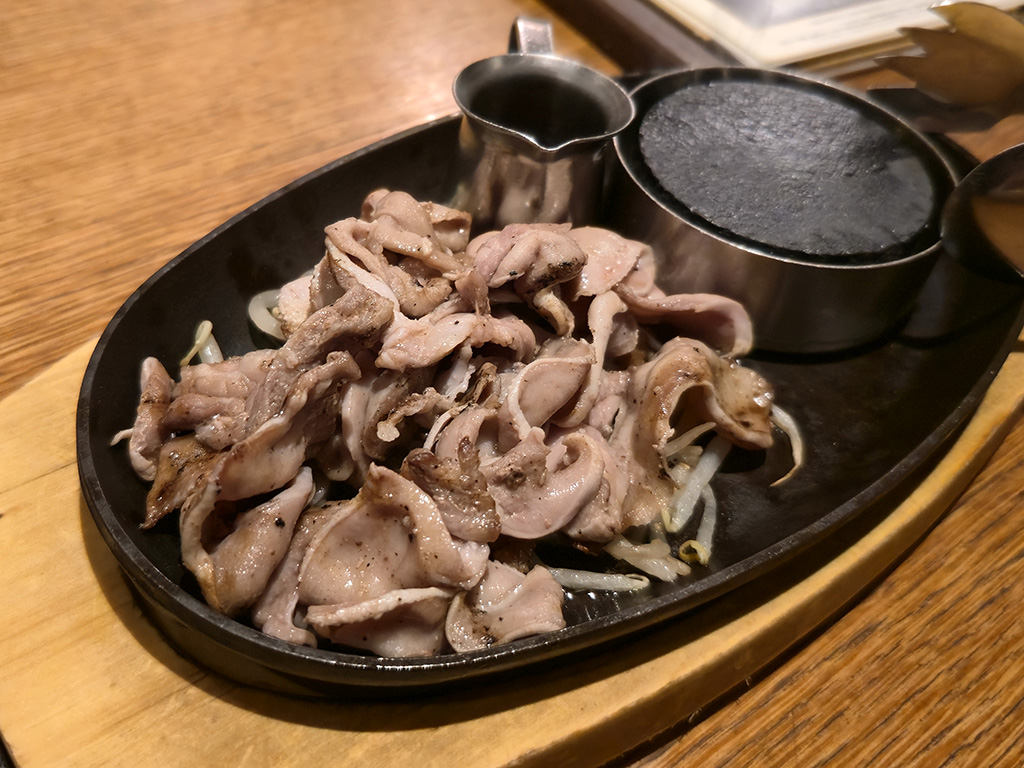
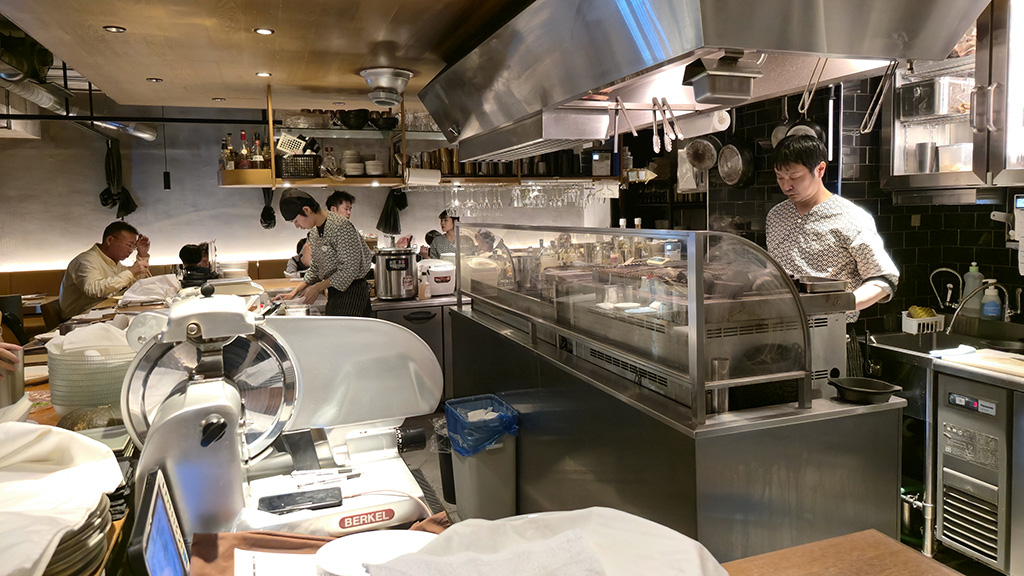
Now we jump to a different day on which one of my friends and I went to N9Y 奥渋店 羊とチーズとワイン酒場, which roughly translates to the N9Y Okushibu Lamb, Cheese, and Wine Tavern. We were originally going to go to either a curry or a katsu restaurant that my friend had heard from one of her friends was a good spot, but when we arrived, there was a line of around 15 people waiting to get in, so we decided to find something else and ended up at N9Y instead.
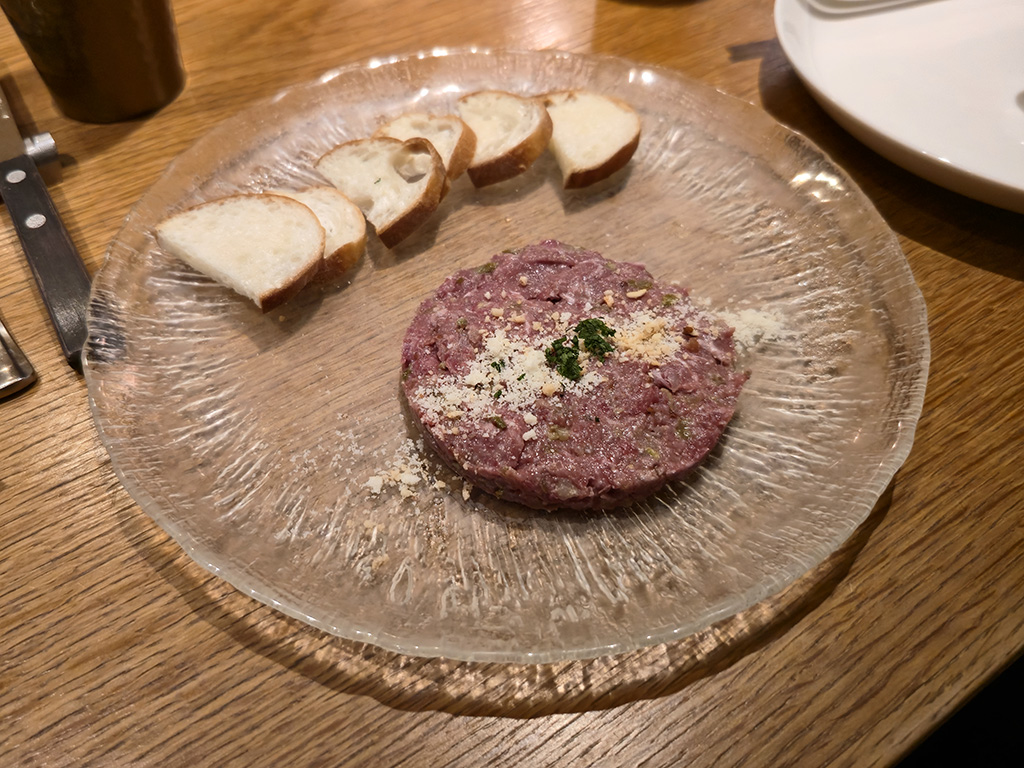
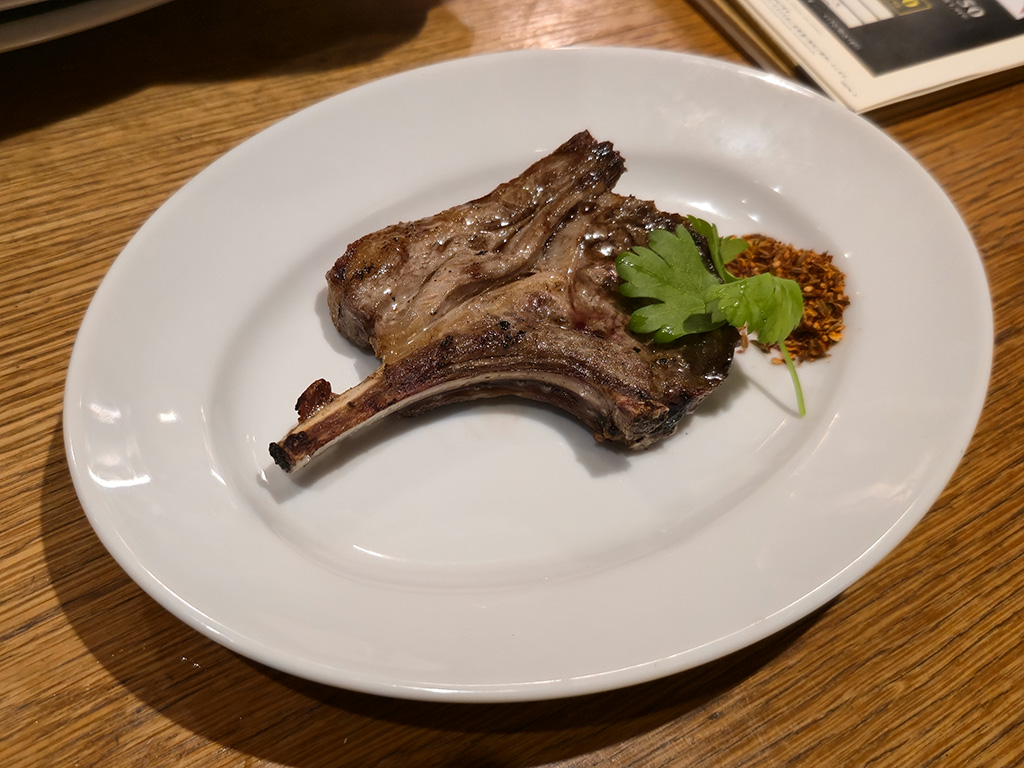
We ordered lamb tartare, a lamb chop, lamb tataki, lamb rump, and charcoal-grilled lamb tongue. All of it was great, but the lamb tongue in particular was probably some of the best lamb I’ve ever had in my entire life. It came with a hot stone on the side so we could sear the lamb some more if we wanted to. The tongue was delicious either way—searing it added a nice, firmer texture to the outside which I liked, but eating it unseared was also amazing and had the nice, “bouncy” feedback in your mouth that is iconic of well-cooked tongue.
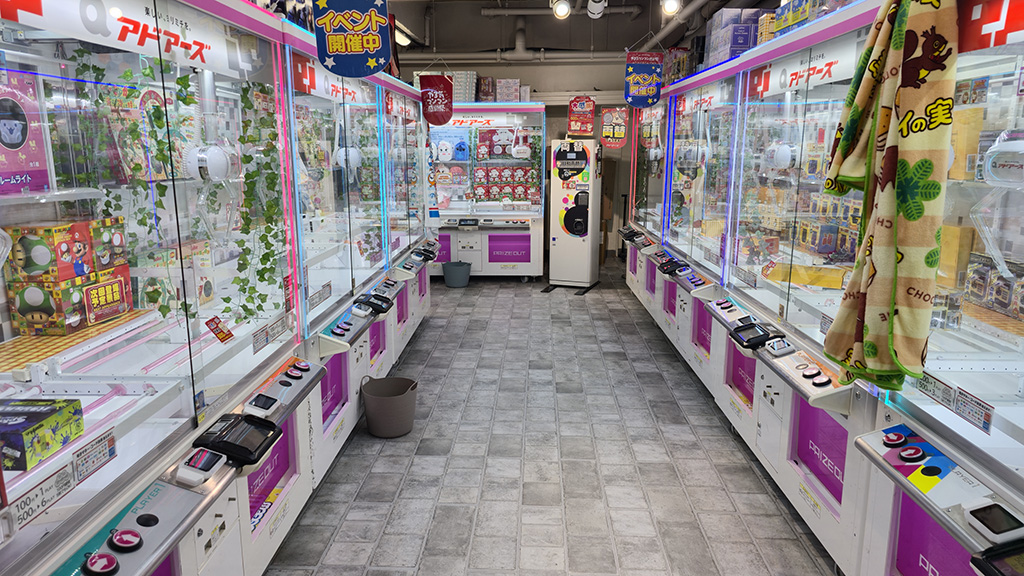
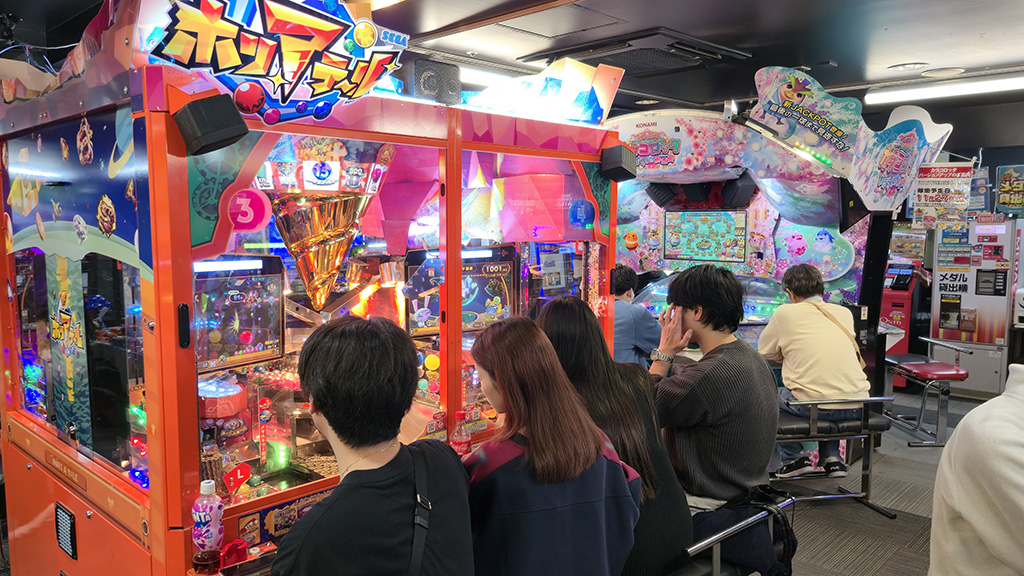
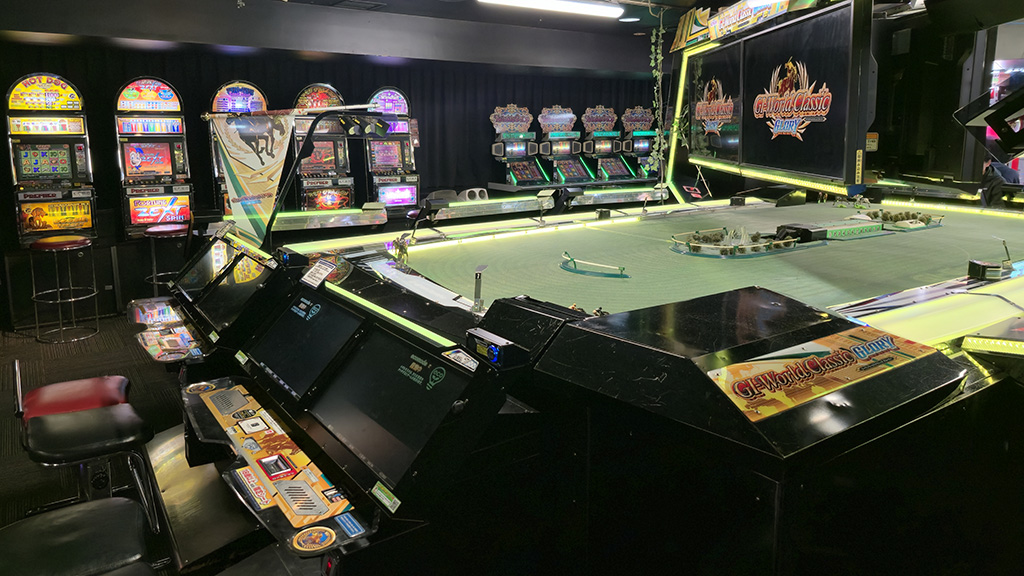
After dinner, we stopped by a random arcade. We didn’t play anything, but it was fun to look around. Compared to the United States, this arcade felt more like a casino than it did an American arcade. I think American arcades have optimized the environment for overstimulation and have rows upon rows of machines lined up in a straight line, but this arcade in Tokyo had more meandering paths and felt more like a collection of gaming machines that resembled the more “clustered” feeling of a casino.
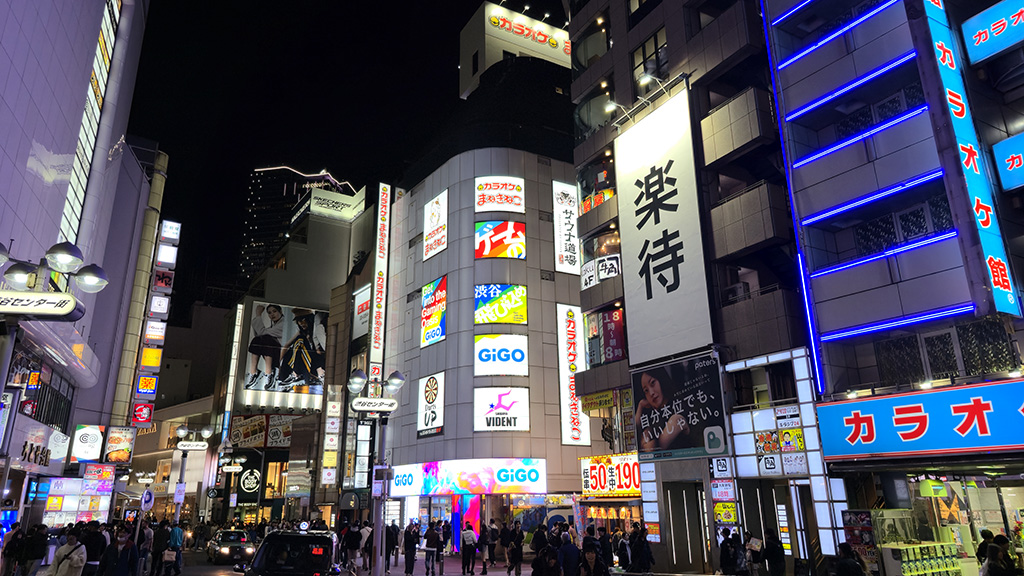
I took this picture of a random intersection because of the abundance of LED screens, which reminded me of the brightly-lit Las Vegas Strip back home.
After filling ourselves up with lamb and getting a decent amount of sightseeing in, we went to the train station to head back to Ginza.
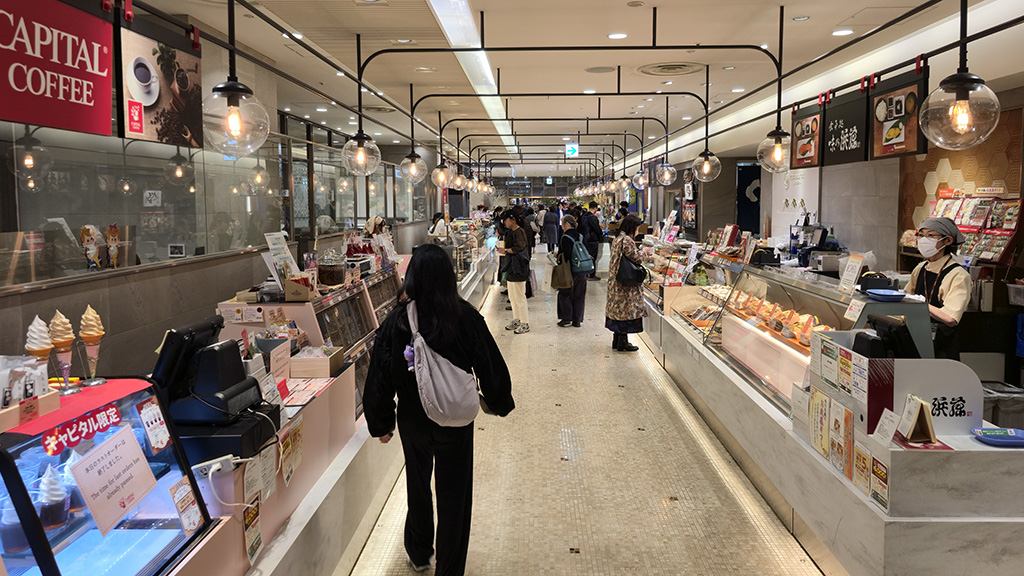
When I first arrived in Tokyo, I thought it was pretty inconvenient that there aren’t always places to eat food after you buy it. For example, this is a marketplace attached to the train station that serviced the train that would bring us back to Ginza. It was just rows of shops, but you basically had to take everything to-go.
However, after seeing it more frequently, I realized that it actually isn’t too bad. I found out that some of these places have a designated combined eating area elsewhere that is shared by all the restaurants in the area. This means that each restaurant doesn’t have to allocate their own dining space, which means more different restaurants can squeeze in to a smaller area, and thus, be more space-efficient and give customers more options when deciding what to eat. I thought of this as basically a compact food court, which is a nice concept.
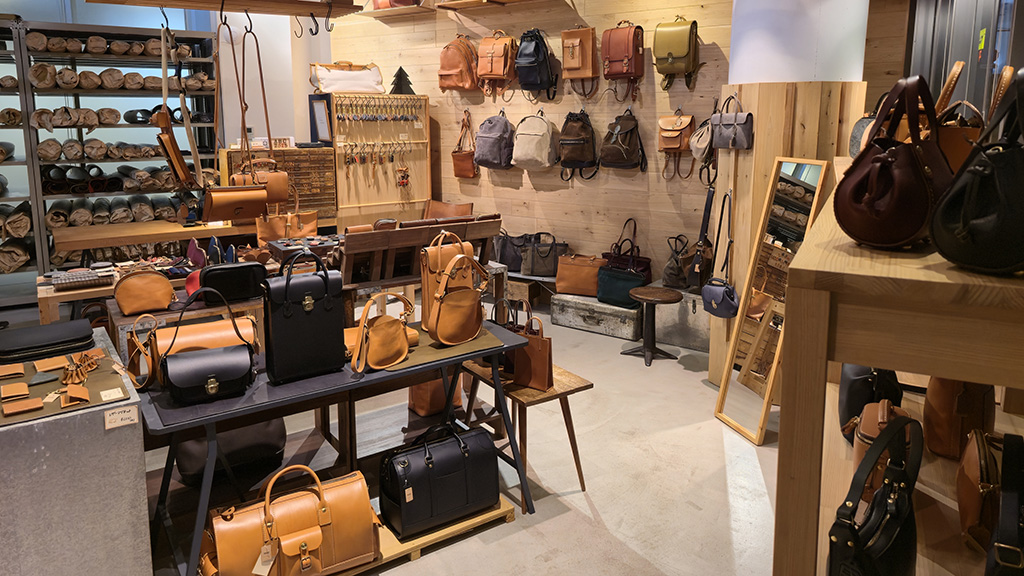
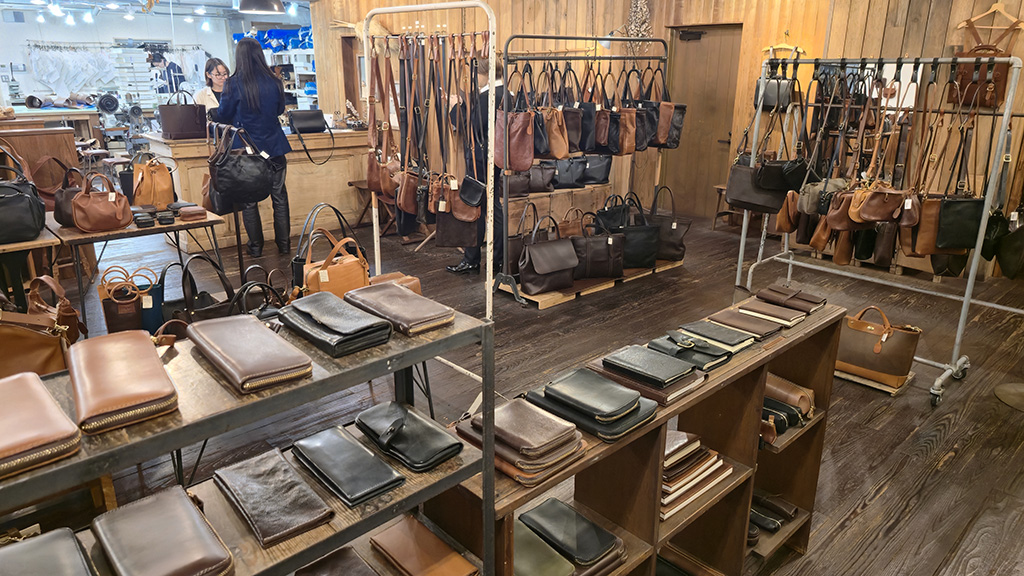
I mentioned above that I don’t really buy anything when I join my friends on their shopping trips. However, one of my friends back in the United States brought up a good suggestion that I buy a leather belt while I’m in Japan.
I own a handful of belts made from various exotic leathers, including saltwater hornback crocodile, stingray, and python, just to name a few. I also have some belts made from not-so-exotic leather, such as bison and calf. I tend not to buy souvenirs when I travel, but buying an authentic Japanese-made belt while in Japan seemed productive, as it would be an item that I would actually actively use and wear, while also serving as a pseudo-souvenir.
My friend recommended that I check out HERZ, but unfortunately, the location I went to did not have any leather belts. They instead recommended that I go to Organ, which did indeed have leather belts, but I found them to be a bit too mediocre for my preference. I ended up not buying anything from either store.
Later on, I did some more research and found a leather goods store called Prairie in Ginza just over half a kilometer away from my hotel. Upon visiting, I saw that they had two belts that I found interesting—one made out of Kobe leather, and one made out of cordovan horse leather. Although the Kobe belts were interesting because the leather is sourced from Japan, it seemed like there was no actual indication of its special status beyond just a sign on a shelf above the belt. However, the cordovan belts had certificate tags attesting that the leather was tanned and crafted in Japan, which was more compelling to me.
I ended up purchasing a black cordovan leather belt for ¥28,600, which was roughly around US$185. I think I could’ve gotten a ¥2,600 sales tax discount as a foreigner, but I’m not sure if Prairie was a participating tax-free store, and I forgot to bring my passport along with me anyway; either way, visiting Tokyo was such an amazing experience that I had no issue paying a little bit of sales tax and contributing to the government’s coffers.
Funny enough, I took a picture of the two stores that I did not buy belts from, but forgot to take a picture of the store from which I did buy my belt.
My experience in Japan was basically perfect almost the entire time… up until the second-to-last day. I’m actually very grateful I had this not-so-great experience at a restaurant near the end, because otherwise, I’m afraid that I would’ve had an unrealistically high assessment of Japan. To be clear, I still think Tokyo is incredible, and it is my new second-favorite city of all time (just behind Las Vegas, of course). However, this restaurant put things into better perspective and made me realize that there is still the rare spot once in a while that sucks, even in Tokyo.
The restaurant in question is 板前割烹 TENとTEN in Kabukicho, Shinjuku.
We arrived as a group of six. It was a very small restaurant, so we could see the entire interior from the door. There was a table that was clearly open and available, but the host said that they did not have a table for us and that we would have to wait. One member of our party looked into the restaurant and asked if we could sit at the open large table. The host acted as if there was no way all six of us would fit at that table, but he obliged and let us in. The table fit all six of us with plenty of room to spare.
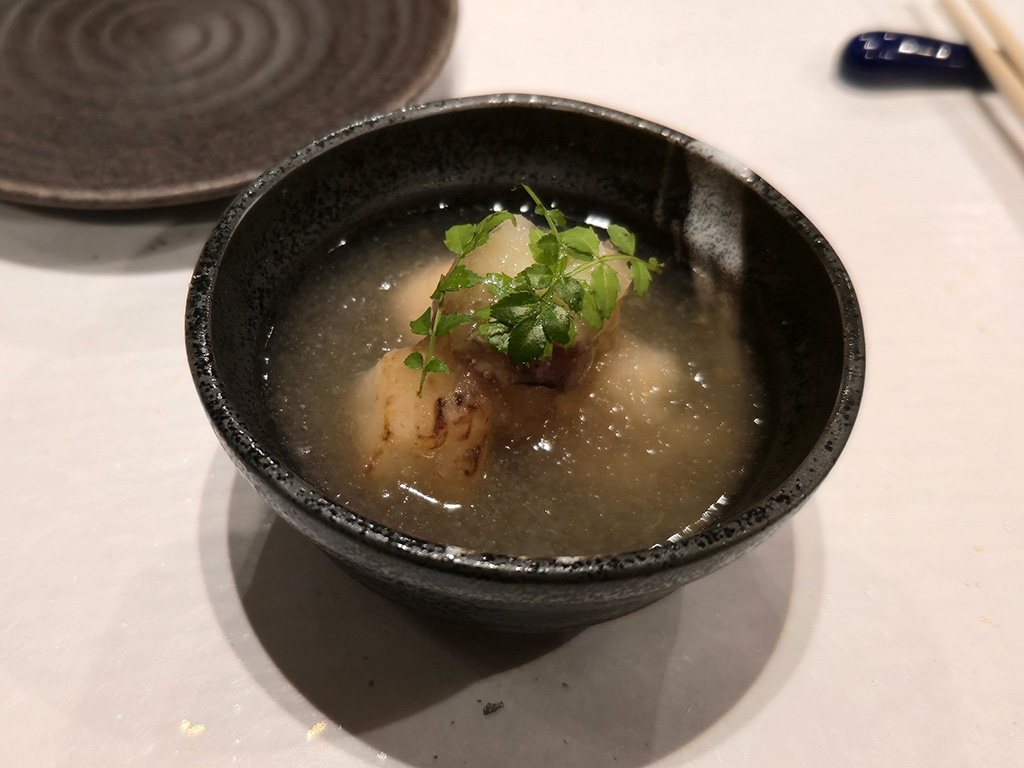
They then brought out amuse-bouches for everyone. I call them amuse-bouches (and not hors d’œuvres) because nobody at our table ordered them, and nobody had a say on what we received. This is common for high-end restaurants in the United States—the chef sends out a complimentary amuse-bouche to welcome diners into the restaurant and keep their mouths occupied while their food is being prepared.
This restaurant charged ¥700 (which is almost US$5) for each complimentary amuse-bouche by calling them “appetizers.” I only found out that I was charged for it because they snuck it into my credit card transaction without telling me about it.
When the waiter collected our drink orders, I just opted for water. I did not get a single water refill throughout my entire meal.
For my dinner, I ordered sea urchin from their main entrée menu. I asked whether it came with rice, and the waiter confirmed that, yes, it did come with a side of rice. I later found out that rice was not actually included in this entrée; instead, they snuck in another extra charge for the rice into my credit card transaction without telling me about it.
This sea urchin came out awkwardly early. It’s been a while so I don’t remember how much it cost, but the portion size was microscopic, and I remember thinking that I could pay this same price at a fish market even in the United States and get four times the amount of uni. It was a very long time before the next dish came out.
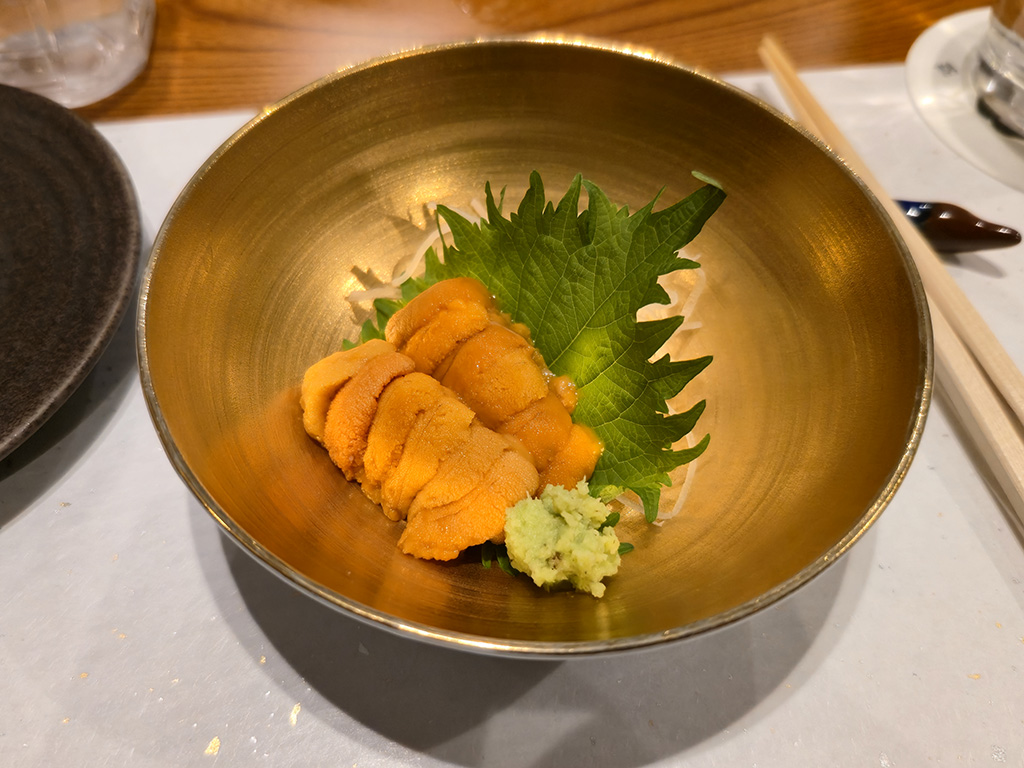
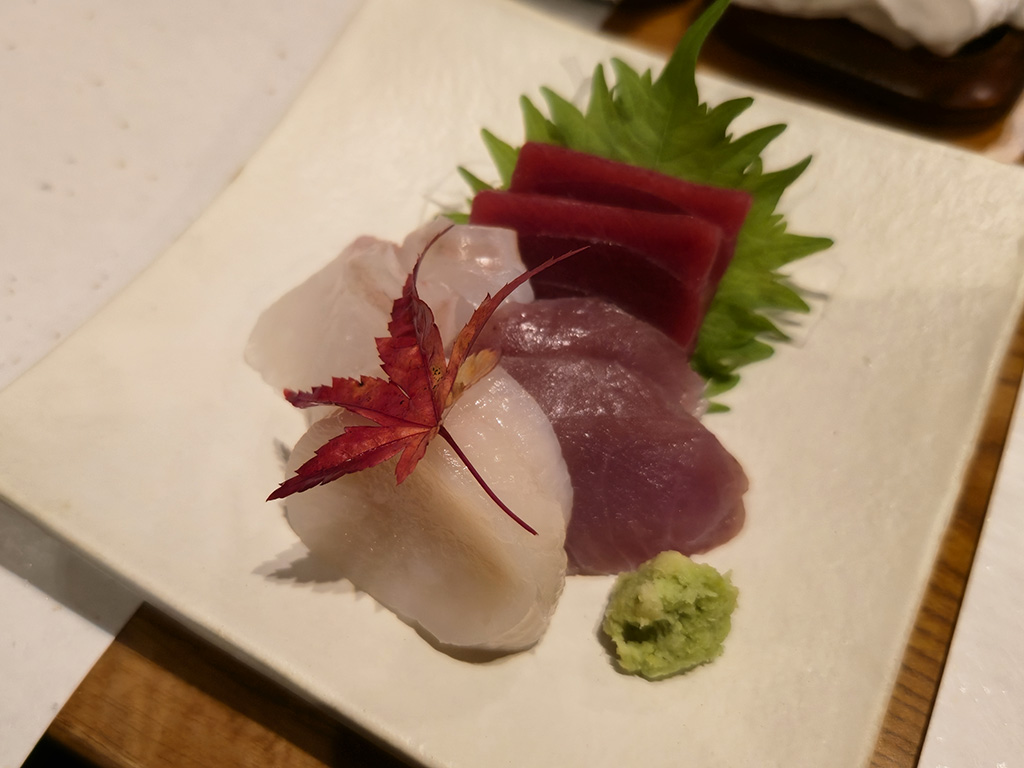
The portion size on the sea urchin was so small that I realized I would need a second dish. I asked for the sashimi, again off their main entrée menu. I once again asked whether this came with rice, and the waiter confirmed that it did indeed also come with rice. I never got the rice. The sashimi “meal” was only 8 pieces of very small-cut fish.
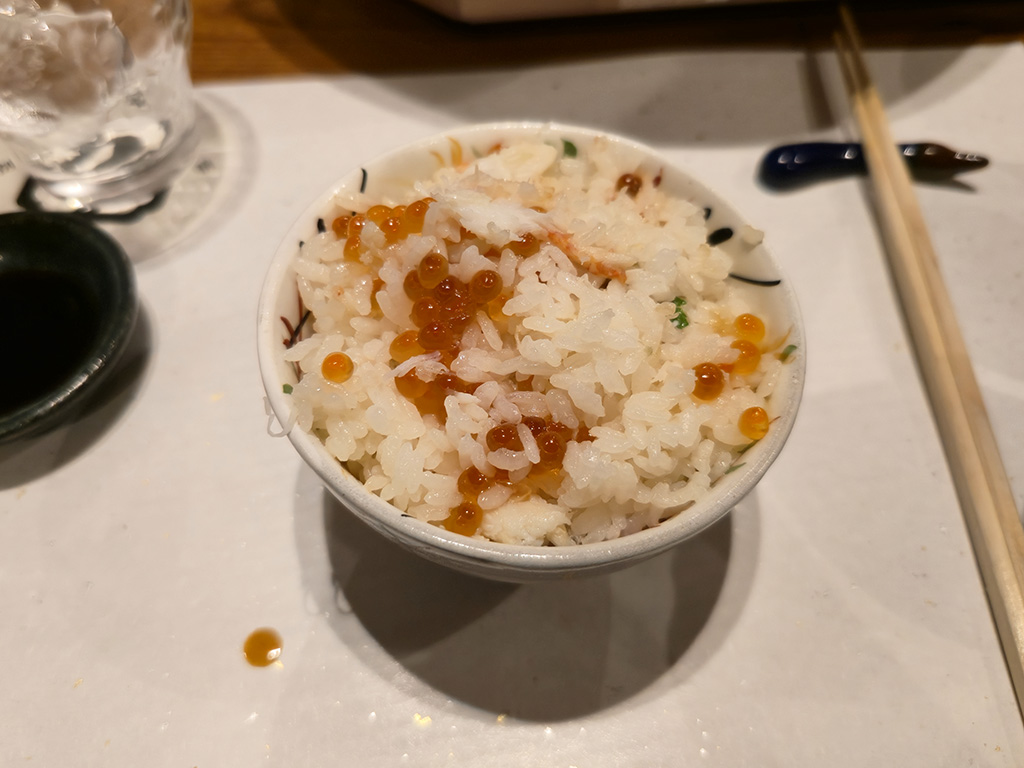
At this point, I felt like I had barely eaten anything. Someone else in our group ordered a crab and salmon roe rice bowl cooked in a clay pot. They designated on the menu that the portion size was large enough that it would serve two people. After a very long cooking process, they came out with three tiny bowls of rice, crab, and ikura. They mentioned that there was still more left in the clay pot and asked if we wanted some more; when we asked for more, they came back saying that they were mistaken and that there was no more left.
The process to pay for our food was an absolute disaster. Rather than just having one person pay for the full bill and exchanging money afterwards, someone in our group suggested that we all pay separately for our own food. I went up to the cash register and tried to pay for my and two of my friends’ food in a combined transaction as to speed things up, and then let the remaining three people in our party handle the rest on their own. I listed off the items that I was going to pay for, but the waiter missed half the items and collected inadequate payment from me, but not before adding in the extra hidden charges like I had mentioned earlier.
This ended up being the most expensive meal I ate in Japan, and by far the worst.
I very rarely call people scammers. It’s not uncommon to run into rip-offs or really bad deals, but it’s not often that straight-up scammers have much longevity in operating a storefront; scamming generally involves actual misrepresentation and fraudulent business practices, and that usually gets caught and called out fairly quickly. With that context in mind, Ten-to-Ten is absolutely a literal scam.
I left them a one-star review on Google Maps. Do not go to Ten-to-Ten.
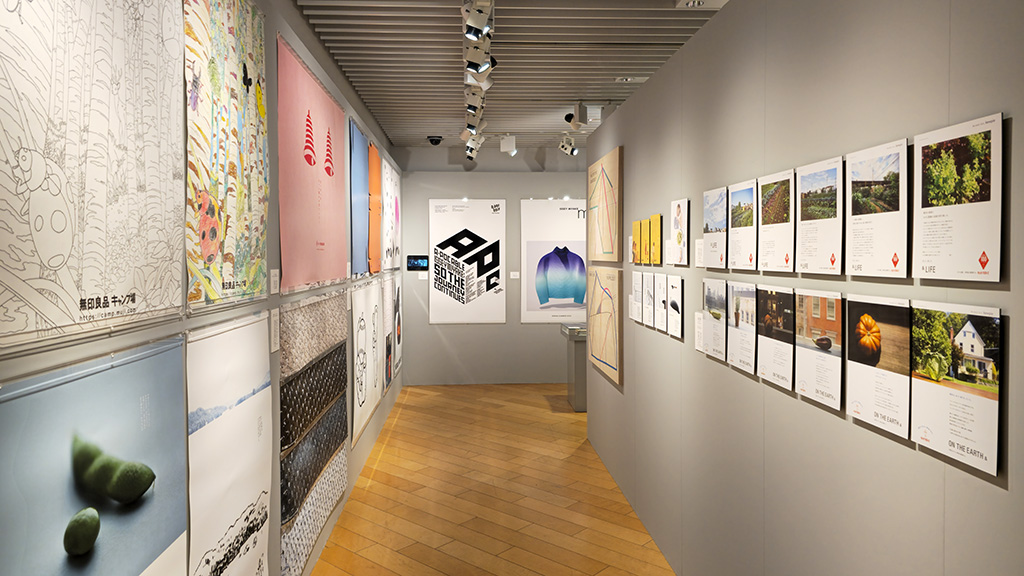
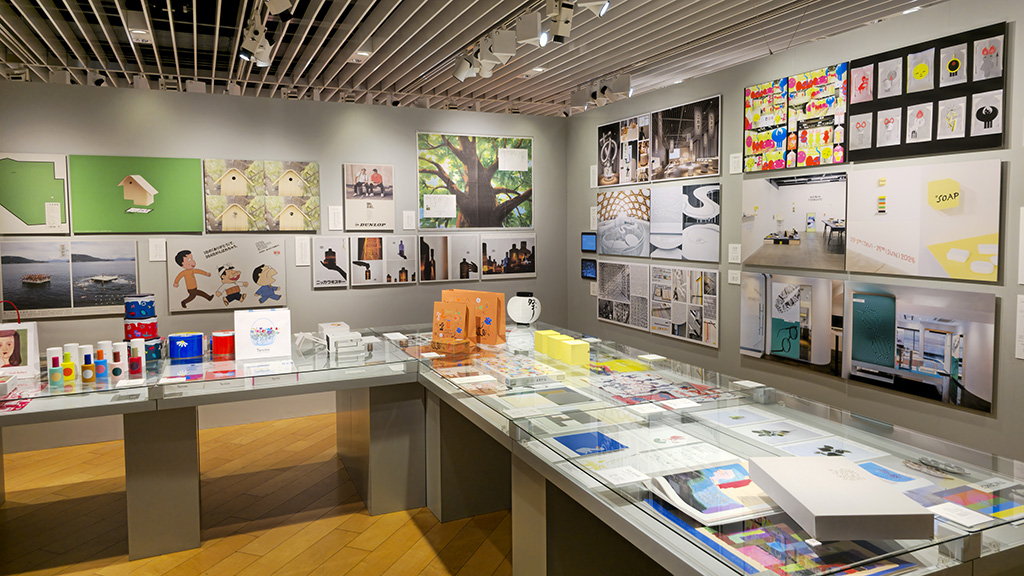
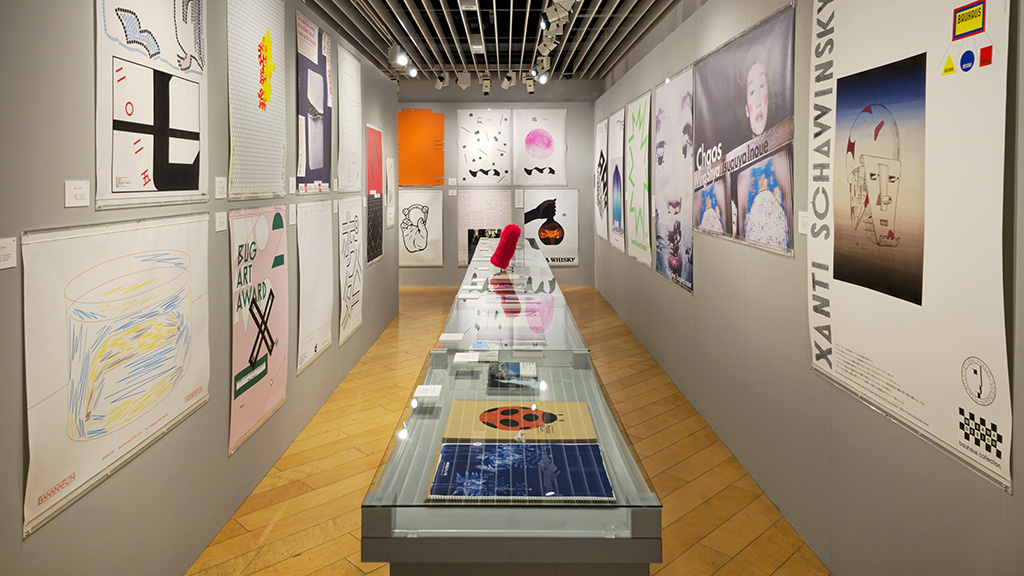
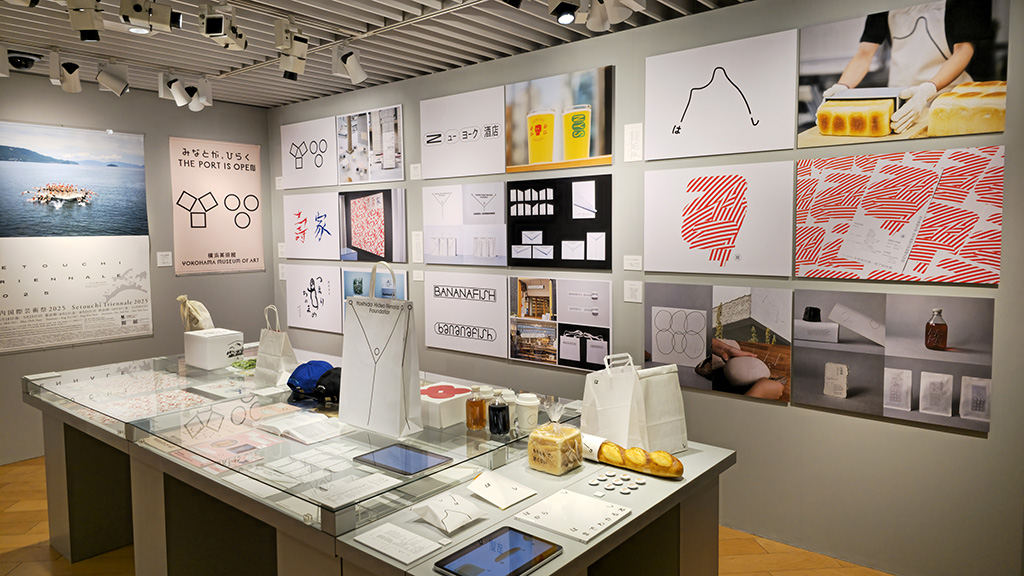
What wasn’t a scam, though, was the Ginza Graphic Gallery. It was a nice and cozy spot that had a lot of different graphic designers’ work on display. Although I don’t know enough about art to truly be able to appreciate all of this to the fullest, I think this is a great place for actual artists to stop by and gather some inspiration for their own work.
My favorite part about this gallery was actually the upper-most floor, which housed a small library and a theater viewing area. The projection screen had some of Japan’s award-winning advertisements playing. I literally sat there for what felt like over half an hour just watching commercials because of how good they were.
I’ve grown to dislike award-winning commercials in the United States because a lot of them just involve activism and virtue signaling about a social topic completely unrelated to the product or company being advertised. It was refreshing to see that commercials in Japan had not fallen into that trap; instead, they all had compelling storylines, captivating storytelling, majestic cinematography, and impeccable post-production.
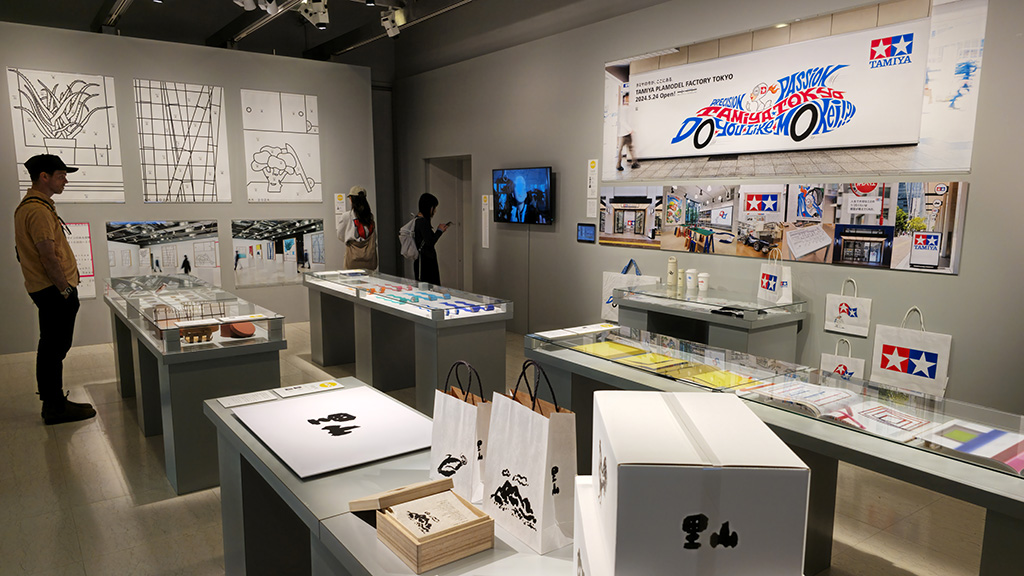
And finally, my last batch of photographs comes from a walk I did in the bay area of Koto City near the Toyosu neighborhood. I was here for a tourist activity, and instead of taking a train itinerary with a transfer, I just got off early before transferring and walked the rest of the way. I’m glad I did, because I was able to take in some stunning views along the way.
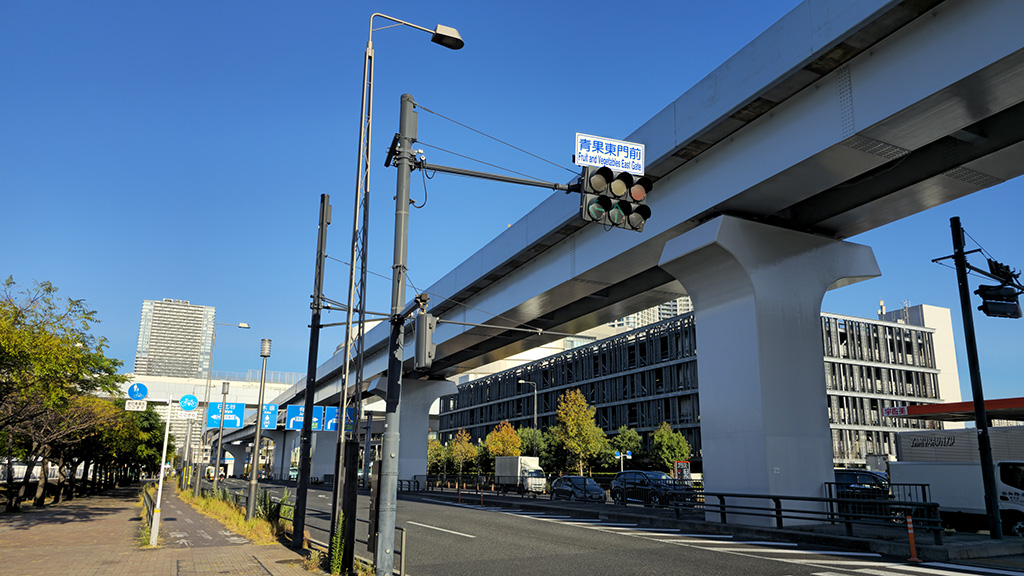
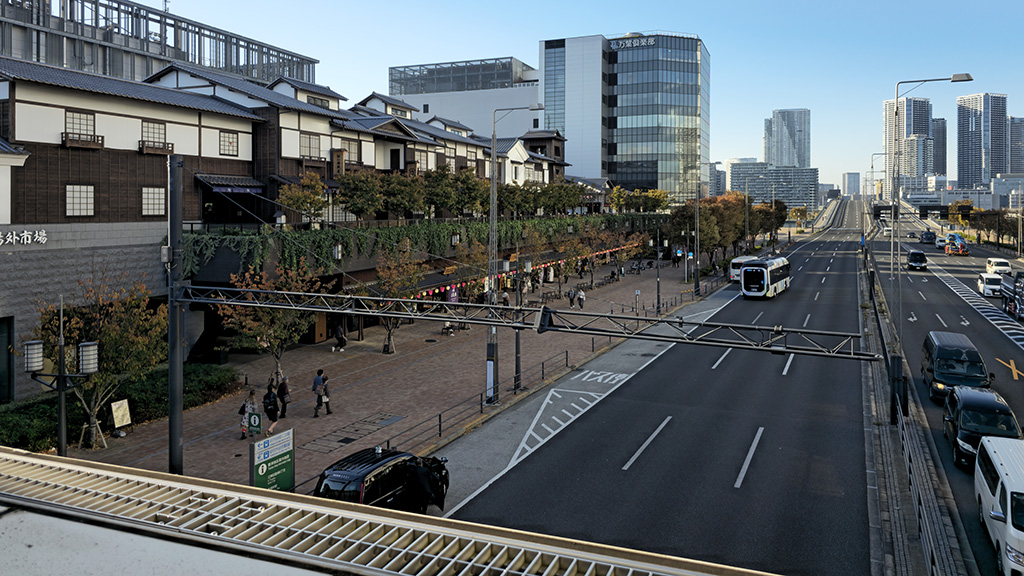
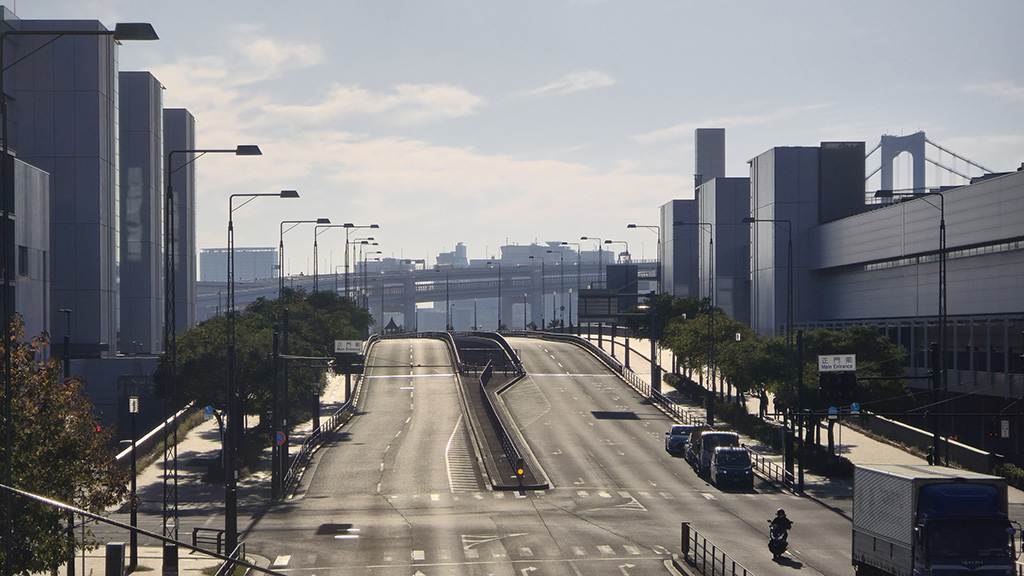
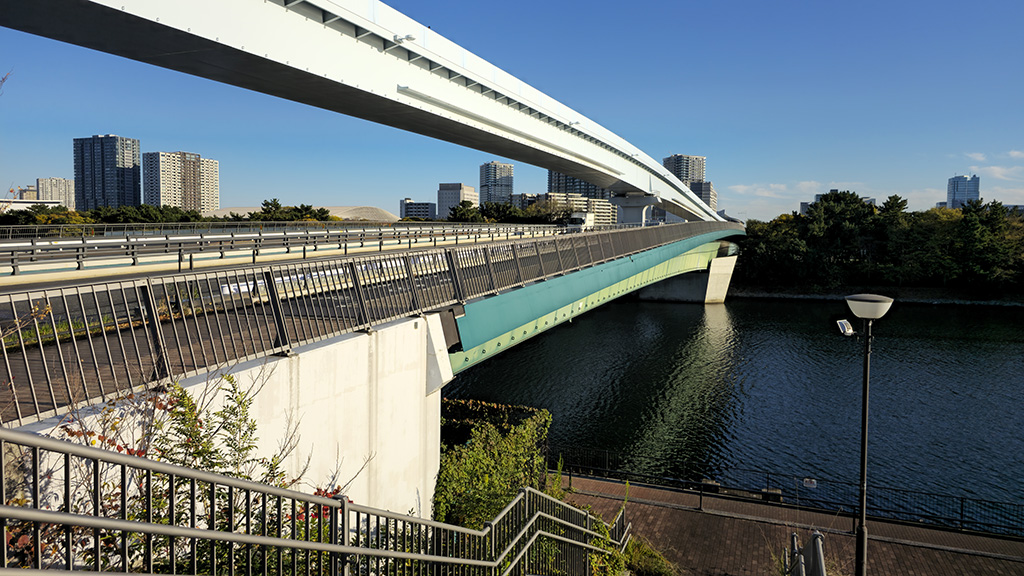
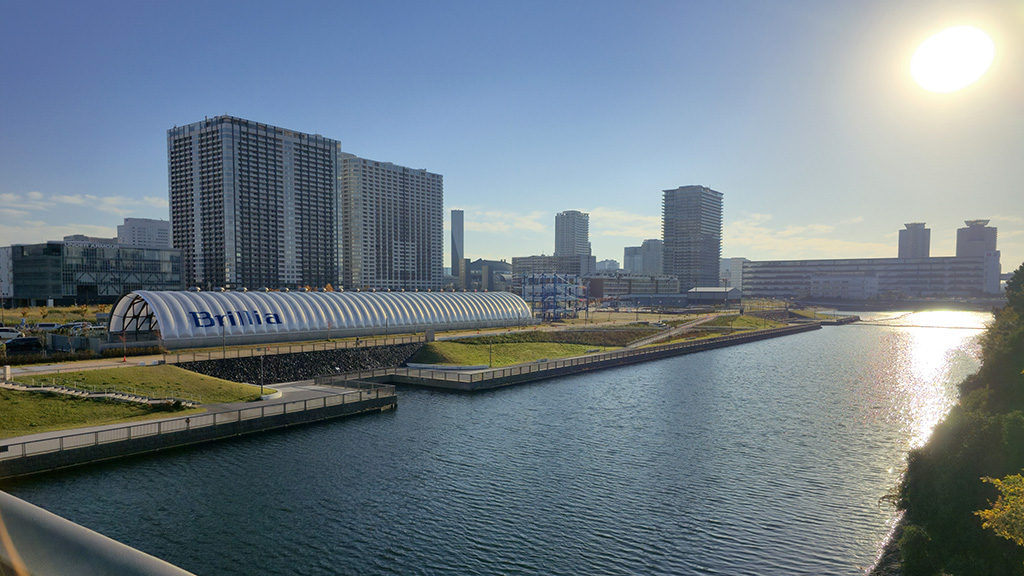
By the time I was done being a tourist, it was already dark out, so when I walked the return trip back to the train station, I was able to capture some nice nighttime photos as well.
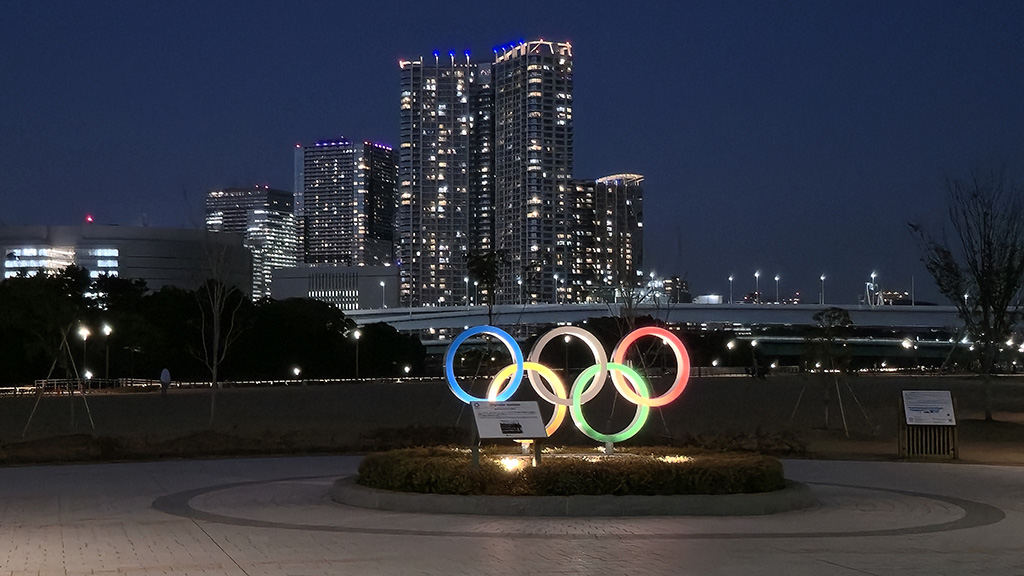
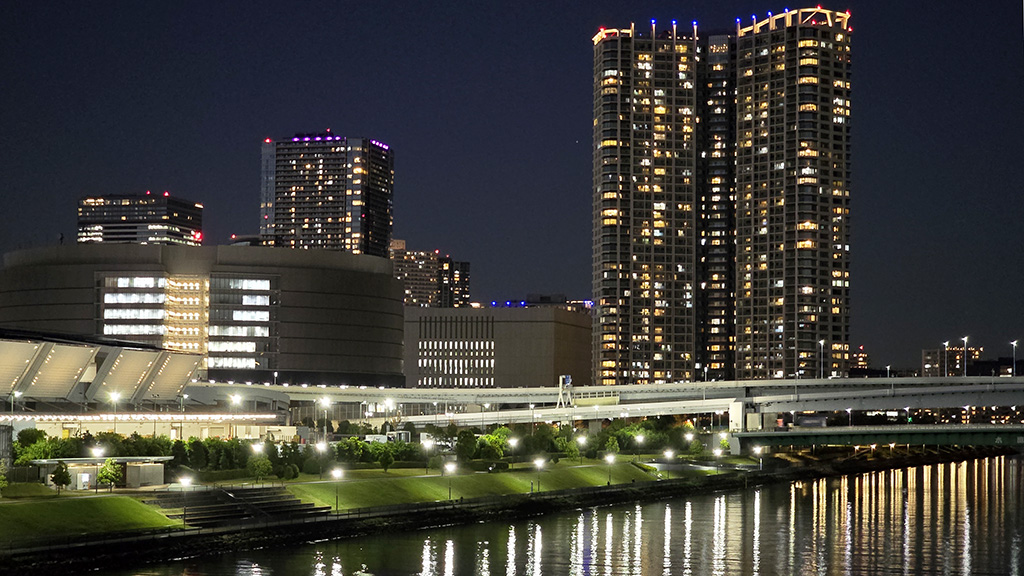
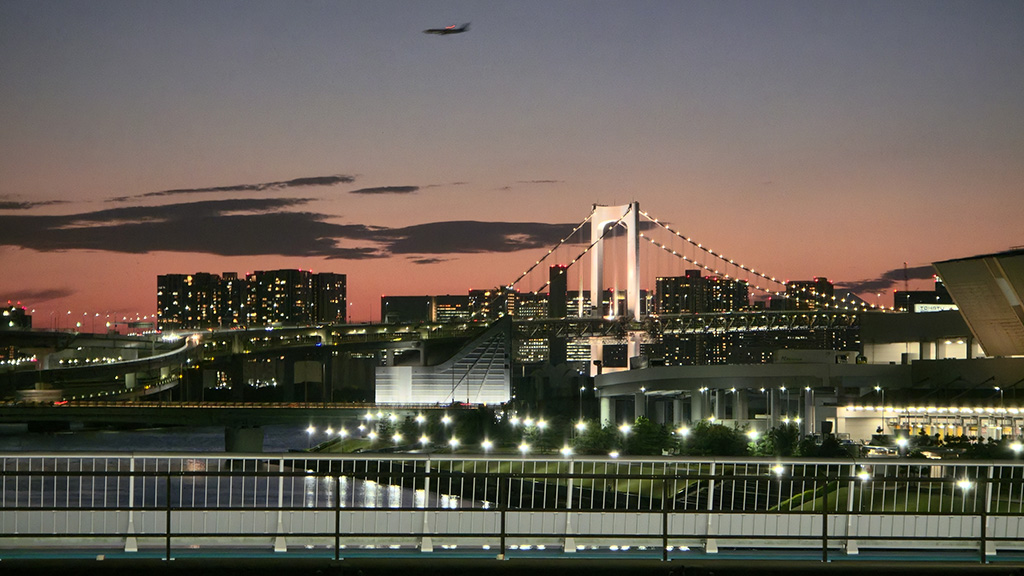
This wraps up all my miscellaneous photos from Tokyo, but there’s still more to come; I have several more blog posts on the way that individually focus on one tourist hotspot each.