There was a lot of stuff I saw and did during my trip to Japan; some were multi-hour adventures during which I took enough photographs to warrant a full, dedicated blog post (a few of which I’ve published already), but some were much shorter and quicker. I still want to post about the simpler activities I did, so I wrangled up all my miscellaneous pictures in order to share them across two photo dump blog posts.
On the day of my flight into Narita International Airport, my original plan was to head straight to my hotel, check in, take a shower, and go to sleep. By the time I deplaned, cleared customs and immigration, figured out how to purchase a Welcome Suica card, rode on the train to Ginza, and made it to my hotel room, it was 7 PM JST, which is the equivalent of 2 AM PST back home.
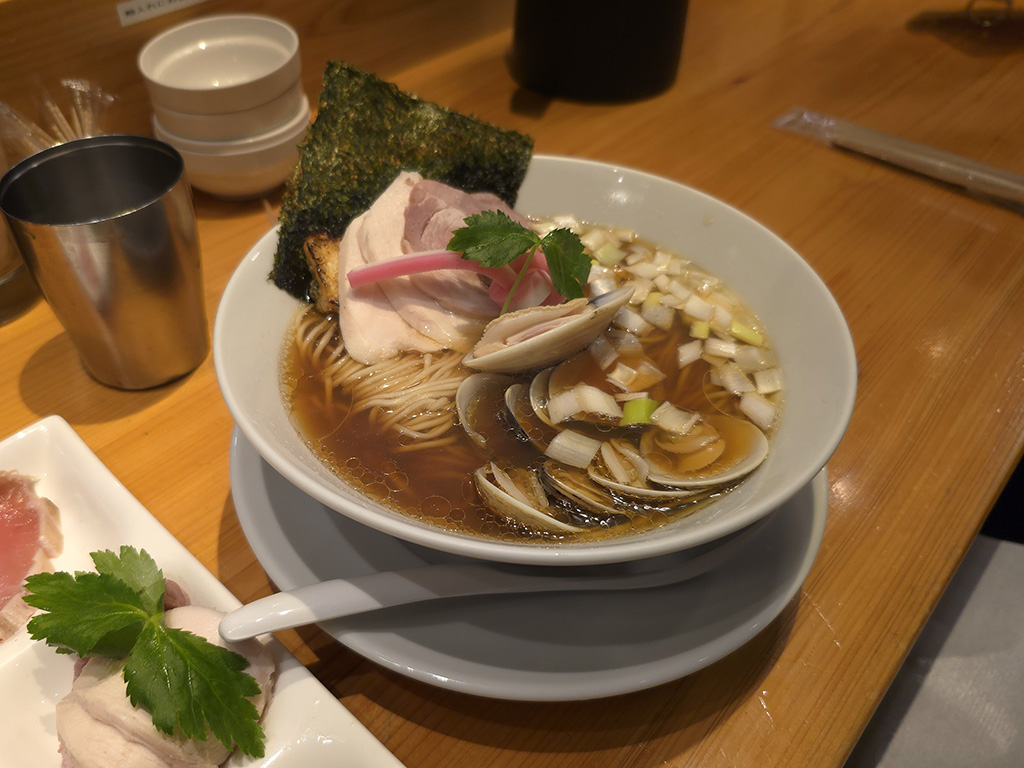
However, one of my friends who was already in Tokyo at this time wanted to come visit me in Ginza upon my arrival. 2 AM PST isn’t too late relative to the range of times between which I usually fall asleep, so I agreed to spend a few hours with her. She picked a ramen restaurant nearby that we walked to for dinner.
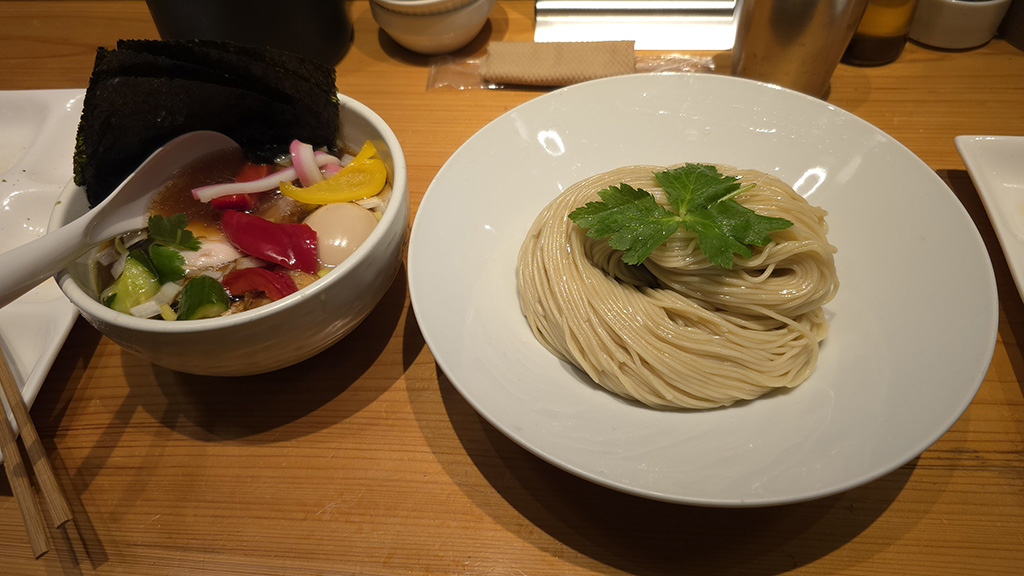
She opted for regular ramen, while I picked dipping ramen.
On the kiosk where we put in our orders, I had to make a selection of what size I wanted—regular or large. Both were the same price, so I figured that I might as well just get the larger size if it’s a free upgrade. I couldn’t tell whether or not I had made a misplay by doing so, because when my plate of noodles came out, it was absolutely gigantic.
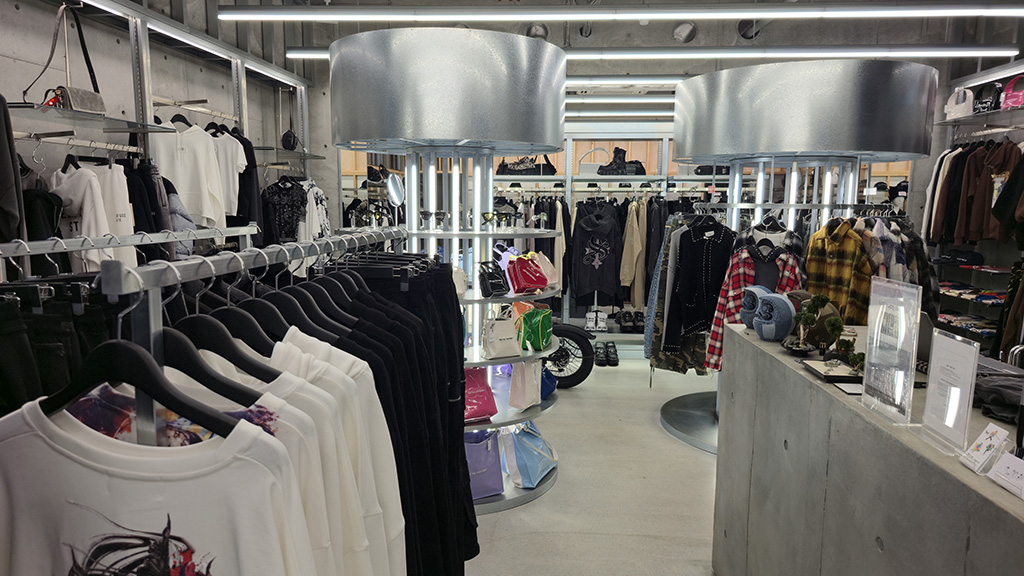
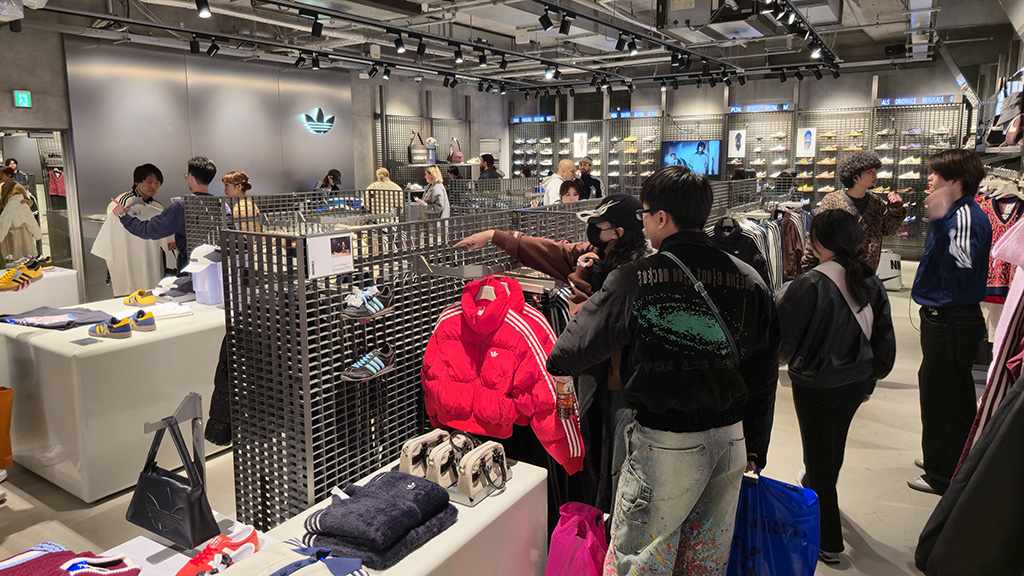
During one of my evenings, I joined some friends to go shopping in Harajuku. I wasn’t particularly interested in buying anything, but I did appreciate being able to see what retail stores in Japan were like. I did end up making one singular souvenir purchase in Tokyo later on, which I will share in the photo dump post from my second week in Tokyo, but for this session, I was mostly just sightseeing while being the designated shopping bag and purse carrier for my friends.
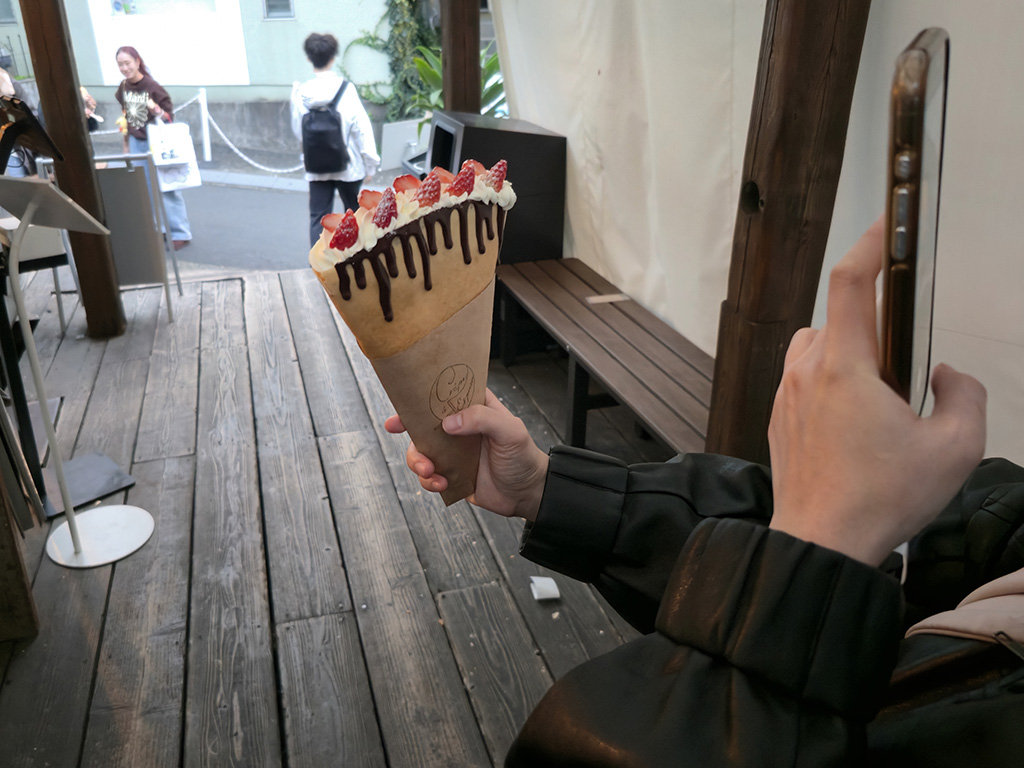
Part-way through our shopping day, we stopped by a crêpe shop to buy a strawberry and whipped cream crêpe. The flavor of the chocolate drizzle on the crepe was a little overpowering, but apart from that, the rest of the crêpe was incredible. The strawberries had a refreshing sweetness to them, and the texture of the crêpe’s surface was dense enough that it was satisfying to chew, yet still somehow the flakiest crêpe I’ve ever had.
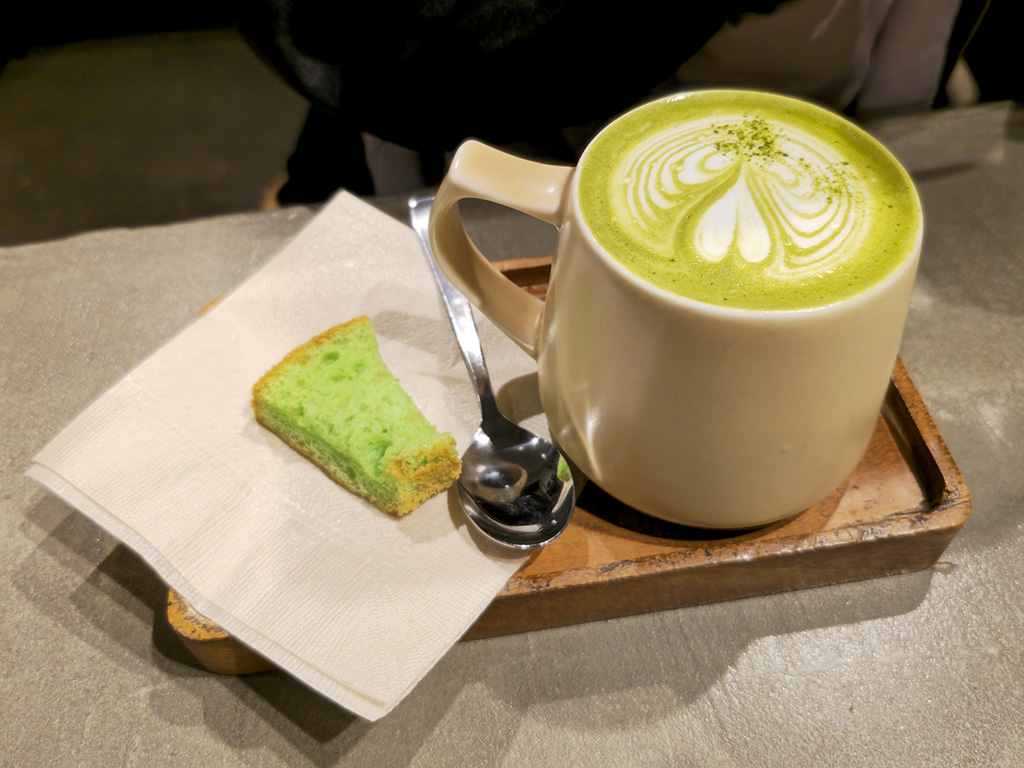
We also stopped by a café. This is my friend’s matcha latte; she received a seemingly radioactive piece of bread to go along with her drink.
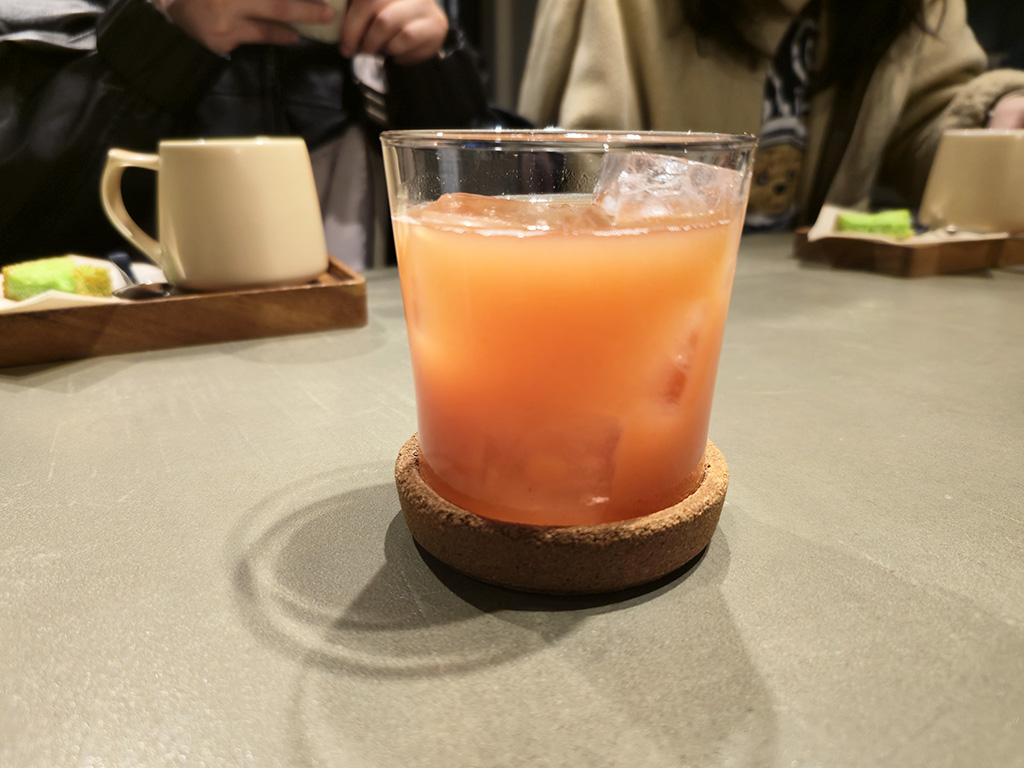
I opted for a guava fruit juice mix, which I selected because guava is not as common as other fruits in the United States, and I wanted to get the most out of opportunities I have in Asia that I wouldn’t have back at home.
I liked how it tasted, but they gave me so much ice that it felt like I only had a few fluid ounces of drink.
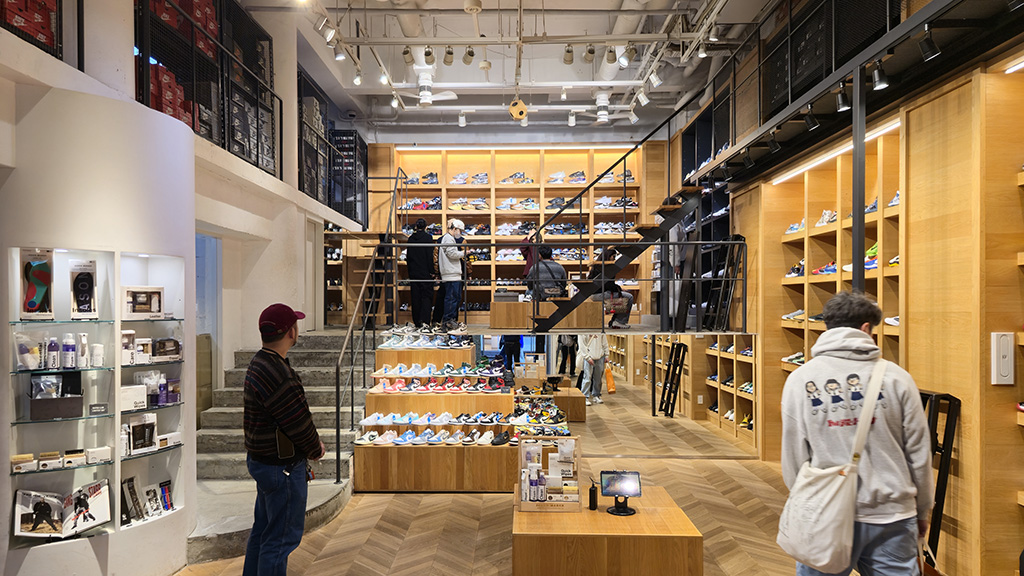
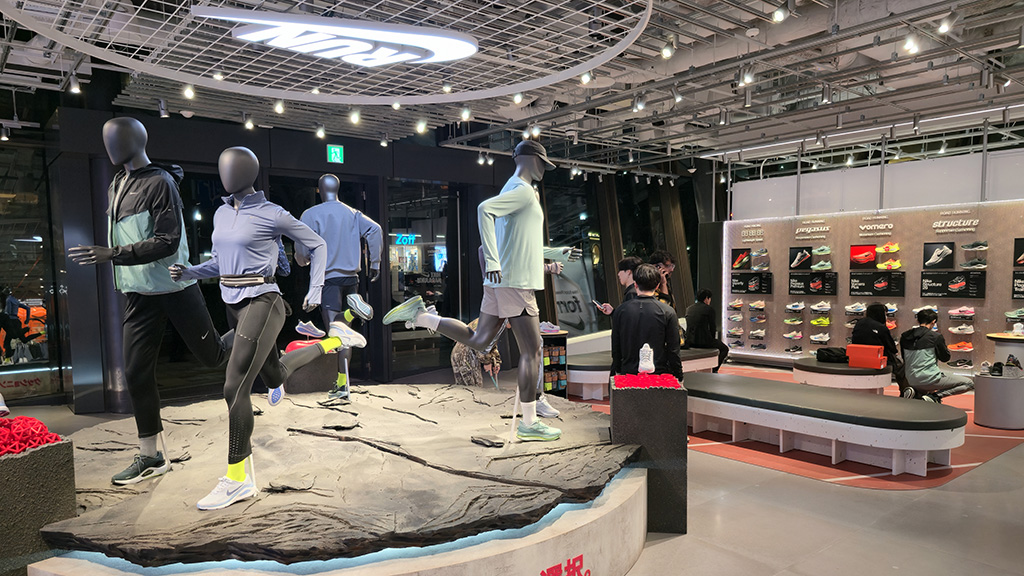
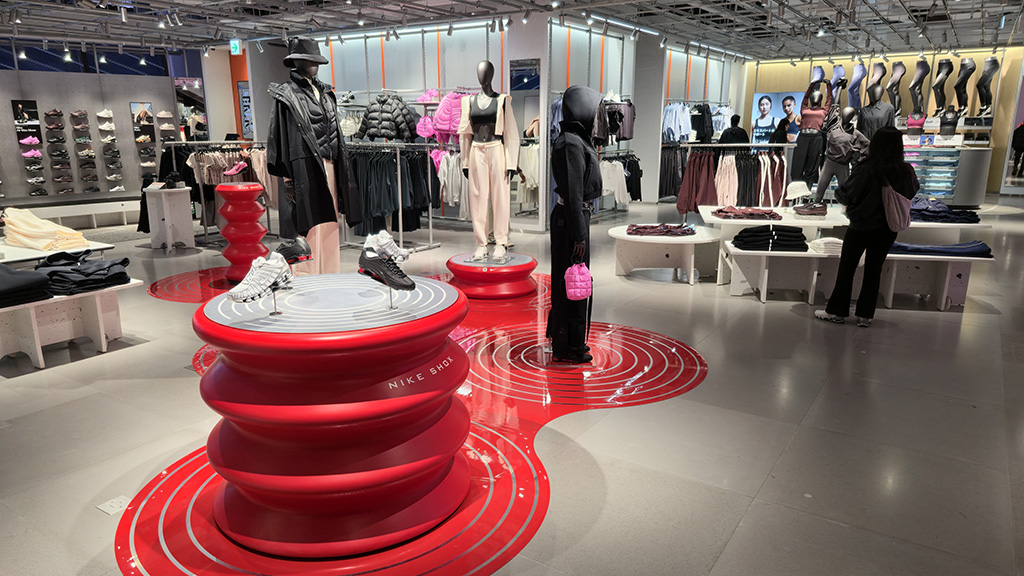
One thing I noticed about big-brand stores in Tokyo is how they basically design their store as if it is their most important flagship location. On top of that, because Tokyo has limited sprawl space, a lot of buildings are built upwards, so these stores will have multiple floors of retail space, with each floor being dedicated for a certain category or type of product.
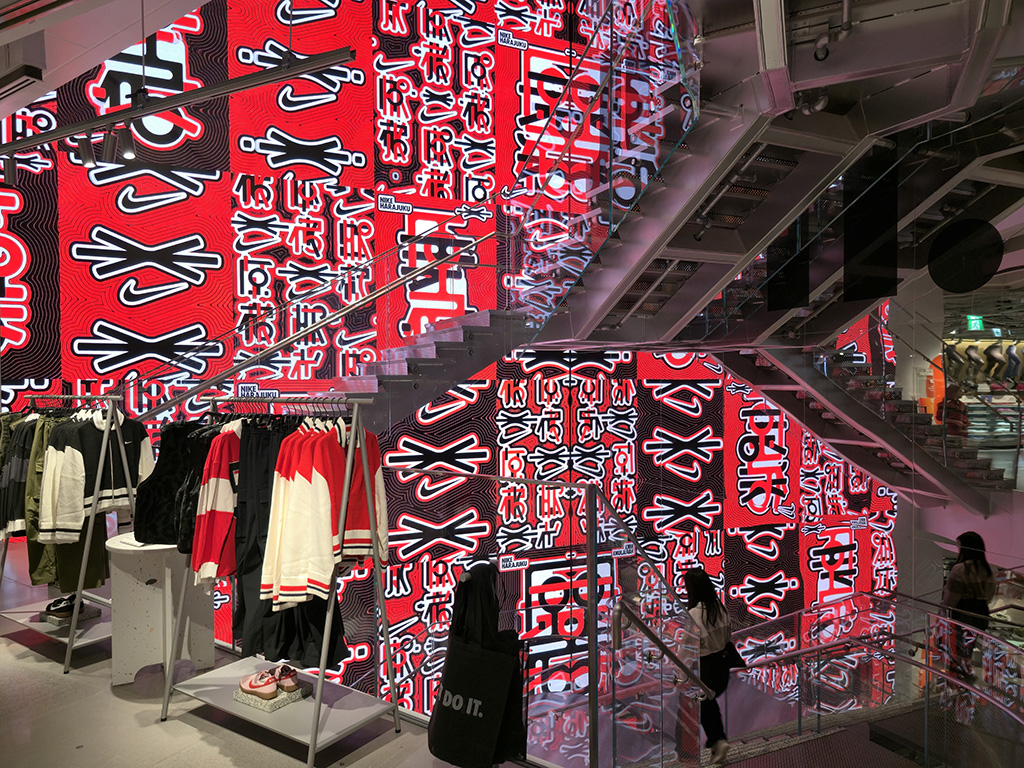
I’m not a fan of the Nike brand whatsoever, but my friends wanted to check it out, so I still tagged along. This Nike store in Harajuku was nicer than basically any sportswear store I had ever seen in the United States. I also liked the gigantic LED wall that stretched upwards across multiple floors.
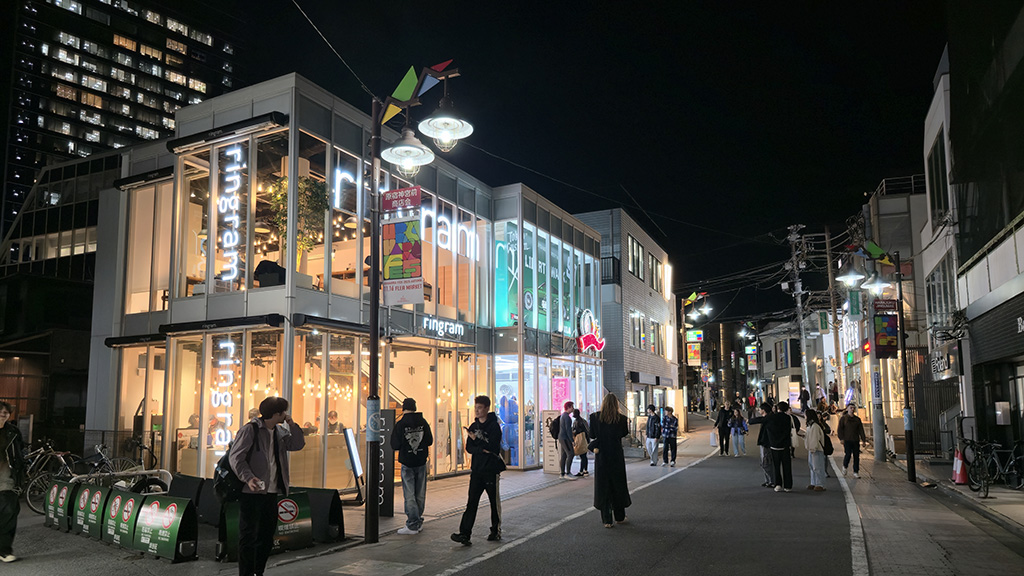
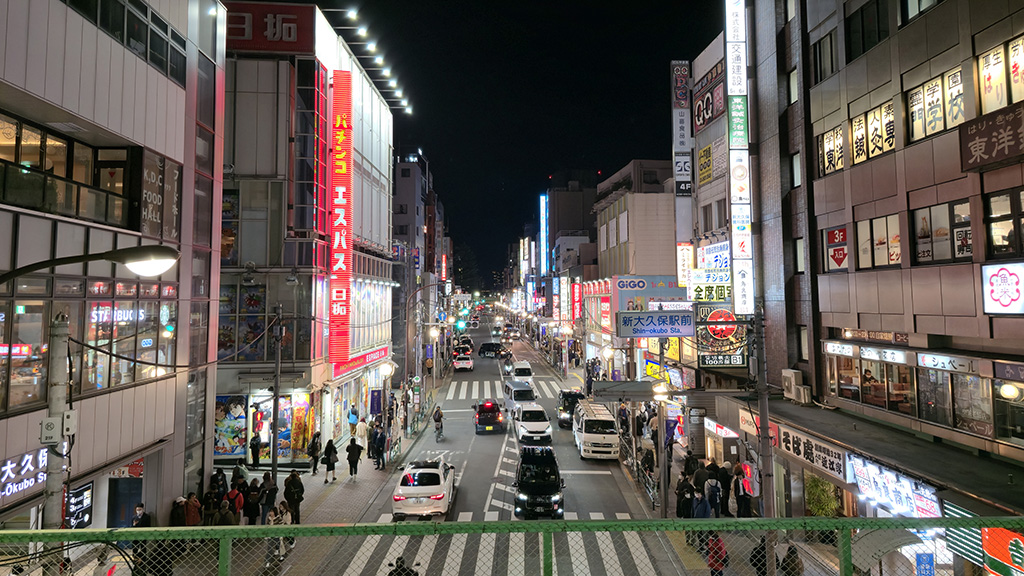
Here are a couple random photos I took of some random streets while I was waiting for my friends to wrap up and finishing checking out with their final purchases.
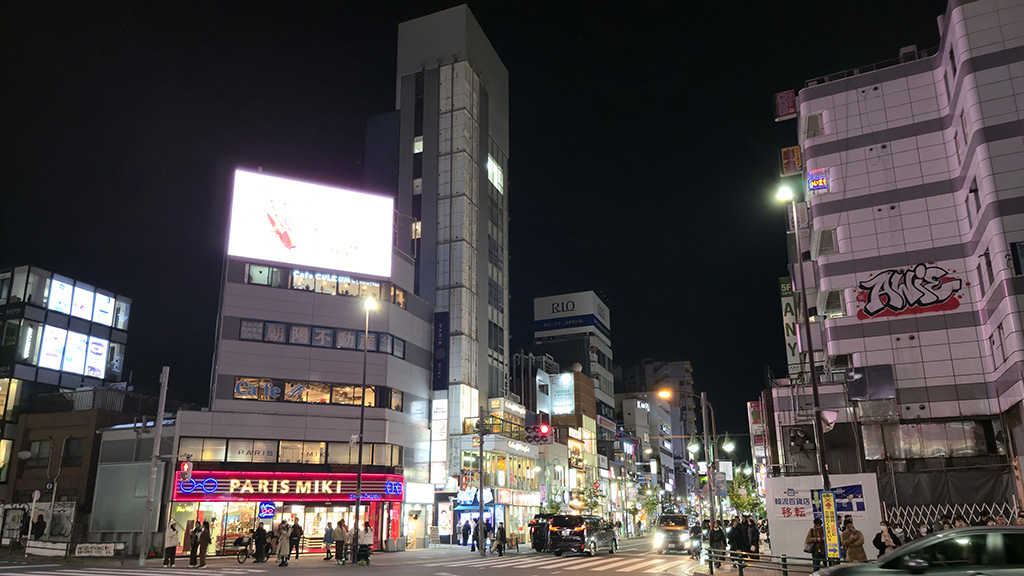
Most train stations are underground and are accessed by going down a flight of stairs. However, this station that we took after shopping was upstairs instead. This served as a nice vantage point for me to take a photograph down Tokyo Prefectural Route 433.
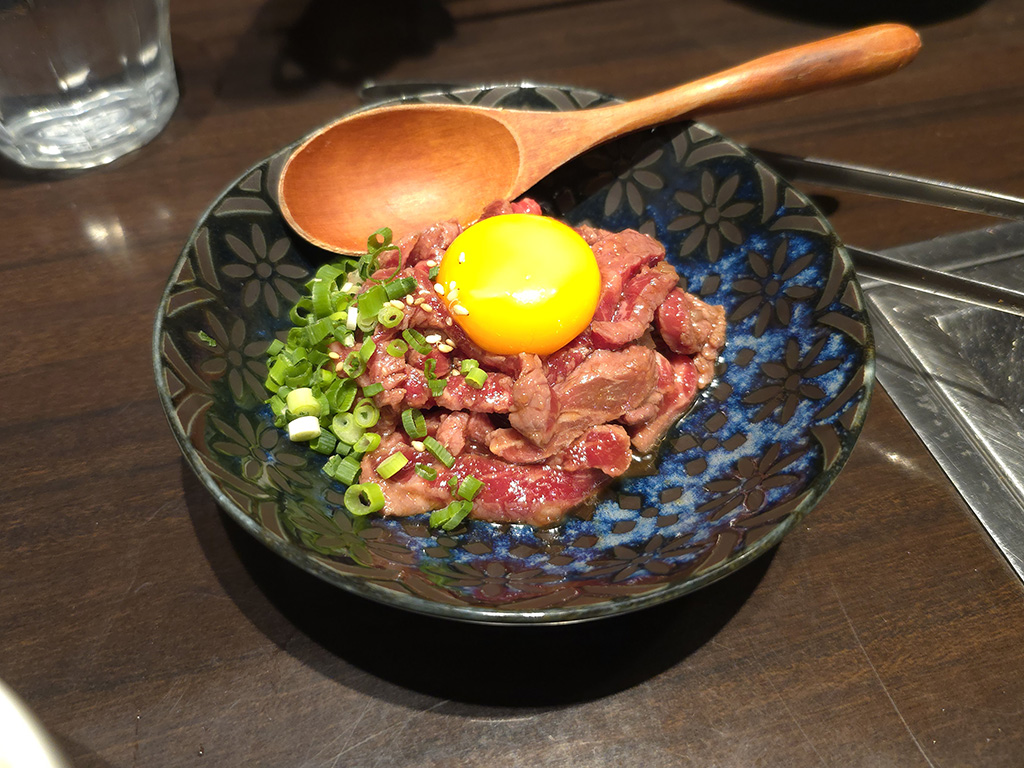
For dinner on one of the days, I joined some friends at a yakiniku restaurant. We ordered a lot of meat, all of which had incredible marbling and orgasmic flavor. The food was so good that I forgot to take photos up until this bowl of beef tartare, which I’m pretty sure was the best tartare I’ve ever had in my entire life.
Usually, tartare comes out as either minced beef or beef cut in much smaller squares, but this dish had longer strips of raw meat instead. We mixed in the egg yolk and green onion, which complemented the beef perfectly. Everything was sitting atop a marinade, which had the perfect level of sweetness and saltiness to enhance the rich, umami flavor of the beef.
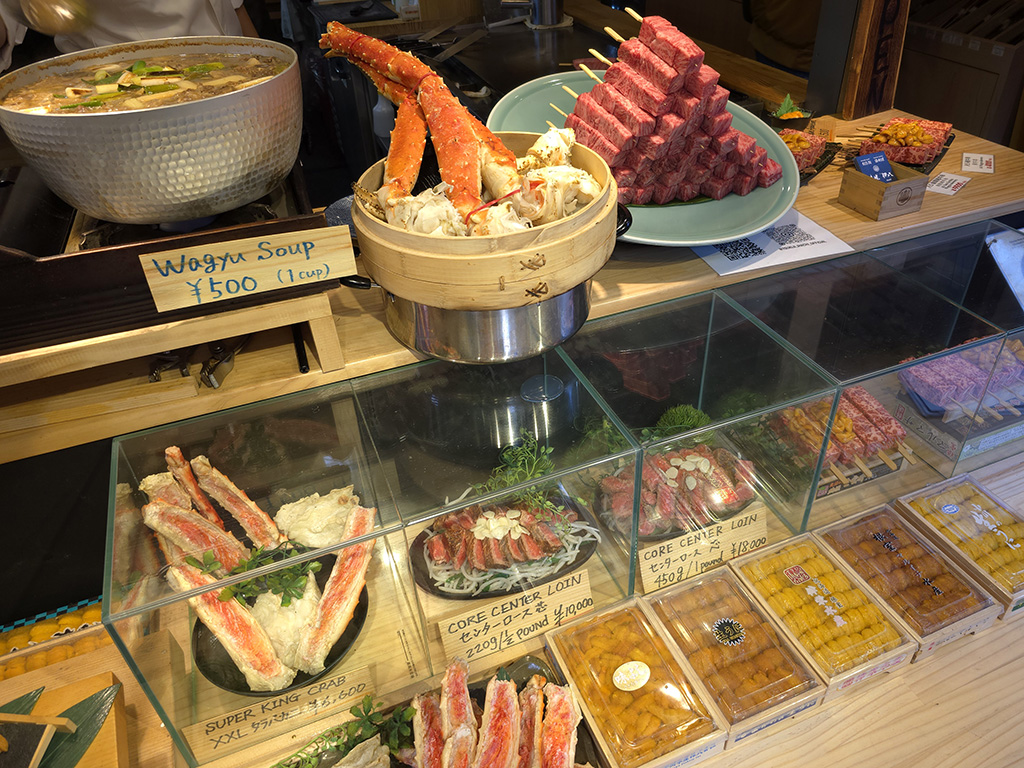
For brunch one day, my friend took me to the Tsukiji Fish Market southeast of Ginza in Chuo City. When she told me that we were going to a fish market, I pictured a place where fishermen would bring their fresh catches to a marketplace and auction off whole fish to the highest bidder. Instead, it ended up being closer to a sushi and seafood market that also sold prepared meals.
One of my favorite things about these stalls was that they showcased what appeared to be taxidermied models of what they were selling so that people can get an up-close look at a visual representation of the products without the vendor needing to risk contaminating any of the actual fresh food. I didn’t touch any of them, but the models were impressively realistic.
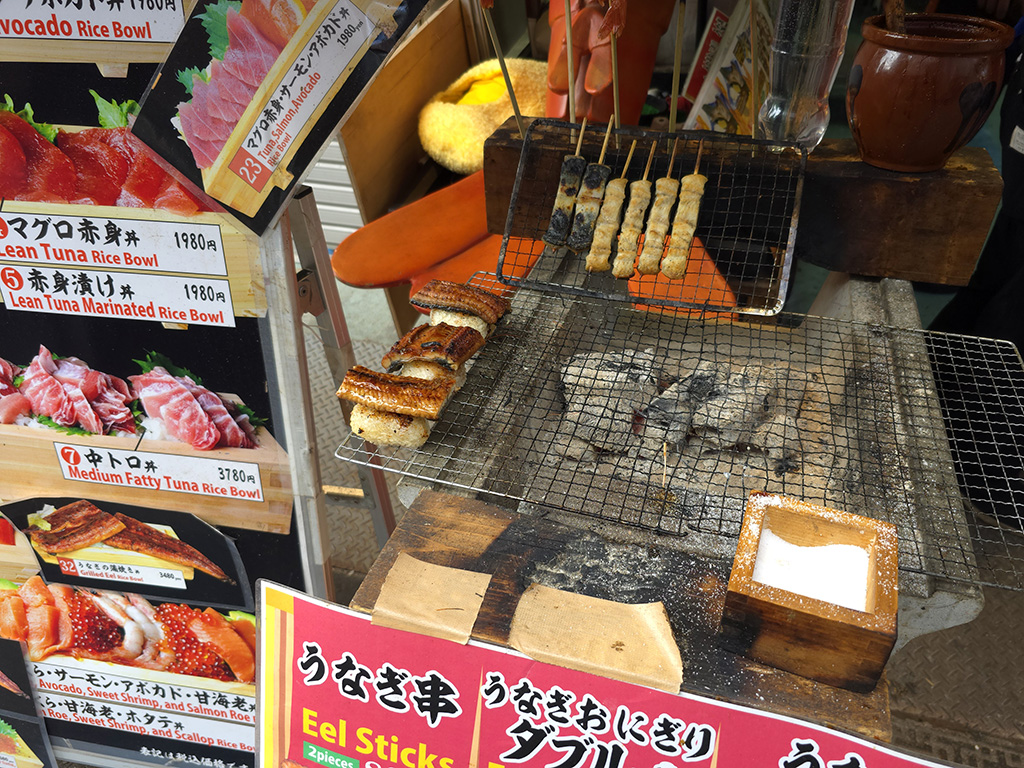
One of the stalls had charcoal grill where, if you buy eel and want to eat it right away, they will cook it for you right in front of you.
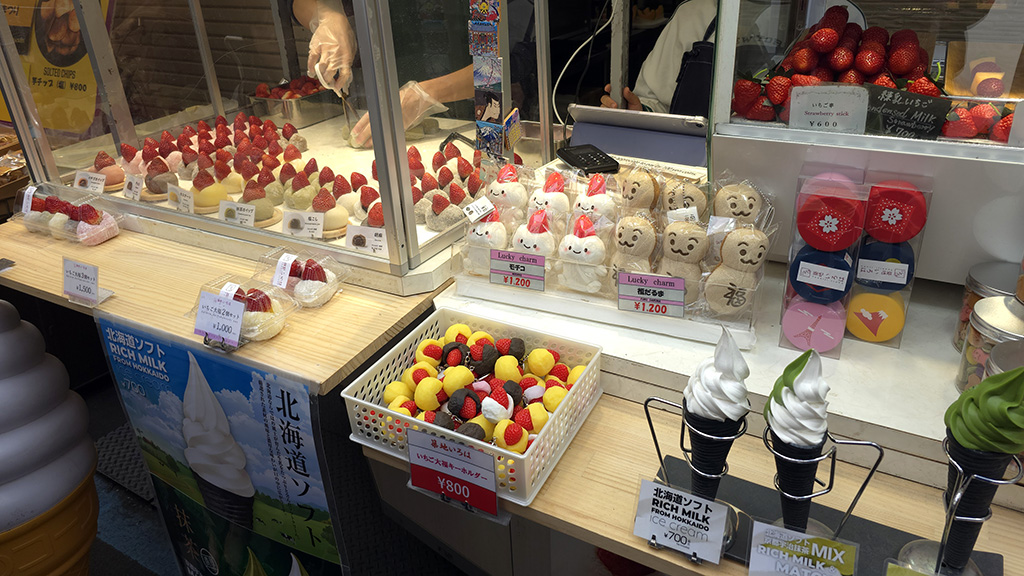
Sushi and seafood wasn’t the only thing they sold; there were plenty of stalls that sold fruits, nuts, and other packaged snacks, as well as some stalls that sold nicely-designed and decorated pastries and desserts.
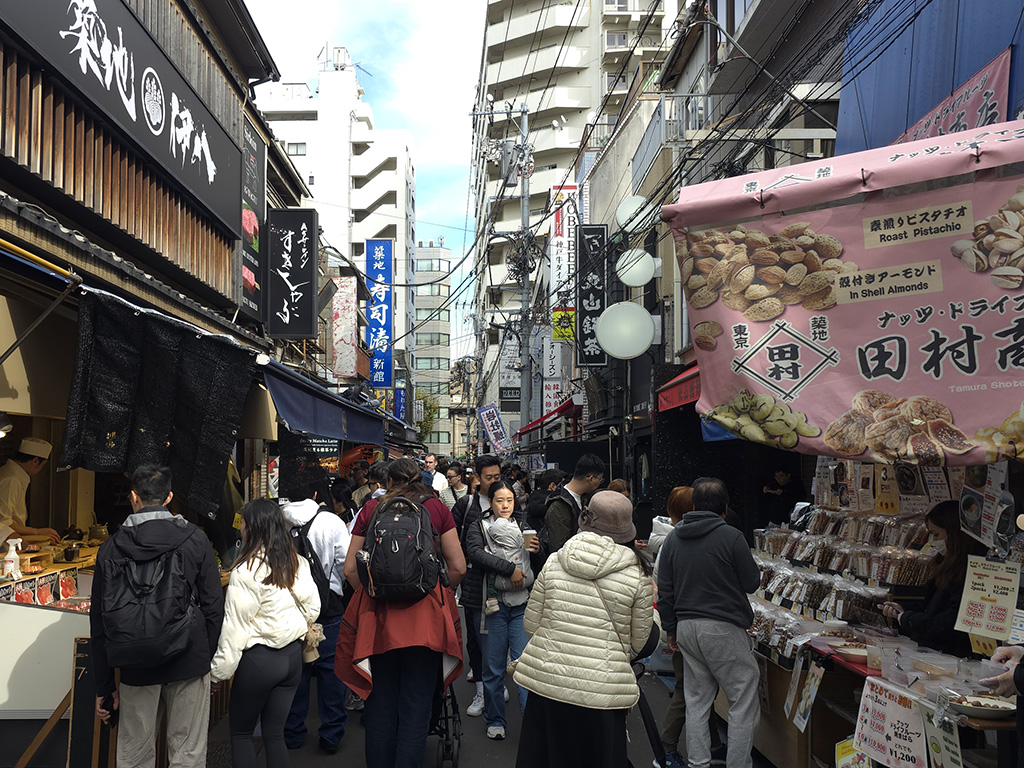
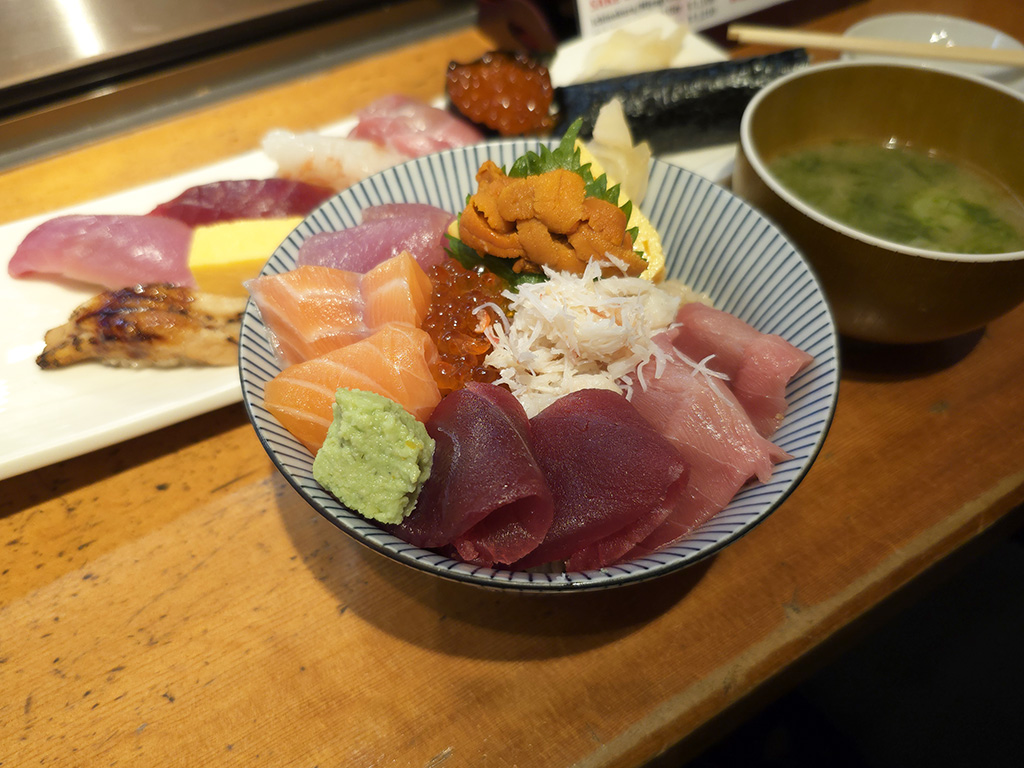
For brunch, my friend and I decided to dine at a sushi restaurant. There was a bit of a line outside their door of people waiting for them to open; we joined this line and were among one of the first customers of the day.
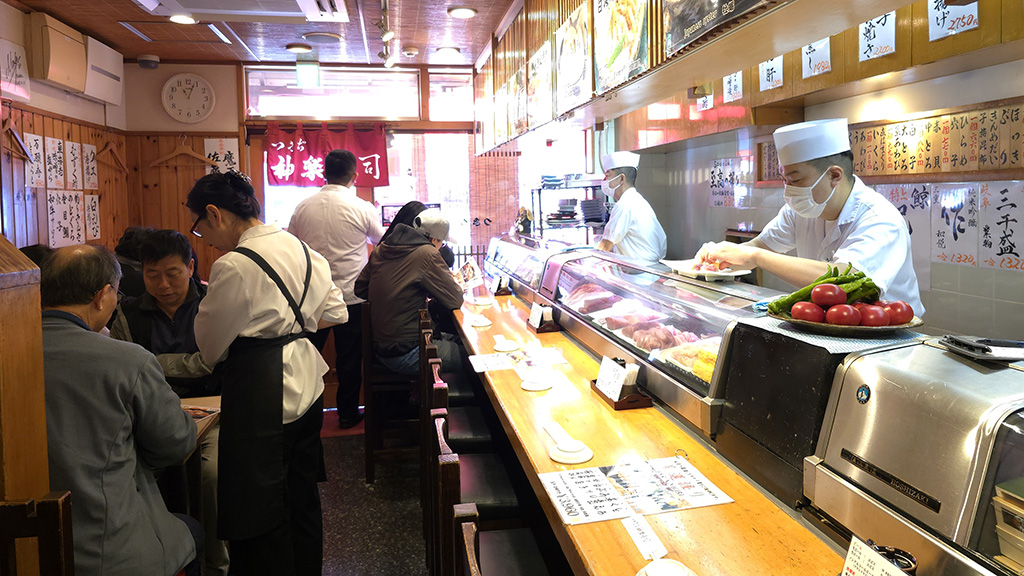
My friend and I ordered one entrée each and split them half-and-half; one entrée was a chirashi bowl and the other one was a sushi combo.
Because I mostly maintained a general modicum of my United States sleep schedule without fully adjusting to Asian hours, I usually went to sleep early and woke up early. In the early mornings, I would handle whatever Tempo work tasks needed to be done, and then when the Tokyo sun rises, I would go out to be a tourist.
I usually don’t use the hotel’s housekeeping service because I don’t like strangers coming into my hotel room. However, for some of the days, I let one of my friends stay with me in my room, and she liked having the room tidied up by the maids once in a while.
Because I leave to go on tourist activities pretty early, I also usually get back to my hotel room fairly early as well for my mid-day break. On one of the days, I ended up returning while the maid was still cleaning my room. We had a comical language barrier problem because she didn’t speak English, and I thought she spoke Japanese, but I ended up gathering that she actually only speaks Vietnamese.
Regardless, we managed to get through to each other that she needed only five more minutes to wrap up, so in the meantime, I went upstairs to wait in the rooftop lounge, which had some nice views of the surrounding area.
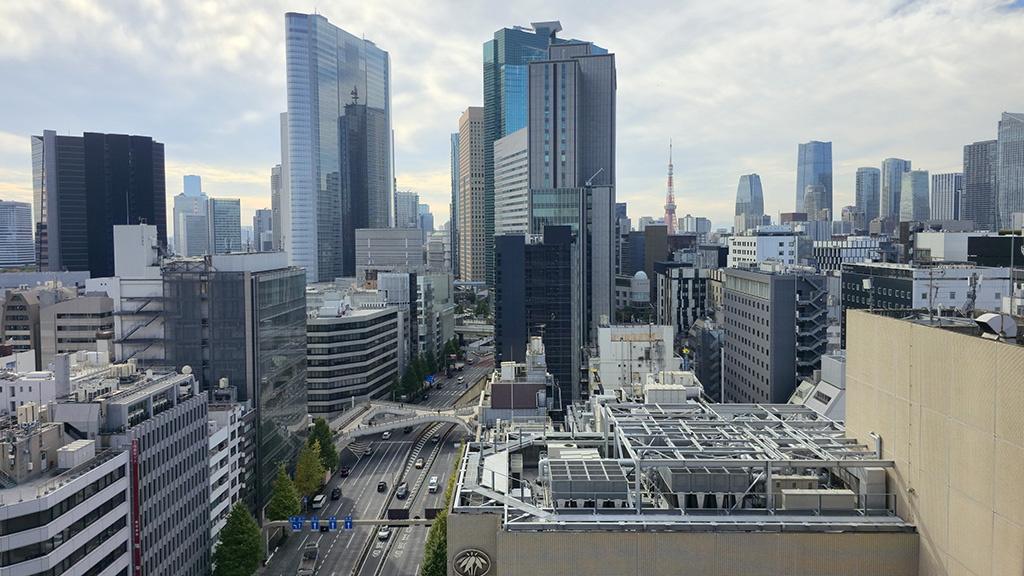
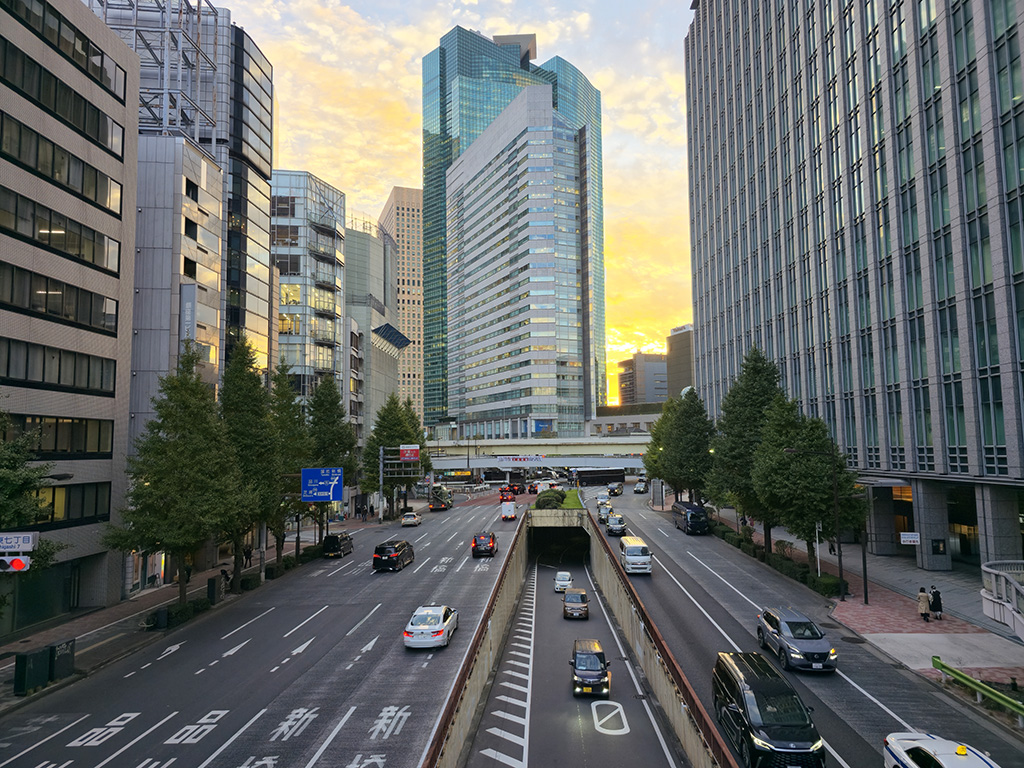
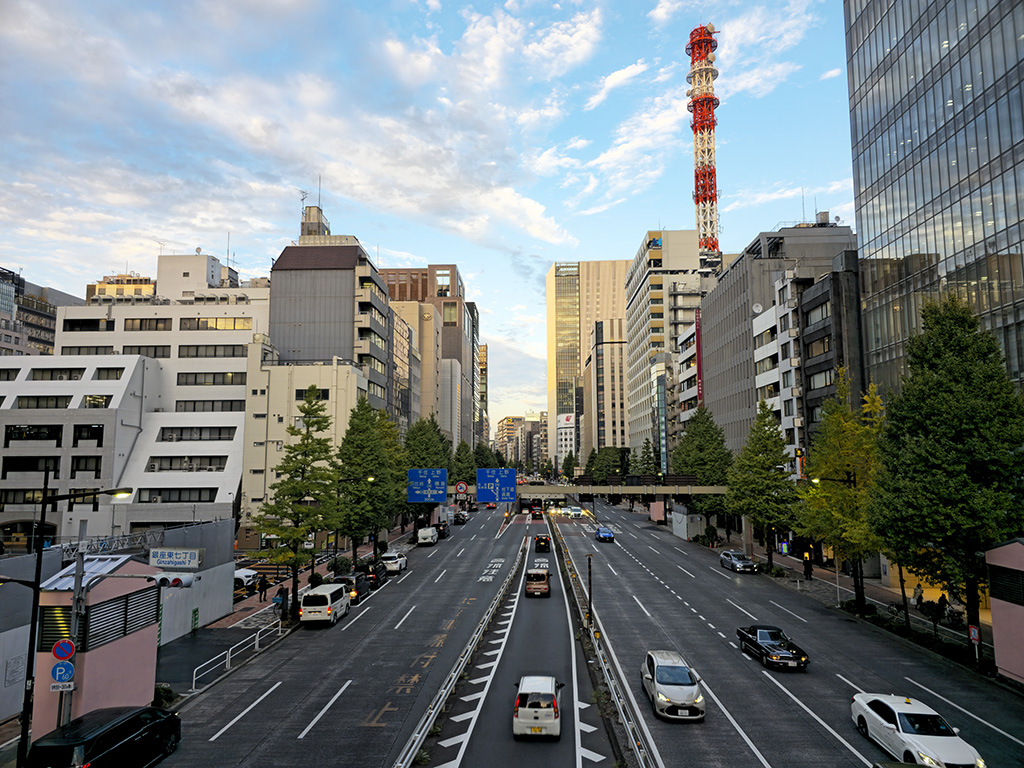
The highest floor of my hotel wasn’t the only spot I was able to get some nice views. Ginza has a few streets with pedestrian skybridge walkways, so I was able to get some nice photos of the surrounding area from a slightly elevated vantage point.
Even though I would sleep pretty early in the evening or night, my friends still convinced me to stay out relatively late once in a while for dinner. On one of the days when I had plans to go out in the late afternoon and evening, I woke up early, got some work done, then joined a friend for a quick lunch prior to going to the train station to grab a ride to my activity of the day. She picked a nice and cozy curry spot situated in the basement of a building in Ginza.
Prior to arriving to Japan, I had heard stories about how they had been having issues with foreigners. Apparently, a lot of foreigners were disruptive and inconsiderate, and locals thought that they were being disrespectful during their periods of tourism. More broadly, a lot of locals also thought that foreigners were just driving up the prices of things in Japan due to a lot of Western countries (such as the United States) having more spending power in their currency. As a result, a lot of businesses had allegedly taken some degree of corrective action, some of which involved having two separate prices depending on what language of menu you request.
When we arrived at this curry restaurant, we were warmly greeted and given a Japanese menu. I was fine browsing through and just using a translator, but after the waitress realized that we were using our phones to translate everything, she offered an English menu for our convenience, which we accepted.
Because I had the “different prices for different menus” concept in the back of my mind, I quickly memorized a few of the prices on the Japanese menu, and then compared them to the same dishes on the English menu. I found out that there were indeed different prices for the same bowls of curry, though there was barely a difference. Strangely, the Japanese menu showed very precise prices, like 1,677円, while the English menu showed rounded prices, like ¥1,750. I’m not sure if that had to do with tax-exclusive vs. tax-inclusive pricing, or if they rounded the numbers because they assumed that foreigners are less likely to have exact change, but the difference was so small—literally less than the value of two quarters—that I had no issue paying the “foreigner price.”
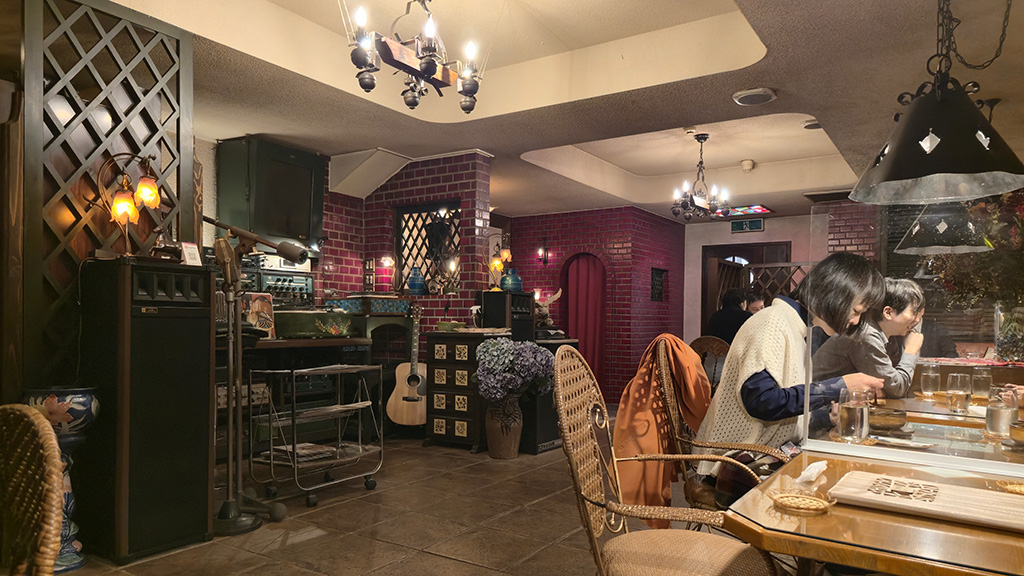
They were out of some ingredients for the day already so there was a limited number of options we could pick from. My curry came out in a very hot ceramic bowl, which helped it maintain its temperature and also added a bit of a Maillard reaction along and around the edges. I’m normally not the biggest fan of cheese, but the cheese in this curry was mild, smooth, and not excessively greasy. I also liked that the spoon they gave me was in the shape of a shovel; the pointed edge made it easier to scrape off all the rice and curry that was stuck to the bottom of the bowl.
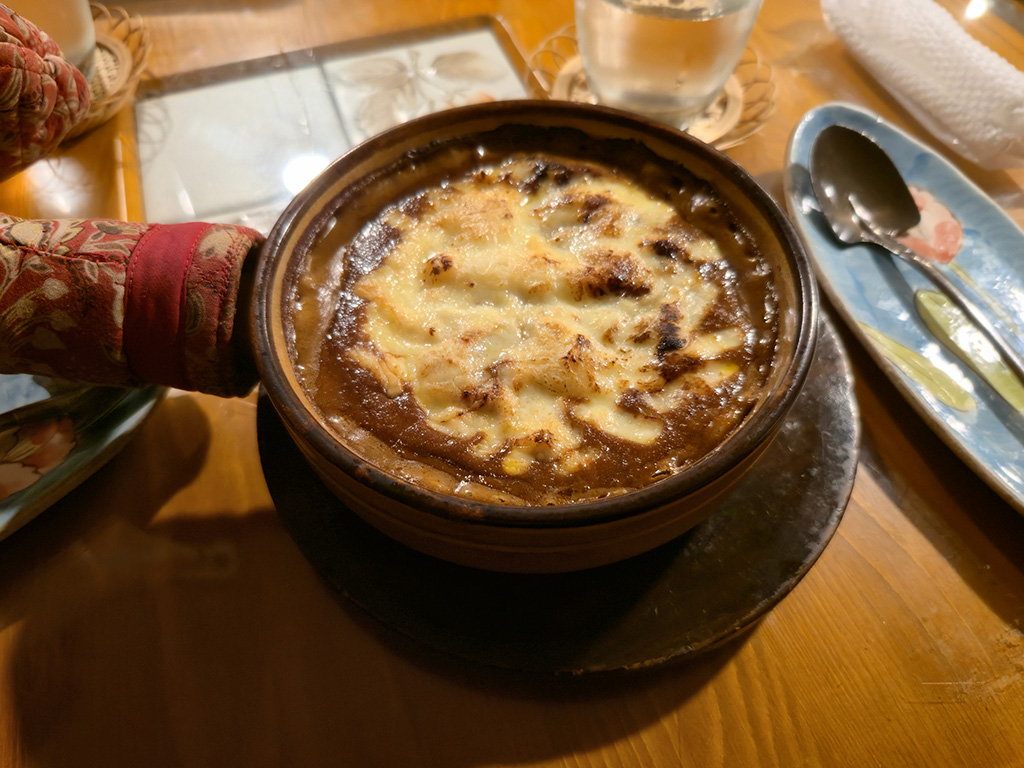
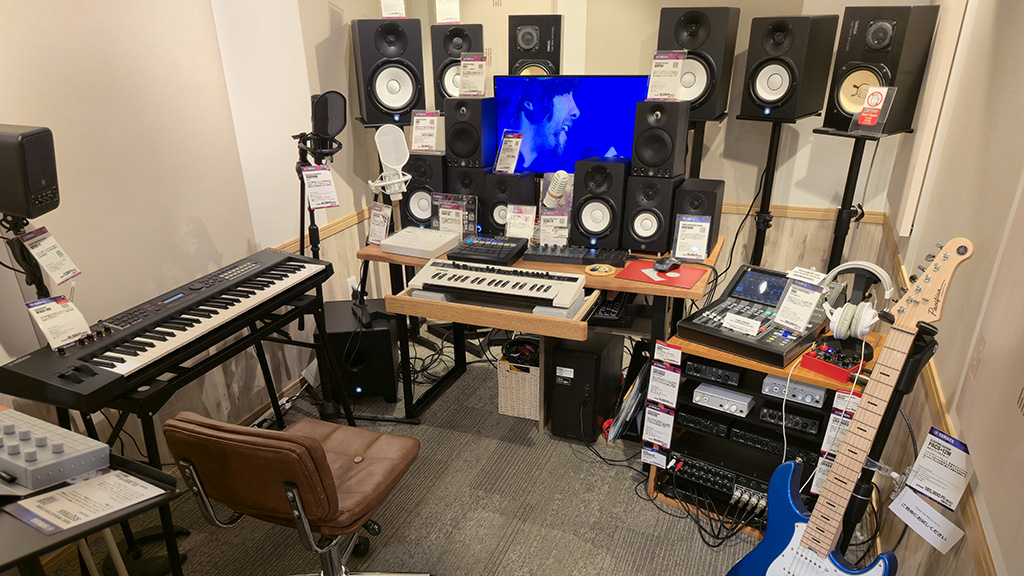
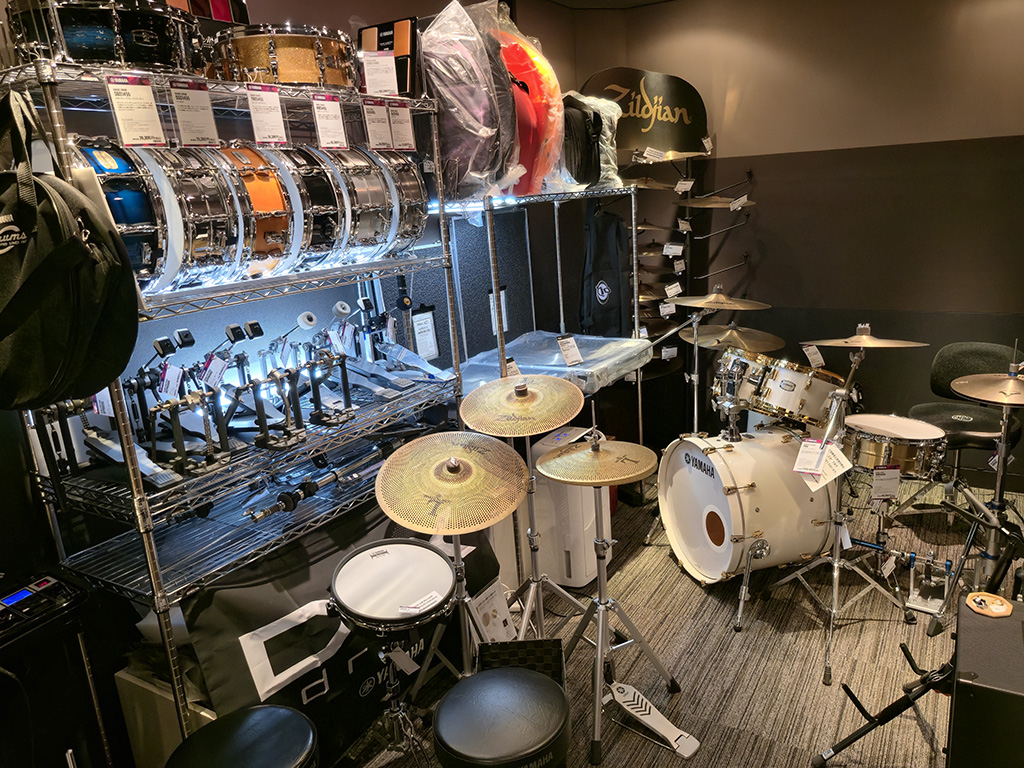
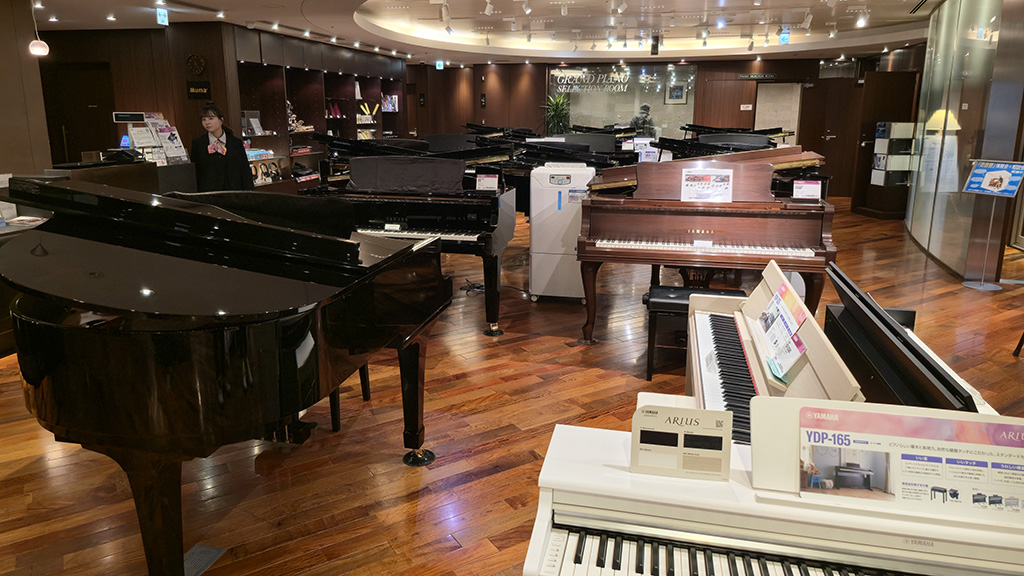
If you know me, you know that I am very much a music person. I’ve played a lot of different instruments ever since I was a kid, and I currently have a collection of quite a few string instruments, including various different acoustic and electric guitars of different specializations, a bass, and a ukulele. One of my friends who knows this about me highly recommended that I check out the Yamaha shop in Ginza.
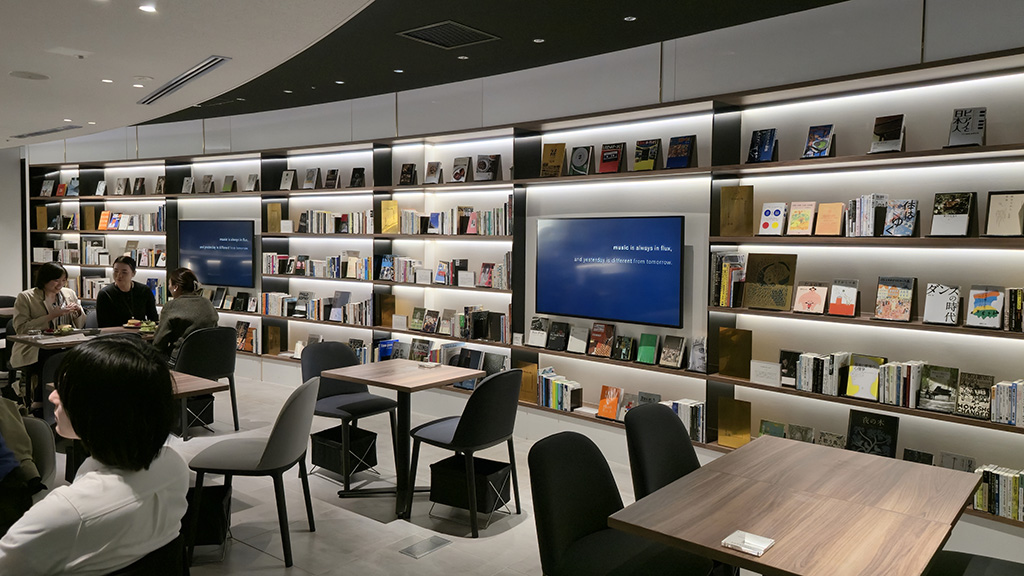
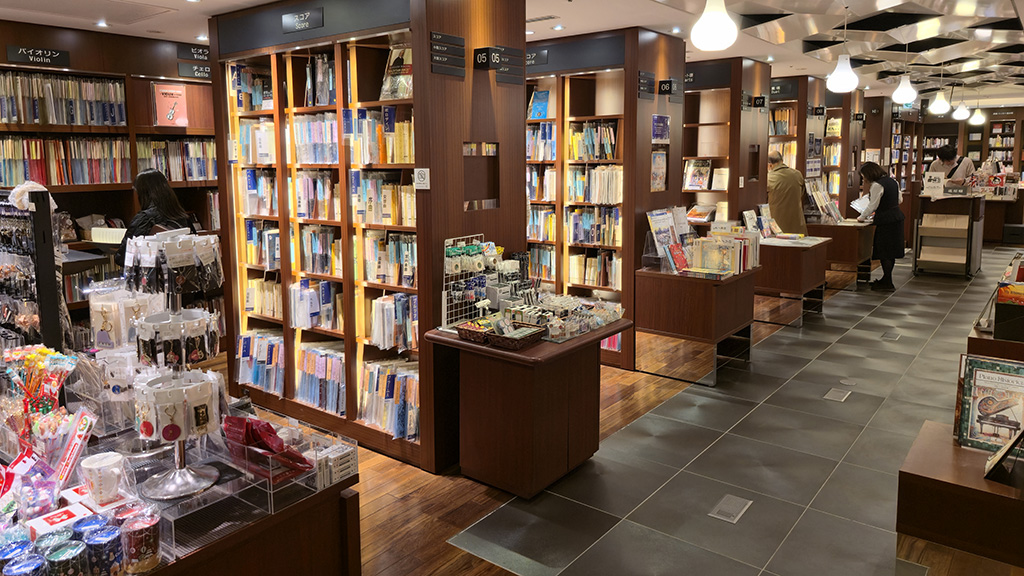
This was a fantastic suggestion, because this was basically just a gigantic adult playground of musical instruments. I remember there being around eight floors accessible to the public (the building itself is taller, but some of the floors were reserved for staff offices and for their music school). All the floors had some kind of theme or topic, one of which was a café and another was basically a library dedicated to musical literature and sheet music.
I did not end up buying anything, but I appreciated being able to walk around as if this was like a music museum.
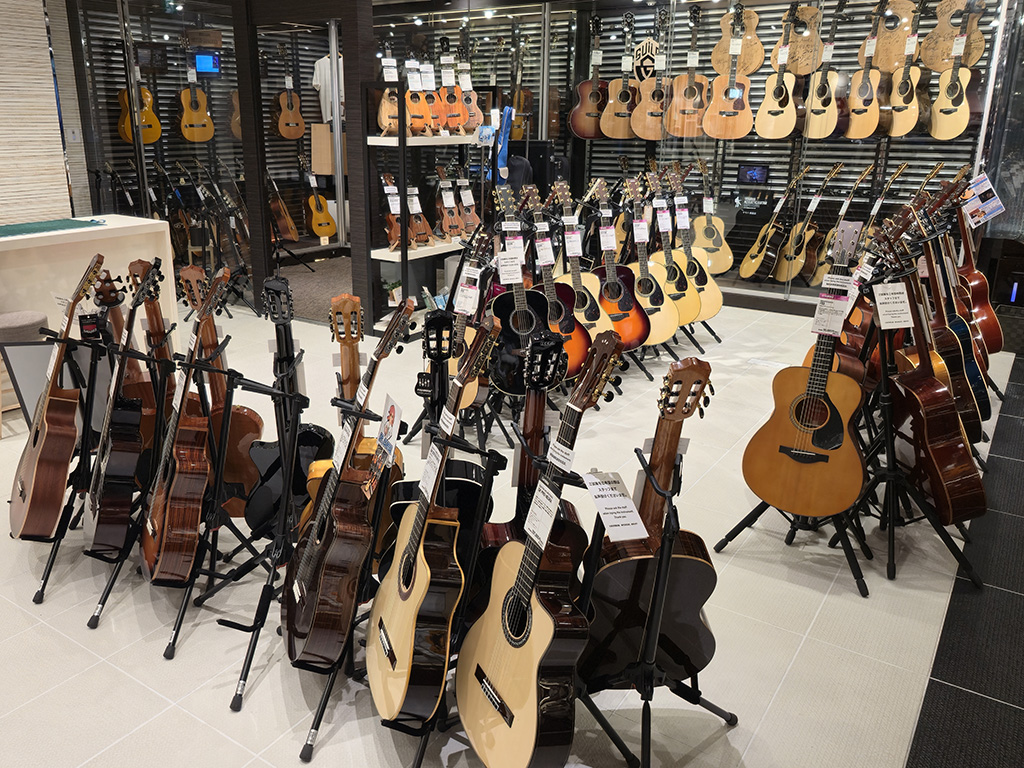
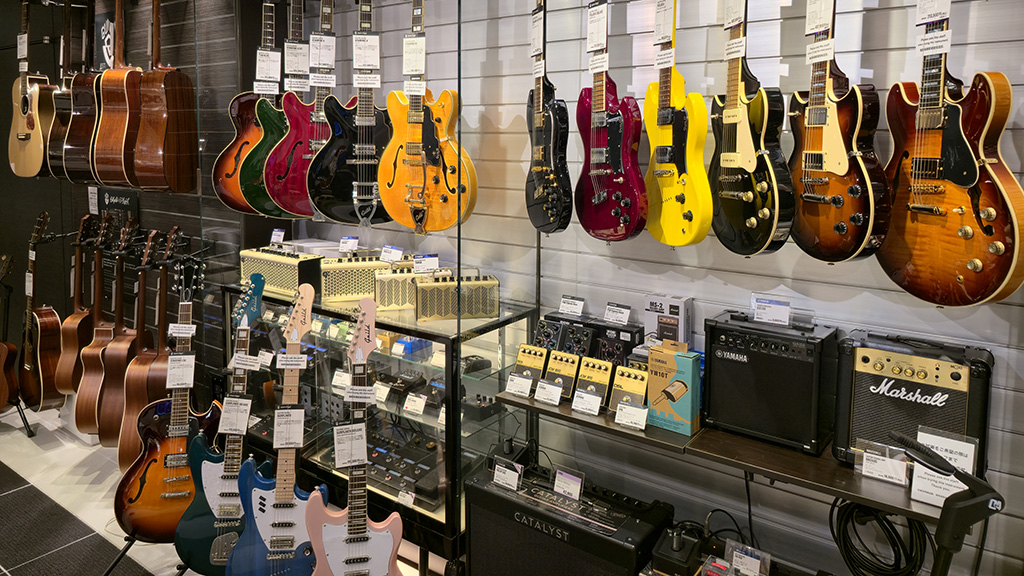
One of my friends told me that one of her friends from back at home in the United States had requested for her to buy some contact lenses in Japan on her behalf to bring back to the United States. More specifically, she wanted contact lenses from Don Quijote. I offered to accompany my friend while she went shopping, but she said that she didn’t want to “put me through that” as if I would be suffering if I went to Don Quijote. I told her that I wouldn’t mind, and that my experience so far has been so great that I was happy to experience more of Tokyo, even if it entailed more shopping.
When we arrived at Don Quijote, I was incredibly confused.
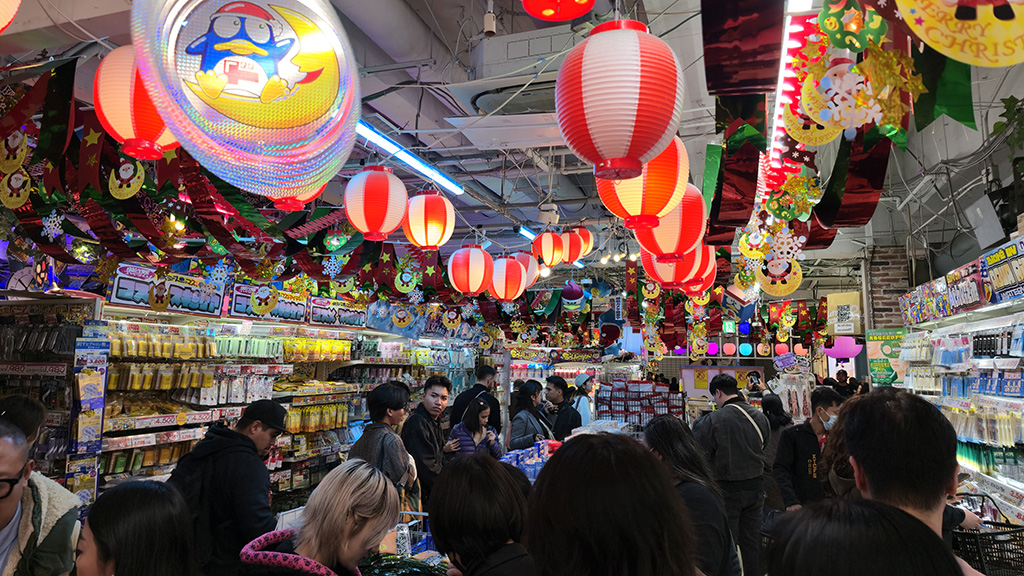
This is what the inside of Don Quijote looks like:

As a point of context, I do not purchase products from or support expensive designer brands. I believe that they are not luxurious, but rather, designed and marketed specifically so that poor people can waste their money and pretend to be rich. My beliefs were further reinforced not too long ago when it was revealed on social media that a lot of designer handbags are just purchased for cheap as white label products from Chinese factories and then “finished” in Europe.
Truly wealthy people don’t buy from designer brands; instead, they hire and commission tailors to make bespoke clothing, or hire craftspeople to make bespoke accessories. Those who genuinely care about the quality of their products won’t leave it in the hands of a designer brand, but rather, will be more diligent in following the manufacturing process. For example, all of my custom exotic leather goods like my belts and wallet (made from stingray, hornback saltwater crocodile, and python, just to name a few) are made by smaller and independent leatherworkers who share the process with me and allow me to have agency over the creation of my desired product so that it comes out perfectly to my preference.
Now, up until I arrived at Don Quijote, I had thought that it was a luxury brand because of its fancy-sounding name, similar to Louis Vuitton or Dolce & Gabbana. When I was told that she was going to buy contact lenses from Don Quijote, I thought that it was similar to how some brands like Christian Dior will make luxury eyewear. Although I personally would never buy from brands like this, I still want to make sure I stay well-informed about their offerings (sort of in a “know thy enemy” way), so I was looking forward to seeing what “luxury contact lenses” looked like.
It was a comedy of monumental proportions when I found out that she wanted Don Quijote contact lenses not because they were a luxury product, but because they were cheap and had good value for money.
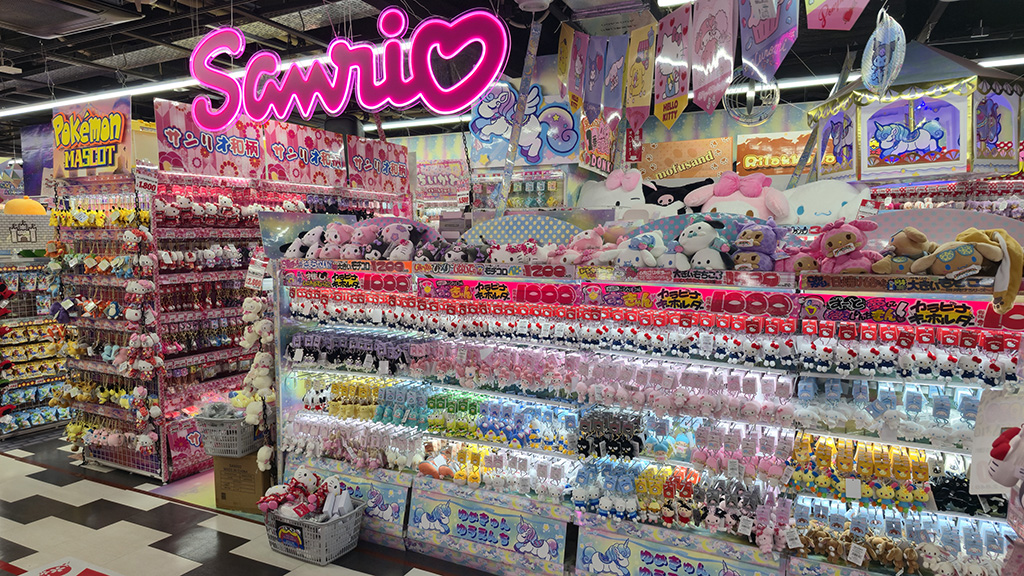
If you can’t tell from the photographs, Don Quijote is apparently a chain that is known for stocking an astronomical variety of different items in a densely-packed space. The closest thing I can think of to Don Quijote in the United States is Walmart I guess, but with like four times the product density.
I’m not sure if the concept of Don Quijote would even work in the United States, considering the United States’ rates of obesity; I genuinely don’t think obese people will be able to comfortably navigate through this store without being highly disruptive to other shoppers.
Apparently the Don Quijote in Ginza is on the relatively small side. It had multiple floors, but my friend told me that the Mega Don Quijote in Shibuya was even taller and had even more stuff.

… What a surprise, we went to the one in Shibuya too.
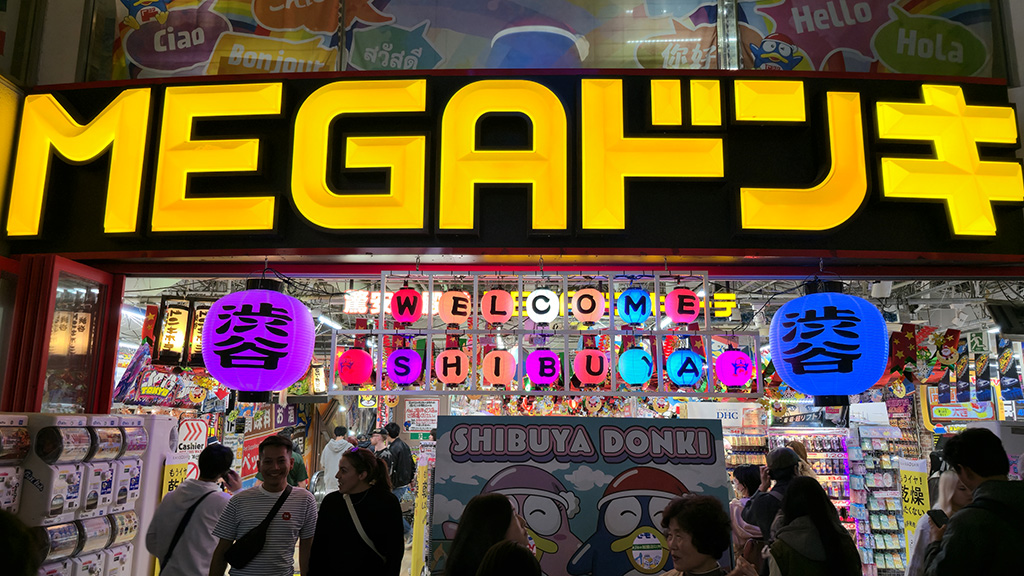
To clarify, no, we didn’t go all the way to Shibuya just to visit their Don Quijote location; we just happened to be in the area and popped in for a moment when we were walking by. The Shibuya location was a lot busier, though it still retained the same spirit of having a lot of densely-packed products to squeeze every last bit of value out of every last square meter of retail space.
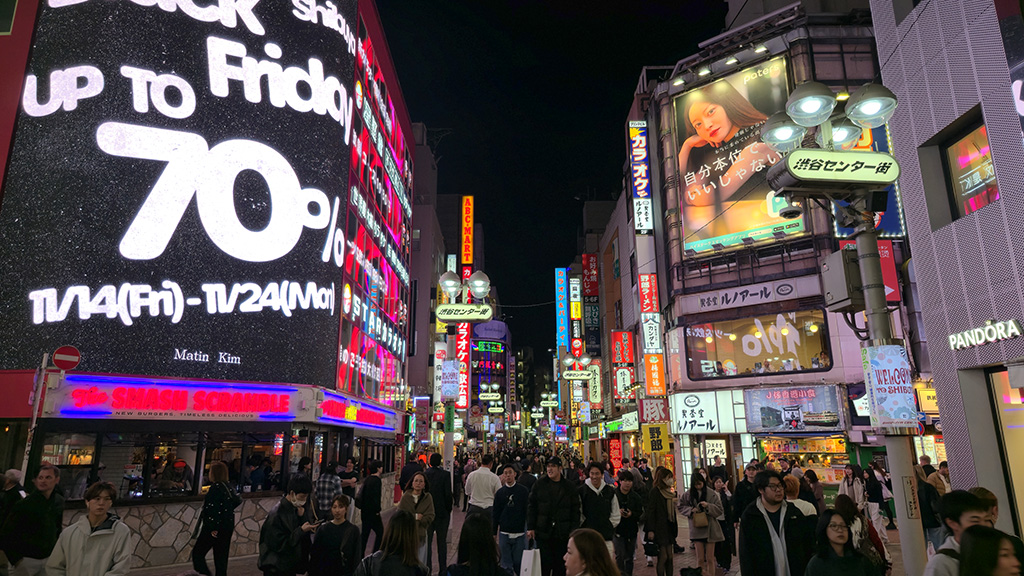
Here is a random photo of Shibuya. I liked this area because the plethora of lit-up signs lining the street reminded me of the Las Vegas Strip back home.
That wraps up my first week of miscellaneous photographs from Tokyo, but this is far from everything I have to share from my trip. I’m still on my grind of pumping out blog posts, so check back again in a few days for even more pictures and reviews.