I’m in Los Angeles County again in preparation for flying out of Los Angeles International Airport (LAX) for my next international trip. (In fact, I am literally currently at an airport lounge waiting for my flight while writing this blog post.) I’m not the biggest fan of Los Angeles, but I guess I am a fan of LAX because it offers good worldwide route coverage at reasonable prices due to how competitive the airport is for carriers, so I end up finding myself in Los Angeles more often than expected.
While in the area, I met up with one of my friends yesterday and checked out Matū, a steakhouse in Beverly Hills, California. They also have a location called Matū Kai in the Brentwood neighborhood of Westside Los Angeles, but we opted to go to the Beverly Hills location instead because it was a little bit closer to where I was staying at the time in LA County.
I’ve been enjoying chef’s tasting menus lately, the idea being that I want the components and flow of my meal to be determined by someone who knows more about food than I do. I told this to my friend, so when she picked the restaurant, she kept an eye out for a spot that had a tasting or prix fixe menu available. We ended up going with this steakhouse because she said she needed more iron in her diet. Of course, I thought it was amusing that she was getting iron straight from the source of red meat, rather than just taking iron supplements.
Matū had a handful of different prix fixe dinner options: the lock, stock, and barrel for four; the filet dinner; and the ribeye dinner for two, to name a few. When I dine at restaurants, I always like trying their signature or specialty items, so I decided to go with their namesake Matū dinner for two.
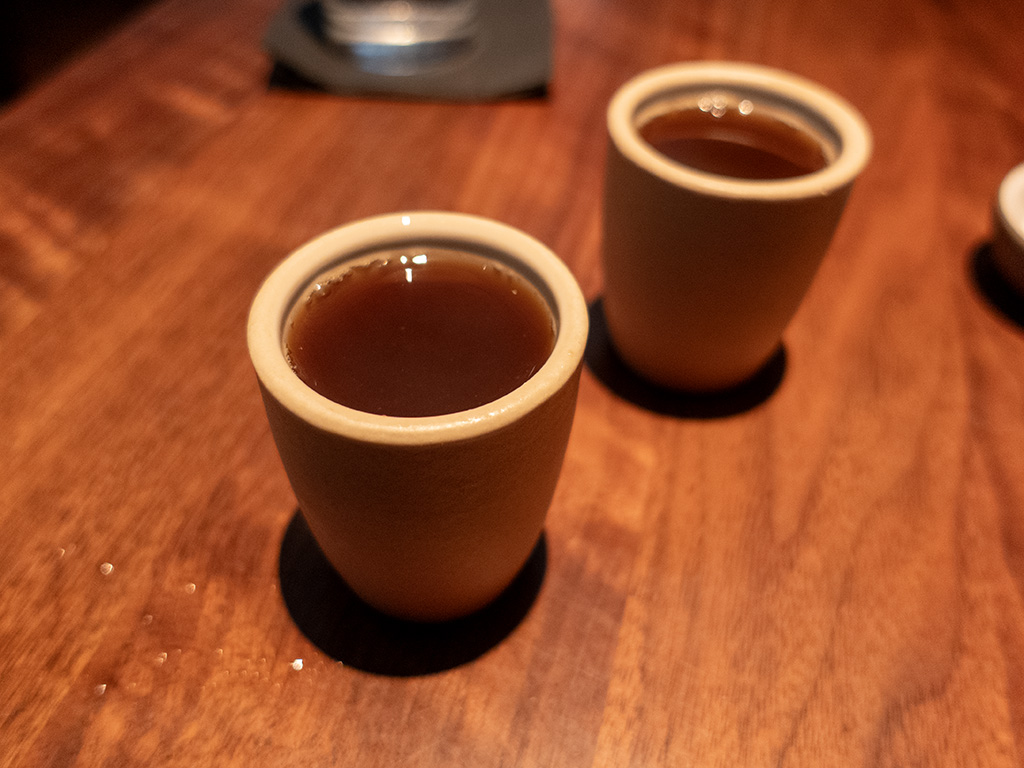
The dinner started with a hot cup of 24-hour bone broth.
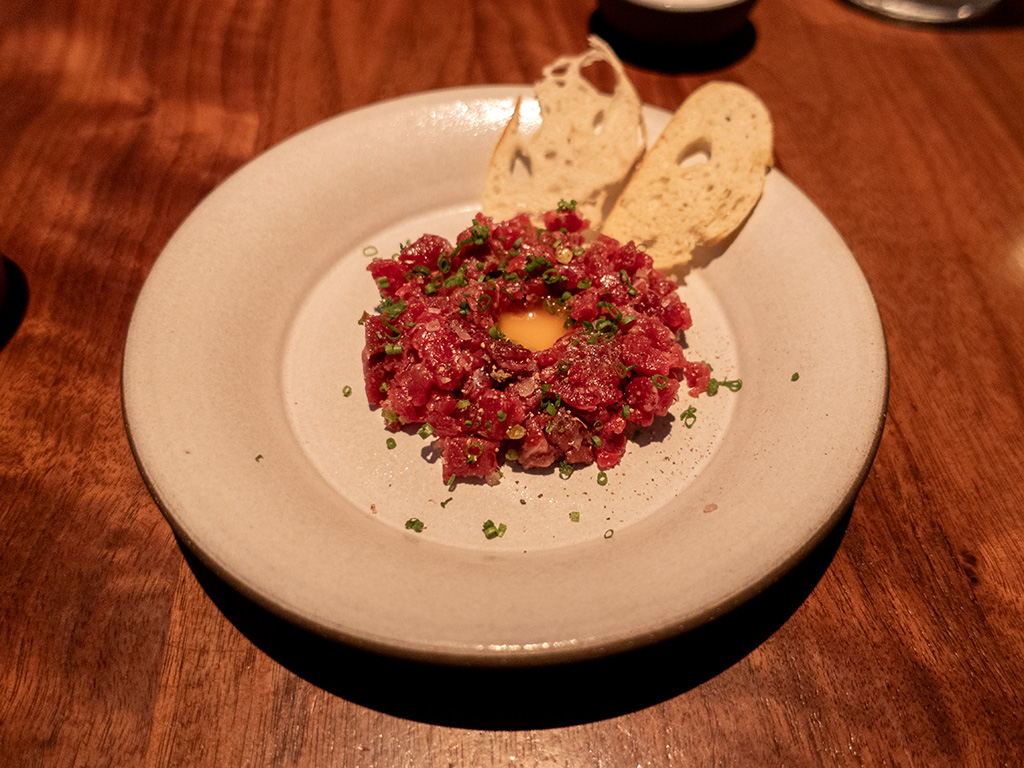
Next was steak tartare. The menu said that this came with a Japanese accent, but I’m not quite sure what that meant, because this seemed to me like a very straightforward and normal American-style steak tartare.
The meat quality on this was incredible. It had a clean and crisp taste with very strong flavor intensity. The seasoning was very light and supplemented the steak flavor well without detracting from the meatiness. Unfortunately, the bread was extremely dry and was basically sharp crackers, rather than proper crostini with a crispy outside and slightly softer inside. Luckily, the tartare was so good that it didn’t need the crostini to “complete” it.
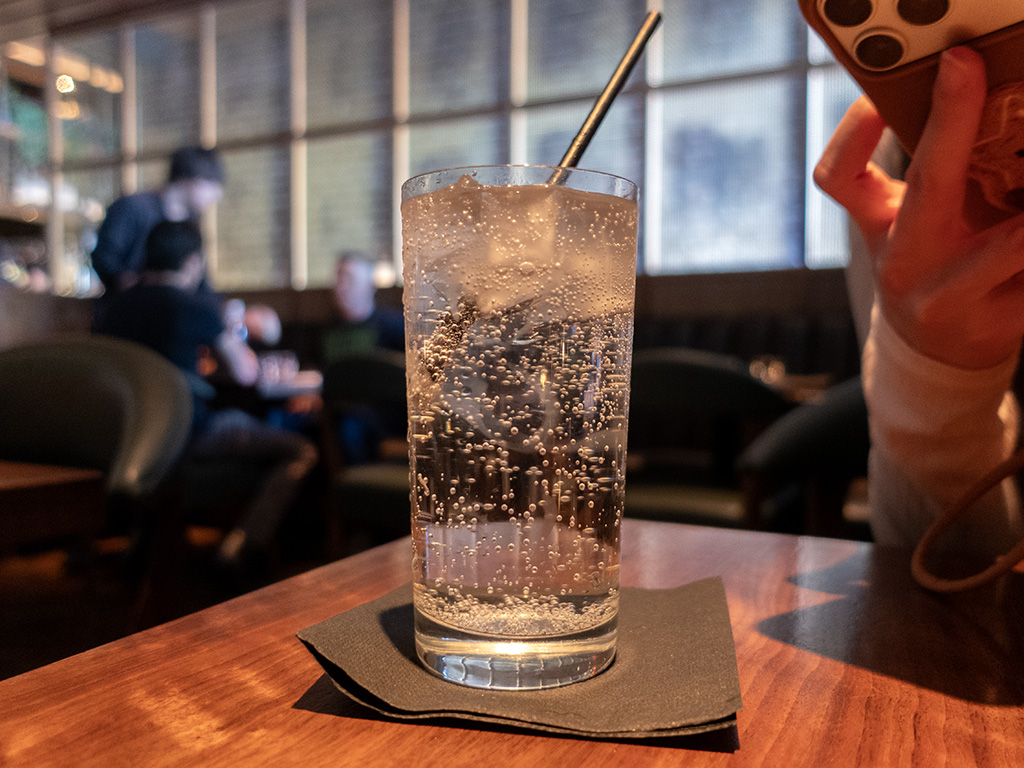
My friend got an interesting-looking fizzy drink, so I took a photograph of it. … Then I found out that it was only Sprite. So here is a picture of Sprite, I guess.
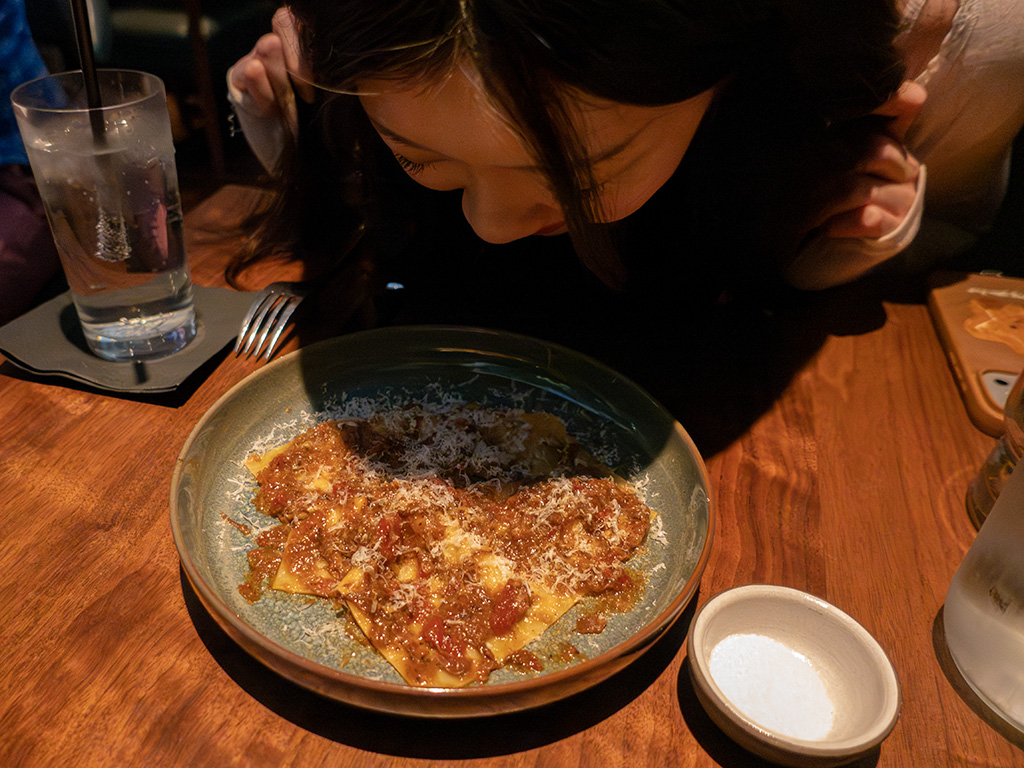
The next dish that came out was not part of the prix fixe dinner, but was a small plate that my friend added on as a supplement: fazzoletti with braised ragu.
The braised ragu was so salty that it tasted bitter. However, when I scraped it off and ate just the fazzoletti, it was much better. The texture of the pasta was excellent—it was both soft and chewy at the same time, and it had the perfect amount of bounce-back and resistance per bite that made it fun to eat. I would’ve loved to have a plain version of this fazzoletti to go along with some of the later steak dishes.
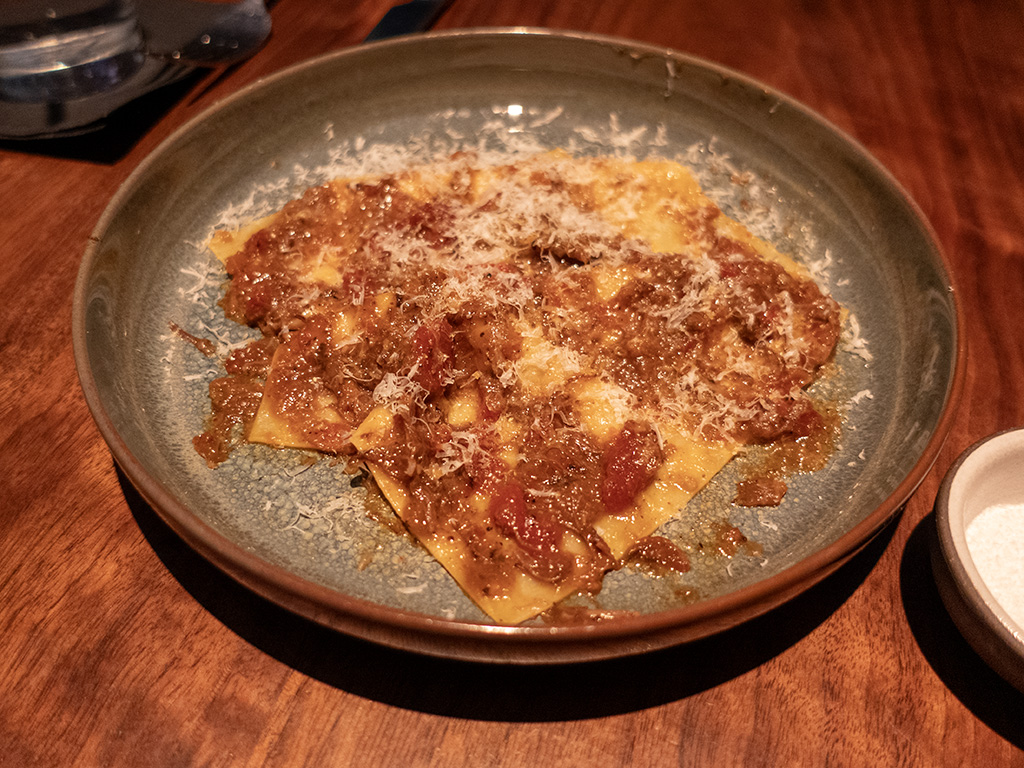
When this was first brought to our table, it had an intense smell of parmesan cheese coming from it. I’m not really a big fan of cheese because a lot of it smells like vomit to me. The parmesan on this was so strong that it nearly made me gag upon first whiff. Luckily, the smell faded relatively quickly, but at first, it was quite overwhelming.
My friend likes cheese, though. She inhaled a big breath of it so that she could smell it for the both of us.
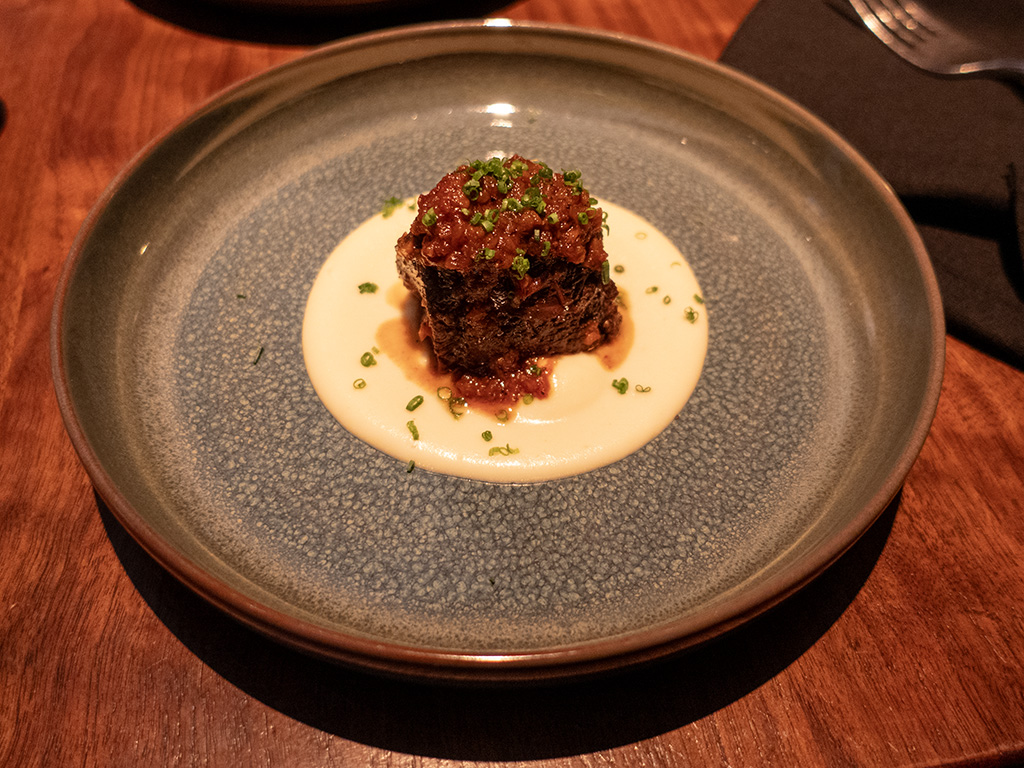
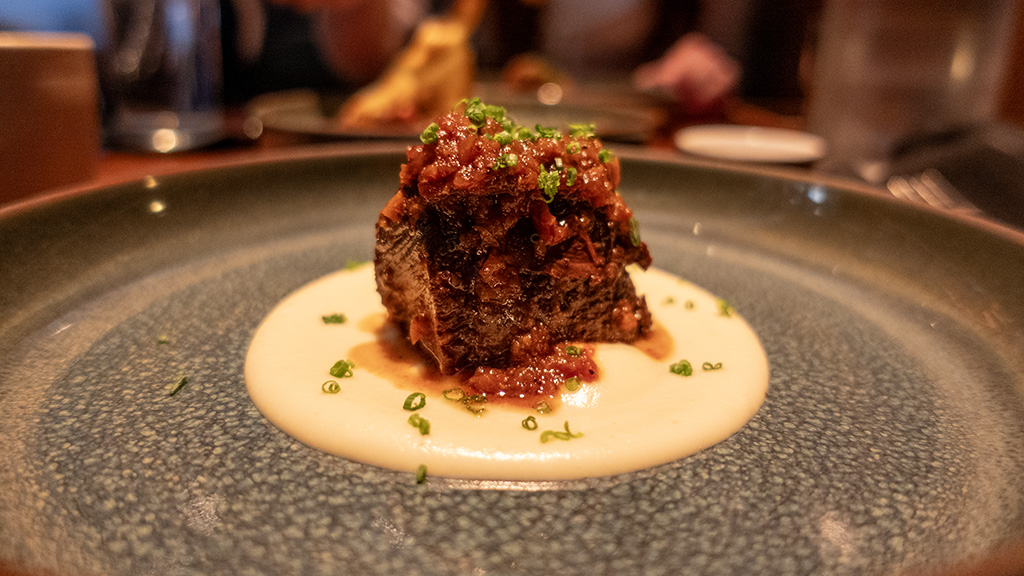
The next course was eight-hour-braised beef cheek served atop celeriac purée.
This was decent flavor-wise, but again, this was so salty that it detracted from the flavor. I feel like this could’ve been a great dish if they used only about half the salt and just let the beefy flavor speak for itself. Alternatively, if I had some plain fazzoletti, that could’ve also balanced out the saltiness and probably made this much tastier.
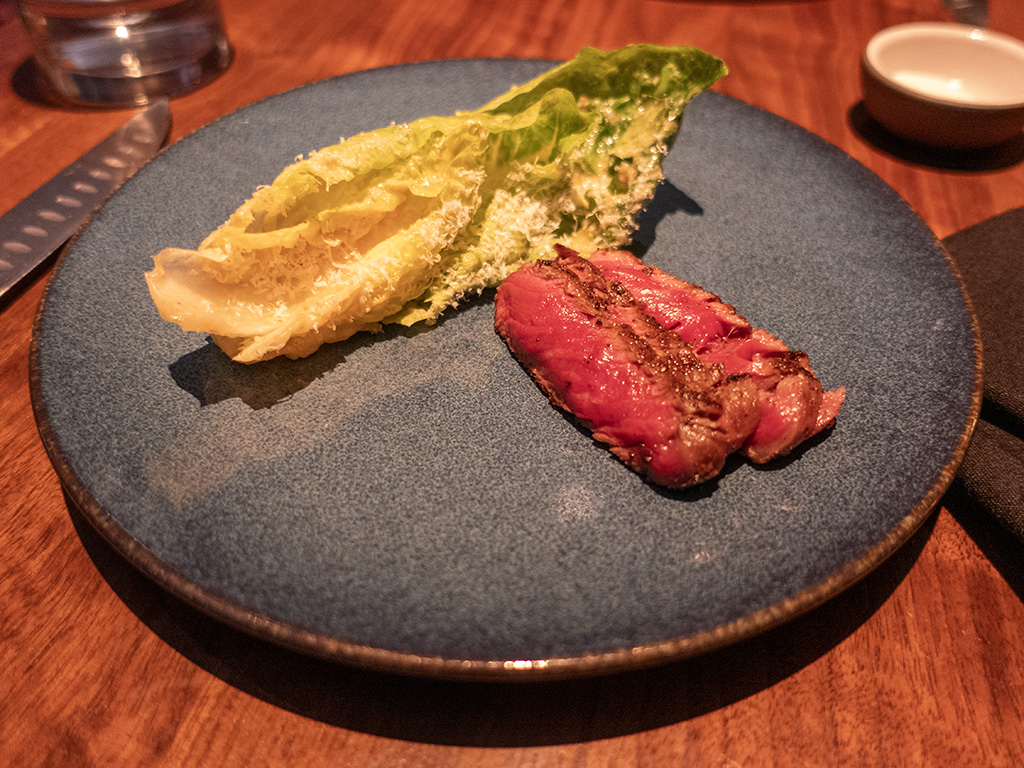
Up next was a three-ounce center-cut filet with a “47” salad.
This steak was seasoned properly and was delicious. That made me suspect that the steak itself was all seasoned appropriately, but it was just the sauce in the previous two dishes that were way too salty and sort of ruined how high-quality the meat was.
As for the “salad,” I have no idea why they would call this a salad on the menu. The salad that each of us got was a few large leaves of lettuce with way too much cheese and dressing on it. When my friend ordered a supplement, she went for a pasta dish instead of a vegetable dish because she saw the salad on the prix fixe dinner and thought we would already be getting a proper salad to balance out the meat; if we had known the salad was just a few shards of lettuce, we would’ve ordered a different supplemental dish.
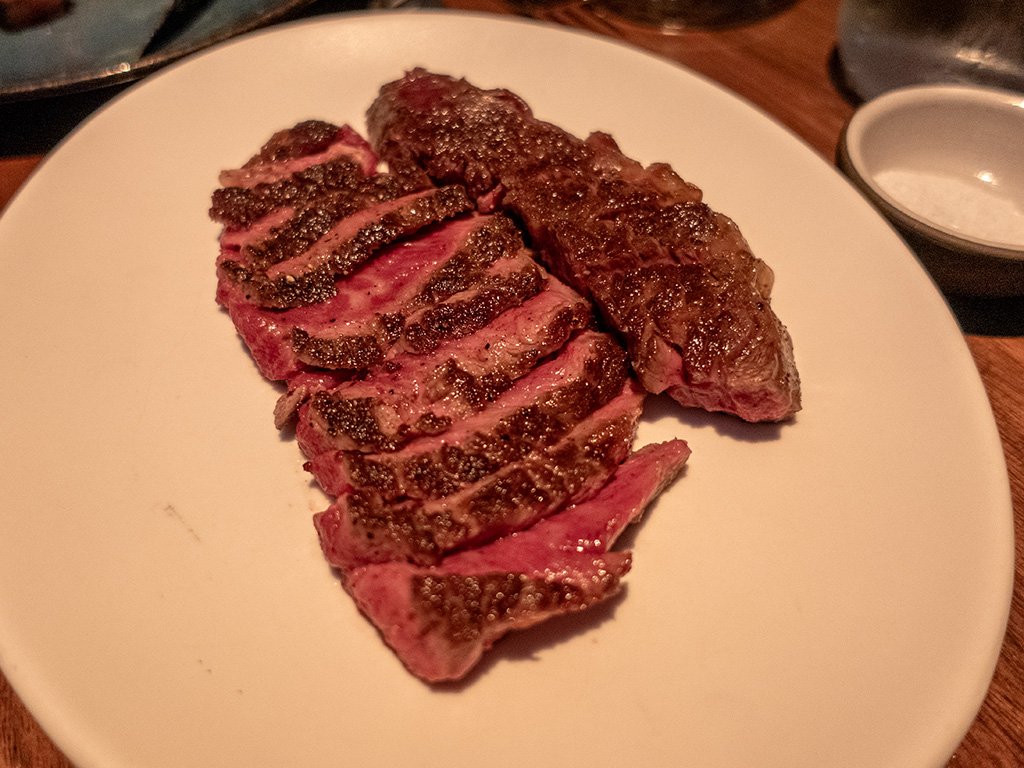
The final entrée of the dinner was a 12-ounce ribeye. They also had the option of enhancing the ribeye to a rustic ribeye, which is a more “butchery” cut of meat. I personally did not think the upcharge was worth it, considering that I have high cholesterol and I’m trying to minimize the amount of saturated fat I consume in red meat, so I prefer the leaner cuts anyway.
One interesting thing I noticed about the way they presented this on the menu was that it was cooked warm red™, with the trademark symbol. I brought this up to the waiter and asked if the term “warm red” was really trademarked, and he said that he thought it was but never really checked because nobody else had ever brought it up to him. He explained that warm red was the doneness level to which they cook their meat. It’s not quite the same as traditional medium rare or rare, but rather, it uses a proprietary cooking methodology to reach the perfect doneness level as determined by their chefs.
Of course, I was curious enough about this that I had to fact check Matū’s use of the trademark symbol. To my surprise, upon referencing the United States Patent and Trademark Office’s database, I found a pending registration for “warm red” filed by a company called Grass Fed Wagyu, LLC. I dug deeper and checked the public record of their application, and humorously, the specimen submitted for this mark was a screenshot of Matū’s website.
So yes, this was actually cooked warm red™.
The steak itself was delicious. I’m not sure if everyone else would love this doneness level, but it was exactly to my preference. It was tender, yet still had a little bit of resistance to it where it adds the fun element of feeling like you’re ripping through a raw steak like a caveman. It was perfectly seasoned as-is and didn’t need any of the salt that our waiter brought us on the side.
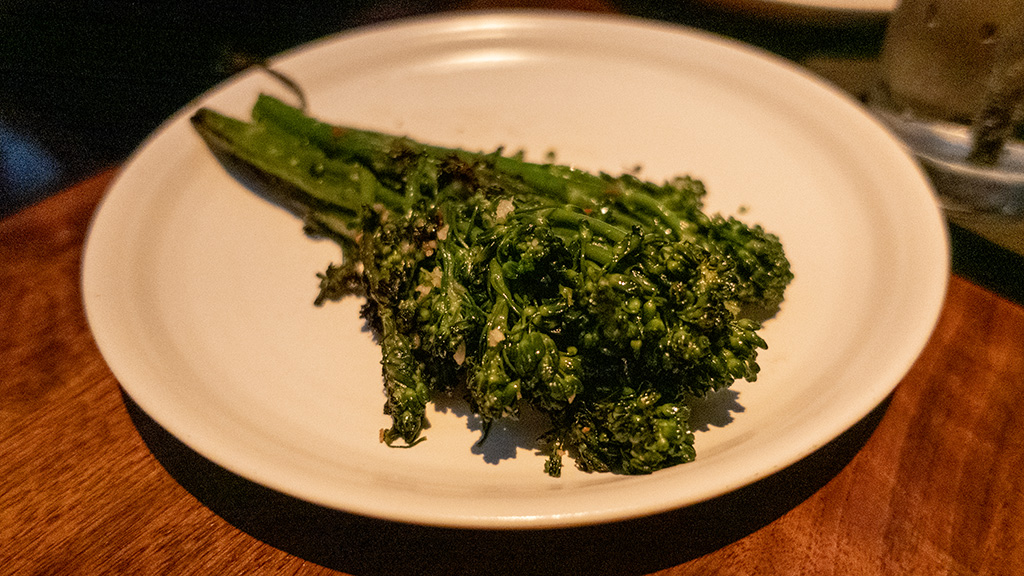
To go along with the steak, we received a side of grilled broccolini seasoned with garlic and red pepper flakes. We received a few more pieces than what is pictured, but my friend already swiped a couple for her plate before I had a chance to snap the photo.
There wasn’t really anything special about this broccolini, which was good. It served as a good vegetable to go along with the steak. It was clearly broccolini, but the flavor was mild enough that it supplemented the steak without interfering with its flavor.
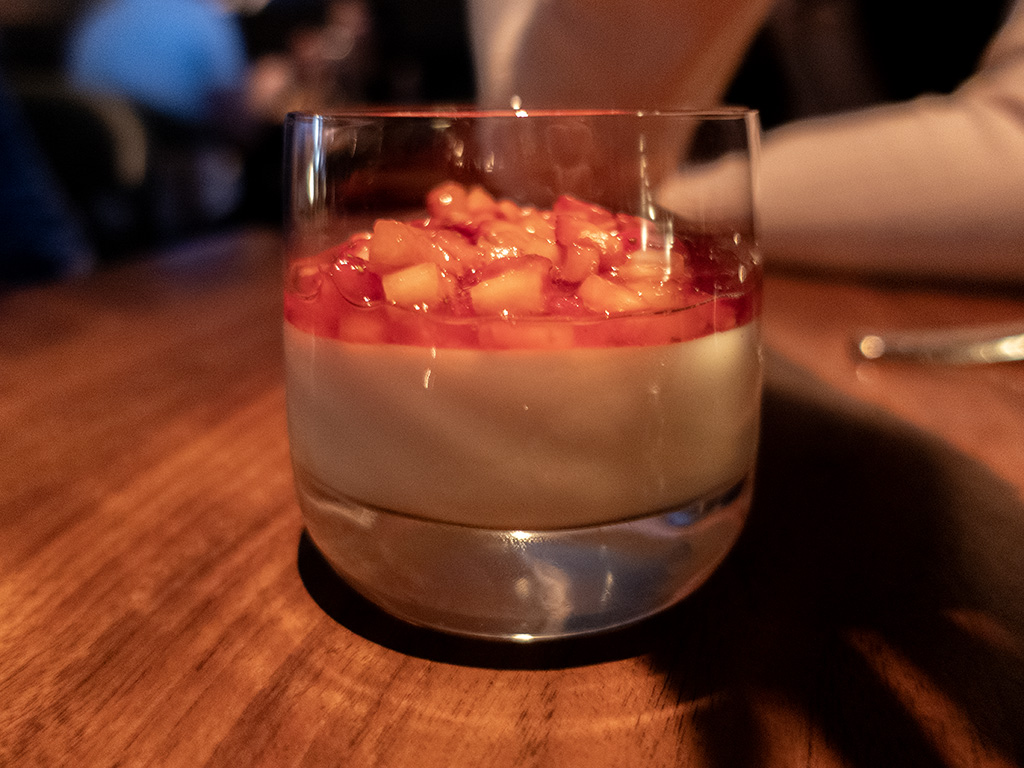
For dessert, we got a strawberry panna cotta.
This was a bit underwhelming. It was decent flavor-wise, but for a lack of a better way to put it, it tasted a bit “cheap.” The strawberries were not noticeably fresh, and the strawberry syrup just tasted like generic sugary sweet syrup. I would find this passable if served at a low- or mid-range restaurant, but it was surprisingly basic considering it came from a restaurant that put in the effort to trademark warm red™.
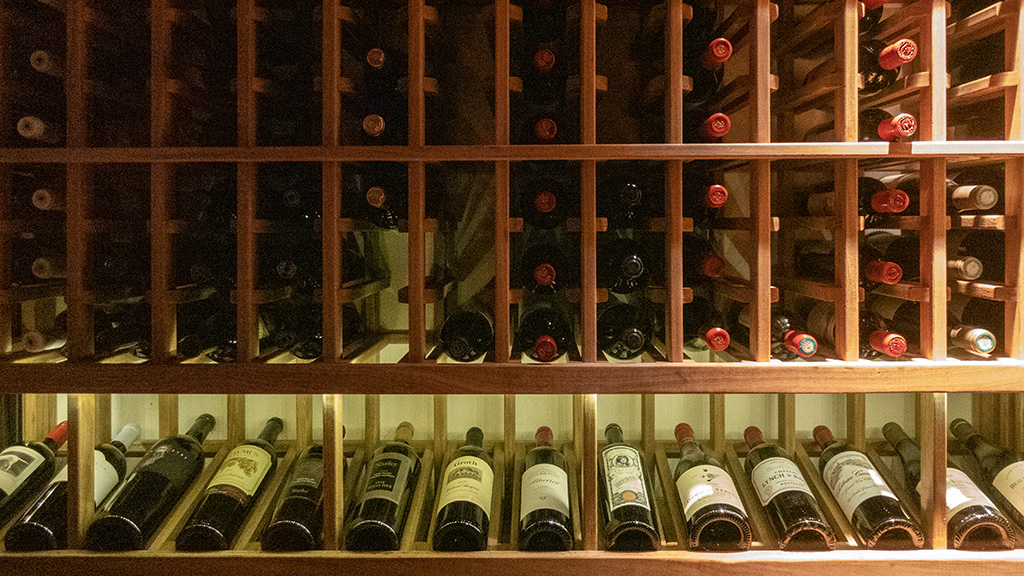
We didn’t drink any alcohol, but I noticed that there was a dark wine cabinet on display on my way to the bathroom, so I snapped a picture.
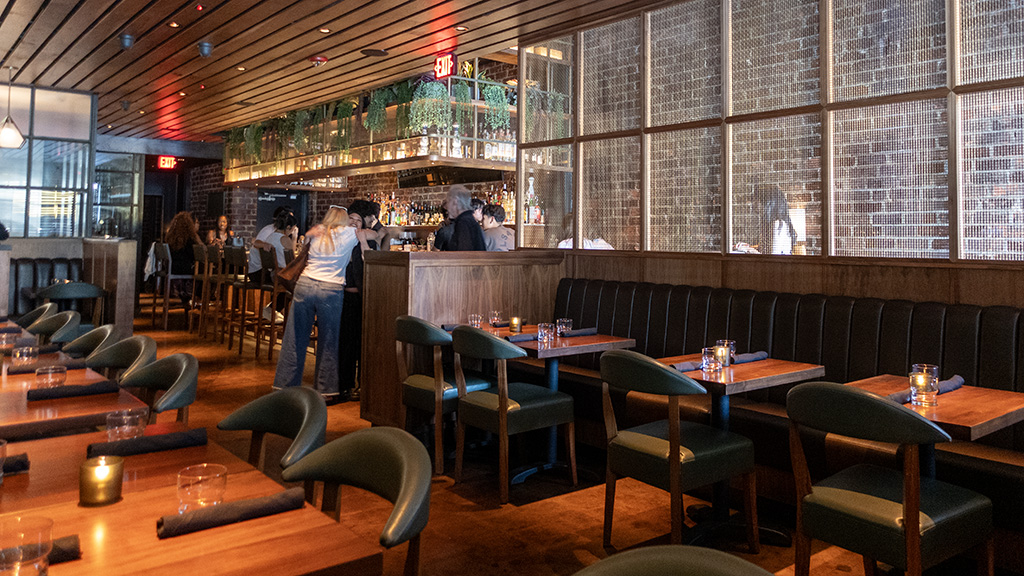
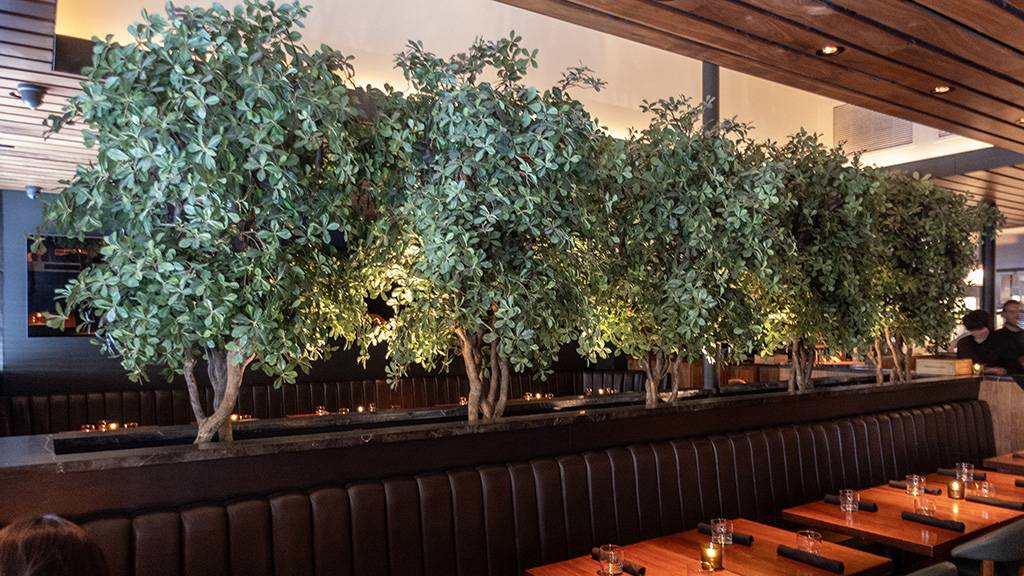
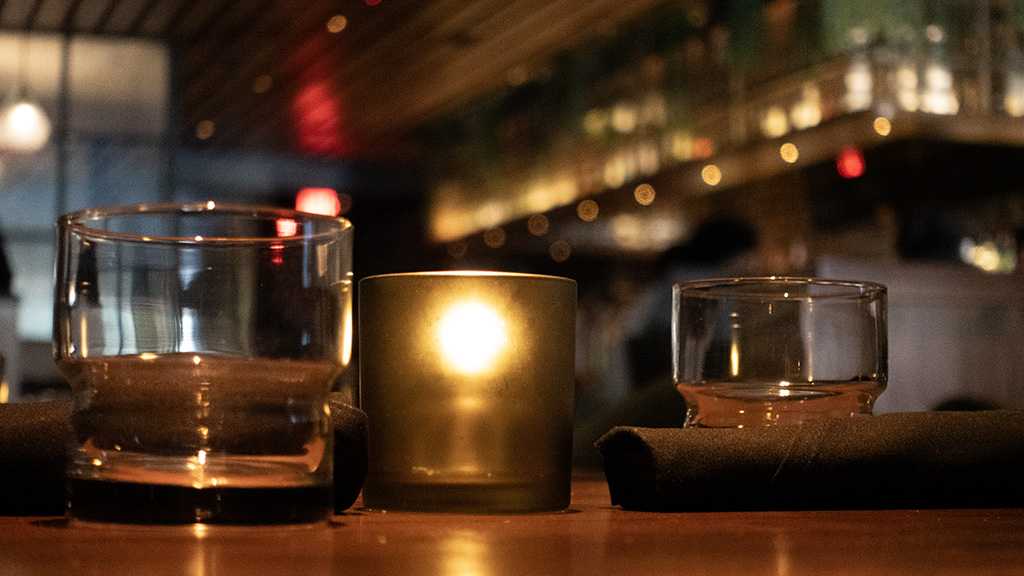
This is what the interior of the restaurant looked like. We had an early reservation pretty close to opening time, so we got a private corner table by some trees with a nice view of the rest of the dining area. I was able to get some pictures before the restaurant filled up with customers.
| Matū dinner for two | $ 174.00 |
| Fazzoletti | $ 22.00 |
| Panna cotta | $ 12.00 |
| Sprite | $ 4.00 |
| Service charge (18%) | $ 38.16 |
| Sales tax (9.75%) | $ 24.39 |
| Total | $ 274.55 |
Matū charges an 18% service fee, which was disclosed ahead of time. In exchange, they are a no-tipping establishment, which is why I did not pay gratuity. Unfortunately, the service charge was included in the taxable subtotal, so even though the sales tax was 9.75%, it effectively became 11.5%.
Because Beverly Hills has its own separate city government and they want to maintain their reputation of being a more upscale and nicer city, there is a cheap parking garage nearby on South Beverly Drive. (This doesn’t really happen in the city of Los Angeles where you just have to try and search for a rare street parking spot and hope that an impatient driver doesn’t try to run you over while you back into the space.)
Overall, I’d say I’m satisfied with the Matū prix fixe dinner, but it wasn’t very filling. I think US$87.00 per person for the tasting menu is reasonable considering the quality of the food and the location of the restaurant, but I would consider it a very barebones experience.
Most significantly regarding the portion size, there were no carbs, which I think is a cheap and easy way for the restaurant to make sure customers walk away full and happy after their meal. If I were to be allowed to make adjustments to the tasting menu, I would probably increase the price a small amount and then add in some welcome bread at the beginning with the bone broth, turn the salad to an actual real salad, and either add in some pasta or a starchy vegetable to go along as a second side for the main entrée.
Based on my experience, I’d say that Matū was decently worth it, but not so remarkable that it has to go on your must-try list. With that being said, apparently they are also famous for their cheesesteaks, which we did not have an opportunity to try yesterday. As of today, their Matū Philly Cheesesteak is US$24.00 each, so if you want to sample their high-quality meat, the cheesesteak is a much more affordable price point at which to give it a try.