When I decided to go on a trip to Japan, I picked the dates to overlap with the travel dates of a few friend groups of mine who were also visiting Japan from the United States. However, although I wanted to spend time and do activities together with them, I didn’t want to formally join as a member of any travel groups because I wanted to retain a degree of personal freedom. As a result, the underlying nature of my trip was basically a solo trip.
More specifically, I wanted to make sure I would have agency over my own schedule, rather than feeling an obligation to do everything together with the same group of people, i.e., I wanted to be able to split off from the group and do my own thing if something else piqued my interest better. I also wasn’t a fan of lodging together in a gigantic Airbnb, sharing rooms, and splitting the cost; instead, it was important that I had my own hotel room so I could feel like I had my own private and uninterruptable space.
Upon taking all that into consideration and carefully planning dates together with a bunch of different people, I finalized the two-week period during which I would be traveling to Japan on my own. Then, my friends would be able to invite me out to do things on a day-by-day basis, and I would join whichever group was doing the more interesting activity… or just be a lone tourist if I wanted to do something different.
After booking my flight and hotel, I later found out that another one of my friends, and someone who I had not coordinated travel dates with at all, would also happen to have a few overlapping days with me in Japan—Doug Wreden. We figured that it would be fun to meet up and spend a day together in Tokyo when we were both free, so we tentatively penciled that into our calendars.
Up until this point, I had experienced a fairly organized and structured trip. My other friends wanted to eat, see, and experience the best that Japan had to offer, so they diligently conducted research ahead of time and picked out activities that they thought would maximize their happiness. Even I did this to a mild extent—I leisurely browsed Google Maps using in-flight Wi-Fi during my flight to Narita International Airport and tagged interesting spots as “want to go.”
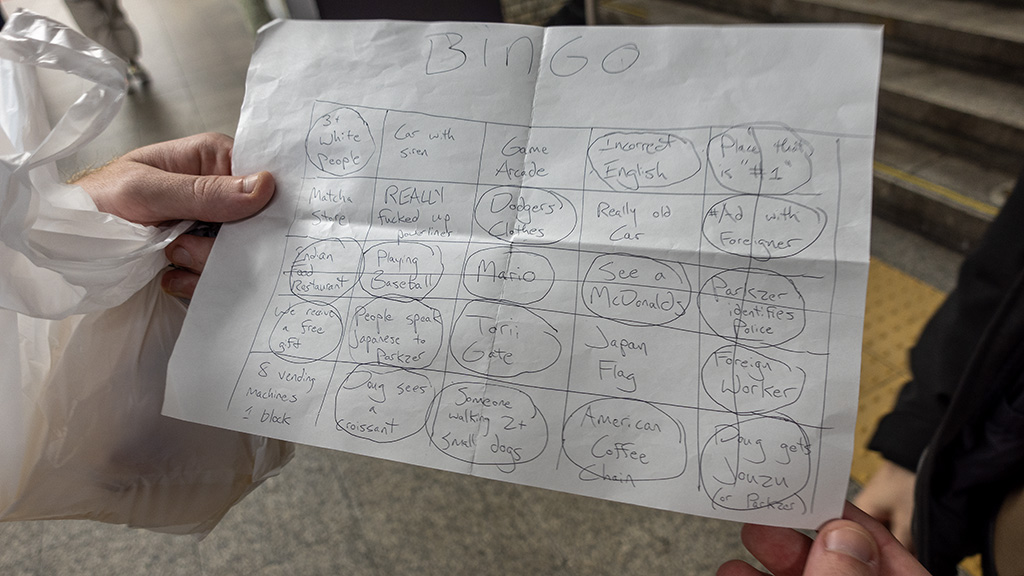
On the other hand, my friend Doug has been to Japan many times before, so he approached his trip in a more relaxed fashion. He wanted to be more spontaneous and do something that most other people would never do, while also experiencing the more “normal” side of Tokyo away from the concentrated, tourist-centric areas. Doug is a creative person who is great at gamifying everyday life, so he proposed that we do “IRL Bingo” where we make a Bingo board and then walk around a neighborhood of Tokyo we’ve never been to before to sightsee and check off items from our grid.
I was very on board with this. I’m someone who doesn’t pick “favorite things” as often as other people; instead, I like having a broad breadth of experiences and will prefer to do a wide variety of new things that I haven’t done before. This spontaneous IRL Bingo idea was great because the uncertainty of its outcome was a stark contrast from how I had spent my previous days in Tokyo, so it was a fantastic way to mix things up and keep things fresh.
In order to get to a new neighborhood to start our journey, we met up at Shinjuku Station, got on a random train, and got off at a random stop.
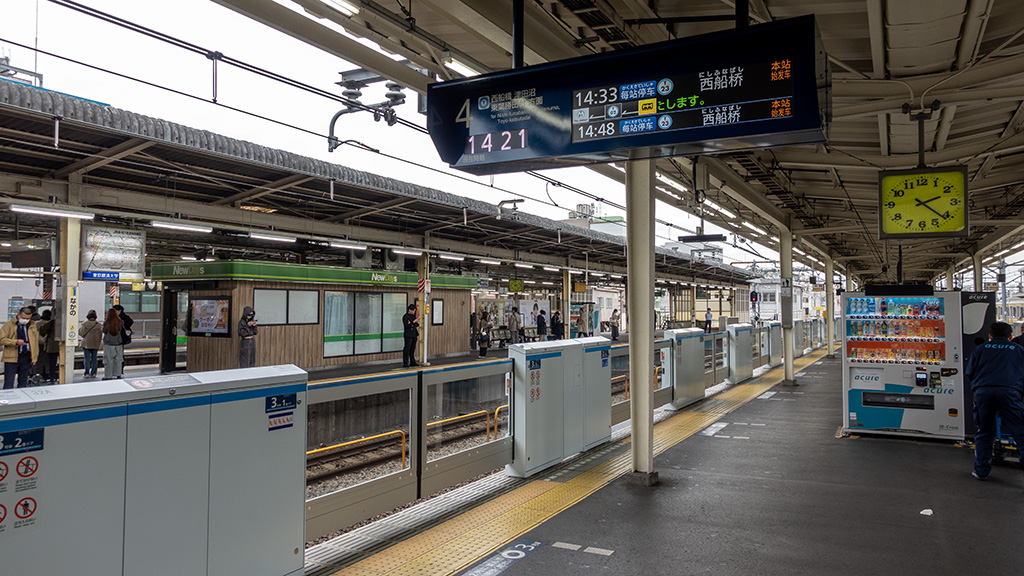
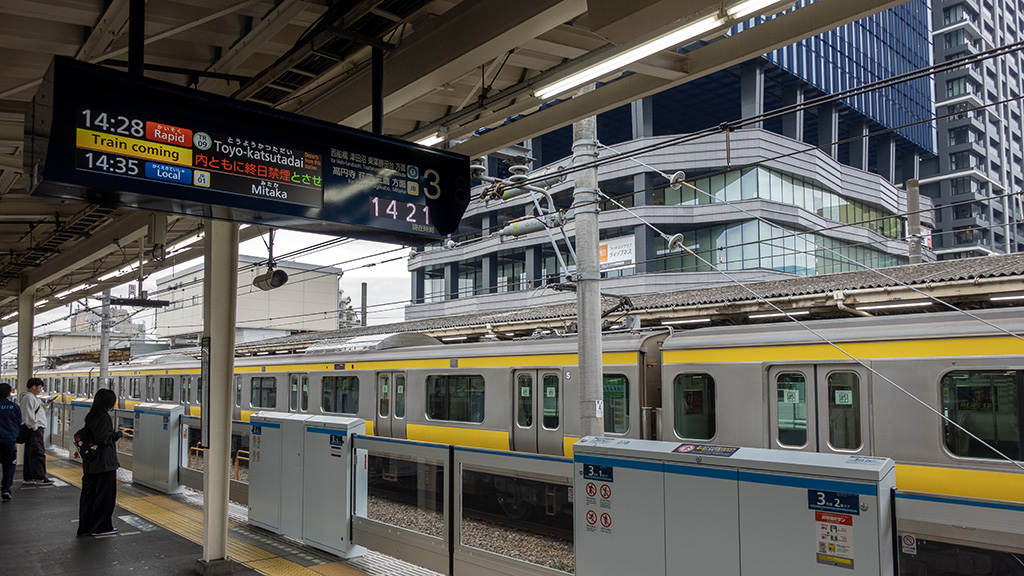
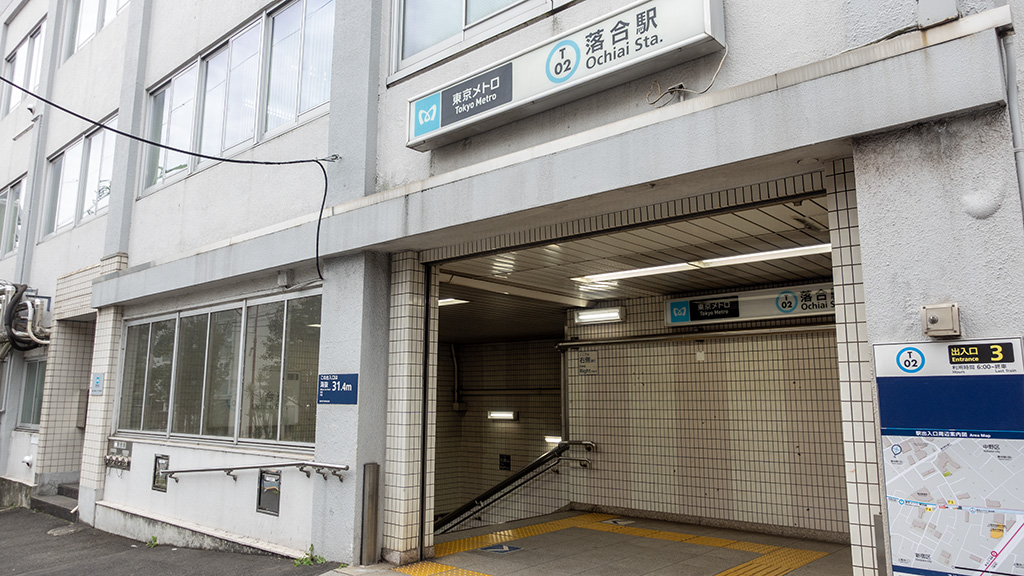
After exiting the station, we walked around the corner into a residential area so that we wouldn’t be in the middle of the sidewalk.
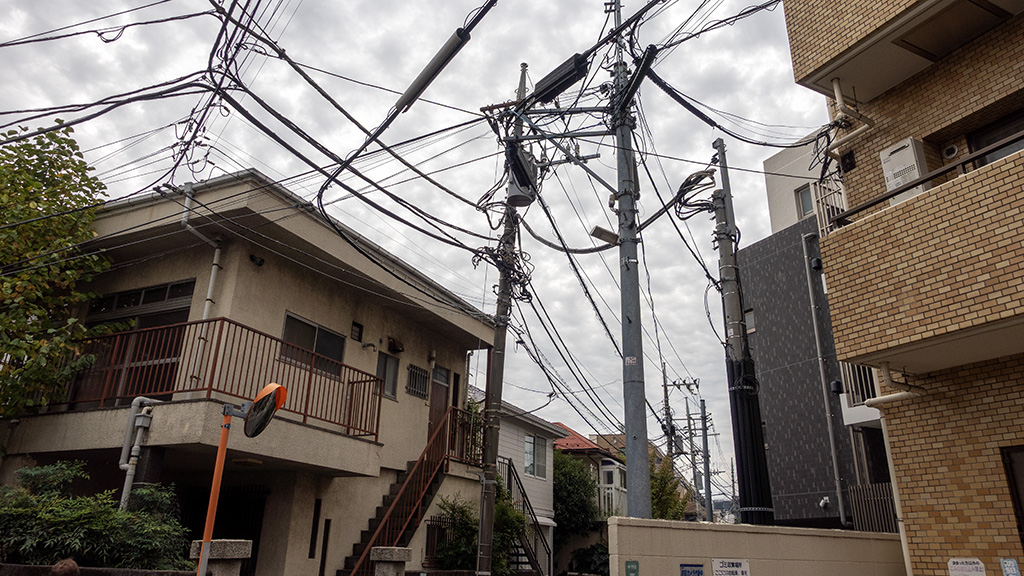
From there, Doug and Alex started coming up with ideas and assembling them together into a Bingo board.
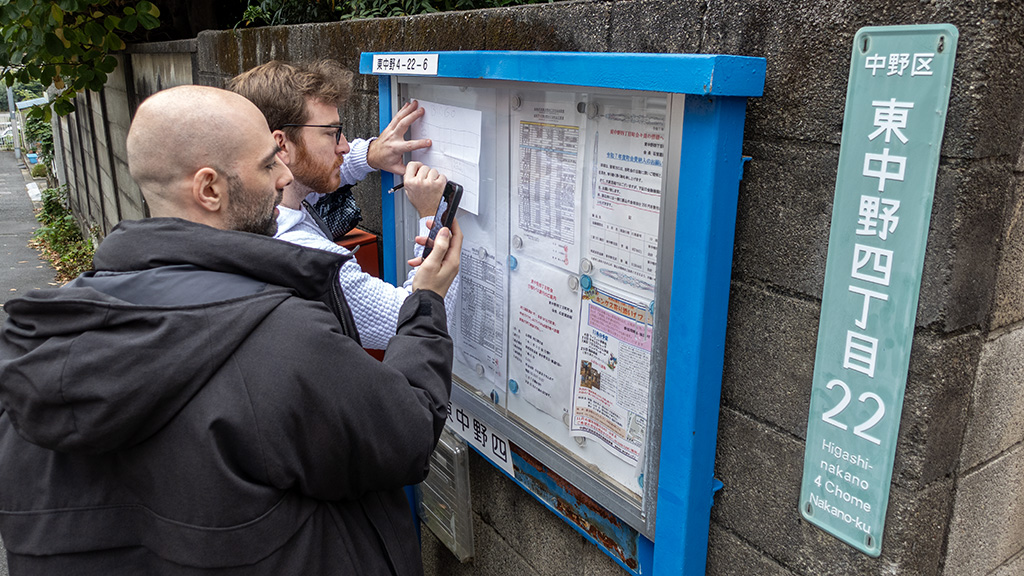
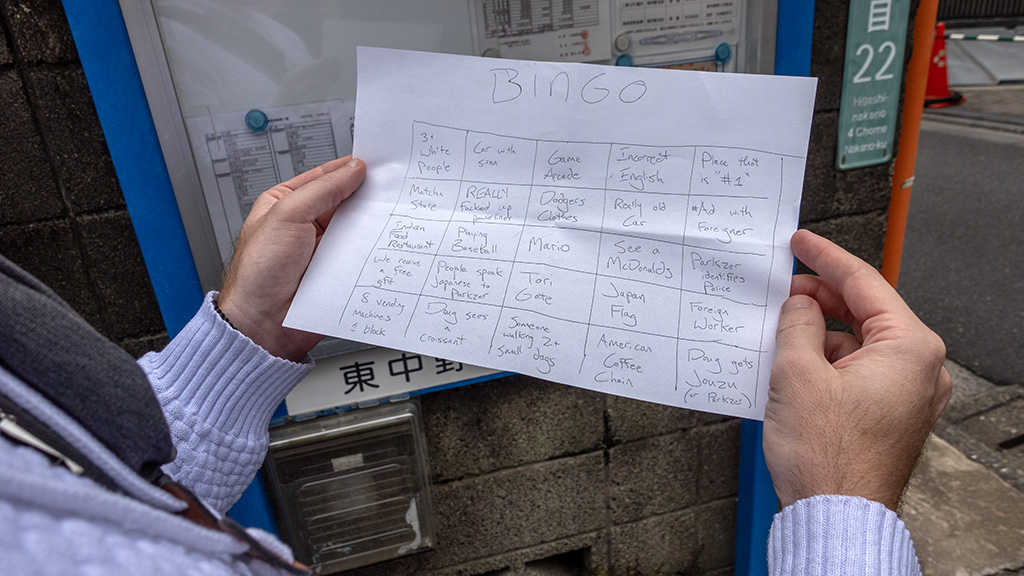
One of the spaces was to see a car with a siren, but they further added a stipulation that the siren-bearing vehicle had to pass by in front of us. We almost checked it off right away, but unfortunately, the truck turned away from us and drove in the opposite direction.
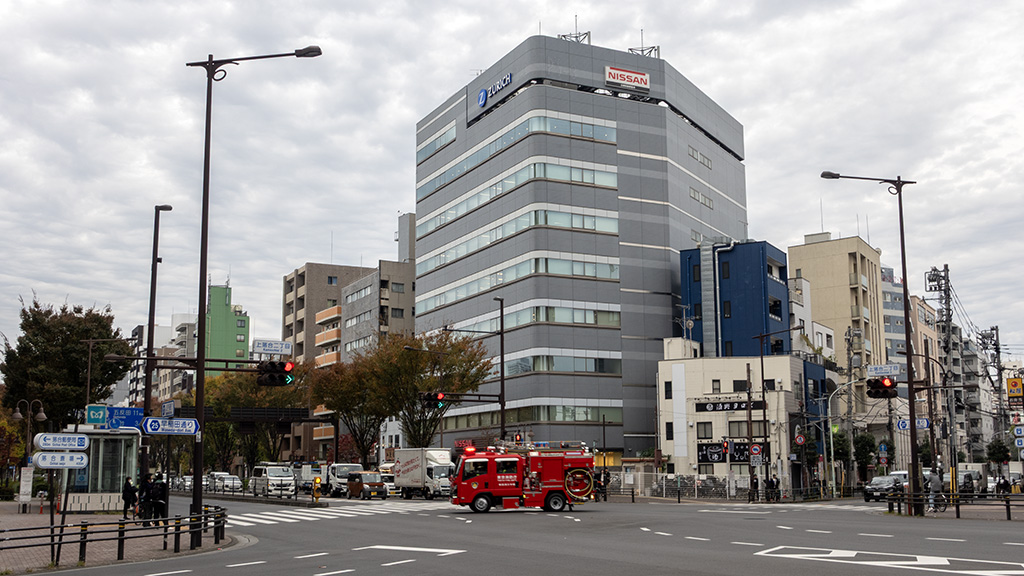
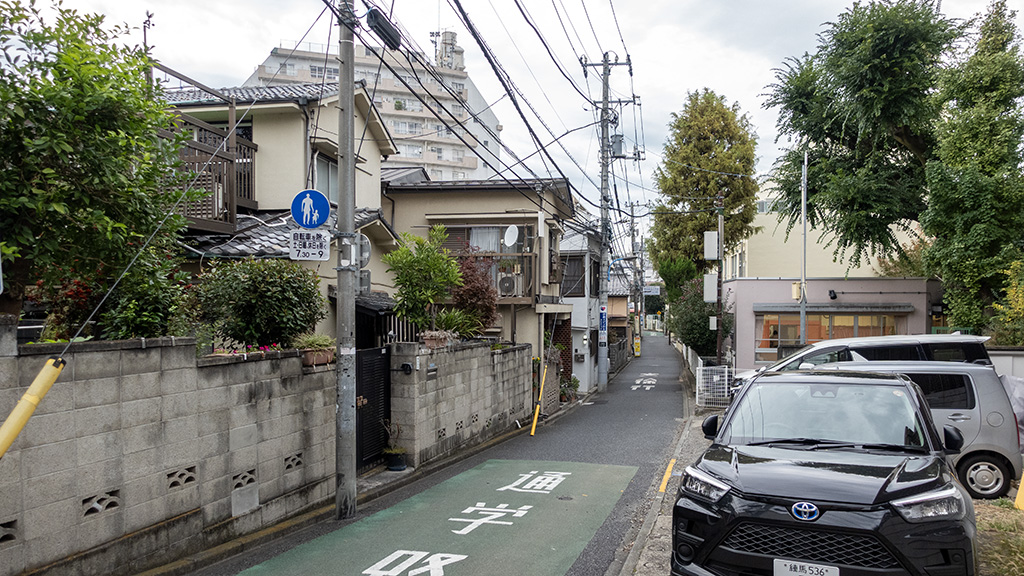
From here, we turned into a residential area again and walked deeper into the neighborhood.
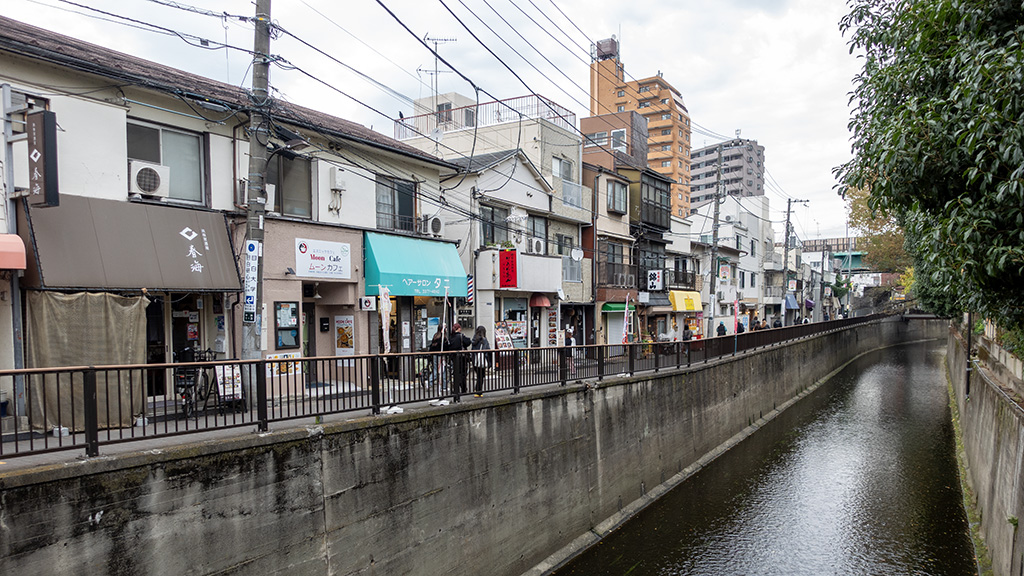
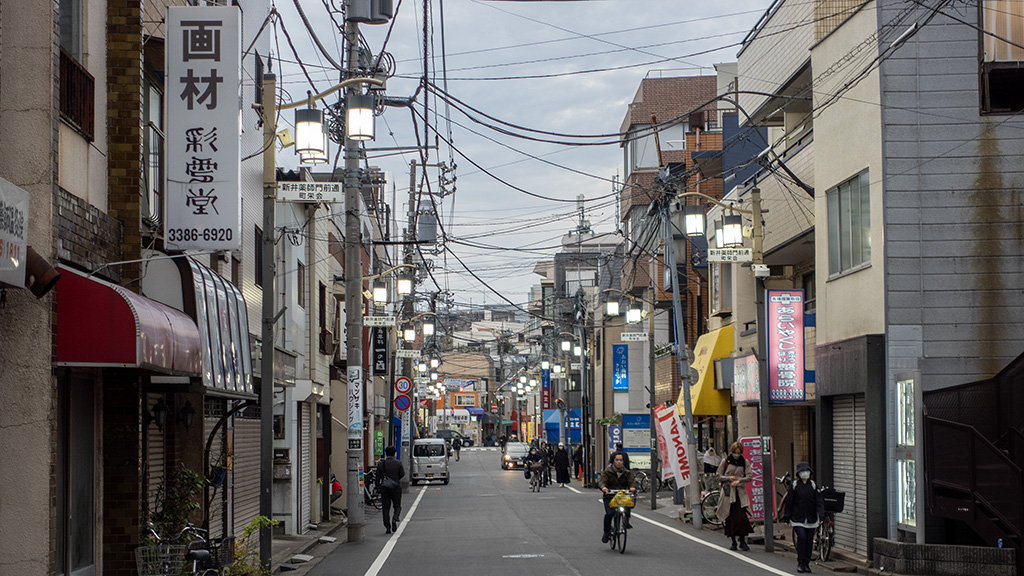
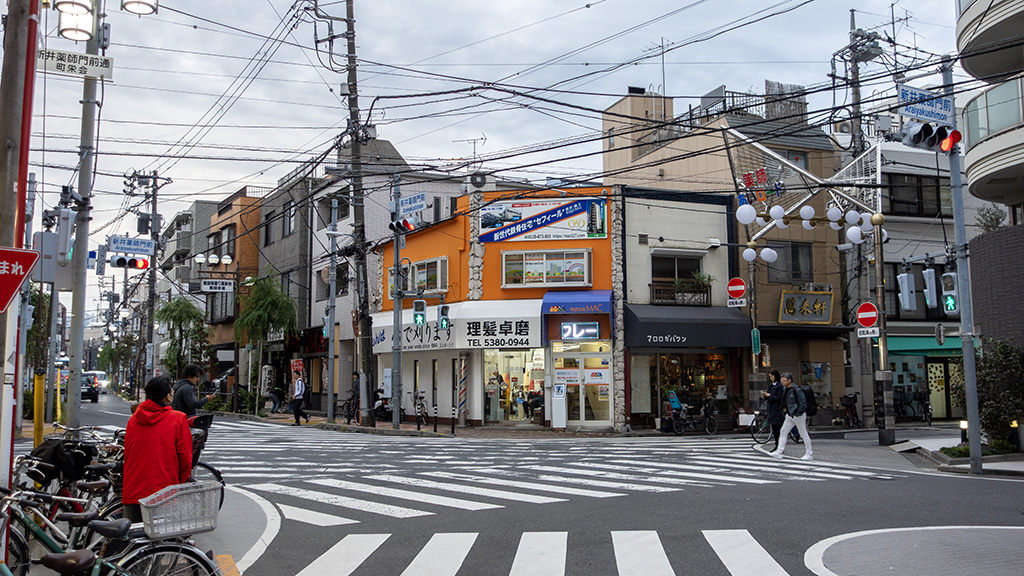
As a point of editorial commentary, I included a lot of random photographs in this blog post that don’t showcase anything particularly notable or special. This is because, just like how we wanted to see what “real” Tokyo was like away from the tourist zones, I wanted to showcase a more accurate representation of an average neighborhood of Tokyo. People share memorable experiences all the time—both positive and negative—but often don’t post about the mediocre. In the spirit of trying to portray realism, I made sure to mix in a lot of mundane pictures so I can ensure that I’m not accidentally sensationalizing anything.
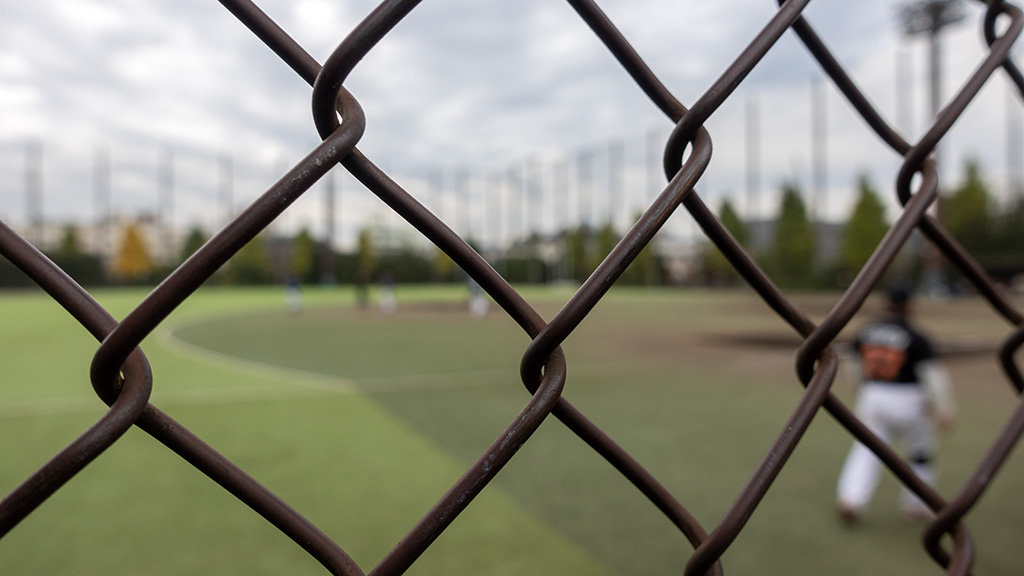
One of the spots on the Bingo board was to find people playing baseball. We stumbled across a baseball field, so that was easy, but we were hoping to be able to check off two spaces by also seeing someone wearing Los Angeles Dodgers apparel. Unfortunately, everyone here was wearing their own uniforms.
Apparently my camera decided to focus on the chain link fence instead of the baseball gameplay, but I guess it looks sort of artistic, so I included it anyway.
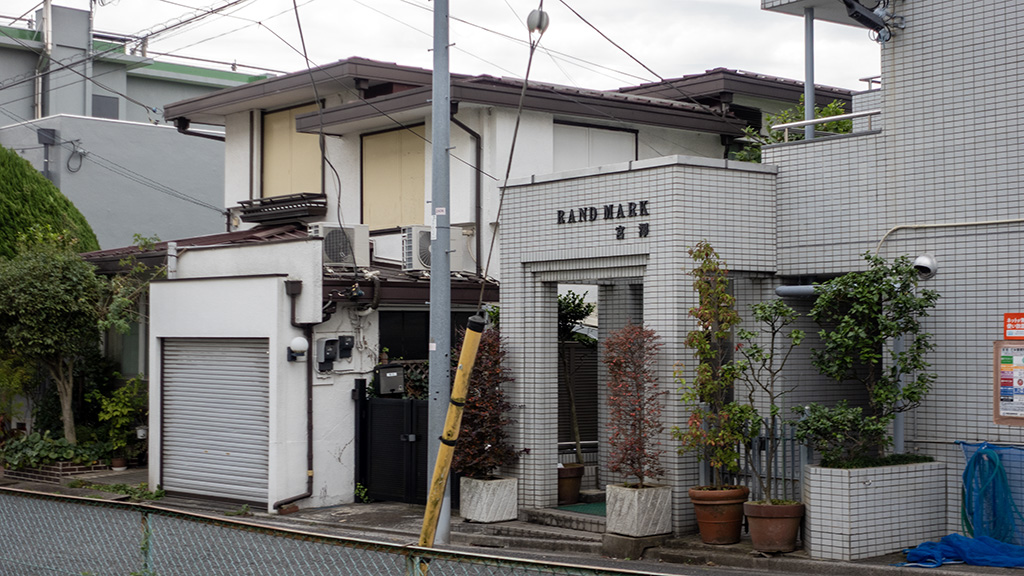
We used this sign here for our “incorrect English” space. We suspect that they intended to write “landmark” instead of “randmark,” but because Asian languages often merge together their “r” and “l” sounds, this unfortunate error was born.
Upon doing some more research after-the-fact, I found out that this building is called ランドマーク宮澤, which reads as Rando-māku Miyazawa and translates to Landmark Miyazawa.
Here are some more photographs of the surrounding neighborhood.
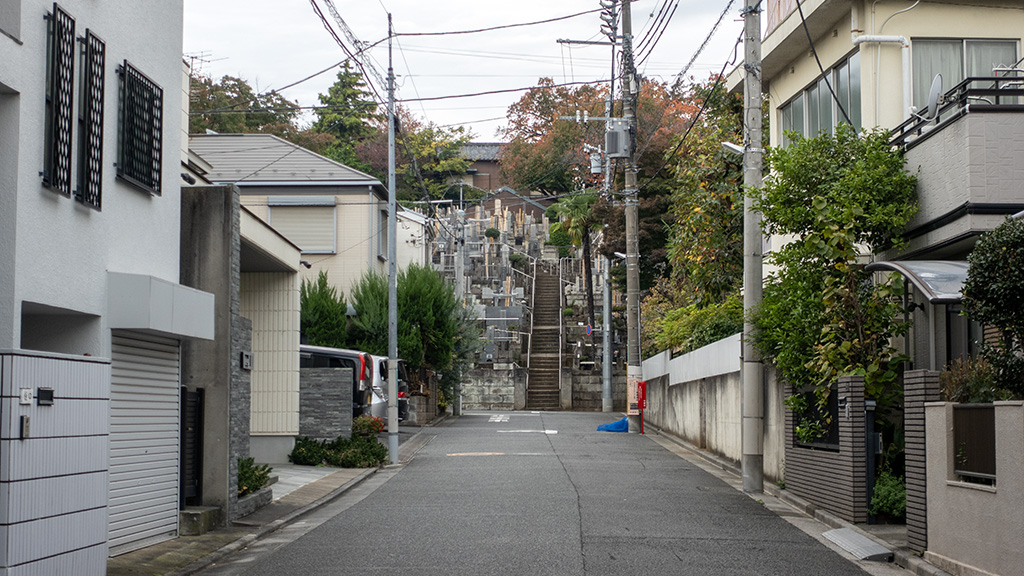
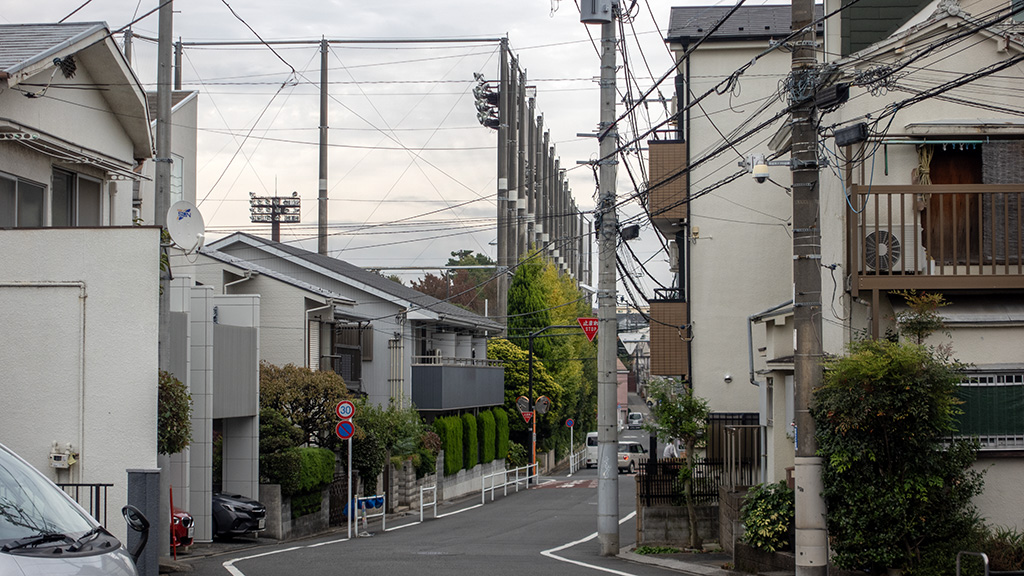
Compared to the United States, these power lines were pretty chaotic. However, Doug and Alex didn’t want to count this for the botched power line space because apparently power lines in Japanese neighborhoods can get substantially worse than this.
With that being said, even though the power lines seem disheveled, I noticed that they were somehow still organized, just in a very messy way. When I followed each line, I realized that they were all orderly; it just happened to be that the power company seems to have not put in any extra effort into aesthetic cable management.
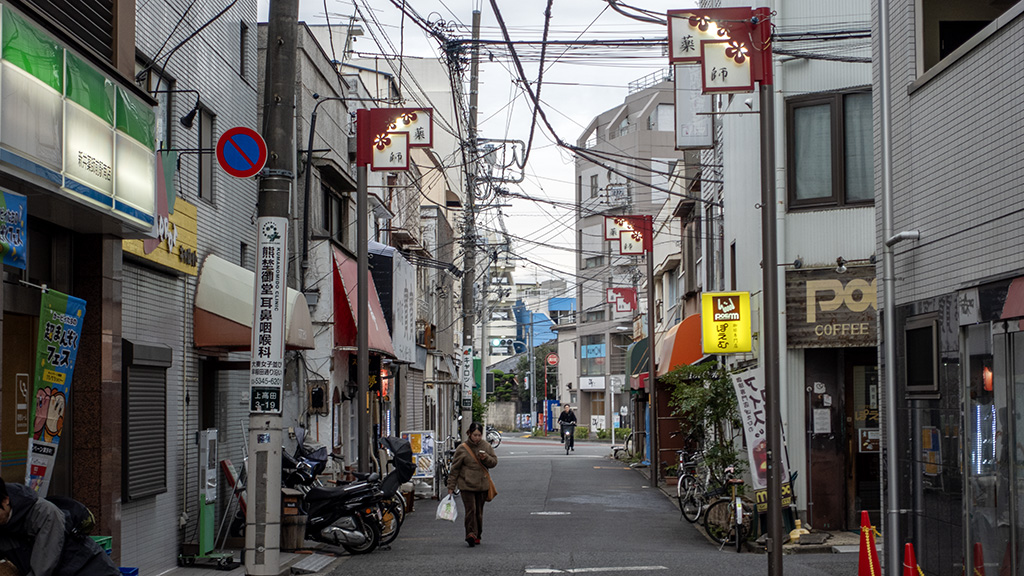
One of my favorite things about Tokyo was the abundance of convenience stores, and how convenient they actually are. In the United States, convenience stores are very inconvenient because they tend to just overcharge for everything, they are often fairly dirty, and they sometimes have suspicious individuals loitering around the property. In Japan, convenience stores are basically like miniature high-quality grocery stores that are reliable for taking a rest stop whenever you’re on a long walk.
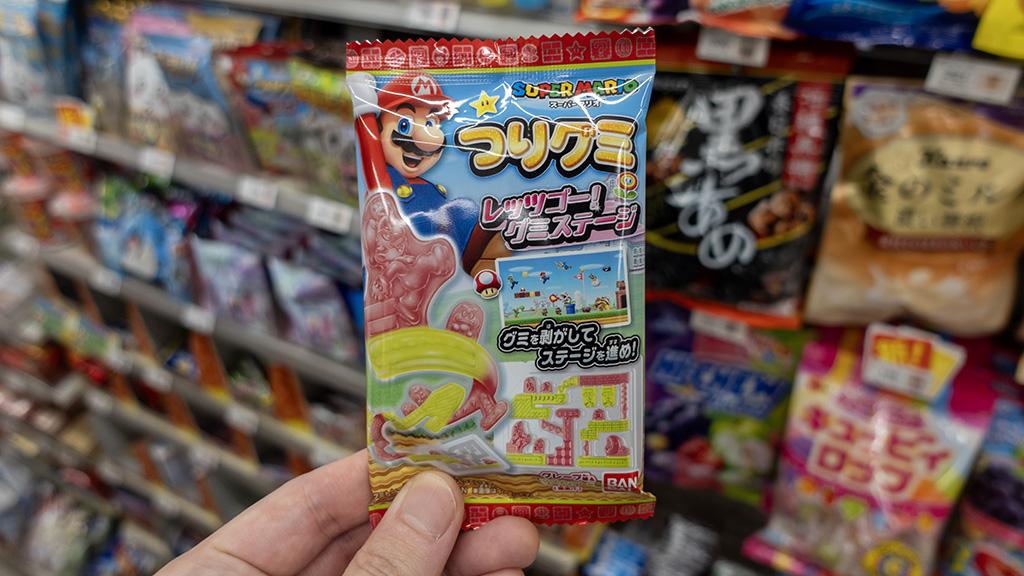
In a 7-Eleven, I found this Super Mario gummy candy, which checked off the “Mario” spot on our Bingo board. I never really figured out how to do the “build your own level” activity that the wrapper advertised, but the candy itself tasted pretty good.
After a quick snack and water break, we ventured back out into the street.

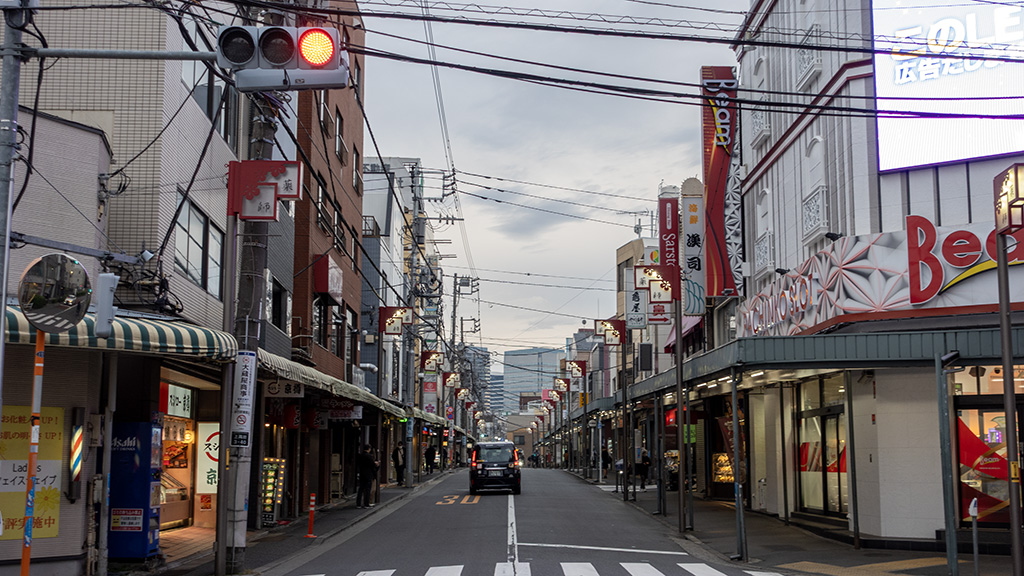
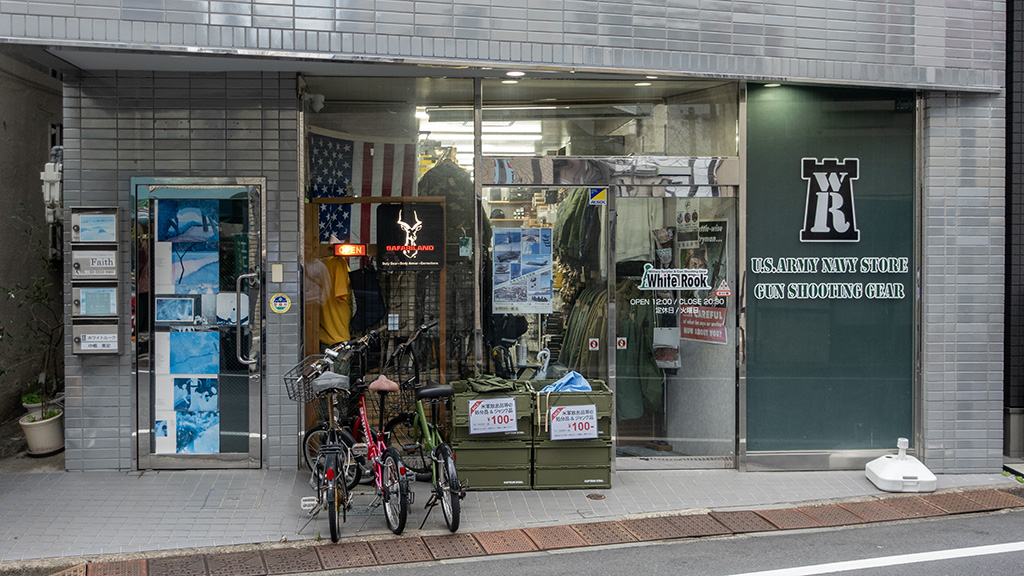
One of the Bingo board spots was to find a Japan flag. In the United States, you’ll see national flags everywhere all the time, but in Japan, we did not see a single one. What was extra funny was that we found a US flag before we ever encountered a Japan one.
This store in itself was also amusing, considering that they advertise selling gun shooting gear, even though guns are generally broadly illegal to have in Japan.
By this point, we had been steadily achieving spaces on our Bingo board during our walk. For example, we saw an advertisement featuring a white man, we saw a Black construction worker, and we found an Indian restaurant.
You may have also noticed that one of the spaces involved me correctly identifying a police officer. This is because I kept on confusing construction workers and security guards for police officers, because I never quite found out what police uniforms look like. However, even a broken clock is correct for two minutes a day, and eventually, I was able to point out a real Japanese police officer.
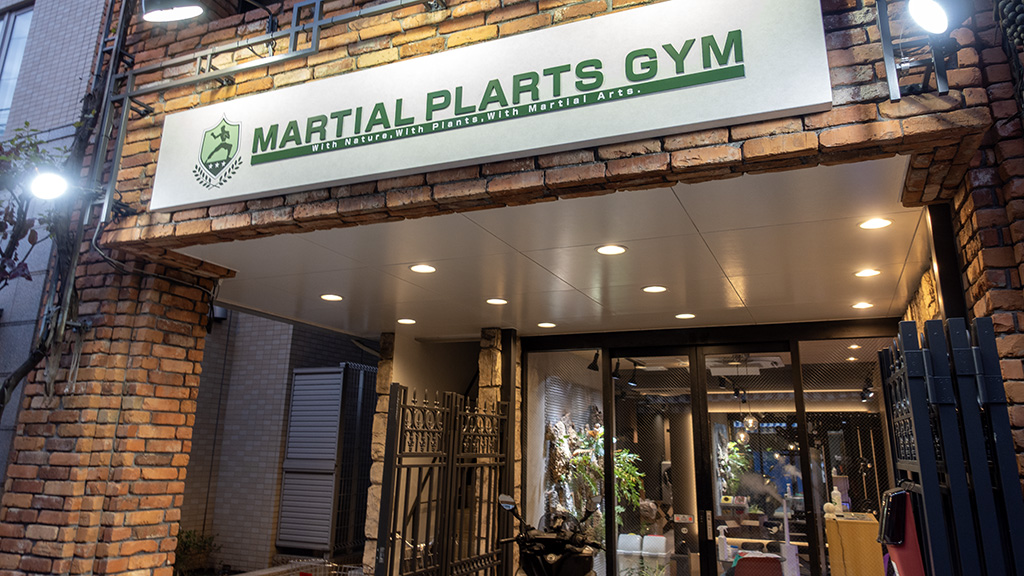
We came across this gym that teaches martial plarts. At first I thought this was another tragic case of an incorrect English translation, but then I realized from the tagline that it was intentional—it was martial arts, with plants. Although that is a reasonable play on words, I don’t think they quite understand how goofy the word “plarts” sounds to a native English speaker…
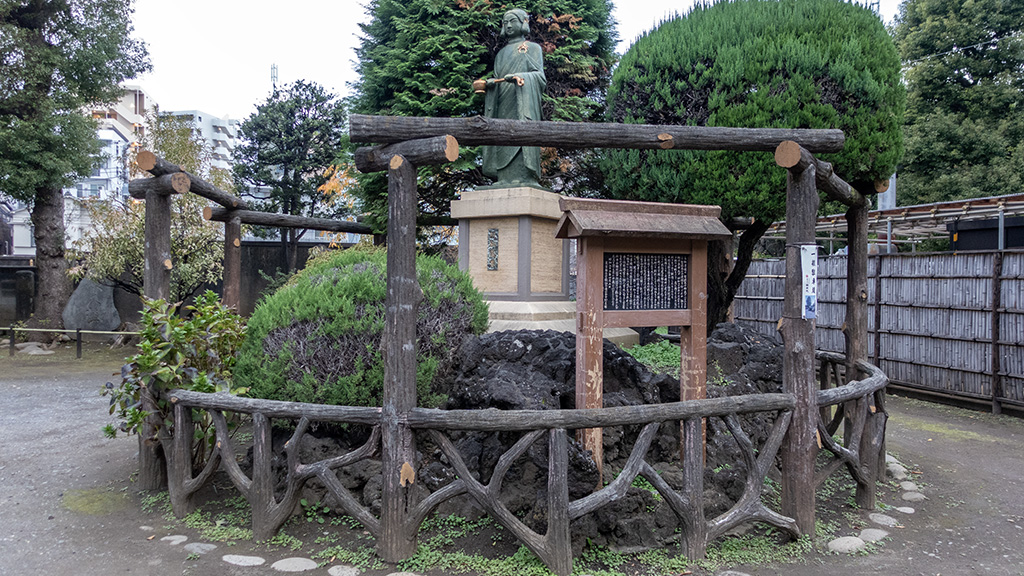
One of the items on the Bingo board was to see a torii gate. I believe we had already seen a few by this point, but I found this one that was a gateway to a statue instead of to a temple.
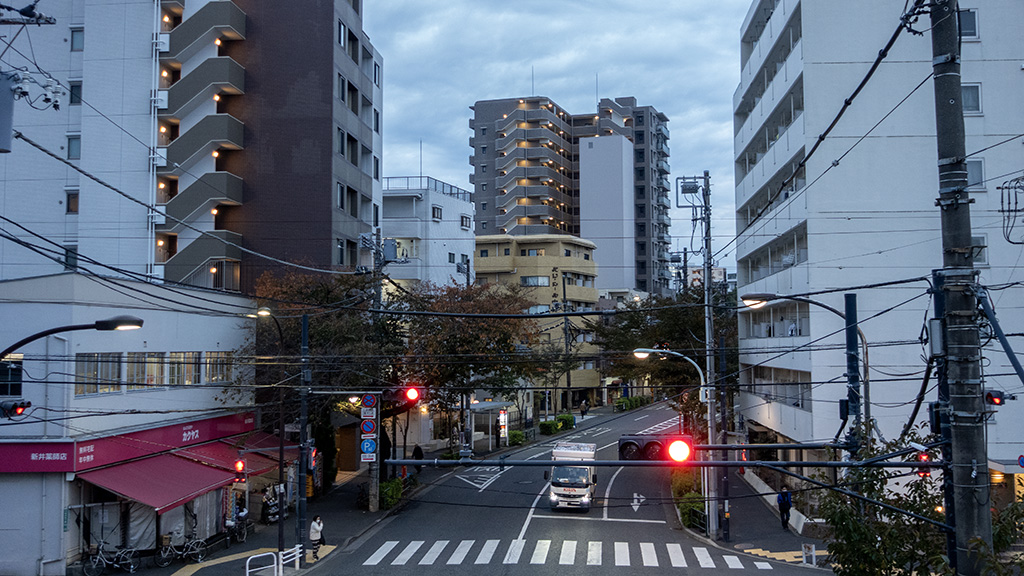
By this point, it was starting to get darker.
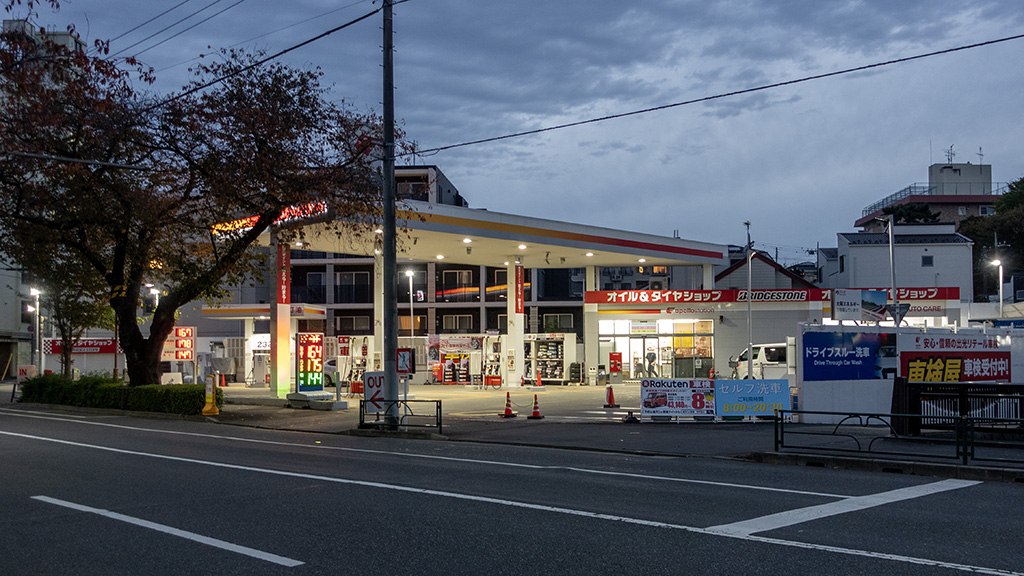
I took a picture of this gas station because it was the first gas station I had seen since arriving in Japan. I had spent a majority of my time during the prior days in the denser cities of Tokyo, so I had seen a ton of convenience stores (which are often associated with gas stations in the United States because the retail section of gas stations are often convenience stores), but I had not seen an actual gas station yet.
At this point, we were only one space away from our first two Bingos—we would get a Bingo if either (1) we saw a McDonald’s, or (2) Doug gets jouzued. To be jouzu (jōzu, 上手)ed means to be told by a native Japanese speaker that one is skilled at speaking Japanese. Apparently this had become a meme in Japan, and it is now sometimes used more as a sarcastic statement than to actually tell someone that they’re genuinely skilled.
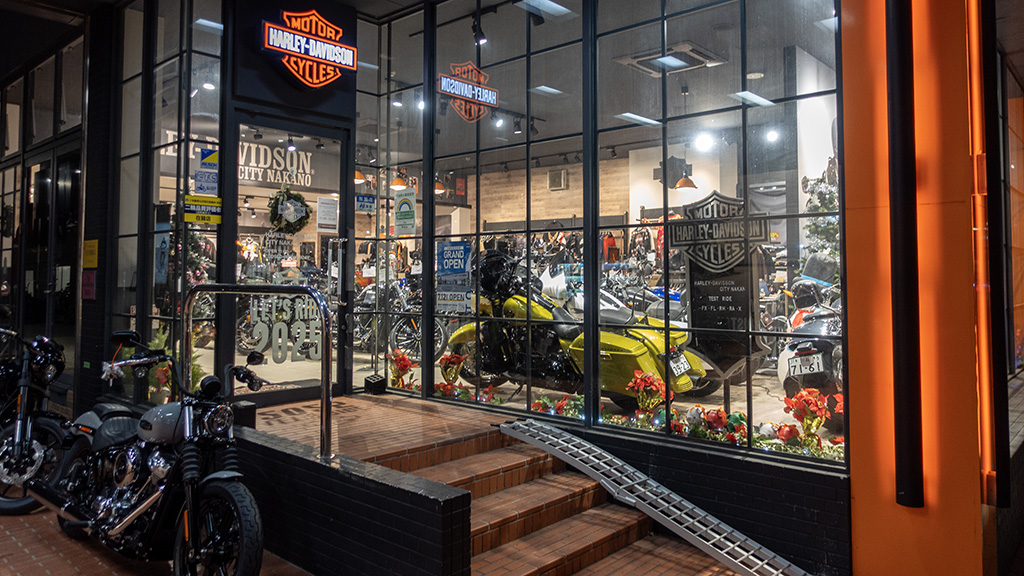
Out of nowhere, I saw a Harley-Davidson store. This was amusing, because I wear a lot of Harley-Davidson boots, so it was nice to see something familiar in Japan. I have comically wide feet that aren’t compatible with many shoe brands, but Harley-Davidson boots fit me well because their wide sizes tend to run extra wide, and they’re made out of real leather so they stretch and mold around my strangely-shaped feet.
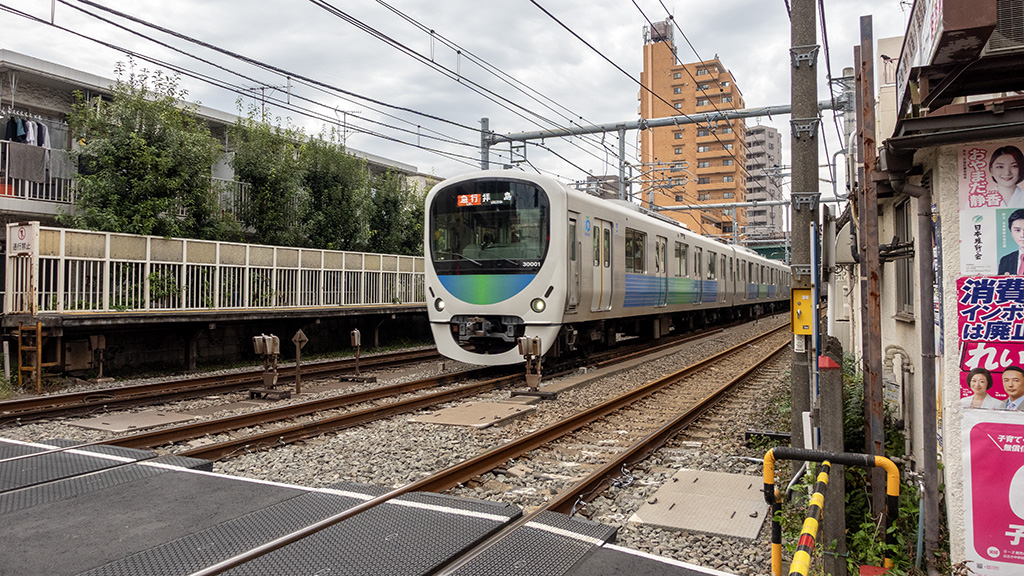
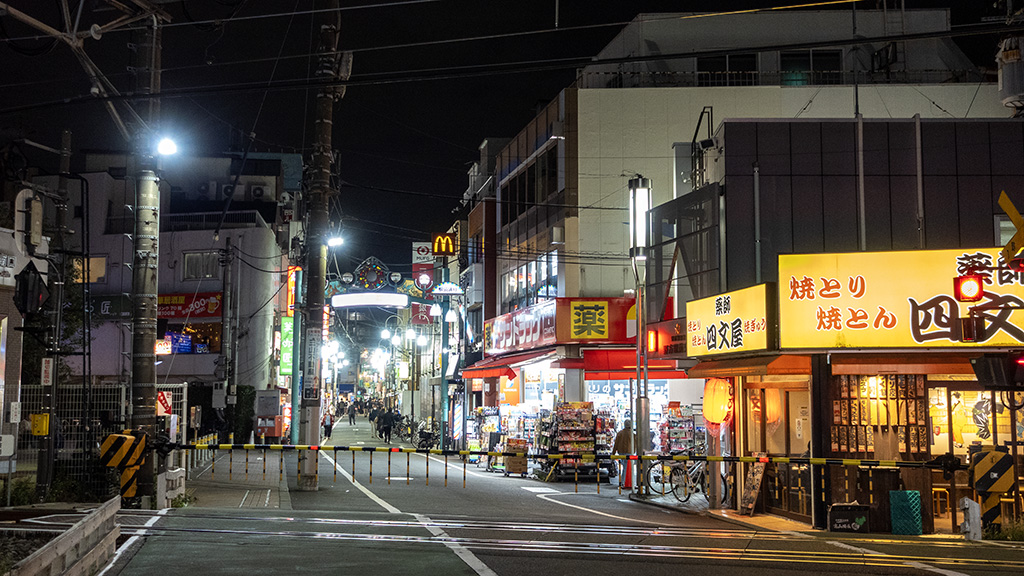
We stagnated with only one space to go for Bingo for a while. After we wondered if all hope was lost, we suddenly saw a McDonald’s in the distance. In perfect storyline fashion, the train barriers lowered moments before we were going to cross the street to add to the suspense, but after a couple trains passed and we waited out the brief delay, we walked up to the McDonald’s and marked off the final square we needed for our first Bingo.
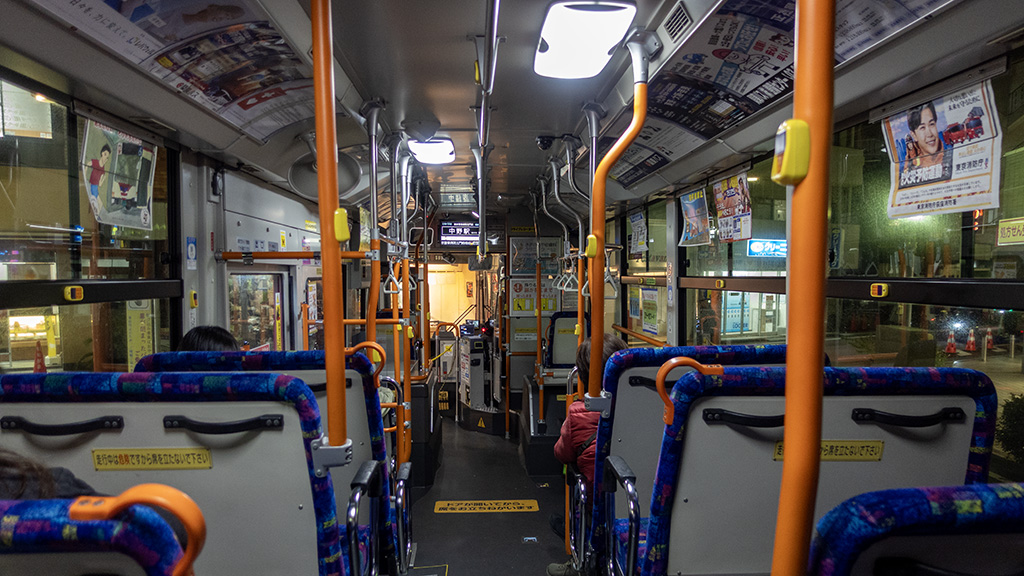
Our dinner reservation time was rapidly approaching, and we thought that we might need to call a taxi to get to the restaurant on time. However, as if the plot was pre-written, there was a bus that just happened to be parked right around the corner that was headed to Nakano Station, perfectly in the direction of where we need to go.
After a brief bus ride, we made it to Nakano Station. I had never seen this kind of indoor/outdoor hybrid mall before, which I thought was pretty neat.
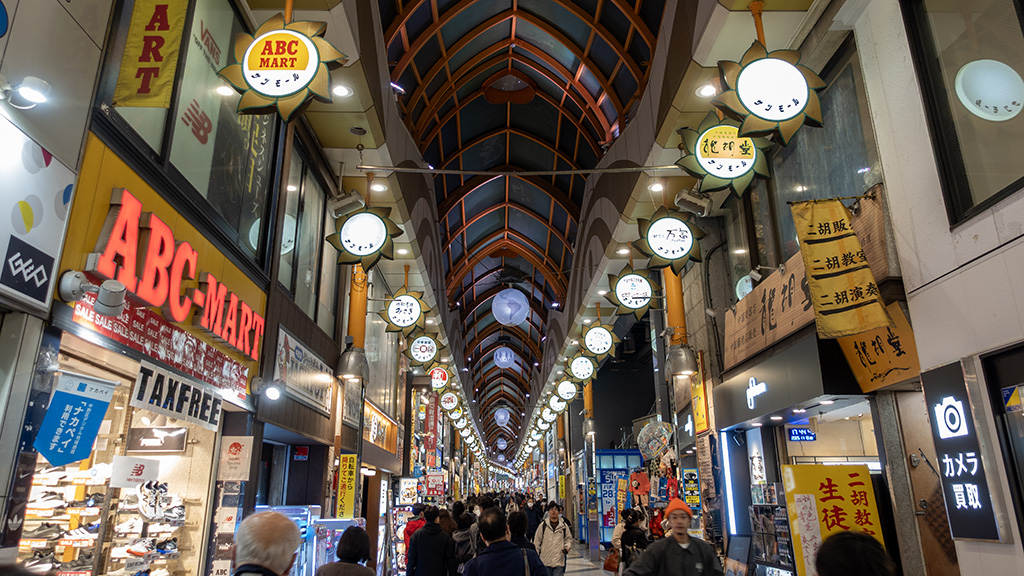
After finishing dinner, we continued walking around the area. Because Nakano was far more densely populated than the residential area we were in earlier, we were able to check off a lot more squares on our Bingo board back-to-back.
We randomly stopped by an arcade, and I noticed that one of the machines had Fanta in it as a prize. I have never seen that before in the United States, and I thought that was a brilliant idea that American arcades should adopt.
I’m not a fan of claw machines because I know how they work—there is a way to set up the strength of the claw so that, even if you get a perfect grip, you won’t get the prize unless the machine rolls the proper number to activate the appropriate pressure to retain the prize all the way to the dispensing funnel. If you check the owner’s manual of these claw machines, you can see that operators can set a profit margin to make sure that they’re not losing too much money. There are some machines that can be cheesed, but for a majority of the straightforward claw machines, they almost all work in this configurable way.
With that being said, even if I was a fan of claw machines, I still wouldn’t play them because I don’t care for any of the prizes. I don’t really like stuffed animals, and I usually only want physical possessions if they have some kind of useful function or sentimental value. So, having soft drinks or food items as prizes for claw machines is brilliant, and I think it is a great way to potentially convince people like me to try it out a few times. I’m sure that winning a beverage from an arcade machine will be extra satisfying if you’re thirsty after a long walk and want a drink.
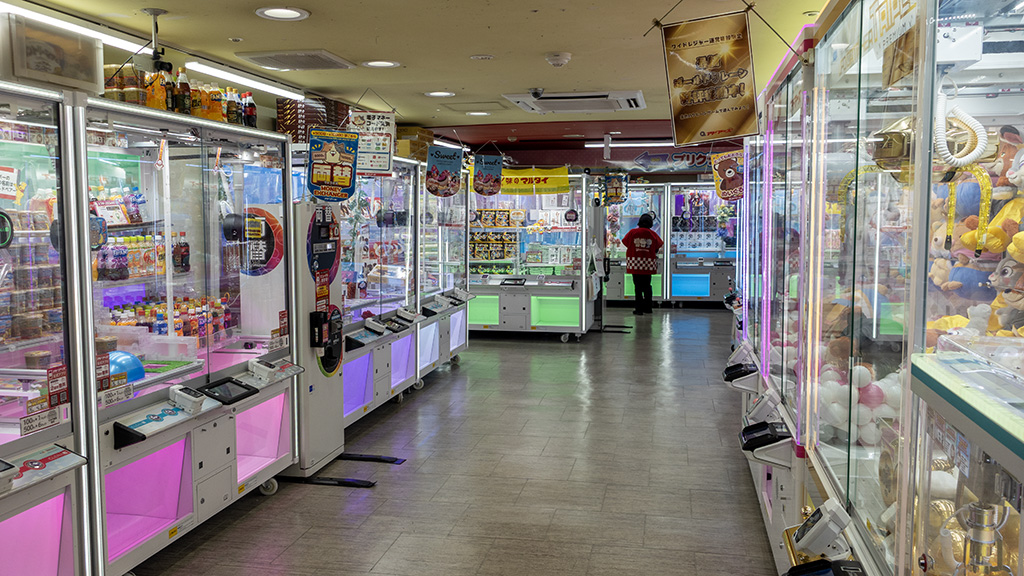
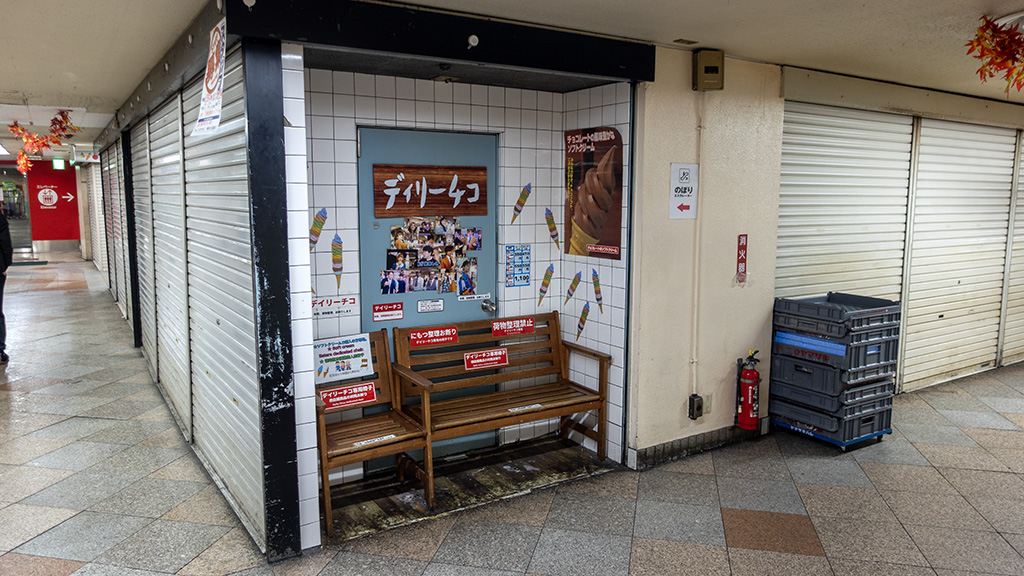
Alex remembered that there was an ice cream shop in the basement, so we went down to check it out. Unfortunately, the store was already closed (as was most of the other spots in the area), but there was a little bench area that was still open and not blocked off by a metal door, which I found to be amusing.
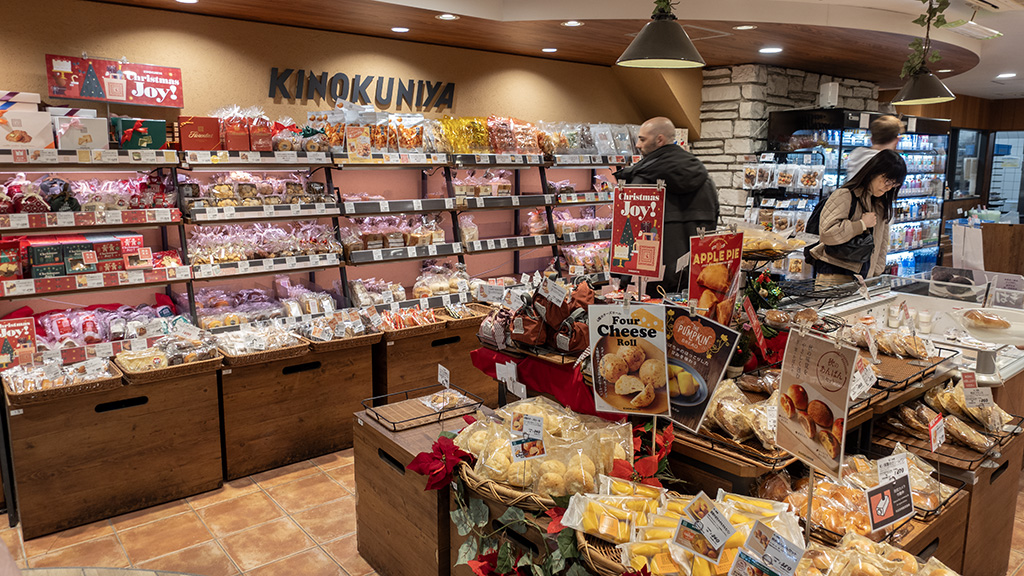
Eventually, in desperation, Doug decided to go to a bakery right before getting on our train and started speaking in Japanese to the cashier to try and get jouzued. He said exaggerated statements like “I’ve only been learning Japanese for one year” and otherwise pointing out how bad he was at Japanese, in order to fish out the jouzu compliment. After much of his embarrassment, he succeeded, and we were able to secure our second Bingo.
This is what our Bingo board looked like at the end of the day. We managed to be one square away from three more Bingos beyond the two we achieved.
Overall, this was actually one of the more fun days I had during my trip to Japan.
Although I enjoyed pretty much every single thing I did in Tokyo throughout the entire two weeks, I especially liked IRL Bingo because it felt like I was able to get a more authentic and unfiltered look at what Tokyo was like. At one point, I had been enjoying Tokyo so much that I was concerned whether I was accidentally going to only well-curated tourist hotspots that were manicured just to look nice to tourists, but after seeing everything I encountered during my day of IRL Bingo, it reinforced and helped make me feel more secure in my broad appreciation for Tokyo.