FTC Disclosure: I was not asked to write this blog post, I was not compensated cash for this review, and no third parties had an opportunity to review or request changes to this piece prior to its publication. However, I did receive material incentive to attend the event by way of an exclusive pre-release tour invitation and VIP access. The public retail value of VIP access is worth US$65.00. All other expenses, including travel and lodging, were self-funded.
I’ve played Minecraft twice in my life—once to try it out over a decade ago close to back when it was first released, and once last year to participate in a charity event that had one segment of the associated show take place in-game. Both times, I got pretty severe motion sickness because my brain doesn’t do too well with first-person perspective games with fast movement and warped field of view around the edges.
Knowing that, you’re probably surprised to find out that I flew to the Dallas–Fort Worth Metroplex in Texas and headed over to the city of Plano… for a Minecraft event.
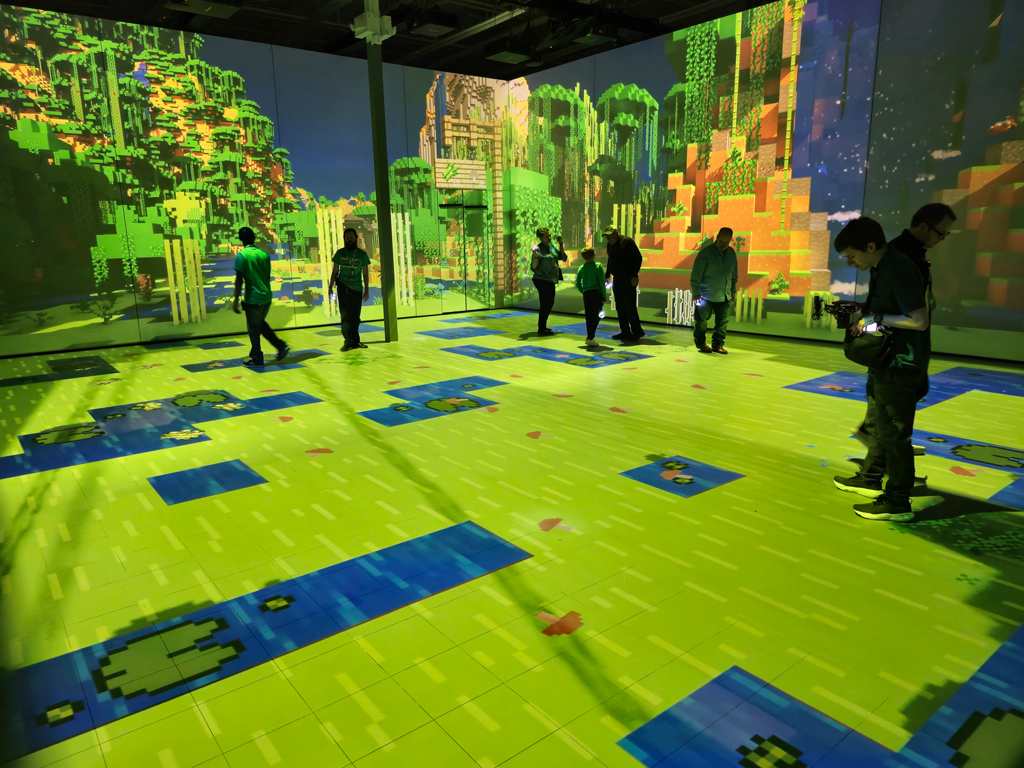
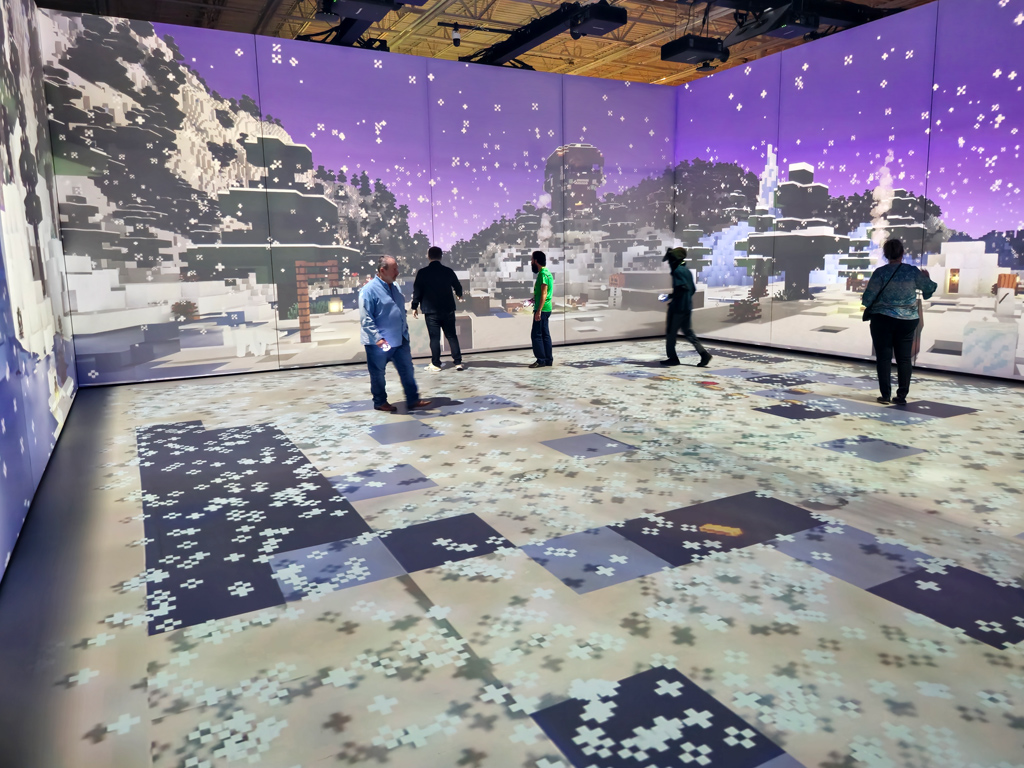
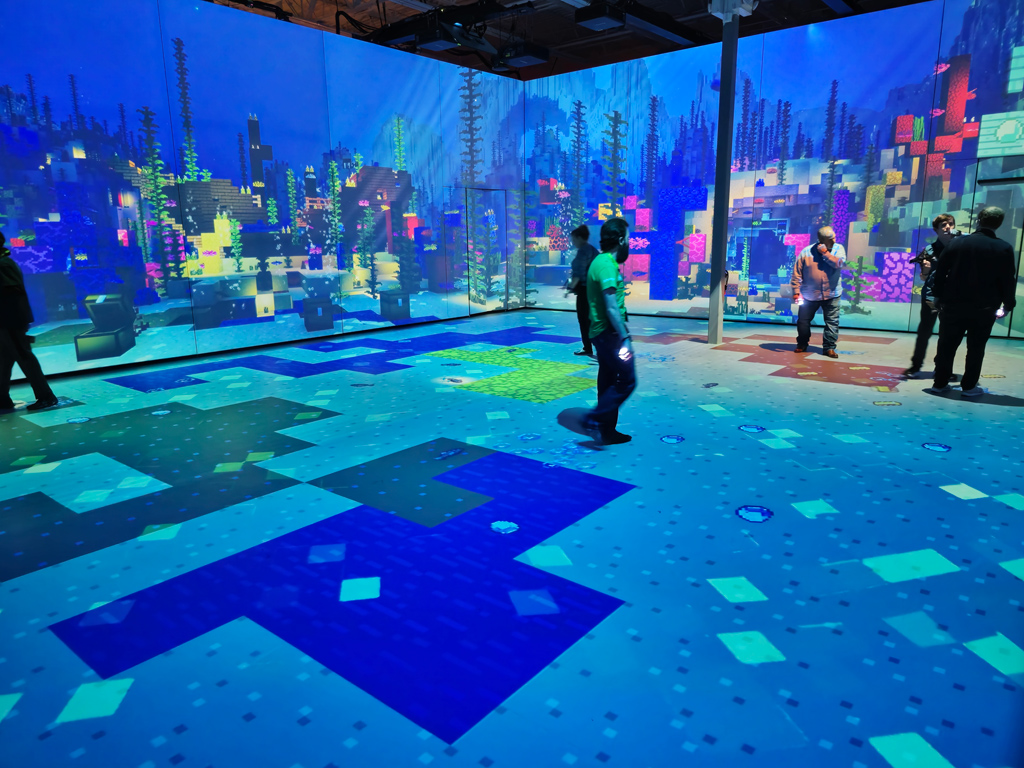
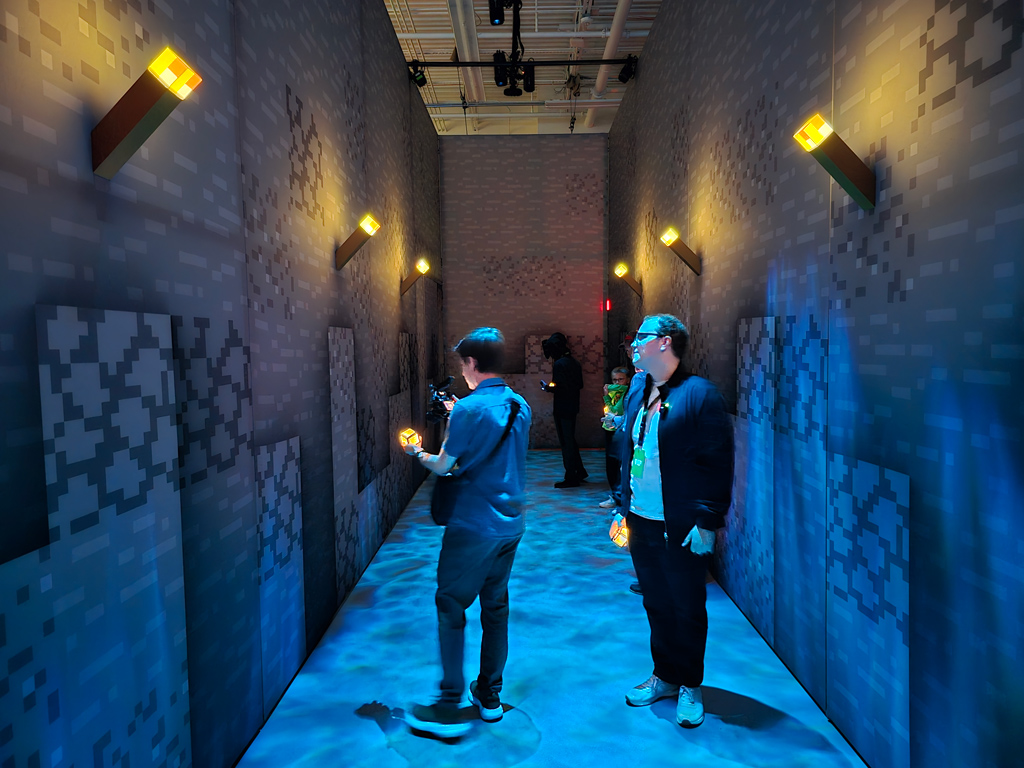
Together with my friend Aidan, who runs the Skip the Tutorial channel on YouTube, I had an opportunity to try “Minecraft Experience: Villager Rescue” two days before it opened to the general public. Minecraft Experience is an interactive experience taking place in the Minecraft world during which you navigate in succession through ten different rooms ranging from the spawn point to the underworld and ending at the trading post (i.e., gift shop).
I feel silly saying this, especially because I’m known to be fairly critical and difficult to please, and because this entire thing looks like it was made for small children… but I actually had a great time.
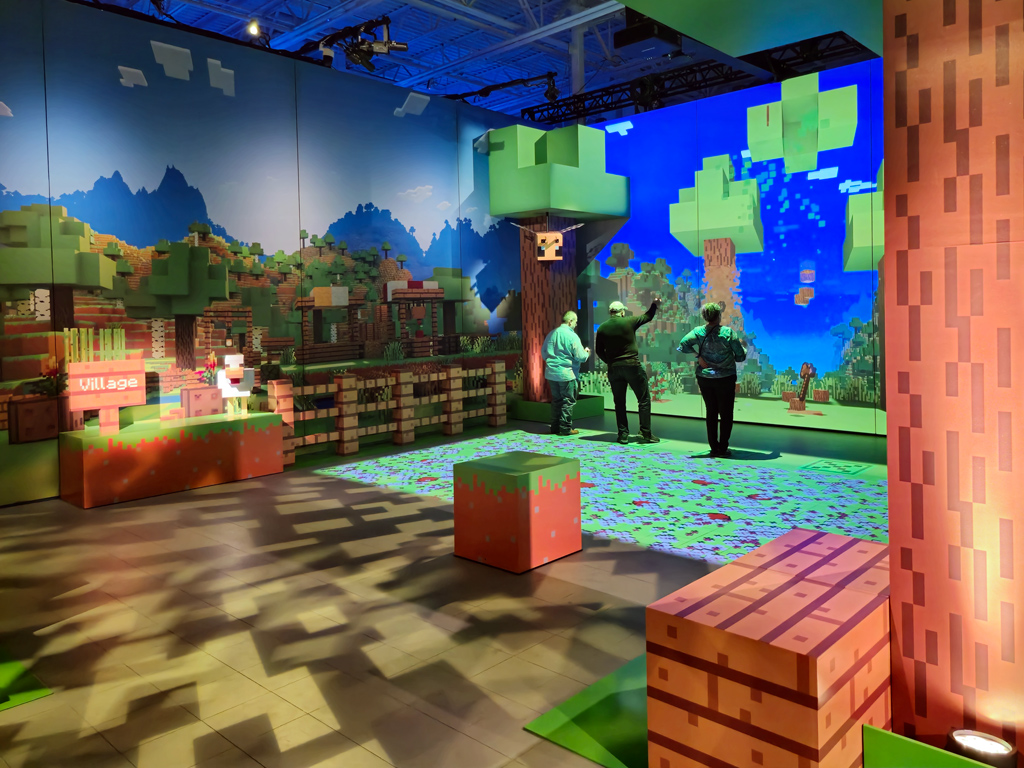
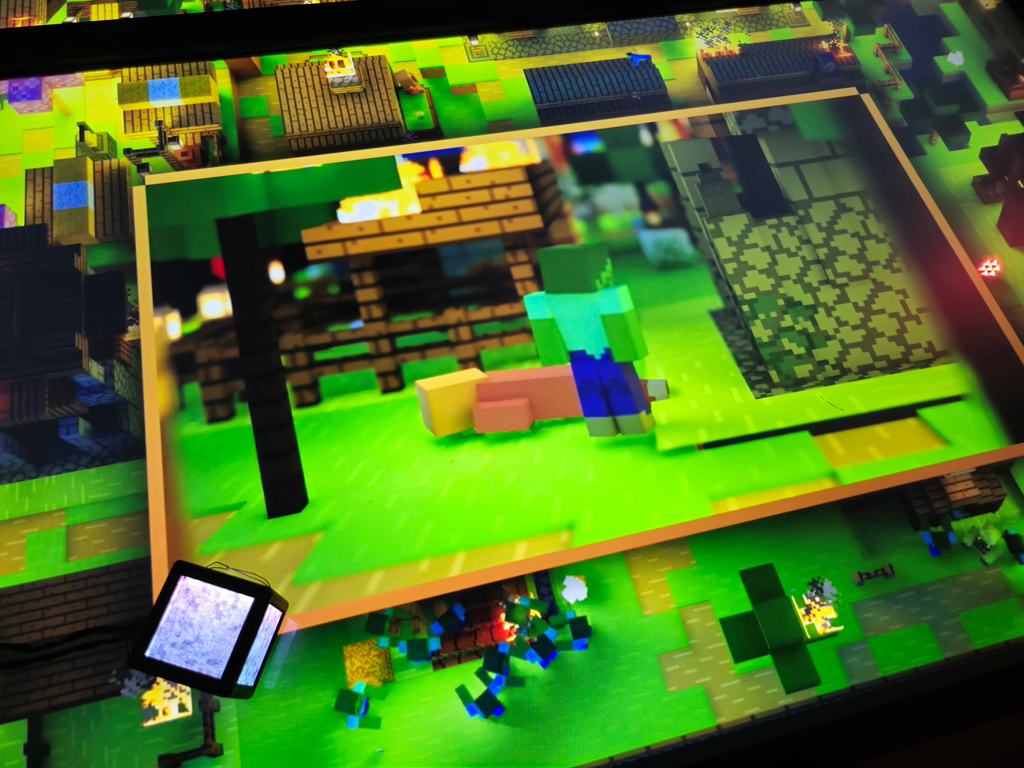
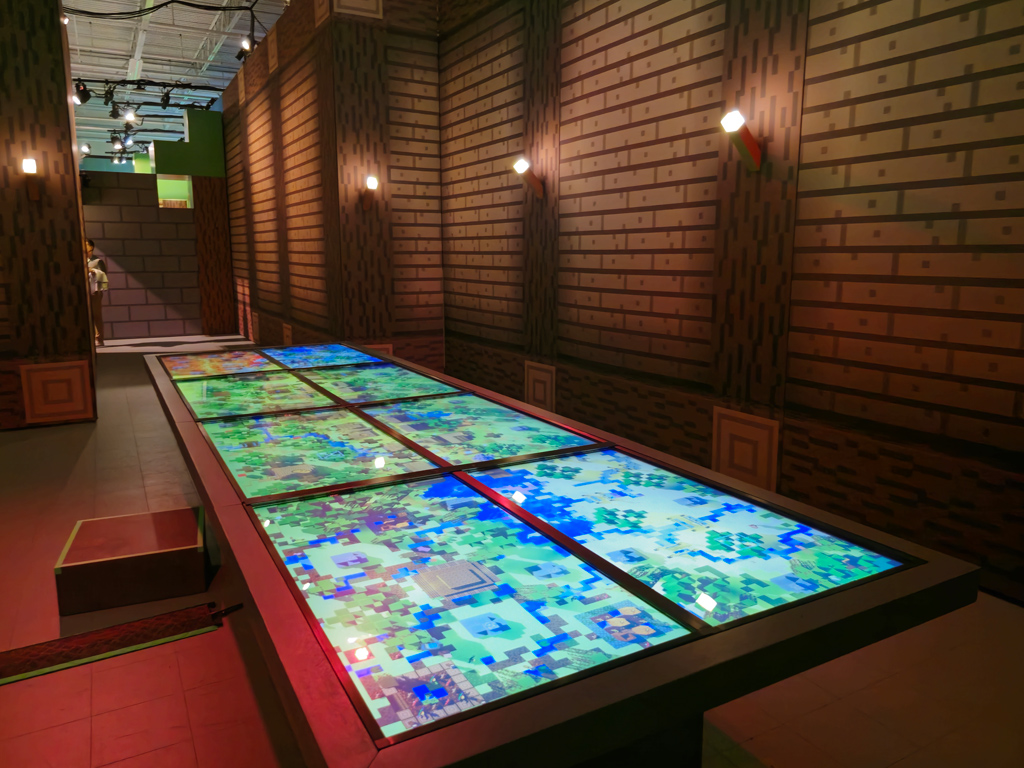
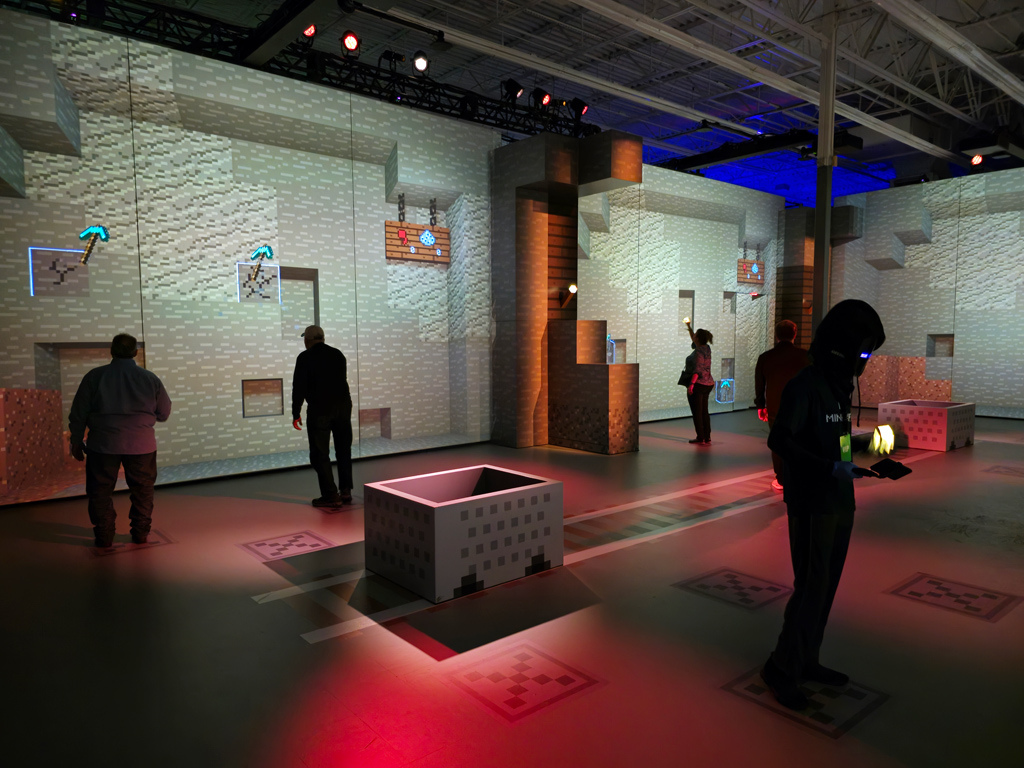
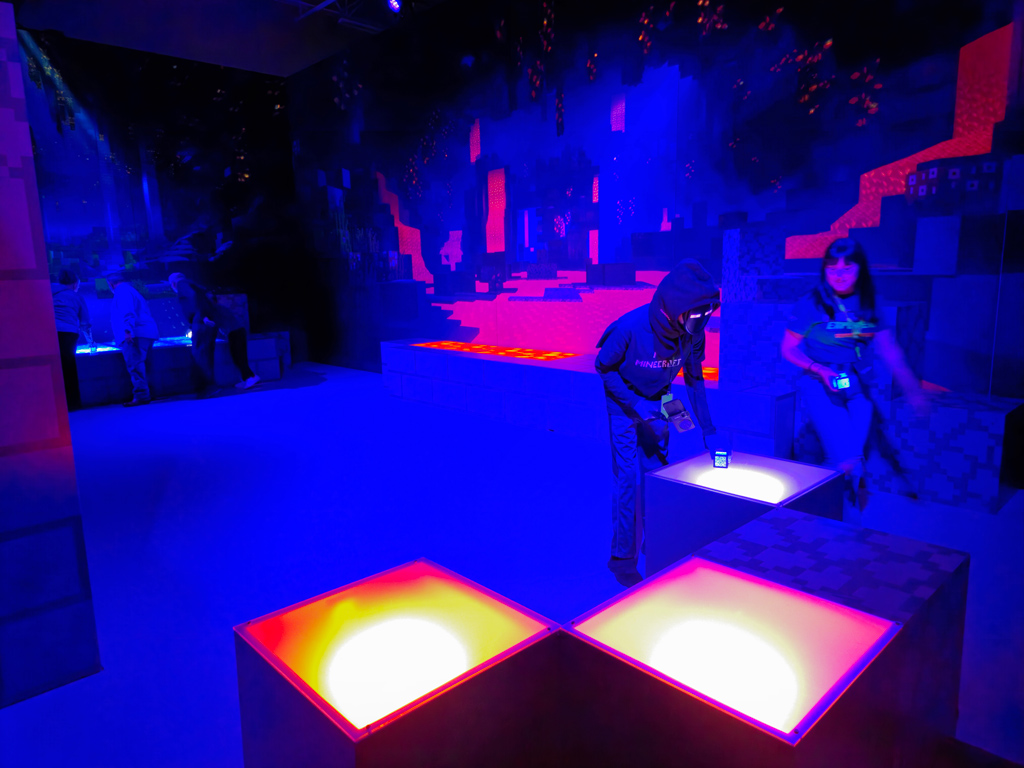
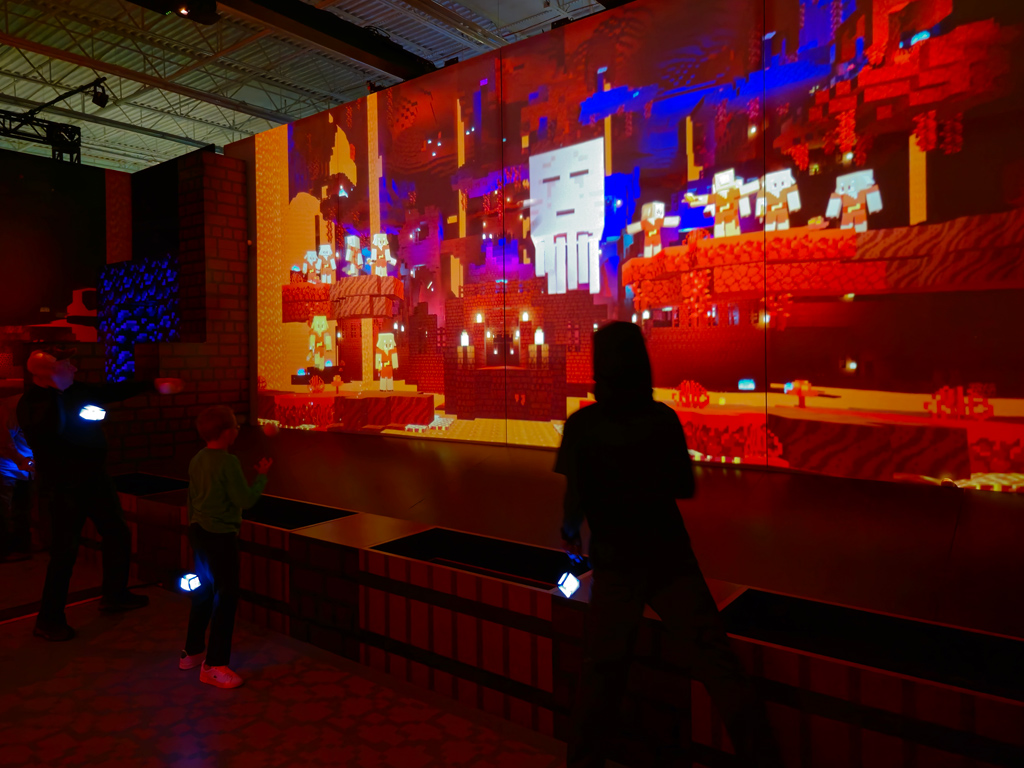
The interactive experience revolves around an Orb of Interaction, a little cube that acts like a dynamic remote-control extension of your body that allows you to send commands via movement to the sensors placed throughout the rooms. You use this device, along with your body, to influence the Minecraft world around you in ways that resemble actual gameplay within Minecraft.
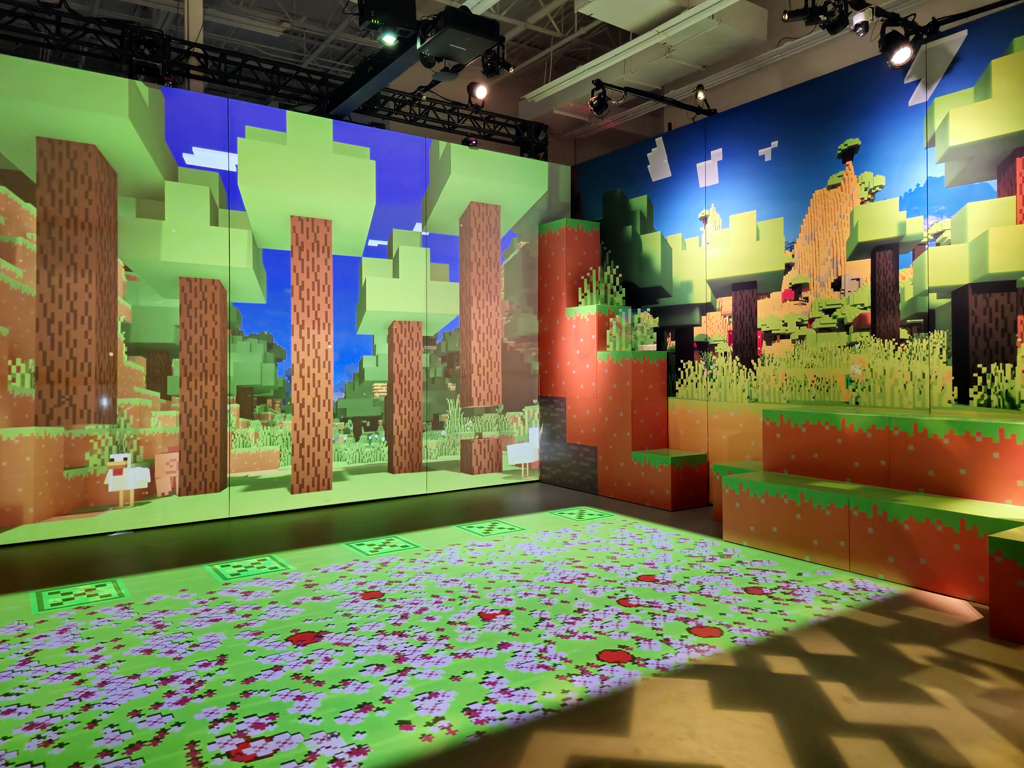
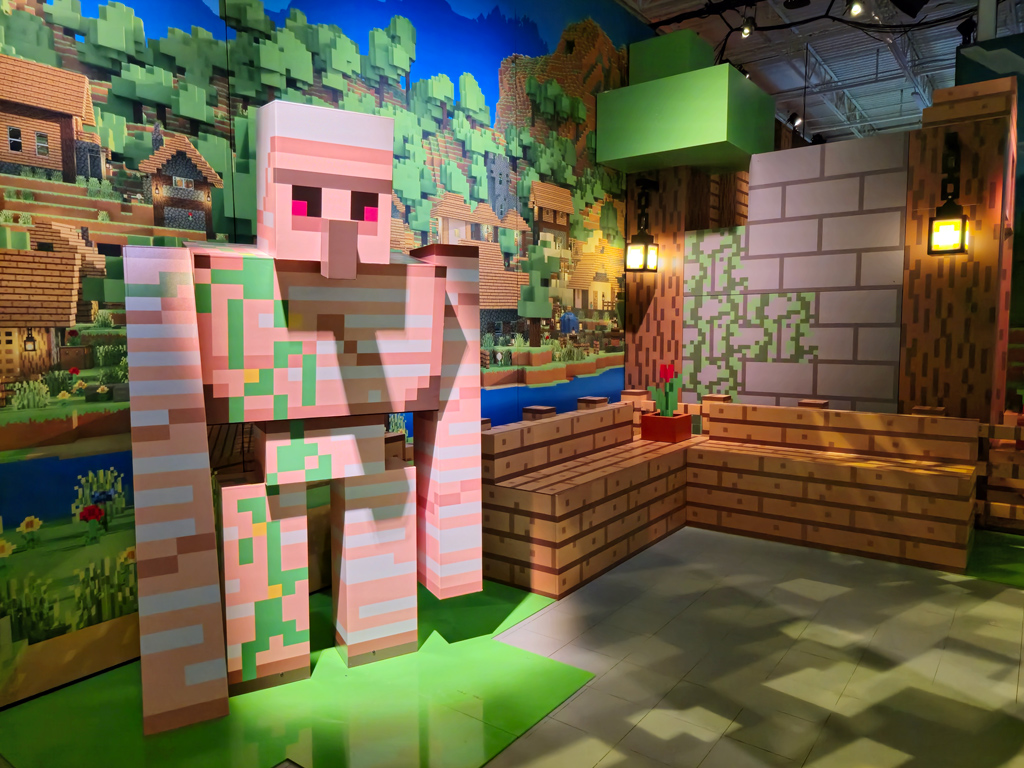
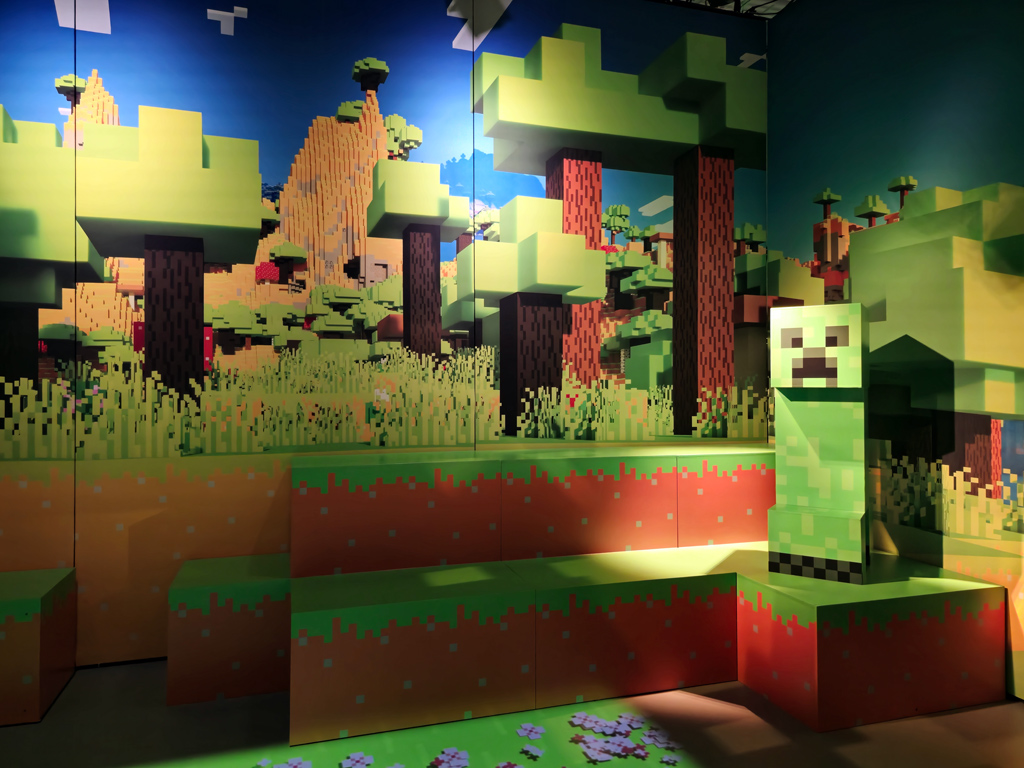
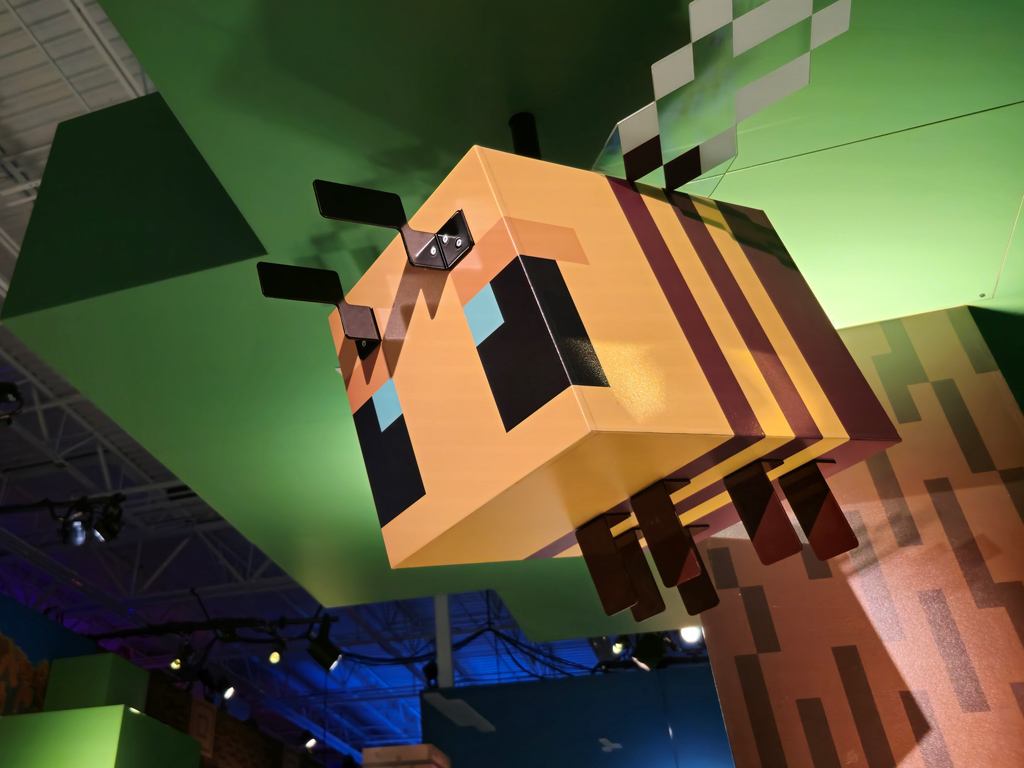
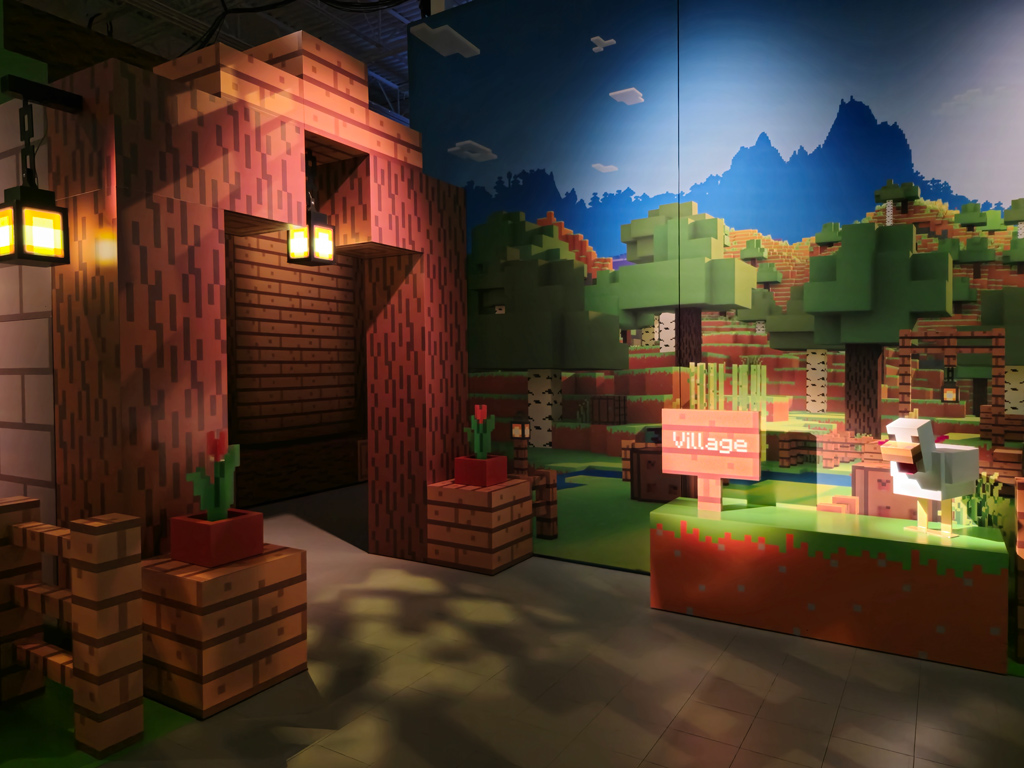
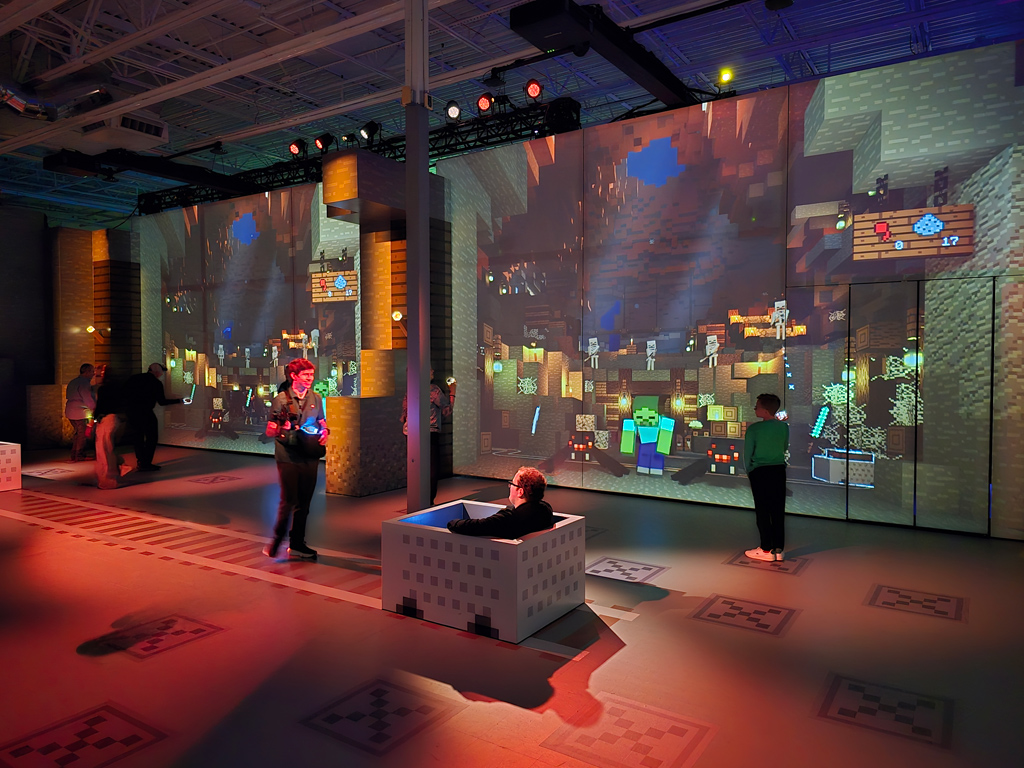
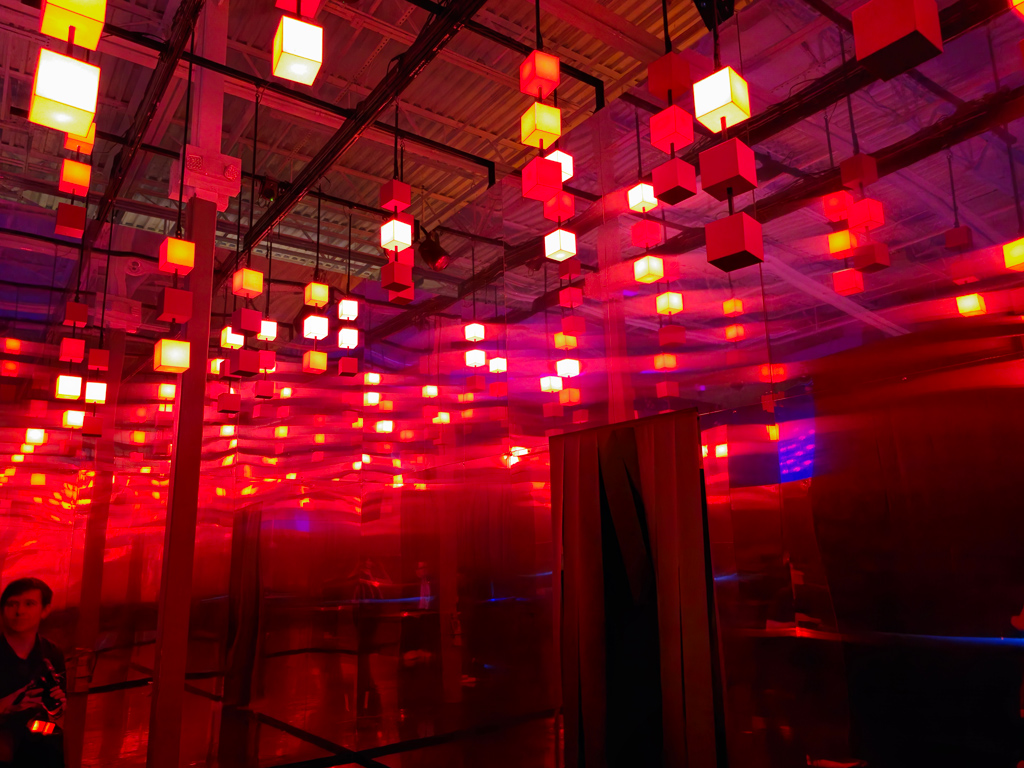
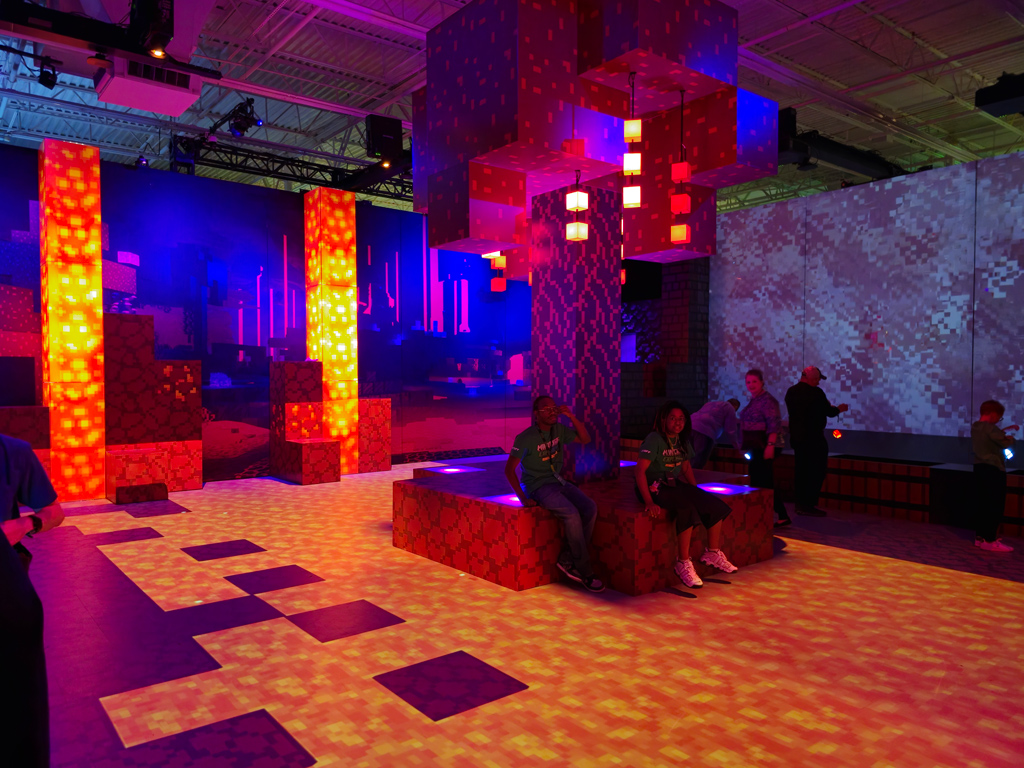
Each room has a different way to interact with your surroundings. The spawn point limits you to just the basics so that there is a smooth learning curve, while later rooms will require you to use the orb in conjunction with your feet to gather resources. Every room was also very immersive—it was clear that all the sets were built out with a 360° perspective in mind.
At first, I was a little bored and didn’t really know what was going on because of how unfamiliar I was with Minecraft, but within the first few rooms, I hilariously managed to get very invested into the storyline. My friends and I ended up doing three total rounds through the experience; each time, I would notice new small things that made me appreciate the production team’s attention to detail.
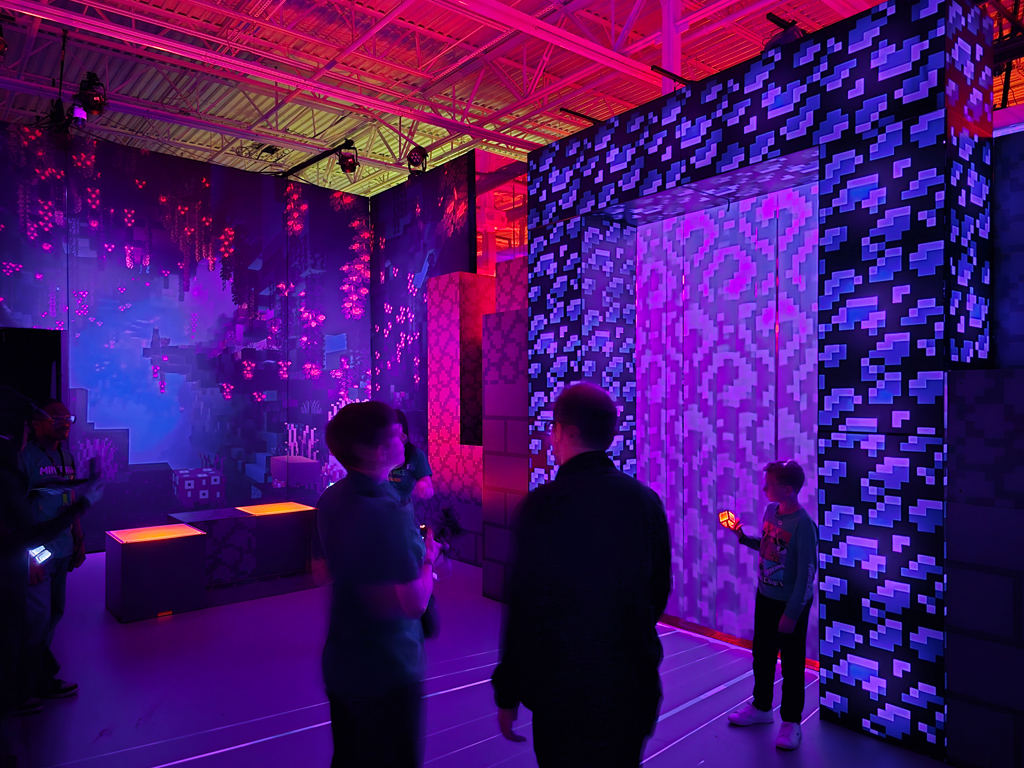
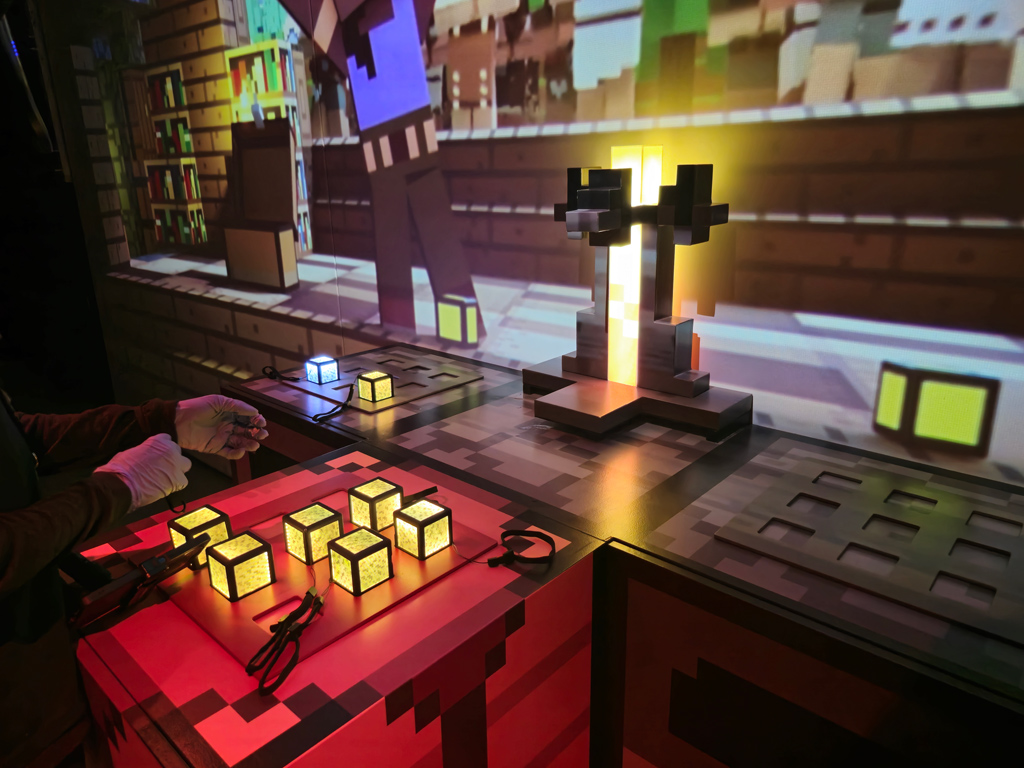
My favorite part of the experience was a room where you had to combine certain raw materials in a certain sequence in order to produce building blocks necessary for the construction of a gateway. The difficulty of this room had ramped up substantially relative to the spawn point, and albeit fairly easy to intuit, you still had to pay attention to what was going on if you wanted to participate properly. The part I loved the most about this is that the recipe for the building blocks was apparently something that actually exists in Minecraft, so this is an opportunity for children to feel good about their gaming knowledge and possibly teach their parents what to do to emerge from the room victorious.
I also liked how much physical activity was integrated into the experience. I had to constantly move my Orb back and forth throughout a majority of the rooms, and near the end during the final boss fight, I nearly broke a sweat throwing felt “snowballs” at the screen to help deal damage to the enemy.
I went into this expecting it to be something like an exhibit hall out of BlizzCon, where there would just be some life-sized models of in-game assets, some important and notable relics on display, and maybe some gaming stations to play some exclusive Minecraft content. As you would imagine, my expectations were far exceeded when I realized this was actually a real experience and not just a miniature museum.
Even though I had a great time, it was clear that I wasn’t really the intended target audience. I’m sure some adult Minecraft superfans would love this too, but I think the main demographic for this experience is children and their parents. I think most young Minecraft players would find Minecraft Experience to be absolutely magical, feeling like a real-life video game protagonist. This is also an opportunity for parents to get more involved in their children’s lives and deepen their connection through one of their kids’ hobbies.
It looks like the most affordable general admission ticket costs US$32.00 per person on a weekday, with bulk-purchase discounts knocking down the ticket price by a few dollars per person for groups of four or more. Everyone’s financial situation is different so I can’t really broadly comment on whether this would be worth it, but compared to some other similar attractions like this in other major cities, I think this pricepoint is definitely within reason.
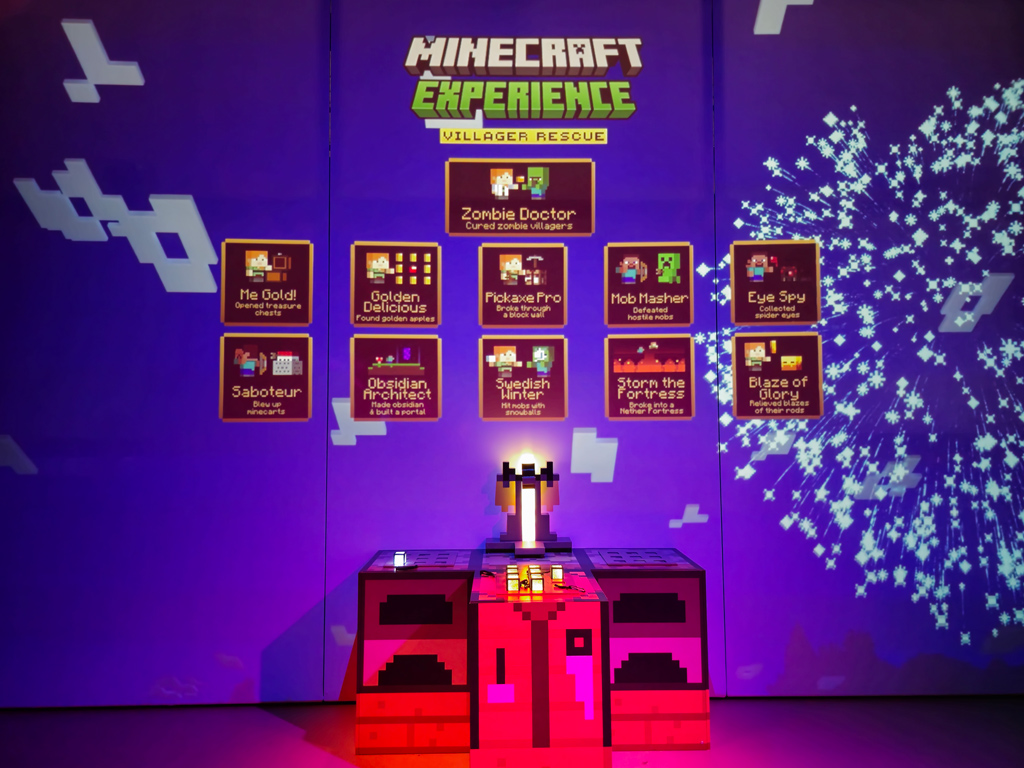
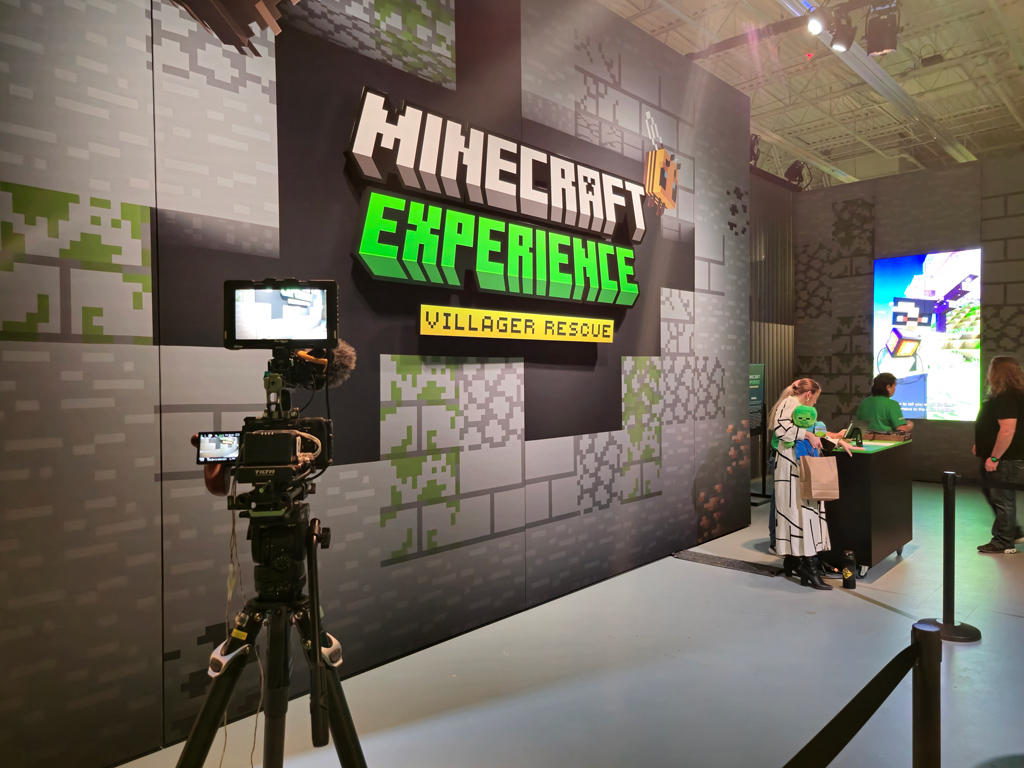
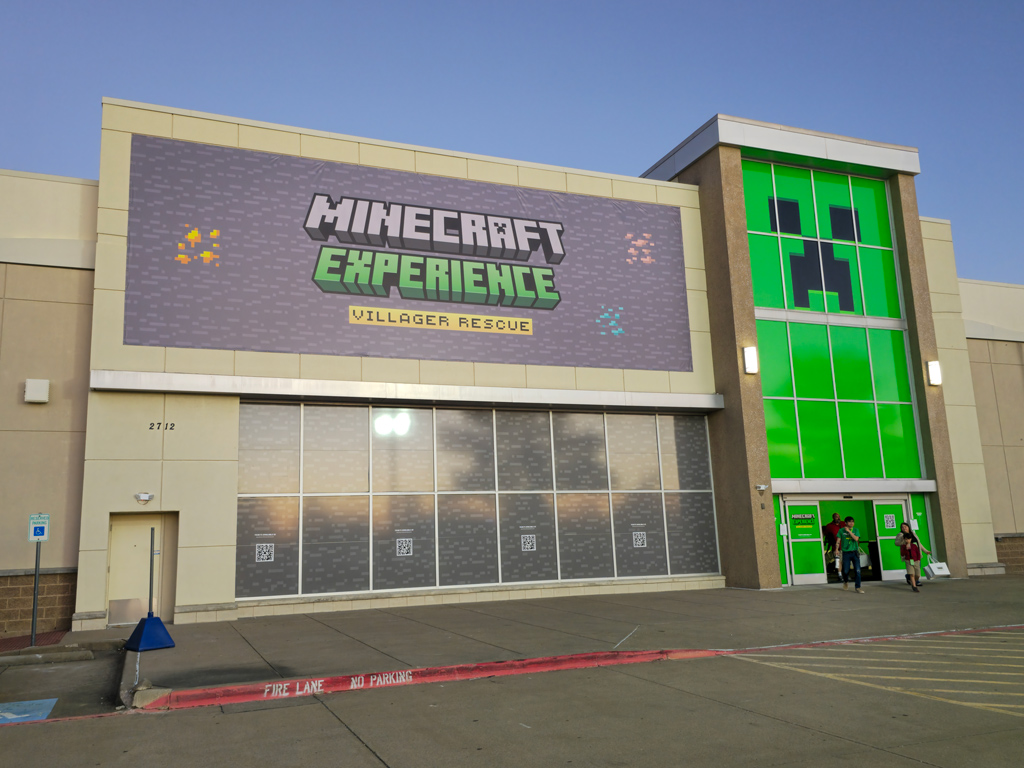
Here are some photographs I took during the experience: