 Just by looking at the box, you might think that the Chalupa really is extra-extra-large. But when I opened the box, I was slightly disappointed. They could have made the box about half its current height and it still would have had plenty of space to fit the XXL Chalupa.So I concluded that the Chalupa isn’t XXL, but maybe just a regular L, or possibly XL at the most.And yes, I know that my mouse is low of battery. That’s because my deputy and associate always forget to put it in the charging port after they’re done using the office computer.
 “Big Things Come in Big Packages”
This post is over 14 years old and may contain information that is incorrect, outdated, or no longer relevant.
My views and opinions can change, and those that are expressed in this post may not necessarily reflect the ones I hold today.
I went to my workplace’s office today to meet with my deputy, and for dinner, we went to Taco Bell.I recalled seeing a Taco Bell advertisement on my website advertising the XXL Chalupa, so I decided to try it. I wasn’t able to click on the advertisement for more information because I’m not allowed to click on the advertisements on my own website, but I’ve had Chalupas before so I had a feeling that this was going to be good.Apparently, it comes in a box (and I’ve never seen anything from Taco Bell come in a box before.)Just by looking at the box, you might think that the Chalupa really is extra-extra-large. But when I opened the box, I was slightly disappointed. They could have made the box about half its current height and it still would have had plenty of space to fit the XXL Chalupa.So I concluded that the Chalupa isn’t XXL, but maybe just a regular L, or possibly XL at the most.And yes, I know that my mouse is low of battery. That’s because my deputy and associate always forget to put it in the charging port after they’re done using the office computer.
Just by looking at the box, you might think that the Chalupa really is extra-extra-large. But when I opened the box, I was slightly disappointed. They could have made the box about half its current height and it still would have had plenty of space to fit the XXL Chalupa.So I concluded that the Chalupa isn’t XXL, but maybe just a regular L, or possibly XL at the most.And yes, I know that my mouse is low of battery. That’s because my deputy and associate always forget to put it in the charging port after they’re done using the office computer.  I understand that this was done so if my new address was not my real new address, I would be notified at my old address. But what about in the case that the change was legitimate? Fortunately, I got the letter due to a mail forwarding service, but what if the forwarding service failed or was not applied?I think this is creating a bigger security issue in case the new person living at the old address gets this letter and is able to hunt me down.If you’ve been keeping up with my blog since earlier this year, you might remember that sometime in late March, I started having a sudden surge of visitors coming to my door. This is an excerpt from my blog post from March 30, 2011: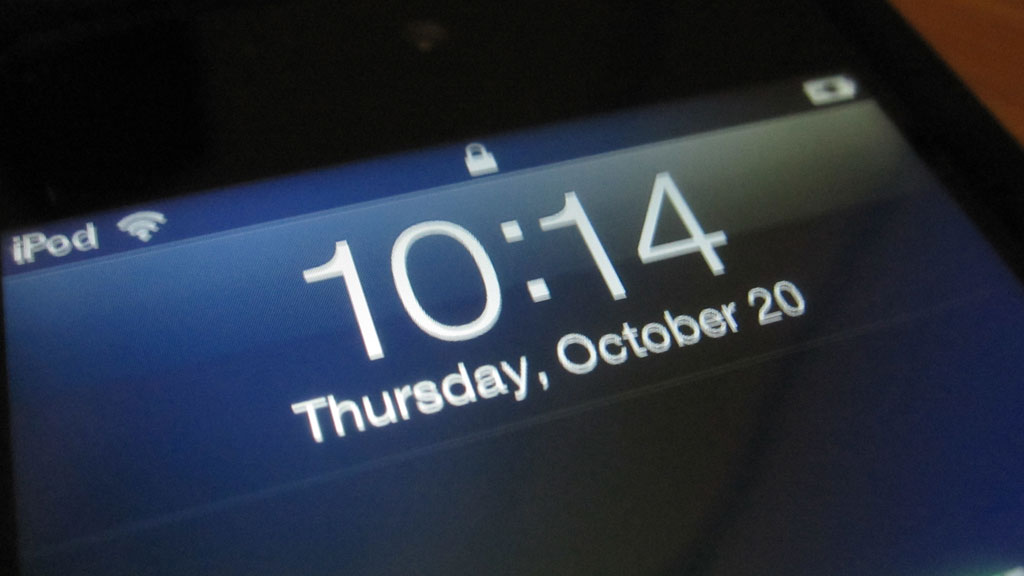
 I love how my camera focused on my lab partner’s notebook and her jacket rather than on my DNA.For those of you who haven’t noticed yet, the white wispy stuff in the test tube is DNA. It was extracted through a process of scraping off cheek cells, adding a substance that opened up the cells, then adding another substance that made the DNA rise up to the top.
  The problem was that I did not have Reminder syncing enabled in iCloud. Once I turned on syncing for Reminders, I was able to start adding reminders to my list. I don’t know why it’s necessary to sync your reminders for you to be able to even use it in the first place, but either way, I’m glad that it’s working now.On the other hand, I’m not very glad that it’s not compatible with syncing with Google Tasks. I like to add tasks and reminders to my list of things to do from my computer because it’s a lot faster, and I use Google Tasks relatively frequently. It would be nice if it was able to sync with Google Tasks so I would able to access my task list from my mobile device. Google Tasks compatibility wasn’t available in previous iOS versions, and I was hoping the OS upgrade would provide something basic like this, but apparently not.