Hello, Matsumoto in Los Angeles, California

I have an international trip coming up soon. While booking my flight, I wasn’t able to find any non-stop service to my destination out of my home airport of Harry Reid International Airport in Las Vegas, Nevada; rather than taking an itinerary with a layover, I decided to head over to Los Angeles, California ahead of time on my own to visit some friends for a little while before departing out of Los Angeles International Airport instead.

While in LA, I met up with one of my friends who had just gotten back from her own international trip. Her mom was in town too and had never dined at an omakase restaurant before, so we decided on going to Matsumoto together for dinner.

When I tried to book a reservation, I ran into some issues on their website. Rather than fighting with an online inanimate object, I decided to call the restaurant to see if they could just hold a reservation slot for me instead. The person who picked up the phone pretended like she was engaging in a conversation with me, but would answer my questions and statements with completely inapplicable responses and meaningless fragments. This would’ve been completely fine if she had just said that she doesn’t speak English—that isn’t an issue for someone running an authentic Japanese restaurant—but instead of disclosing her communication barrier, she just kept on pretending like she knew what I was saying. After I discovered that she was literally trolling, I bid her farewell and went back to the online booking system. I ended up resolving my problem by booking my reservation in two separate transactions.

Luckily, on the day of our dinner, everything went far more smoothly. I don’t know if the person who had previously answered the phone was there that day, but the service was great, both when we arrived and throughout our entire meal.

An overwhelming majority of the time, omakase restaurants I go to will charge a predetermined price for the meal. Sometimes, they will have different tiers of omakase experiences (i.e., starting with an entry-level tier with more basic sushi, all the way up to a very premium tier that has more desirable cuts of fish), but ultimately, you know what you’re getting yourself into before committing to the meal.

Matsumoto, on the other hand, left the omakase completely open-ended. Rather than charging a “bulk,” “discounted” rate for getting the full omakase, they basically charged everything a la carte. The reason I know this is because, when we received our check at the end of our meal, every single piece of nigiri we ate was itemized out with its associated price (which I will share throughout my blog post). This is obviously less optimal in terms of the cost-to-value ratio, but on the other hand, it allows for the maximum possible amount of customizability for your meal.

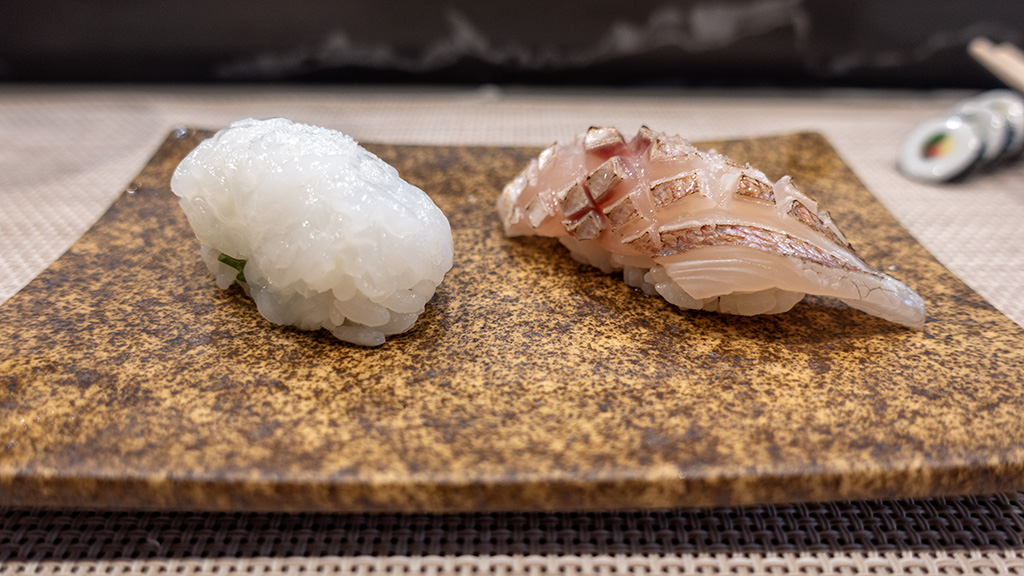
The nigiri came out in sets of two. For our first plate, we got bigfin reef squid (aori ika) atop a shiso leaf for US$9.00, and young sea bream (kodai) for US$7.00.
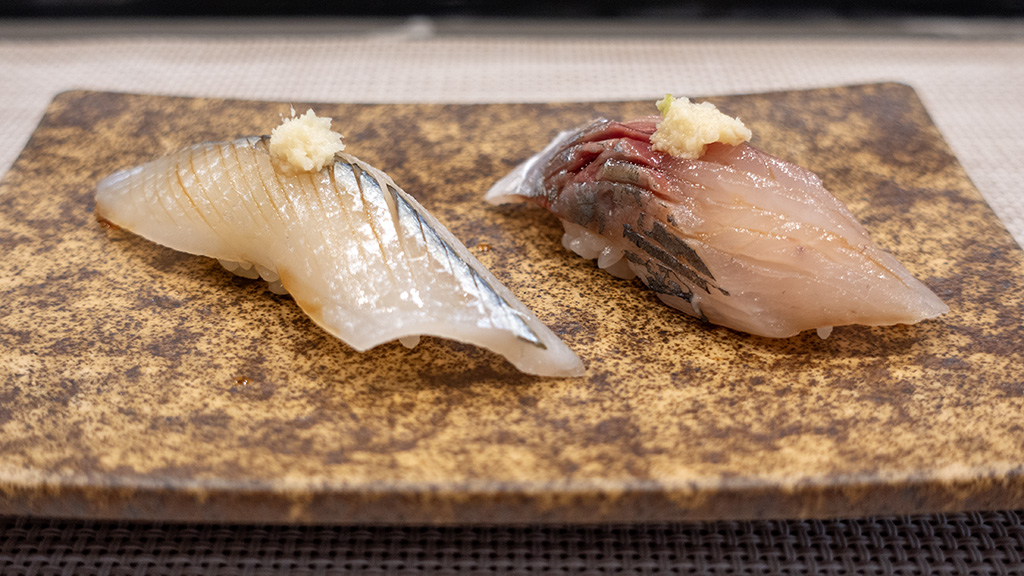
Next was Japanese halfbeak (sayori) for US$9.00, and horse mackerel (aji) for US$7.00.
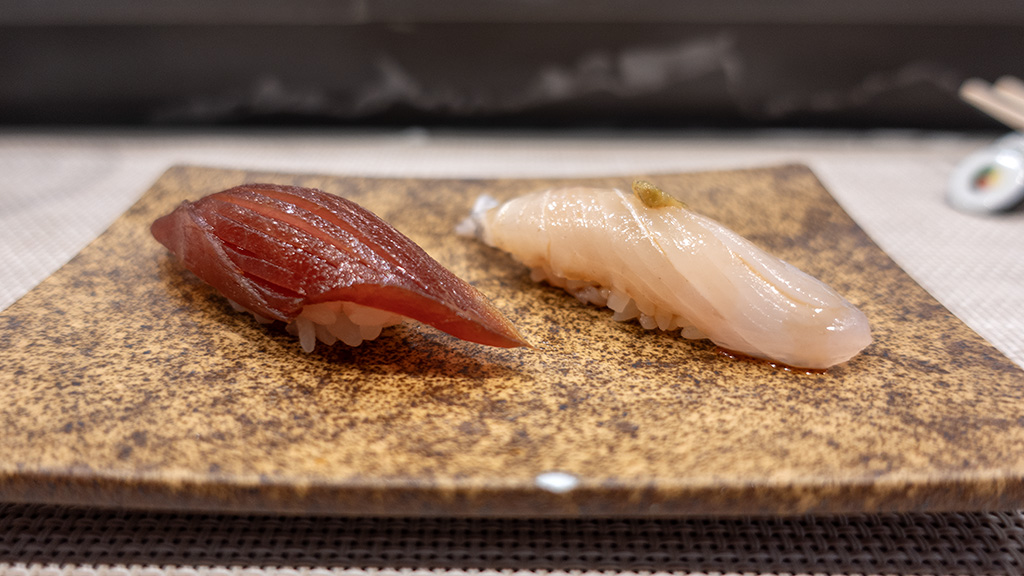
Following that was soy-marinated tuna (zuke maguro) for US$9.00, and greater amberjack (kampachi) for US$6.50.
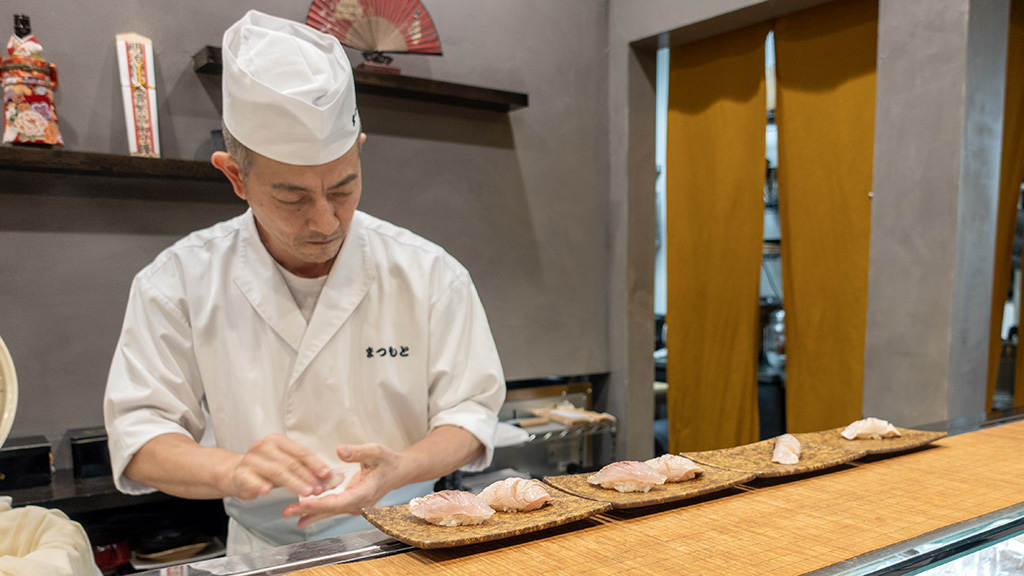
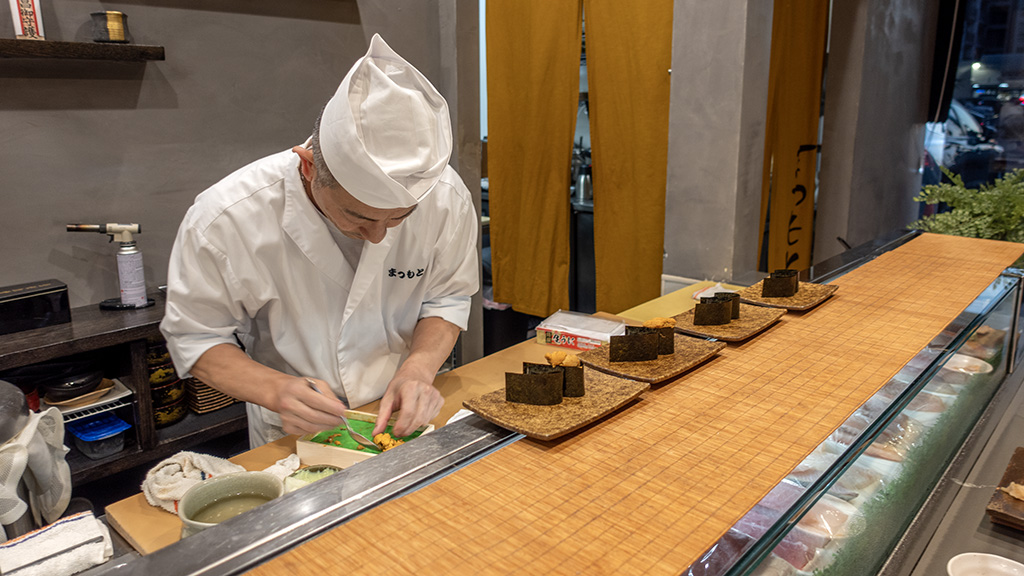
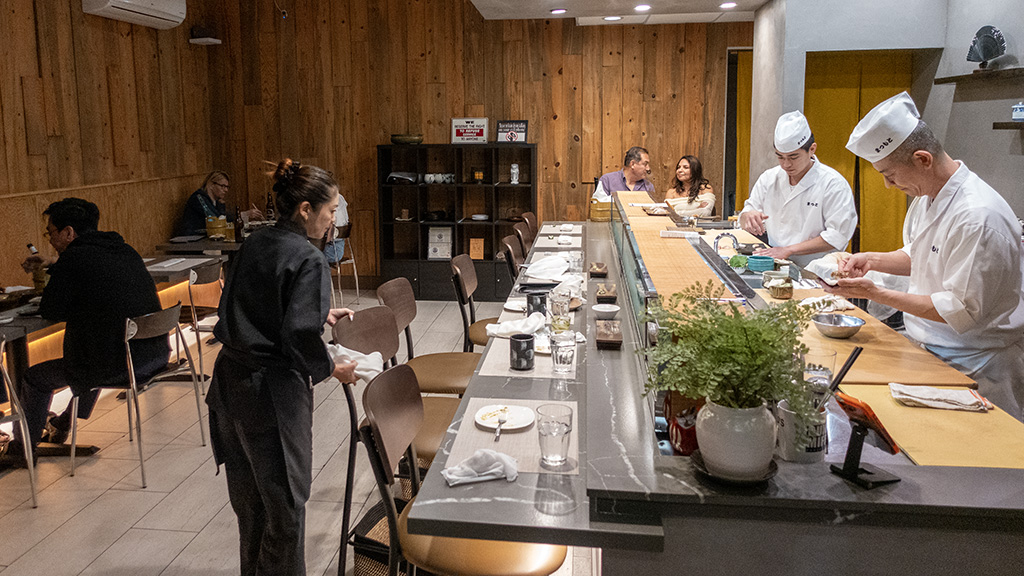
This was a traditional omakase experience at the restaurant’s sushi bar, which meant that we were able to watch the chef prepare our dishes throughout our meal.
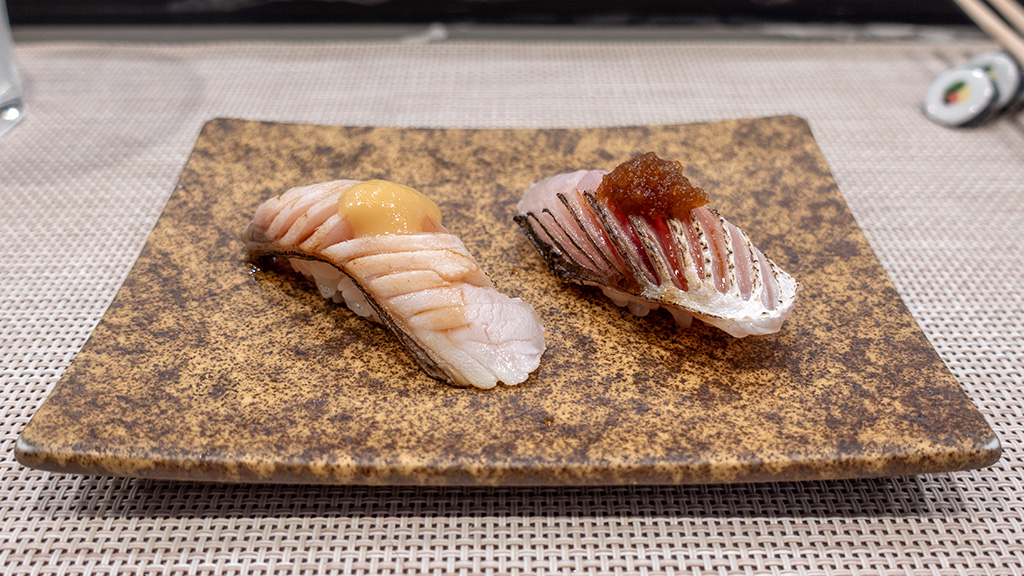
Next was Japanese Spanish mackerel (sawara) for US$7.00, and Japanese barracuda (kamasu) for US$8.50.
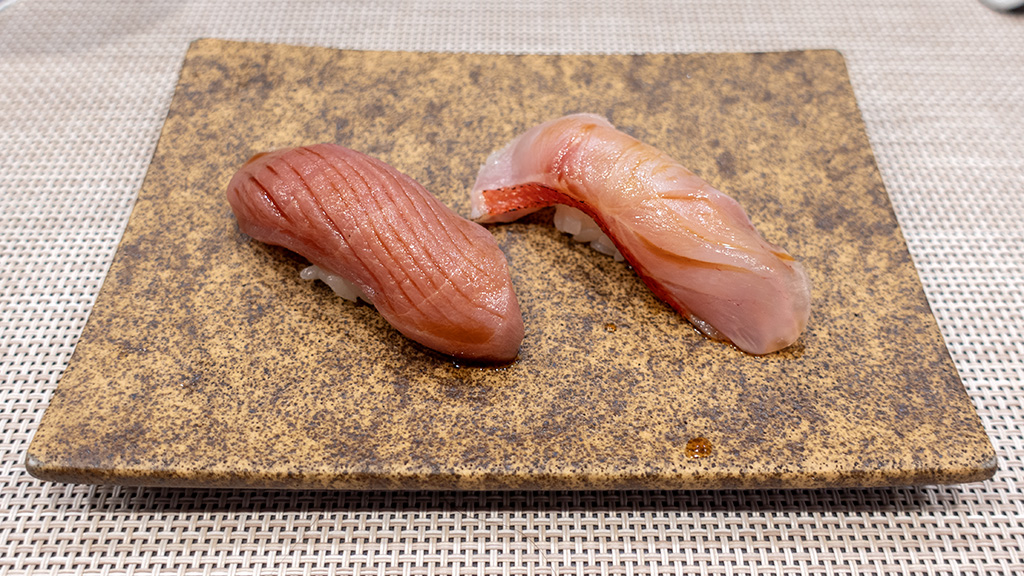
The subsequent plate had medium-fatty tuna belly (chutoro) for US$11.00, and golden eye snapper (kinmedai) for US$9.50.
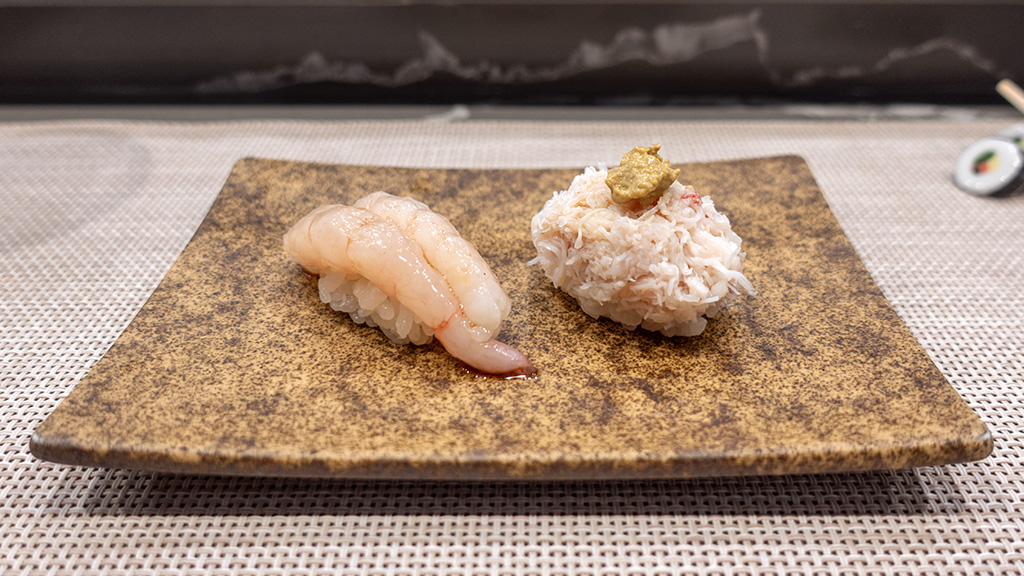
Afterwards, we got sweet shrimp (ama ebi) for US$11.00, and horsehair crab (kegani) for US$12.00.
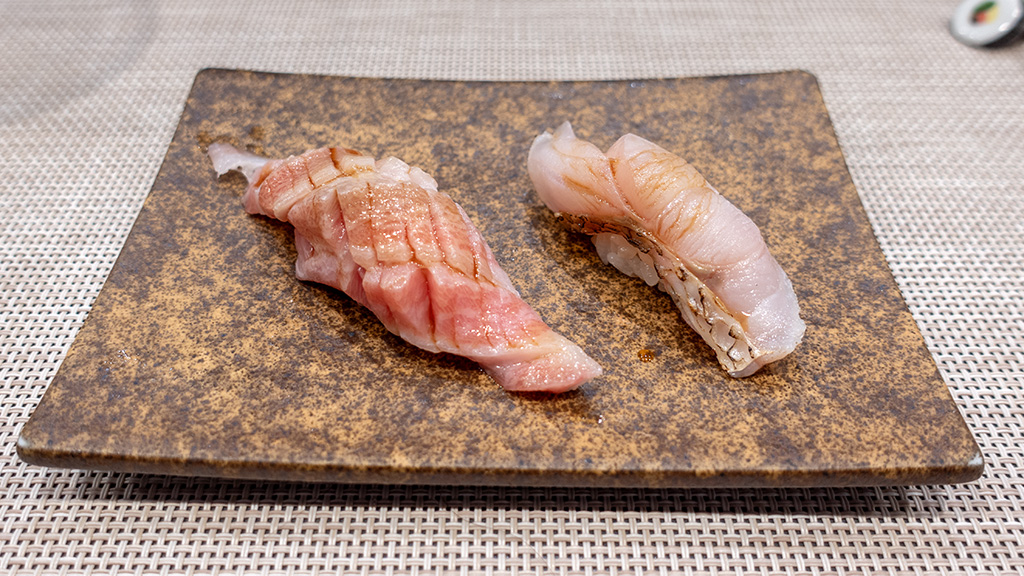
Our second-to-last plate of the regular omakase had extra-fatty tuna belly (otoro) for US$13.00, and blackthroat sea perch (nodoguro) for US$12.00.
Here is a shot of the chef preparing the final pair of the regular omakase.
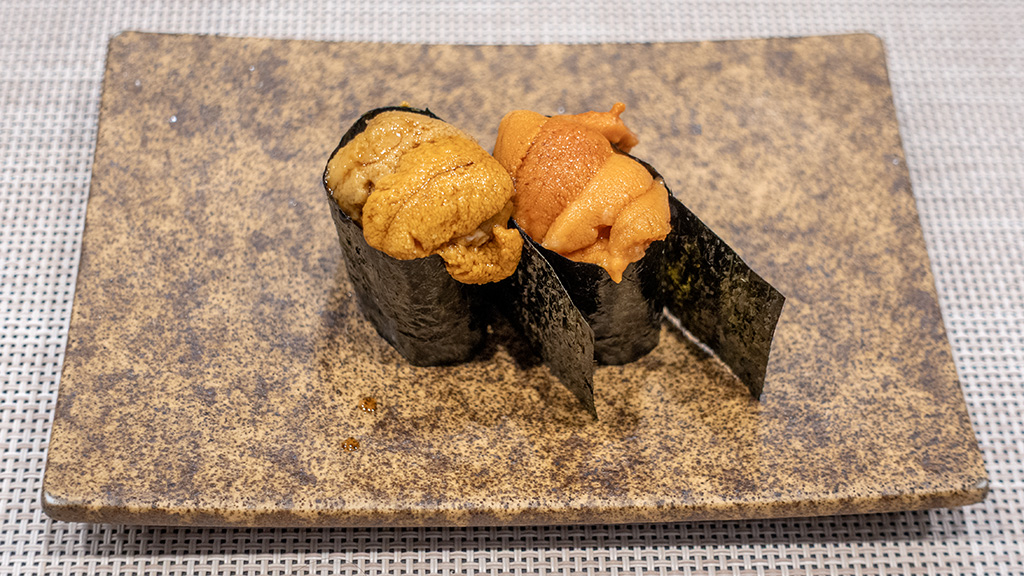
Our final plate consisted of two types of sea urchin (uni)—Bafun for US$17.00, and Mursaki for another US$17.00.
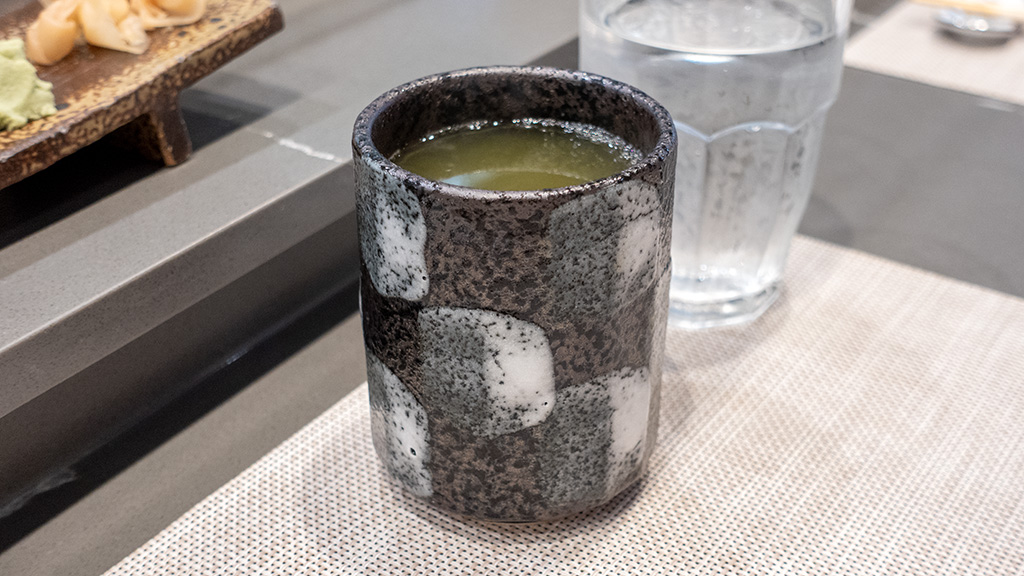
I’m a fan of colder beverages, but my friend likes to get hot tea whenever we go to a Japanese restaurant; this was her hot green tea, for US$3.00.
By this point, if you’re either familiar with sushi restaurants or have read a lot of restaurant reviews on my blog, you might have noticed that the fish we got served was fairly uncommon and unusual… which was one of my favorite things about the meal. As you can see, Matsuomoto did not serve any of the basics, i.e., no salmon, no yellowtail, and no lean tuna. All basics-adjacent fish was prepared in a way that was special, such as the fleshy tuna (akami) being soy-marinated, or the shrimp being sweet shrimp (ama ebi) instead of regular shrimp (ebi). This meant that I was able to eat an amazing variety of fish, some of which I had the opportunity to try for the very first time.

From here, we had the option of ending our meal or continuing. Each piece of nigiri was designed to be eaten in one bite, so we technically only had 16 “bites” of food so far. Although I was satisfied, I wasn’t anywhere close to full. I was having so much fun seeing so many intriguing different kinds of fish and trying new flavors that I told the chef I was happy to continue for at least a few more plates.

Our first bonus plate had jumbo clam (mirugai) for US$12.00, and baby white shrimp (shiro ebi) for US$11.00.
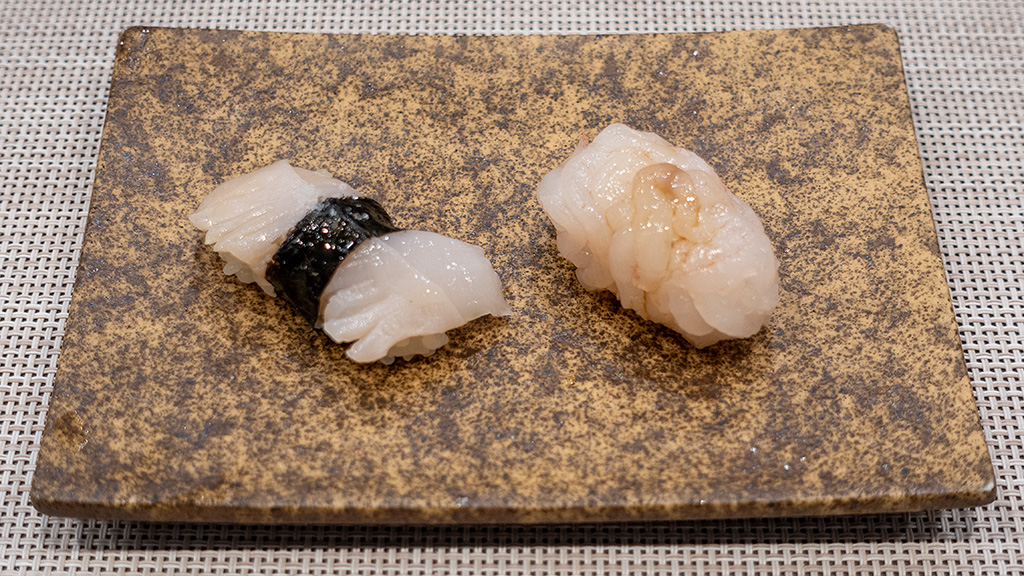
That was followed by kelp-cured Japanese horsehead tilefish (amadai kobujime) for US$8.50, and Pacific saury (sanma) for US$7.50.
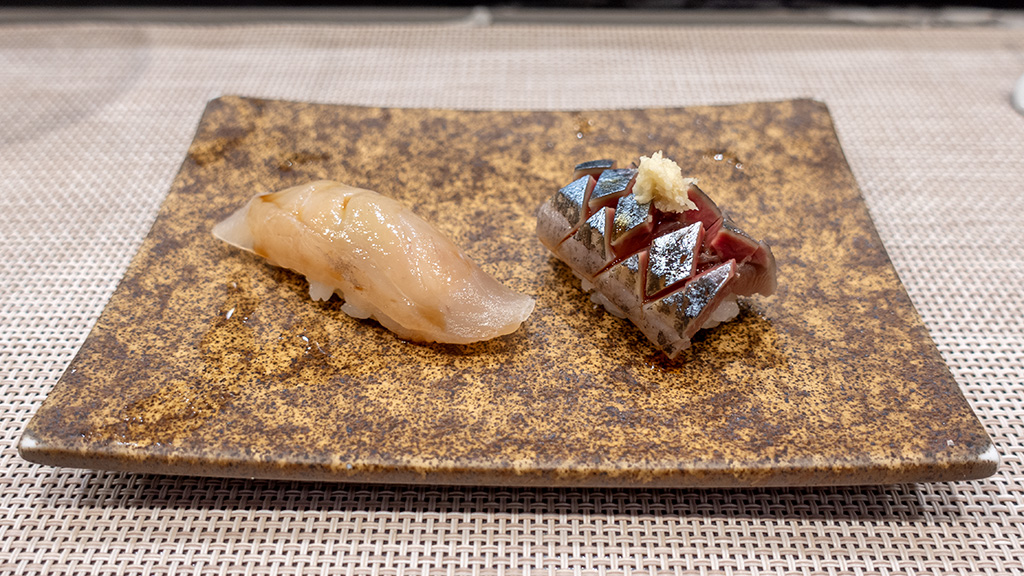
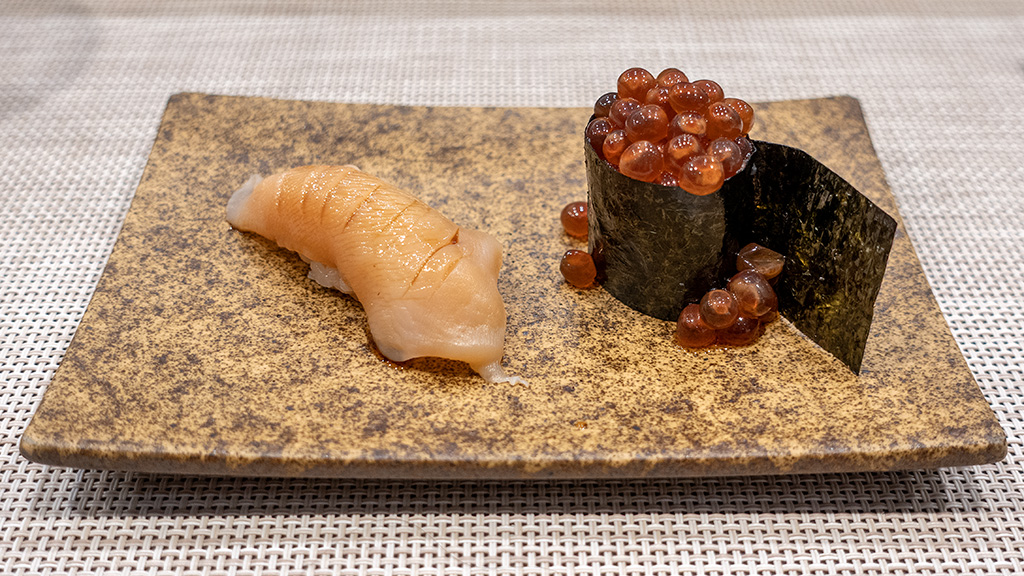
Our actual final sushi plate of the meal had round clam (aoyagi) for US$9.00, and marinated salmon roe (ikura okizuke) for US$7.00.
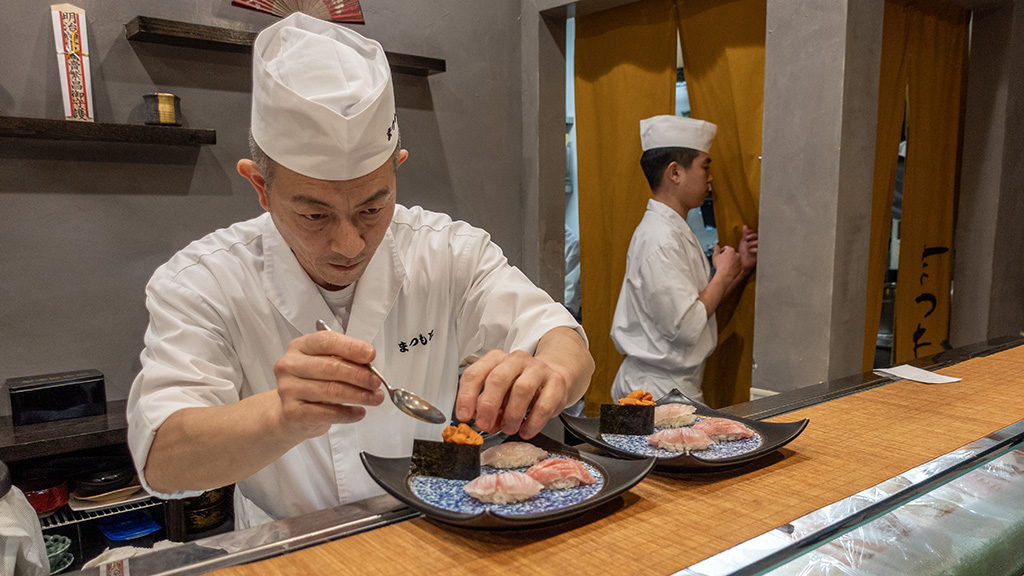
As our meal came to an end, our chef began focusing on other diners. Here is a shot of him preparing a plate for some people seated at the tables behind us.
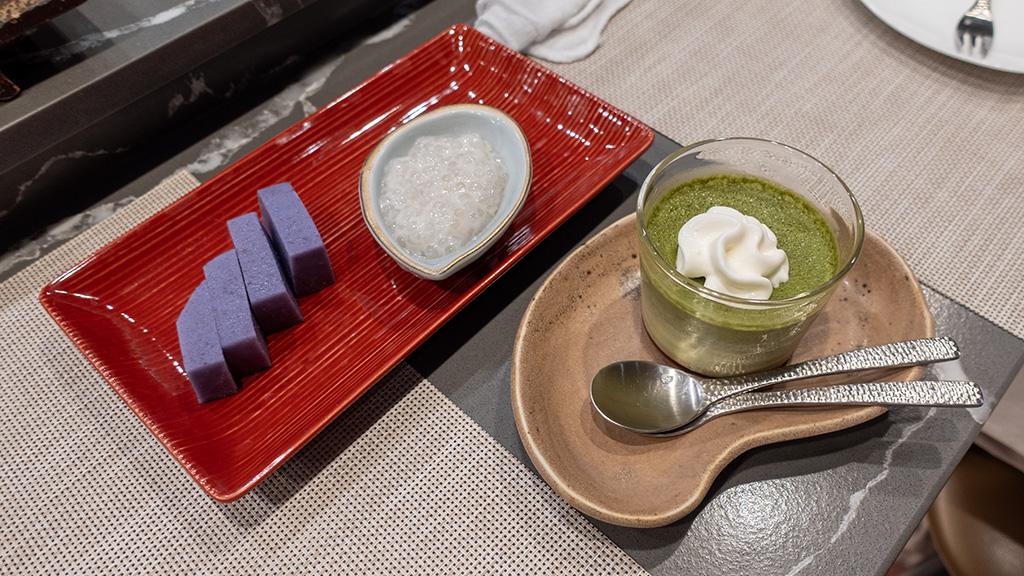
For dessert, my party shared one purple yam Yōkan for US$7.00, and one matcha pudding for US$9.00.
After finishing our meal and prior to departing, I snapped a photograph of the interior of the restaurant.
Cost-wise, this was a bit on the pricier end—just the 22 pieces of sushi came out to US$220.50 per person, excluding dessert, tax, and gratuity. With that being said, I’m very glad I got a chance to dine at Matsumoto because it exposed me to a lot of new types of fish that I think I otherwise would not have been able to try at other restaurants. The fact that sushi is my favorite food and I have gone to a lot of different sushi restaurants nationwide, yet still tried some cuts of fish at Matsumoto for the first time ever, should be a good indication of how unique of an omakase experience it provided.

I think if you’re relatively new to sushi, there are other restaurants that will offer much better value for your money by way of lower prices and larger portion sizes with comparable fish quality. However, if you’ve already been to a lot of sushi restaurants and are hoping to experience something fresh and novel, I think Matsumoto is definitely worth considering if you happen to be around the Koreatown neighborhood of Los Angeles.


—§—


Hello, Rita Deanin Abbey Art Museum in Las Vegas, Nevada

Flexibility and adaptability are two traits I value highly in myself, so I often don’t really have a set schedule or routine to my life; instead, I keep my daily agenda fluid and handle things as they come up in the order of my perceived priority of such tasks. With that being said, one thing that has still stayed fairly consistent during my adult life is that I tend to stay indoors and work during weekends so I can avoid large crowds, especially in tourist-heavy cities like Las Vegas.

However, once in a while, I will be summoned outside on a Saturday or Sunday for various different reasons. For instance, if some of my friends are in town visiting for the weekend, I will venture outdoors to meet up and spend time with them. Another example is when certain attractions have free day promotions.

That recently happened with the Rita Deanin Abbey Art Museum, an art museum located near the Centennial Hills neighborhood in the northwest Las Vegas Valley. This is a museum that I’ve had on my “want to go” list for a while now because of how unusual it is for there to be any kind of attraction like this so far and deep into the outskirts of the Valley. Admission is usually US$20.00 per person, but I noticed lately that they were running free admission promotions during the first Saturday of every month, so I seized the opportunity and headed over to redeem my complimentary visit.

After arriving at the museum, I promptly found out the rationale behind the location—this used to be Rita Deanin Abbey’s property, and during the final years of her life, she oversaw the construction of the museum on her plot of land. After her death in early 2021, construction was wrapped up and the museum opened to the public a few years ago in 2022.

This is probably one of the most unexpectedly and surprisingly nicest art museums I’ve ever been to. I assumed it would just be a small, cozy spot that showcased a limited collection of art pieces created by a local artist, but instead, it was a very professional and full-blown art museum with multiple galleries (with even an outdoor exhibit) and a wide variety of art. It had a very clean and modern theme to it, and I actually found it to be even nicer than many of the major well-funded city-namesake art museums found in a lot of large metropolitan areas across the United States.

When I was there, it was sparsely populated, even though it was on a free admission promotion day; I imagine that means that it’s even less busy on normal days, and this overall probably isn’t too popular of an art museum. I find that both surprising and unsurprising—surprising because this is a very high-quality art museum that I think deserves much more traffic and appreciation, but unsurprising because it’s so far away from all the other popular attractions in Las Vegas that it’s probably rare for people to make the trek all the way out there unless they are true art enthusiasts.

If you’re visiting Las Vegas and primarily staying on the Las Vegas Strip, then I think it’s unrealistic to thread in a visit to this art museum. However, if you’re staying closer to Summerlin or are making a trip to Mount Charleston to go on a hike, you’ll be closer to the Centennial Hills neighborhood, which in that case, I think the Rita Deanin Abbey Museum definitely deserves a spot on your list of places to consider visiting, even at the full US$20.00-per-adult ticket price.

Here are some photographs I took in the museum during my visit:


—§—


Hello, Best Friend at the Park MGM on the Las Vegas Strip in Nevada

No matter how strong my love is for Las Vegas, one of the things I adamantly hate about it is how it is commonplace and acceptable to smoke cigarettes inside casino buildings on the Las Vegas Strip. Basically every other area of the United States has justifiably banned smoking inside buildings (and even within a certain distance of the entrance of buildings), but casinos seem to be be the anomaly and are okay with jeopardizing the health of their visitors in order to satisfy smokers.

Fortunately, there is one property on the Strip that has banned smoking indoors—Park MGM. (As a side note, the Vdara also bans smoking, but it is just a resort and spa and doesn’t have a casino, and it also doesn’t have a Las Vegas Boulevard address.) In the spirit of voting with my wallet, I like to support businesses that support my beliefs, so for dinner, I decided to dine at Best Friend, a restaurant inside Park MGM.

I dined with two friends, which made us a group of three. All three of us decided to get the chef’s tasting menu for US$75.00 per person.

The first round of food came out, and as expected from a Korean restaurant, it consisted of a lot of 반찬, pronounced as “banchan” and meaning “side dish.” In addition, it also came with a side of buns, which is less common for Korean cuisine.

One thing that you might notice is that the buns came out as a set of four instead of a set of three. This is going to be a recurring theme that you’ll notice on an ongoing basis throughout this meal, which I will point out during my review whenever it was relevant.

As the first main entrée, we got slippery shrimp. This had a great balance of crispiness and tenderness. The flavor of the sauce was great, and it had a relatively light and reasonable amount of breading, which meant that the shrimp flavor was not overpowered. This was my favorite dish of the meal.

The slippery shrimp came out as two plates instead of three, so we thought that one plate was missing. However, when we pointed this out to the waiter, he replied that the chef’s tasting menu at Best Friend is more of a communal, family-style situation, as opposed to the neat, well-presented, singular dishes that you might find in a traditional chef’s tasting menu or omakase experience. Thus, he said that the slippery shrimp came out in a way where it was intended to be shared by the entire table.

Although that was unusual compared to what I am used to or was expecting, it was understandable, and it made a decent amount of sense considering that the family-style sharing of food is indeed something that is common in Asian cultures.
On top of that, the waiter said that a group of three is a fairly unusual group size for them to see, and that their tasting menu is often sized to be compatible for pairs. Thus, he said that, in situations where they can accommodate a portion size for three people, they would do it, but otherwise, we would end up getting portion sizes intended for groups of four.
Now back to the slippery shrimp. With all that being said above, there was another funny facet to this situation. In our group of three diners, we had one person who does not eat fish or seafood. This meant that this slippery shrimp entrée, which I now noticed was definitely intended for a group of four, is now being split between only two people. Luckily, it was very delicious and I was happy to eat a large portion of it, but it was quite satisfyingly filling.

Next up were Kogi tacos from Roy Choi’s Kogi BBQ Taco Truck. Because these were individual tacos, we got our proper serving of three tacos. I thought these were solid tacos, and I was not surprised when I later found out that they were made to resemble food truck tacos, as it definitely gave off that impression.

Next up was the meat. One of the plates was garlic chicken; the other was 갈비, pronounced “galbi,” which is Korean barbecued short rib.

These were gigantic portion sizes, and again, I think we got the amount of meat that was supposed to go to four people instead of just three. The galbi was good, albeit a bit heavy on large chunks of fat. The garlic chicken was passable, with decent flavor but a bit dry in texture.

With that being said, this is the point where I was getting extremely full and realized that I was getting some amazingly great value for my money, considering just how much food I was getting and the fact that I was on the Las Vegas Strip where everything is upcharged for tourists. Even though the meat wasn’t the utmost highest of quality, I couldn’t really complain about it, because it was still tasty meat, and I felt like I was getting it for way cheaper than it deserved to be.

Along with the meat, we also got kimchi fried rice. I left most of this for my friends to eat, especially the one who wasn’t quite as full as I was due to him not having eaten any of the slippery shrimp dish earlier in the meal.

Finally, it was time for dessert. I believe this is another area where we got four people’s portions instead of just two, as I think each dessert dish is designed with two people’s portion size in mind, and our waiter gave us one of each.

The first dessert was date cake. I couldn’t really tell that it was date cake; to me, it just tasted more like a chocolately cake with some good ice cream on the side.

The second dessert was what they called a “strawberry shortie,” though from what I could tell, it looked like a generic grocery store ice cream pop adorned with some sorbet and cream on the side.

Both of these desserts were fine, but at this point, all three of us were struggling to keep eating, as we were all very full.

From the outside when walking through the casino, the restaurant looks tiny because the only area you can see from the storefront windows is the front “retail and bar” area. However, once you go through a hallway, there is a much larger dining area.

Here are some photographs I took of the inside dining area and kitchen, which includes its own bar:

And here are some photographs I took of the aforementioned retail and bar area, which does actually seem to sell merchandise, as well as have some bar dining options for people who just want a quick and more casual meal:

If you weren’t able to tell already, I have one very obviously and very important recommendation: if you want to try the chef’s tasting menu at Best Friend, go as a group of three instead of a group of two or four. Surely at some point they are going to address this loophole and figure out a way to not have to give an extra portion of food to every group of three, but until then, I think Best Friend is probably the one restaurant on the Las Vegas Strip where you will absolutely get top value for your money.

With that being said, even if they do patch this loophole, I still think Best Friend is a pretty good restaurant.

For context, I’m personally not a huge fan of Korean cuisine because I usually find it to just be way too salty and greasy for my preferences, and I think Korean cuisine tends to just overload your taste buds with primitive satisfaction (i.e., through egregious amounts of salt, sugar, and fat) rather than focusing more on refined, pure flavors that are considered desirable in fine dining. Also, my parents are Korean and I grew up eating a lot of Korean food that my mom made, but she was not a good cook, so my brain sort of has the idea ingrained in it that Korean food in general is not that good.

With all that in mind, and even as someone who might be biased and predisposed to not liking this restaurant because it’s Korean, I still liked Best Friend.

Now obviously, a US$75.00-per-person meal isn’t necessarily cheap either, but prices have gotten absolutely wild on the Las Vegas Strip lately, so comparatively, $75 is not bad. Considering that they’re basically serving you enough calories in a single meal to last you an entire day (or more, if you do the three-person hack), if you take into consideration the amount of food along with the unique atmosphere and dining experience that comes along with the restaurant, I think it is absolutely worth my recommendation.


—§—


Hello, Jeune et Jolie in Carlsbad, California

I recently did a very short road trip from Los Angeles County to San Diego, California to attend an event at the San Diego Convention Center. I took a few stops to be a tourist along the way, one of which was at Jeune et Jolie to try their French tasting menu for dinner.

I usually don’t care too much about the Michelin Guide; instead, I decide on places to dine through reading other normal people’s reviews online and browsing through restaurants’ menus to see if there are any unique experiences or innovative dishes that I can try. I found Jeune et Jolie through my regular process, but later found out that they also had a Michelin star for 2025.

I had a reservation for 5 PM, which was right at opening time. Because this was basically a dinner for me during a solo drive, I booked my reservation for a one-person seat at the bar so that I wouldn’t occupy an entire table that could potentially go to someone else. Unfortunately, this didn’t give me an ongoing view of the kitchen, but it did allow me to chat with some of the bartenders and dishwashers who were working on the opposite side of the bar.

Upon arrival, I was brought to my seat at the end of the crescent bar. The tasting menu here isn’t a preset menu, but rather, a selection of items from which you can pick a dish from each course category. After browsing the options, I pretty quickly knew what I wanted, so I placed my order with my waiter.

While my first dish was being prepared, I was given a complimentary caviar bite as my amuse-bouche. The intensity of the caviar was unexpectedly mild, but it was still a nice starter.

My first course was Anderson Ranch lamb tartare with apple, beet, and mustard seed.

Similar to the caviar, I thought the lamb tartare was a bit mild, and I would’ve appreciated it if it had a bit more intensity in the lamb. With that being said, it was served with apple and beet, which added a clean and refreshing taste to the flavor profile. Because of that, I’m not sure if the lamb was actually too mild, or if it was the juiciness of the sliced apple and beet that was prematurely cleansing my palate prior to being able to fully appreciate the lamb flavor.

I don’t drink alcohol, but I do like trying unique non-alcoholic beverages. Along with a wine pairing, Jeune et Jolie also had a sans espirit pairing to go along with their tasting menu, which I opted to add to my dining experience.

The first non-alcoholic drink to supplement the first course was Kally’s Early Cabernet with notes of cherry, Lapsang tea, black pepper, and thyme. As you’d probably expect from the description, this had a deeper fruit flavor accompanied by a subtle kick.

In between the leading two courses, I was given some bread with lemon butter. The texture of the bread was amazing, and the lemon butter had a fantastically delicious balance of citrusy and fatty flavor. The bartender conveniently encouraged me to save a bit of the bread for the next course to use as a dipping instrument for any leftover sauce.

My second course was San Diego spiny lobster with sweet potato, sherry, and sage.

This lobster had a great balance of tenderness and firmness such that it gave a very fun and satisfying textural experience during chewing that you’d expect from high-quality seafood. The sauce enhanced the lobster well, and after I dipped some bread into the leftover sauce like the bartender recommended, I felt like the sauce even enhanced the flavor of the bread as well.

The drink to go along with the lobster was called Vanille, containing notes of hojicha, burnt vanilla, and smoked shoyu. This was my favorite beverage from the sans spirit pairing; it had a deep, bitter flavor profile, but it was a good type of bitter that was rich in flavor and doesn’t make you reflexively scrape your tongue against the top of your mouth.

Next up was Deer Meadow trout with gooseberry, spinach, and matsutake.

To me, this tasted like a regular fish dish. I could tell that it was high-quality trout that was prepared well, but otherwise, it wasn’t particularly memorable. What was memorable, though was the sauce… because it was way too salty. I’ve only seen this level of saltiness work alongside extremely fatty foods where the salt has a lot of flavor to extract and work with; in my opinion, I don’t think this trout was quite at that level where the saltiness of this sauce worked in its favor.

The beverage paired with the trout was the Blanc, made from dealcoholized chardonnay and containing notes of gooseberry, tarragon, and vanilla.

The fourth and final course was gâteau au fromage with grape, Mascarpone, and puff pastry.

I liked this dessert because it wasn’t too sweet, and instead relied on a nice variety of fruity flavors (rather than sugar) to carry the dish. It was also fun to eat due to the puzzle of balancing all the components to make sure each ingredient was present in each bite.

The final beverage to accompany the dessert was Cerise with notes of cherry, sasparilla, licorice, and vanilla.

For drinks paired with desserts, I usually notice that the dessert is pretty sweet and the drink is pretty bitter, and those two flavor profiles combined strike a nice balance. However, for this gâteau au fromage and Cerise couple, it conformed more to the “birds of a feather flock together” philosophy rather than “opposites attract.”

And if you’re curious, that brown thing on top of the ice cube is a coffee bean. I did not notice what it was during my sips and it eventually made its way into my mouth, so I bit into it, only then identifying the object and discovering that it was not intended to be edible…

Upon the conclusion of my meal, I was given a cookie and a dusted chocolate truffle to eat while remitting payment and signing the check. I liked the cookie and enjoyed the berry coating on it.

During the waiting time in between my dishes, I snuck in some photographs of the restaurant.

When I caught a window of opportunity when the wait staff wasn’t in the way, I walked over to the kitchen to snap a photograph of that as well.

The restaurant also had an outdoor dining area, though it seemed like almost everyone preferred the interior that day instead.

Tasting menu$ 120.00
Homard$  25.00
Sans espirit pairing$  65.00
Sales tax (7.75%)$  16.28
Gratuity$  40.00
Total$ 266.28
The table to the right shows how much I paid.

Homard is “lobster” in French. Due to the extra premium nature of the menu item, there was a US$25.00 upcharge compared to the other items that you could select for the second course.

If you read a lot of my food blog posts, you might think that this is relatively cheap, but keep in mind that I went alone and this was the bill just for myself. When I dine at high-end restaurants, I usually go together with a friend (usually preferring a woman who is good at cooking and is a food enthusiast) because I like discussing the details of the food with my companion. However, that was logistically too difficult to arrange this time around, so I took this dinner solo.

When I first saw the price of the tasting menu prior to showing up at the restaurant, I thought it was surprisingly low, especially for a Michelin star restaurant in Southern California. However, after finishing my dinner, I knew why that was the case—the portion sizes are very small. At the end of this meal, I felt like I had eaten not much more than just a hearty snack.

Luckily, I was headed to my hotel after this, and because of my Marriott Bonvoy elite status, I had access to the executive lounge along with a food and beverage credit. To put things into perspective, after checking into my hotel, I was hungry enough that I ate a whole margherita flatbread, a bowl of risotto, and an assortment of miniature pastry desserts to fill the gaping void that this tasting menu left in my stomach.

To relieve the curiosity of anyone who may be wondering, I figured it would be worth sharing the other options from the tasting menu that I passed on in favor of the foods I selected above:

  • Premier: Amberjack crudo with plum, shiso, kombu, and verjus; or oeuf with sweet corn, chanterelle, coffee, and black truffle.
  • Deuxième: Potager with artichoke, zucchini, rhubarb, fromage blanc, and lardo; cabillaud with porcini, persimmon, and kombu; or Hollander Farms pigeonneau with green garlic and leek.
  • Troisième: Gnudi with ricotta, mimolette, carrot, lavender, and fines herbes; Klingeman Farms pork with fig, turnip, and walnut; or Lone Mountain entrecôte with sweetbreads, Swiss chard, mushroom, and bordelaise.
  • Quatrième: Pêche with corn, basil, and white chocolate; or chocolate with anise hyssop and cocoa nib.

One thing to keep in mind is that high-end restaurants like this regularly change their menu on the basis of what is available in season, so if you choose to also dine at this restaurant, not all of these options may be available for you, especially if you visit outside of autumn.

I’m torn on whether or not I would recommend this restaurant, and to whom. I think if you compare this to other Michelin star restaurants, it is completely reasonable… which is to say, pretty expensive (which is why I usually end up not going to much Michelin star restaurants, because I think the value proposition is not the best). I think the food was good overall, and the service was fantastic (which you can probably tell by the unusually high gratuity coming from me, someone who thinks tipping culture should be abolished in the United States).

I think if you want to go on a cute date to a special spot and don’t have a large appetite, then this could be an experience that is worth having. However, if going to a restaurant with a vibe and atmosphere of this nature is not one of your priorities, then you might want to keep searching for more restaurants to consider.


—§—


Hello, Museum of Making Music in Carlsbad, California

I’m currently in the process of traveling from Las Vegas to San Diego for an event at the San Diego Convention Center. Instead of flying straight there, I decided to stop by Los Angeles County first to visit some friends, then finish the journey via car. I could’ve just finished the drive in one session, but I decided to split it up and spend some time in northern San Diego County being a tourist because it’s conveniently on the way there.

Because of how much traveling I’ve done in the United States, I have begun to vaguely fall into the “basically seen everything” bucket at this point (for my country). Consequently, when I visit a new city, I like to check stuff out that is unique and distinct to that particular city that I can’t find elsewhere; this strategy has helped me continue my exposure to novel experiences throughout my adventures.

On an unrelated note, I like music.

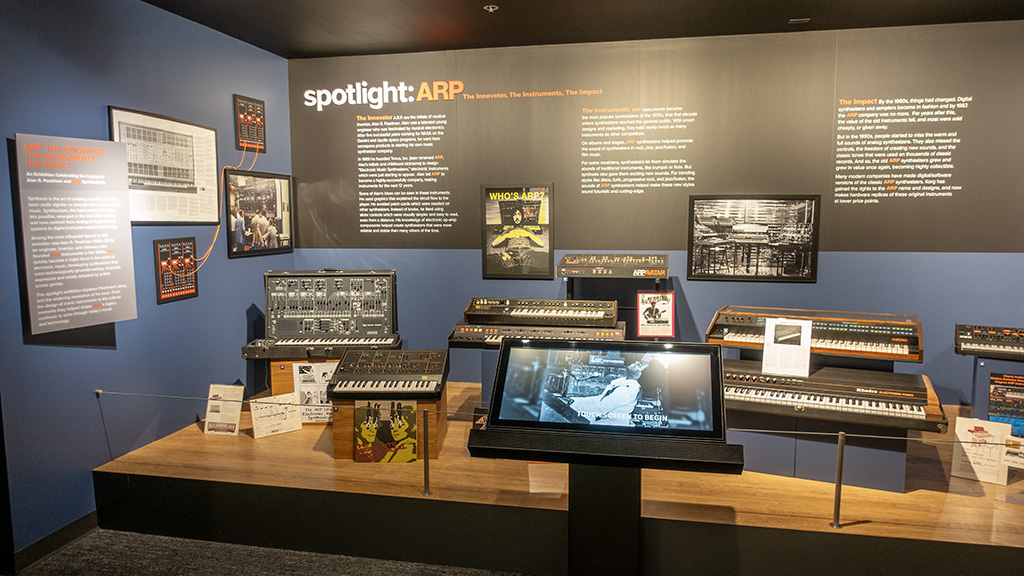
One of the activities I decided to do part-way to San Diego was to visit the Museum of Making Music in Carlsbad, California. I felt like this museum hit my two aforementioned metrics well—I haven’t really seen too many other museums dedicated to music (the only other one that comes to mind that I’ve been to is Studio Bell, Home of the National Music Center), and it covered one of my topics of interest.

Upon entering the museum, I paid US$15.00 for a general admission ticket and was greeted by a docent who spent some time showing me an introductory short film and explained how to get the most out of my museum experience. From there, I was on my own to explore at my own leisure, which I did for the next couple hours.

I was a little tight on time because I had a dinner reservation for 5 PM PDT that day, which I picked as the earliest available time slot due to wanting to finish the drive to San Diego that same evening and make it into my hotel before it got too late into the night. Sometimes, a couple hours is enough for a museum, but at the Museum of Making Music, I felt like a couple hours is only sufficient for a rushed experience.

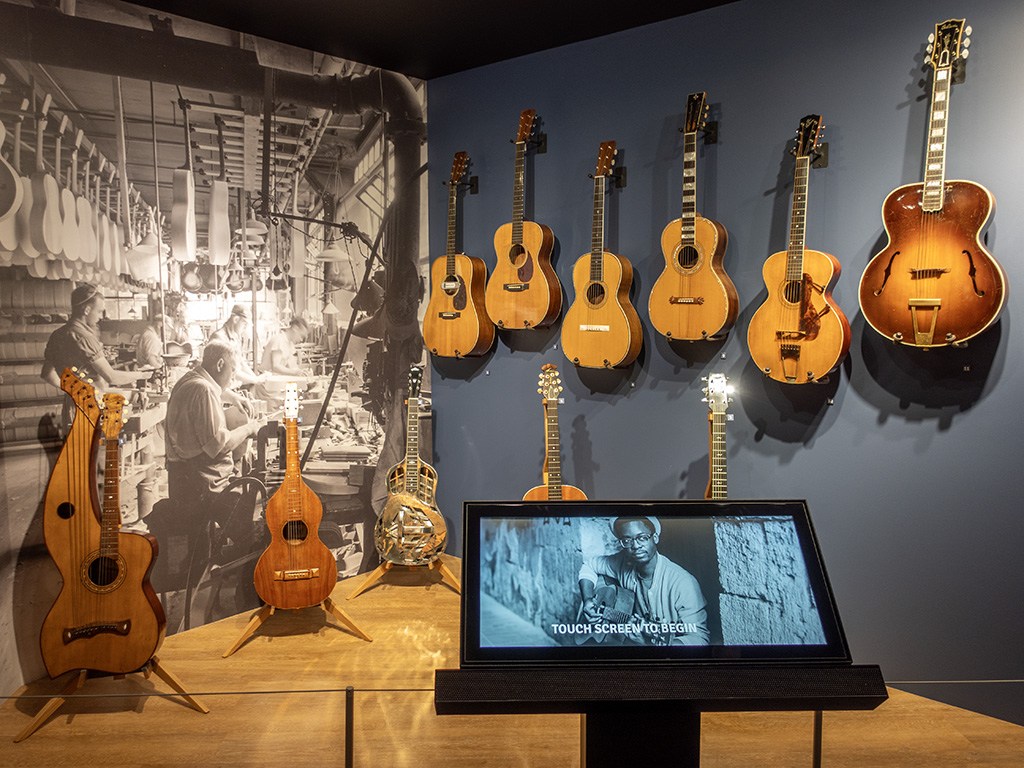
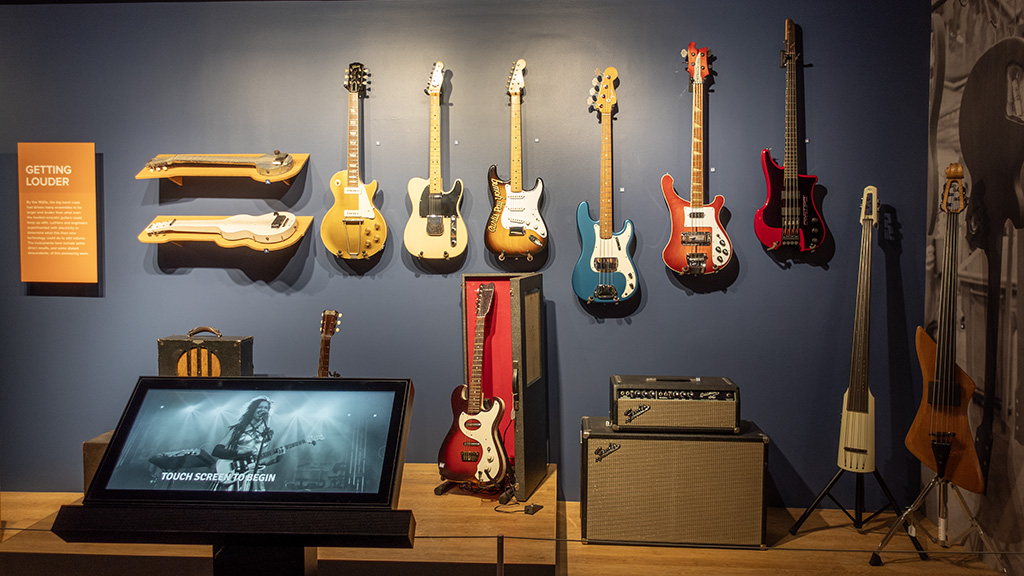
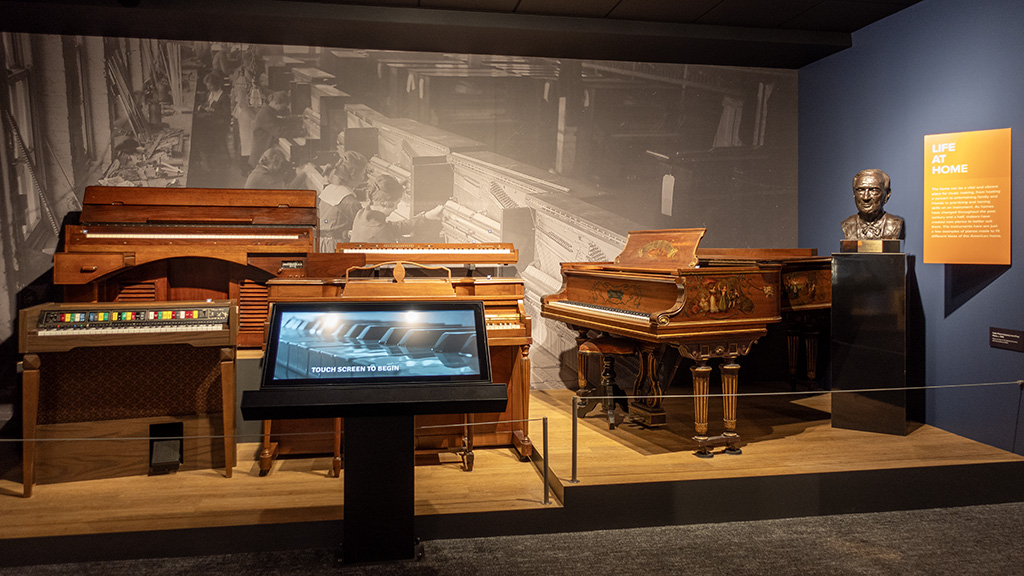
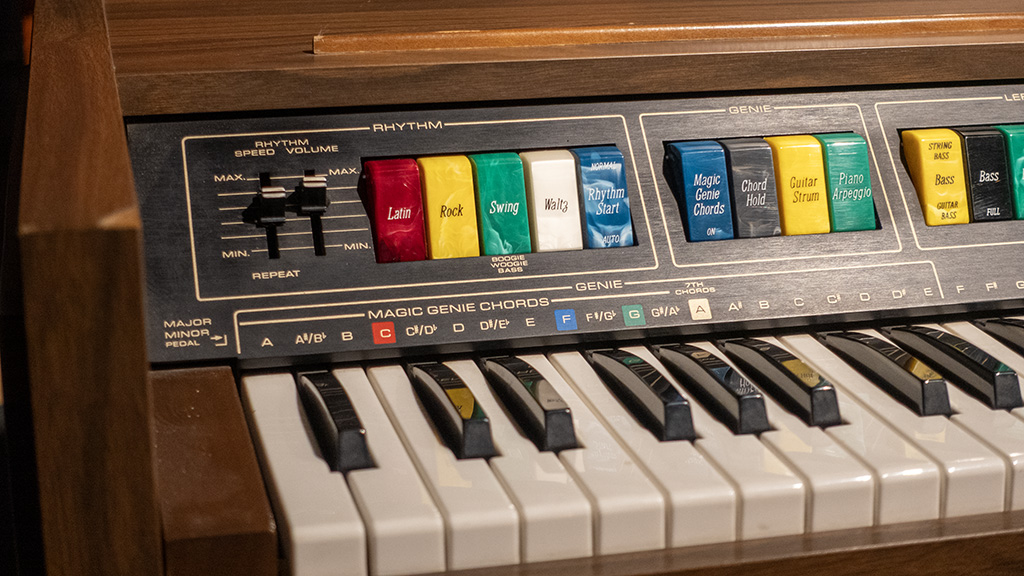
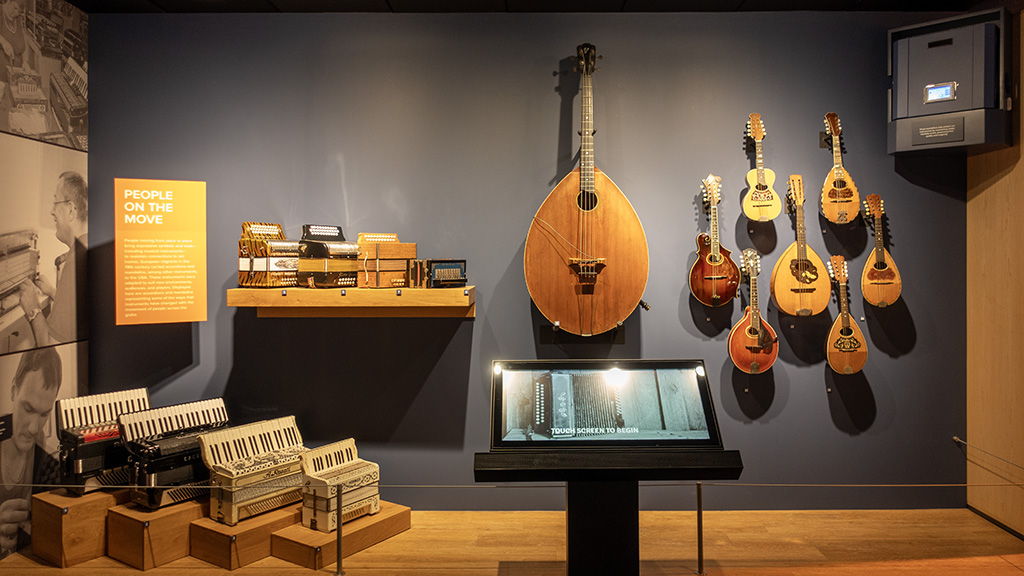
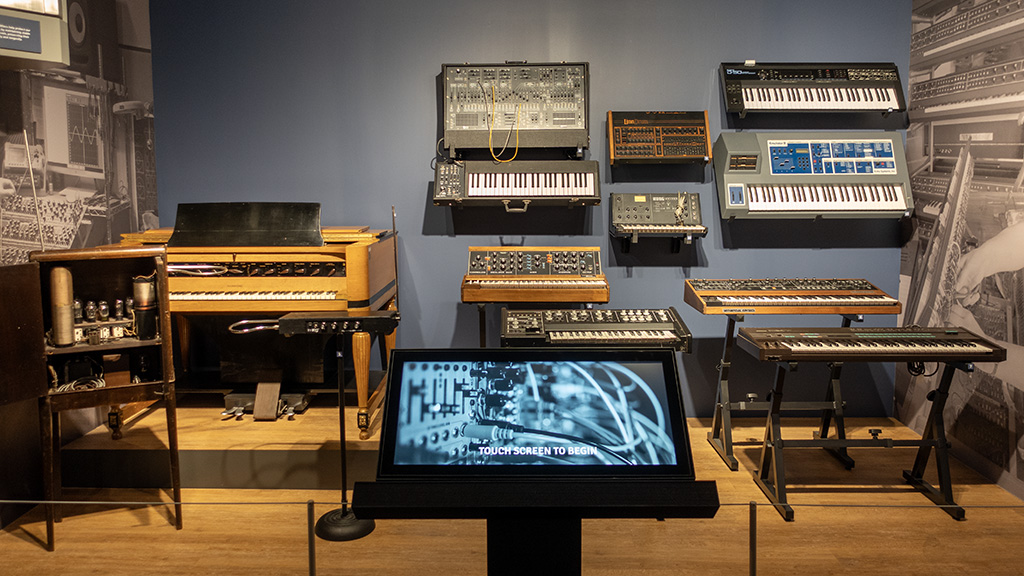
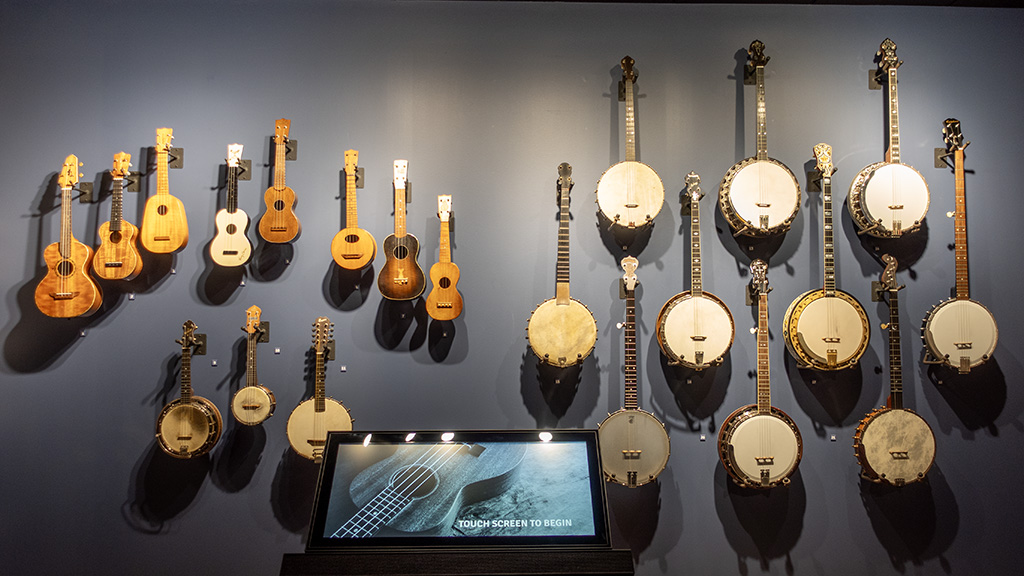
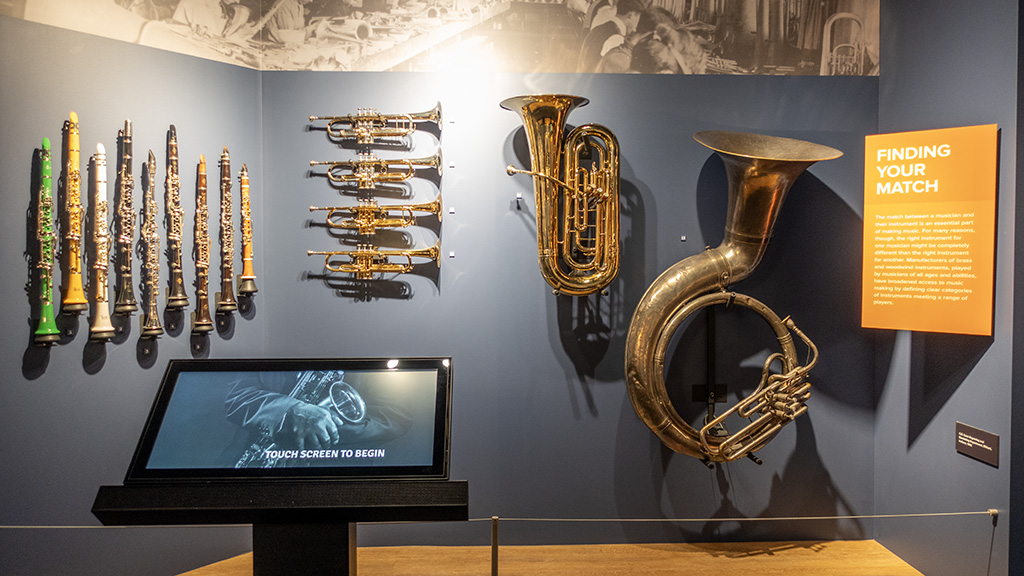
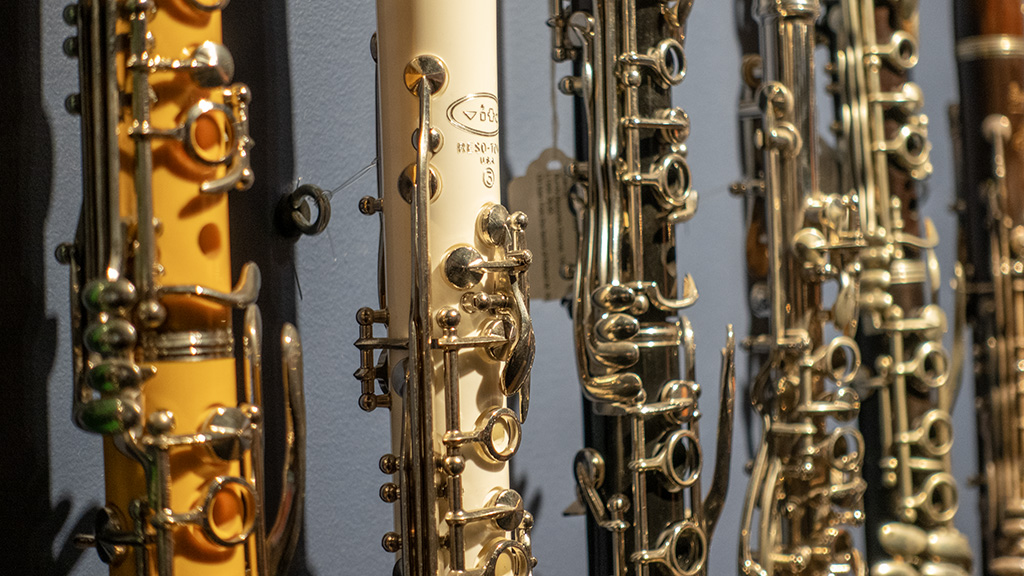
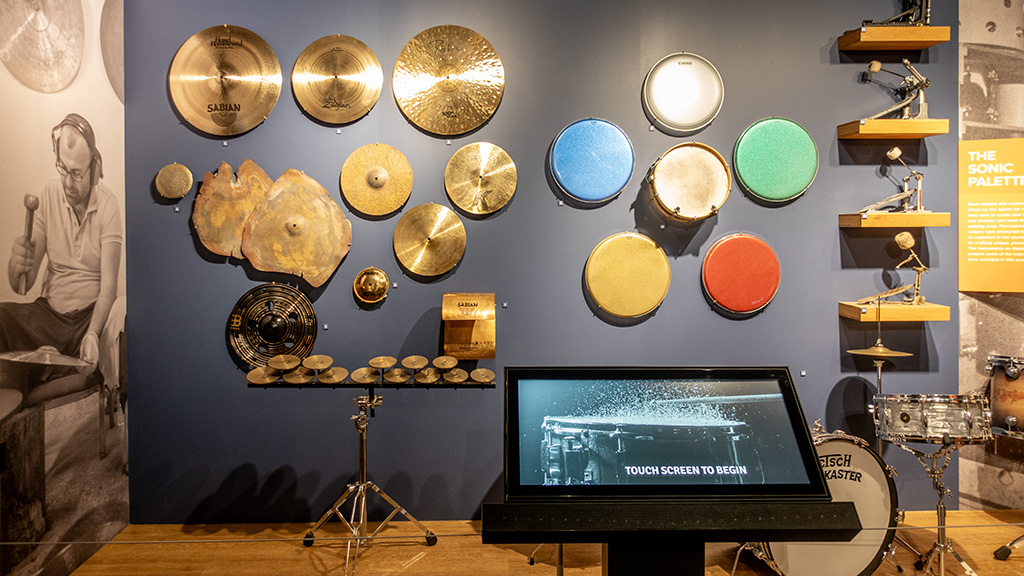
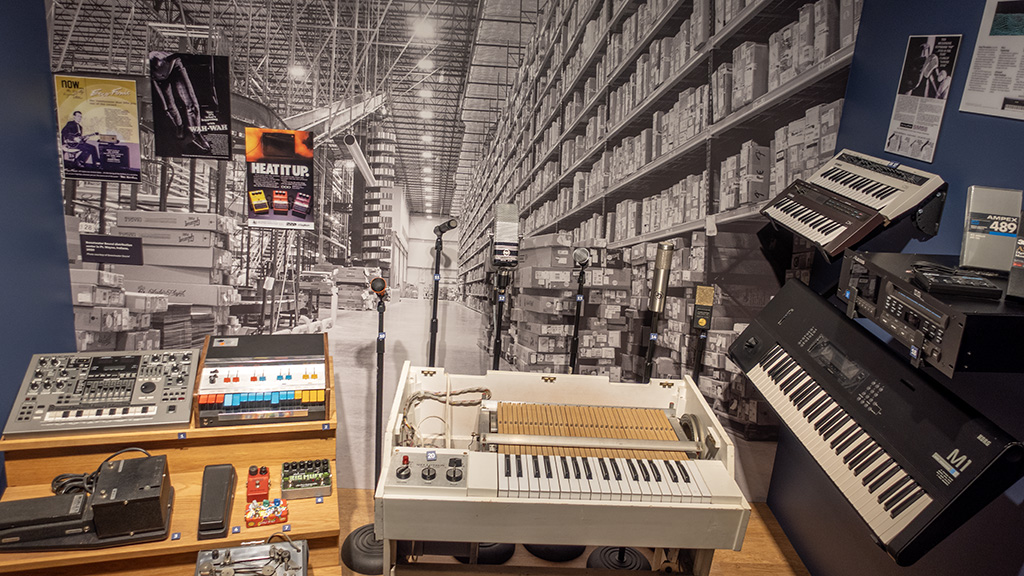
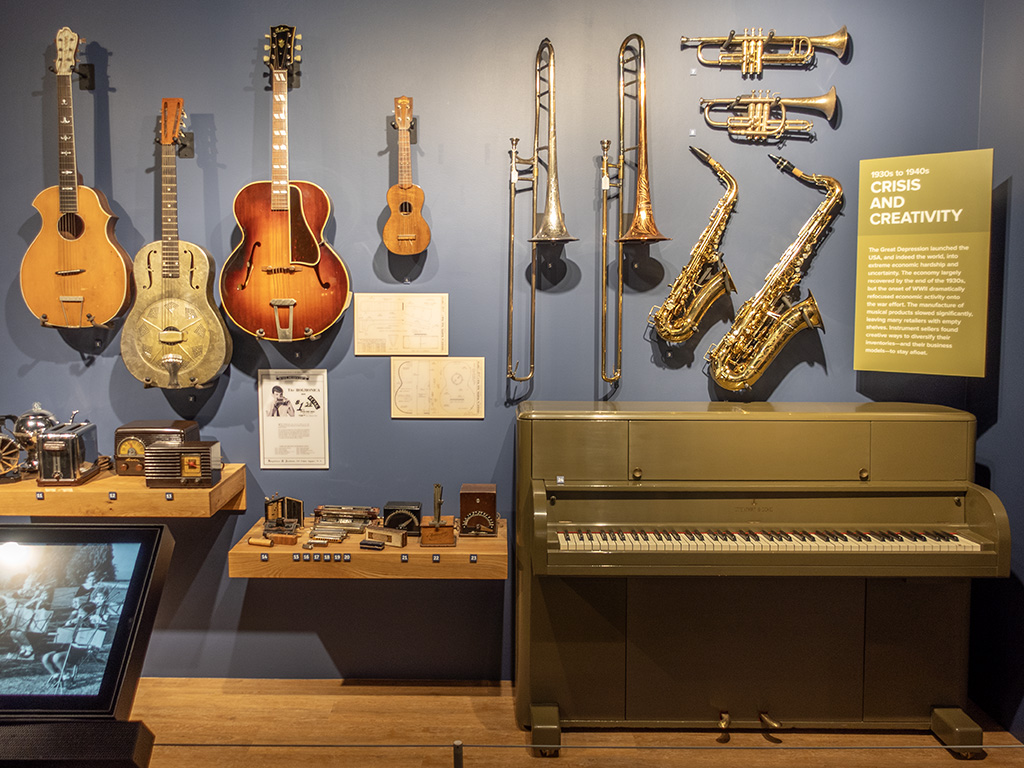
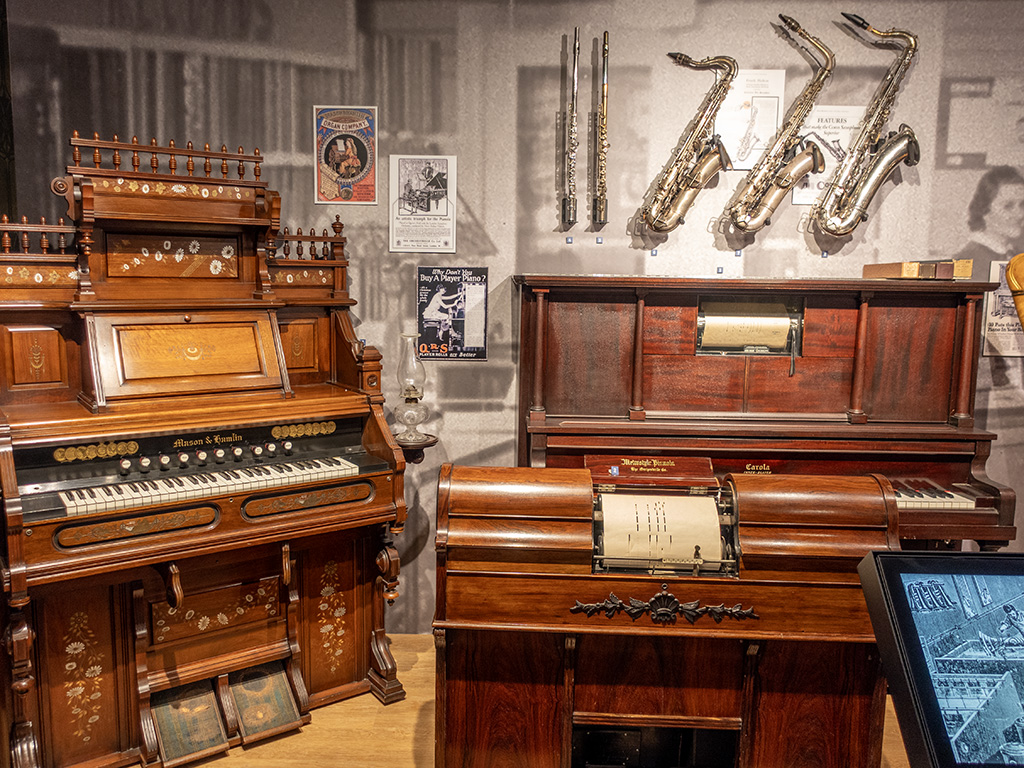
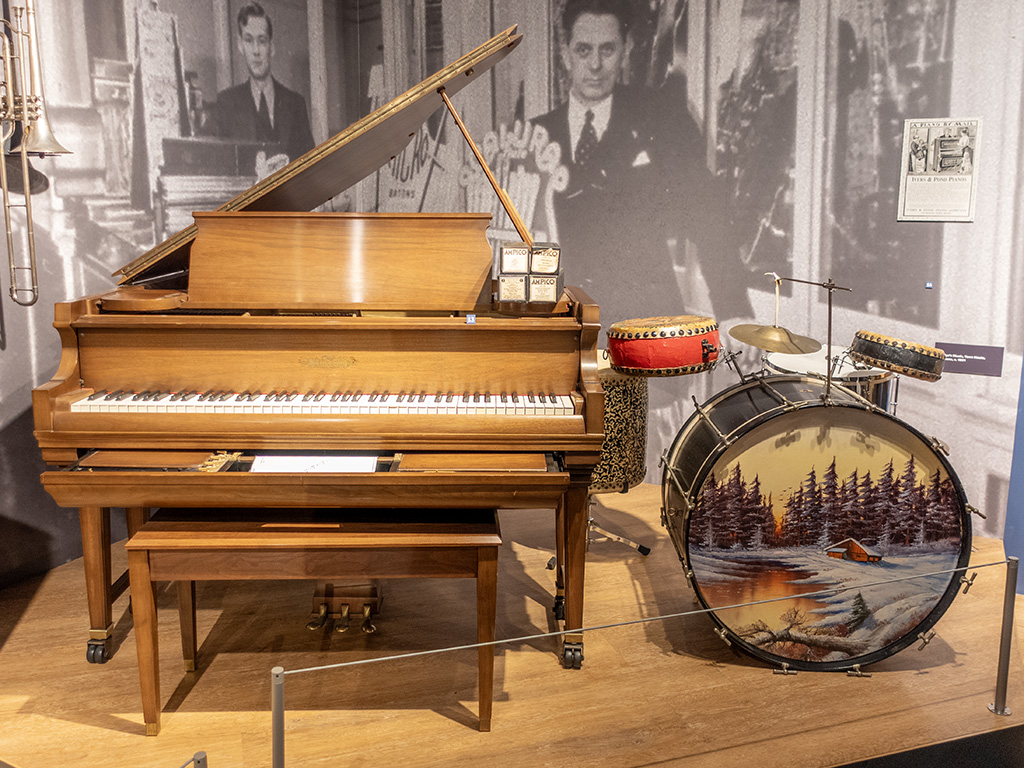
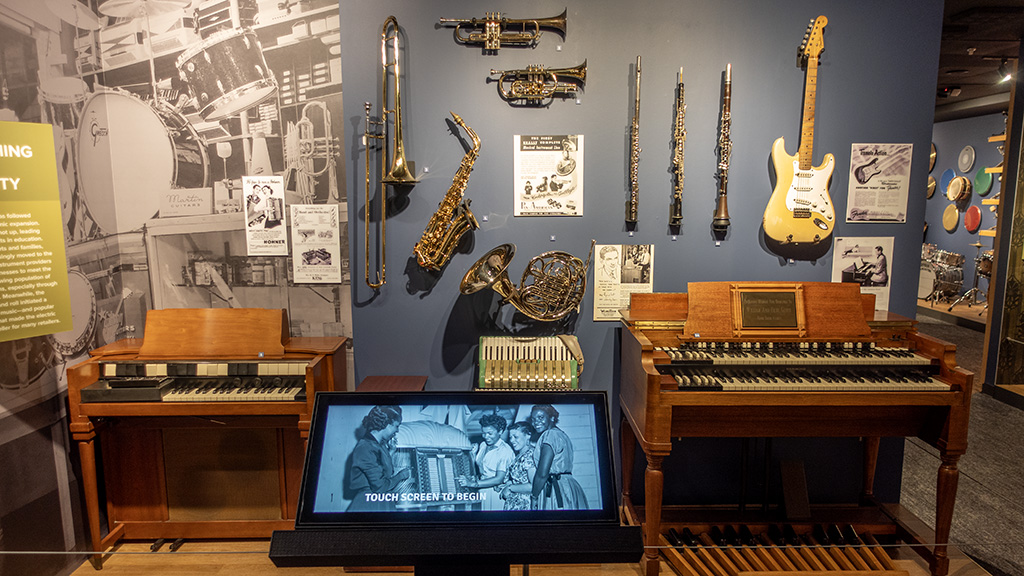
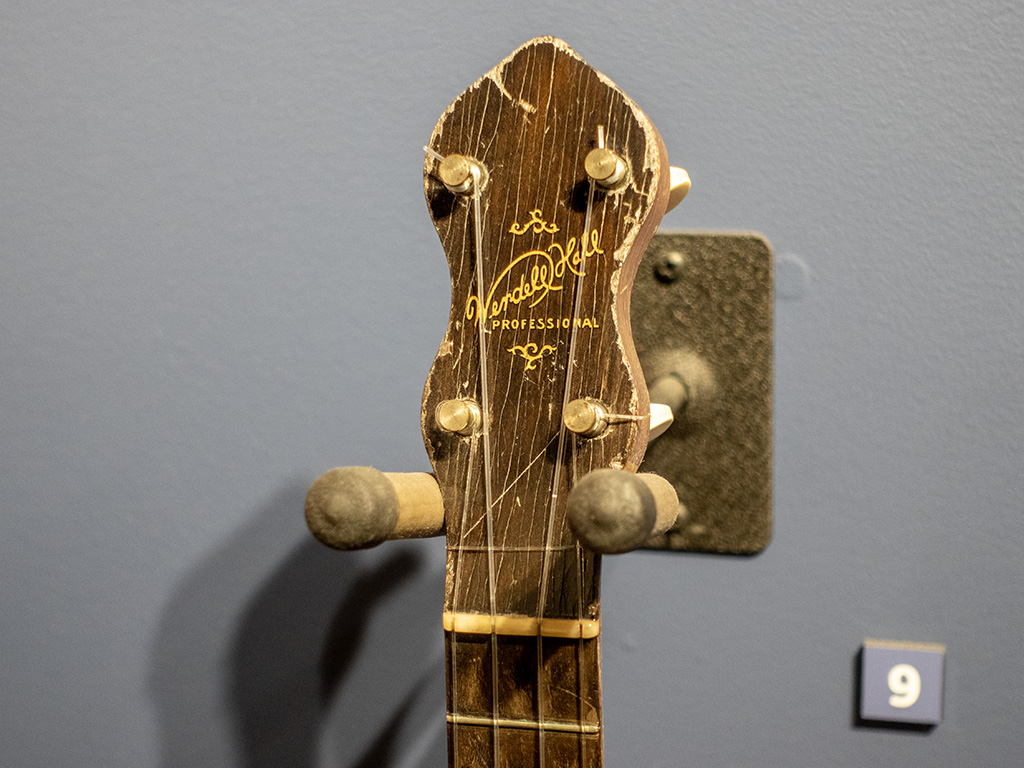
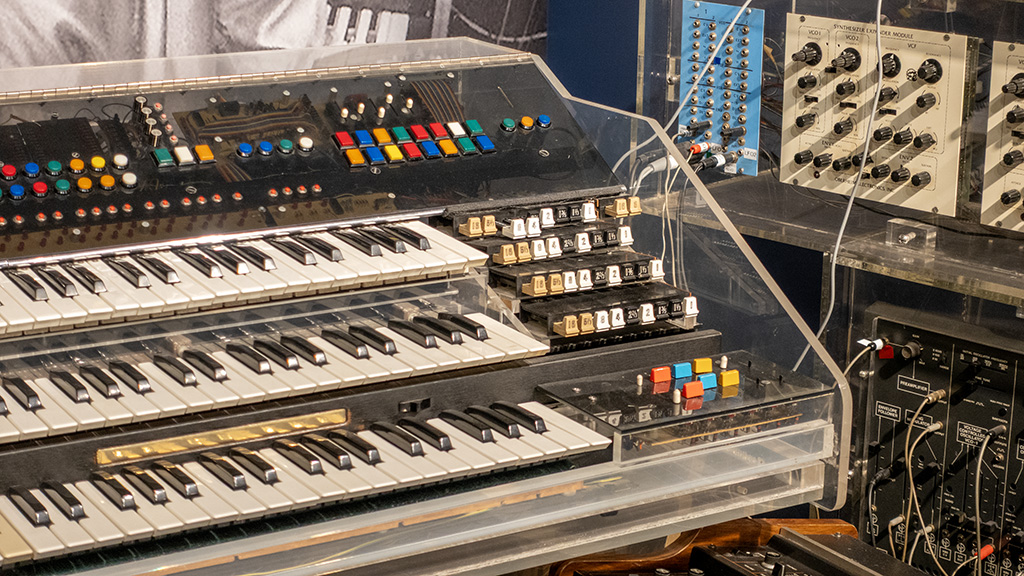
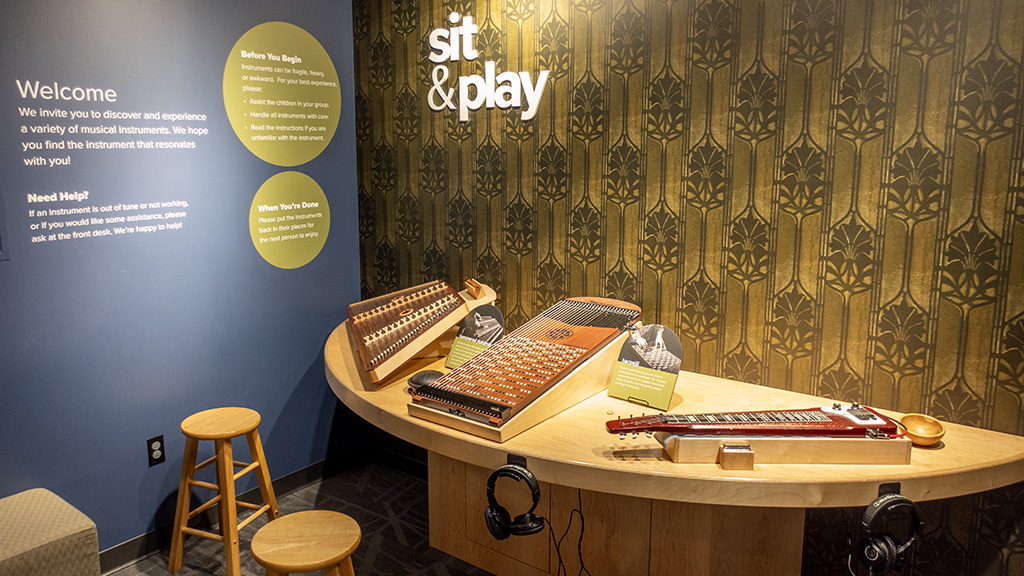
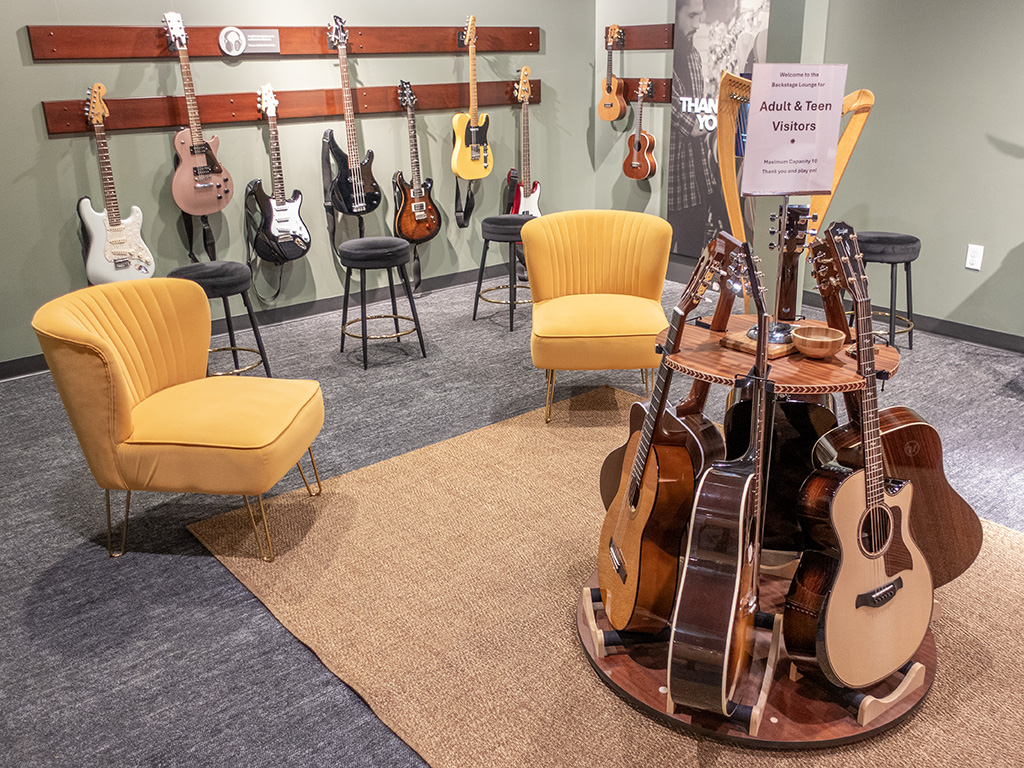
Each station not only had many instruments in the exhibit, but an interactive screen where you could learn more about each item on display. It also had a lot of videos with performances using the displayed instruments, along with behind-the-scenes looks at how makes and models of those instruments are produced. Beyond just the exhibits, there were also sections of the museum containing sample instruments that you could try out.

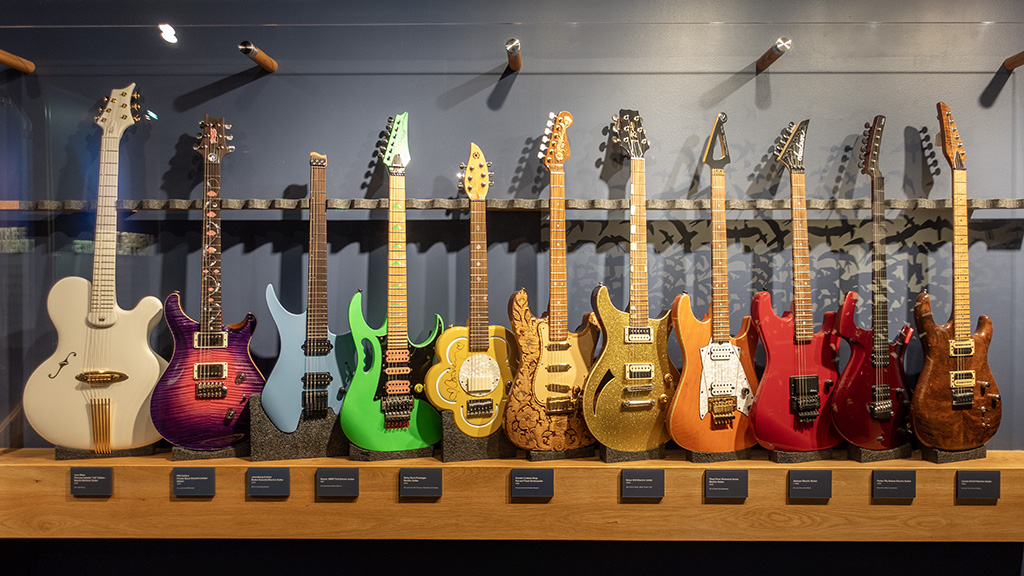
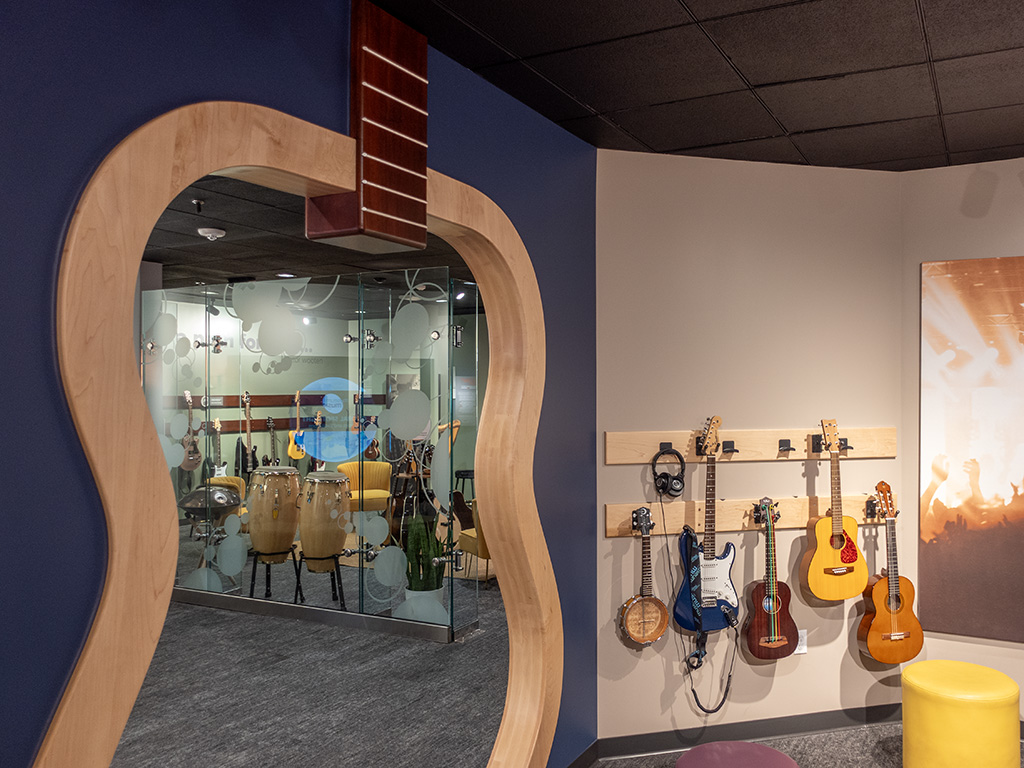
I think if you just want to quickly skim the exhibits and look at things, a couple hours is fine. However, if you’re a music enthusiast like me, you can easily fill 4-5 hours (or more) in this museum by reading all the information about the exhibits, watching the videos of performances, learning about how all the instruments are made, and playing all the instruments in the sections you’re allowed to touch. There are a nice variety of guitars available to try—even some decently pricey ones. There was also a DJ controller with a tutorial so you can learn how to mix music.

After my somewhat abridged experience, and considering its relatively low admission price compared to other Southern California museums, I would recommend it for pretty much anyone—a glowingly high recommendation for those passionate about music, and a moderate recommendation for everyone else.

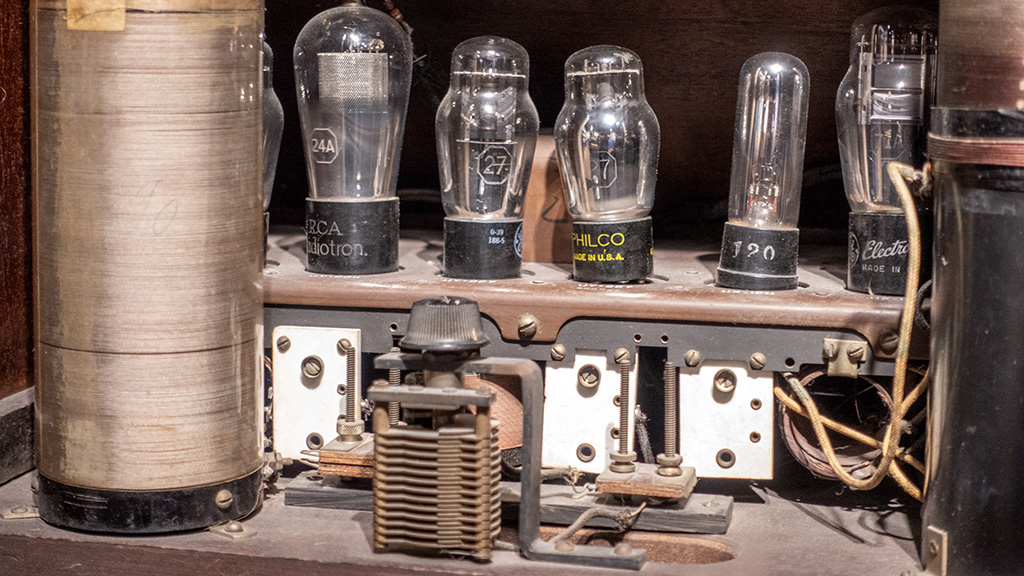
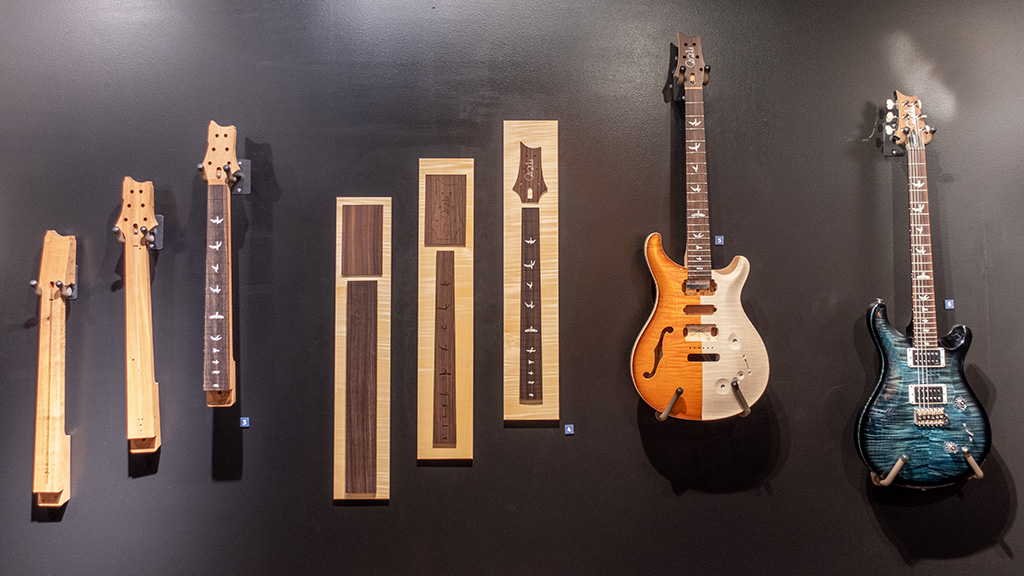
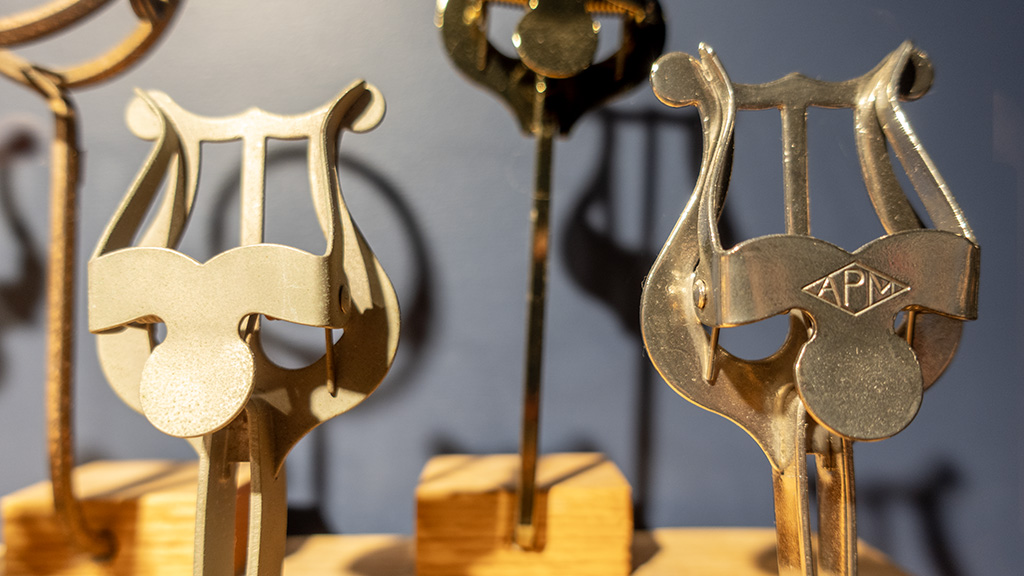
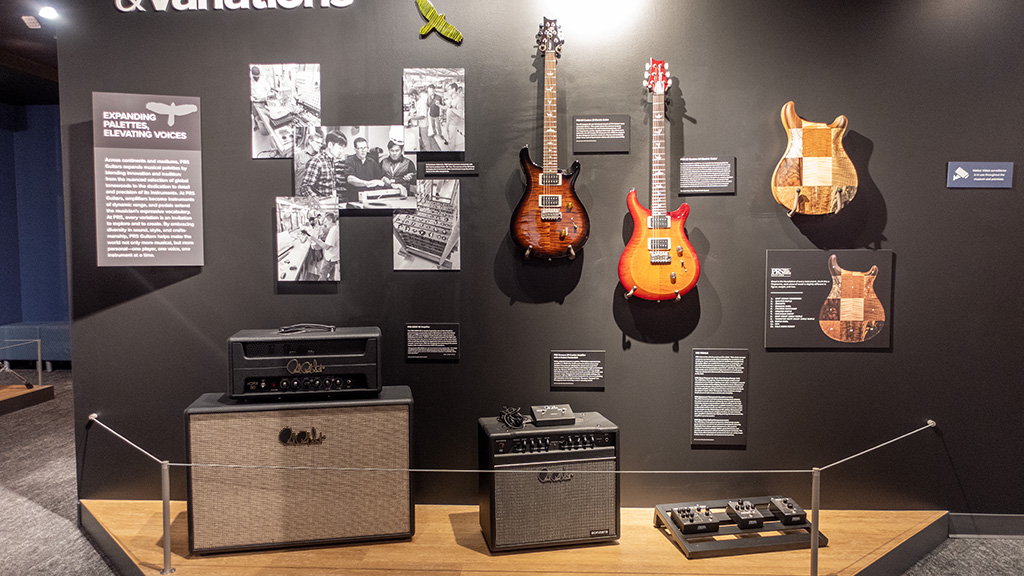
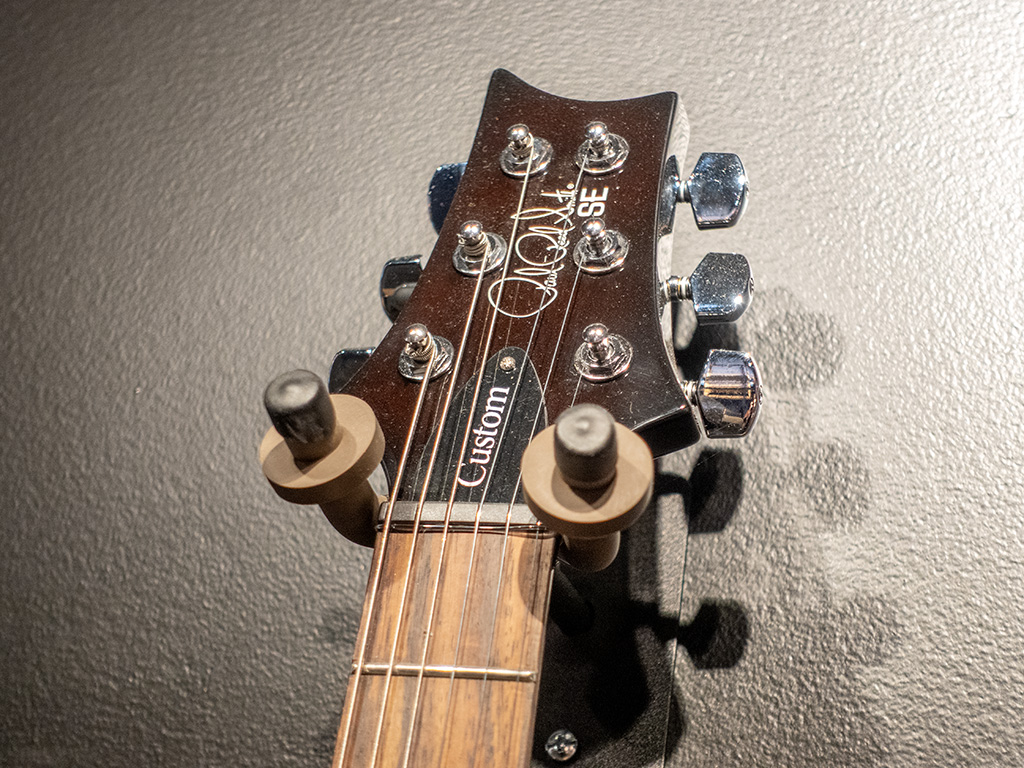
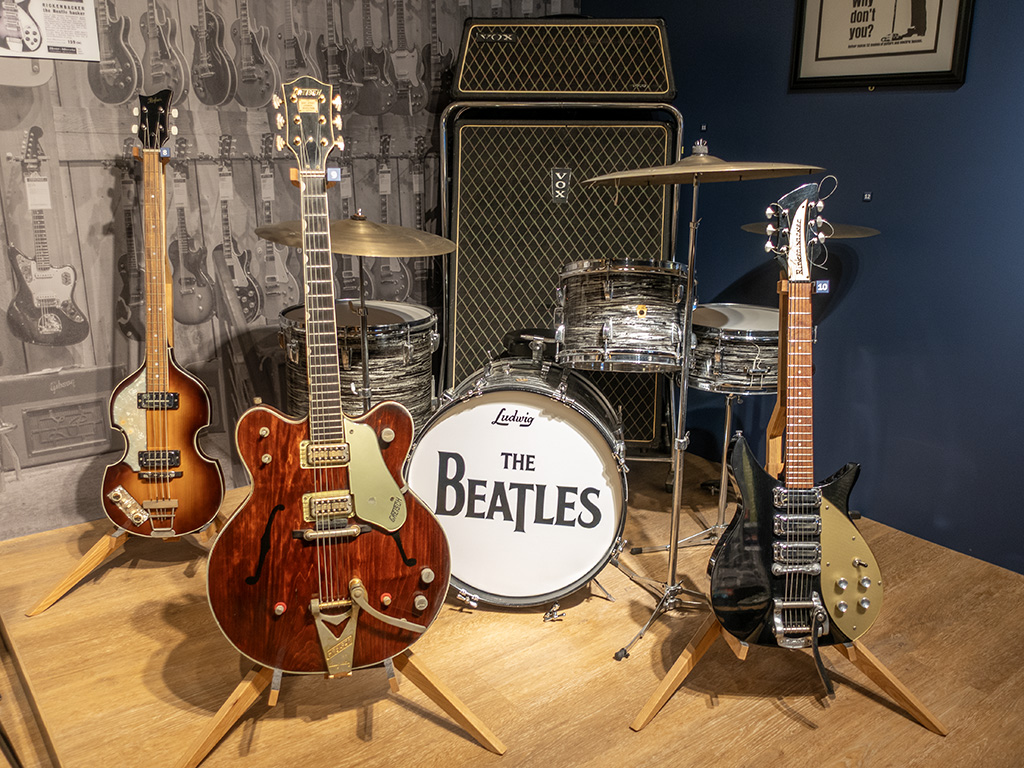
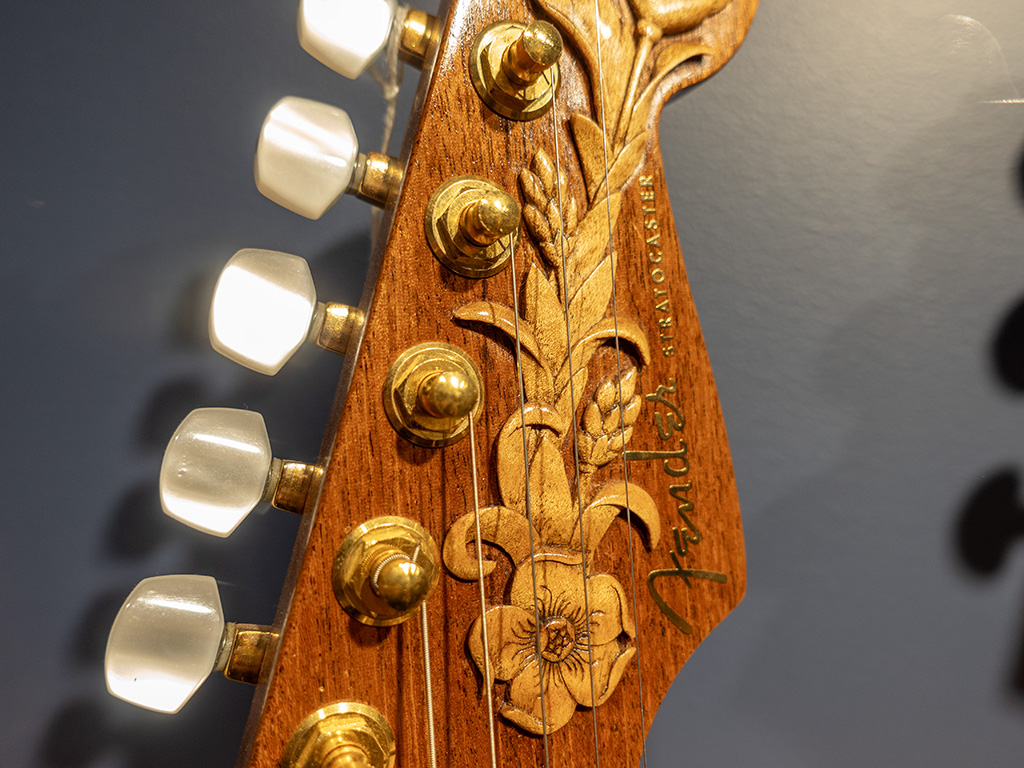
Here are some photographs I took during my visit:


—§—


Hello Oceanside, California

I am currently on my way to San Diego, California to attend TwitchCon, a convention run by the same company that runs Twitch, taking place in the San Diego Convention Center. Instead of flying straight there from Las Vegas like I’ve done before, I decided to stop by Los Angeles and make a ~120 mile (~195 kilometer) drive down south so that I can make some stops along the way and be a tourist.

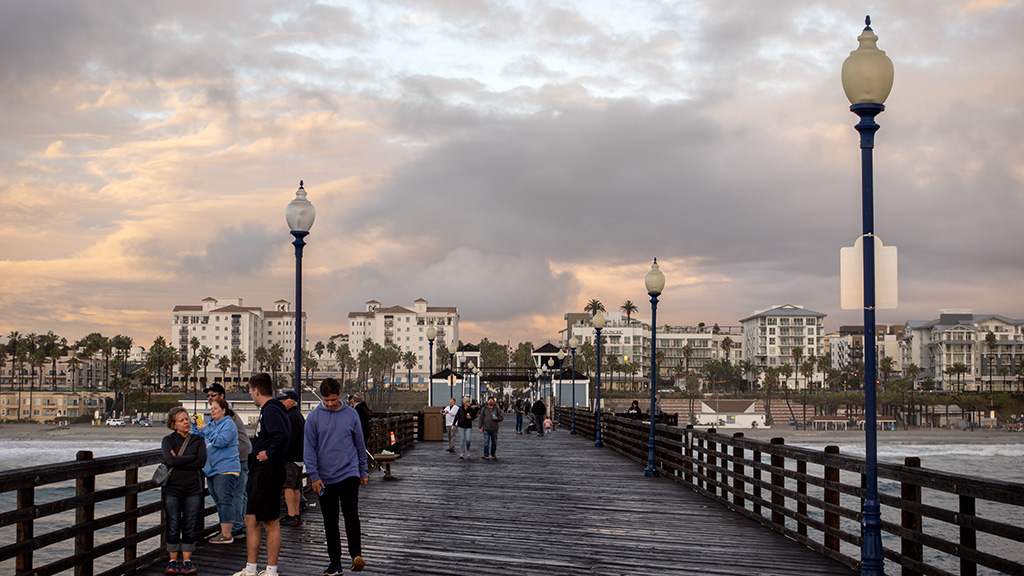
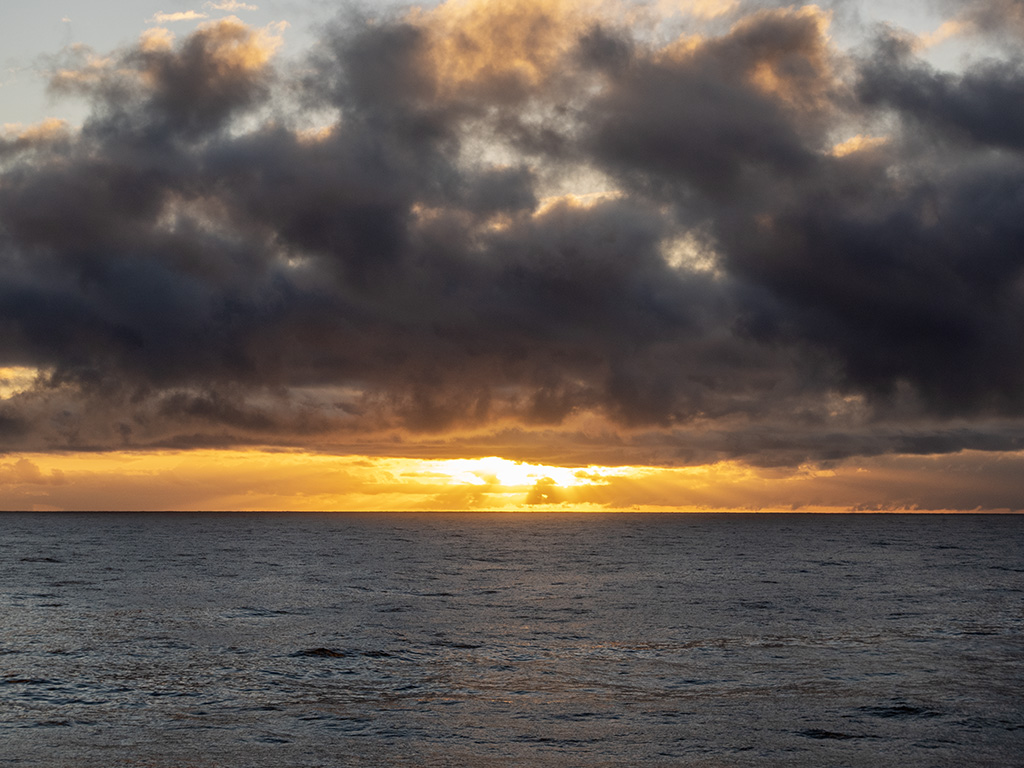
Earlier today, I arrived in Oceanside, California in the northern part of San Diego County. I thought this was very inconvenient timing for the drive because it was raining this morning and afternoon, which is relatively rare in Southern California. However, fortunately, once I arrived in Oceanside, the rain stopped and it actually ended up being a benefit to me because the inclement weather caused other people to stay indoors, which meant I was able to walk around the beach without too many other sightseers around.

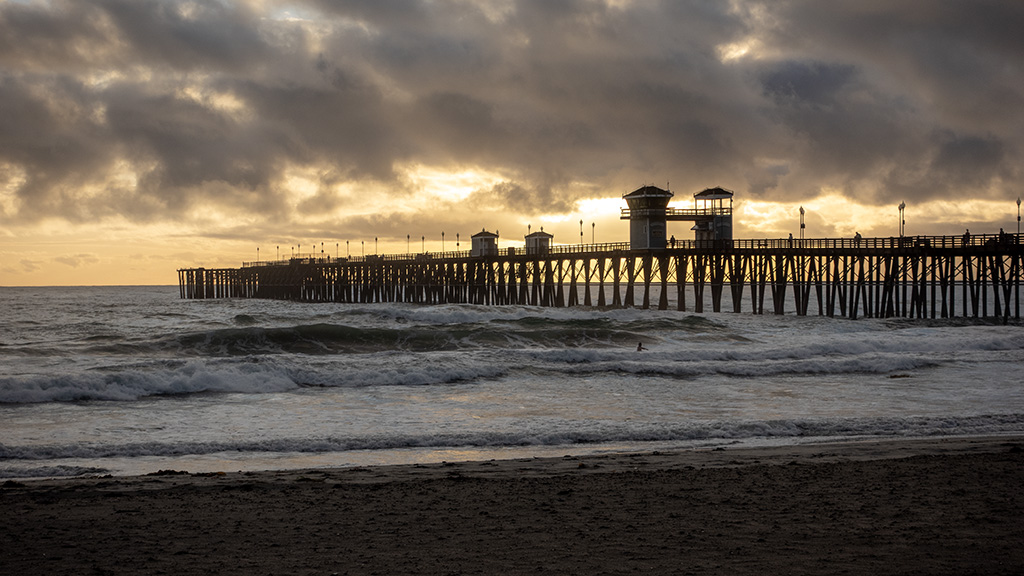
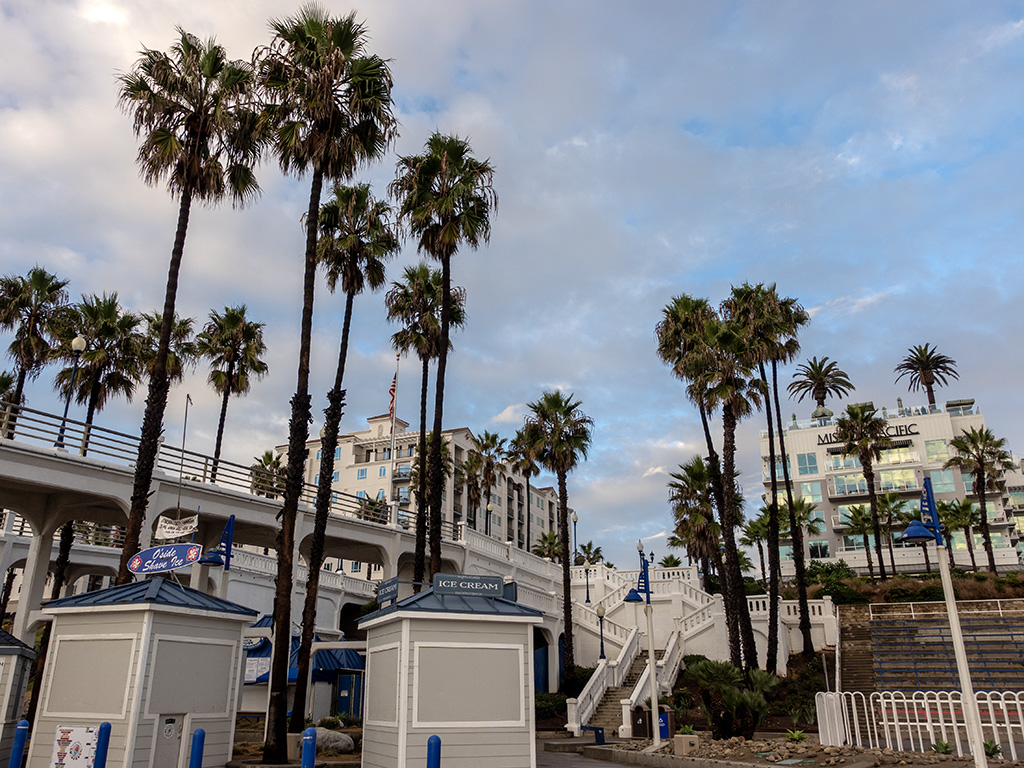
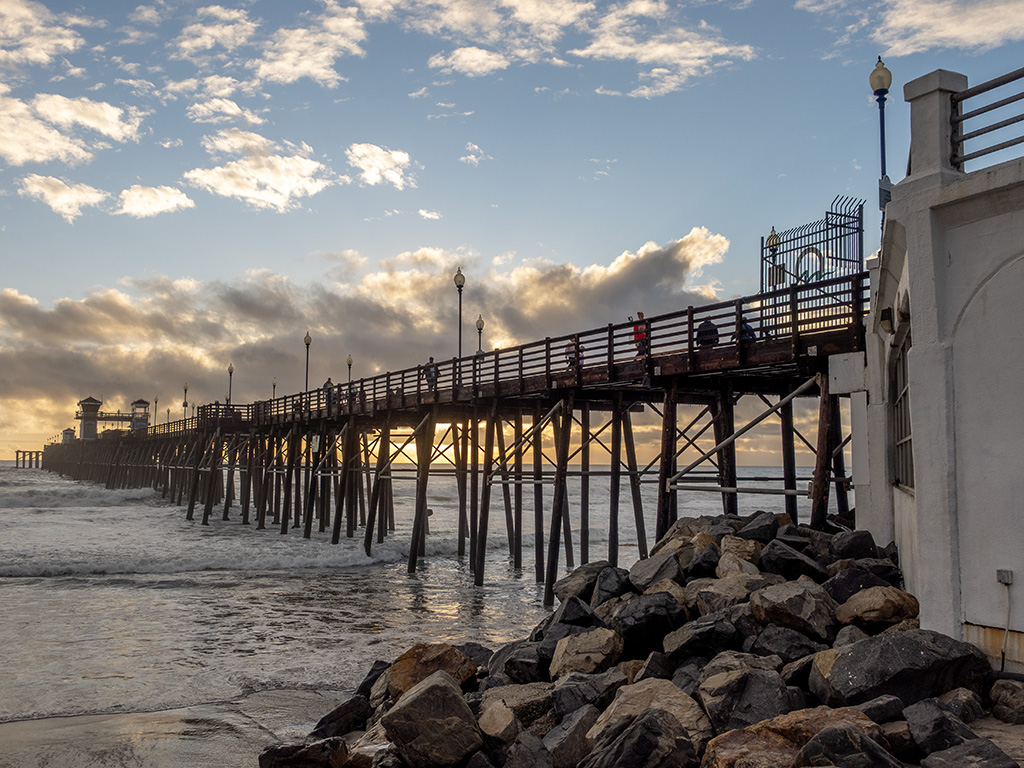
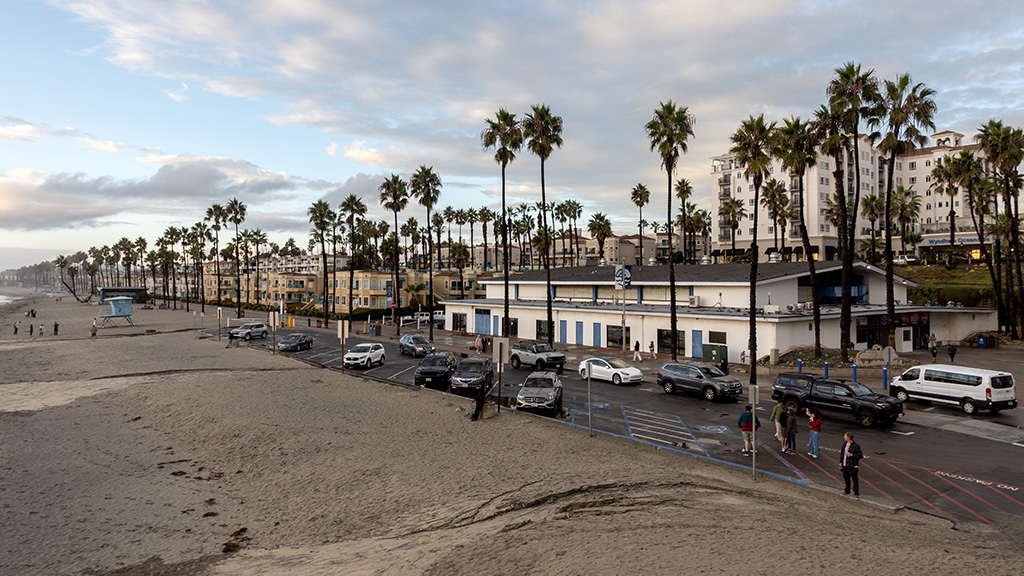
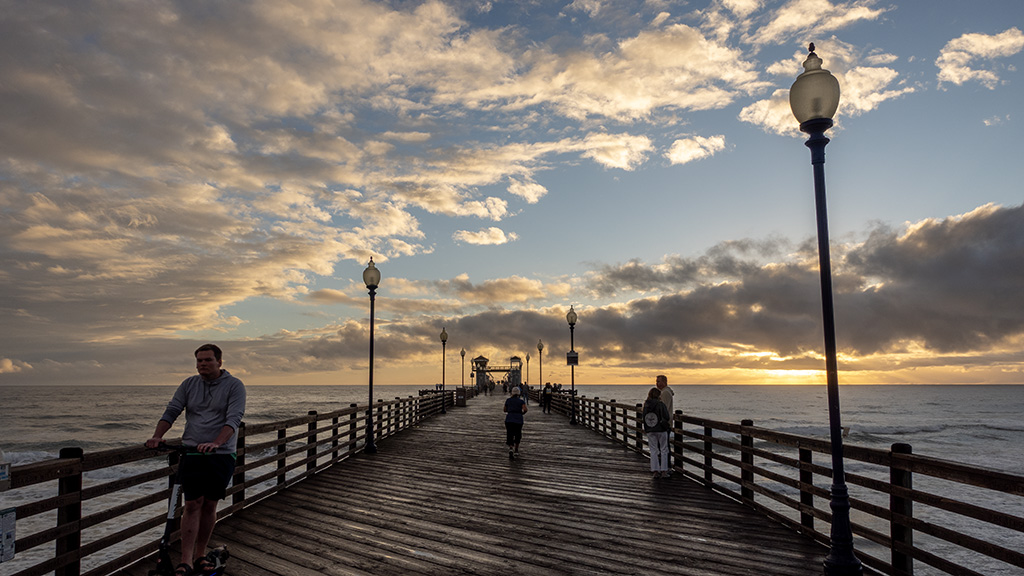
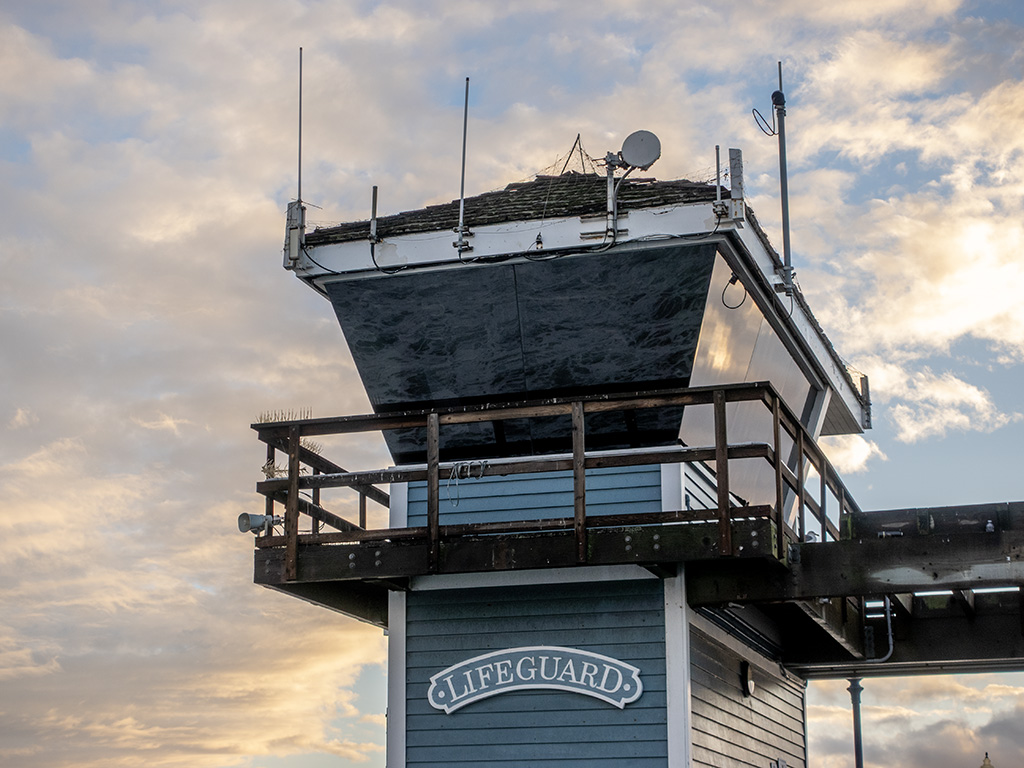
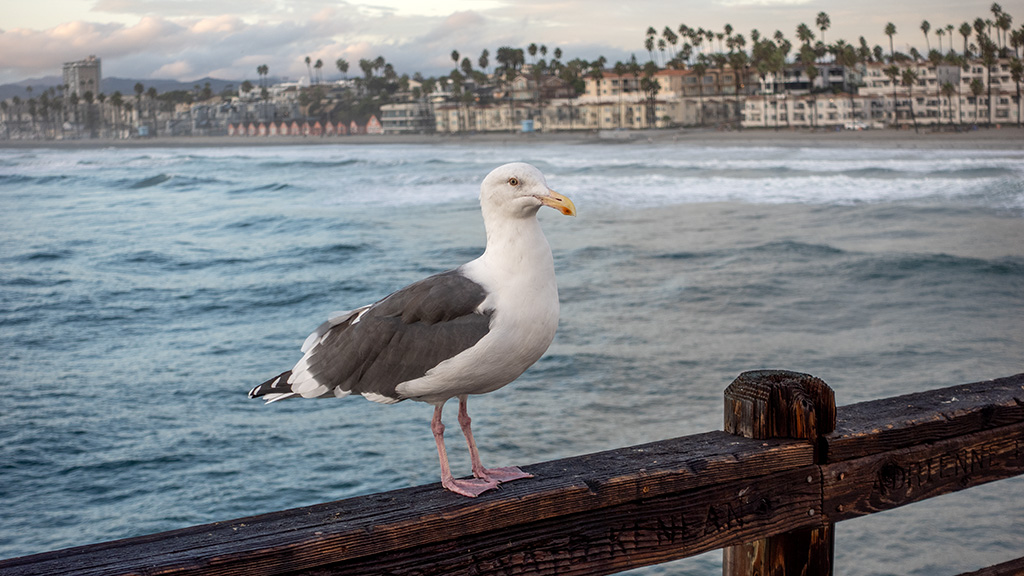
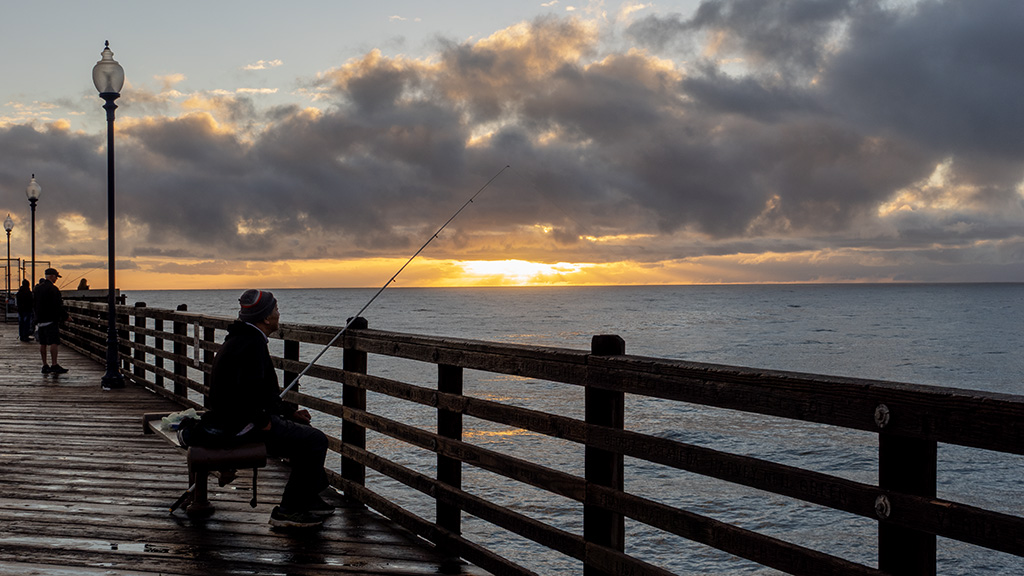
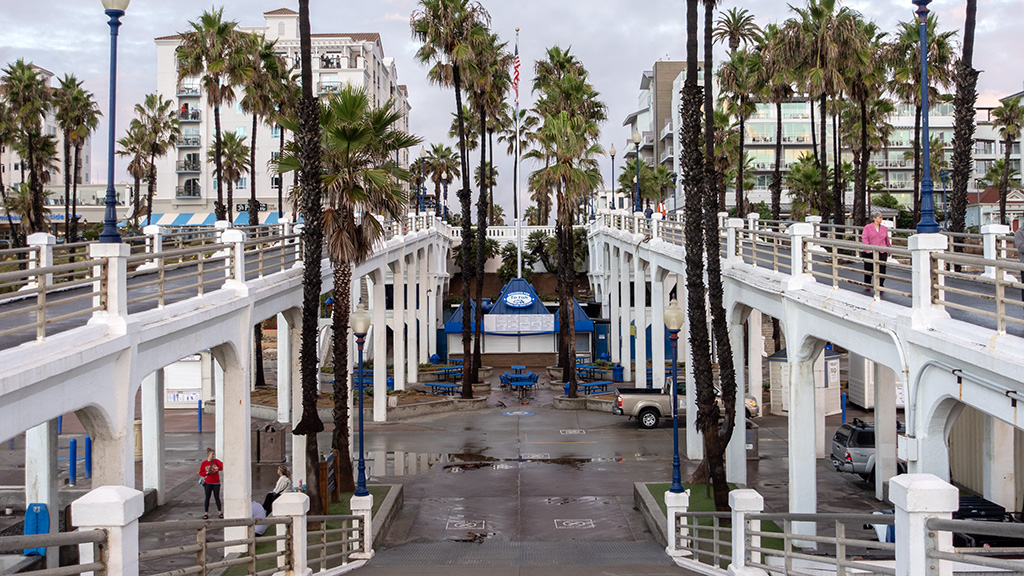
After checking into my hotel and parking my truck in the underground structure, I walked out and started my adventure near the Oceanside Pier.

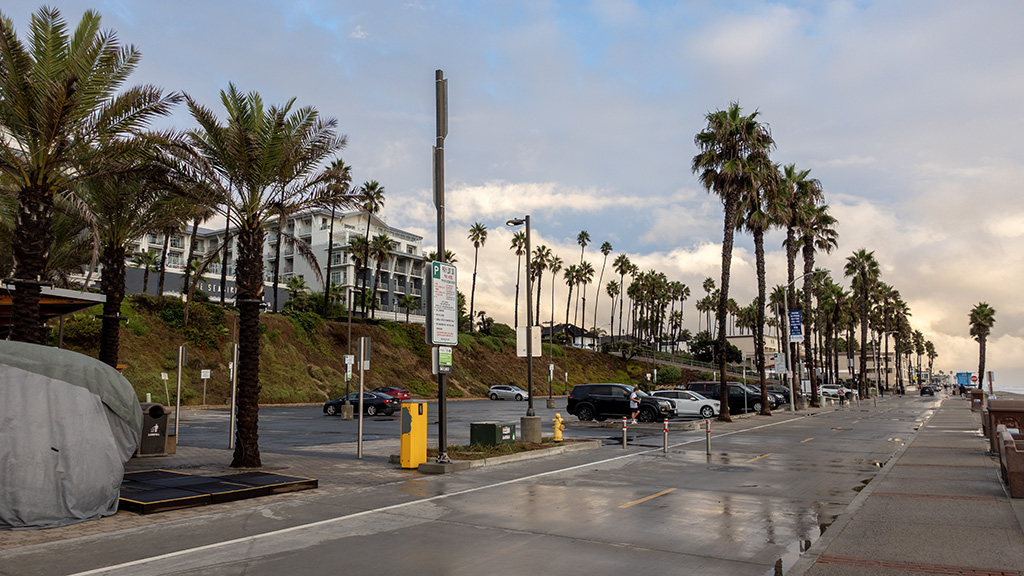
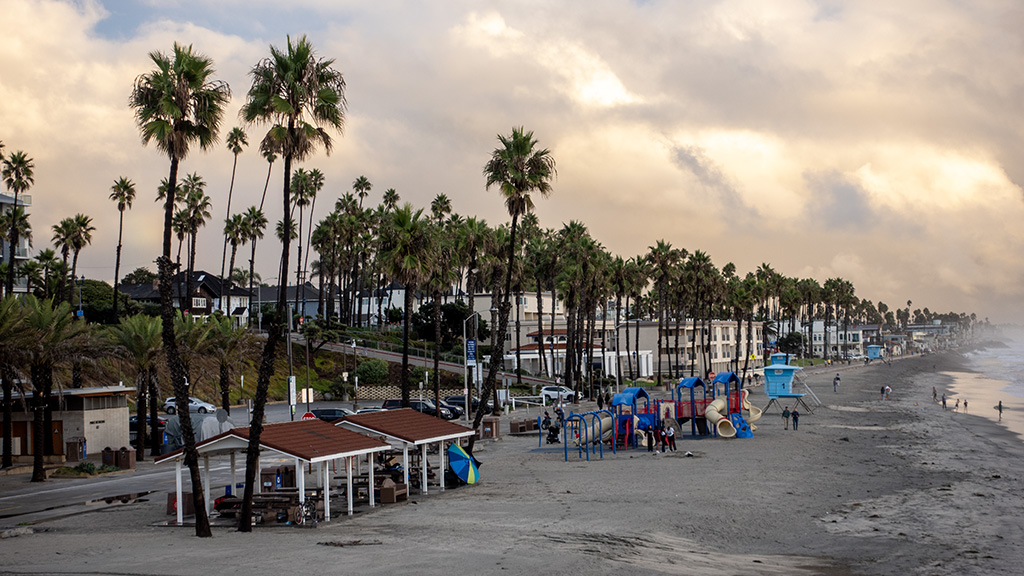
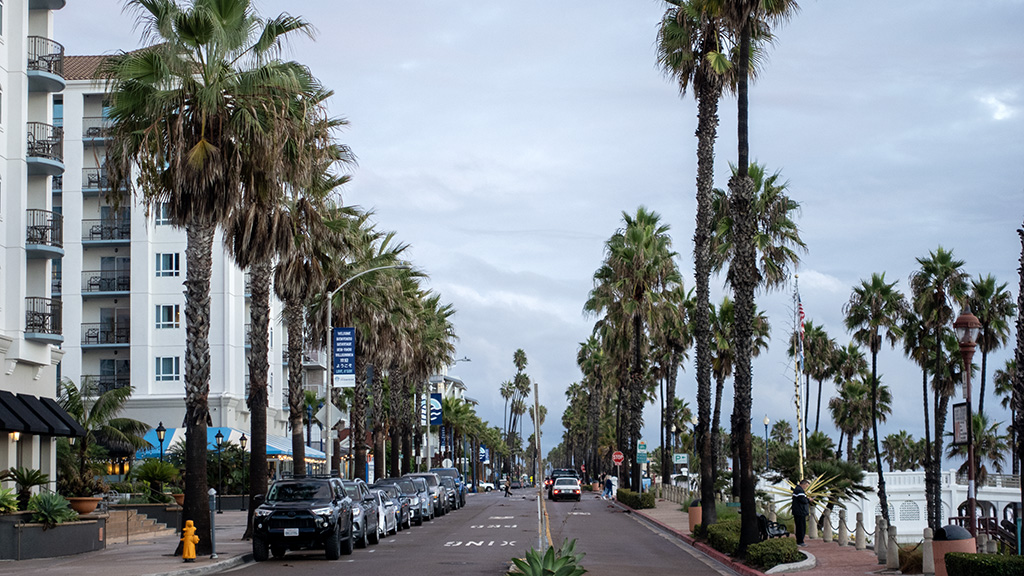
After doing an out-and-back on the pier, I took the pedestrian walkway over the beach and connected onto North Pacific Street.

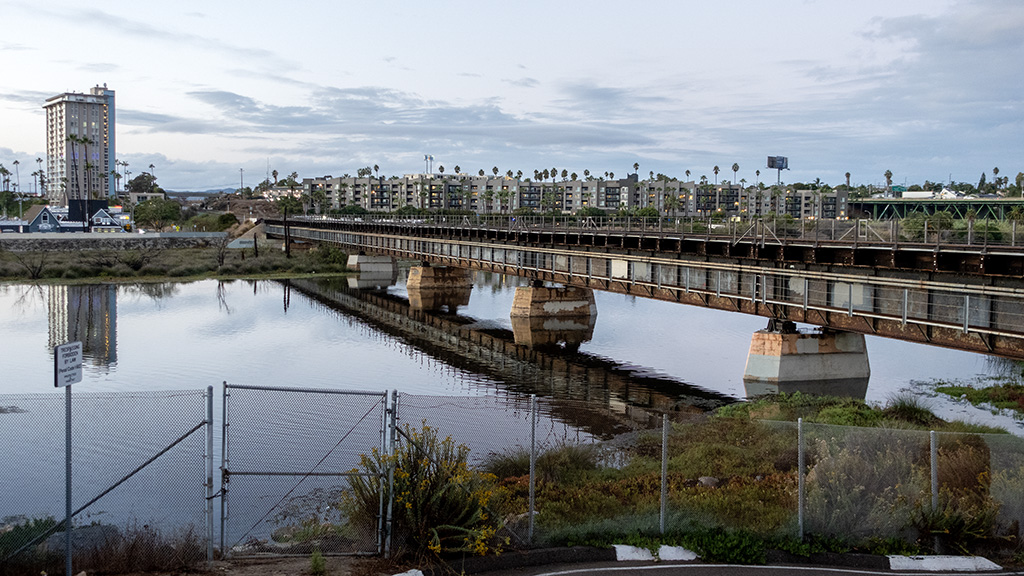
After continuing northbound for a while, I reached the San Luis Rey River.

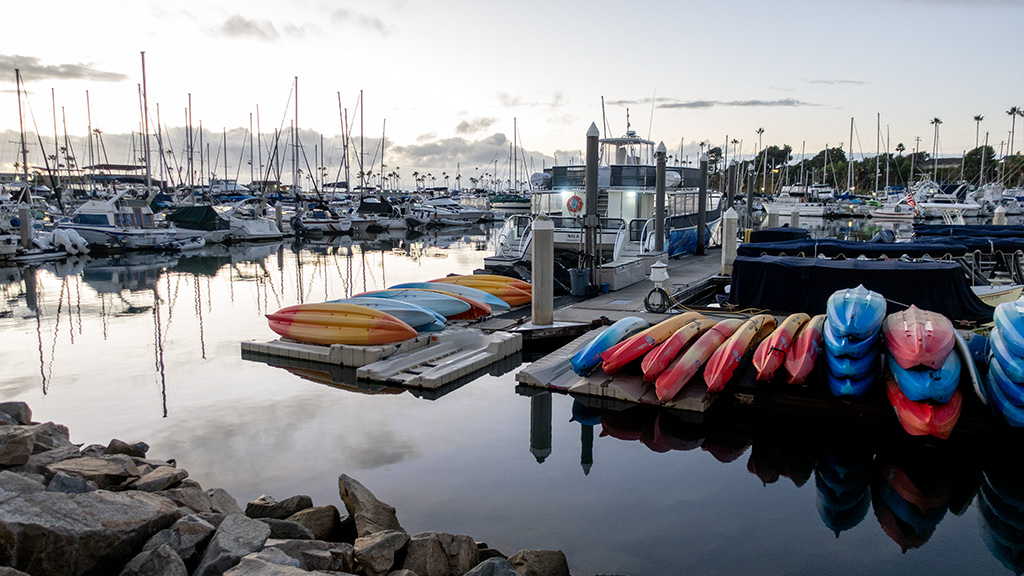
I crossed the bridge and connected onto Harbor Drive, which allowed me to walk first into the parking lot and then down into the harbor once I found an opening.

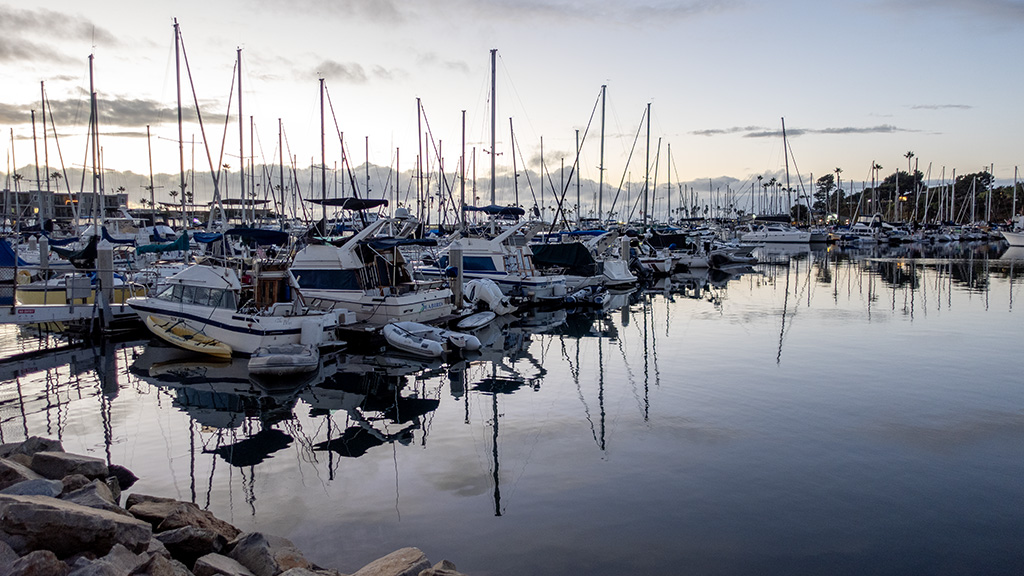
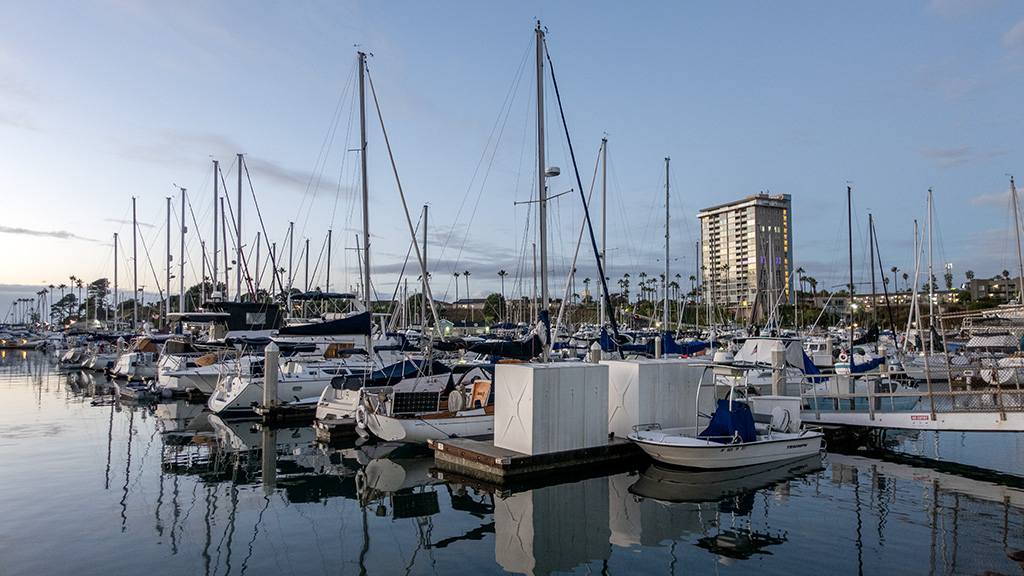
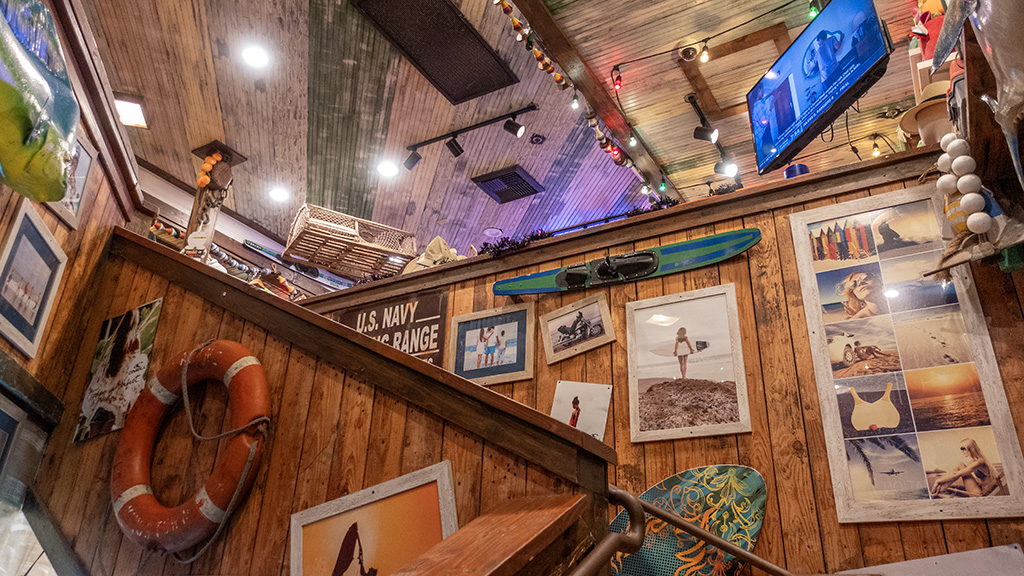
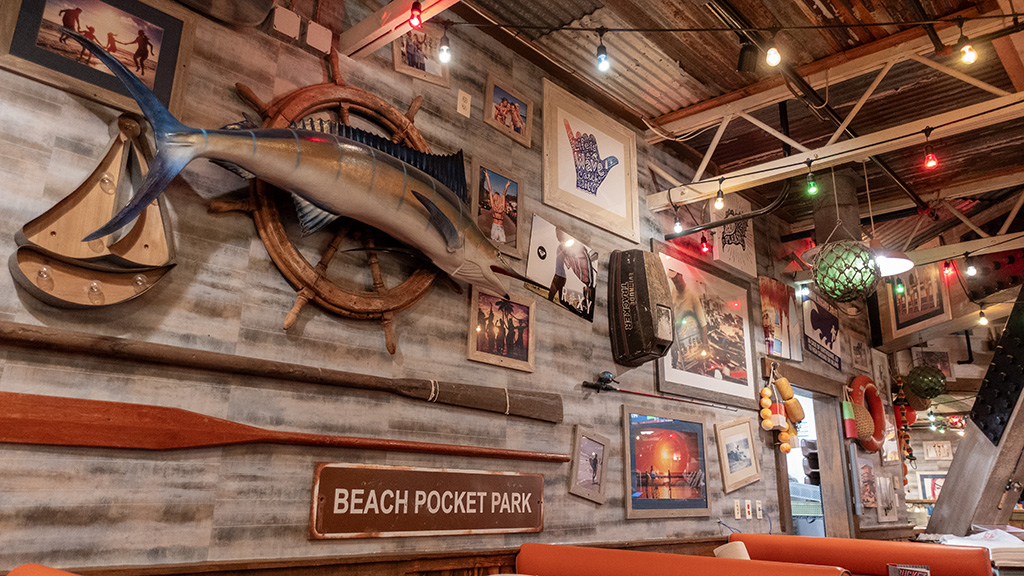
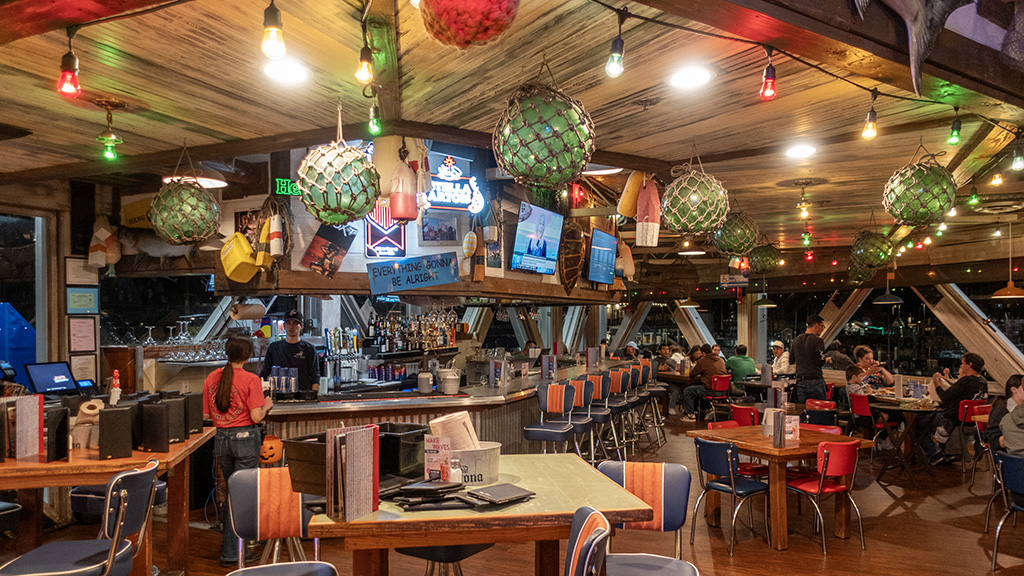
After a pleasant stroll down and back up the harbor, I decided to grab some food before returning to my hotel. There was a restaurant in the distance with colorful holiday lights strung up on the exterior, harbor-facing facade of the building. I thought it looked nice, so I walked my way over there and went inside to find Joe’s Crab Shack.

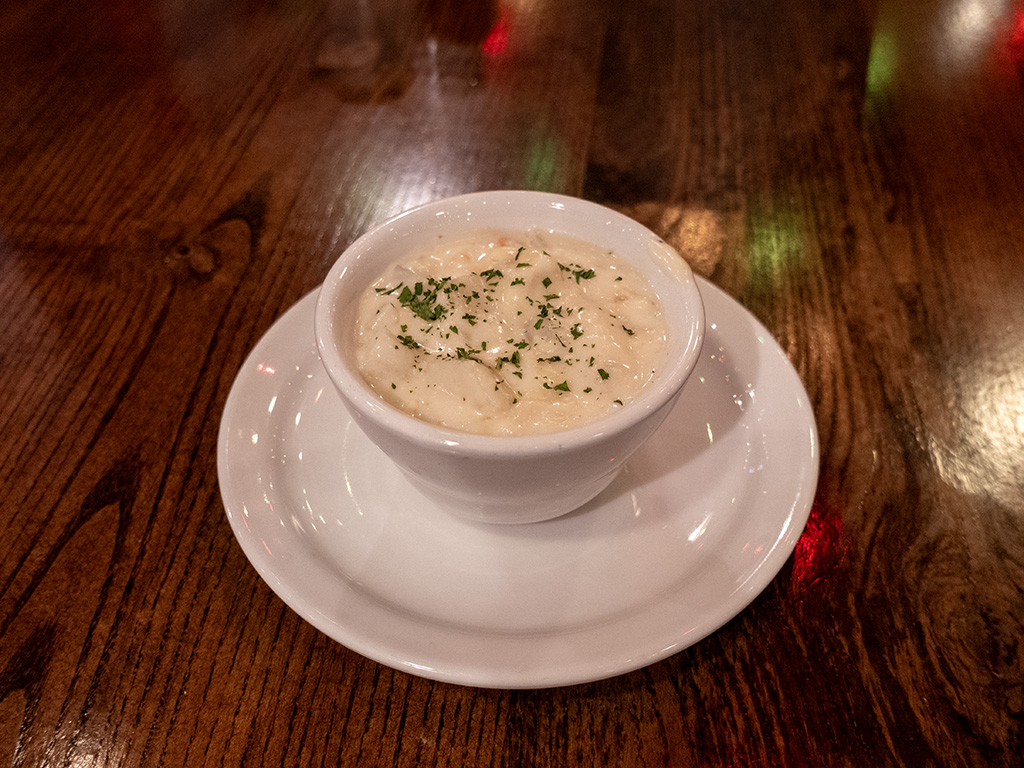
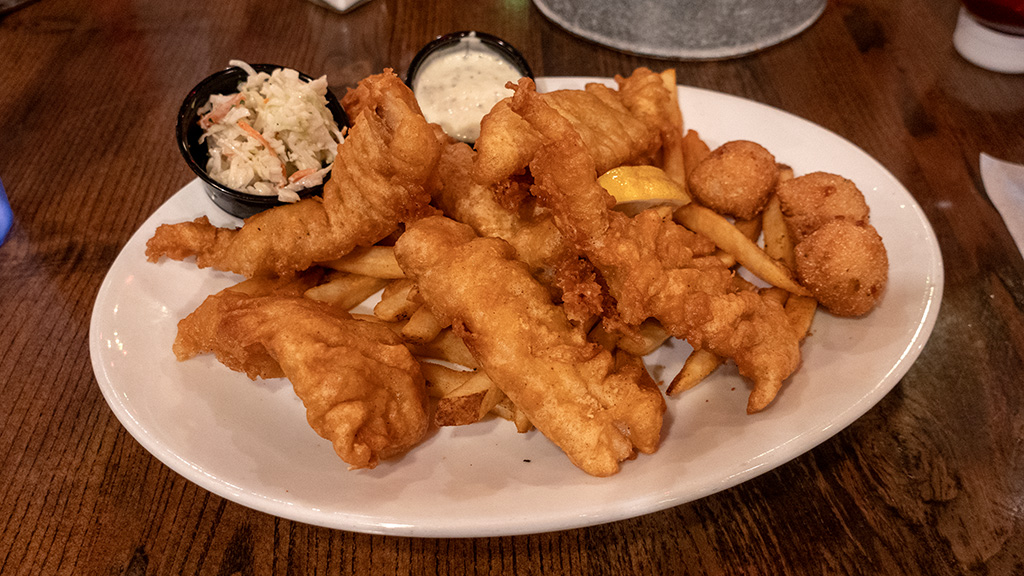
I had a pleasant waitress who was excited to hear that I had come all the way from Las Vegas. After a friendly chat, I put in my order for a cup of clam chowder and a plate of fish and chips.

The fish and chips were greasy, heavy, and very filling. Halfway through my meal, I was already feeling pretty full, so I stripped the breading off the fish before consuming it, which made it much more palatable.

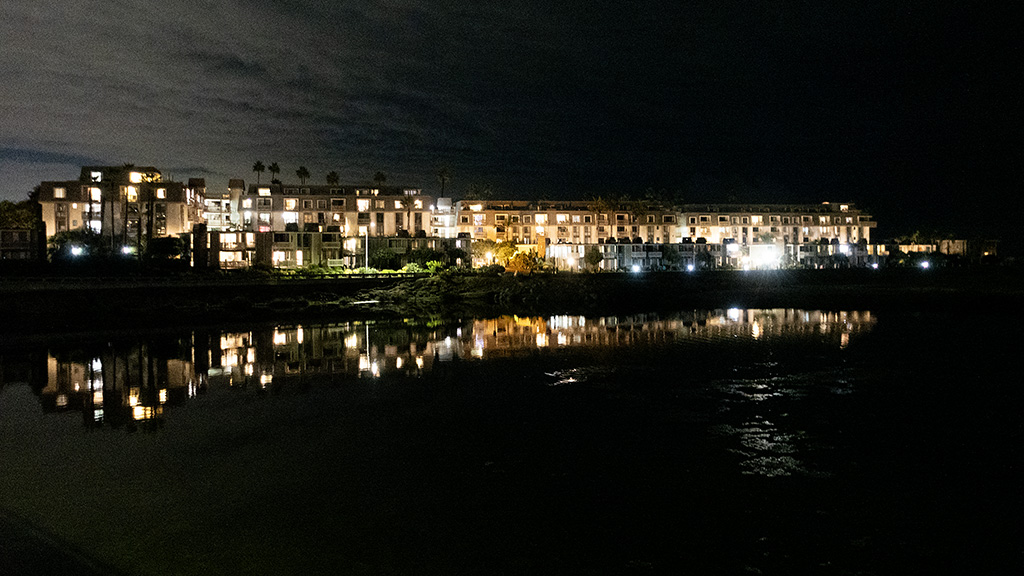
After paying for my dinner and bidding my waitress farewell, I walked back outdoors. It was dark already, which made for a good nighttime photo opportunity of North Coast Village in the distance.

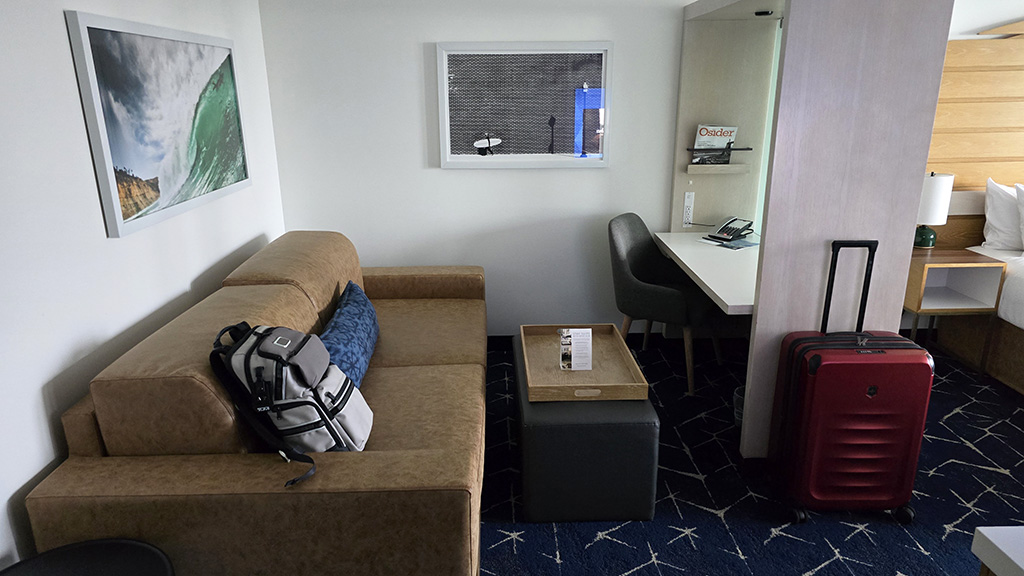
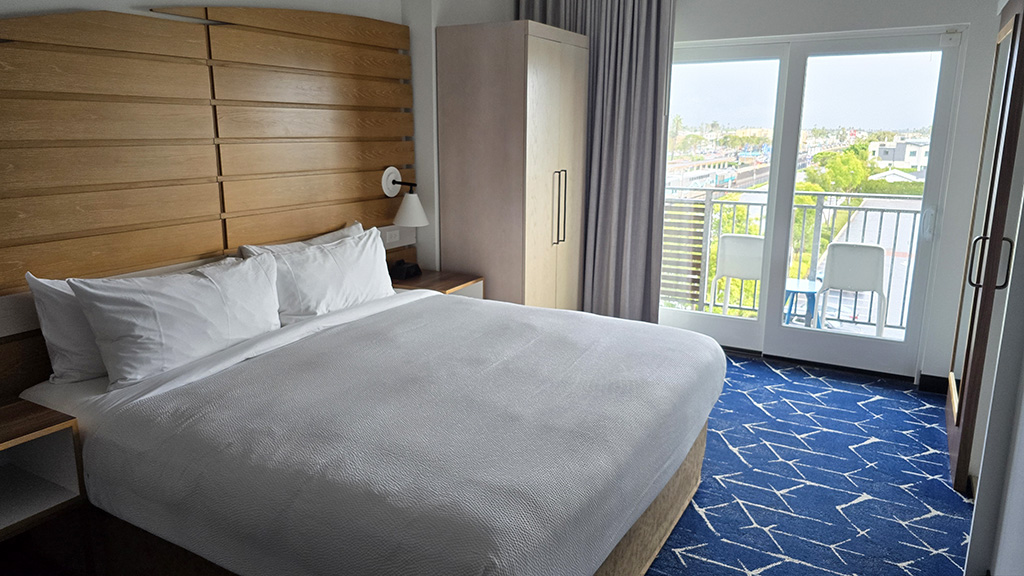
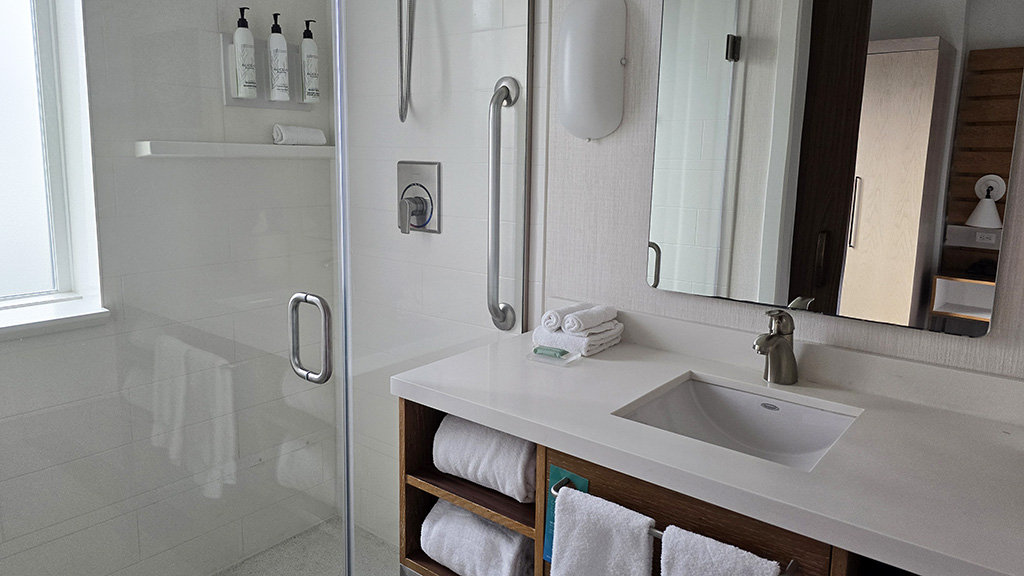
I used to post a lot more hotel room photos back when I was on my road trip across the United States, but stopped doing so because it became redundant for me. With that being said, I’ve gotten a few requests to keep sharing hotel pictures, so of course, I have to deliver. For this segment of my trip, I’m staying at the SpringHill Suites by Marriott Oceanside Beach at the intersection of North Myers Street and Mission Avenue.

I’ve leaned towards staying in nicer hotels under the Marriott family during my recent travels, but during my multi-year road trip when I just wanted something simple, clean, straightforward, and peaceful, I stayed in a lot of SpringHill Suites (along with some newer-generation Fairfield Inns and Courtyards). I actually haven’t stayed in a SpringHill Suites since mid-2022, so seeing this layout again is quite nostalgic for me.

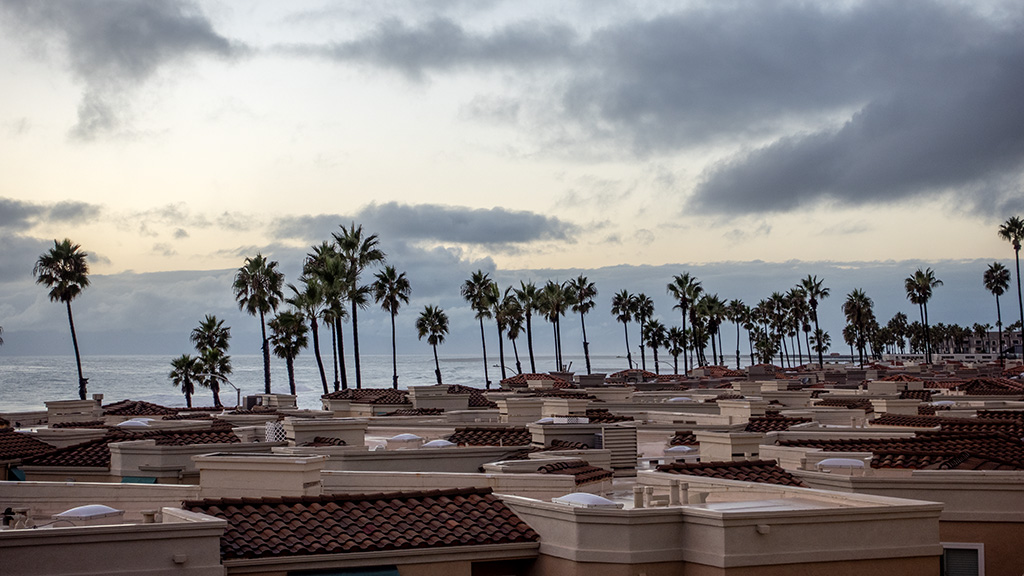
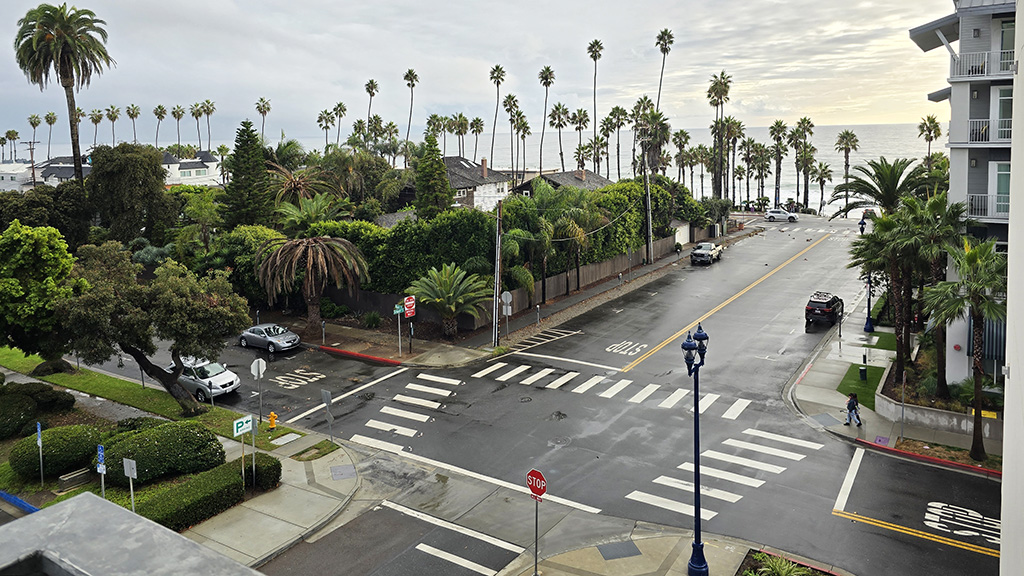
I was fortunate to receive an upgraded room thanks to my Bonvoy elite status, so I had a nice ocean view from my balcony.

Oceanside so far has been pretty nice. It’s been cool and cloudy, which is fantastic for going on a walk, and it’s been unexpectedly serene and soothing. I did encounter some homeless people on the beach, including a fairly sizeable camp set up inside the Oceanside Pier Amphitheater with a literal campfire going, but it seems like everyone generally just minds their own business and maintains the peace.

I’m checking out of my hotel tomorrow in the late morning to visit a museum and then go to a tasting menu reservation, so I will have at least two more activities prior to arriving in San Diego to talk about and share on my blog in the coming days.


—§—