Hello, Yoyogi Park and Meiji Jingū in Yoyogikamizonochō, Shibuya, Tokyo, Japan

Yesterday, I wrapped up a trip to Japan and returned to the United States. In case you missed it, the blog post in which I review my flight and travel experience also has a lot of relevant context surrounding my trip. I’m in the process of going through my photographs now and catching up on blog posts.

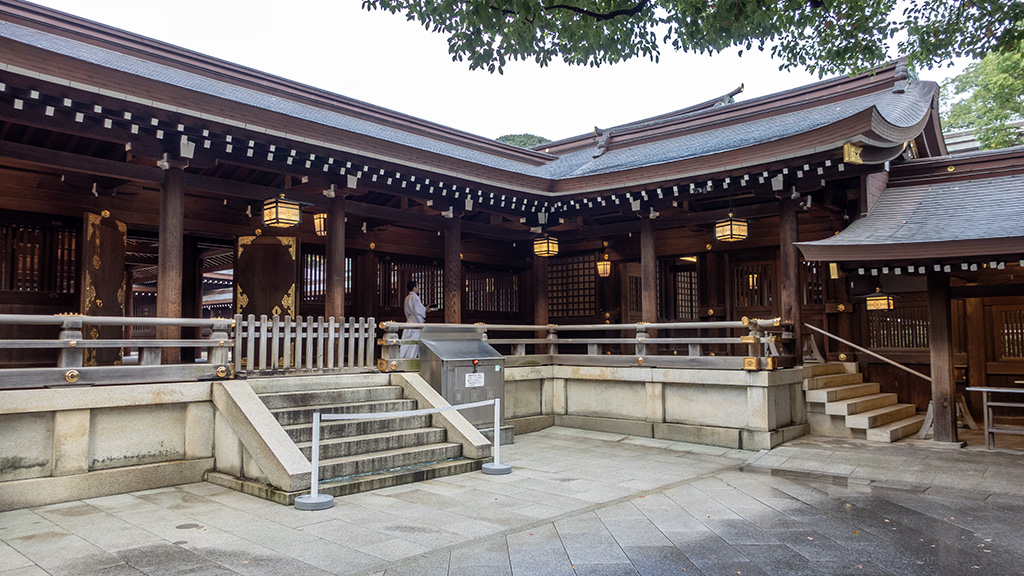
One of the first tourist activities I did in Tokyo was visiting 代々木公園, or Yoyogi Park. Yoyogi Park is a very large public park in Shibuya in the Yoyogikamizonochō district, or 代々木神園町. This is the same district housing 明治神宮, or Meiji Jingū, a Shinto shrine.

I went together with some of my friends who are more familiar with Japan, and throughout my visit to the park, I mostly just followed them around and allowed them to lead the way. Unfortunately, after browsing some online resources while putting together this blog post and editing photographs, I realized that the park was quite a bit larger than I thought, and there was a decent amount of stuff that I seem to have missed out on. I definitely could’ve taken more agency to be more diligent in exploration, but because I was still a very new arrival to Japan at that time, I was a bit overwhelmed and wasn’t as meticulous as I could have been.

With that being said, I still enjoyed my time seeing Yoyogi Park and Meiji Jingū. Having grown up in the Chicagoland suburbs and now living in Las Vegas, it’s not common for me to see what is functionally a gigantic manicured forest in the middle of a dense city. I think that made it feel even more special—the park was important enough that they took space in an area that demonstrated how scarce the land was, and still built a very serene and soothing piece of nature on it.

After taking the Chiyoda Line from my hotel in Ginza to Harajuku Station, I met up with my friends and we entered the park through one of the side entrances.
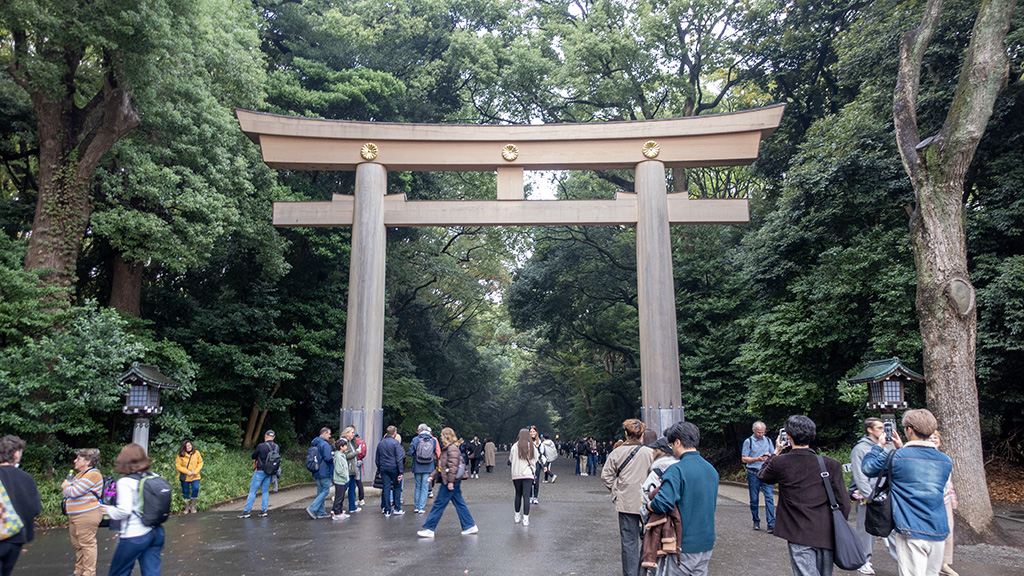
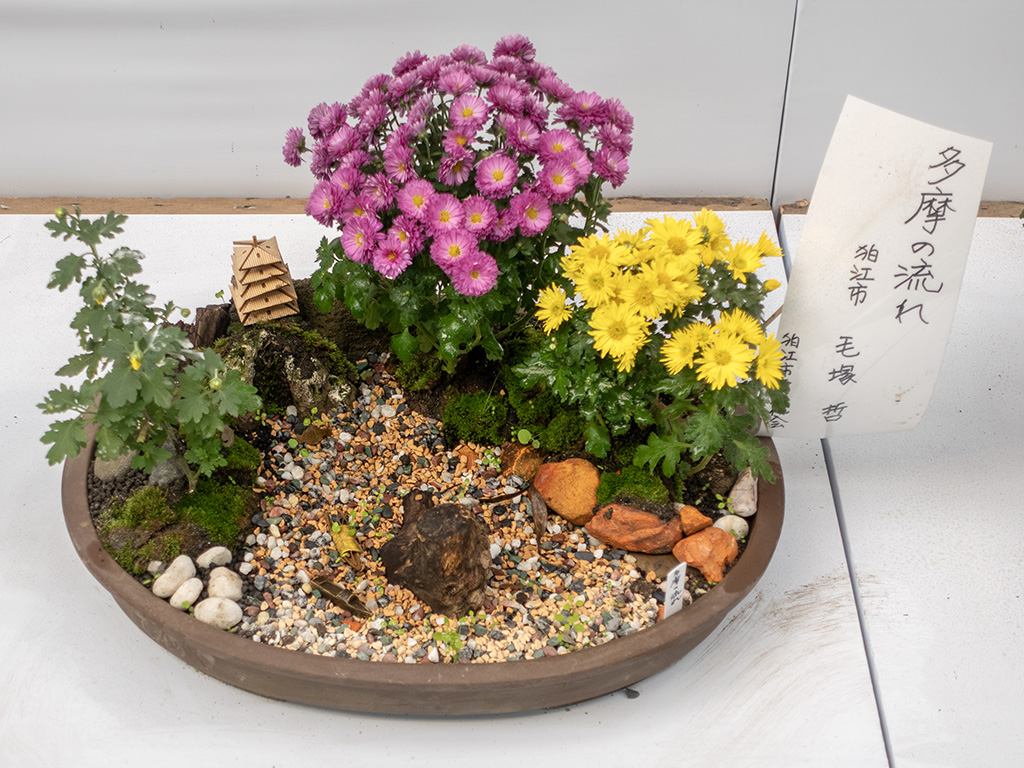
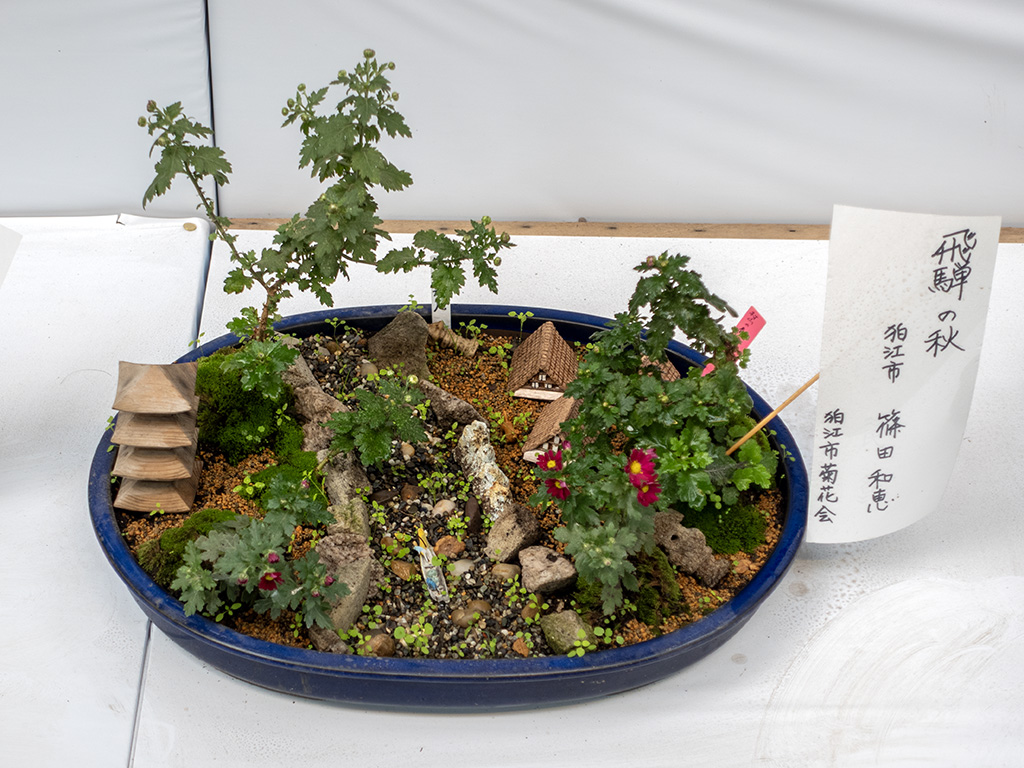
This area had what appeared to be a series of special installments. They had flower arrangements…
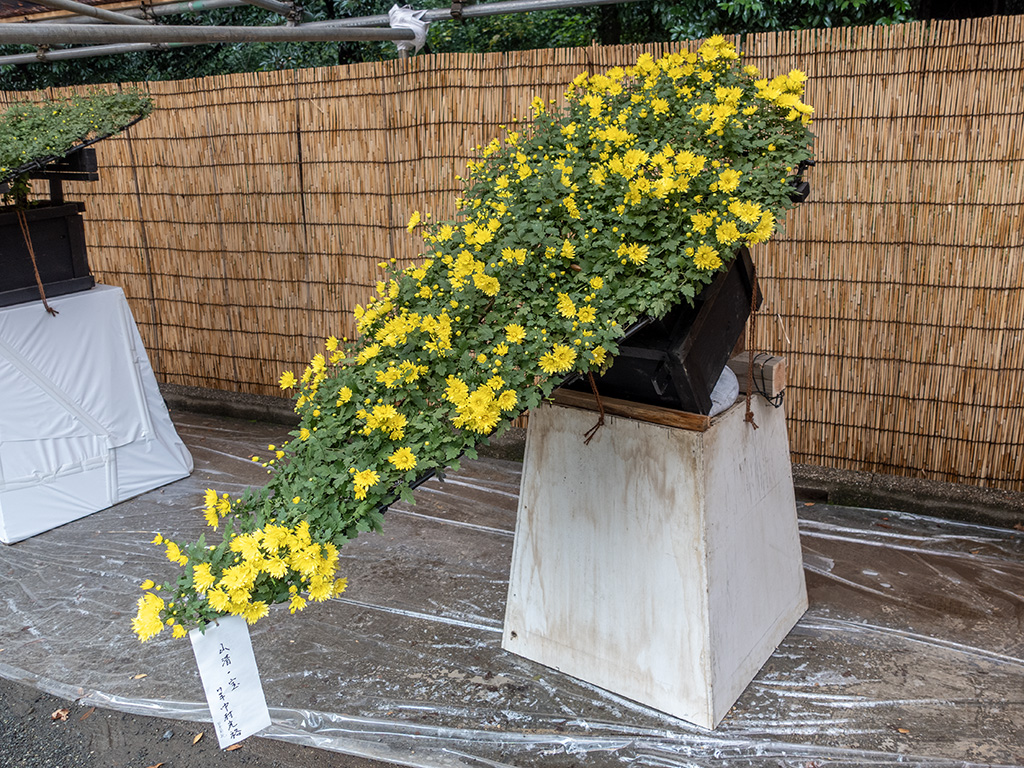
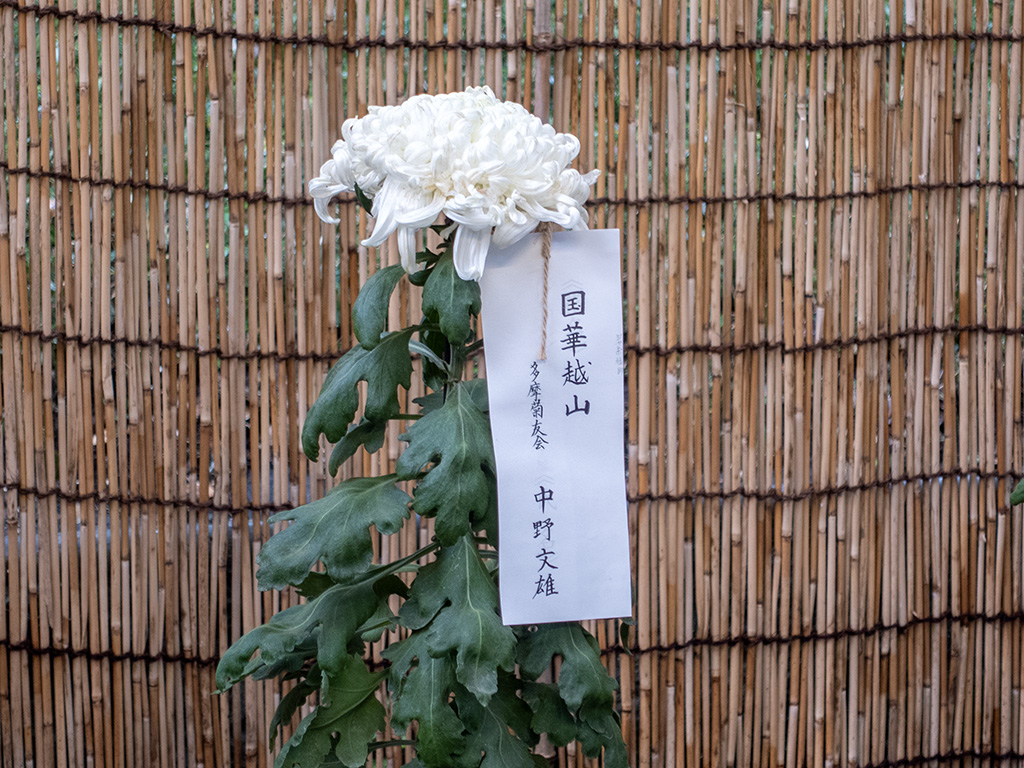
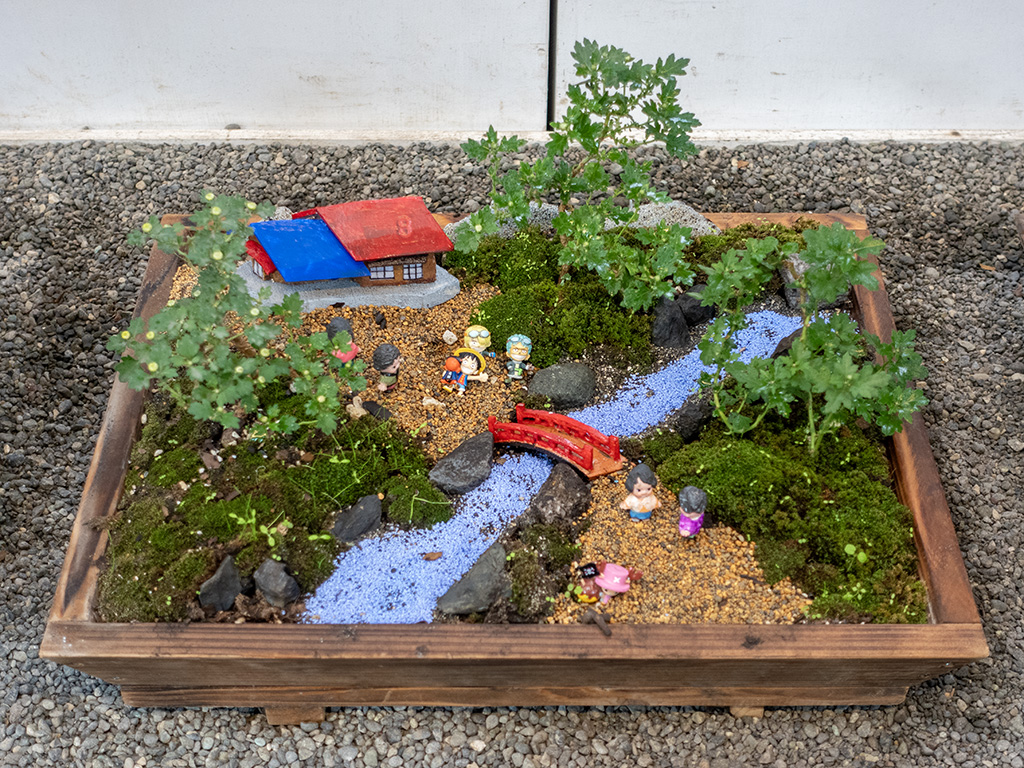
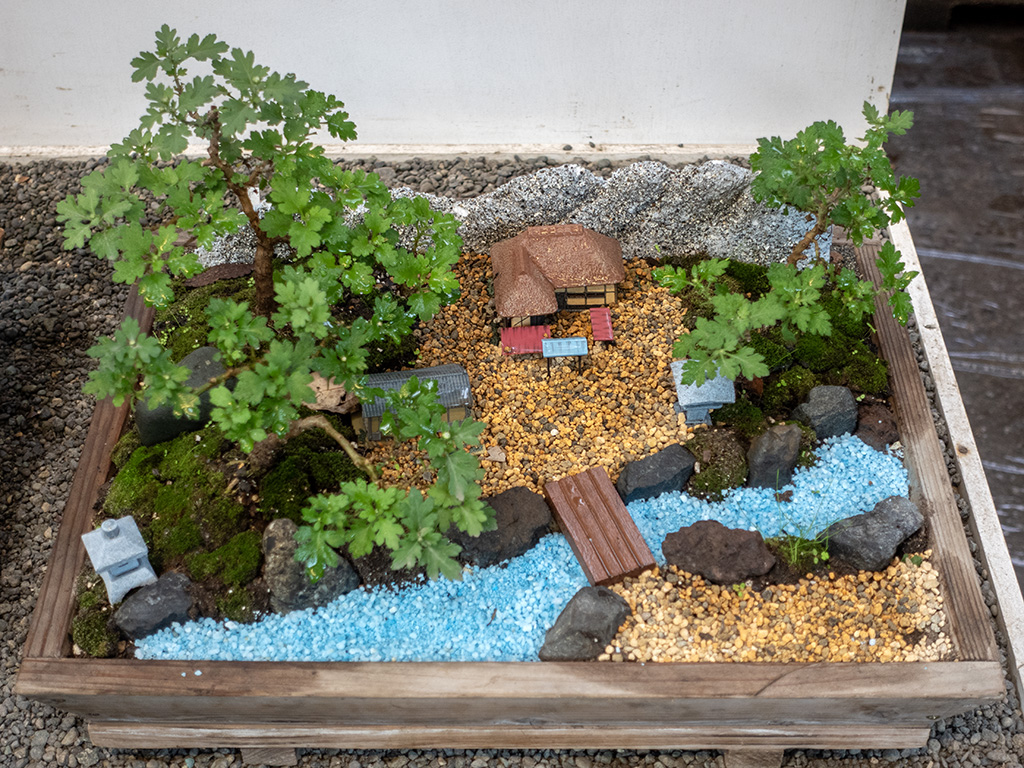
… miniature dioramas…
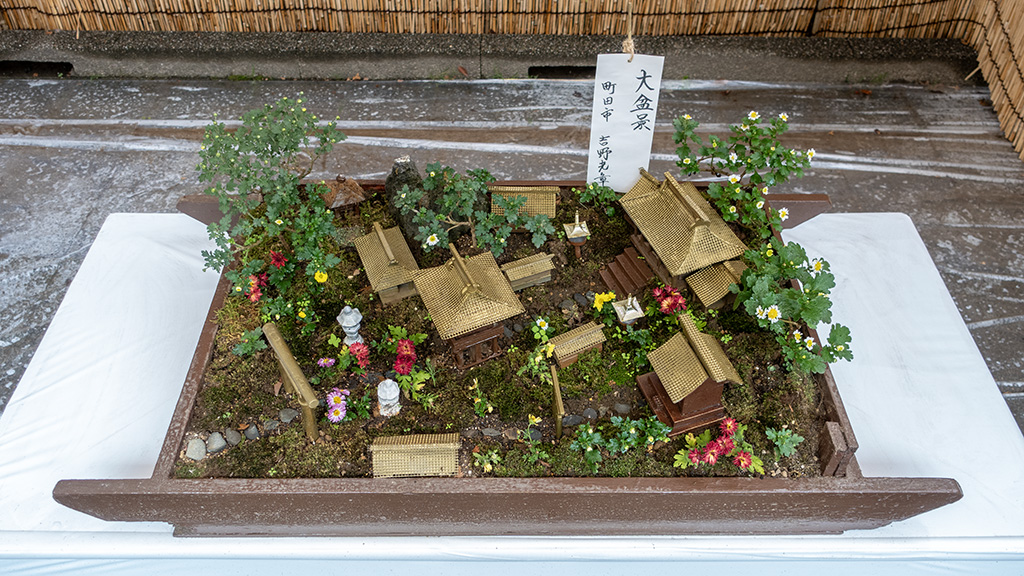
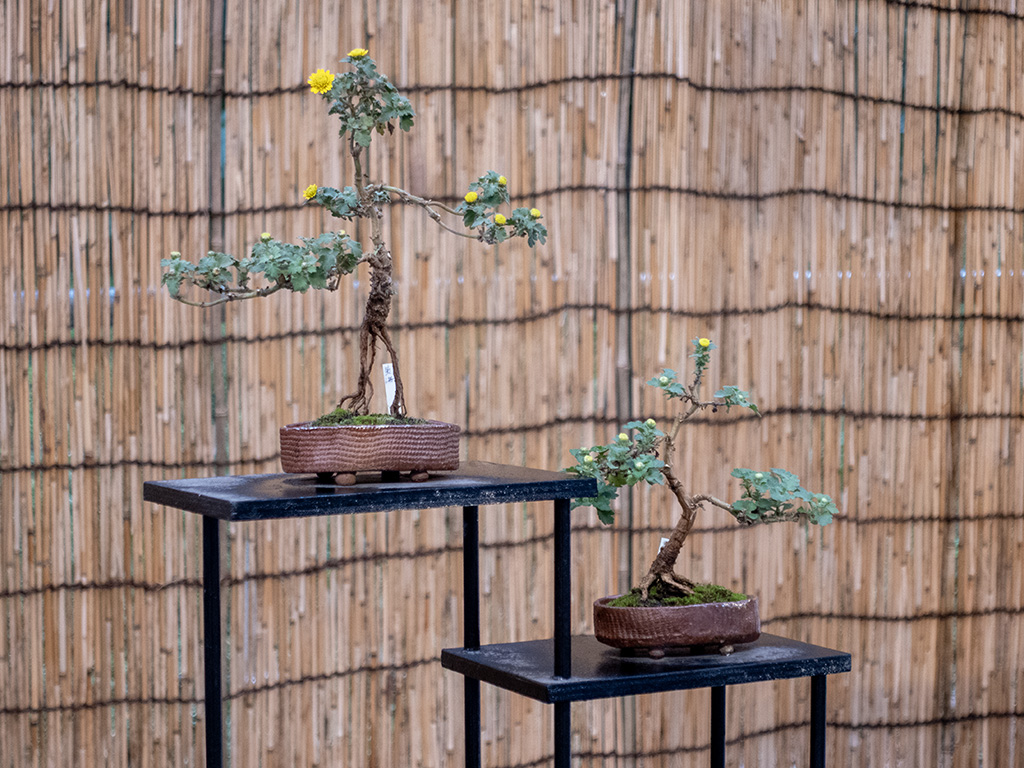
… and bonsai trees.
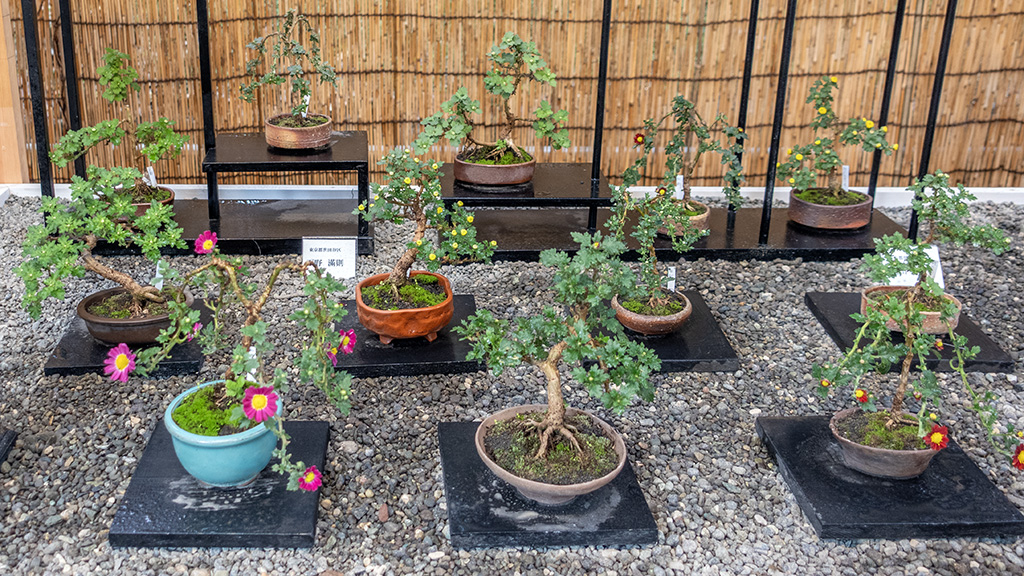
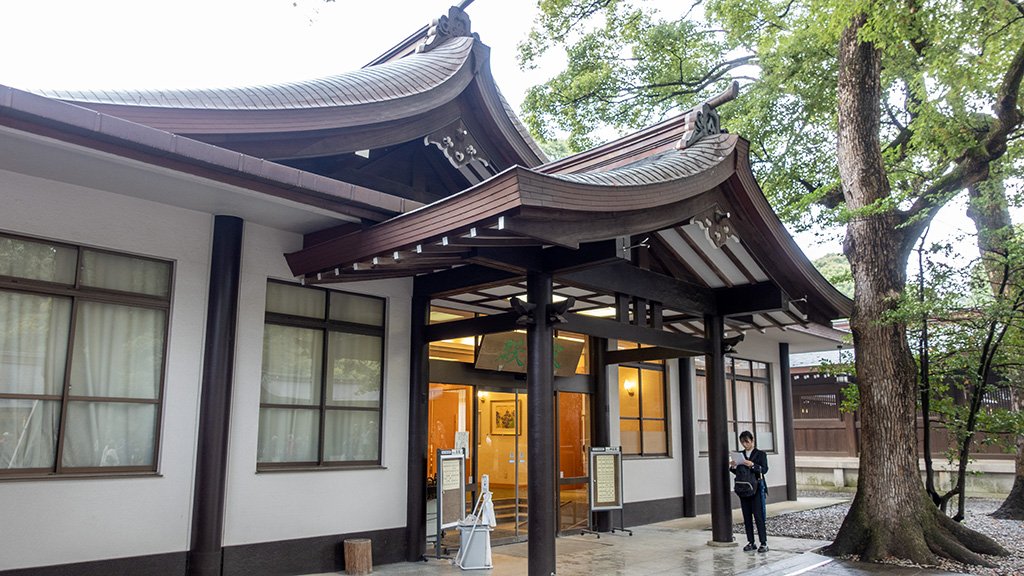
After walking down a long path with these exhibitions, we made it closer to the temple.
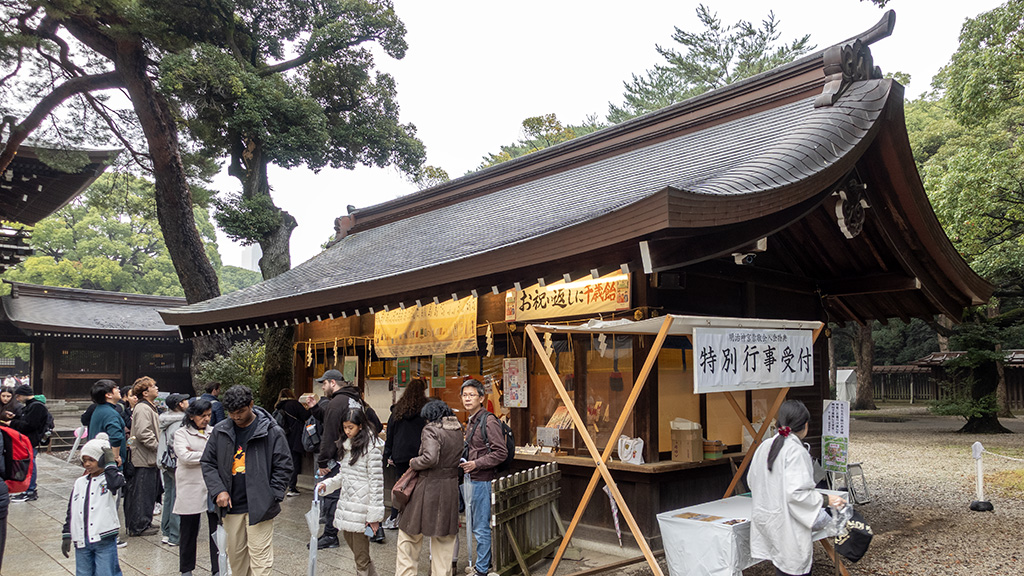
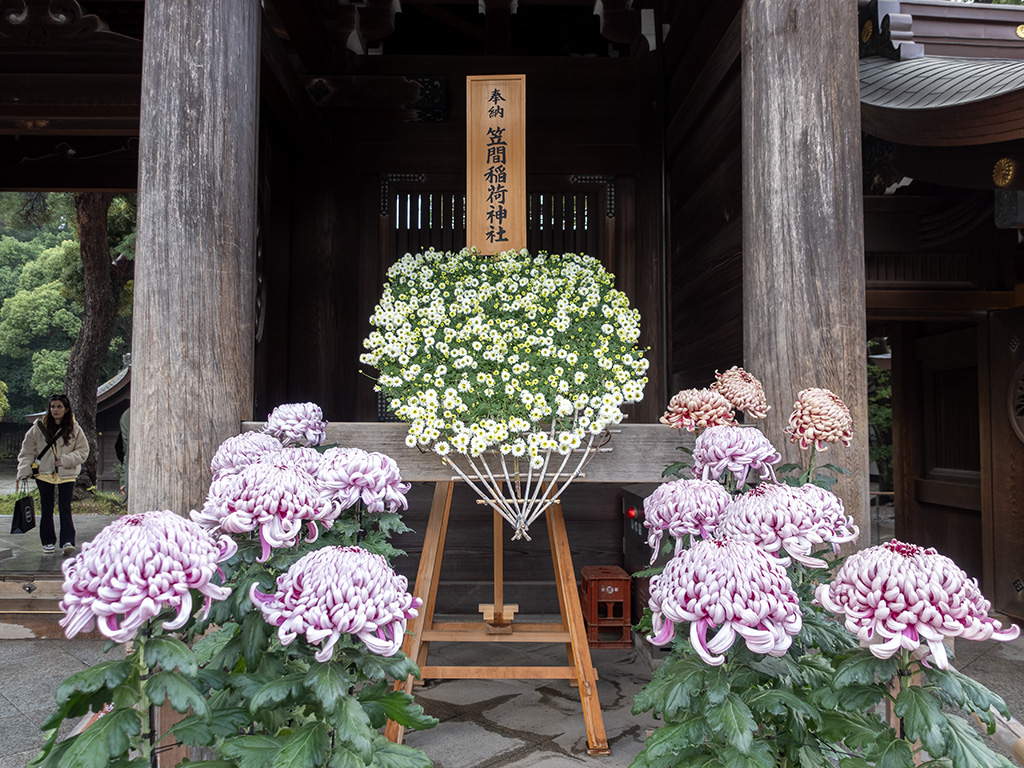
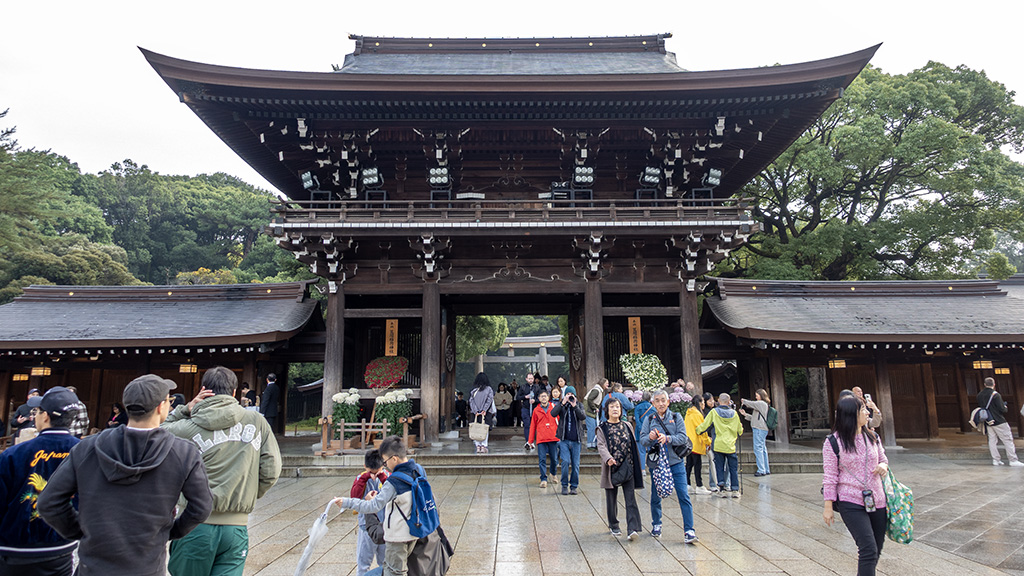
There was a nice flower arrangement at the entrance of the temple.
Close to the temple, there was what I believe was the roundest tree I’ve ever seen, if you consider it as a ratio of its size.

It made me wonder whether this tree is somehow just naturally this perfectly spherical, or if it is pruned and maintained to be as such. I think it’s fairly impressive either way—it’s both amazing if a tree manages to grow in such a pristine shape, and it’s just as amazing if there are groundskeepers who put in the effort to climb to such elevations to trim the branches and leaves.
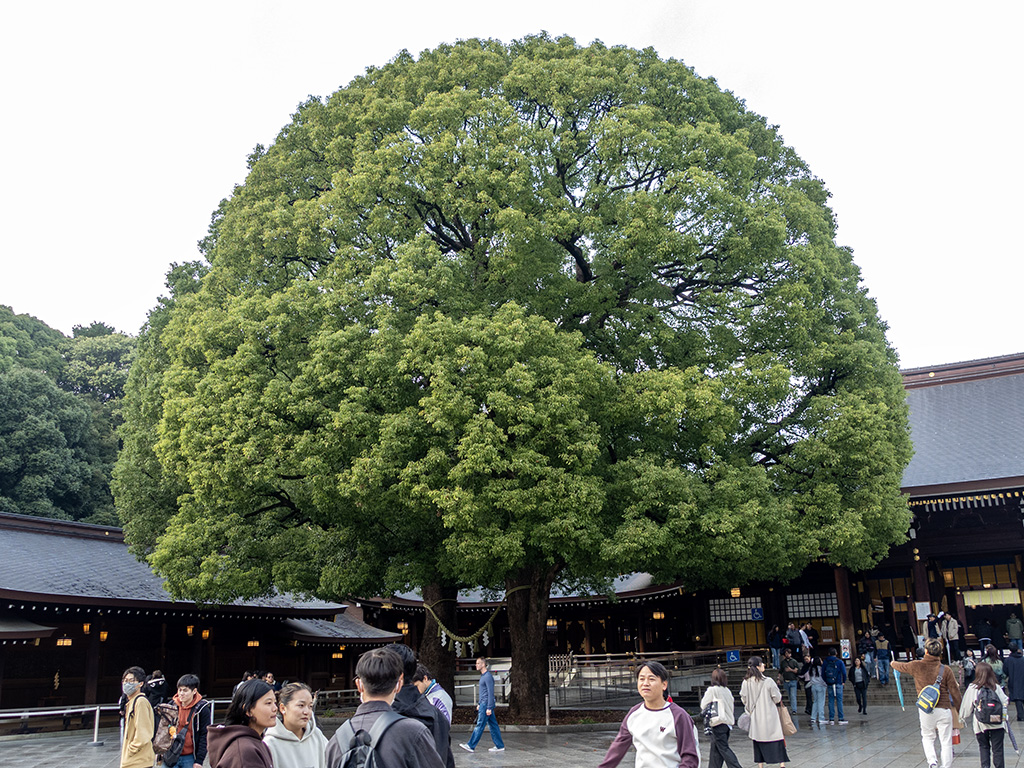
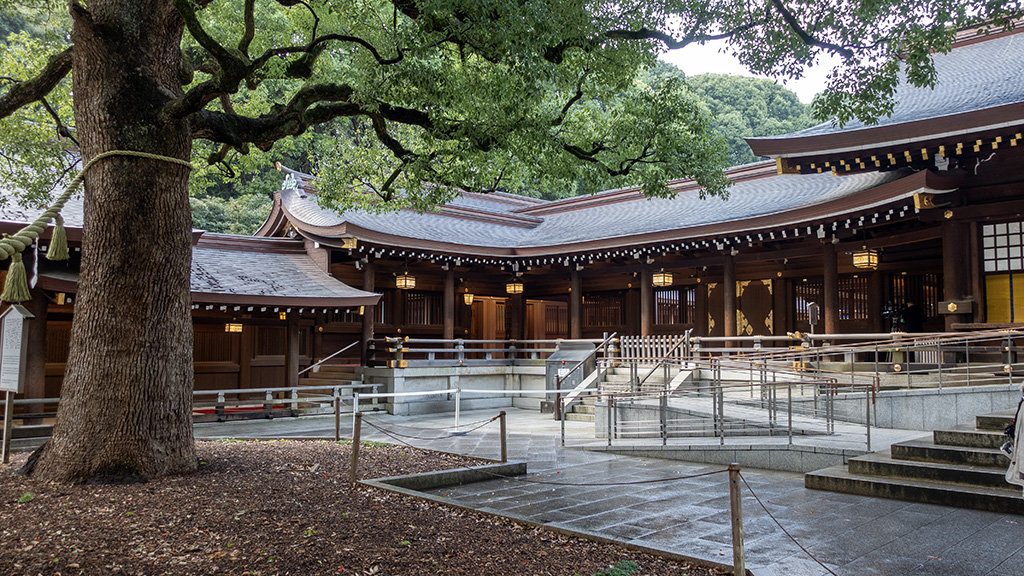
Unfortunately, the interior area of the temple had signs asking people not to take pictures, so the best I could do was to capture this from a distance in a way that didn’t show the photo-free area.
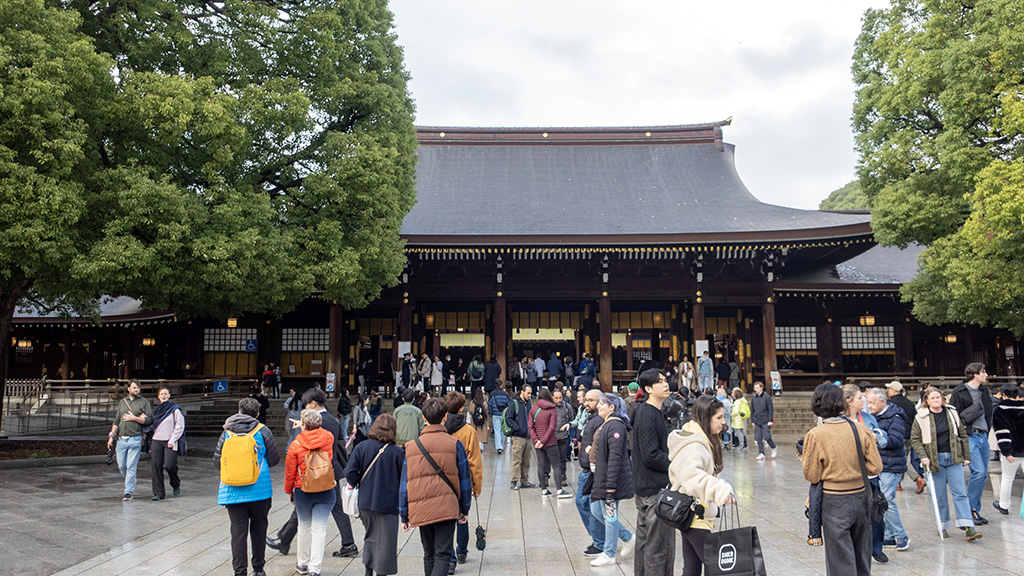
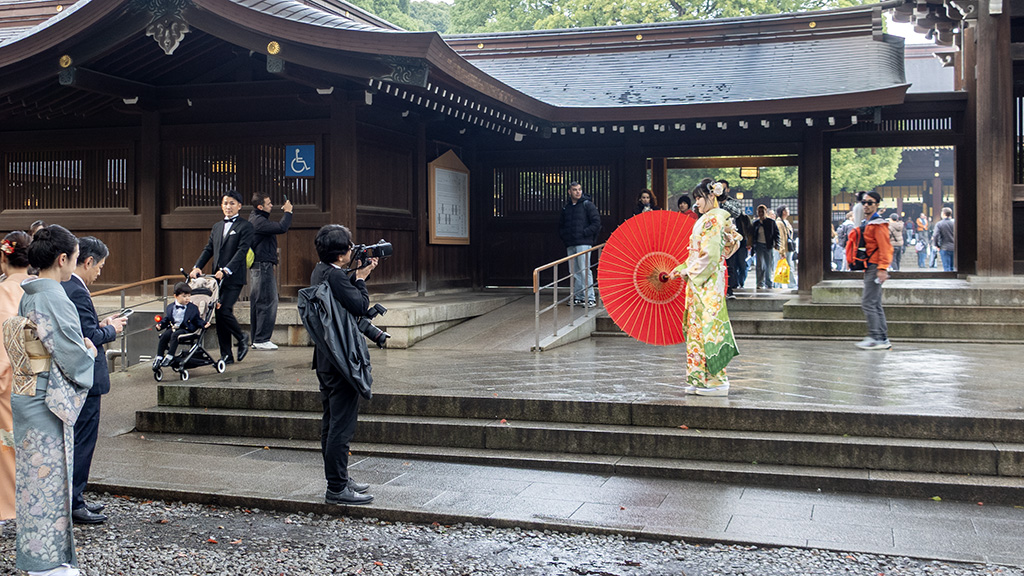
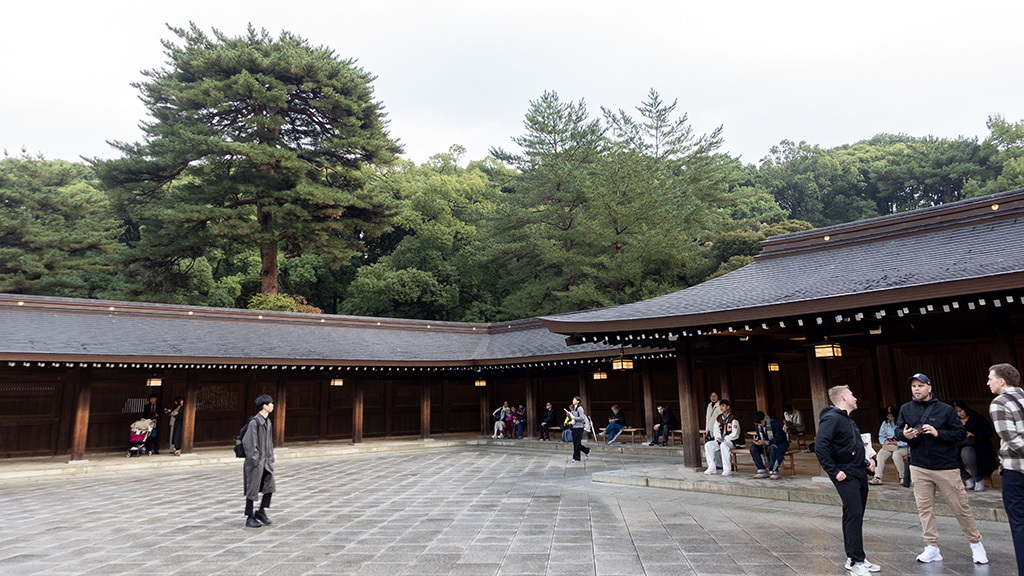
I also did a round around the stone-paved area to grab photographs of the surrounding buildings.
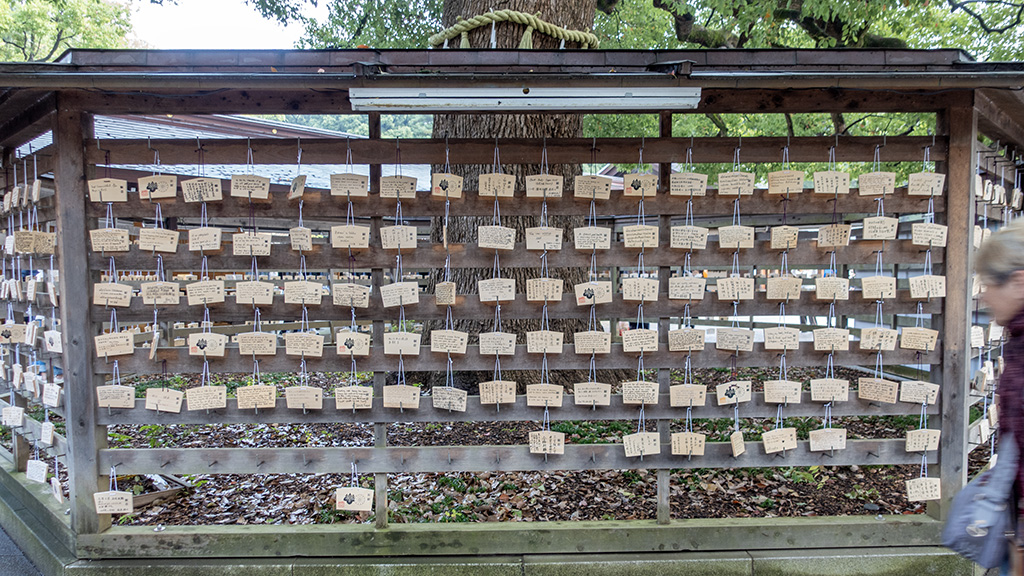
I couldn’t quite confirm for sure, but this appeared like an area where people could write messages and leave them hanging in the designated areas to dedicate them to the shrine.
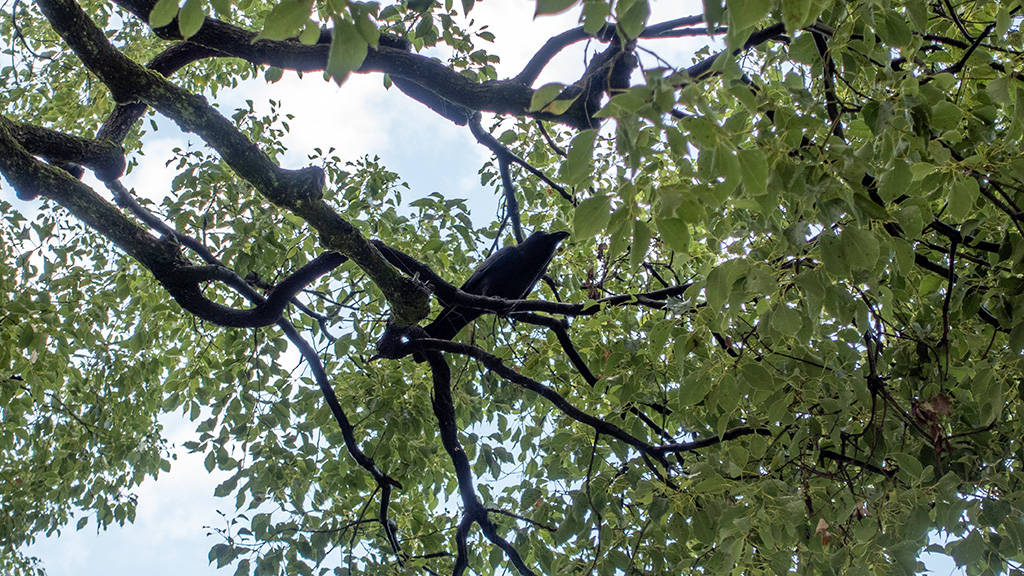
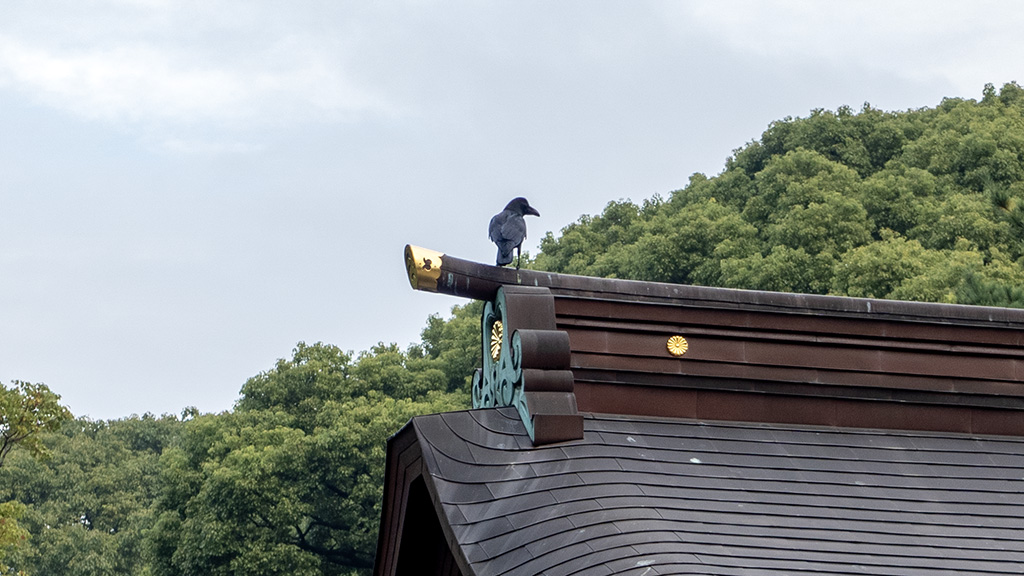
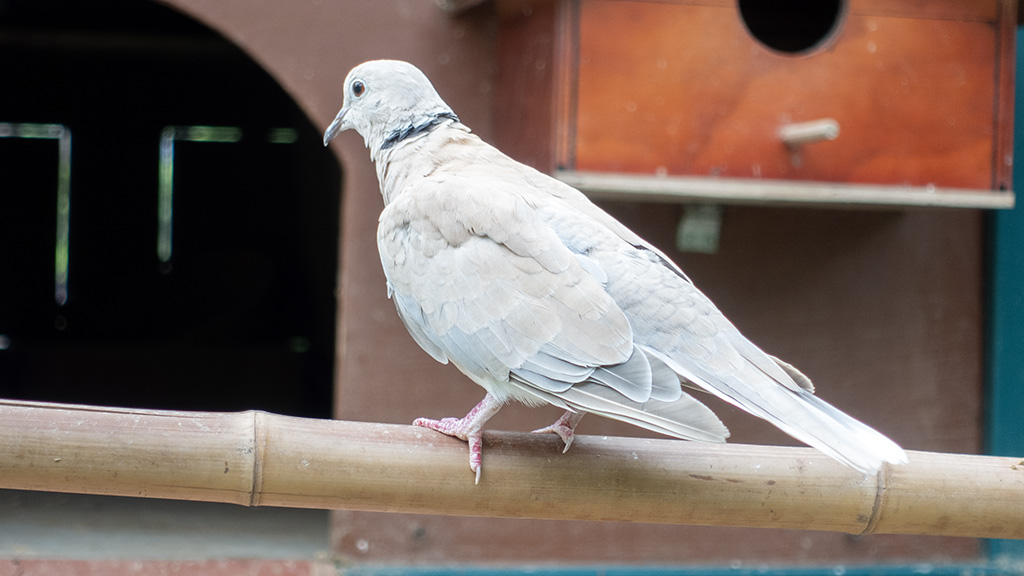
While walking around this area (and the park in general), I noticed that the birds were particularly vocal. It was quite amusing, and it sounded like the birds were making squawking and shrieking noises rather than more subtle chirping and cheeping sounds that I’m used to hearing from American avians.
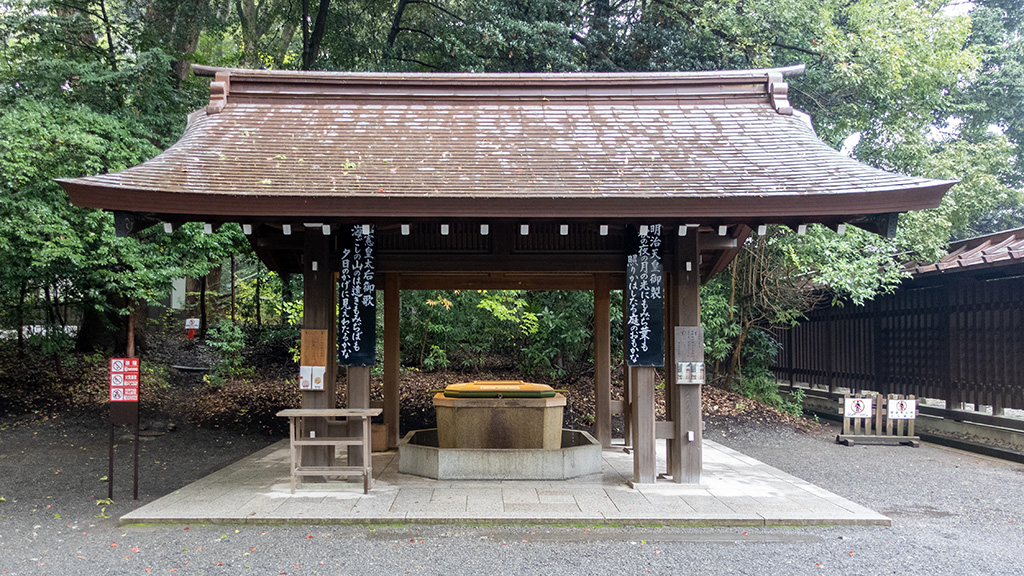
After exploring the temple, we exited through one of the gates and found this hand-washing station. There wasn’t one by the gate through which we had originally entered, but according to the signage near this one, I believe the idea is that you are supposed to cleanse yourself using this provided water prior to entering the temple.
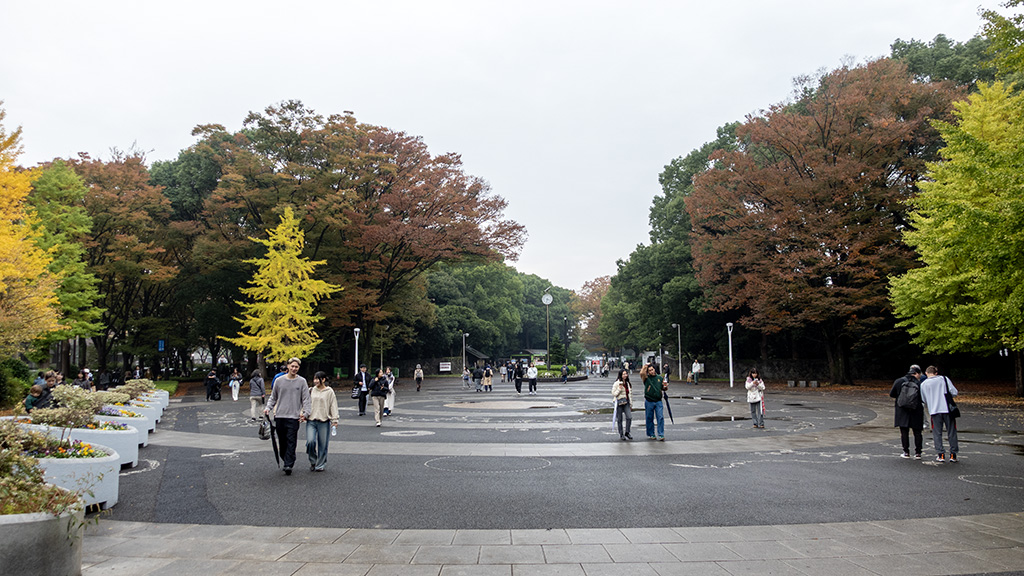
After a bit more walking, we made it to the southern side of Yoyogi Park.
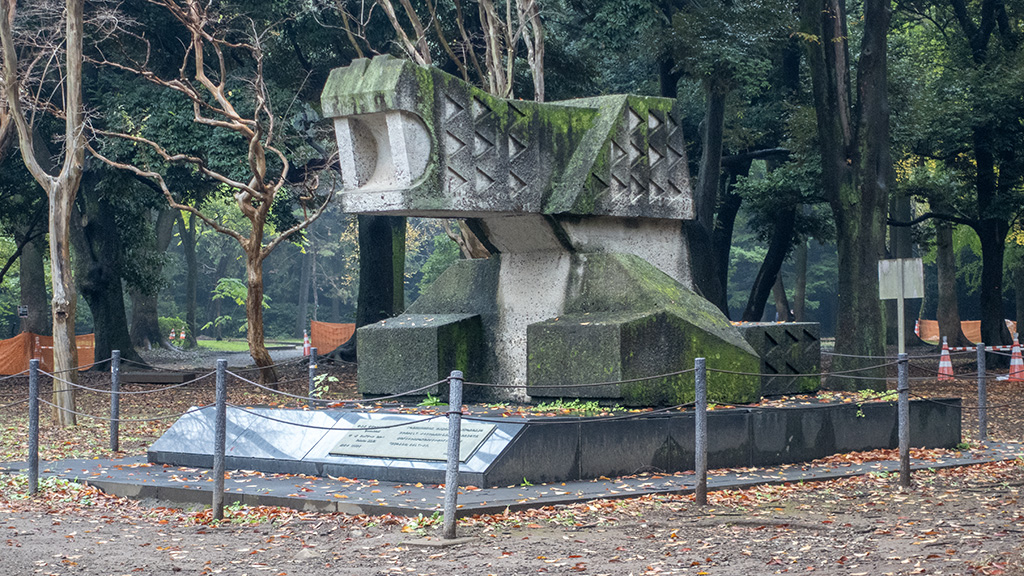
A lot of this area was basically a forest with very tall trees. It reminded me of some of the forests I hiked through in Washington, Idaho, and Montana, except these trees in Yoyogi Park felt more surreal after remembering that literally only a few hundred meters away, there were mid- and high-rise buildings densely packed together.
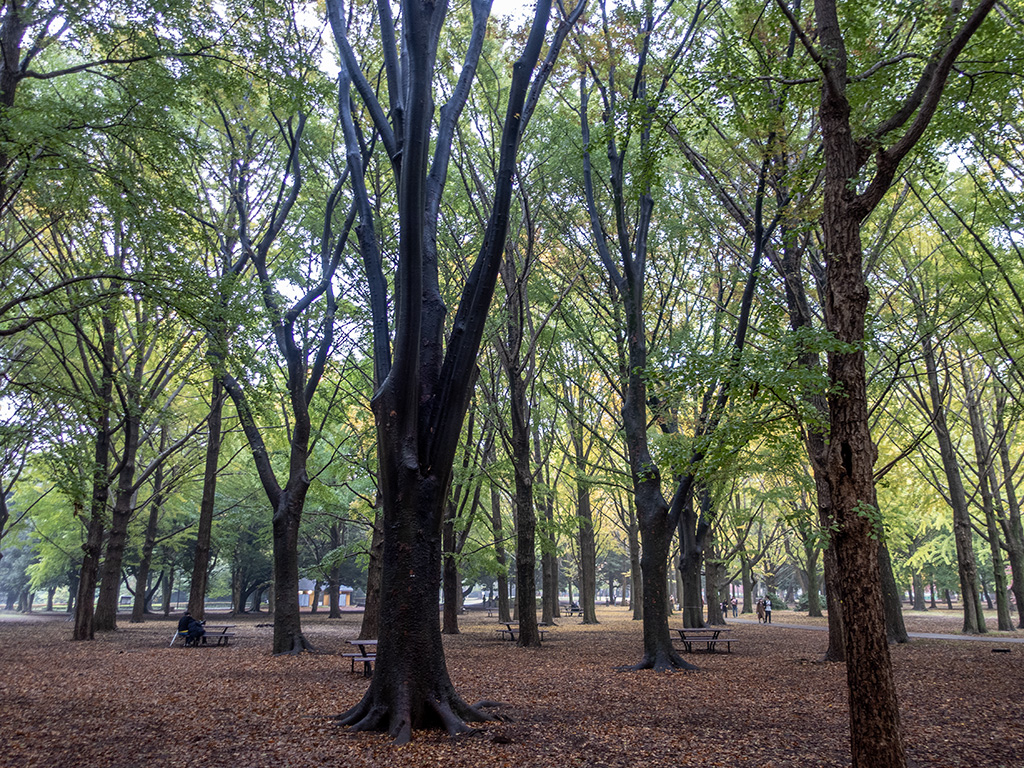
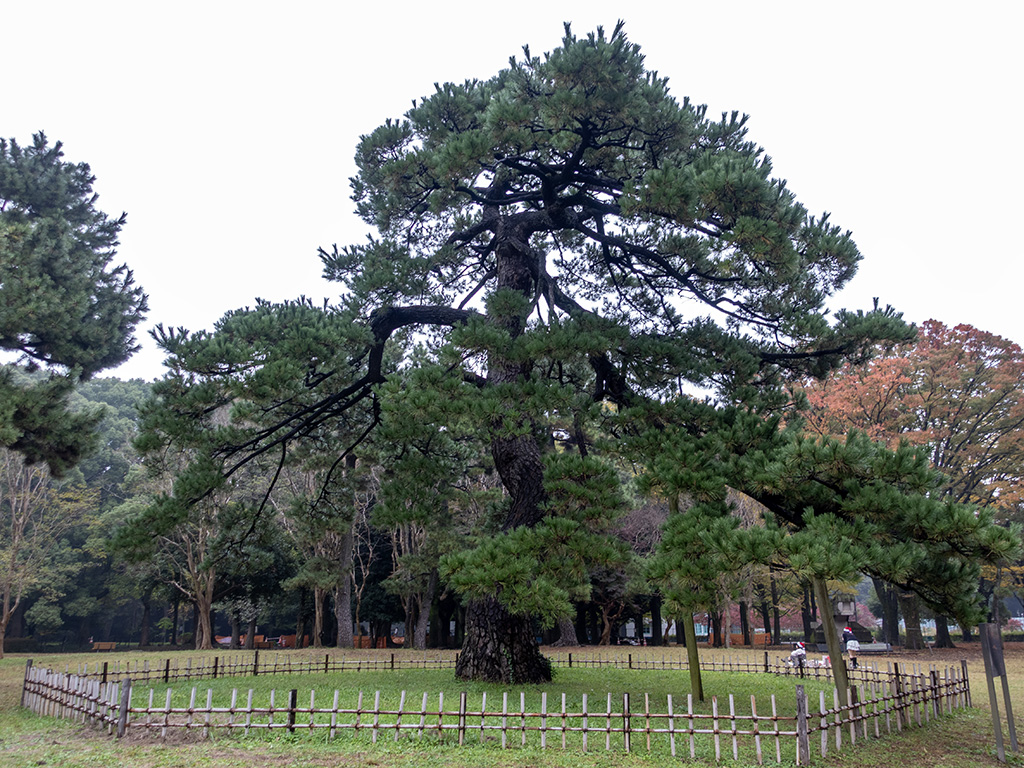
After finishing a very peaceful and calming walk, we made it to what I believe was intended to be the main entrance, and the path through which most tourists would start their visit to Yoyogi Park.
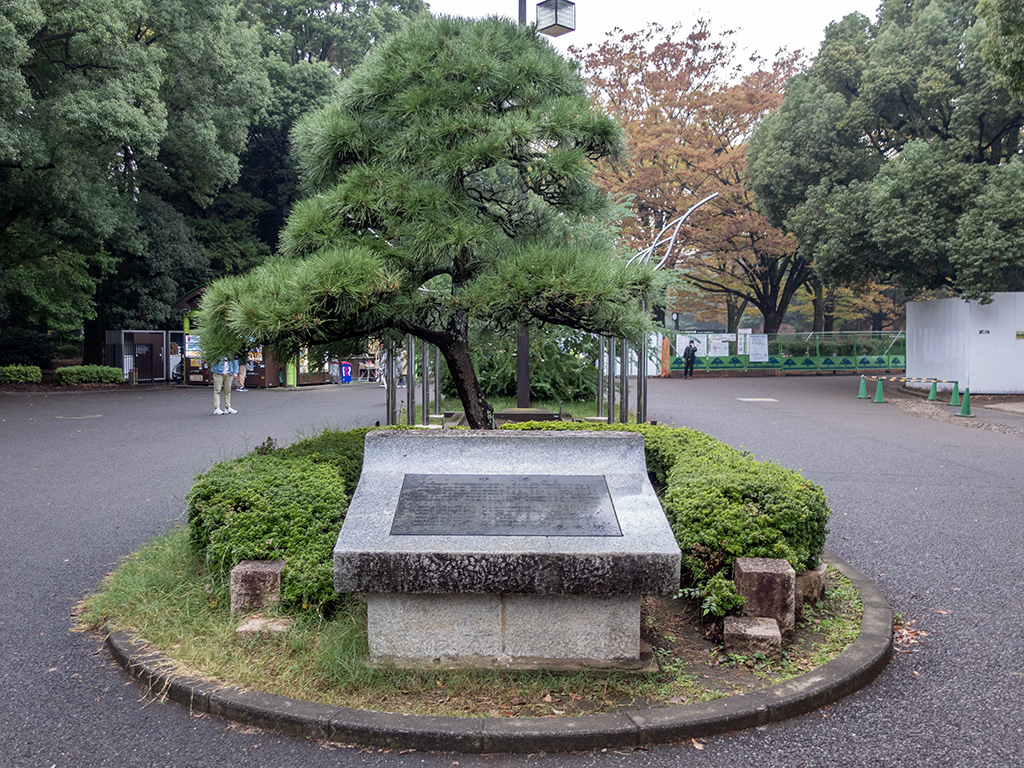
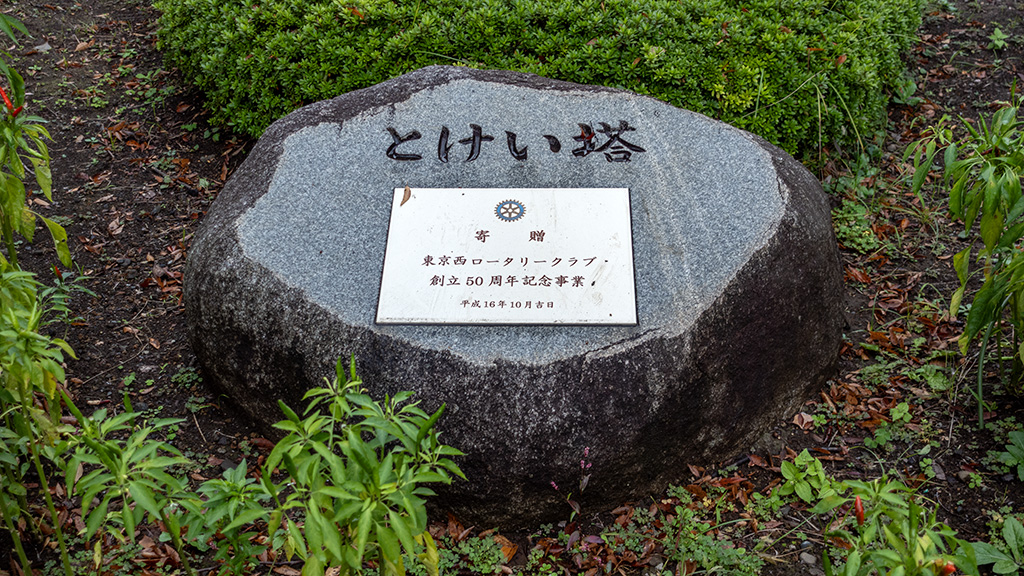
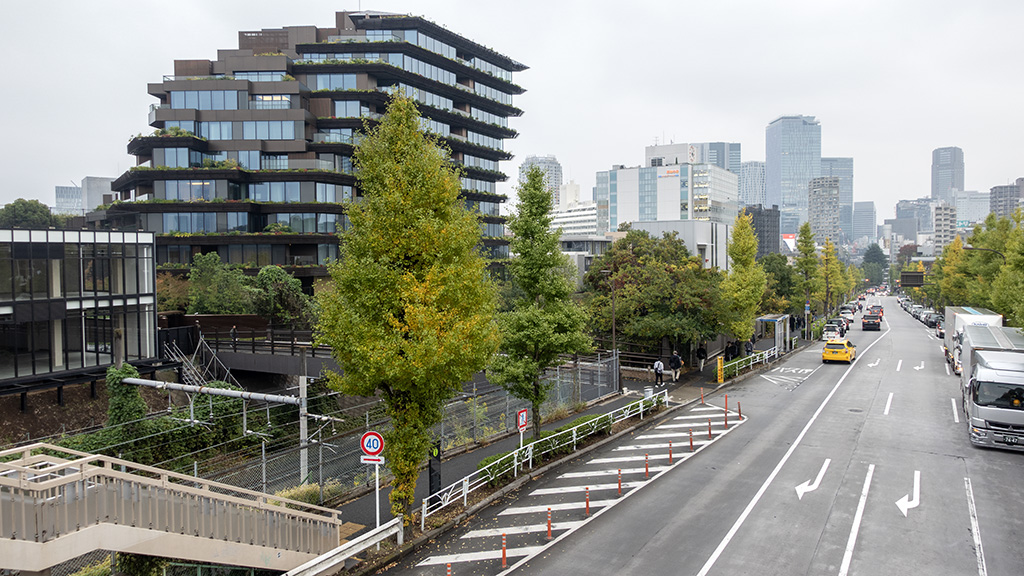
We started navigating our way away from the park and towards a restaurant to get some dinner, and in the process, I got a chance to ascend some stairs to a pedestrian skybridge, which allowed me to get an elevated view of the city around the park and snap some nice photos.
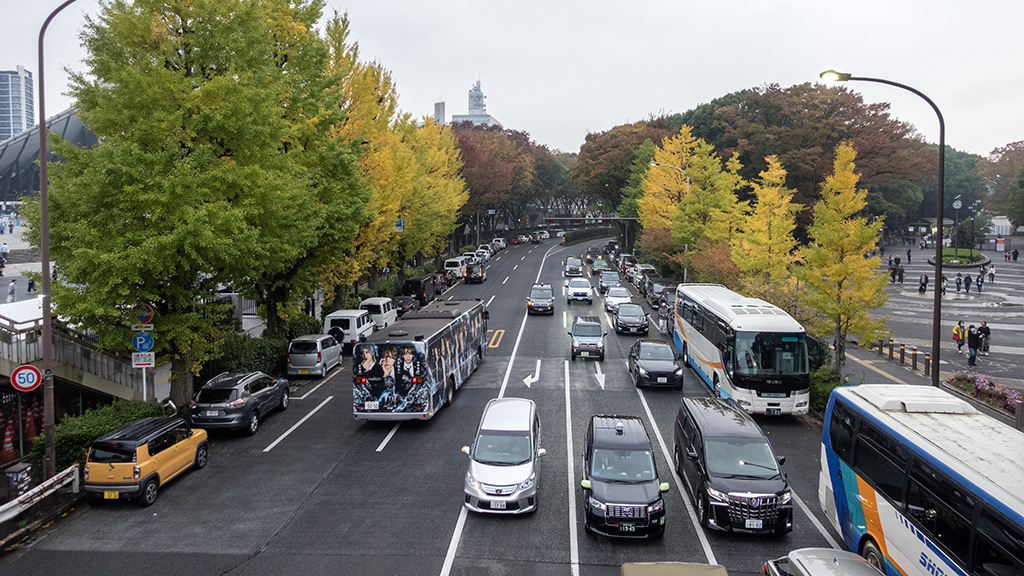
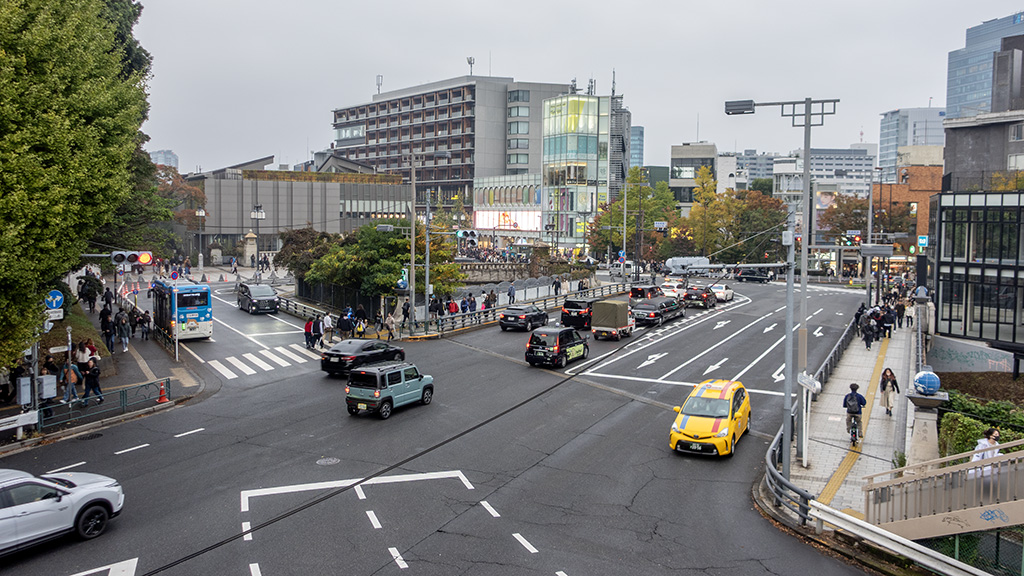
As you were probably able to tell, I very much enjoyed my time in Yoyogikamizonochō. The best part was that this isn’t even the only park of its type in the Tokyo Metropolis—there are a lot of “oasis in the middle of a bustling city” kind of spots spread throughout the various cities in Tokyo (and I ended up visiting a few more of them, as you will see in future blog posts).
 

—§—


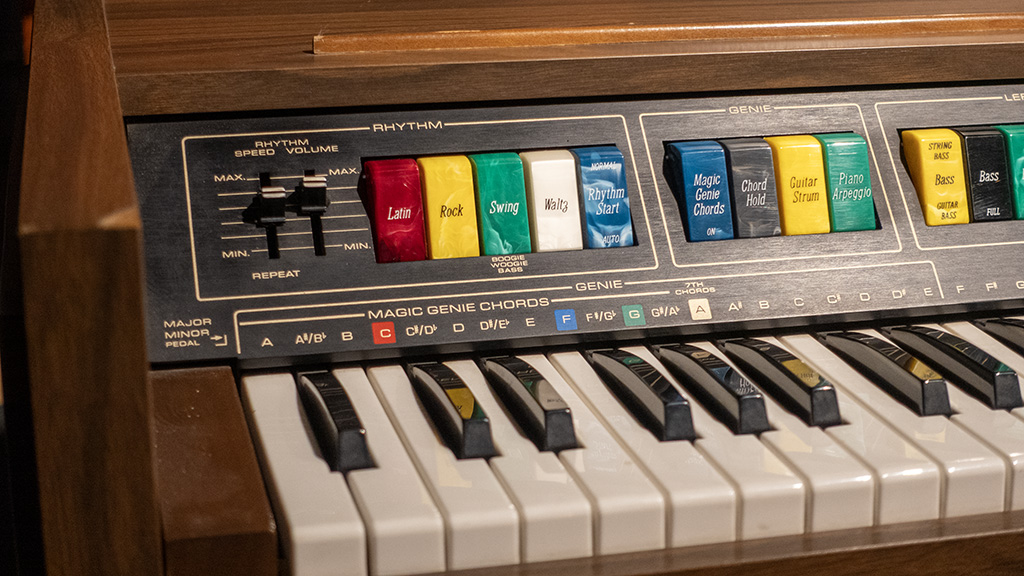
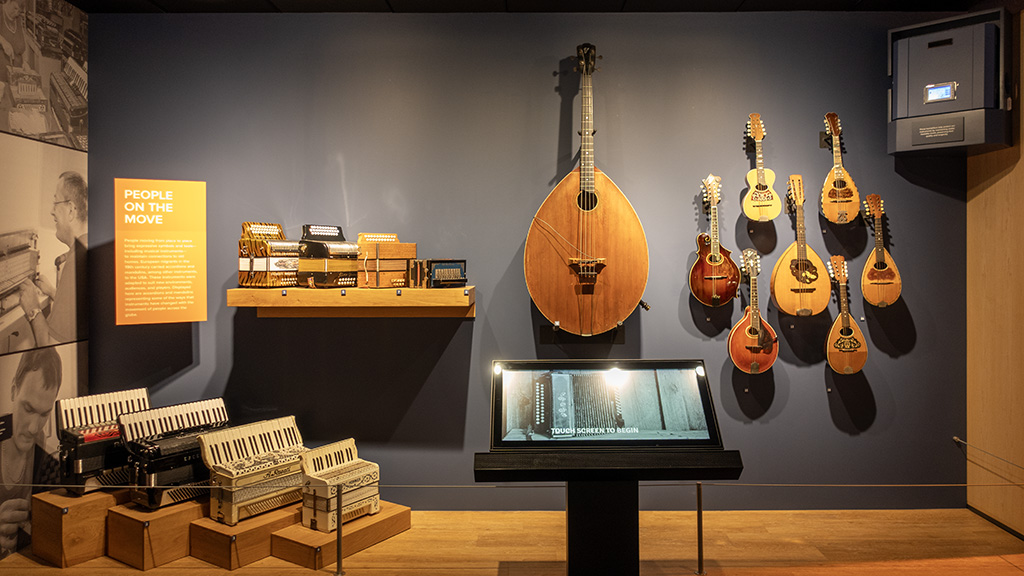
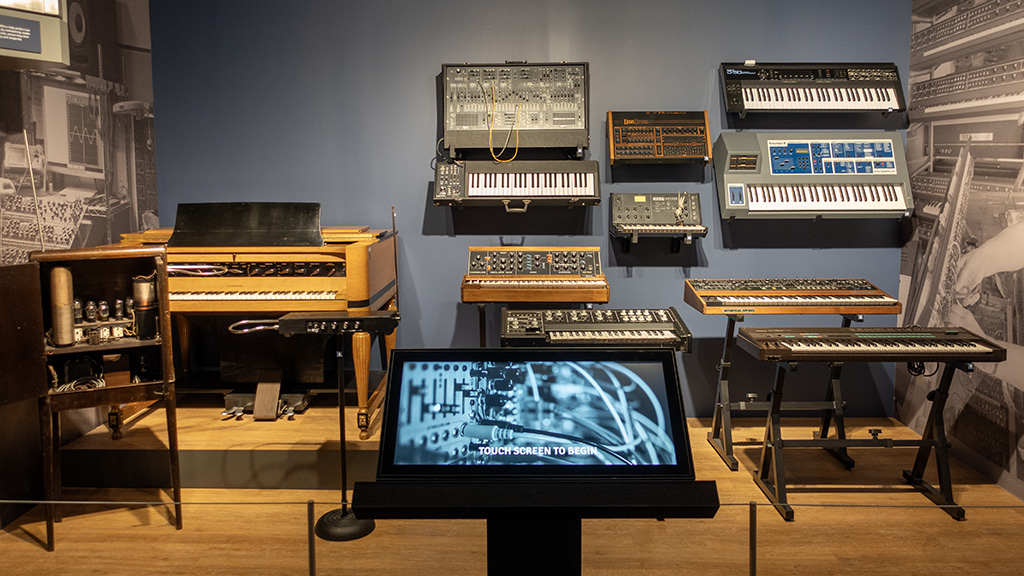
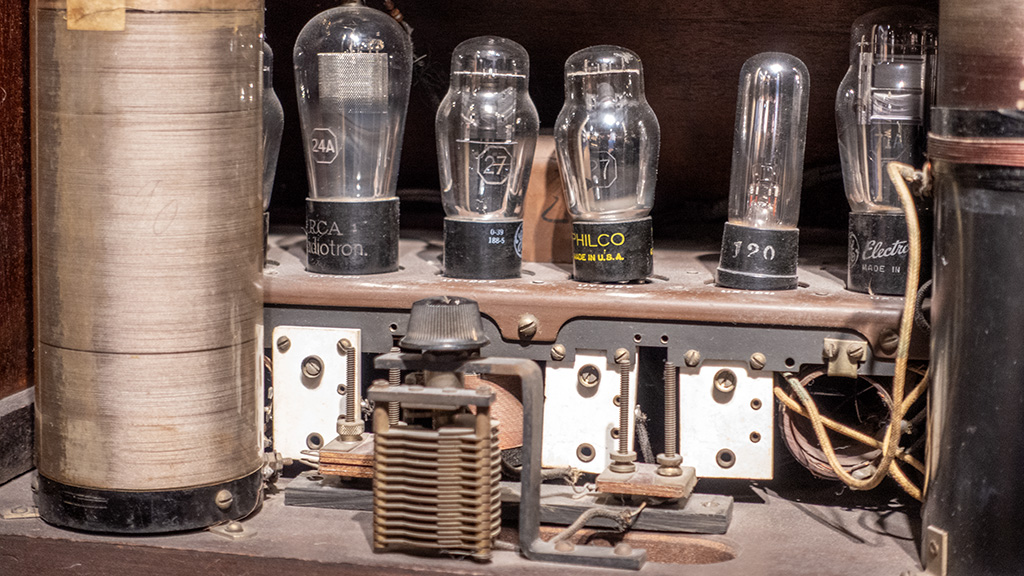
Hello, Museum of Making Music in Carlsbad, California

I’m currently in the process of traveling from Las Vegas to San Diego for an event at the San Diego Convention Center. Instead of flying straight there, I decided to stop by Los Angeles County first to visit some friends, then finish the journey via car. I could’ve just finished the drive in one session, but I decided to split it up and spend some time in northern San Diego County being a tourist because it’s conveniently on the way there.

Because of how much traveling I’ve done in the United States, I have begun to vaguely fall into the “basically seen everything” bucket at this point (for my country). Consequently, when I visit a new city, I like to check stuff out that is unique and distinct to that particular city that I can’t find elsewhere; this strategy has helped me continue my exposure to novel experiences throughout my adventures.

On an unrelated note, I like music.

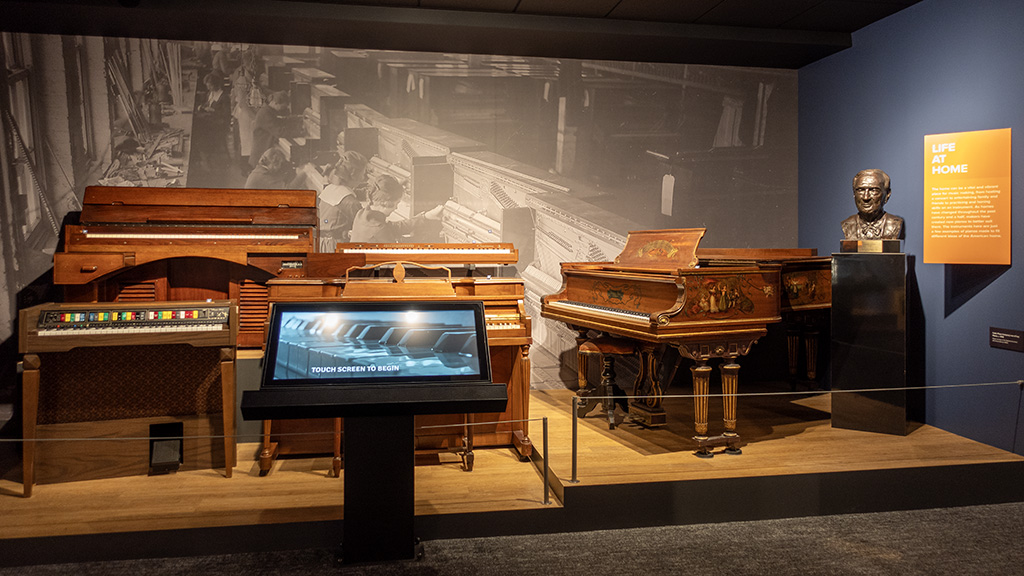
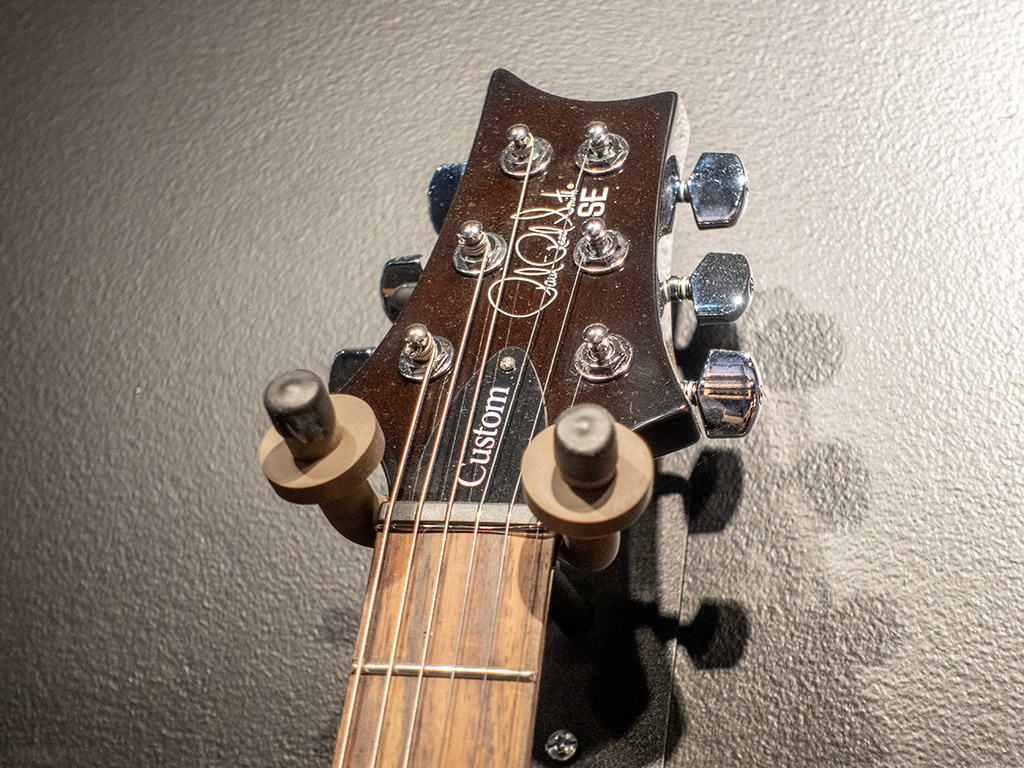
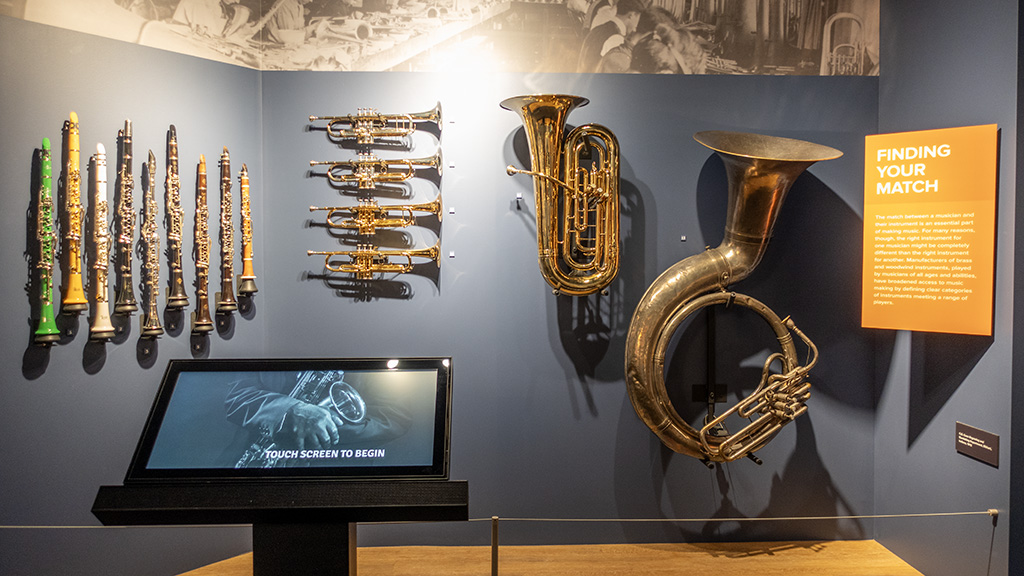
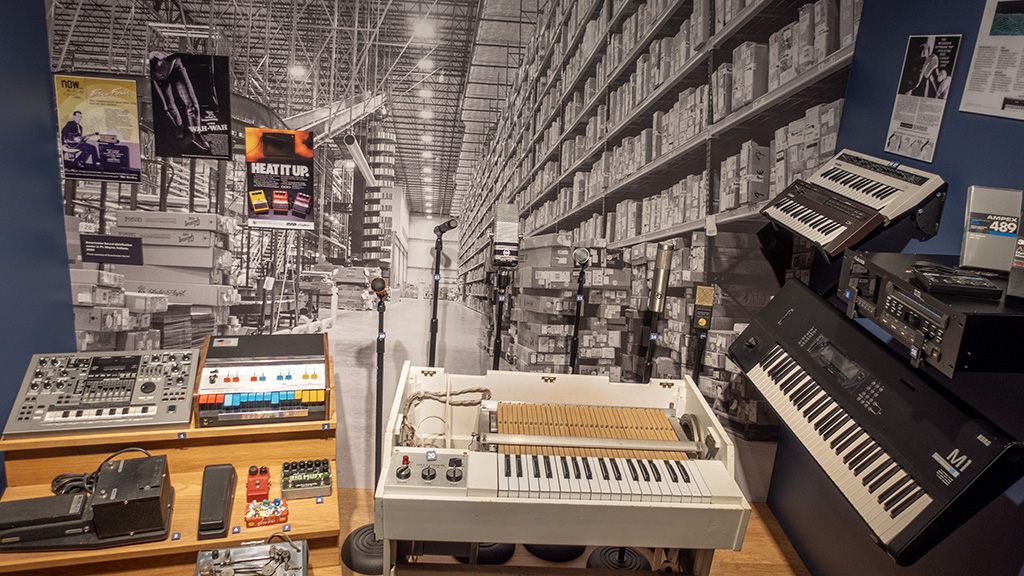
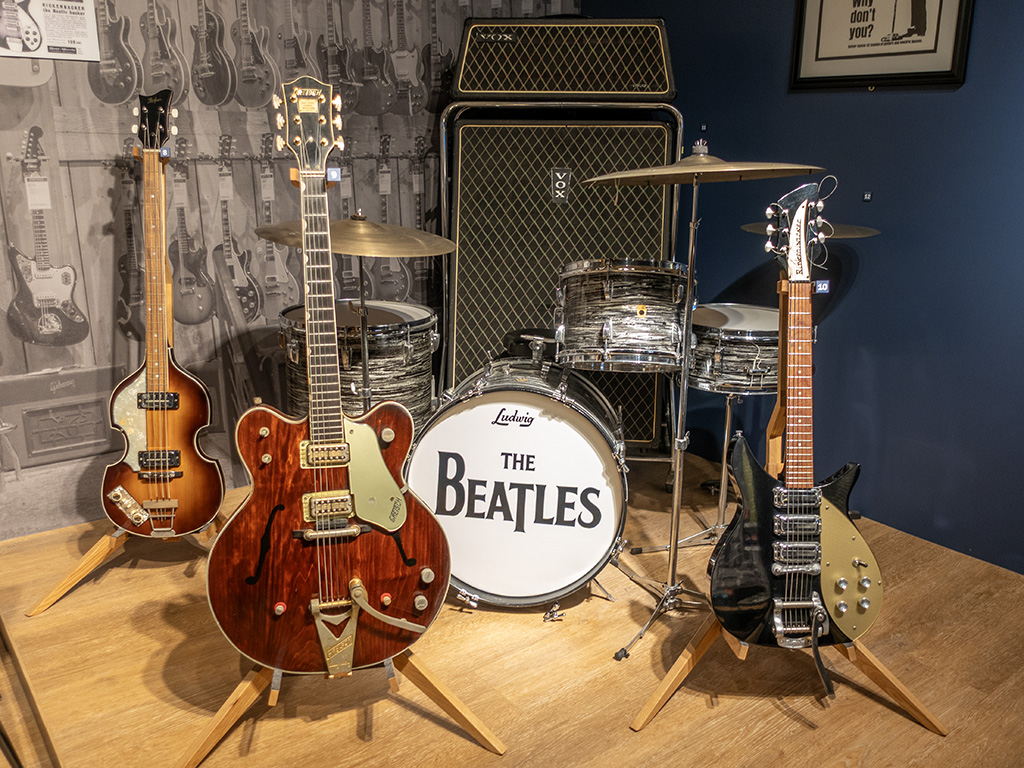
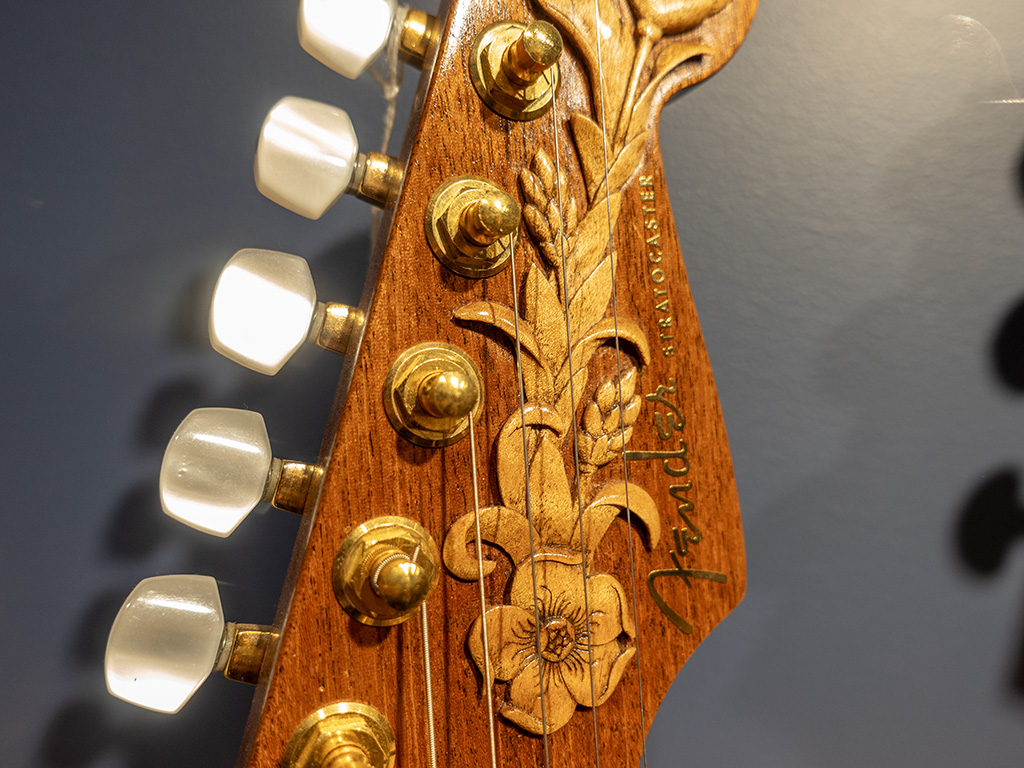
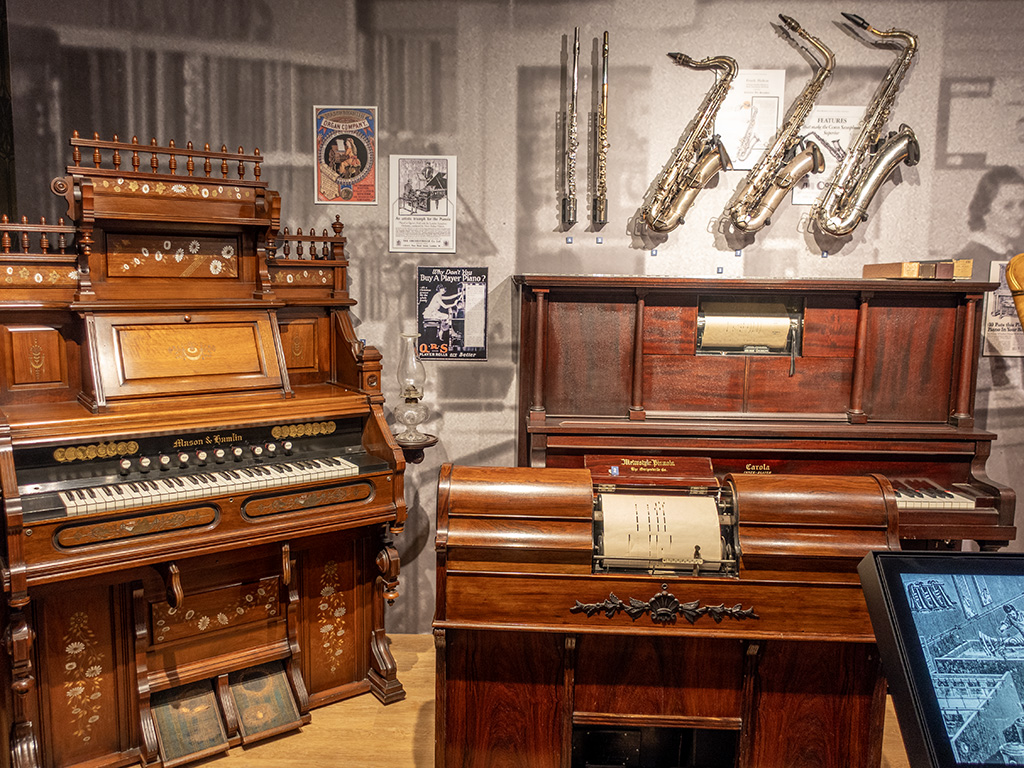
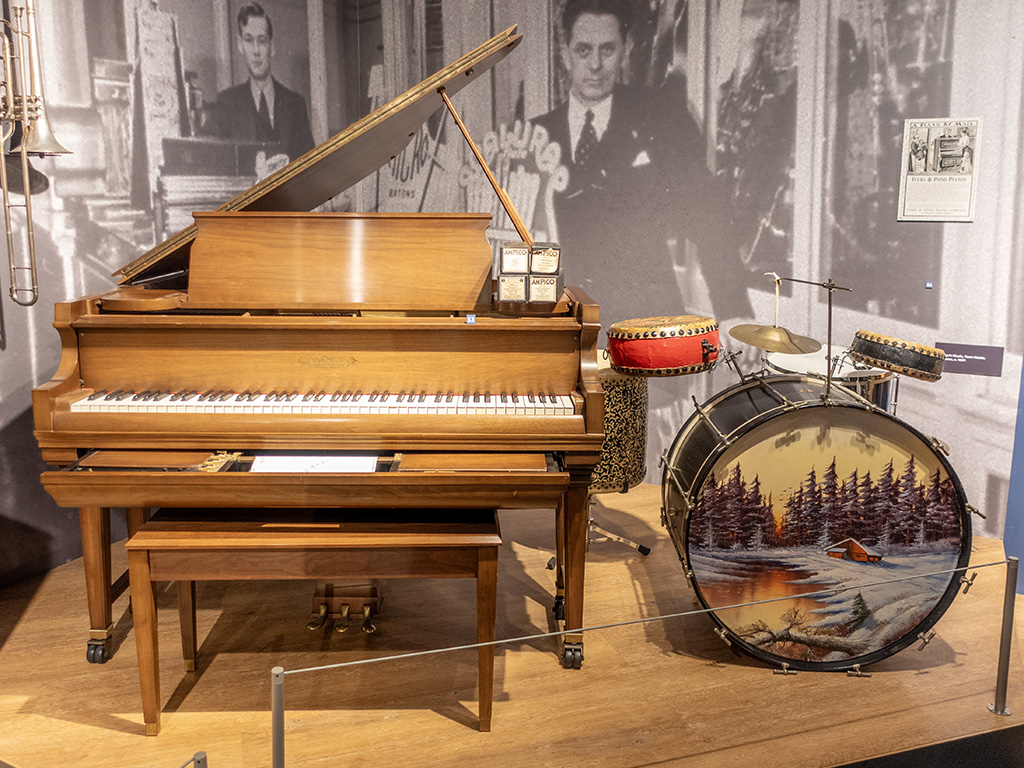
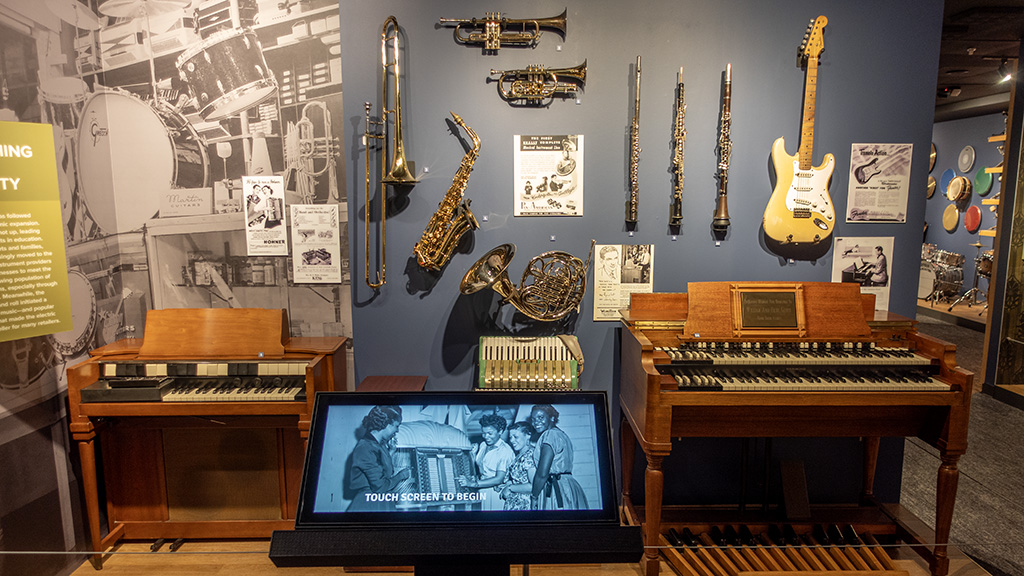
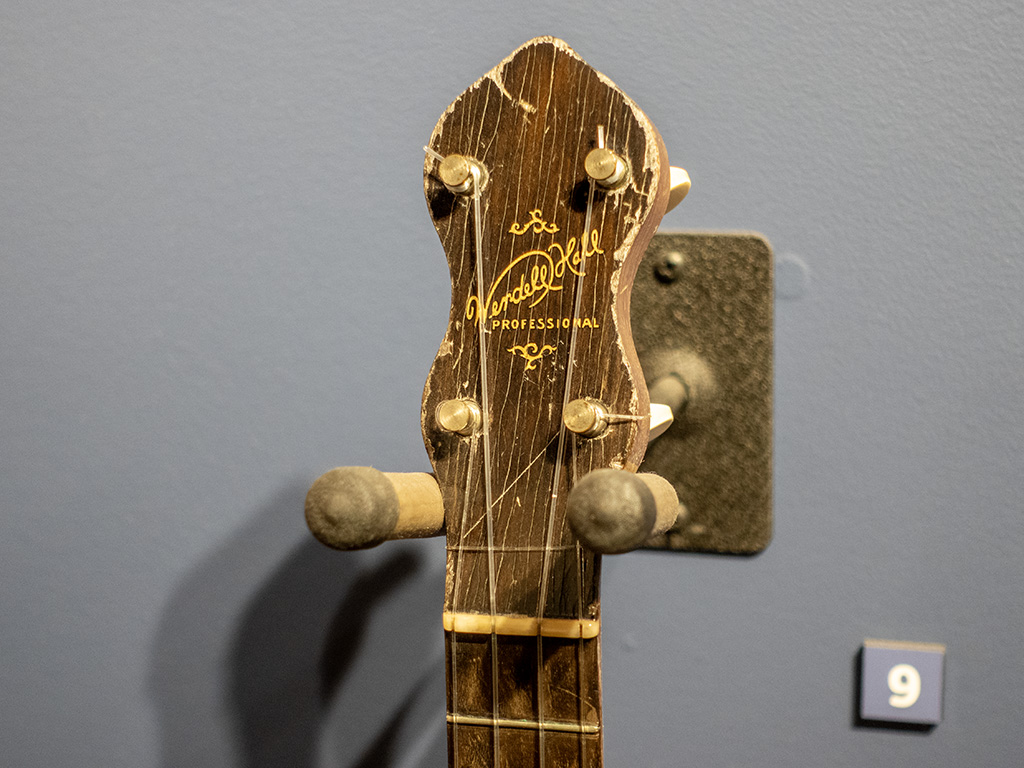
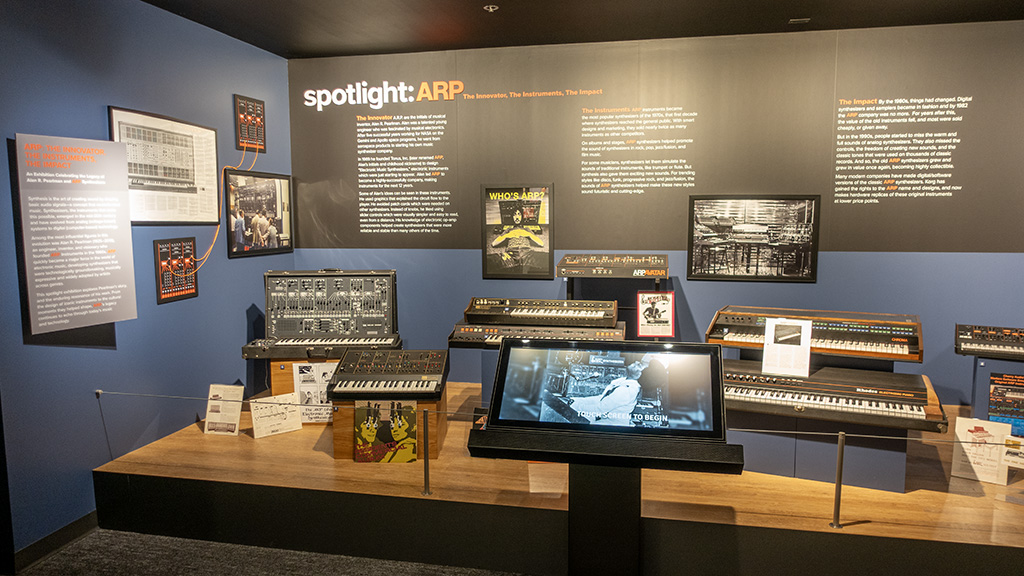
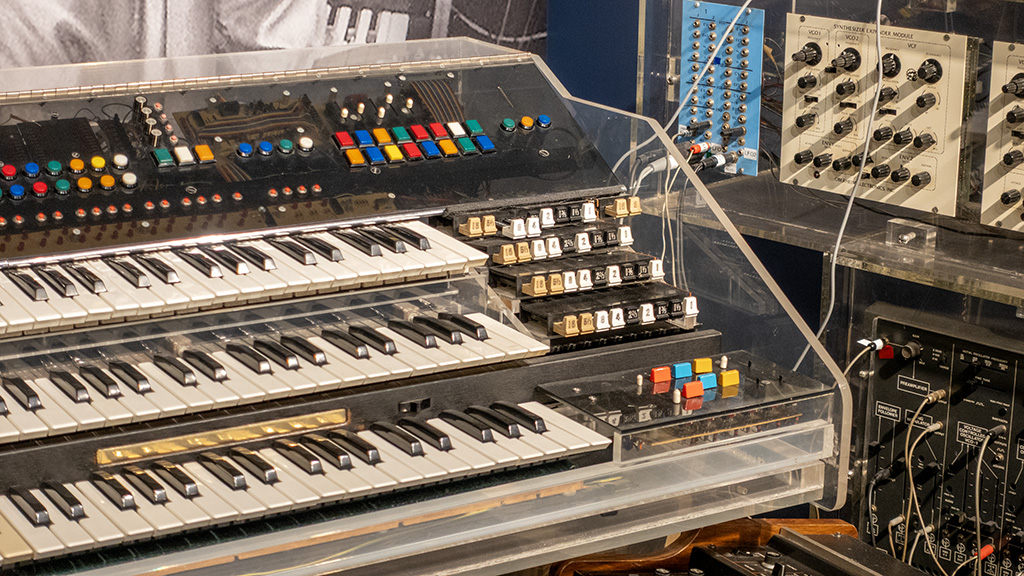
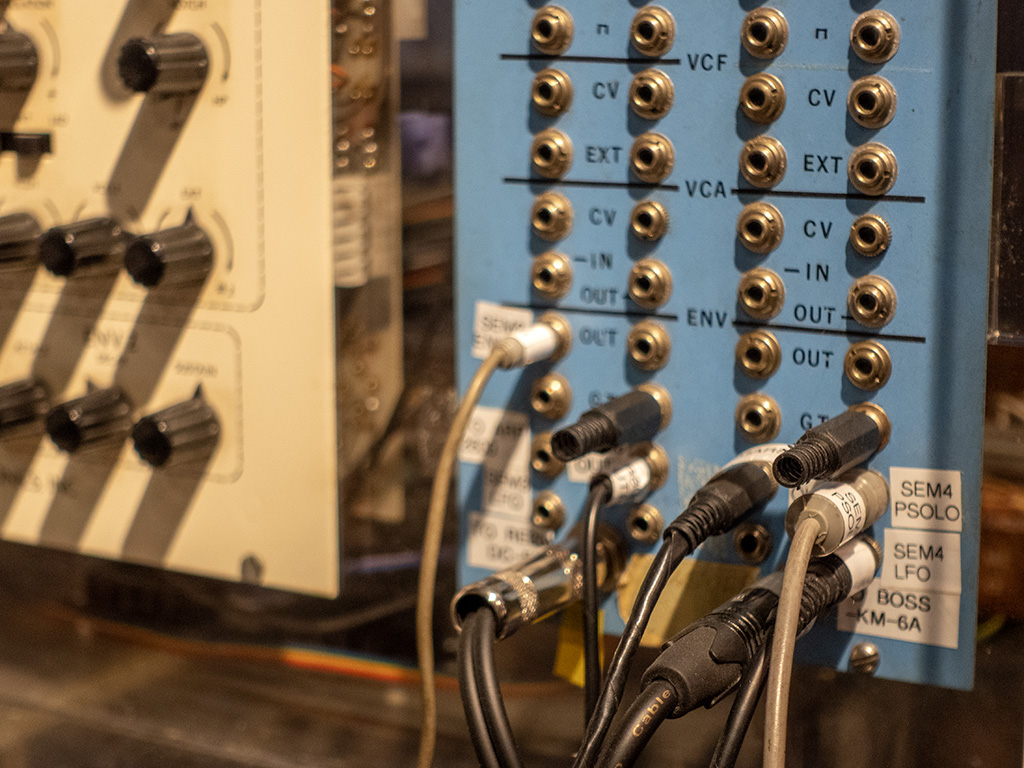
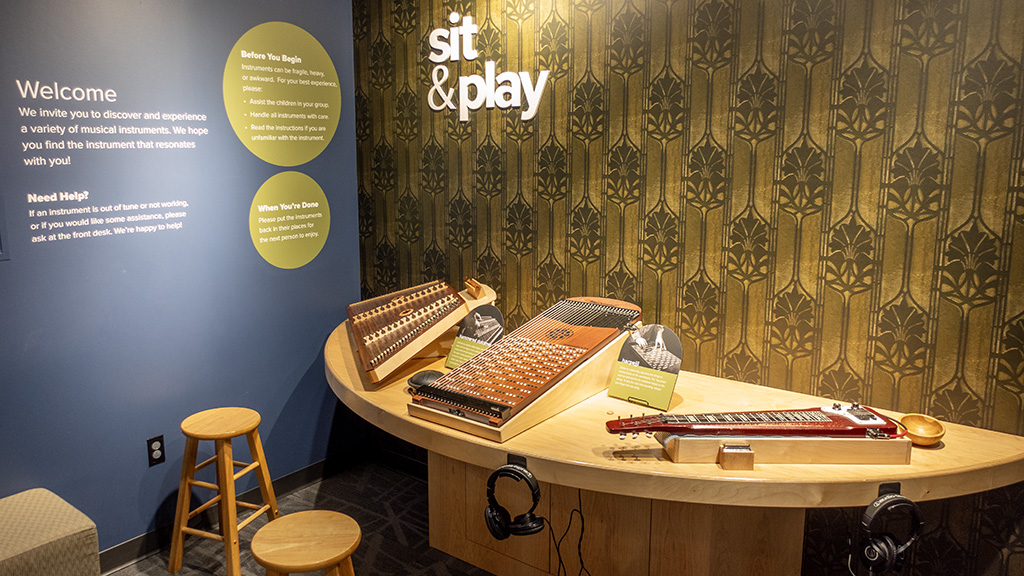
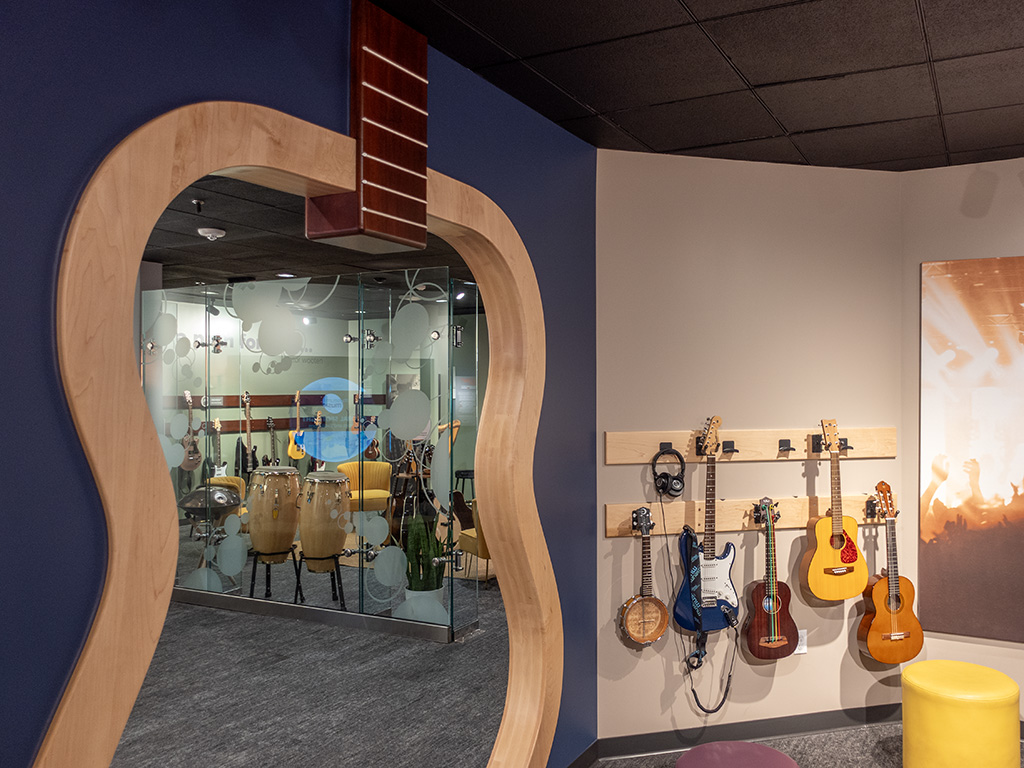
One of the activities I decided to do part-way to San Diego was to visit the Museum of Making Music in Carlsbad, California. I felt like this museum hit my two aforementioned metrics well—I haven’t really seen too many other museums dedicated to music (the only other one that comes to mind that I’ve been to is Studio Bell, Home of the National Music Center), and it covered one of my topics of interest.

Upon entering the museum, I paid US$15.00 for a general admission ticket and was greeted by a docent who spent some time showing me an introductory short film and explained how to get the most out of my museum experience. From there, I was on my own to explore at my own leisure, which I did for the next couple hours.

I was a little tight on time because I had a dinner reservation for 5 PM PDT that day, which I picked as the earliest available time slot due to wanting to finish the drive to San Diego that same evening and make it into my hotel before it got too late into the night. Sometimes, a couple hours is enough for a museum, but at the Museum of Making Music, I felt like a couple hours is only sufficient for a rushed experience.

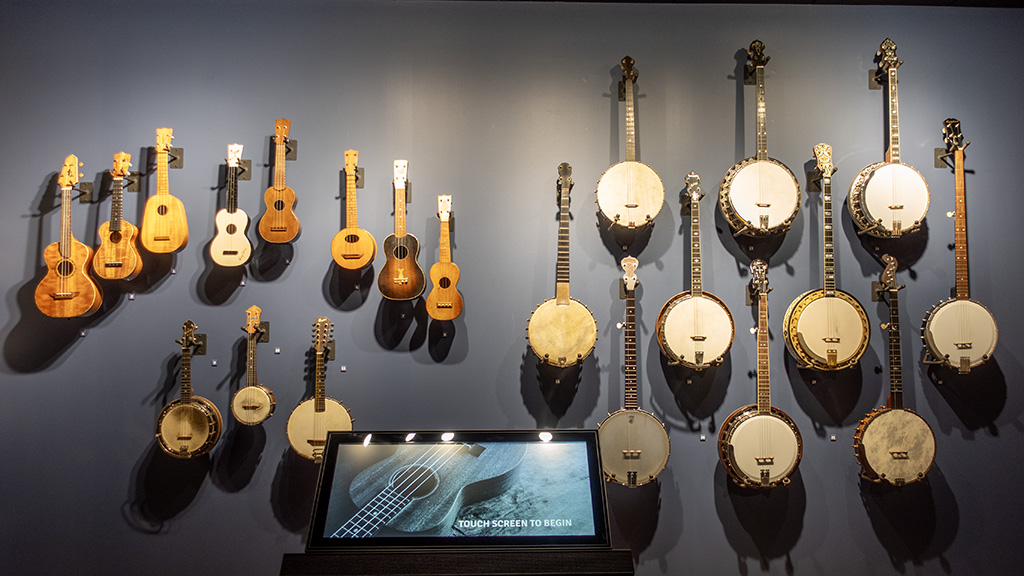
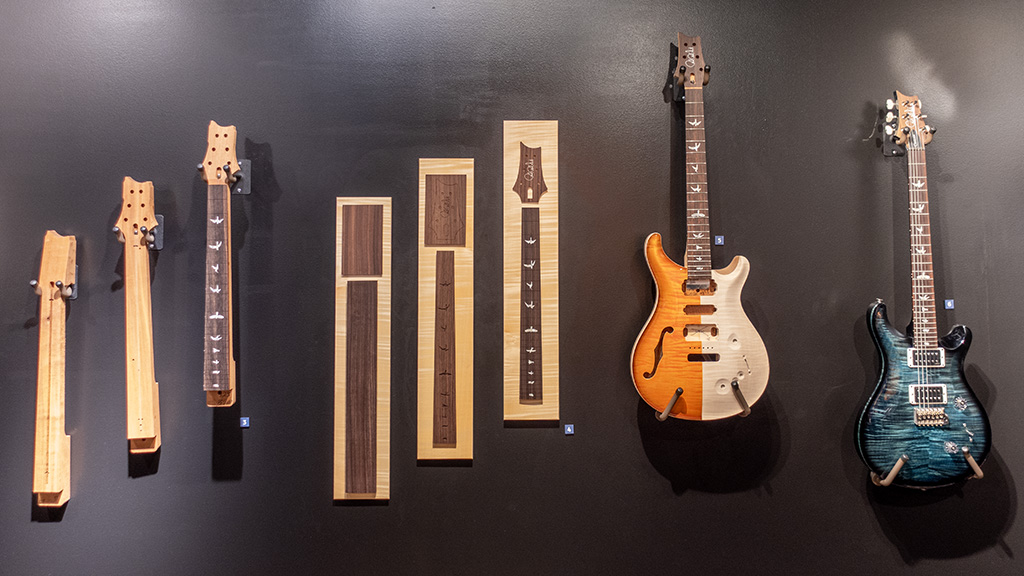
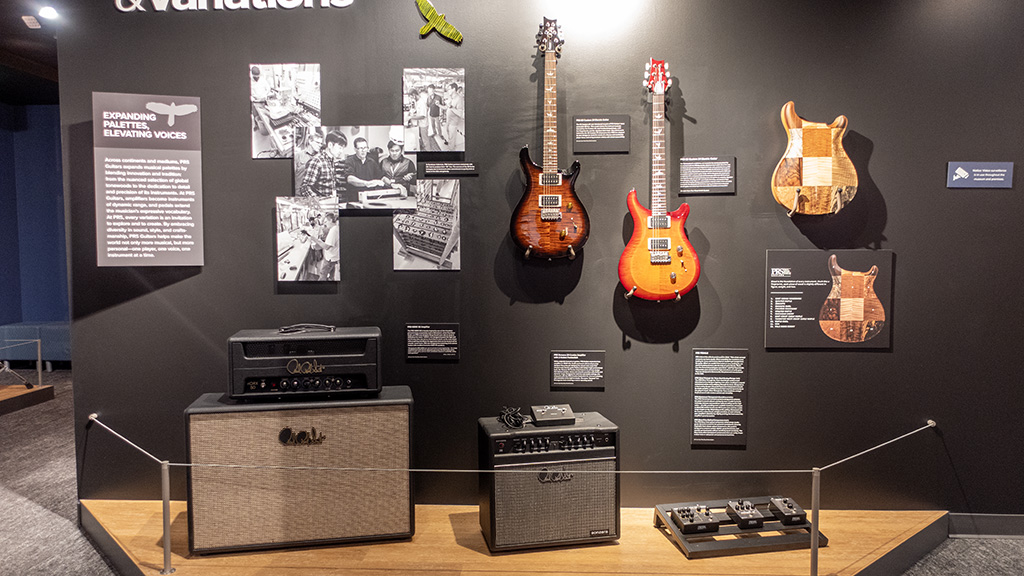
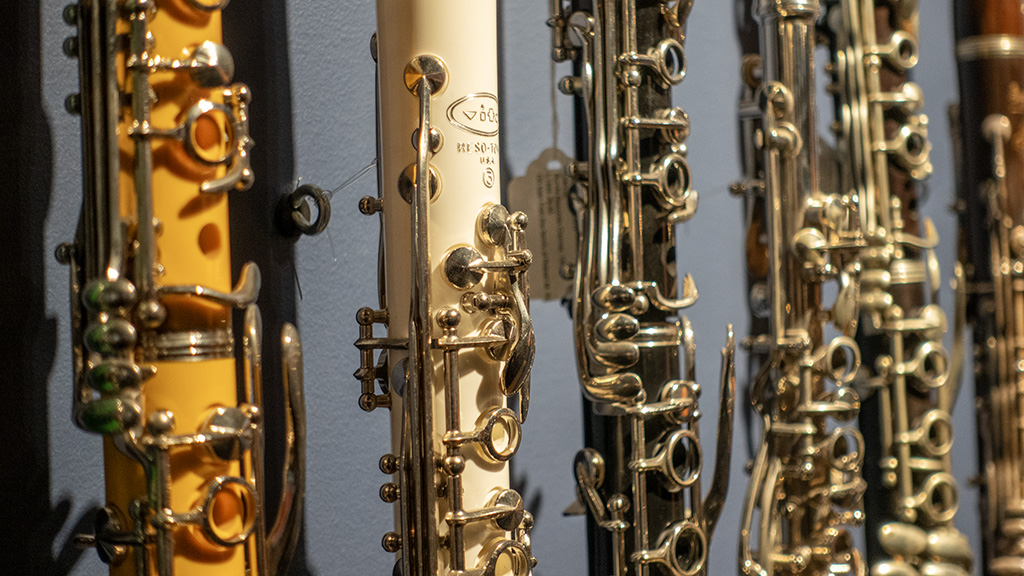
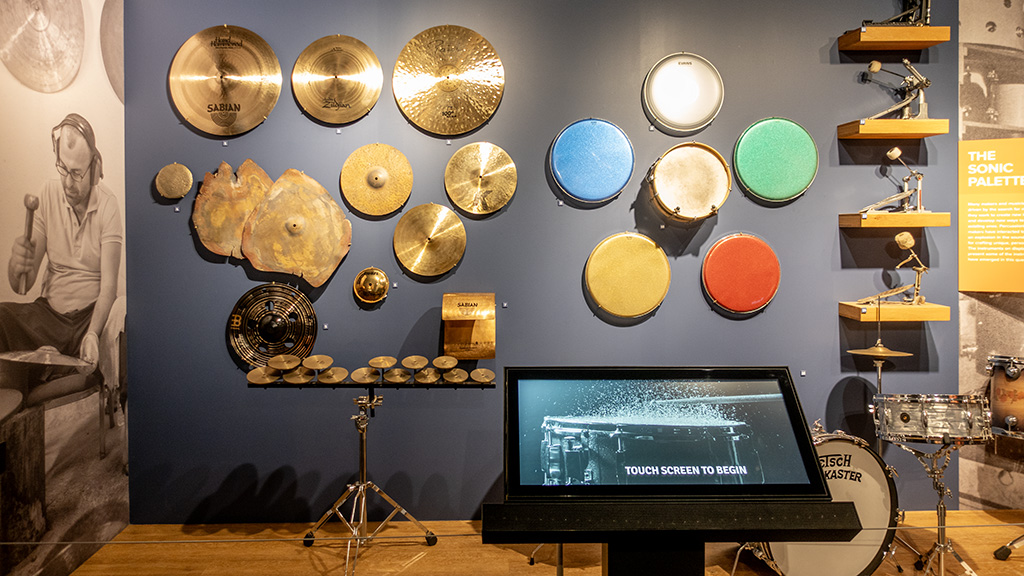
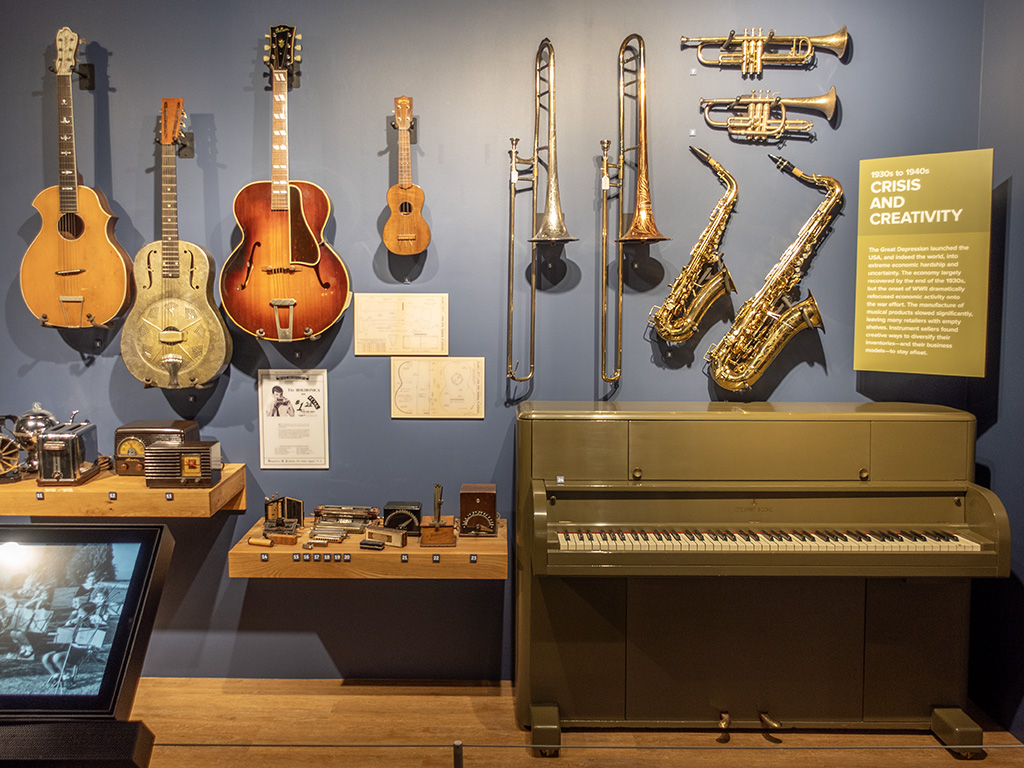
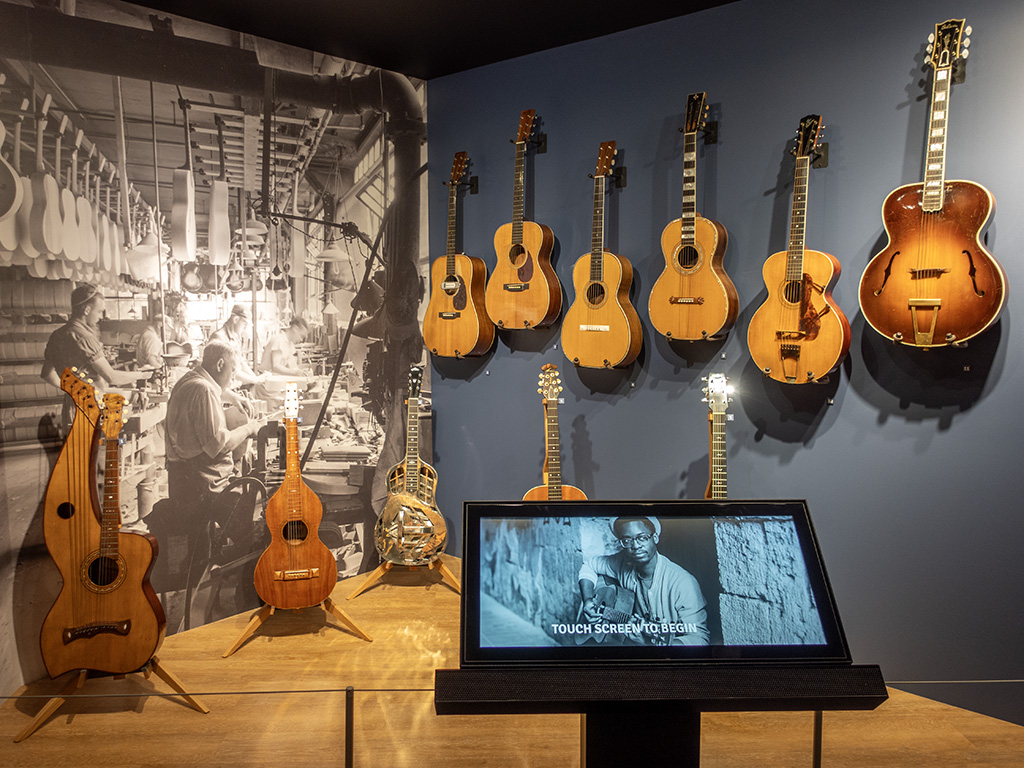
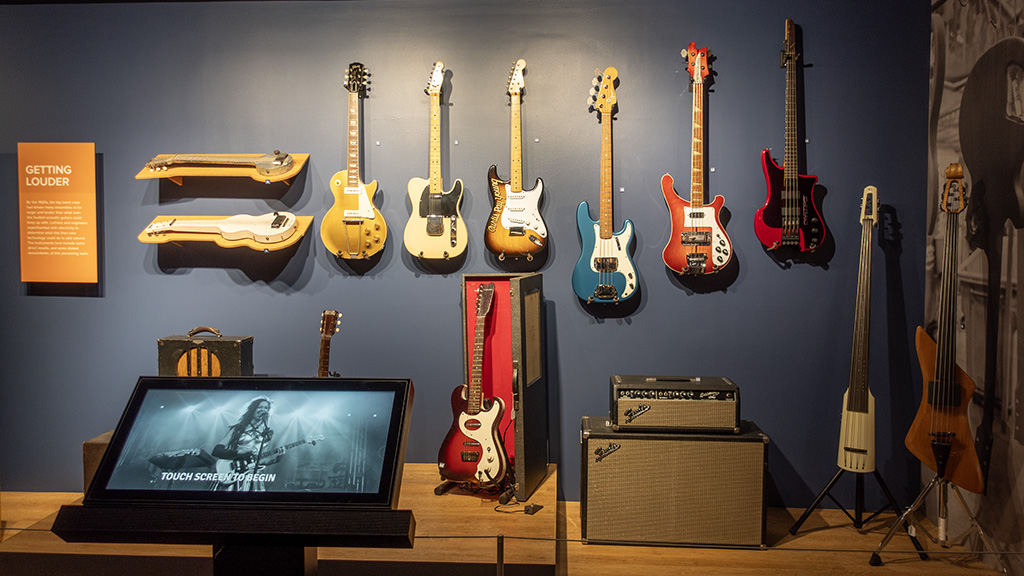
Each station not only had many instruments in the exhibit, but an interactive screen where you could learn more about each item on display. It also had a lot of videos with performances using the displayed instruments, along with behind-the-scenes looks at how makes and models of those instruments are produced. Beyond just the exhibits, there were also sections of the museum containing sample instruments that you could try out.

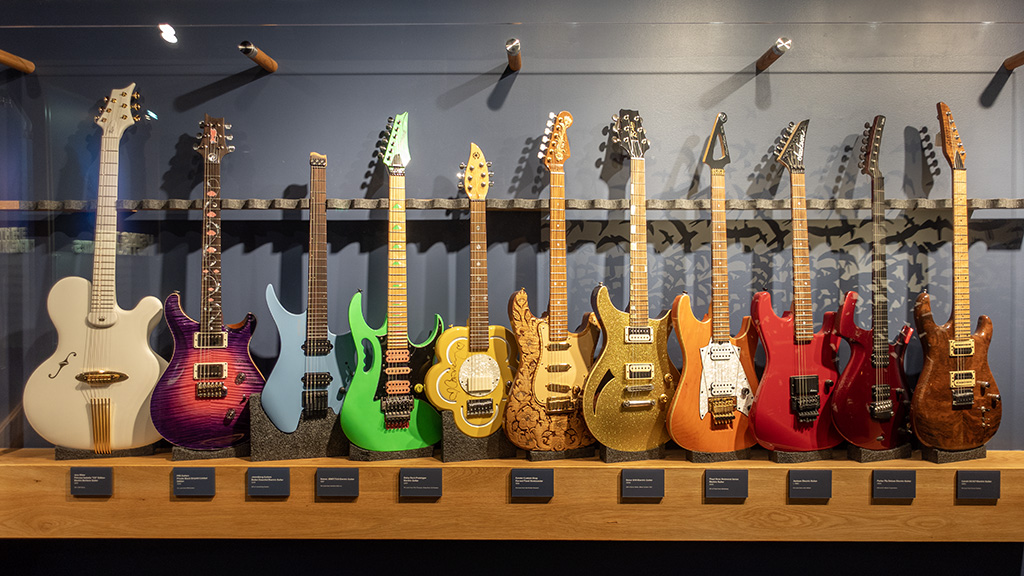
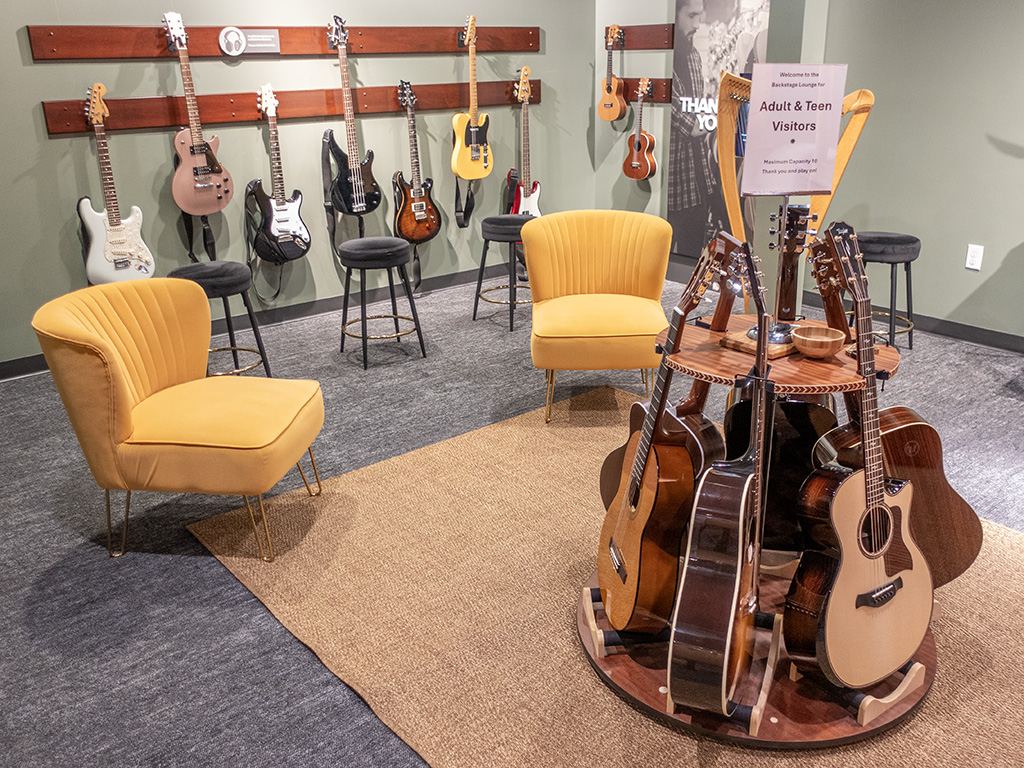
I think if you just want to quickly skim the exhibits and look at things, a couple hours is fine. However, if you’re a music enthusiast like me, you can easily fill 4-5 hours (or more) in this museum by reading all the information about the exhibits, watching the videos of performances, learning about how all the instruments are made, and playing all the instruments in the sections you’re allowed to touch. There are a nice variety of guitars available to try—even some decently pricey ones. There was also a DJ controller with a tutorial so you can learn how to mix music.

After my somewhat abridged experience, and considering its relatively low admission price compared to other Southern California museums, I would recommend it for pretty much anyone—a glowingly high recommendation for those passionate about music, and a moderate recommendation for everyone else.

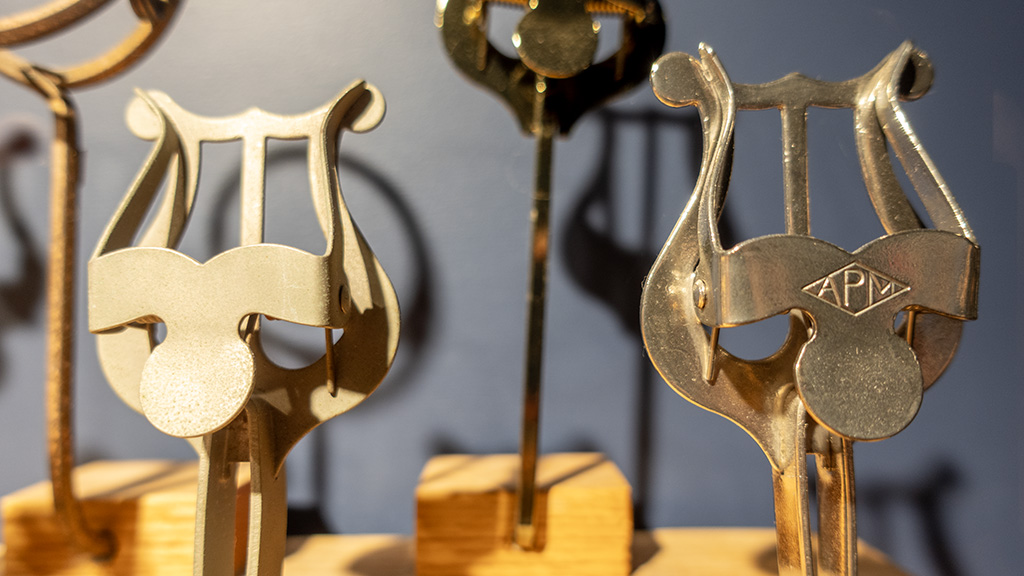
Here are some photographs I took during my visit:


—§—


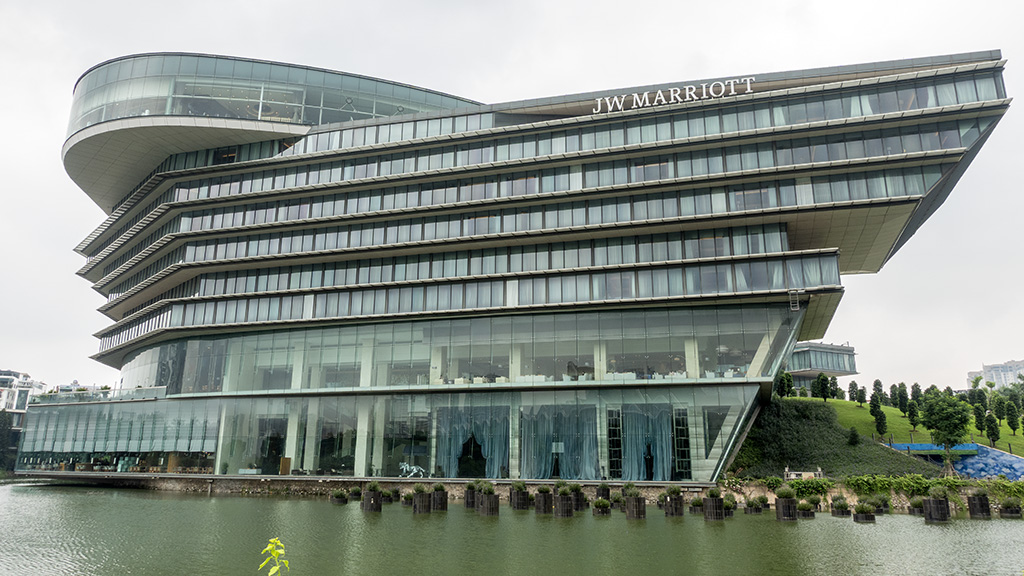
Hello, Lakeside Gardens at the JW Marriott Hotel Hanoi in Vietnam

Although those who know me well will have been able to easily guess which hotel that I, a Marriott loyalist, stayed at during my trip to Hà Nội, Việt Nam, I still didn’t want to “confirm” it on my blog until the end of my trip, considering that there was a lot of other stuff for me to post about anyway, and no matter how low the security risk might be, it’s still considered within best practices to not disclose your exact location.

Now that it is safer to do so, I can verify that I did indeed select the JW Marriott Hotel Hanoi for my time in Vietnam. I heard that they had a reputation for offering excellent service; considering that I am a foreigner who was traveling for the very first time to a country that does not speak English as their primary language, I figured I could take advantage of and lean on the hotel staff to help get me through my stay if anything were to come up. (Luckily, I didn’t have anything go wrong throughout my entire trip, but it was still good peace of mind to know that the staff was there to help whenever needed.)

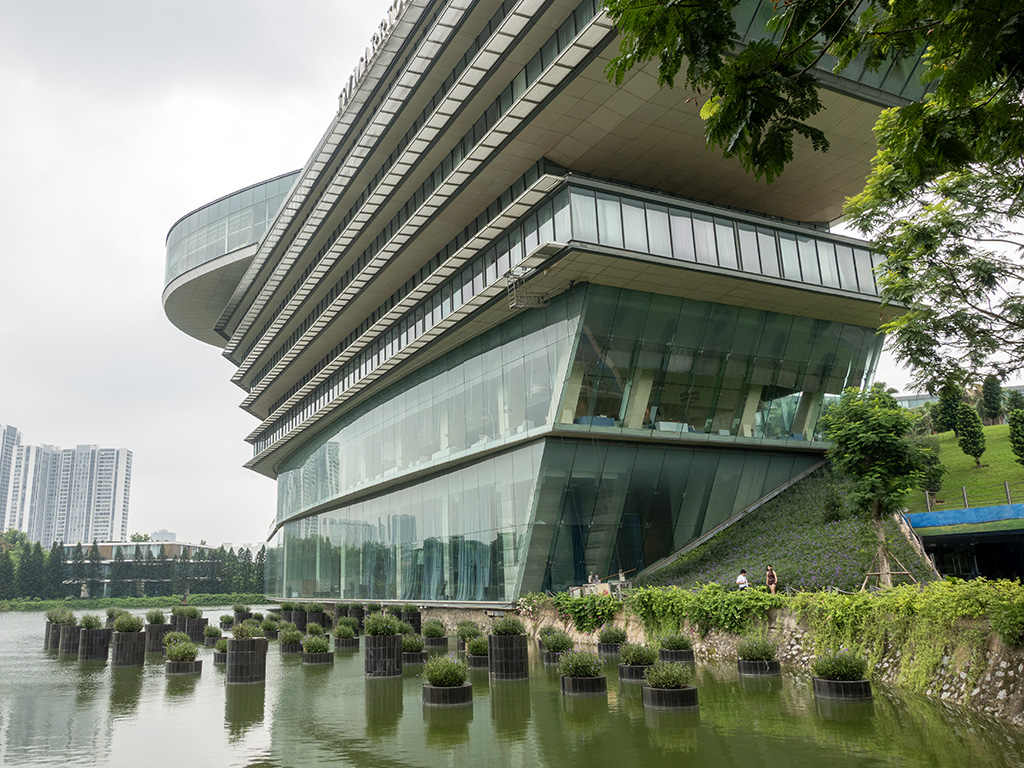
The hotel overall was fantastic, and I especially appreciated the executive lounge where I was able to get free meals, snacks, beverages, and filtered water all day. Another thing I liked about the hotel was the Lakeside Gardens, a serene and well-manicured garden on the hotel property.

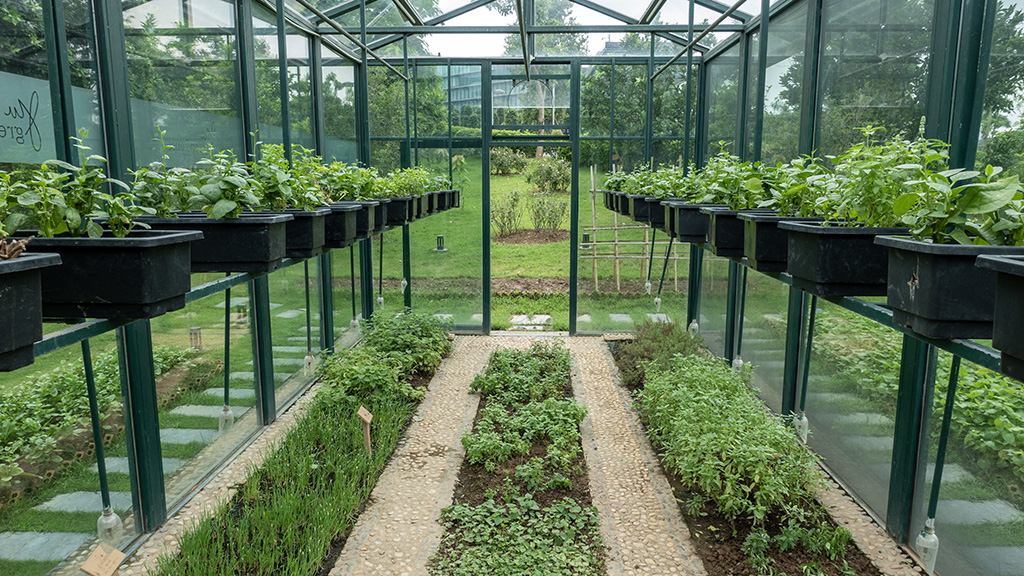
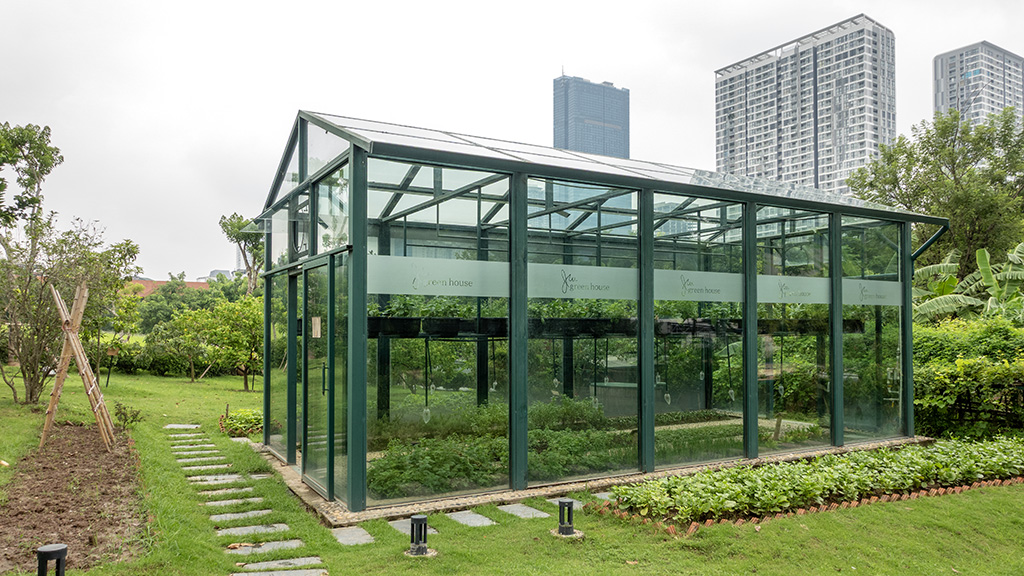
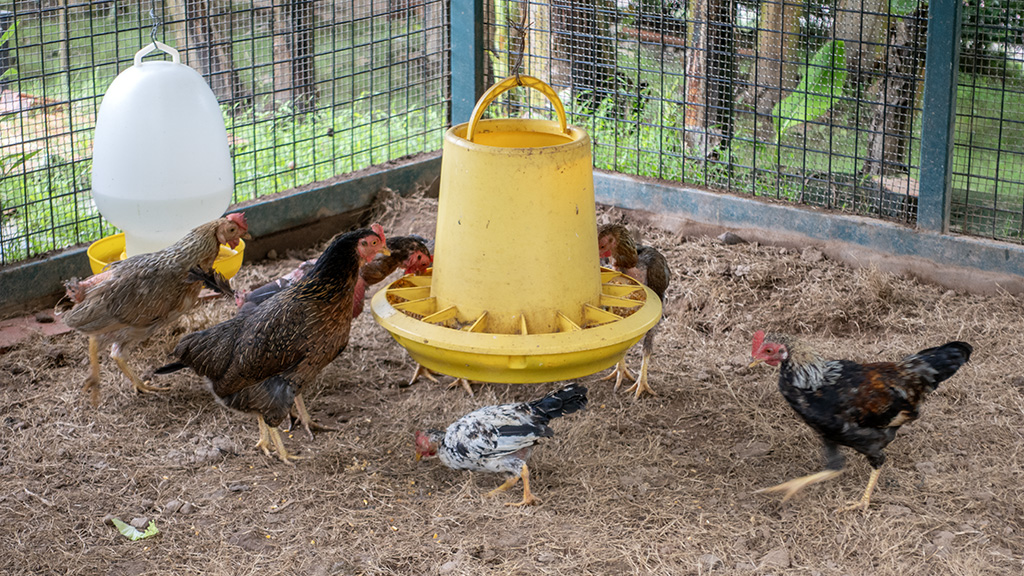
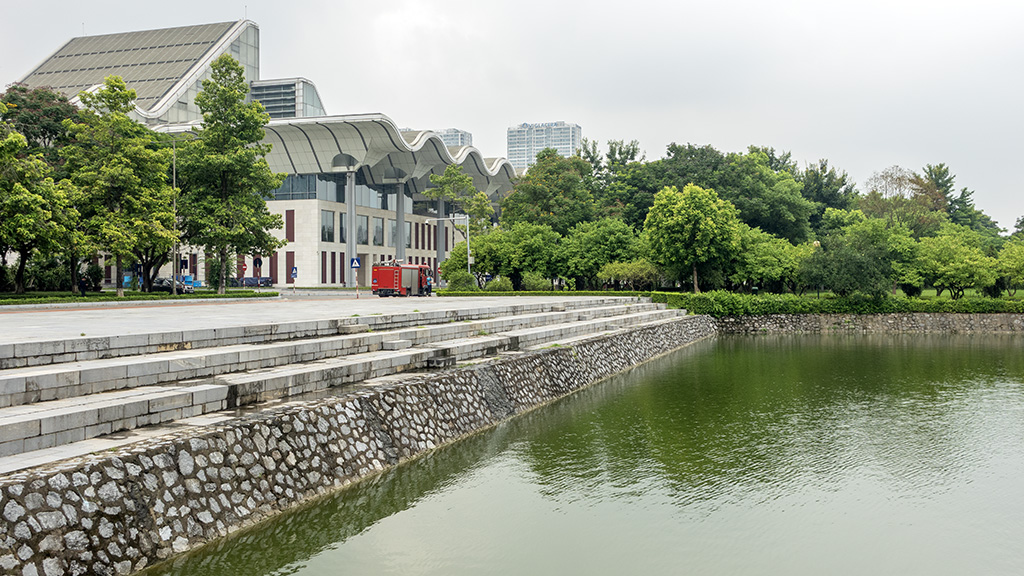
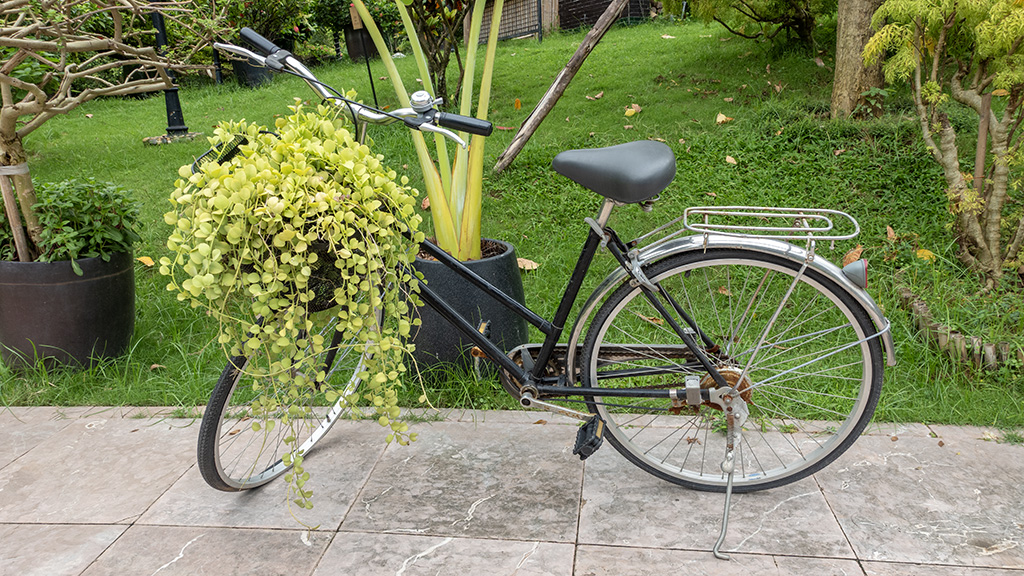
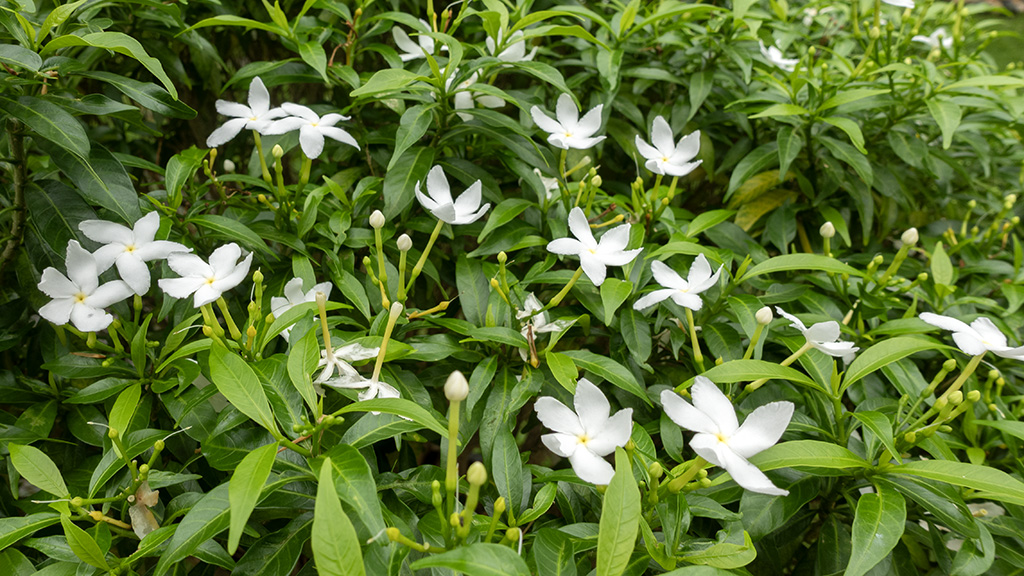
Here are some photographs I took in and around the Lakeside Gardens:

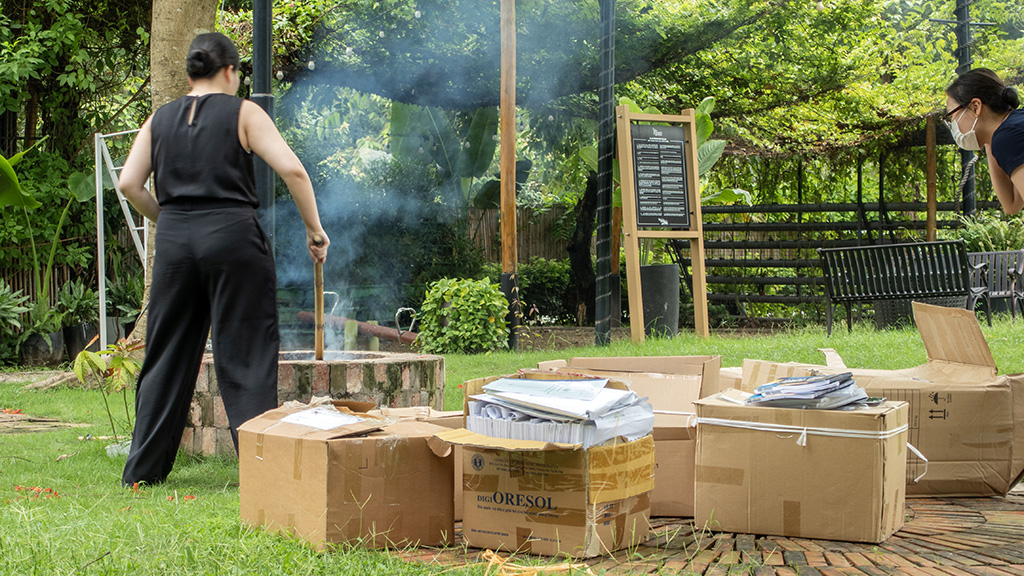
During my walk, I noticed that the staff brought out boxes of documents at some point and began throwing them into a fire pit. I suspect that this was their equivalent of when people shred confidential documents in the United States.

Within the gardens, there was a special section called the Herb Garden. I saw on the JW Marriott website that they had cooking classes that took place in the Herb Garden, with the curriculum focusing on different kinds of herbs and the roles they play in Vietnamese cuisine. I considered trying it but ended up never getting around to it because it was very rainy and humid most of the days of my stay, and on the sunnier days, I went off-property to be a tourist out in the city.

Here are some more photographs from in and around the Lakeside Gardens:

After walking all the paths of the Lakeside Gardens, I circled around to the front and side of the hotel.

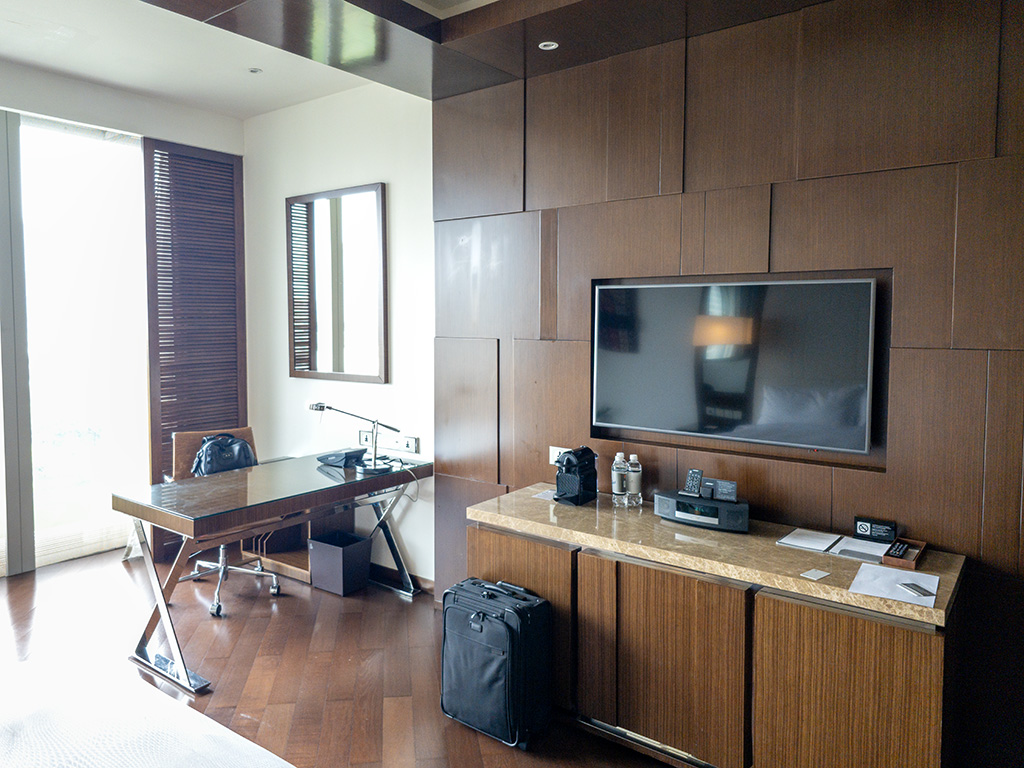
This was the view that I had from my hotel room’s window; it overlooked the Lakeside Gardens, as well as the lake and a portion of the Hanoi skyline.

I figured this was also probably one of the most relevant blog posts for me to share pictures of my room as well. I just had a regular guest room, but it was very nice and exceeded the quality of many other hotels’ higher-end suites. It was very spacious, and the design was a nice balance of minimalistic simplicity and elegant comfort. My favorite part about it was the floor-to-ceiling windows, which allowed me to let in plenty of sunlight during the daytime and enjoy the sparkling city lights during the night.

The pricing during my stay was surprisingly affordable—around US$150.00 per night on average. It was still very expensive relative to Vietnam’s cost of living, but if you compare it to hotel prices in the United States, $150 a night is basically just a regular hotel, and high-end resorts under Marriott’s luxury brands (like the JW, Ritz-Carlton, and St. Regis) will be at least several hundred (if not over a thousand) dollars per night.

Overall, the JW Marriott Hotel Hanoi fulfilled everything I could have possibly wanted from my lodging in Vietnam. It was a tranquil retreat away from the bustling city, and it had enough amenities that someone could theoretically never leave the property and have plenty of food and activities to last them an entire two-week vacation.


—§—


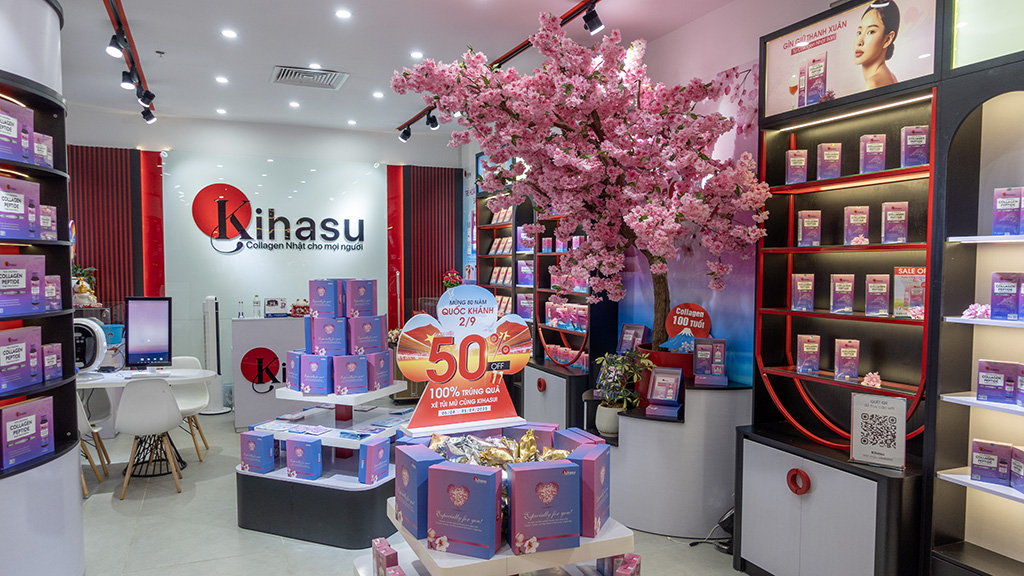
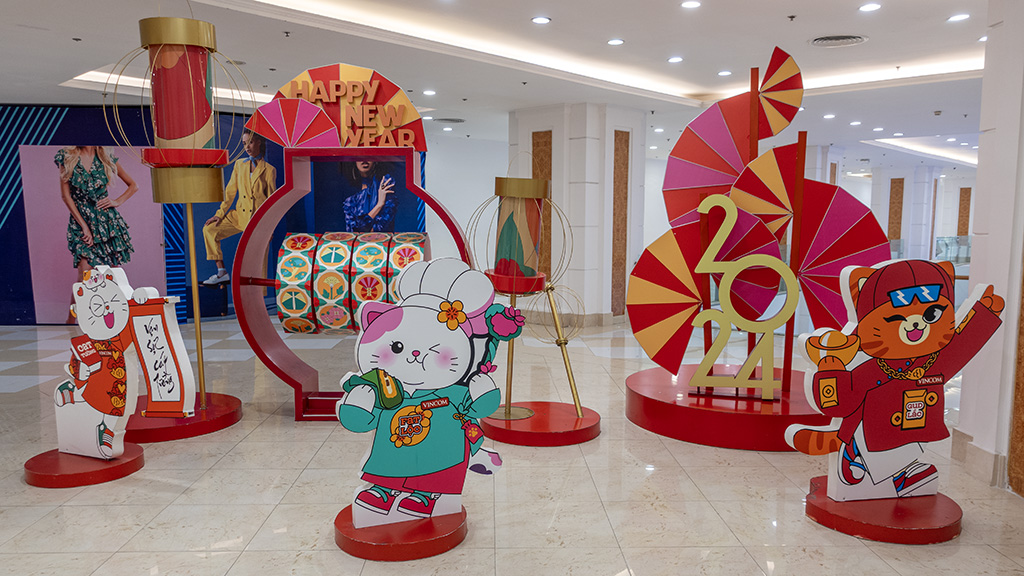
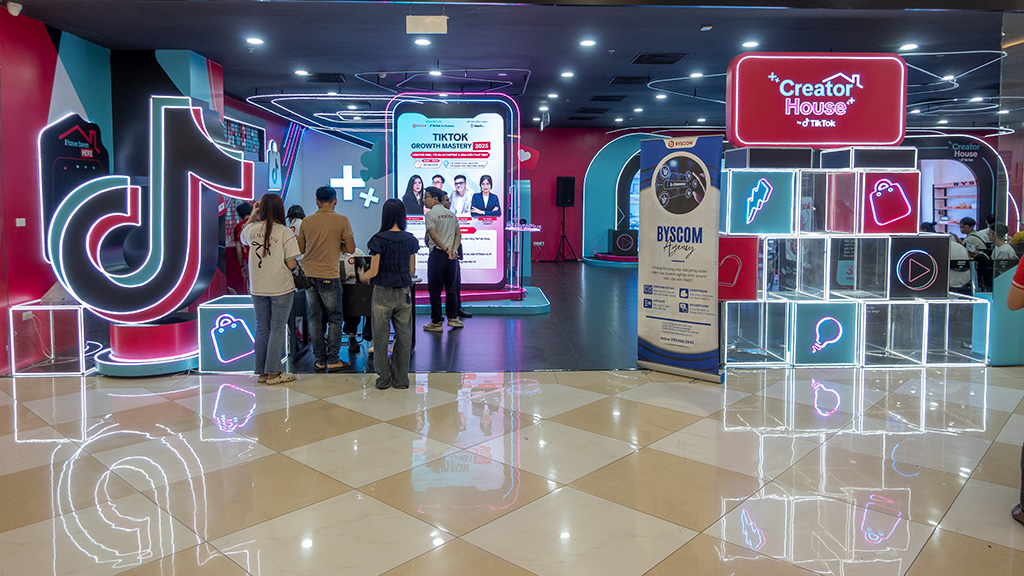
Hello, Vincom Mega Mall Royal City in Hanoi, Vietnam

In case you missed it from my previous blog posts, I spent a day of my trip in Hà Nội, Việt Nam exploring the Vincom Mega Mall Royal City, an underground shopping and entertainment complex.

I’ve been having a tough time dealing with the high heat and intense humidity in Hanoi, which is a starkly different than what I’m used to back home in Las Vegas. The heat itself is mostly fine, but when coupled with the humidity, I feel like my body isn’t able to properly cool itself down and it ultimately translates into physical exhaustion. Because of this, I’ve been trying to seek out indoor tourist activities, and the Mega Mall seemed like a great place to see a lot of stuff all at once in a single area.

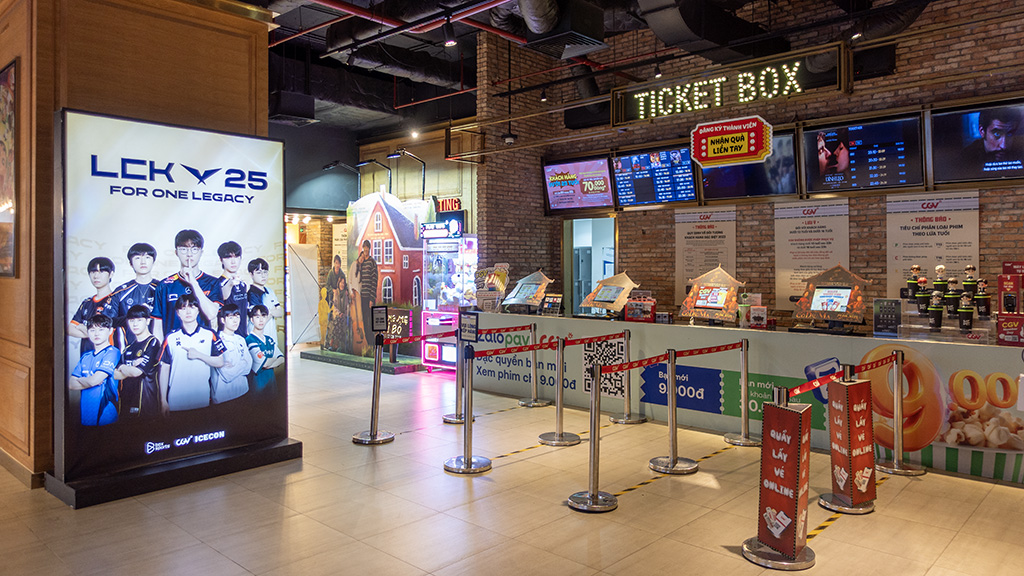
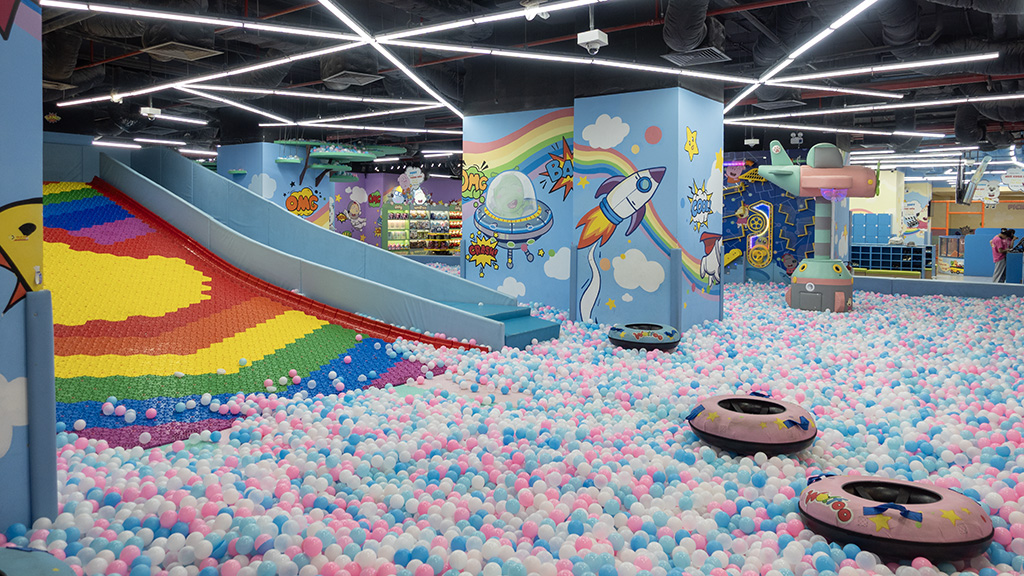
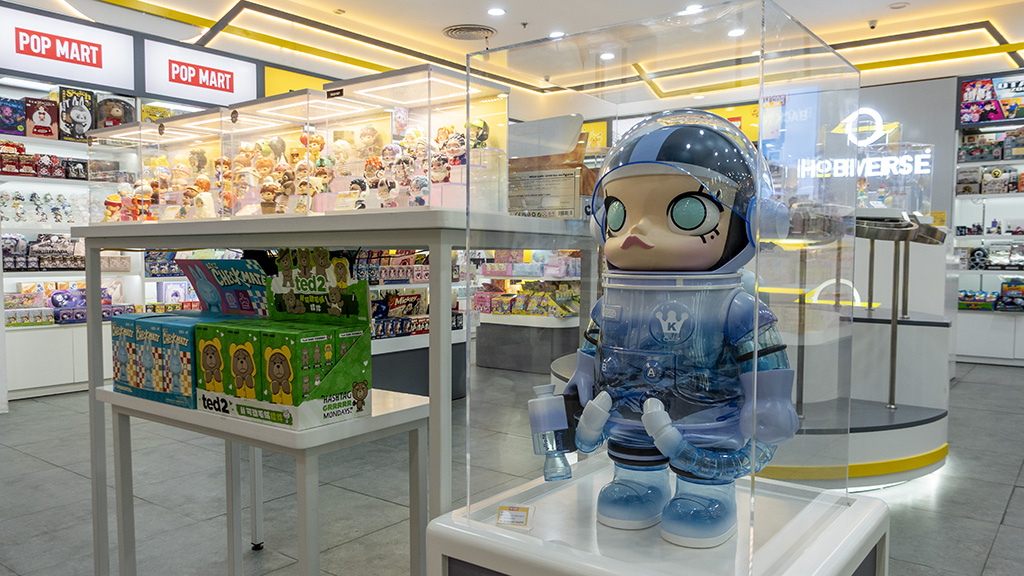
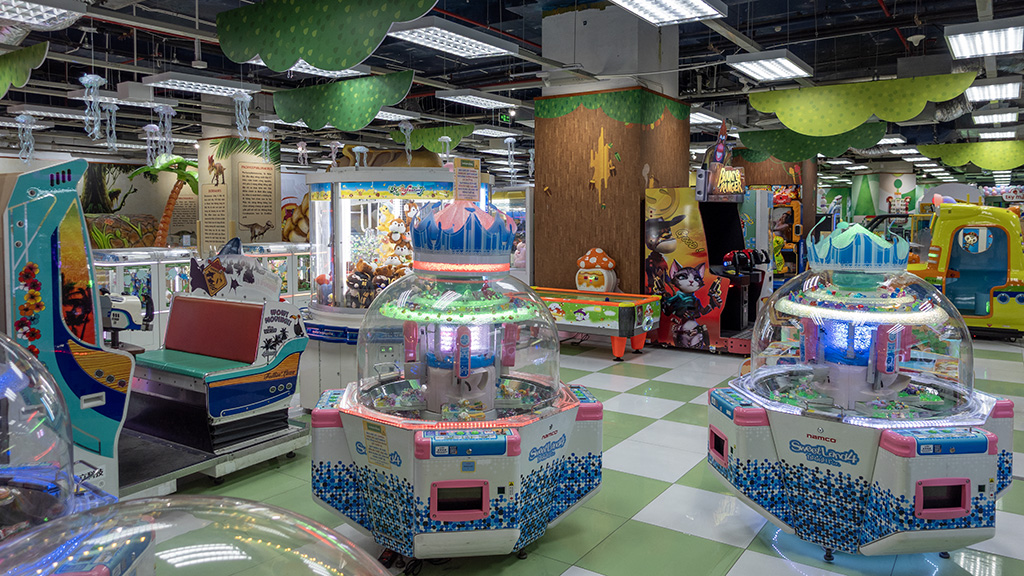
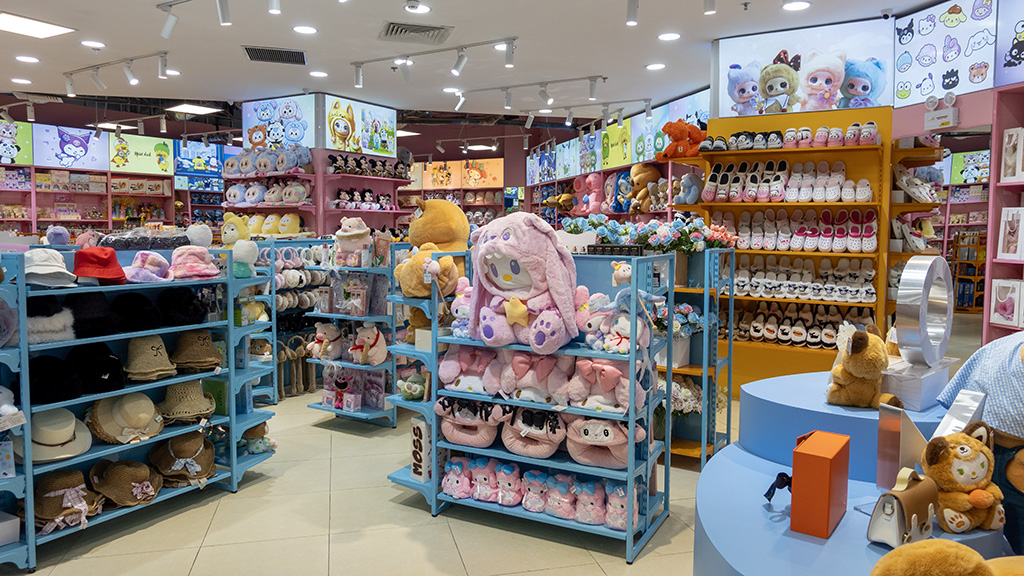
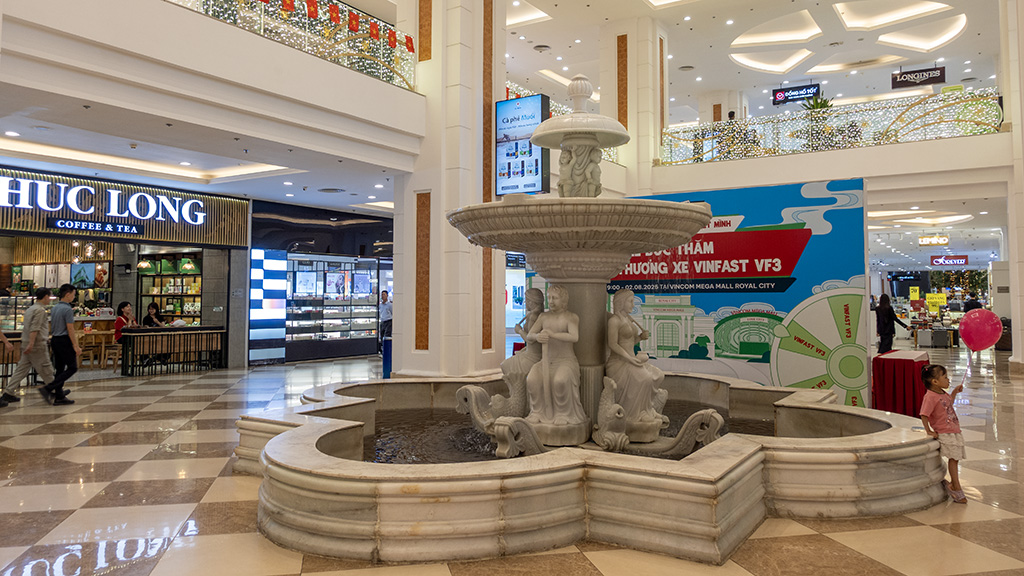
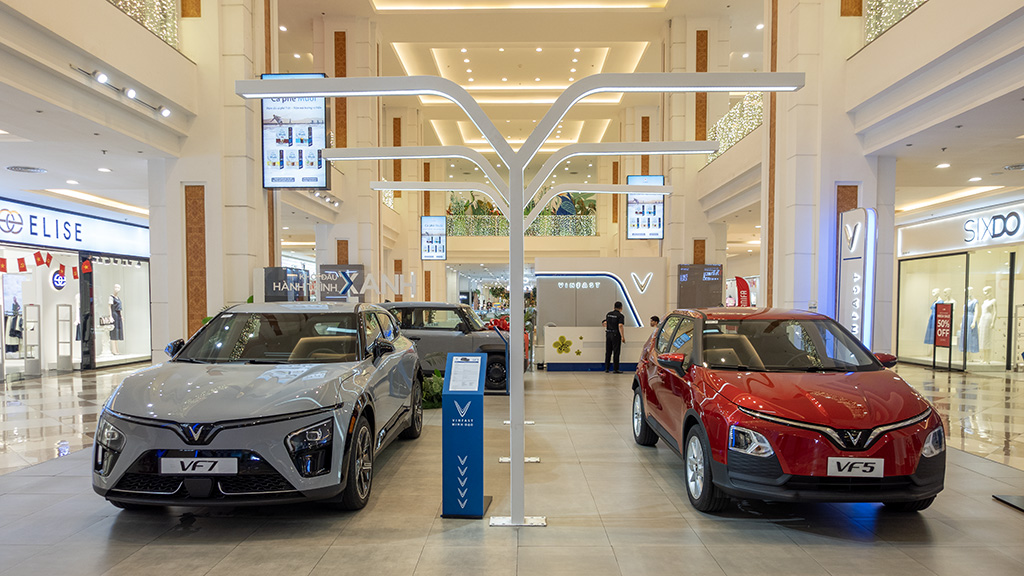
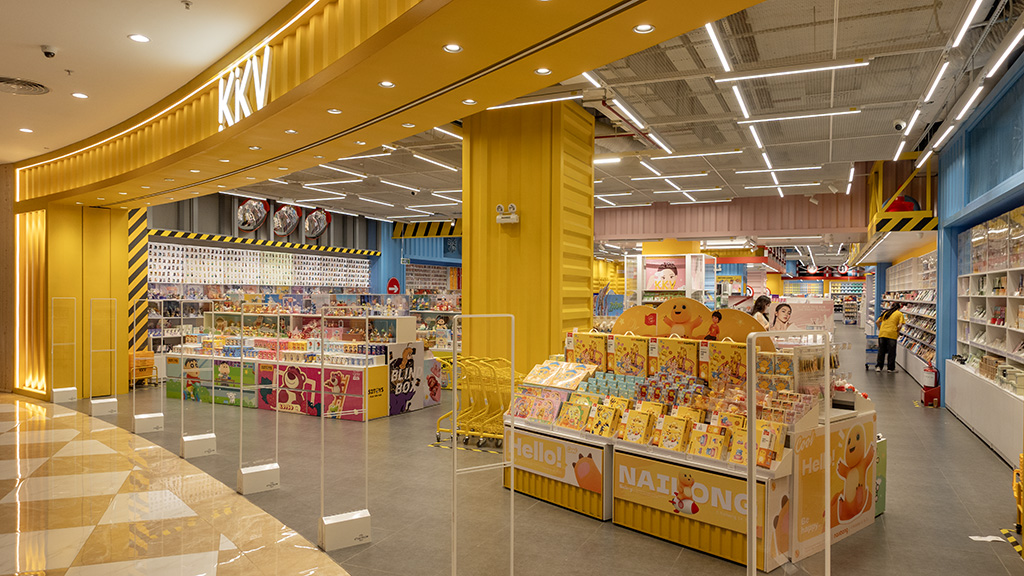
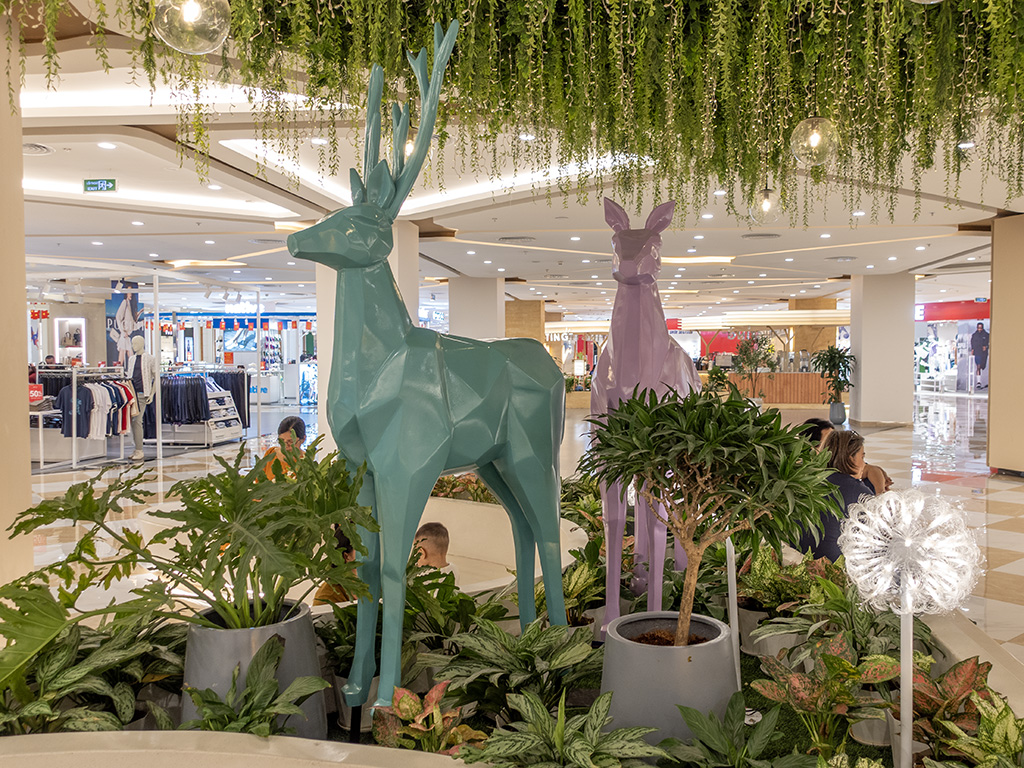
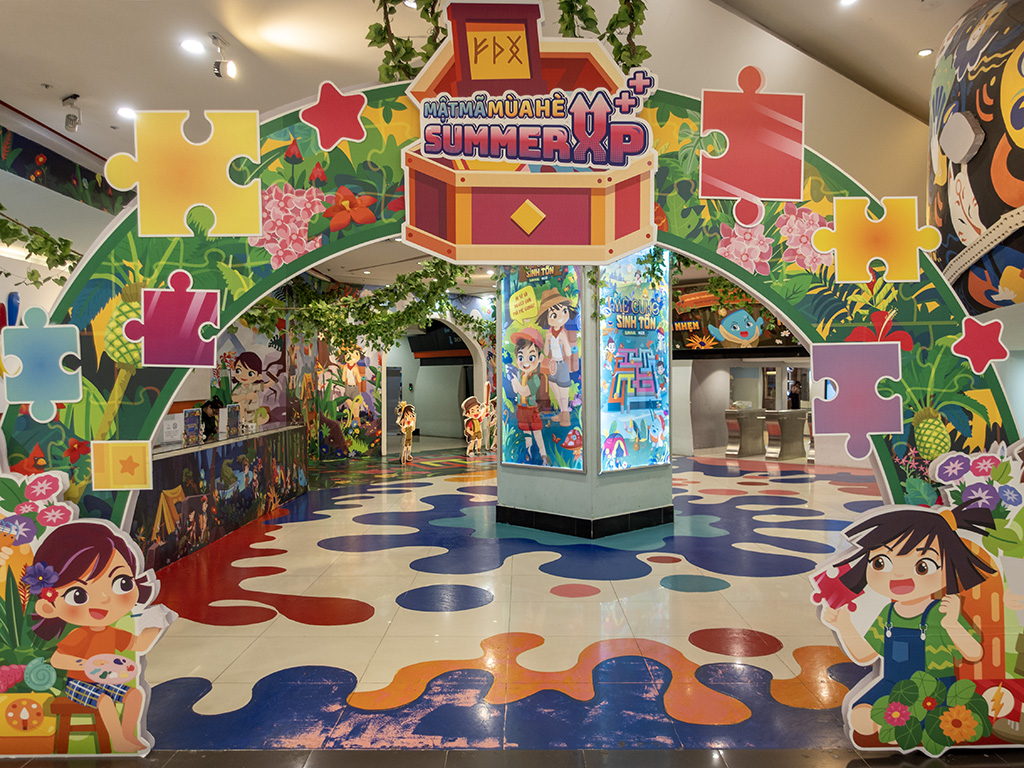
Over the past few days, I’ve shared my thoughts about and photographs from the Baby Elephant Animal Park, Vincom Center for Contemporary Art, and HLC Starry Sky Art Museum, all found in units inside the Mega Mall. Obviously, the Mega Mall has much more than that, but nothing else seemed to warrant its own dedicated blog post. I still wanted to share what I saw elsewhere in the mall though, so I figured a reasonable way to do that would be to do a round-up post of all my miscellaneous Mega Mall photographs.

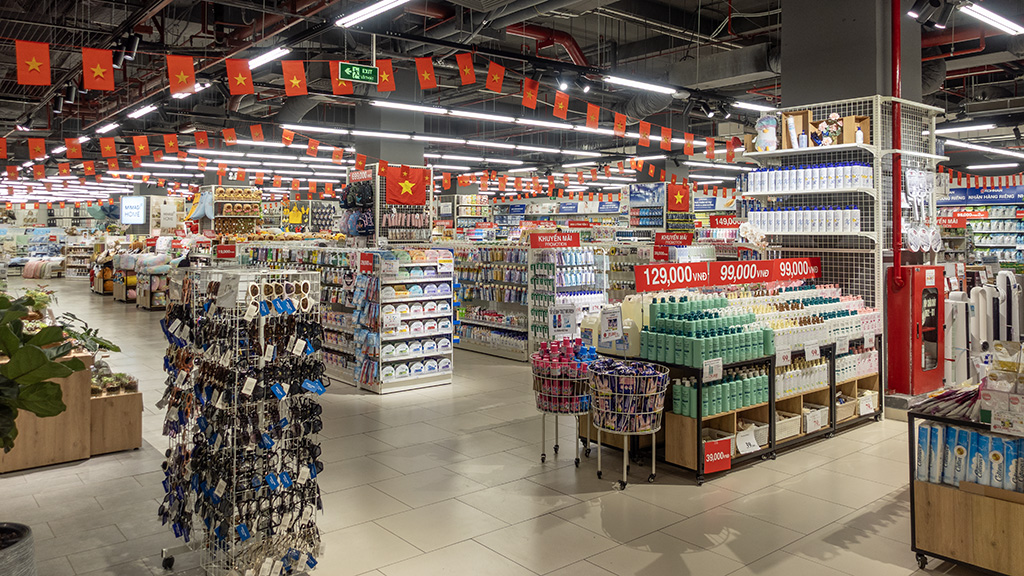
I actually enjoyed my time walking around the Mega Mall quite a bit. The sheer number of different things inside the mall, in addition to the very wide breadth of what was available to look at, was actually quite surprising. I was aware that Vietnam is not quite at the level of economic development as the United States, but you would never know that from looking at the Mega Mall. The inside was very nice and technologically advanced, and it was air conditioned (which is apparently not always a common thing in Vietnamese buildings).
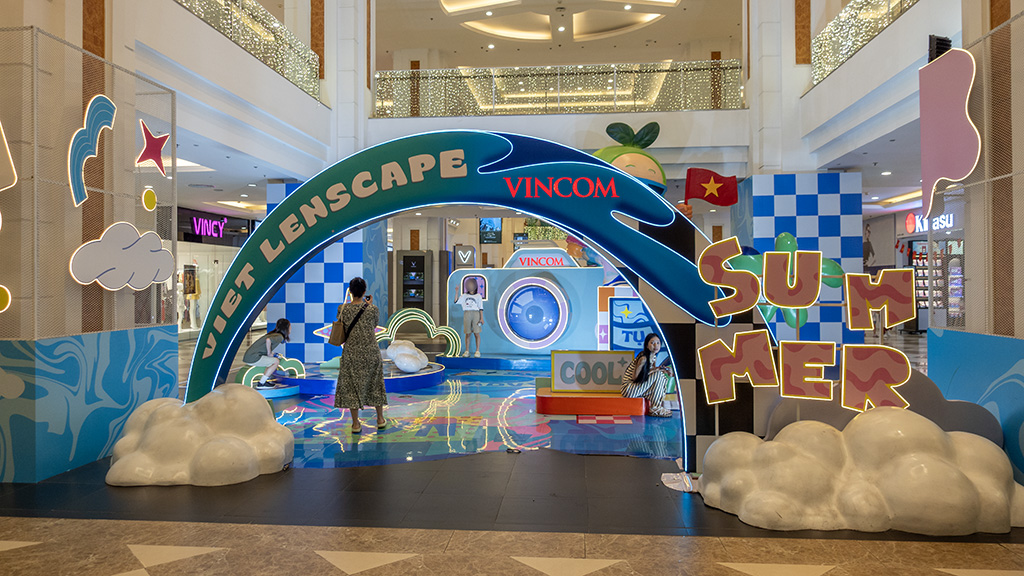
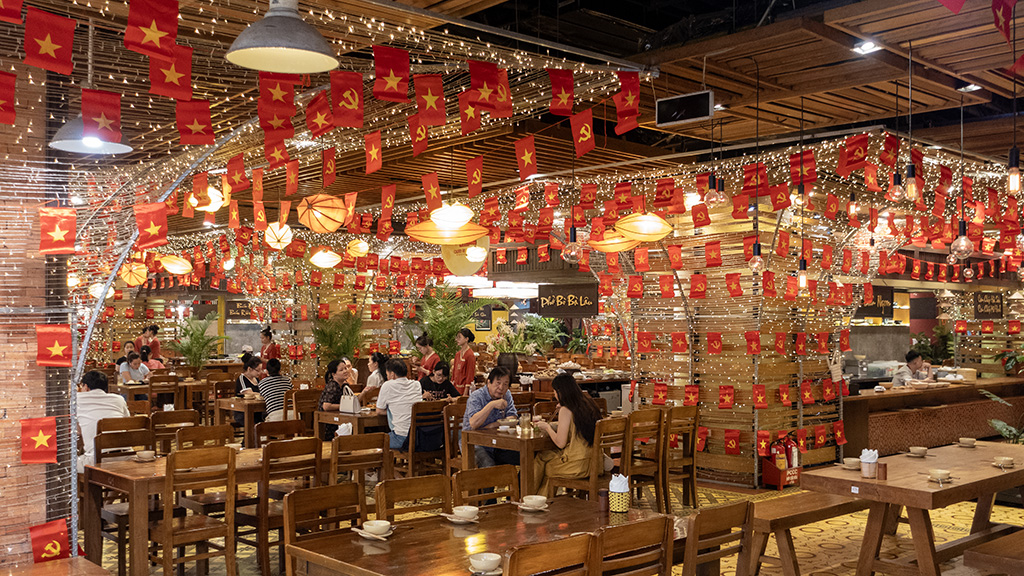
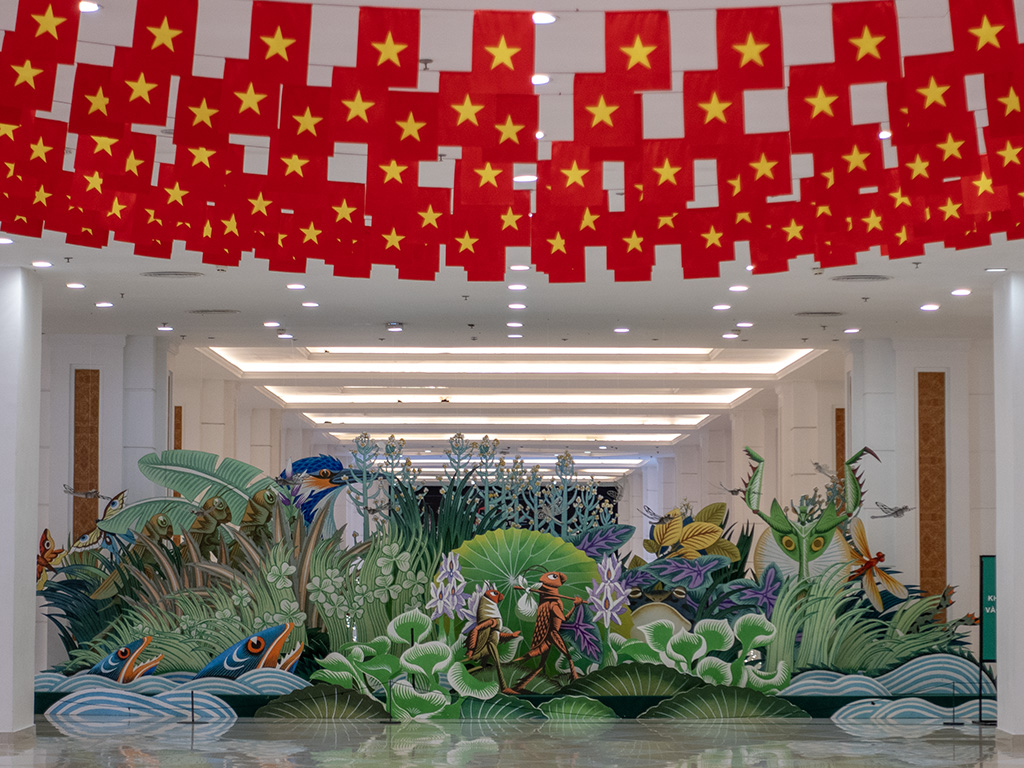
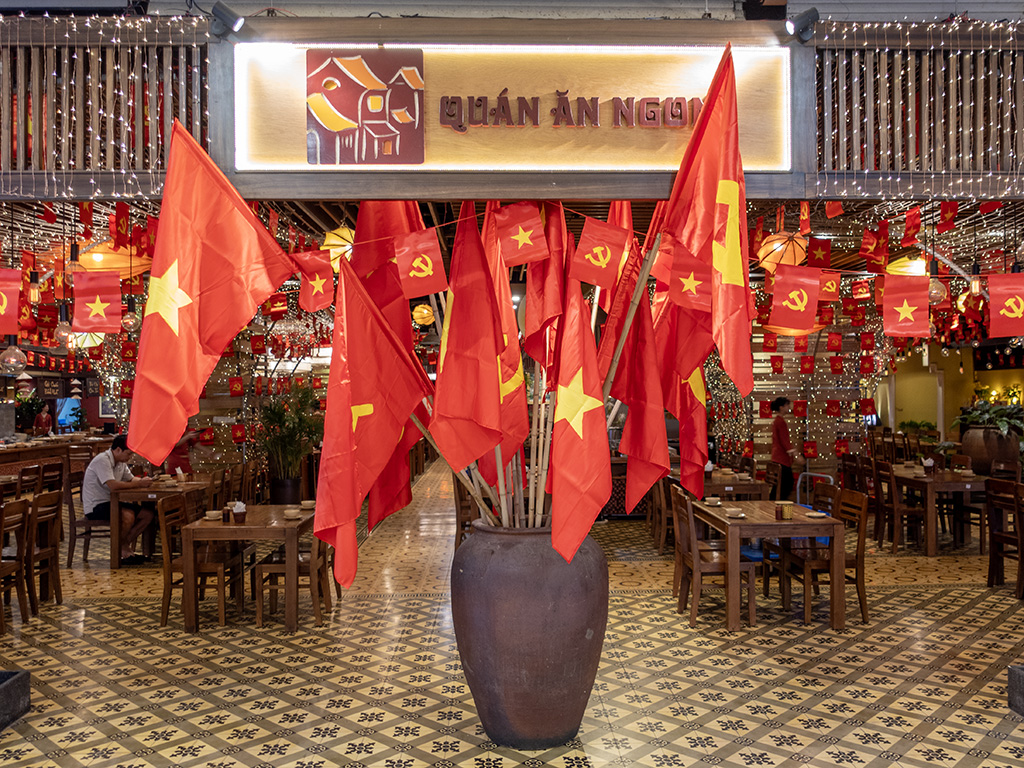
Another thing I found unexpected was the number of flags. In the United States, you’ll see some places have a large United States flag or two by the entrance or hanging on the wall. In the Mega Mall, there were literally a total of thousands of miniature flags—both the national flag of Vietnam and the flag of the Communist Party of Vietnam—hanging in pretty much every other store. I thought the United States was pretty patriotic, but I guess Vietnam has got us beaten there.

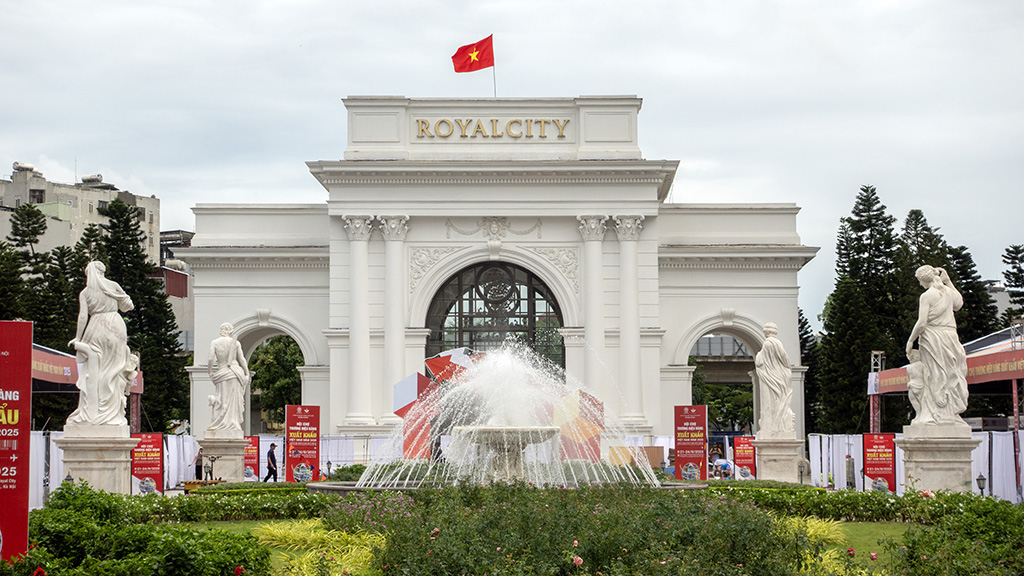
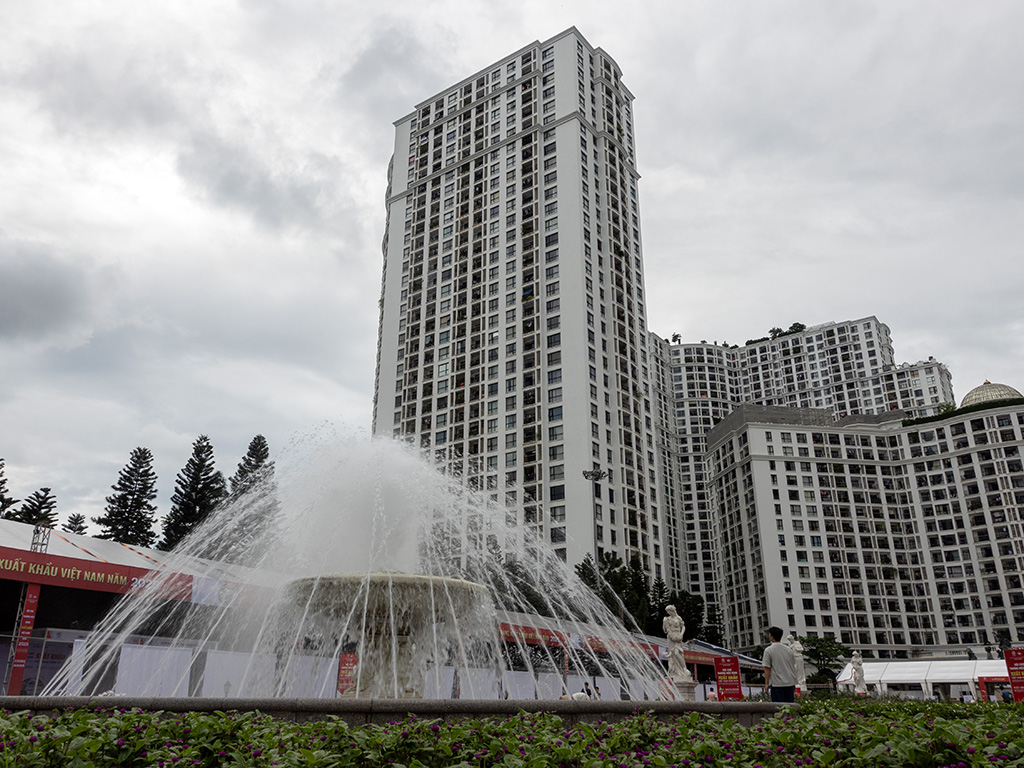
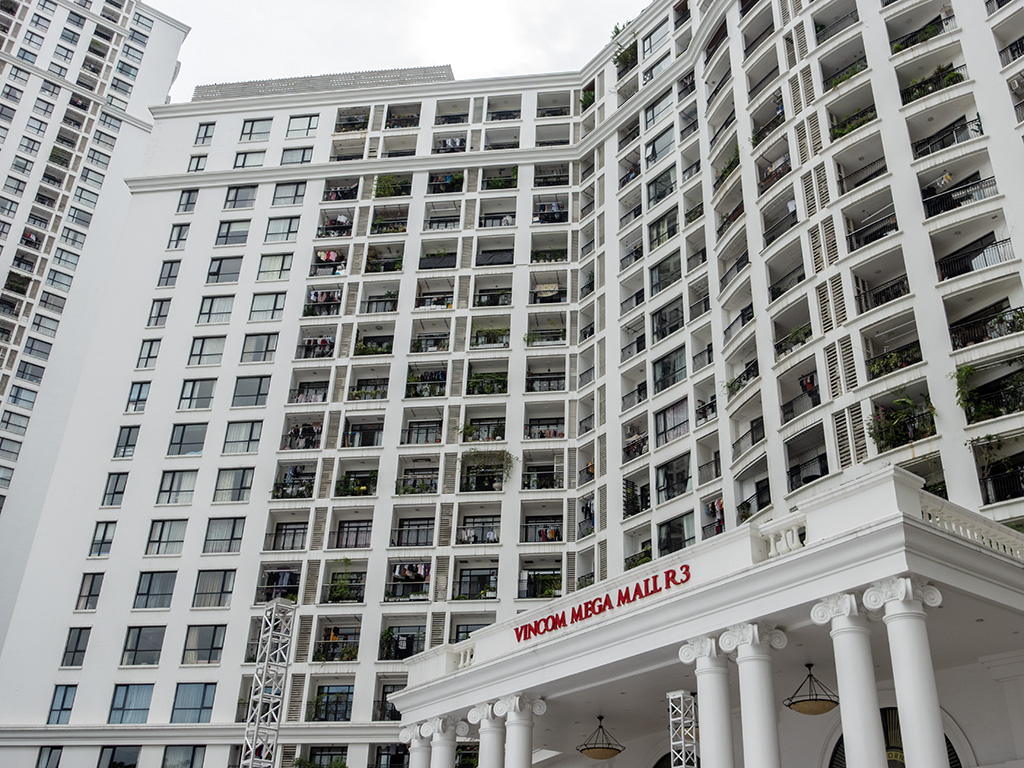
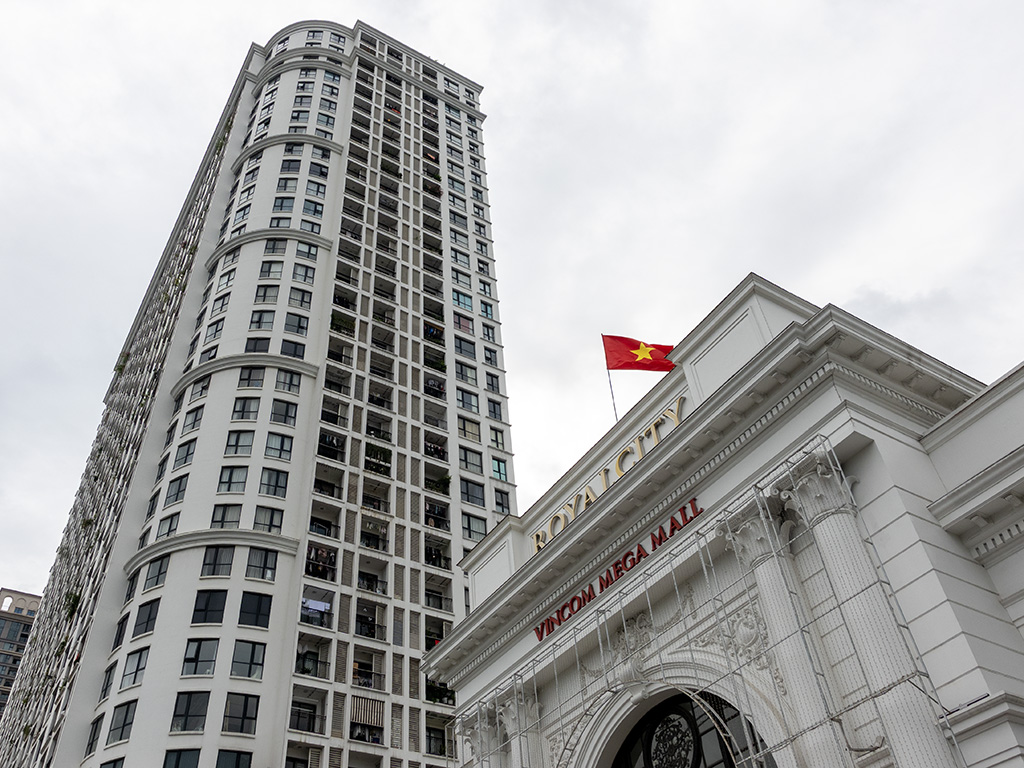
Another thing I liked about the Mega Mall at Royal City was the fact that it basically created a little campus with the high-rise apartment buildings. With the Mega Mall having an absolutely gargantuan WinMart, being a resident of Royal City seemed like it would be pretty convenient. The courtyard area seemed to also double as an event venue, considering that I saw some light construction going on that appeared to be associated with an upcoming convention of some sort.

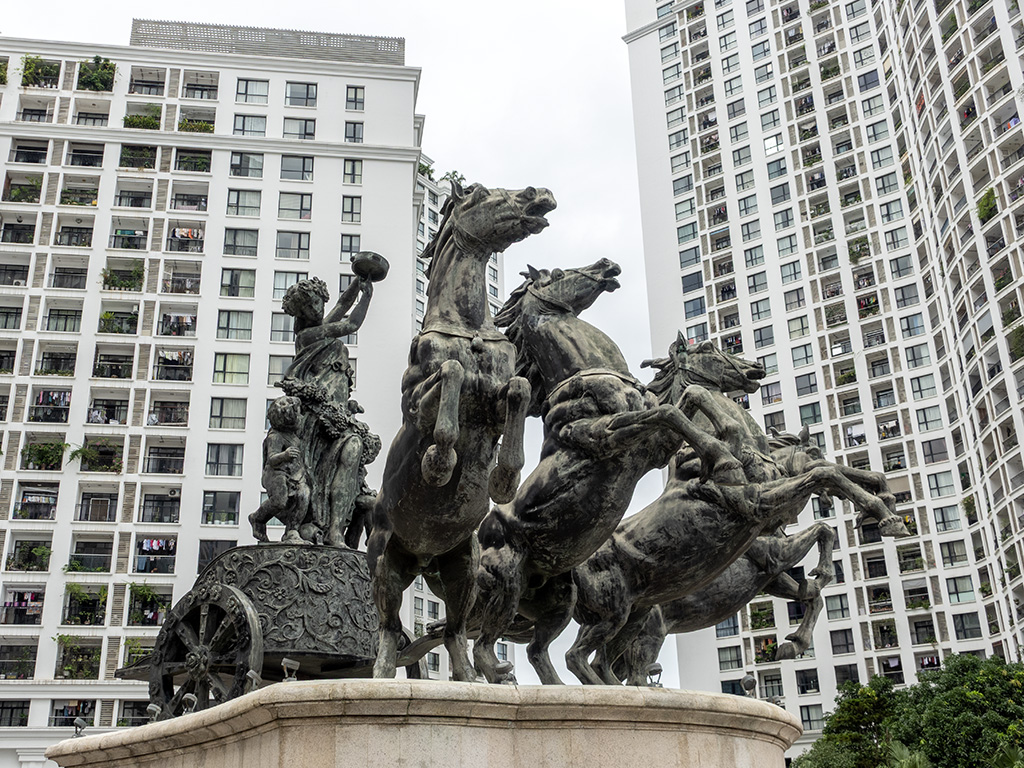
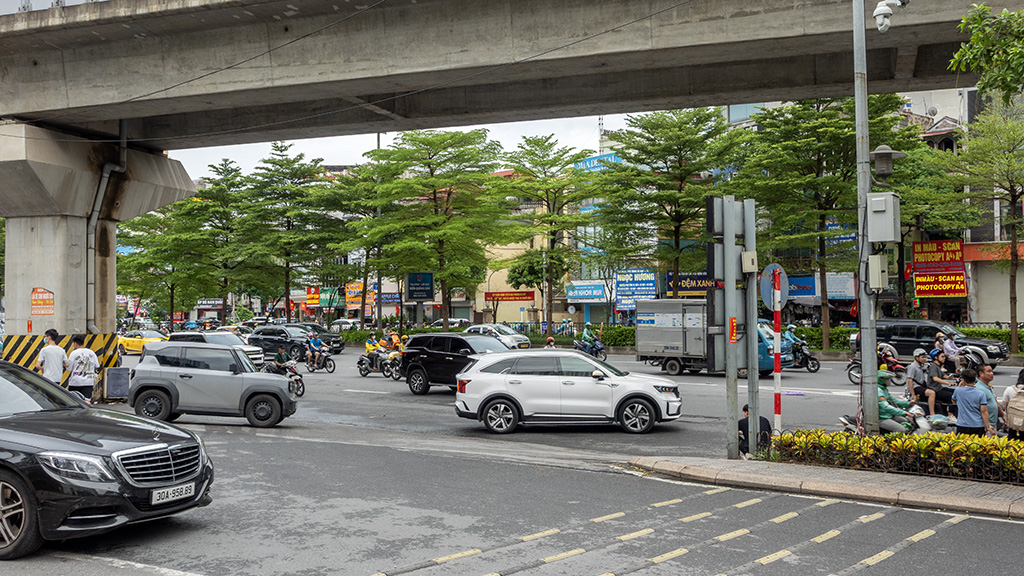
Here are some photographs I captured around Royal City, starting with the apartment buildings outdoors, then of some visually interesting spots inside the complex:


—§—


Hello, HLC Starry Sky Art Museum at Vincom Mega Mall Royal City in Hanoi, Vietnam

For one of my tourist activites while in Hà Nội, Việt Nam, I visited the Vincom Mega Mall Royal City, an underground shopping and entertainment complex, to spend a day getting away from the heat and humidity outdoors.

Over the past few days, I already shared some photographs I took of the Baby Elephant Animal Park and the Vincom Center for Contemporary Art, two attractions located inside the Mega Mall. My next batch of photos is from the HLC Starry Sky Art Museum.

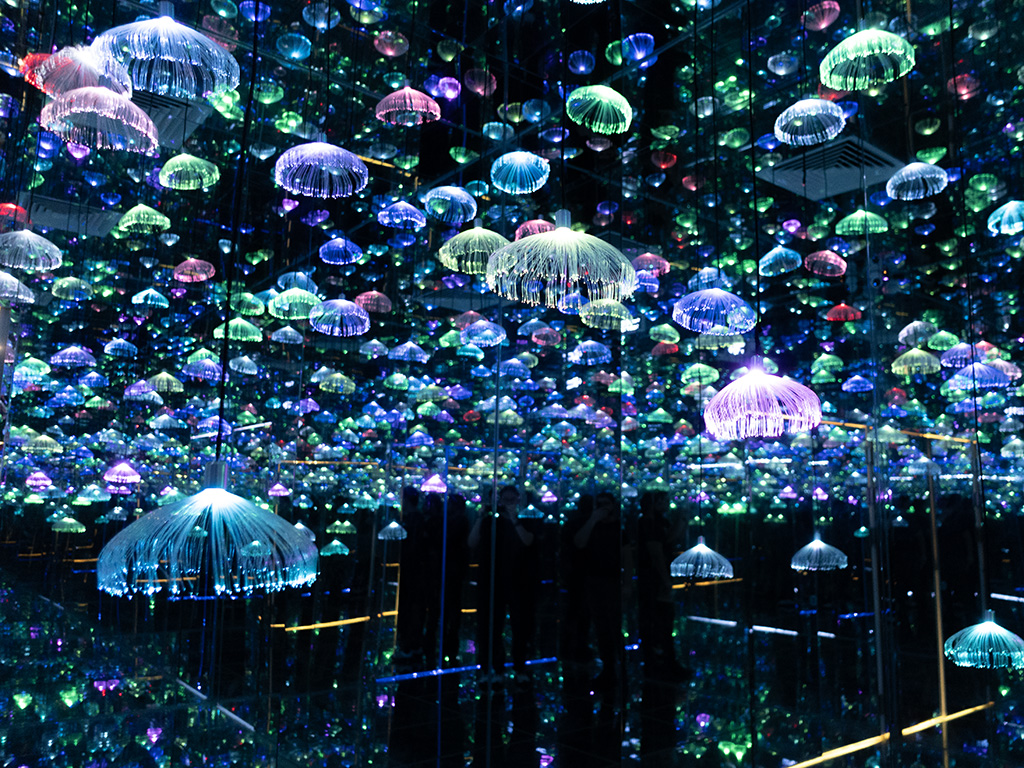
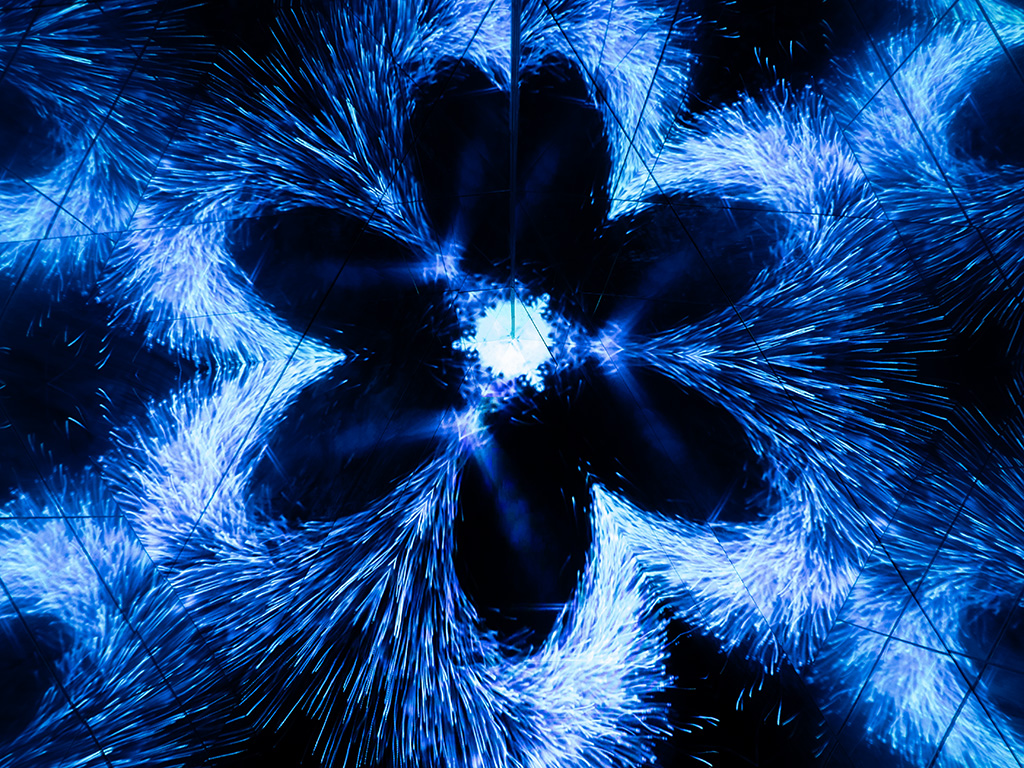
This reminded me of a less-developed version of the Arte Museum Las Vegas that I visited earlier this year. There wasn’t really anything interactive at the HLC Starry Sky Museum, and most importantly, there was a lack of scent integration, which was my favorite part of the Arte Museum. Instead, HLC basically just relied entirely on lights and visuals. With that being said, Vietnam has lower economic development than the United States, so within that context, I still think the HLC was not too bad.

I don’t remember how much it cost for admission because they accepted cash only, so my co-worker who I went with was the one who paid for both of our tickets. On top of that, I have been having currency conversion issues in my head this entire trip so far because of how significantly different the currency denominations are and how much higher buying power the United States dollar has over the Vietnamese đồng. With that being said, I do recall that it felt a little bit expensive relative to other comparably similar attractions, especially considering the somewhat short length of the HLC experience.

Here are some photographs I took while walking through the various rooms of the museum:


—§—


Hello, Vincom Center for Contemporary Art at Vincom Mega Mall Royal City in Hanoi, Vietnam

For one of my tourist activities while in Hà Nội, Việt Nam, I visited the Vincom Mega Mall Royal City.

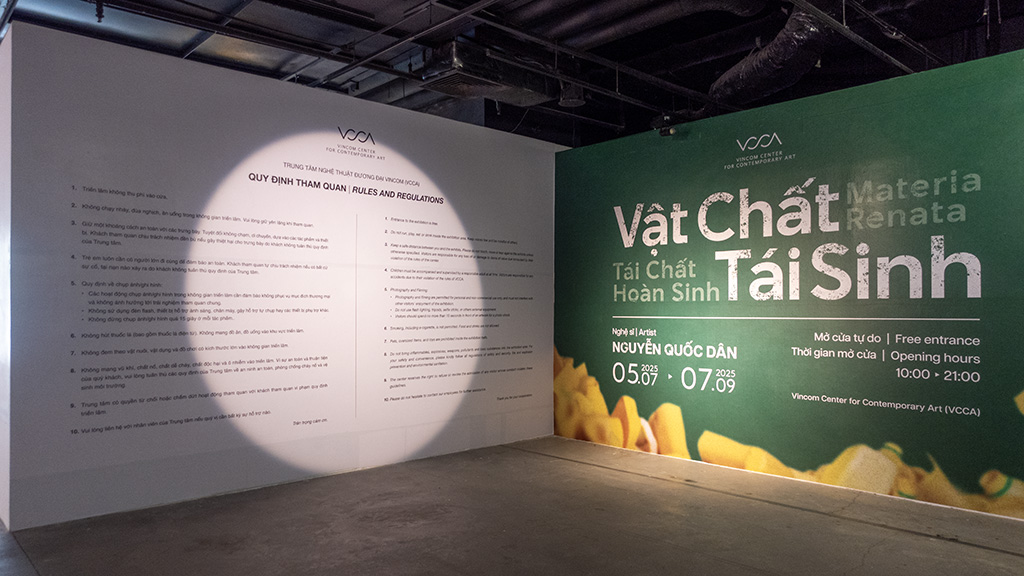
A couple days ago, I posted some photographs from Vườn thú Chú Voi Con, which is the Baby Elephant Animal Park. While still at the Mega Mall, I also stopped by Trung tâm Nghệ thuật đương đại Vincom, which translates to the Vincom Center for Contemporary Art.

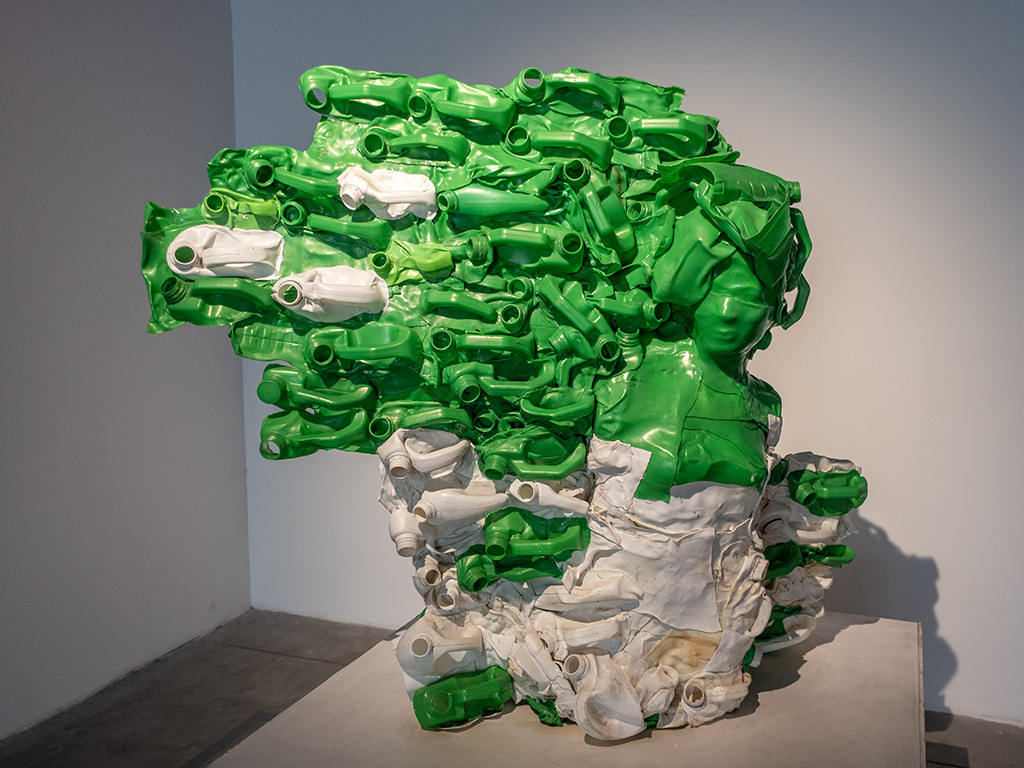
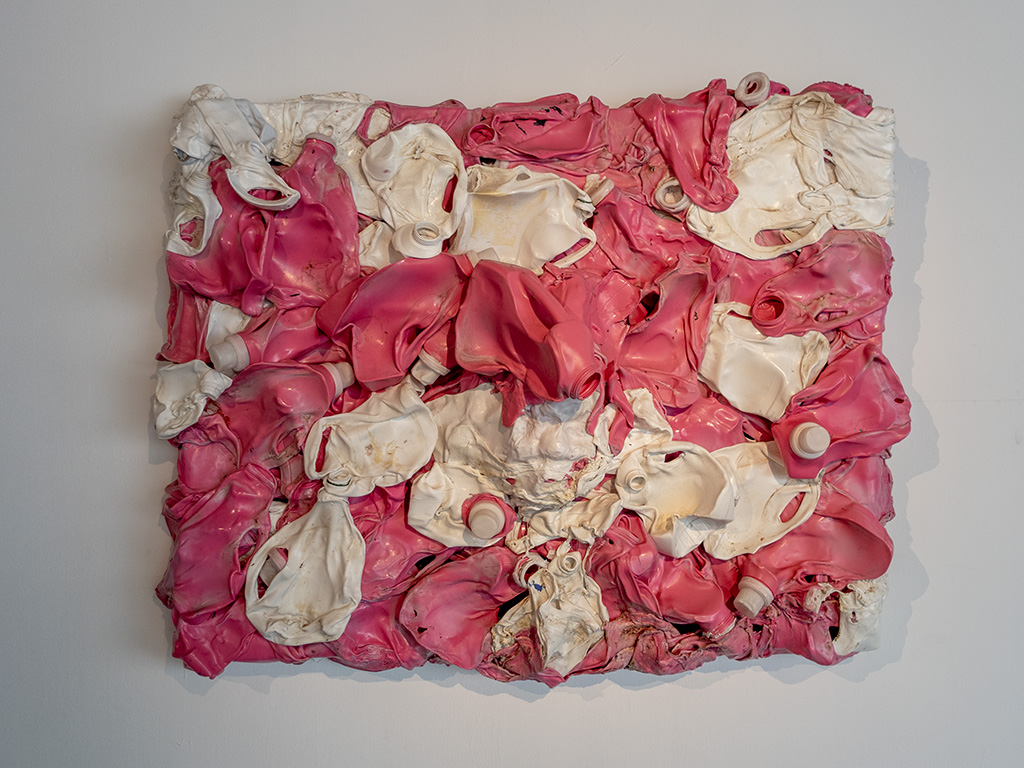
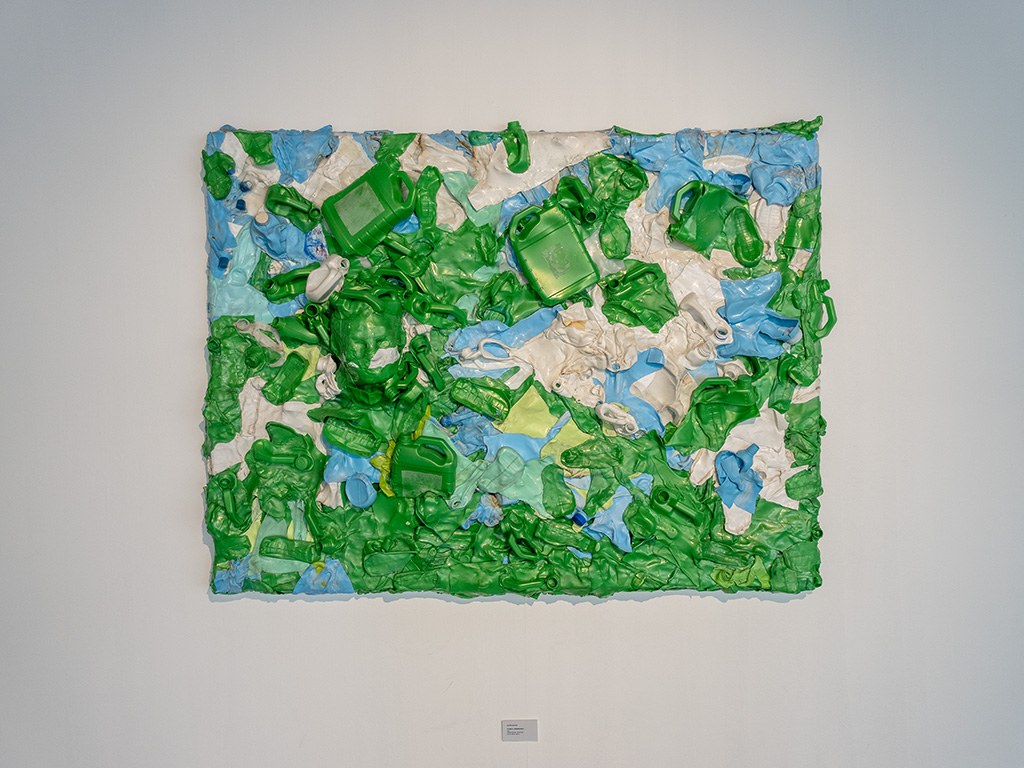
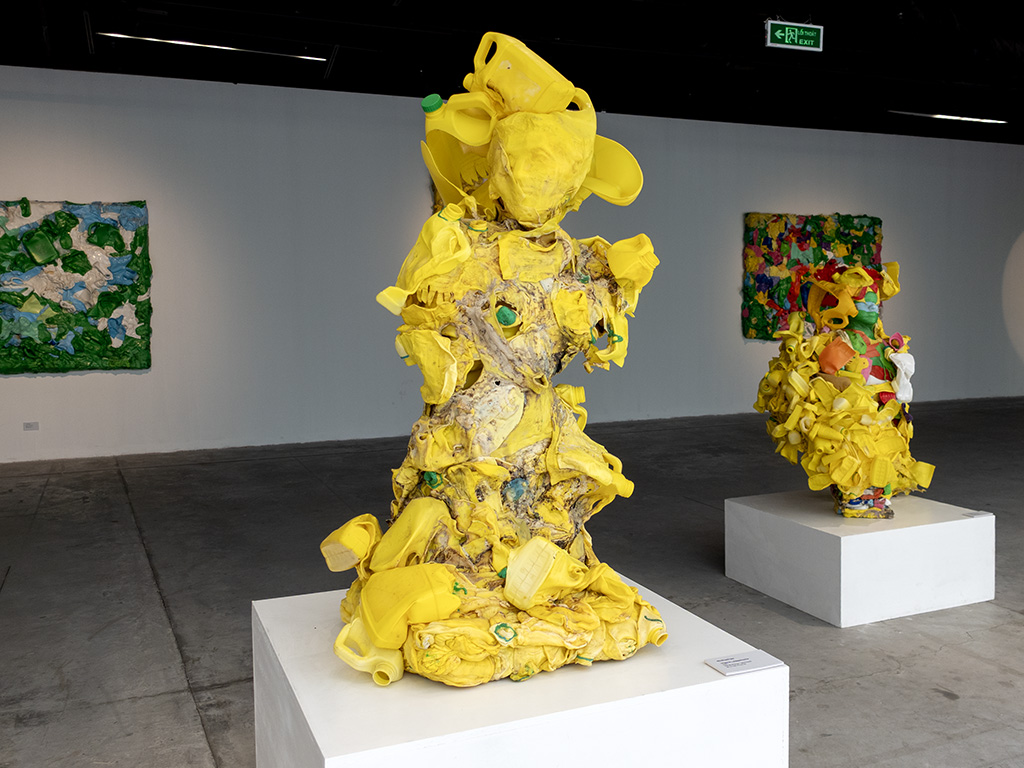
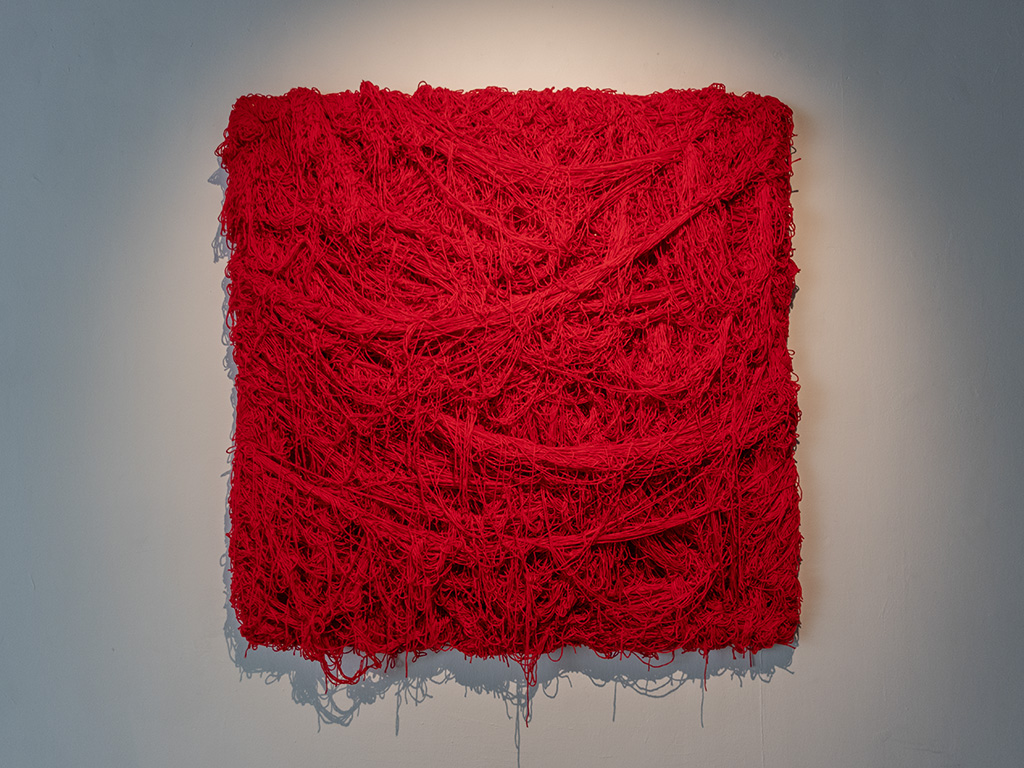
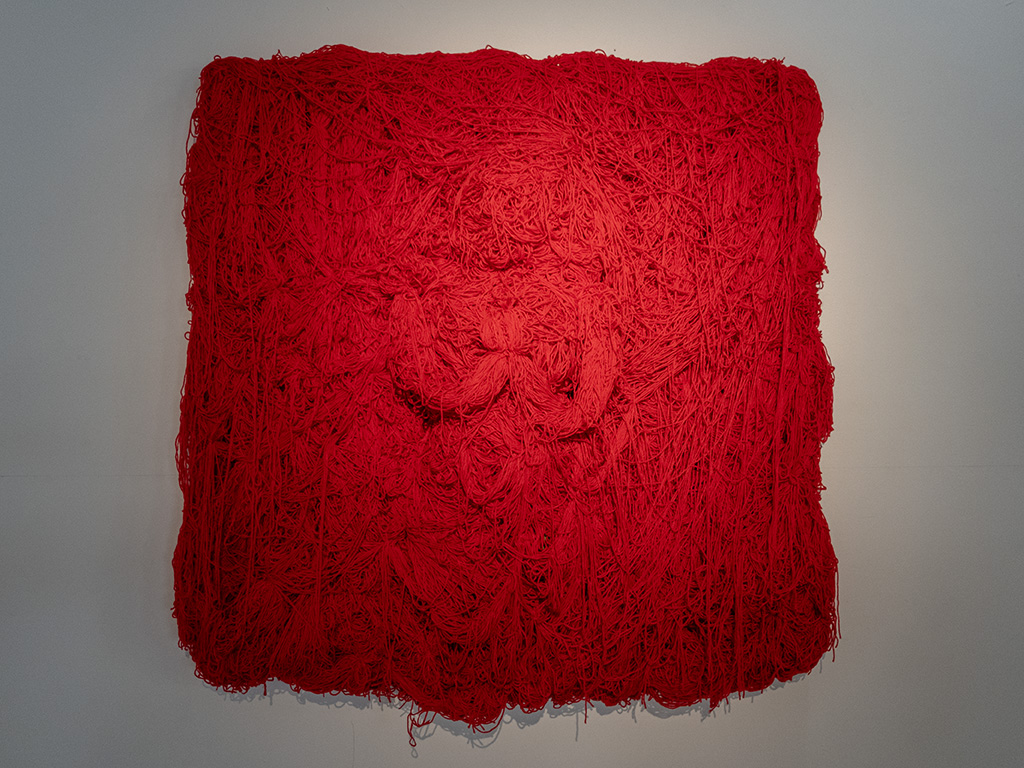
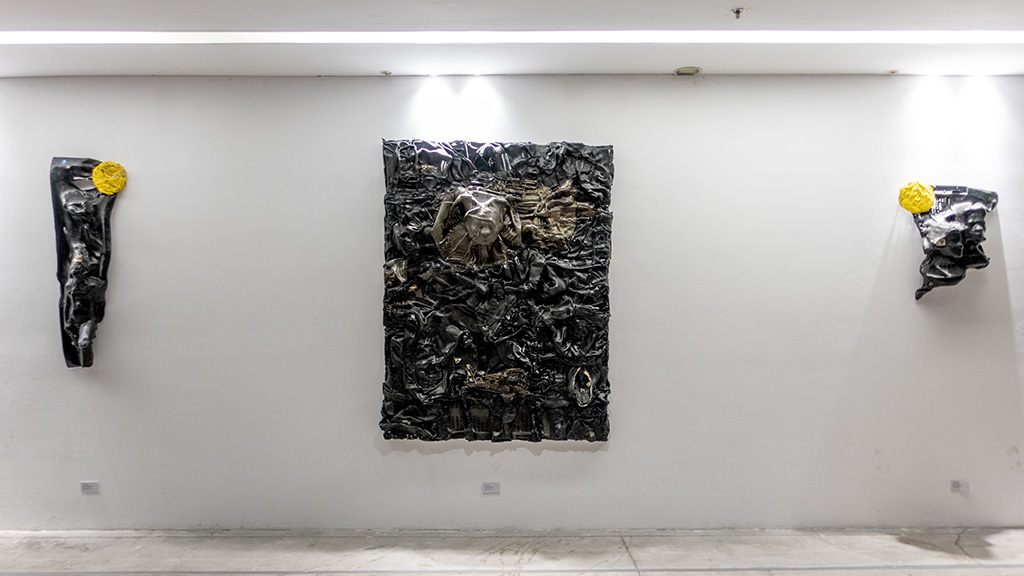
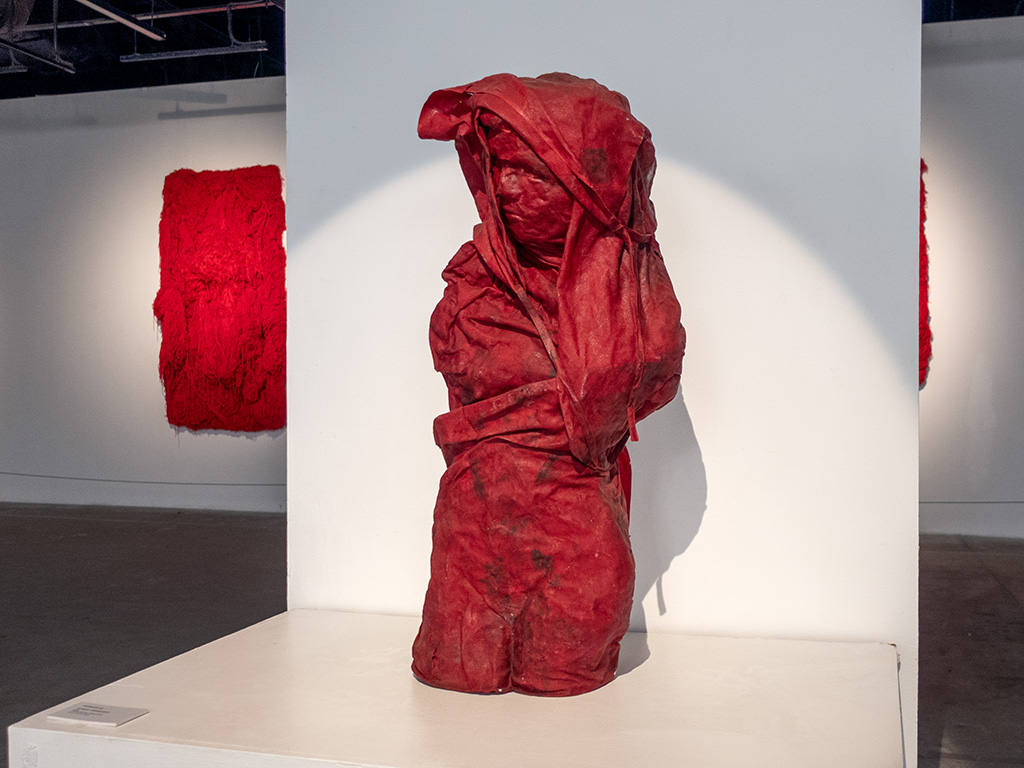
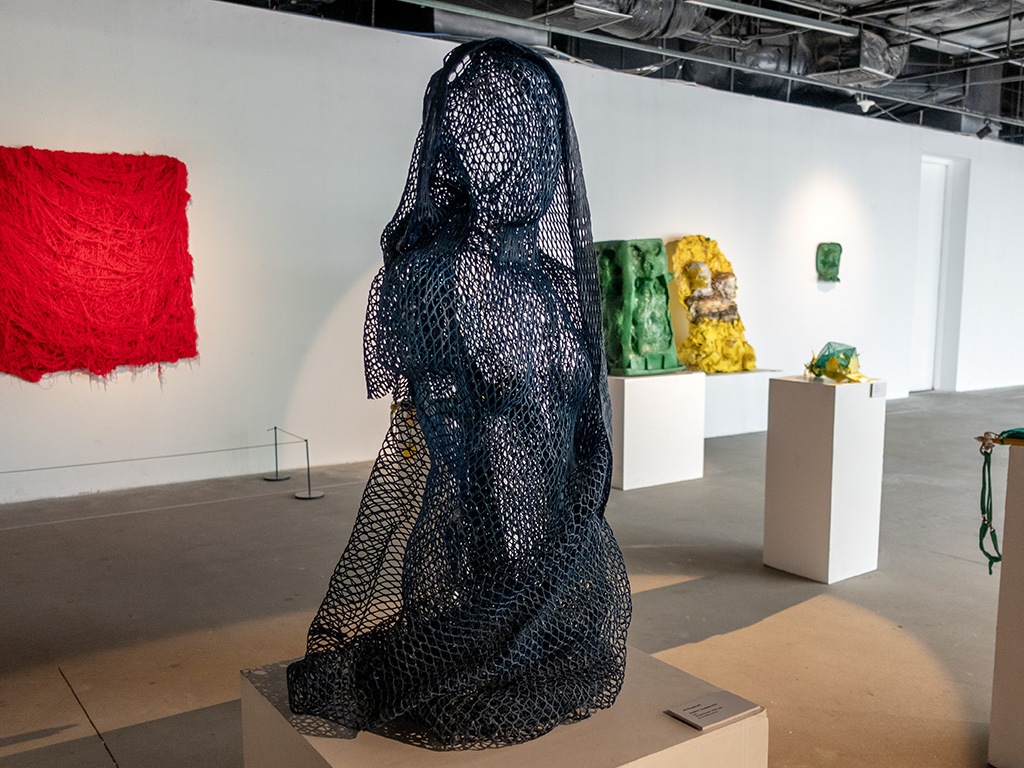
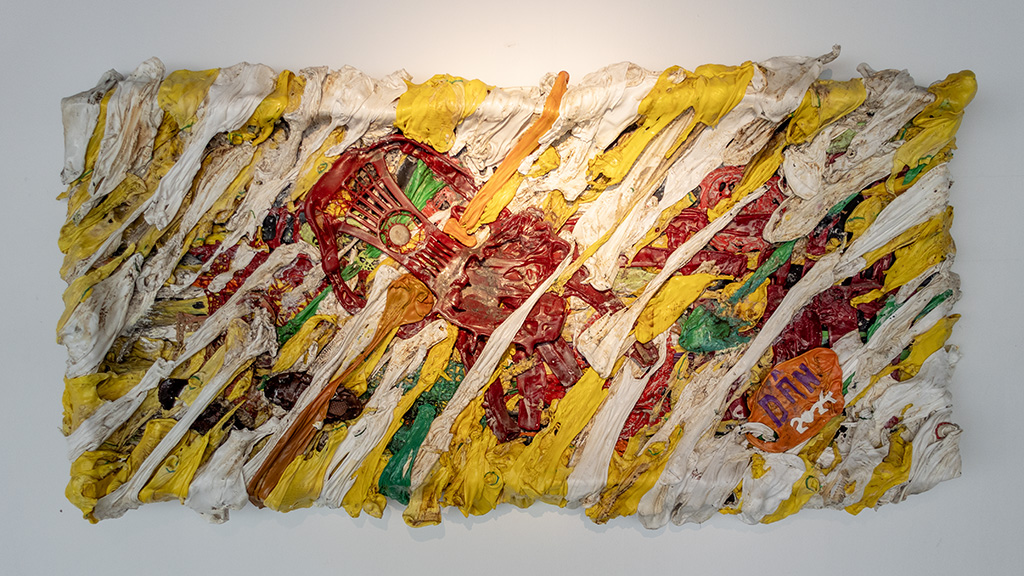
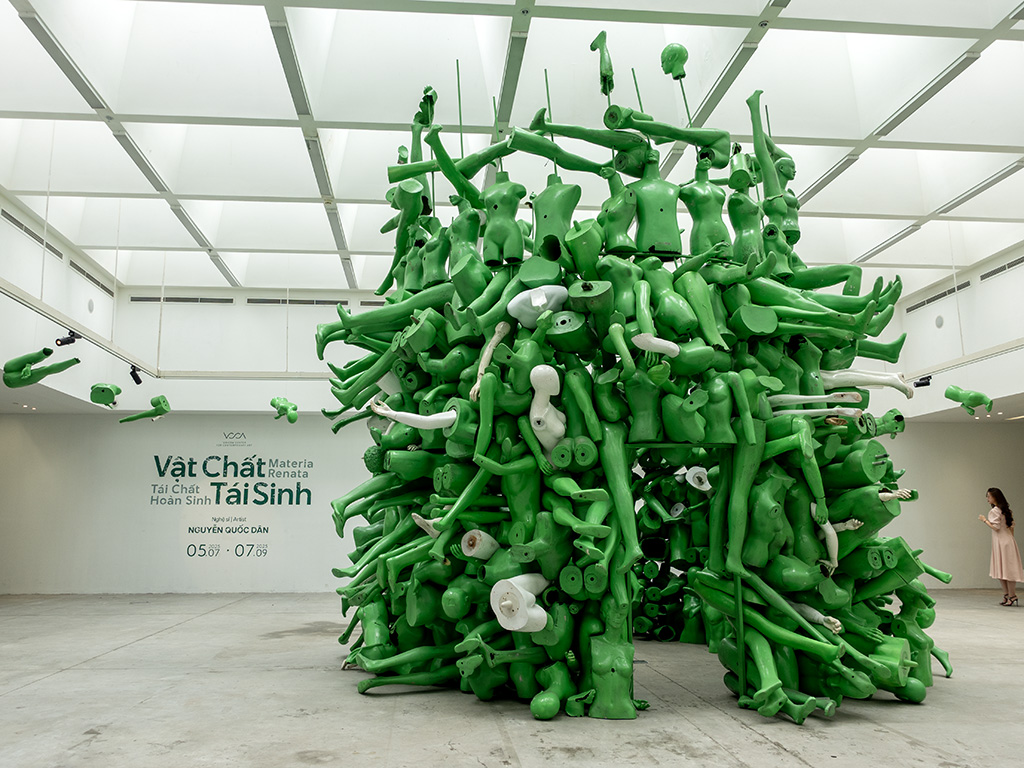
It seemed like the general theme of this gallery was taking plastics and other waste products and transforming them into sculptures and other three-dimensional art pieces. I don’t have a particularly sophisticated comprehension of art theory, so I sometimes get bored in art museums that display only paintings; I liked the Vincom Center for Contemporary Art because it felt like I was able to appreciate both the visuals as well as the underlying message of the art without needing to have a deep initial background understanding on the topic.

Here are some photographs I took around the art gallery:


—§—