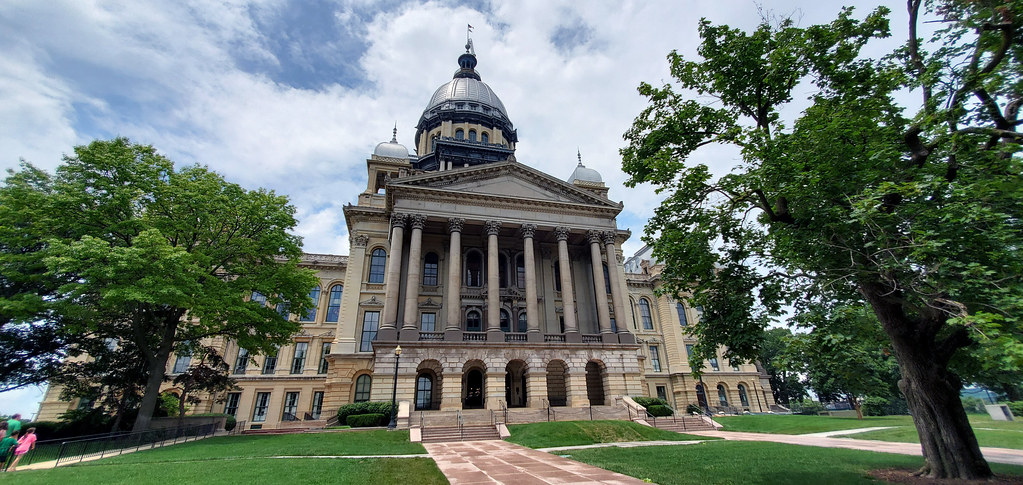
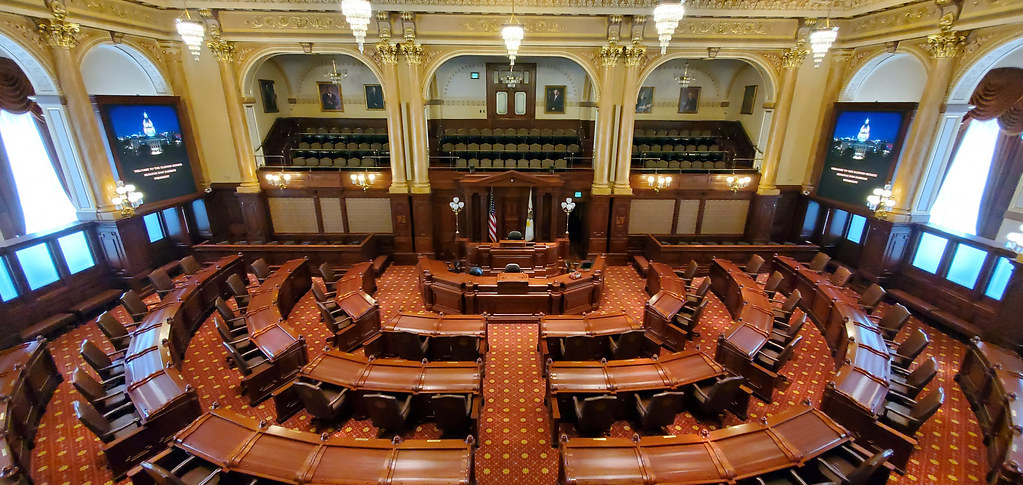
Hello, Kansas Aviation Museum in Wichita

Wichita is known as the Air Capital of the World. About a hundred years ago, a handful of aircraft manufacturing companies were originally established in Wichita, and to this day, a lot of leading aerospace corporations still operate out of Wichita.

The Wichita Metropolitan Area also has a lot of airports relative to its size, including the Wichita Dwight D. Eisenhower National Airport, McConnell Air Force Base, Beech Factory Airport, Cessna Aircraft Field, and Colonel James Jabara Airport.

Naturally, I decided it would be a good idea to check out the Kansas Aviation Museum, a three-story indoor and outdoor hybrid museum with various aircraft, aircraft parts, and informational exhibits on display.

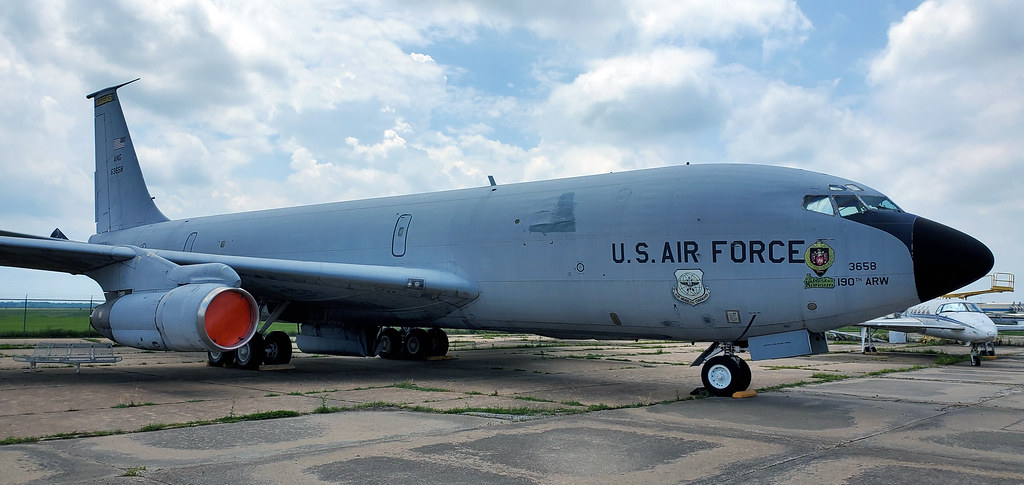
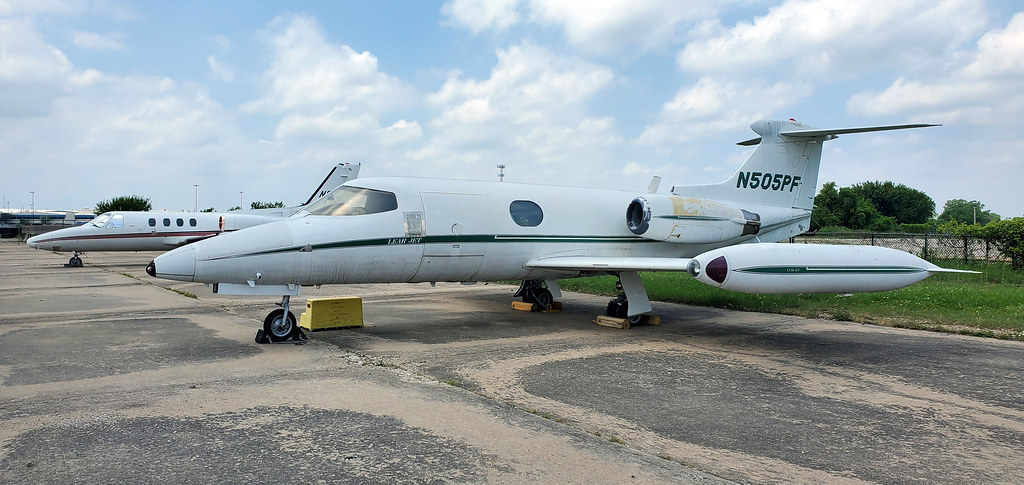
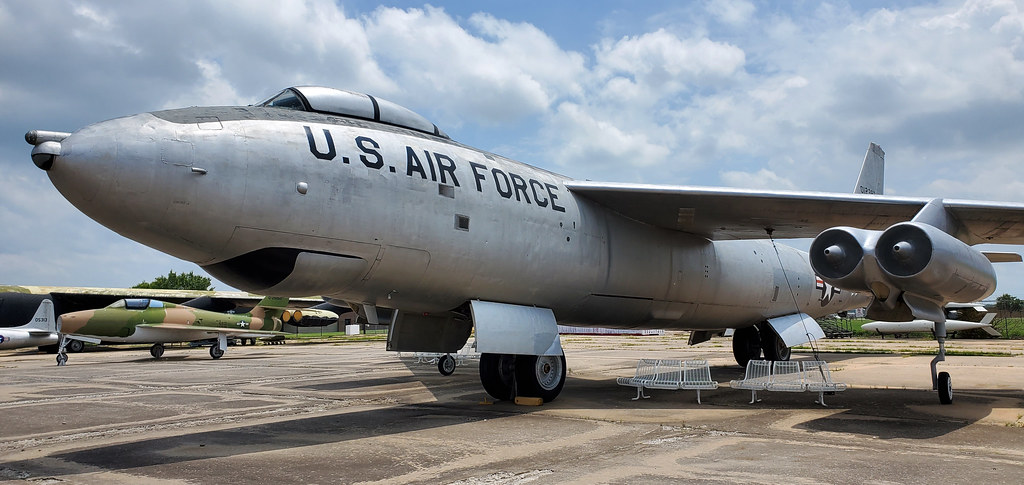
It was getting progressively hotter into the afternoon, so I decided to check out the outside area first. There were a lot of aircraft parked on the concrete, many of which were from the United States Air Force.

Kansas Aviation Museum

Kansas Aviation Museum

Kansas Aviation Museum

Kansas Aviation Museum

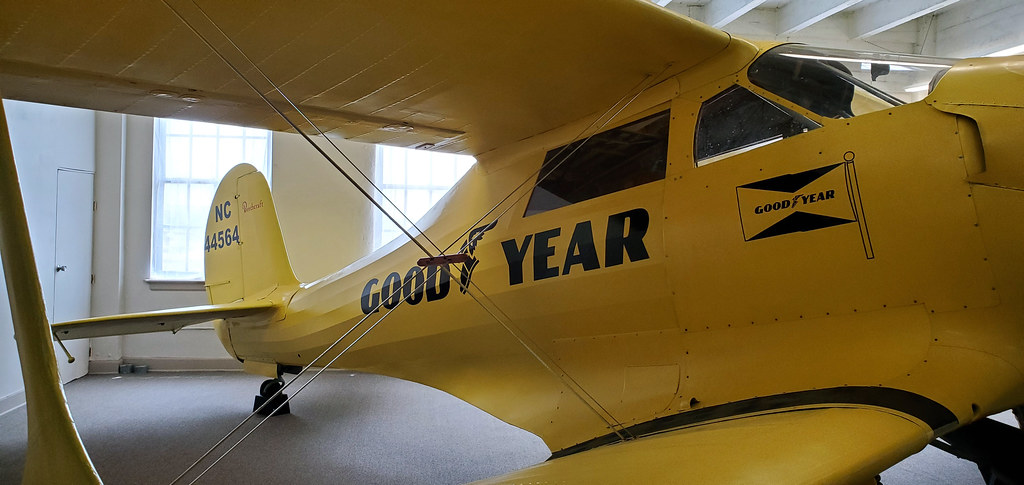
There were also some smaller aircraft assembled and set up indoors as well; that area of the museum seemed relatively new and still under development.

Kansas Aviation Museum

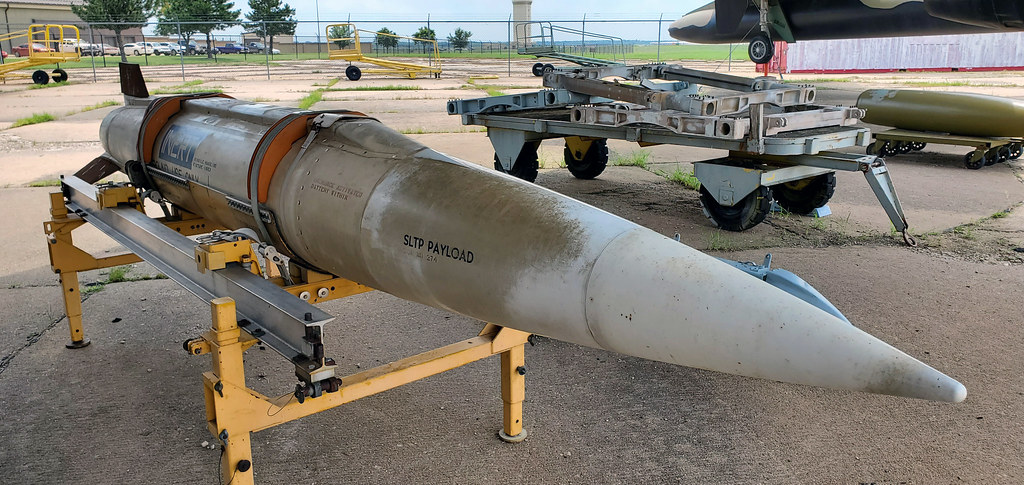
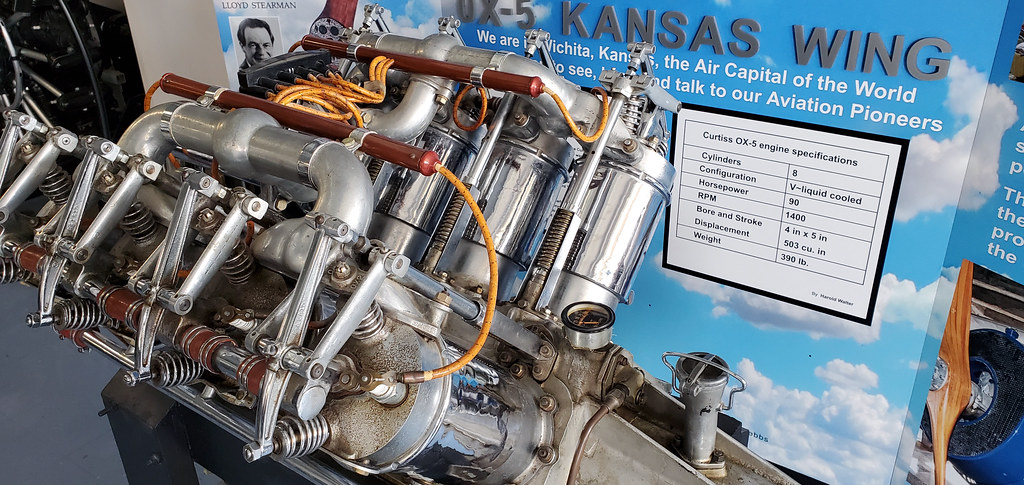
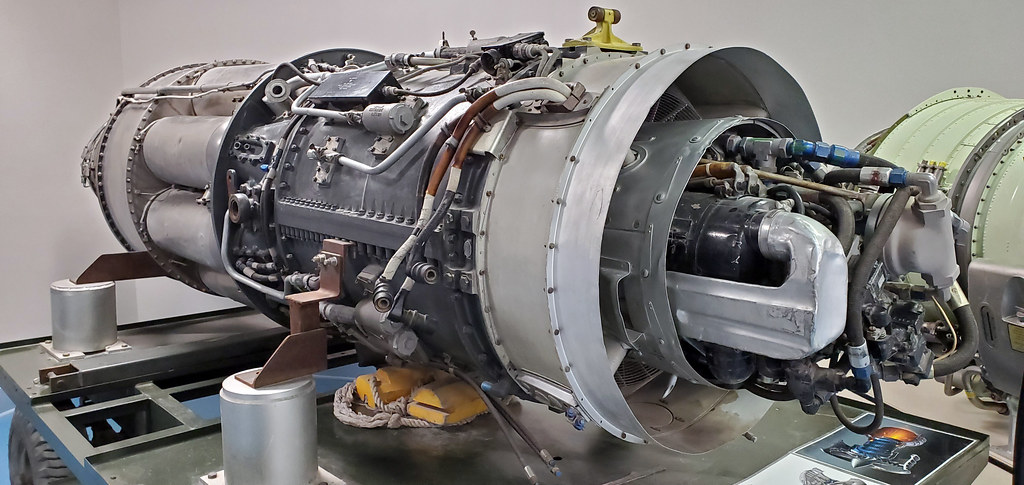
I don’t know too much about the inner workings of aircraft, but a lot of the iconic components were extracted and individually put on display as well.

Kansas Aviation Museum

Kansas Aviation Museum

Kansas Aviation Museum

My favorite part of the museum was actually the children’s area, because it’s where most of the hands-on exhibits were housed. Although it was a little too cramped for me to step in, there was a miniature model of an aircraft cabin set up. There were also some simulation stations where you could use a con­trol­ler and joystick to emulate flying a plane.

Kansas Aviation Museum

And of course, it wouldn’t be the United States of America without a machine gun.

Kansas Aviation Museum

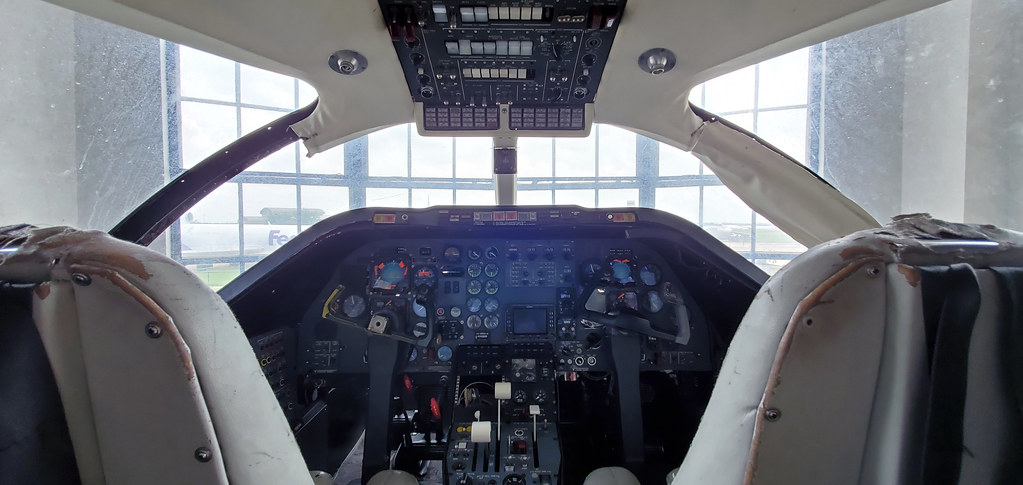
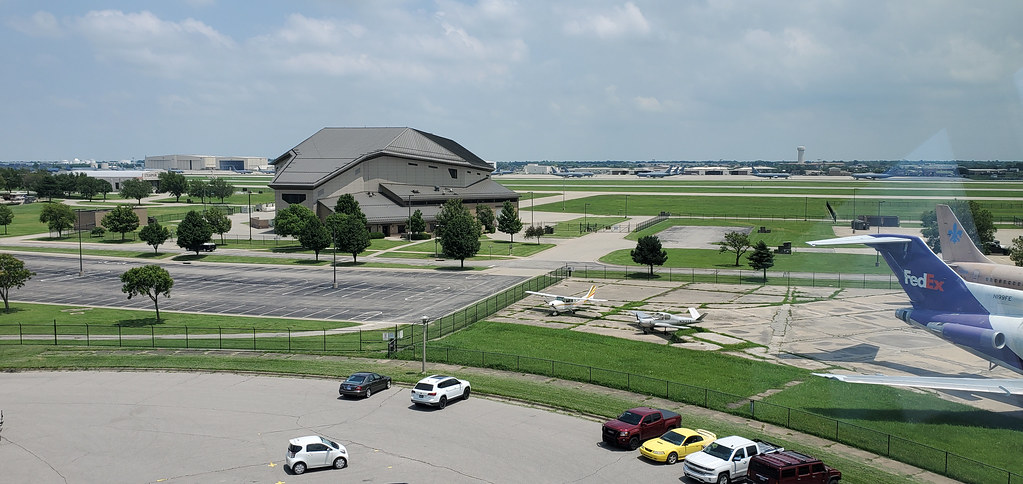
The last area of the museum I visited was the control room, which you could access by going up a few flights of narrow stairs from the third floor. It gave sweeping views of the area to emulate what an air traffic controller would see.

Kansas Aviation Museum

I was also able to see Spirit AeroSystems’ south hangar, which had long rows of aircraft parts lined up, presumably for Boeing planes.

Kansas Aviation Museum

The extent to which I know about planes is the names of the models of the commercial aircraft that I usually fly in, and the areas and seats of the plane that are most comfortable and don’t have limited recline… so going to an aviation museum wasn’t exactly the most insightful or stimulating experience. Regardless, it was nice to see some of the inner workings of aircraft up-close, and I’m glad I got to see something that Wichita is known for.

That wraps up this leg of my trip; tomorrow, I head over to Kansas City, on the border of Kansas and Missouri.


—§—


Hello, Botanica, The Wichita Gardens

After right around seven hours of driving—the most I’ve ever done in a single day—I departed Denver, Colorado and arrived in Wichita, Kansas on July 3. I didn’t do much else on that day—I got in a full-body workout in the hotel gym to try and counteract a day of sedentariness, then ate some lamb sha­war­ma for dinner and relaxed for the rest of the day.

As I’ve mentioned before, I quit my lease but I didn’t quit my job, and I don’t like doing touristy things on the weekends because I want to avoid crowds, so I spent July 4 catching up on some work. Independence Day was great, because I’m on the highest floor of my hotel, about 140 or so feet up in the air, so I have a nice, clear view of a large portion of Wichita and was able to watch several fireworks shows at once. I got my Independence Day dinner from a local deli and ate a three-quarter pound corned beef and pastrami sandwich with Swiss cheese over toasted rye, along with a side of steamed veg­e­ta­bles.

July 5, or Independence Day Observed, was also a day of work and relaxation for me. After another full-body workout in the hotel gym and eating a chick­en, shredded beef, and ground beef enchilada platter from a local Mexican restaurant, I took care of some legal and corporate operations work for Tempo, then squeezed in a few video games for the first time in a little while.

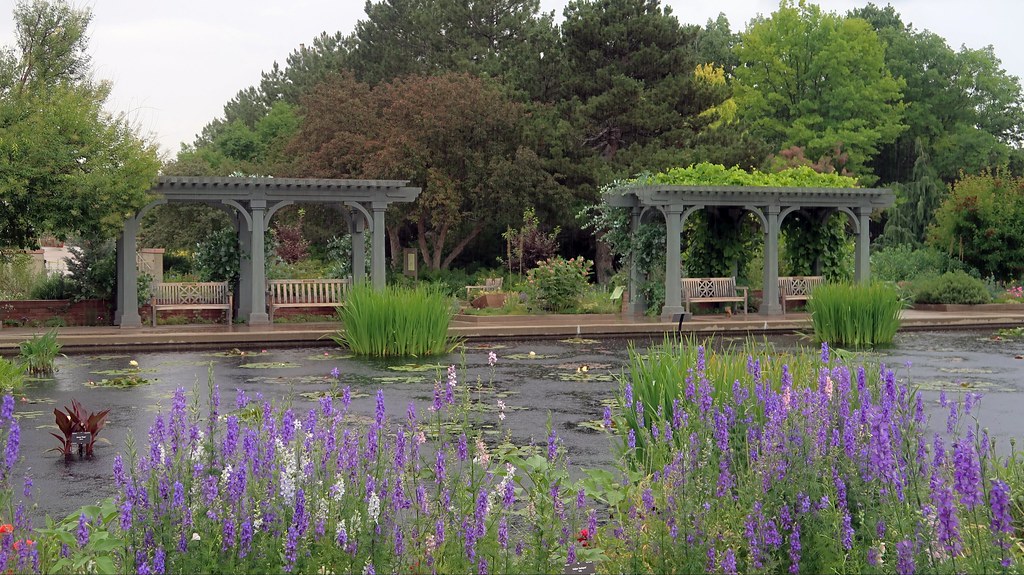
That brings us to today, my first day being an active tourist in Wichita. Seeing as I got rained out in Denver when I visited the botanic gardens there, I de­cid­ed to give it another shot and visit Botanica, The Wichita Gardens. The one here was noticeably smaller than the one in Denver, but it was still a nice, pleasing experience (apart from the fact that it was blisteringly hot and humid).

Botanica, The Wichita Gardens

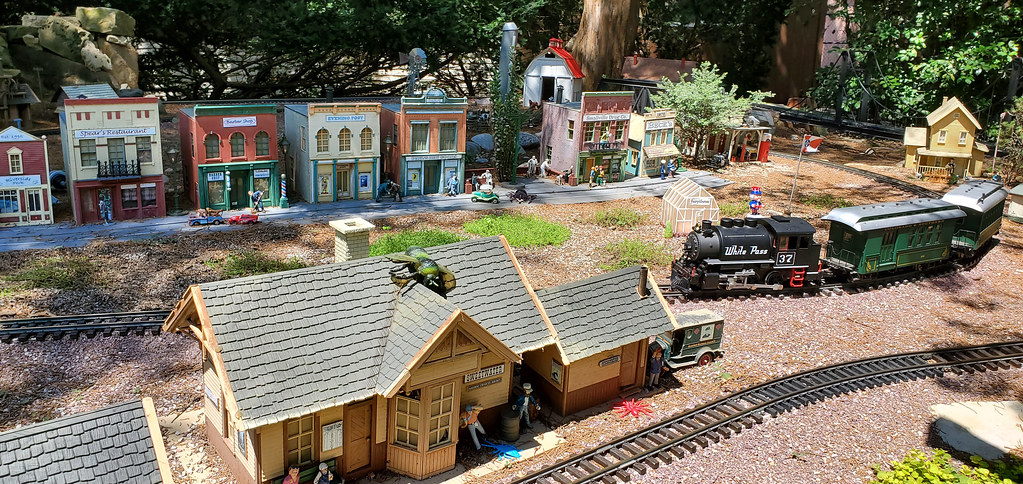
There was a little train station model set up near the entrance. I’m not quite too sure why it was there or what the story was behind it, but I snapped a photo.

Botanica, The Wichita Gardens

Near the train station was the “sensory garden,” a garden specifically designed for those with sight impairments. I checked it out and I wasn’t quite sure how it was any different than the rest of the gardens, but it was definitely a nice touch.
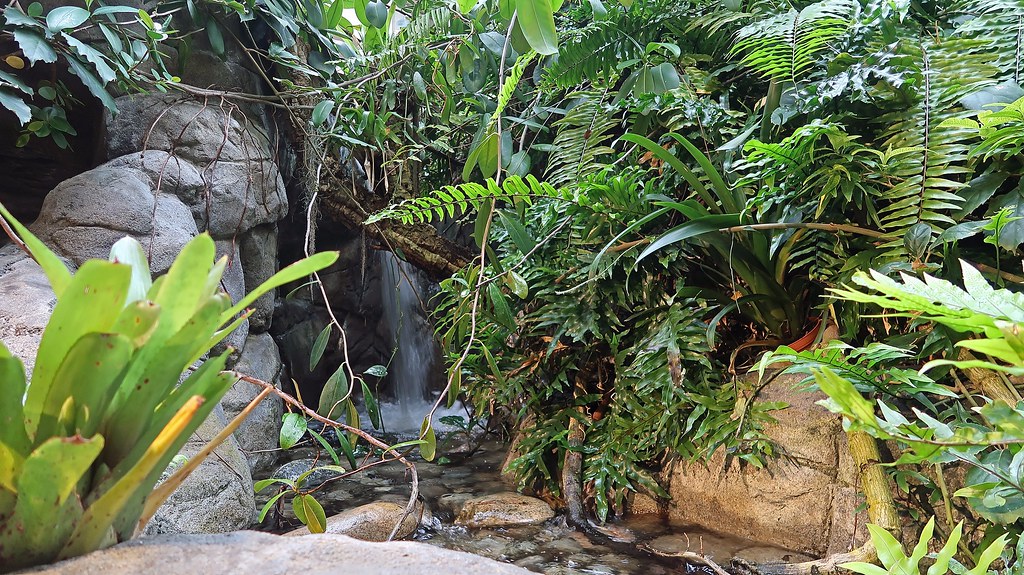
Botanica, The Wichita Gardens

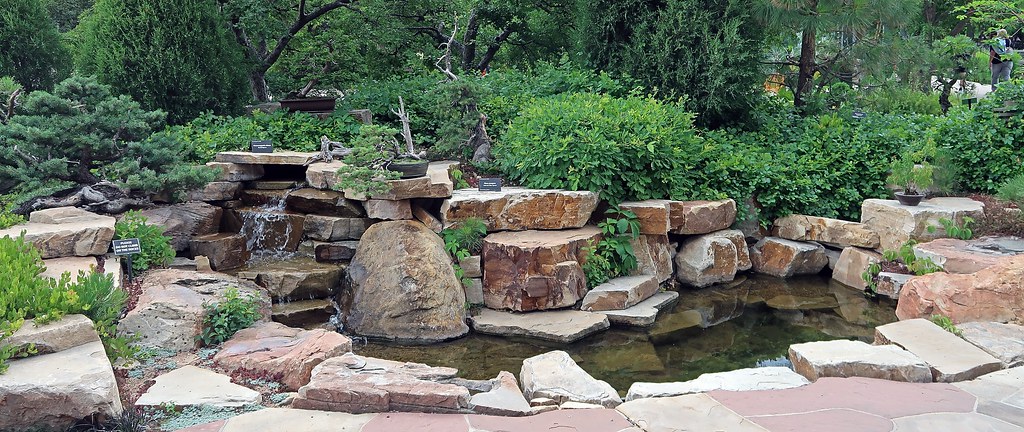
I continued on towards the center of the Gardens, and there was an abundance of water—not something I see too often back at home in Las Vegas.

Botanica, The Wichita Gardens

Botanica, The Wichita Gardens

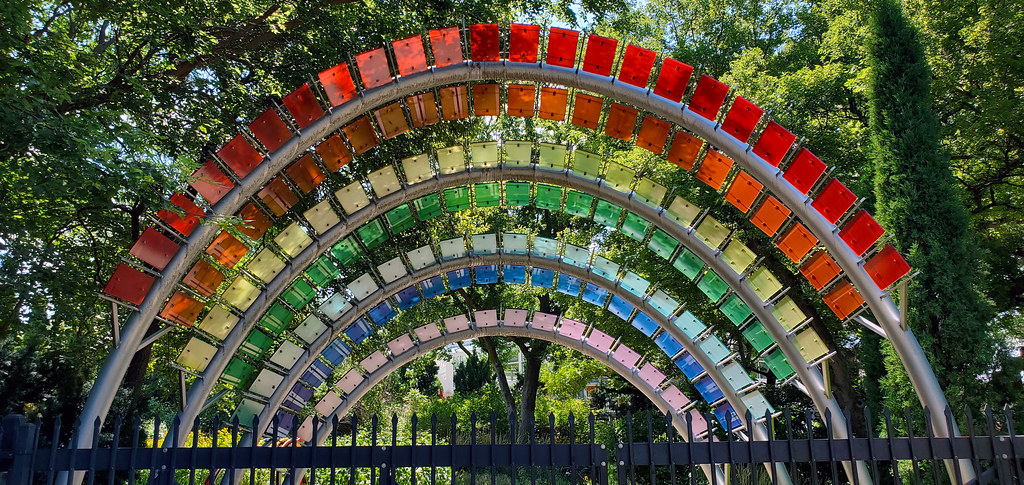
There was a bright, rainbow arch near the entrance to the Children’s Museum. Unfortunately, that area was blocked off for construction, but I snuck a­round the barricade to get a photo anyway.

Botanica, The Wichita Gardens

Past the Children’s Museum was a wellness trail with signs posted along the way to encourage wellness. Some areas were designated for stretching, while others made you more aware of your senses. After I went through the entire trail, I discovered that I accidentally did it backwards. Heh.

Botanica, The Wichita Gardens

The main centerpiece of the Gardens appeared to be a large fountain with an array of circular paths surrounding it.

Botanica, The Wichita Gardens

Botanica, The Wichita Gardens

One of my favorite areas was the butterfly exhibit. There was a separate building that housed what appeared like hundreds of butterflies. I didn’t have a princess moment with butterflies landing on my finger or anything, but I did get to snap some photos of them. (Unfortunately, I forgot my actual cam­er­a for this trip, so all of these are pictures from my phone’s camera.)

Botanica, The Wichita Gardens

One of my other favorite areas was the Chinese garden. The funniest part was the area to feed the koi fish—it was a great example of operant con­di­tion­ing, because the fish swarmed the edge of the platform when I stood there to look down, even if I didn’t have food, because to the fish, “human being on the edge” clearly means “feeding time.”

Botanica, The Wichita Gardens

Botanica, The Wichita Gardens

More Wichita tourist activities to come tomorrow.


—§—


Hello, Denver Botanic Gardens

This post is over 5 years old and may contain information that is incorrect, outdated, or no longer relevant.
My views and opinions can change, and those that are expressed in this post may not necessarily reflect the ones I hold today.
 

I wanted to go on another hiking trip today, but because of the flood warnings, I imagined that the terrain would be a bit too muddy for comfortable hiking, and I decided to find an alternative activity instead. I decided to go to the Denver Botanic Gardens on York Street in Cheesman Park (as opposed to the Chatfield Farms one in Littleton).

The Botanic Gardens were fairly dense with a lot of winding roads and a lot of things to take in. That was fine, though, because I arrived early enough before closing time that I had hours—plenty of time to see everything. … Or so I thought.

I started on the north side of the Gardens and walked through the bonsai tree exhibits.

Denver Botanic Gardens

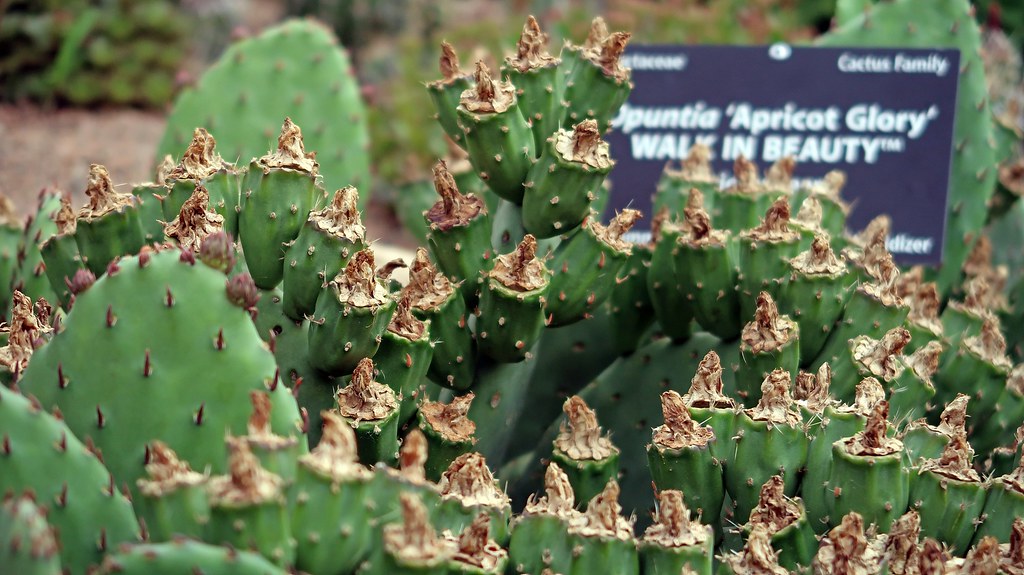
There was also a desert garden, which made me feel right at home. I snapped a photo of some cacti.

Denver Botanic Gardens

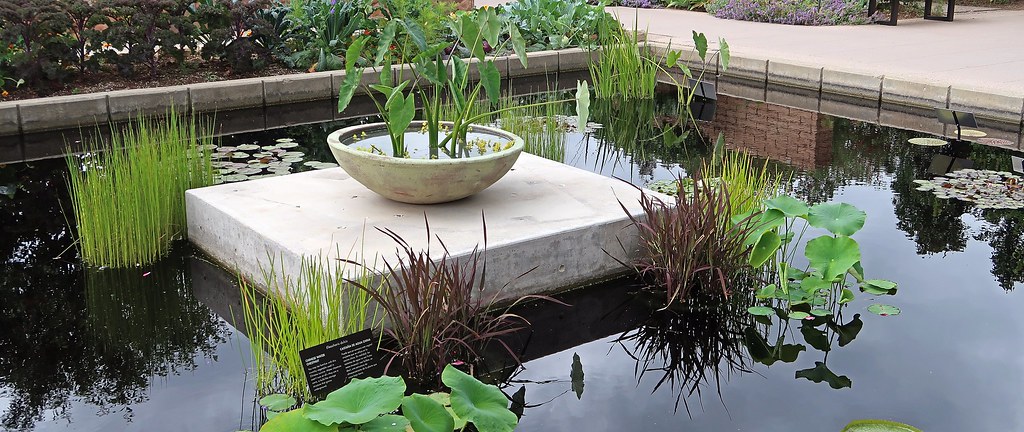
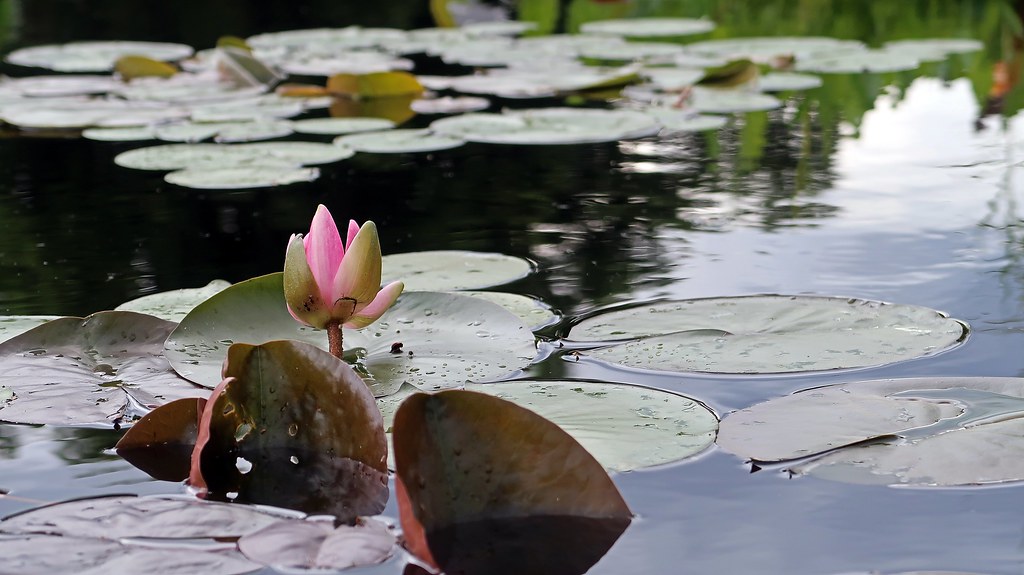
Towards the western, central part of the Gardens, there were some water gardens.

Denver Botanic Gardens

At this point, it started lightly drizzling. It had been cloudy since I got to the Gardens, and I figured there was a chance of rain, but the light drizzle wasn’t too bad.

Denver Botanic Gardens

Denver Botanic Gardens

My favorite part of this area were the ducks. They were pretty quick and kept dipping in and out of the water, but I managed to snap this photo of three of them at once.

Denver Botanic Gardens

By this point, the rain was picking up a bit, but it was still manageable. I didn’t come prepared with an umbrella (and I don’t recall even using an um­brella ever since turning double-digit age), so I was getting a bit damp.

Denver Botanic Gardens

In the southwestern part of the Gardens, I found a rabbit running around (or maybe it was a hare? but it was fairly small, so I’m leaning towards rabbit). I’ve actually never touched a rabbit before because I’ve never interacted with domesticated rabbits. When I still lived in the Chicagoland suburbs, I would see hares around a lot, but it’s usually not a good idea to go touch wild animals—not that they would let me anyway.

Denver Botanic Gardens

Now the rain was really picking up. I had just finished navigating through a “birds and the bees” trail; it was nestled inside a lot of trees, so I didn’t realize how much it was raining, but when I popped out of the exit, I started getting very wet. I began looking for cover.

Denver Botanic Gardens

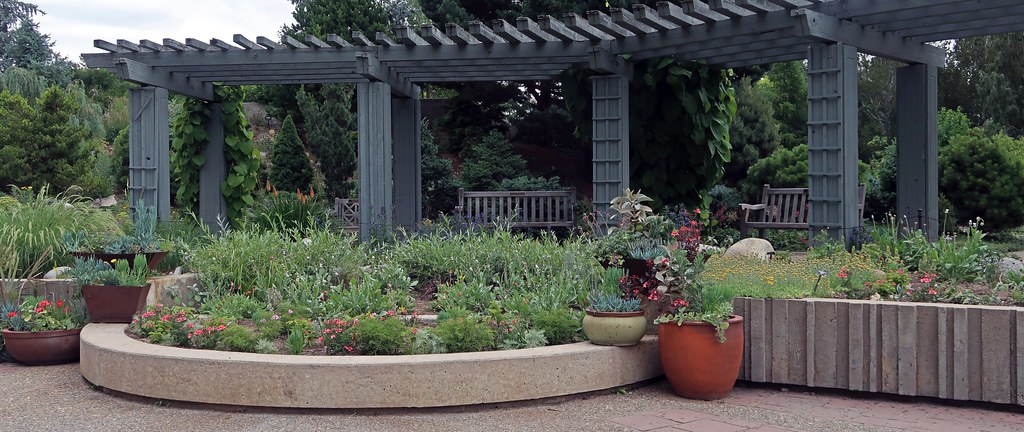
I made my way through some winding paths and found a little gazebo in the middle of the water gardens. By this point, it was absolutely pouring.

Denver Botanic Gardens

That was very unfortunate, because I had just made it through only about a third or so of the outdoor exhibits. Fortunately, there were some indoor ex­hib­its available, so I headed inside to check them out and hope that the rain would subside soon.

Denver Botanic Gardens

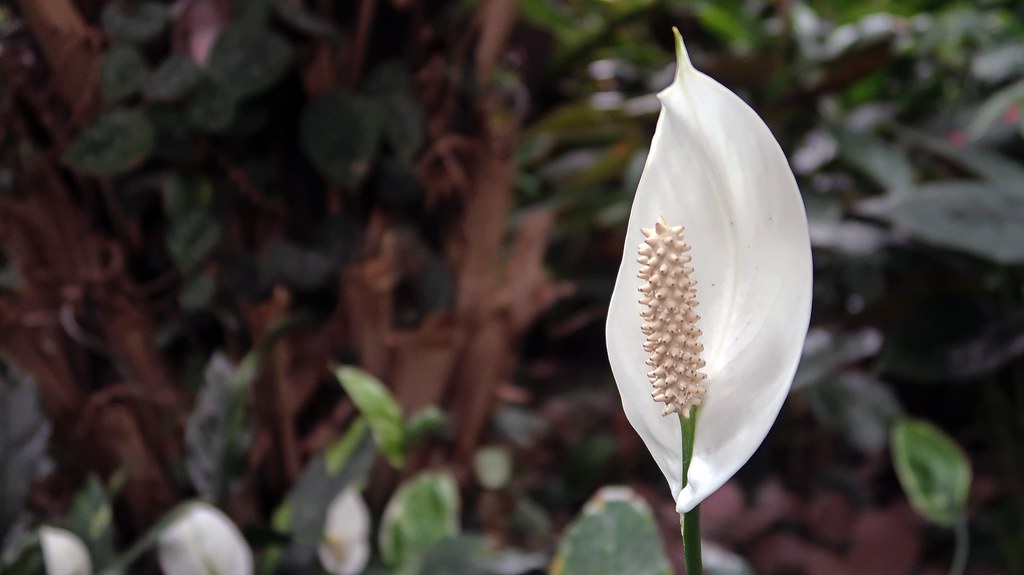
I found a peace lily; I snapped a photo because my parents had like five of these in their house when I still lived with them.

Denver Botanic Gardens

The conservatory connected to the Freyer-Newman Center, where there were a few art exhibits available for viewing.

Denver Botanic Gardens

Well, the bad news is, it never stopped raining. After sitting on a bench in the Boettcher Memorial Center to relax and reply to some emails and mes­sages, I realized that this rain probably wasn’t something that I could just wait out. It wasn’t a torrential downpour anymore, but it was still raining hard enough that I didn’t want to get absolutely drenched walking around outside.

I ended up leaving much earlier than I had hoped. I missed out on a lot of the gardens and exhibits, and also missed out on a few of the other indoor attractions (like the Tea House, Science Pyramid, and Solarium), as they were still closed, presumably because of the COVID-19 pandemic.

If I ever return to Denver, I’m definitely interested in coming back to the Denver Botanic Gardens. Not only is there still a lot more for me to see, but the environment is also just very pleasant and tranquil; it feels like a nice place to spend an afternoon relaxing, sitting on one of the chairs, and reading a book surrounded by plants.
 

—§—


Hello, Sam Noble Oklahoma Museum of Natural History

This post is over 5 years old and may contain information that is incorrect, outdated, or no longer relevant.
My views and opinions can change, and those that are expressed in this post may not necessarily reflect the ones I hold today.
 

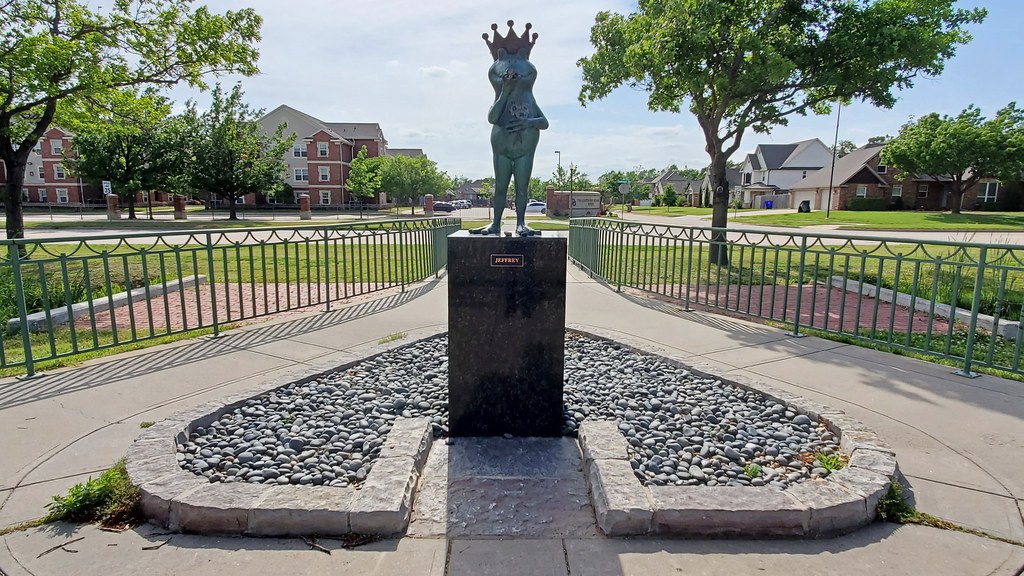
One of my friends is going through a frog obsession phase. She found out that there’s a frog statue on the campus of the University of Oklahoma, about half an hour away from where I’m staying this week in Oklahoma City, and insisted that I go visit. … So I did.

Meet Jeffrey the Frog. Officially named the “Frog Prince,” Jeffrey is the nickname of a lead sculpture made by Bryan Rapp, commissioned by Brenda and Michael Monroe.

Jeffrey the Frog Statue in Norman, Oklahoma

Now, I thought that it would be a little bit ridiculous to drive all the way out here just to look at and take a photograph of a statue of a frog, so I also stopped by the Sam Noble Oklahoma Museum of Natural History, which is less than a quarter of a mile away from the frog statue. It wasn’t exactly the most breathtaking or innovative museum, but admission was only US$8.00, and it was a good way to learn a bit more about Oklahoma.

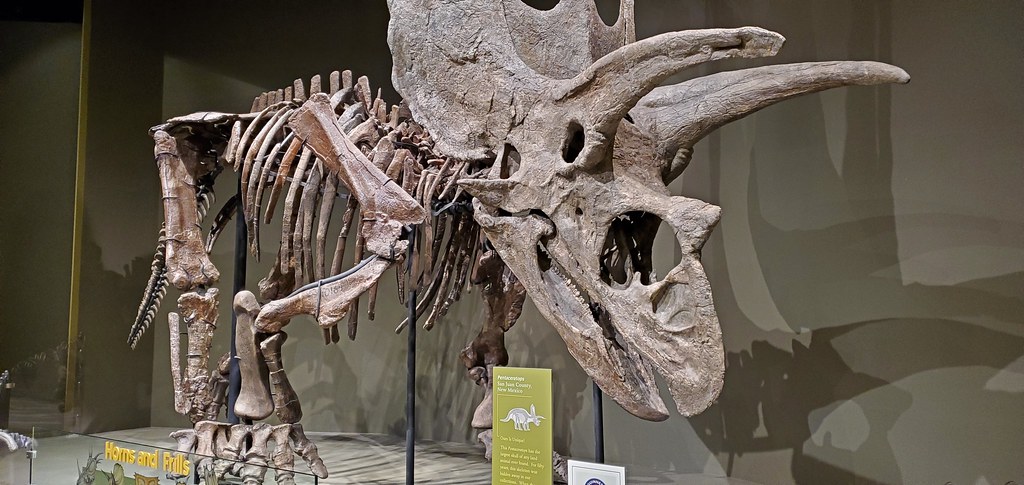
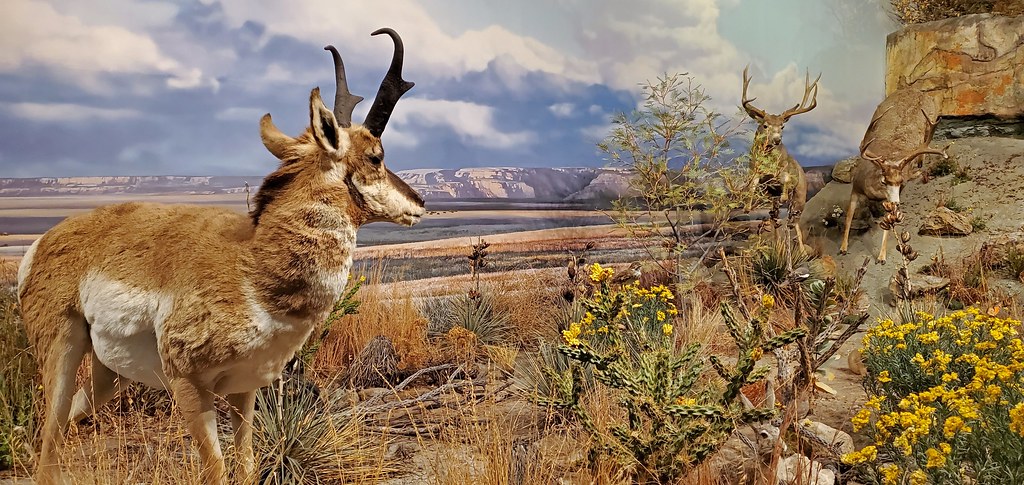
The first exhibit was Dinosaurs: Land of Fire and Ice. I felt like this exhibit was geared more towards younger children, but there were some decent large-scale dioramas. (The literal first exhibit was the Orientation Gallery, but that area didn’t have any photo-worthy exhibits, so the dinosaur exhibit was the first place where I started taking pictures.)
Sam Noble Oklahoma Museum of Natural History

Sam Noble Oklahoma Museum of Natural History

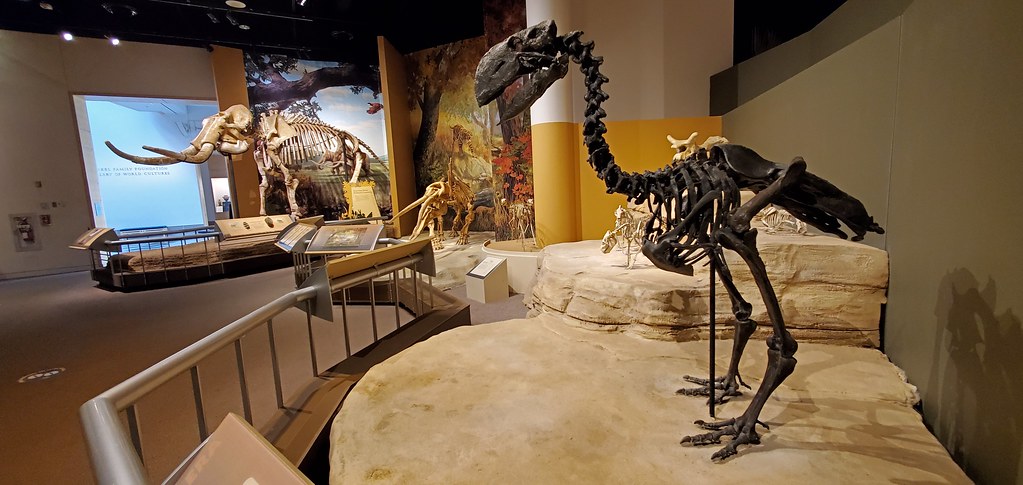
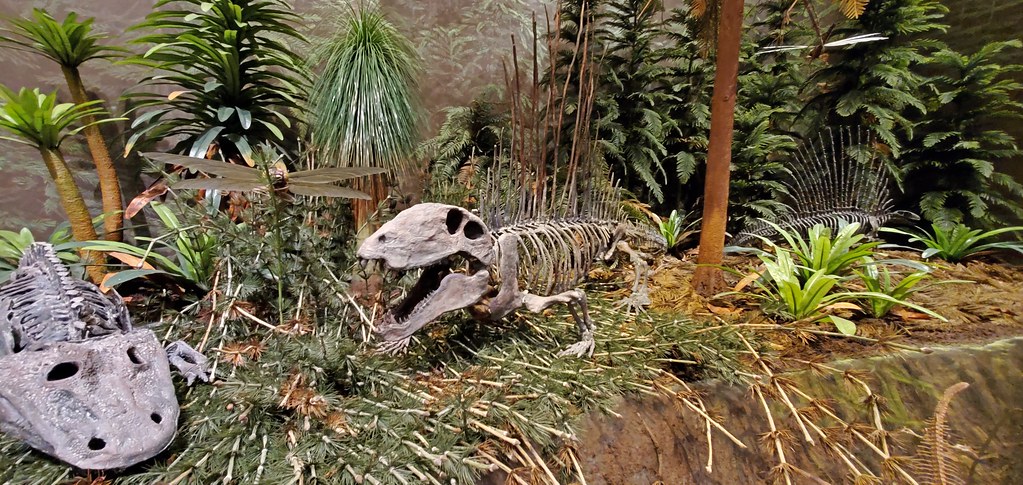
The dinosaur exhibit transitioned into the Hall of Ancient Life.
Sam Noble Oklahoma Museum of Natural History

Sam Noble Oklahoma Museum of Natural History

After that was the Hall of People of Oklahoma.

Sam Noble Oklahoma Museum of Natural History

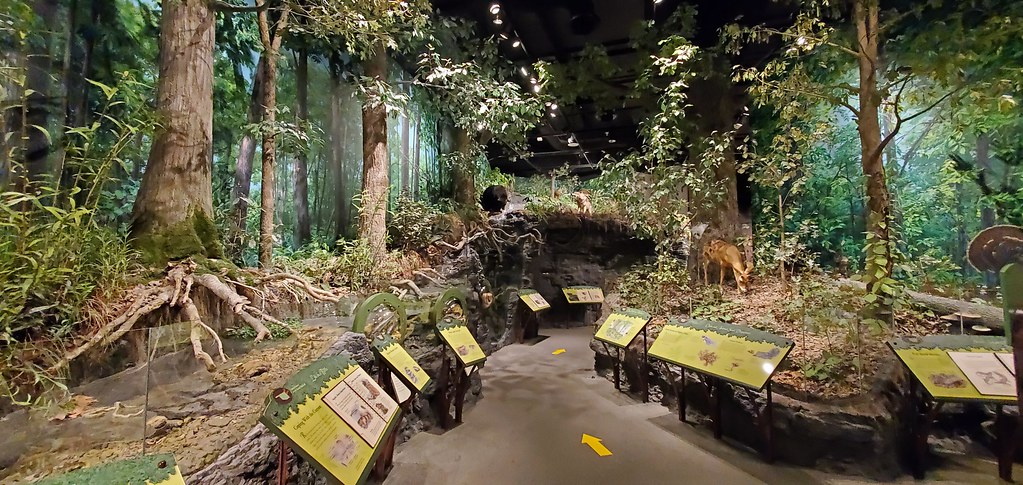
And finally, the last exhibit was the Hall of Natural Wonders.

Sam Noble Oklahoma Museum of Natural History

Sam Noble Oklahoma Museum of Natural History

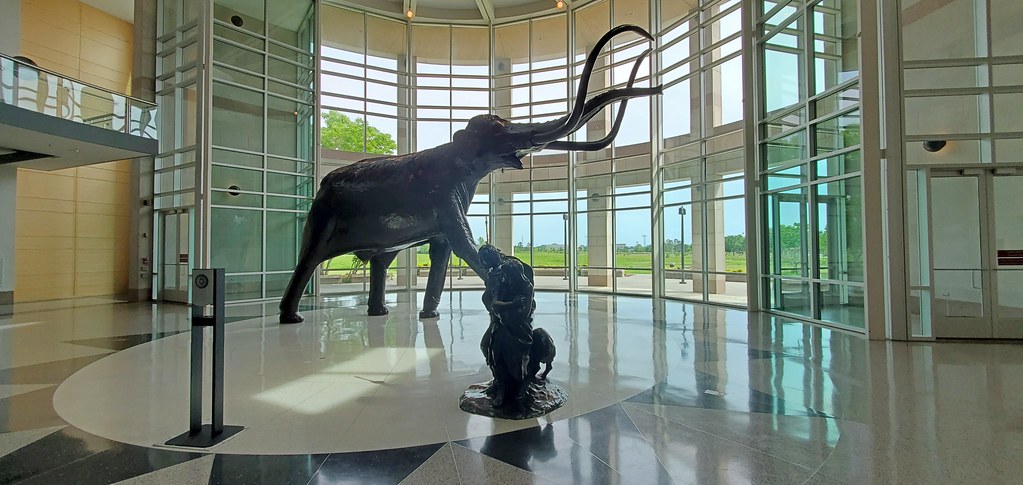
On my way out, I snapped a photo of a few statues by the exit.

Sam Noble Oklahoma Museum of Natural History


—§—


Hello Seattle, feat. Gas Works Park

This post is over 5 years old and may contain information that is incorrect, outdated, or no longer relevant.
My views and opinions can change, and those that are expressed in this post may not necessarily reflect the ones I hold today.
 

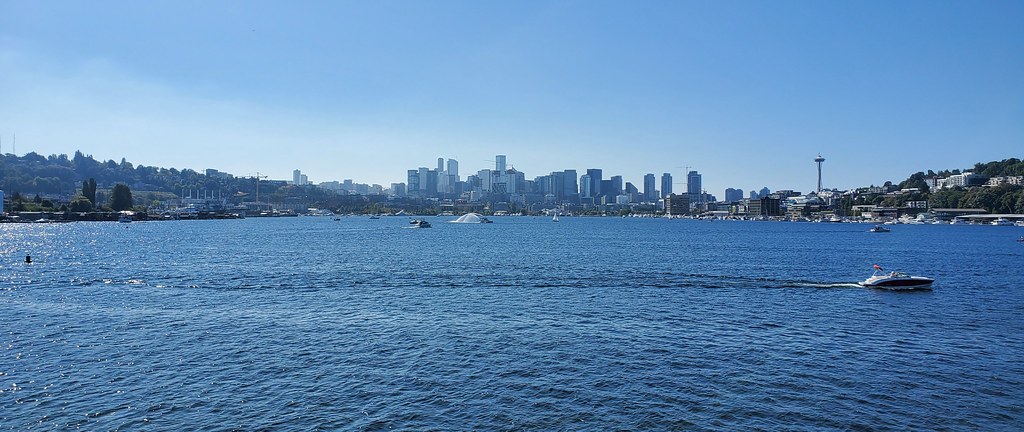
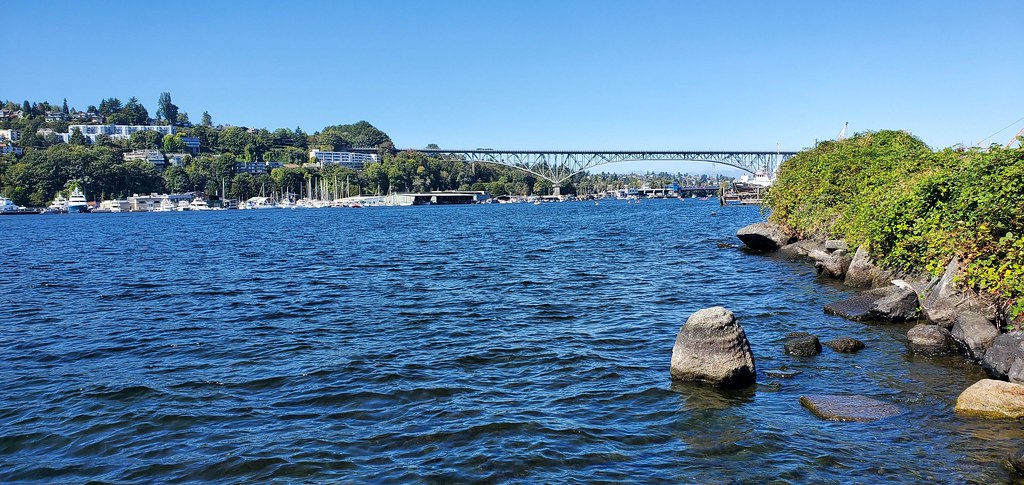
After our production crew wrapped up filming with our game development crew for a documentary for The Bazaar for the past few days, we spent today, our last day in Seattle, grabbing some final b-roll footage of Seattle. Our director’s site of choice was Gas Works Park, a public park on the site of the former Seattle Gas Light Company gasification plant.

Gas Works Park

From the Gas Works Park

From the Gas Works Park

From the Gas Works Park

From the Gas Works Park

Once we got everything we needed, we stopped by a Mexican restaurant called Pablo y Pablo in the Northlake neighborhood of Seattle for our final lunch of the trip.

Chilaquiles from Pablo y Pablo in Seattle

I got chilaquiles, labeled on the menu as the “best hangover cure ever” (no, I did not have a hangover). I’d say it was passable at best.


—§—


Hello Seattle, feat. Woodland Park Zoo

This post is over 5 years old and may contain information that is incorrect, outdated, or no longer relevant.
My views and opinions can change, and those that are expressed in this post may not necessarily reflect the ones I hold today.
 

Our fourth and final activity included in our Seattle City Pass—after the Seattle Aquarium, Space Needle, and Chihuly Garden and Glass—was a trip to the Woodland Park Zoo.

I’m a big fan of animals, and I enjoyed the aquarium, so I thought the zoo would be one of my favorite attractions of the trip, but unfortunately, it was massively underwhelming.

A lot of it probably had to do with the fact that it seemed like over half of the zoo was closed due to COVID-19. There were signs everywhere directing human traffic in one-way directions so people wouldn’t have to walk in close proximity of one another. On top of that, for the exhibits that were open, it seemed like the animals just wanted to spend the day hiding out today.

Apparently the Woodland Park Zoo in Seattle is frequently rated as one of the best zoos in the country, so I imagine that I would have to come back some other time if I’m ever in Seattle again after the pandemic, but for now, based on the very limited zoo experiences I’ve had, I’d say that the Henry Doorly Zoo in Omaha was much, much better.

Woodland Park Zoo in Seattle, WA

Woodland Park Zoo in Seattle, WA

Woodland Park Zoo in Seattle, WA

Woodland Park Zoo in Seattle, WA

Woodland Park Zoo in Seattle, WA

Woodland Park Zoo in Seattle, WA

Woodland Park Zoo in Seattle, WA

Woodland Park Zoo in Seattle, WA

Woodland Park Zoo in Seattle, WA

Monica and I spent a total of over three hours at the zoo, and towards the end, I was getting a bit discouraged and started taking random photos of signs, placards, and empty habitats because there was seemingly nothing else to photograph. I think the following picture captures the core sentiment of what I felt like I got out of this experience:

Woodland Park Zoo in Seattle, WA


—§—