I briefly mentioned this yesterday during my miscellaneous photo dump blog post in the section about visiting the Yamaha shop in Ginza, but I am very much a music person. Ever since I was a kid, I’ve played a lot of different instruments. I started with piano lessons when I was young (very fitting to the Asian stereotype), took cello lessons alongside piano when I got a little bit older, and then played woodwind and percussion instruments in band when I was in middle school.
Since then, I also started playing more string instruments, guitar being the primary one. As of today, I have accrued a bit of a collection of both electric and acoustic guitars—a custom Mod Shop Fender Stratocaster, a Fender Paramount PD-220E, a Gretsch Electromatic Classic Hollow Body, an Ovation Celebrity Elite Plus, a Charvel Pro-Mod Series So-Cal, a Jackson Pro Series King V, and a Jackson Pro Plus Series Soloist SLA3. I also have a Yamaha TRBX304 bass and an Epiphone Hummingbird tenor ukulele.
With all that in mind, it is probably unsurprising that I decided to stop by the Min-on Music Museum in Shinjuku City of the Tokyo Metropolis during my trip to Japan. Music museums don’t seem to be too common in North America—the only ones I had been to before that I recall are the Museum of Making Music in Carlsbad, California, USA and Studio Bell: Home of the National Music Centre in Calgary, Alberta, Canada. Thus, when I found out that Tokyo had a highly-rated music museum, I added that on my list of things to check out while I was visiting.
The Min-on Music Museum was basically a combination of a small museum with a live performing arts exhibition. When I showed up, I was told that admission was free and that there was a piano performance in progress in one of the rooms. I was scurried up to the piano room on the second floor, and after waiting for the second-to-last song to end, I was allowed in so I could watch the final song of the performance. At this point, I felt very fortunate that I had made it just in time to at least see one song.
The performer was skilled at playing the piano, but she seemed like she was just a regular staff member at the museum—she was wearing what looked like a uniform that all other staff members were wearing. I found her piano ability quite impressive within the context that usually, in the United States, regular employees like this generally aren’t held to a high qualification standard if you’re just staffing a museum.
There was signage that asked spectators not to take photographs until the conclusion of the set. My guess is that this policy was implemented due to the industry self-regulation in Japan of cell phone manufacturers forcing a shutter sound to play when taking photographs with Japanese-made phones in order to combat non-consensual or privacy-intruding photography, and such shutter sounds would interfere with the performance. Even though I have a United States phone with no shutter sound, I still avoided taking pictures until after the show, upon which I checked out all the different pianos on the stage.
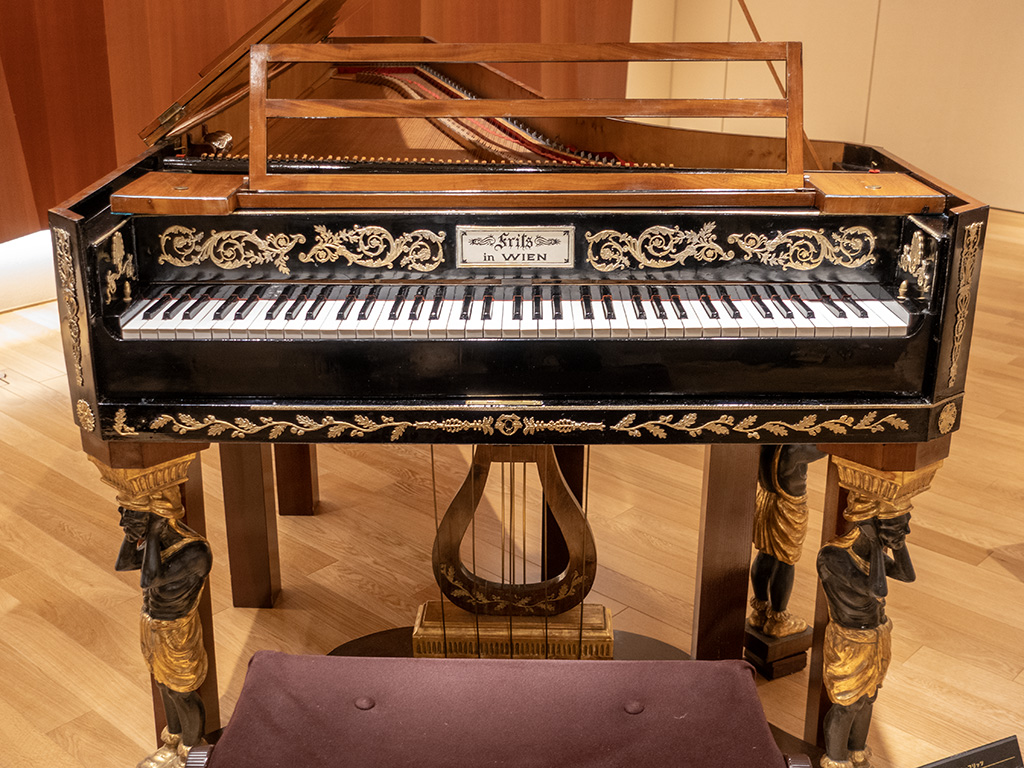
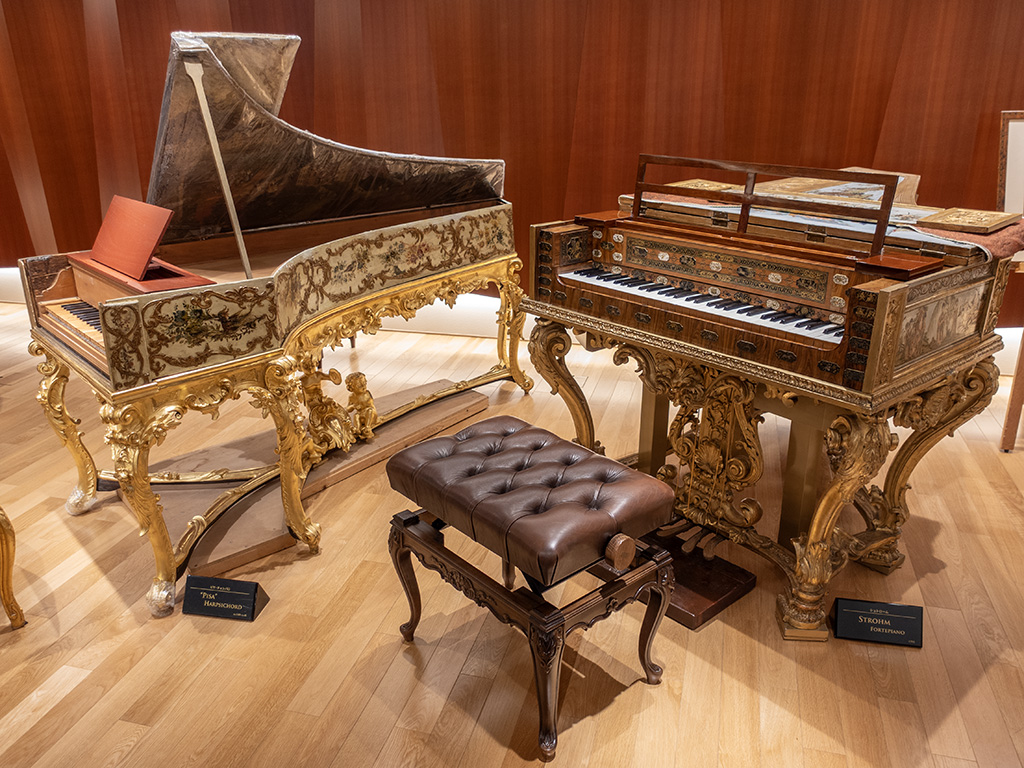
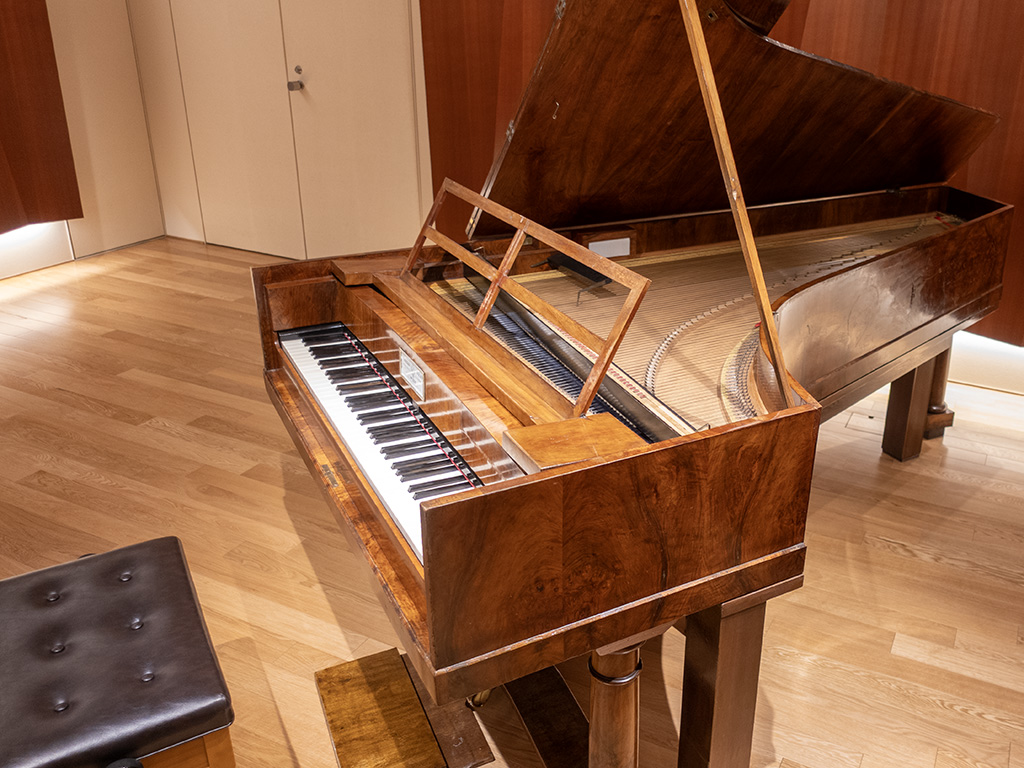
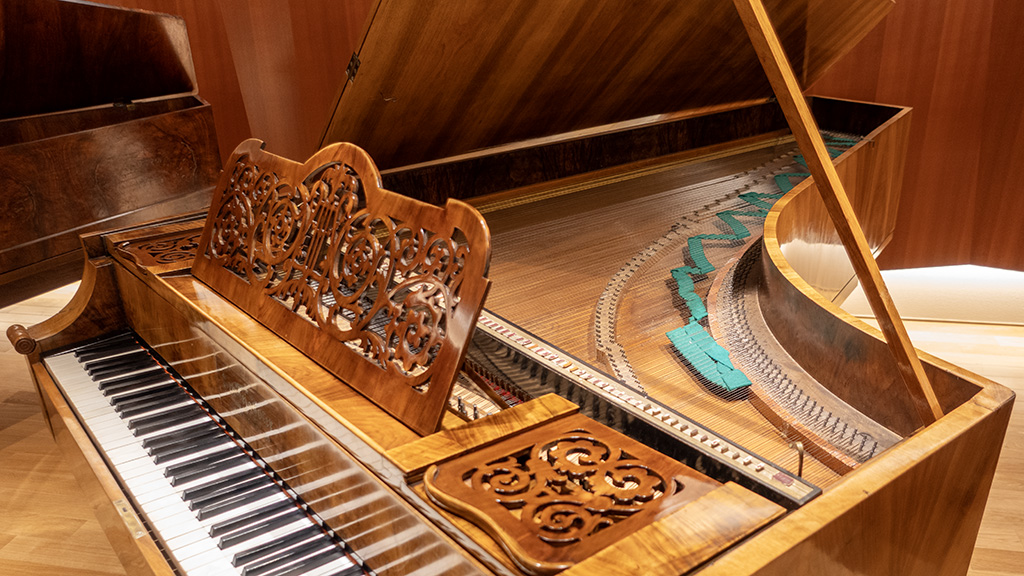
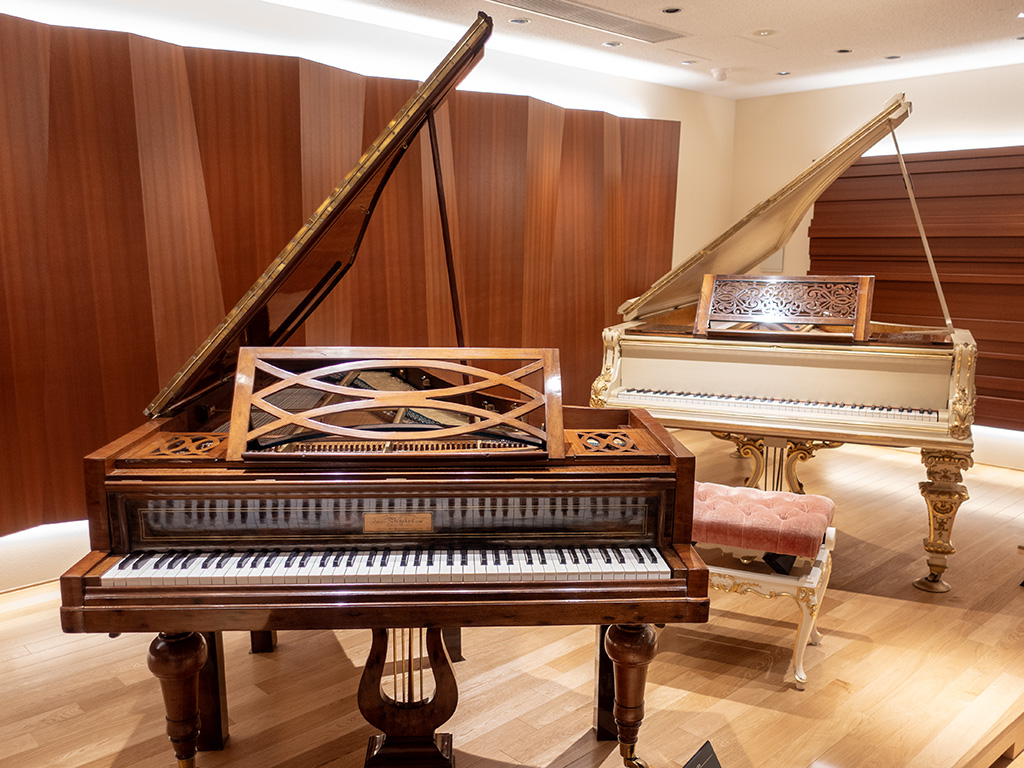
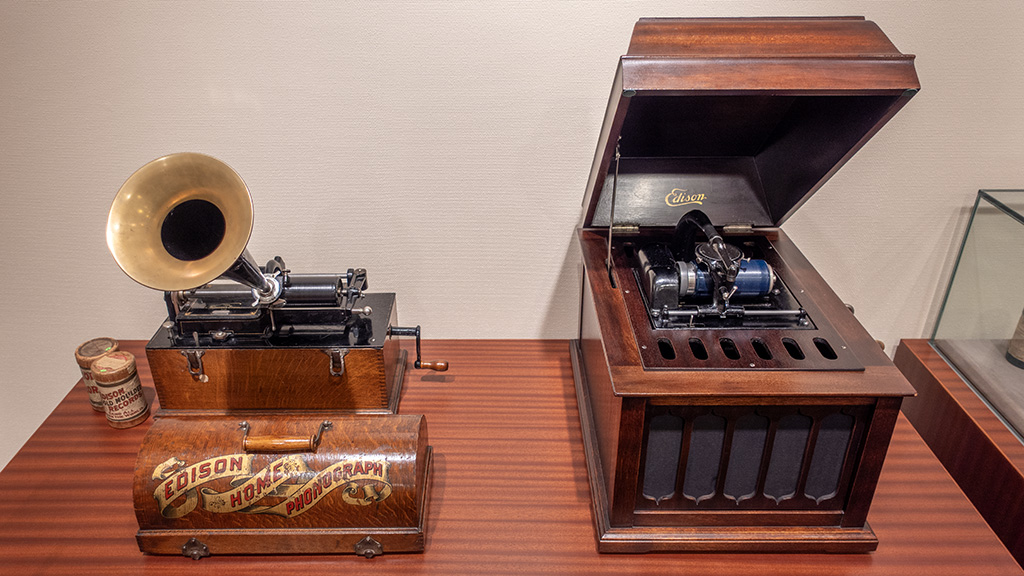
After taking a look at the pianos, I headed over to one of the museum exhibits where they showcased various different instruments from around the world.
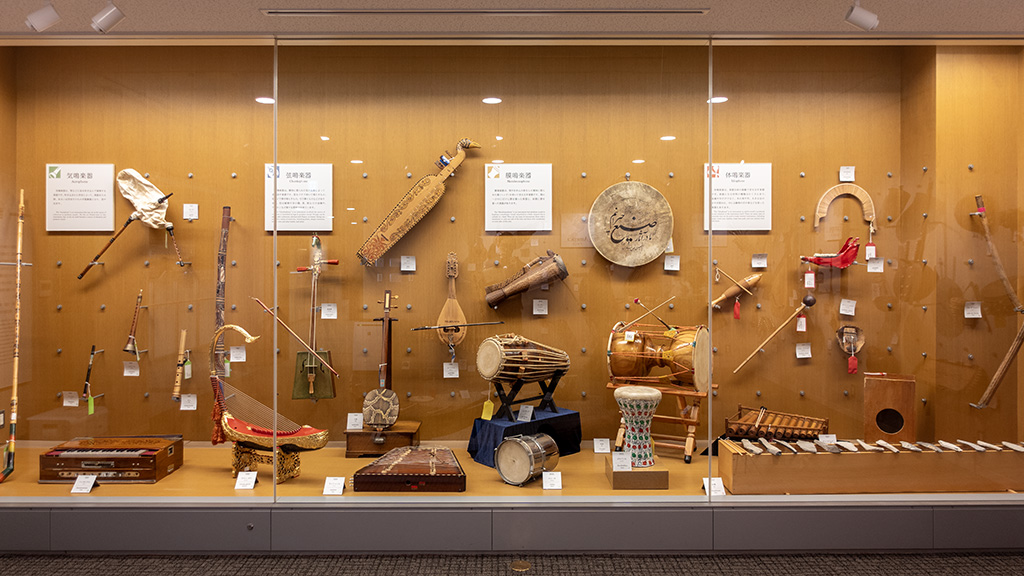
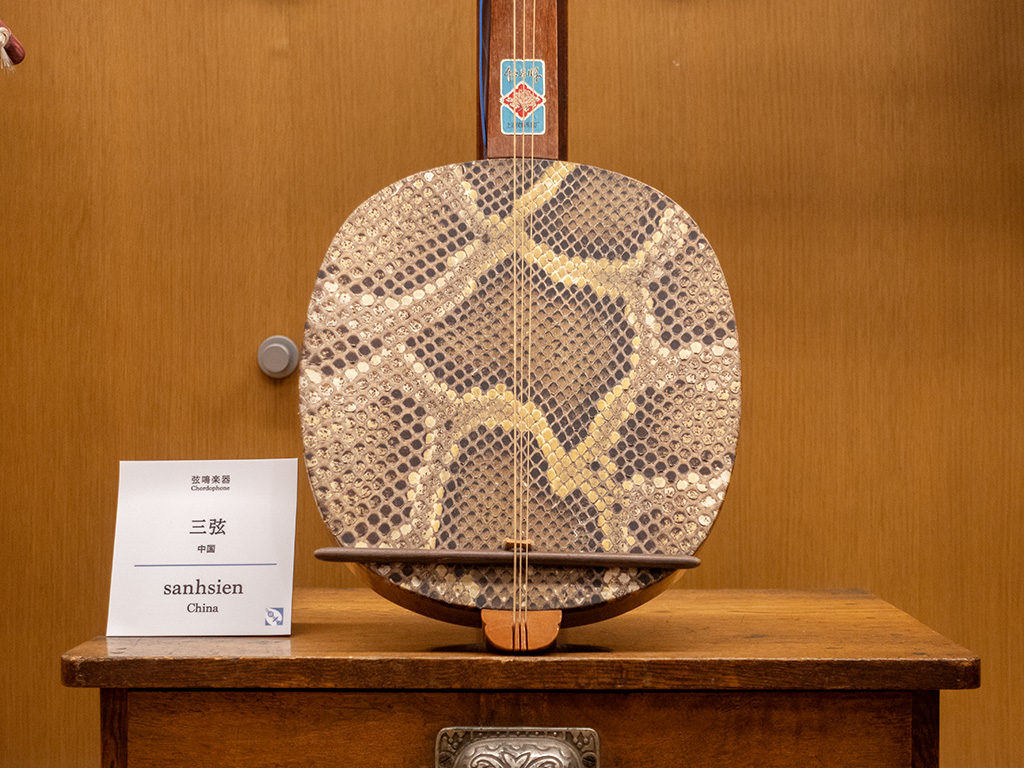
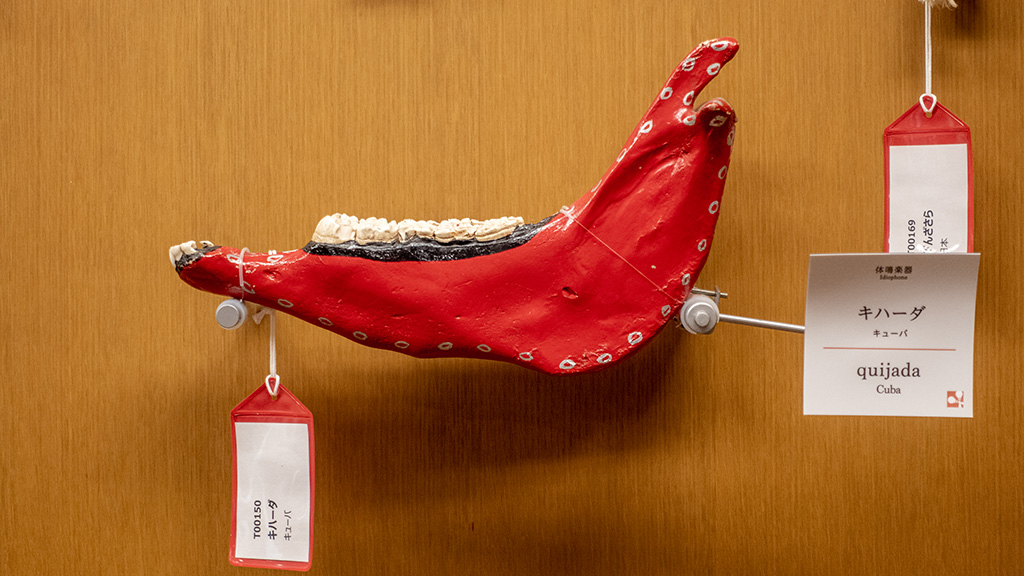
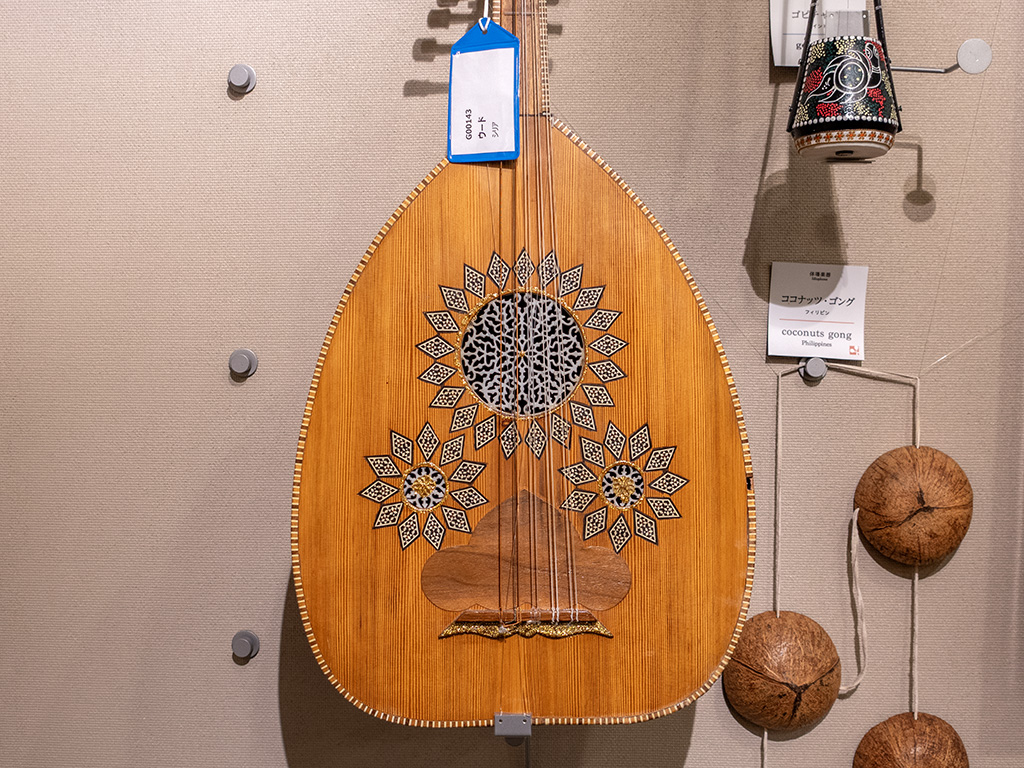
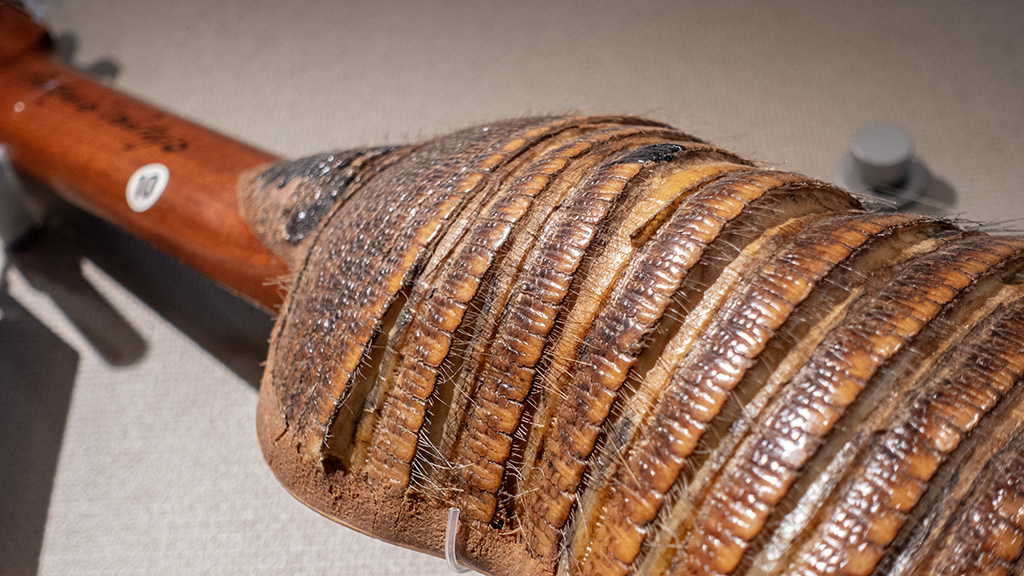
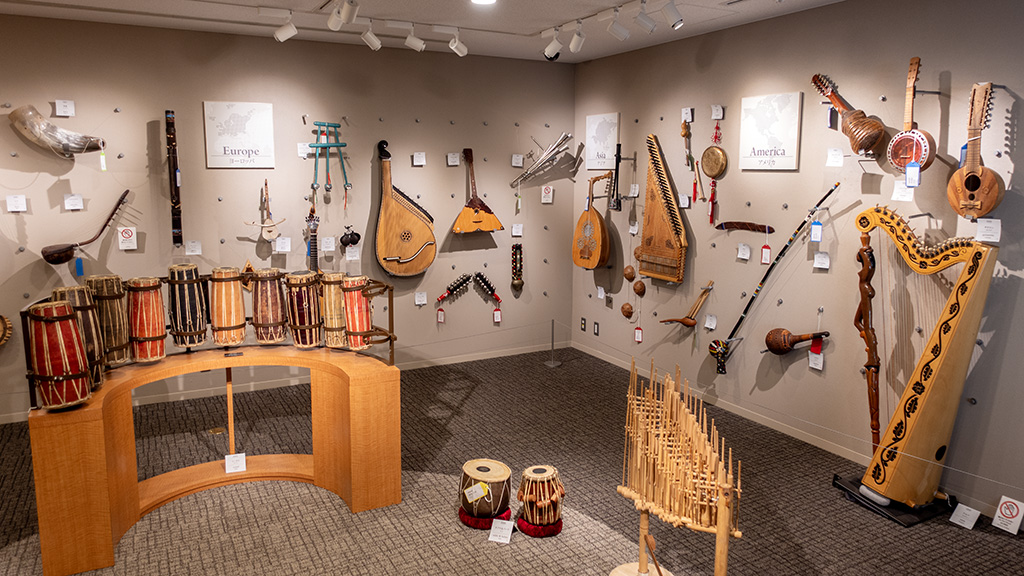
Shortly after I finished going through this section of the museum, a staff member came up to me and asked me to head down to the first floor to watch the music box performance. This is when I realized that they have routine recurring mini-concerts happening throughout the day at this museum on one-hour intervals. Once an hour, there is a piano performance that takes about 15-20 minutes, followed by a small 10-15 minute break to allow patrons to explore the museum. Afterwards, there is a music box performance that takes another 15-20 minutes, followed by another 10-15 minute break for more self-guided exploration. This cycle repeats several times per day.
The music box performance had similar guidelines of no photography during the performance. Although the performer was providing commentary on the music boxes in Japanese, I was provided a brochure with an English translation so I could learn about the different boxes being played and on display.

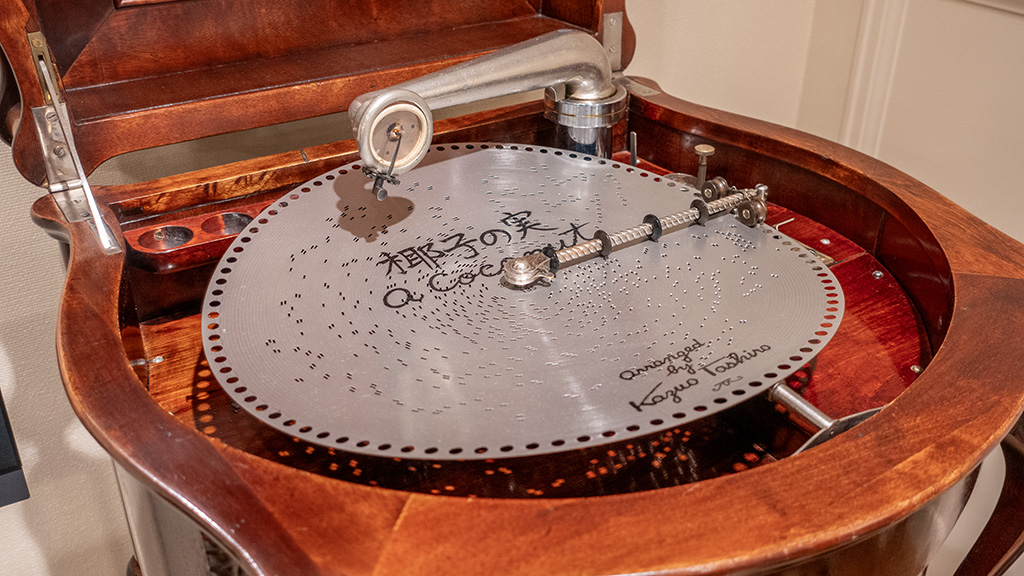
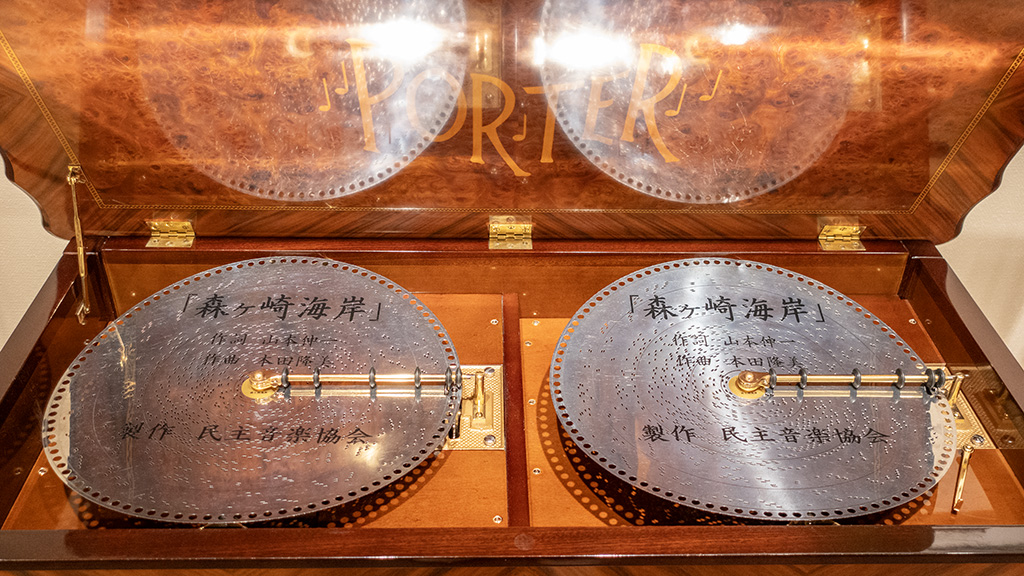
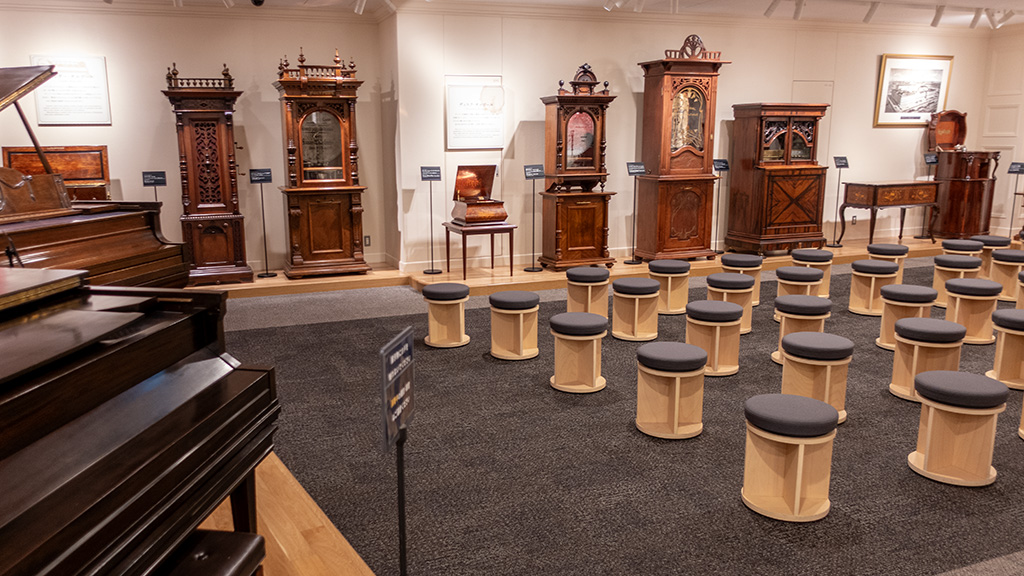
I forgot to take a wider shot of the piano performance area, but I remembered to do so for the music box area. As you can see, there are a lot of swiveling stools arranged in a grid, which allows for spectators to spin around and watch the performer play the various different music boxes available in the room.
After enjoying this performance, I had a short opportunity to check out some more of the artifacts on display before it was time for the piano performance again.
Because I only had a chance to hear the final song of the prior performance, I joined in on the piano set again so I could listen to the entire thing. It was a different employee playing the pianos this time, which further added to me being impressed at the baseline level of talent of all the museum staff. She played a variety of different songs that were curated to fit the time period of the piano on which the song was played.
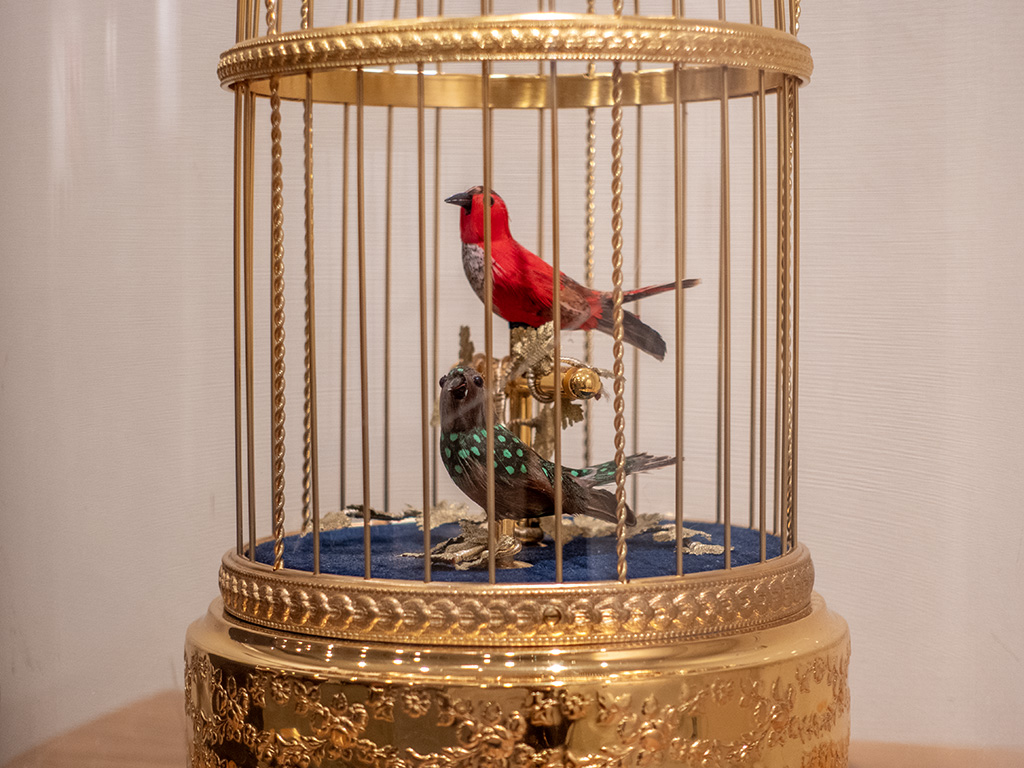
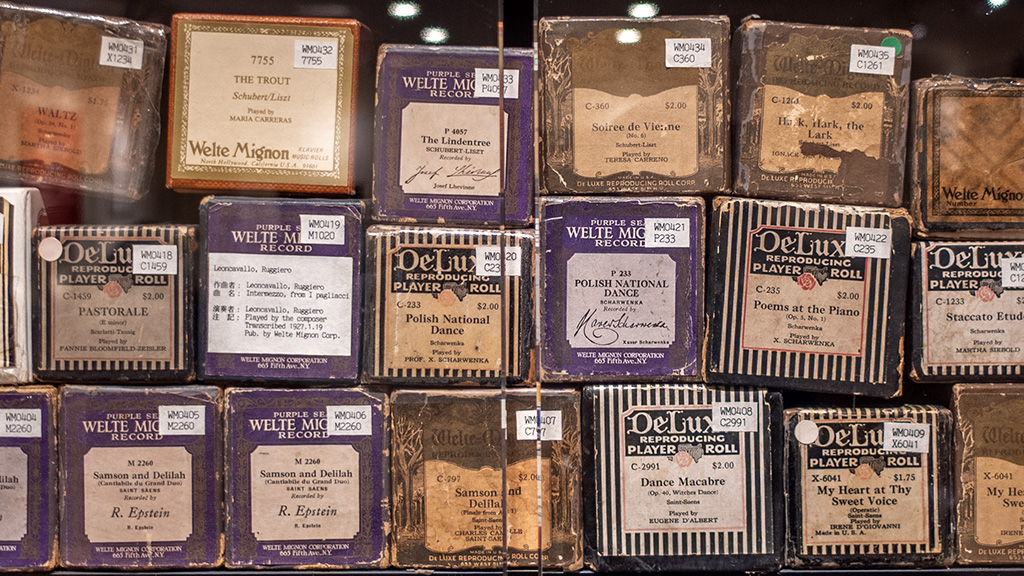
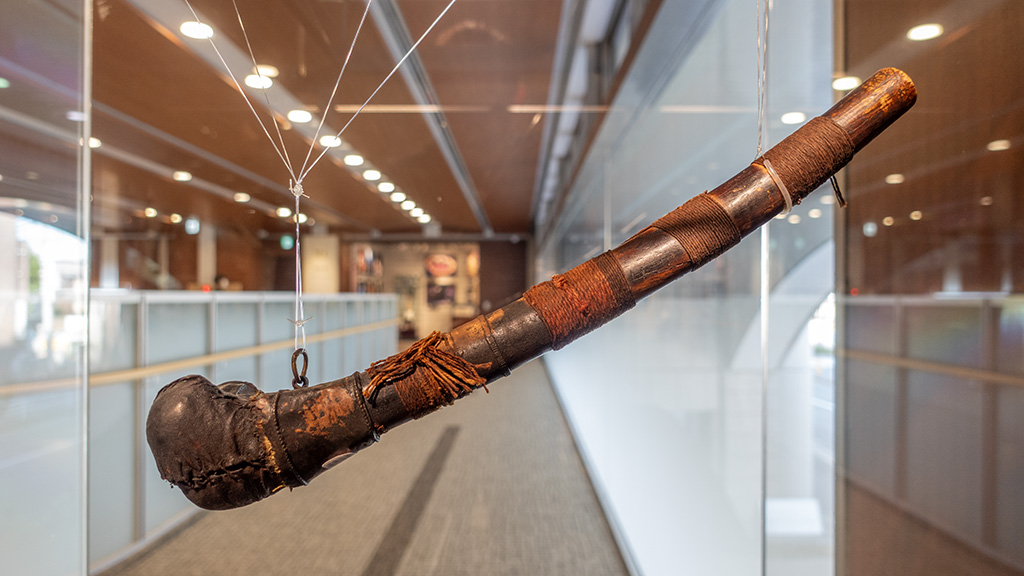
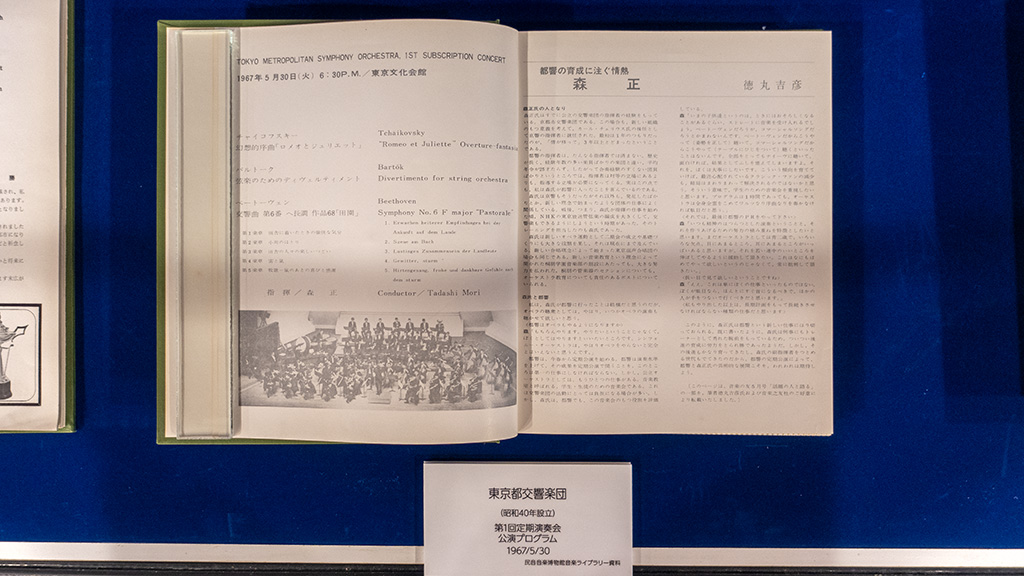
After thoroughly enjoying the live performances, I checked out the final few rooms before wrapping up my museum visit. A bunch of sections in these exhibits had signs prohibiting photography, so I was only able to capture pictures of just a few items in this final area.
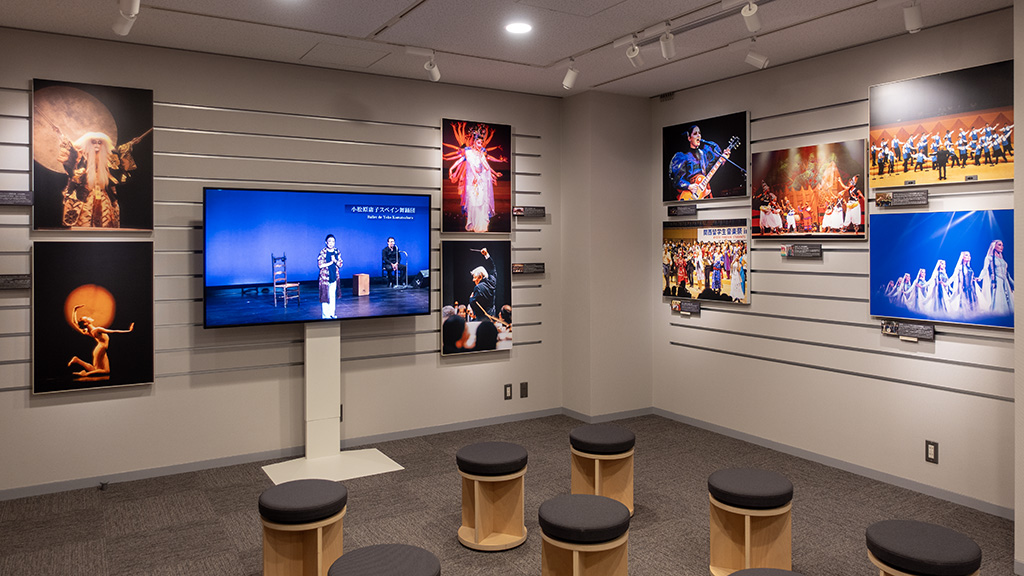
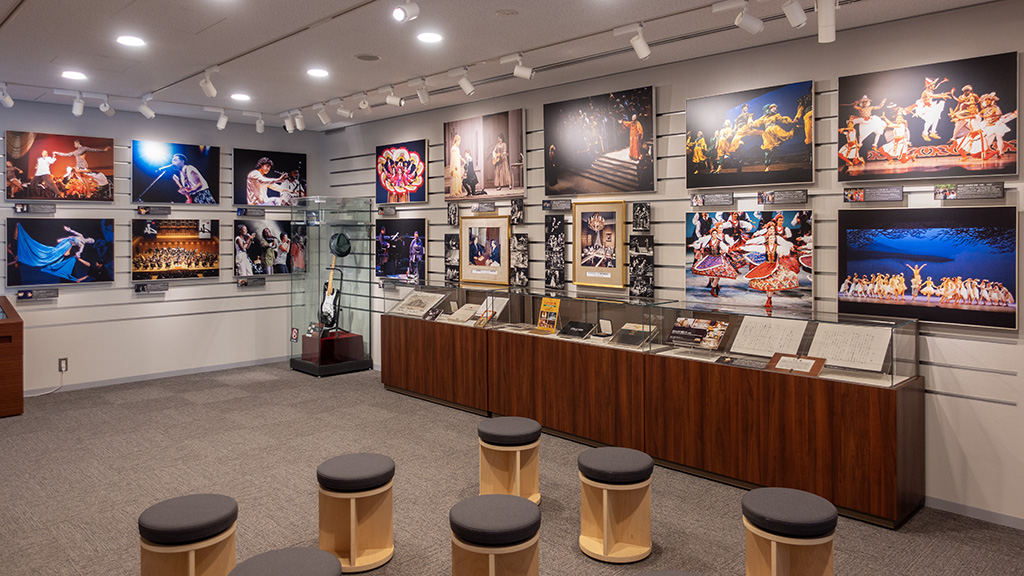
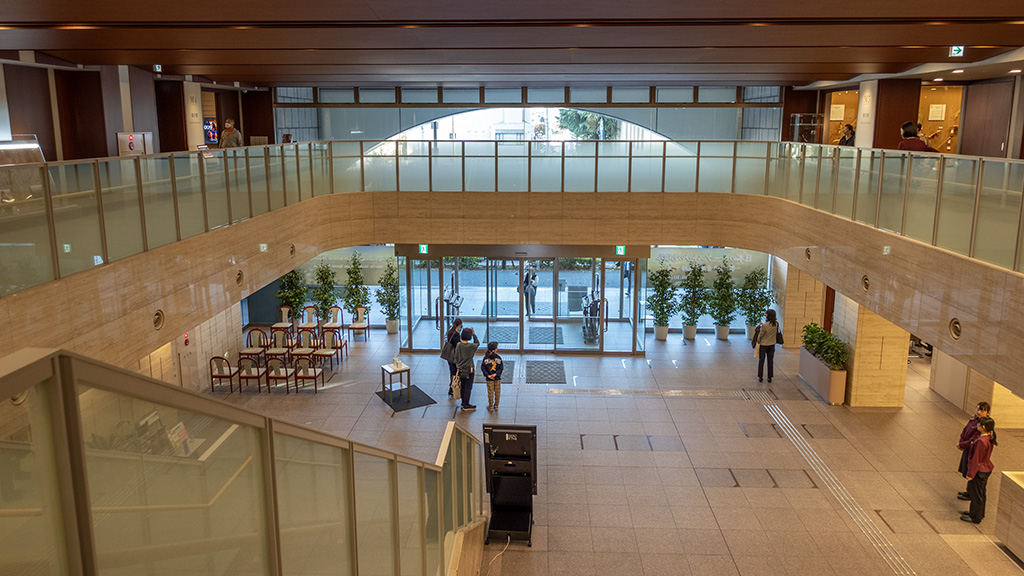
This is a view of the museum from the second floor looking down. The center was fairly wide open, with all the notable rooms—such as the performance halls, museum exhibitions, and meeting spaces—being lined along the edges.
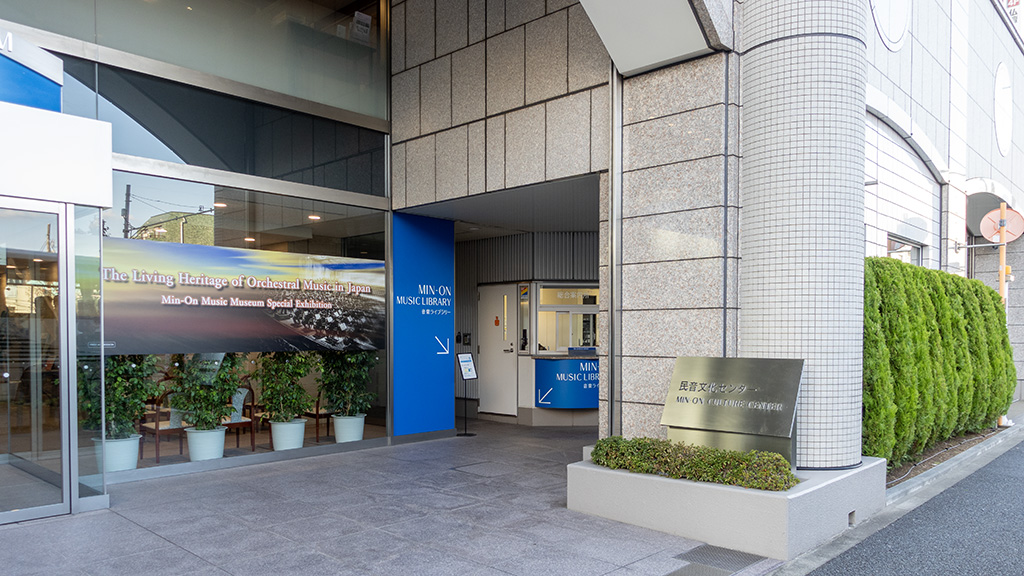
Next door to the museum was the Min-on Music Library. I saw from the website that reservations are required to access the library, and it seemed like the library was more geared towards academics who were going there to conduct research and study (as opposed to being geared towards casual visitors or tourists), so I chose not to go in as to be considerate to those actually using the library for its intended purpose.
I was in this museum for around an hour and a half, and right as I was done and heading out, there was a bus full of people that had just arrived at the front entrance and were filing indoors, all wearing professional business attire and some carrying briefcases. My guess is that they had some sort of special event or conference going on, and I was lucky enough to just barely dodge the congestion.
I’m glad I stumbled across the Min-on Music Museum online so I knew that it existed, and I feel fortunate that I had a chance to visit it. It was one of the more serene and blissful tourist activities I did while I was in Tokyo, and I think it was a very unique experience that I otherwise would not have been able to have in the United States. Yes, I can buy tickets to scheduled orchestral performances in the United States, but that’s not quite the same as being able to go to a free museum and unexpectedly have live piano and music box performances throughout the day.