While I visited Yoyogi Park much earlier on during my two-week trip to Japan, I noticed while using Google Maps to navigate that there appeared to be another park not too far away called the Shinjuku Gyoen National Garden in Shinjuku City. As I mentioned a bunch of times before in my nature-related blog posts from Tokyo, I really enjoy the fact that there are so many serene oases in the middle of a dense city of concrete and steel, so I decided to stop by the Shinjuku Gyoen National Garden during one of my free mornings.

The entrance to the garden was unique in that it basically resembled a train station. Usually, there is a collection of ticket booths and/or kiosks where you can either purchase admission or redeem a barcode that you receive through email after an online order. However, at the Shinjuku Gyoen National Garden, although there was a traditional ticket counter off to the side, the primary entrance consisted of a bunch of lanes through which you could use your transportation card to get in.
I conveniently had a Welcome Suica card, so I scanned that and was able to get in without any wait. I was automatically charged 500円, which was helpful because I loaded my Welcome Suica card with the maximum allowable funds upon arrival and still had a decently high balance nearing the end of my trip, so I was looking for ways to spend the money so it wouldn’t go to waste after I left Japan.

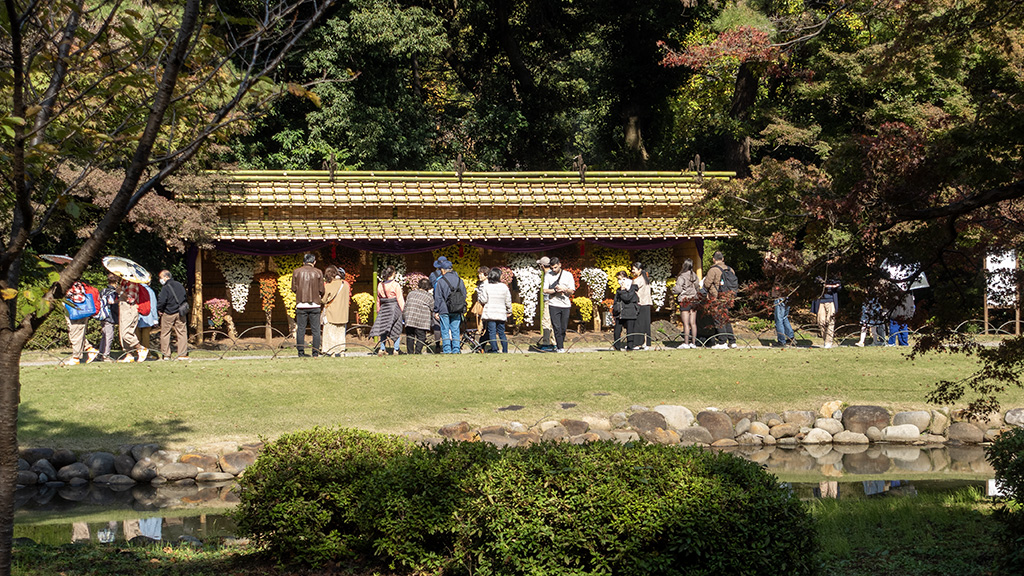
The special feature on rotation during my visit was a floral arrangement. There were a bunch of little huts that housed a wide variety of flowers in a diverse collection of shapes and sizes.
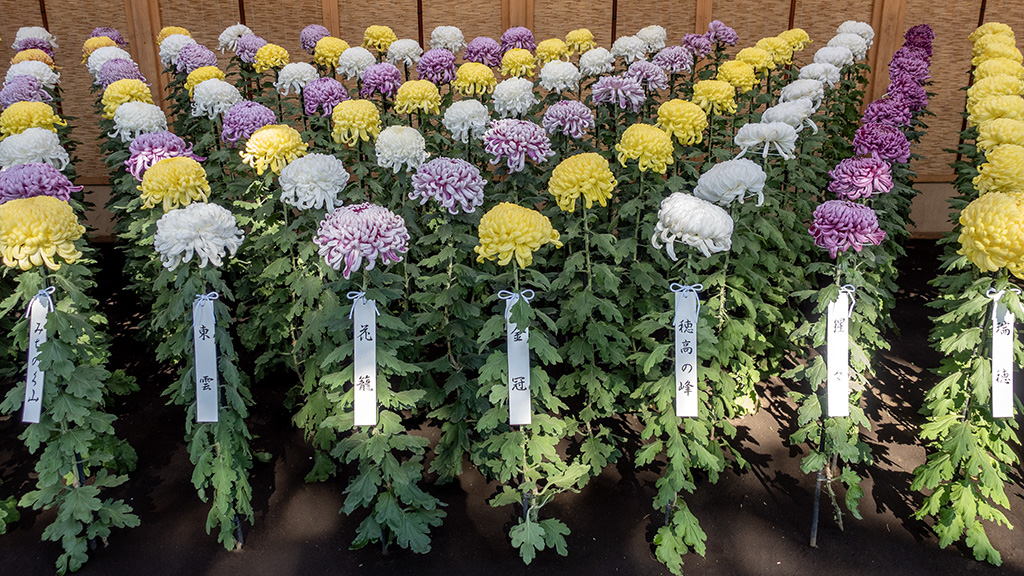
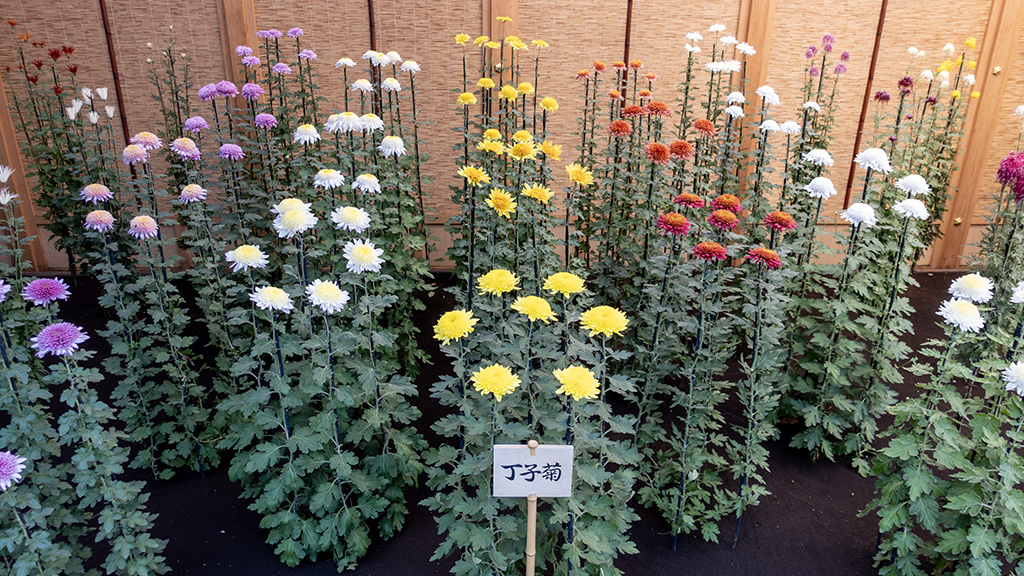
Although I got a few good close-up shots, there were so many people hovered around all the flower arrangements that it was difficult to get some clear photos without having someone else’s body or camera phone in frame. This was overwhelming the most popular area in the garden, which makes sense because I imagine the locals who were visiting had already seen the rest of the garden and were primarily interested in the new sections.
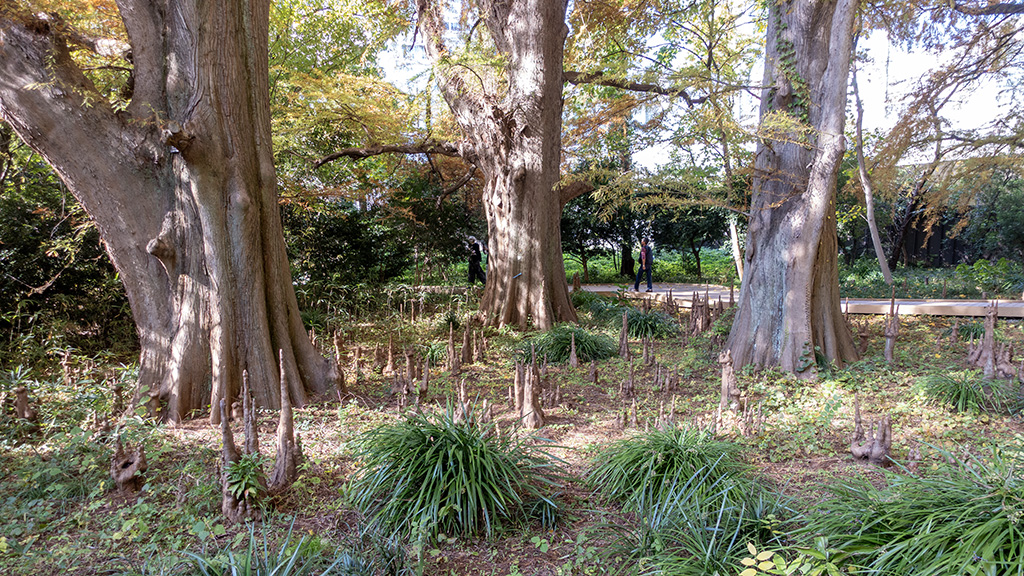
After entering the deeper sections of the park, I stayed along the western side and explored the denser and more foresty areas first.
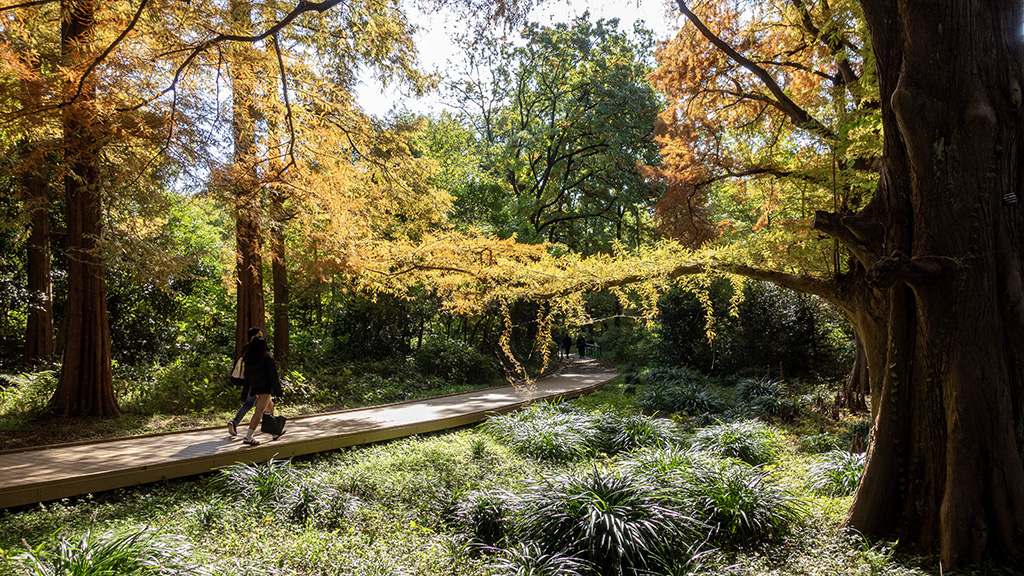
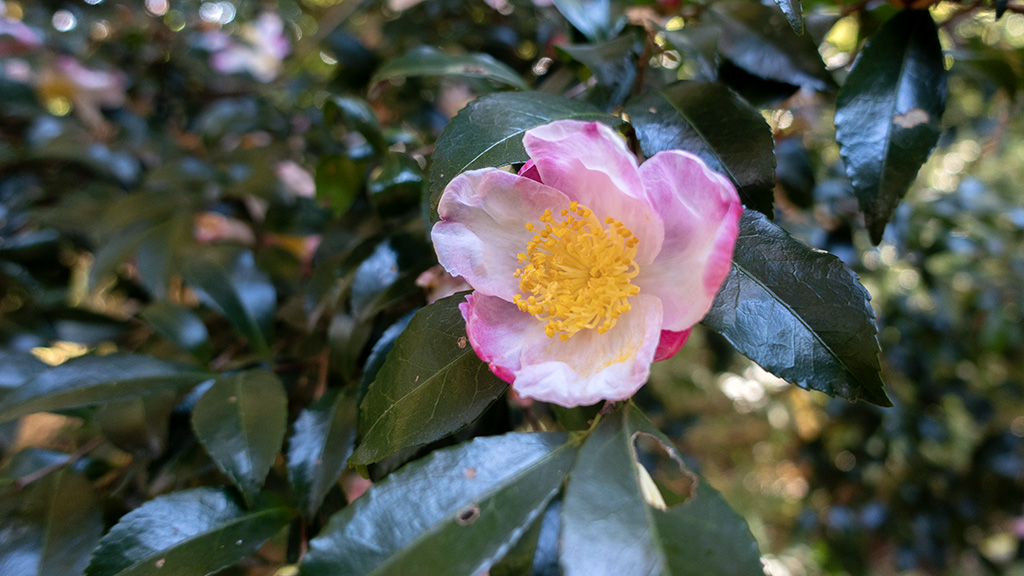
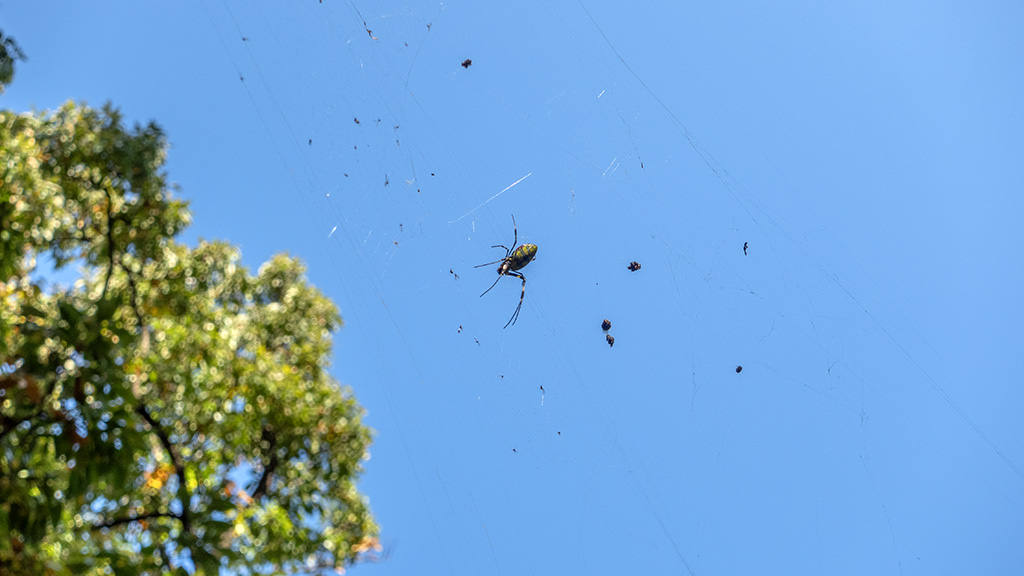
I eventually popped out at 上の池, or Kami-no-ike, which translates to the Upper Pond. I looped around this small body of water a couple times and got some photographs from various different angles and vantage points.
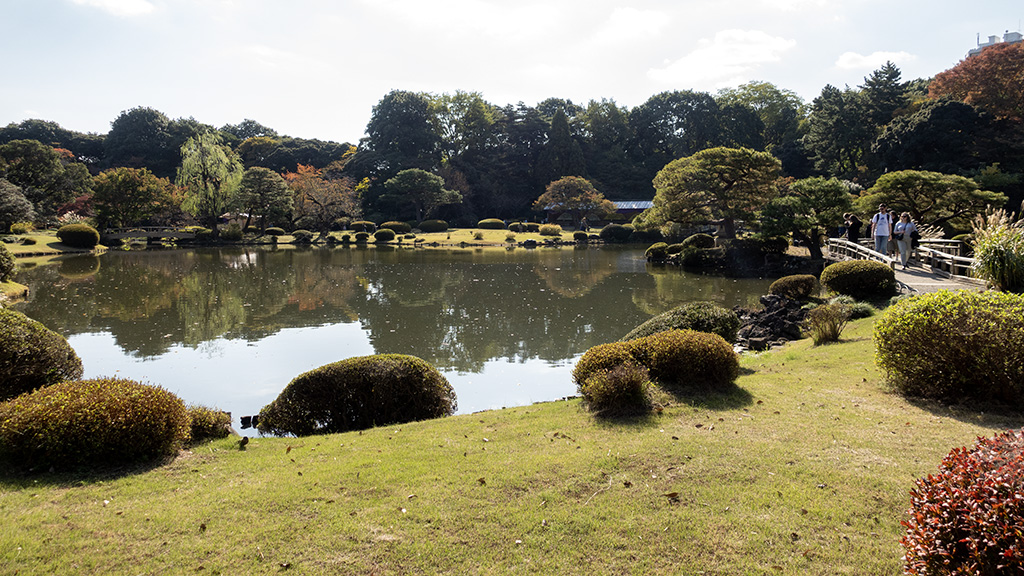

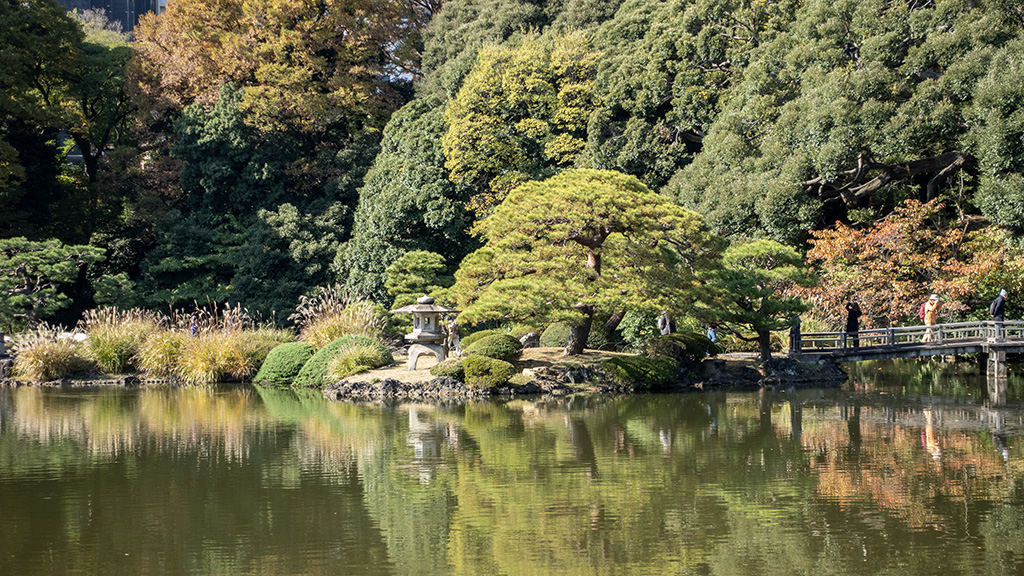
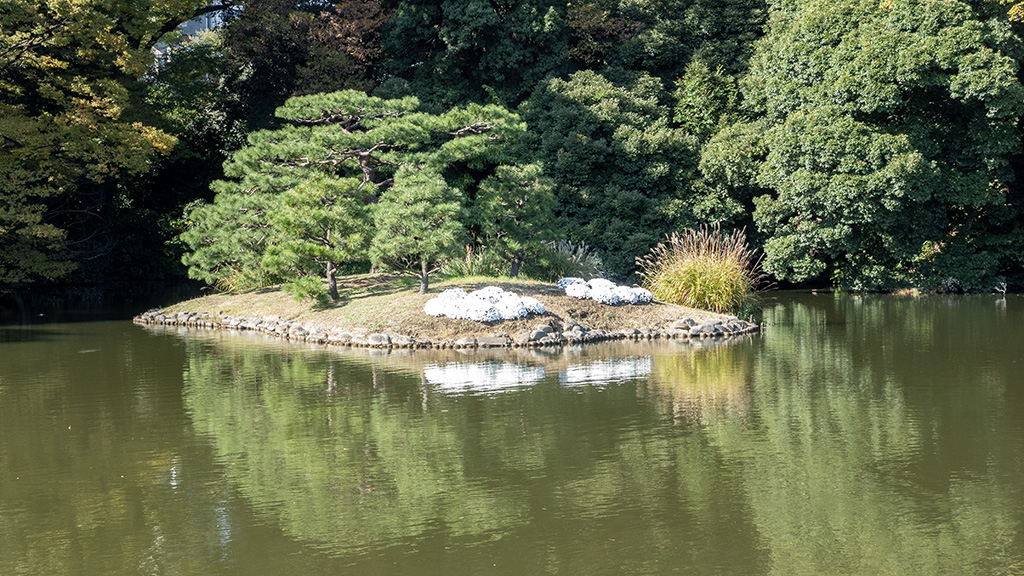
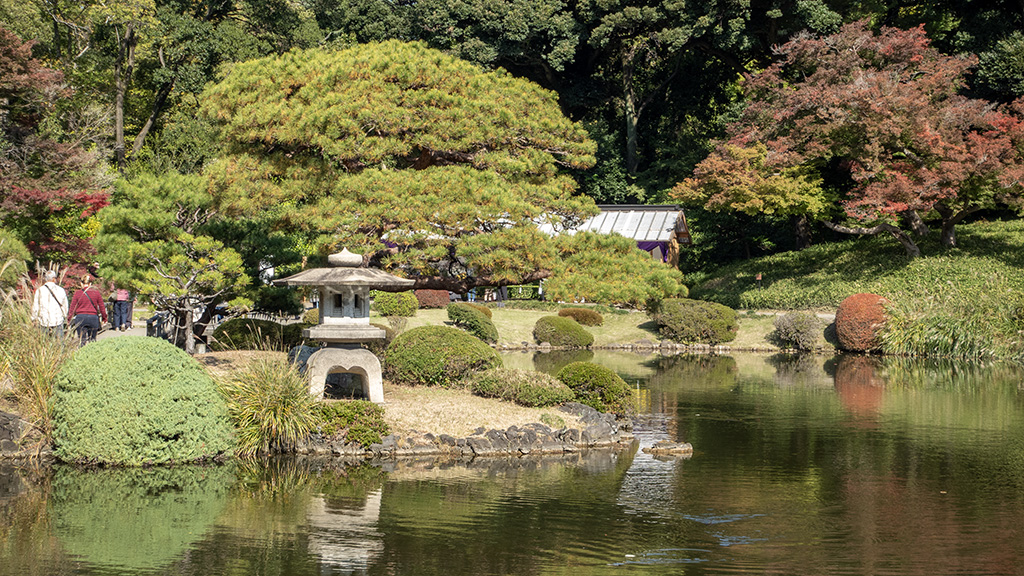
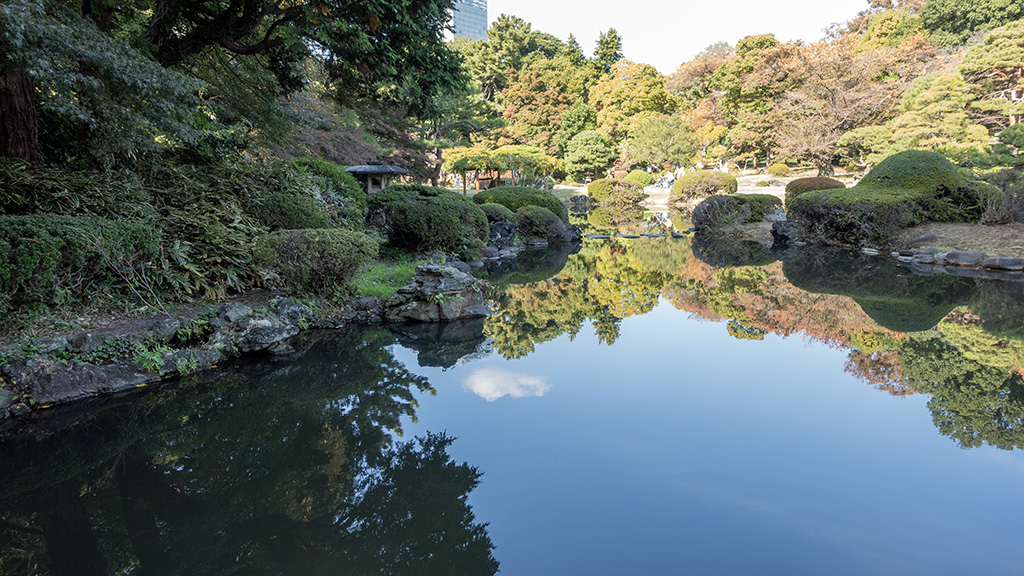
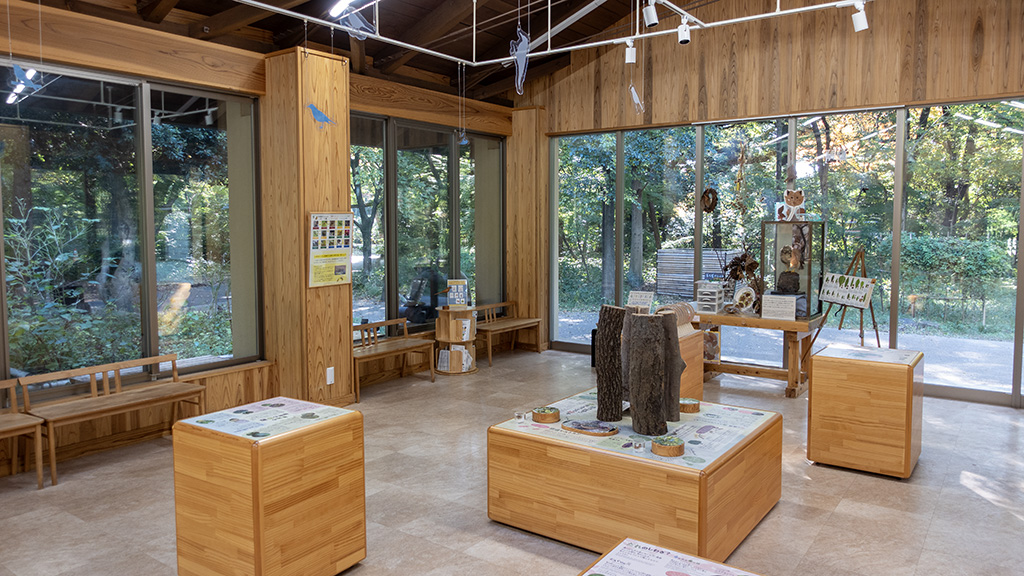
At the end of one of the paths running alongside the forest and connecting to the pond was 森の家, or the Forest House.
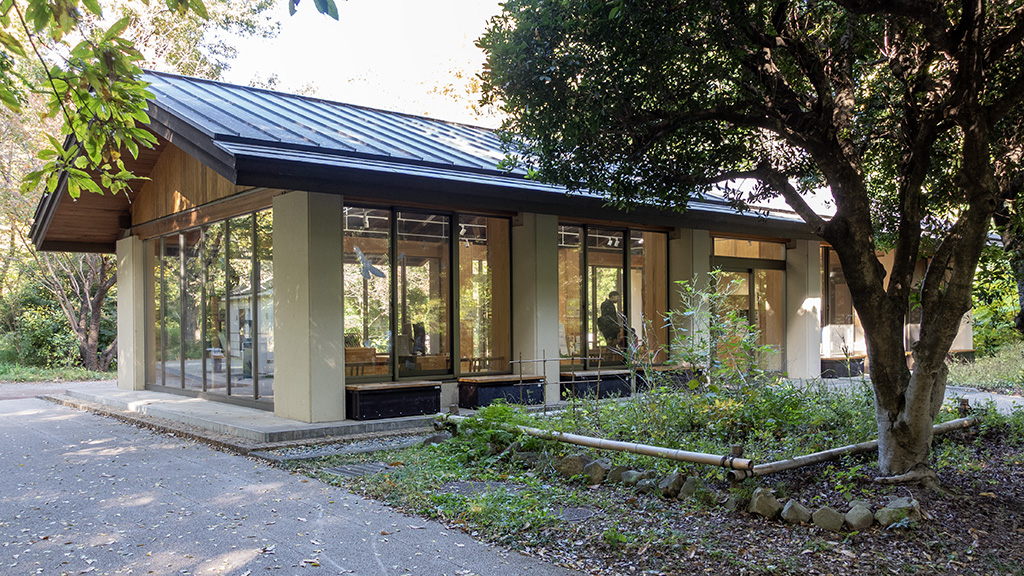
That was a rest house that also doubled up as a small museum.
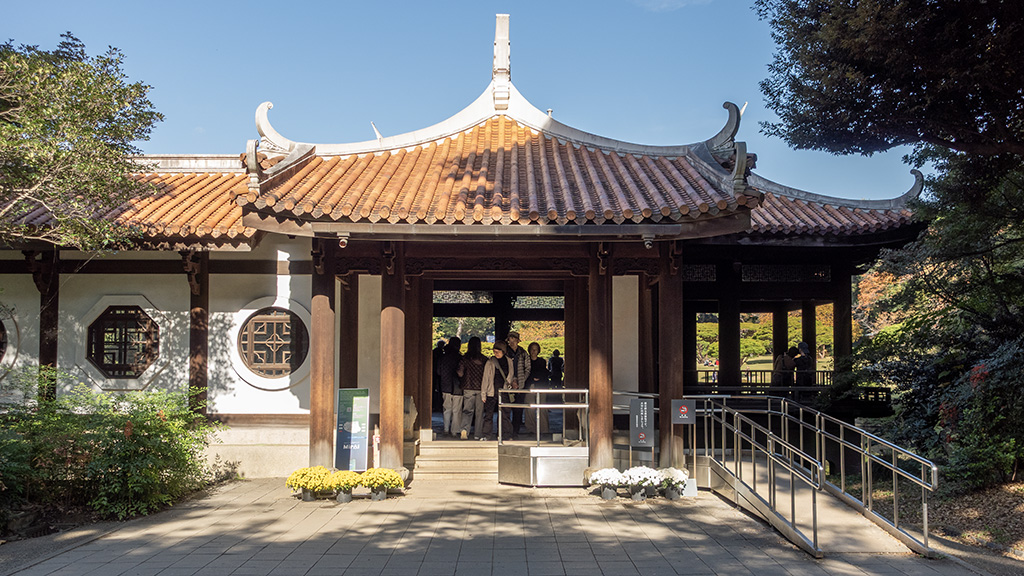
Further east was 旧御凉亭, or the Kyū-Goryōtei, which roughly translates to the Old Imperial Cooling Pavilion and is also commonly referred to as the Taiwan Pavilion.
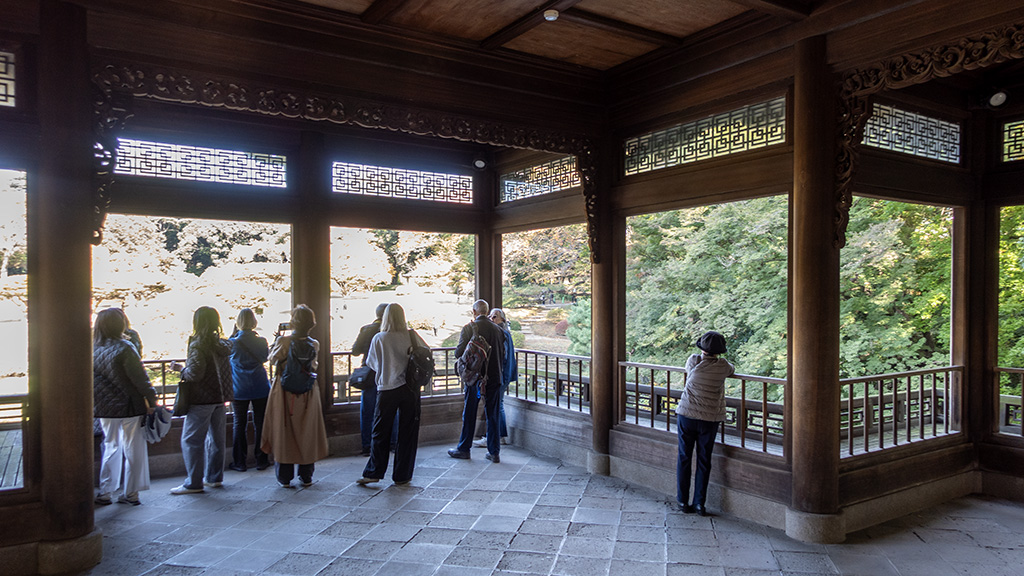

After departing the pavilion, I circled around and captured more photographs of more small bodies of water. Although there wasn’t an endless flow of water from one side of the park to the other, all the ponds were situated close enough that it felt like it extended from the west edge to the east end.
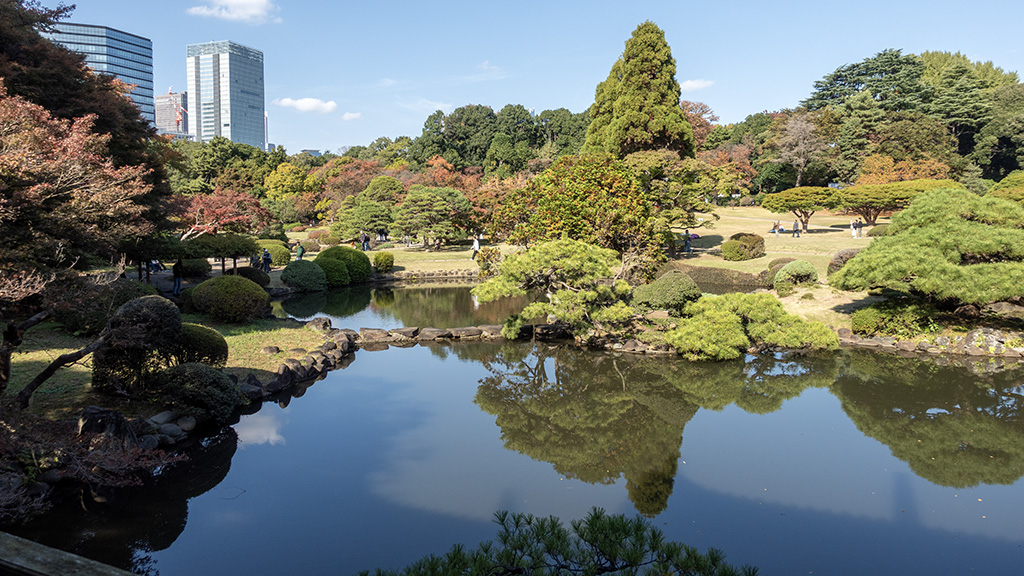
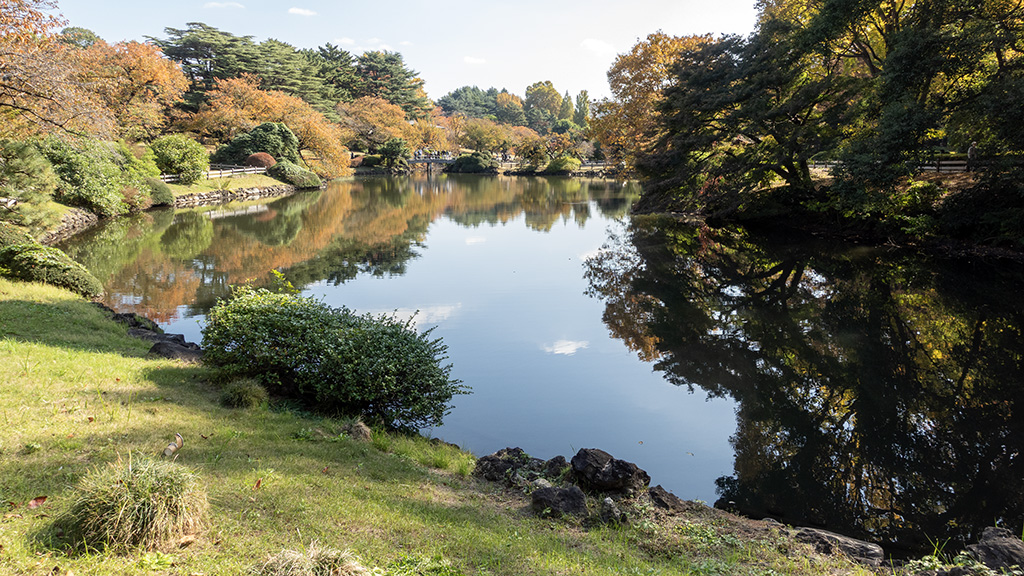
From there, I began heading closer to the center of the park to take a break.
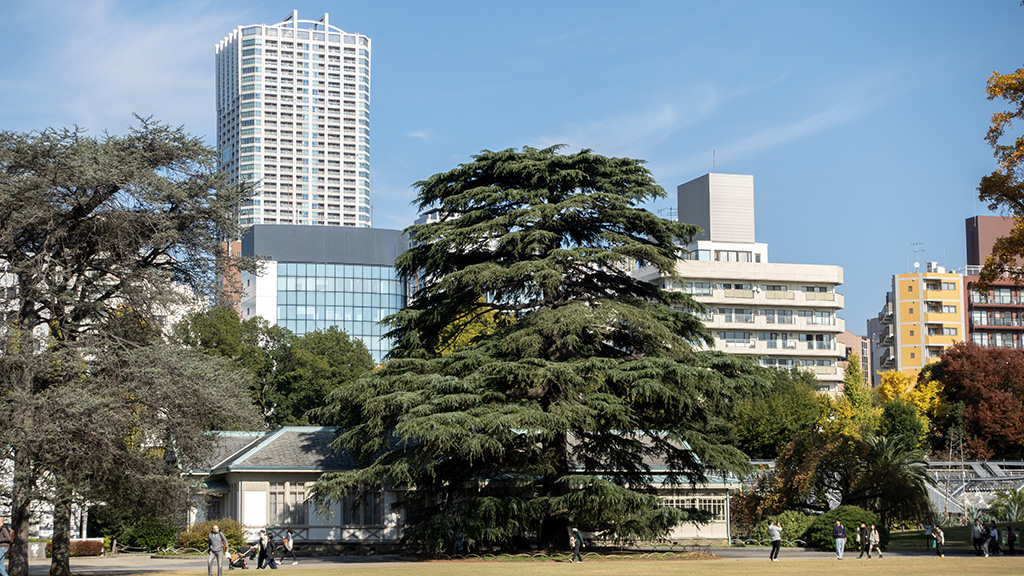
I already mentioned this before in previous blog posts, but one of the things I really like about tourist activities in Japan, especially outdoor ones on large plots of land, is how well-integrated rest areas are in the exploration experience.
I imagine this is likely because Japan has a relatively high ratio of elderly people in their population so they have to accommodate people who might not have as much energy or stamina as young adults, but even for someone like me who can hike for several miles at a time, it’s still nice to have a place to rest up and catch up on some emails and messages after an hour or two of walking.
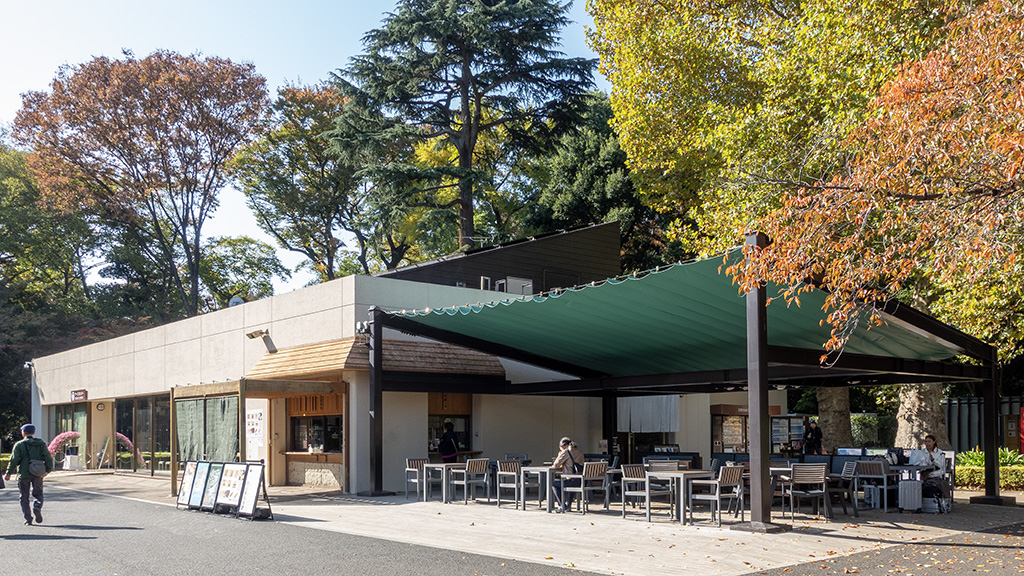
Instead of going to a regular rest house, I decided to take my break at this café in the center of the property.
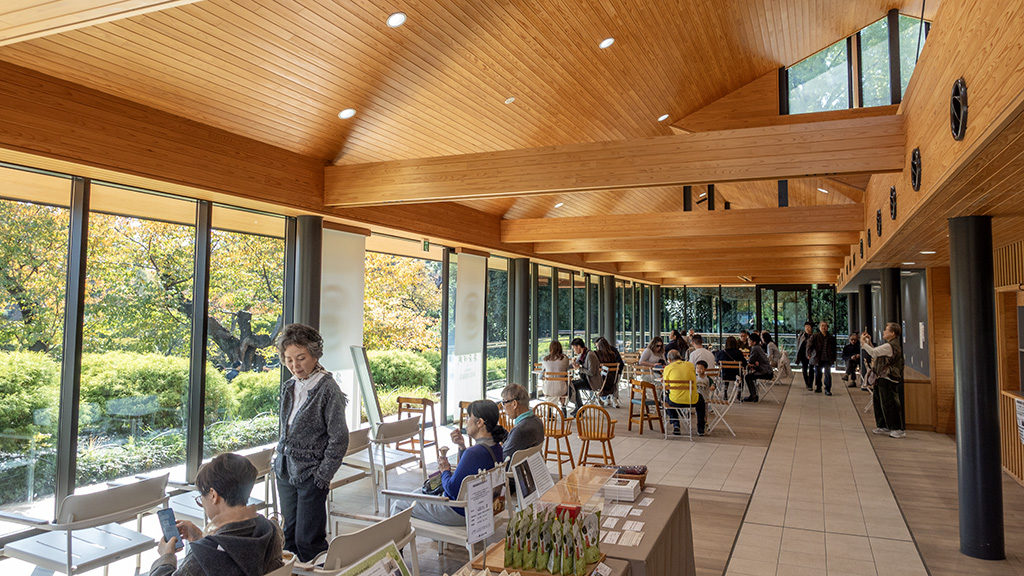
This was my snack of choice—a matcha and red bean dessert in between two fluffy pancakes.
This was as delicious as I expected. The various different flavors combined with and complemented each other well, with none of them being too distinct nor overpowering any other flavors. The texture was pleasant and fun, with the distinct cold ice cream adding depth to the otherwise warmer bun. It had a perfect level of sweetness such that it enhanced the overall flavor profile but did not overwhelm any of the individual flavors.
In the United States, I’m generally avoidant of going to random cafés in the middle of tourist hotspots because the food items they serve are usually overpriced and are just microwaved or otherwise reheated versions of mass-produced generic foods of mediocre quality. However, my luck has been much better in Japan, because it seems like all these spots have actual kitchens with skilled staff who prepare the food well, so I have been having a good time stopping by these cafés and trying out their signature items wherever I go.

After finishing my food, I trekked back out and walked over to the on-site greenhouse.
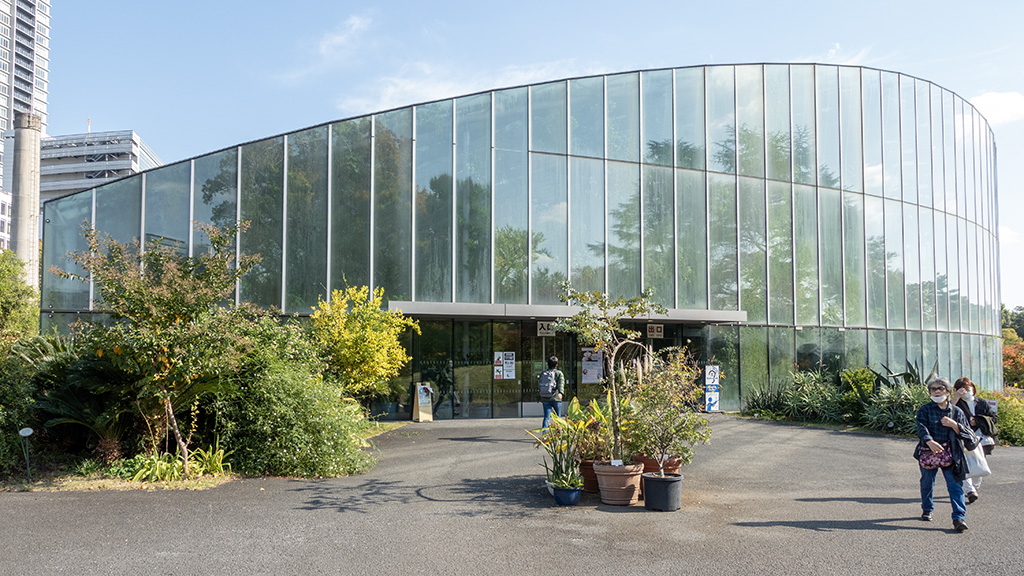
There were a lot of “no photography” signs inside the greenhouse, but those signs also included a clarification that the prohibition on photography was specifically for professional photographers using professional equipment to photograph models. Other people were taking pictures inside with their phones, so I figured that my still frames of the vegetation wouldn’t be an issue.
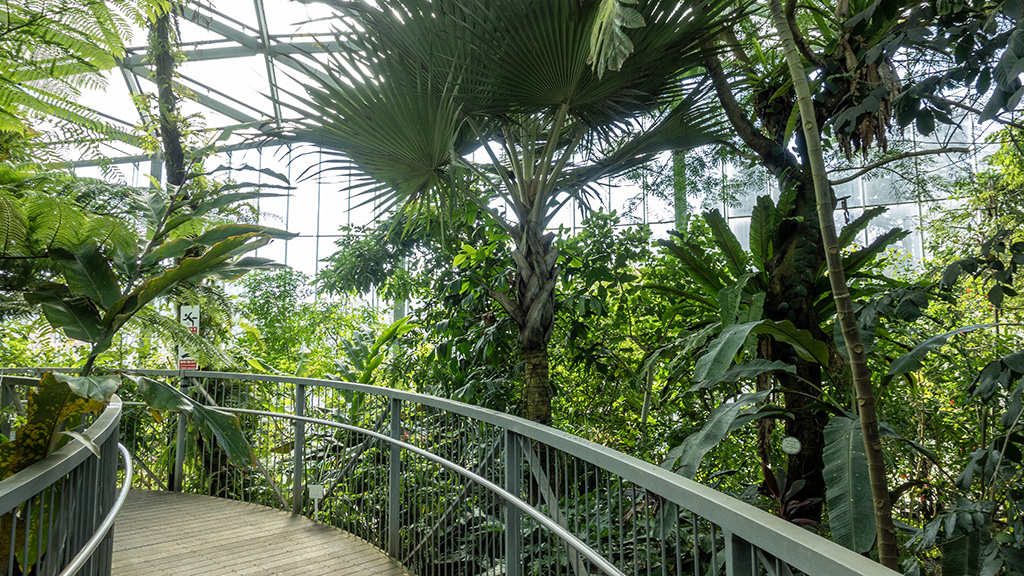
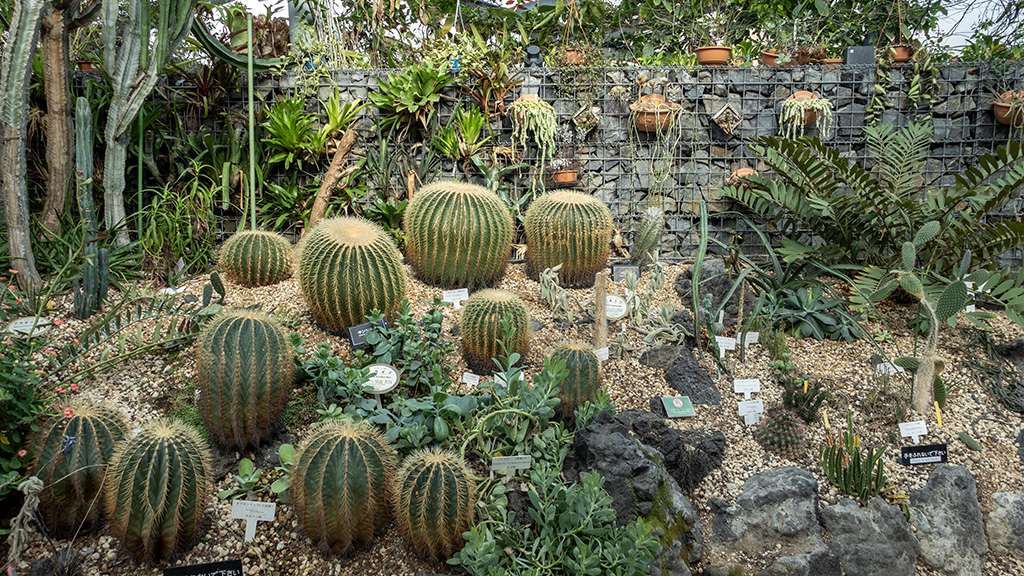
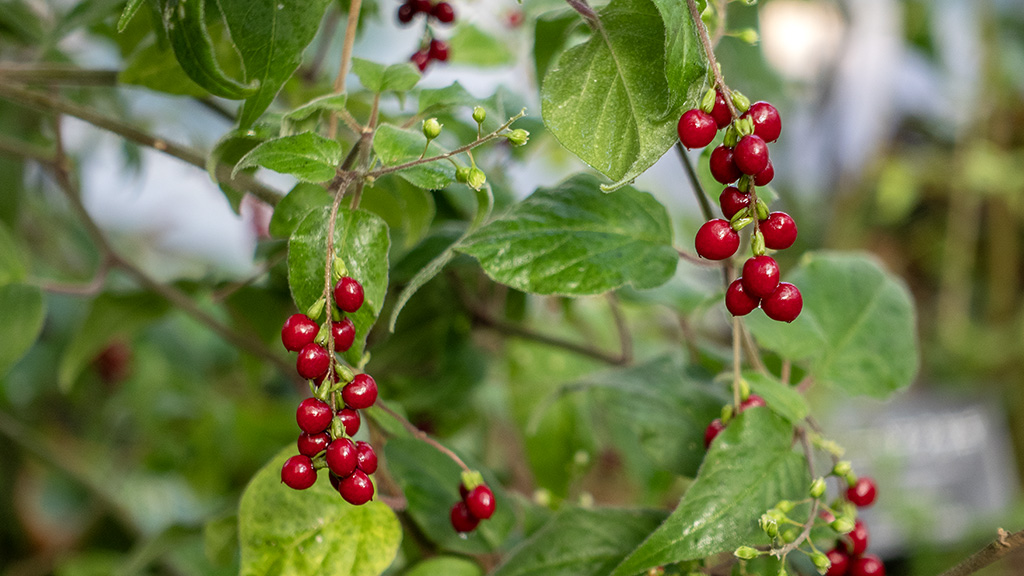
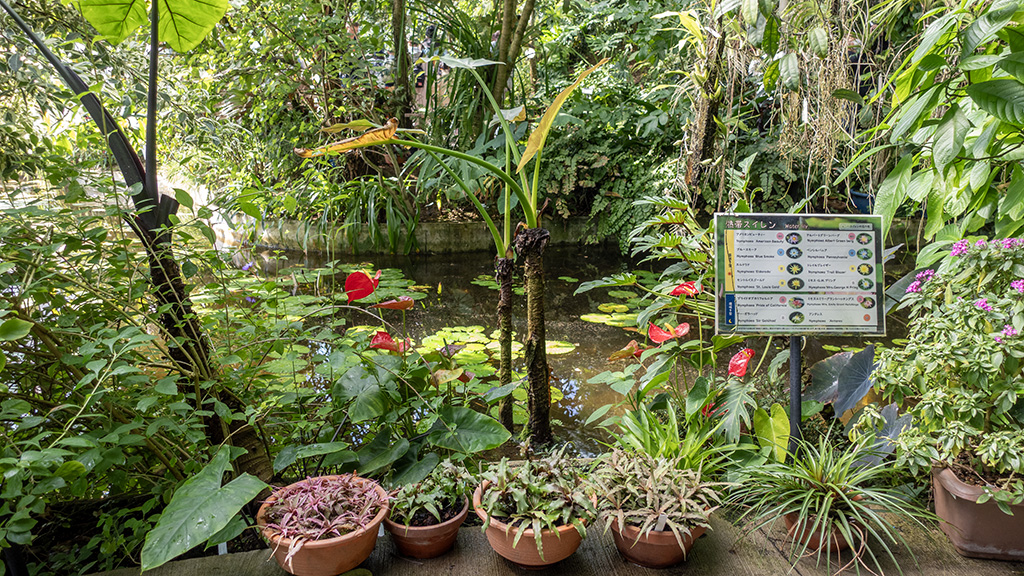
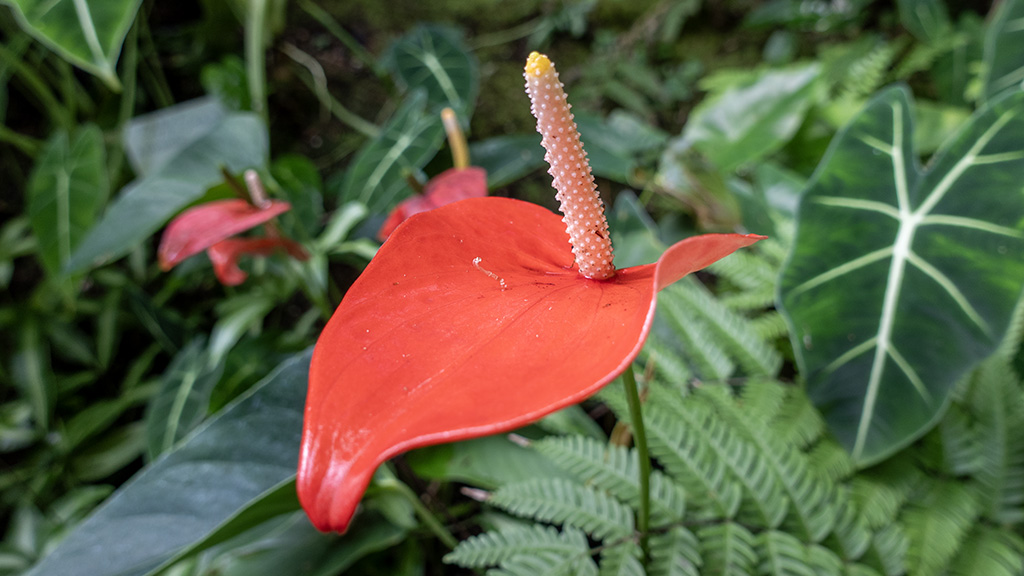
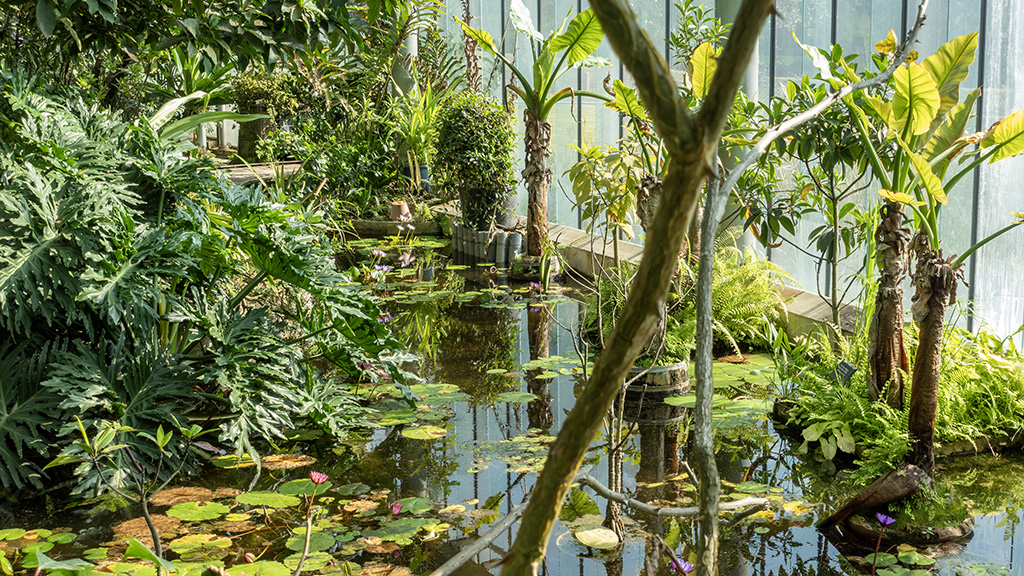
After doing a full loop throughout the greenhouse, I headed back outdoors to check out the pre-war greenhouse remains and the smaller greenhouses off to the side in a blocked-off area.
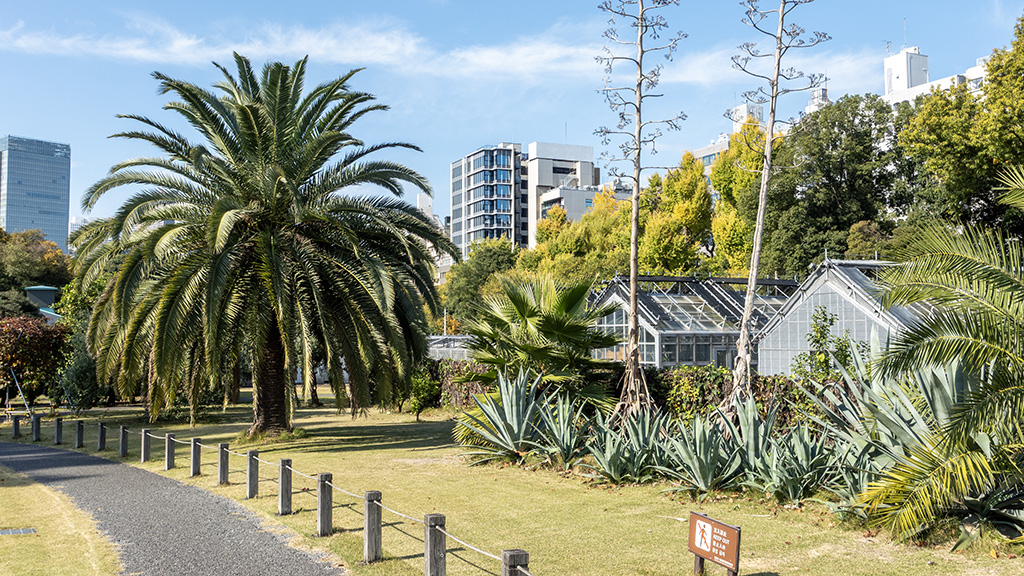
Just down the path was 管理事務所, or Kanri-Jimusho, which translates to the Management Office.
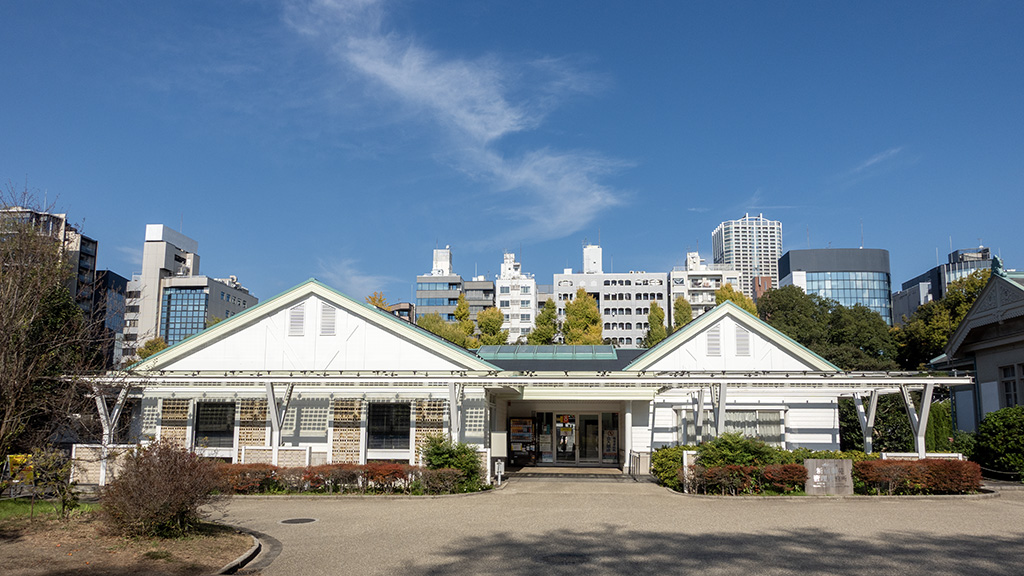
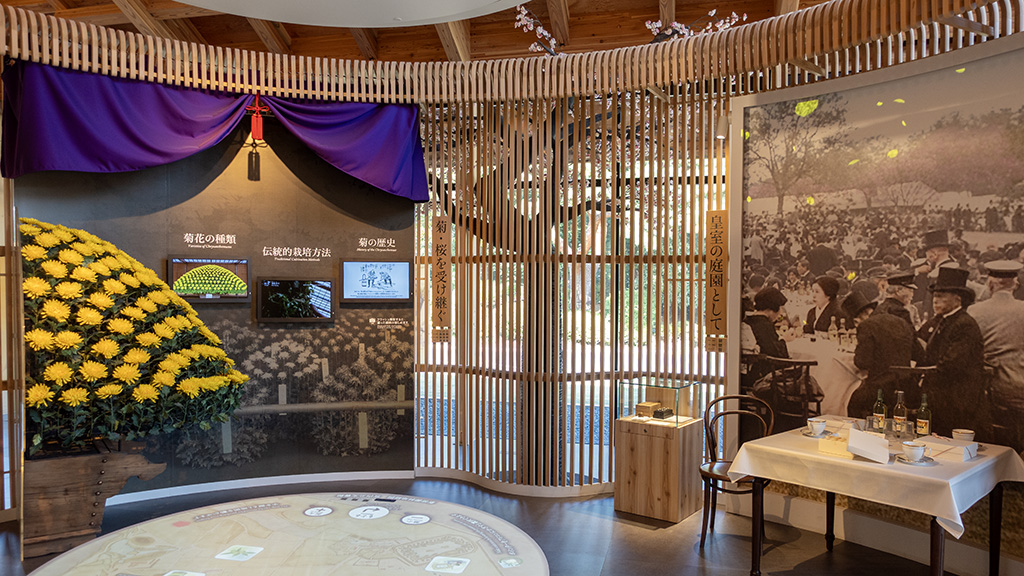
At this point, I noticed that I was nearing the gate through which I had entered, but there was still a section of the park I hadn’t yet seen. I retraced my steps and went backwards to the eastern side of the park, and in the process, ran into 新宿御苑ミュージアム, or the Shinjuku Gyoen Museum. It was relatively small in size, but still had some nice things to look at inside.
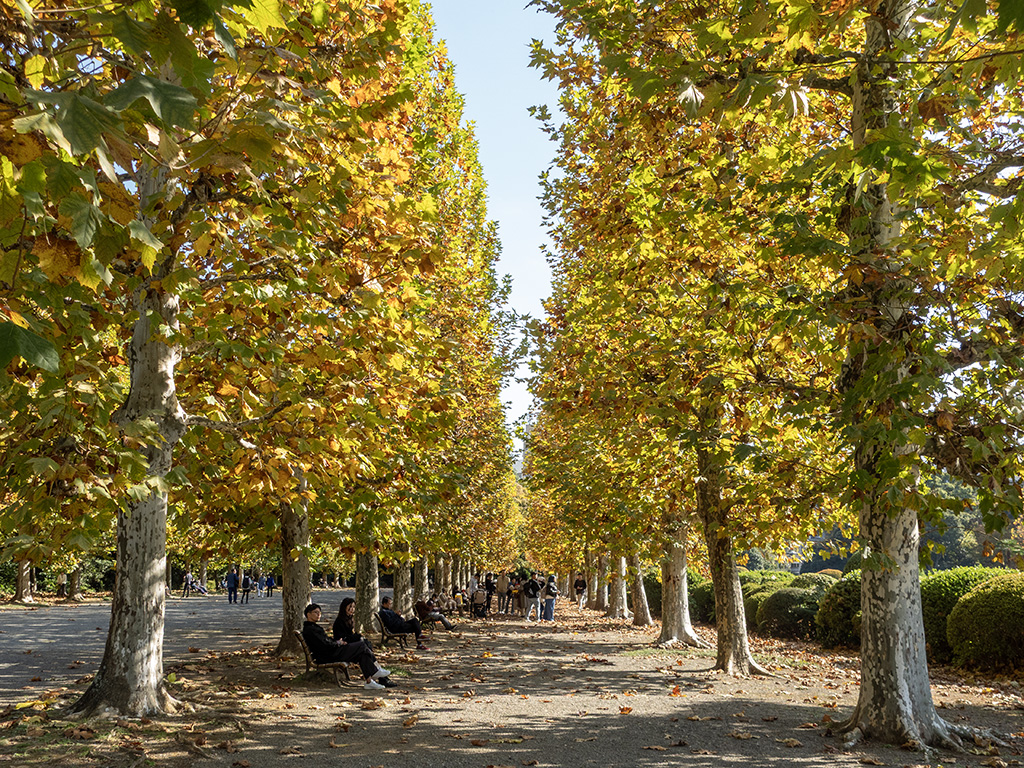
The southeast corner of the park was home to プラタナス並木, or the Puratanasu Namiki, which roughly translates to Platanus Row Road. As you can likely tell by the name, this was a walking path hugged by two rows of Platanus trees, one on either side.
Also in this area was 整形式庭園, or Seikeishiki Teien, which translates to the Formal Garden. Because this was at the far edge of the garden, the buildings were peeking through, which made for some nice photographs that showed the contrast between the lush green trees of the garden and the tall manufactured buildings of the city.
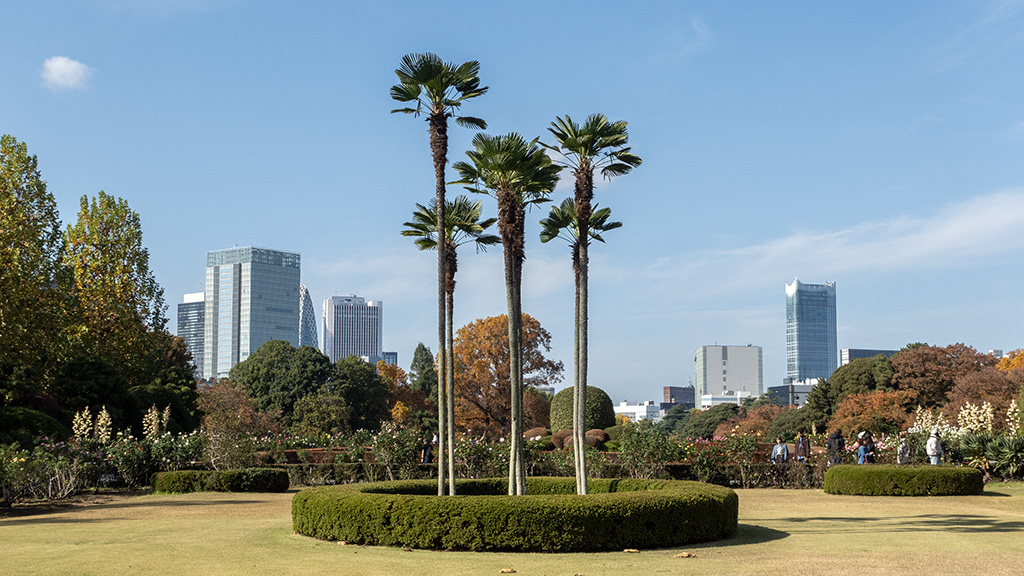
After confirming that I had seen everything notable in the garden, I cut across through the center to make my way back to the exit. On the way, I saw what was probably the most unique-looking Starbucks I’d ever seen. I don’t go to Starbucks too often, but I figured it would be fun to grab a drink on the way out so that I can say I’ve been to Starbucks in Japan and compare it to the United States; unfortunately, the line was literally over 40 people long, and I didn’t feel like waiting, so I decided to pass.
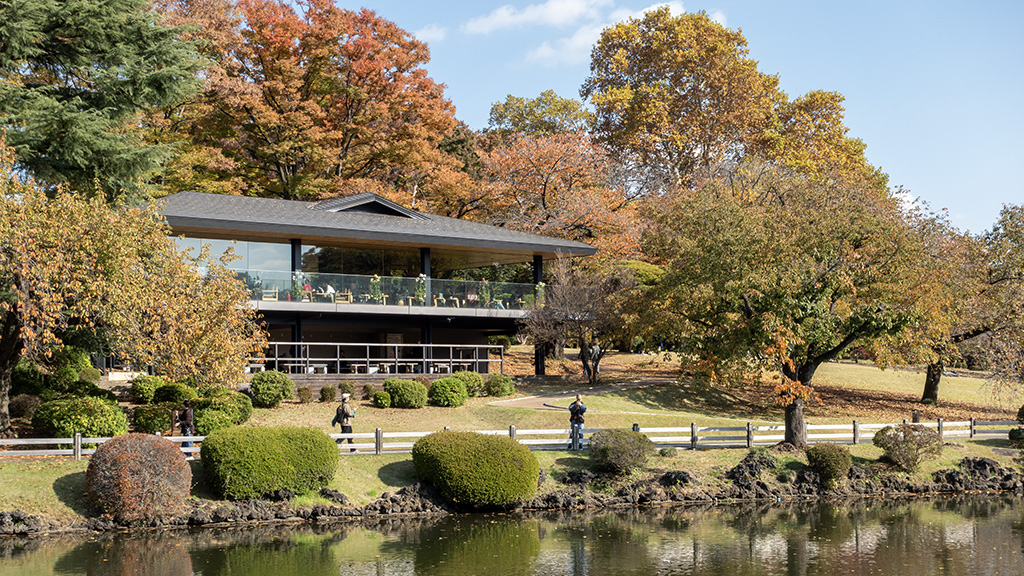
Because I decided to just keep my United States sleep schedule in Japan considering that I tend to go to sleep fairly late while at home, I ended up waking up very early in Japan. I arrived at the Shinjuku Gyoen National Garden early in the morning, right around when it opened, so it wasn’t too busy for most of my stay.
However, when I was done seeing everything and was getting ready to leave, it was in the late morning and approaching the afternoon, which meant much more people had arrived by then. It appeared like the garden was a hotspot for picnics, as a lot of families had set up blankets on the lawn to enjoy a meal while sitting in nature.
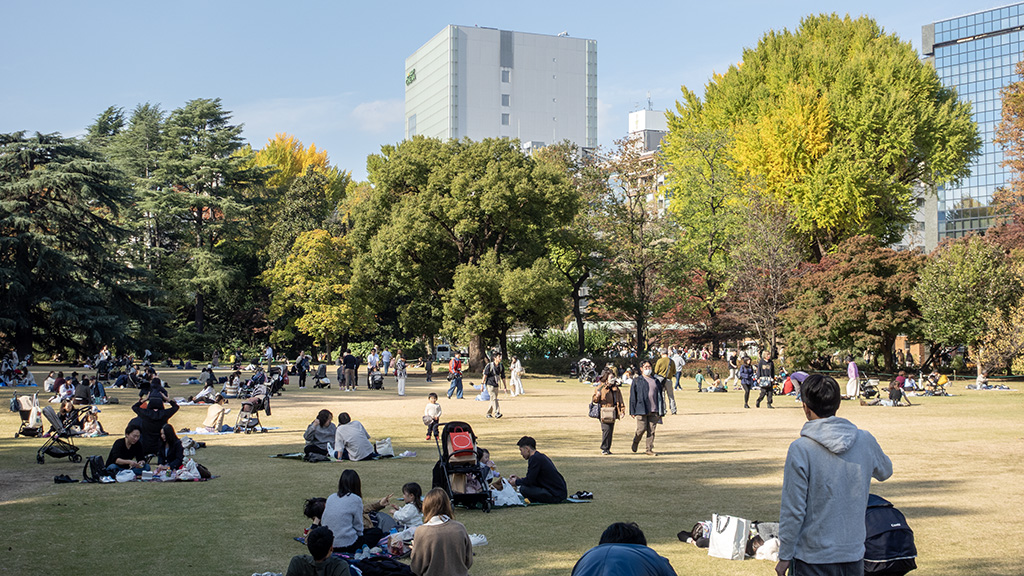
Although all these parks fit the generic “nature retreat inside a busy city” archetype, they all had their on unique identities. Compared to the other two major ones I went to—Yoyogi Park and the Imperial Palace—the Shinjuku Gyoen National Garden seemed to be the smallest in area, but felt the largest. I imagine this was because I didn’t fully get to see all of Yoyogi Park and Meiji Jingū because I was just following my friends around for that, and a big portion of the Imperial Palace grounds were not accessible to the public.
Overall, I had a nice morning at the garden as a refreshing start to my day. According to my fitness tracker, this also served as good exercise, as my thorough meandering and navigating through the park ended up netting me just shy of five miles’ worth of steps.